Where to Find Raw Milk: A Guide to Sourcing, Farms and Quality
Raw milk has a way of making people feel like they have discovered a secret door in the modern food system.
By Niall Kiddle, Founder, Organised

Reviewed by Pedro Rodrigues, Agronomist (farming and sourcing only) ·
13 min read · Published · Updated
Makers of the Organised Daily blend, a grass-fed beef organ supplement from regenerative UK farms
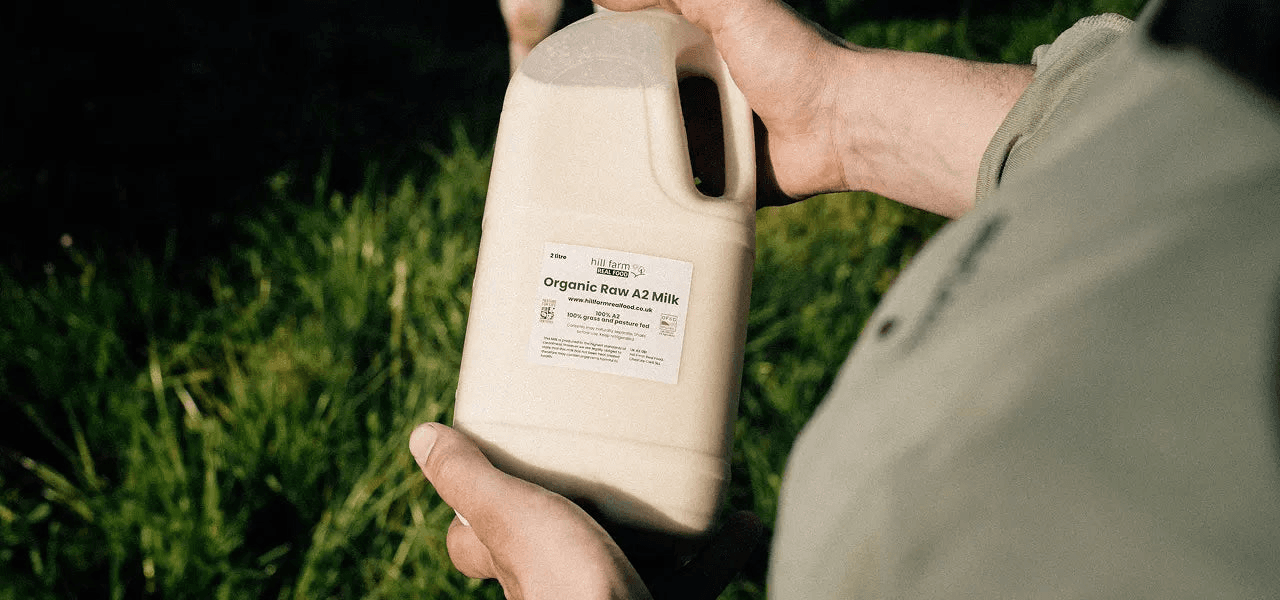
One sip and it is obvious why. The flavour is fuller. The texture is richer. The cream rises like it is meant to. It feels less like a product and more like what it actually is… a living food, fresh from an animal, shaped by pasture, seasons, and the care of the people who milked it.
But raw milk also asks something of you in return.
If you want the benefits, you have to source it properly. You need to know where it came from, how it was handled, and what “good” actually looks like. This guide is here to help you do exactly that, with a practical roadmap for where to find raw milk, what to ask, and how to build a sourcing routine that feels simple, not stressful.
If you want a broader milk deep dive too, we already have a full milk sourcing guide that covers everything from homogenisation to A1 vs A2 and the best alternatives if raw is not accessible. It is worth reading alongside this one.

What is raw milk?
Raw milk is milk that has not been pasteurised. Pasteurisation is a heat treatment designed to kill bacteria and extend shelf life.
Raw milk goes from the animal to the bottle without that heat step. It is generally sold chilled, and it is usually minimally processed overall.
A quick note that matters… raw milk is not always the same as unhomogenised milk, but they are often paired. Homogenisation is a mechanical process that breaks up the fat globules so the cream does not separate. Raw milk often comes unhomogenised, which is why you will usually see a thick cream line at the top.
That cream line is not a flaw. It is a sign that the milk has not been forced into uniformity.
Raw milk can come from cows, goats, sheep, buffalo, and other milk producing animals. In most places, the legal definition and sales rules vary by animal and by region, so think of “raw milk” as a category rather than a single universal standard.
Why people love raw milk, and the potential benefits
Let’s keep this grounded, raw milk is not magic. It is not a cure. It is not a shortcut around a poor diet.
But when it is sourced well, it can be one of the most nutrient dense, satisfying foods you can add to your routine. Here is why so many people seek it out.
It is a whole food, in its whole form
Raw milk is not just protein in water. It is a complex emulsion of fats, proteins, sugars, minerals, and bioactive compounds, delivered in a form nature designed for growth and repair.
People often notice that it feels more satiating than standard supermarket milk. Not because it is “stronger”, but because it is less stripped down.
It often digests differently for some people
Many people who struggle with conventional dairy find they tolerate raw dairy better, especially when it is also:
-
Unhomogenised
-
From grass-fed animals
-
From A2 producing breeds (commonly Jersey or Guernsey for cows, and typically goat and sheep milk by nature)
Often, those who are lactose intolerant find that they tolerate raw dairy far better than conventional milk, and the reason lies in how milk is processed. Raw milk naturally contains enzymes and lactase-producing bacteria that help begin breaking down lactose before it reaches the gut, effectively reducing the digestive burden on the body.
During pasteurisation, this living enzyme activity is destroyed by heat, leaving lactose intact and forcing the body to rely entirely on its own lactase production. For those who produce less lactase, this can lead to bloating, cramps, or discomfort with pasteurised milk, while raw, unpasteurised dairy may feel gentler and easier to digest.
That does not mean raw milk works for everyone. It just means the modern dairy experience is not always the same as the ancestral dairy experience.
It can be a gateway to cultured foods
One of the most underrated benefits of sourcing raw milk is what it opens up in your kitchen.
Raw milk is the starting point for:
-
Kefir (make your own using our easy recipe)
-
Yogurt
-
Clabbered milk (traditional souring)
-
Cultured butter
-
Farmer cheese
Even if you only drink raw milk occasionally, using it to make fermented dairy can turn “a risky habit” into “a thoughtful, traditional practice” that you control.
It supports microbial diversity
Raw milk is a living food, naturally containing a diverse range of beneficial bacteria that have co-evolved with humans for thousands of years.
Unlike pasteurised milk, which is rendered sterile by heat, raw milk delivers microbes in a food matrix designed to support digestion, immune signalling, and gut balance. These naturally occurring bacteria act as gentle, food based probiotics, helping train the immune system and support microbial diversity rather than overwhelming it with isolated strains.
It reconnects you to real farms
This is the quiet benefit that changes everything.
When you stop buying milk as a faceless commodity and start sourcing it from a farm, you begin paying attention to the land, the animals, the seasons, and the standards. Your food becomes traceable again. You begin to see what a good farm looks like.
That alone tends to upgrade the rest of your shopping without you even trying.

The controversy around raw milk
Raw milk sits right at the intersection of two truths.
Truth one: raw milk can carry harmful bacteria and can cause food poisoning, which is why health agencies treat it as higher risk than pasteurised milk.
Truth two: not all raw milk is created equal, and the way it is produced and handled makes a meaningful difference to risk.
Pasteurisation became widespread for a reason. In the era of industrial dairies, long transport chains, and questionable hygiene, heat treatment reduced illness. That history still shapes how raw milk is discussed today.
But here is what often gets lost in the noise… the modern debate tends to treat raw milk as a single thing, when in reality it spans everything from exceptional, clean, small herd farms to mass scale milk that was never meant to be consumed raw.
So the best approach is not to pick a side. It is to become discerning.
A simple, honest safety note
If you are pregnant, immunocompromised, older, or buying for infants and small children, you should be extra cautious. Food Standards Agency advice flags these groups as more vulnerable to food poisoning from raw drinking milk.
If you are in one of these categories and still want to explore raw dairy, consider starting with cultured options from a trusted farm and speak to your healthcare professional. This is not about fear, it is about matching the decision to your context.

Where to find raw milk near you
If you have ever googled “where to find raw milk”, you will know the problem is not just availability. It is clarity. You can find plenty of vague answers, but not many practical ones. Here are the real routes that actually work, plus how to choose the one that fits your life.
Farm gate sales
This is the classic. You drive to the farm, you buy the milk, you go home.
Farm gate raw milk tends to be:
-
Fresher
-
Easier to ask questions about
-
More likely to be handled with care, because the farmer drinks it too
If you can, visit once in person even if you plan to buy regularly later. Seeing the place tells you more in ten minutes than a label ever could.
Farmers markets
Many people discover their raw milk supplier at a farmers market, simply because it removes the awkwardness of cold calling farms.
You can speak face to face, ask about herd practices, and see who attracts a line of regulars. The energy at a stall matters. People vote with their feet.
Milk rounds and delivery routes
In some areas, raw milk is distributed via delivery vehicles or local milk rounds, depending on what is permitted in that region.
This can be the best option if you are time poor, or if you want the consistency of a weekly routine. Just make sure the cold chain is solid and the milk arrives properly chilled.
On-farm vending machines
In places where it is allowed, raw milk vending machines can be a surprisingly good option.
They usually work like this:
-
You bring a bottle, or buy one
-
You fill it on site
-
The milk stays chilled in the machine
It is simple, low contact, and ideal if you want farm gate quality without needing the farm shop to be open at the exact moment you arrive.
Ask the farmers you already buy from
This sounds obvious, but it works.
If you already buy eggs, meat, honey, or veg from a local producer, ask them if they know a dairy nearby. Farmers know other farmers. The best suppliers are often found through the quiet network, not through search engines.
How to find raw milk farms fast, without going down a rabbit hole
If you have time, you can absolutely build your own list, call farms, cross reference reviews, and slowly piece it together.
But most people do not have time.
That is why we built the Organised app… to make it easy to find raw milk farms near you without spending your entire Sunday opening ten tabs and ending up more confused than when you started, or worse, driving 2 hours to a farm shop only to find they are closed. Our app is designed to connect you with farms and vendors, so you can source locally and build a relationship with the people behind your food.

A simple way to use Organised for raw milk sourcing
-
Open the farm directory and search by your location.
-
Look specifically for farms offering dairy and check whether they list raw milk or raw dairy products.
-
Read the farm notes, then message or call to confirm collection times, ordering, and how the milk is handled.
-
Plan your pickup like a ritual… cooler bag, ice packs, and a consistent day of the week.
This turns raw milk from “a rare find” into “a dependable rhythm”.
Get farming and sourcing guides, free
Two short reads a week on regenerative farming and where real food comes from.
By signing up you agree to receive emails from us. No spam, unsubscribe anytime.
How to source quality raw milk
Raw milk is one of those foods where the sourcing is the whole point.
If you are going to do this, do it properly. Here is what to look for, what to ask, and what to avoid.
What quality raw milk usually has in common
- Look for grass-fed or pasture-based systems, rotational grazing, clean water, and animals that look calm. Nervous, stressed animals and muddy, overcrowded conditions should make you pause.
-
The best farms treat milk like a high care product. That means clean equipment, rigorous washing routines, and rapid chilling straight after milking.
-
A good farm can answer basic questions without defensiveness. They do not need to be perfect, but they should be clear and consistent.
Questions to ask a raw milk farm
You do not need to interrogate anyone. Just ask like a human who cares.
-
How quickly is the milk chilled after milking?
-
How is the equipment cleaned and sanitised?
-
Do you do regular testing, and if so, what does that look like?
-
Is the herd grass-fed or pasture-raised?
-
Is the milk A2, or from A2 breeds, if that matters to you?
-
What is your typical “best before” window once bottled?
If a farm cannot answer any of this, or if you get a vague “don’t worry about it” vibe, move on. You are allowed to be selective.
Sensory signs that help, but do not replace good practices
Raw milk should smell clean and slightly sweet. It should not smell sharp, rotten, or “off”.
A cream line is normal if it is unhomogenised. It is not proof of quality, but it is usually a good sign that the milk has not been heavily manipulated.
If anything feels wrong, trust that instinct. Food is not the place to override your senses.
Want a broader farm quality checklist?
We have a full guide on what to look for when buying your food, including the red flags that show up again and again in modern “health” marketing. It is a useful companion to raw milk sourcing because it teaches you how to see through labels and spot integrity.

1 of 9
Daily blend
100,000+ thriving families4.9 on Trustpilot
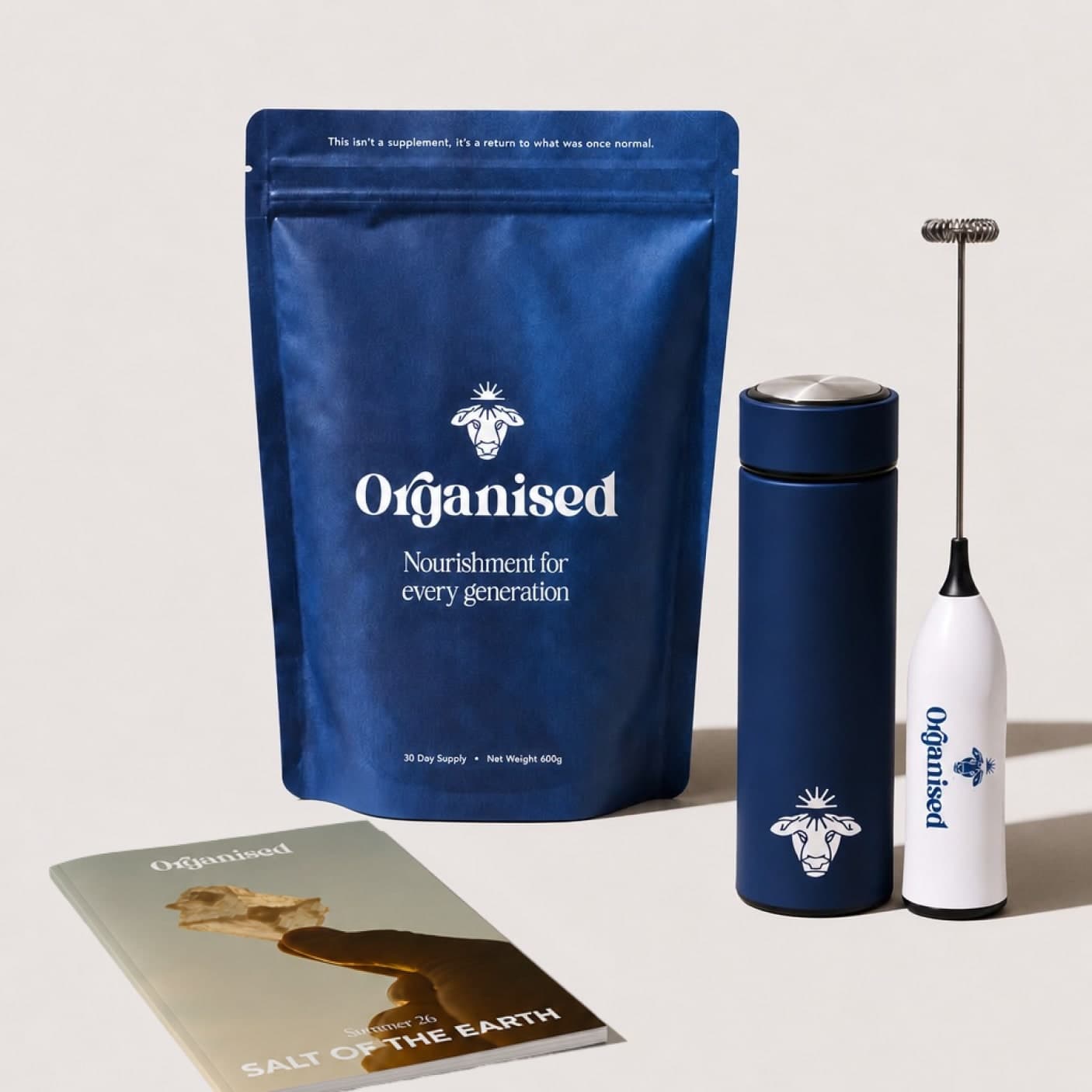
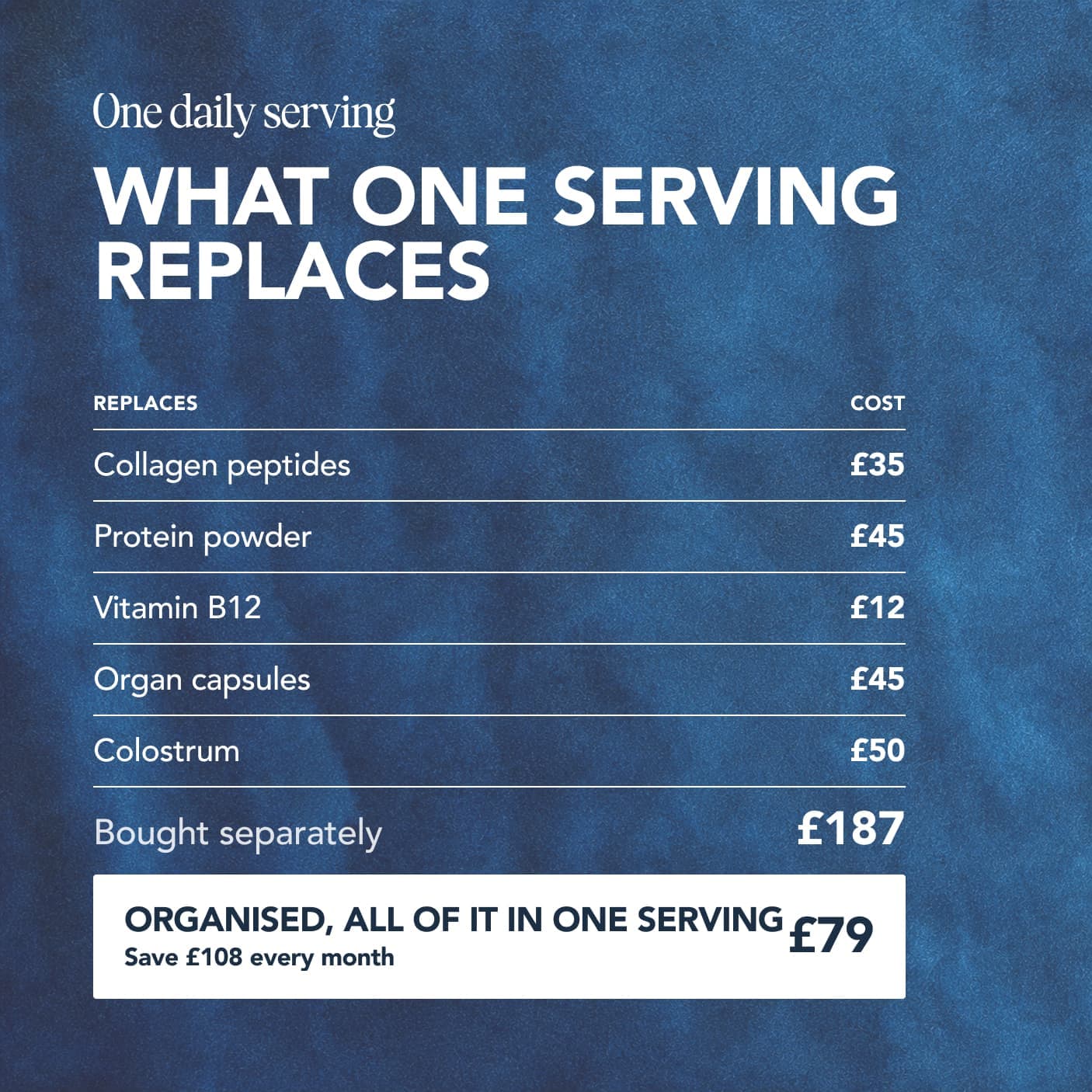
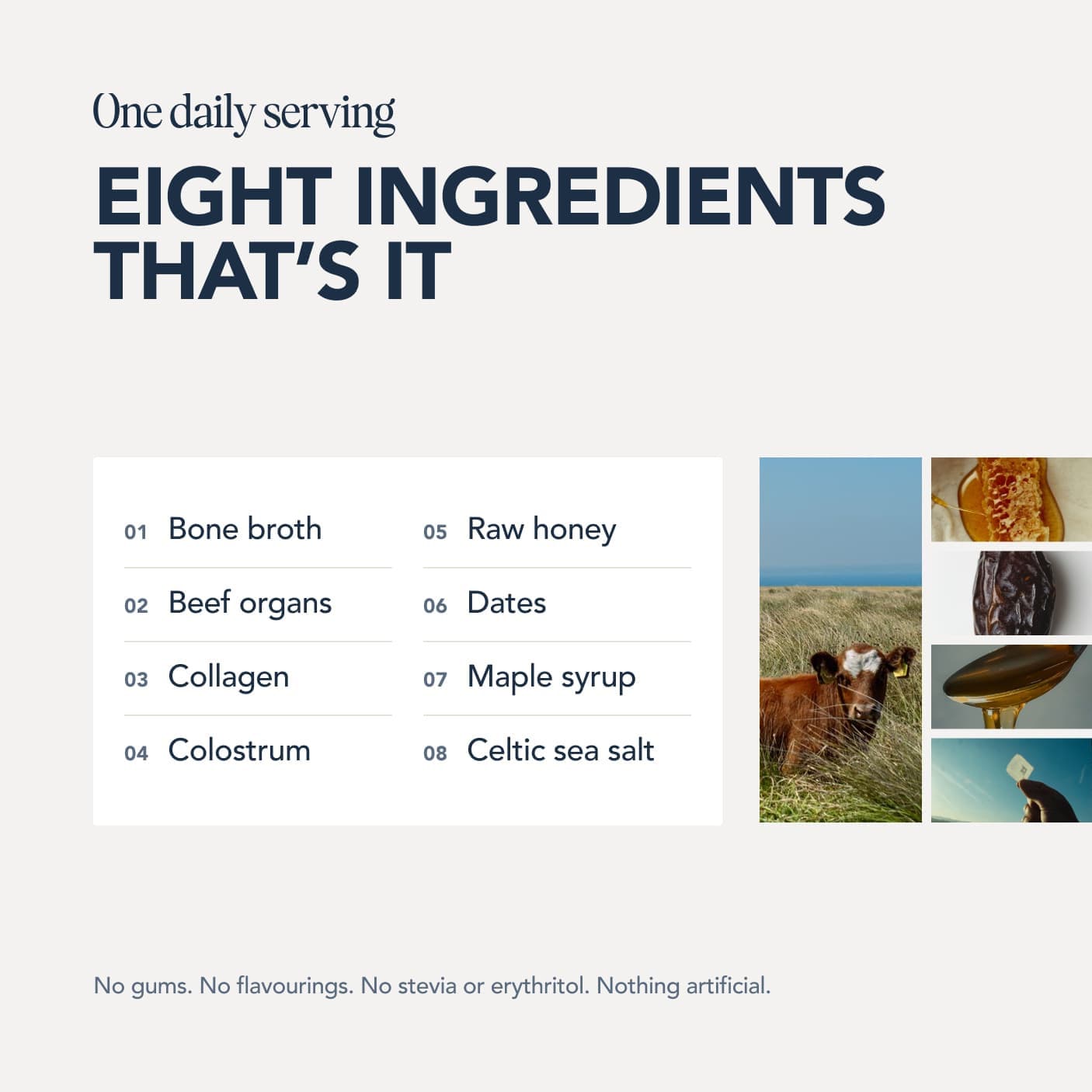
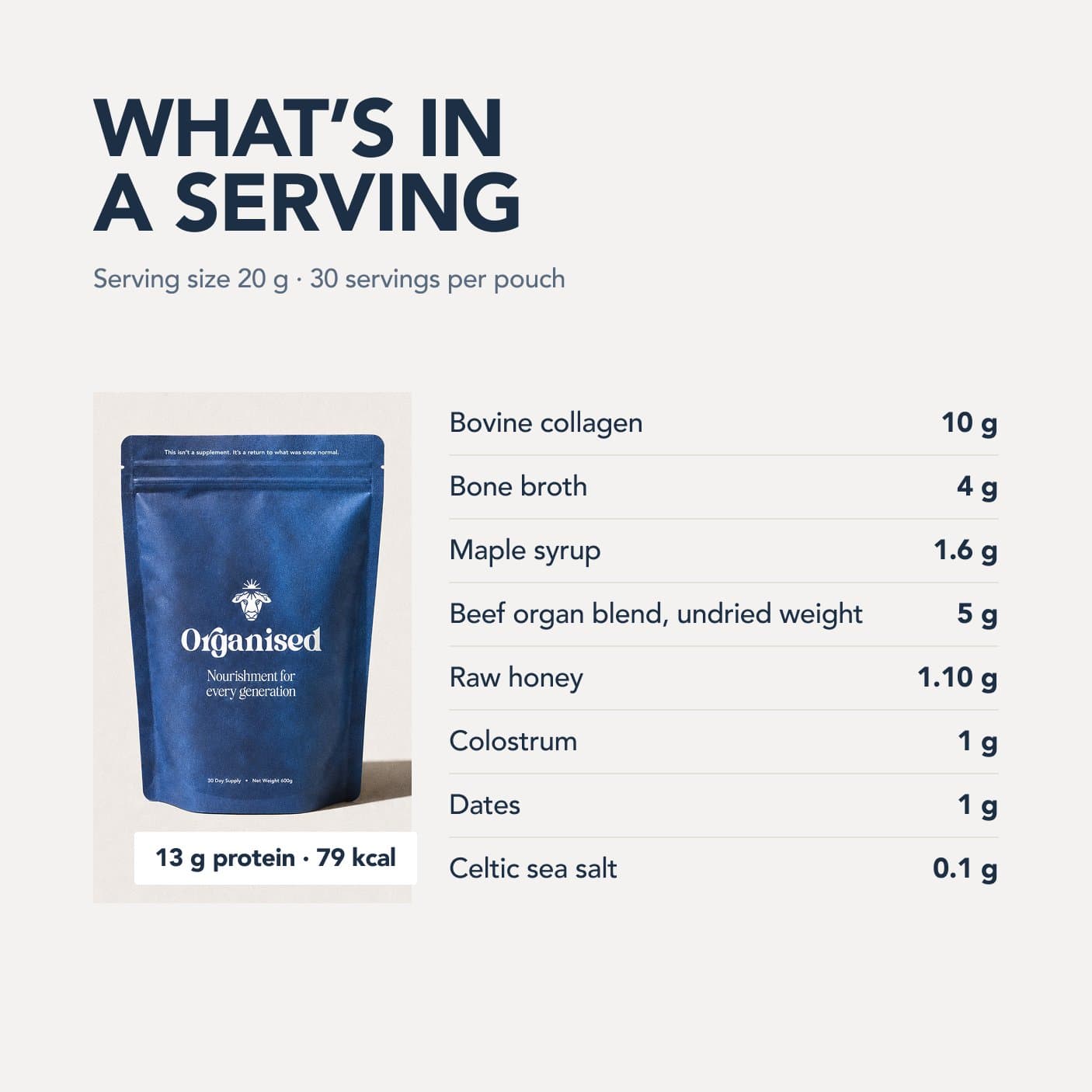
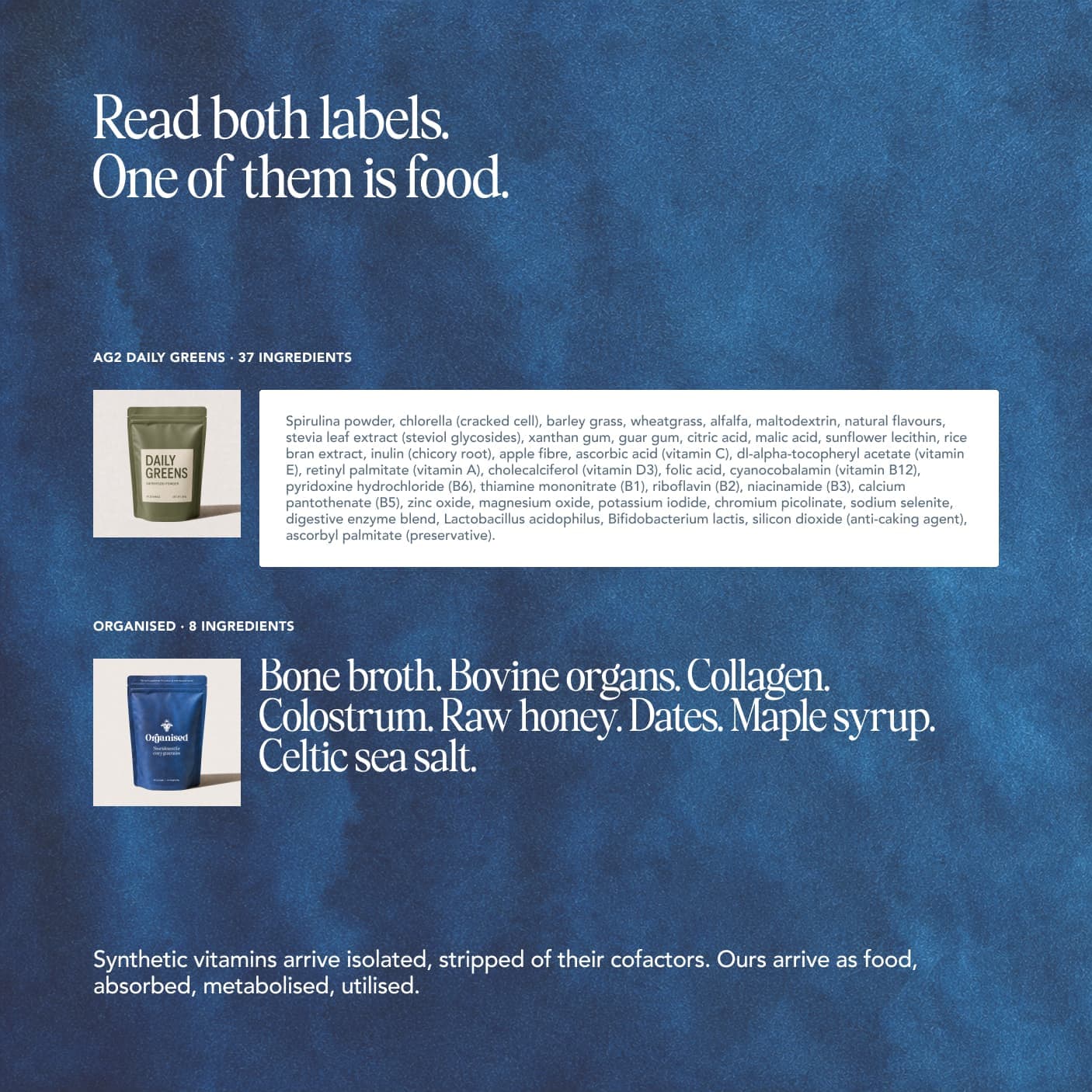
Eight real ingredients built around grass-fed beef organs, collagen and colostrum. Nothing synthetic added.
Free with your first order, worth £38. Plus £10 off the pouch with a subscription.
Free UK shipping · Made in England · 100 day money back guarantee on your first pouch · Skip, pause or cancel anytime
The perfect companion to raw milk…
Raw milk is already a powerful food. But if you want to make it a true daily ritual, it helps to pair it with something that turns it into a complete, deeply nourishing drink.
That is where the Organised Blend fits.
Organised was built as a whole-food safety net for modern life. It is not about replacing real food, it is about making sure you can unlock the nutrients you are aiming for, consistently, even when you are busy.
If you want a daily ritual that forms the building blocks for a healthy gut, steady energy and an all-round optimal lifestyle, stir a serving of Organised into your yogurt or raw milk.
Why it works so well with raw milk
Raw milk brings the fats, minerals, and the ancestral dairy foundation.
Organised brings the nose-to-tail density: collagen, colostrum, and organ nutrients, built to stack with real food rather than compete with it.
Together, it becomes a simple ritual that covers a lot of ground:
-
A protein anchor in the morning
-
A post-training recovery drink
-
A steady snack that does not spike and crash you
-
A way to get organ nutrition without cooking liver on a Tuesday
Three easy ways to make it a habit
- Morning mineral milk: Raw milk, Organised, pinch of sea salt. Blend or froth. Drink slowly.
- Raw milk kefir upgrade: Make kefir at home, then blend in Organised when you serve it. This is an easy “gut friendly” version for people who tolerate cultured dairy best.
- Evening wind down: Warm the milk gently if you like, but avoid boiling. Add Organised, sip like a bedtime tonic.
The bottom line
If you are asking “where to find raw milk”, you are already on the right track.
Because the search itself is a refusal to accept the anonymous, industrial version of food as the default. It is a desire to return to something older and more honest.
Just remember, raw milk is only as good as the farm behind it. Find a producer you trust, keep the cold chain tight, and let it become a simple rhythm rather than a stressful obsession.
And if you want to make the whole process easier, from finding farms to building a weekly sourcing routine, that is exactly what the Organised app was built for.

Raw Milk FAQs
Is raw milk legal?
It depends entirely on where you live.
In the UK, Food Standards Agency guidance says sales of raw cow’s drinking milk are legal in England, Wales and Northern Ireland, but only through specific direct to consumer routes.
In Scotland, sales of raw drinking milk and raw cream are completely banned.
If you are outside the UK, treat this as a prompt to check your local regulations. Do not assume.
Who should avoid raw milk?
Food Standards Agency advice flags that raw or unpasteurised drinking milk and cream may contain harmful bacteria, and people with weaker immune systems are particularly vulnerable. They specifically list people aged 65 or over, pregnant women, infants and small children, and immunocompromised people.
How long does raw milk last?
It varies by farm handling, cleanliness, and temperature.
In general, raw milk lasts longest when it is kept consistently cold from the moment you buy it. If you are picking up milk and then doing a full shop in town with it sitting in the car, you are shortening its life dramatically.
What is the best way to store raw milk?
Keep it cold, sealed, and in the main body of the fridge (not the door).
Treat it like the high care food it is. The goal is simple: do not let it warm up.
Can I freeze raw milk?
Yes, many people do. Freezing can affect texture slightly, especially the cream separation, but it can be a practical option if you only have access to raw milk occasionally.
Is raw milk the same as A2 milk?
No. A2 refers to the type of beta-casein protein in the milk. Raw refers to whether it has been pasteurised. You can have raw A2 milk, pasteurised A2 milk, or raw milk that is not A2.
What if I cannot find raw milk where I live?
Start with the next best options:
-
Low temperature pasteurised, non-homogenised milk
-
Local dairy with transparent practices
-
Cultured dairy like kefir and yogurt (often easier to tolerate)
And if you want help finding farms, use Organised to locate producers near you and build the relationship from there.
Should I start with a full glass on day one?
If you have not had raw dairy before, starting slowly is usually the more sensible route. Your body might need a little time to adjust, especially if you have not had much dairy recently. Start small, see how you feel, then build.
Does boiling raw milk make it safe?
Boiling is a form of heat treatment. If you boil raw milk, it is no longer raw. If your goal is raw milk specifically, keep it cold and focus on sourcing well. If your goal is simply high quality milk and you feel safer heating it, choose the approach that lets you be consistent.
Who wrote and reviewed this guide
Niall Kiddle
Author · Founder, Organised
Niall is the founder of Organised. He started the company in 2024 after fixing his own health the slow way: in 2022 he swapped a cupboard of synthetic supplements for real food, raw milk, organ meats, bone broth and honey, and felt the difference within months.
Areas of expertise: Ancestral nutrition, Organ meats, Whole-food supplementation, Gut health, Regenerative sourcing
Read Niall's full profile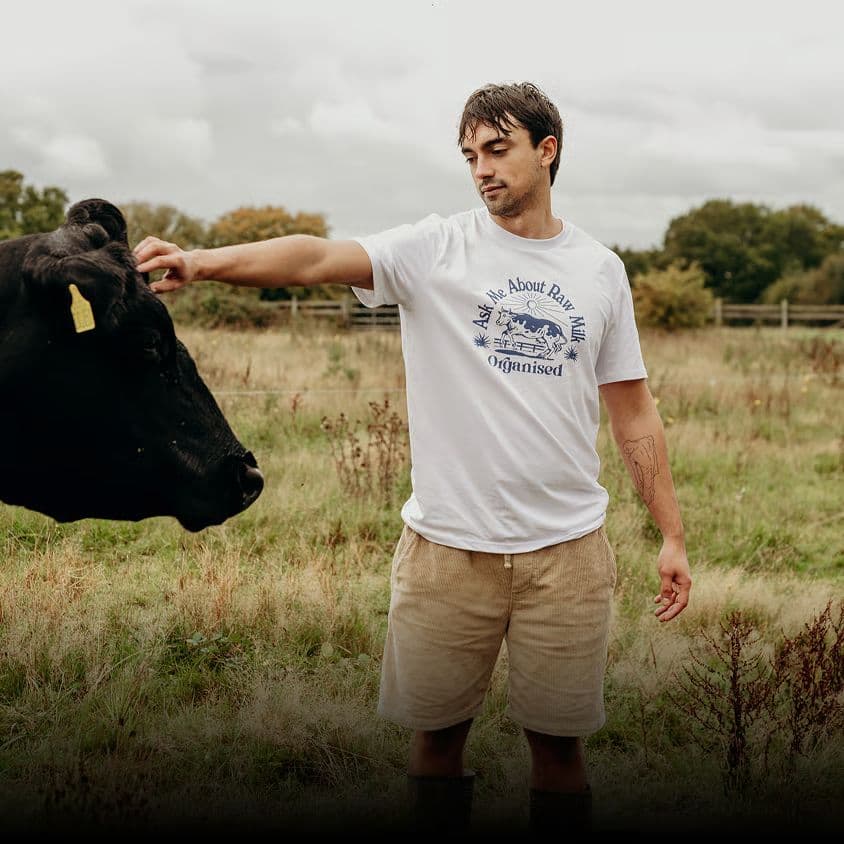
Pedro Rodrigues
Reviewer · Agronomist (farming and sourcing only)
Pedro is the agronomist Organised works with on farming and sourcing. His job on the guides is to keep the science honest: he reviews what we publish about soil health, regenerative agriculture, grazing and the way food is actually produced.
Areas of expertise: Regenerative agriculture, Agronomy, Soil health, Grass-fed farming, Food sourcing
Reviewed this guide on
Read Pedro's full profileBrowse the guides library
All guidesKeep reading
Farming
No mRNA Vaccines, No Bovaer, No Hormones: Our Sourcing Standards
We exclude mRNA vaccines, Bovaer, and hormones from our cattle sourcing. Here is our reasoning and what we choose instead.
Farming
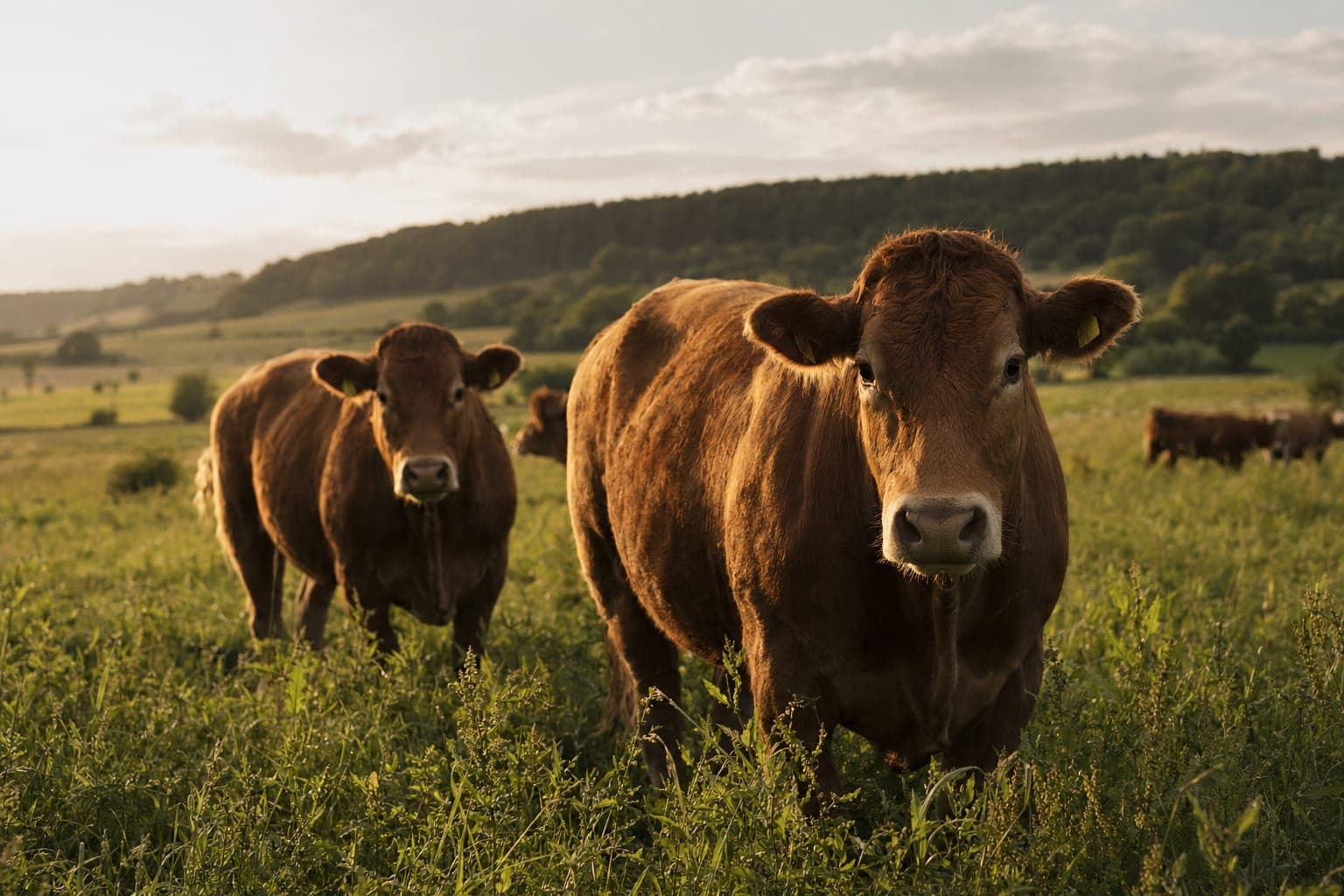
How Stress in Cattle Affects the Quality of Their Organs
Stressed cattle produce lower-quality organs and meat. Learn how animal welfare directly impacts the nutritional value of what you eat.
Farming
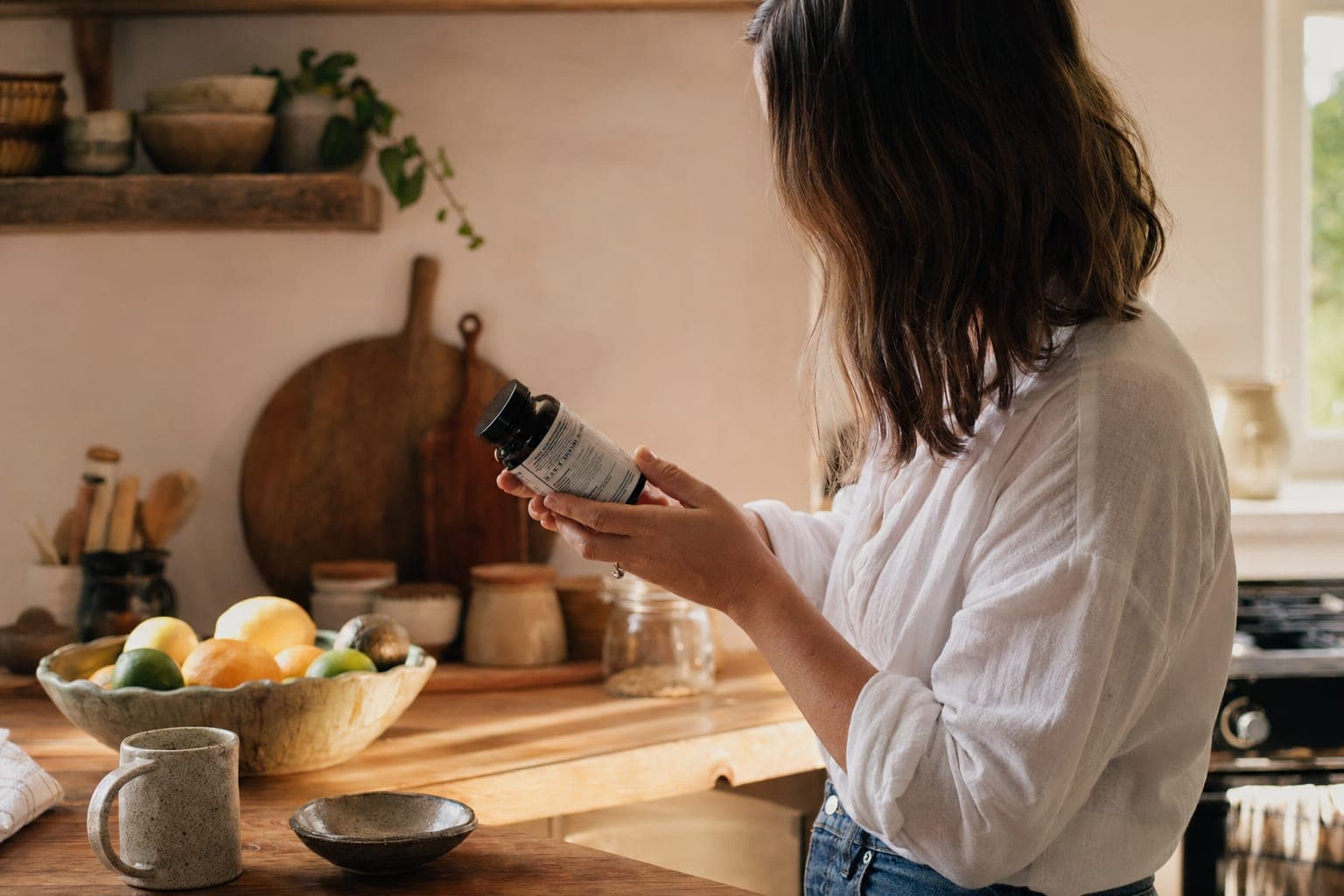
How to Read a Supplement Label (And Spot the Red Flags)
Learn how to read a supplement label with confidence: what to look for, what to avoid, and the red flags hiding in plain sight on the back of the pack.
Real food, made effortless
Shop the blendA few ways to use it
All recipes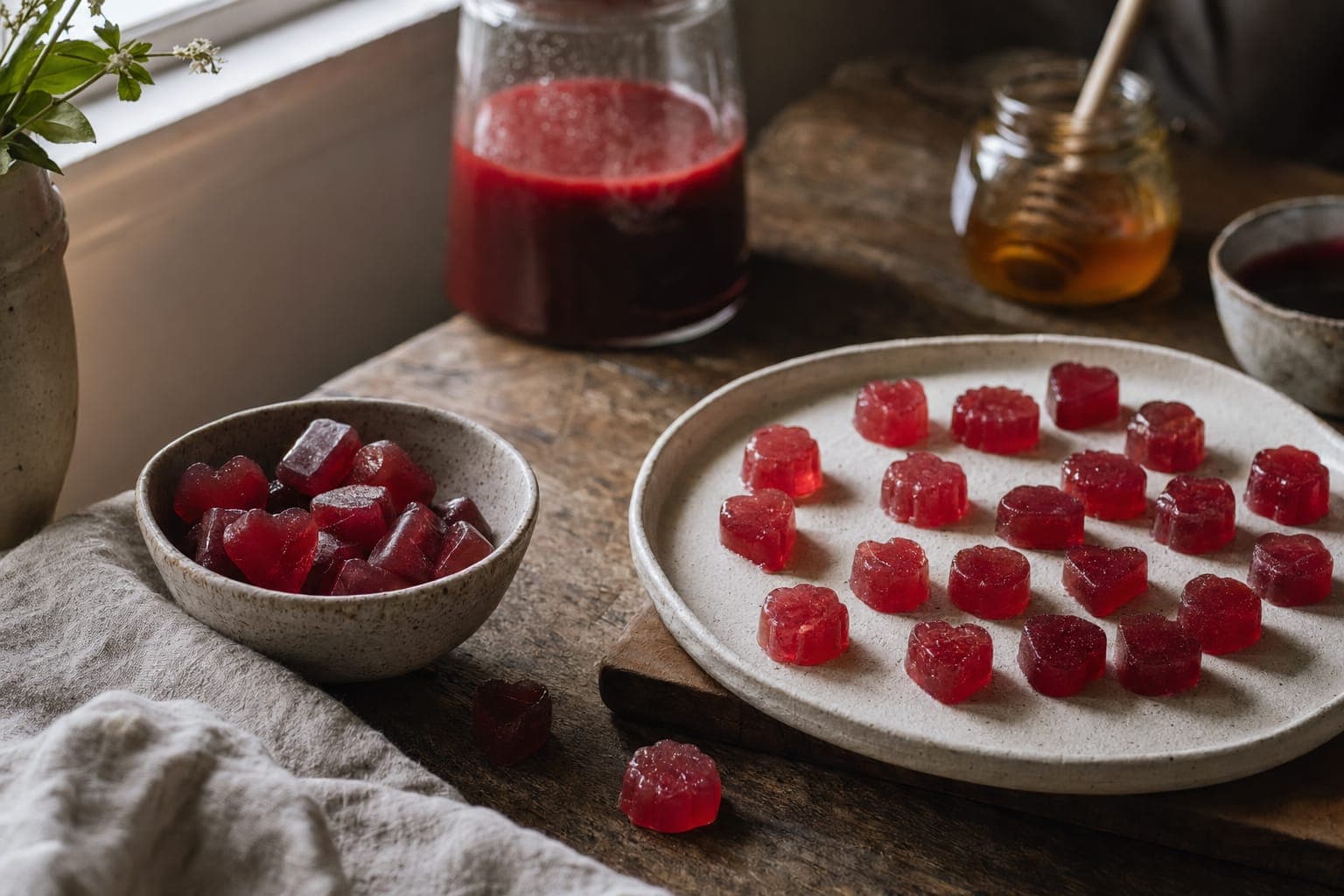
How to Make Your Own Gelatine Gummies
A simple recipe for homemade gelatine gummies using grass-fed gelatine, fresh juice, and raw honey. Better than shop-bought, kids love them.
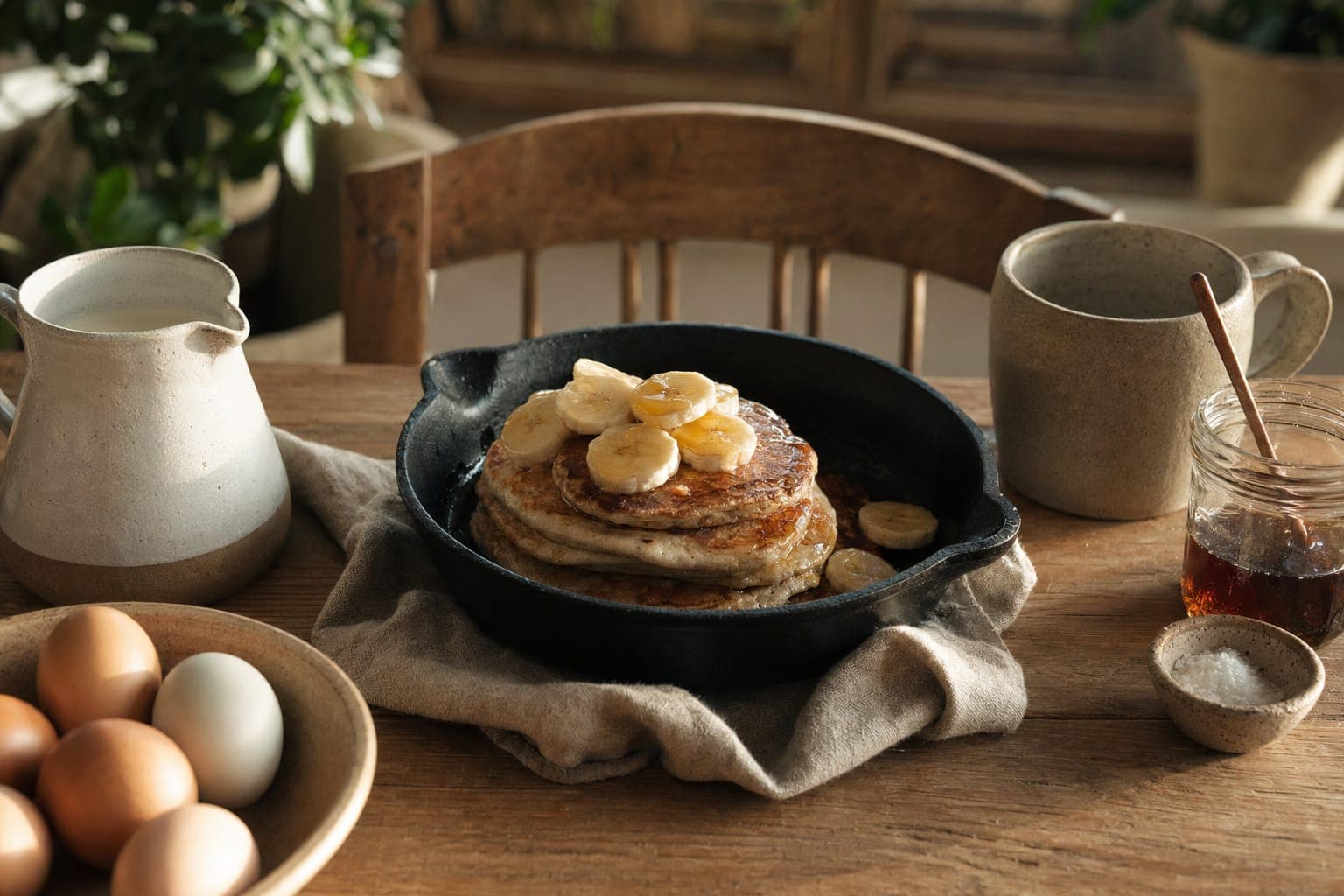
Organised Protein Pancakes: A Weekend Favourite
A high-protein pancake recipe using beef protein, eggs, and raw milk. Cooked in cast iron, naturally sweetened with banana and honey. Real food breakfast.
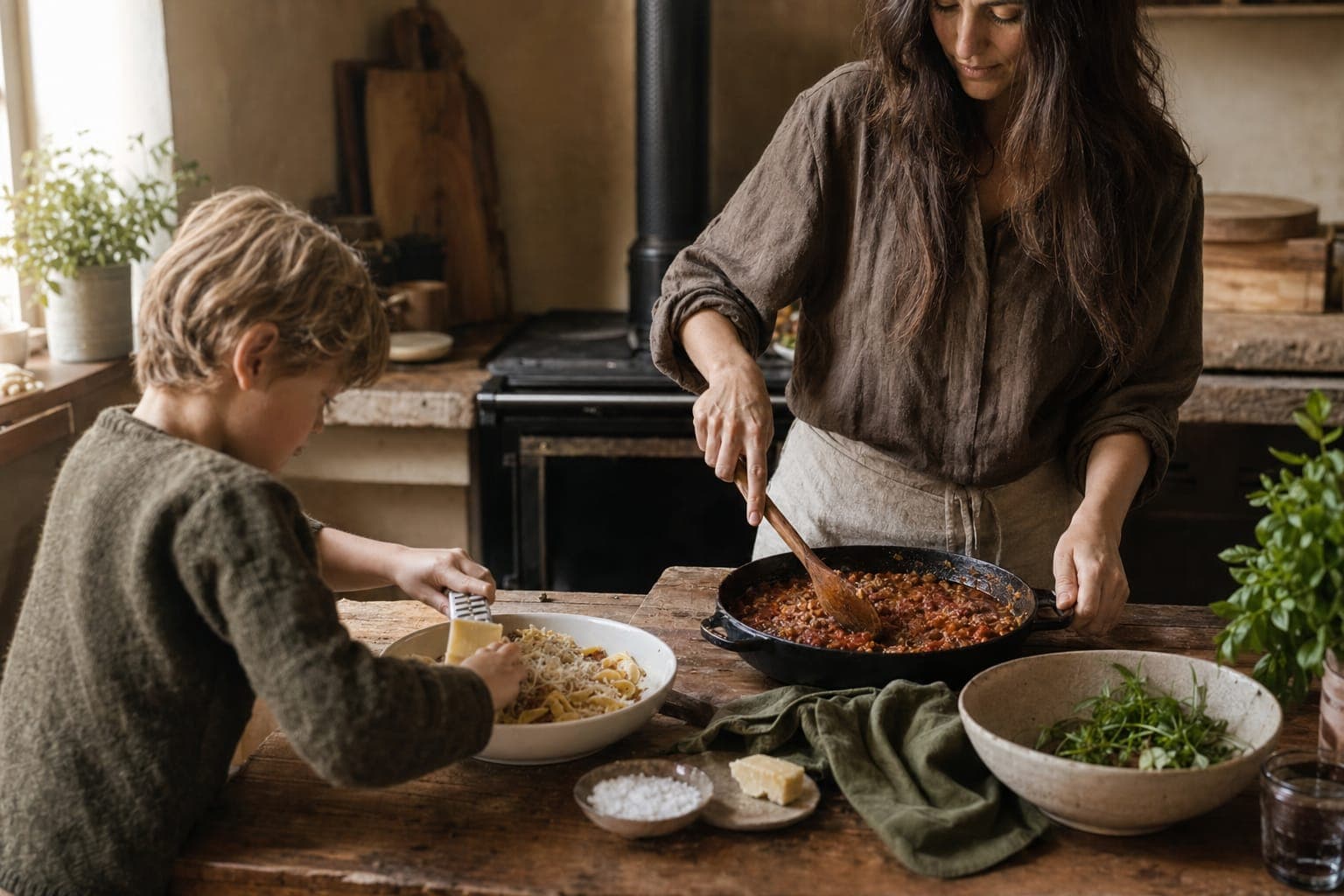
Organ Bolognese: The Family Dinner That Heals
Practical organ meat recipe using fresh beef liver and heart. Family-friendly bolognese that bridges supplements to whole food.


 Join over 100,000+ members
Build a better food system with us
The Organised community is thousands of people choosing real food and backing the farmers who grow it, all of us trying to leave the world a little better than we found it. If that is what you care about too, you belong here.