The Busy Parent's Guide to Whole Food Nutrition
You're tired. You're managing children, work, and a home. The idea of cooking elaborate meals from scratch every night is fantasy. But you also don't want to feed your family processed food. The solution isn't cooking more. It's cooking differently.
By Niall Kiddle, Founder, Organised

Reviewed by Pedro Rodrigues, Agronomist (farming and sourcing only) ·
5 min read · Published · Updated · 2 cited sources
Makers of the Organised Daily blend, a grass-fed beef organ supplement from regenerative UK farms
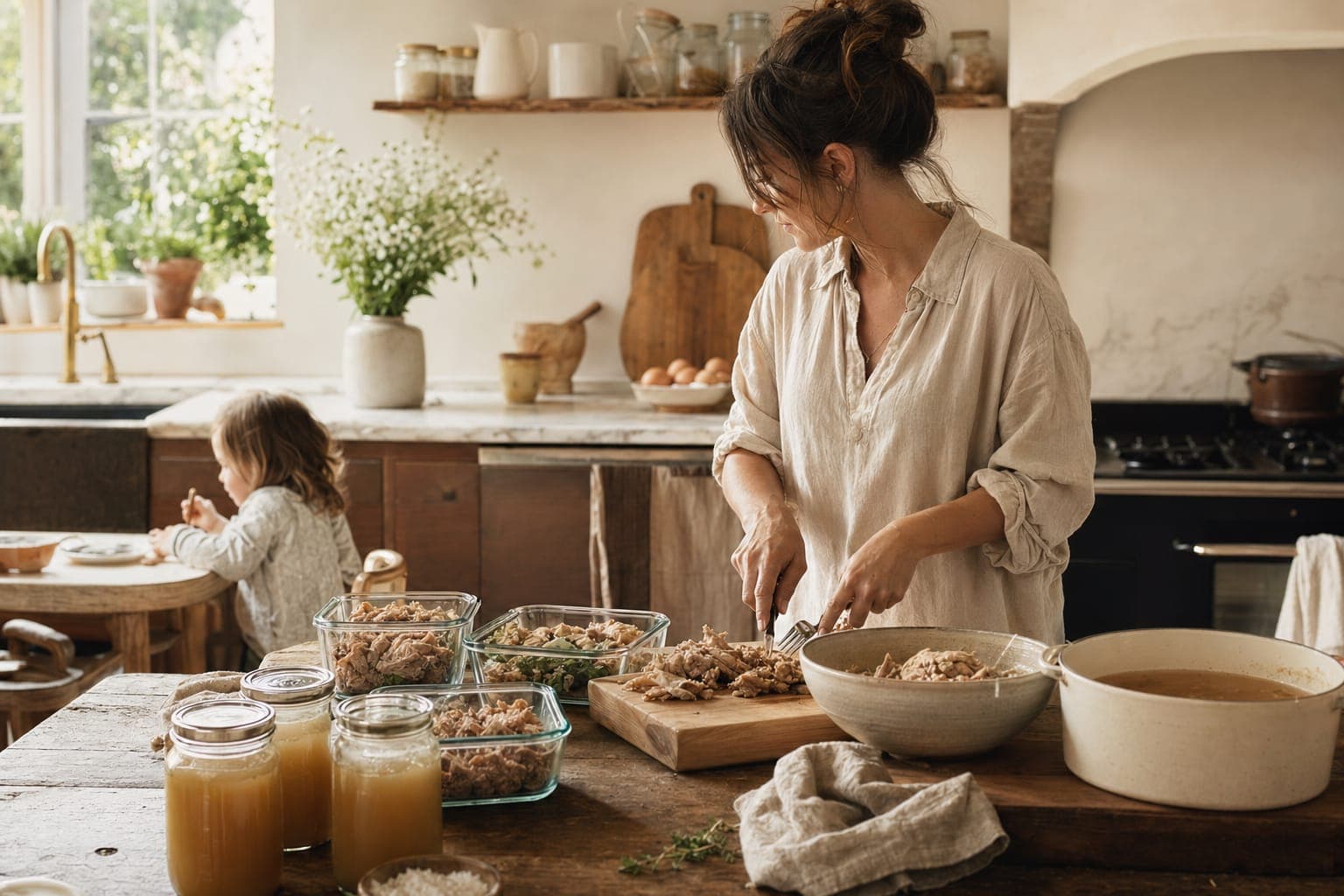
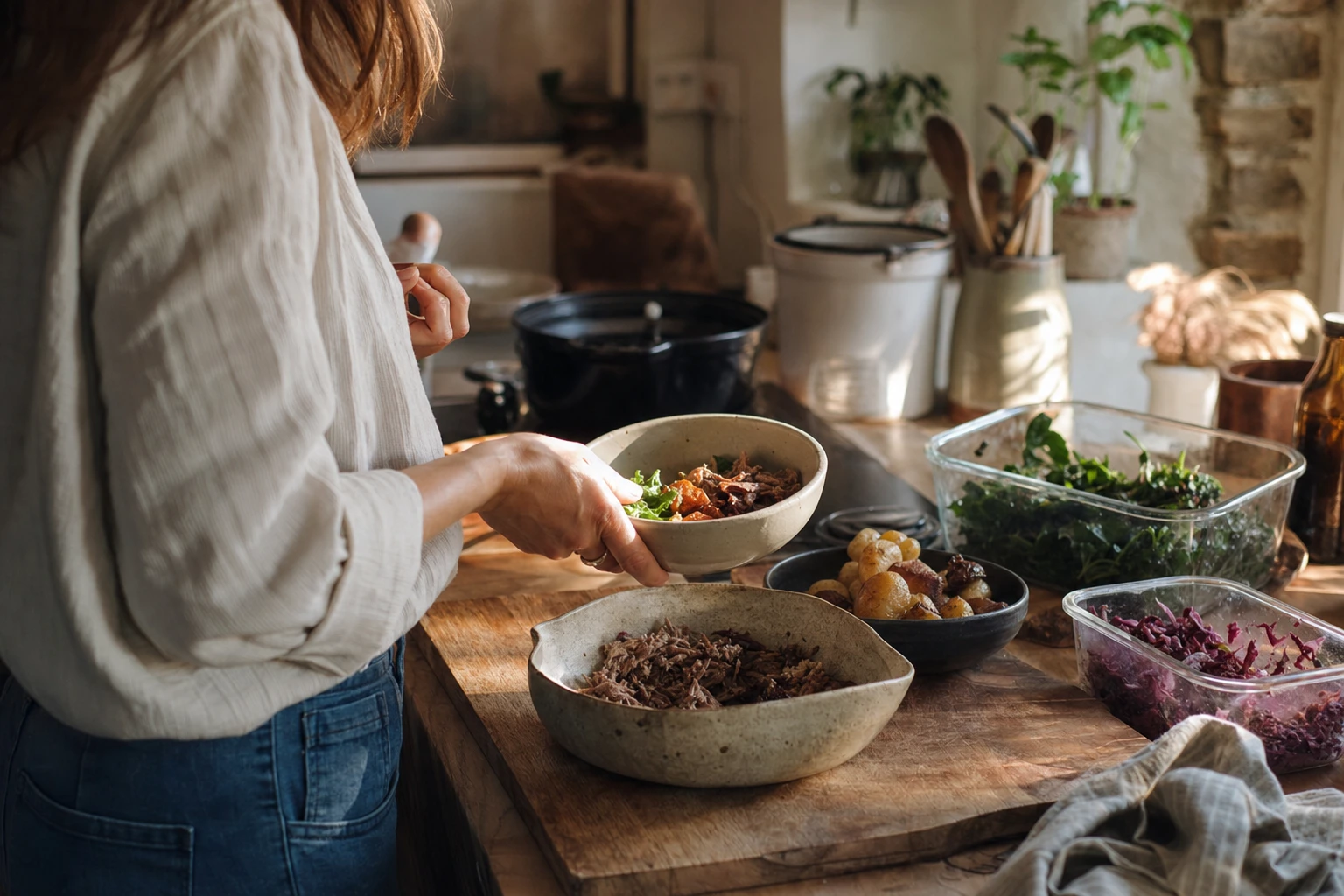
Batch cooking means preparing components on one day (usually Sunday) so that meals come together quickly all week. Not pre-made dinners. Components. Proteins cooked, vegetables prepared, broth made. Then throughout the week, you assemble actual food in 10-15 minutes.
The batch cooking principle
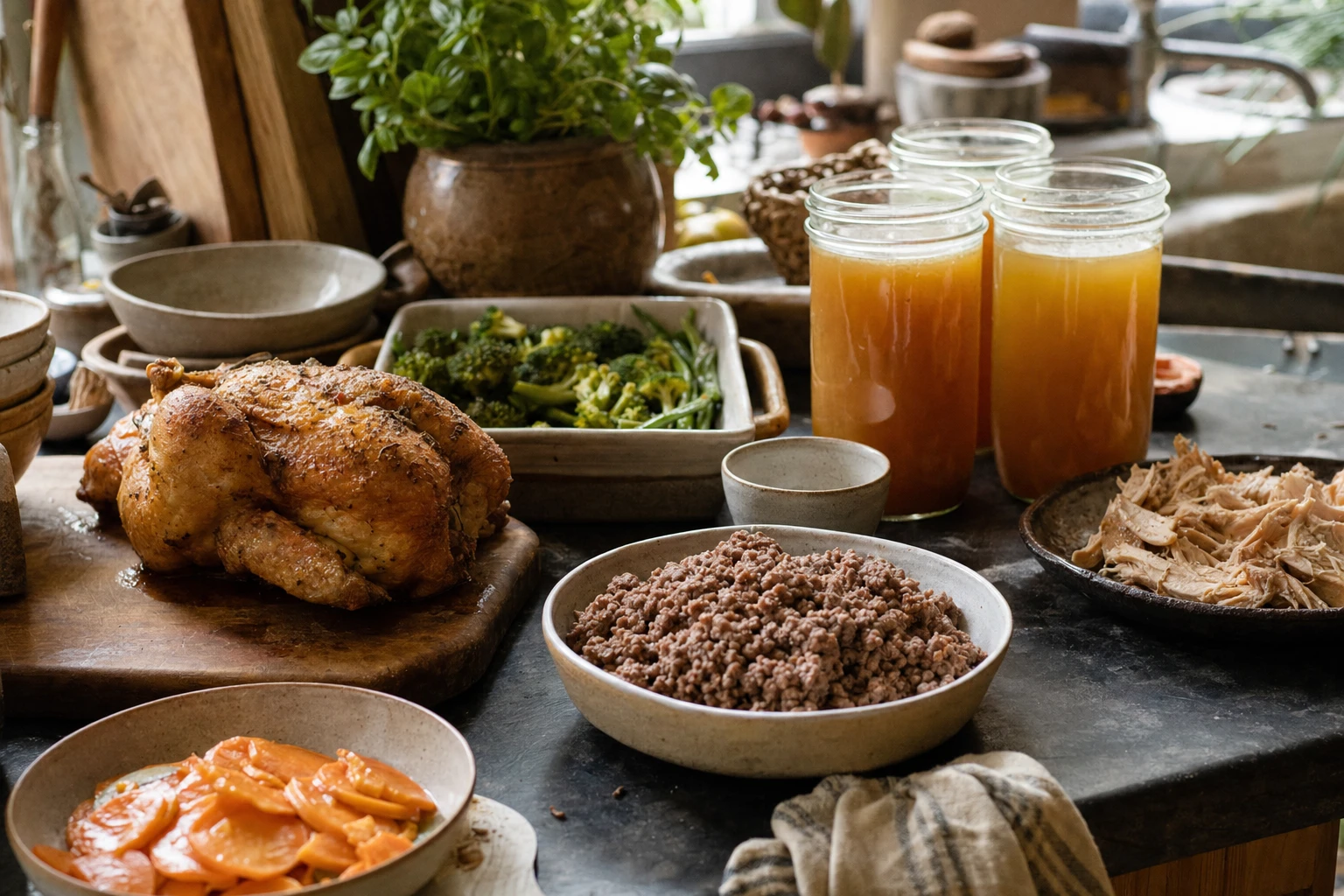
The goal is to eliminate decision-making and prep time during the week. If you come home at 5:30 PM with no plan and no prepared components, you're heading for takeaway or processed food. If you come home at 5:30 PM with roasted chicken already cooked, vegetables already prepped, and bone broth already made, you're making real food in minutes.
Proteins to batch cook:
- Whole roasted chicken (can be shredded for tacos, stirred into pasta, eaten with vegetables)
- Ground beef or lamb (used for meatballs, tacos, cottage pie, pasta sauce, or eaten as is with vegetables)
- Beef or pork roast (sliced for meals, made into stews, or eaten cold with salads)
- Fish (baked salmon fillet, if your freezer space permits)
One hour on a Sunday cooking three proteins gives you options all week. The actual cooking is passive. You're not standing over the stove. You're using oven time whilst you do other things.
Vegetables to prep:
- Roasted root vegetables (sweet potato, parsnip, carrot). These reheat beautifully.
- Steamed or boiled broccoli, cauliflower. These can be tossed with butter and eaten cold or reheated.
- Raw leafy greens (pre-washed, stored in containers). These don't require cooking.
- Chopped onions and garlic. These freeze well and save enormous amounts of evening prep time.
Your Sunday setup
Block two hours. This is not optional. This is your nutrition insurance for the entire week.
First hour:
- Start your oven at 200°C. Place two whole chickens (or four chicken breasts) on a roasting tray, season with salt and herbs, into the oven for 1 hour 15 minutes.
- On another tray, roast mixed root vegetables (cubed sweet potato, parsnip, carrot) with olive oil and sea salt for the same duration. These finish with the chicken.
- Whilst those cook, put a litre of bone broth on the stove to simmer gently. This takes no active time. It just needs gentle heat for 30 minutes to concentrate flavour (if you're using ready-made broth) or several hours if you're making it from scratch.
- Brown 500 grams of ground beef or lamb with diced onion in a large pan. Once browned, drain fat if needed, then add finely minced garlic and continue cooking.
Second hour:
- As chicken and vegetables finish roasting, remove and allow to cool slightly.
- Shred the cooked chicken into a container for the fridge (it will last 4-5 days). Store separately from the skin and bones (freeze these for future broth).
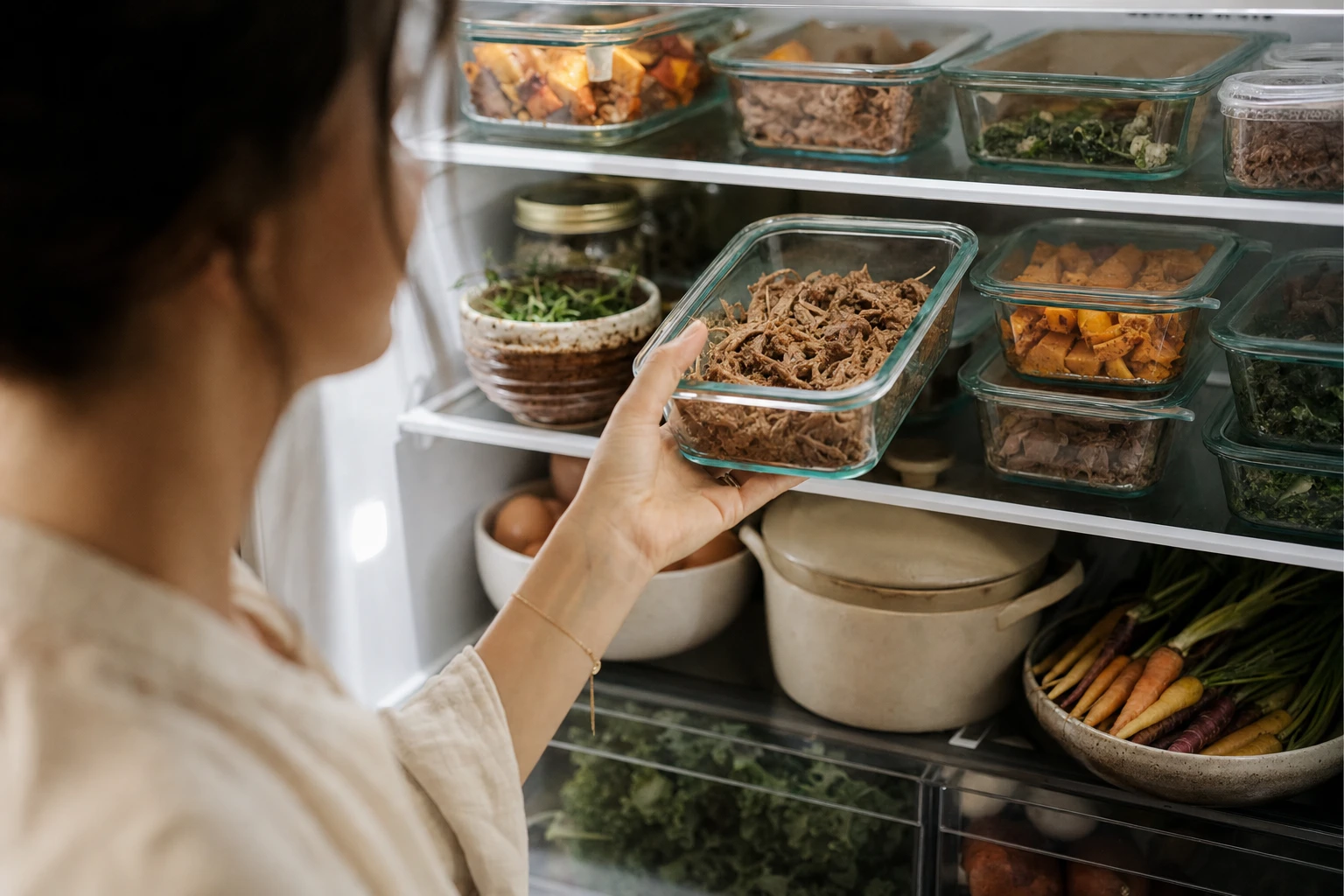
- Portion the roasted vegetables into containers.
- The ground meat is ready now. You'll use this for organ meatballs (see next section) or store it plain for quick meals.
- Steam or boil leafy greens if you're using them. Drain well and store in containers.
By the time two hours are finished, you have shredded protein, roasted vegetables, cooked greens, and ground meat prepped. That's five dinners already half-done.
Freezer meals that work
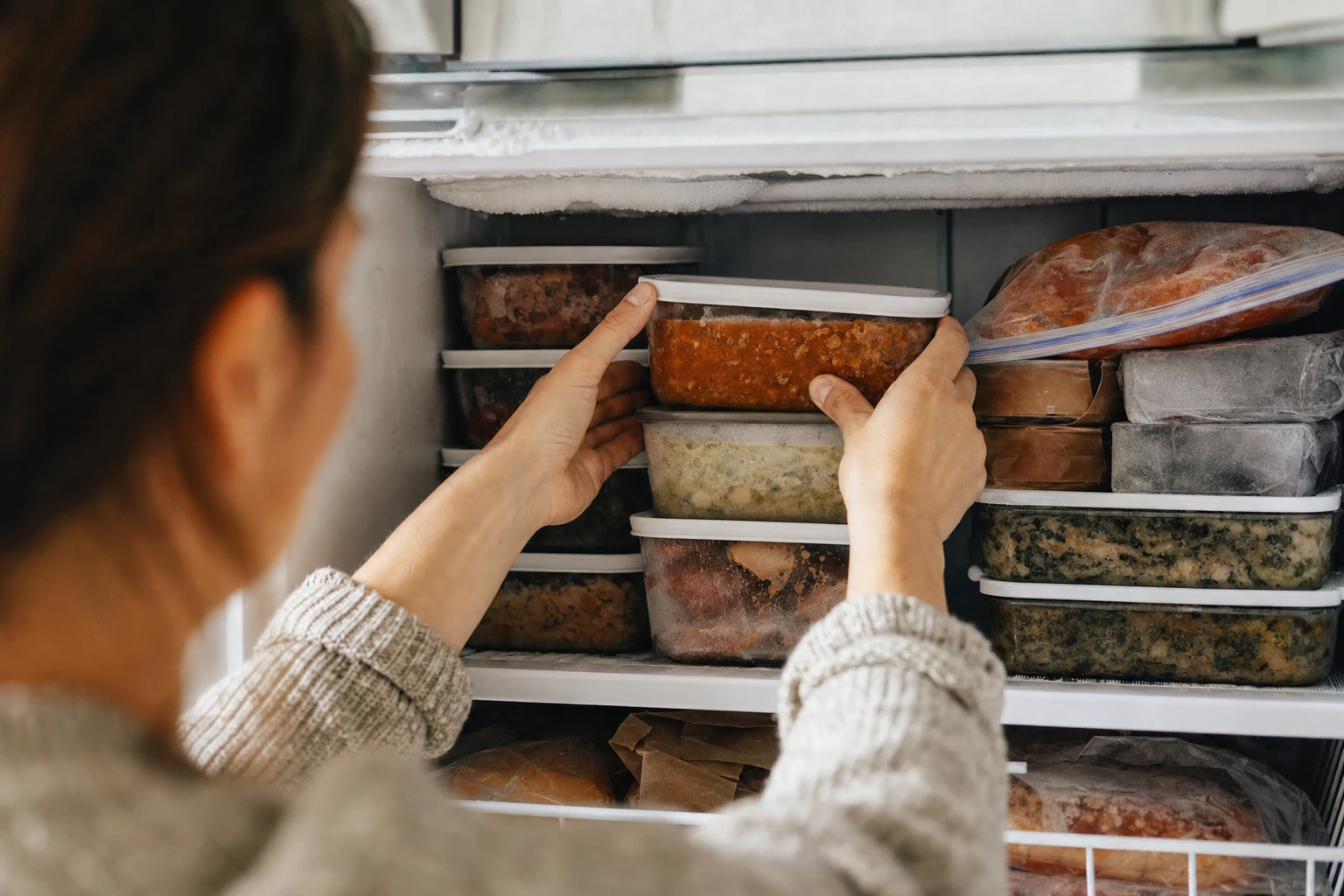
Some meals benefit from being made in bulk and frozen for later use.
Cottage pie: Layer cooked ground meat mixed with tomato sauce and vegetables, topped with mashed potato. Bake in a container, cool, cover with foil, and freeze. Reheat directly from frozen at 190°C for 35-40 minutes. This solves dinner three nights later without any effort.
Slow cooker stews: Brown beef chunks, add to slow cooker with bone broth, root vegetables, and herbs. Cook on low for 6-8 hours. Cool completely, portion into containers, and freeze. Reheat gently in a saucepan or back in the slow cooker. The long cooking time means meat is incredibly tender. Children eat it without complaint.
Bone broth: This isn't a meal. It's a foundation. Make large batches on Sunday (or make it overnight in a slow cooker). Freeze in portions. Use it in soups, stews, mashed vegetables, or drink it warm with salt. Homemade broth contains gelatine and minerals that store-bought broth doesn't.
Meatballs: See the next section. These freeze beautifully and thaw quickly.
Get recipes and routines, free
Two short reads a week of simple, nutrient-dense recipes and daily routines.
By signing up you agree to receive emails from us. No spam, unsubscribe anytime.
Organ meatballs: your secret weapon
This is where picky eating meets nutrient density. Your children will eat meatballs happily. Hide organs inside them and they're consuming the most nutrient-dense foods on the planet.
Make a double or triple batch and freeze them.
Basic recipe:
- 400 grams ground beef
- 50 grams beef liver, finely minced or blended
- 50 grams beef heart, finely diced (or use another 50g liver if heart is unavailable)
- 1 small onion, finely diced
- 2 cloves garlic, minced
- 1 egg
- 30 grams breadcrumbs (or crushed sourdough if avoiding commercial breadcrumbs)
- Salt and pepper to taste
- Optional: fresh parsley or thyme
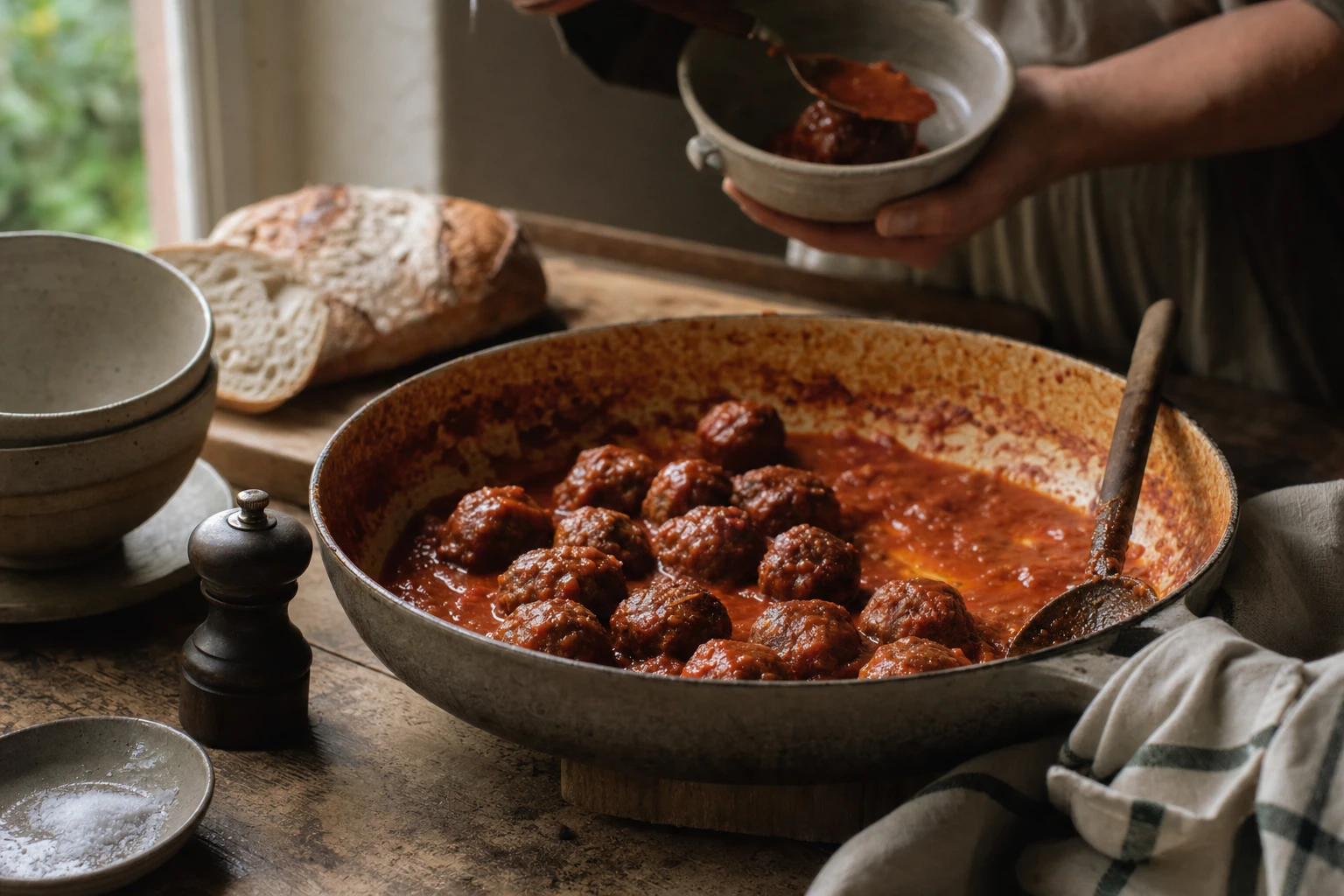
Mix thoroughly, form into golf-ball-sized balls, place on a baking tray, and bake at 190°C for 20-25 minutes until cooked through. Cool completely before freezing in portions. Reheat gently in tomato sauce, gravy, or bone broth.
Your child eats three meatballs. That's roughly 50 grams of organ meat. More nutrients than a plate of vegetables. Nobody knows. That's the point.
1 of 9
Daily blend
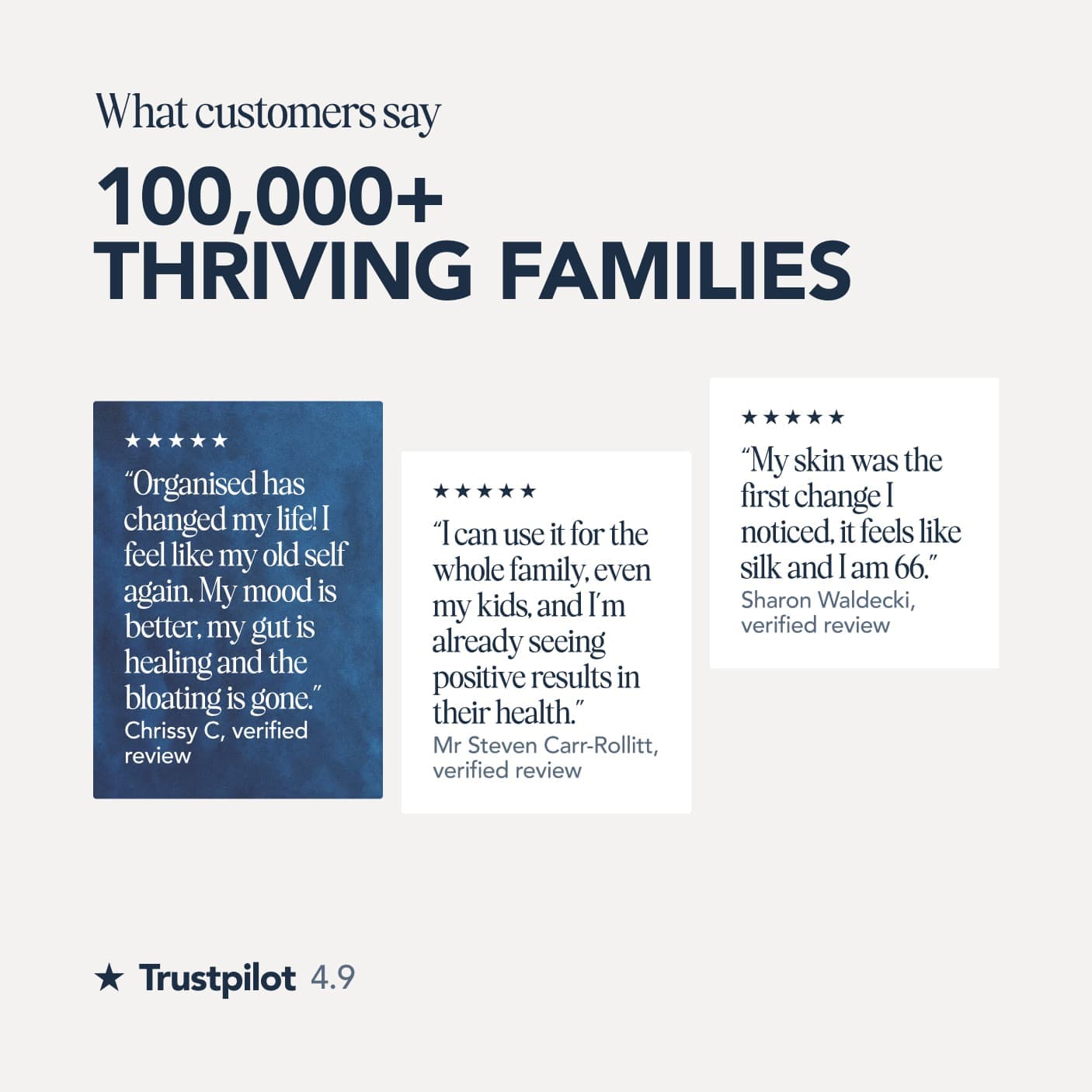
100,000+ thriving families4.9 on Trustpilot
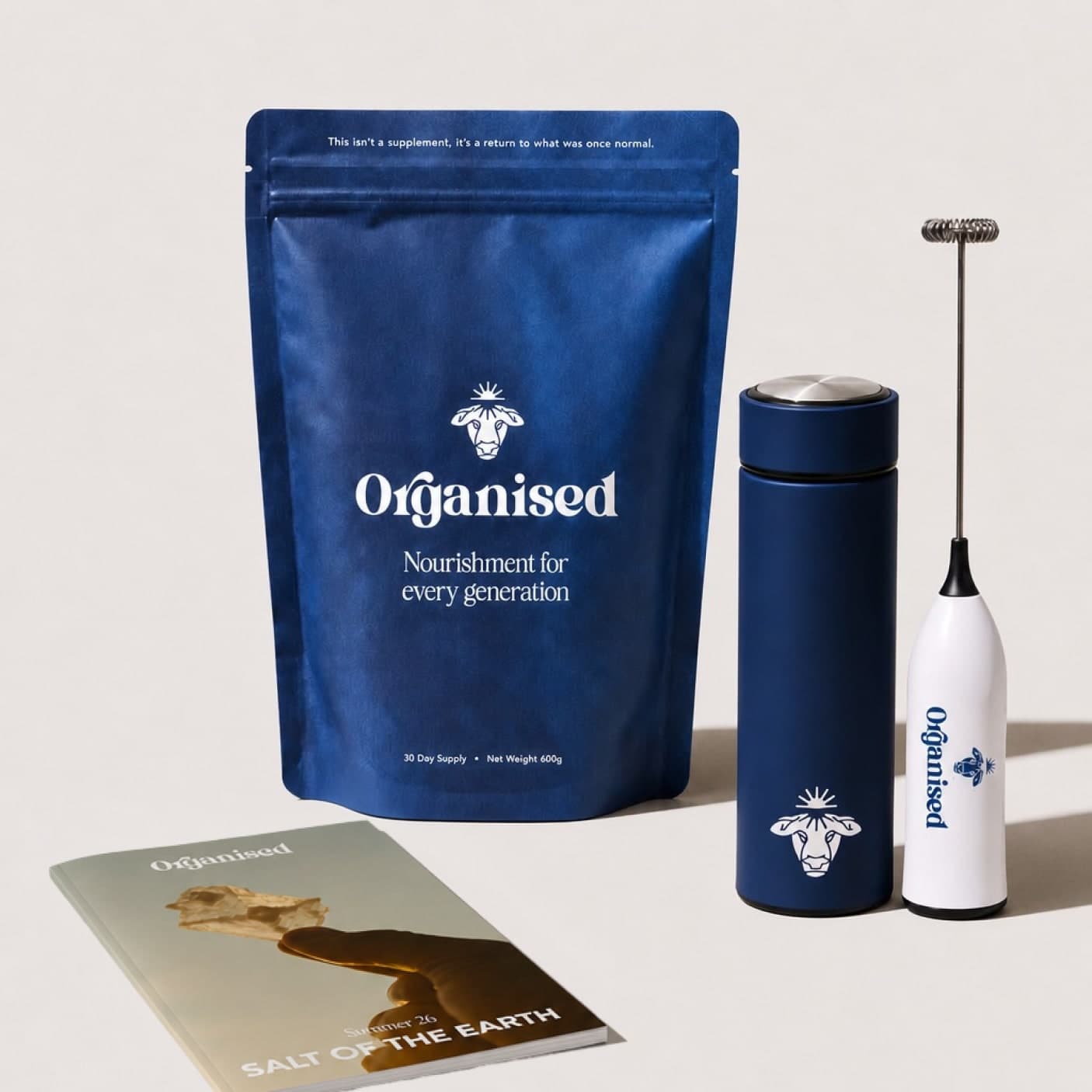
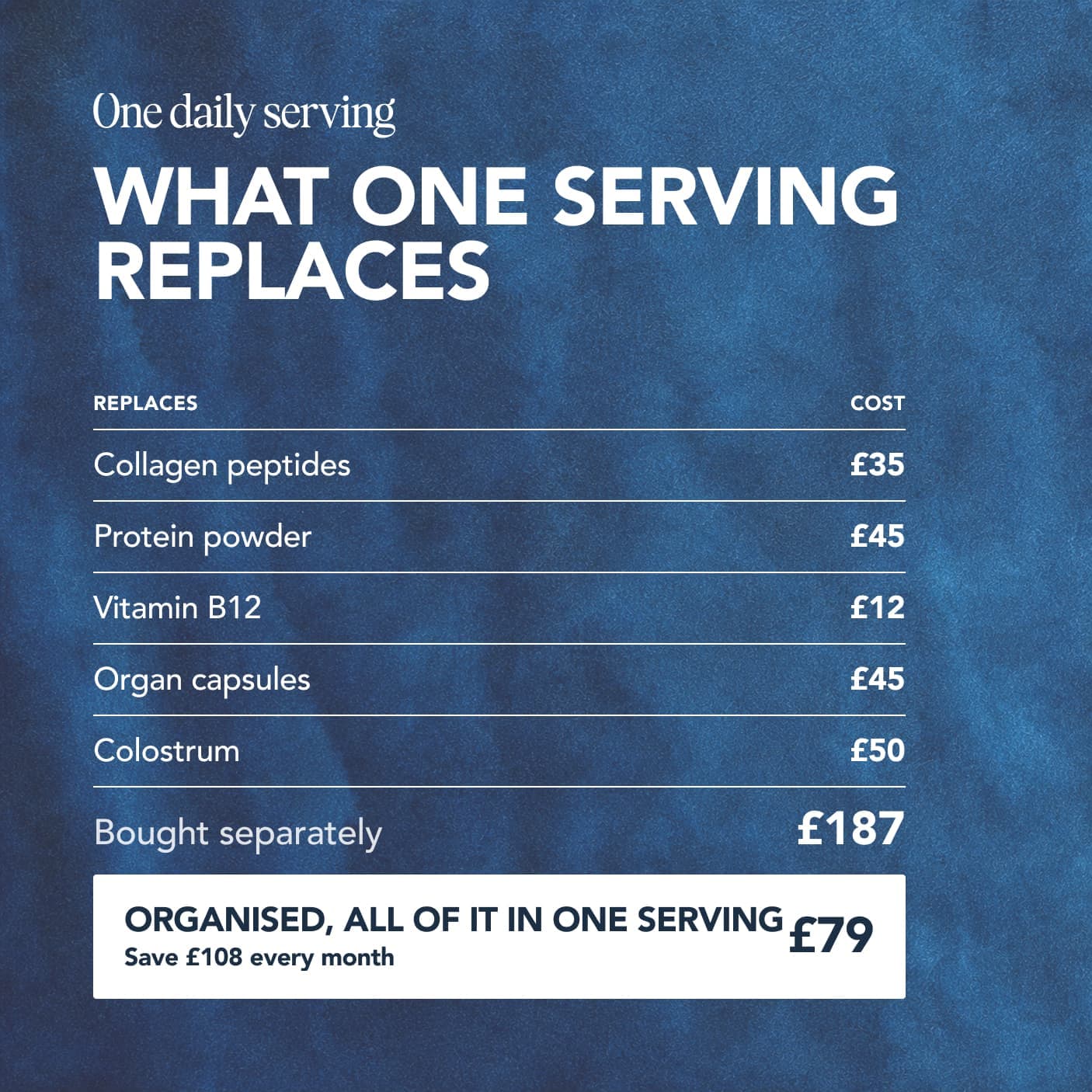
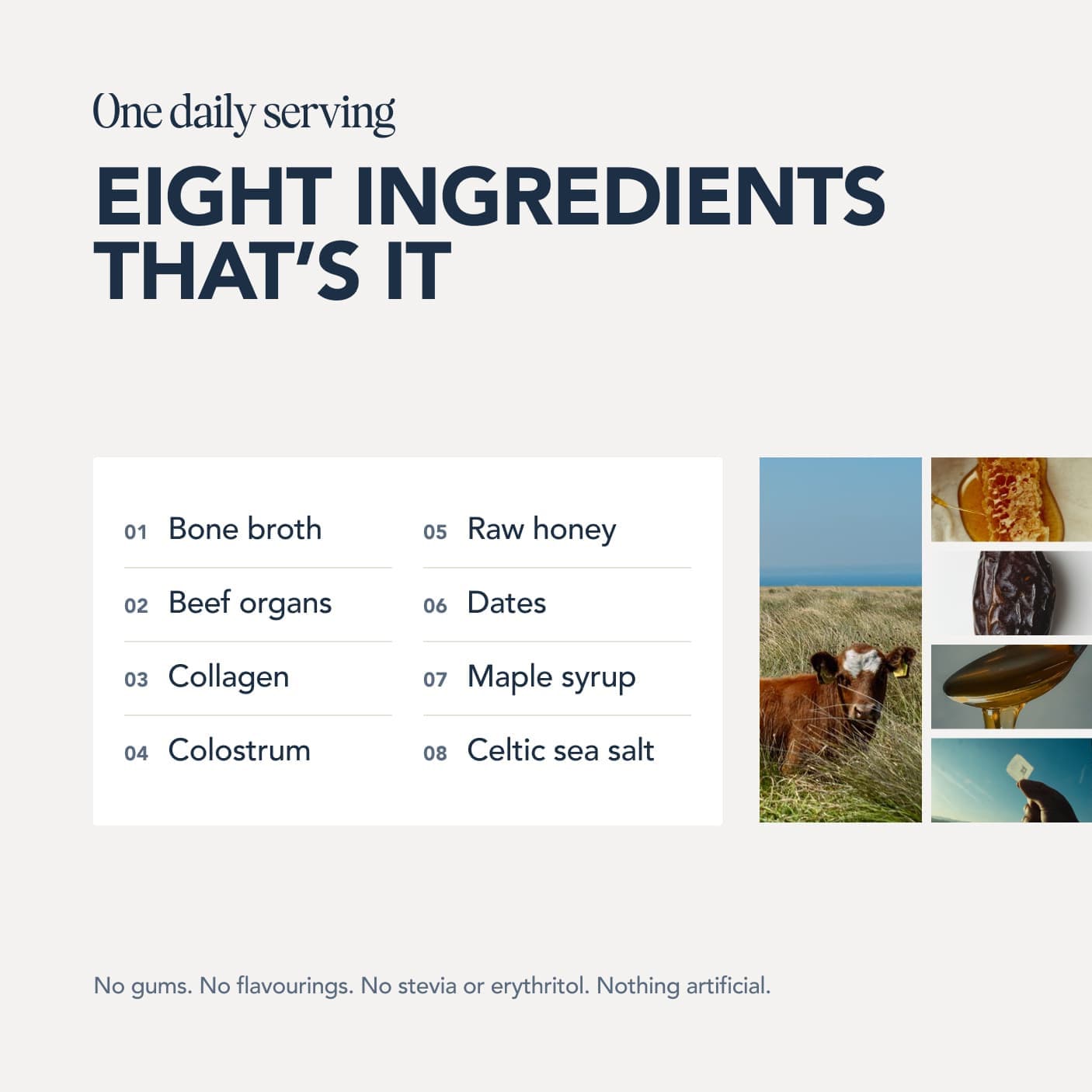
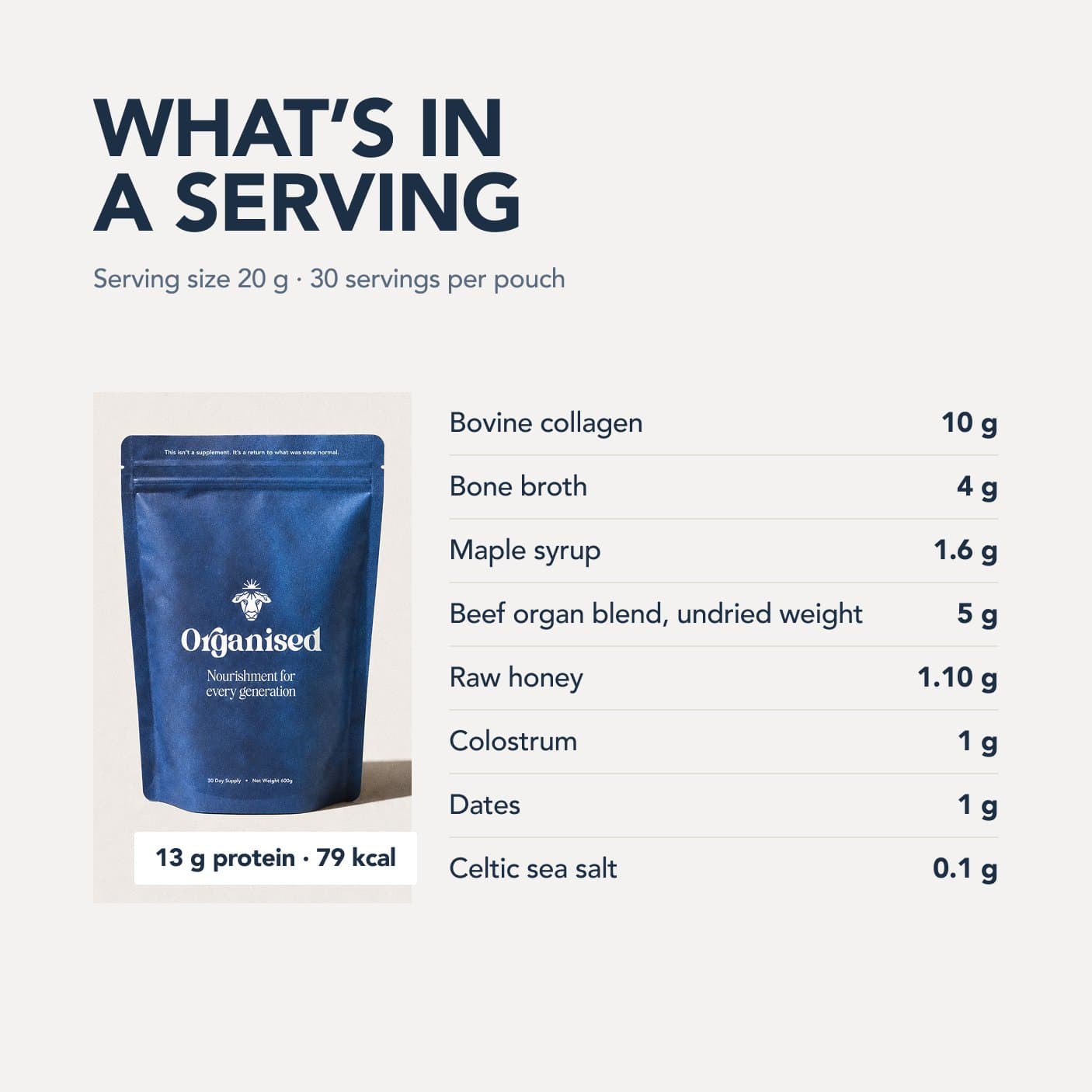
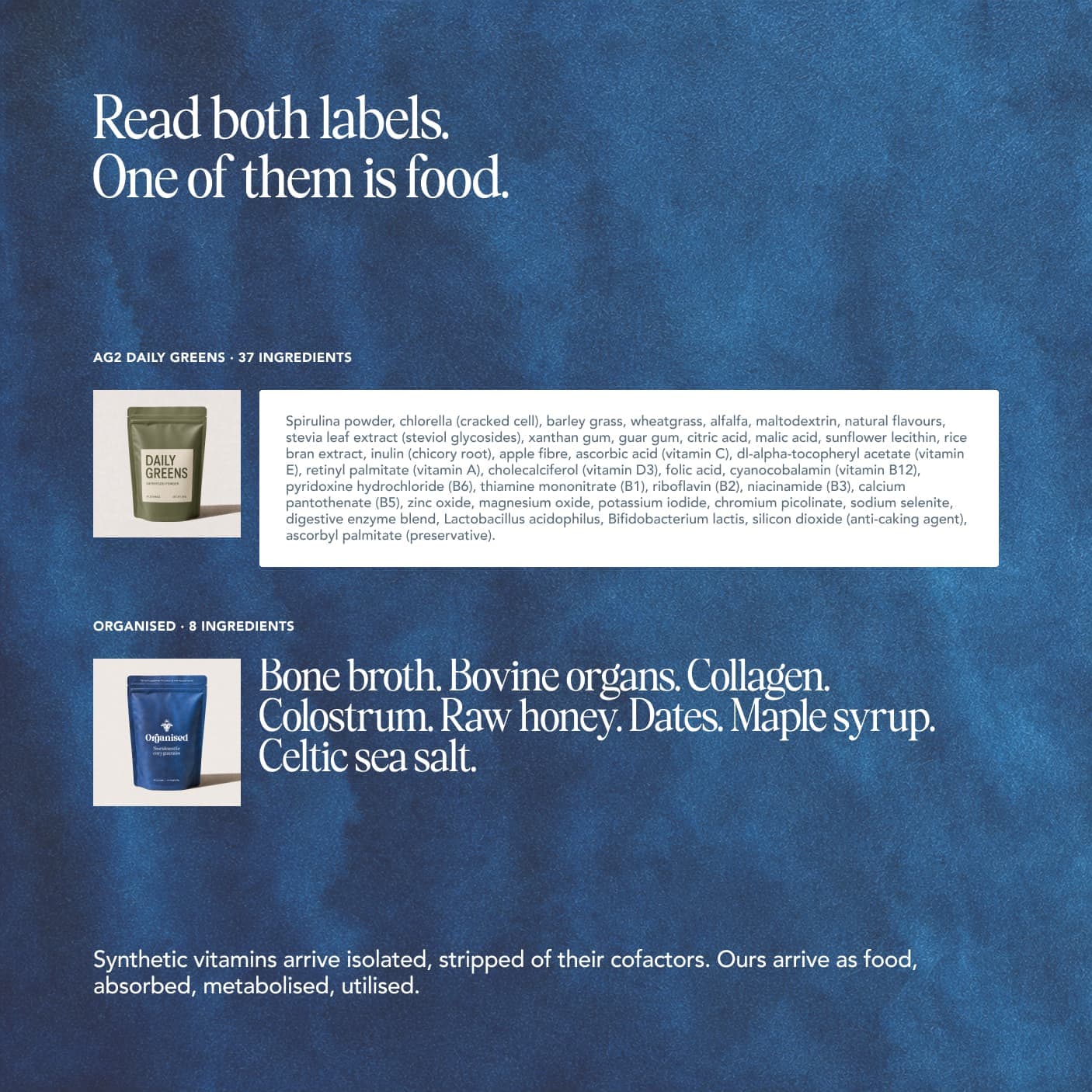
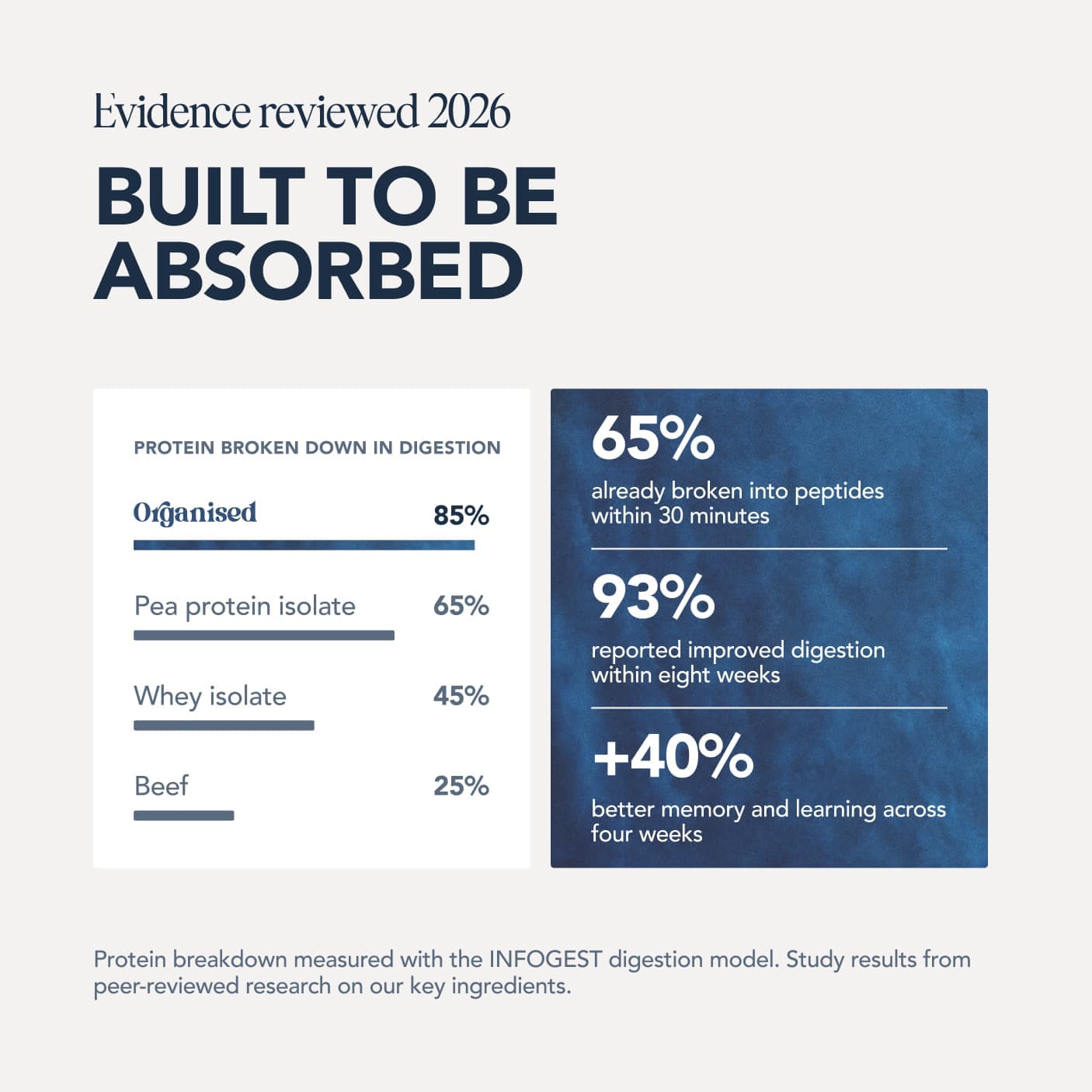
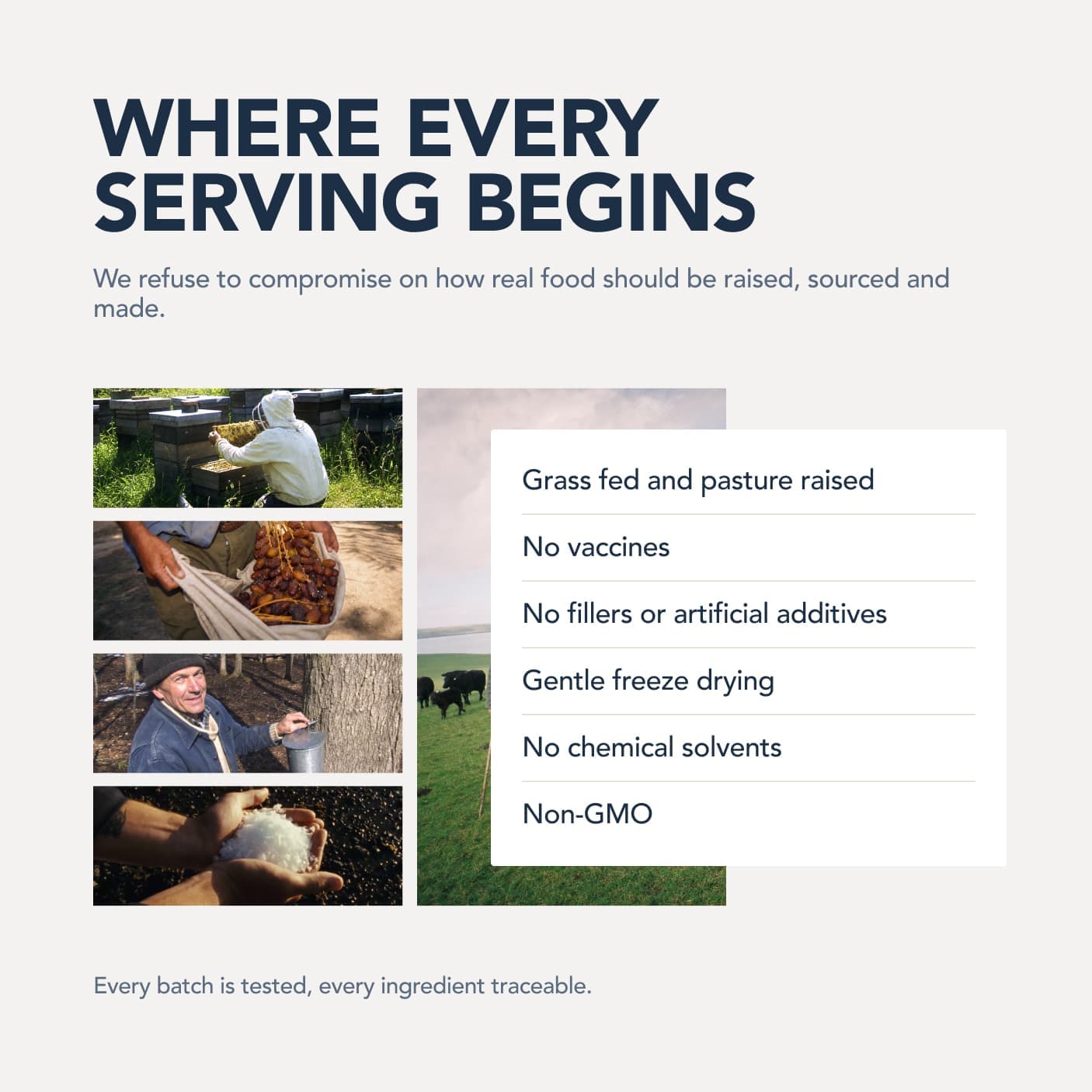
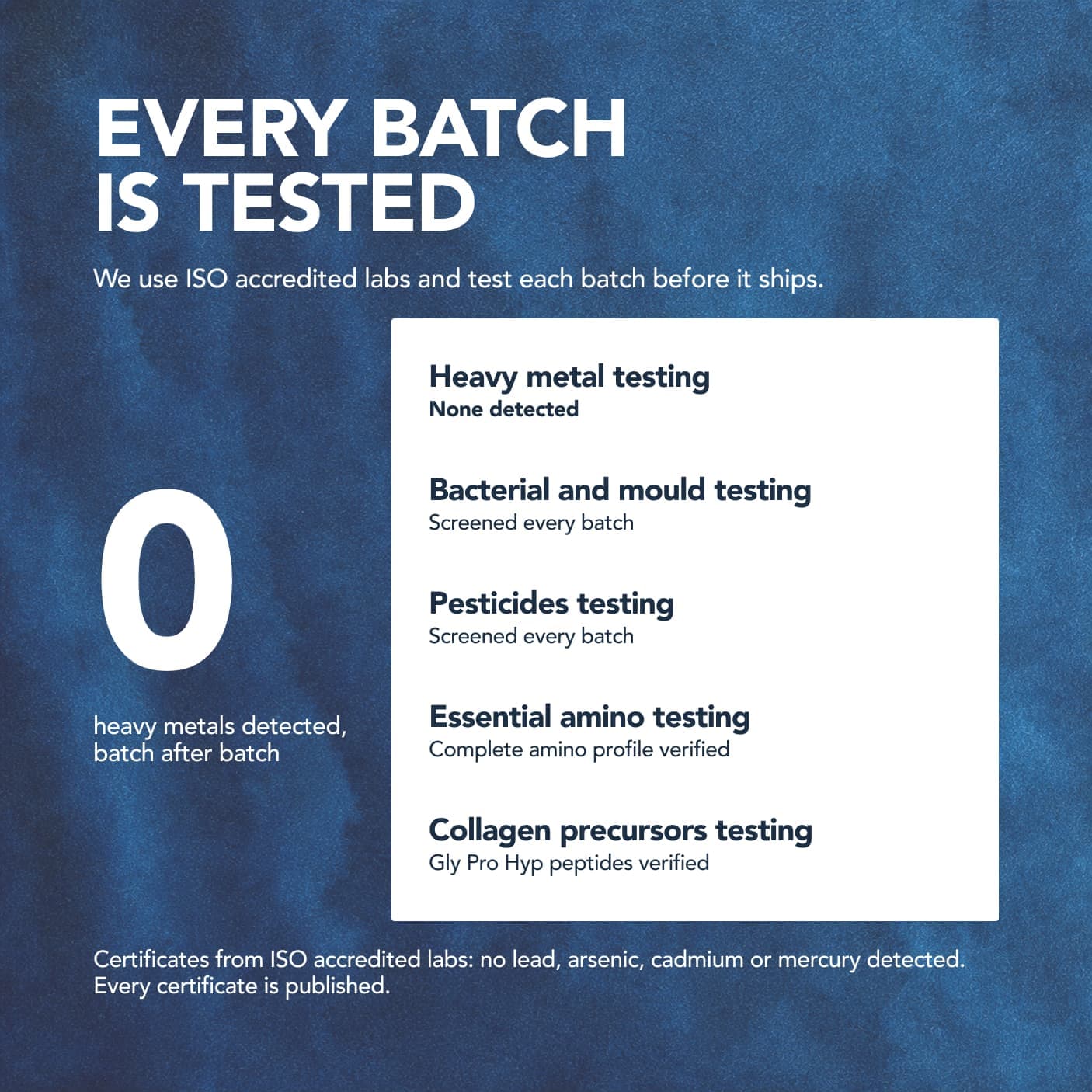
Eight real ingredients built around grass-fed beef organs, collagen and colostrum. Nothing synthetic added.
Free with your first order, worth £38. Plus £10 off the pouch with a subscription.



Free UK shipping · Made in England · 100 day money back guarantee on your first pouch · Skip, pause or cancel anytime
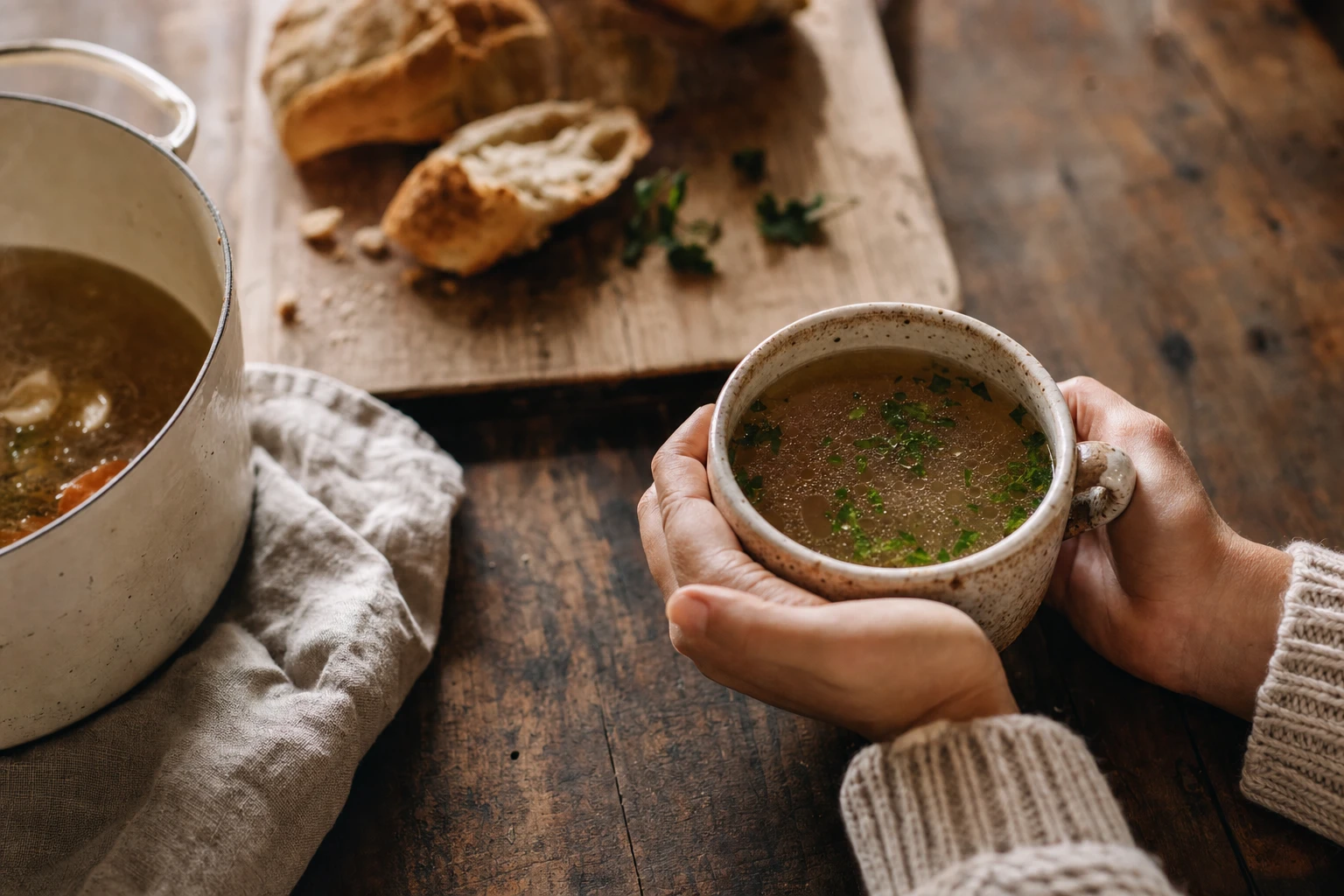
Bone broth as foundation
Homemade bone broth is the difference between meals that nourish and meals that fill. It's rich in collagen, gelatine, minerals, and compounds that support gut health.1
Make it in large batches. Place beef bones (ask your butcher for marrow bones, or use leftover chicken bones) in a large pot with water, apple cider vinegar (which helps extract minerals), and aromatics (onion, garlic, celery, carrot). Simmer gently for 12-24 hours. Strain, cool, and freeze in portions.
Use it for soups, pour it over mashed vegetables, drink it warm with salt as a breakfast drink, or use it as the base for any sauce. It's liquid nutrition that tastes good and costs almost nothing.
Simple breakfast wins
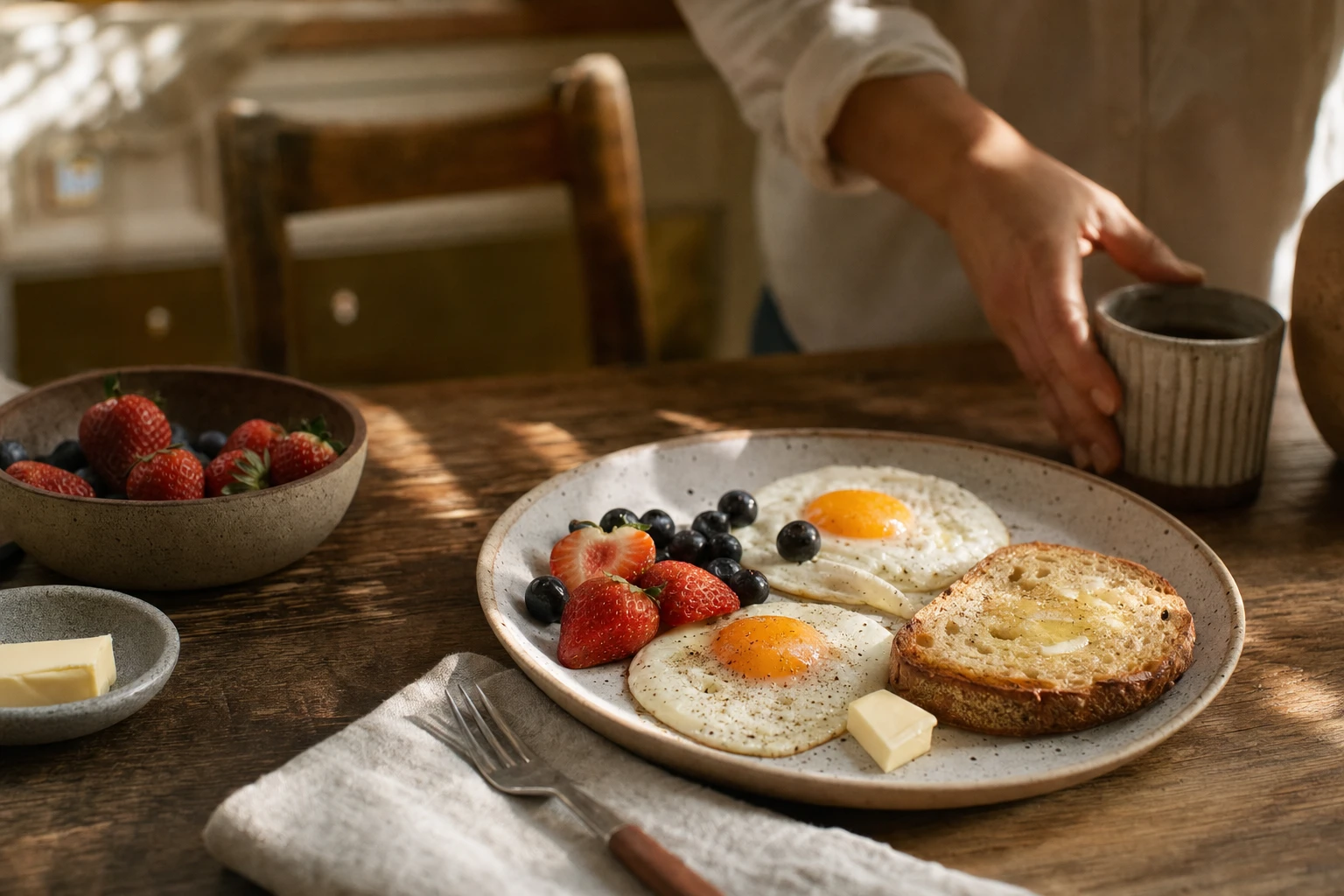
Breakfast sets the tone for the day. A protein-based breakfast keeps children full and focused. A sugar-based breakfast leads to crashes, mood swings, and hunger mid-morning.
- Eggs every day: Scrambled, boiled, fried in butter. Eggs are complete protein, cheap, and nearly every child will eat them.2 Hard-boil a dozen on Sunday and you have breakfasts ready all week.
- Overnight oats or chia pudding: Made with raw milk, collagen, and berries (see article 430). Prep the night before, eat in the morning.
- Liver pâté on sourdough: If your children will eat it. Liver pâté is one of the most nutrient-dense foods on the planet. Spread on toast with butter and they've consumed an entire day's micronutrient target before 7 AM.
- Leftover roasted chicken with fruit: Cold roasted chicken, an apple, and butter. Protein, fat, and carbohydrate. Completely satisfying.
The bottom line
Busy parents don't have time for elaborate cooking. You have time for batch cooking. Two hours on Sunday gives you components for five dinners. Organ meatballs give you nutrient density your children eat without knowing. Bone broth gives you depth in every meal. Frozen stews and cottage pies give you nights when you genuinely do nothing except reheat. That's not laziness. That's strategy. Your family eats real food all week. You don't spend your evenings standing over the stove. Your children grow up knowing that real food is normal. That's worth two hours on Sunday.
References
Every source below was checked on 27 August 2026. Each PubMed, PMC and DOI identifier was resolved against NCBI or Crossref, and what it opens is printed under the citation, so you can see the link goes where the citation says without leaving the page. Where a citation and its identifier disagreed, the citation was corrected to the record or the reference was deleted along with the sentence marker that pointed at it, and where the resolved paper turned out not to support the sentence, the sentence was cut back to what it does support. Borrowed authority is worse than none, because it looks like rigour.
- Ricard-Blum S. The Collagen Family. Cold Spring Harbor Perspectives in Biology, 2011. PMC3003457.Checked 27 August 2026: PMC3003457 opens Ricard-Blum S, The collagen family. Cold Spring Harb Perspect Biol 2011;3(1):a004978. PubMed indexes it as: Review.
- National Institutes of Health, Office of Dietary Supplements. Choline — Health Professional Fact Sheet.
Who wrote and reviewed this guide
Niall Kiddle
Author · Founder, Organised
Niall is the founder of Organised. He started the company in 2024 after fixing his own health the slow way: in 2022 he swapped a cupboard of synthetic supplements for real food, raw milk, organ meats, bone broth and honey, and felt the difference within months.
Areas of expertise: Ancestral nutrition, Organ meats, Whole-food supplementation, Gut health, Regenerative sourcing
Read Niall's full profile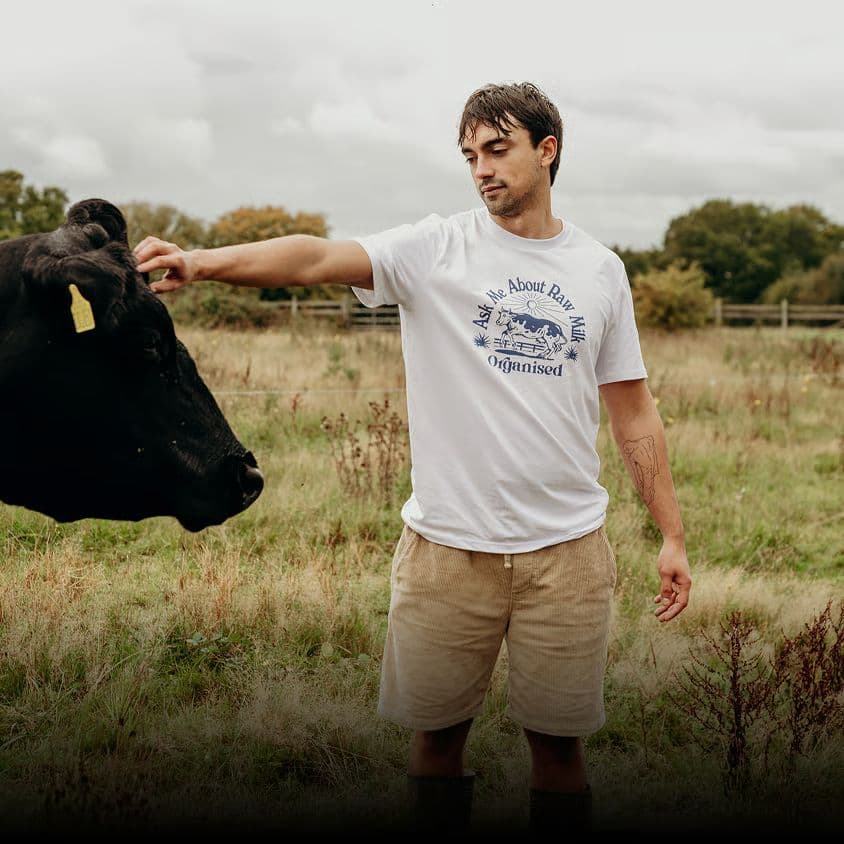
Pedro Rodrigues
Reviewer · Agronomist (farming and sourcing only)
Pedro is the agronomist Organised works with on farming and sourcing. His job on the guides is to keep the science honest: he reviews what we publish about soil health, regenerative agriculture, grazing and the way food is actually produced.
Areas of expertise: Regenerative agriculture, Agronomy, Soil health, Grass-fed farming, Food sourcing
Reviewed this guide on
Read Pedro's full profileMore on routines
View all- The Morning Routine That Changed My Health
- A Day of Eating for Optimal Skin Health
- Evening Wind-Down: A Nutrition Protocol for Better Sleep
- How to Build a Supplement-Free Daily Routine
- How to Meal Prep for a Week of Whole Food Nutrition
- Shift Workers: How to Eat for Energy When Your Schedule Is Upside Down
- The Healthy Morning Routine Reddit Swears By: An Honest Breakdown
- The Weekend Reset: A 2-Day Whole Food Protocol
- Travel Nutrition: How to Stay Nourished on the Go
Browse the guides library
All guidesKeep reading
Recipes & routines
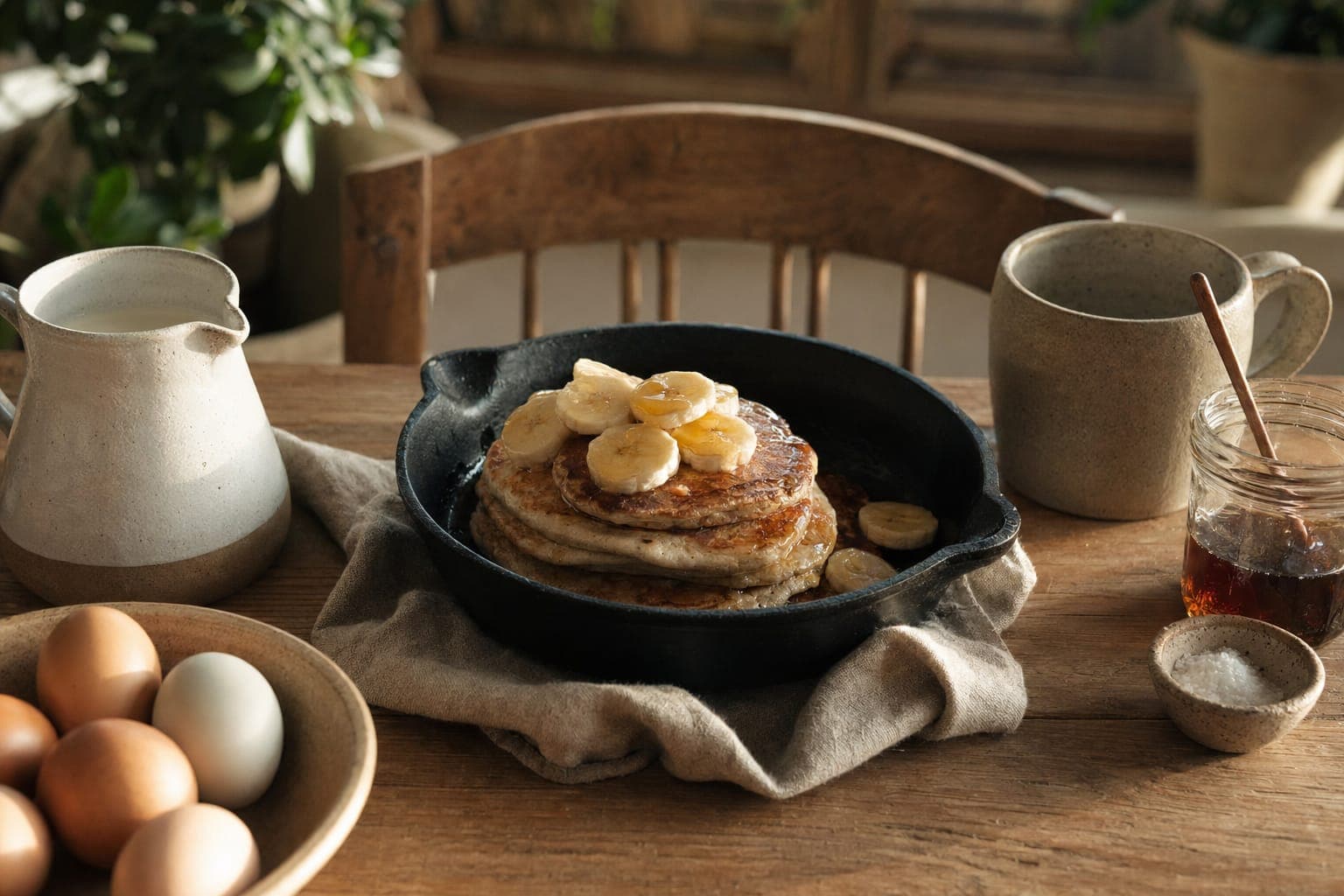
Organised Protein Pancakes: A Weekend Favourite
A high-protein pancake recipe using beef protein, eggs, and raw milk. Cooked in cast iron, naturally sweetened with banana and honey. Real food breakfast.
Recipes & routines
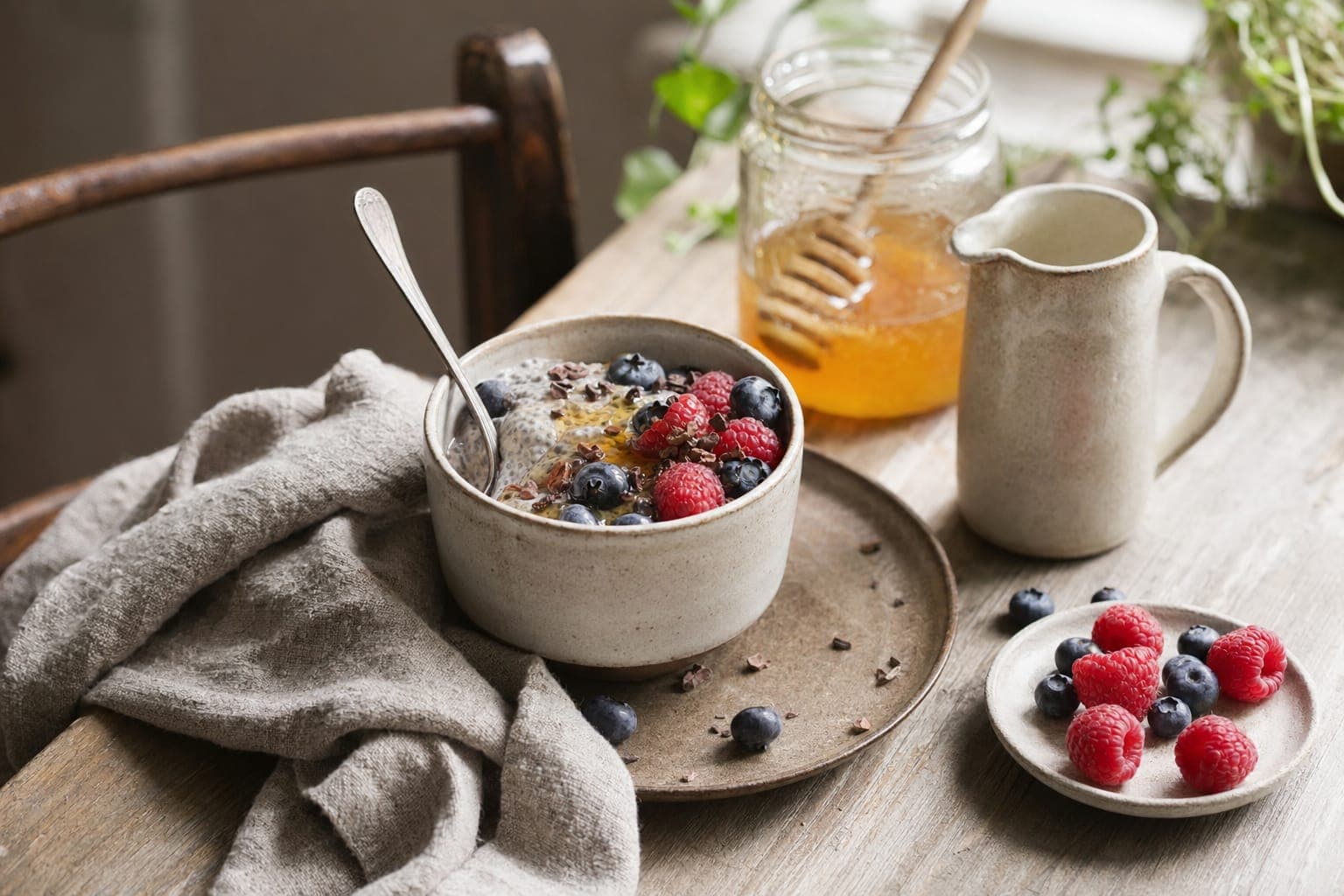
Organised Chia Pudding with Raw Honey and Berries
A no-cook chia seed pudding made with raw milk, collagen, berries, and raw honey. Prep it the night before and eat for breakfast.
Recipes & routines
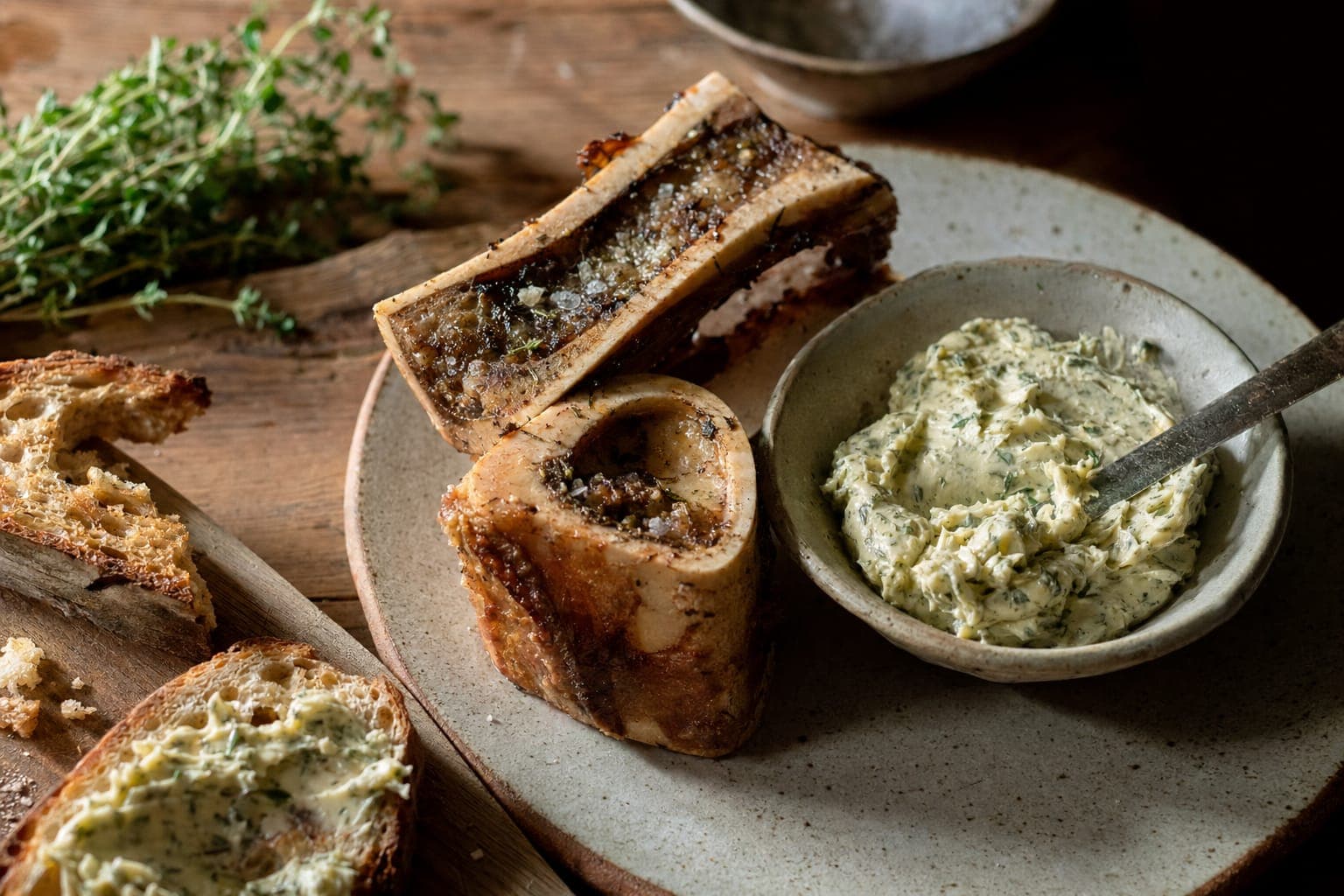
How to Make Bone Marrow Butter
Roast grass-fed marrow bones, scoop the marrow, and mix with butter and herbs. A nutrient-dense spread with fat-soluble vitamins.
Real food, made effortless
Add it to my routineA few ways to use it
All recipes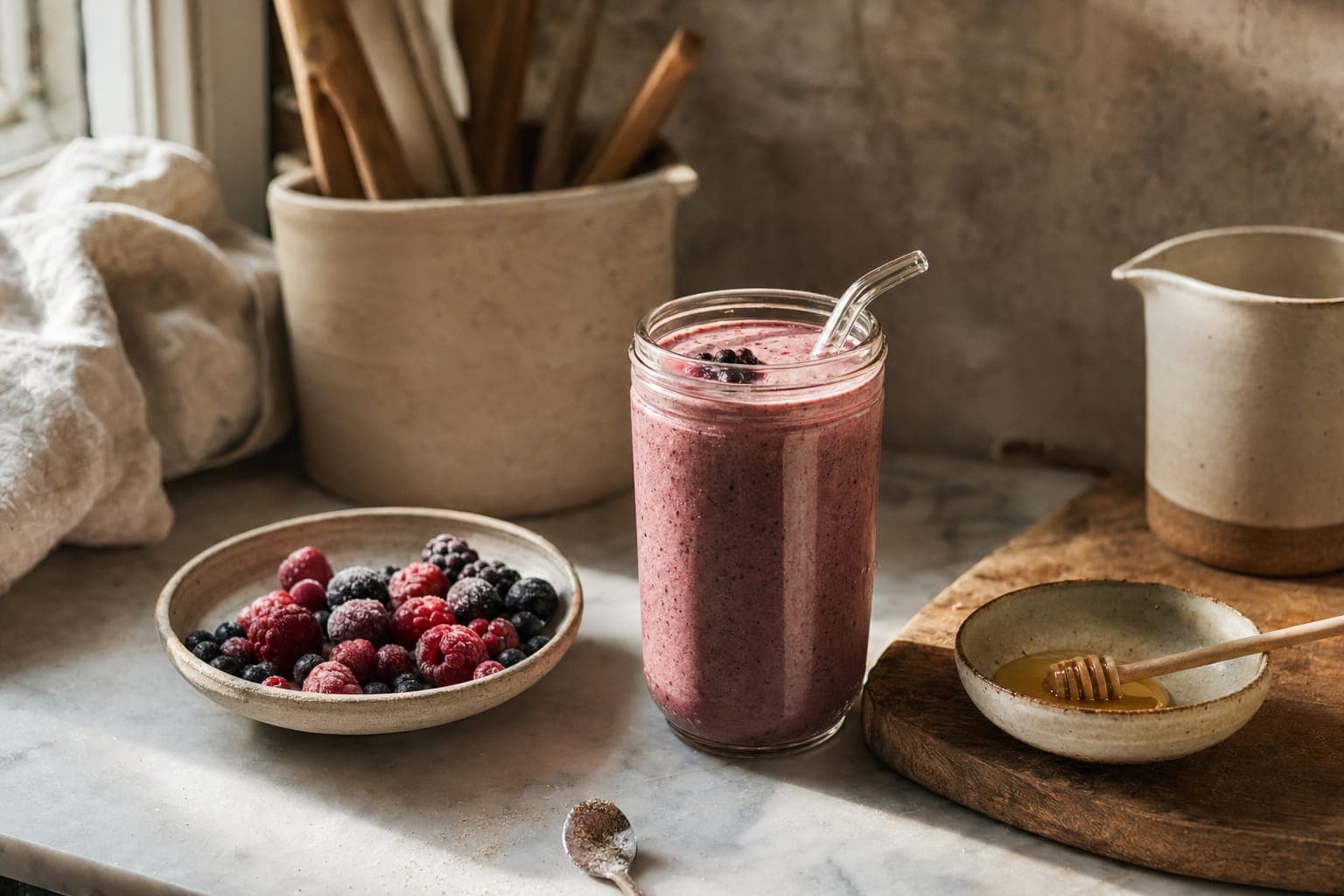
The Organised Recovery Smoothie for After Exercise
A recovery smoothie made with beef protein, raw milk, frozen berries, collagen, and honey. Optimal nutrition in the 30-minute window after exercise.
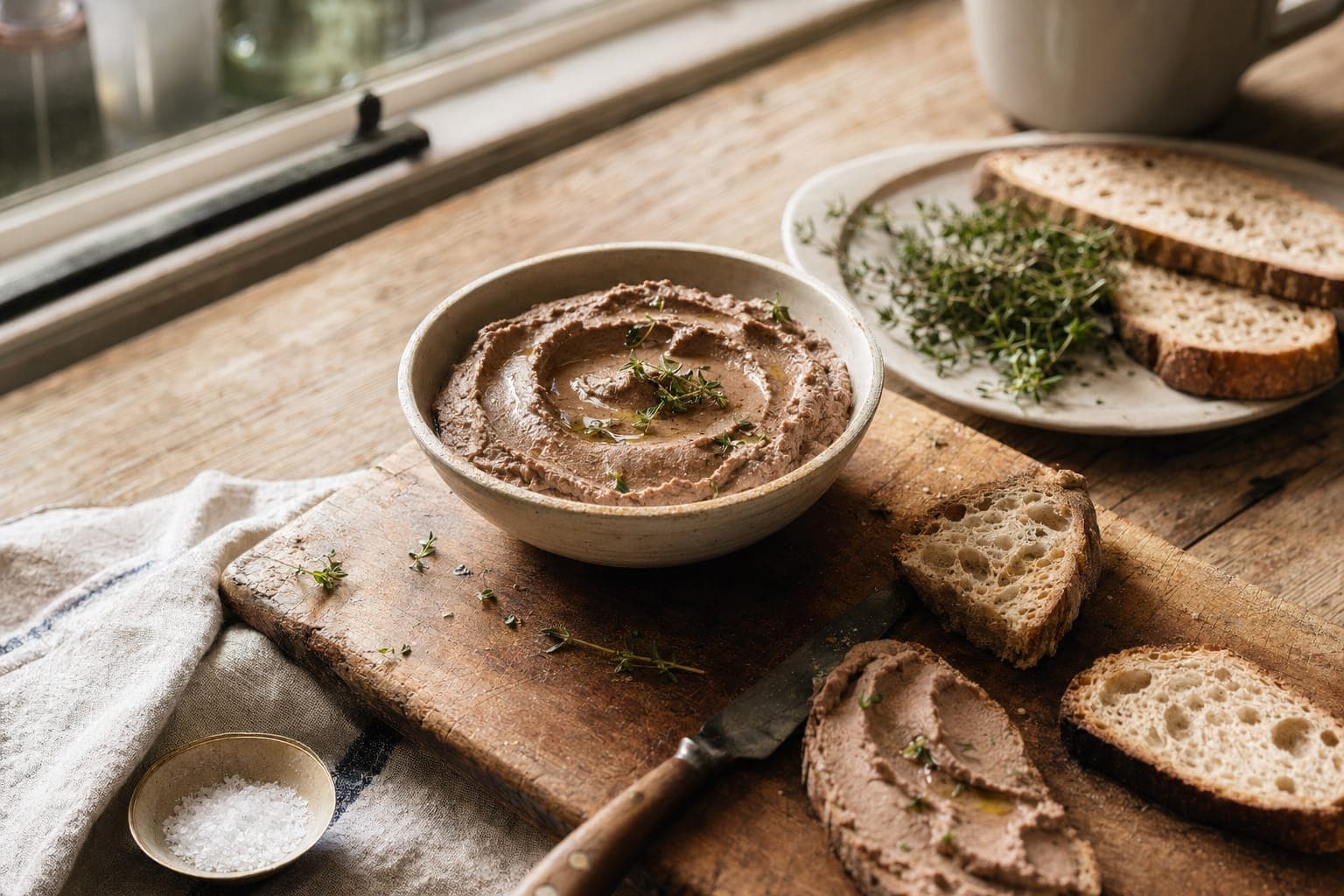
Liver Pate for Beginners: A Gentle Introduction to Organ Meats
Simple liver pate recipe to start eating organ meats. Chicken liver, butter, and herbs. Gentle introduction to nutrient-dense whole foods.
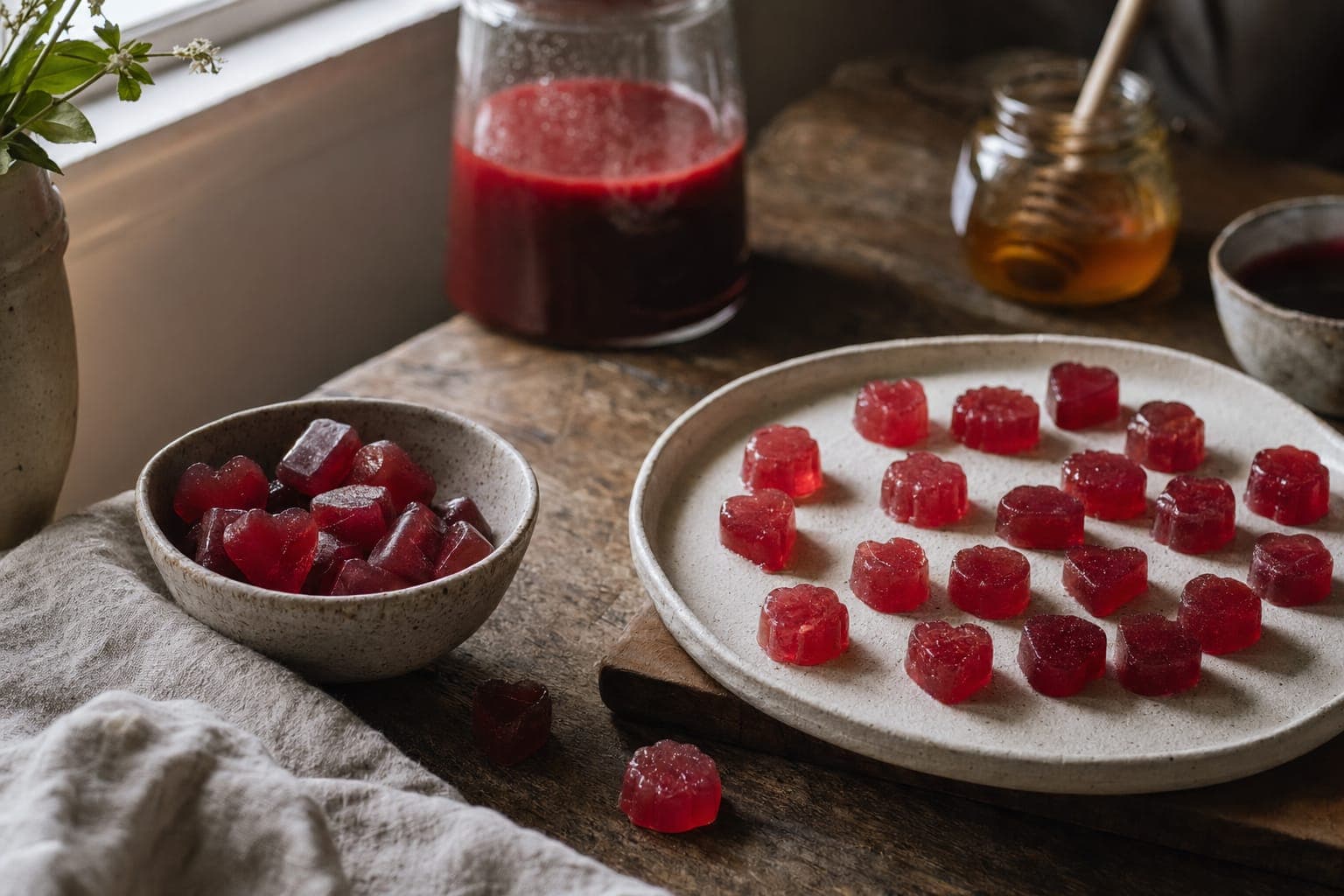
How to Make Your Own Gelatine Gummies
A simple recipe for homemade gelatine gummies using grass-fed gelatine, fresh juice, and raw honey. Better than shop-bought, kids love them.


 Join over 100,000+ members
Build a better food system with us
The Organised community is thousands of people choosing real food and backing the farmers who grow it, all of us trying to leave the world a little better than we found it. If that is what you care about too, you belong here.