Beef Protein vs Plant Protein: A Nutritional Reality Check
Plant protein sounds better in theory. It's lower impact, it aligns with certain values, it feels more modern. But when you look at what your body actually absorbs, the data tells a different story. Not all proteins are created equal.

By Niall Kiddle, Founder, Organised

Reviewed by Pedro Rodrigues, Agronomist (farming and sourcing only) ·
7 min read · Published · Updated · 4 cited sources
Makers of the Organised Daily blend, a grass-fed beef organ supplement from regenerative UK farms
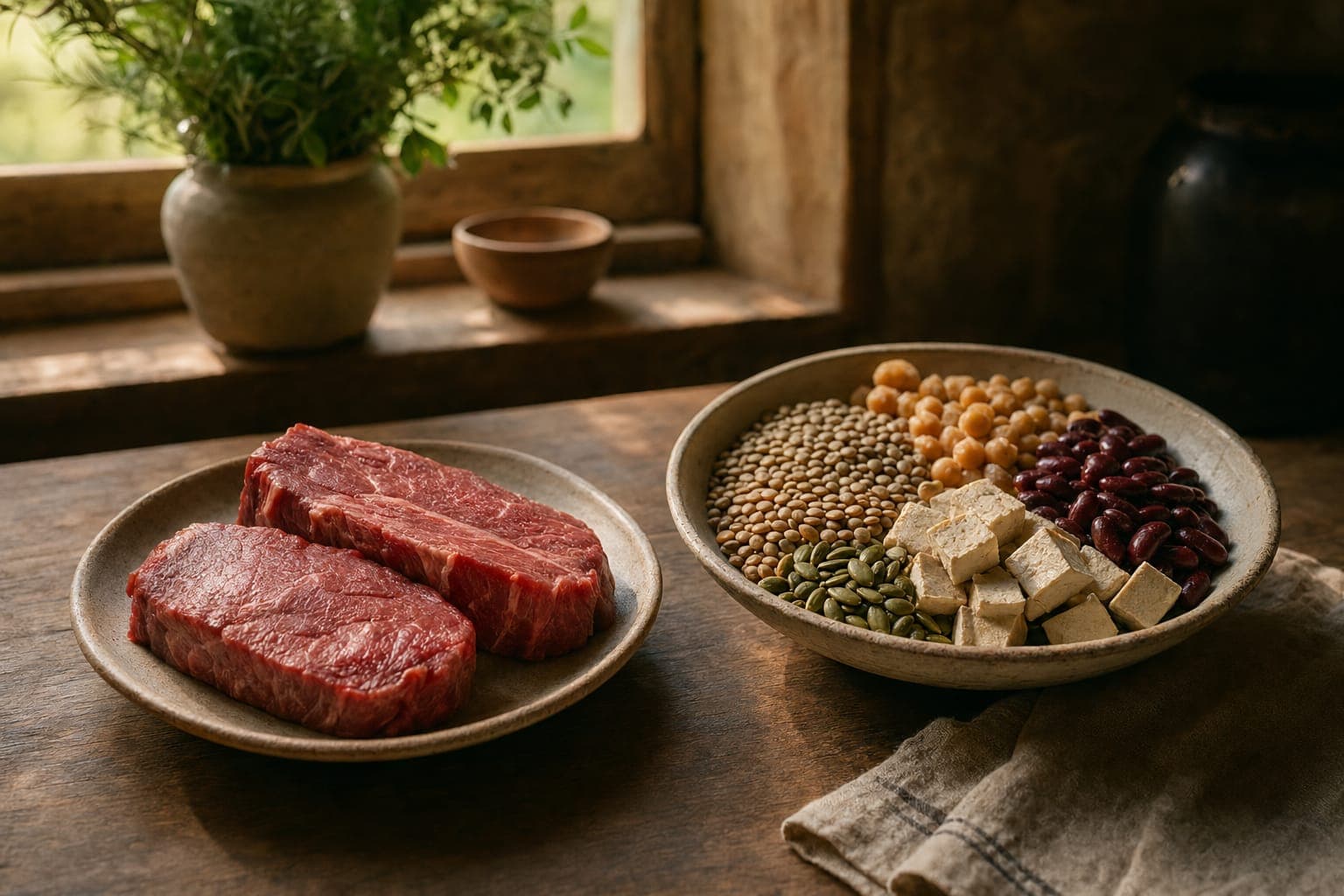
The choice between beef and plant protein isn't about morality or ideology. It's about whether your body can actually use the protein you're consuming, and whether you're getting the micronutrients alongside it.
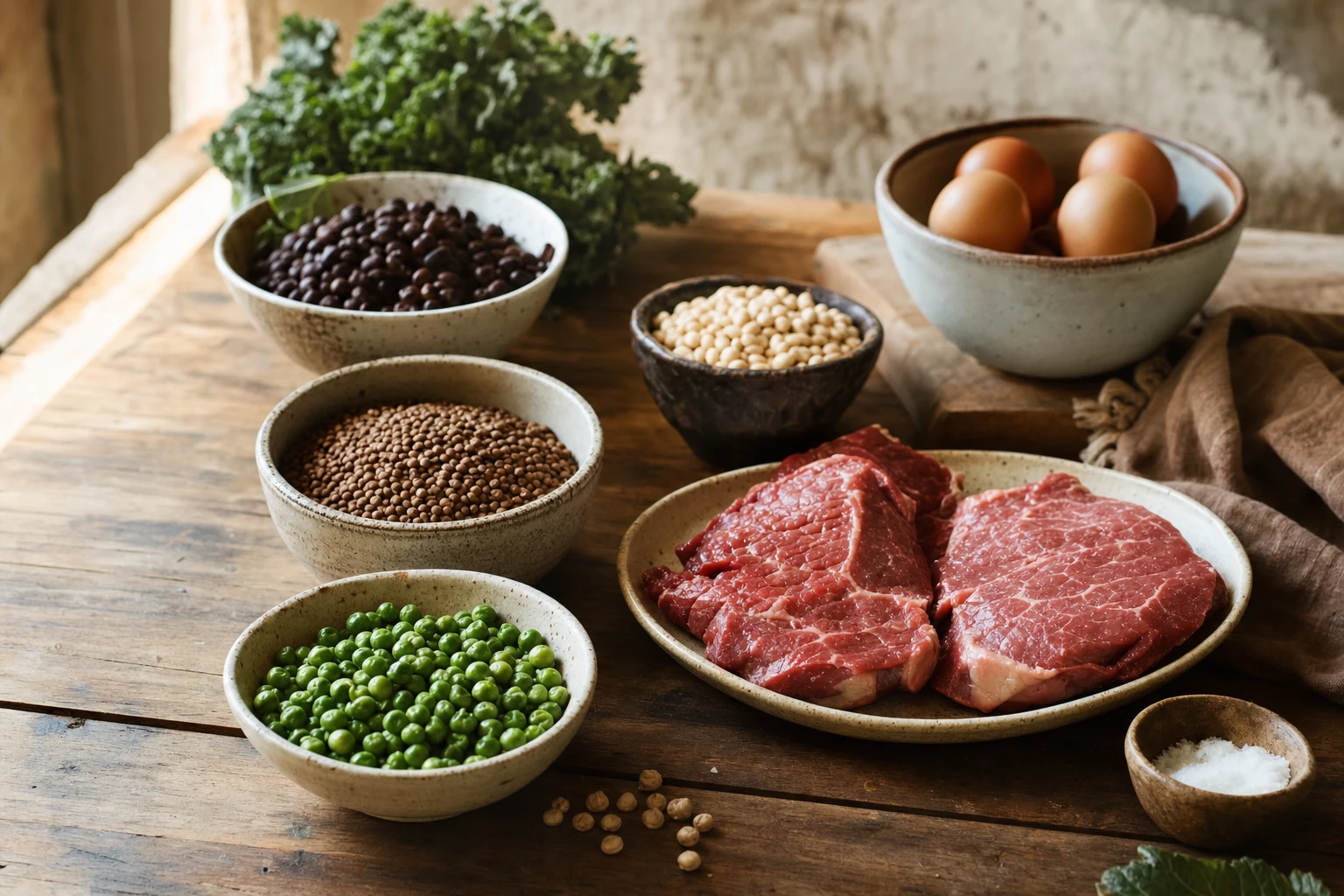
Complete vs incomplete amino acid profiles
Your body needs nine essential amino acids that it cannot manufacture itself. Beef contains all nine in the ratios your body needs. One serving of beef protein provides all nine, in usable amounts, in the ratios that human physiology requires.
Most plant proteins are incomplete. Pea protein is low in methionine. Rice protein is low in lysine. Soy protein is more complete than most plant sources, but it still doesn't match the amino acid profile of beef. Hemp protein is also incomplete.
You can combine plant proteins to create a complete profile (rice and beans, for example), but this requires deliberate food pairing, constant attention, and you have to eat them together at the same meal. A scoop of beef protein powder provides everything automatically.
If you're supplementing, you want the supplement to be complete. Plant protein supplements are inherently incomplete, which means you need to strategically pair them with other foods to get a complete amino acid profile.
Beef protein contains all nine essential amino acids in the ratios your body needs. Most plant proteins require careful combining to achieve the same.
Anti-nutrients in plant proteins
Plant foods contain compounds called anti-nutrients: phytic acid, tannins, protease inhibitors, and lectins. These evolved as the plant's defence mechanism against being eaten. They're not poison, but they do inhibit nutrient absorption and protein digestion.
Phytic acid binds to minerals like zinc, iron, and magnesium, making them harder to absorb.1 This is particularly problematic if you're already mineral-deficient. Protease inhibitors actually block protein digestion enzymes, directly reducing your ability to break down and absorb the protein. Lectins can damage the intestinal lining in sensitive individuals and increase permeability.
Beef contains none of these. It's a complete protein with zero anti-nutrient burden. Your body can absorb all of it without fighting defensive compounds.
Plant protein manufacturers try to reduce anti-nutrients through processing, heating, soaking, and sprouting. But processing also damages nutrients and reduces bioavailability. You can't process plant protein into beef protein. You can only reduce the damage.
Bioavailability and absorption rates
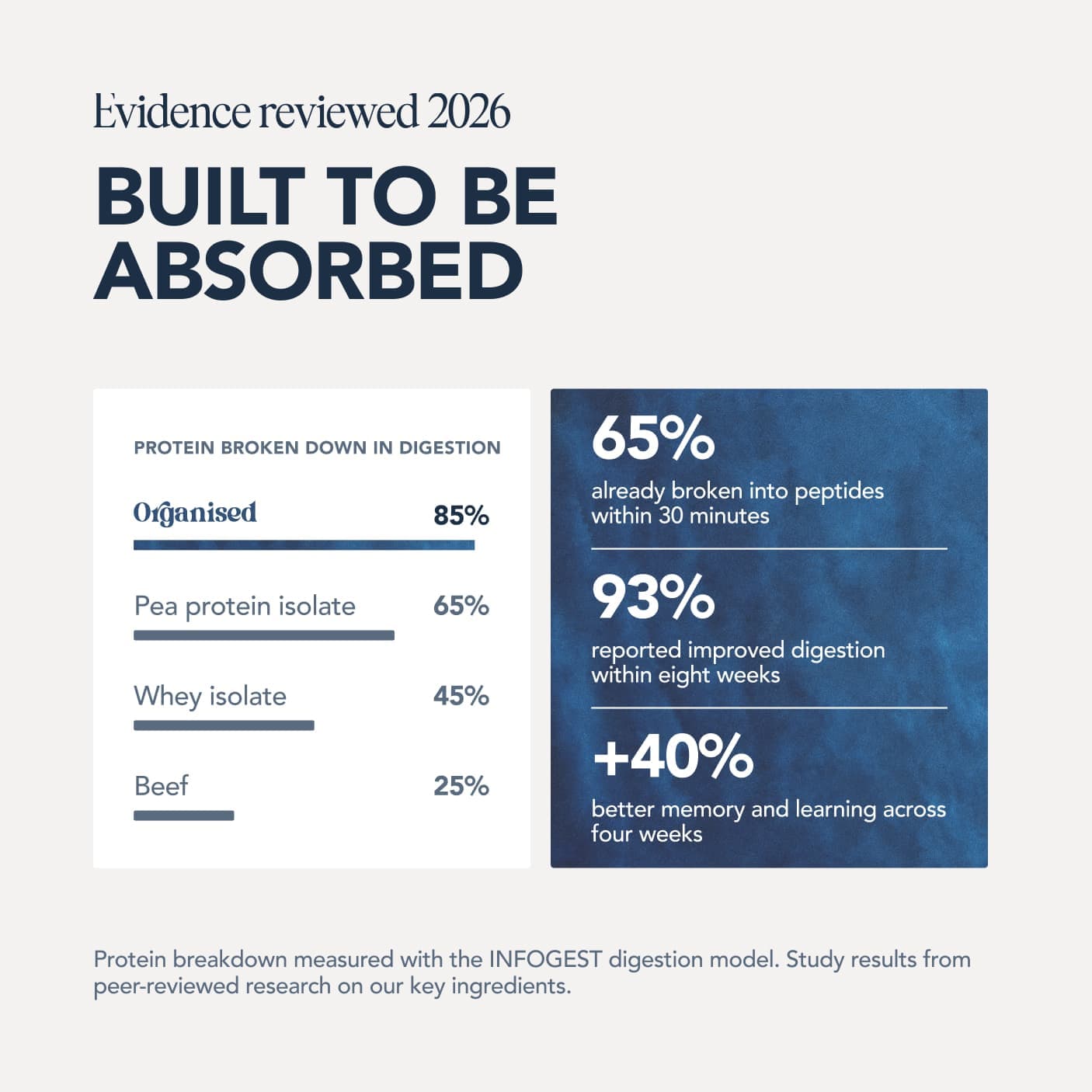
When you consume beef protein, approximately 90 to 95 per cent of it is absorbed and available for your body to use. It's efficiently digested, efficiently transported, efficiently utilised.
Plant protein absorption rates are significantly lower. Pea protein: 60 to 70 per cent. Rice protein: 50 to 60 per cent. Even well-processed plant proteins top out around 70 to 75 per cent absorption. Some studies show pea protein absorption as low as 52 per cent in real-world conditions.
This means a serving of plant protein that claims to have 25 grams of protein delivers somewhere between 13 and 18 grams of usable protein to your body. The same serving of beef protein delivers approximately 24 grams.
When you're trying to build muscle, maintain muscle mass as you age, or meet protein targets, these aren't trivial differences. You'd have to eat nearly twice the plant protein to get the same usable amino acid intake as beef.
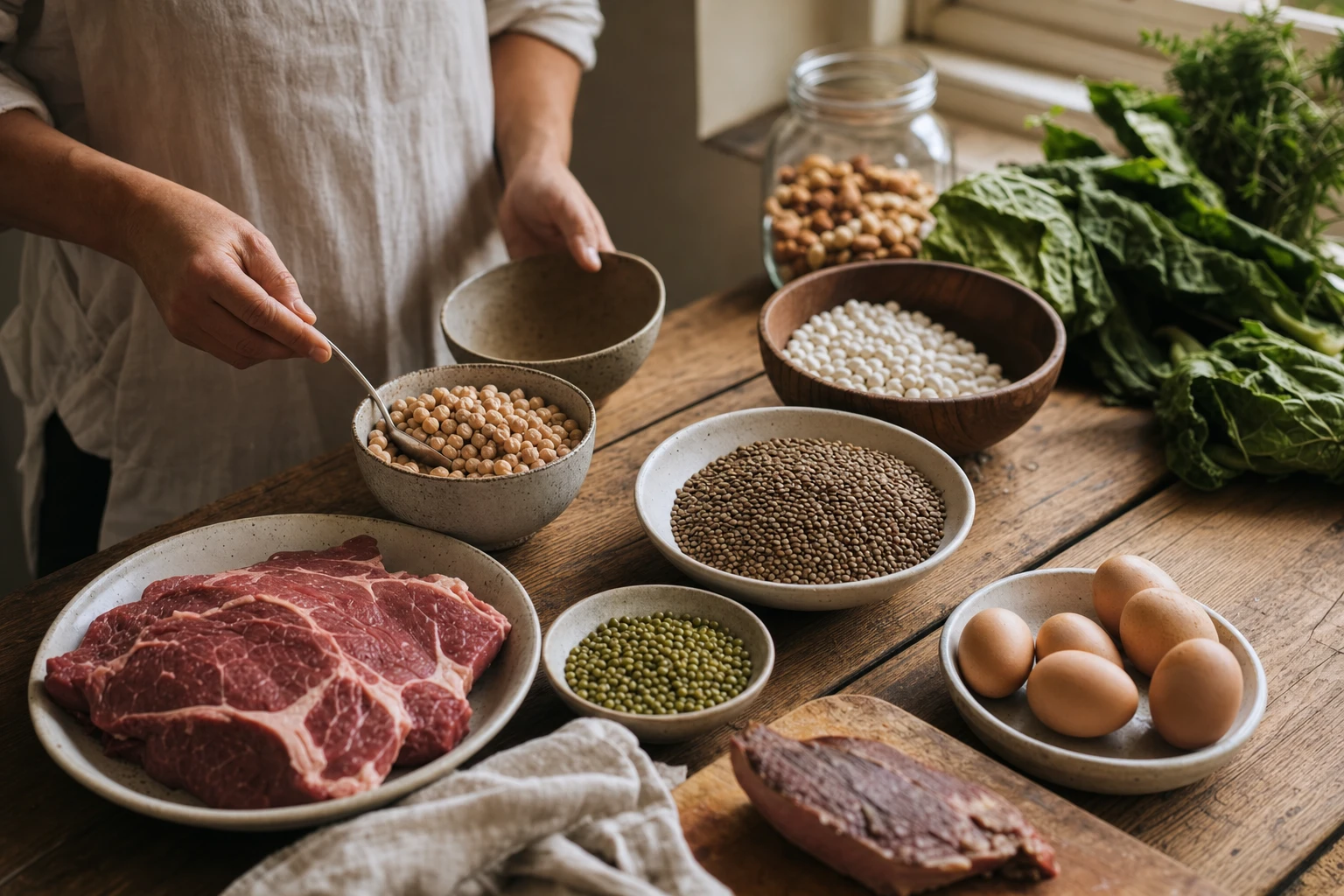
DIAAS scores explained
DIAAS (Digestible Indispensable Amino Acid Score) is the gold standard for measuring protein quality. It's the metric that nutritionists use to assess how much of a protein source your body can actually use.
Beef scores around 1.0 to 1.1 on the DIAAS scale (maximum is 1.0, so beef often exceeds the standard). Whey scores around 1.0 to 1.08. Most plant proteins score 0.4 to 0.8.2
This means beef and whey are complete, highly absorbable proteins that meet all your amino acid requirements. Plant proteins fall short and require combining or eating larger quantities to meet your needs.
If you're reading a plant protein label claiming it's "complete", check the DIAAS score. Most won't have one listed because the score would be unflattering. This isn't a conspiracy, it's just that plant proteins genuinely don't measure up by the standard metric.
Digestibility and gut health
Beef protein is easy to digest. Your stomach produces acids and enzymes designed specifically to break down animal proteins. Digestion happens efficiently, absorption happens efficiently, and there's minimal stress on your gut.
Plant proteins often create digestive distress. The anti-nutrients and fibre content can cause bloating, gas, and slow digestion. The proteins are harder to break down because your digestive system is less optimised for processing them. Even processed plant proteins often cause digestive issues that beef doesn't.
For people with sensitive guts, FODMAP sensitivities, or any degree of digestive dysfunction, plant protein can be actively problematic. Beef protein consistently works, universally.
Your digestive system evolved to efficiently digest animal protein. Plant protein requires your body to work harder for less return.
Get honest comparisons, free
Two short reads a week cutting through supplement marketing with what the evidence says.
By signing up you agree to receive emails from us. No spam, unsubscribe anytime.
Micronutrient density
When you consume beef protein, you're not just getting protein. You're getting:
- Heme iron (highly absorbable iron for oxygen transport and energy)4
- B vitamins, especially B12 (essential for neurological function, found almost exclusively in animal foods)
- Creatine (supports muscle and brain function)
- Carnosine and anserine (powerful antioxidants)
- Taurine (supports heart and muscle function)
- Zinc, selenium, and copper (essential minerals for immune function)
- Choline (supports cognitive function)
Plant proteins provide protein and some micronutrients, but in less bioavailable forms. The iron is non-heme iron (poorly absorbable, especially when anti-nutrients are present). The B12 requires fortification (synthetic form, less bioavailable than natural). The mineral content is lower and more inhibited by anti-nutrients. Zinc bioavailability from plant sources is particularly poor.
You're not just comparing protein sources. You're comparing complete nutrient packages. Beef wins decisively on every micronutrient count.
Hormonal effects and estrogens
Some plant proteins, particularly soy, contain phytoestrogens (plant compounds that mimic estrogen).3 These are weak estrogen mimics compared to actual oestrogen, but they can still influence hormonal balance, especially at high doses and with long-term consumption.
This is particularly relevant for men trying to build muscle. Elevated oestrogen-like activity can suppress testosterone production and interfere with muscle building. You're trying to build muscle but your hormonal environment is working against you.
Beef protein has none of these compounds. It provides nutrients that support testosterone production (zinc, vitamin D, cholesterol) rather than inhibit it. For both men and women, the hormonal profile of beef protein is more supportive of health than plant protein.

1 of 9
Daily blend
100,000+ thriving families4.9 on Trustpilot
Eight real ingredients built around grass-fed beef organs, collagen and colostrum. Nothing synthetic added.
Free with your first order, worth £38. Plus £10 off the pouch with a subscription.

Free UK shipping · Made in England · 100 day money back guarantee on your first pouch · Skip, pause or cancel anytime
Environmental and sustainability arguments
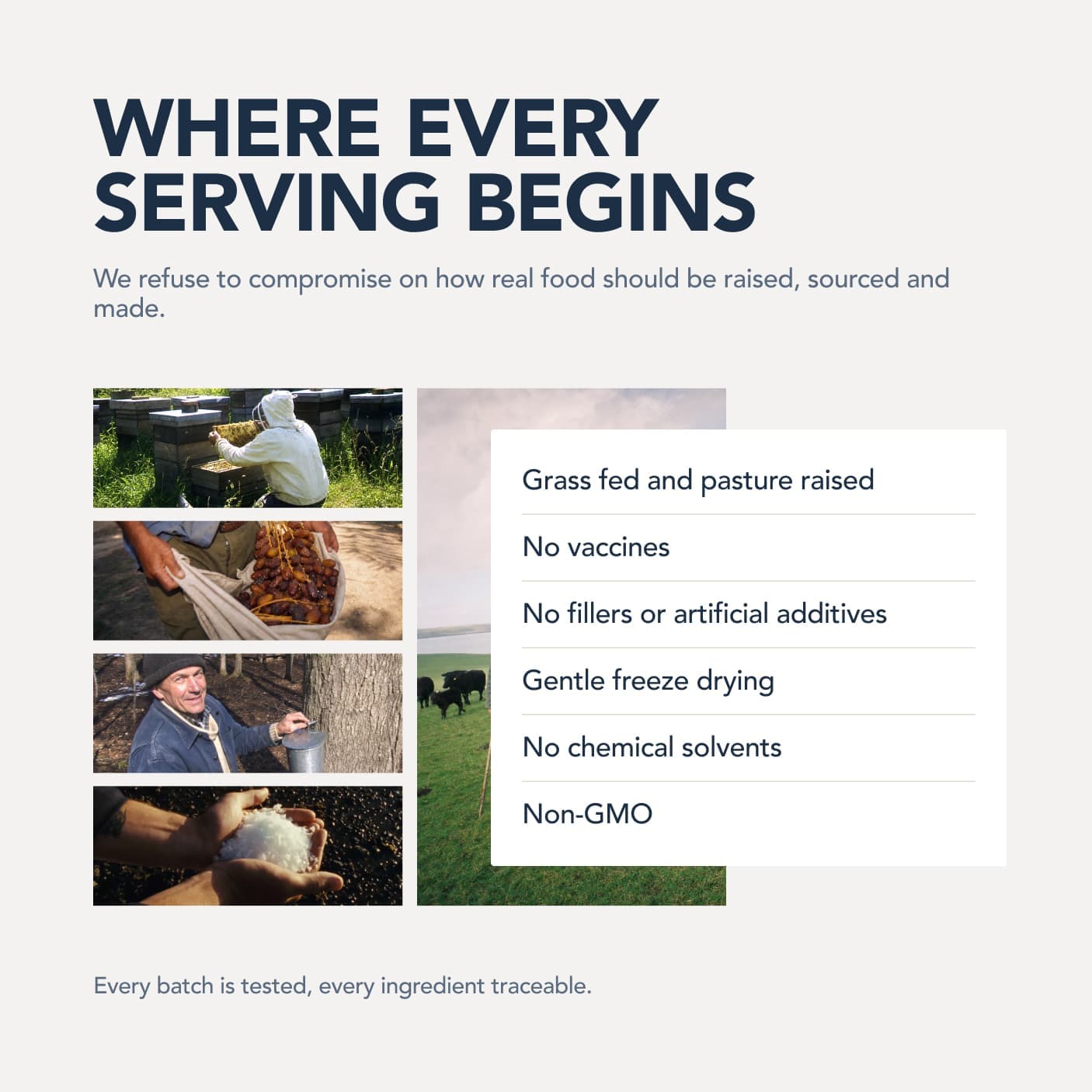
Plant protein proponents often cite environmental benefits. But the reality is more complex. Modern plant agriculture uses significant pesticide and herbicide loads, particularly glyphosate on soy and other crops. Regenerative beef farming, by contrast, builds soil health and sequesters carbon.
When you compare regenerative beef farming to conventional plant agriculture (the norm for most plant proteins), beef is often the more environmentally responsible choice.
This isn't an argument against plants. It's an argument for choosing regeneratively-sourced animal products over conventional plant products, from both a health and environmental perspective.
Processing and digestive burden
Beef protein processing is minimal: dry the beef, grind it, package it. Beef is beef.
Plant protein processing is complex: isolate the protein, ferment it (sometimes), heat it, process it with chemicals, remove anti-nutrients, fortify it with synthetic nutrients, add flavourings. The more processed your food, the more your digestive system has to work to recognise it and utilise it.
Highly processed plant proteins are harder for your body to recognise as food. This can trigger low-grade inflammation, dysbiosis (imbalanced microbiome), and reduced nutrient absorption across the board.
The bottom line
If your values require plant-based eating, that's a legitimate choice. But don't pretend plant protein is nutritionally equivalent to beef protein. It's not. Not even close when you look at completeness, bioavailability, DIAAS scores, and micronutrient density.
For anyone trying to optimise their nutrition, building muscle, recovering from illness, supporting athletic performance, or simply wanting the highest-nutrient input per bite, beef protein is nutritionally superior in every measurable way.
Plant protein has value in a varied diet. It shouldn't be your primary protein source if you have the choice. If you're supplementing with plant protein because it's convenient or ideologically aligned, understand what you're sacrificing nutritionally.
If you want to support your health through nutrition, prioritise animal proteins. Beef tops the list. Your body will utilise it more efficiently, your digestion will be easier, and your micronutrient intake will be higher. That matters more than philosophy.
References
Every source below was checked on 27 August 2026. Each PubMed, PMC and DOI identifier was resolved against NCBI or Crossref, and what it opens is printed under the citation, so you can see the link goes where the citation says without leaving the page. Where a citation and its identifier disagreed, the citation was corrected to the record or the reference was deleted along with the sentence marker that pointed at it, and where the resolved paper turned out not to support the sentence, the sentence was cut back to what it does support. Borrowed authority is worse than none, because it looks like rigour.
- Hurrell R, Egli I. Iron bioavailability and dietary reference values. American Journal of Clinical Nutrition, 2010. PMID 20200263.Checked 27 August 2026: PMID 20200263 opens Hurrell R, Egli I, Iron bioavailability and dietary reference values. Am J Clin Nutr 2010;91(5):1461S-1467S.
- FAO. Dietary protein quality evaluation in human nutrition: report of an FAO Expert Consultation. FAO Food and Nutrition Paper 92, 2013. FAO publication.
- Patisaul HB, Jefferson W. The pros and cons of phytoestrogens. Frontiers in Neuroendocrinology, 2010. PMID 20347861.Checked 27 August 2026: PMID 20347861 opens Patisaul HB, Jefferson W, The pros and cons of phytoestrogens. Front Neuroendocrinol 2010;31(4):400-19. PubMed indexes it as: Review.
- National Institutes of Health, Office of Dietary Supplements. Iron — Health Professional Fact Sheet.
Who wrote and reviewed this guide
Niall Kiddle
Author · Founder, Organised
Niall is the founder of Organised. He started the company in 2024 after fixing his own health the slow way: in 2022 he swapped a cupboard of synthetic supplements for real food, raw milk, organ meats, bone broth and honey, and felt the difference within months.
Areas of expertise: Ancestral nutrition, Organ meats, Whole-food supplementation, Gut health, Regenerative sourcing
Read Niall's full profile
Pedro Rodrigues
Reviewer · Agronomist (farming and sourcing only)
Pedro is the agronomist Organised works with on farming and sourcing. His job on the guides is to keep the science honest: he reviews what we publish about soil health, regenerative agriculture, grazing and the way food is actually produced.
Areas of expertise: Regenerative agriculture, Agronomy, Soil health, Grass-fed farming, Food sourcing
Reviewed this guide on
Read Pedro's full profileMore on nutrient comparisons
View all- Beef Liver vs Multivitamin: A Side-by-Side Nutrient Comparison
- Beef Organs vs Desiccated Liver: Why a Blend Is Better
- Bone Broth vs Collagen Supplements: Do You Need Both?
- Bone Broth vs Collagen: What Reddit Says You Actually Need
- Bovine Colostrum vs Goat Colostrum: Does the Source Matter?
- Celtic Sea Salt vs Table Salt: A Mineral Analysis
- Collagen vs Hyaluronic Acid: What Actually Works for Skin?
- Folate from Liver vs Folic Acid from Supplements
- Grass-Fed Collagen vs Marine Collagen vs Vegan Collagen
- Methylcobalamin vs Cyanocobalamin: Which B12 Is Better?
- Retinol from Food vs Retinol in Supplements: Bioavailability Compared
Browse the guides library
All guidesKeep reading
Comparisons
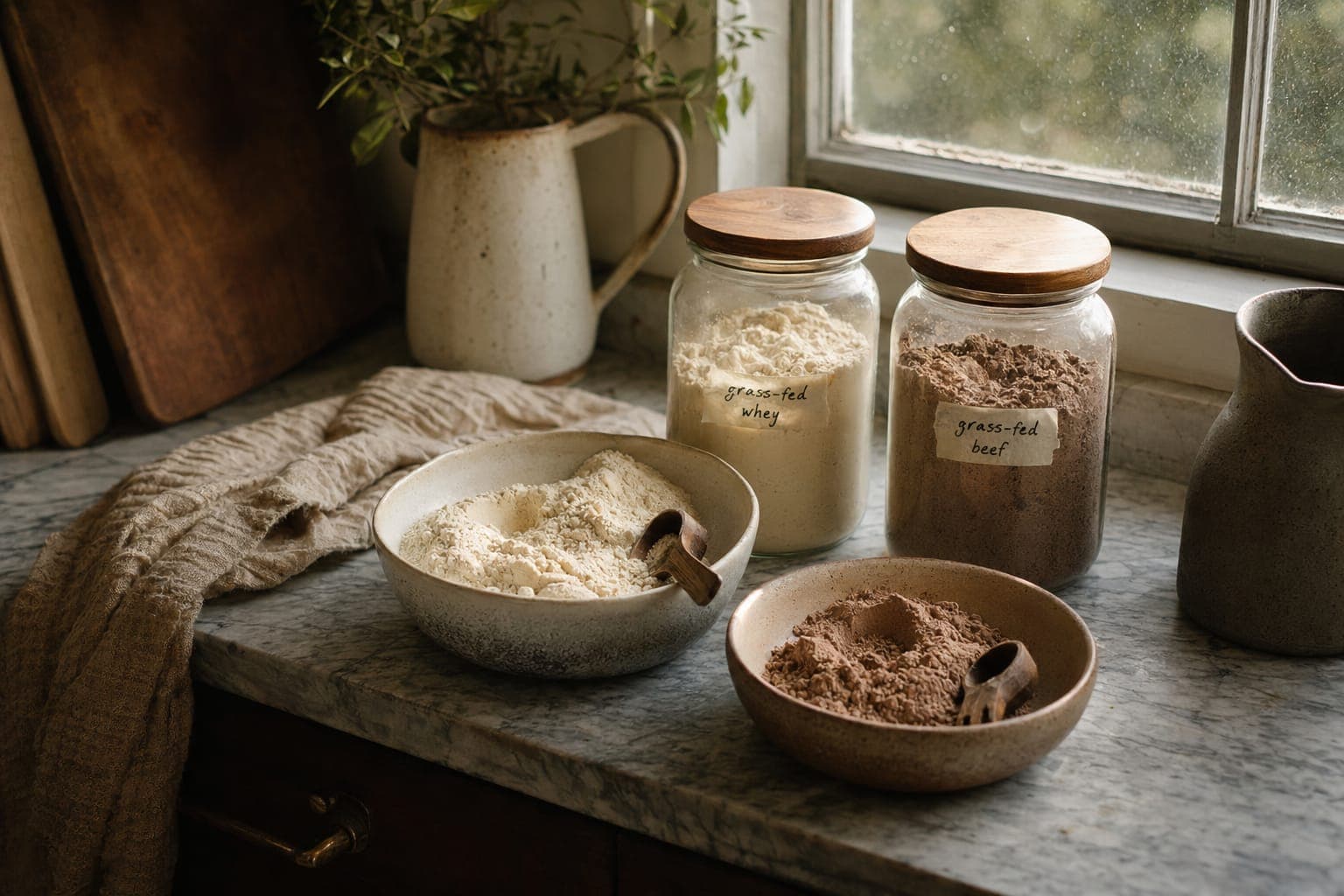
Grass-Fed Whey vs Grass-Fed Beef Protein: Which Absorbs Better?
Both score well on DIAAS. Whey is faster. Beef is slower. Learn when you need speed and when you need sustained amino acid delivery.
Organised
Is Colostrum Better Than Whey for Gut Health?
Compare colostrum vs whey for gut health. Colostrum brings IgG and growth factors for the gut lining, whey builds muscle. Here is the honest breakdown.
Comparisons
Colostrum vs Bone Broth for Gut Health
Two gut-healing powerhouses work differently. Colostrum seals the barrier with growth factors. Broth feeds it with amino acids. Which do you actually need?
Real food, made effortless
Try the blendA few ways to use it
All recipes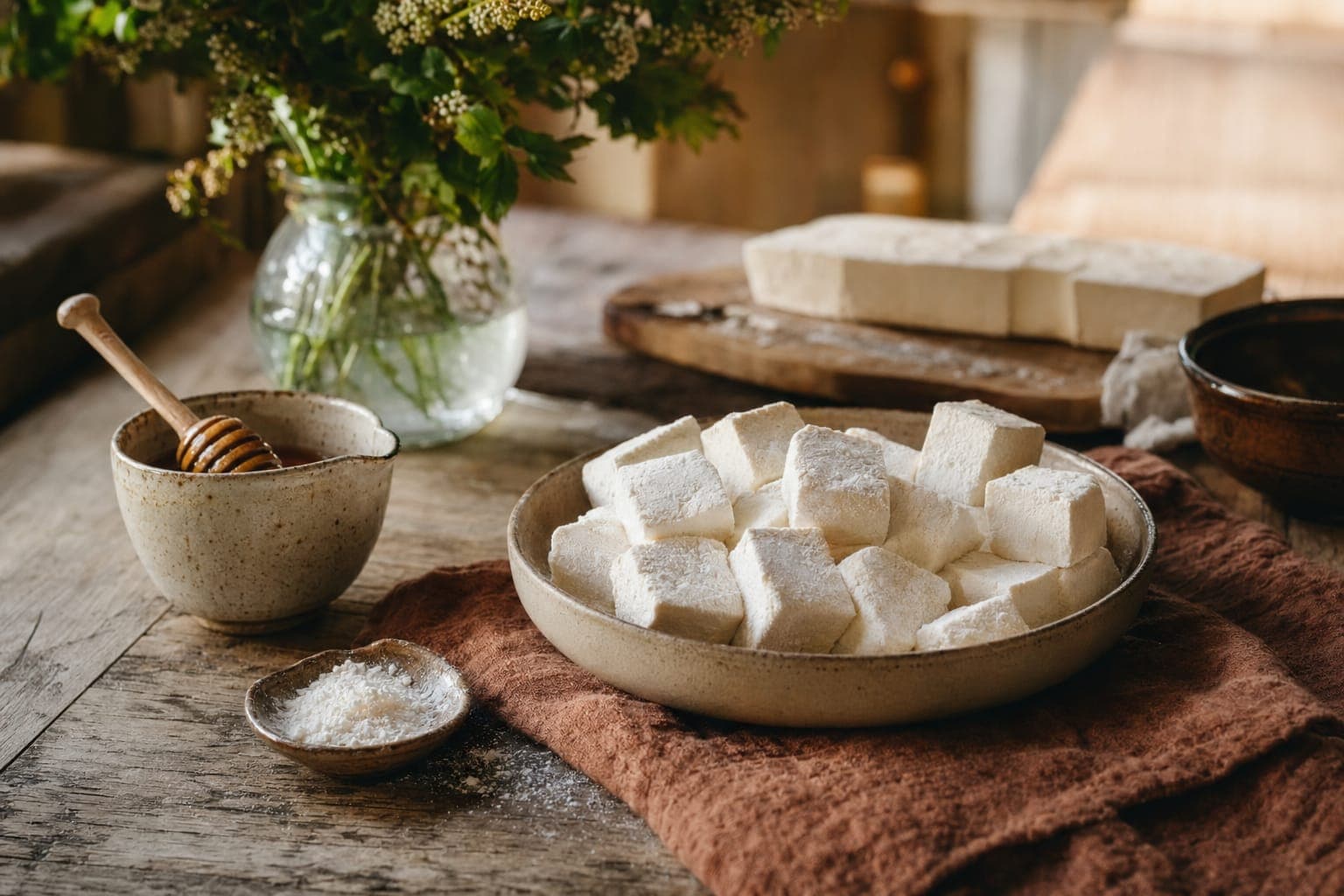
Gut-Healing Marshmallows with Collagen and Raw Honey
Learn to make gut-healing marshmallows with collagen and raw honey. A shareable treat that sneaks nutrition into every bite. Easy recipe with video tips.
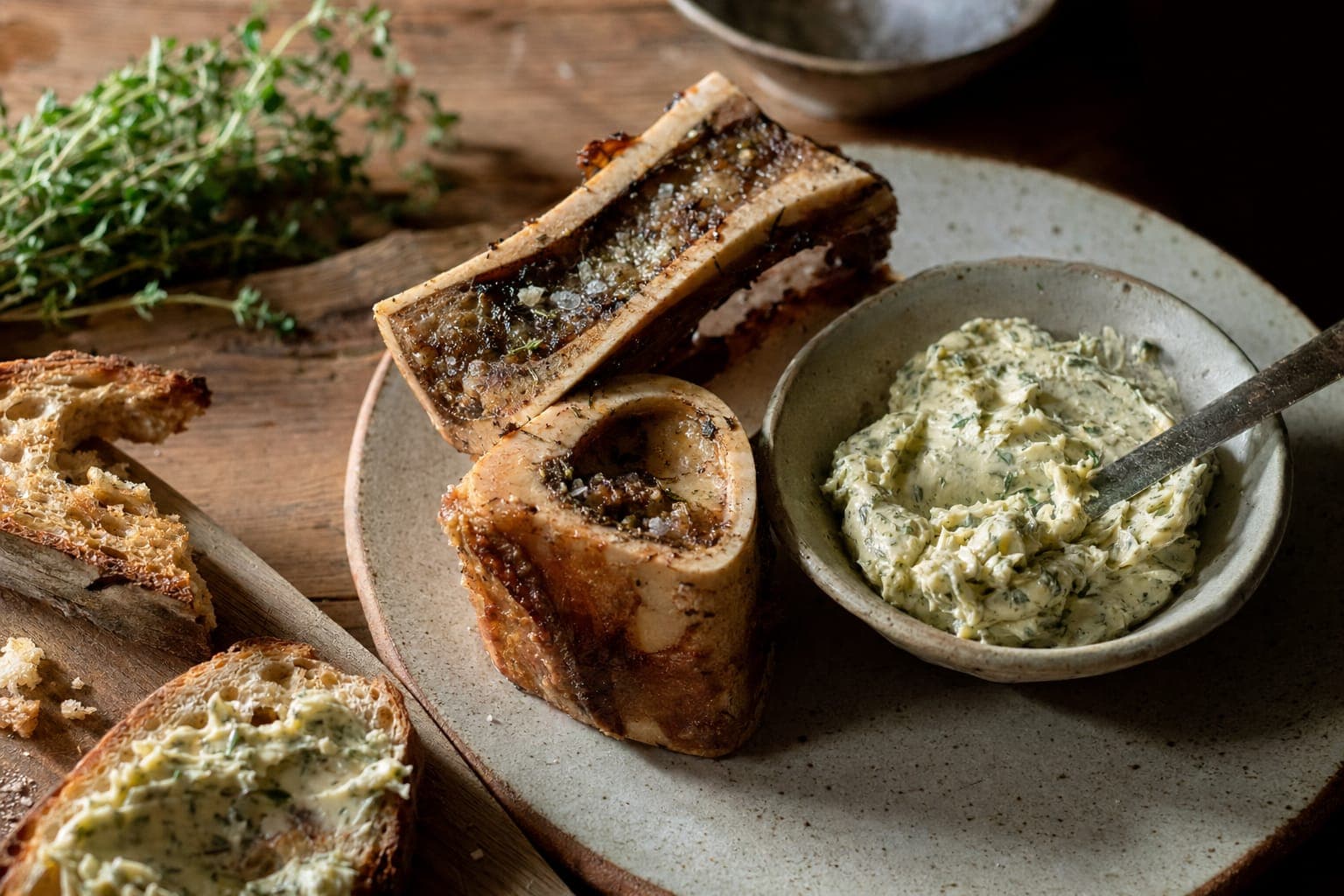
How to Make Bone Marrow Butter
Roast grass-fed marrow bones, scoop the marrow, and mix with butter and herbs. A nutrient-dense spread with fat-soluble vitamins.

Organised Chia Pudding with Raw Honey and Berries
A no-cook chia seed pudding made with raw milk, collagen, berries, and raw honey. Prep it the night before and eat for breakfast.


 Join over 100,000+ members
Build a better food system with us
The Organised community is thousands of people choosing real food and backing the farmers who grow it, all of us trying to leave the world a little better than we found it. If that is what you care about too, you belong here.