Colostrum vs Bone Broth for Gut Health
You've heard both can heal your gut. But they do it in completely different ways. One seals your intestinal barrier. The other feeds it. You might need both, but only if you understand what each actually does.
By Niall Kiddle, Founder, Organised

Reviewed by Pedro Rodrigues, Agronomist (farming and sourcing only) ·
6 min read · Published · Updated · 3 cited sources
Makers of the Organised Daily blend, a grass-fed beef organ supplement from regenerative UK farms
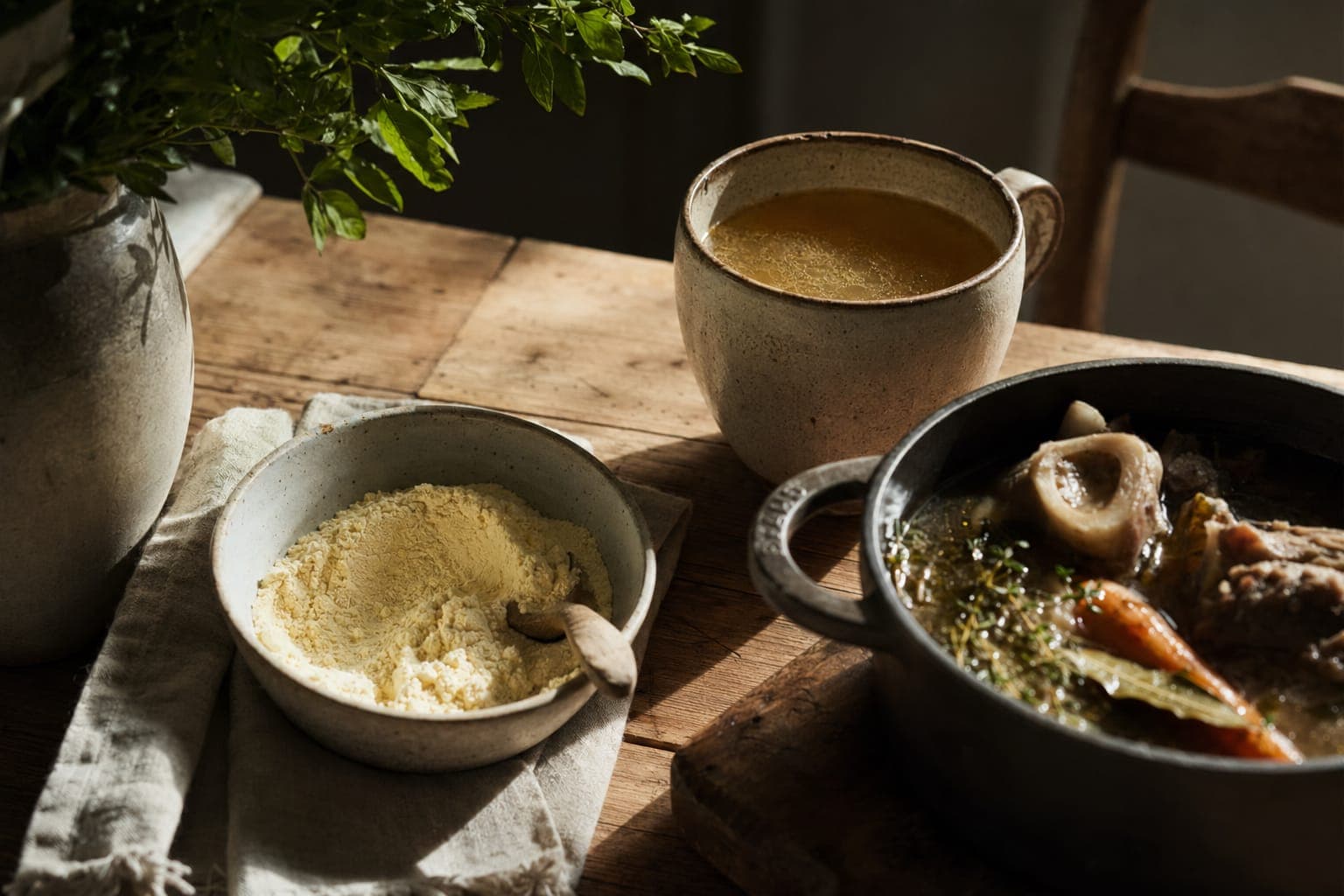
The confusion starts because the wellness industry groups all gut-healing foods together, as if they're interchangeable. They're not. Bone broth and colostrum are addressing two entirely separate mechanisms. Understanding the difference is what actually gets results.
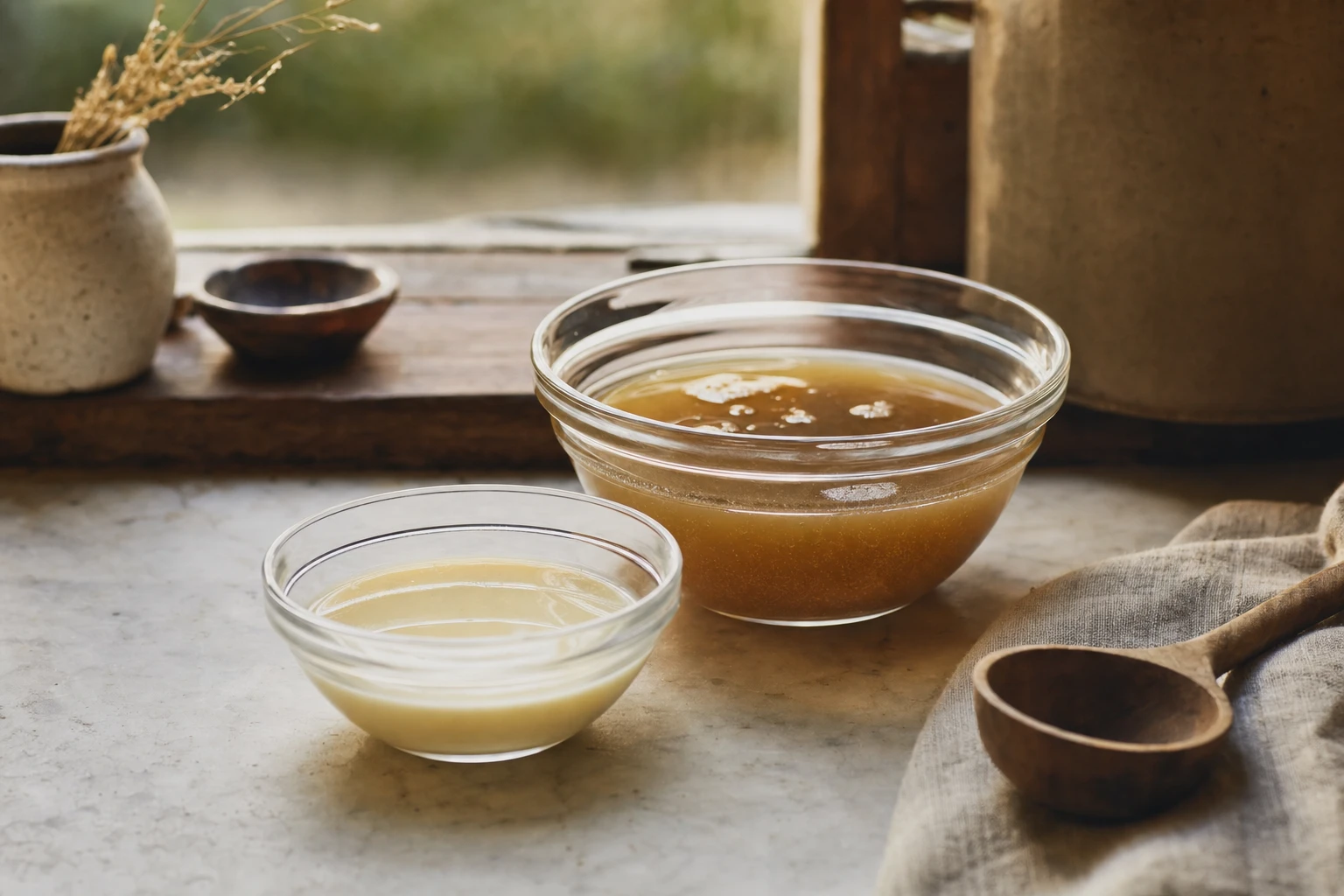
They solve different problems
Your gut has two jobs. It needs to absorb nutrients. And it needs to keep everything else out.
Colostrum excels at the second job. It's the first milk a mammal produces, and it's optimised to seal, heal, and reset a newborn's intestinal lining. It's loaded with immunoglobulins (particularly IgG), lactoferrin, and growth factors designed specifically to tighten the barrier.
Bone broth excels at feeding the gut lining once it's healthy enough to absorb. It's rich in glycine, proline, and glutamine - the exact amino acids your intestinal cells use to rebuild themselves. It's fuel, not a barrier seal.
Colostrum builds the walls. Bone broth feeds the walls. Neither is a complete replacement for the other.
If your gut is severely compromised, you need the barrier repair first. If your gut is simply run down from poor diet and high stress, the amino acids in broth might be enough. The problem is, most people have both issues simultaneously.
Colostrum: seal and reset
Colostrum is immunological medicine in powder form.
IgG, the primary immunoglobulin in colostrum, coats your intestinal lining and prevents pathogens and allergens from breaching the barrier.1 It doesn't kill them (that's IgA's job, which you make yourself). It keeps them at arm's length. This is essential when you're dealing with food sensitivities, post-antibiotic dysbiosis, or severe inflammation.
Lactoferrin is colostrum's second major player. It's an iron-binding protein that inhibits pathogens, modulates inflammation, and promotes the growth of beneficial bacteria. A lot of supplements try to include lactoferrin separately. It's usually a sign they couldn't get the real thing (colostrum).
Bovine colostrum (from cows) is bioavailable in humans, which surprised researchers for decades. It works. The dose studies suggest is around 10-20 grams daily for gut healing, taken away from food so it can do its job without immediate dilution in the digestive tract.
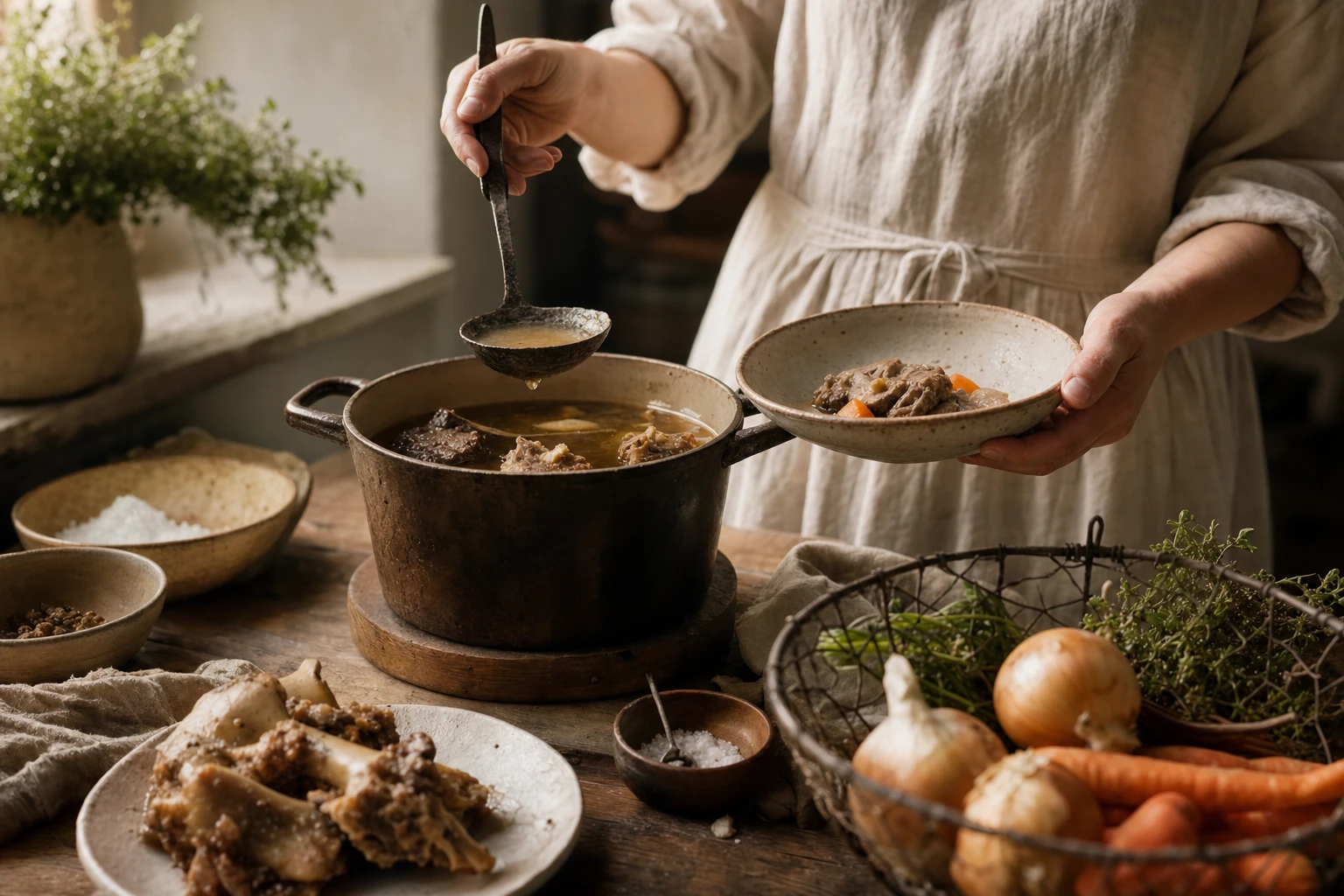
The growth factors in colostrum (IGF-1, EGF) are the third layer. These promote cellular repair and proliferation. Your cells need signals to rebuild, not just raw materials. Colostrum provides the signalling.
The catch: colostrum is expensive, and quality varies wildly. Cheap colostrum is often heavily processed, which denatures the proteins and immunoglobulins. You need a source you trust, and you need to take it consistently for 6-12 weeks to see results.
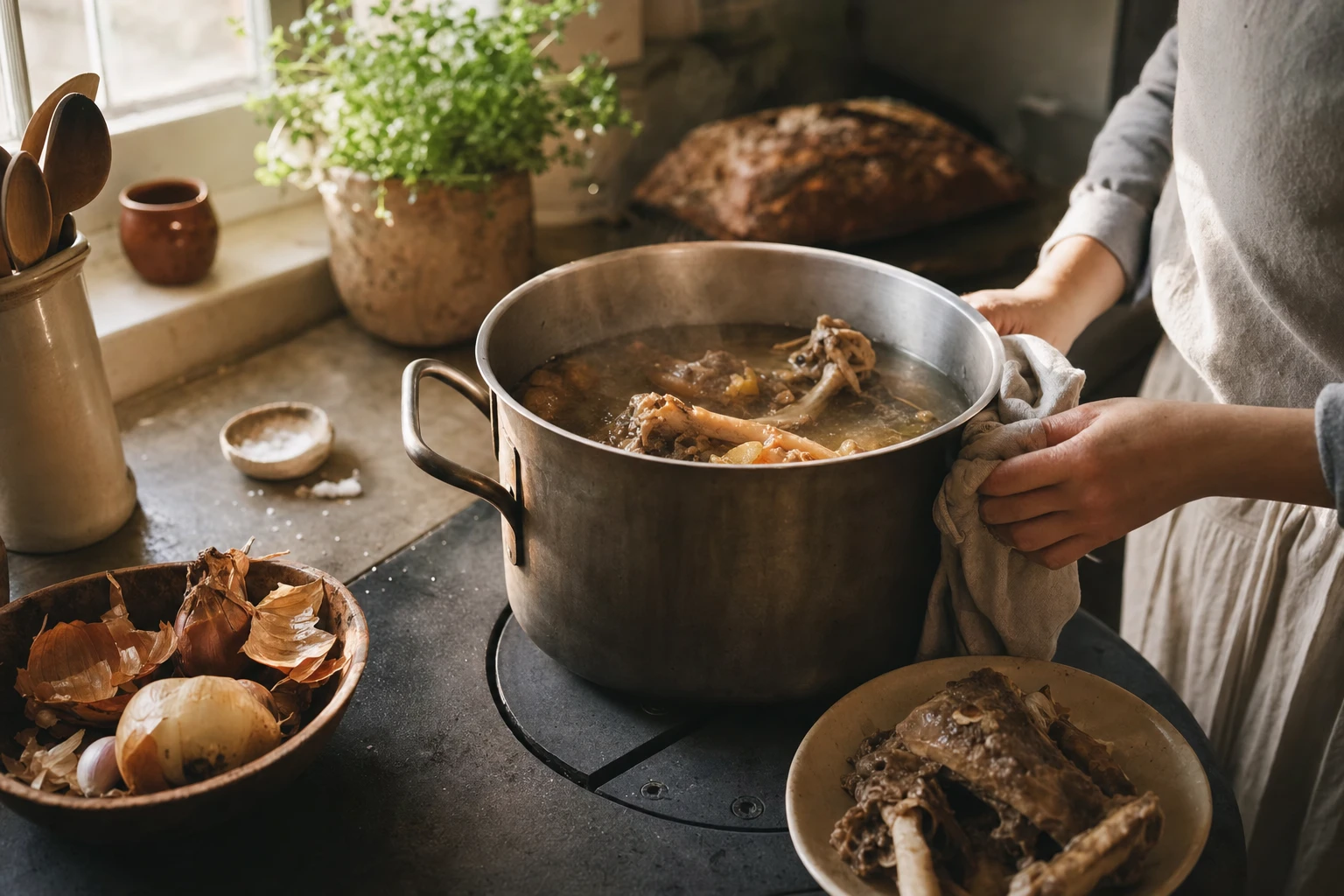
Bone broth: feed and restore
Bone broth is food. It's not medicine. But properly made, it's nutritionally exceptional.2
A long simmer (24-48 hours) extracts collagen from bones, which hydrolysies into gelatin and amino acids. The three heavyweights are glycine, glutamine, and proline.
Glycine is probably the most important. It's one of only three amino acids your body uses to make glutathione, the master antioxidant. It's also a precursor to creatine and carnosine. And it's calming to your nervous system. Most modern diets are chronically deficient in glycine because we don't eat connective tissue anymore.
Glutamine is your intestinal lining's preferred fuel source.3 When your gut is inflamed or damaged, glutamine is what repairs it. But it's also depleted during stress, intense exercise, and illness. Bone broth is one of the few food sources that provides meaningful amounts.
Bone broth gives your gut lining the raw materials to rebuild itself. Colostrum tells your cells to rebuild. You need both signals and materials.
Proline adds another layer. It's essential for collagen synthesis, which is what holds your gut barrier together physically.
Bone broth also contains minerals - particularly calcium, magnesium, and phosphorus - though the amounts are modest. The amino acids are the real value.
The advantage of broth: it's cheap, it's food (not a supplement), and you can consume it freely without worrying about dosing or timing. A cup a day, or a bowl of soup made from broth, and you're getting these amino acids consistently.
Get honest comparisons, free
Two short reads a week cutting through supplement marketing with what the evidence says.
By signing up you agree to receive emails from us. No spam, unsubscribe anytime.
The amino acid question
This is where the debate gets heated.
Some practitioners claim bone broth doesn't contain enough amino acids to matter. Others say amino acids from broth are too easily oxidised and degraded during long cooking. There's some truth to both claims.
A cup of properly made bone broth contains roughly 8-10 grams of amino acids total, of which glycine makes up about a third. That's less than you'd get from a serving of meat or eggs, gram for gram. But it's in addition to your regular diet, and it's in a form your gut preferentially uses.
Some amino acids do degrade with heat. But the data on this is less dramatic than the critics suggest. Glycine is stable. Glutamine is more fragile, but even compromised glutamine is still functional.
The real issue isn't whether bone broth is perfect. It's that people treat it as a magic potion instead of what it is: consistent, gentle nutrition that works over weeks and months, not days.
Which one should you start with
If you have acute food sensitivities, fail multiple food challenges, or have just finished antibiotics for an infection, start with colostrum. You need immune reset first. Once the barrier is sealed, transition to broth and build from there.
If you have mild to moderate digestive discomfort, bloating, or slow healing, start with bone broth. It's cheaper, it's food, and it addresses the nutritional foundation. You can add colostrum later if you plateau.
If you have severe dysbiosis or post-infection gut damage (like post-COVID IBS), use both simultaneously. They complement each other. Colostrum seals while broth rebuilds.
Start with whichever addresses your biggest barrier problem. Seal first, feed second, layer both if needed.
Timing matters. Take colostrum away from food, ideally first thing in the morning and before bed. Consume broth anytime, but consistently. A daily ritual beats sporadic heroic doses.

1 of 9
Daily blend
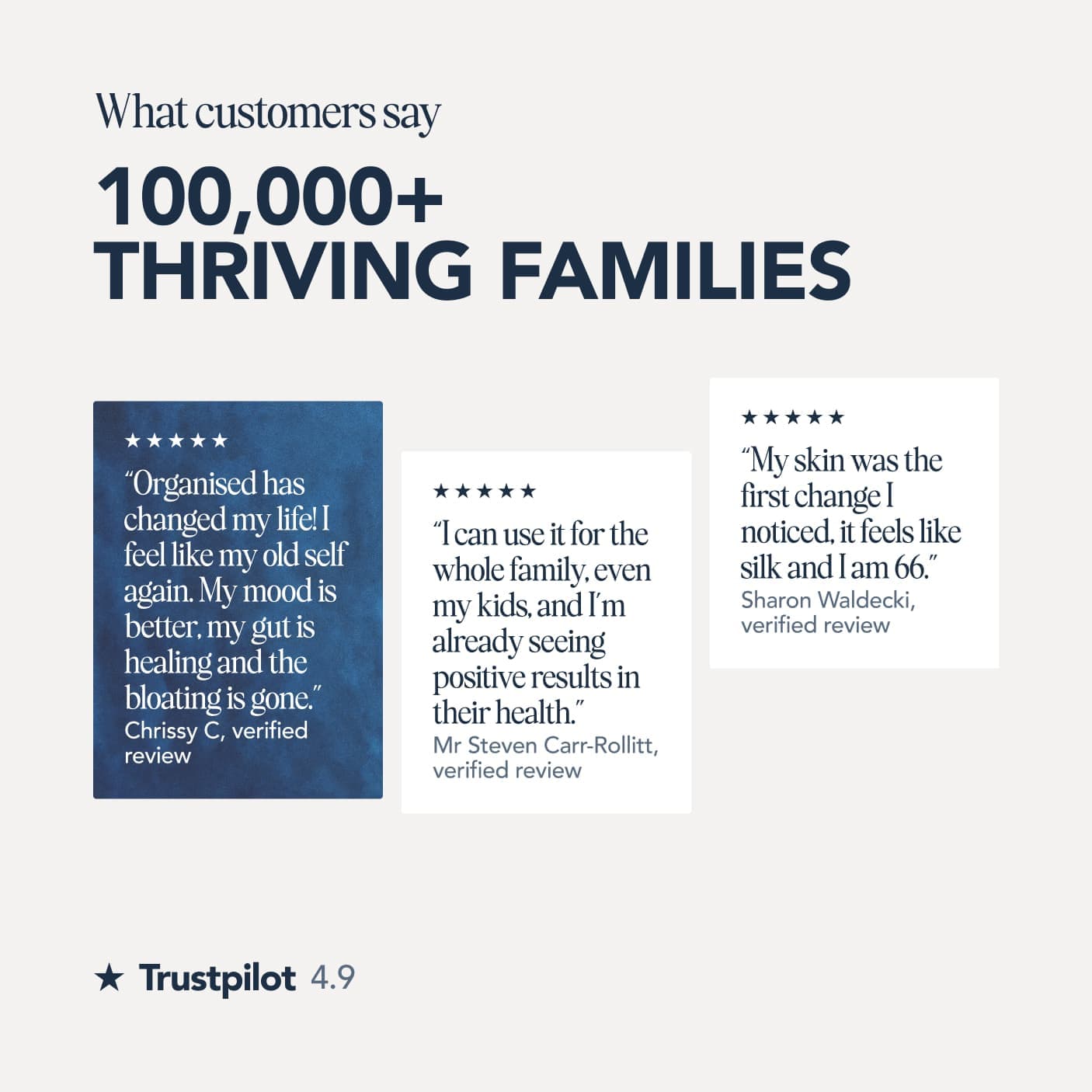
100,000+ thriving families4.9 on Trustpilot
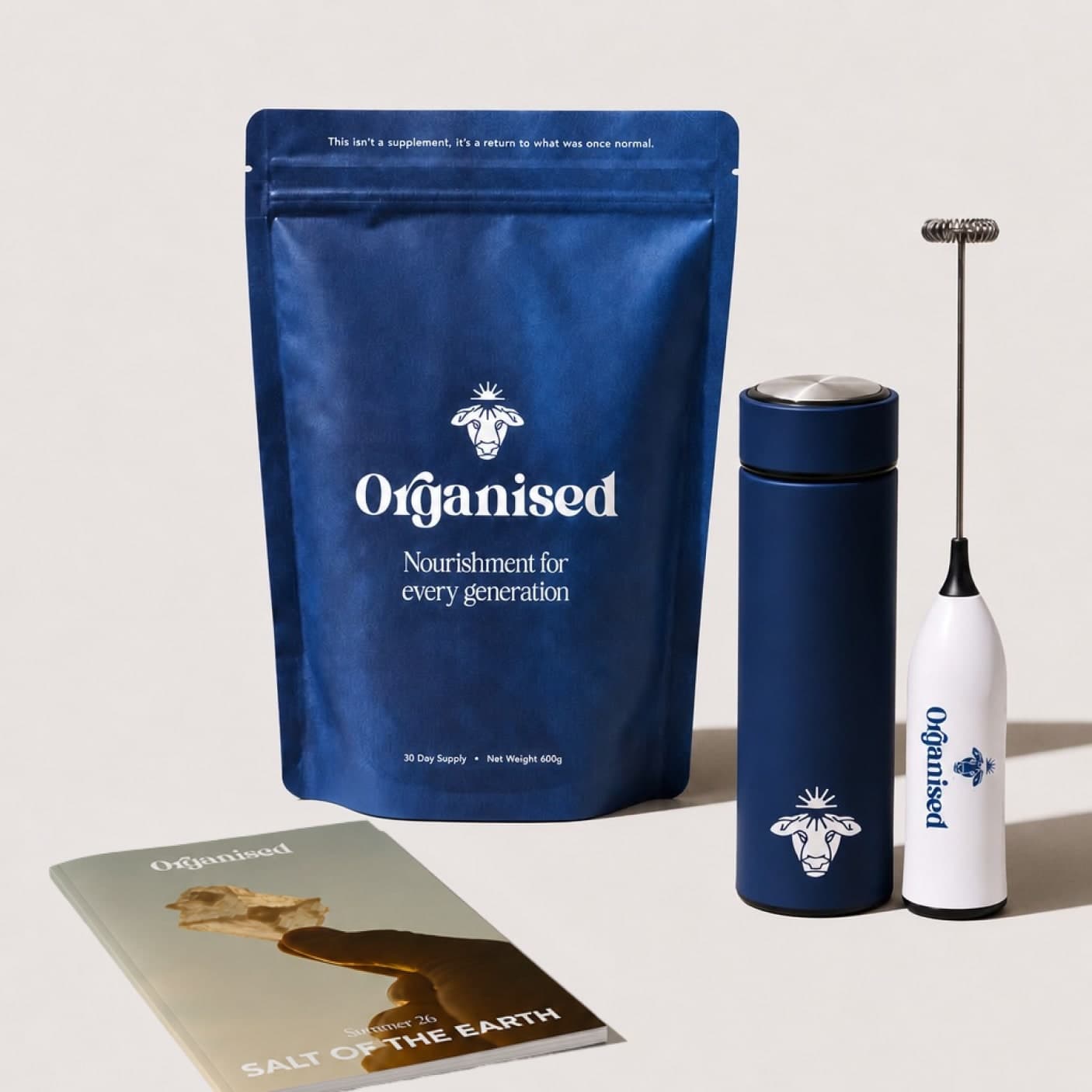
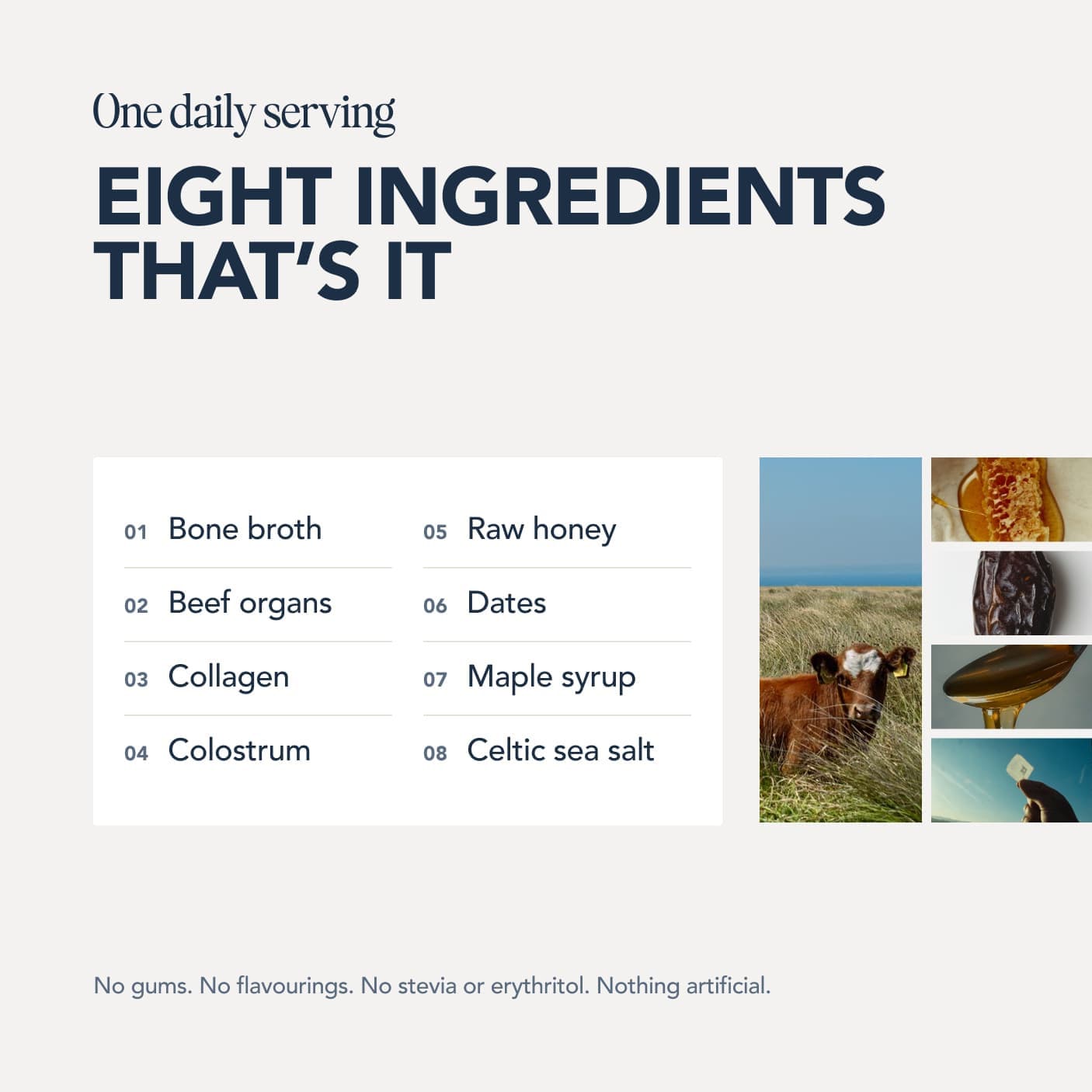
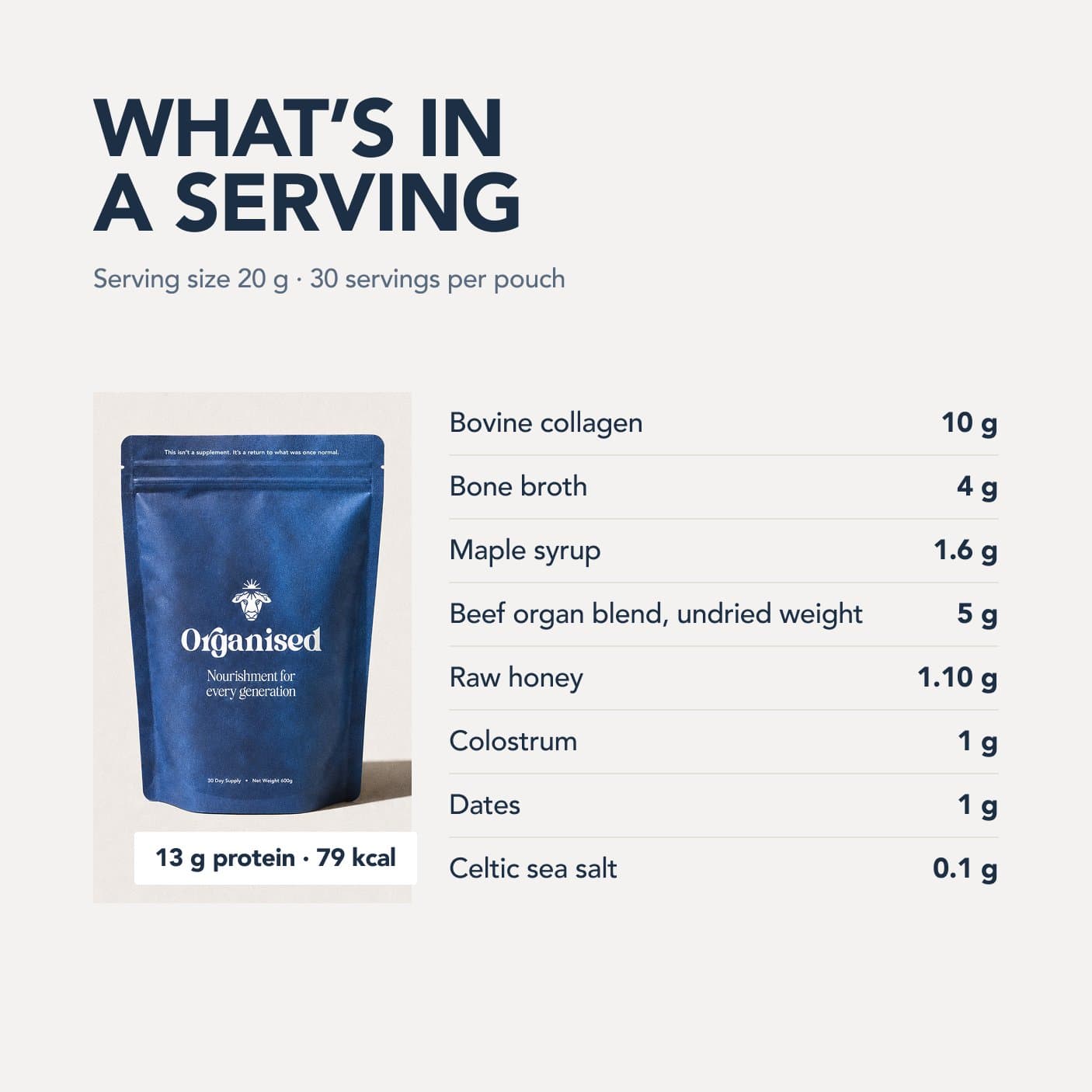
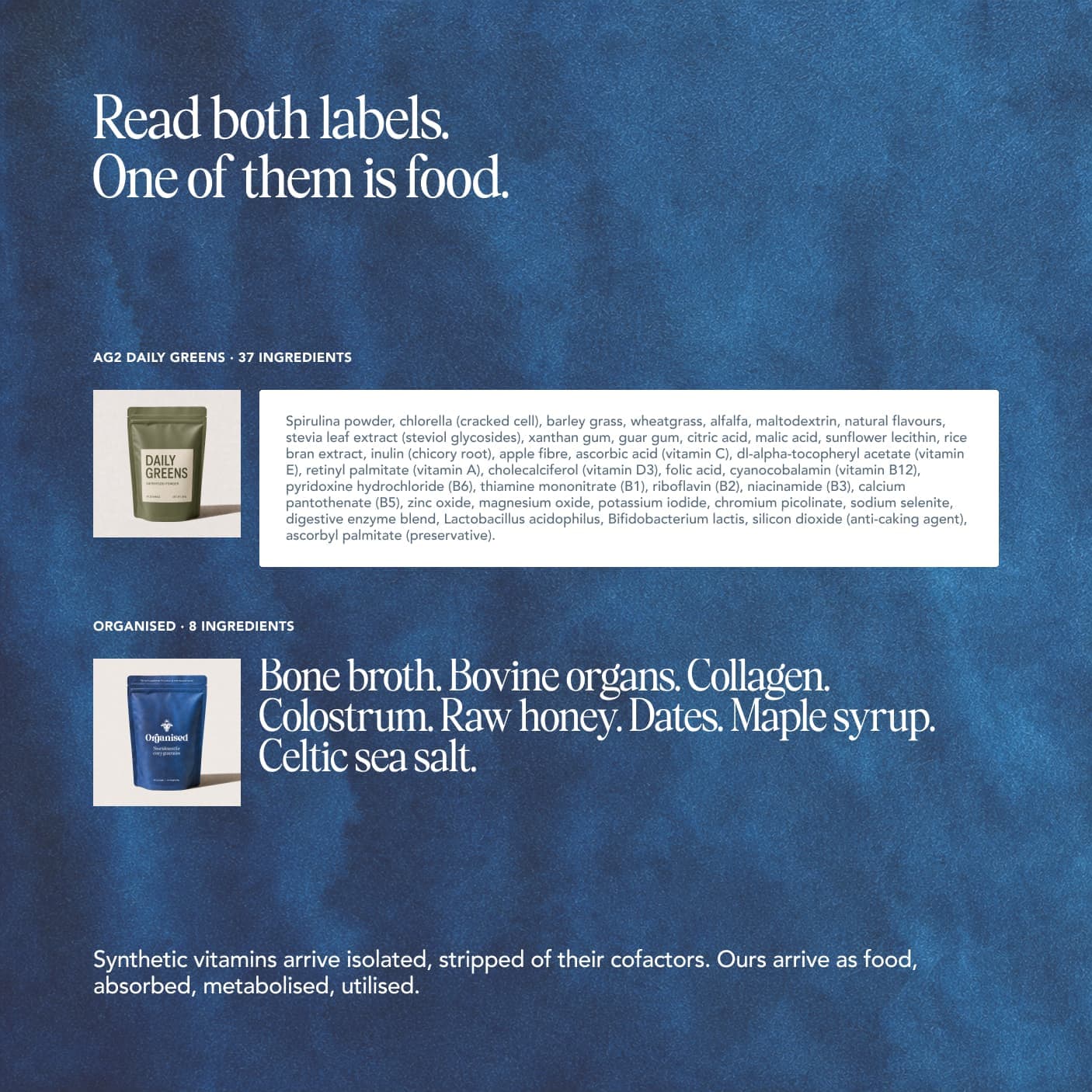
Eight real ingredients built around grass-fed beef organs, collagen and colostrum. Nothing synthetic added.
Free with your first order, worth £38. Plus £10 off the pouch with a subscription.
Free UK shipping · Made in England · 100 day money back guarantee on your first pouch · Skip, pause or cancel anytime
Can you combine them
Yes, and you should, if your budget allows.
A typical protocol is 10-15 grams of colostrum daily (powder mixed in warm water, or capsules) plus a cup of bone broth daily as part of your meals. After 8-12 weeks, most people can drop the colostrum and maintain with broth alone. Some people need both indefinitely, and that's fine.
The synergy is real. Colostrum's immune and growth factors create an environment where your intestinal cells are primed to receive and use the amino acids from broth. Broth provides the raw materials. Colostrum provides the signalling.
One caution: colostrum is usually bovine. If you have a genuine dairy allergy (not just lactose intolerance), patch test with a small amount first. Most people tolerate it fine even with dairy issues, because the proteins are in a different form. But there's individual variation.
The bottom line
Both work. They work differently. Colostrum seals and resets your barrier. Bone broth feeds your gut lining the amino acids it needs to rebuild. Most people benefit from starting with one and layering the other in. Your gut doesn't heal in weeks. It heals in months. Whichever path you choose, consistency matters more than perfection.
References
Every source below was checked on 27 August 2026. Each PubMed, PMC and DOI identifier was resolved against NCBI or Crossref, and what it opens is printed under the citation, so you can see the link goes where the citation says without leaving the page. Where a citation and its identifier disagreed, the citation was corrected to the record or the reference was deleted along with the sentence marker that pointed at it, and where the resolved paper turned out not to support the sentence, the sentence was cut back to what it does support. Borrowed authority is worse than none, because it looks like rigour.
- Playford RJ, Weiser MJ. Bovine Colostrum: Its Constituents and Uses. Nutrients. https://pmc.ncbi.nlm.nih.gov/articles/PMC7831509/ [accessed May 2026].Checked 27 August 2026: PMC7831509 opens Playford RJ, Weiser MJ, Bovine Colostrum: Its Constituents and Uses. Nutrients 2021;13(1). PubMed indexes it as: Review.The authors' own declaration, from the record: PanTheryx Inc supply BC to U.S., European, and Asia-Pacific markets. This does not affect our adherence to the Nutrients policies regarding sharing data and materials.
- Mar-Solis LM, Soto-Dominguez A, Rodriguez-Tovar LE, et al. Analysis of the Anti-Inflammatory Capacity of Bone Broth in a Murine Model of Ulcerative Colitis. Medicina (Kaunas). https://pmc.ncbi.nlm.nih.gov/articles/PMC8618064/ [accessed May 2026].Checked 27 August 2026: PMC8618064 opens Mar-Solís LM, Soto-Domínguez A, Rodríguez-Tovar LE et al, Analysis of the Anti-Inflammatory Capacity of Bone Broth in a Murine Model of Ulcerative Colitis. Medicina (Kaunas) 2021;57(11).The authors' own declaration, from the record: The authors declare no conflict of interest.
- Kim MH, Kim H. The Roles of Glutamine in the Intestine and Its Implication in Intestinal Diseases. Int J Mol Sci. https://pmc.ncbi.nlm.nih.gov/articles/PMC5454963/ [accessed May 2026].Checked 27 August 2026: PMC5454963 opens Kim MH, Kim H, The Roles of Glutamine in the Intestine and Its Implication in Intestinal Diseases. Int J Mol Sci 2017;18(5). PubMed indexes it as: Review.The authors' own declaration, from the record: The authors declare no conflict of interest.
Who wrote and reviewed this guide
Niall Kiddle
Author · Founder, Organised
Niall is the founder of Organised. He started the company in 2024 after fixing his own health the slow way: in 2022 he swapped a cupboard of synthetic supplements for real food, raw milk, organ meats, bone broth and honey, and felt the difference within months.
Areas of expertise: Ancestral nutrition, Organ meats, Whole-food supplementation, Gut health, Regenerative sourcing
Read Niall's full profile
Pedro Rodrigues
Reviewer · Agronomist (farming and sourcing only)
Pedro is the agronomist Organised works with on farming and sourcing. His job on the guides is to keep the science honest: he reviews what we publish about soil health, regenerative agriculture, grazing and the way food is actually produced.
Areas of expertise: Regenerative agriculture, Agronomy, Soil health, Grass-fed farming, Food sourcing
Reviewed this guide on
Read Pedro's full profileBrowse the guides library
All guidesKeep reading
Science
Vitamin K2: The Nutrient Nobody Talks About
Learn about vitamin K2, the nutrient that directs calcium to bone and away from arteries. Discover MK-4, MK-7, and the best food sources.
Science
The Fibre Myth: Do We Really Need as Much as We're Told?
Explore the fibre myth. Learn about SCFAs, why more fibre isn't always better, context-dependent dosing, and the history of cereal industry marketing.
Comparisons
Grass-Fed Collagen vs Marine Collagen vs Vegan Collagen
Grass-fed collagen is the gold standard. Marine collagen is legitimate. Vegan collagen isn't collagen at all. Here's the honest comparison.
Real food, made effortless
Try the blendA few ways to use it
All recipes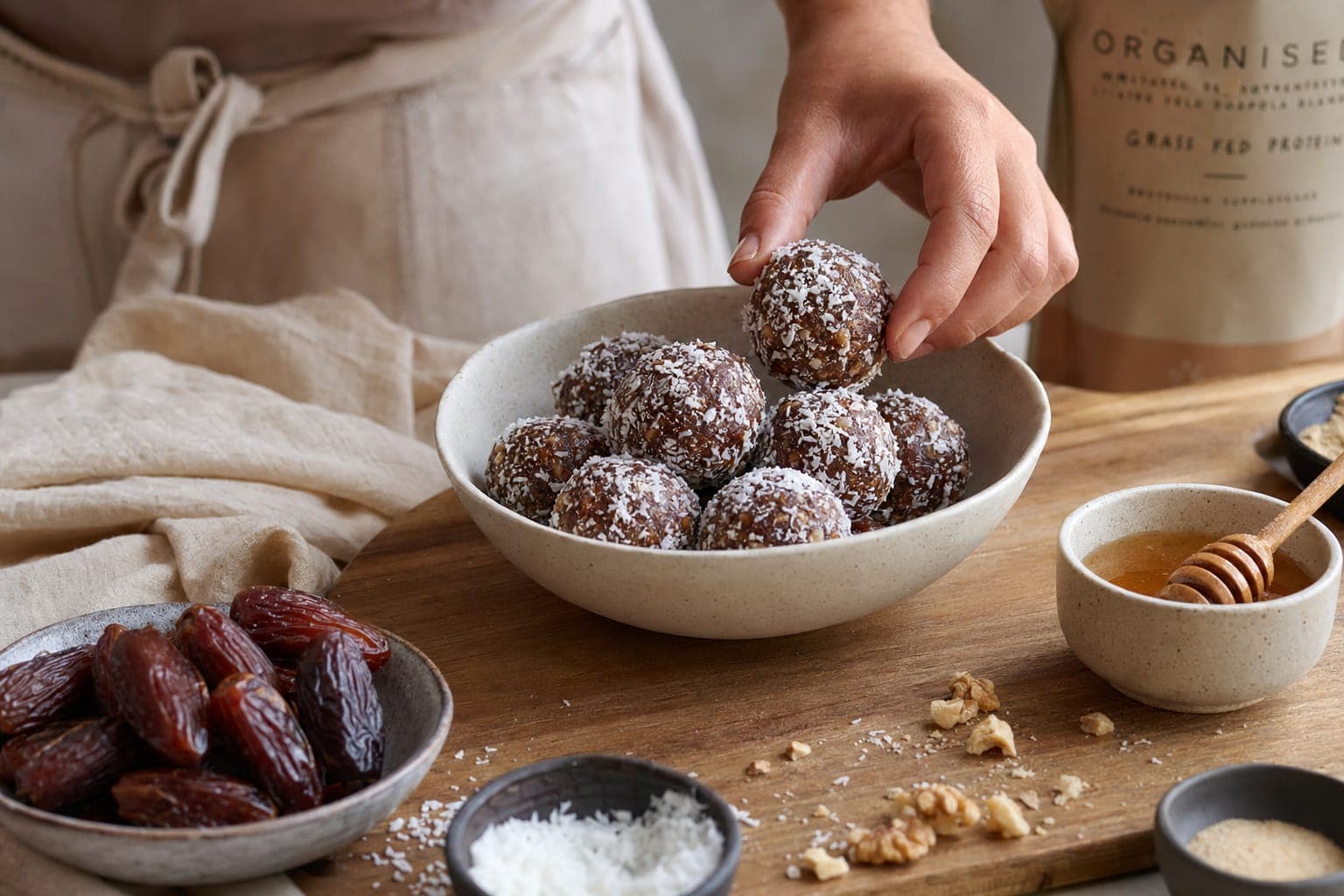
Energy Balls with Organised, Dates and Raw Honey
Make no-bake energy balls with Organised, dates, and raw honey. Perfect lunch box, pre-workout, or on-the-go snack. Simple recipe.
Raw Milk Ice Cream with Organised
Make raw milk ice cream at home with Organised for a seasonal, nutrient-dense treat. Three simple flavours to try whenever the craving strikes.
How to Make Your Own Gelatine Gummies
A simple recipe for homemade gelatine gummies using grass-fed gelatine, fresh juice, and raw honey. Better than shop-bought, kids love them.


 Join over 100,000+ members
Build a better food system with us
The Organised community is thousands of people choosing real food and backing the farmers who grow it, all of us trying to leave the world a little better than we found it. If that is what you care about too, you belong here.