Celtic Sea Salt vs Table Salt: A Mineral Analysis
Most people don't realise salt isn't just salt. The white granules in your kitchen cupboard are nothing like the grey crystals in a Celtic sea salt jar. One is stripped and refined. The other is alive with minerals.

By Niall Kiddle, Founder, Organised

Reviewed by Pedro Rodrigues, Agronomist (farming and sourcing only) ·
4 min read · Published · Updated · 3 cited sources
Makers of the Organised Daily blend, a grass-fed beef organ supplement from regenerative UK farms
What table salt actually is
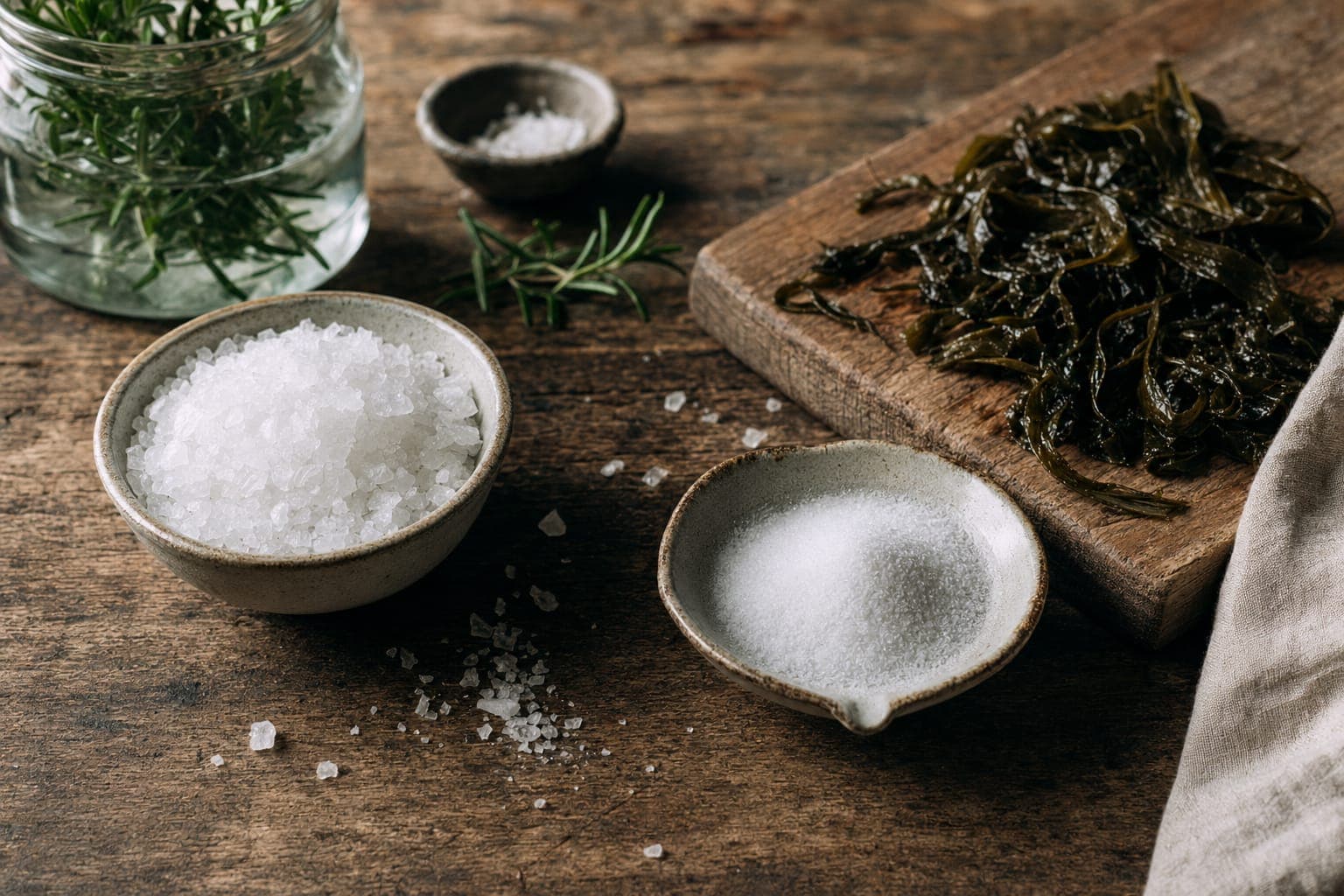
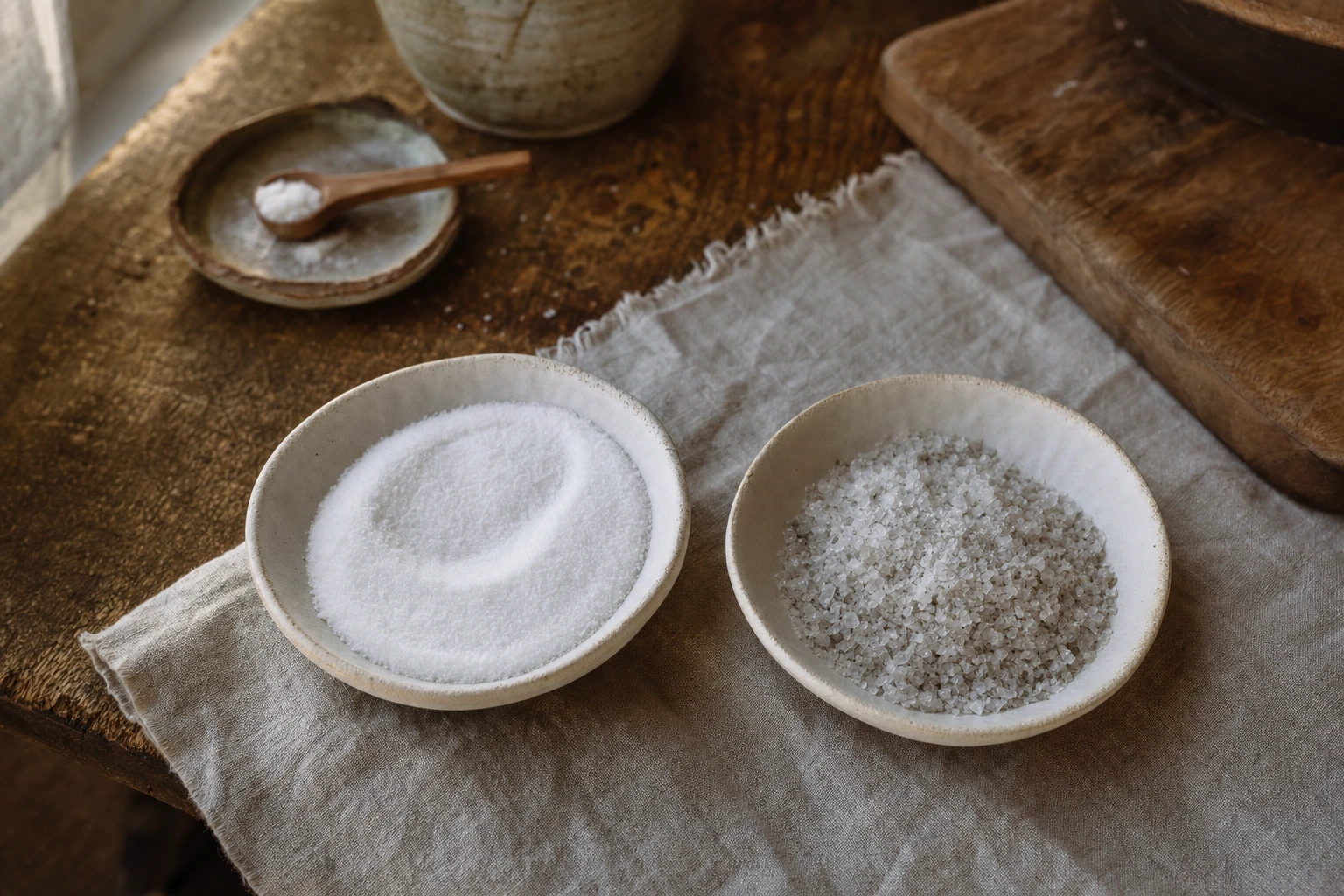
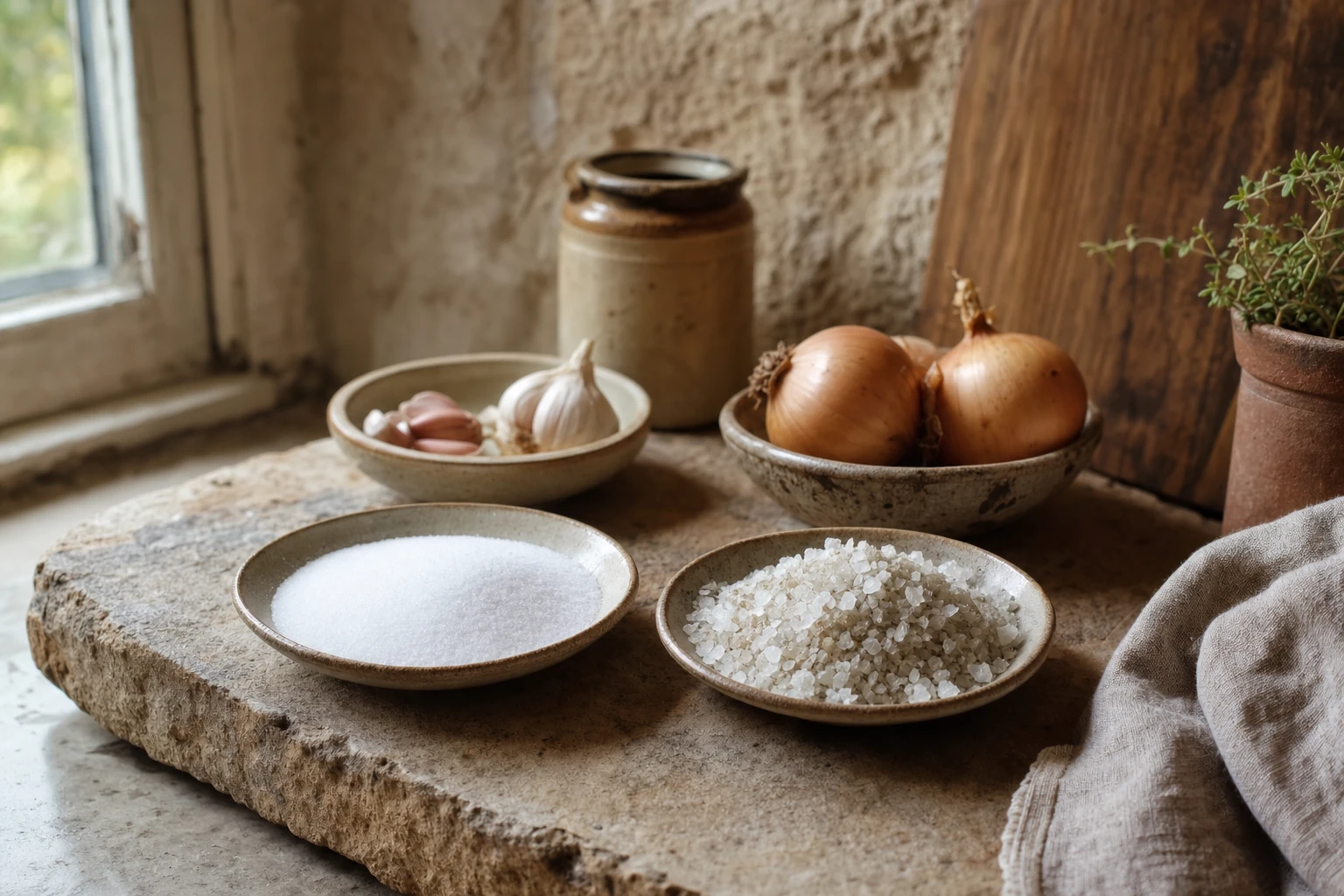
Table salt begins as sea salt. But it's then mined, heated to roughly 650 degrees Celsius, and heavily processed. Heat destroys mineral compounds. Refinement removes everything except sodium chloride. What remains is chemically pure, but biologically hollow.
Then comes the anti-caking agent. Manufacturers add silica, magnesium carbonate, or calcium silicate to keep the salt flowing. The irony is grim: most table salt contains more of these additives than it does actual trace minerals.
Table salt is sodium chloride plus chemical additives. That's it. Your body cannot use this the way it uses salt from the sea.
Some table salt is iodised. Iodine is added back in. This was crucial for preventing goitre in regions where seafood wasn't available.1 But iodine is just one mineral, and if you eat any seafood, seaweed, or eggs at all, you're getting iodine naturally. The real cost of table salt's processing is the loss of everything else.
How Celtic sea salt differs
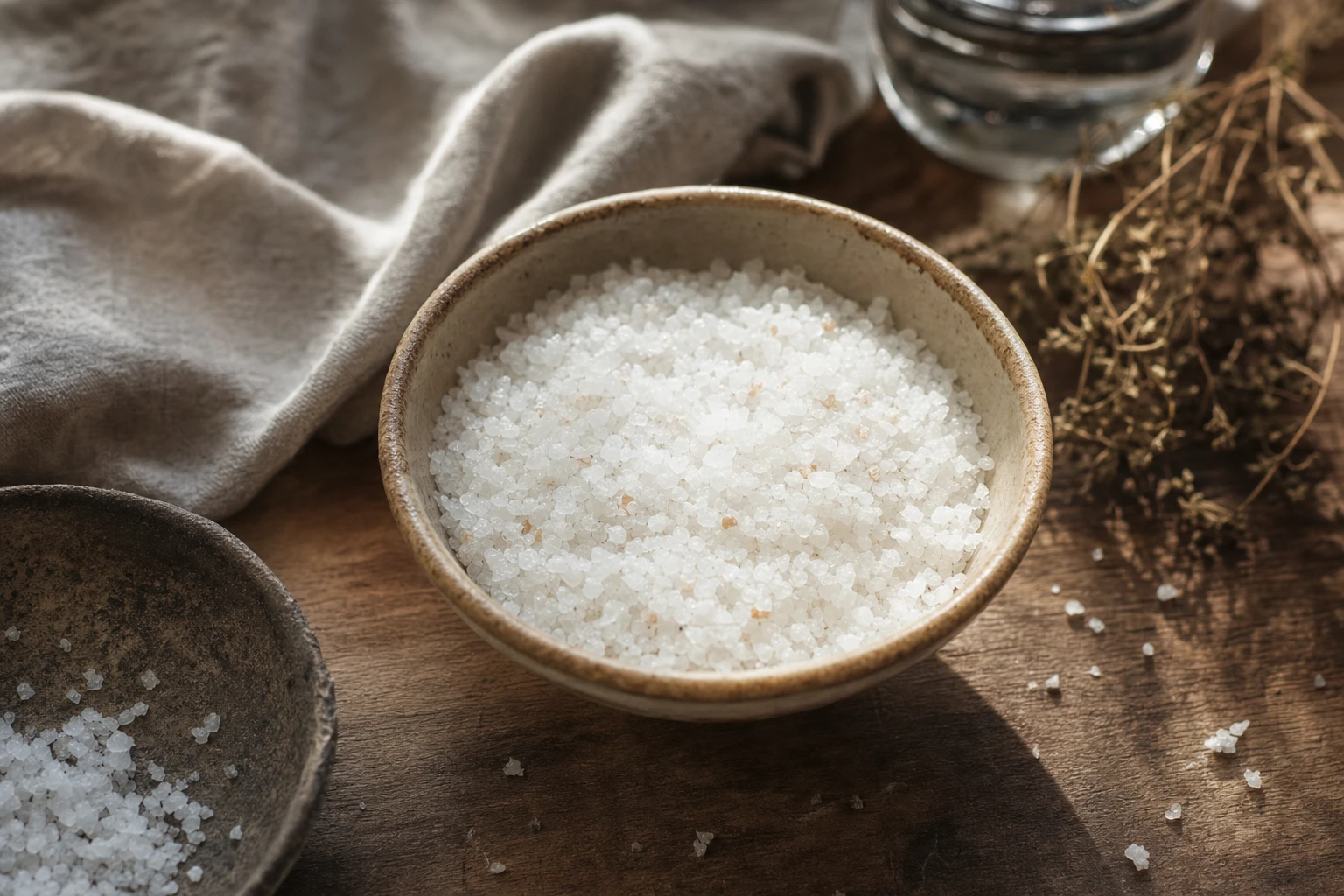
Celtic sea salt is harvested from the Atlantic waters near Brittany, France. It's collected in clay ponds where seawater is evaporated using only wind and sun. No heating. No additives. No refinement. What you get is seawater with the water removed and the mineral structure intact.
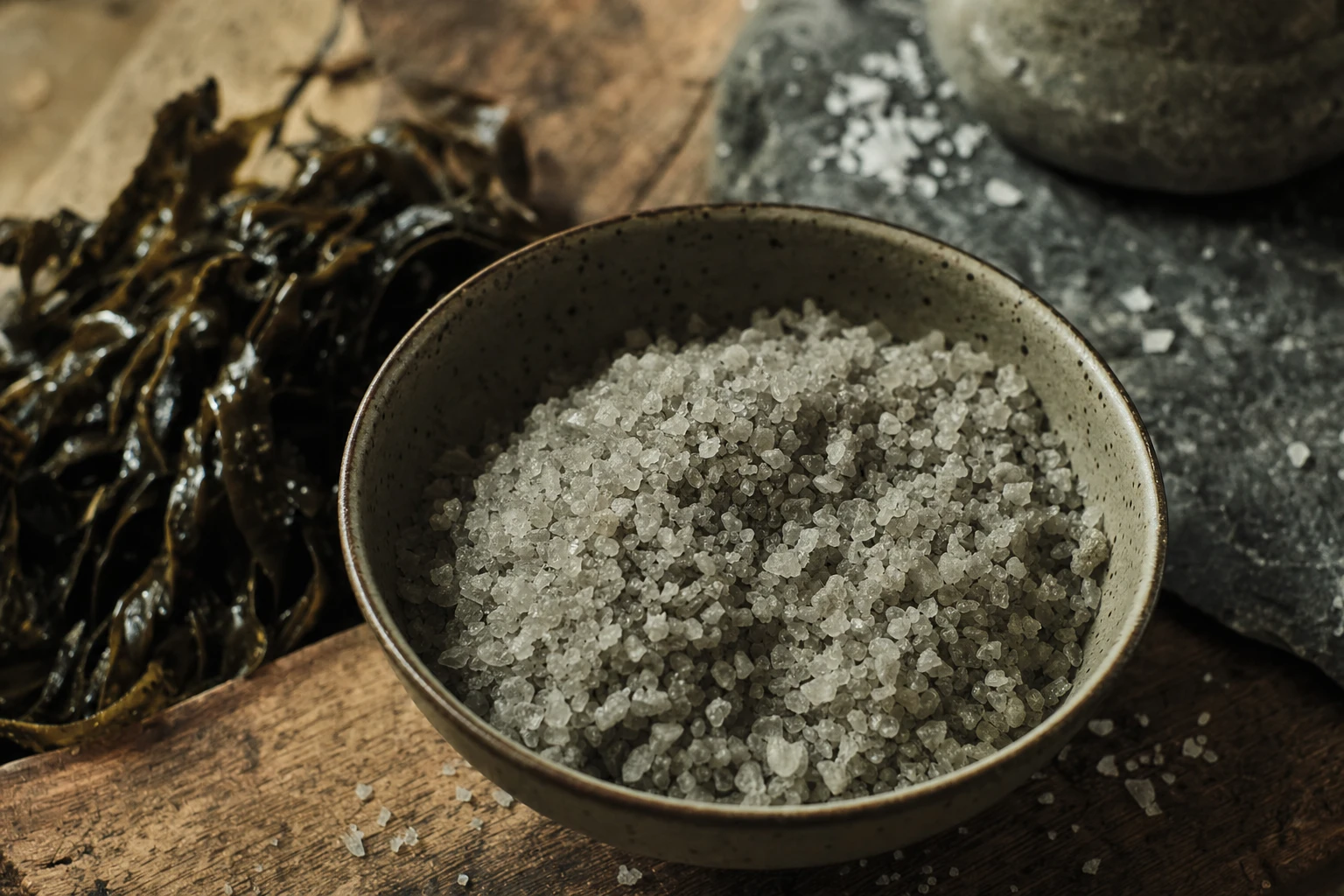
The grey colour comes from the mineral content - clay minerals from the evaporation ponds, plus the full spectrum of oceanic minerals. If you've never held Celtic sea salt, the crystals feel different. Slightly damp, slightly heavy. That's the hygroscopic property of the minerals, not a flaw.
The processing - or more accurately, the lack of processing - means the mineral profile stays intact from the moment it's harvested to the moment it's on your tongue.
The mineral advantage
Celtic sea salt is reported to contain a wide spectrum of trace minerals and elements alongside sodium chloride.2 Table salt contains zero. This isn't exaggeration. This is the difference between processing destruction and preservation.
The major minerals in Celtic sea salt include:
- Magnesium - the mineral most people are deficient in, crucial for nervous system function and sleep quality
- Potassium - essential for electrolyte balance and heart health
- Calcium - builds and maintains bone strength
- Iodine - naturally present, no chemical addition needed
- Zinc - supports immune function and wound healing
- Iron - needed for oxygen transport in blood
- Selenium - antioxidant support at the cellular level
A single teaspoon of Celtic sea salt contains more bioavailable magnesium than most people get from water in a week. More potassium than a small handful of almonds.
You're not just seasoning food when you use Celtic sea salt. You're delivering a mineral dose your body has been primed to expect for millennia.
Get honest comparisons, free
Two short reads a week cutting through supplement marketing with what the evidence says.
By signing up you agree to receive emails from us. No spam, unsubscribe anytime.
Beyond sodium: why it matters
When you eat table salt, your body gets sodium and chloride, which triggers thirst, then water retention, then elevated blood pressure. This is why excessive sodium consumption is linked with elevated blood pressure in salt-sensitive individuals.3
When you eat Celtic sea salt, the magnesium, potassium, and calcium are present in proportions that stabilise your electrolyte balance. Your nervous system doesn't sound the alarm. Your kidneys don't overwork. Your blood pressure stays stable.
People often say they've stopped consuming salt because they were eating table salt and it made them feel bloated. Switch those same people to Celtic sea salt, and the bloating vanishes. They're not reducing salt. They're using salt that works with their body instead of against it.
The difference is also immediate in how you feel. Electrolytes affect energy levels, mental clarity, sleep quality, and muscle function. A deficiency in magnesium will disrupt all of these. Celtic sea salt helps address that deficiency with every meal, simply because the mineral is there.



1 of 9
Daily blend
100,000+ thriving families4.9 on Trustpilot
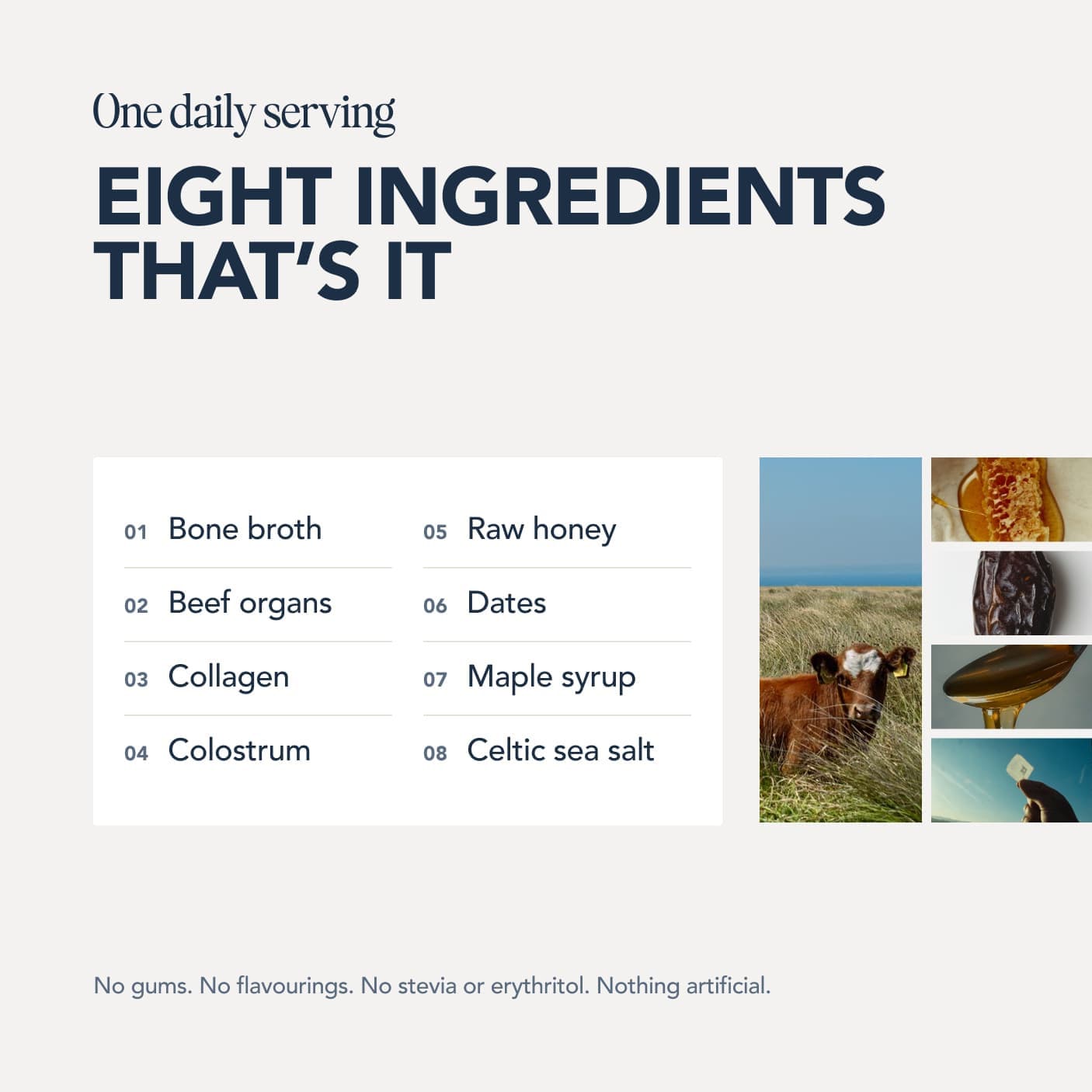
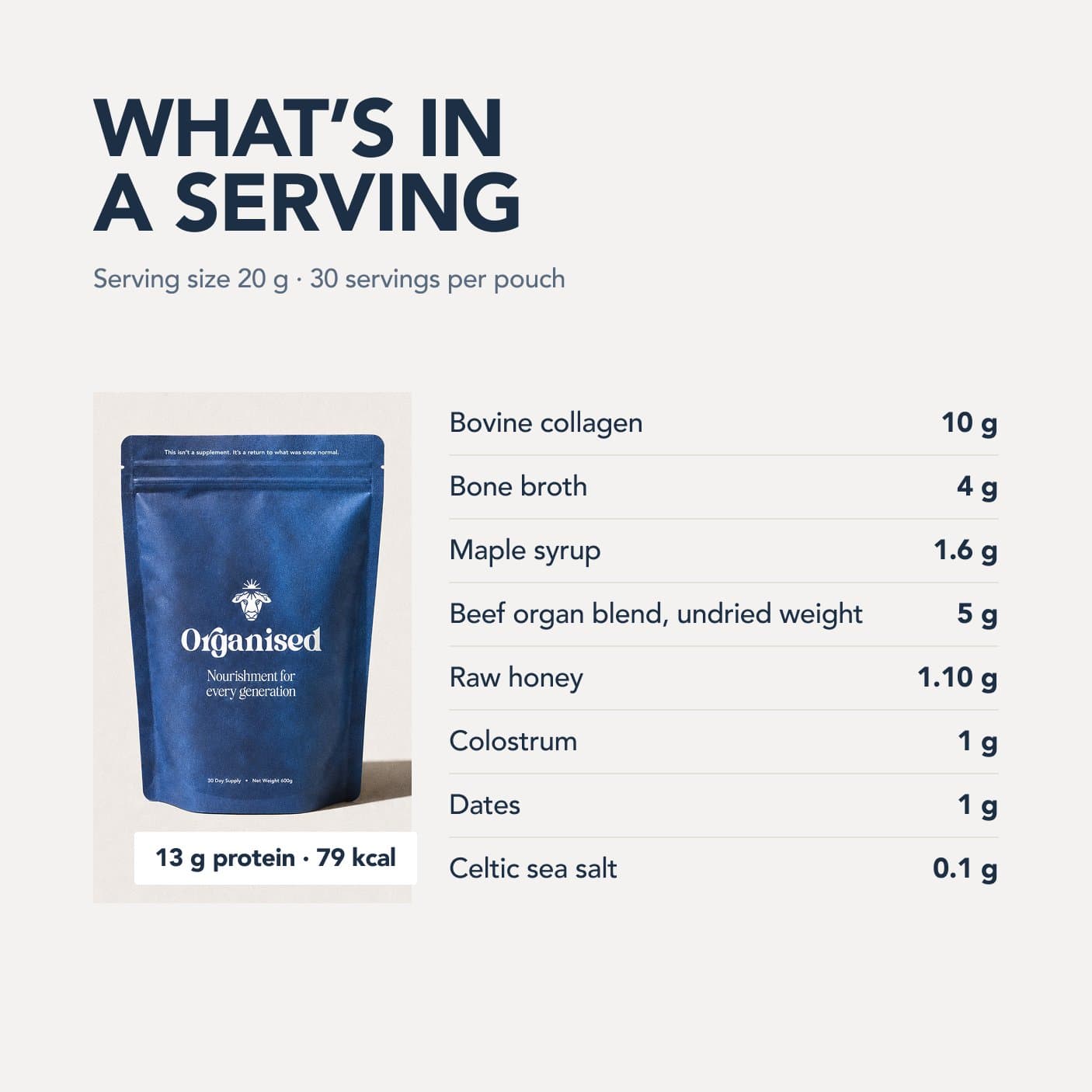
Eight real ingredients built around grass-fed beef organs, collagen and colostrum. Nothing synthetic added.
Free with your first order, worth £38. Plus £10 off the pouch with a subscription.


Free UK shipping · Made in England · 100 day money back guarantee on your first pouch · Skip, pause or cancel anytime
Making the practical switch
If you're currently using table salt, switching to Celtic sea salt is straightforward. The cost difference is minimal - often just a few pence more per teaspoon. A container lasts weeks if you're using it for seasoning meals (as opposed to processing industrial foods, where salt volume is much higher).
You might notice the taste feels different at first. Table salt tastes sharp and one-dimensional. Celtic sea salt tastes mineral-rich, slightly briny, more complex. Your palate will adjust within days, and you'll find table salt suddenly tastes harsh.
Celtic sea salt is the version of salt your body was designed to use. Not an upgrade, not a premium. Just salt as it exists in nature, without the refinement that broke it.
One note: if you're using table salt specifically for the iodine (which can be important if you don't eat seafood or seaweed), Celtic sea salt contains natural iodine. Depending on the source, it may not match the quantity of iodised table salt, so if iodine deficiency is a concern for you, confirm your sea salt source or supplement iodine separately.
For the vast majority of people eating a diet with any seafood, seaweed, or eggs, Celtic sea salt is the answer. It seasons food. It delivers minerals. It balances your electrolytes. That's what salt should do.
References
Every source below was checked on 27 August 2026. Each PubMed, PMC and DOI identifier was resolved against NCBI or Crossref, and what it opens is printed under the citation, so you can see the link goes where the citation says without leaving the page. Where a citation and its identifier disagreed, the citation was corrected to the record or the reference was deleted along with the sentence marker that pointed at it, and where the resolved paper turned out not to support the sentence, the sentence was cut back to what it does support. Borrowed authority is worse than none, because it looks like rigour.
- National Institutes of Health, Office of Dietary Supplements. Iodine: Fact Sheet for Health Professionals.
- Drake SL, Drake MA. Comparison of salty taste and time intensity of sea and land salts from around the world. J Sens Stud. 2011;26(1):25-34.Checked 27 August 2026: PMID 22171954 opens Vithanage M, Engesgaard P, Villholth KG et al, The effects of the 2004 tsunami on a coastal aquifer in Sri Lanka. Ground Water 2012;50(5):704-14.
- National Health Service. Salt: the facts.
Who wrote and reviewed this guide
Niall Kiddle
Author · Founder, Organised
Niall is the founder of Organised. He started the company in 2024 after fixing his own health the slow way: in 2022 he swapped a cupboard of synthetic supplements for real food, raw milk, organ meats, bone broth and honey, and felt the difference within months.
Areas of expertise: Ancestral nutrition, Organ meats, Whole-food supplementation, Gut health, Regenerative sourcing
Read Niall's full profile
Pedro Rodrigues
Reviewer · Agronomist (farming and sourcing only)
Pedro is the agronomist Organised works with on farming and sourcing. His job on the guides is to keep the science honest: he reviews what we publish about soil health, regenerative agriculture, grazing and the way food is actually produced.
Areas of expertise: Regenerative agriculture, Agronomy, Soil health, Grass-fed farming, Food sourcing
Reviewed this guide on
Read Pedro's full profileMore on nutrient comparisons
View all- Beef Liver vs Multivitamin: A Side-by-Side Nutrient Comparison
- Beef Organs vs Desiccated Liver: Why a Blend Is Better
- Beef Protein vs Plant Protein: A Nutritional Reality Check
- Bone Broth vs Collagen Supplements: Do You Need Both?
- Bone Broth vs Collagen: What Reddit Says You Actually Need
- Bovine Colostrum vs Goat Colostrum: Does the Source Matter?
- Collagen vs Hyaluronic Acid: What Actually Works for Skin?
- Folate from Liver vs Folic Acid from Supplements
- Grass-Fed Collagen vs Marine Collagen vs Vegan Collagen
- Methylcobalamin vs Cyanocobalamin: Which B12 Is Better?
- Retinol from Food vs Retinol in Supplements: Bioavailability Compared
Browse the guides library
All guidesKeep reading
Ingredients
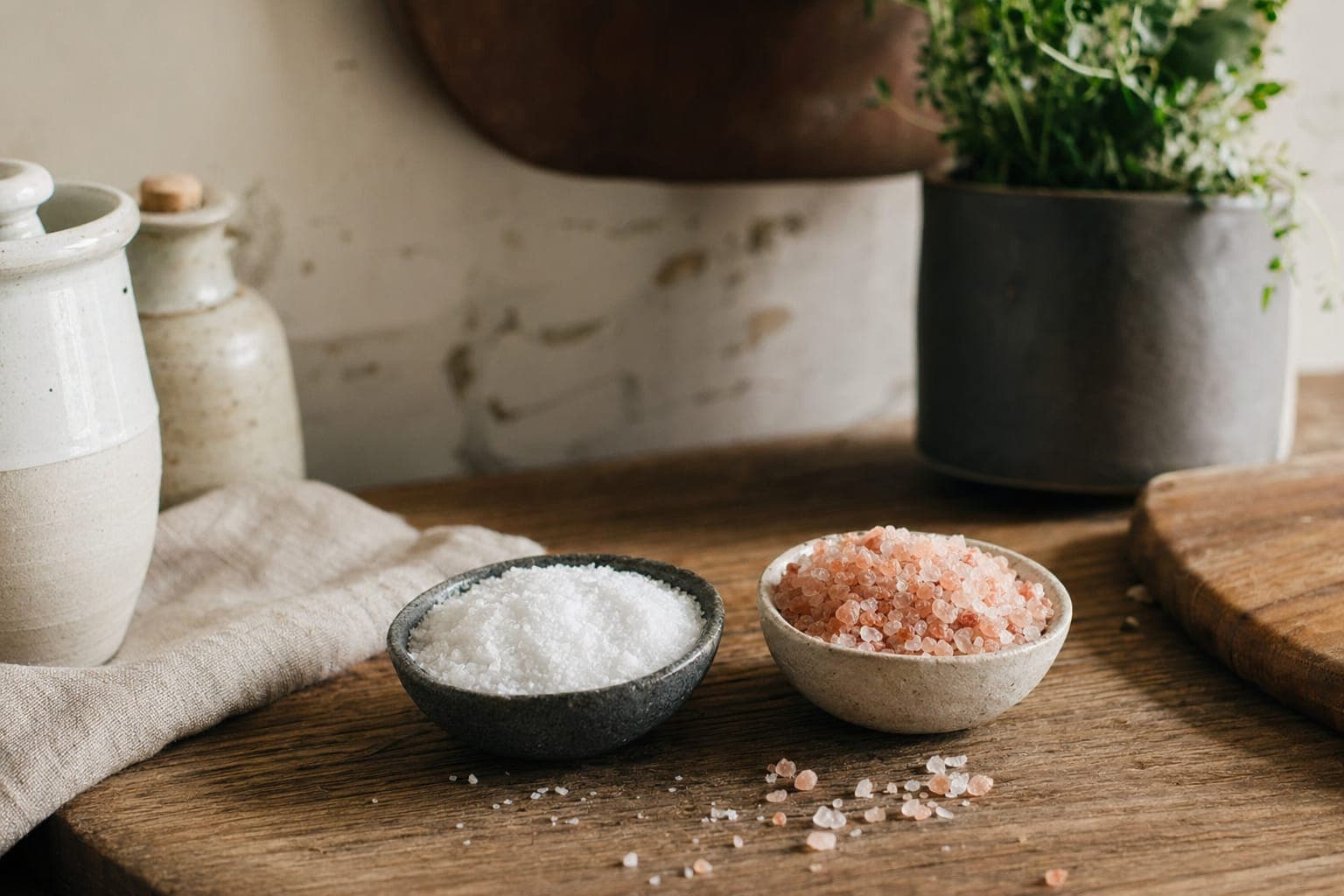
Celtic Sea Salt vs Himalayan Pink Salt: What's the Difference?
Celtic sea salt and Himalayan pink salt differ in mineral composition, sourcing, and processing. Understand the difference and why it matters for your health.

Comparisons
Collagen vs Hyaluronic Acid: What Actually Works for Skin?
Collagen vs hyaluronic acid for skin: one rebuilds from within, the other holds water at the surface. See how each works and which one you actually need.
Comparisons
Organ Supplements vs Synthetic Multivitamins: A Nutrient-by-Nutrient Comparison
Compare organ supplements vs multivitamins nutrient by nutrient, from naturally-occurring forms to synthesised ones, and see why absorption can differ a lot.
Real food, made effortless
Try the blendA few ways to use it
All recipes
Raw Milk Ice Cream with Organised
Make raw milk ice cream at home with Organised for a seasonal, nutrient-dense treat. Three simple flavours to try whenever the craving strikes.
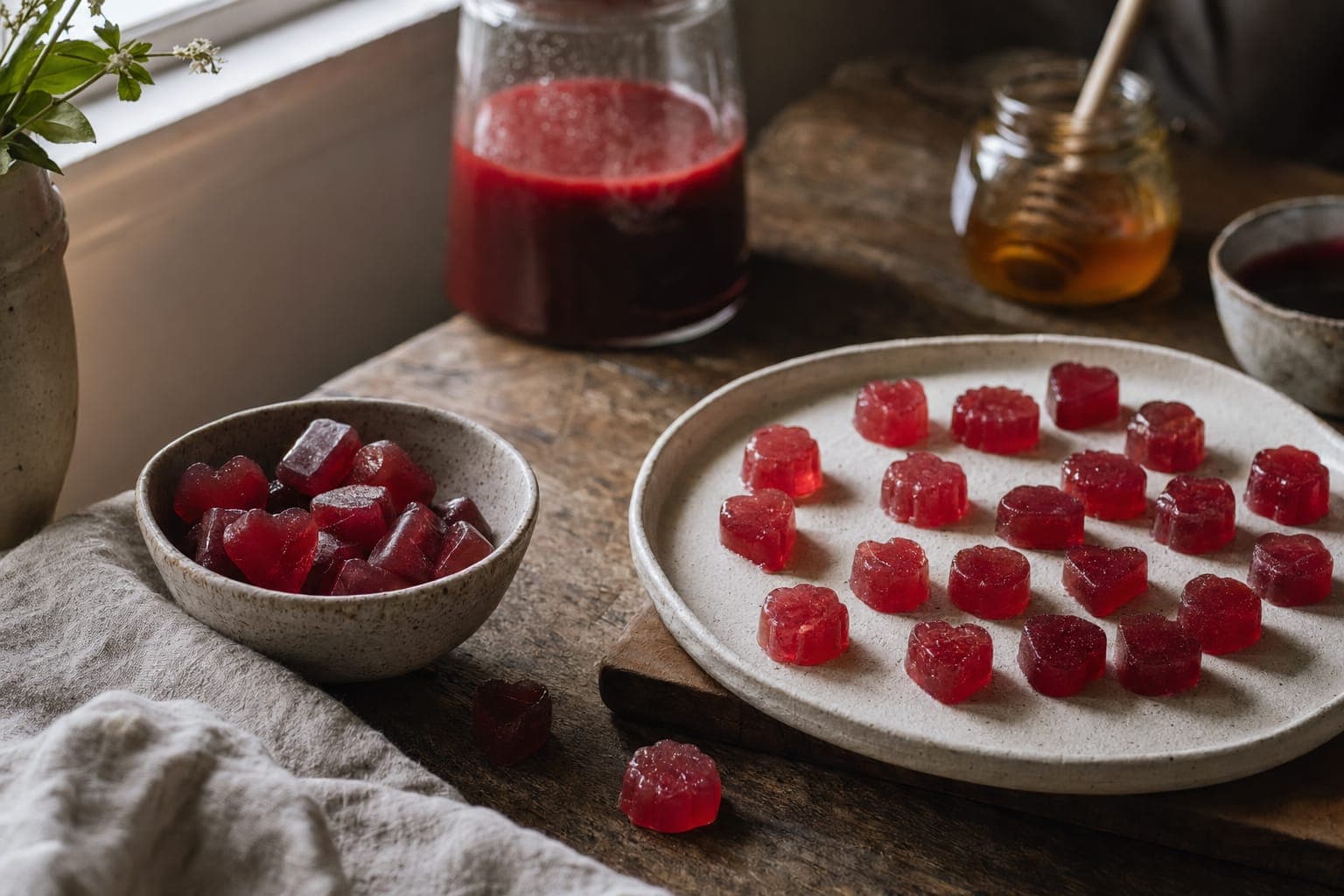
How to Make Your Own Gelatine Gummies
A simple recipe for homemade gelatine gummies using grass-fed gelatine, fresh juice, and raw honey. Better than shop-bought, kids love them.

Organ Bolognese: The Family Dinner That Heals
Practical organ meat recipe using fresh beef liver and heart. Family-friendly bolognese that bridges supplements to whole food.


 Join over 100,000+ members
Build a better food system with us
The Organised community is thousands of people choosing real food and backing the farmers who grow it, all of us trying to leave the world a little better than we found it. If that is what you care about too, you belong here.