Celtic Sea Salt vs Himalayan Pink Salt: What's the Difference?
You know that salt is essential. Your body can't function without it. Nerves can't fire. Muscles can't contract. Cells can't regulate water. The conversation everyone misses is not whether you need salt. It's what kind of salt. Two salts sit on grocery shelves side by side. Celtic sea salt, grey and damp. Himalayan pink salt, crystalline and pristine. One is ancient ocean. One is ancient mountains. They're not the same food.

By Niall Kiddle, Founder, Organised

Reviewed by Pedro Rodrigues, Agronomist (farming and sourcing only) ·
6 min read · Published · Updated · 3 cited sources
Makers of the Organised Daily blend, a grass-fed beef organ supplement from regenerative UK farms
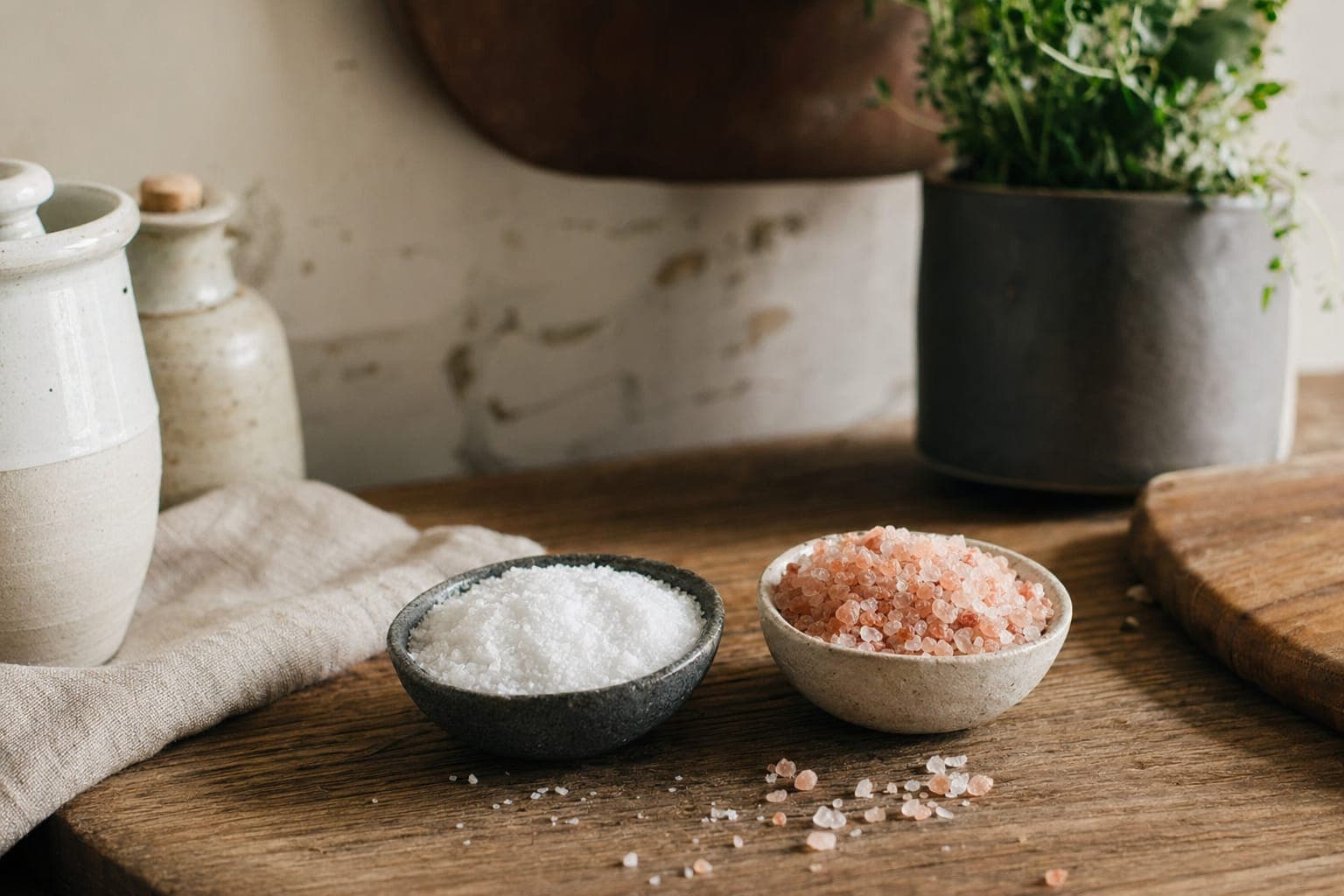
This isn't semantic. The difference is biochemical.
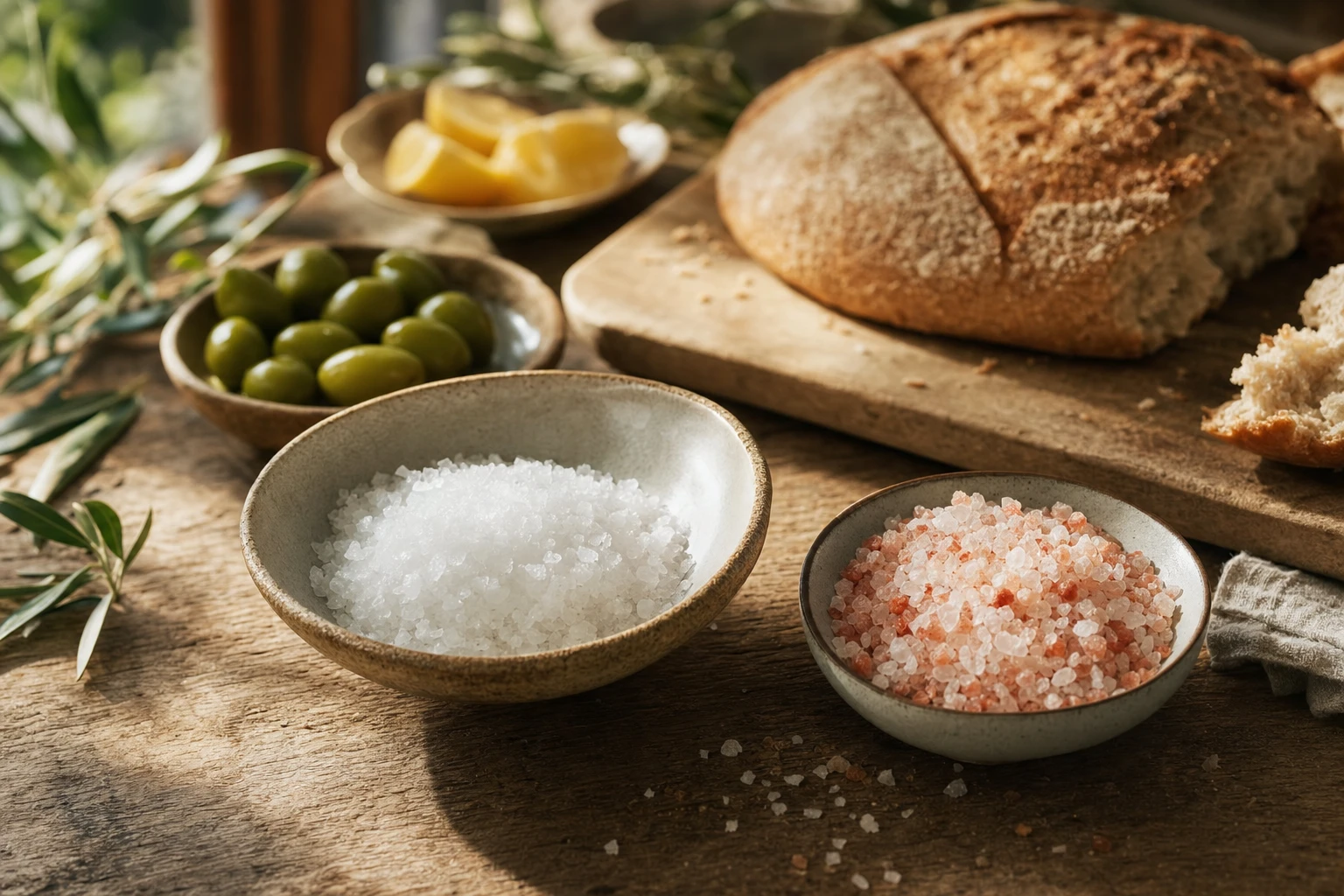
Why salt matters
For decades, public health messaging told you to avoid salt. Eat less. Sodium is dangerous. But that narrative is incomplete. Your body needs sodium. It needs it for blood pressure regulation, for nerve transmission, for muscle contraction, for maintaining fluid balance.1 The dosage matters, yes. But the assumption that salt is intrinsically dangerous is wrong.
Your ancestor ate salt. They sought it out. Humans have gone to war over salt. Salt was used as currency. The word salary comes from salt. People didn't do that because salt was poison. They did it because salt was critical for survival, particularly when living far from the ocean.
The modern mistake is not that we eat salt. It's that we've reduced salt to sodium chloride and forgotten that salt is a mineral-rich food when it comes from the right source.
Celtic sea salt: sourcing and harvesting
Celtic sea salt comes from the Atlantic coast of France, primarily from the coastal regions of Brittany. The salt is harvested from tidal salt ponds, shallow lagoons where seawater is allowed to evaporate. The salt crystals that form are then hand-harvested.
The harvesting process is labour-intensive and expensive, which is why Celtic sea salt costs more than refined salt. But the process is deliberate. No industrial machinery, no high heat, no chemical processing. Seawater evaporates, minerals accumulate, salt is collected.
Because the process is slow and the minerals remain in the salt throughout, Celtic sea salt is slightly damp. It absorbs moisture from the air. It clumps. It's inconvenient from a shelf-stable perspective. This inconvenience is evidence that the mineral content is preserved. The moisture is part of what makes it Celtic sea salt rather than refined salt.
Celtic sea salt is harvested from living ocean, in a living process, with minerals intact. The dampness and the mineral content are inseparable. One indicates the other.
Himalayan pink salt: origin and mining
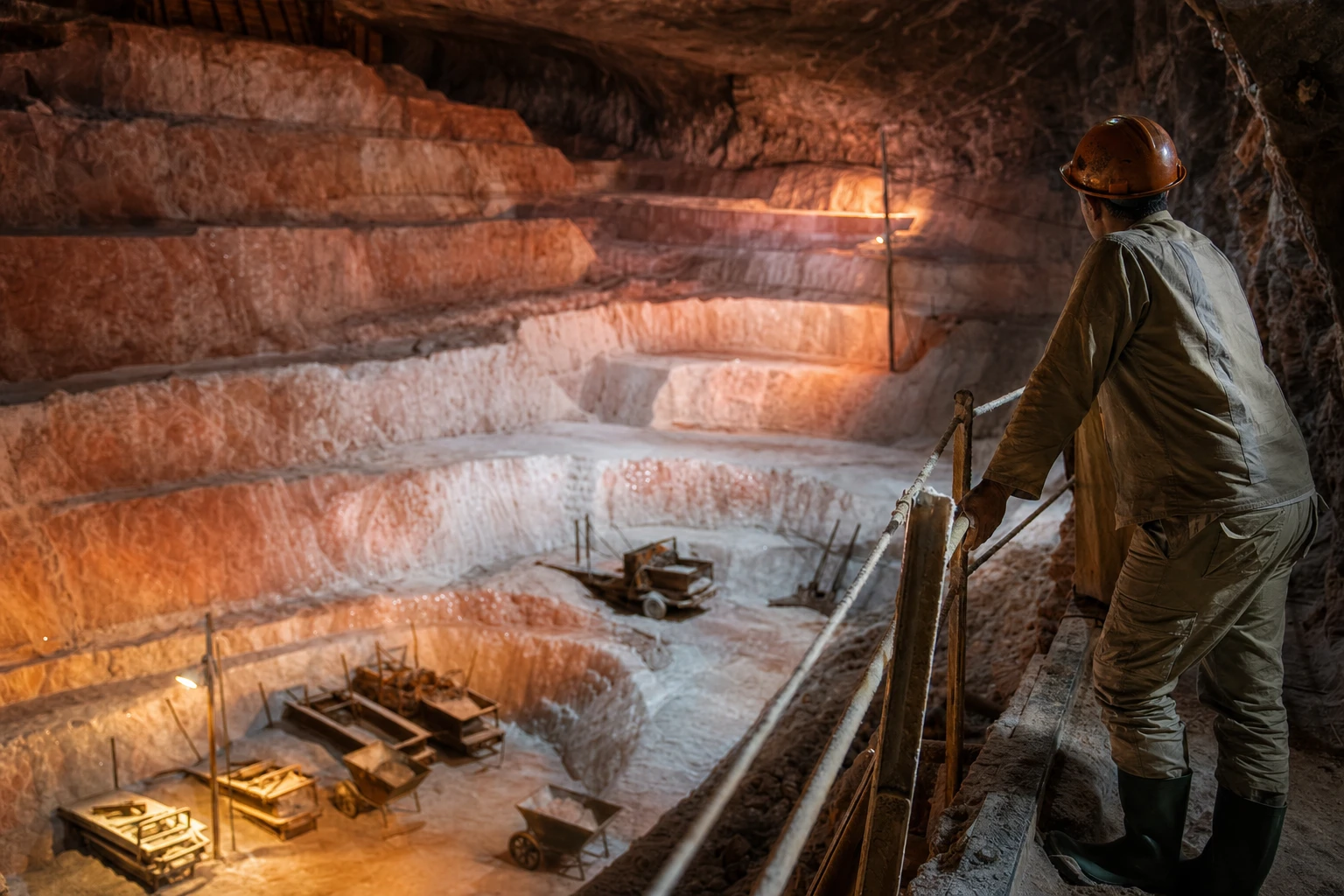
Himalayan pink salt comes from salt deposits in the Punjab region of Pakistan, near the Himalayas. These salt deposits are ancient. They're the remains of seas that evaporated millions of years ago, before the Himalayas rose. The salt crystallised and has been buried under rock ever since.
Modern Himalayan salt is mined from these deposits using traditional mining methods. The salt is extracted from the earth, broken into usable pieces, and either sold as chunks or ground. It's then sometimes cleaned or processed further depending on the brand.
The salt is pink or red because of trace minerals, particularly iron oxide, that are present in the ancient deposits. The colour is a signature of what's in the salt. But also a signal that the mineral content is there.
Himalayan salt is also more expensive than refined salt, but it's often cheaper than Celtic sea salt. This is because mining is more scalable than hand-harvesting from tidal ponds. Once a mine is established, production can increase dramatically.
Mineral composition differences
This is where the real distinction emerges. Celtic sea salt and Himalayan salt have different mineral profiles because they come from different sources.
Celtic Sea Salt (per teaspoon / approximately 6g):
- Sodium chloride: roughly 3,600 mg
- Magnesium: roughly 60 mg
- Potassium: roughly 180 mg
- Calcium: roughly 24 mg
- Trace amounts of iodine, manganese, zinc, iron, selenium
- Total mineral content: approximately 350 mg beyond sodium chloride
Himalayan Pink Salt (per teaspoon / approximately 6g):
- Sodium chloride: roughly 3,700 mg
- Potassium: roughly 160 mg
- Magnesium: roughly 8 mg (significantly lower)
- Calcium: roughly 20 mg
- Iron: responsible for the pink colour, roughly 0.4 mg
- Total mineral content: approximately 250 mg beyond sodium chloride
The key differences: Celtic sea salt is significantly higher in magnesium, which is critical for muscle relaxation, nerve function, and energy production.2 Himalayan salt is higher in iron, which accounts for its colour. Celtic salt is significantly higher in total trace mineral content.
Both contain more minerals than refined salt, which contains only sodium chloride and anti-caking agents.3 But Celtic sea salt is more nutrient-dense overall.
Get ingredient guides like this, free
Two short reads a week on the ingredients that matter and how to actually use them.
By signing up you agree to receive emails from us. No spam, unsubscribe anytime.
Processing methods and trace elements
Celtic sea salt is minimally processed. Seawater evaporates naturally. Salt crystals form. They're harvested. Minor rinsing may occur to remove debris, but no heat, no chemicals, no refinement. The minerals that were in the seawater remain in the salt.
Himalayan salt is also minimally processed from the perspective of no chemical refinement, but the mining process itself can introduce complications. If the salt is cleaned with water, some minerals may be lost. If it's processed at high temperatures, volatile minerals may be driven off. The mining process is less disruptive than industrial salt refinement, but it's not as gentle as natural evaporation.
Both are superior to refined salt, which is heated to over 1,200 degrees Celsius, chemically treated to remove minerals, and then had iodine added back in an attempt to replace what was removed. Refined salt is not a whole food. It's an industrial product. Both Celtic and Himalayan are more whole than refined salt.
The best salt is the one minimally processed from a living source. Celtic sea salt wins on that metric. It's harvested fresh from the ocean, not from ancient deposits, and it's processed through evaporation, not mining.


1 of 9
Daily blend
100,000+ thriving families4.9 on Trustpilot
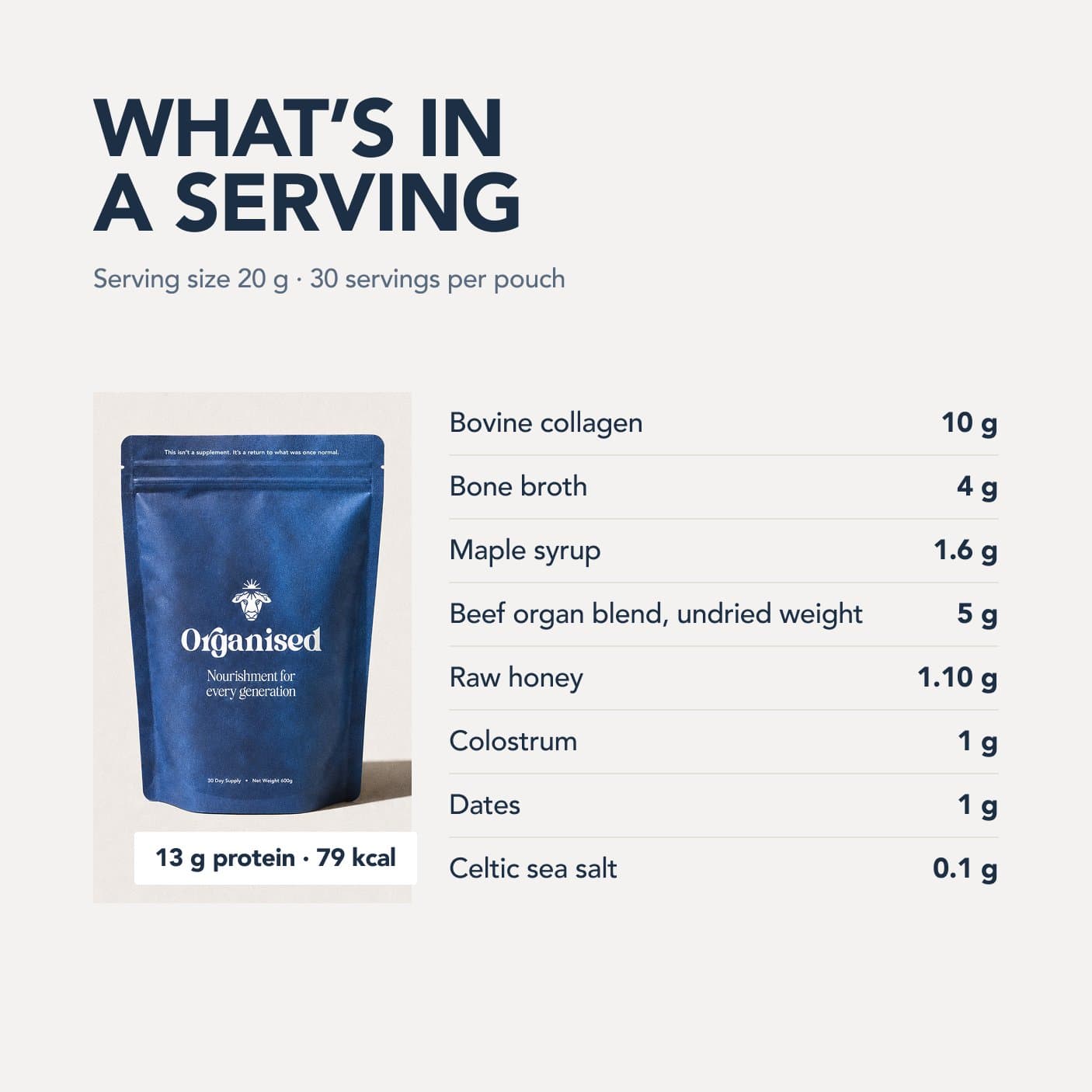
Eight real ingredients built around grass-fed beef organs, collagen and colostrum. Nothing synthetic added.
Free with your first order, worth £38. Plus £10 off the pouch with a subscription.

Free UK shipping · Made in England · 100 day money back guarantee on your first pouch · Skip, pause or cancel anytime
Why source and processing matter
Your body didn't evolve eating ancient salt mined from mountains. Your body evolved eating salt from the ocean. Coastal humans ate seaweed, sea vegetables, and salt from ocean spray or salt ponds. Inland humans valued salt precisely because they couldn't get it easily. When they did get it, it came through trade routes, which brought ancient salts or refined salts from wherever they could be sourced.
The human body is adapted to absorb and utilise minerals in the ratios they appear in seawater and sea salt. Celtic sea salt more closely matches that ratio. Himalayan salt, coming from ancient ocean deposits, has a different mineral profile. Over thousands of years, some minerals evaporated, some concentrated, and the balance changed.
This doesn't mean Himalayan salt is bad. It means it's different. Your body can use it. But it's not the salt your physiology was optimised for.
Which is better?
If you prioritise mineral density and evolutionary alignment, Celtic sea salt is better. It comes from living ocean, contains more overall minerals, and is higher in magnesium, which most people are deficient in.
If you prioritise cost or iron content, Himalayan salt is better. It's cheaper, it contains iron, and it's still a whole food salt with more minerals than refined alternatives.
If you can only get one, Celtic sea salt is the nutritionally superior choice. If you can access both, use both. The difference is not dramatic. Using either of these instead of refined salt is already a massive upgrade to your mineral intake.
What matters most is that you eat salt. Real salt. With minerals. From a whole food source. Whether that's Celtic or Himalayan is almost secondary to getting away from refined salt entirely.
The bottom line
Celtic sea salt and Himalayan pink salt are not equivalent, but they're similar in that both are whole food salts with preserved mineral content. Celtic sea salt is more nutrient-dense, particularly for magnesium. Himalayan salt is more affordable and contains iron. Both are dramatically superior to refined salt.
Stop thinking of salt as sodium to minimise. Start thinking of it as a mineral-rich food to optimise. Your nerves, your muscles, your cells need it. Feed them well. Use real salt.
References
Every source below was checked on 27 August 2026. Each link was requested and read. Where a citation and its identifier disagreed, the citation was corrected to the record or the reference was deleted along with the sentence marker that pointed at it, and where the resolved paper turned out not to support the sentence, the sentence was cut back to what it does support. Borrowed authority is worse than none, because it looks like rigour.
- National Institutes of Health, Office of Dietary Supplements. Sodium - Health Professional Fact Sheet. https://ods.od.nih.gov/factsheets/Sodium-HealthProfessional/ [accessed May 2026].
- National Institutes of Health, Office of Dietary Supplements. Magnesium - Health Professional Fact Sheet. https://ods.od.nih.gov/factsheets/Magnesium-HealthProfessional/ [accessed May 2026].
- NHS. Salt: the facts. https://www.nhs.uk/live-well/eat-well/food-types/salt-nutrition/ [accessed May 2026].
Who wrote and reviewed this guide
Niall Kiddle
Author · Founder, Organised
Niall is the founder of Organised. He started the company in 2024 after fixing his own health the slow way: in 2022 he swapped a cupboard of synthetic supplements for real food, raw milk, organ meats, bone broth and honey, and felt the difference within months.
Areas of expertise: Ancestral nutrition, Organ meats, Whole-food supplementation, Gut health, Regenerative sourcing
Read Niall's full profile
Pedro Rodrigues
Reviewer · Agronomist (farming and sourcing only)
Pedro is the agronomist Organised works with on farming and sourcing. His job on the guides is to keep the science honest: he reviews what we publish about soil health, regenerative agriculture, grazing and the way food is actually produced.
Areas of expertise: Regenerative agriculture, Agronomy, Soil health, Grass-fed farming, Food sourcing
Reviewed this guide on
Read Pedro's full profileMore on celtic sea salt
View allBrowse the guides library
All guidesKeep reading
Ingredients
The Antimicrobial Power of Raw Honey
Learn how the antimicrobial properties of raw honey, like hydrogen peroxide and MGO, set it apart from processed honey, and why it is a real whole food.

Ingredients
Grass-Fed Beef Protein Isolate: What Makes It Different
See what sets grass-fed beef protein isolate apart, from easy digestion to micronutrient content, and how it really compares with whey protein for daily use.
Ingredients
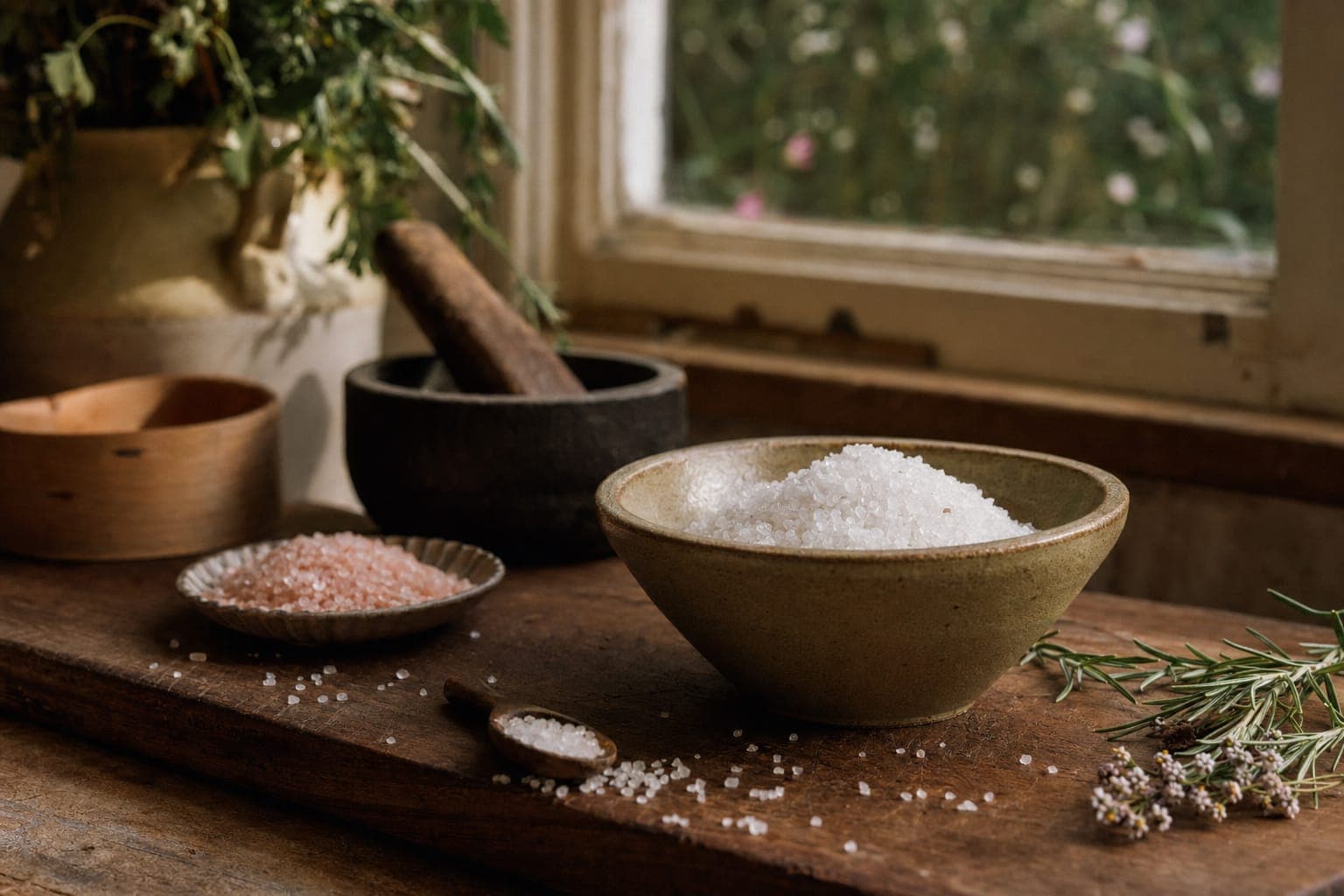
Why We Stopped Being Afraid of Salt (And You Should Too)
The war on salt was built on flawed research. Your body needs sodium. Here's why quality salt matters and how to get your mineral balance right.
Real food, made effortless
Try the organ blendA few ways to use it
All recipes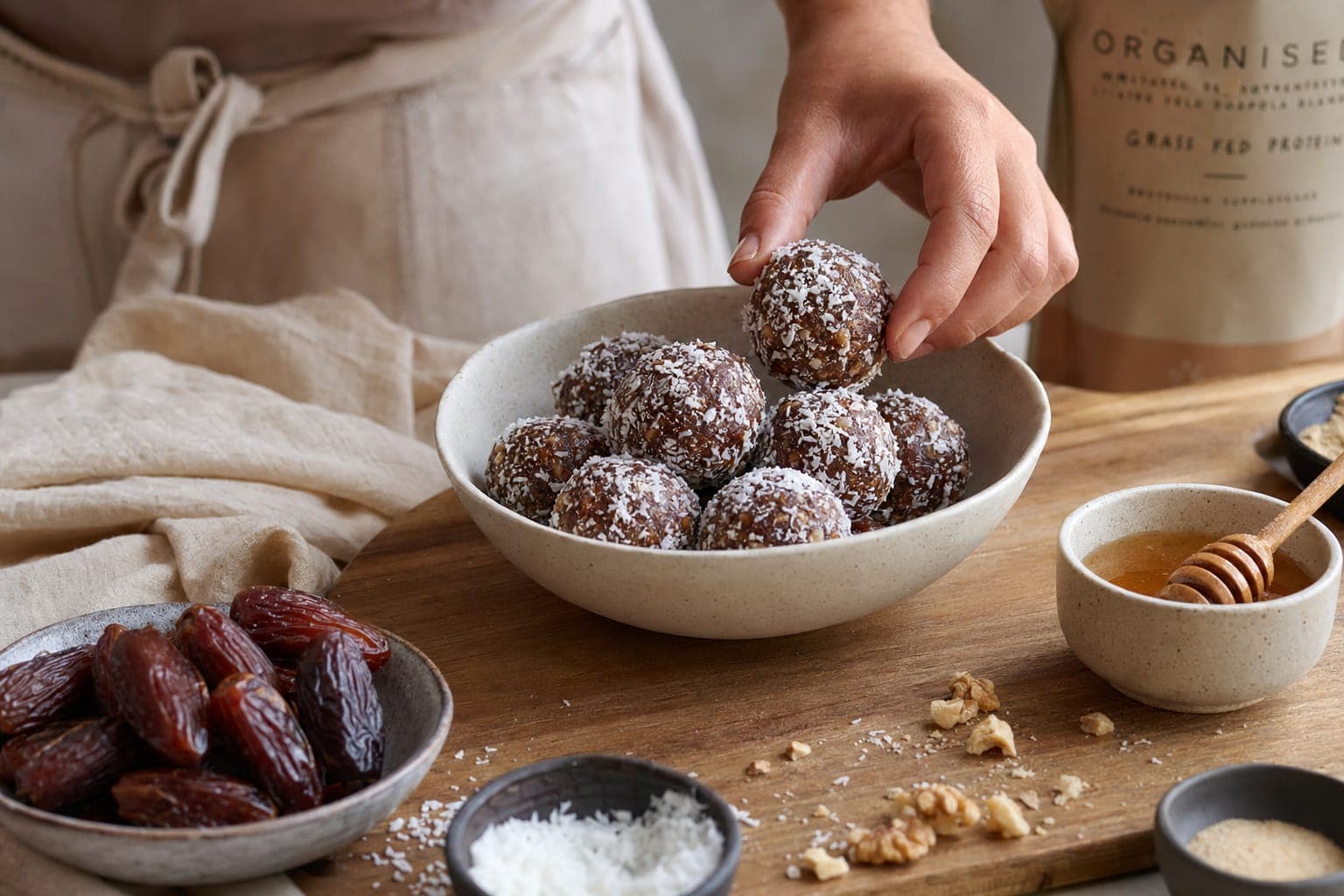
Energy Balls with Organised, Dates and Raw Honey
Make no-bake energy balls with Organised, dates, and raw honey. Perfect lunch box, pre-workout, or on-the-go snack. Simple recipe.
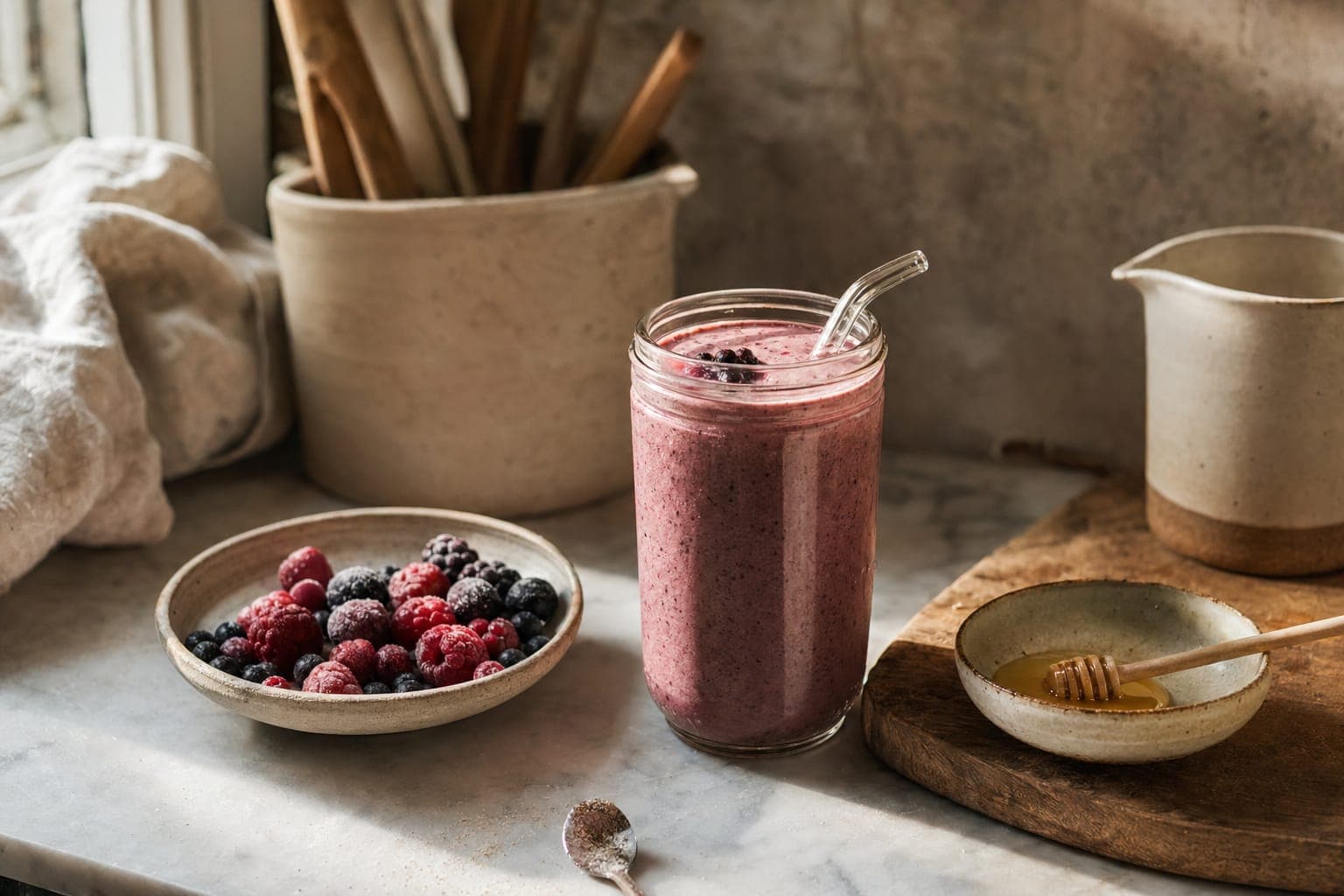
The Organised Recovery Smoothie for After Exercise
A recovery smoothie made with beef protein, raw milk, frozen berries, collagen, and honey. Optimal nutrition in the 30-minute window after exercise.
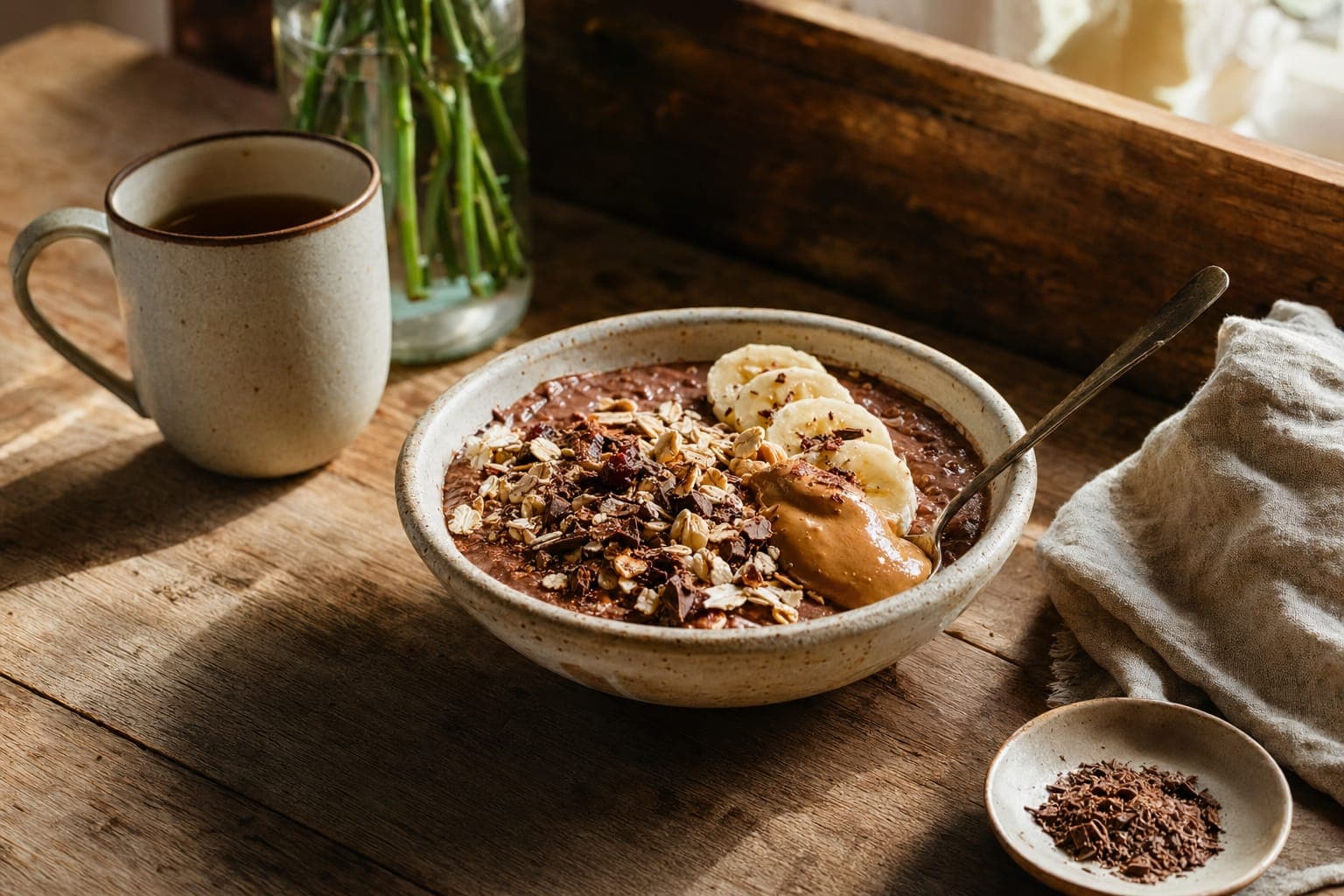
10 Ways to Use Organised That Aren't Just a Shake
Move beyond the basic shake. Discover 10 creative ways to use Organised in smoothie bowls, oats, yoghurt, baking, and more.


 Join over 100,000+ members
Build a better food system with us
The Organised community is thousands of people choosing real food and backing the farmers who grow it, all of us trying to leave the world a little better than we found it. If that is what you care about too, you belong here.