Iron Deficiency: Why It's So Common and How Organs Can Help
You're tired. Constantly. Your period is heavy. You're cold when nobody else is. Your nails are brittle. Your hair falls out. You've tried iron supplements but they made you constipated and didn't actually help. The problem isn't iron itself. It's the type of iron you're eating, and where it's coming from.
By Niall Kiddle, Founder, Organised

Reviewed by Pedro Rodrigues, Agronomist (farming and sourcing only) ·
6 min read · Published · Updated · 3 cited sources
Makers of the Organised Daily blend, a grass-fed beef organ supplement from regenerative UK farms
The problem isn't iron itself. It's the type of iron you're eating, and where it's coming from.
Iron is not created equal
There are two types of iron: heme and non-heme.
Heme iron comes from animal sources. It comes from the haem molecules in red blood cells and muscle tissue. Your body absorbs 15-35 percent of the heme iron you eat.1 It's absorbed directly through dedicated heme iron transporters in your intestines. Nothing interferes with this absorption. It doesn't matter if you have low stomach acid, inflammation, or if you drank coffee with your meal. Your intestines recognise it and transport it efficiently.
Non-heme iron comes from plant sources and fortified foods. Your body absorbs only 2-8 percent of non-heme iron.1 This depends entirely on your stomach acid, your calcium levels, your antacid use, whether you've eaten tea or coffee with it, and dozens of other factors. If you have low stomach acid from chronic stress or medication, you might absorb almost none of it. Non-heme iron is also called ionic iron, and it's poorly bioavailable by design.
Vegans and vegetarians are eating non-heme iron almost exclusively, which is why iron deficiency is endemic in those populations despite eating what appears to be adequate iron quantities. They're absorbing 2-8 percent of what they eat. A vegan eating 30 mg of iron daily might absorb only 0.6 to 2.4 mg. A meat-eater absorbing even 20 percent gets more absolute iron from half the quantity.
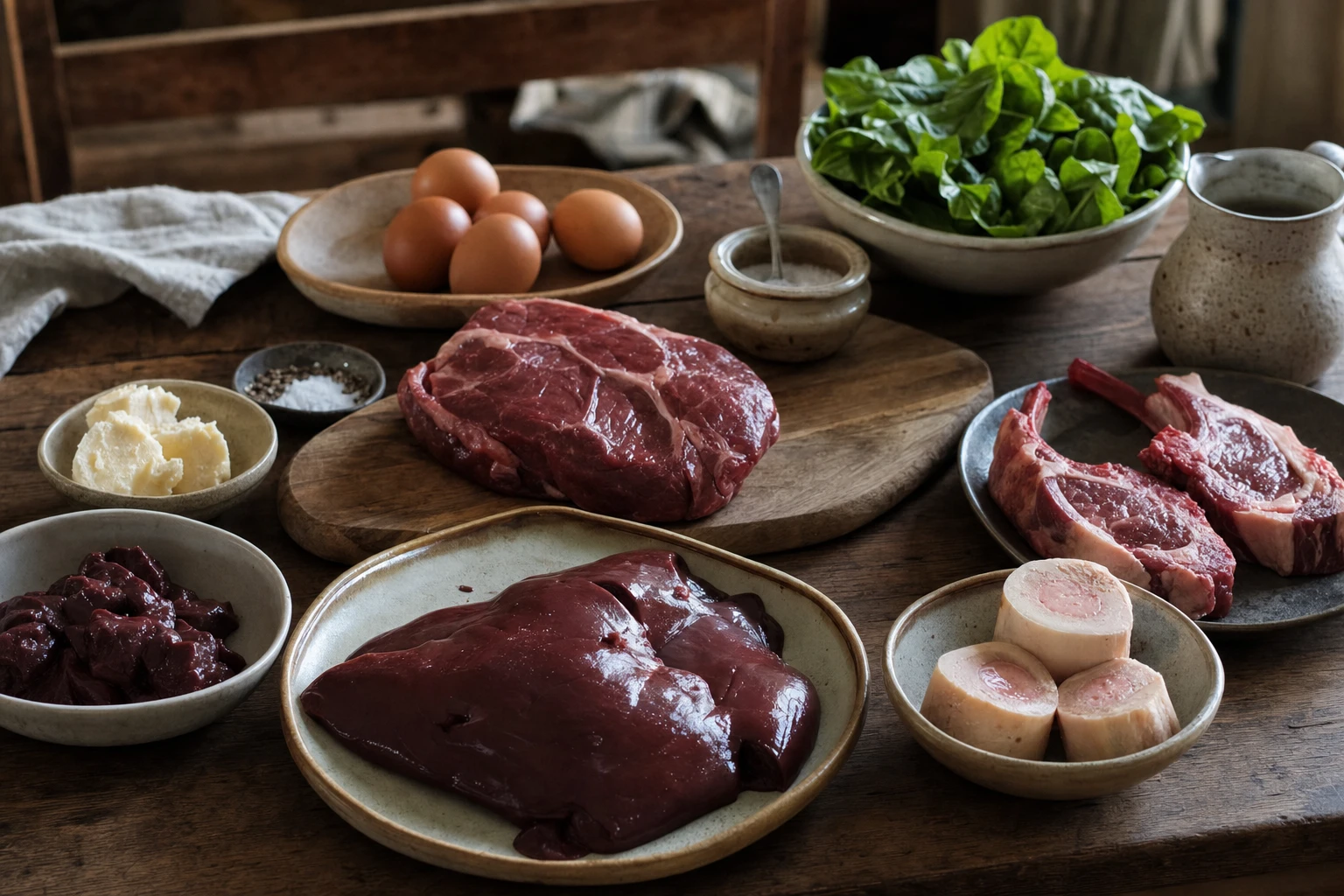
Meat-eaters can access heme iron, but only if they're eating the right cuts. Beef provides heme iron, but organ meats provide vastly more.
Beef liver contains 5-7 mg of heme iron per 100g serving. A similar serving of spinach contains 2.7 mg of non-heme iron that your body will barely absorb. The maths isn't even close.
Why women are disproportionately affected
Women lose blood monthly. Over 30-40 years of menstruation, that adds up. A woman losing 30 mL of blood monthly loses approximately 15 mg of iron annually. Heavy periods (over 80 mL monthly) result in 40 mg of iron loss yearly. That's equivalent to eating beef liver forty times annually just to break even.
Heavy periods make iron deficiency nearly inevitable without intervention. The conventional approach is to prescribe iron supplements. But most oral iron supplements are non-heme iron or poorly absorbed forms that cause side effects. Ferrous sulphate supplements constipate because they're poorly absorbed and your intestines rebel. Ferrous fumarate causes nausea. Ferric compounds are even worse. Women are told the side effects are worth it, then they stop taking them because they're miserable.
Women are told to eat more spinach. But spinach is high in oxalates, which bind iron and make it even less absorbable. This is advice given with good intentions but it doesn't work. You can eat spinach salad every day and still be iron deficient.
Men rarely become iron deficient unless they have hidden bleeding from ulcers, polyps, or bowel disease, or are vegan. Post-menopausal women lose the menstrual blood loss risk, but by then many are already profoundly depleted from decades of insufficient iron intake.
The ferritin and haemoglobin distinction
When your doctor tests iron status, they usually measure haemoglobin and maybe serum ferritin. This is insufficient.
Haemoglobin tells you whether you currently have enough iron to make red blood cells. If it's low, you have anaemia. This is a late sign. Your ferritin has to be completely depleted before haemoglobin drops significantly. Haemoglobin is the last thing to fall.
Ferritin is your body's iron storage molecule. It tells you whether you have iron reserves. If ferritin is low (below 30 ng/mL for women), you're iron deficient even if haemoglobin is normal. This is functional iron deficiency. You're not anaemic yet, but you will be if it continues. Many women experience symptoms at ferritin levels between 15 and 30.
Many women have low ferritin with normal haemoglobin and are told nothing is wrong. They're told to eat better or exercise more. In reality, they're iron deficient and need treatment. If you're tired and your haemoglobin is normal, ask specifically for ferritin testing. Don't accept "your haemoglobin is normal, so you're fine." That's an insufficient interpretation. Your ferritin matters more for how you feel.
Why supplements fail where food succeeds
Oral iron supplements have several problems. First, the absorption is poor. Most people taking ferrous sulphate absorb maybe 5-10 percent because ferrous iron requires adequate stomach acid and specific pH conditions. Women with low stomach acid (common with stress and age) absorb even less.
Second, they cause side effects. Constipation is the most common, along with nausea, black stools that alarm people, abdominal discomfort, and metallic taste. Many women stop taking supplements because the side effects are worse than the symptoms they're treating. Constipation from iron supplements can last months after stopping them.
Third, they don't address the underlying cause. If you have heavy periods, iron supplements are a band-aid. You need to address the bleeding through medical treatment, or you'll need supplements forever. Supplementation without addressing the source is unsustainable.
Heme iron from food doesn't have these problems. You absorb it easily without needing perfect stomach acid. It doesn't cause constipation or nausea. And if you're eating organ meats regularly, you're getting doses of iron that oral supplements can't match in terms of both quantity and bioavailability.
Get health guides like this, free
Two short reads a week on eating for energy, gut health, skin, sleep and more.
By signing up you agree to receive emails from us. No spam, unsubscribe anytime.
The organ solution
Beef liver is the single richest source of heme iron on the planet. 100g of beef liver contains 5-7 mg of heme iron, and you'll absorb 15-35 percent of that, meaning you'll absorb 0.75 to 2.45 mg from a single serving. That's more iron absorption than most women get weekly from their entire diet.
Other organ meats are nearly as rich. Beef kidney contains 3-5 mg heme iron per 100g. Beef heart contains 3-4 mg per 100g. These are the apex sources.
Regular red meat provides heme iron too, though less concentrated. 100g of lean beef contains about 2-3 mg heme iron. It's still superior to plant sources by orders of magnitude.
The practical protocol is straightforward. Eat organ meats 2-3 times per week. Beef liver is the easiest to start with. If the taste is unfamiliar, prepare it as liver pate, mix it into minced beef at a 20-30 percent ratio, or use desiccated liver capsules as a supplement. Eat red meat 4-5 times per week. This combination will raise your iron stores faster than any oral supplement can.
If you have heavy periods, also address the bleeding. This might mean hormonal contraception, endometrial ablation, or treating underlying conditions like fibroids or polyps. Iron supplementation without addressing the source of blood loss is like bailing water from a boat with a hole in it. You'll never get ahead.
A woman eating beef liver twice weekly will raise her ferritin faster than she will on oral supplements. The food works where the pills fail.
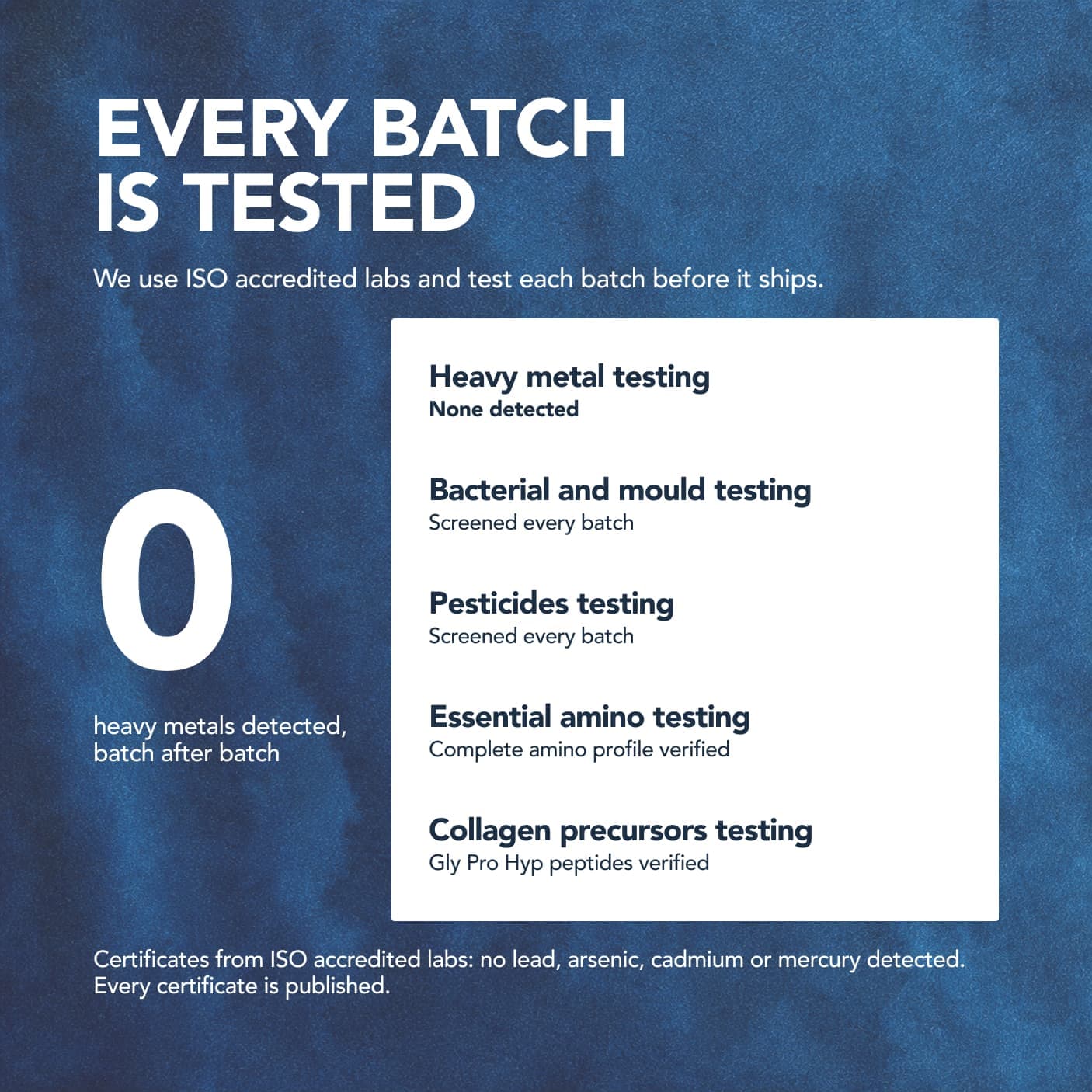
1 of 9
Daily blend
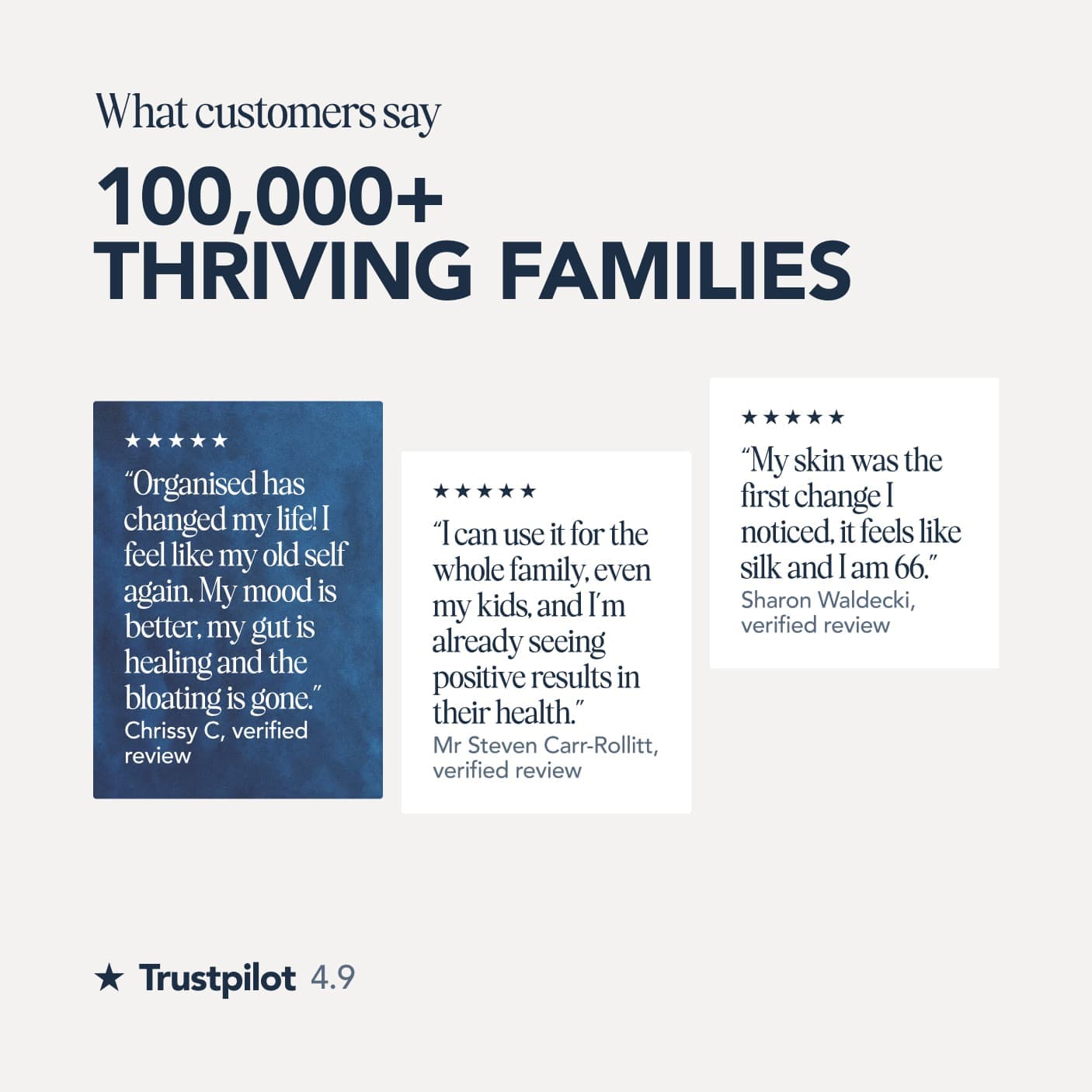
100,000+ thriving families4.9 on Trustpilot
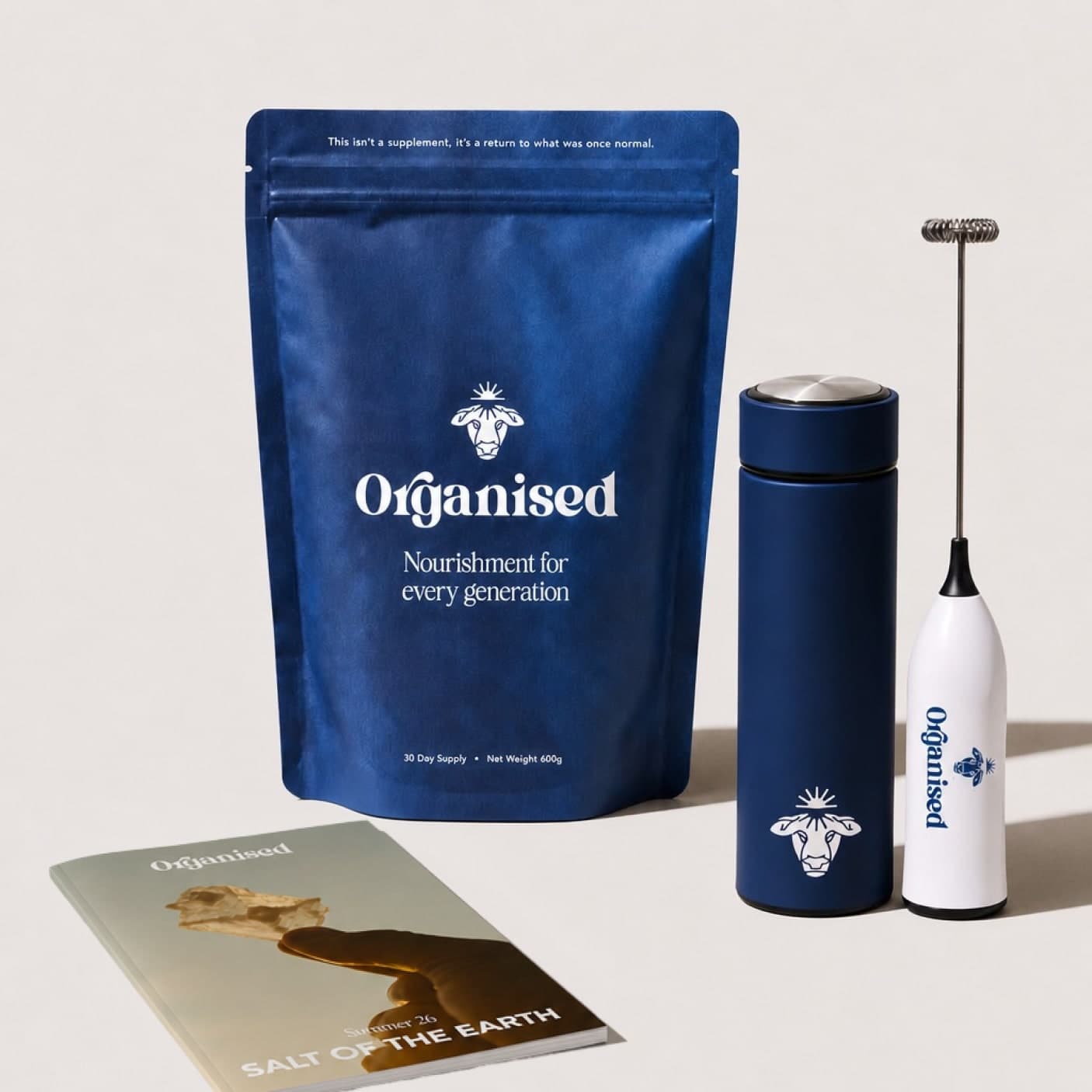
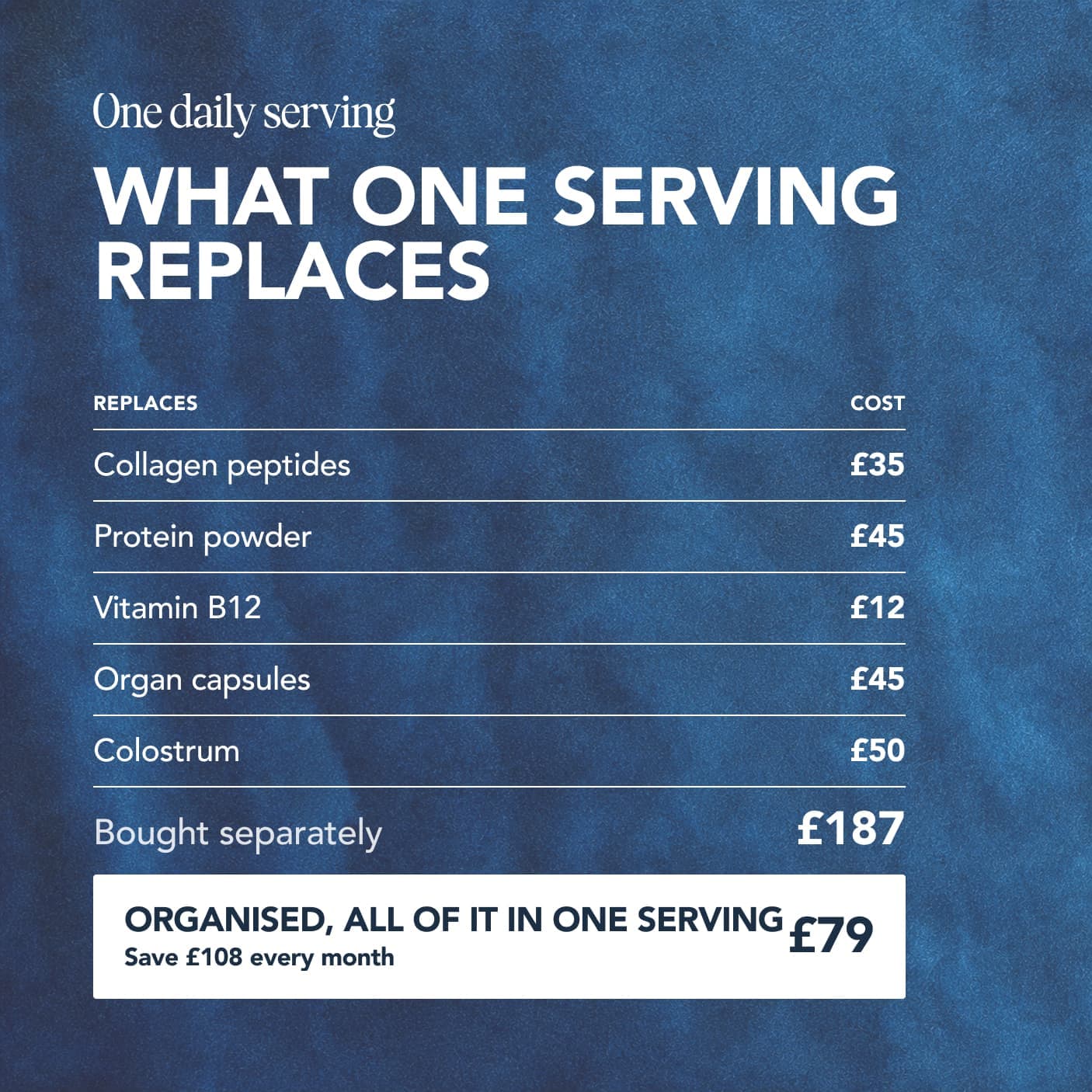
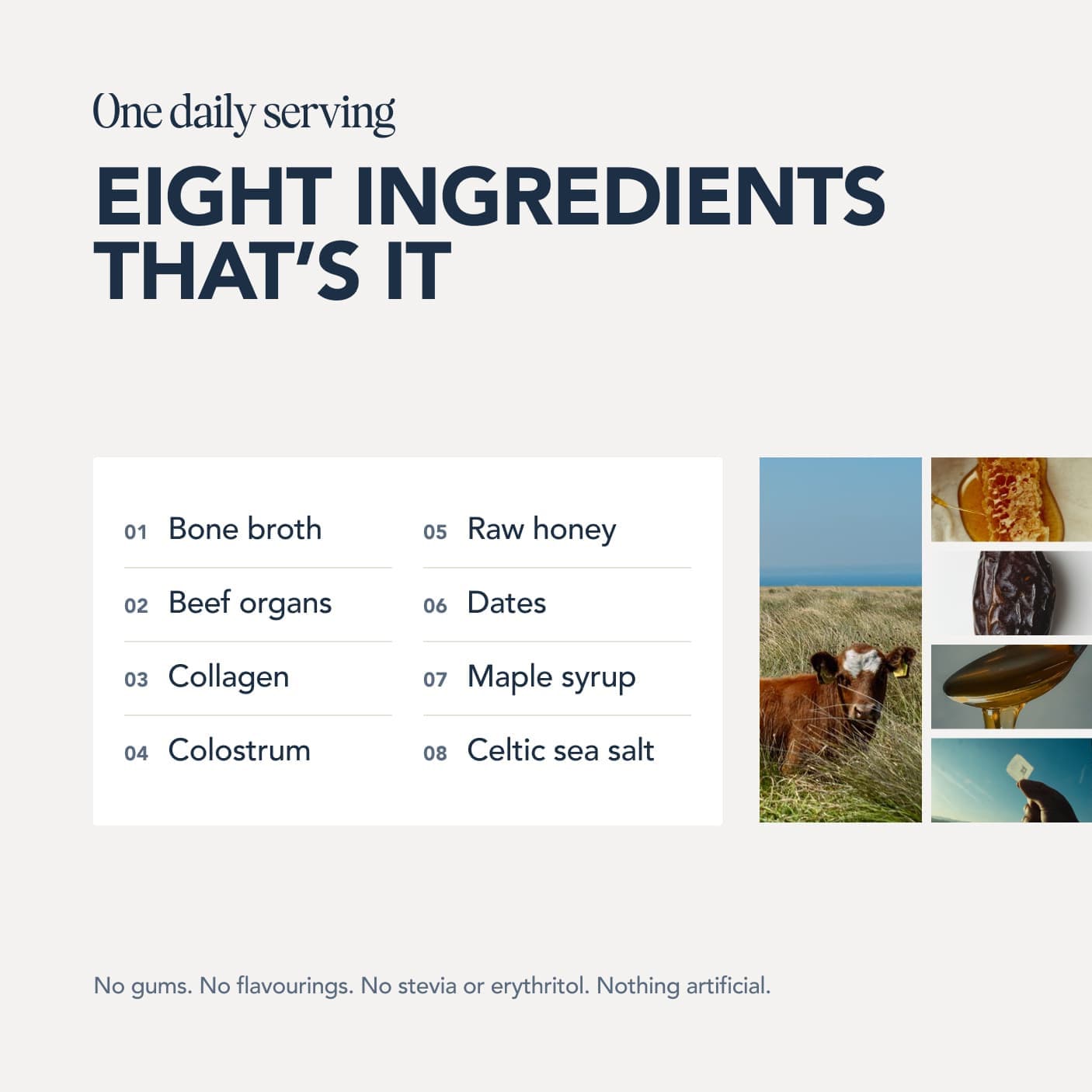
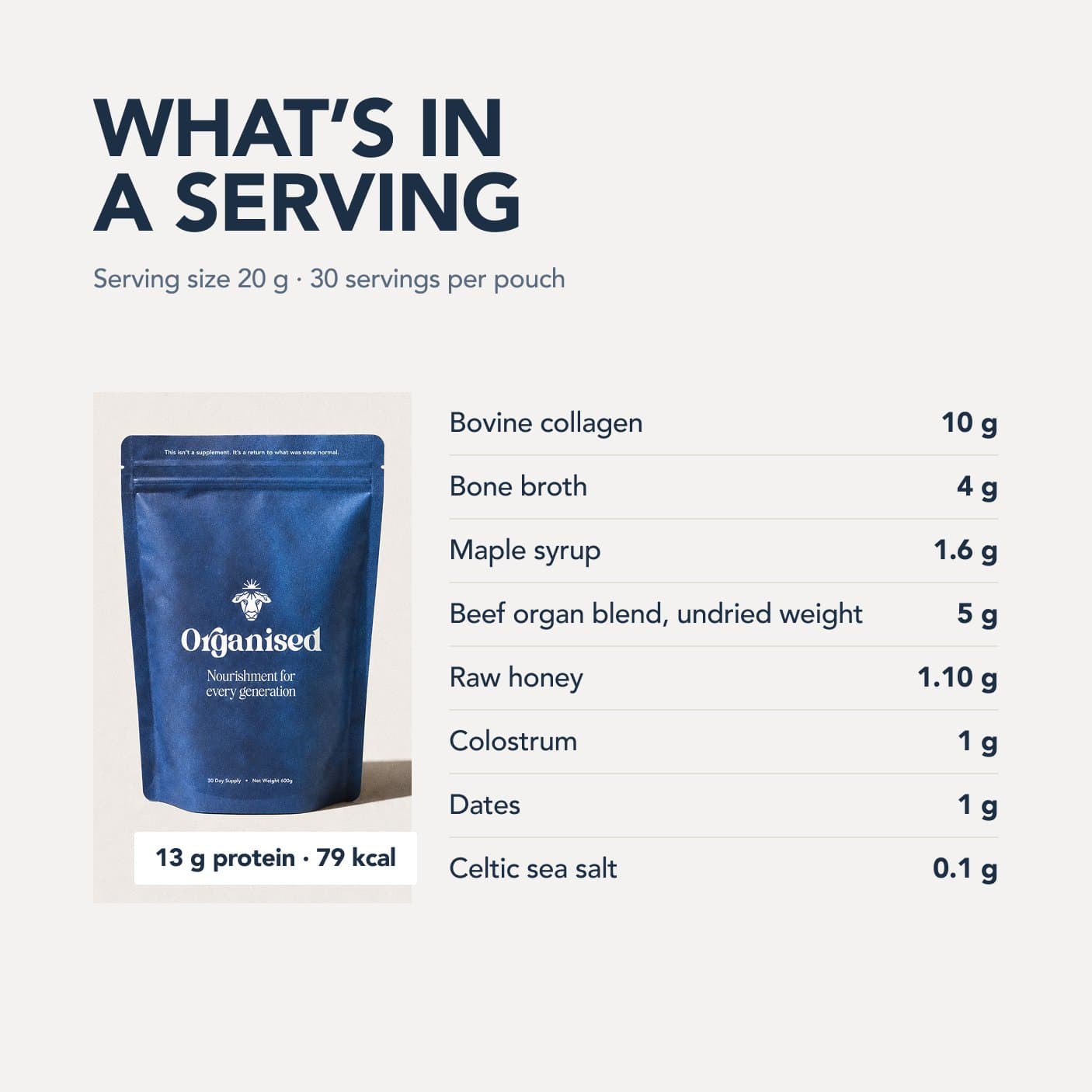
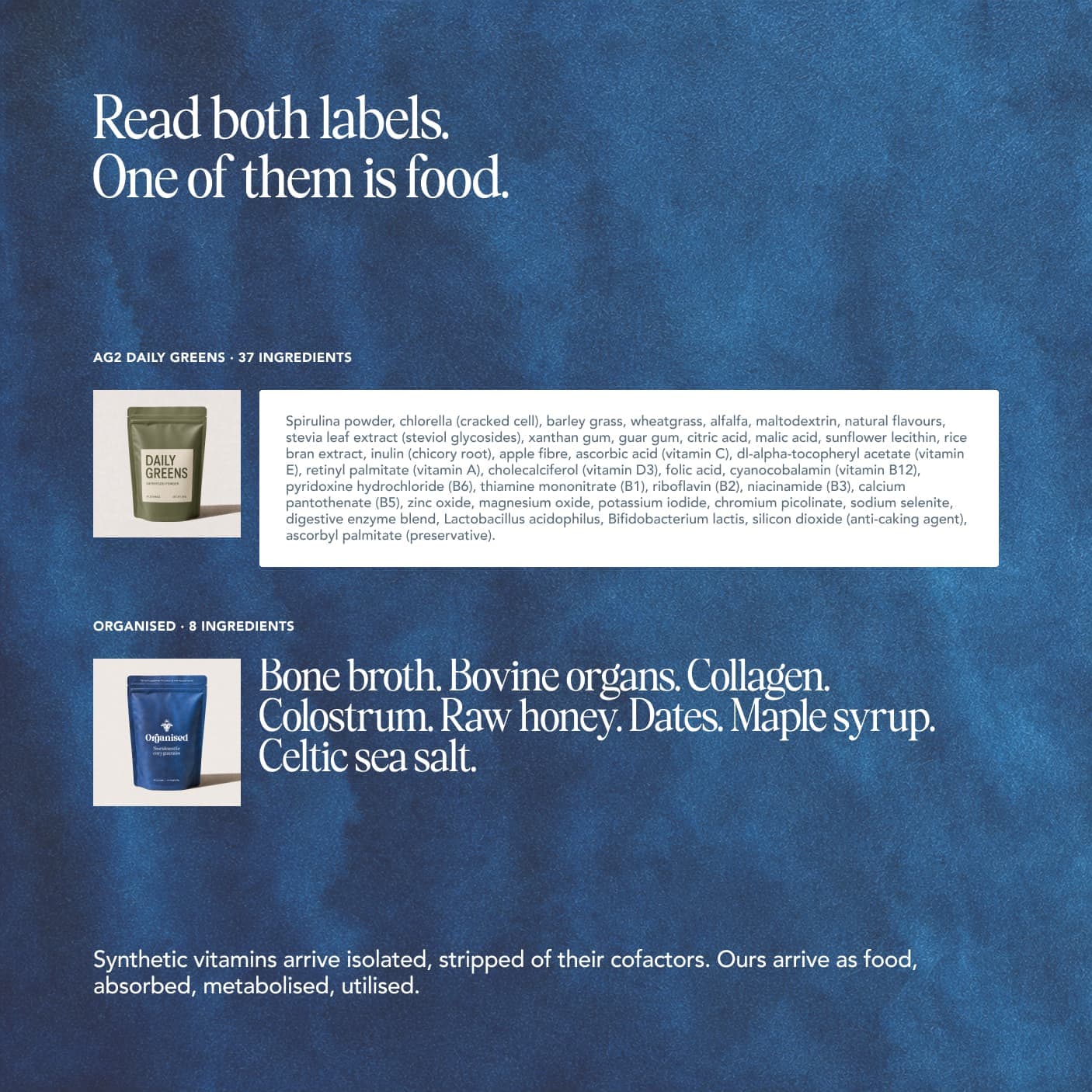
Eight real ingredients built around grass-fed beef organs, collagen and colostrum. Nothing synthetic added.
Free with your first order, worth £38. Plus £10 off the pouch with a subscription.
Free UK shipping · Made in England · 100 day money back guarantee on your first pouch · Skip, pause or cancel anytime
Timeline for recovery
If you're starting from depleted ferritin, recovery takes consistent effort over weeks.
Weeks 1-2. You might not feel different yet. Your body is rebuilding iron stores, but you don't have enough circulating iron to feel the difference. Don't get discouraged.
Weeks 3-4. Fatigue begins to lift noticeably. You have slightly more energy for daily tasks. Cold intolerance improves. You might need fewer blankets at night.
Weeks 5-8. Your energy is noticeably better. Brain fog clears. Hair loss slows markedly. Nails stop breaking. The changes are real enough that others comment on how you seem more energetic.
Weeks 9-12. Your ferritin has recovered if you've been consistent with organ meats. Your energy is back to normal baseline. The symptoms have resolved completely.
Get retested at 8-12 weeks to confirm ferritin has recovered to above 50 ng/mL3. If it hasn't, you might need injections (intramuscular iron, which bypasses absorption issues entirely) or there might be ongoing bleeding you don't know about requiring investigation.
The bottom line
Iron deficiency is endemic in women and easily fixed with the right approach.2 Not spinach. Not supplements that make you constipated. Not pills. Organ meats. Specifically beef liver, beef kidney, and beef heart, eaten regularly. Recovery is gradual but real. Get your ferritin tested. Start eating organs. Give it twelve weeks. Your energy will return, and it will stay.
References
Every source below was checked on 27 August 2026. Each link was requested and read. Where a citation and its identifier disagreed, the citation was corrected to the record or the reference was deleted along with the sentence marker that pointed at it, and where the resolved paper turned out not to support the sentence, the sentence was cut back to what it does support. Borrowed authority is worse than none, because it looks like rigour.
- NIH Office of Dietary Supplements. Iron fact sheet for health professionals. ods.od.nih.gov/factsheets/Iron-HealthProfessional.
- NHS. Iron deficiency anaemia: overview. nhs.uk/conditions/iron-deficiency-anaemia.
- British Society for Haematology. UK guidelines on the management of iron deficiency in pregnancy and postpartum. b-s-h.org.uk/guidelines.
Who wrote and reviewed this guide
Niall Kiddle
Author · Founder, Organised
Niall is the founder of Organised. He started the company in 2024 after fixing his own health the slow way: in 2022 he swapped a cupboard of synthetic supplements for real food, raw milk, organ meats, bone broth and honey, and felt the difference within months.
Areas of expertise: Ancestral nutrition, Organ meats, Whole-food supplementation, Gut health, Regenerative sourcing
Read Niall's full profile
Pedro Rodrigues
Reviewer · Agronomist (farming and sourcing only)
Pedro is the agronomist Organised works with on farming and sourcing. His job on the guides is to keep the science honest: he reviews what we publish about soil health, regenerative agriculture, grazing and the way food is actually produced.
Areas of expertise: Regenerative agriculture, Agronomy, Soil health, Grass-fed farming, Food sourcing
Reviewed this guide on
Read Pedro's full profileMore on energy
View all- Why You're Always Tired (And What to Eat About It)
- Adrenal Fatigue: Is It Real and What Can You Do About It?
- Always Tired? What Reddit Says to Eat (and What Actually Works)
- B12 Deficiency: Signs, Causes and the Fastest Way to Fix It
- Chronic Fatigue and Nutrient Deficiency: What Blood Tests to Ask For
- How to Maintain Energy All Day Without Caffeine Dependency
- How Your Thyroid Affects Your Energy Levels
- Metabolism Maxxing: How to Support Your Metabolic Rate with Real Food
- The Desk Worker's Guide to Staying Strong and Energised
- What Does Your Afternoon Slump Actually Mean?
- Why Intermittent Fasting Might Be Tanking Your Energy
Browse the guides library
All guidesKeep reading

Health goals
Why You're Always Tired (And What to Eat About It)
Tired all the time? Explore the nutrition behind low energy and how whole foods help rebuild stamina at the cellular level. Practical, food-first guidance.
Health goals
Why Zinc Is the Most Underrated Immune Nutrient
Discover how zinc supports your immune system, driving T cell function and immune memory, and why whole foods like oysters and organs beat lozenges. Read on.
Health goals
Bloating After Eating: Common Causes and Whole Food Solutions
Discover the real reasons you bloat after meals and which whole foods actually help. Not all bloating is the same, and the fix isn't always less food.
Real food, made effortless
Start my daily blendA few ways to use it
All recipes
Raw Milk Ice Cream with Organised
Make raw milk ice cream at home with Organised for a seasonal, nutrient-dense treat. Three simple flavours to try whenever the craving strikes.
Collagen-Rich Beef Stew: Slow-Cooked Nourishment
Beef stew that delivers collagen from connective tissue and bone broth. Winter comfort food that actually nourishes. Simple slow cooker recipe.
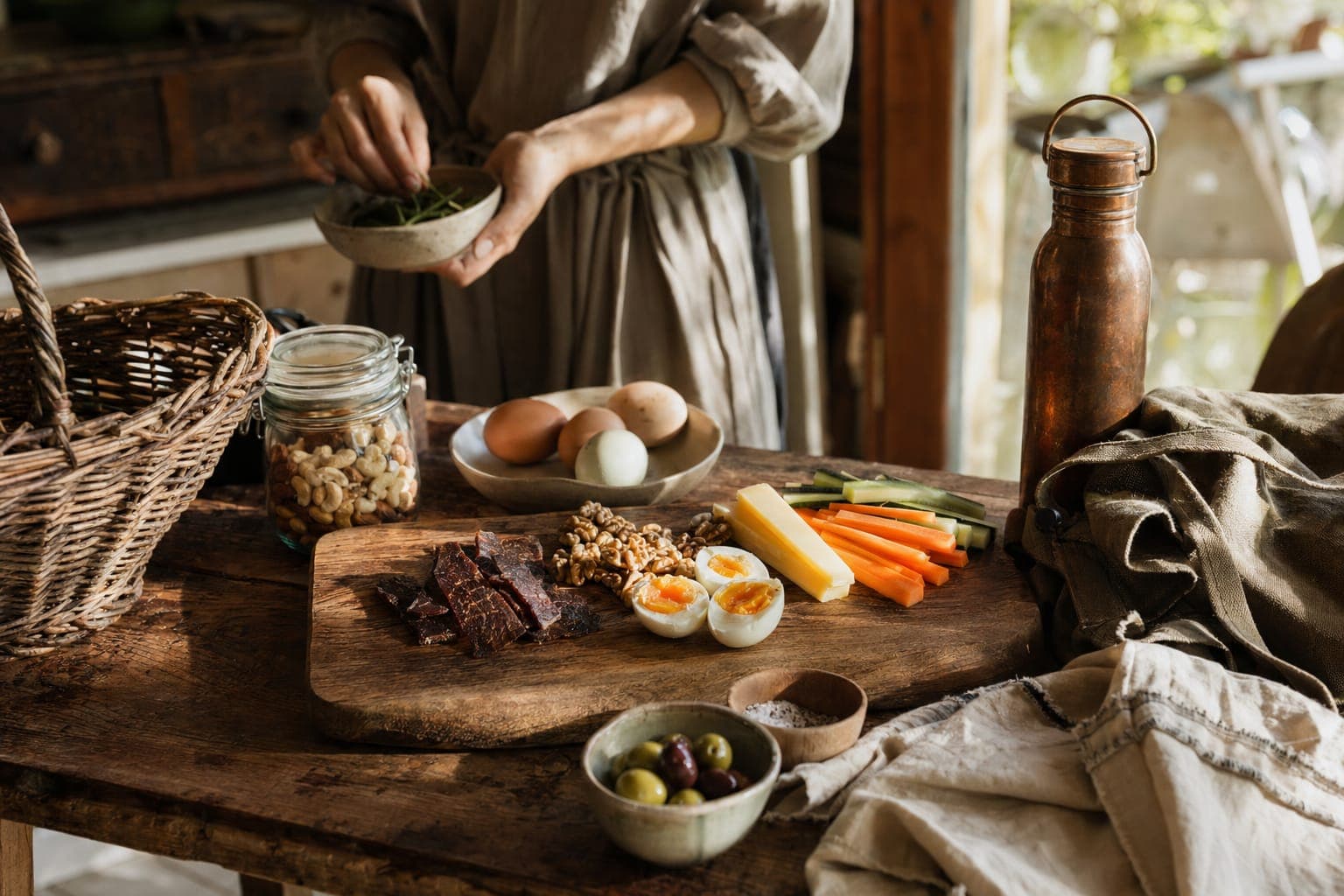
Whole Food Snacks for Busy Days
Practical whole food snacks that travel well and sustain energy. No refined carbs, no seed oils. Real food options for when you're busy.


 Join over 100,000+ members
Build a better food system with us
The Organised community is thousands of people choosing real food and backing the farmers who grow it, all of us trying to leave the world a little better than we found it. If that is what you care about too, you belong here.