Why You're Always Tired (And What to Eat About It)
You're sleeping eight hours. You're drinking water. You're moving your body. And yet, by 3 PM, you're fighting to keep your eyes open. Your energy isn't a willpower problem. It's a mitochondrial one. And that's actually the good news, because mitochondria respond to food.

By Niall Kiddle, Founder, Organised

Reviewed by Pedro Rodrigues, Agronomist (farming and sourcing only) ·
8 min read · Published · Updated · 5 cited sources
Makers of the Organised Daily blend, a grass-fed beef organ supplement from regenerative UK farms

Your energy isn't a willpower problem. It's a mitochondrial one. And that's actually the good news, because mitochondria respond to food.
Energy is made in the mitochondria
Your cells are not little bags of electricity. Energy production is a precise biochemical chain. Glucose enters the cell. Oxygen arrives through the bloodstream. Hundreds of enzymes move them through the citric acid cycle. And at the end of this chain, if everything goes right, you get ATP. Adenosine triphosphate. That's your currency. That's what lets you think, move, breathe, and feel alive.
When your mitochondria are starved of the right nutrients, clogged with oxidative damage, or surrounded by chronic inflammation, this chain breaks down. You can sleep twelve hours and still wake up exhausted. Your body is screaming for fuel, but fuel isn't what it's getting.
Most people are told they're tired because they're not sleeping enough, not exercising enough, or not managing stress well enough. Sometimes those things help. But if the foundation is missing, none of those strategies matter much. You can meditate for an hour and still be exhausted. You can run a half-marathon and still be exhausted. Because the problem isn't behavioural. It's nutritional.
Chronic fatigue is not a defect in your body. It's your body signalling that it's been running on the wrong inputs for too long.
The nutrient deficiencies destroying your energy
If you're persistently tired, your mitochondria are missing something specific. Usually more than one thing.
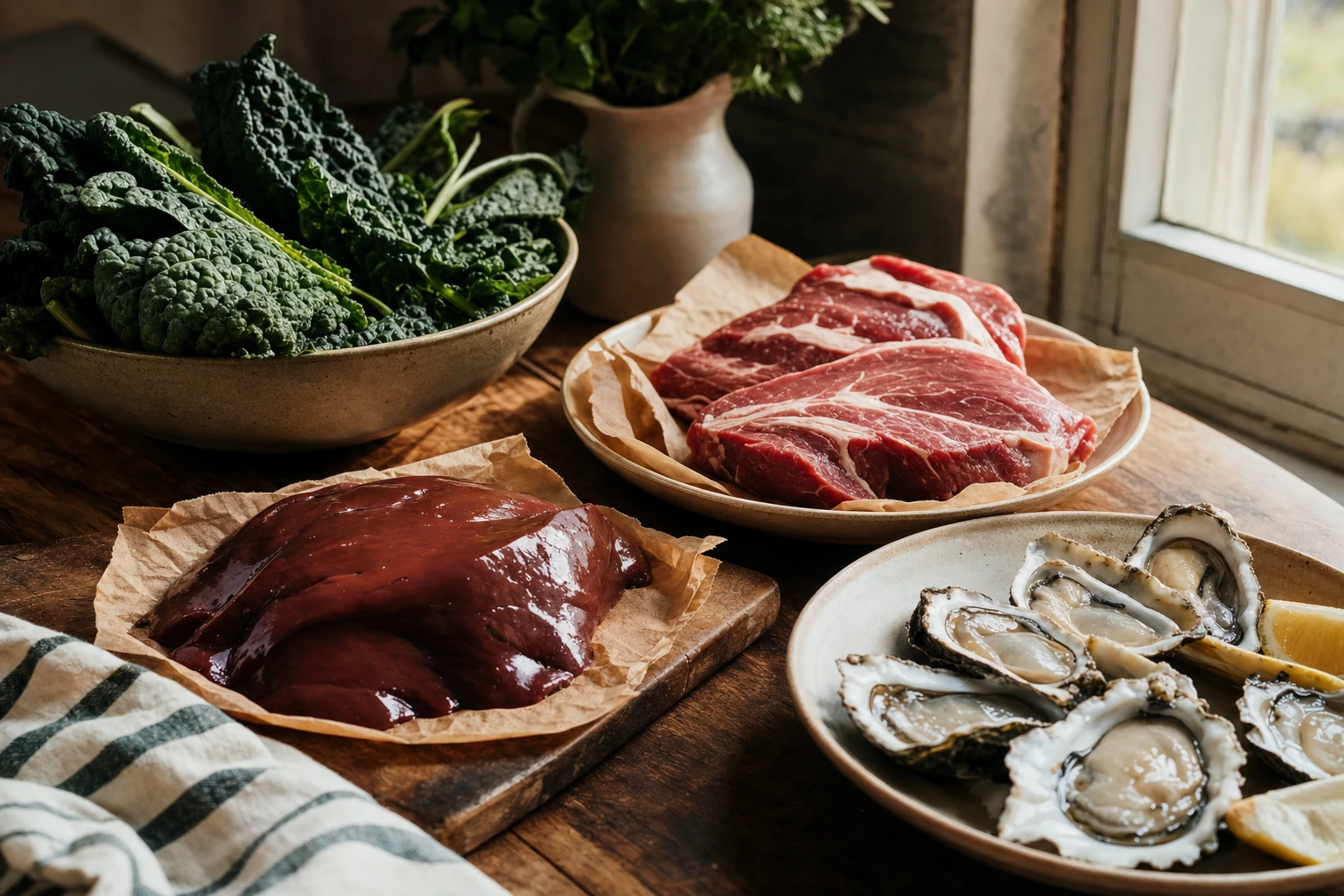
Iron is the first culprit. Iron isn't just for preventing anaemia. Without sufficient iron, your red blood cells can't carry oxygen efficiently. Your mitochondria suffocate on the cellular level.1 Women are particularly vulnerable after their late twenties due to menstruation. Men over fifty and post-menopausal women often don't know they're iron-deficient because nobody checks. A simple ferritin test reveals whether this is your issue. If your ferritin is below 50 ng/mL, iron deficiency is almost certainly contributing to your fatigue.1
B vitamins (particularly B12, B6, and folate) are the spark plugs of energy production. They're cofactors in every single enzyme involved in the citric acid cycle.2 Without them, your mitochondria spin uselessly. B12 deficiency causes both physical fatigue and brain fog that makes you feel like you're wading through mud. The richest sources are liver, beef, and seafood. Vegan sources exist but are minimal or require supplementation. Even meat-eaters can become B12 deficient if their stomach acid is low, which happens with chronic stress, age, and antacid use.
Magnesium is the mineral that runs everything. Over 300 enzymatic reactions in your body depend on it.3 Deficiency drives fatigue, muscle tension, and an inability to relax even when you're lying in bed. Most modern diets are chronically low in magnesium because topsoil depletion means vegetables grown in conventional systems don't contain it. You get magnesium from leafy greens, mineral-rich water, and sea salt. Magnesium baths and transdermal sprays also work when oral intake is insufficient.
CoQ10 is an antioxidant that sits right in the heart of ATP production. Your mitochondrial membranes are lined with it. As you age, CoQ10 depletes naturally. If you're over forty and exhausted, this might be your missing piece. Grass-fed beef provides it naturally. Supplemental forms (ubiquinol especially) work too, though you'll absorb them better with fat in your meal.
Copper is needed for the final electron transfer in ATP production. Without copper, your mitochondria can't complete the final step.5 Beef, oysters, and organ meats are rich sources. Many people are copper-deficient without realising it, especially if they've been taking zinc supplements without adequate copper balance.
Selenium protects mitochondria from oxidative damage. It's part of glutathione peroxidase, your cells' primary antioxidant defence.4 Brazil nuts, fish, and beef contain it. Selenium deficiency is often overlooked, but it silently erodes your energy production capacity.
Why blood sugar crashes are making you exhausted
Here's what nobody tells you. When your blood sugar spikes and crashes repeatedly throughout the day, your mitochondria can't produce energy steadily. Instead, they're either flooded with glucose they can't process, or starved for fuel entirely.
A breakfast of refined carbohydrates with no protein or fat triggers the pattern immediately. Your blood sugar rises sharply. Your pancreas floods your bloodstream with insulin. Your blood sugar plummets. By 11 AM, you're depleted. You reach for coffee and a biscuit. Spike again. Crash again. By 3 PM, your nervous system is exhausted from managing this blood sugar whiplash.
The problem compounds. Every time blood sugar crashes, your body releases cortisol to compensate. Cortisol is stimulating, which creates the illusion of energy, but cortisol is catabolic. It breaks down muscle, suppresses immune function, and makes sleep shallower. You end the day wired and tired. That's the blood sugar crash talking.
The fix is not to eat less. It's to stabilise blood sugar with whole food. Fat and protein slow glucose absorption. Nutrient-dense foods like liver, eggs, butter, and whole grains provide sustained fuel. A breakfast of eggs with butter and sea salt keeps your blood sugar level for hours. Your energy doesn't crash because your energy never spikes.
If you've tried everything and you're still tired, check your breakfast. Most people are starting their day on a blood sugar roller coaster and wondering why they're exhausted by afternoon.
Get health guides like this, free
Two short reads a week on eating for energy, gut health, skin, sleep and more.
By signing up you agree to receive emails from us. No spam, unsubscribe anytime.
The sleep connection nobody talks about
You can't fix energy during the day without fixing sleep at night. And sleep depends on minerals.
Magnesium tells your nervous system it's safe to switch off. Chronically low magnesium keeps your nervous system in a low-grade state of alert. You lie in bed for eight hours but your body never truly relaxes. The sleep you get is shallow. Your mitochondria don't get the deep recovery phase they need. Stage 3 and 4 sleep (deep sleep) is where your body actually rebuilds. Without it, you wake unrefreshed.
Potassium and sodium balance is critical for sleep depth. Modern diets are paradoxical, sodium-poor and potassium-rich due to processed foods using salt-light recipes but potassium-rich additives. Then people restrict salt to fix this imbalance, which makes sleep worse. The answer is real salt (sea salt or Himalayan), eaten with whole foods and sufficient potassium from vegetables.
Iron deficiency specifically disrupts sleep architecture. Women with heavy periods often suffer from fragmented sleep without realising iron is the cause. Their ferritin drops. Their sleep shatters. They get less of the deep, restorative stages where your body rebuilds itself and consolidates memory.
Better minerals in your dinner means deeper sleep. Deeper sleep means your mitochondria genuinely recover. Recovered mitochondria means real energy the next day. It's a cycle, but it runs in your favour once you start it.
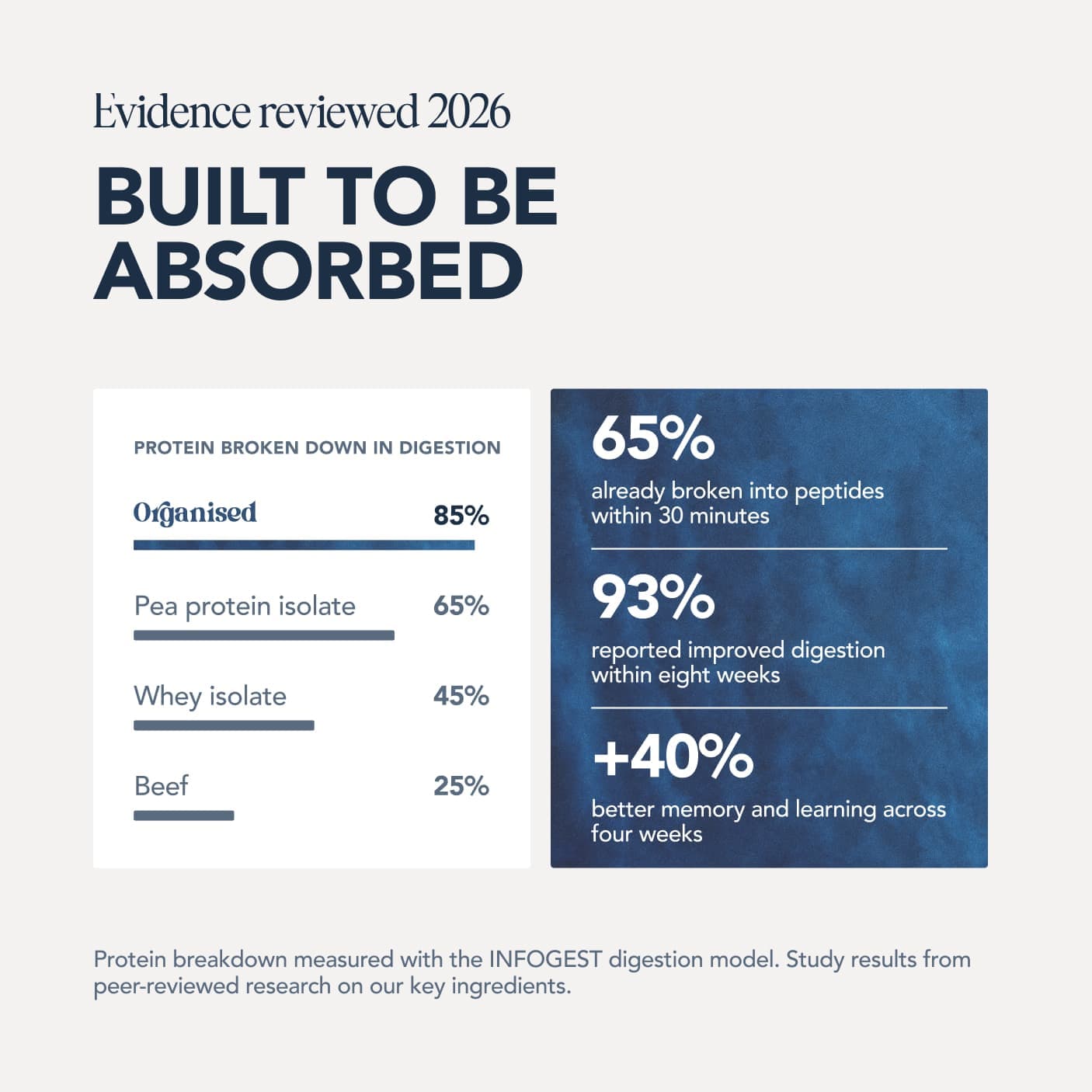
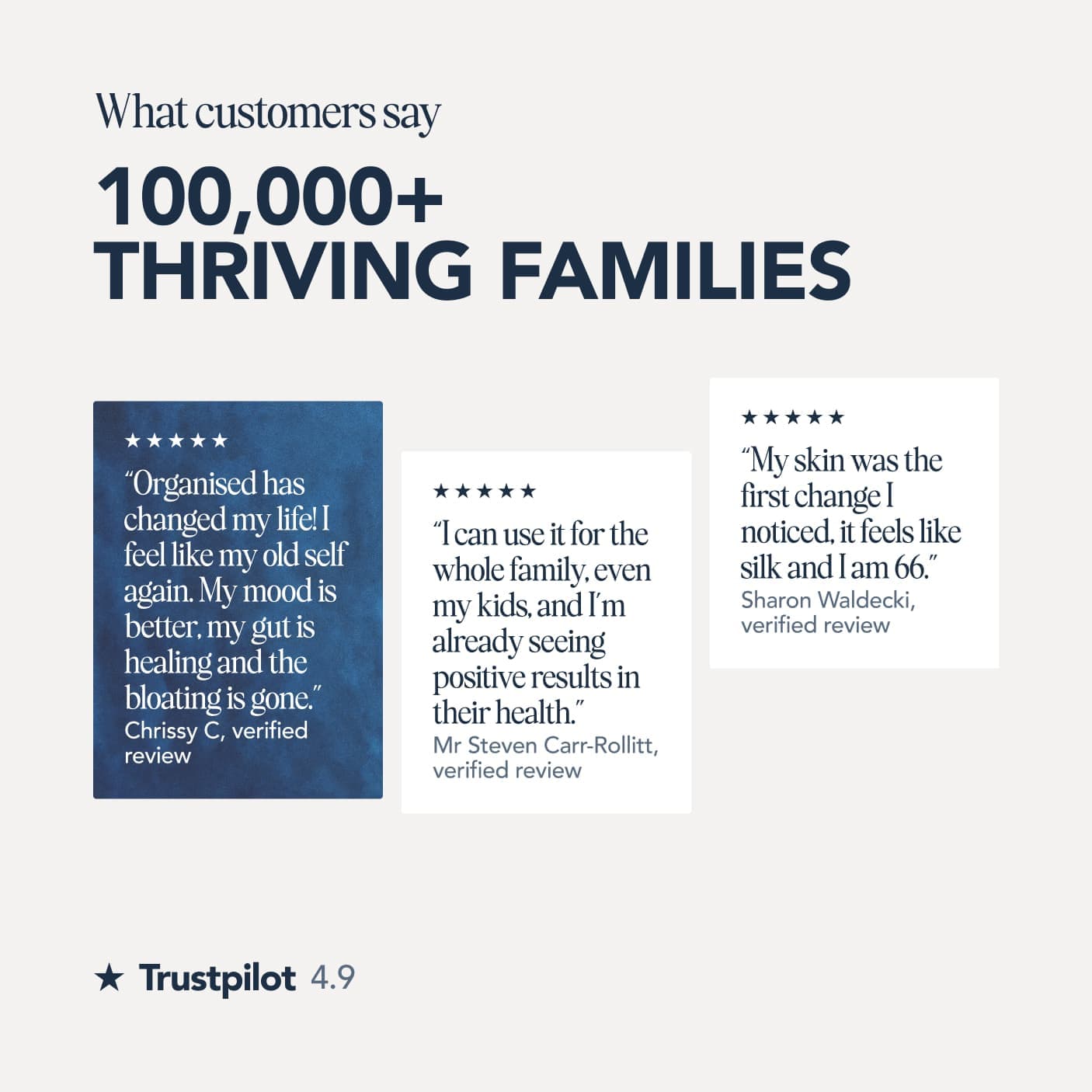
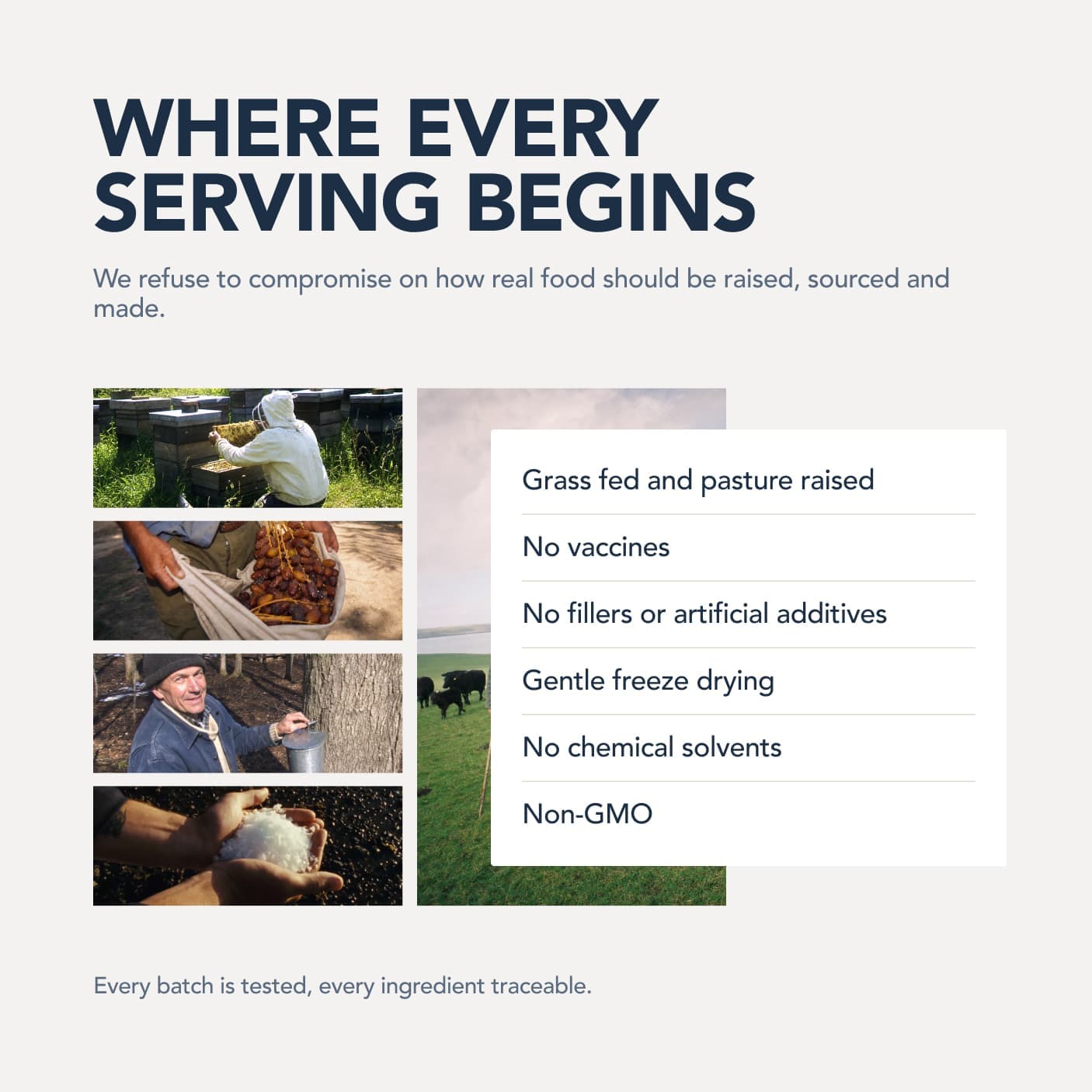
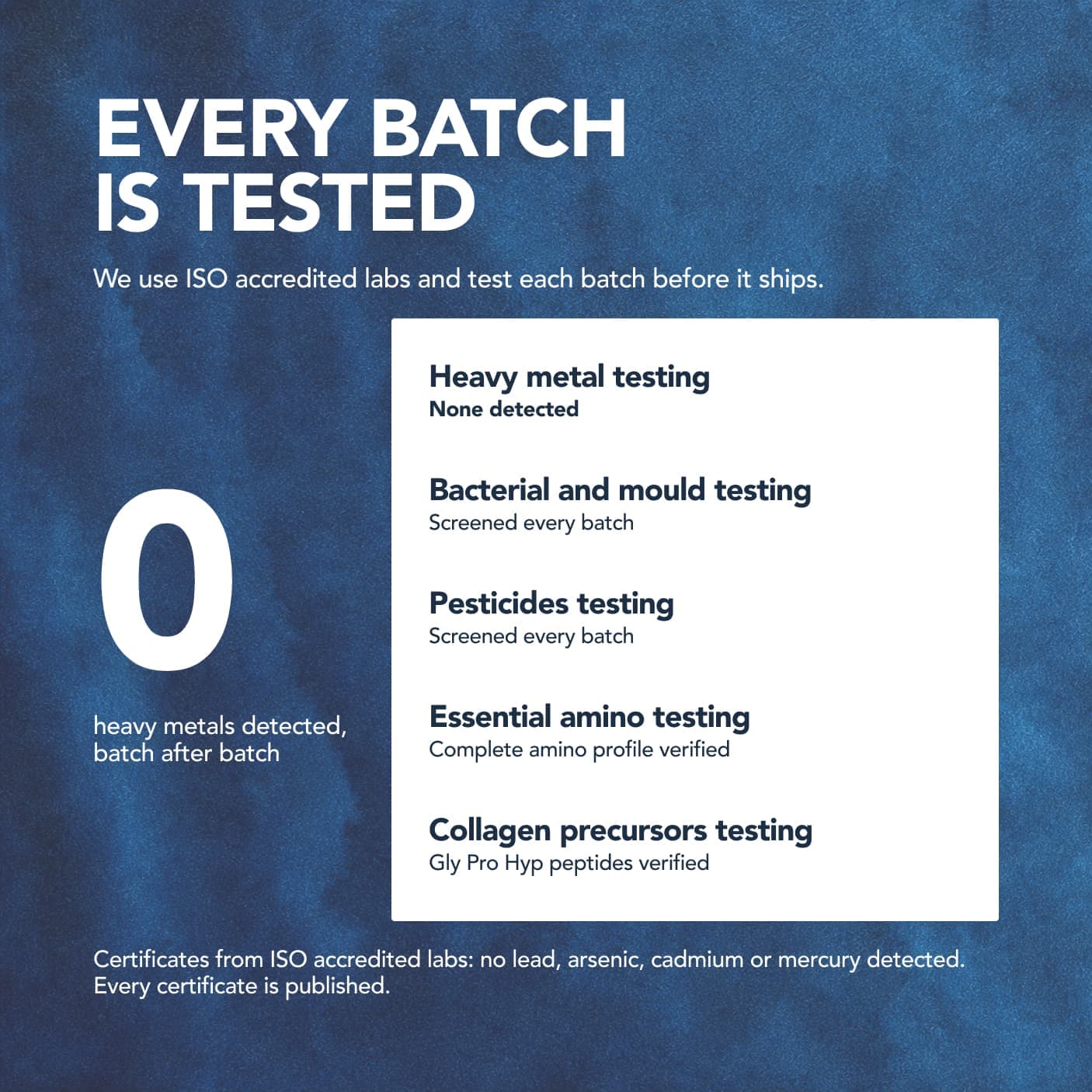
1 of 9
Daily blend
100,000+ thriving families4.9 on Trustpilot
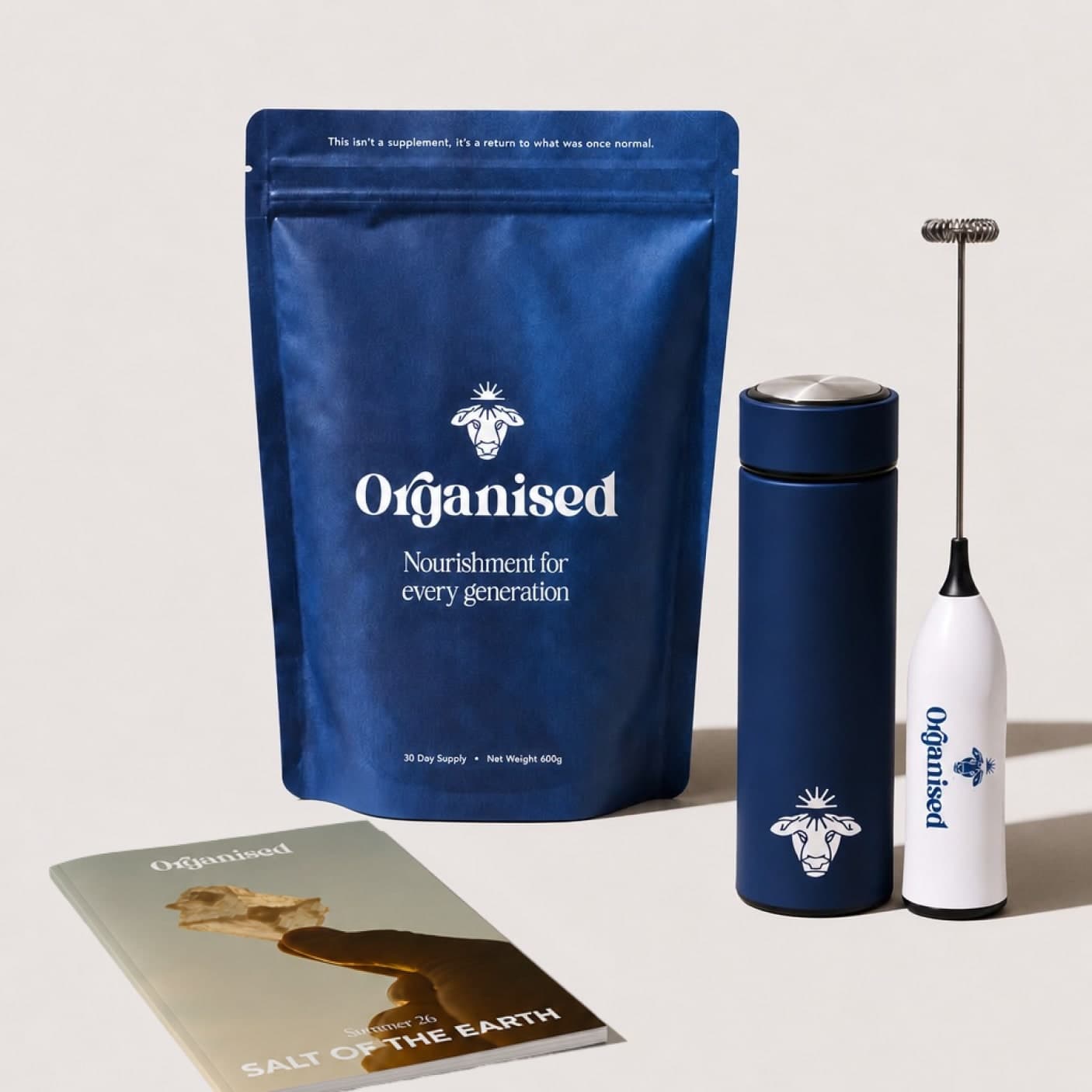
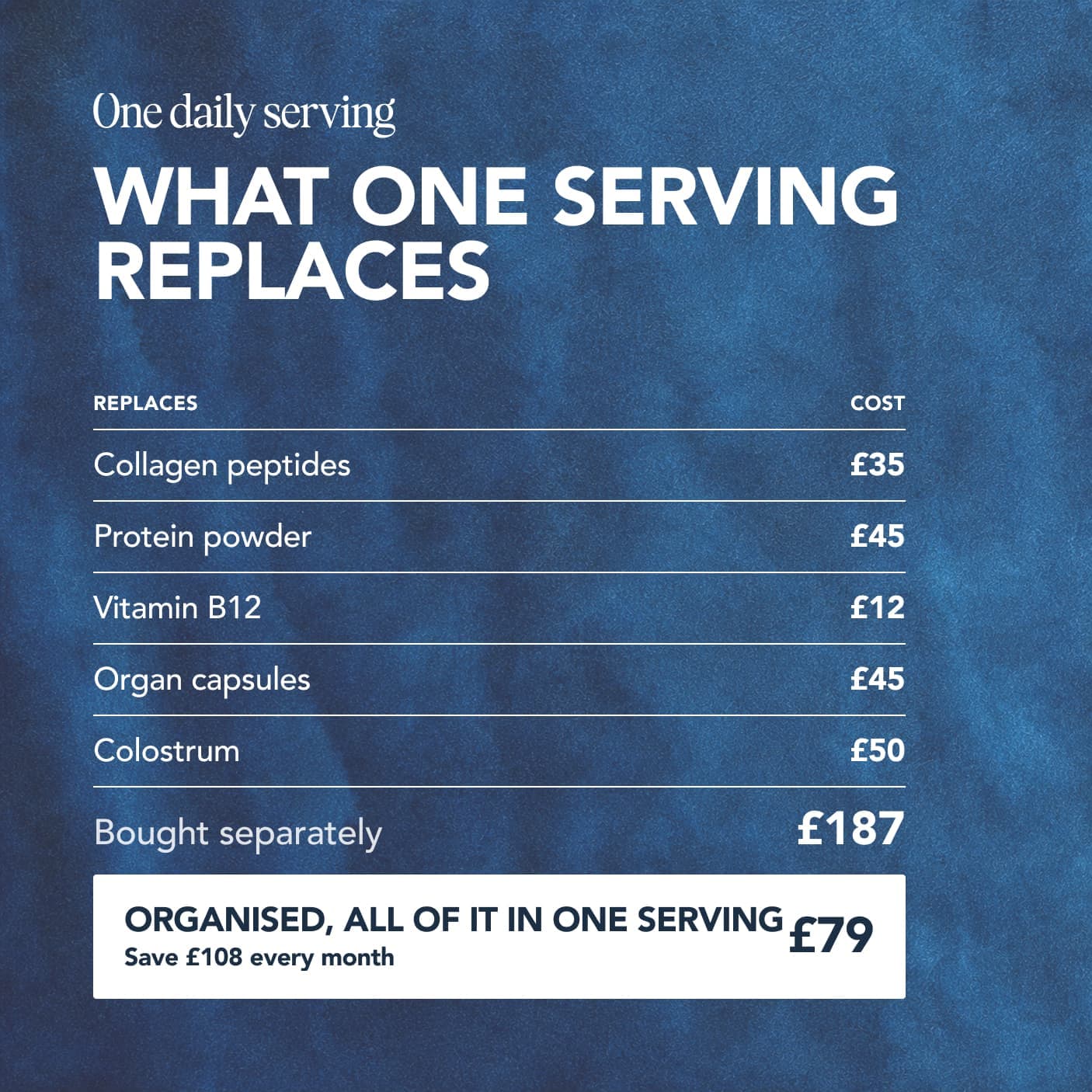
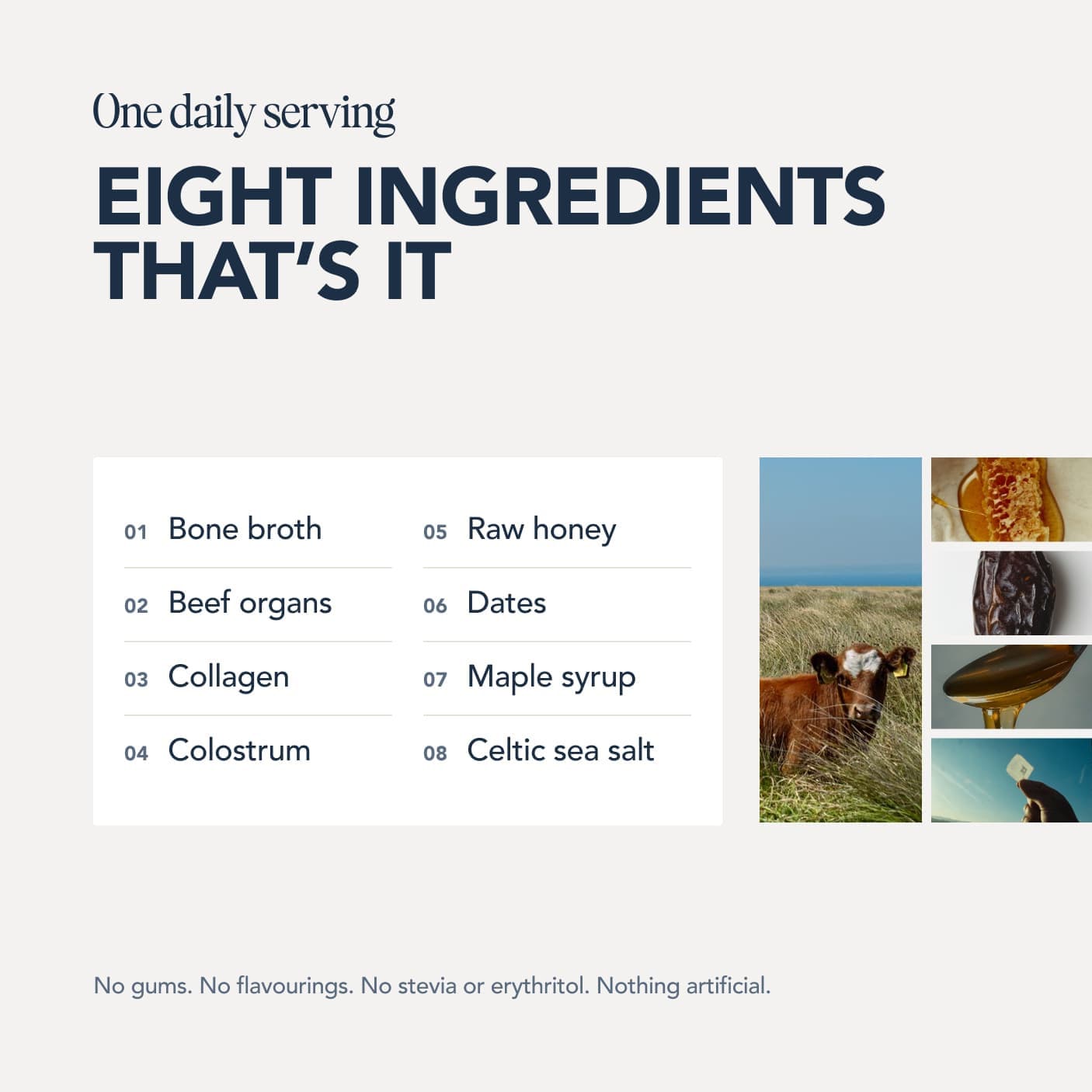
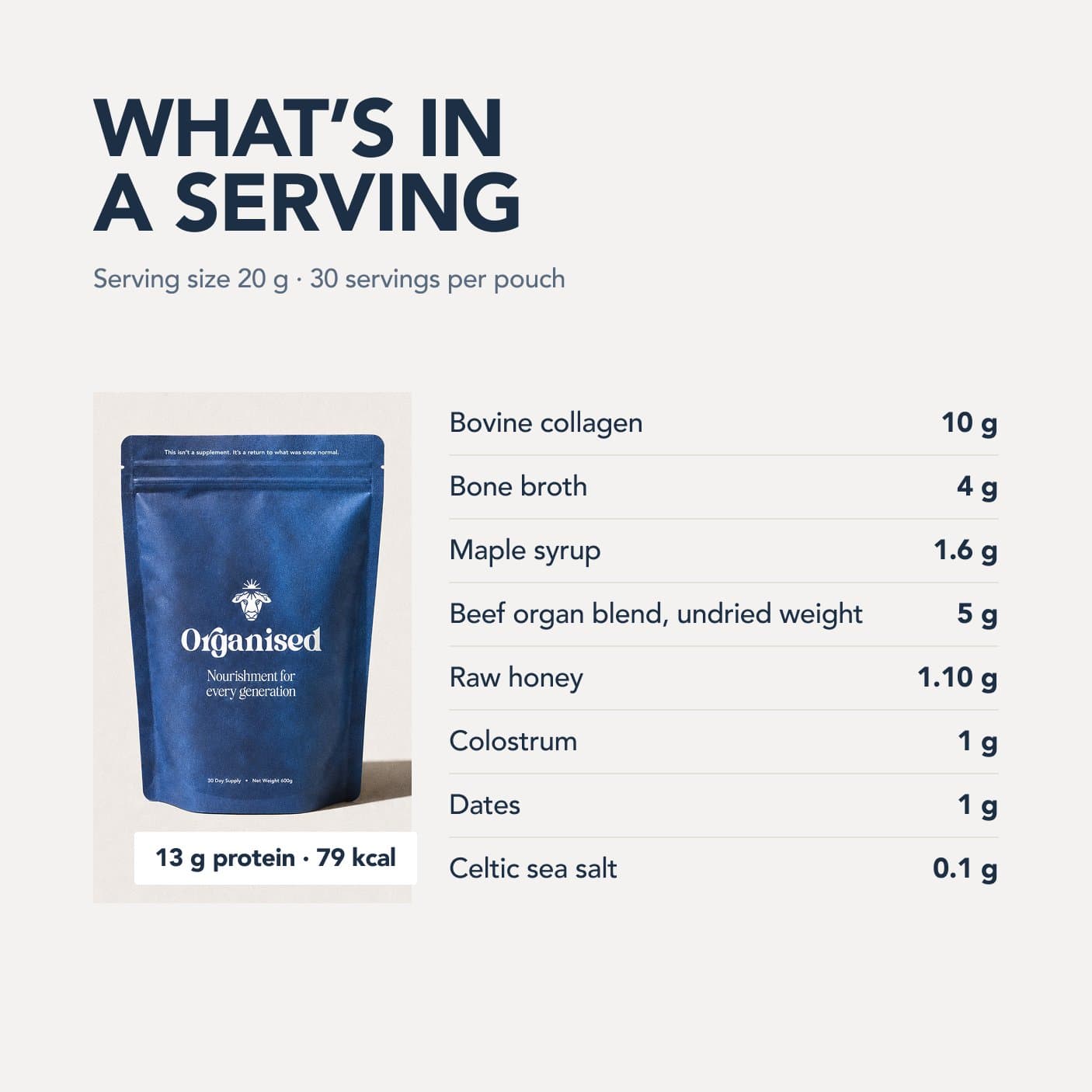
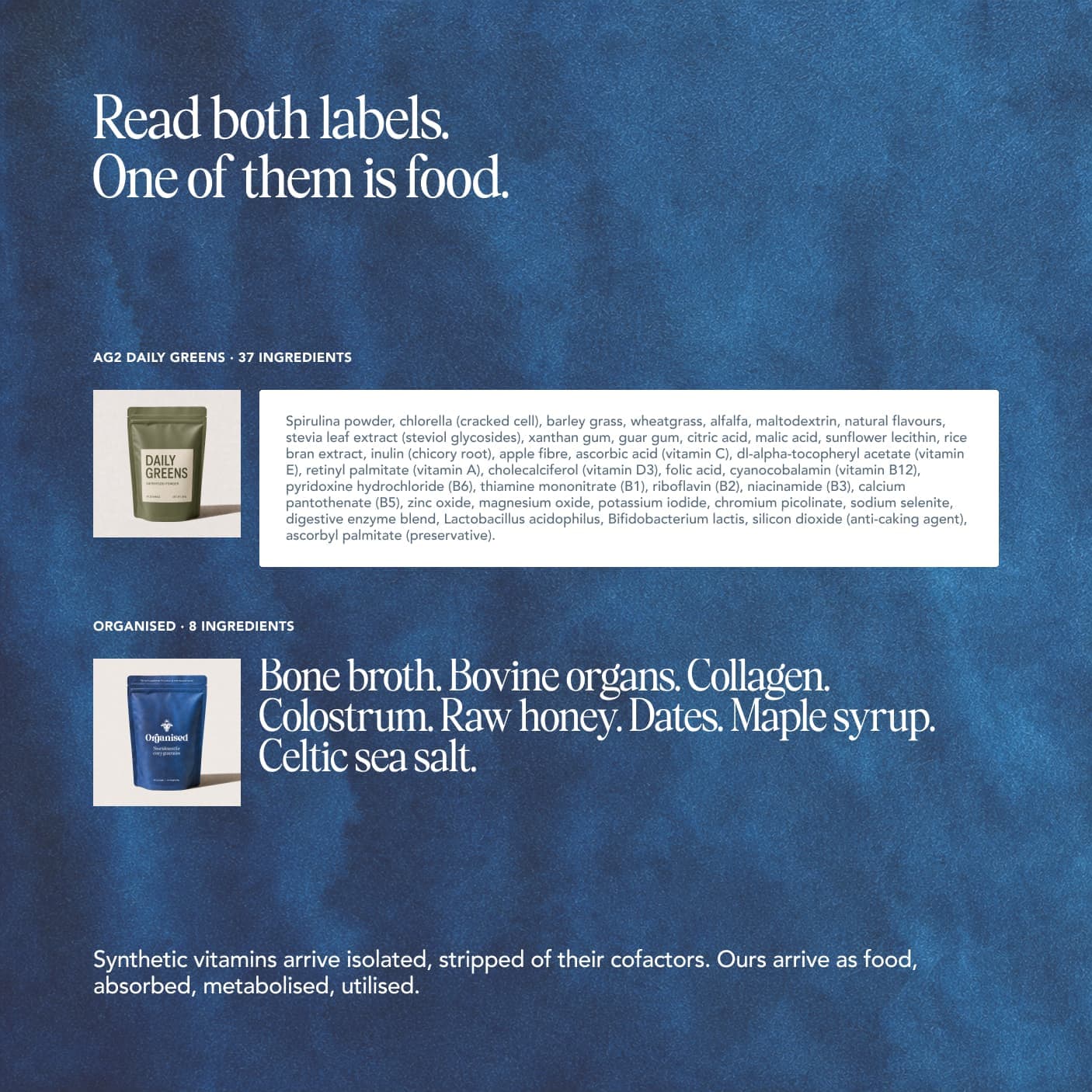
Eight real ingredients built around grass-fed beef organs, collagen and colostrum. Nothing synthetic added.
Free with your first order, worth £38. Plus £10 off the pouch with a subscription.

Free UK shipping · Made in England · 100 day money back guarantee on your first pouch · Skip, pause or cancel anytime
How to rebuild energy systematically
This isn't complicated, but it does require consistency.
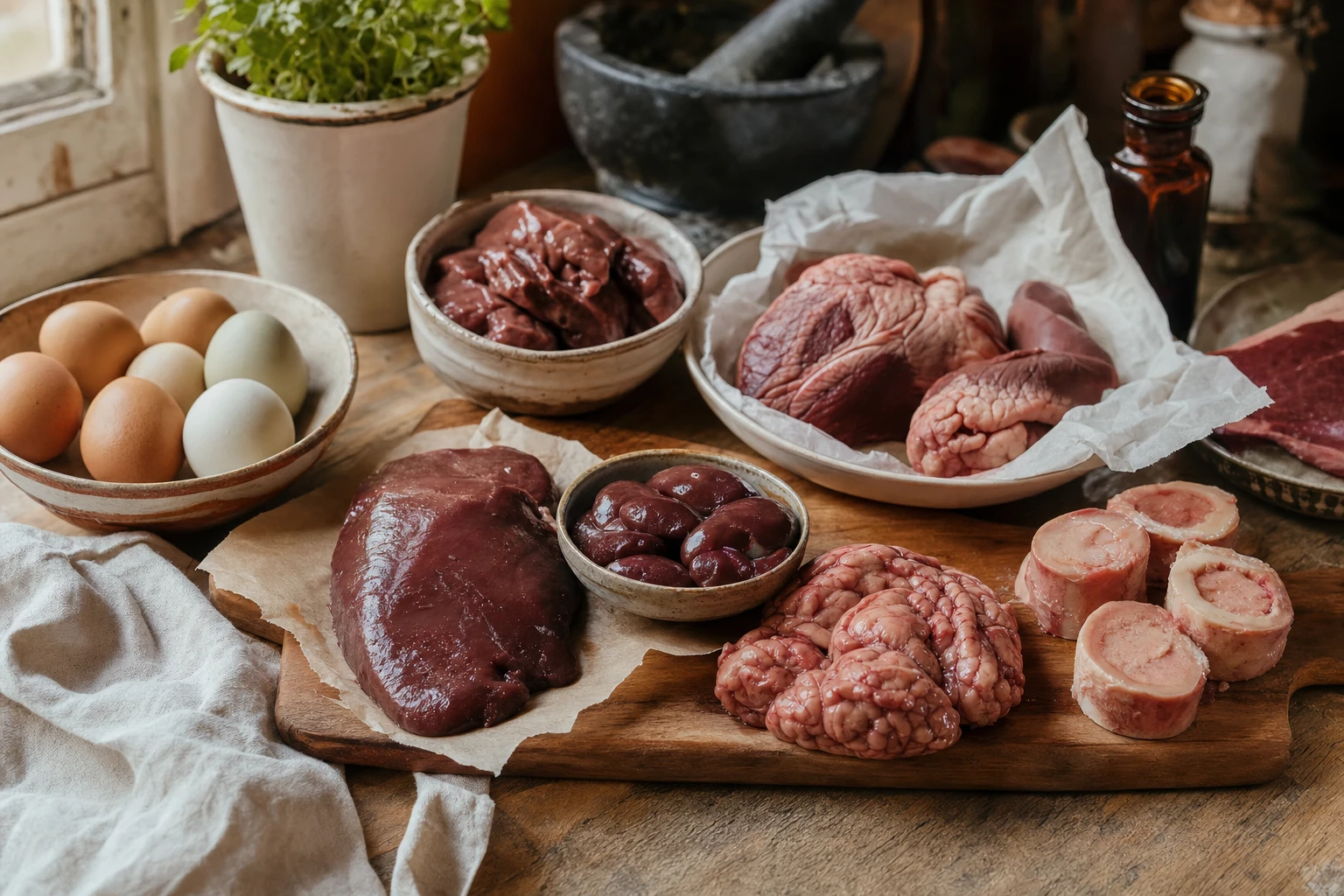
- Eat organ meats 2-3 times per week. Beef liver is the single most nutrient-dense food on the planet. One 100g serving contains more iron, B12, CoQ10, and folate than most people get in a week. Start small if the taste is unfamiliar. Liver pate, liver crisps, or mixed into minced beef makes it easier. Kidney, tongue, and heart work too.
- Eat red meat 4-5 times per week. Grass-fed beef provides iron, B vitamins, carnitine (for mitochondrial function), and CoQ10. It's not a luxury. It's the foundation of energy. A simple steak or mince is enough.
- Eat oysters or other shellfish weekly. Oysters contain copper, selenium, zinc, and iron in bioavailable form. A single oyster has more zinc than most people get daily. Mussels and clams work too and cost less.
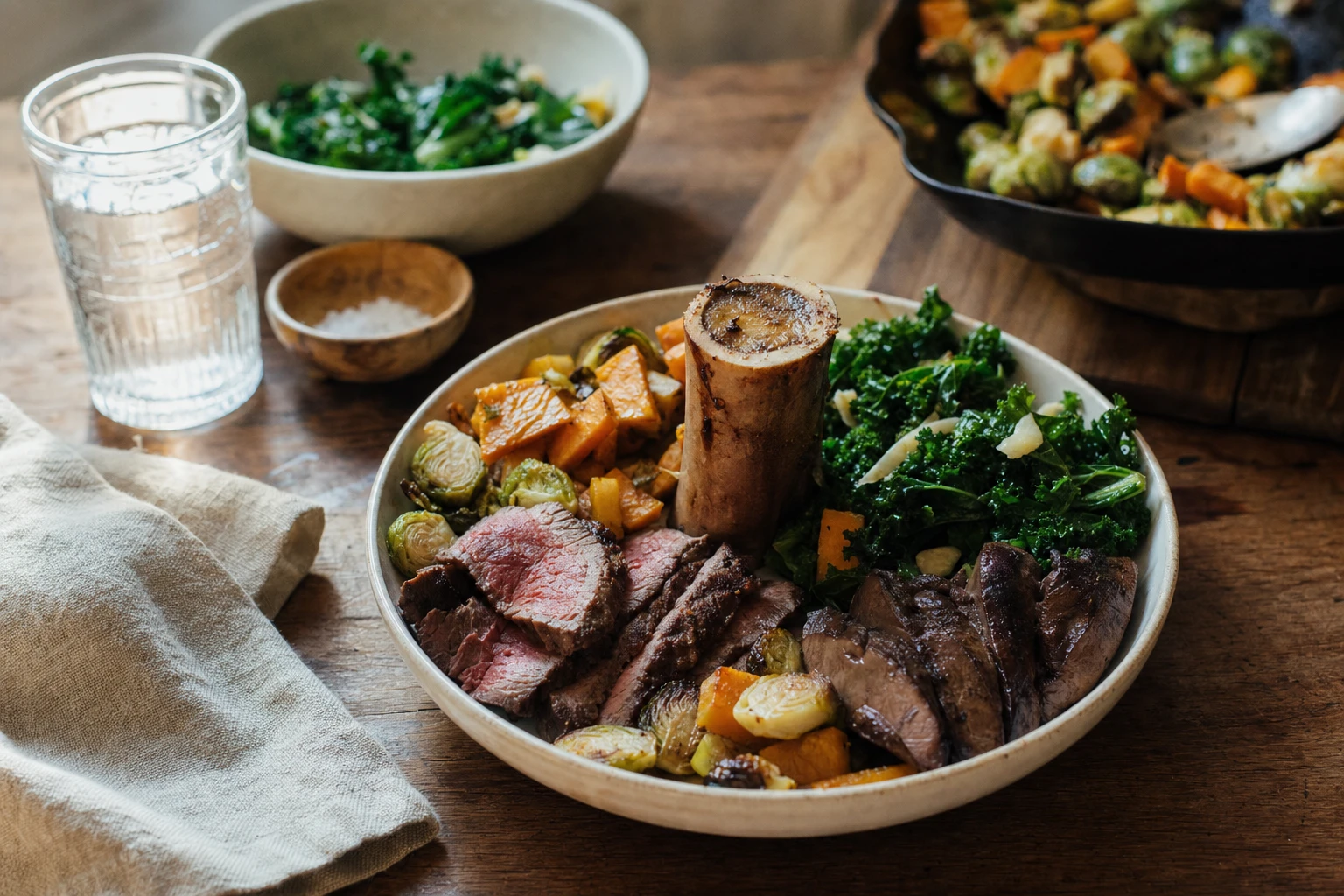
- Start your day with protein and fat. Two eggs fried in butter, a bowl of full-fat yoghurt with nuts, or a small portion of liver pate on toast. This stabilises blood sugar for hours and gives your mitochondria immediate fuel.
- Add sea salt to your food. Not excessive amounts, but enough that food tastes like food. Sea salt provides minerals your modern diet has stripped away. A pinch with meals matters.
- Drink mineral-rich water. Not distilled. Not reverse-osmosis. Mineral water or spring water contains magnesium, potassium, and calcium your mitochondria need. Aim for 2 litres daily.
- Eliminate seed oils. Vegetable oil, sunflower oil, canola oil, and rapeseed oil oxidise easily, creating oxidative stress in your mitochondria. Use butter, coconut oil, and olive oil instead.
- Reduce sugar and refined carbohydrates. Not eliminate. Just reduce. Refined carbs spike your blood sugar, forcing your mitochondria into crisis mode repeatedly.
The nutrient-dense foods that rebuild energy (liver, beef, oysters, eggs, butter) are the same foods that were scarce and expensive and tightly rationed during wartime. Which means they used to be understood as irreplaceable. We've forgotten that understanding.
The timeline for recovery
Energy doesn't come back overnight. Your mitochondria have been running on fumes for months or years. Recovery is gradual.
Weeks 1-2. You won't feel dramatically different. But you might sleep slightly deeper. Your digestion might improve. Small signs that your body is responding. Don't wait for a lightning bolt moment. These small shifts matter.
Weeks 3-4. The afternoon energy crash lifts. You get through to 4 or 5 PM without desperate tiredness. Brain fog that you'd almost stopped noticing begins to clear. People might comment that you seem more present.
Weeks 5-8. Your baseline energy shifts. You wake up not dreading the day. You have energy for activities you'd stopped doing. The change is noticeable enough that others comment on it. This is the point where you realise just how exhausted you've been.
Weeks 9-12. Your mitochondria have rebuilt capacity. Your energy is different from how it's been in years. This is what normal, healthy energy actually feels like. Many people don't recognise it because they've been tired for so long. It can feel almost strange to have energy.
Don't expect instant transformation. Expect steady, real improvement month by month. If there's no shift after eight weeks, get your ferritin, B12, and magnesium tested. Something else might be operating beneath the surface, or you might need higher doses of certain nutrients.
The bottom line
Chronic tiredness is not your fault. You've been given food that looks like food but has been stripped of the nutrients your mitochondria need to function. Your body's response is exhaustion. That's not weakness. That's your biology asking for something real.
Feed your mitochondria what they actually need. Organ meats. Red meat. Shellfish. Eggs. Butter. Minerals. Real carbohydrates. Give it twelve weeks. Your energy will return. Not because you tried harder. But because you finally gave your body what it was asking for all along.
References
Every source below was checked on 27 August 2026. Each link was requested and read. Where a citation and its identifier disagreed, the citation was corrected to the record or the reference was deleted along with the sentence marker that pointed at it, and where the resolved paper turned out not to support the sentence, the sentence was cut back to what it does support. Borrowed authority is worse than none, because it looks like rigour.
- National Institutes of Health, Office of Dietary Supplements. Iron: Fact Sheet for Health Professionals.
- National Institutes of Health, Office of Dietary Supplements. Vitamin B12: Fact Sheet for Health Professionals.
- National Institutes of Health, Office of Dietary Supplements. Magnesium: Fact Sheet for Health Professionals.
- National Institutes of Health, Office of Dietary Supplements. Selenium: Fact Sheet for Health Professionals.
- National Institutes of Health, Office of Dietary Supplements. Copper: Fact Sheet for Health Professionals.
Who wrote and reviewed this guide
Niall Kiddle
Author · Founder, Organised
Niall is the founder of Organised. He started the company in 2024 after fixing his own health the slow way: in 2022 he swapped a cupboard of synthetic supplements for real food, raw milk, organ meats, bone broth and honey, and felt the difference within months.
Areas of expertise: Ancestral nutrition, Organ meats, Whole-food supplementation, Gut health, Regenerative sourcing
Read Niall's full profile
Pedro Rodrigues
Reviewer · Agronomist (farming and sourcing only)
Pedro is the agronomist Organised works with on farming and sourcing. His job on the guides is to keep the science honest: he reviews what we publish about soil health, regenerative agriculture, grazing and the way food is actually produced.
Areas of expertise: Regenerative agriculture, Agronomy, Soil health, Grass-fed farming, Food sourcing
Reviewed this guide on
Read Pedro's full profileMore on energy
View all- Adrenal Fatigue: Is It Real and What Can You Do About It?
- Always Tired? What Reddit Says to Eat (and What Actually Works)
- B12 Deficiency: Signs, Causes and the Fastest Way to Fix It
- Chronic Fatigue and Nutrient Deficiency: What Blood Tests to Ask For
- How to Maintain Energy All Day Without Caffeine Dependency
- How Your Thyroid Affects Your Energy Levels
- Iron Deficiency: Why It's So Common and How Organs Can Help
- Metabolism Maxxing: How to Support Your Metabolic Rate with Real Food
- The Desk Worker's Guide to Staying Strong and Energised
- What Does Your Afternoon Slump Actually Mean?
- Why Intermittent Fasting Might Be Tanking Your Energy
Browse the guides library
All guidesKeep reading

Health goals
B12 Deficiency: Signs, Causes and the Fastest Way to Fix It
Spot B12 deficiency symptoms early and correct them with whole food sources. We explain methylcobalamin versus cyanocobalamin so you choose well.

Health goals
Iron Deficiency: Why It's So Common and How Organs Can Help
Iron deficiency is widespread, especially in women. Learn why it is so common and how organ meats offer highly bioavailable iron to help you top up.

Health goals
How Your Thyroid Affects Your Energy Levels
Learn how your thyroid drives every cell's energy output and how the right nutrition can help tackle fatigue at its source, so you feel steadier all day.
Real food, made effortless
Start my daily blendA few ways to use it
All recipes
5-Minute High-Protein Breakfasts Using Organised
Quick, high-protein breakfast ideas using Organised. Five recipes you can make in minutes with real food. No fussing around.

Organised Protein Pancakes: A Weekend Favourite
A high-protein pancake recipe using beef protein, eggs, and raw milk. Cooked in cast iron, naturally sweetened with banana and honey. Real food breakfast.

Organised Smoothie Bowl Recipes for Every Season
Four seasonal smoothie bowl recipes using Organised. Berry in summer, apple-cinnamon in autumn, tropical in spring, warming chocolate in winter.


 Join over 100,000+ members
Build a better food system with us
The Organised community is thousands of people choosing real food and backing the farmers who grow it, all of us trying to leave the world a little better than we found it. If that is what you care about too, you belong here.