Beef Lung: What It Contains and Why It Matters
Most people have never eaten beef lung and have no intention of starting. It sits at the forgotten edge of nose-to-tail eating, overshadowed by liver and kidney, rarely discussed, even more rarely purchased. But beef lung contains something no other food offers in quite the same way: elastin, type II collagen, and the building blocks your respiratory system was designed to use.

By Niall Kiddle, Founder, Organised

Reviewed by Pedro Rodrigues, Agronomist (farming and sourcing only) ·
6 min read · Published · Updated · 6 cited sources
Makers of the Organised Daily blend, a grass-fed beef organ supplement from regenerative UK farms
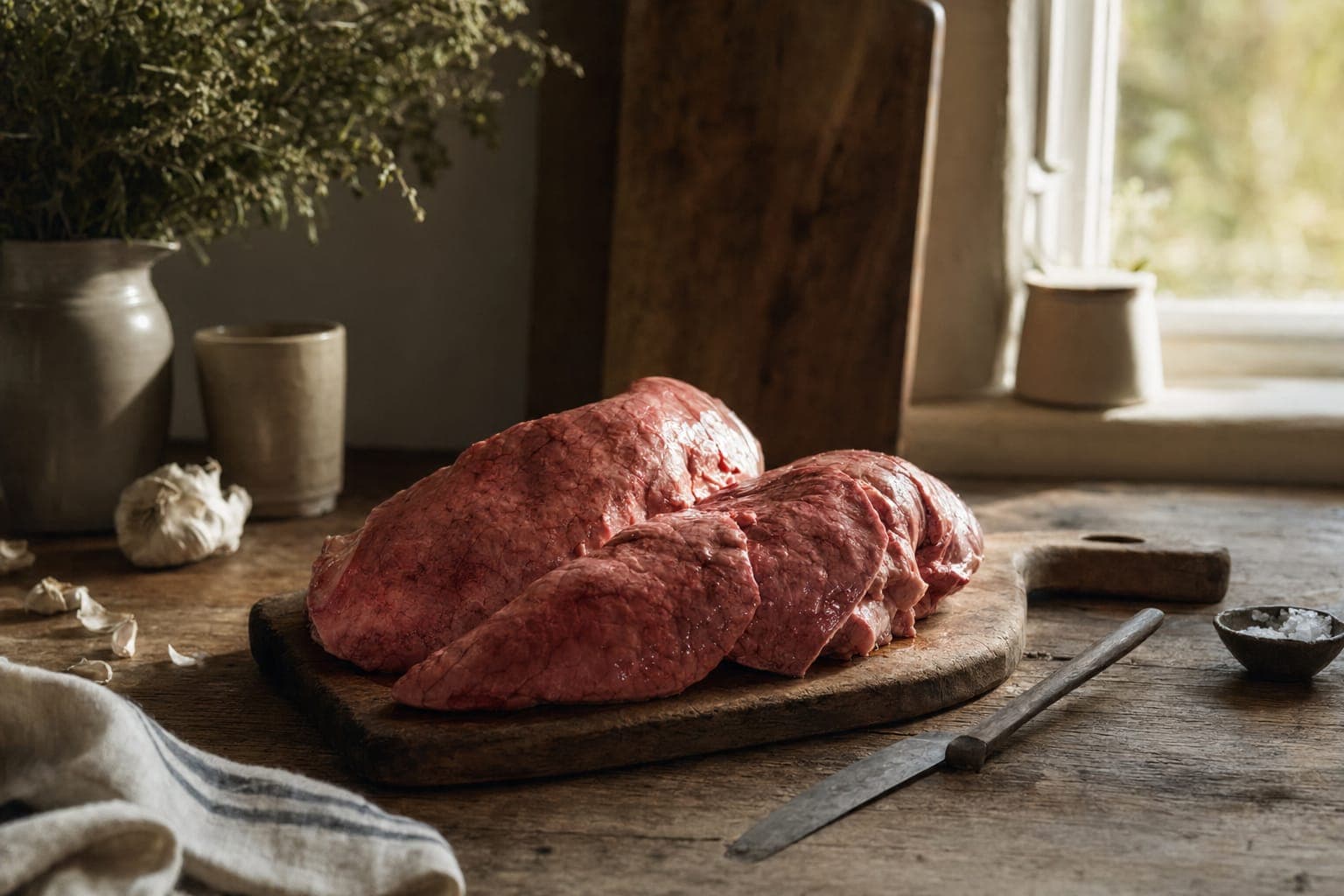
For most of human history, eating nose-to-tail wasn't a choice. It was survival. Every part of the animal was used because the animal represented weeks of nourishment for the entire tribe. Organs were never the side act. They were the prize. But somewhere between our ancestral past and the modern supermarket, organ meat became something we forgot how to eat.
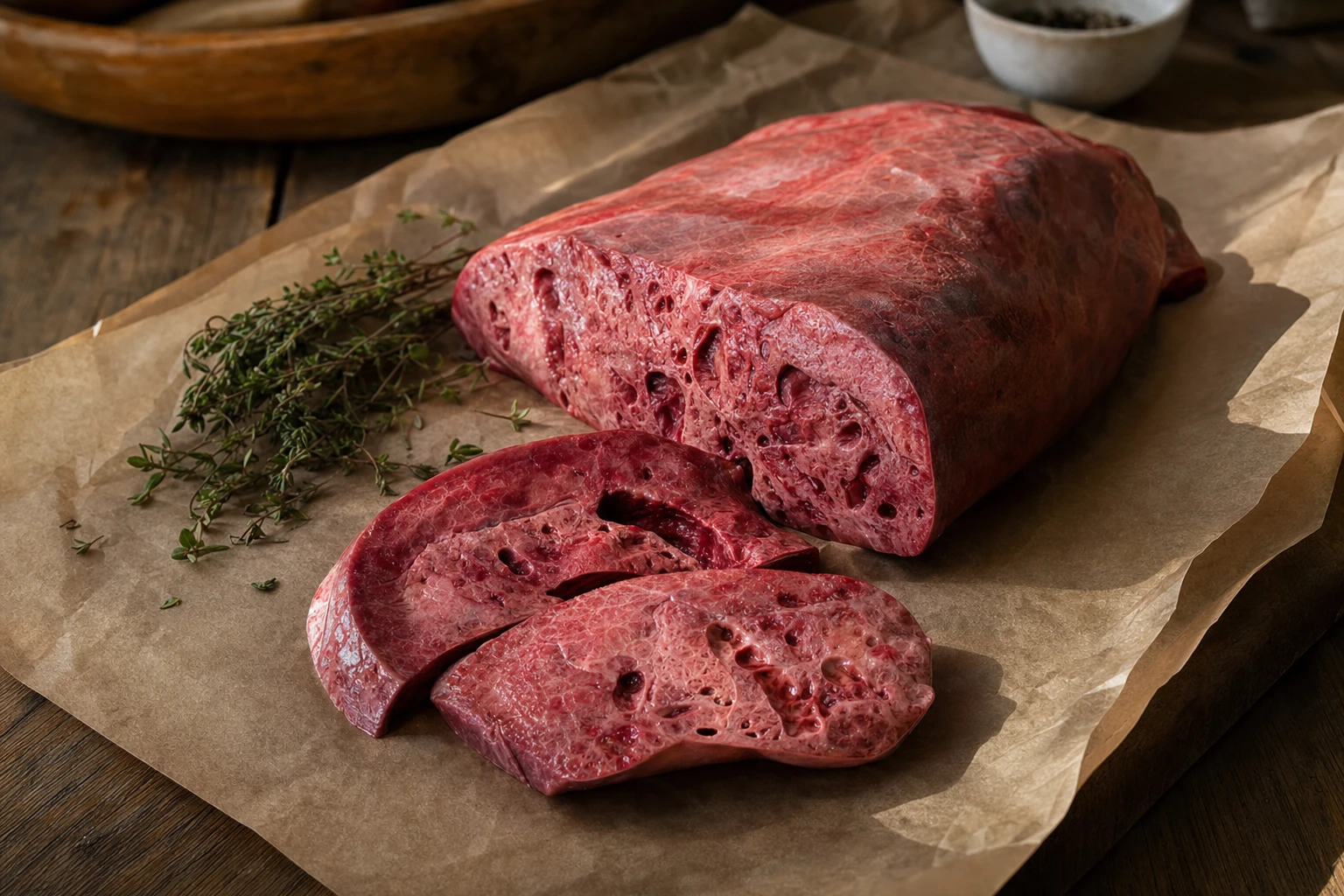
Why lung is the overlooked organ
Liver gets the headlines. It's been lionised in ancestral health circles, and rightfully so. Kidney appears in traditional recipes across cultures. Heart is increasingly mainstream. But lung? Lung is still waiting.
The reason is partly texture. Lung is softer than most organs, almost spongy, and that texture makes people uncomfortable. But that same texture is a clue to what it contains. Lung tissue is built from the same structural proteins your own lungs require to function: elastin and collagen, particularly type II collagen, the form your body uses to build and maintain cartilage, connective tissue, and the elastic fibres in your respiratory system.
There is no other food that concentrates these specific proteins in quite the same way. You can get collagen from bone broth. You can get elastin from carefully sourced connective tissues. But beef lung is the whole package, the organ specifically designed to house these proteins because they are what lung tissue is made from.
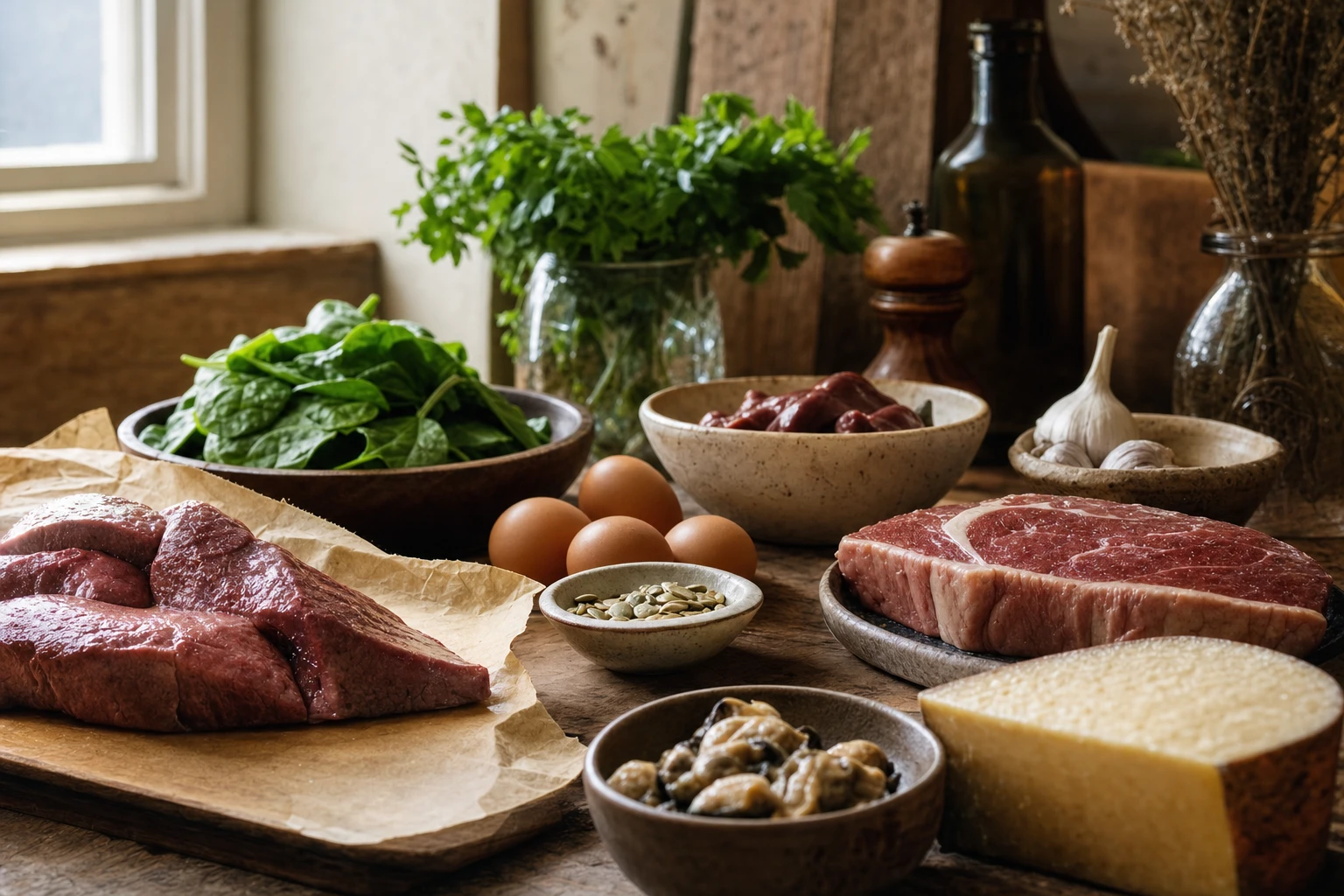
What beef lung actually contains
A 100-gram serving of beef lung contains roughly 22 grams of protein, making it a serious protein source by itself. But protein is only the beginning.
The real value of beef lung lies not in the amount of protein, but in the specific types of structural proteins it concentrates. These are the amino acids your respiratory system, your skin, and your connective tissues are built from.
Beef lung is exceptionally rich in selenium, a mineral critical for thyroid function and immune regulation.1 A single serving provides roughly 40% of your daily requirement. It also contains significant quantities of iron, zinc, and B vitamins, particularly B12, B6, and niacin.234 These aren't accidental nutrients. They are the vitamins and minerals your body needs when rebuilding tissue and maintaining immune function.
But the real story is the structural proteins.
Elastin and respiratory tissue support
Your lungs are about 2% elastin. That elastin is what allows your lungs to expand and contract with each breath.5 It's what allows them to stretch without tearing. It's what allows them to return to their resting state. Without adequate elastin, your lungs lose compliance, your breathing becomes laboured, and your body has to work harder to do what should be automatic.
Your skin is also elastin-dependent. Elastin is what allows your skin to bounce back, to maintain its texture, to age with integrity rather than collapse. Elastin production declines with age, but it declines faster when your body isn't getting the raw materials it needs to rebuild it.
Beef lung delivers preformed elastin. You're not taking a supplement, you're eating the actual tissue your lungs are made from. Your body can then use that tissue as both a source of amino acids and as a template for how to rebuild its own elastin.
Elastin cannot be synthesised from scratch. Your body needs either elastin from food or it needs an exceptional amino acid profile that allows it to assemble elastin from component parts. Beef lung provides both.

Type II collagen and connective tissue
Type II collagen is the form of collagen that builds and maintains cartilage. It's found in high concentration in your joints, your respiratory tract, your skin, and throughout your connective tissue system.6 Unlike type I collagen, which is abundant in bone broth and skin, type II collagen is harder to come by.
Beef lung is one of the best sources. The collagen in lung tissue is not incidental. It is the structural scaffolding that holds the lung's delicate air sacs together. When you eat beef lung, you're consuming the exact form of collagen your own connective tissue is built from.
This is important because type II collagen is what your body needs to maintain joint integrity, cartilage thickness, and the structural resilience of your respiratory system. If you've ever wondered why your joints start to creak, why your cartilage thins, why your connective tissues lose their structural integrity, part of the answer is that you're not getting enough type II collagen.
Get ingredient guides like this, free
Two short reads a week on the ingredients that matter and how to actually use them.
By signing up you agree to receive emails from us. No spam, unsubscribe anytime.
Other nutrients in beef lung
Beyond elastin and type II collagen, beef lung contains a full spectrum of micronutrients.
- Selenium: About 40% of your daily requirement in a single serving. Critical for thyroid function and immune regulation.
- Iron: Highly bioavailable haem iron, the form your body absorbs most efficiently. Important for oxygen transport and energy production.2
- Zinc: Essential for immune function, wound healing, and protein synthesis.
- B12: Found almost exclusively in animal products. Required for nerve function and energy production.3
- B6: Required for over 100 enzymatic reactions in your body, including immune function and neurotransmitter synthesis.
- Copper: Works alongside iron to build red blood cells and support connective tissue formation.
These are not supplemental nutrients or fortification. These are the minerals and vitamins that accumulate naturally in lung tissue because they are used by lung tissue to function.
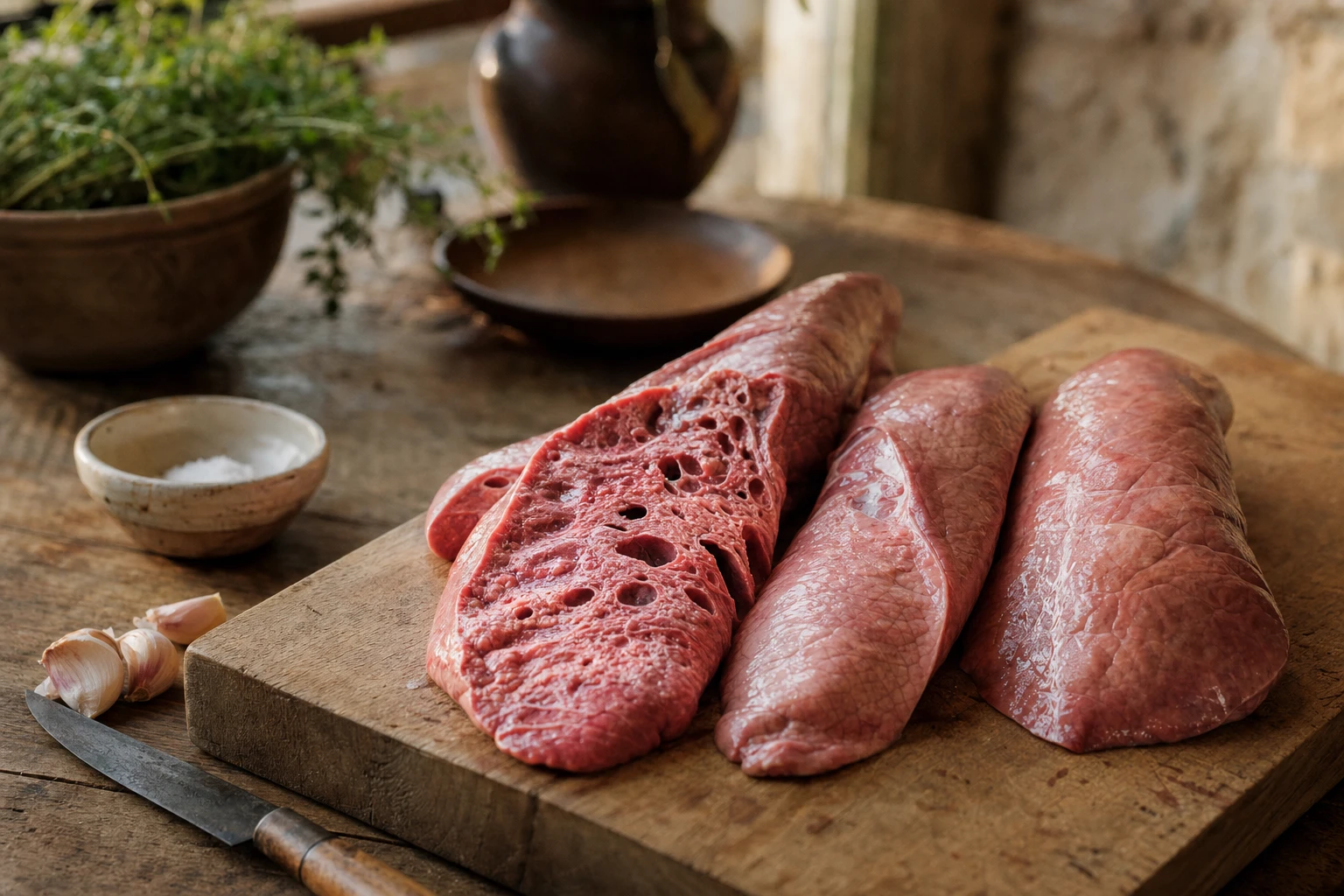
The full-spectrum approach
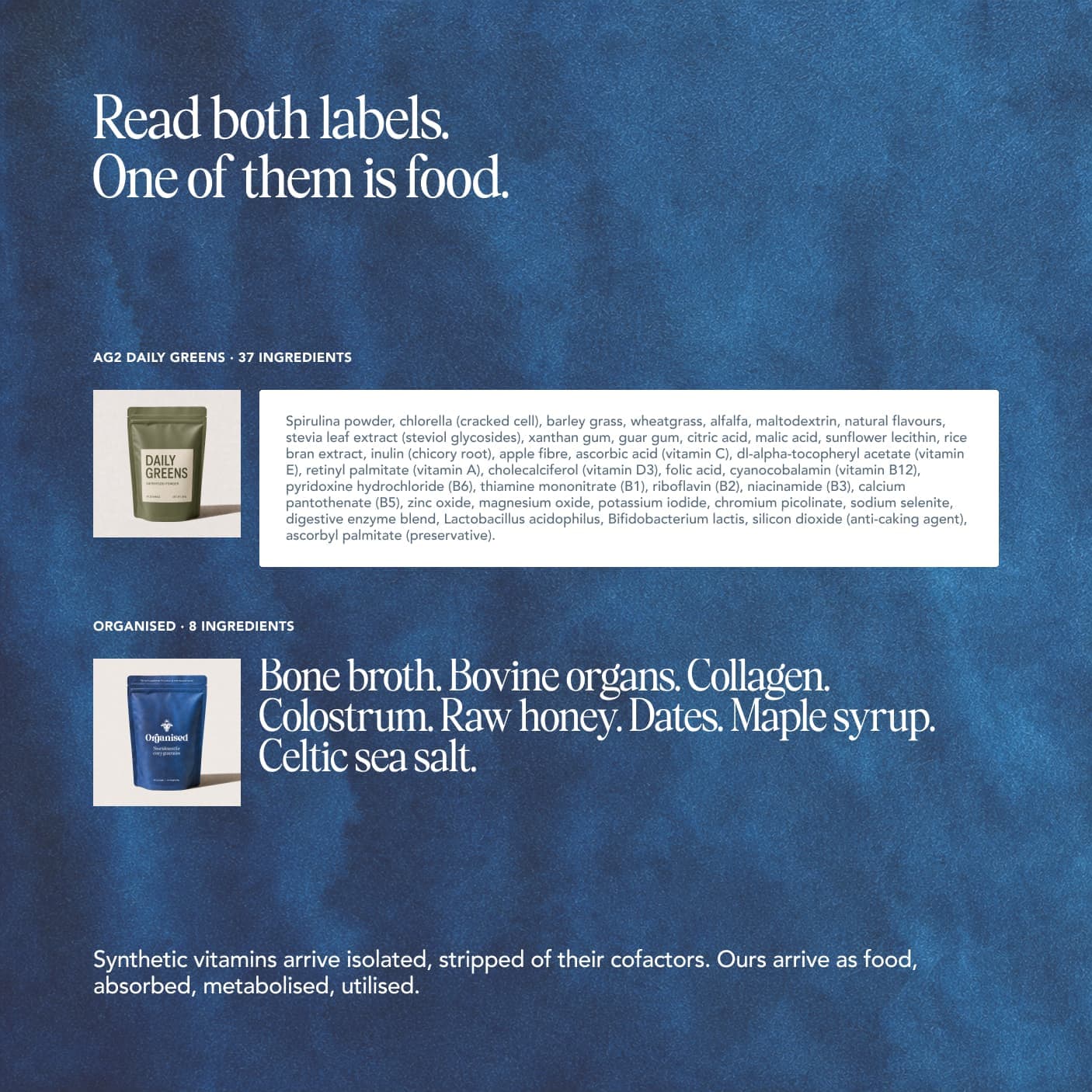
This is where Organised's approach matters. Most supplement companies isolate single nutrients. They extract collagen, bottle it, and claim it will fix your joints. They isolate elastin or market it as a standalone intervention. But your body doesn't work in isolation. Your respiratory system, your connective tissue, your skin all work as integrated systems.
When you eat beef lung, you're not getting isolated elastin or isolated type II collagen. You're getting elastin with its companion proteins, collagen with its cofactors, selenium with iron, all the micronutrients that work together to support respiratory health and connective tissue integrity.
Whole foods contain not just nutrients, but the relationships between nutrients. Those relationships matter more than the individual components. Beef lung contains everything your lungs were designed to use, all at once, in the ratios your body can actually work with.
This is the difference between eating nose-to-tail and chasing supplements. You can buy an elastin supplement. You can buy type II collagen powder. But you'll be missing the mineral cofactors, the other amino acids, the synergies that made those nutrients work in the first place.

1 of 9
Daily blend
100,000+ thriving families4.9 on Trustpilot
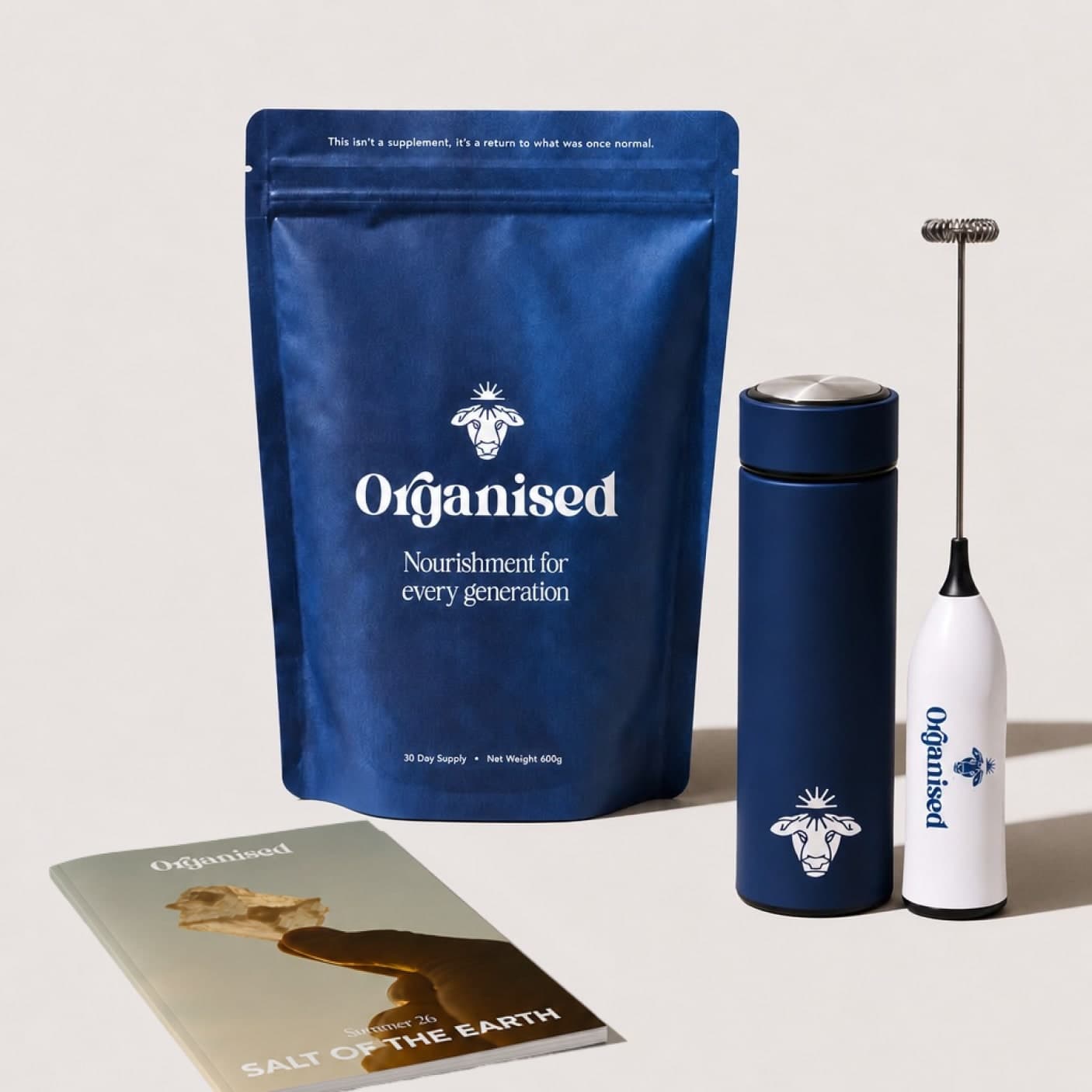
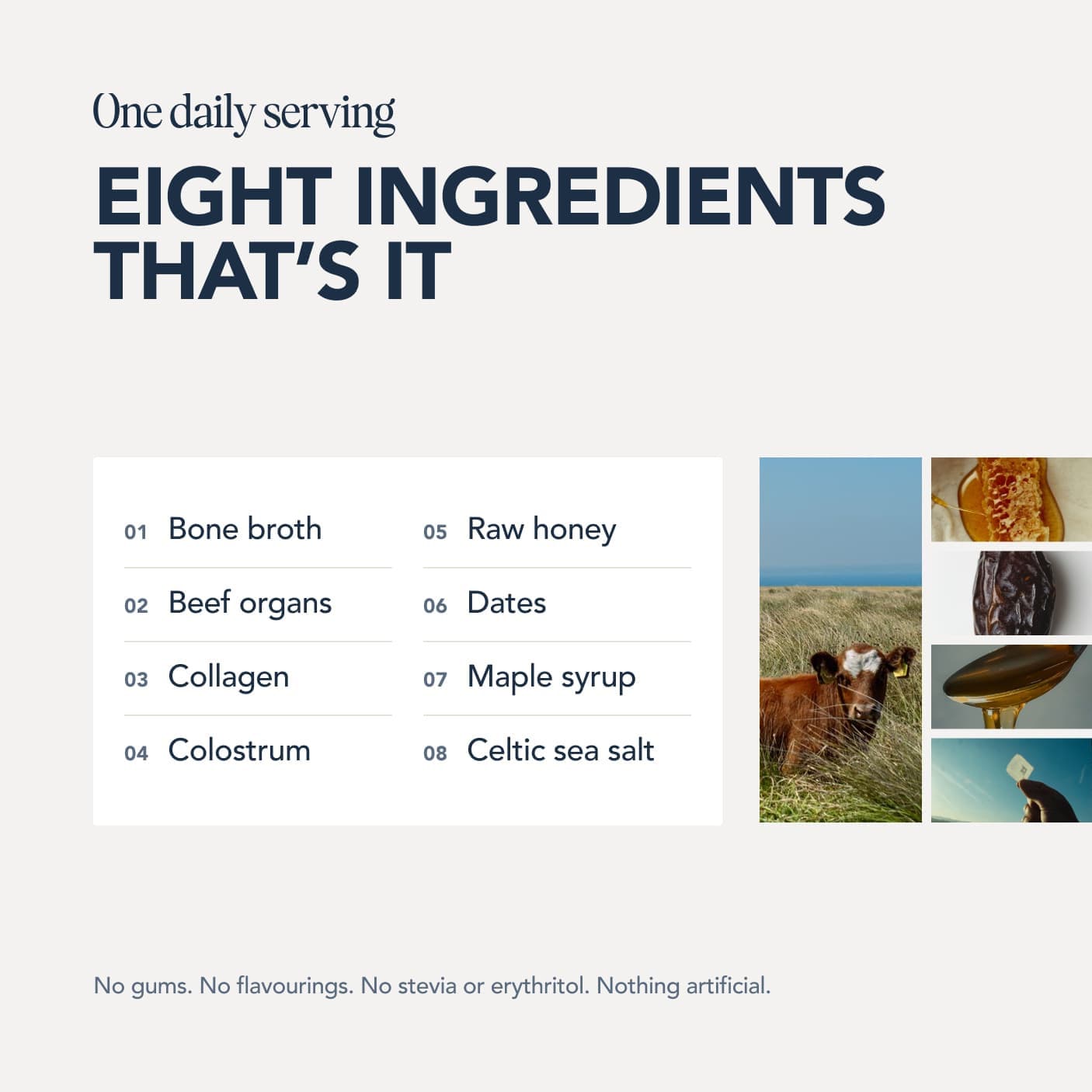
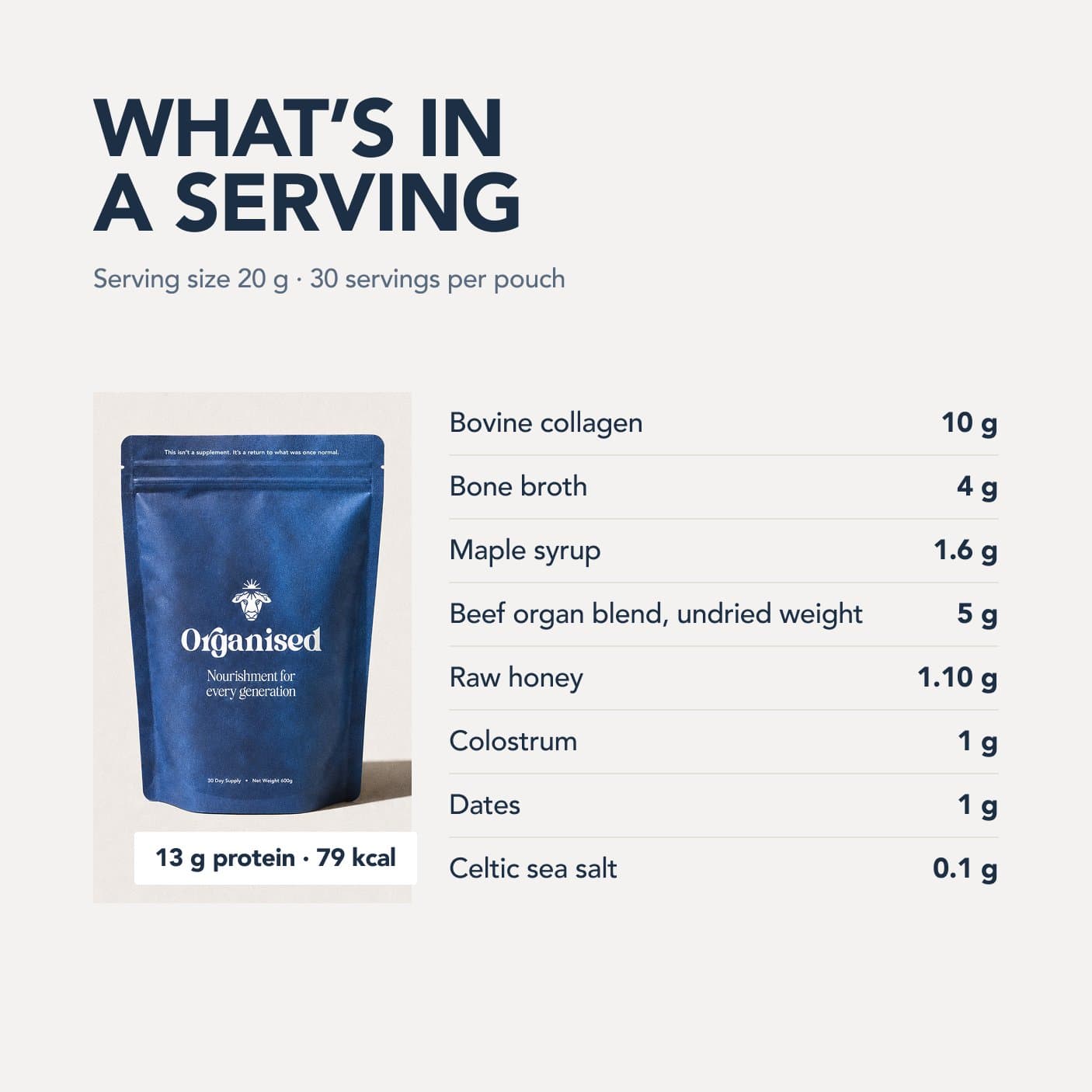
Eight real ingredients built around grass-fed beef organs, collagen and colostrum. Nothing synthetic added.
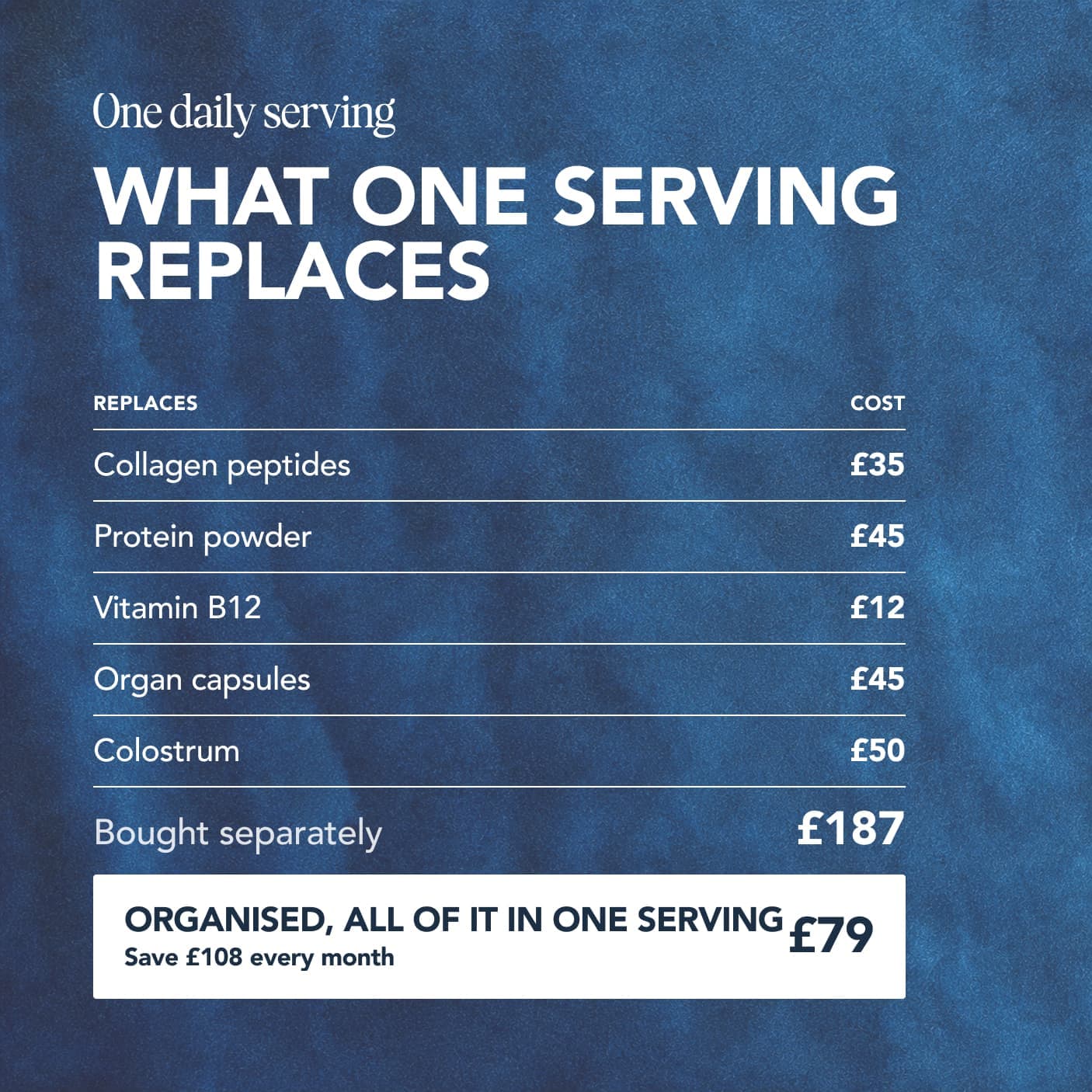
Free with your first order, worth £38. Plus £10 off the pouch with a subscription.


Free UK shipping · Made in England · 100 day money back guarantee on your first pouch · Skip, pause or cancel anytime
The bottom line
Beef lung is not a miracle food. It's not a cure-all. But it is the most direct source of elastin and type II collagen available outside of the respiratory system itself. If you're concerned about joint health, connective tissue integrity, or respiratory resilience, beef lung deserves a place in your rotation alongside liver and heart.
It tastes better than you expect. Prepared gently, with salt and fat, it's delicate, almost buttery. It's an ancestral food that modern nutrition is just beginning to rediscover. The fact that it remains uncommon is not because it's nutritionally inferior. It's simply because we forgot how to eat it.
Start small. Source it from a butcher who understands nose-to-tail eating. Slice it thin. Cook it slowly. Your respiratory system will thank you.
References
Every source below was checked on 27 August 2026. Each PubMed, PMC and DOI identifier was resolved against NCBI or Crossref, and what it opens is printed under the citation, so you can see the link goes where the citation says without leaving the page. Where a citation and its identifier disagreed, the citation was corrected to the record or the reference was deleted along with the sentence marker that pointed at it, and where the resolved paper turned out not to support the sentence, the sentence was cut back to what it does support. Borrowed authority is worse than none, because it looks like rigour.
- National Institutes of Health, Office of Dietary Supplements. Selenium: Fact Sheet for Health Professionals.
- National Institutes of Health, Office of Dietary Supplements. Iron: Fact Sheet for Health Professionals.
- National Institutes of Health, Office of Dietary Supplements. Vitamin B12: Fact Sheet for Health Professionals.
- National Institutes of Health, Office of Dietary Supplements. Zinc: Fact Sheet for Health Professionals.
- Mecham RP. Elastin in lung development and disease pathogenesis. Matrix Biol. 2018;73:6-20. PMID: 29331337.Checked 27 August 2026: PMID 29331337 opens Mecham RP, Elastin in lung development and disease pathogenesis. Matrix Biol 2018;73:6-20. PubMed indexes it as: Review.
- Gelse K, Pöschl E, Aigner T. Collagens — structure, function, and biosynthesis. Adv Drug Deliv Rev. 2003;55(12):1531-46. PMID: 14623400.Checked 27 August 2026: PMID 14623400 opens Gelse K, Pöschl E, Aigner T, Collagens--structure, function, and biosynthesis. Adv Drug Deliv Rev 2003;55(12):1531-46. PubMed indexes it as: Review.
Who wrote and reviewed this guide
Niall Kiddle
Author · Founder, Organised
Niall is the founder of Organised. He started the company in 2024 after fixing his own health the slow way: in 2022 he swapped a cupboard of synthetic supplements for real food, raw milk, organ meats, bone broth and honey, and felt the difference within months.
Areas of expertise: Ancestral nutrition, Organ meats, Whole-food supplementation, Gut health, Regenerative sourcing
Read Niall's full profile
Pedro Rodrigues
Reviewer · Agronomist (farming and sourcing only)
Pedro is the agronomist Organised works with on farming and sourcing. His job on the guides is to keep the science honest: he reviews what we publish about soil health, regenerative agriculture, grazing and the way food is actually produced.
Areas of expertise: Regenerative agriculture, Agronomy, Soil health, Grass-fed farming, Food sourcing
Reviewed this guide on
Read Pedro's full profileMore on beef organs
View all- The Complete Guide to Beef Organ Supplements
- Are Beef Organs Safe? Everything You Need to Know
- Beef Heart: The Organ Your Mitochondria Have Been Waiting For
- Benefits of Beef Organ Supplements: Nature's Multivitamins
- Choline: The Essential Nutrient Almost Nobody Gets Enough Of
- Freeze-Dried vs Fresh Organs: Does the Method Matter?
- How Much Vitamin A Is in Beef Liver? (And Is It Too Much?)
- Is Beef Liver Good for You? 7 Benefits of Eating Beef Liver
- Spleen: The Forgotten Organ That Powers Your Immune System
- The Nutrients You Can Only Get from Organ Meats
- What Does Beef Liver Actually Do for Your Body?
- Why Beef Kidney Deserves a Place in Your Daily Routine
Browse the guides library
All guidesKeep reading
Ingredients
The Nutrients You Can Only Get from Organ Meats
Nutrients found almost exclusively in organ meats: retinol, CoQ10, choline, DAO enzyme. Why muscle meat can't replace them.

Ingredients
Grass-Fed Beef Protein Isolate: What Makes It Different
See what sets grass-fed beef protein isolate apart, from easy digestion to micronutrient content, and how it really compares with whey protein for daily use.

Ingredients
Collagen for Joint Pain: What Does the Evidence Say?
Review of clinical evidence on collagen supplementation for joint pain, including type II collagen, hydrolysed collagen, and optimal dosing protocols.
Real food, made effortless
Try the organ blendA few ways to use it
All recipes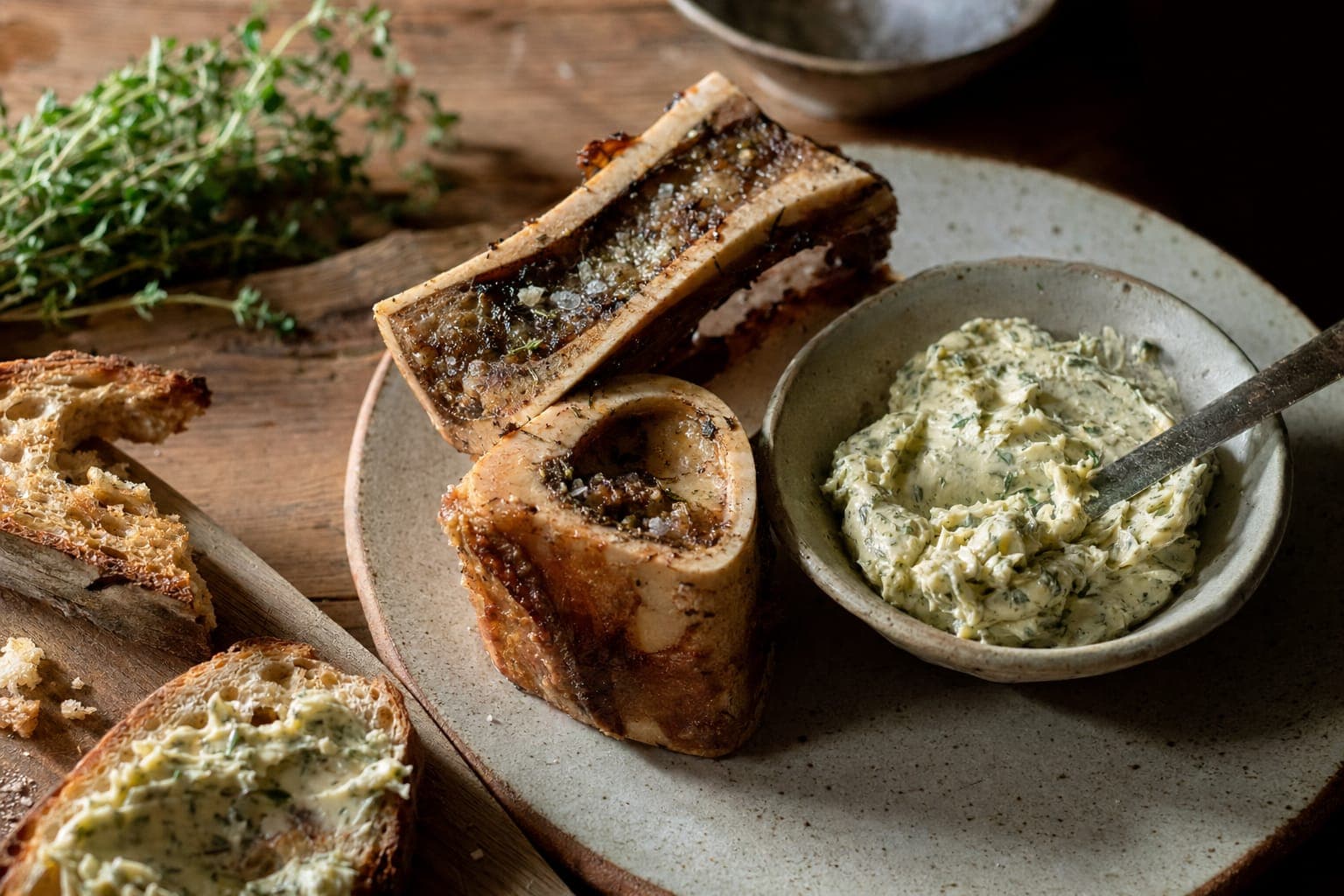
How to Make Bone Marrow Butter
Roast grass-fed marrow bones, scoop the marrow, and mix with butter and herbs. A nutrient-dense spread with fat-soluble vitamins.

The Perfect Organised Morning Shake: Our Favourite Recipe
Our signature morning shake: Organised, raw milk, banana, honey. Simple, nourishing, and optimised for an empty stomach.
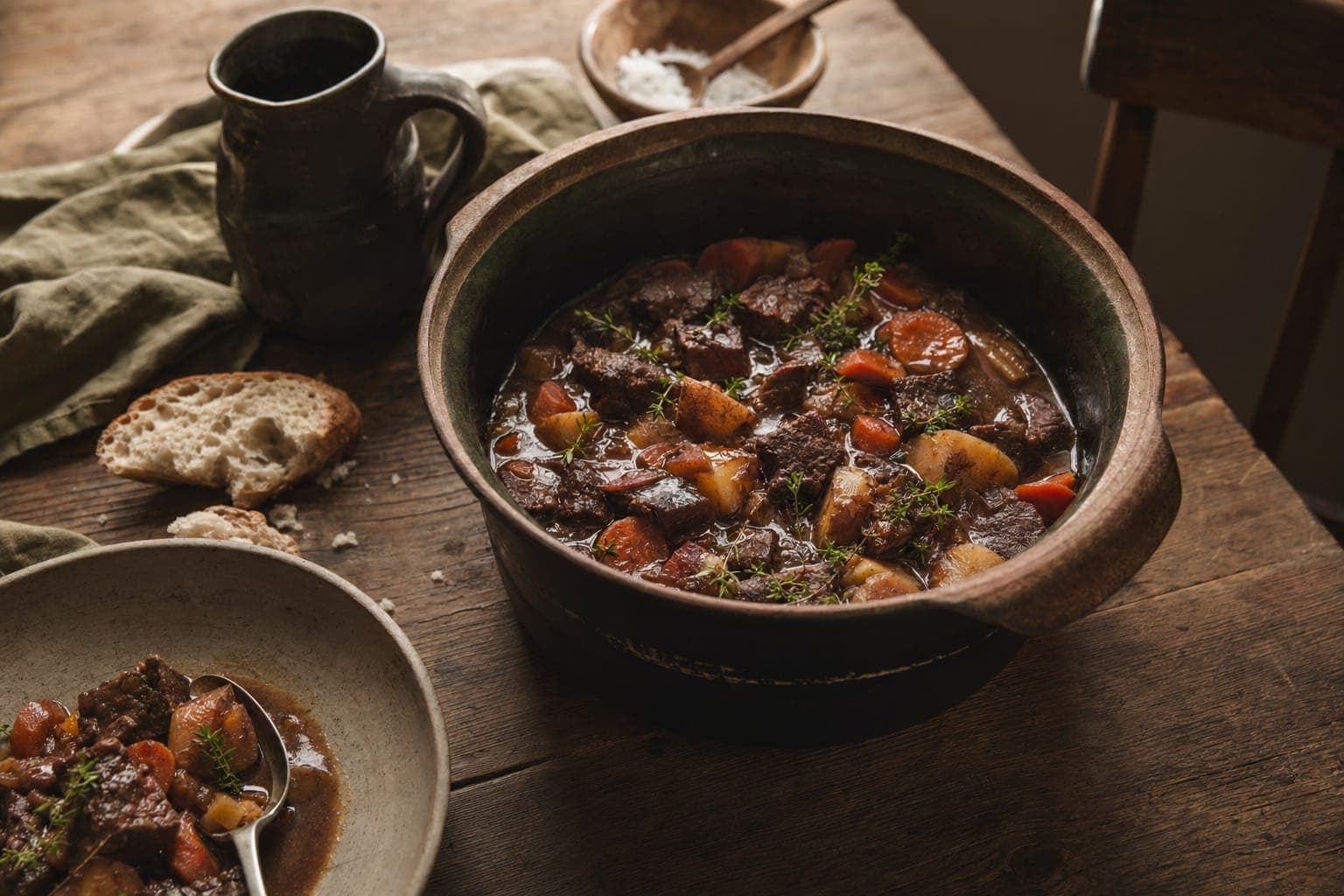
Collagen-Rich Beef Stew: Slow-Cooked Nourishment
Beef stew that delivers collagen from connective tissue and bone broth. Winter comfort food that actually nourishes. Simple slow cooker recipe.


 Join over 100,000+ members
Build a better food system with us
The Organised community is thousands of people choosing real food and backing the farmers who grow it, all of us trying to leave the world a little better than we found it. If that is what you care about too, you belong here.