The Complete Amino Acid Profile of Grass-Fed Beef Protein
Beef carries something most plant foods cannot: all nine essential amino acids your body cannot make on its own, in proportions perfectly matched to how your muscles actually use them.
By Niall Kiddle, Founder, Organised

Reviewed by Pedro Rodrigues, Agronomist (farming and sourcing only) ·
6 min read · Published · Updated · 6 cited sources
Makers of the Organised Daily blend, a grass-fed beef organ supplement from regenerative UK farms
When you eat a gram of beef, you're not just getting protein. You're getting a precise delivery system for the building blocks your body prioritises, the cofactors that activate them, and a nutrient density that plant-based proteins simply cannot match.
Why beef is a complete protein source
A complete protein contains all nine essential amino acids. Your body cannot synthesise these, so they must come from food. Beef has them all, and in ratios that align with human muscle tissue composition.
But not all complete proteins are created equal. Beef dominates because of quantity and bioavailability. A 100-gram serving of cooked beef delivers roughly 26 grams of protein.1 Compare this to legumes (10-15 grams per 100g cooked) or seeds (10-15 grams per 100g raw), and the difference becomes clear: you need substantially more plant matter to achieve the same amino acid intake.
The body absorbs beef protein with exceptionally high efficiency. Studies consistently show that amino acid utilisation from beef exceeds 95 percent. Your digestive system breaks it down quickly, and the resulting amino acids enter your bloodstream ready to work. There's minimal waste.
Beef delivers all nine essential amino acids your body needs, in quantities and proportions that your muscles recognise and can use immediately.
The nine essential amino acids explained
Here are the nine amino acids beef provides, and what each one does:
- Histidine: involved in immune response, myelin formation around nerves, and oxygen regulation in the blood.
- Isoleucine: supports energy production during endurance activity, blood sugar stability, and wound healing.
- Leucine: the primary trigger for muscle protein synthesis. This one deserves its own section.
- Lysine: essential for bone collagen formation, calcium absorption, and immune function. Deficiency shows up in connective tissue breakdown.
- Methionine: required for creatine synthesis (important for muscle and brain energy), and the initial amino acid in all proteins your cells make.
- Phenylalanine: the precursor to tyrosine, which the body uses to make dopamine, adrenaline, and thyroid hormones.
- Threonine: supports immune function, intestinal integrity, and collagen formation.
- Tryptophan: the precursor to serotonin and melatonin. Also involved in NAD production for energy metabolism.
- Valine: one of three branched-chain amino acids (BCAAs). Supports muscle energy metabolism and blood sugar balance.
Most people fixate on protein quantity. What matters more is the presence and balance of these nine. Beef excels because it provides all of them together, and in a form your body can use immediately.
Leucine and muscle protein synthesis
If there is one amino acid that should concern you, it is leucine. Leucine acts as the metabolic trigger that tells your muscle cells it is time to repair and build new protein. Without sufficient leucine signalling, muscle protein synthesis (MPS) is suppressed even if you have adequate total protein intake.
A 100-gram serving of beef contains roughly 2.5 to 3 grams of leucine.1 This is significant. Research shows that leucine thresholds for triggering muscle protein synthesis sit around 1.8 to 3 grams per meal.2 A single serving of beef hits that threshold cleanly in one sitting.
Plant proteins contain leucine, but often at lower concentrations. A serving of chickpeas might deliver 0.9 grams. Wheat 0.6 grams. You would need to eat dramatically larger quantities to achieve the same leucine signal. Some people manage this. Many do not, and their muscle protein synthesis quietly suffers as a result.
This becomes critical if you are training. After resistance exercise, your muscles are primed to build. Adequate leucine intake within the post-exercise window amplifies that adaptation. Insufficient leucine means your training effort is not translating into the muscle-building response you worked for.
Leucine is the signal that tells muscle tissue it is time to repair and grow. Beef delivers enough in one serving to activate that signal fully. Most plant proteins require dramatically larger portions.
Get ingredient guides like this, free
Two short reads a week on the ingredients that matter and how to actually use them.
By signing up you agree to receive emails from us. No spam, unsubscribe anytime.
How grass-fed beef differs
All beef contains the nine essential amino acids. But grass-fed beef offers advantages that grain-fed cannot match.
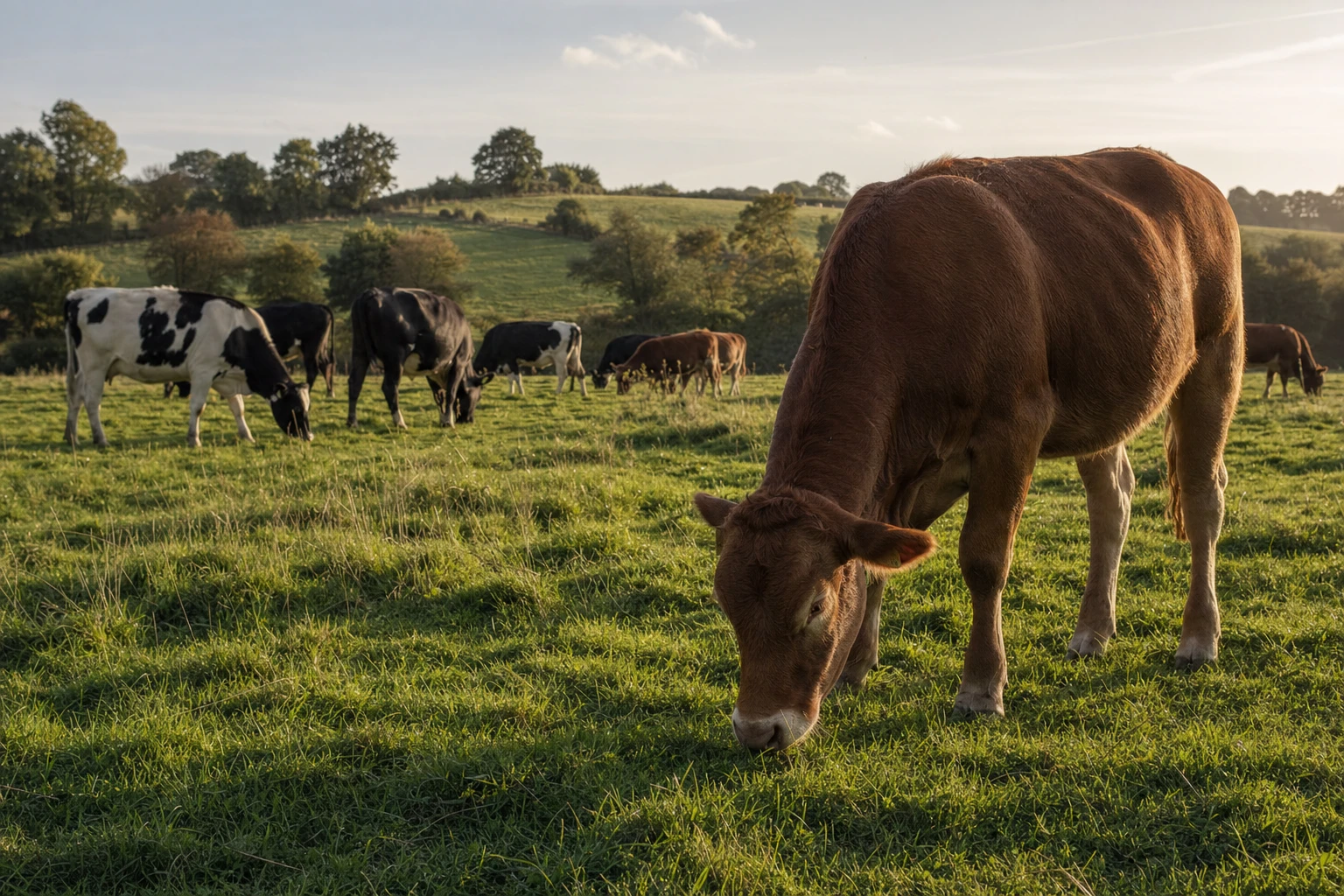
Grass-fed cattle spend their lives eating what their digestive systems evolved to eat. The resulting beef carries higher levels of omega-3 fatty acids (important for reducing inflammation and supporting brain health), higher levels of conjugated linoleic acid or CLA (linked to improved body composition and immune function), and more fat-soluble vitamins like vitamin A, D, and K2.3
The amino acid profile itself is nearly identical between grass-fed and grain-fed beef. Where the difference lies is in the nutrient cofactors that help your body actually use those amino acids. Grass-fed beef contains superior mineral density, better fatty acid ratios, and higher levels of antioxidants like glutathione.
These cofactors matter because amino acids do not work in isolation. Your body needs zinc, magnesium, B6, and other minerals to synthesise muscle protein effectively. Grass-fed beef comes packaged with those cofactors. It is not just protein. It is a complete nutrient delivery system.
Beyond amino acids: cofactors matter
A complete amino acid profile means nothing if your body cannot process those amino acids into functional muscle tissue. That is where cofactors come in.
Zinc is essential for protein synthesis and immune function. A 100-gram serving of beef delivers roughly 6 to 8 milligrams of highly absorbable zinc.14 Magnesium, responsible for over 300 enzymatic reactions, appears in substantial quantities.5 Iron, particularly the highly absorbable haem iron found in beef, supports oxygen transport and energy production during training.6
Beef also contains creatine. Most people associate creatine with supplements, but beef is one of the richest food sources available. Creatine directly fuels the ATP system in muscle cells, meaning the energy available during your training session increases. This is not a small effect. Studies show creatine supplementation improves strength and power output measurably.
Additionally, beef contains carnosine and anserine, peptides that buffer lactic acid during high-intensity effort. They reduce muscle fatigue and support recovery. These compounds are found almost exclusively in animal tissues, particularly muscle meat. Your body can synthesise them from beta-alanine, but food sources provide them ready-made.
Amino acids alone do not build muscle. Your body needs zinc, magnesium, iron, creatine, carnosine, and B vitamins working together. Beef provides all of them in proportions your body recognises.

1 of 9
Daily blend
100,000+ thriving families4.9 on Trustpilot
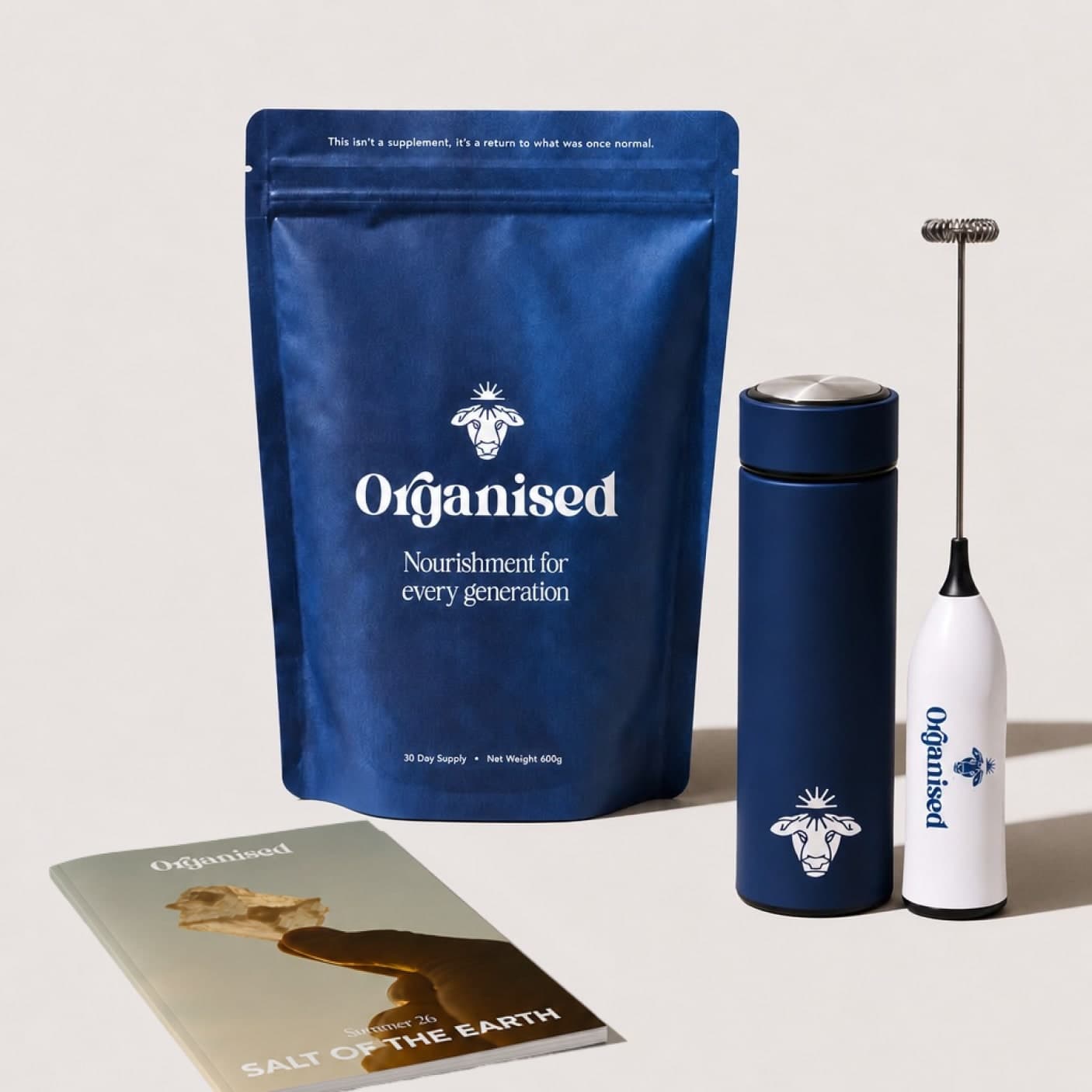
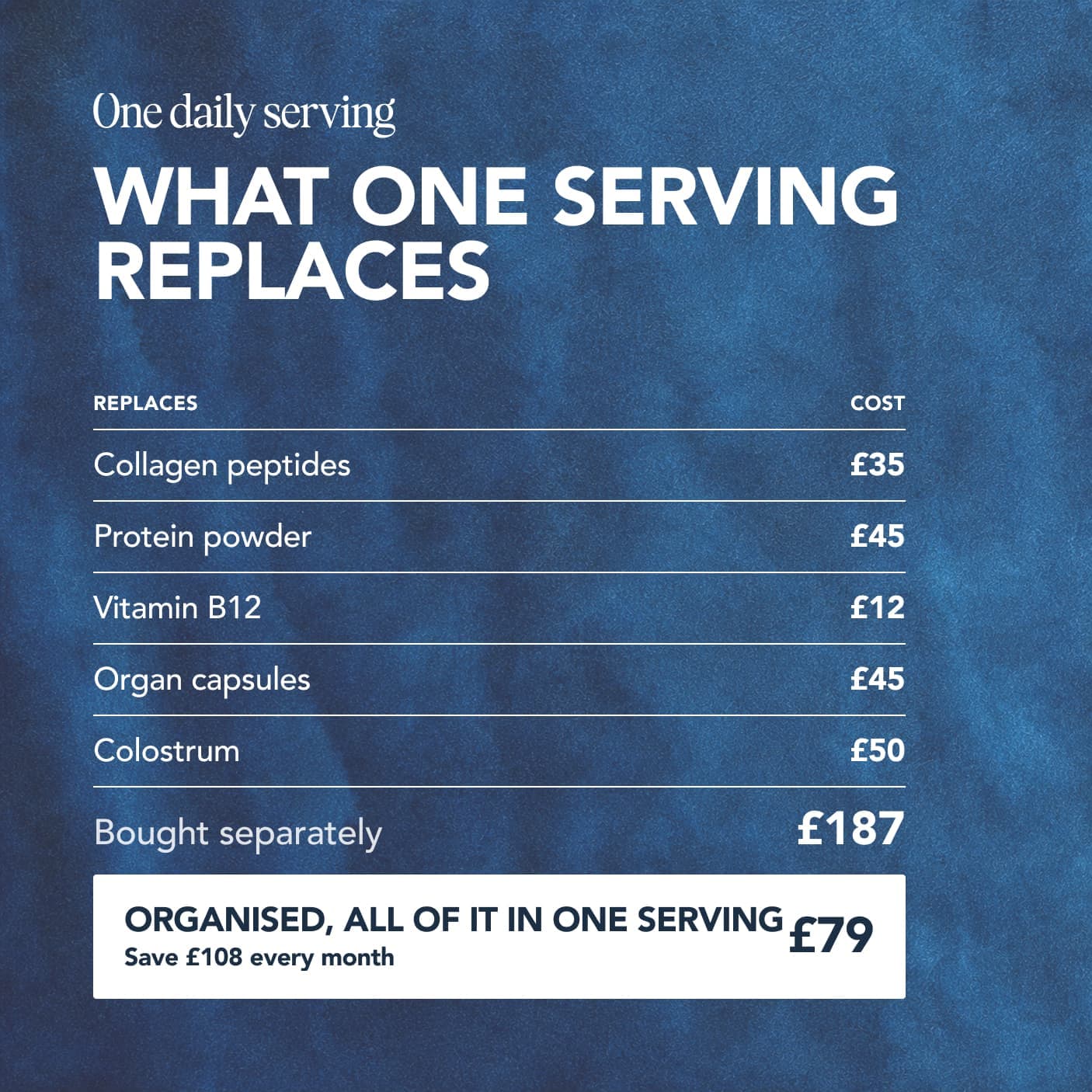
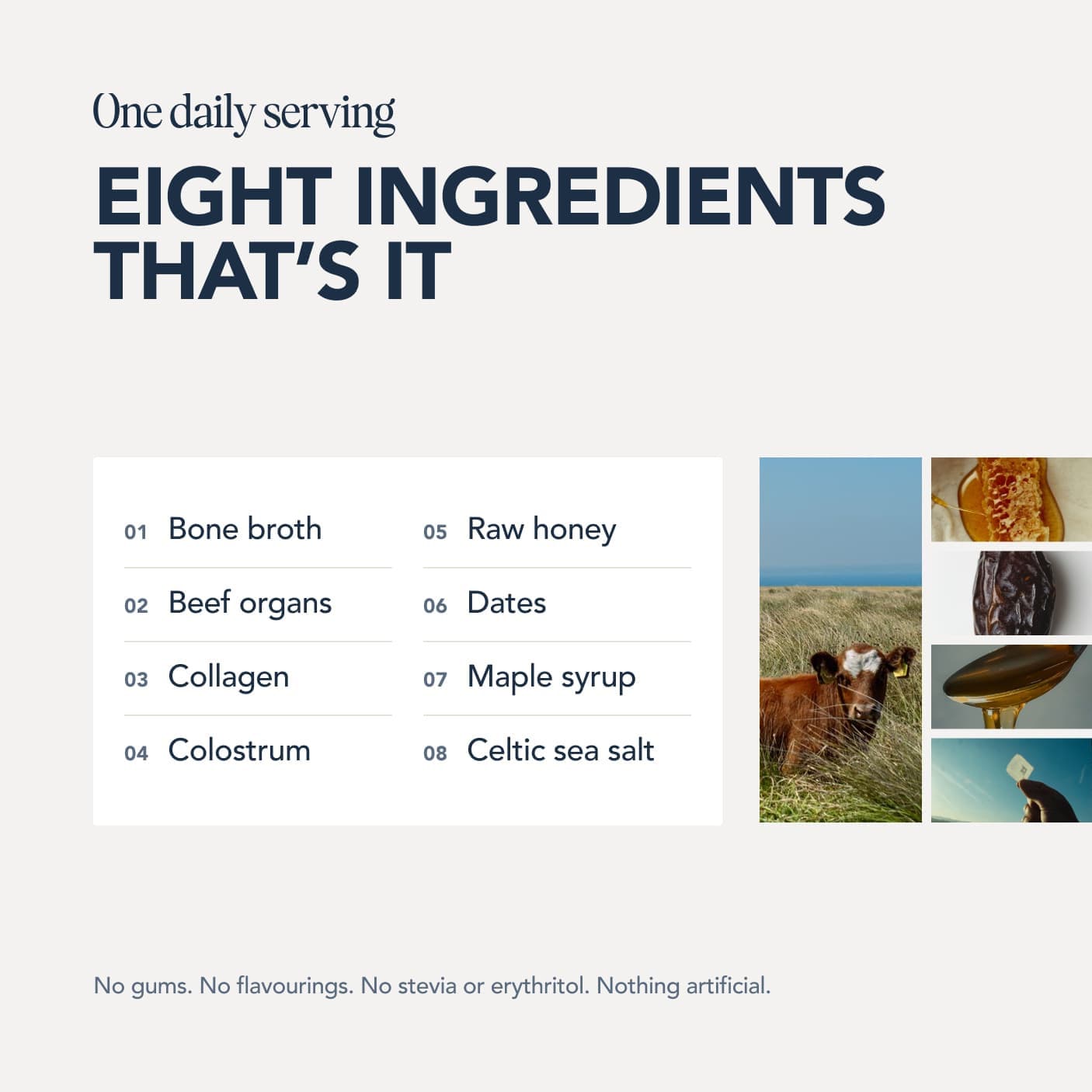
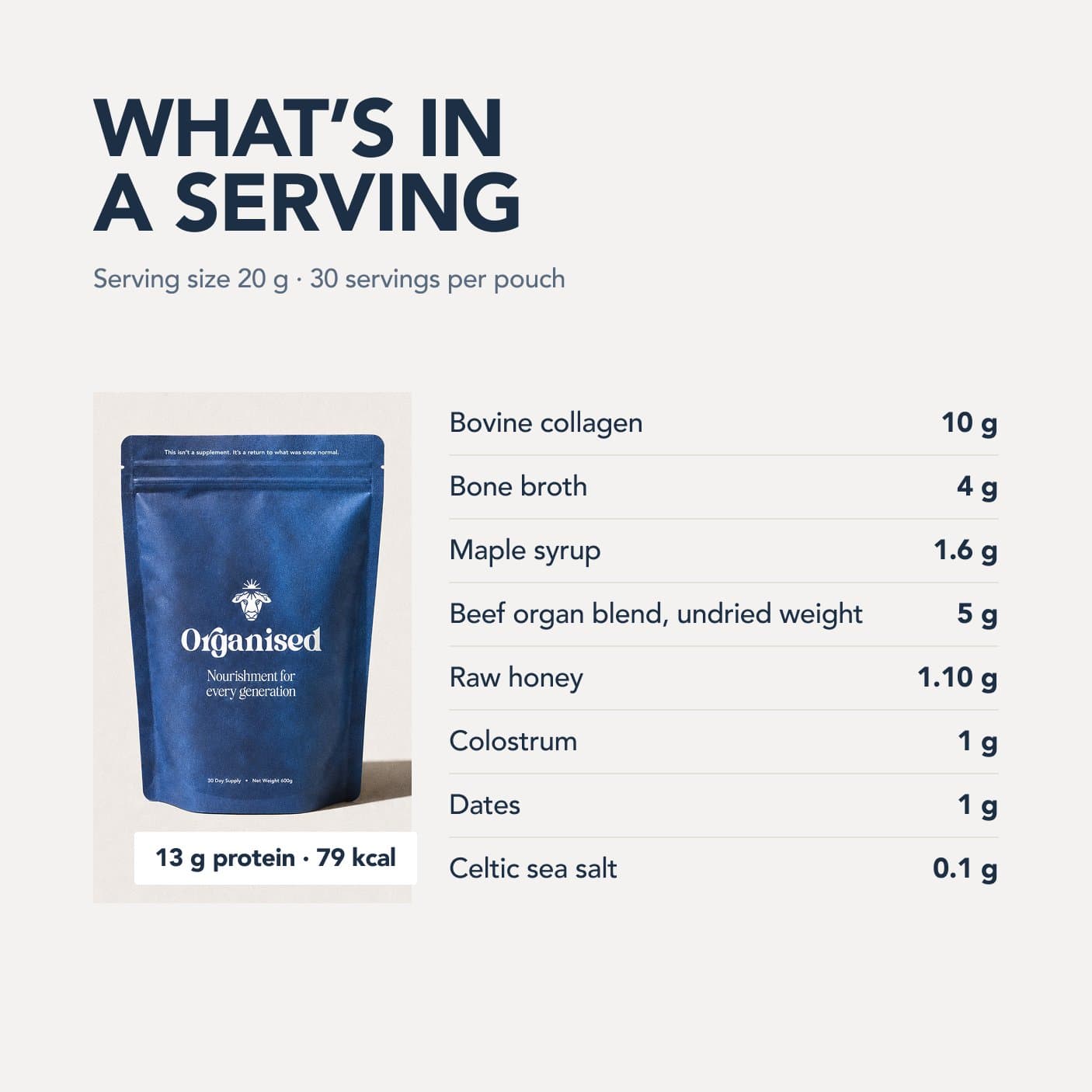
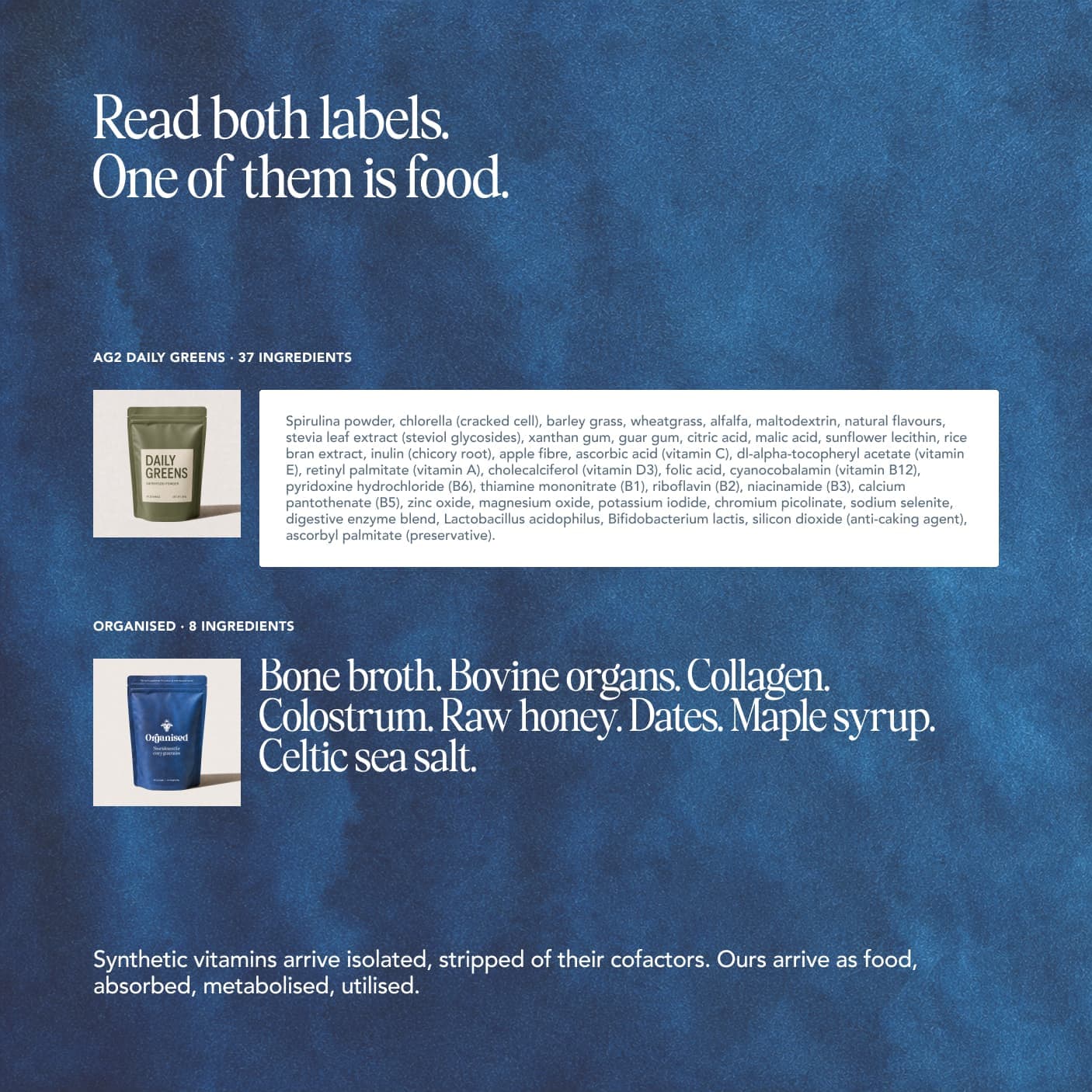
Eight real ingredients built around grass-fed beef organs, collagen and colostrum. Nothing synthetic added.
Free with your first order, worth £38. Plus £10 off the pouch with a subscription.


Free UK shipping · Made in England · 100 day money back guarantee on your first pouch · Skip, pause or cancel anytime
The practical bottom line
If muscle building or athletic performance matters to you, beef protein is one of the most efficient fuel sources available. It delivers all nine essential amino acids in single servings. It provides leucine in quantities sufficient to trigger muscle protein synthesis immediately. It arrives packaged with the mineral and compound cofactors that make those amino acids useful.
You can build muscle on plant protein alone. It requires eating more volume, timing meals carefully, and combining foods thoughtfully to achieve all nine amino acids at once. For most people, most of the time, beef is simply more practical.
Aim for 100 to 150 grams of beef per meal if muscle building is the goal. Grass-fed when possible, for the superior nutrient profile. The amino acids will handle themselves. Your muscles will respond.
References
Every source below was checked on 27 August 2026. Each PubMed, PMC and DOI identifier was resolved against NCBI or Crossref, and what it opens is printed under the citation, so you can see the link goes where the citation says without leaving the page. Where a citation and its identifier disagreed, the citation was corrected to the record or the reference was deleted along with the sentence marker that pointed at it, and where the resolved paper turned out not to support the sentence, the sentence was cut back to what it does support. Borrowed authority is worse than none, because it looks like rigour.
- U.S. Department of Agriculture, FoodData Central. Beef, ground, 85% lean (cooked) — nutrient profile.
- Wilkinson DJ et al. Association of postprandial postexercise muscle protein synthesis rates with dietary leucine: a systematic review. Physiol Rep. 2023;11(15):e15775.Checked 27 August 2026: PMC10400406 opens Wilkinson K, Koscien CP, Monteyne AJ et al, Association of postprandial postexercise muscle protein synthesis rates with dietary leucine: A systematic review. Physiol Rep 2023;11(15):e15775. PubMed indexes it as: Systematic Review.The authors' own declaration, from the record: No conflicts of interest, financial or otherwise, are declared by the authors.
- Daley CA et al. A review of fatty acid profiles and antioxidant content in grass-fed and grain-fed beef. Nutr J. 2010;9:10.Checked 27 August 2026: PMC2846864 opens Daley CA, Abbott A, Doyle PS et al, A review of fatty acid profiles and antioxidant content in grass-fed and grain-fed beef. Nutr J 2010;9:10. PubMed indexes it as: Review.
- National Institutes of Health, Office of Dietary Supplements. Zinc: Fact Sheet for Health Professionals.
- National Institutes of Health, Office of Dietary Supplements. Magnesium: Fact Sheet for Health Professionals.
- National Institutes of Health, Office of Dietary Supplements. Iron: Fact Sheet for Health Professionals.
Who wrote and reviewed this guide
Niall Kiddle
Author · Founder, Organised
Niall is the founder of Organised. He started the company in 2024 after fixing his own health the slow way: in 2022 he swapped a cupboard of synthetic supplements for real food, raw milk, organ meats, bone broth and honey, and felt the difference within months.
Areas of expertise: Ancestral nutrition, Organ meats, Whole-food supplementation, Gut health, Regenerative sourcing
Read Niall's full profile
Pedro Rodrigues
Reviewer · Agronomist (farming and sourcing only)
Pedro is the agronomist Organised works with on farming and sourcing. His job on the guides is to keep the science honest: he reviews what we publish about soil health, regenerative agriculture, grazing and the way food is actually produced.
Areas of expertise: Regenerative agriculture, Agronomy, Soil health, Grass-fed farming, Food sourcing
Reviewed this guide on
Read Pedro's full profileMore on beef protein
View allBrowse the guides library
All guidesKeep reading
Ingredients
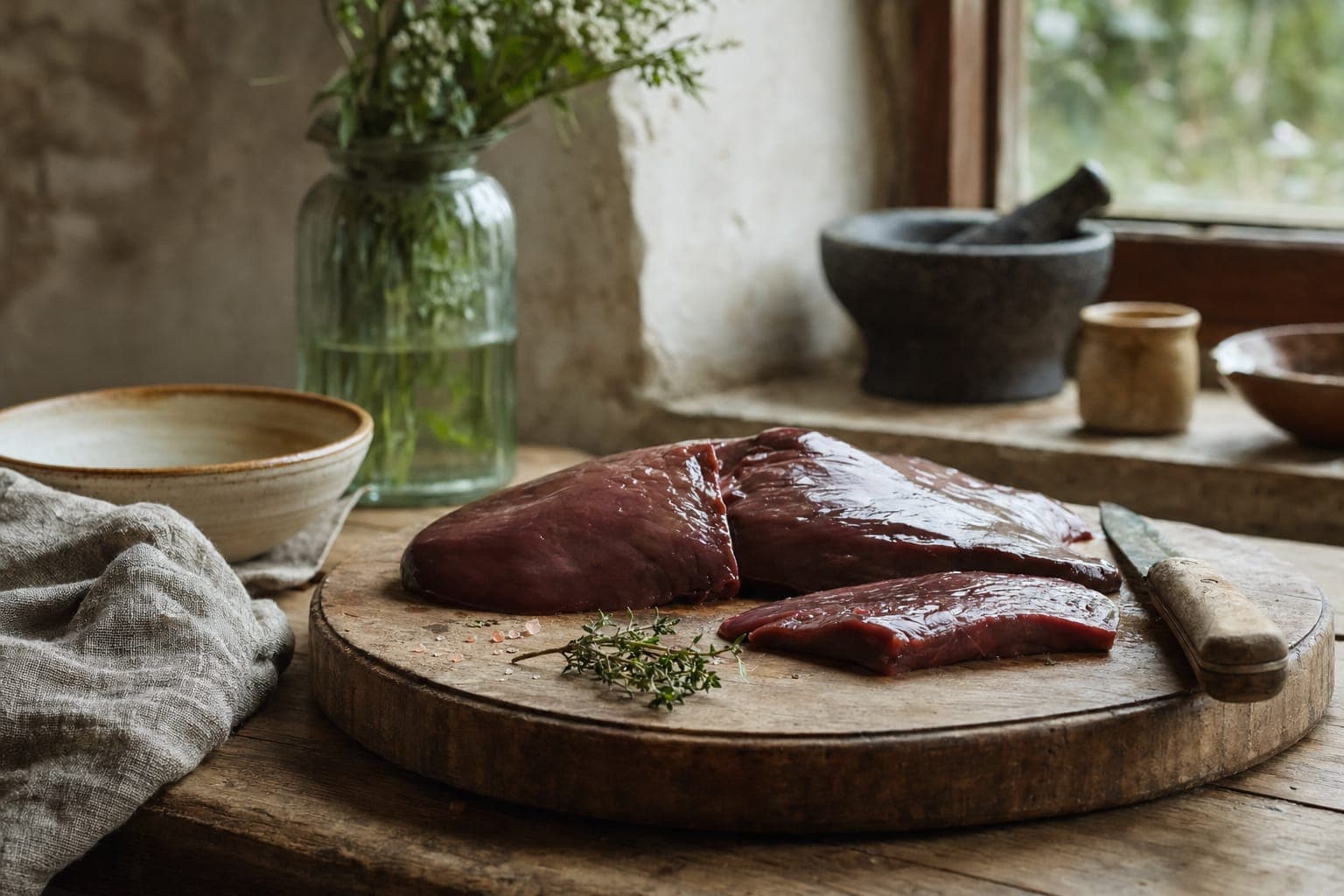
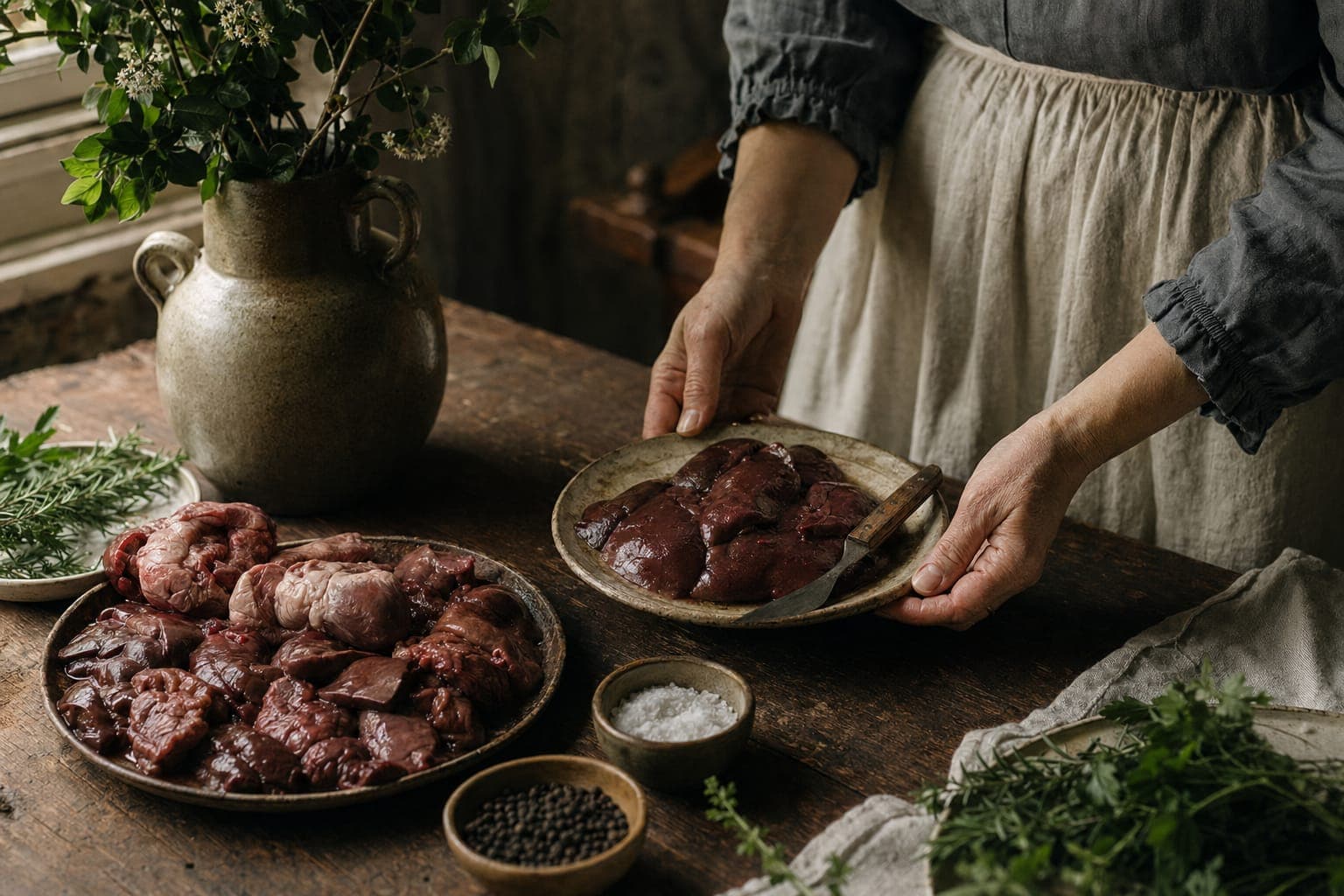
What Does Beef Liver Actually Do for Your Body?
What does beef liver actually contain? Retinol, B12, folate, iron, choline. Plus why the toxin myth is completely wrong.
Ingredients
How Organ Meats Were Eaten Throughout History
From hunter-gatherers to Victorian tables to WWII rations, organs were precious. Here's how they were valued, prepared, and eaten throughout human history.

Ingredients
Why Beef Kidney Deserves a Place in Your Daily Routine
A beef kidney supplement is an underrated source of selenium for thyroid health, DAO enzyme for histamine balance, and B12. Here is why it deserves a spot.
Real food, made effortless
Try the organ blendA few ways to use it
All recipes
Organ Bolognese: The Family Dinner That Heals
Practical organ meat recipe using fresh beef liver and heart. Family-friendly bolognese that bridges supplements to whole food.

Liver Pate for Beginners: A Gentle Introduction to Organ Meats
Simple liver pate recipe to start eating organ meats. Chicken liver, butter, and herbs. Gentle introduction to nutrient-dense whole foods.

The Perfect Organised Morning Shake: Our Favourite Recipe
Our signature morning shake: Organised, raw milk, banana, honey. Simple, nourishing, and optimised for an empty stomach.


 Join over 100,000+ members
Build a better food system with us
The Organised community is thousands of people choosing real food and backing the farmers who grow it, all of us trying to leave the world a little better than we found it. If that is what you care about too, you belong here.