What Does Beef Liver Actually Do for Your Body?
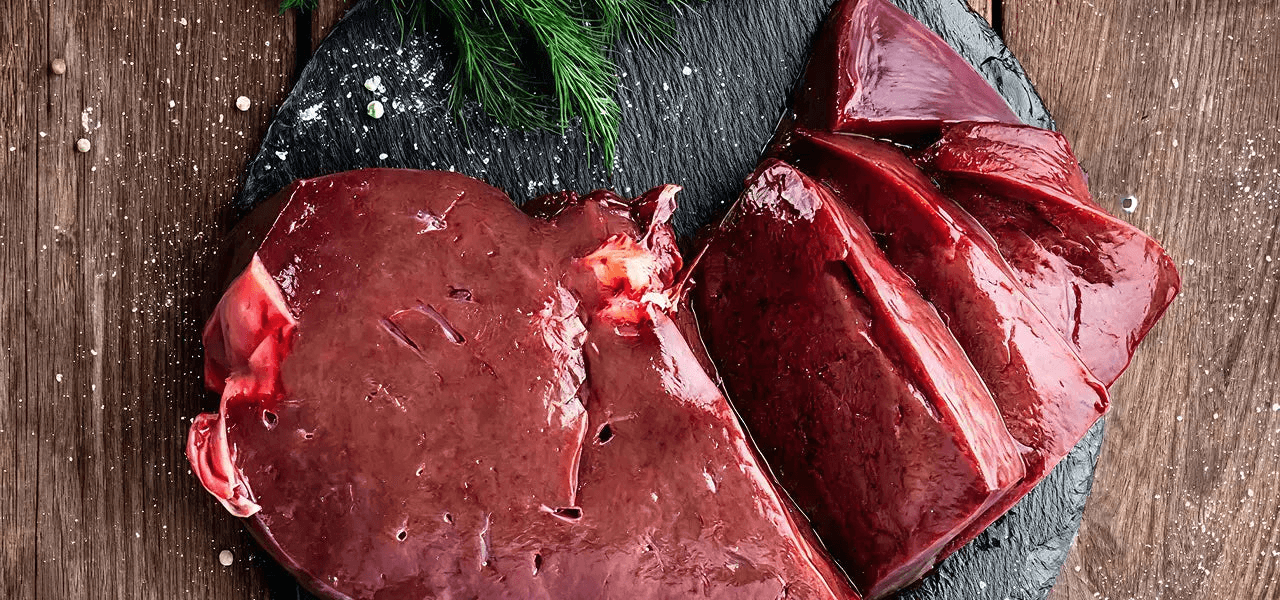
Beef liver is the most nutrient-dense food on the planet. A single 100-gram serving contains more micronutrients than most people eat in a week. But it's also surrounded by myths. Let's separate the facts from the nonsense.
By Niall Kiddle, Founder, Organised

Reviewed by Pedro Rodrigues, Agronomist (farming and sourcing only) ·
7 min read · Published · Updated · 6 cited sources
Makers of the Organised Daily blend, a grass-fed beef organ supplement from regenerative UK farms
Why liver is different
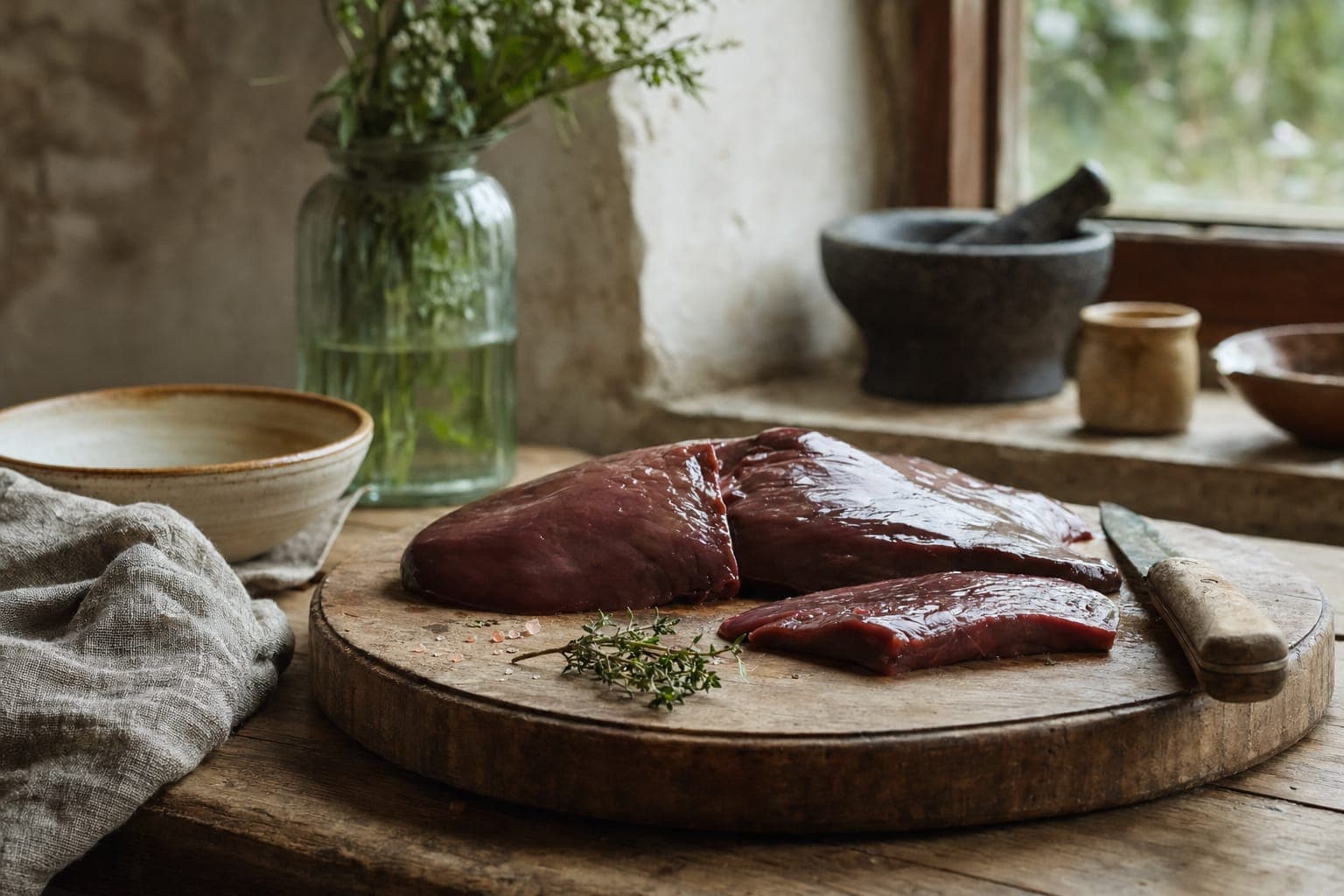
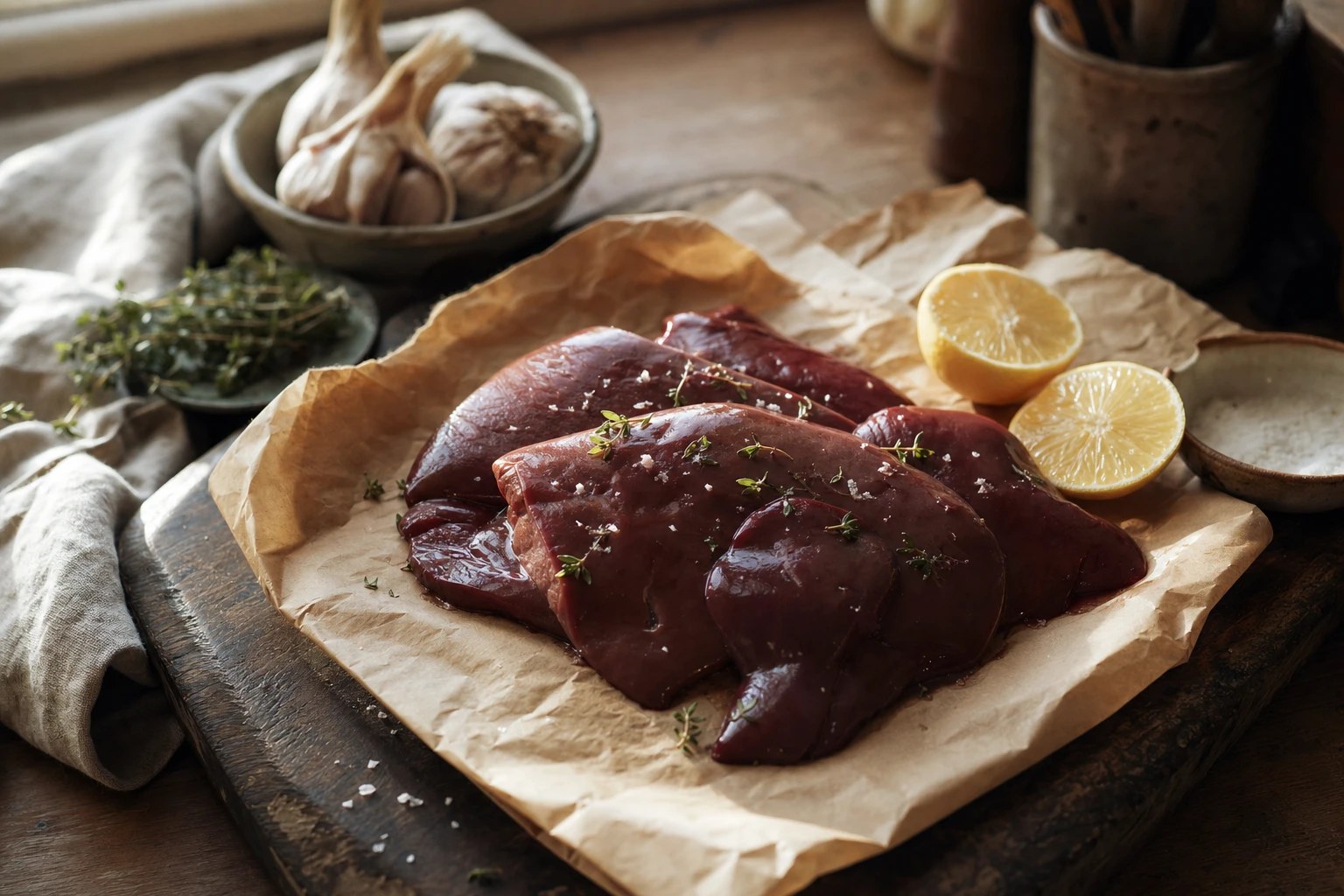
Your liver is your detoxification and storage organ. Every nutrient that matters is either stored there or processed through it. This means liver meat is essentially a concentrated packet of all the nutrients your body needs to survive and thrive.
Muscle meat, by contrast, is relatively low in micronutrients. It's protein and some amino acids, with minimal vitamin and mineral content. You can eat a lot of steak and still be deficient in the nutrients your body actually requires.
Liver is the opposite. You can eat a small amount of liver and cover most of your micronutrient needs for days.
Retinol: the vitamin A your body actually uses
This is where liver becomes genuinely powerful. Vitamin A exists in two forms: beta-carotene (the orange pigment in carrots) and retinol (the active form). Your body has to convert beta-carotene into retinol, and the conversion is inefficient. Most people convert as little as 3-6% of the beta-carotene they eat into usable vitamin A.1
Retinol from liver? Your body uses it immediately. No conversion needed. No loss in translation.
A single 100-gram serving of beef liver contains roughly 5,000 to 7,000 micrograms of retinol depending on preparation (USDA FoodData Central lists ~5,000 mcg RAE per 100 g for cooked beef liver). Your daily requirement is 700 micrograms. One serving covers ten days of needs.
Why does this matter? Retinol is essential for vision, immune function, skin health, and reproduction. It's involved in gene expression, cell differentiation, and the integrity of your mucous membranes (which includes your gut lining).1 Deficiency is silent and widespread, but supplementation with retinol from liver is fast and noticeable.
This is why liver supplements work. Retinol is bioavailable, it's concentrated, and your body knows exactly what to do with it.
The B vitamins: the energy system
Beef liver is packed with every B vitamin your body needs, but especially B12, folate, and B5 (pantothenic acid).
B12 is found almost exclusively in animal foods. It's essential for nerve function, DNA synthesis, and red blood cell formation.2 The richest sources are organ meats, particularly liver, followed by red meat, fish, and eggs. A 100-gram serving of liver provides around 60 micrograms of B12, which is roughly 25 times your daily requirement. If you're deficient in B12 (and many people are, especially as you age), liver is the fastest way to correct it.
Folate (also called methylfolate in its active form) is essential for cell division and DNA synthesis.3 It's found in some plant foods, but the form in liver is more bioavailable and more concentrated. 100 grams of liver contains around 240 micrograms of folate, covering most of your daily needs in a single serving.
B5 (pantothenic acid) is a cofactor in dozens of enzymatic reactions, particularly those involved in energy production and hormone synthesis. Liver is one of the richest sources, alongside eggs and mushrooms.
Iron, folate, and choline
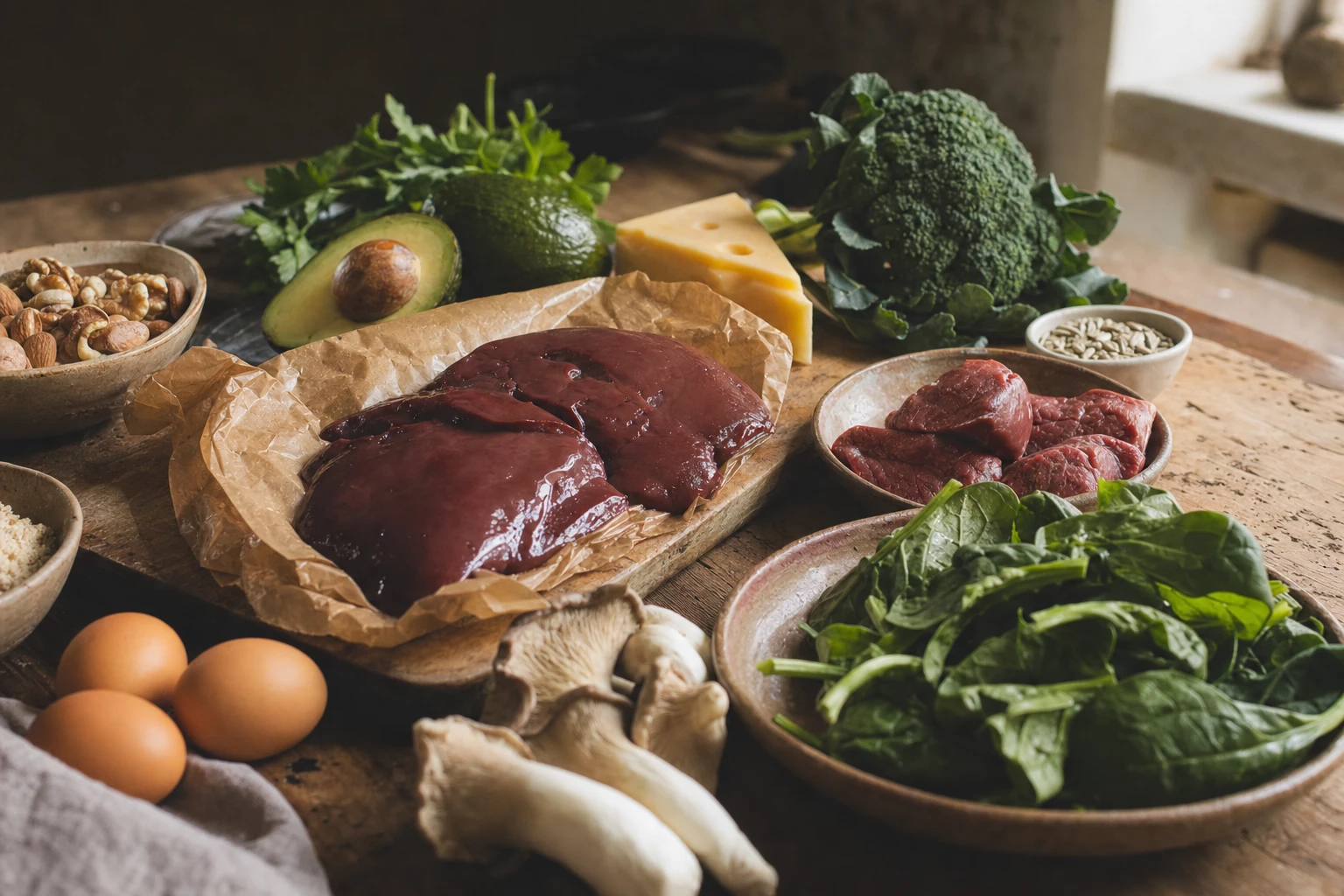
Beyond the B vitamins, liver carries three more nutrients that matter:
Heme iron. This is the form of iron found in animal foods, and it's dramatically more bioavailable than the non-heme iron in plant foods. Your body absorbs around 15-35% of heme iron but only 2-20% of non-heme iron, even when paired with vitamin C.4 For anyone with anaemia, heavy periods, or high iron needs, liver is far more effective than spinach or supplements.
Choline. This is a nutrient that's technically not a vitamin, but it's essential for brain health, liver function, and fat metabolism. Your body can make it from methionine and serine, but most people are deficient. Liver is one of the few foods genuinely high in choline.5 This matters especially for brain health and protecting the liver itself from fatty degeneration.
Copper. A trace mineral essential for connective tissue formation, iron metabolism, and immune function.6 Most people are chronically deficient because modern soils are depleted. Liver is one of the richest sources, with around 12 milligrams per 100 grams.
Liver is not a supplement that does one thing. It's a nutrient system that works across dozens of bodily functions at once.
The toxin storage myth (and why it's backwards)
Here's the most common objection: "Doesn't the liver store toxins?" Yes. And that's exactly why you should eat it.
Your liver is a detoxification organ. It processes toxins so that your body doesn't have to. When toxins enter your system, your liver binds them to water-soluble compounds so they can be excreted. The liver doesn't store toxins in a way that makes them dangerous to you when you eat the liver. It processes them out.
In fact, here's the thing: if a cow's liver contains a harmful level of toxins, the cow would be dead. The liver would have failed at its job. What you're eating is a liver that successfully protected the animal from harm, which is precisely why it's safe for you.
Grass-fed beef from well-managed farms is grown in clean environments with clean water and clean pasture. The liver from those animals is exceptionally clean. Modern beef is tested extensively for heavy metals and pathogens. If you're buying from a reputable source, the toxin story is not a concern.
The irony is that vegetables grown in contaminated soil can accumulate heavy metals in ways that animal organs don't, yet nobody worries about spinach accumulating cadmium. The toxin-in-liver narrative is a myth, probably spread by people uncomfortable with the idea of eating organs.
Get ingredient guides like this, free
Two short reads a week on the ingredients that matter and how to actually use them.
By signing up you agree to receive emails from us. No spam, unsubscribe anytime.
How much liver is too much?
Given the concentration of retinol and other nutrients, the question becomes: can you overdo it?
The short answer is yes, but only if you're consuming excessive amounts daily. Liver is so nutrient-dense that a small serving goes a long way. The traditional serving size is around 100 grams (roughly the size of a playing card), and that's plenty to see results.
If you're eating liver three times a week at 100 grams per serving, you're consuming around 21,000 micrograms of retinol weekly. Your requirement is 5,000 micrograms. This is fine and well below the NIH ODS Tolerable Upper Intake Level for adults (3,000 micrograms RAE per day from preformed retinol). Chronic hypervitaminosis A in adults typically requires intakes above 7,500-15,000 micrograms per day for months.
100 grams of liver, three times a week, is ideal. It gives you the benefits without the risk of exceeding upper limits on fat-soluble vitamins.
The key is consistency and moderation. You don't need liver every day. You need it regularly, but not to excess. Most modern deficiencies improve within 4-8 weeks of consistent consumption.
Sourcing matters: how to choose quality liver
Not all liver is created equal. The nutrient density depends entirely on what the cow ate and how it lived.
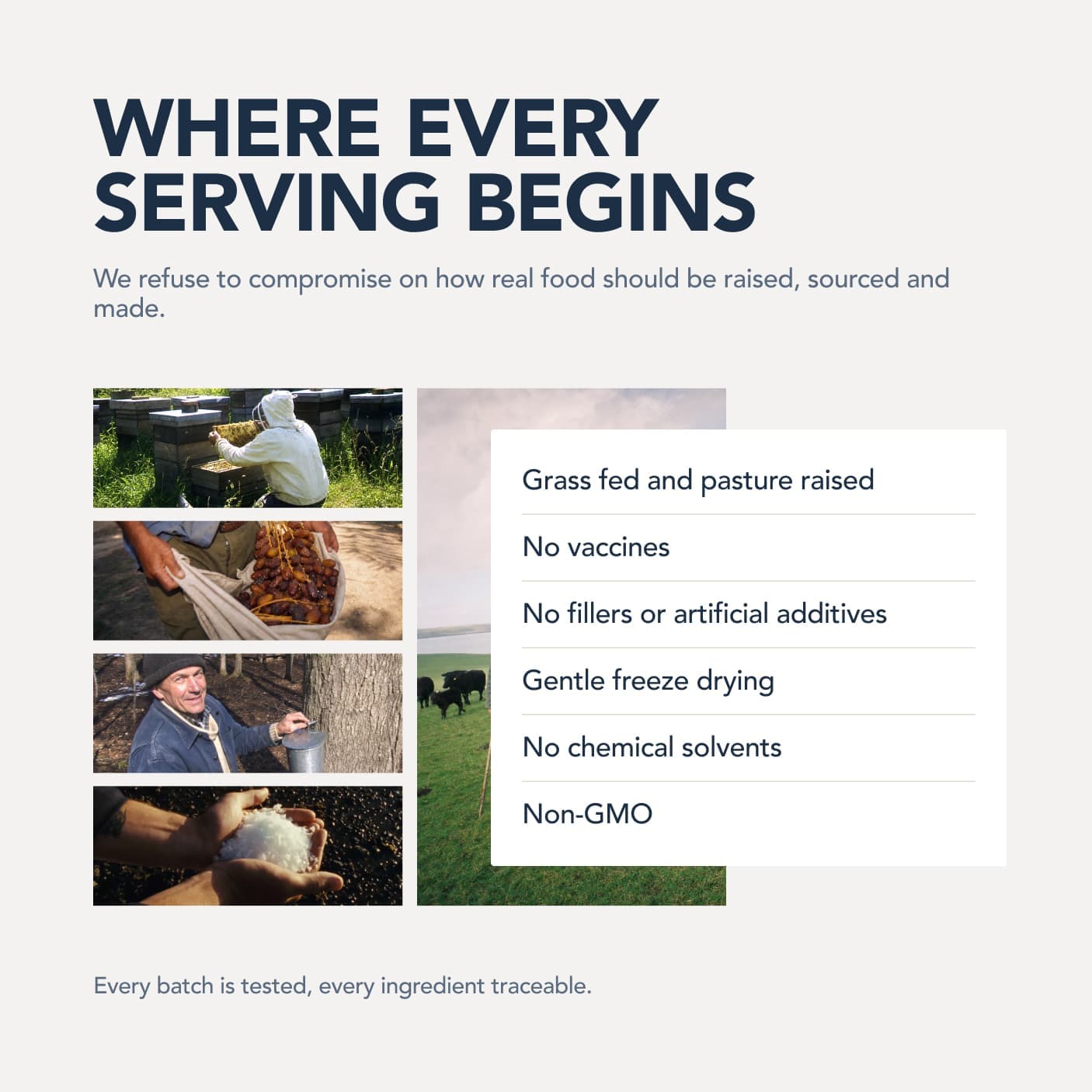
Grass-fed vs grain-fed. Grass-fed beef liver contains significantly higher levels of vitamins and minerals than grain-fed. Cows eating grass accumulate more micronutrients from diverse pasture plants. Grass-fed beef also has a better omega-3 to omega-6 ratio, which supports the absorption and utilisation of fat-soluble vitamins like retinol. If you're choosing between grain-fed and grass-fed liver, grass-fed is worth the premium.
Pastured vs feedlot. Animals raised on pasture in clean environments will have cleaner, more micronutrient-dense organs. Feedlot animals are confined and fed grain and soy, which compromises both nutrient density and the cleanliness of the organ.
Grass-fed, pastured beef liver is not a luxury. It's foundational nutrition. The price difference is trivial compared to the nutrient difference.
1 of 9
Daily blend
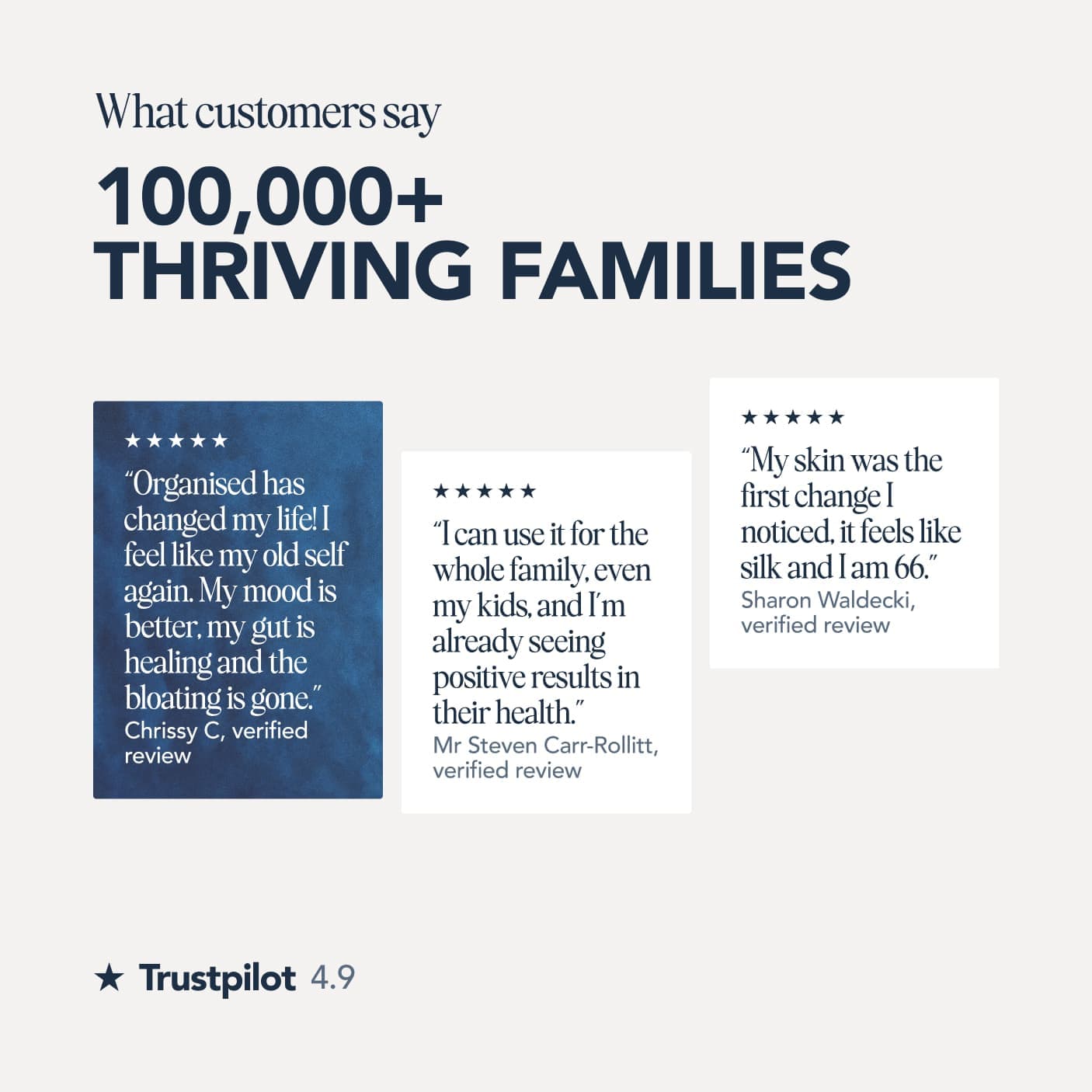
100,000+ thriving families4.9 on Trustpilot
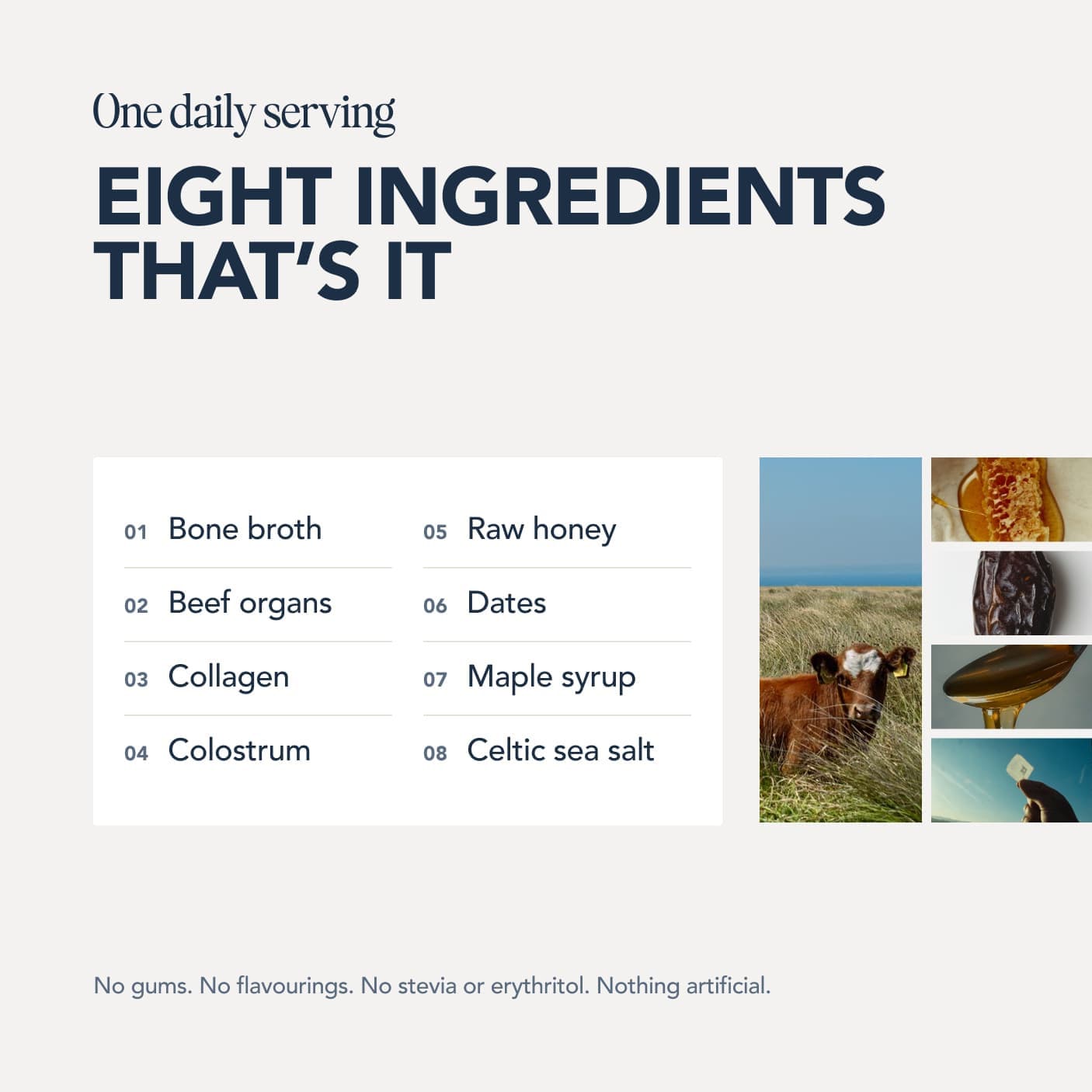
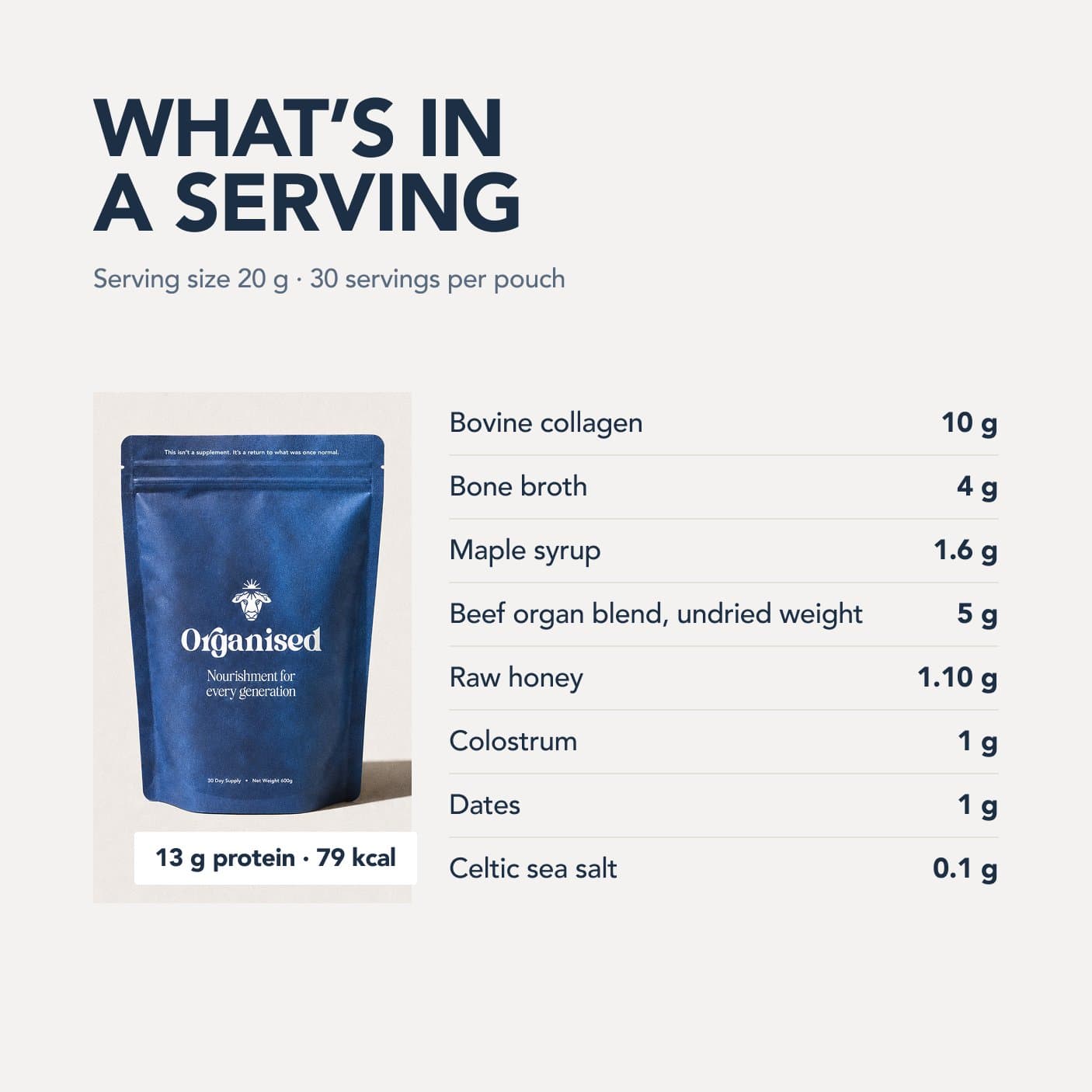
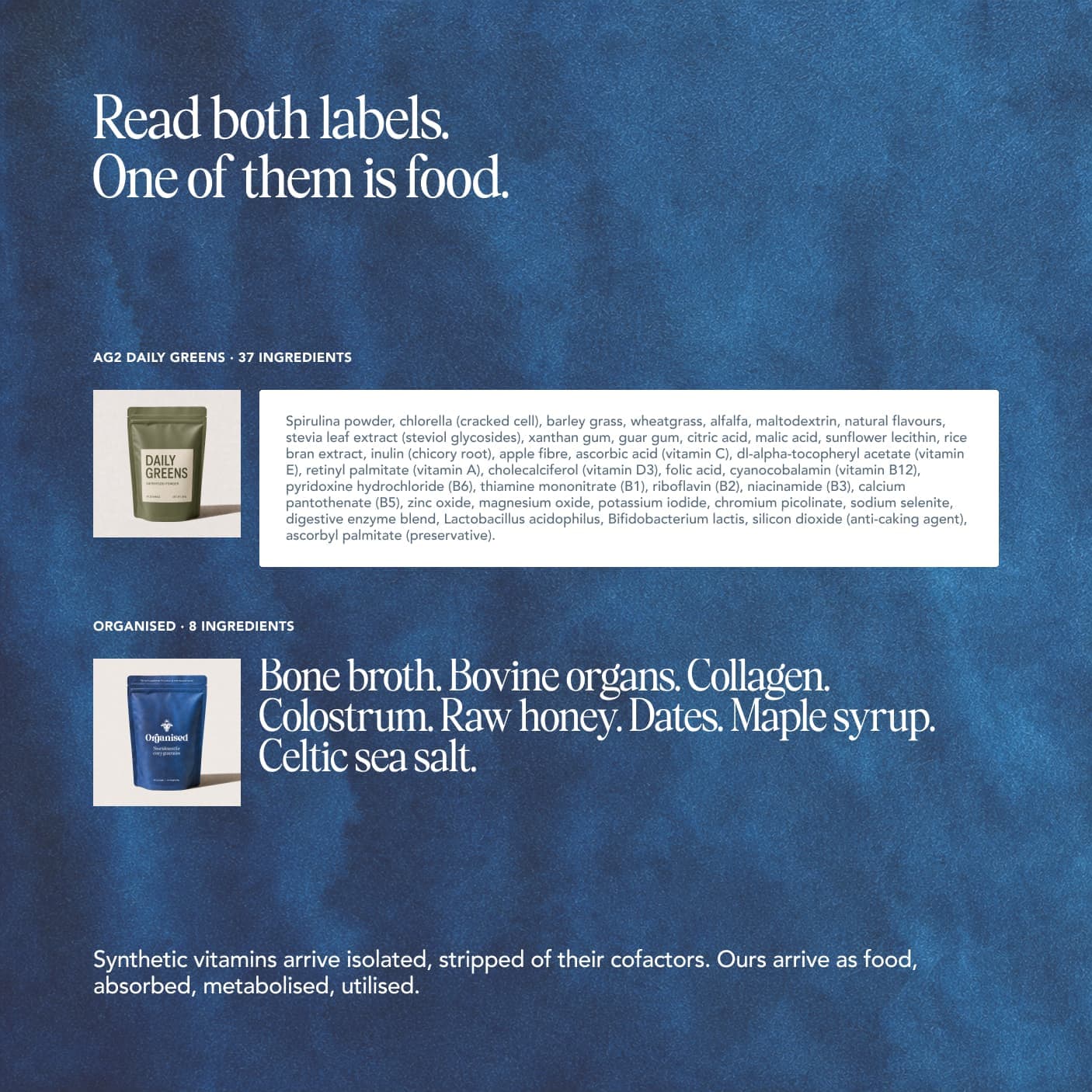
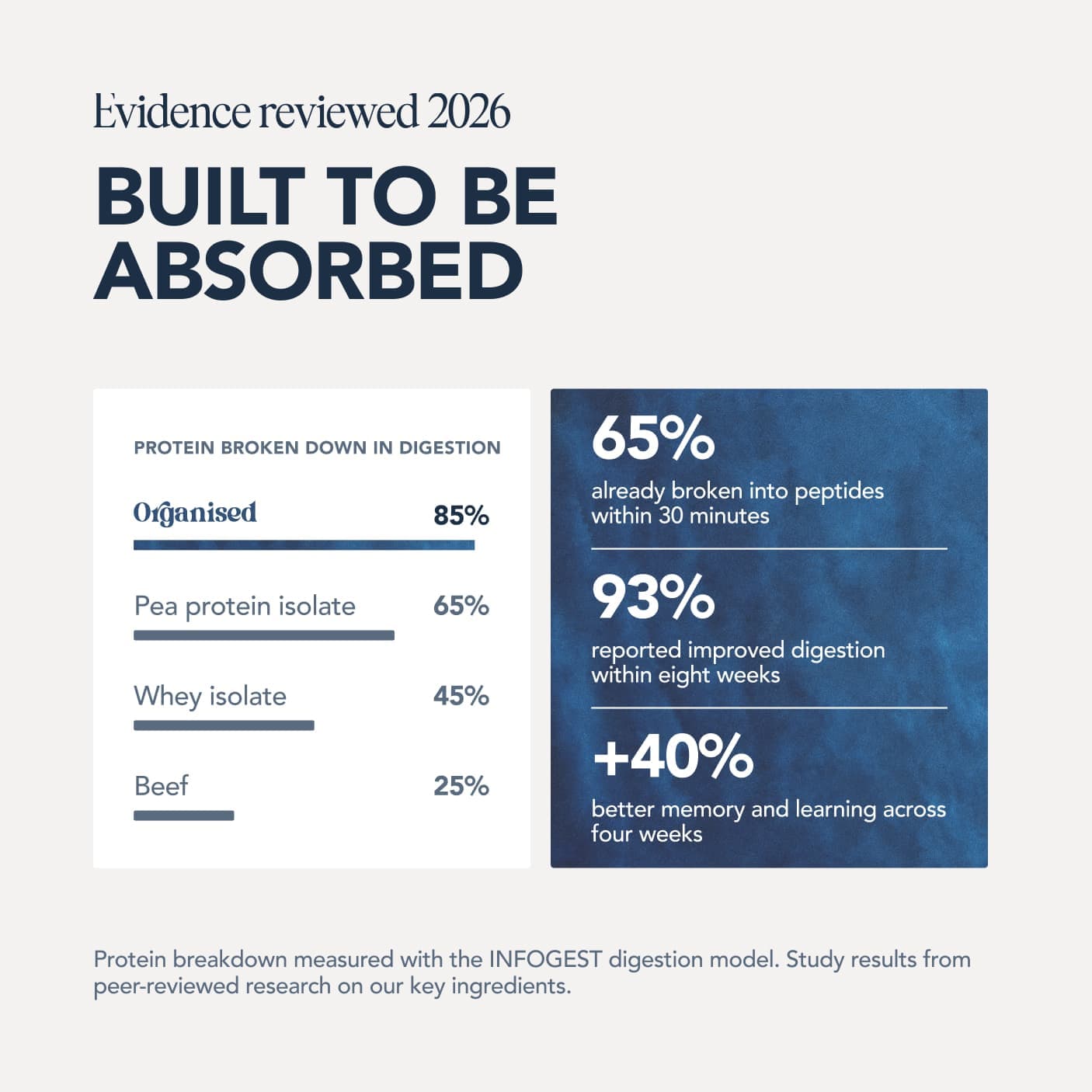
Eight real ingredients built around grass-fed beef organs, collagen and colostrum. Nothing synthetic added.
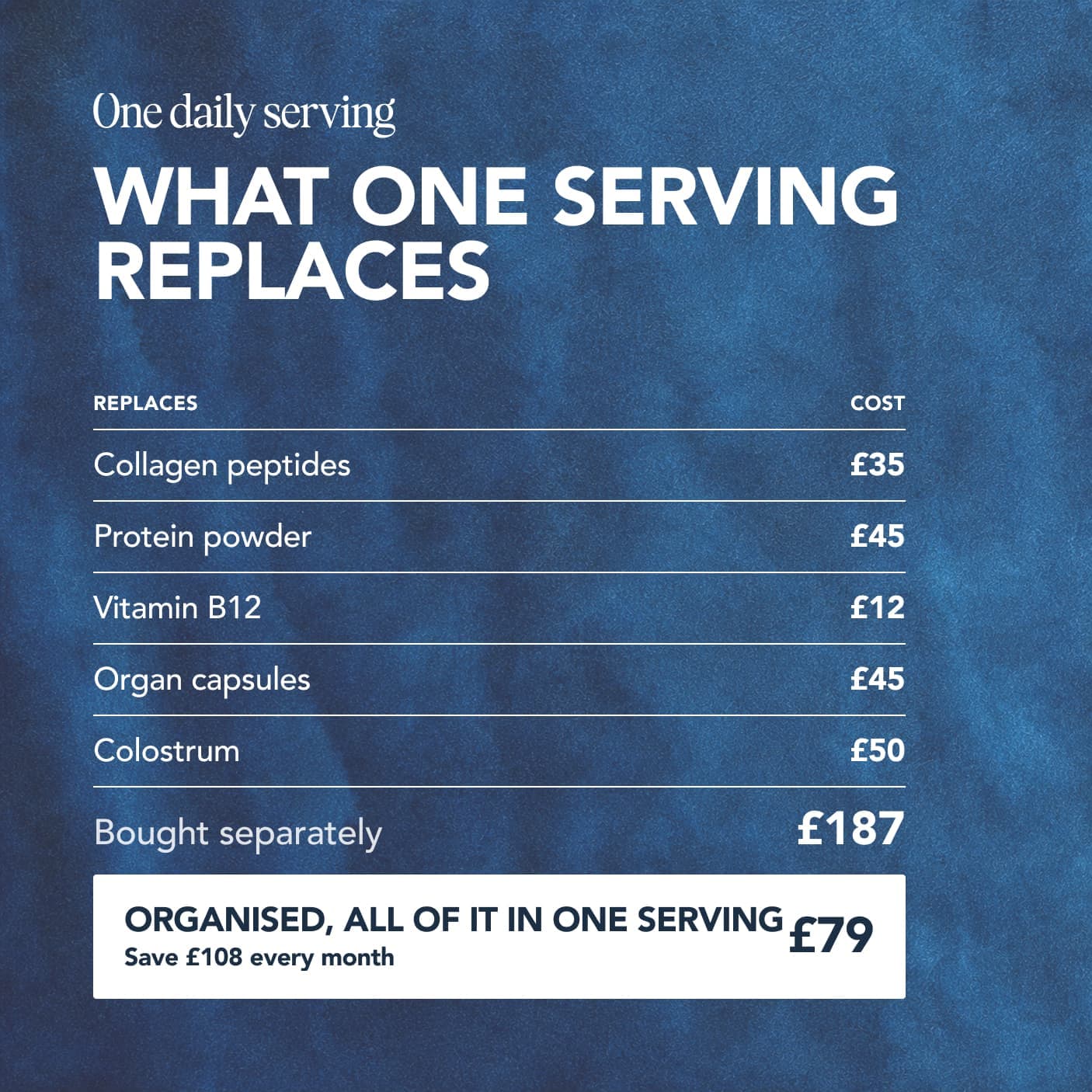
Free with your first order, worth £38. Plus £10 off the pouch with a subscription.
Free UK shipping · Made in England · 100 day money back guarantee on your first pouch · Skip, pause or cancel anytime
Forms of liver: fresh, pâté, and supplements
You don't need to cook liver at home if the idea bothers you. There are easier ways to get the benefits.
Fresh liver. If you're willing to cook it, fresh liver is the most nutrient-dense form. It's best served briefly seared (to minimise nutrient loss from heat) or made into pâté. Aim for 100 grams, three times a week.
Liver pâté. This is processed liver mixed with fat and seasonings. It's easier to eat than fresh liver if you're texture-sensitive, and the fat helps absorb retinol. Look for versions made from grass-fed beef with minimal additives. Spreadable on crackers or vegetables.
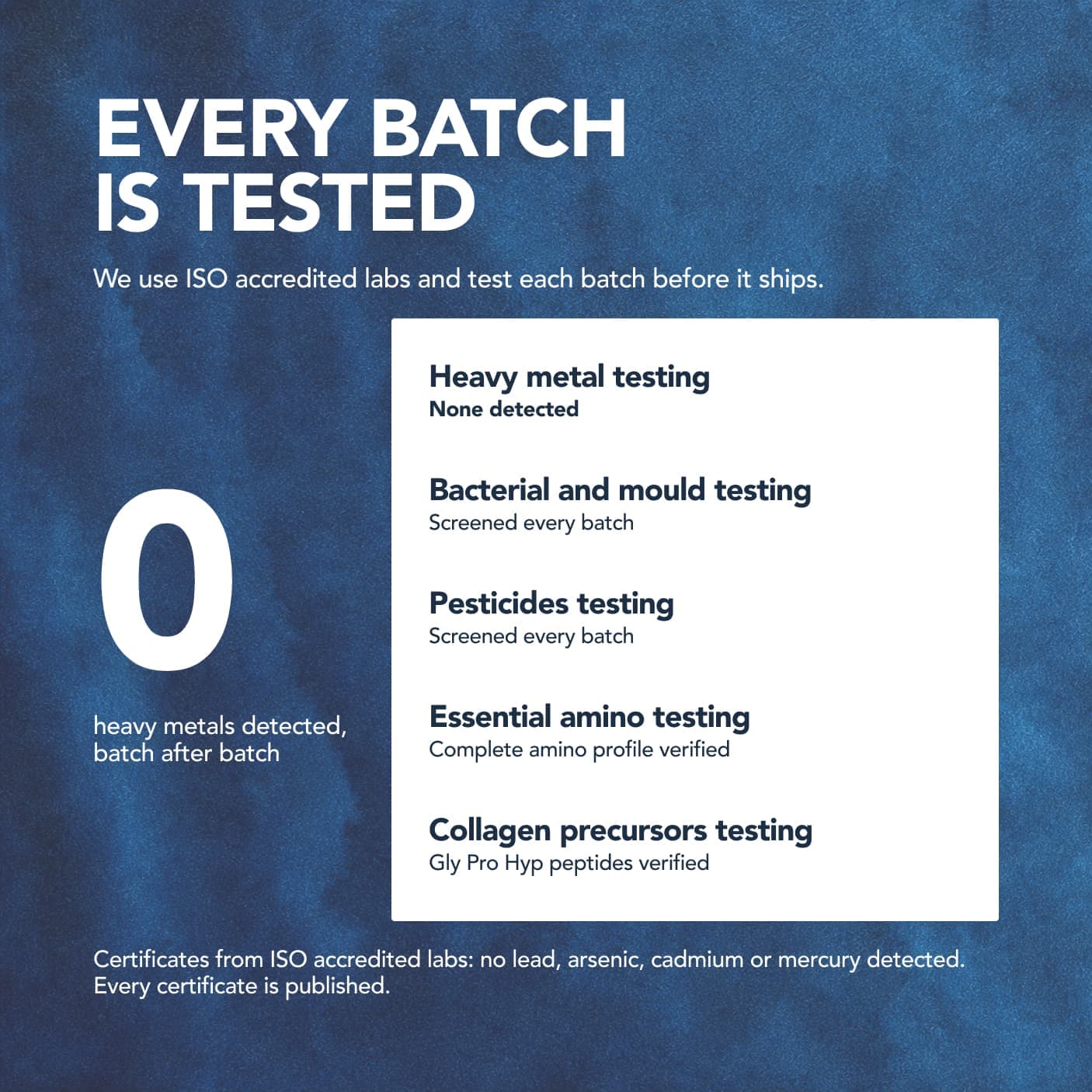
Liver supplements. Freeze-dried liver in capsule or powder form preserves the nutrients without requiring you to enjoy the taste or texture. The bioavailability is almost identical to fresh liver if the supplement is made from grass-fed beef and processed gently (freeze-dried, not heat-treated).
For most people starting out, liver pâté or supplements are more practical than fresh cooked liver. Once you adjust to the taste and nutrient benefits, upgrading to fresh liver is an option.
The bottom line
Beef liver is a nutrient system. It provides retinol, all the B vitamins, iron, choline, copper, and dozens of cofactors that support energy production, immune function, skin health, and reproduction.
For anyone with energy problems, cognitive fog, anaemia, poor skin or hair quality, or just a general sense of micronutrient depletion, liver is the first place to start. It works because it's not a supplement hack. It's actual food, concentrated and nutrient-dense.
Start with 100 grams, three times a week, from grass-fed beef. Pâté is easier than cooked liver if the taste is difficult. Supplements work too. Either way, if you eat nothing else from the ancestral nutrition playbook, liver moves the needle faster than almost anything else you'll try.
References
Every source below was checked on 27 August 2026. Each link was requested and read. Where a citation and its identifier disagreed, the citation was corrected to the record or the reference was deleted along with the sentence marker that pointed at it, and where the resolved paper turned out not to support the sentence, the sentence was cut back to what it does support. Borrowed authority is worse than none, because it looks like rigour.
- National Institutes of Health, Office of Dietary Supplements. Vitamin A and Carotenoids - Health Professional Fact Sheet. https://ods.od.nih.gov/factsheets/VitaminA-HealthProfessional/ [accessed May 2026].
- National Institutes of Health, Office of Dietary Supplements. Vitamin B12 - Health Professional Fact Sheet. https://ods.od.nih.gov/factsheets/VitaminB12-HealthProfessional/ [accessed May 2026].
- National Institutes of Health, Office of Dietary Supplements. Folate - Health Professional Fact Sheet. https://ods.od.nih.gov/factsheets/Folate-HealthProfessional/ [accessed May 2026].
- National Institutes of Health, Office of Dietary Supplements. Iron - Health Professional Fact Sheet. https://ods.od.nih.gov/factsheets/Iron-HealthProfessional/ [accessed May 2026].
- National Institutes of Health, Office of Dietary Supplements. Choline - Health Professional Fact Sheet. https://ods.od.nih.gov/factsheets/Choline-HealthProfessional/ [accessed May 2026].
- National Institutes of Health, Office of Dietary Supplements. Copper - Health Professional Fact Sheet. https://ods.od.nih.gov/factsheets/Copper-HealthProfessional/ [accessed May 2026].
Who wrote and reviewed this guide
Niall Kiddle
Author · Founder, Organised
Niall is the founder of Organised. He started the company in 2024 after fixing his own health the slow way: in 2022 he swapped a cupboard of synthetic supplements for real food, raw milk, organ meats, bone broth and honey, and felt the difference within months.
Areas of expertise: Ancestral nutrition, Organ meats, Whole-food supplementation, Gut health, Regenerative sourcing
Read Niall's full profile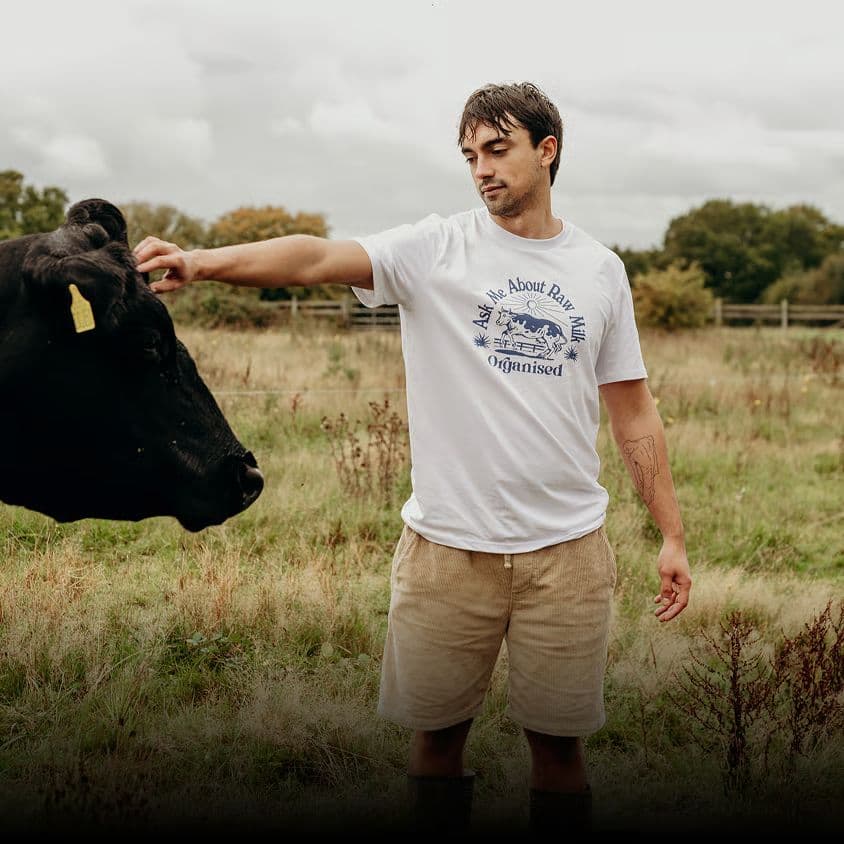
Pedro Rodrigues
Reviewer · Agronomist (farming and sourcing only)
Pedro is the agronomist Organised works with on farming and sourcing. His job on the guides is to keep the science honest: he reviews what we publish about soil health, regenerative agriculture, grazing and the way food is actually produced.
Areas of expertise: Regenerative agriculture, Agronomy, Soil health, Grass-fed farming, Food sourcing
Reviewed this guide on
Read Pedro's full profileMore on beef organs
View all- The Complete Guide to Beef Organ Supplements
- Are Beef Organs Safe? Everything You Need to Know
- Beef Heart: The Organ Your Mitochondria Have Been Waiting For
- Beef Lung: What It Contains and Why It Matters
- Benefits of Beef Organ Supplements: Nature's Multivitamins
- Choline: The Essential Nutrient Almost Nobody Gets Enough Of
- Freeze-Dried vs Fresh Organs: Does the Method Matter?
- How Much Vitamin A Is in Beef Liver? (And Is It Too Much?)
- Is Beef Liver Good for You? 7 Benefits of Eating Beef Liver
- Spleen: The Forgotten Organ That Powers Your Immune System
- The Nutrients You Can Only Get from Organ Meats
- Why Beef Kidney Deserves a Place in Your Daily Routine
Browse the guides library
All guidesKeep reading
Ingredients
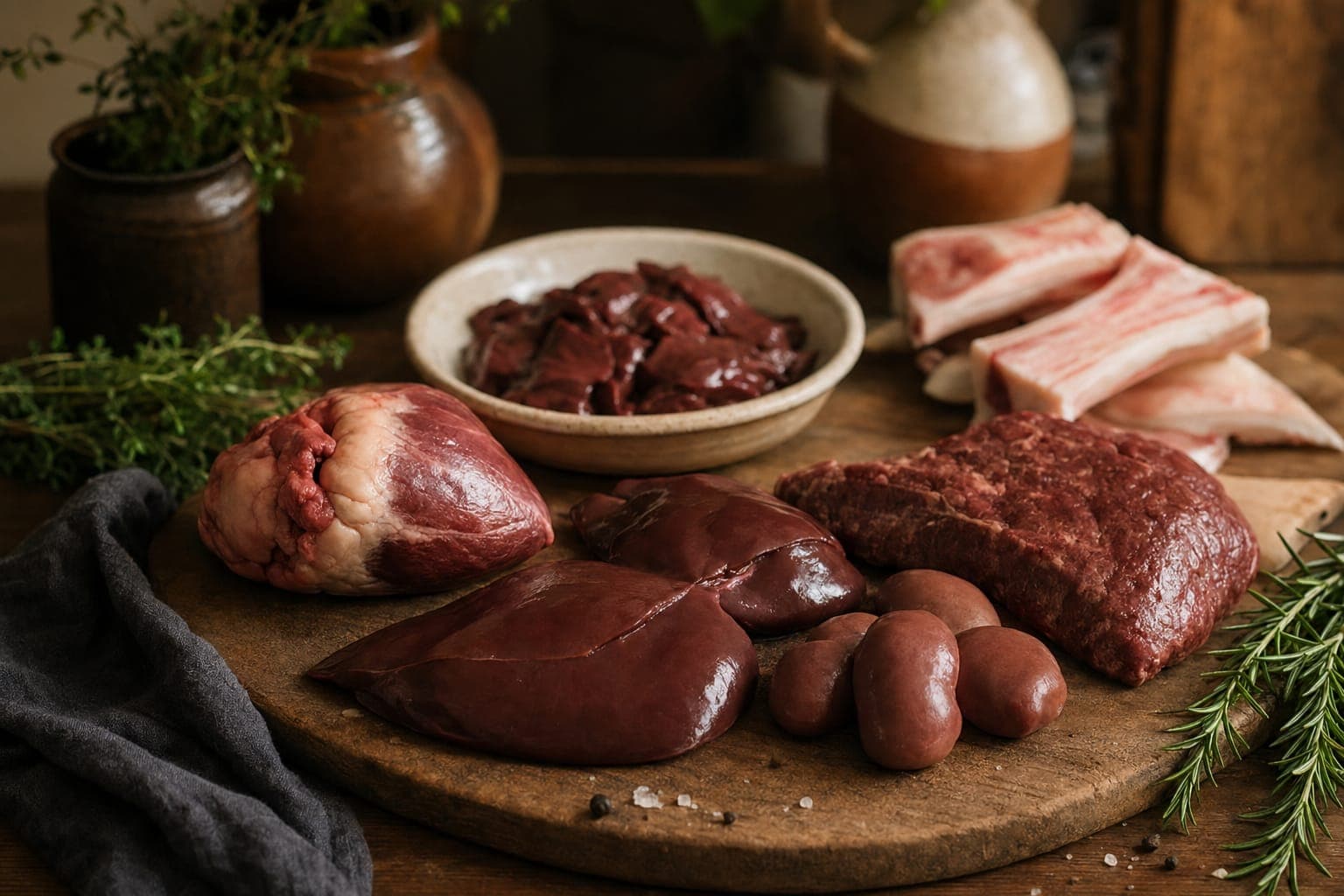
The Complete Guide to Beef Organ Supplements
Beef organ supplements explained from the composition data: what each organ carries, how they compare to muscle meat, and the vitamin A ceiling that limits the dose.
Ingredients
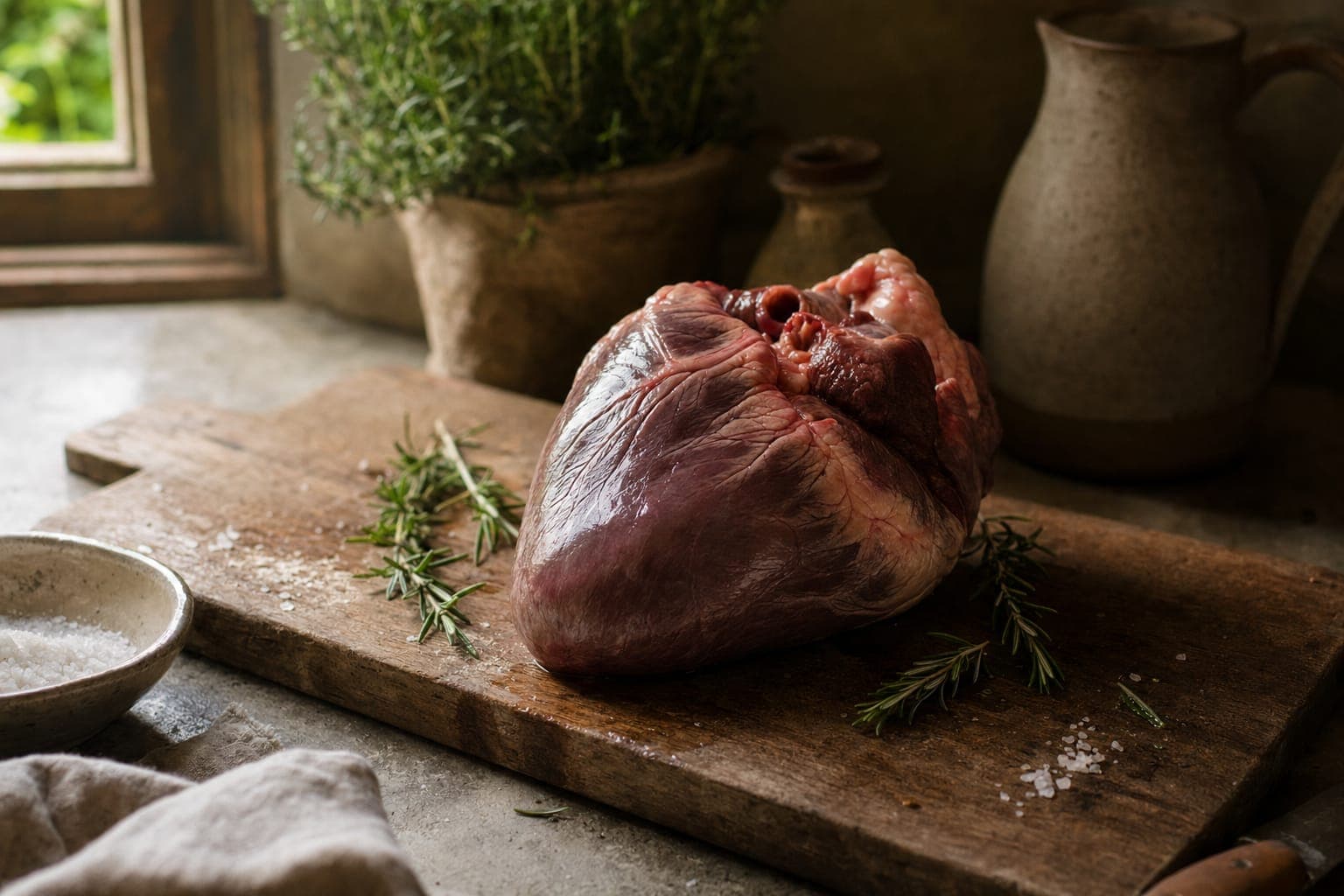
Beef Heart: The Organ Your Mitochondria Have Been Waiting For
Beef heart is one of the richest natural sources of CoQ10, the nutrient your mitochondria use to make energy. See how it supports recovery and longevity.
Ingredients
Is Beef Liver Good for You? 7 Benefits of Eating Beef Liver
Is beef liver good for you? Some foods just fill a gap, but beef liver does far more. Explore seven science-backed benefits of this nutrient powerhouse.
Real food, made effortless
Try the organ blendA few ways to use it
All recipes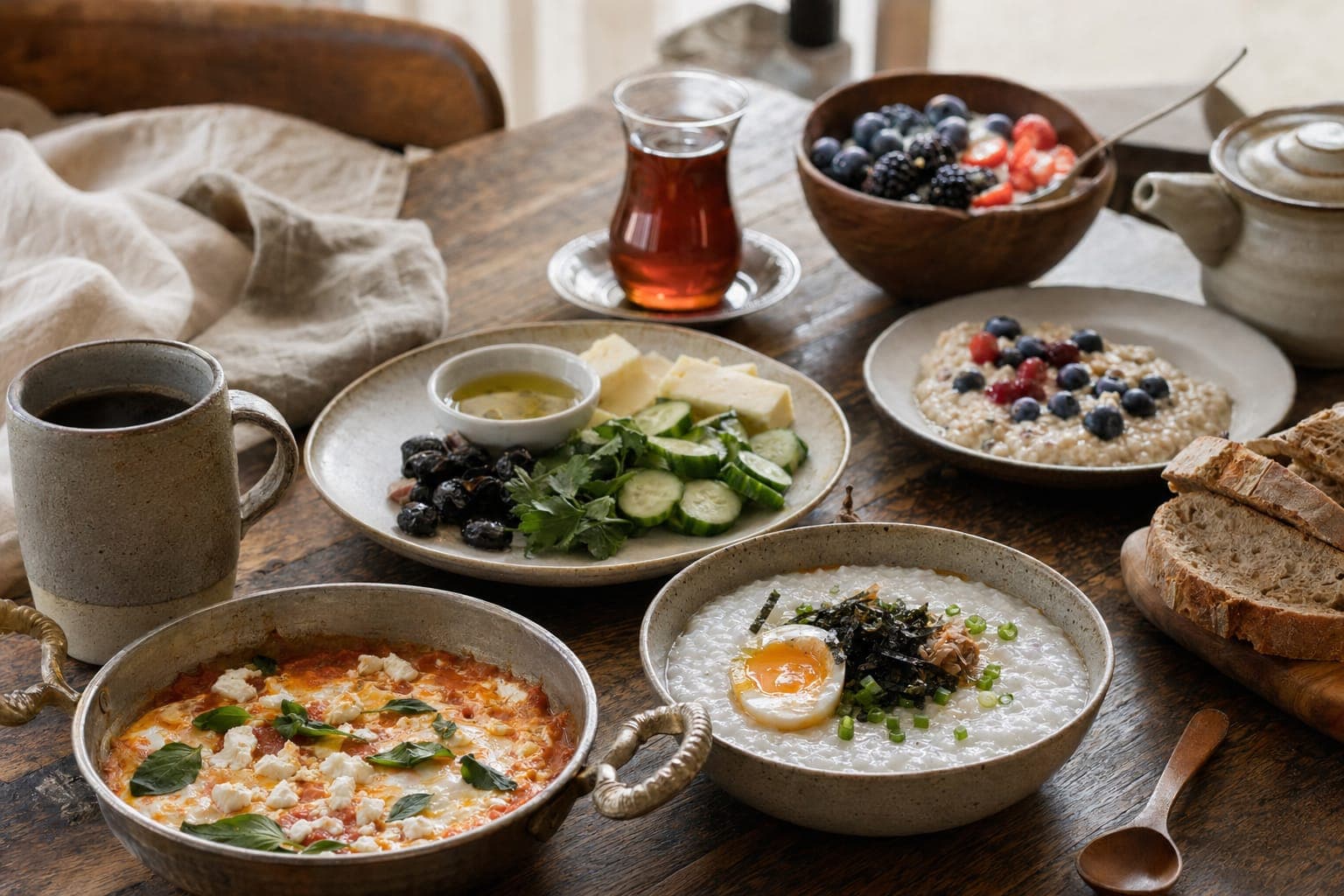
Ancestral Breakfast Ideas from Around the World
Traditional breakfast recipes from cultures that got nutrition right. Japanese, Turkish, Scottish, and more. Whole-food breakfast inspiration.
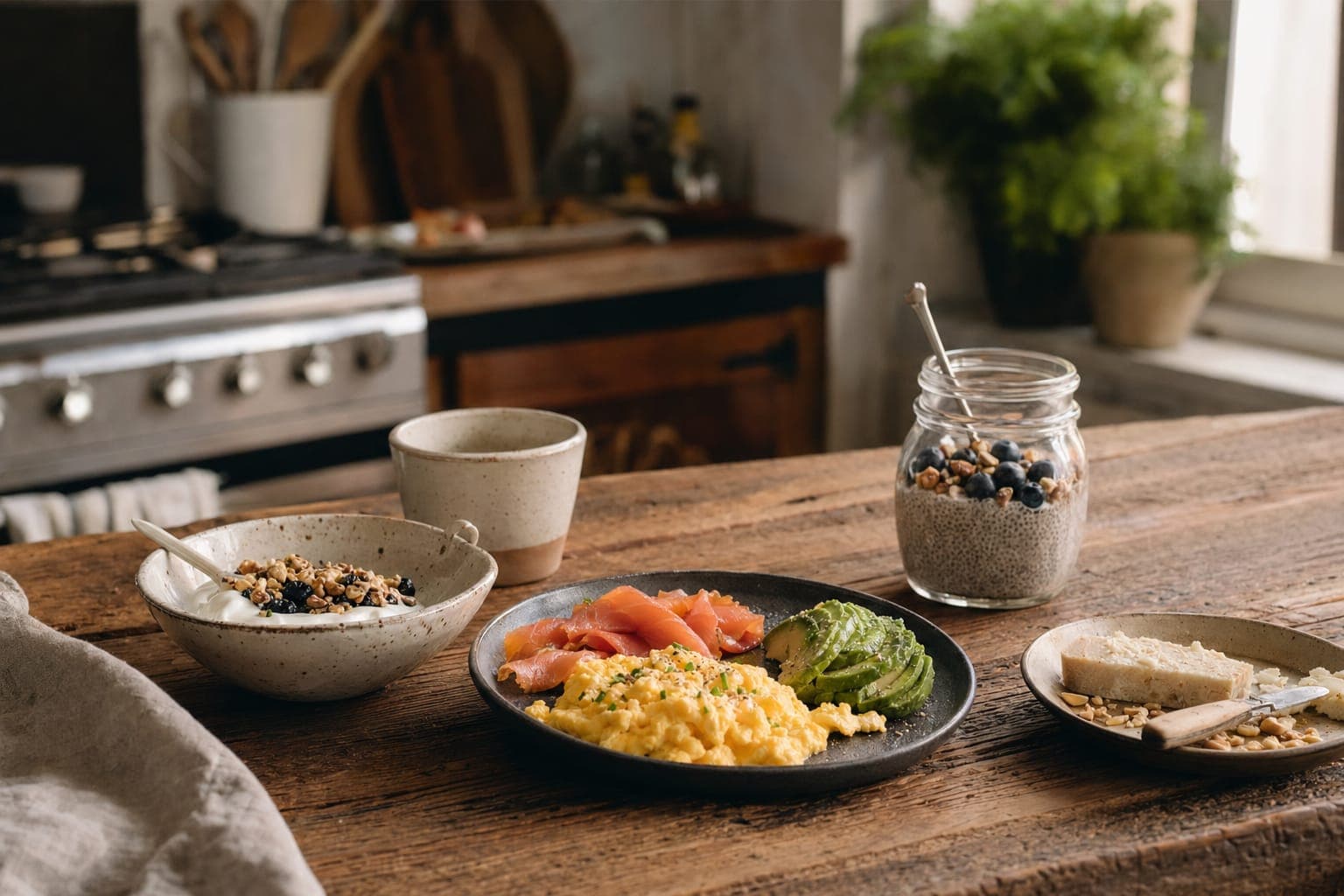
5-Minute High-Protein Breakfasts Using Organised
Quick, high-protein breakfast ideas using Organised. Five recipes you can make in minutes with real food. No fussing around.
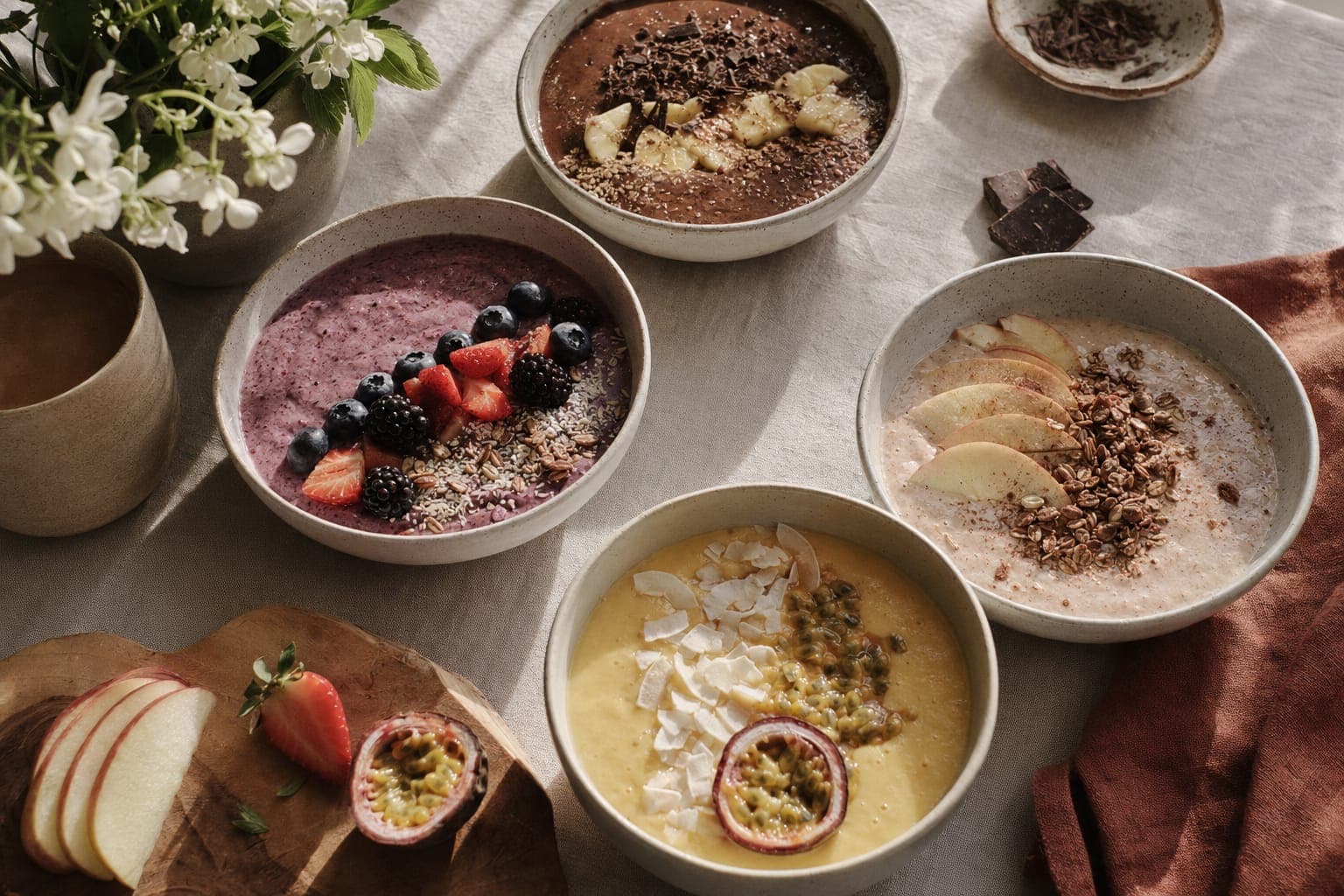
Organised Smoothie Bowl Recipes for Every Season
Four seasonal smoothie bowl recipes using Organised. Berry in summer, apple-cinnamon in autumn, tropical in spring, warming chocolate in winter.


 Join over 100,000+ members
Build a better food system with us
The Organised community is thousands of people choosing real food and backing the farmers who grow it, all of us trying to leave the world a little better than we found it. If that is what you care about too, you belong here.