Bovine Colostrum: The Complete Guide to Nature's First Food
Colostrum is the liquid a cow produces in the days after giving birth. It's designed for one purpose: to jump-start the calf's immune system and gut health. It's not milk. It's fundamentally different. And it works for adults too.
By Niall Kiddle, Founder, Organised

Reviewed by Pedro Rodrigues, Agronomist (farming and sourcing only) ·
9 min read · Published · Updated · 3 cited sources
Makers of the Organised Daily blend, a grass-fed beef organ supplement from regenerative UK farms

What colostrum actually is
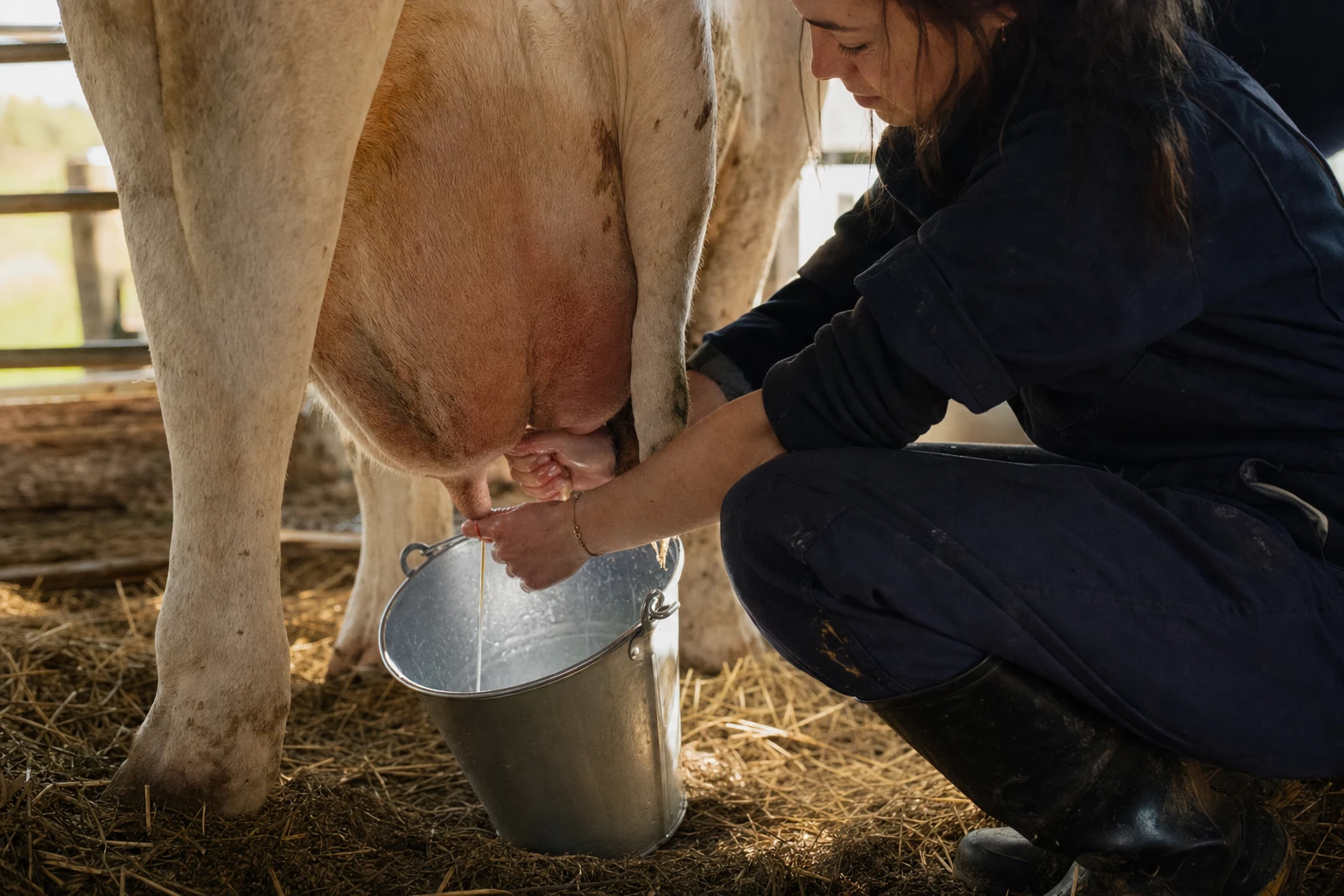
Colostrum is the fluid secreted during the first few days after lactation begins, before milk transition. It's packed with immunoglobulins, growth factors, and antimicrobial compounds that don't exist in meaningful quantities in regular milk.
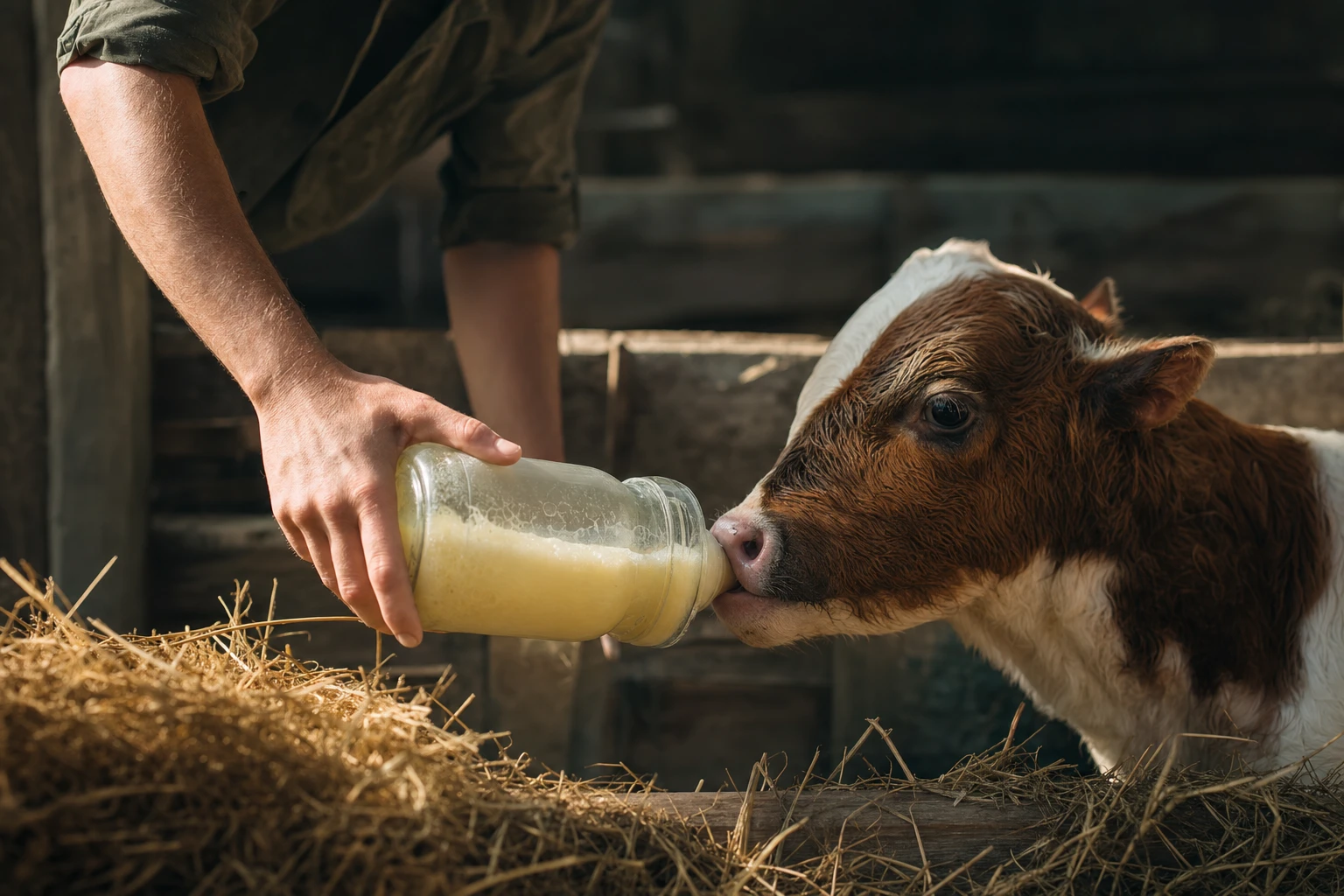
A newborn calf is born with a non-functional immune system. It has zero antibodies and no defence against pathogens. Colostrum is designed to change that. In the first 24 hours after birth, a calf drinks colostrum that's packed with antibodies and immune factors, and by consuming it, the calf's gut lining becomes selective: it can absorb the beneficial compounds from colostrum (including intact immunoglobulins) whilst becoming impermeable to pathogens.
As the calf ages and its own immune system develops, colostrum's role shifts from primary immune defence to immune system training and metabolic support. By day 3-5 of lactation, colostrum transitions to milk, and the immunoglobulin content drops dramatically.
Colostrum is nature's immune primer. It's literally designed to train an immune system to function in the world.
This is why adults can benefit from it: your immune system isn't as naive as a newborn calf's, but the mechanisms that colostrum activates are universal across mammals.
The bioactive compounds that make it special
Immunoglobulin G (IgG). This is the most abundant immunoglobulin in colostrum, comprising roughly 50-60% of the immunoglobulin content.1 IgG antibodies are present in colostrum in response to whatever pathogens the mother cow has been exposed to. When you consume colostrum, you're getting the mother's defence system against whatever infections she's encountered in her environment. This is why colostrum from pastured cows is more valuable than colostrum from confined animals: the cow has been exposed to a wider variety of pathogens and has a broader antibody repertoire.
Immunoglobulin A (IgA). This is the immune antibody that lives in mucous membranes (gut, respiratory, urinary). IgA in colostrum supports the gut lining's ability to distinguish friend from foe. It's essential for immune tolerance and preventing inappropriate immune reactions to food.
Lactoferrin. This iron-binding protein has direct antimicrobial properties.2 It inhibits bacterial growth, supports iron absorption, and has immune-modulating effects. It's also found in human breast milk, which is why colostrum is sometimes called nature's first food for all mammals.
Growth factors. Colostrum contains insulin-like growth factor 1 (IGF-1), which supports cell growth and tissue repair. This is why colostrum is sometimes marketed to athletes: IGF-1 supports muscle recovery and adaptation. (Note: the IGF-1 in colostrum is physiological, not supraphysiological, so it's not the same as synthetic IGF-1 abuse.)
Proline-rich polypeptide (PRP). This compound modulates immune function, helping to balance Th1 and Th2 immune responses. In simple terms, it helps your immune system not overreact.
Oligosaccharides. These are prebiotic compounds that feed beneficial bacteria. They're one of the reasons colostrum supports gut health: it feeds the bacteria that protect your lining.
How colostrum supports gut health
This is colostrum's primary use case. The mechanisms are multiple:
IgA and gut barrier integrity. IgA supports the mucous layer of your gut and helps your gut cells recognise safe versus dangerous substances. When IgA is present in adequate quantities, your gut is more selective: it absorbs nutrients and blocks pathogens.
Healing growth factors. IGF-1 in colostrum supports the repair of damaged intestinal epithelium. If your gut lining is inflamed or compromised, colostrum's growth factors can accelerate healing.
Lactoferrin antimicrobial effect. If you have dysbiosis (imbalanced gut bacteria) or overgrowth of pathogenic species, colostrum's lactoferrin inhibits their growth, giving your beneficial bacteria space to reestablish.
Prebiotic oligosaccharides. These feed beneficial bacteria species, particularly Bifidobacterium and Faecalibacterium, which are depleted in most people with compromised gut health.
The net effect: colostrum reduces intestinal permeability, supports beneficial bacteria, inhibits pathogens, and promotes healing of the damaged lining. It's one of the few supplements that genuinely addresses gut health at multiple levels.
Immune support: what the research shows
The research on colostrum and immune function is solid but unsurprising: it works because it contains antibodies and immune-modulating compounds.
For athletes and illness prevention: Multiple studies show that colostrum supplementation reduces upper respiratory tract infections in athletes during heavy training.3 The mechanism is straightforward: colostrum contains IgA, which supports mucous membrane immunity (respiratory tract, gut, urinary). With adequate IgA, you're less likely to develop respiratory infections.
For gut immunity: Studies in people with inflammatory bowel conditions show that colostrum supplementation reduces inflammation and improves symptoms. Again, the mechanism is IgA and lactoferrin supporting gut barrier integrity and inhibiting pathogenic bacteria.
For general immune function: The evidence is less robust, but the logic is sound. Colostrum contains antibodies and immune-training factors. Consuming it provides both passive immunity (the antibodies themselves) and immune training (the growth factors and PRPs that teach your immune system to function optimally).
The key insight: colostrum is not a magic immunity booster. It's a supplement that supports immune function in the way a well-nourished immune system functions. If you're chronically stressed, sleep-deprived, eating poorly, and exposed to pathogens, colostrum helps but can't fix everything.

Dosing, timing, and safety
Standard dosing: 10-15 grams daily is typical for immune and gut support. Some studies use higher doses (20-30 grams), but 10-15 is sufficient for most people.
Timing: Colostrum works best on an empty stomach or with minimal food. Take it first thing in the morning or between meals. The idea is to give the immunoglobulins and growth factors a chance to interact with your gut lining before food digestion begins.
Form: Colostrum is available as powder or capsules. Powder is cheaper and more effective (easier to disperse in your gut). Capsules are more convenient.
Sourcing: Colostrum from grass-fed, pasture-raised cows is more valuable than colostrum from confined animals. The cow's broader exposure to pathogens means a broader antibody repertoire in her colostrum.
Safety: Colostrum is extremely safe. It's a food, not a drug. Even high doses show no adverse effects. The only people who should avoid it are those with severe dairy allergies (though colostrum is so low in lactose that even lactose-intolerant people usually tolerate it).
Colostrum is one of the safest, most effective supplements available. Start with 10-15 grams daily and give it 8-12 weeks to see results.
Who benefits most from colostrum
People with compromised gut health. Leaky gut, inflammatory bowel disease, irritable bowel syndrome: colostrum addresses multiple mechanisms of gut dysfunction simultaneously.
Athletes in heavy training. Colostrum reduces upper respiratory infections and supports recovery. For endurance and strength athletes, it's one of the few supplements with solid research backing.
People recovering from illness or antibiotic use. Colostrum's growth factors and antimicrobial compounds support recovery and help reestablish beneficial bacteria after antibiotics have decimated your microbiome.
People with chronic immune dysregulation. Autoimmune conditions, allergies, repeated infections: colostrum's immune-training compounds help restore immune balance.
Anyone focused on longevity. Gut health is foundational to everything else. Colostrum is one of the most effective tools for restoring and maintaining it.
Get ingredient guides like this, free
Two short reads a week on the ingredients that matter and how to actually use them.
By signing up you agree to receive emails from us. No spam, unsubscribe anytime.
Colostrum composition: what's inside
Colostrum is fundamentally different from mature milk. It contains up to 40 times more immunoglobulins (antibodies), higher concentrations of growth factors, and completely different nutritional profiles.1
Immunoglobulins (IgG, IgA, IgM) are antibodies that provide immediate immune protection. IgG is the most abundant and is absorbed through the intestinal wall into systemic circulation. IgA stays in the gut, creating a protective barrier. This is why colostrum is so powerful for immune support and gut health.
Lactoferrin is an iron-binding protein with antimicrobial and anti-inflammatory properties. It enhances iron absorption, inhibits harmful bacteria, and reduces intestinal inflammation. Most people are deficient in lactoferrin.
Growth factors (IGF-1, EGF) stimulate cell growth and repair throughout the body, particularly in the gut lining. These compounds are essentially absent in mature milk.
Immune system benefits: backed by research
The most well-researched benefit of colostrum supplementation is immune support. Multiple studies show that colostrum reduces the incidence and severity of respiratory infections, particularly in athletes and stressed populations.
Upper respiratory infection (URI): Athletes taking colostrum (typically 20-60 grams daily) experience 30-50% fewer URIs than control groups during training cycles.3 This is a dramatic effect from a food-based supplement.
Leaky gut and systemic inflammation: Colostrum increases zonula occludens-1 (ZO-1), a protein that strengthens tight junctions in the gut. This directly reduces leaky gut and the downstream inflammation it causes.
Gut barrier function: Colostrum promotes the growth of beneficial gut bacteria and strengthens the mucus layer protecting your intestinal wall. Users report faster gut recovery after antibiotic use.
Colostrum sourcing and quality
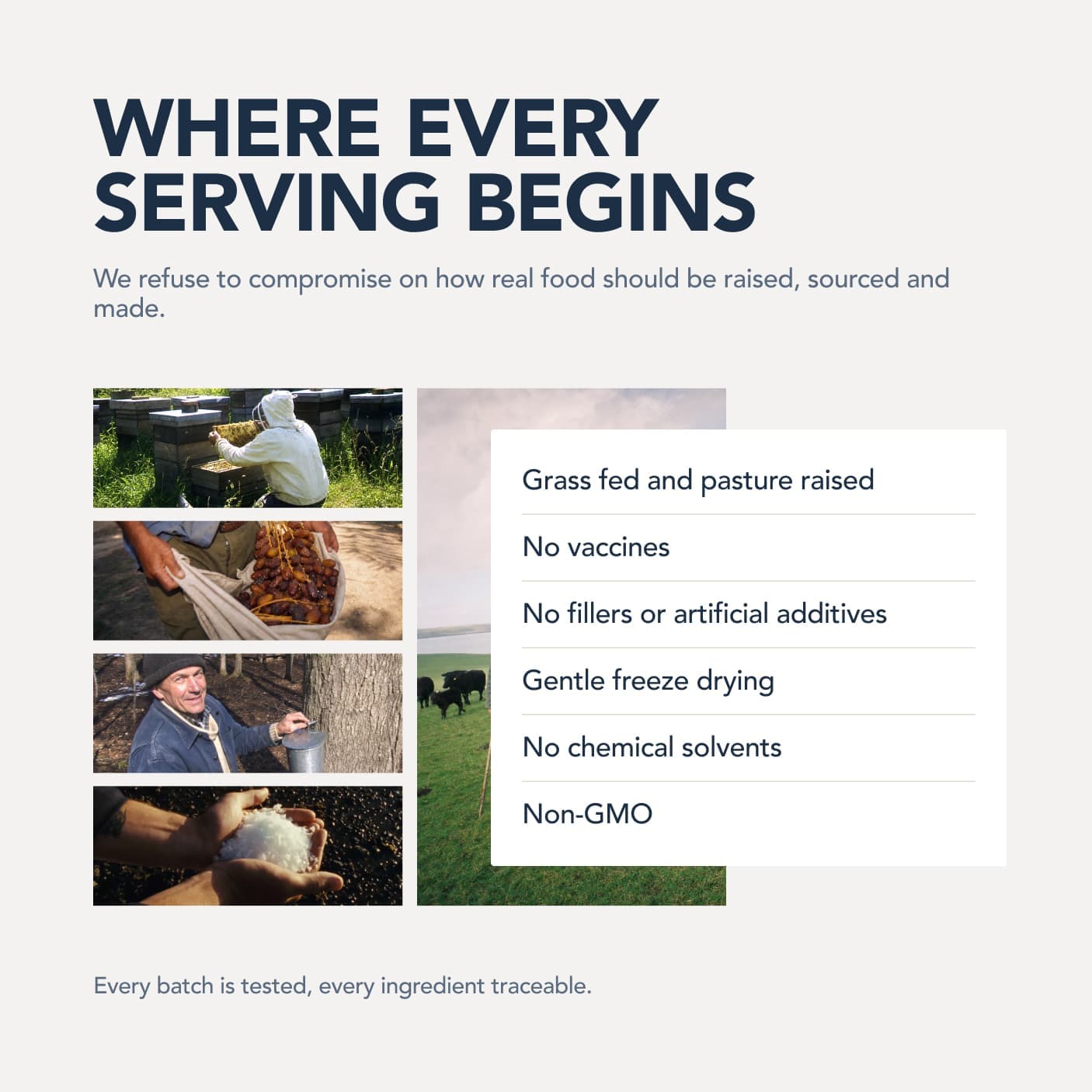
The quality of colostrum matters. Grass-fed, antibiotic-free bovine colostrum from clean, well-managed farms contains higher concentrations of immunoglobulins and bioactive compounds than conventional sources.
Colostrum should be collected within 6-12 hours of birth for maximum immunoglobulin content. Most commercial colostrum is freeze-dried to preserve bioactivity. Avoid colostrum from calves given antibiotics or raised in confinement.
Daily dosing protocol
Effective dosing is 20-60 grams daily, split into 2-3 doses. Take with food for better absorption. Most benefits appear within 2-4 weeks of consistent supplementation. For immune support, consistency matters more than dose, daily at 20 grams beats sporadic 60-gram megadoses.

1 of 9
Daily blend
100,000+ thriving families4.9 on Trustpilot
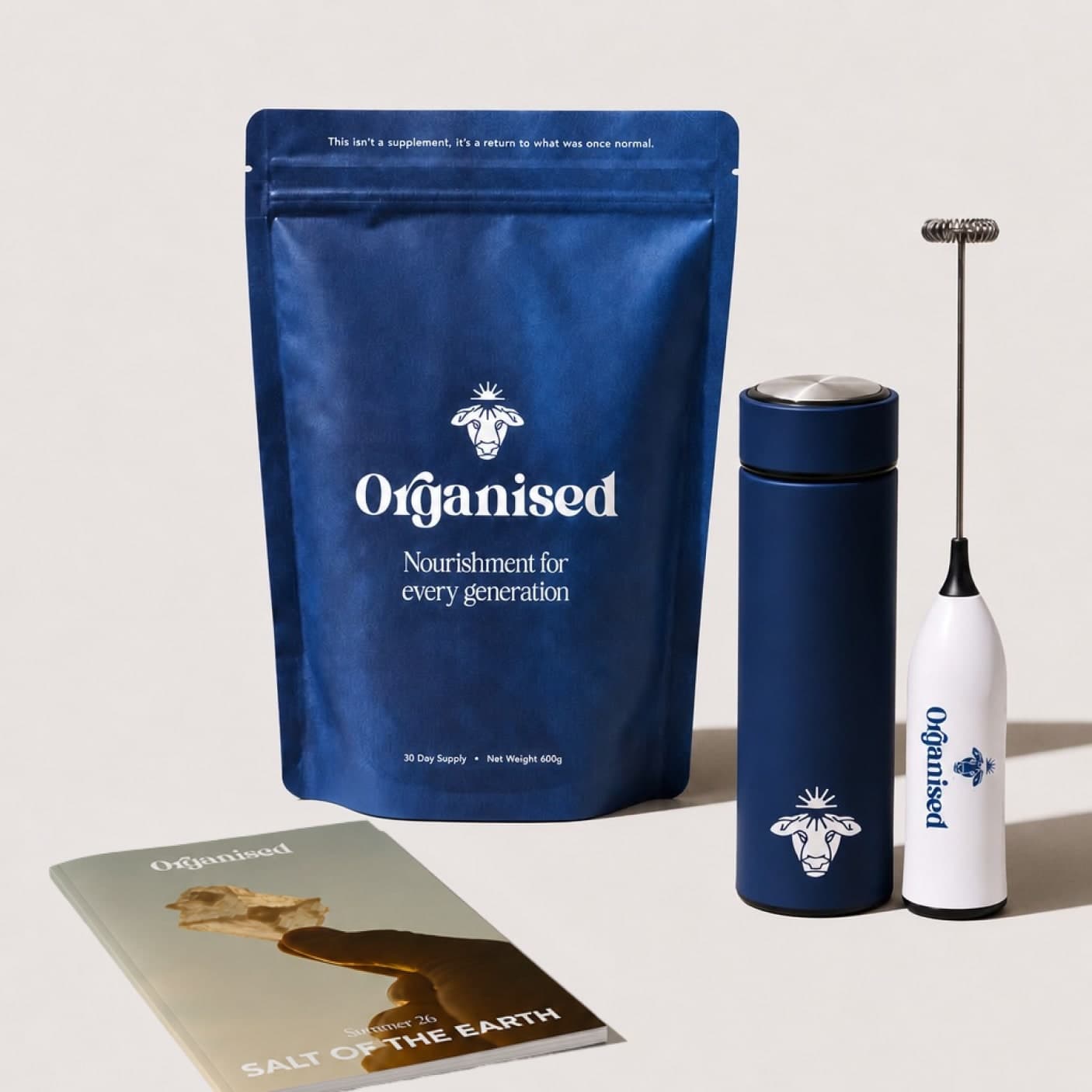
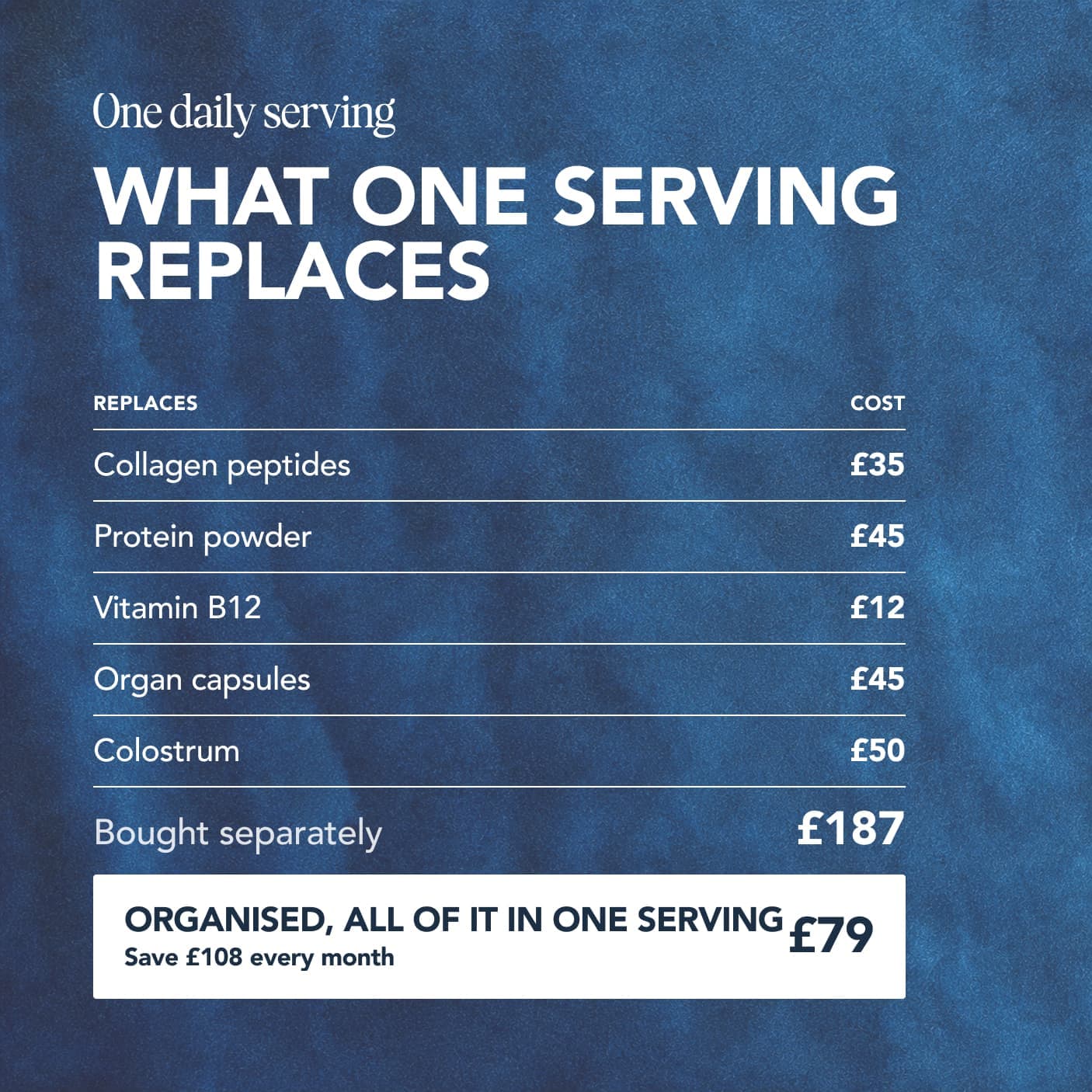
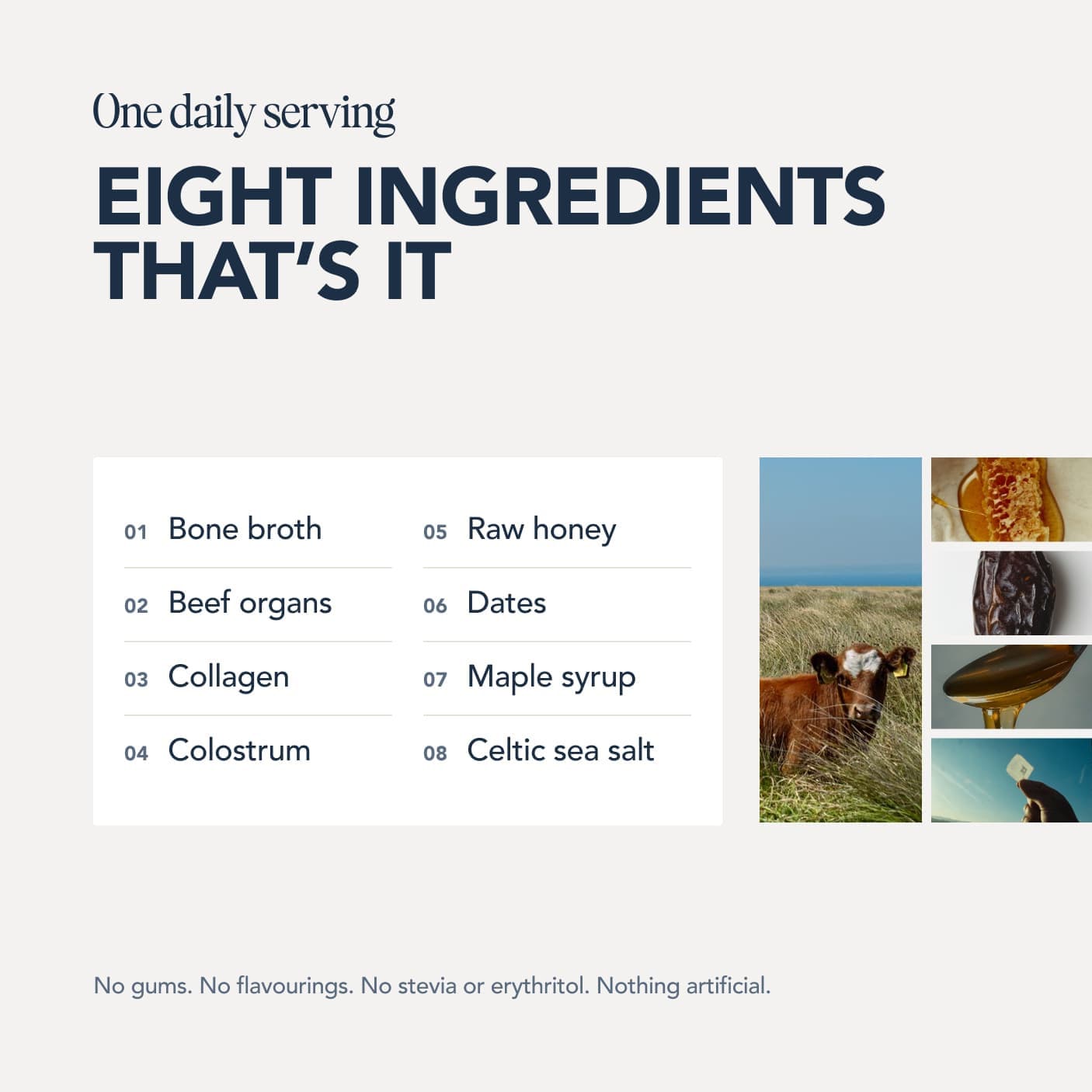
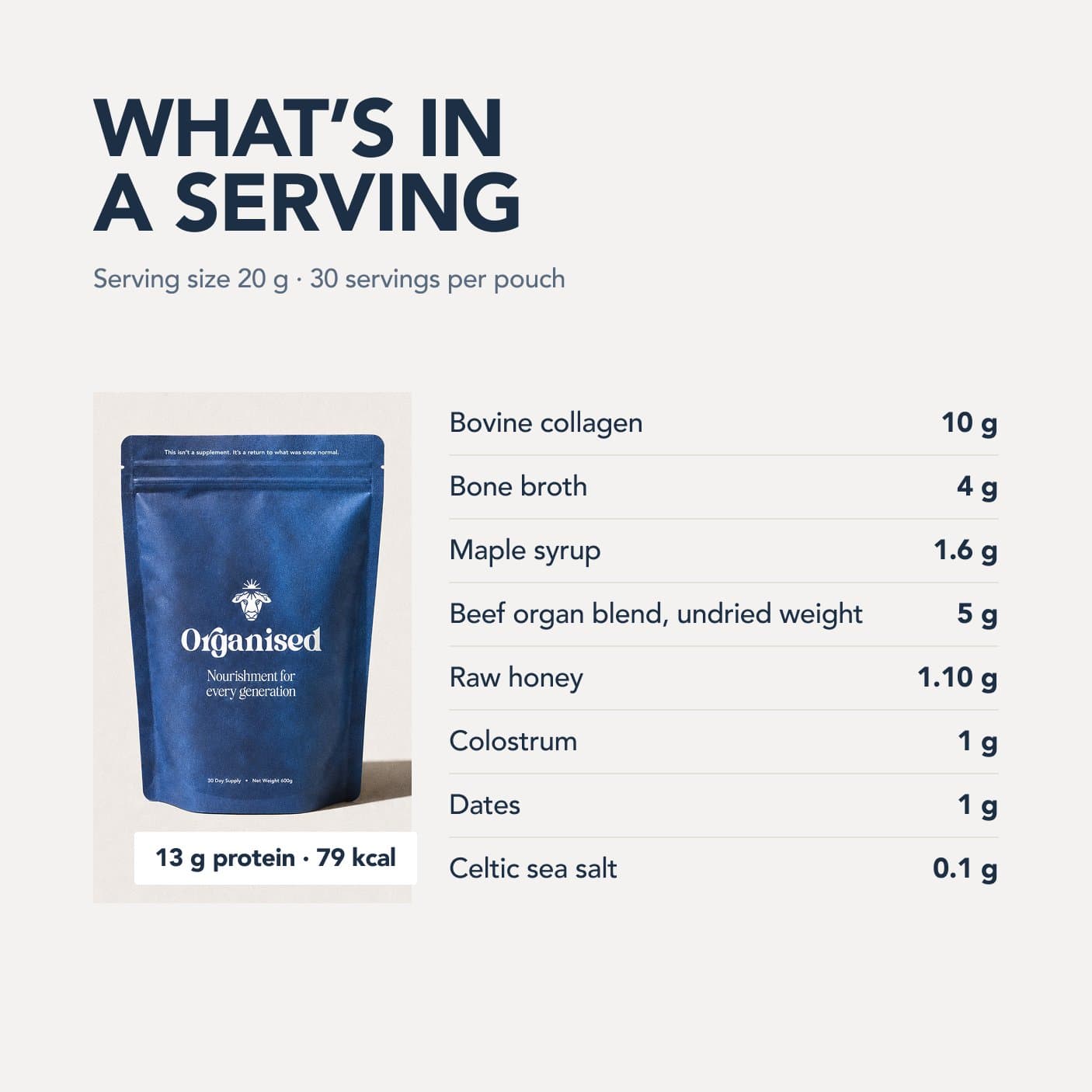
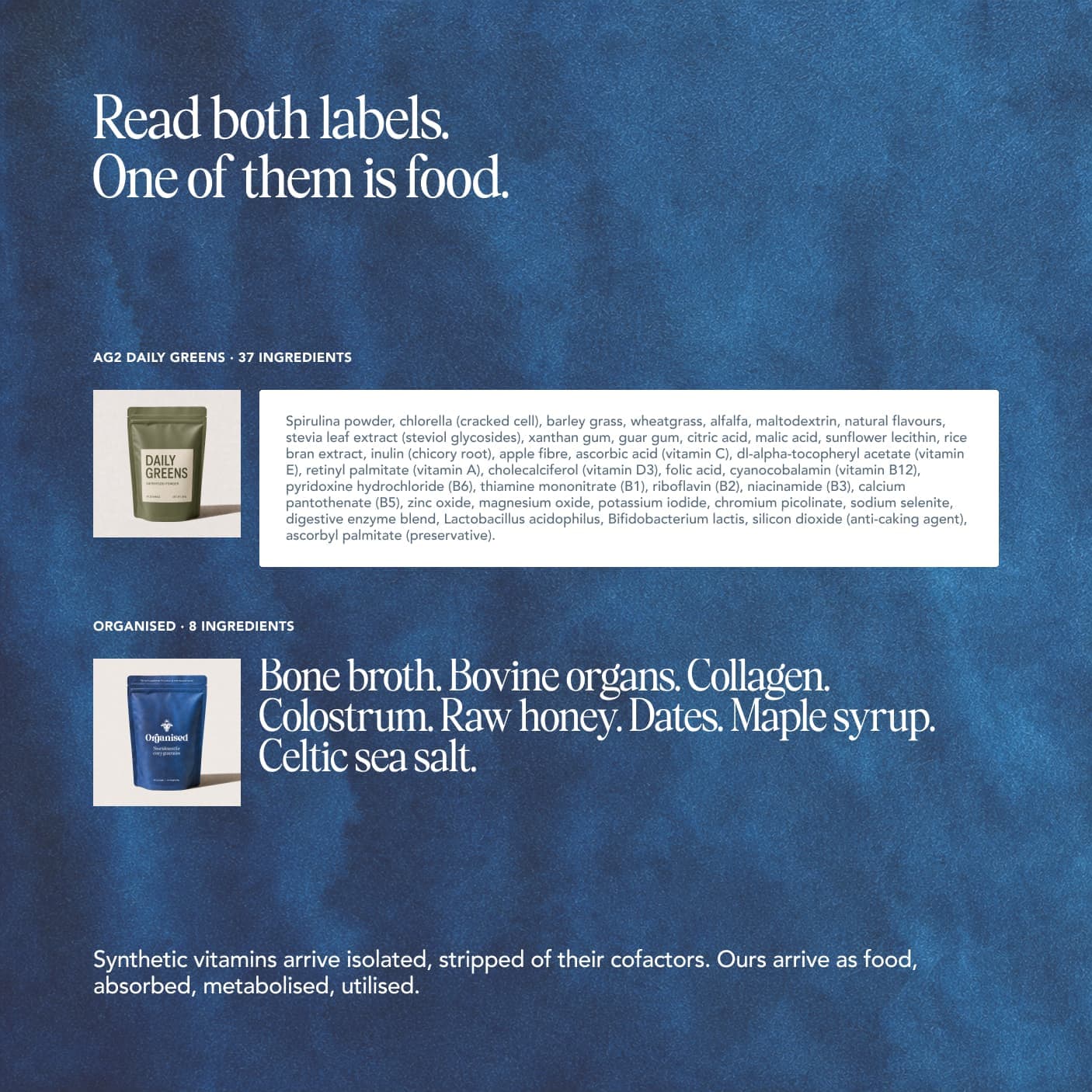
Eight real ingredients built around grass-fed beef organs, collagen and colostrum. Nothing synthetic added.
Free with your first order, worth £38. Plus £10 off the pouch with a subscription.
Free UK shipping · Made in England · 100 day money back guarantee on your first pouch · Skip, pause or cancel anytime
Combining colostrum with other gut-healing practices
Colostrum works best as part of a comprehensive gut-healing protocol. Combine colostrum (20-60g daily) with bone broth, L-glutamine, probiotics, and an anti-inflammatory diet (removing seed oils, processed foods) for maximum and fastest results. This combination addresses gut health from multiple angles simultaneously and produces visible results in as little as 4 weeks.
Time to results and realistic expectations
Colostrum produces measurable immune benefits within 2-4 weeks of consistent dosing (20+ grams daily). Gut barrier healing takes 4-8 weeks. Athletic recovery improvements appear within 2-3 weeks. Unlike many supplements, colostrum is remarkably consistent in producing results.
Who should not use colostrum
Colostrum is extremely safe. The only true contraindication is severe casein allergy (separate from lactose intolerance). If you have celiac disease or severe IgE-mediated dairy allergy, consult your doctor before using. For everyone else, including people with lactose intolerance, autoimmune conditions, or digestive compromise, colostrum is safe and often beneficial.
Colostrum as a preventative tool
Even if you're currently healthy, taking colostrum 5-20 grams daily serves as preventative medicine. It strengthens your gut barrier, supports immunity, and creates a more resilient immune system. For athletes, people under stress, or anyone living in high-exposure environments, colostrum is worth taking consistently year-round.
Colostrum has been safely used in traditional medicine and modern sports nutrition for decades. The safety profile is exceptional, there are no known serious adverse effects from colostrum supplementation at any recommended dose. This is what evidence-based ancestral nutrition looks like.The bottom line
Colostrum is not a miracle supplement. It's a food with genuine biological activity. It supports gut health, immune function, and recovery from illness or heavy training. The research is solid, the mechanism is straightforward, and the safety profile is excellent.
If your gut health is compromised, colostrum is worth trying. Start with 10-15 grams daily from grass-fed cows, take it on an empty stomach, and give it 8-12 weeks. If your digestion improves, your energy increases, and your infection rate drops, you'll understand why colostrum has been used as a food for thousands of years across cultures.
References
Every source below was checked on 27 August 2026. Each PubMed, PMC and DOI identifier was resolved against NCBI or Crossref, and what it opens is printed under the citation, so you can see the link goes where the citation says without leaving the page. Where a citation and its identifier disagreed, the citation was corrected to the record or the reference was deleted along with the sentence marker that pointed at it, and where the resolved paper turned out not to support the sentence, the sentence was cut back to what it does support. Borrowed authority is worse than none, because it looks like rigour.
- Puppel K, Gołębiewski M, Grodkowski G, et al. Composition and Factors Affecting Quality of Bovine Colostrum: A Review. Animals (Basel). 2020;10(8):1294. See also: McGrath BA, Fox PF, McSweeney PLH, Kelly AL. Composition and properties of bovine colostrum: a review. Dairy Science & Technology. https://pmc.ncbi.nlm.nih.gov/articles/PMC6940821/ [accessed May 2026].Checked 27 August 2026: PMC6940821 opens Puppel K, Gołębiewski M, Grodkowski G et al, Composition and Factors Affecting Quality of Bovine Colostrum: A Review. Animals (Basel) 2019;9(12).The authors' own declaration, from the record: The authors declare no conflicts of interest. None of the authors has any other financial or personal relationships that could inappropriately influence or bias the content of the paper.
- Legrand D. Lactoferrin, a key molecule in immune and inflammatory processes. Multiple reviews available, e.g. Adlerova L, Bartoskova A, Faldyna M. Lactoferrin: a review. Veterinarni Medicina. https://pubmed.ncbi.nlm.nih.gov/14568385/ (Lactoferrin - a multifunctional protein with antimicrobial properties); see also https://pubmed.ncbi.nlm.nih.gov/32574271/.Checked 27 August 2026: PMID 14568385 opens Farnaud S, Evans RW, Lactoferrin--a multifunctional protein with antimicrobial properties. Mol Immunol 2003;40(7):395-405. PubMed indexes it as: Review. PMID 32574271 opens Kell DB, Heyden EL, Pretorius E, The Biology of Lactoferrin, an Iron-Binding Protein That Can Help Defend Against Viruses and Bacteria. Front Immunol 2020;11:1221.
- Jones AW, March DS, Curtis F, Bridle C. Bovine colostrum supplementation and upper respiratory symptoms during exercise training: a systematic review and meta-analysis of randomised controlled trials. BMC Sports Science, Medicine and Rehabilitation. 2016;8:21. https://pmc.ncbi.nlm.nih.gov/articles/PMC4960812/Checked 27 August 2026: PMC4960812 opens Jones AW, March DS, Curtis F et al, Bovine colostrum supplementation and upper respiratory symptoms during exercise training: a systematic review and meta-analysis of randomised controlled trials. BMC Sports Sci Med Rehabil 2016;8:21.
Corrections
What this page used to say, and why it no longer says it. Corrections are dated and are never removed, because deleting the record of an error is a second error. Every guide we have corrected is listed at our corrections log.
- 27 August 2026. Reference 1 named two works and linked a third. It now leads with the work its link opens.
- 27 August 2026. The claim that IgG is “roughly 50 to 60% of the immunoglobulin content” was removed. The cited review gives no such share; it gives the 50 mg per millilitre adequacy threshold, which is what the sentence now says.
Who wrote and reviewed this guide
Niall Kiddle
Author · Founder, Organised
Niall is the founder of Organised. He started the company in 2024 after fixing his own health the slow way: in 2022 he swapped a cupboard of synthetic supplements for real food, raw milk, organ meats, bone broth and honey, and felt the difference within months.
Areas of expertise: Ancestral nutrition, Organ meats, Whole-food supplementation, Gut health, Regenerative sourcing
Read Niall's full profile
Pedro Rodrigues
Reviewer · Agronomist (farming and sourcing only)
Pedro is the agronomist Organised works with on farming and sourcing. His job on the guides is to keep the science honest: he reviews what we publish about soil health, regenerative agriculture, grazing and the way food is actually produced.
Areas of expertise: Regenerative agriculture, Agronomy, Soil health, Grass-fed farming, Food sourcing
Reviewed this guide on
Read Pedro's full profileMore on colostrum
View all- Colostrum and the Immune System: What the Science Actually Shows
- Colostrum for Athletes: Recovery, Immunity and Performance
- Colostrum for Gut Health: How Immunoglobulins Repair the Gut Lining
- Colostrum vs Probiotics: Do You Need Both?
- Growth Factors in Colostrum: What Are IGF-1 and IGF-2?
- Is Colostrum Safe for Lactose-Intolerant People?
- What Is Lactoferrin and Why Is It in Colostrum?
Browse the guides library
All guidesKeep reading
Ingredients
Colostrum for Gut Health: How Immunoglobulins Repair the Gut Lining
Learn how colostrum's immunoglobulins and growth factors repair intestinal permeability and restore gut barrier integrity.

Ingredients
Colostrum and the Immune System: What the Science Actually Shows
See how colostrum may support immune function, what IgA, IgG, and athlete studies show, and what the research can and cannot tell us so far.
Ingredients
Is Colostrum Safe for Lactose-Intolerant People?
Find out if colostrum is safe when you are lactose intolerant. We compare its lactose content to milk, flag casein concerns, and who should be cautious.
Real food, made effortless
Try the organ blendA few ways to use it
All recipes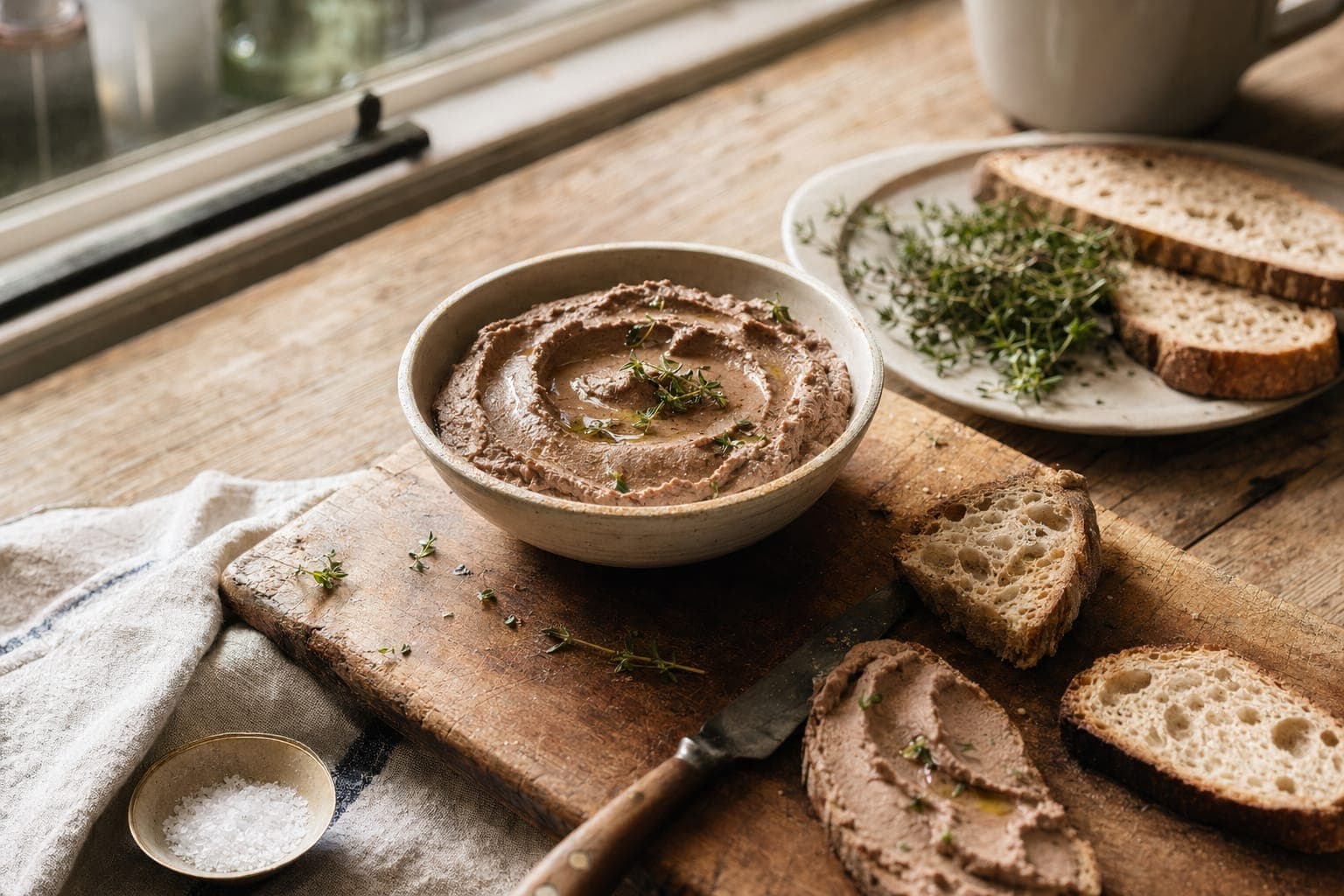
Liver Pate for Beginners: A Gentle Introduction to Organ Meats
Simple liver pate recipe to start eating organ meats. Chicken liver, butter, and herbs. Gentle introduction to nutrient-dense whole foods.

Organised Smoothie Bowl Recipes for Every Season
Four seasonal smoothie bowl recipes using Organised. Berry in summer, apple-cinnamon in autumn, tropical in spring, warming chocolate in winter.

5-Minute High-Protein Breakfasts Using Organised
Quick, high-protein breakfast ideas using Organised. Five recipes you can make in minutes with real food. No fussing around.


 Join over 100,000+ members
Build a better food system with us
The Organised community is thousands of people choosing real food and backing the farmers who grow it, all of us trying to leave the world a little better than we found it. If that is what you care about too, you belong here.