CoQ10 from Beef Heart vs CoQ10 Supplements: Is There a Difference?
CoQ10 is sold as a supplement in bottles that cost thirty pounds. It's also sitting in beef heart, one of the cheapest organ meats, alongside the exact cofactors that make it work. The difference between the supplement and the food might determine whether your heart actually gets the support it needs.
By Niall Kiddle, Founder, Organised

Reviewed by Pedro Rodrigues, Agronomist (farming and sourcing only) ·
7 min read · Published · Updated · 5 cited sources
Makers of the Organised Daily blend, a grass-fed beef organ supplement from regenerative UK farms
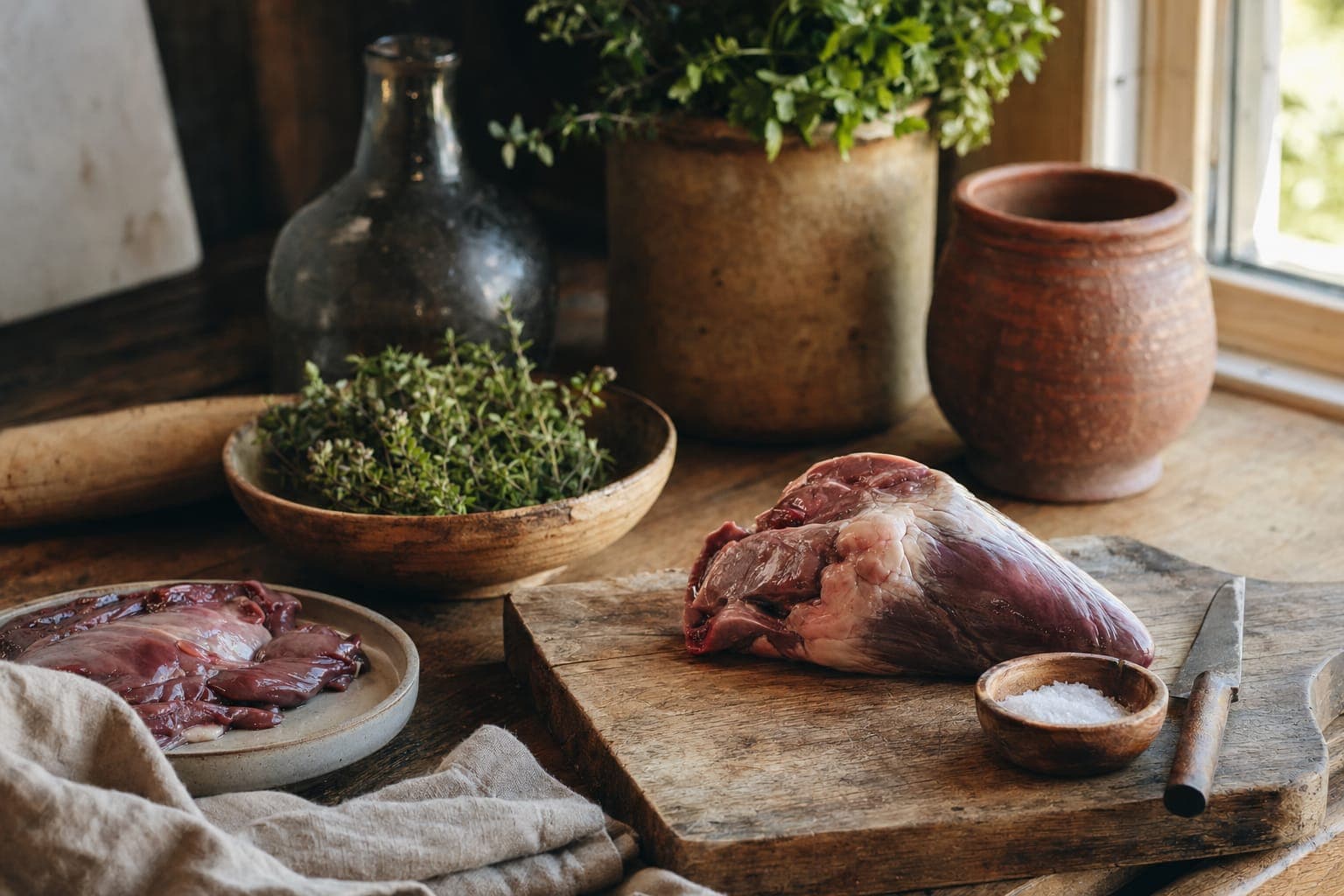
CoQ10, also called ubiquinone, is a molecule found in nearly every cell in your body. It's essential for mitochondrial function, for the production of ATP energy, and for antioxidant protection. Your heart, which beats roughly one hundred thousand times per day, contains some of the highest concentrations of CoQ10 of any organ. When CoQ10 becomes deficient, the heart is one of the first systems to suffer.
What CoQ10 actually does in your body
CoQ10 exists in two forms: ubiquinone and ubiquinol. Ubiquinone is the oxidised form. Ubiquinol is the reduced form, which is the bioactive form your cells actually use for energy production. Both are essential because ubiquinone is converted to ubiquinol inside your cells as needed. The more important question is which form your body can use efficiently.
CoQ10's primary job is as an electron carrier in the electron transport chain within your mitochondria. As your cells burn nutrients for fuel, electrons are transferred down a chain of molecules, and CoQ10 shuttles those electrons to the final step where they combine with oxygen to make water and ATP, the energy currency of your cells. Without CoQ10, this process stalls. Your cells produce less energy. Tissues demanding high energy output, like your heart, become fatigued.1
Beyond energy production, CoQ10 is a powerful antioxidant. It neutralises free radicals before they damage cell membranes and mitochondrial DNA. In the heart, this antioxidant protection prevents the accumulation of oxidative damage that leads to atherosclerosis, inflammation, and cardiac dysfunction.
Heart failure, arrhythmias, high blood pressure, and even post-heart attack recovery have all been shown to improve with CoQ10 support.2 But here's the critical part: the CoQ10 has to actually be utilised by your cells. And that utilisation depends on more than just taking the compound in isolation.
The whole food matrix that supplements lack
Beef heart doesn't just contain CoQ10. It contains CoQ10 alongside taurine, carnitine, selenoprotein, B vitamins, iron, zinc, and copper. It contains these nutrients in the ratios your body evolved to process them together. When you eat beef heart, you're not getting an isolated compound. You're getting a system.
Supplements, by definition, are isolated compounds. You take ubiquinol or ubiquinone in a capsule. Your body has to figure out how to use it. And because you've removed it from the context in which it evolved to work, the utilisation is less efficient and less complete than when it comes packaged with its natural cofactors.
This isn't a subtle difference. Research comparing CoQ10 supplementation with dietary CoQ10 intake shows that the same dose of CoQ10 from food produces more consistent blood levels and better tissue uptake than supplemental CoQ10. Your body somehow knows the difference.
CoQ10 from beef heart comes with the molecules that make it work. Supplemental CoQ10 comes alone and has to figure out what to do with itself.
Part of this is absorption. Supplements often come with poor bioavailability. The compound enters your intestine, but without the lipids, proteins, and other nutrients that typically accompany it in food, the absorption rate plummets. Some studies show that ubiquinone supplements have an absorption rate of only 1 to 3 percent without optimisation.3 Even with optimisation, with fat-soluble carriers and enhanced formulations, absorption rarely exceeds 10 to 15 percent in most people.
Beef heart, by contrast, contains CoQ10 wrapped in a lipid-rich package. The fat in the meat enhances absorption. The protein and other nutrients create an environment where CoQ10 absorption proceeds naturally. And because it's coming from a whole food, your digestive system treats it as normal nutrition, not as a foreign compound requiring special handling.
Ubiquinone versus ubiquinol: which form matters
You'll see supplements marketing ubiquinol as the superior form because it's the active form. But this is misleading. Your cells are perfectly capable of converting ubiquinone to ubiquinol as needed. The conversion happens easily in healthy people. It only becomes a bottleneck in certain disease states or in the very elderly.
Beef heart contains mostly ubiquinone, with smaller amounts of ubiquinol. Yet when people consume beef heart, they get robust CoQ10 support for their cardiovascular system. This is because the supplemental form argument is a marketing distinction, not a biological one. Your body doesn't care which form arrives. It cares about total CoQ10 availability and about the presence of the cofactors that make utilisation possible.
The obsession with ubiquinol over ubiquinone comes from supplement companies. The patent on ubiquinone expired. Ubiquinol is still patentable, so companies market it as superior and charge more. This has convinced a lot of people that ubiquinol is better. But the evidence is weak. In healthy people, the form matters far less than the total amount and the presence of supporting nutrients.
Get ingredient guides like this, free
Two short reads a week on the ingredients that matter and how to actually use them.
By signing up you agree to receive emails from us. No spam, unsubscribe anytime.
Taurine: the CoQ10 cofactor you've never heard of
Beef heart contains extraordinary amounts of taurine, an amino acid that your body produces in small quantities but that is essentially non-existent in plant foods. Taurine is concentrated in tissues that demand high energy and antioxidant protection. The heart, the brain, the skeletal muscle, the retina. These are tissues with the highest taurine concentrations.5
Taurine works synergistically with CoQ10. It enhances mitochondrial function. It supports the electron transport chain. It amplifies antioxidant protection. When you consume CoQ10 alongside taurine, the total effect on heart function is substantially greater than CoQ10 alone. This is why supplemental CoQ10 without adequate taurine intake is less effective at supporting heart health than beef heart, which contains both in abundance.
Your body can synthesise taurine from the amino acids cysteine and methionine, but synthesis is often inadequate.5 Many people, particularly as they age or during periods of high stress, become taurine-deficient. This deficiency shows up as reduced cardiac output, weakened heart contractility, and increased susceptibility to arrhythmias. Adding CoQ10 supplementation to a diet low in taurine is like fixing one piece of a broken system.
Beef heart fixes both simultaneously. It delivers CoQ10, taurine, carnitine, and selenoprotein all together. This is why it's so much more effective for cardiac support than isolated supplements.
Bioavailability in beef heart versus pills
Consider a practical example. A CoQ10 supplement contains 100 milligrams. With an absorption rate of 1 to 3 percent, you're absorbing 1 to 3 milligrams. Even with liposomal or ubiquinol-enhanced formulations, you're probably absorbing 10 to 15 milligrams maximum. Your body then has to utilise that isolated CoQ10 without the surrounding matrix of cofactors it evolved to work with.
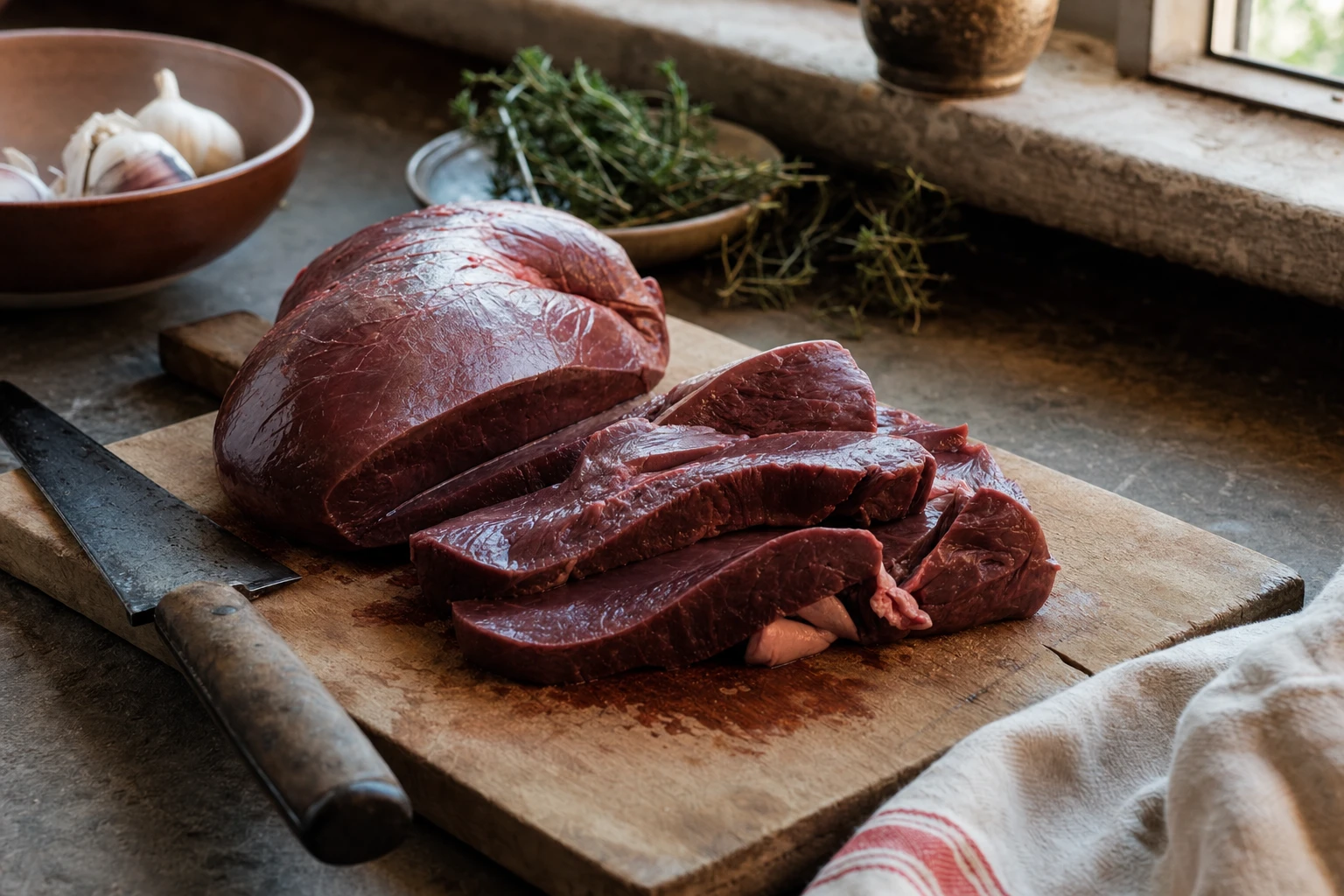
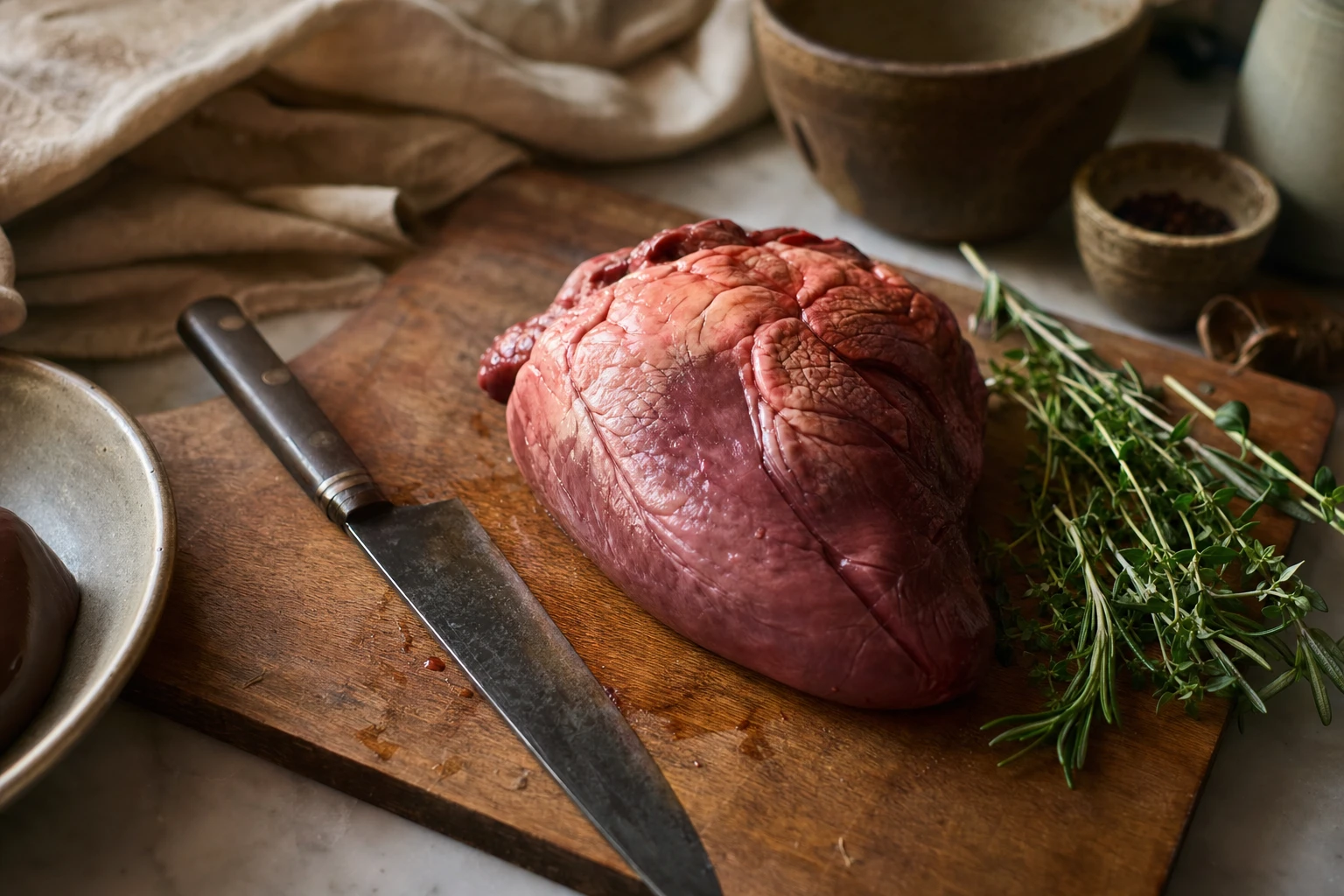
One hundred grams of beef heart contains approximately 10 to 15 milligrams of CoQ10 from the outset.4 But it's coming with taurine, carnitine, selenoprotein, B vitamins, and other cofactors that enhance its utilisation. Your absorption rate is likely higher. Your cellular utilisation is certainly more efficient. The net effect on your heart is substantially greater, even though the starting CoQ10 amount is comparable.
What's more, beef heart is cheap. A kilogram of beef heart costs roughly five to eight pounds. A month's supply of CoQ10 supplements costs fifteen to thirty pounds. If you're eating beef heart weekly, you're spending less money and getting better results.
How the heart uses CoQ10
Your heart is an aerobic powerhouse. It demands constant ATP production. Every heartbeat, every moment of rest, every surge during exercise requires energy. The heart cannot store energy the way your muscles can. It has to produce ATP continuously. This makes it uniquely dependent on mitochondrial function, and therefore uniquely dependent on adequate CoQ10.
When CoQ10 becomes deficient, cardiac output drops first. People notice fatigue, reduced exercise capacity, and shortness of breath. If the deficiency continues, the heart starts to struggle to maintain its rhythm. Arrhythmias develop. In severe cases, heart failure can result. This is why CoQ10 supplementation has been shown to improve outcomes in people with heart failure, to reduce arrhythmias, and to lower blood pressure.2 The heart simply works better when CoQ10 is available.
Beef heart provides that CoQ10 availability in the most efficient form your body recognises. It's not a supplement. It's food that your ancestors ate specifically because they understood, without the language of biochemistry, that the heart of an animal supported the human heart.
1 of 9
Daily blend
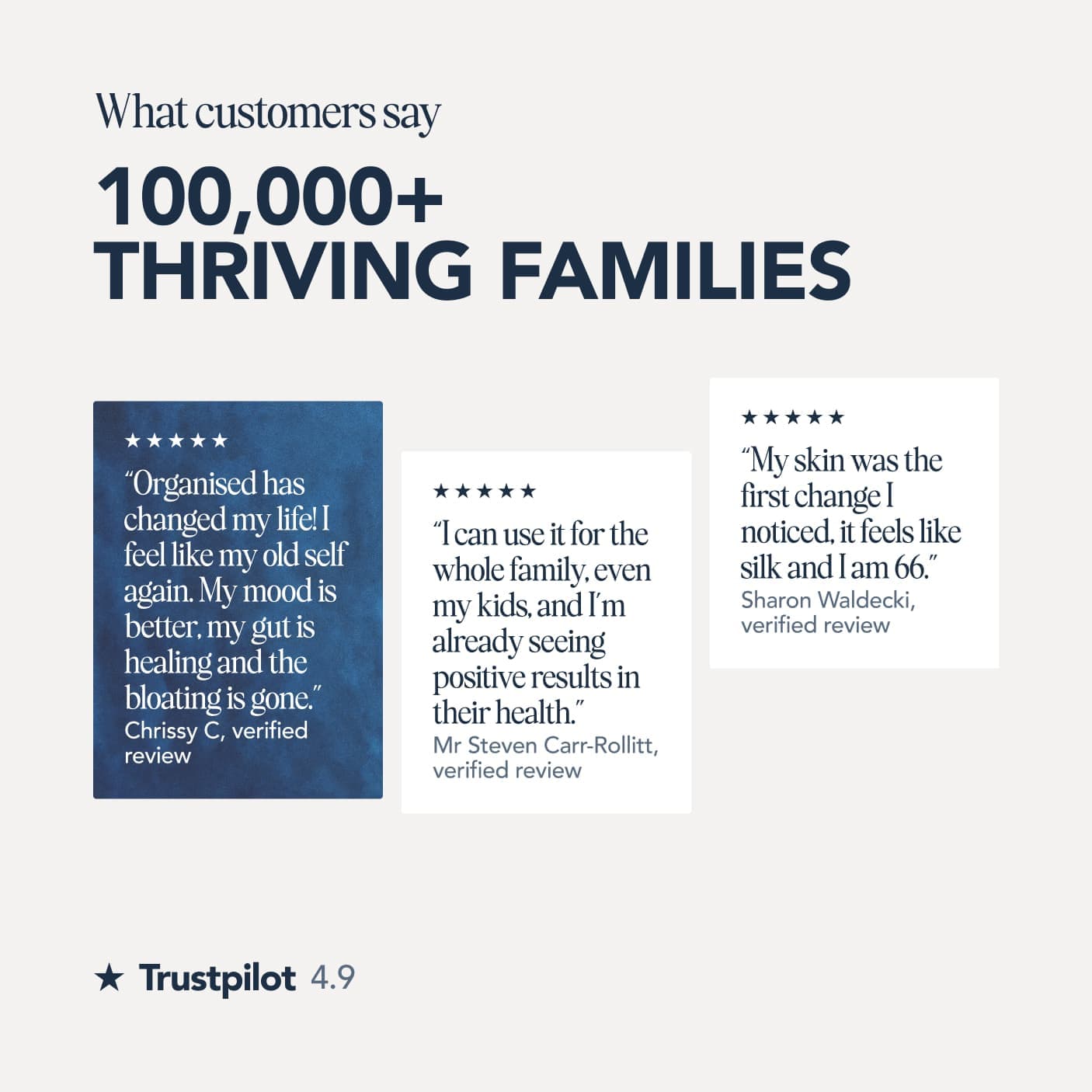
100,000+ thriving families4.9 on Trustpilot
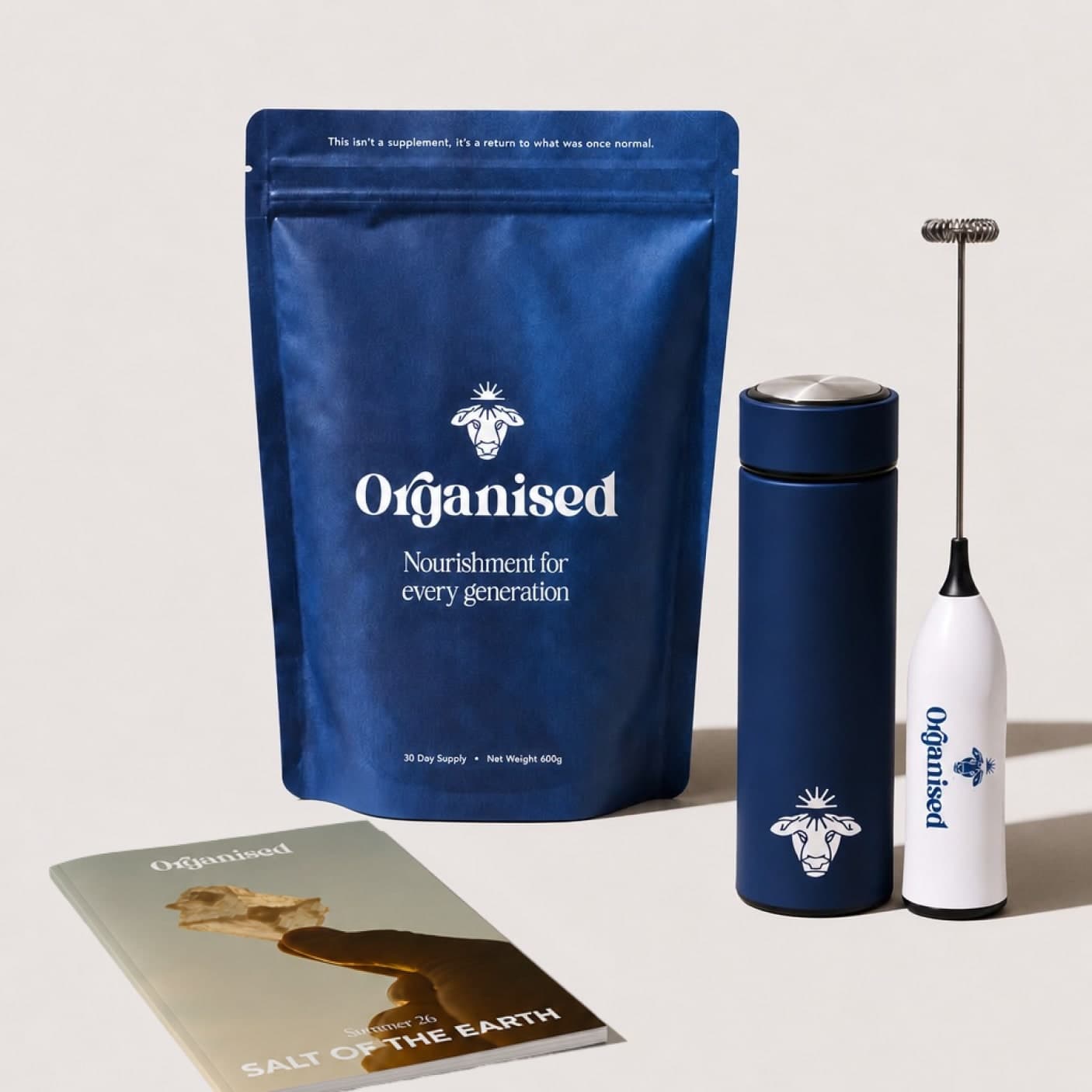
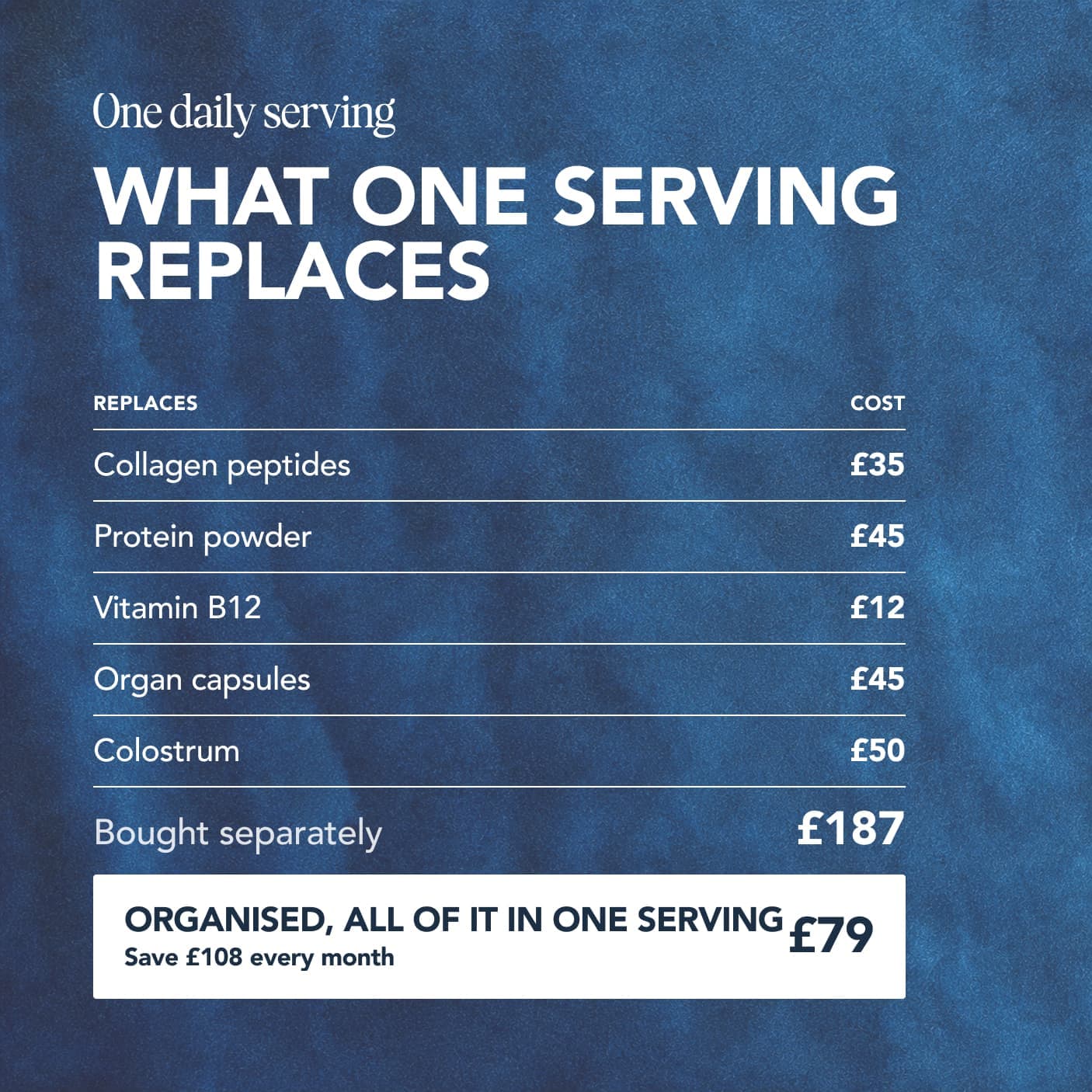
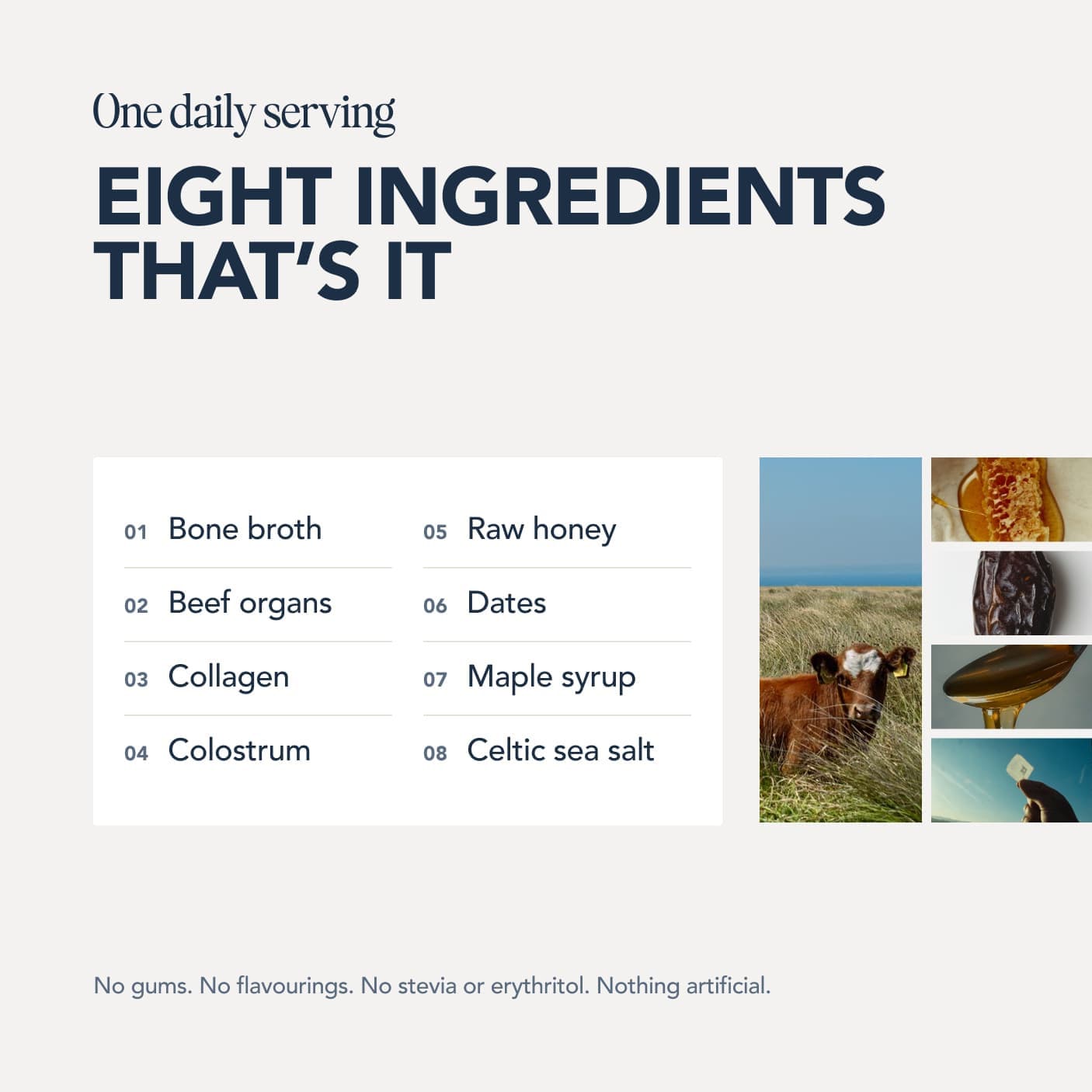
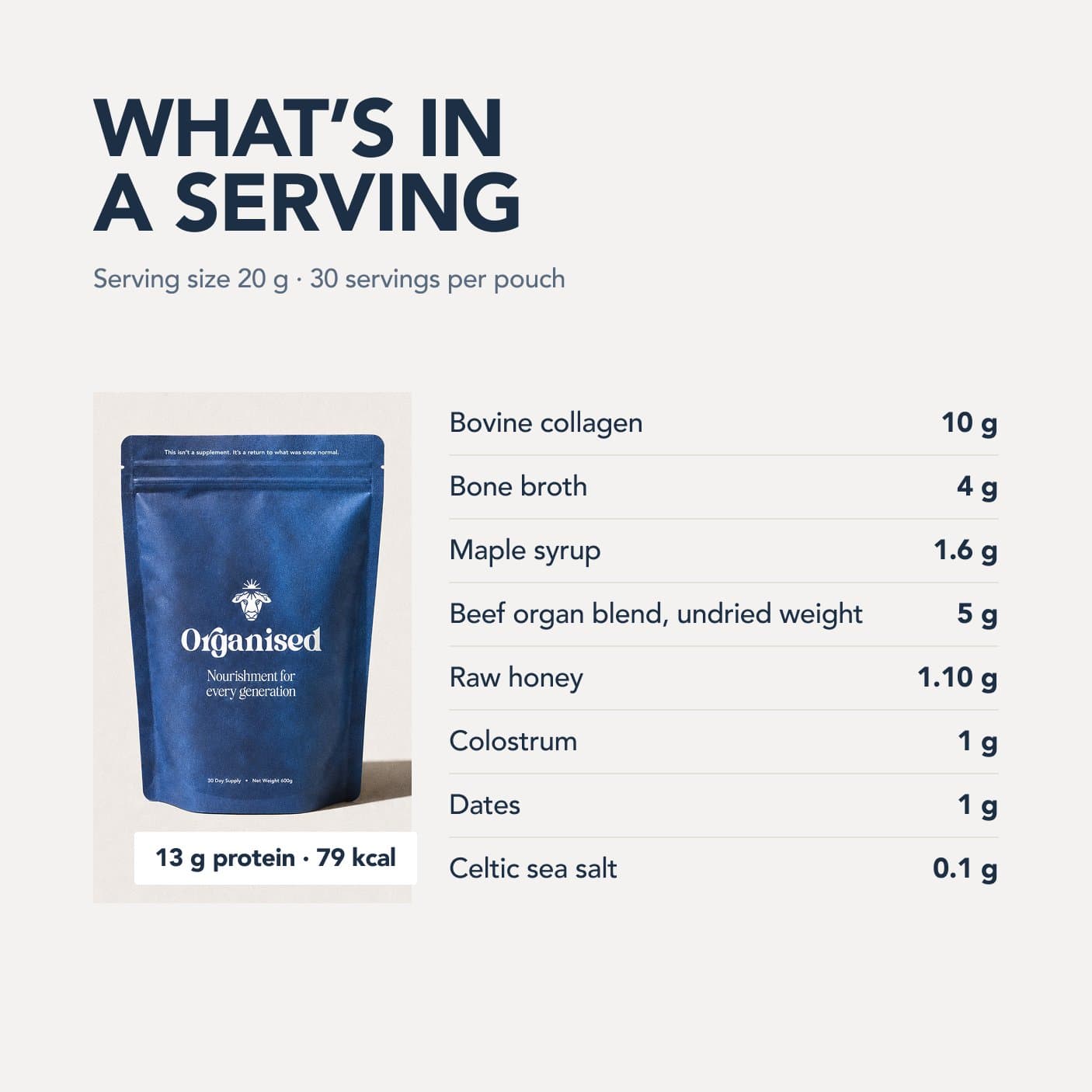
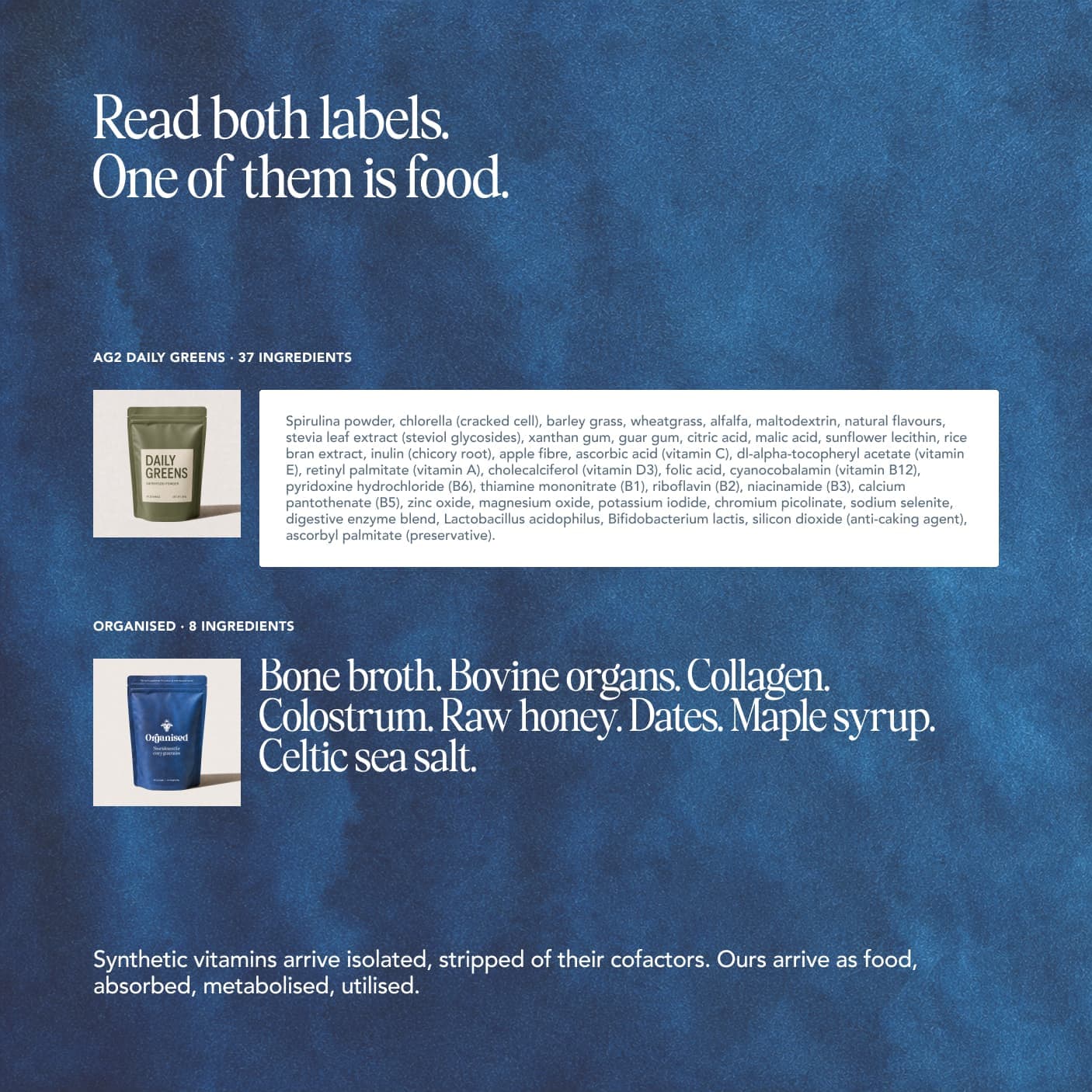
Eight real ingredients built around grass-fed beef organs, collagen and colostrum. Nothing synthetic added.
Free with your first order, worth £38. Plus £10 off the pouch with a subscription.
Free UK shipping · Made in England · 100 day money back guarantee on your first pouch · Skip, pause or cancel anytime
The bottom line
CoQ10 supplements have a place, particularly in people with severe cardiac disease or genetic CoQ10 synthesis defects. But for the general population looking to support heart health, beef heart offers superior bioavailability, complete cofactor support, and better cost-effectiveness than isolated supplements. Eat beef heart weekly. Include it in stews, mince it into burgers, slice it thin and sear it. Your heart will respond. The energy and the cardiac support are real.
References
Every source below was checked on 27 August 2026. Each PubMed, PMC and DOI identifier was resolved against NCBI or Crossref, and what it opens is printed under the citation, so you can see the link goes where the citation says without leaving the page. Where a citation and its identifier disagreed, the citation was corrected to the record or the reference was deleted along with the sentence marker that pointed at it, and where the resolved paper turned out not to support the sentence, the sentence was cut back to what it does support. Borrowed authority is worse than none, because it looks like rigour.
- Linus Pauling Institute, Oregon State University. Coenzyme Q10. Micronutrient Information Center. https://lpi.oregonstate.edu/mic/dietary-factors/coenzyme-Q10 [accessed May 2026].
- Mortensen SA, Rosenfeldt F, Kumar A, et al. The effect of coenzyme Q10 on morbidity and mortality in chronic heart failure: results from Q-SYMBIO: a randomized double-blind trial. JACC: Heart Failure. 2014;2(6):641-649. https://pubmed.ncbi.nlm.nih.gov/25282031/Checked 27 August 2026: PMID 25282031 opens Mortensen SA, Rosenfeldt F, Kumar A et al, The effect of coenzyme Q10 on morbidity and mortality in chronic heart failure: results from Q-SYMBIO: a randomized double-blind trial. JACC Heart Fail 2014;2(6):641-9. PubMed indexes it as: Clinical Trial, Phase II, Multicenter Study, Randomized Controlled Trial.
- Pravst I, Zmitek K, Zmitek J. Coenzyme Q10 contents in foods and fortification strategies. Critical Reviews in Food Science and Nutrition. 2010;50(4):269-280. https://pubmed.ncbi.nlm.nih.gov/20301015/Checked 27 August 2026: PMID 20301015 opens Pravst I, Zmitek K, Zmitek J, Coenzyme Q10 contents in foods and fortification strategies. Crit Rev Food Sci Nutr 2010;50(4):269-80. PubMed indexes it as: Review.
- Ercan P, El SN. Changes in content of coenzyme Q10 in beef muscle, beef liver and beef heart with cooking and in vitro digestion. Journal of Food Composition and Analysis. 2011;24(8):1136-1140. https://www.sciencedirect.com/science/article/abs/pii/S0889157511001517
- Jong CJ, Sandal P, Schaffer SW. The role of taurine in mitochondria health: more than just an antioxidant. Molecules. 2021;26(16):4913. https://pmc.ncbi.nlm.nih.gov/articles/PMC8400259/Checked 27 August 2026: PMC8400259 opens Jong CJ, Sandal P, Schaffer SW, The Role of Taurine in Mitochondria Health: More Than Just an Antioxidant. Molecules 2021;26(16). PubMed indexes it as: Review.The authors' own declaration, from the record: The authors declare no conflict of interest.
Corrections
What this page used to say, and why it no longer says it. Corrections are dated and are never removed, because deleting the record of an error is a second error. Every guide we have corrected is listed at our corrections log.
- 27 August 2026. The claim that ubiquinone is absorbed at “only 1 to 3 percent”, and the 10 to 15 percent figure after it, were removed. The cited review reports dietary intake and fortification strategy, not an absorption rate.
Who wrote and reviewed this guide
Niall Kiddle
Author · Founder, Organised
Niall is the founder of Organised. He started the company in 2024 after fixing his own health the slow way: in 2022 he swapped a cupboard of synthetic supplements for real food, raw milk, organ meats, bone broth and honey, and felt the difference within months.
Areas of expertise: Ancestral nutrition, Organ meats, Whole-food supplementation, Gut health, Regenerative sourcing
Read Niall's full profile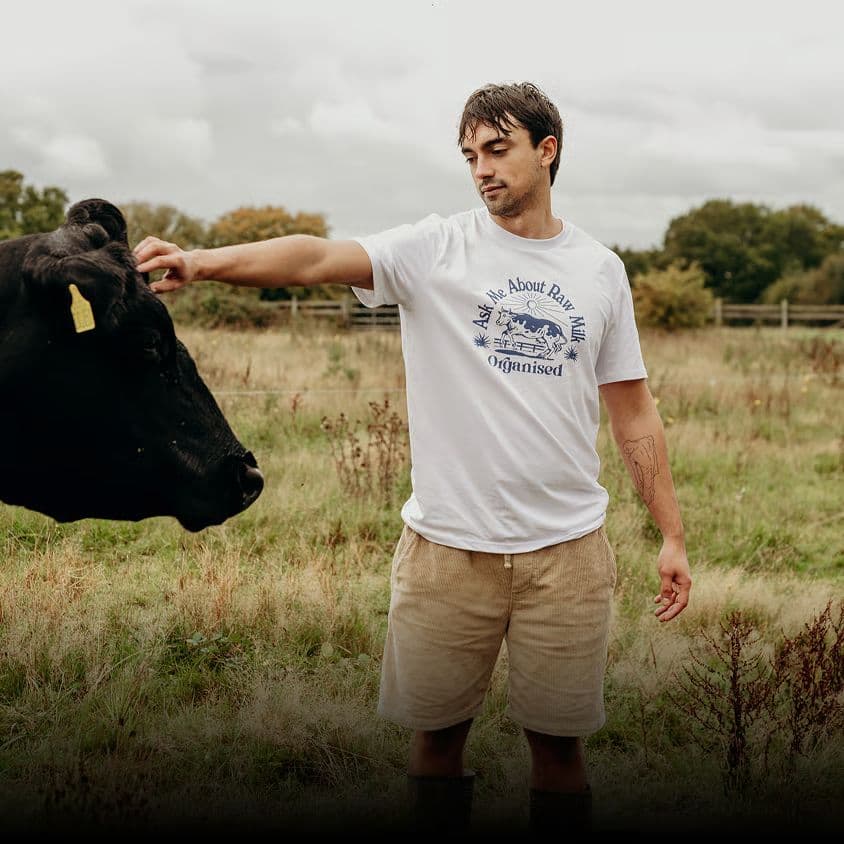
Pedro Rodrigues
Reviewer · Agronomist (farming and sourcing only)
Pedro is the agronomist Organised works with on farming and sourcing. His job on the guides is to keep the science honest: he reviews what we publish about soil health, regenerative agriculture, grazing and the way food is actually produced.
Areas of expertise: Regenerative agriculture, Agronomy, Soil health, Grass-fed farming, Food sourcing
Reviewed this guide on
Read Pedro's full profileMore on nutritional deep-dives
View all- B12 from Organs vs B12 Supplements: Bioavailability Matters
- Can Adults Benefit from Colostrum? (It's Not Just for Calves)
- Honey and Gut Health: Prebiotic Properties You Might Not Know About
- How Organ Meats Were Eaten Throughout History
- Selenium in Beef Kidney: Why This Trace Mineral Is Essential
- Why Beef Protein Is Easier to Digest Than You Think
- Why We Stopped Being Afraid of Salt (And You Should Too)
Browse the guides library
All guidesKeep reading
Ingredients
Colostrum for Gut Health: How Immunoglobulins Repair the Gut Lining
Learn how colostrum's immunoglobulins and growth factors repair intestinal permeability and restore gut barrier integrity.
Ingredients
Grass-Fed Beef Protein Isolate: What Makes It Different
See what sets grass-fed beef protein isolate apart, from easy digestion to micronutrient content, and how it really compares with whey protein for daily use.

Ingredients
Collagen for Joint Pain: What Does the Evidence Say?
Review of clinical evidence on collagen supplementation for joint pain, including type II collagen, hydrolysed collagen, and optimal dosing protocols.
Real food, made effortless
Try the organ blendA few ways to use it
All recipes
Raw Milk Ice Cream with Organised
Make raw milk ice cream at home with Organised for a seasonal, nutrient-dense treat. Three simple flavours to try whenever the craving strikes.
Energy Balls with Organised, Dates and Raw Honey
Make no-bake energy balls with Organised, dates, and raw honey. Perfect lunch box, pre-workout, or on-the-go snack. Simple recipe.
How to Make Your Own Gelatine Gummies
A simple recipe for homemade gelatine gummies using grass-fed gelatine, fresh juice, and raw honey. Better than shop-bought, kids love them.


 Join over 100,000+ members
Build a better food system with us
The Organised community is thousands of people choosing real food and backing the farmers who grow it, all of us trying to leave the world a little better than we found it. If that is what you care about too, you belong here.