What Is Lactoferrin and Why Is It in Colostrum?
Lactoferrin is an iron-binding protein so effective at defending against infections that your newborn literally cannot survive without it. Yet most adults have never heard its name.

By Niall Kiddle, Founder, Organised

Reviewed by Pedro Rodrigues, Agronomist (farming and sourcing only) ·
6 min read · Published · Updated · 3 cited sources
Makers of the Organised Daily blend, a grass-fed beef organ supplement from regenerative UK farms
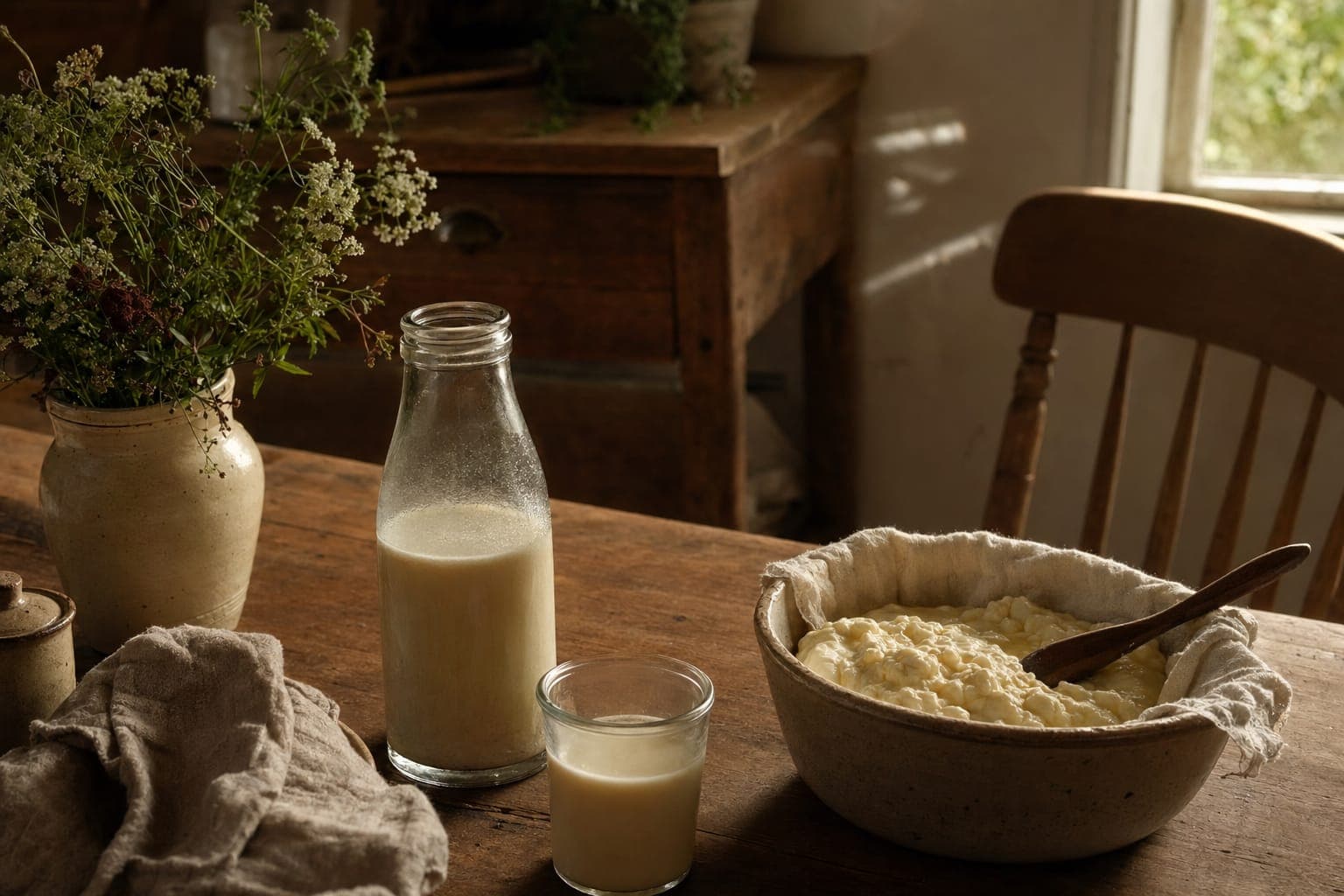
This is not minor nutritional detail. Lactoferrin is one of the most powerful antimicrobial compounds your body produces. Understanding what it does and why colostrum is saturated with it changes how you think about immunity.
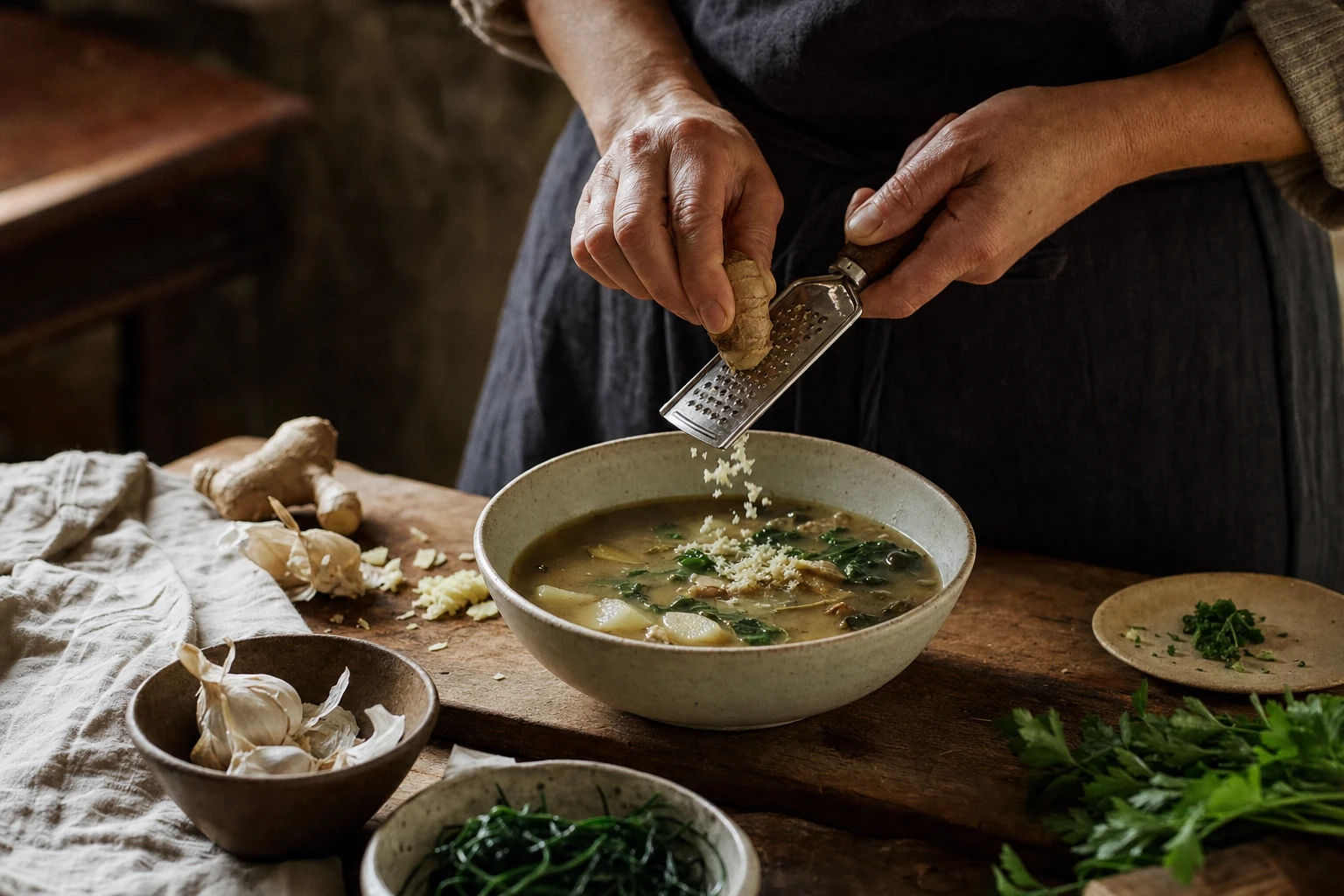
What lactoferrin is
Lactoferrin is a protein found in most bodily secretions: saliva, tears, sweat, nasal mucus, and particularly in milk. It is one of the first lines of defence your body produces against infection. New mothers produce colostrum (the first milk after birth) that is extraordinarily high in lactoferrin. The concentration is 40 to 50 times higher in colostrum than in mature milk.1
This difference is not accidental. The newborn is immunologically naïve, exposed to pathogens for the first time. Colostrum floods the infant with lactoferrin and other antimicrobial proteins to defend against bacterial and viral infection whilst the immune system is still developing.
Lactoferrin is an iron-binding protein. Iron is essential for all life, including pathogenic bacteria. Bacteria cannot survive without it. Lactoferrin binds iron tightly, making it unavailable to bacteria. This starves pathogens of the mineral they need to replicate and survive.
Humans make lactoferrin actively. It is produced by neutrophils (a type of white blood cell) and secreted in tears, saliva, and other bodily fluids as part of the innate immune response.2 When you face infection, your body produces more lactoferrin. It is a direct immune activation, not a passive defence.
Lactoferrin is an iron-binding protein that starves bacteria of the mineral they need to survive. Your body produces it actively when fighting infection. Colostrum is saturated with it.
How lactoferrin fights infection
Lactoferrin has multiple mechanisms of action against pathogens, each one remarkably effective.
The primary mechanism is iron deprivation. Bacteria require iron for energy metabolism (it is a critical component of cytochrome enzymes in the electron transport chain). Without iron, they cannot produce ATP, the universal currency of cellular energy. Lactoferrin binds iron so tightly that it is essentially unavailable to bacteria. The result is that bacteria starve metabolically, unable to generate the energy needed to survive and replicate.
The secondary mechanism is direct killing. Lactoferrin does not just starve bacteria. It also directly damages bacterial cell membranes, causing them to rupture and die. This appears to occur when lactoferrin interacts with lipopolysaccharides on the bacterial cell surface, destabilising the membrane structure.1
The tertiary mechanism is immune activation. Lactoferrin binds to toll-like receptors on immune cells, signalling them to increase antimicrobial activity. It essentially amplifies your immune response, making your existing immune cells more effective at fighting infection.
This three-pronged approach is extraordinarily effective. Bacteria cannot easily develop resistance because the mechanism of action is not biochemical (where mutations can alter a target protein). It is based on iron availability, which cannot be bypassed. Lactoferrin works against a broad range of bacterial pathogens (E. coli, Staphylococcus aureus, Vibrio cholerae, Shigella, and others), as well as some viruses and fungi.1
Research shows that adequate lactoferrin status is associated with resistance to infection. Lactoferrin deficiency is associated with increased susceptibility to bacterial infection. This is particularly pronounced in infants, where colostral lactoferrin is the primary defence against gut bacteria in the first weeks of life.
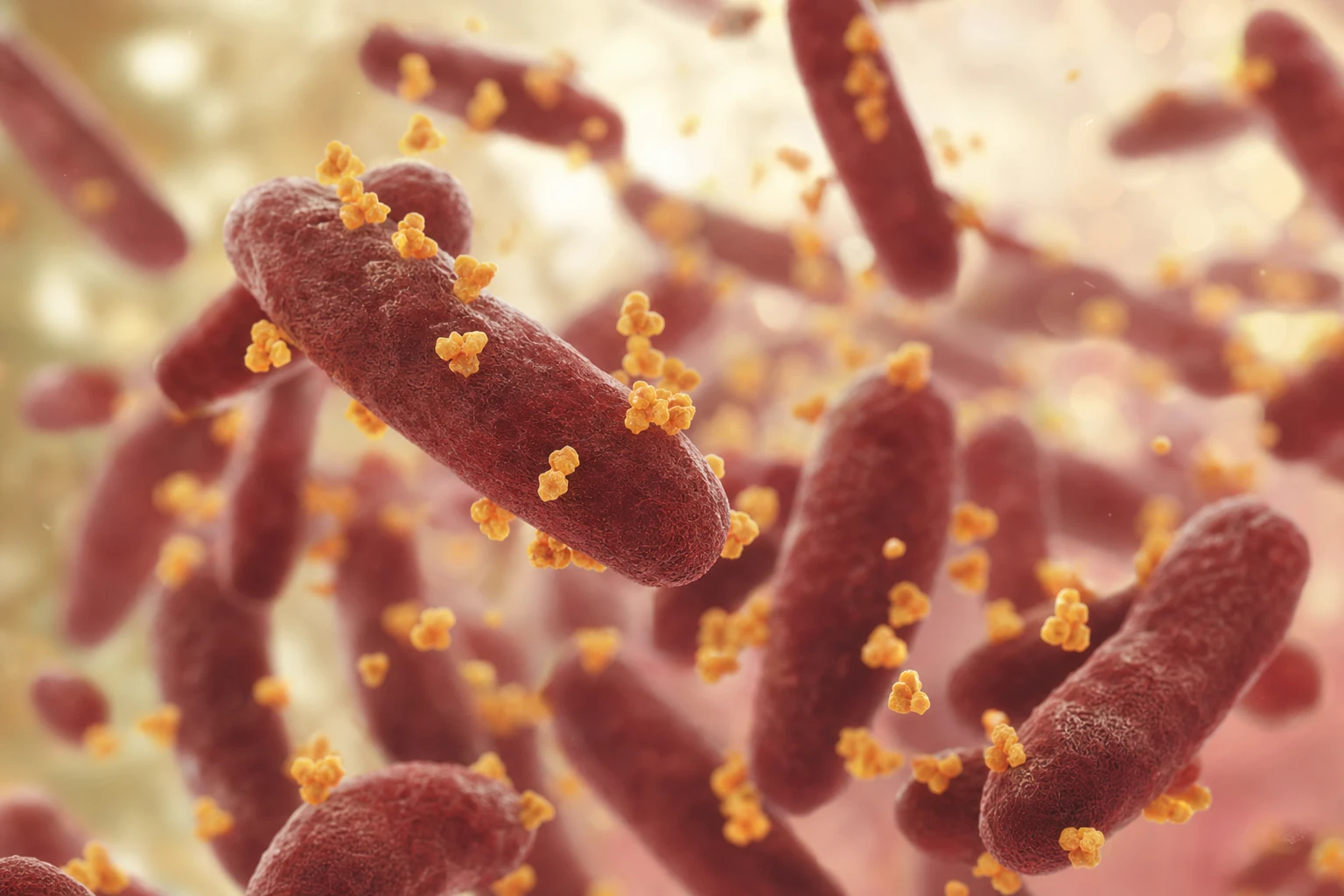
Iron-binding and antimicrobial action
The relationship between iron and lactoferrin is central to understanding its antimicrobial power. Lactoferrin is exquisitely selective for iron. It binds iron with an affinity roughly 200 to 300 times higher than transferrin (the iron transport protein in your blood).3 Once bound, iron is essentially sequestered, unavailable for microbial use.
This has profound implications for infection and inflammation. During acute infection, your body deliberately downregulates iron availability as an antimicrobial strategy. Your iron-binding proteins (including transferrin and lactoferrin) tighten their grip. Pathogens face starvation. This is called hypoferremia of infection, and it is one of your innate immune mechanisms.
Conversely, if you have iron overload or iron supplementation in excess of need, you inadvertently feed pathogens. This is why iron supplementation can increase infection risk if iron status is not deficient. Lactoferrin is part of the reason why: iron in excess overwhelms the iron-sequestering capacity of lactoferrin and transferrin, making it available to bacteria.
This also means that adequate (but not excessive) iron status is important for colostrum to work optimally. If you are severely iron deficient, your body struggles to produce adequate lactoferrin. This is one of the consequences of severe iron deficiency: increased infection risk.
The antimicrobial action extends beyond iron starvation. Lactoferrin also directly damages bacterial membranes and activates immune cells. These actions work synergistically. A bacterium facing iron starvation, membrane damage, and heightened immune attack has few options beyond death.
Get ingredient guides like this, free
Two short reads a week on the ingredients that matter and how to actually use them.
By signing up you agree to receive emails from us. No spam, unsubscribe anytime.
Immune modulation beyond infection
Lactoferrin does more than fight active infection. It actively modulates immune function, reducing excessive inflammation whilst maintaining pathogen defence.
Lactoferrin binds to toll-like receptors (TLR4 particularly) on immune cells, signalling them to increase antimicrobial activity without driving excessive inflammation.2 This is a delicate balance. You want robust immune response to threat, but not so much inflammatory response that you damage yourself.
Lactoferrin tips this balance toward protective immunity. It increases activity of natural killer cells, enhances macrophage function, and promotes the development of regulatory T cells (immune cells that prevent autoimmunity and excessive inflammation).
This is why colostrum-supplemented infants have lower rates of infection (particularly gut infection) but do not have overwhelming or dysregulated immune responses. The lactoferrin is optimising immune function.
In adults, lactoferrin supplementation has been studied for its ability to support immunity without driving inflammation. Research shows that adequate lactoferrin status is associated with lower rates of infection and with better regulated immune response (fewer allergies, fewer autoimmune flares, lower inflammatory markers).
Lactoferrin does not just kill pathogens. It educates your immune system, promoting protective immunity whilst preventing excessive inflammation and autoimmunity.
Lactoferrin and gut integrity
The developing infant's gut lining is highly permeable by design. Colostrum is flooded with lactoferrin partly because the gut is the entry point for pathogens and the site where immune tolerance must develop. Lactoferrin in colostrum serves multiple functions in the developing gut.
It kills pathogenic bacteria that might otherwise colonise the gut. It promotes the growth of beneficial bacteria (Bifidobacteria and Lactobacilli preferentially bind iron through a different mechanism and actually thrive in the presence of lactoferrin). It strengthens the intestinal barrier by promoting production of tight junction proteins. It educates the developing immune system in the gut, promoting tolerance to benign antigens whilst maintaining vigilance against true pathogens.
In adults, adequate lactoferrin status is associated with better gut barrier function and lower rates of gut inflammation. Gut dysbiosis and intestinal permeability are associated with low lactoferrin. This is partly because systemic infection and inflammation reduce lactoferrin production, but also because lactoferrin directly supports gut barrier integrity.
This relationship has practical implications. If you are dealing with intestinal permeability, dysbiosis, or chronic gut inflammation, restoring lactoferrin status (through colostrum supplementation) may support healing. The antimicrobial action controls pathogenic bacteria, whilst the barrier-supporting action restores intestinal integrity.


1 of 9
Daily blend
100,000+ thriving families4.9 on Trustpilot
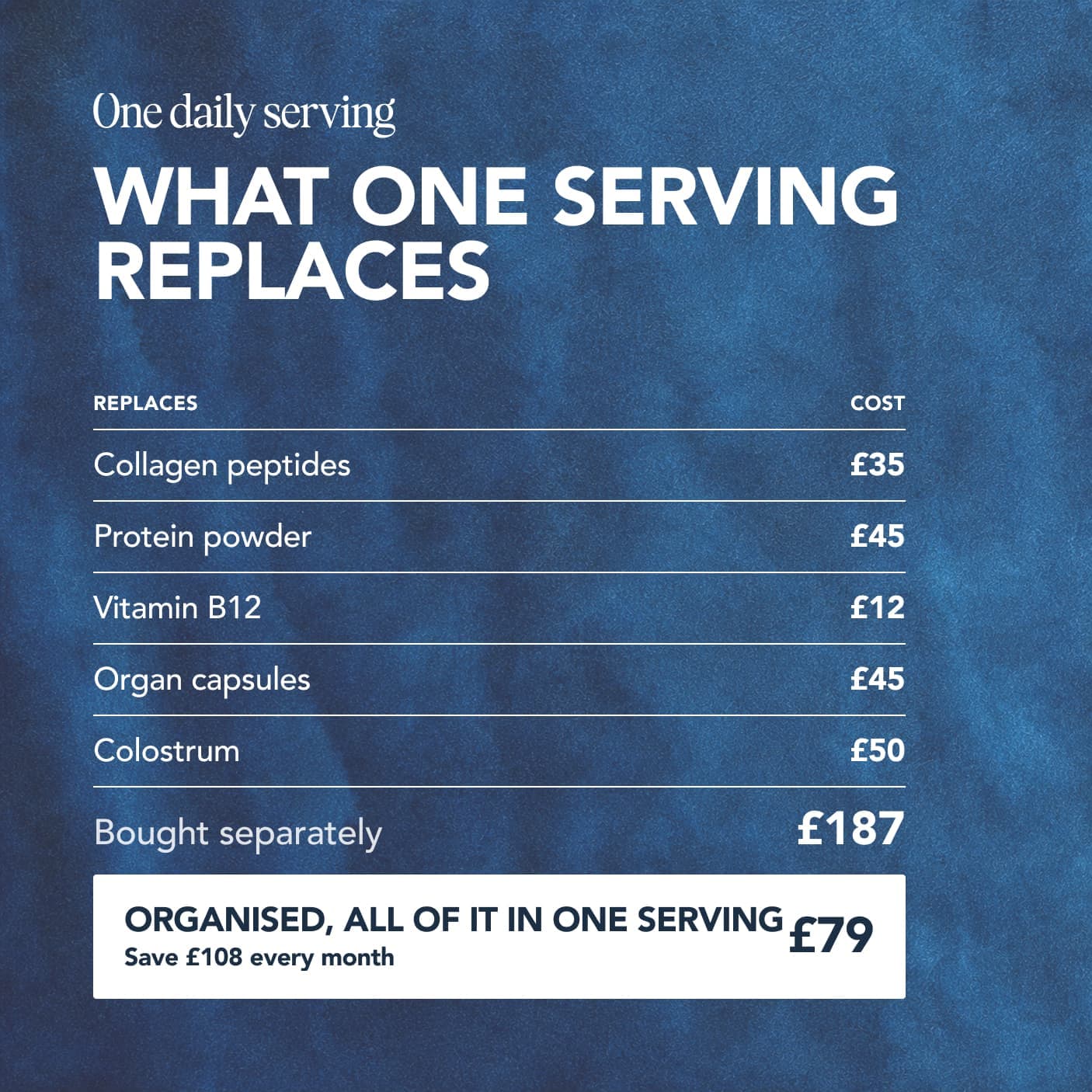
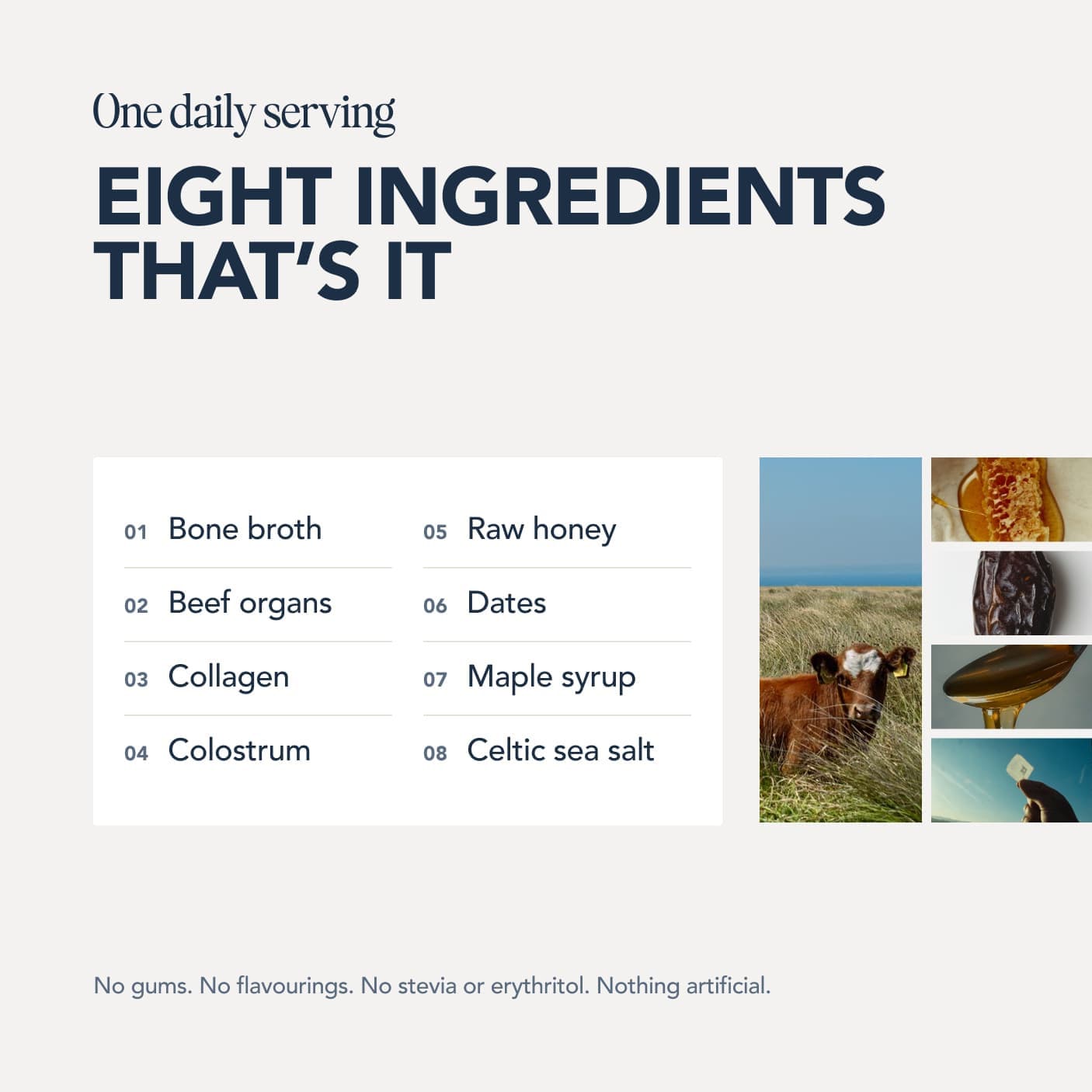
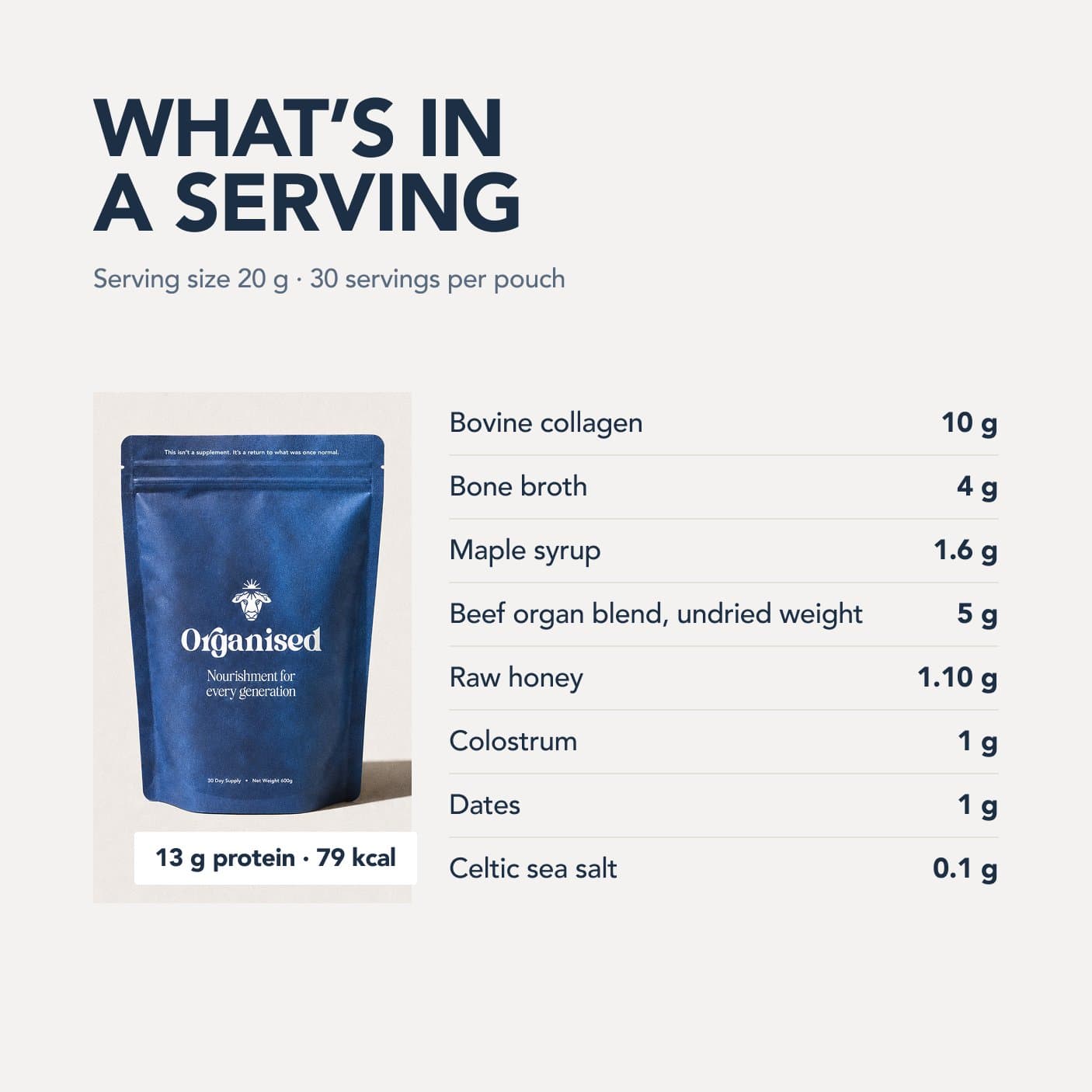
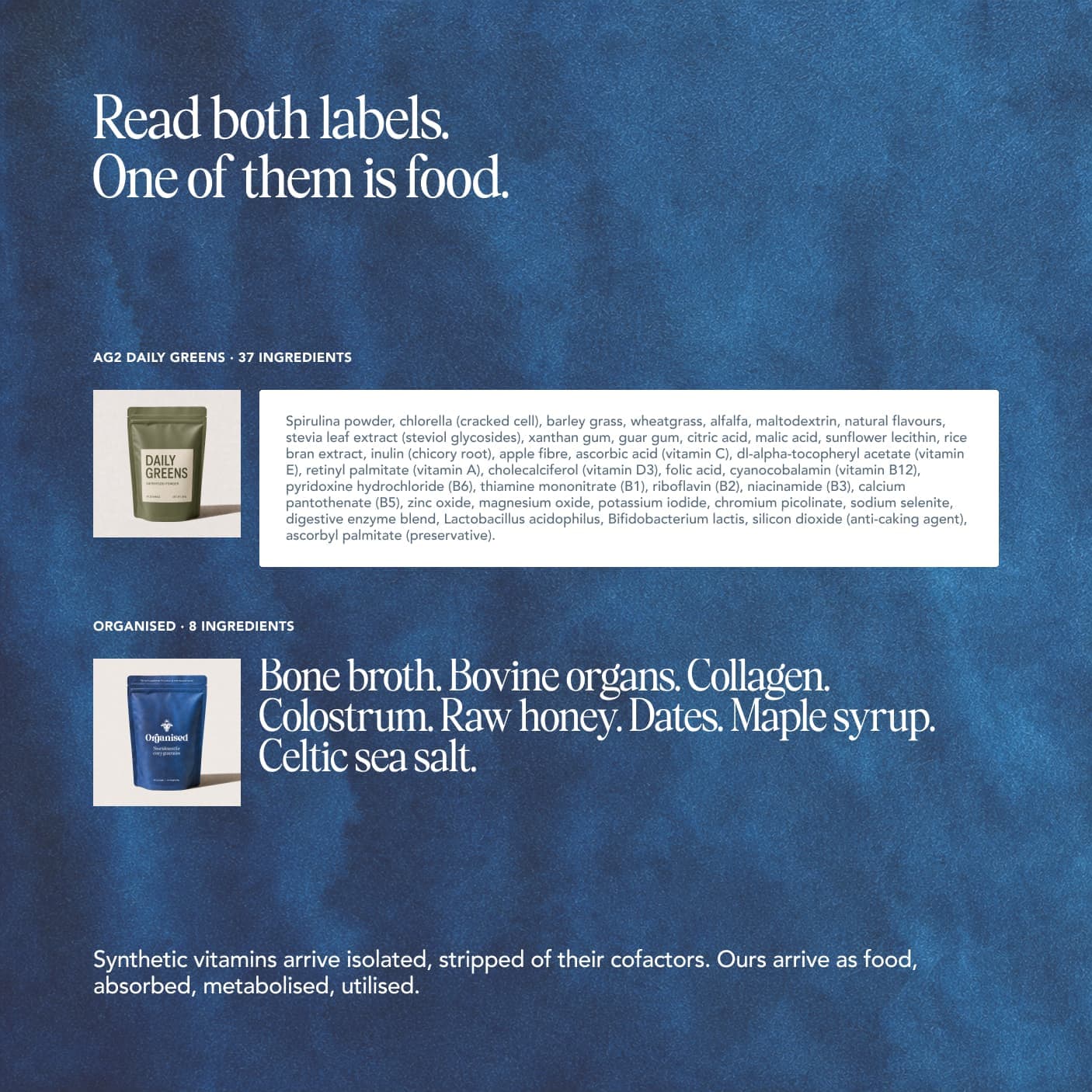
Eight real ingredients built around grass-fed beef organs, collagen and colostrum. Nothing synthetic added.
Free with your first order, worth £38. Plus £10 off the pouch with a subscription.


Free UK shipping · Made in England · 100 day money back guarantee on your first pouch · Skip, pause or cancel anytime
The colostrum advantage
Colostrum is not just high in lactoferrin. It is the most concentrated source of lactoferrin available. A gram of bovine colostrum can contain 50 to 200 milligrams of lactoferrin, depending on the quality and sourcing.1
Lactoferrin is also present in mature milk, but at roughly 1 to 2 milligrams per millilitre (compared to 50 to 100 mg/ml in colostrum). Colostrum is a concentrated delivery system of lactoferrin and other immunologically active compounds.
This is why colostrum supplementation has been studied for immune support, infection prevention, and gut healing. The high lactoferrin content, combined with immunoglobulins, growth factors, and other bioactive compounds, makes colostrum a uniquely effective immune support tool.
Colostrum is not a replacement for vaccination, hygiene, or sleep. It is a complement to foundational immunity practices. If you are getting adequate sleep, managing stress, eating nutrient-dense food, and maintaining basic hygiene, colostrum supplementation (particularly during high-risk periods like winter or during travel) can provide an additional layer of immune support through its lactoferrin and other antimicrobial compounds.
References
Every source below was checked on 27 August 2026. Each PubMed, PMC and DOI identifier was resolved against NCBI or Crossref, and what it opens is printed under the citation, so you can see the link goes where the citation says without leaving the page. Where a citation and its identifier disagreed, the citation was corrected to the record or the reference was deleted along with the sentence marker that pointed at it, and where the resolved paper turned out not to support the sentence, the sentence was cut back to what it does support. Borrowed authority is worse than none, because it looks like rigour.
- Berlutti F et al. Antiviral properties of lactoferrin - a natural immunity molecule. PMC6264778.Checked 27 August 2026: PMC6264778 opens Berlutti F, Pantanella F, Natalizi T et al, Antiviral properties of lactoferrin--a natural immunity molecule. Molecules 2011;16(8):6992-7018. PubMed indexes it as: Review.
- Kell DB, Heyden EL, Pretorius E. The biology of lactoferrin, an iron-binding protein that can help defend against viruses and bacteria. PMC7271924.Checked 27 August 2026: PMC7271924 opens Kell DB, Heyden EL, Pretorius E, The Biology of Lactoferrin, an Iron-Binding Protein That Can Help Defend Against Viruses and Bacteria. Front Immunol 2020;11:1221.
- Bruni N et al. Antimicrobial activity of lactoferrin-related peptides and applications in human and veterinary medicine. PMC6273662.Checked 27 August 2026: PMC6273662 opens Bruni N, Capucchio MT, Biasibetti E et al, Antimicrobial Activity of Lactoferrin-Related Peptides and Applications in Human and Veterinary Medicine. Molecules 2016;21(6). PubMed indexes it as: Review.The authors' own declaration, from the record: Candioli Farmaceutici is the funding sponsor in writing the manuscript.
Who wrote and reviewed this guide
Niall Kiddle
Author · Founder, Organised
Niall is the founder of Organised. He started the company in 2024 after fixing his own health the slow way: in 2022 he swapped a cupboard of synthetic supplements for real food, raw milk, organ meats, bone broth and honey, and felt the difference within months.
Areas of expertise: Ancestral nutrition, Organ meats, Whole-food supplementation, Gut health, Regenerative sourcing
Read Niall's full profile
Pedro Rodrigues
Reviewer · Agronomist (farming and sourcing only)
Pedro is the agronomist Organised works with on farming and sourcing. His job on the guides is to keep the science honest: he reviews what we publish about soil health, regenerative agriculture, grazing and the way food is actually produced.
Areas of expertise: Regenerative agriculture, Agronomy, Soil health, Grass-fed farming, Food sourcing
Reviewed this guide on
Read Pedro's full profileMore on colostrum
View all- Bovine Colostrum: The Complete Guide to Nature's First Food
- Colostrum and the Immune System: What the Science Actually Shows
- Colostrum for Athletes: Recovery, Immunity and Performance
- Colostrum for Gut Health: How Immunoglobulins Repair the Gut Lining
- Colostrum vs Probiotics: Do You Need Both?
- Growth Factors in Colostrum: What Are IGF-1 and IGF-2?
- Is Colostrum Safe for Lactose-Intolerant People?
Browse the guides library
All guidesKeep reading
Ingredients
Why We Stopped Being Afraid of Salt (And You Should Too)
The war on salt was built on flawed research. Your body needs sodium. Here's why quality salt matters and how to get your mineral balance right.
Ingredients
Celtic Sea Salt: 80+ Trace Minerals Your Body Actually Needs
Learn why Celtic sea salt's 80+ trace minerals matter. Discover the difference between sea salt and table salt, and why your body needs unrefined salt.
Ingredients
The Antimicrobial Power of Raw Honey
Learn how the antimicrobial properties of raw honey, like hydrogen peroxide and MGO, set it apart from processed honey, and why it is a real whole food.
Real food, made effortless
Try the organ blendA few ways to use it
All recipes
The Perfect Organised Morning Shake: Our Favourite Recipe
Our signature morning shake: Organised, raw milk, banana, honey. Simple, nourishing, and optimised for an empty stomach.
How to Make Bone Marrow Butter
Roast grass-fed marrow bones, scoop the marrow, and mix with butter and herbs. A nutrient-dense spread with fat-soluble vitamins.
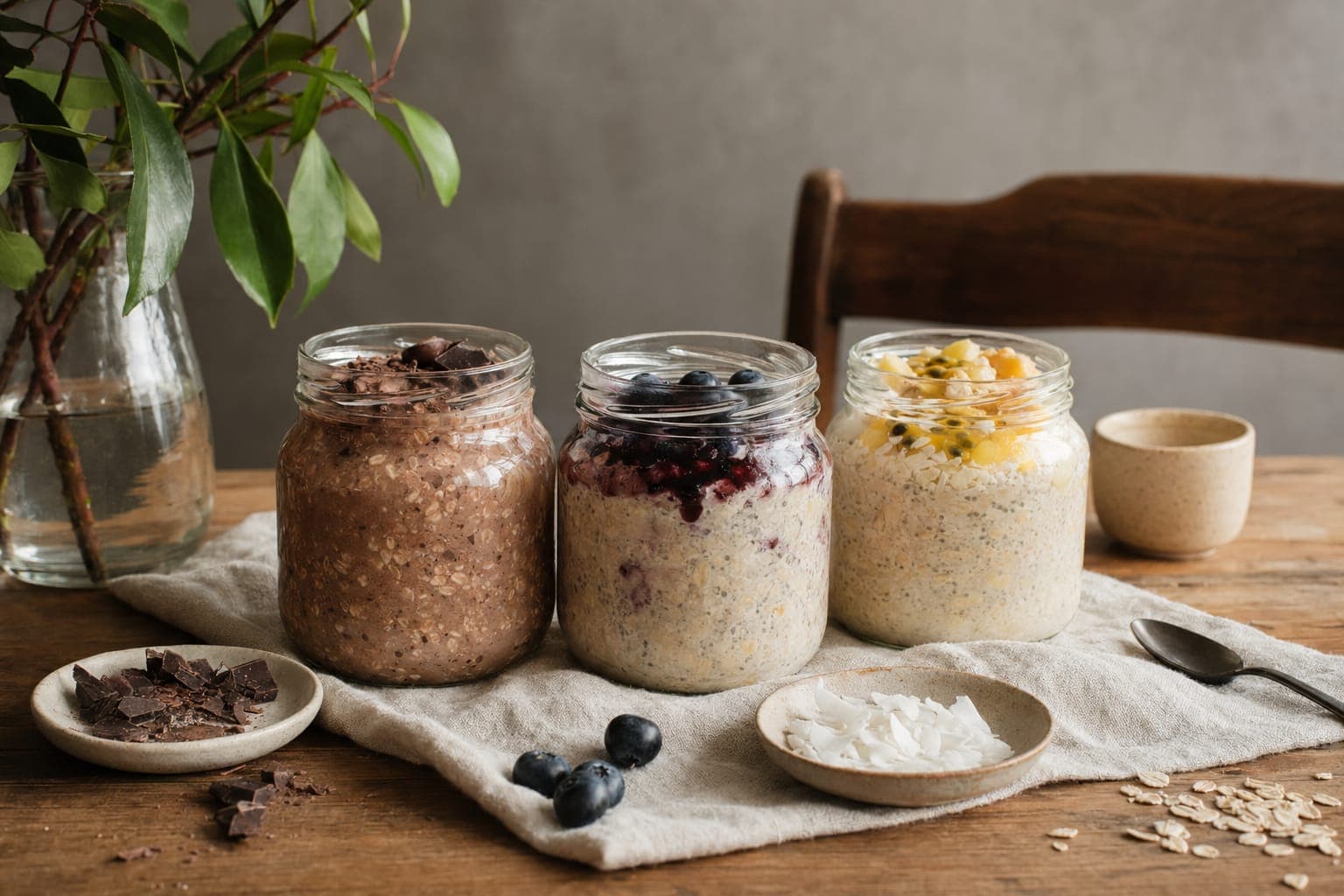
Organised Overnight Oats: 3 Variations
Three delicious overnight oats variations with Organised. Chocolate, berry, tropical flavours. Make them Sunday, eat them all week.


 Join over 100,000+ members
Build a better food system with us
The Organised community is thousands of people choosing real food and backing the farmers who grow it, all of us trying to leave the world a little better than we found it. If that is what you care about too, you belong here.