Why We Stopped Being Afraid of Salt (And You Should Too)
For forty years, you've been told salt is killing you. Reduce it. Restrict it. Avoid it at all costs. Then the research changed. The guidelines that condemned salt weren't based on what worked in healthy populations. They were based on what happened in people with advanced hypertension.
By Niall Kiddle, Founder, Organised

Reviewed by Pedro Rodrigues, Agronomist (farming and sourcing only) ·
7 min read · Published · Updated · 4 cited sources
Makers of the Organised Daily blend, a grass-fed beef organ supplement from regenerative UK farms
It's time to stop being afraid of salt.
The salt scare that wasn't based on evidence
In the 1970s and 1980s, public health authorities became convinced that salt was a major driver of hypertension and heart disease. The logic seemed straightforward: salt raises blood pressure, high blood pressure causes heart attacks, therefore less salt equals less disease. Nations adopted strict low-salt guidelines. The United States recommended no more than 2,300 milligrams of sodium per day. The UK followed suit. Most Western governments built their dietary guidelines around salt restriction.
What nobody widely acknowledged was that these recommendations were built on research conducted in people who already had severe hypertension. The trials that underpinned the guidelines took people with blood pressure readings that were already dangerously elevated, had them restrict salt, and measured the improvement. Of course their blood pressure improved. They had advanced disease and they were treating it.
But then these recommendations got applied to everyone. Healthy people. Pregnant women. Athletes. Children. People with optimal blood pressure. The extrapolation from treatment of disease to prevention in health is one of the most dangerous leaps public health can make, and it happened almost invisibly.
By the time large-scale prospective studies began testing whether low-salt diets actually prevented heart disease in healthy populations, the guidelines were already written into policy, nutrition textbooks, and public consciousness. And what did the research show? That moderate salt intake in people with normal blood pressure had essentially no relationship to heart disease risk.
What the actual research shows
Multiple large randomised controlled trials conducted over the past fifteen years have found that in people with normal or high-normal blood pressure, restricting salt offers minimal cardiovascular benefit. The PURE study, which followed over 130,000 people across multiple countries, found a J-shaped curve: both very low and very high salt intakes were associated with increased cardiovascular risk, whilst moderate intakes (around 3 to 6 grams per day) were associated with the lowest risk.1
Let that sink in. The lowest risk wasn't at 2.3 grams. It was at 3 to 6 grams, roughly double what current guidelines recommend. And this was in a population of healthy and high-risk people from dozens of countries eating their normal diets.
The Cochrane review on salt and cardiovascular disease found that very low-salt diets (below 2.3 grams daily) did lower blood pressure by a modest amount, about 5 millimetres of mercury.2 But this small reduction in a single risk factor didn't translate to fewer heart attacks, strokes, or deaths. The guidelines were treating one number on a monitor as if it were the disease itself, when it's actually just a marker.
The lowest cardiovascular risk appears to be at moderate salt intakes. Not high salt, which does raise blood pressure. But also not the severely restricted intakes that current guidelines recommend.
What's more, the people who suffer most from salt restriction are those with certain metabolic conditions, insulin resistance, or who are physically active. Restricting salt when you're training hard or losing fluids through sweat means losing magnesium, potassium, and sodium simultaneously. Your electrolyte balance becomes chaotic. You become more prone to muscle cramps, irregular heartbeat, and fatigue.
Sodium and potassium: the balance that matters
The real villain in the story isn't salt. It's the ratio between sodium and potassium, and the disappearance of potassium from modern diets.
Your body uses sodium and potassium in a careful balance. Sodium is primarily outside your cells, potassium is primarily inside them. The sodium-potassium pump that sits in every cell membrane actively moves sodium out and potassium in, using energy from ATP.3 This pump does the work of maintaining your membrane potential, which is how your nerves fire, your muscles contract, and your heart beats.
The problem with modern diets isn't that they contain salt. It's that they contain salt from processed foods, which is often the only source of sodium in the diet, whilst they're simultaneously depleted of potassium-rich whole foods. You end up with a distorted ratio: too much sodium from crisps and takeaways, too little potassium from vegetables, fruits, and meat.
Hunter-gatherers ate roughly equivalent amounts of sodium and potassium, or even more potassium than sodium. Modern Western diets flip this entirely. We eat up to ten times more sodium than potassium. Your body has to work harder to maintain its balance, and over time, this stress on the system does contribute to problems.
But the solution isn't to restrict sodium. It's to restore potassium. Eat whole foods. Eat vegetables, fruits, meat, fish, dairy, and eggs. Get your sodium naturally alongside it. Your body can handle the sodium if your potassium intake is adequate. What it cannot handle is a processed food diet with astronomical sodium and microscopic potassium, even if the total sodium amount is low.

Why your electrolytes need salt
Salt is a mineral. Sodium and chloride are essential nutrients, not toxins. They're needed for nerve transmission, muscle contraction, blood pressure regulation, and fluid balance. If you restrict salt too severely, you don't just affect your blood pressure. You affect every system that relies on electrolyte balance.
Athletes and active people know this intuitively. Run or cycle for more than an hour and you sweat. You lose sodium, potassium, magnesium, and calcium. Replenish without sodium and you'll develop hyponatraemia (low blood sodium), which causes nausea, confusion, and potentially seizures.4 Your body doesn't want you to be sodium-deficient.
Even in sedentary people, chronic underconsumption of salt can lead to subtle electrolyte disruptions. You might experience muscle cramps, fatigue, dizziness on standing, or cardiac arrhythmias. These aren't usually attributed to salt deficiency because the entire medical conversation has been about salt excess. So people assume it's something else and start taking supplements, trying different diets, or seeing specialists, when the answer is often just adequate salt.
Your body needs salt. The question is what kind and in what context, not whether you should have it at all.
Get ingredient guides like this, free
Two short reads a week on the ingredients that matter and how to actually use them.
By signing up you agree to receive emails from us. No spam, unsubscribe anytime.
Quality salt versus table salt
Not all salt is equal, and here's where the conversation gets practical. Table salt is refined, stripped of its mineral content, often bleached, and usually contains anti-caking agents. It's sodium chloride and almost nothing else. Your body can use it, but it's a fairly sterile source of sodium.
Sea salt, rock salt, and mineral-rich salts like Himalayan salt contain trace minerals: magnesium, potassium, calcium, and dozens of others. These trace minerals support your health in subtle but real ways. Magnesium helps you relax. Potassium supports heart rhythm. Trace minerals support immune function and metabolism.
If you're going to eat salt, make it a salt that contains minerals. Use it in adequate amounts. Season your food properly. Cook your vegetables with salt. Add it to your stock and bone broth. Your body needs it and wants it.
Salt and blood pressure: the nuance
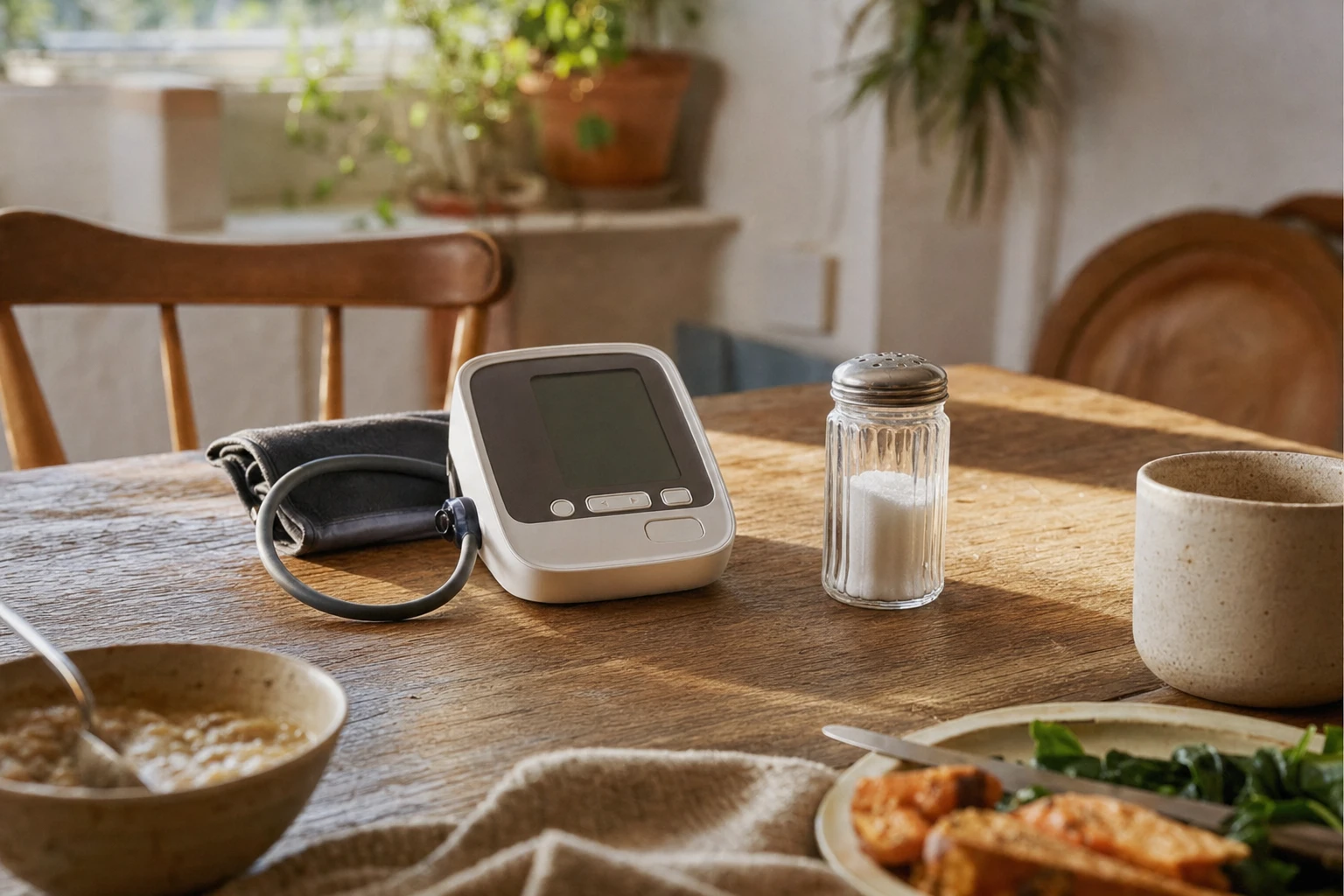
Here's where we need to be honest: if you have diagnosed hypertension, your blood pressure is already elevated for reasons that need addressing. And in that context, salt reduction might offer modest benefit, maybe 5 millimetres of mercury. It's not the solution. But it might be one small tool alongside weight loss, stress reduction, adequate sleep, and addressing the underlying metabolic dysfunction.
But this is specific to people with diagnosed hypertension. For everyone else, for people with normal blood pressure, salt restriction offers no protective benefit and might cause harm. The guidelines that apply to people with severe disease should not be applied to the healthy population.
And even for people with hypertension, the evidence suggests that moderate salt restriction, not severe restriction, is the reasonable approach. Somewhere between 2.3 and 6 grams per day, depending on your potassium intake, your activity level, and your individual metabolism.
1 of 9
Daily blend
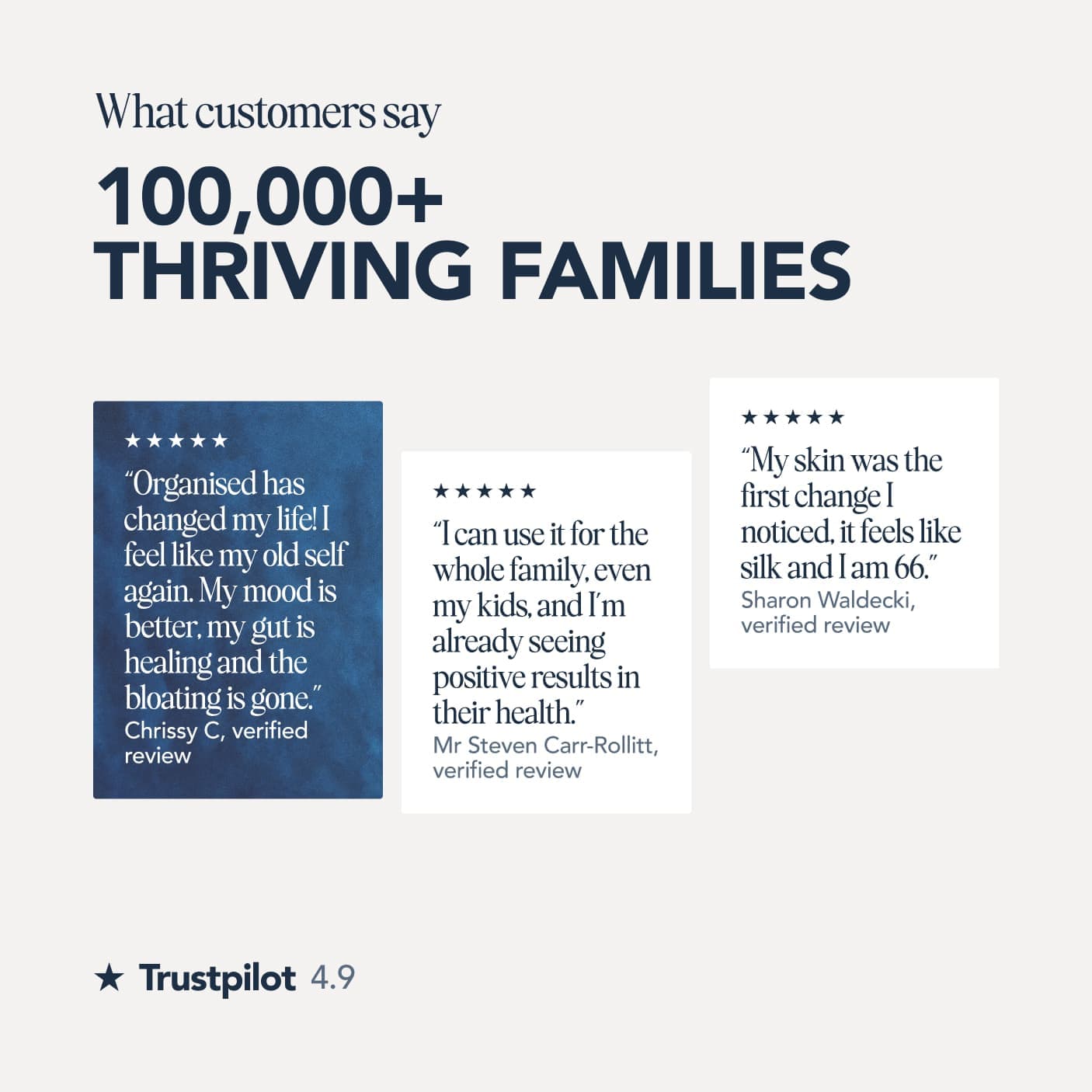
100,000+ thriving families4.9 on Trustpilot
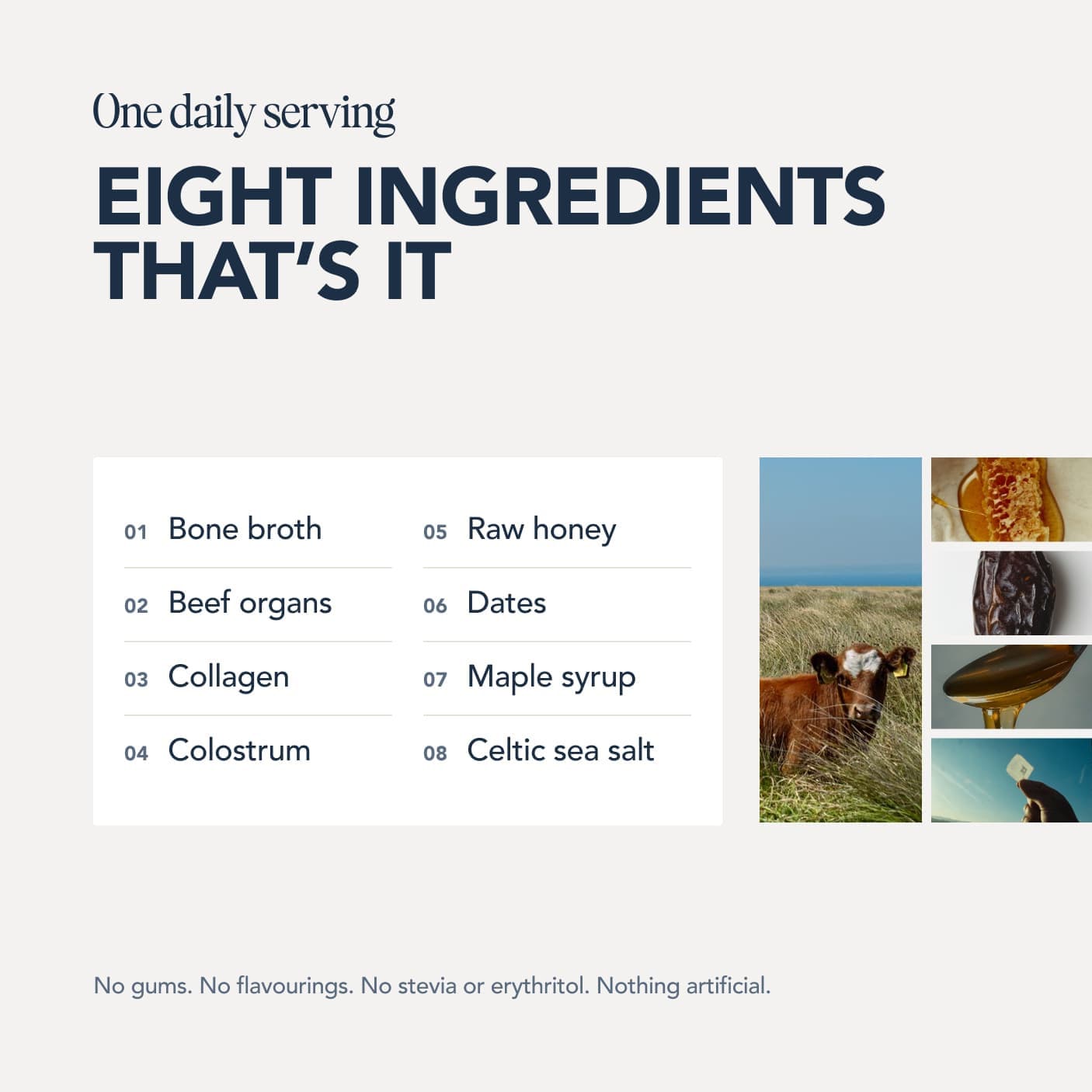
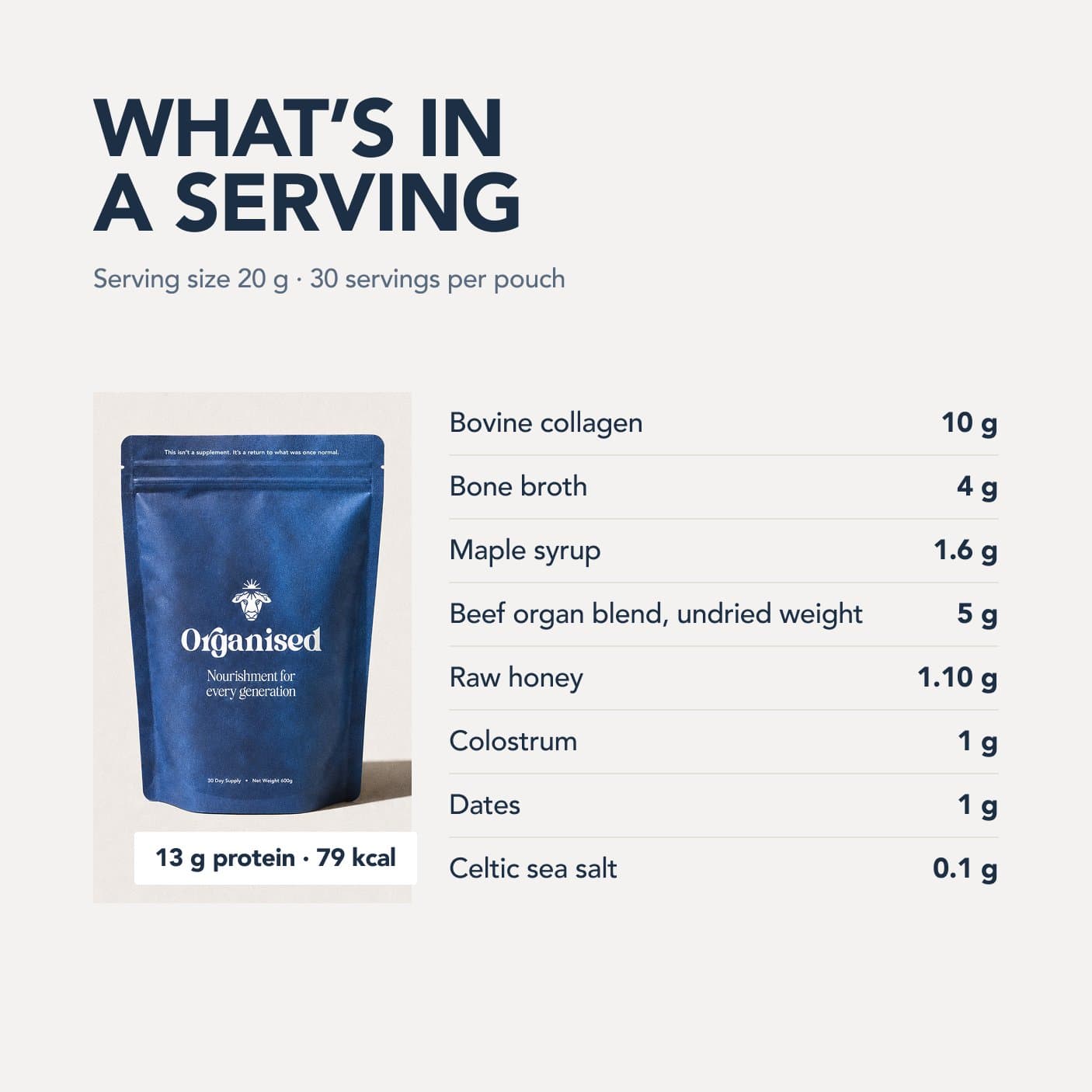
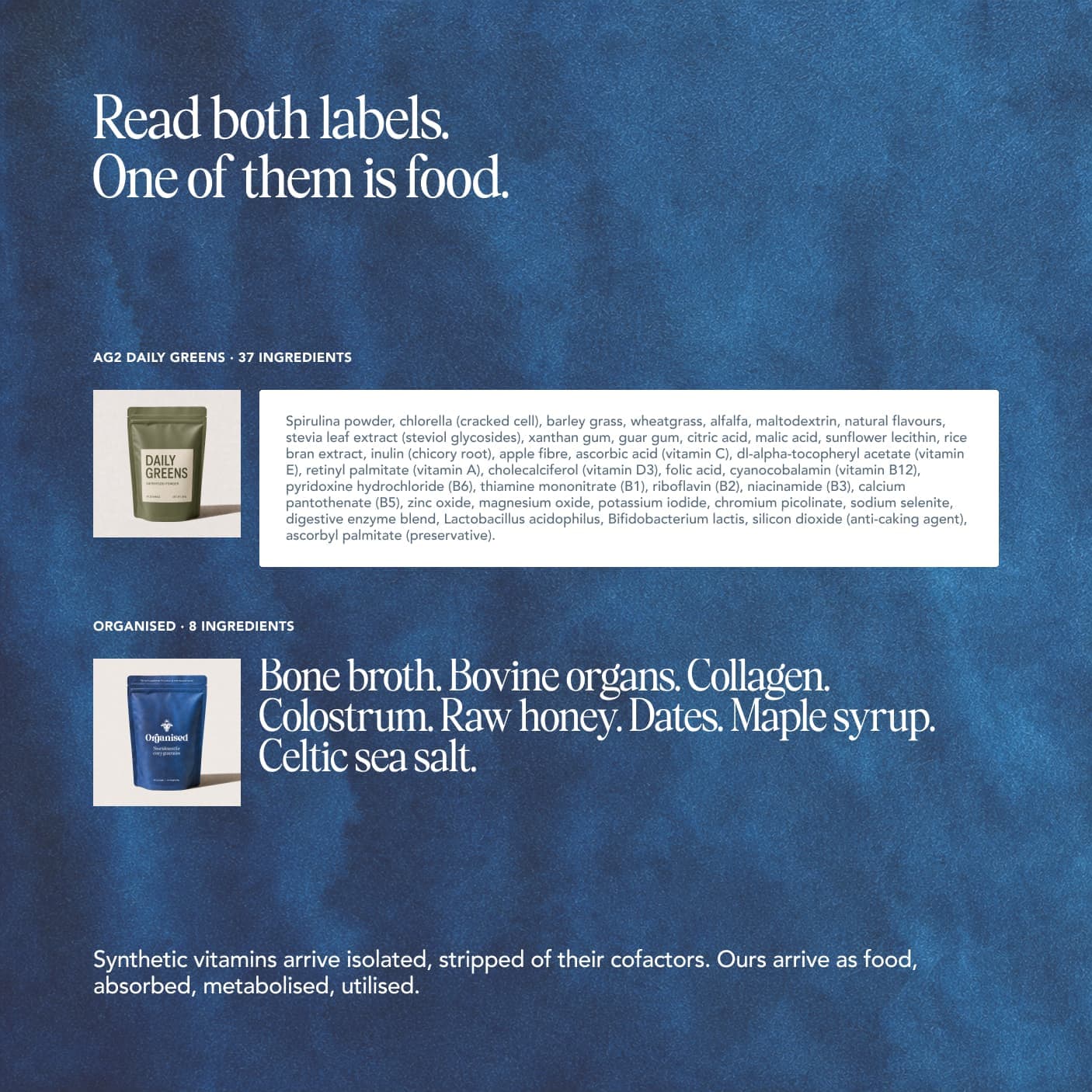
Eight real ingredients built around grass-fed beef organs, collagen and colostrum. Nothing synthetic added.
Free with your first order, worth £38. Plus £10 off the pouch with a subscription.

Free UK shipping · Made in England · 100 day money back guarantee on your first pouch · Skip, pause or cancel anytime
How much is actually too much
If you're eating a whole-foods diet, getting vegetables, meat, fish, eggs, and dairy, you don't need to count sodium. Season generously. Your body will regulate. You'll eat what you need, which will probably be around 3 to 6 grams per day, which is precisely where the research says risk is lowest.
If you're eating processed foods, the problem isn't that you're adding salt to your meals. The problem is that you're eating processed foods. Your sodium intake is already elevated, your potassium intake is depressed, and your electrolyte balance is distorted. Restricting salt won't fix that. Removing processed foods will.
Very high intakes, above 10 grams per day, do carry some risk in certain populations. This is usually only achievable if you're eating a lot of processed food or adding extraordinary amounts of salt to everything. Most people eating whole foods naturally hover in the moderate range.
The bottom line
The fear of salt was built on extrapolations from disease to health, on mechanistic thinking that confused a biomarker with the disease itself, and on guidelines that were never revised when the evidence contradicted them. Salt isn't your enemy. An entire dietary system lacking potassium-rich foods whilst overflowing with processed sodium is your enemy.
Use quality salt. Season your food. Get your potassium from whole vegetables, fruits, and meat. Stop worrying about salt intake in the context of a whole-foods diet. Your body knows what it needs.
References
Every source below was checked on 27 August 2026. Each PubMed, PMC and DOI identifier was resolved against NCBI or Crossref, and what it opens is printed under the citation, so you can see the link goes where the citation says without leaving the page. Where a citation and its identifier disagreed, the citation was corrected to the record or the reference was deleted along with the sentence marker that pointed at it, and where the resolved paper turned out not to support the sentence, the sentence was cut back to what it does support. Borrowed authority is worse than none, because it looks like rigour.
- O'Donnell M, et al. Urinary sodium and potassium excretion, mortality, and cardiovascular events (PURE). N Engl J Med. 2014. PMID 25119607.Checked 27 August 2026: PMID 25119607 opens O'Donnell M, Mente A, Rangarajan S et al, Urinary sodium and potassium excretion, mortality, and cardiovascular events. N Engl J Med 2014;371(7):612-23. PubMed indexes it as: Multicenter Study.
- Graudal NA, et al. Effects of low sodium diet versus high sodium diet on blood pressure, renin, aldosterone, catecholamines, cholesterol, and triglyceride. Cochrane Database Syst Rev. 2017. PMC8094404.Checked 27 August 2026: PMC8094404 opens Graudal NA, Hubeck-Graudal T, Jurgens G, Effects of low sodium diet versus high sodium diet on blood pressure, renin, aldosterone, catecholamines, cholesterol, and triglyceride. Cochrane Database Syst Rev 2020;12(12):CD004022. PubMed indexes it as: Meta-Analysis, Systematic Review.The authors' own declaration, from the record: None.
All authors are employed at public institutions. None of the authors has any connection with or receives funds from the food and salt industries or has commercial interests that might bear on this article.
- NIH Office of Dietary Supplements. Sodium fact sheet. ods.od.nih.gov/factsheets/Sodium-HealthProfessional.
- NHS. Hyponatraemia: low sodium symptoms and treatment. nhs.uk/conditions.
Corrections
What this page used to say, and why it no longer says it. Corrections are dated and are never removed, because deleting the record of an error is a second error. Every guide we have corrected is listed at our corrections log.
- 27 August 2026. The PURE analysis cited here enrolled 101,945 people in 17 countries, not “over 130,000”. The figure was corrected; the J-shaped curve and the 3 to 6 g optimum are as the paper reports them.
Who wrote and reviewed this guide
Niall Kiddle
Author · Founder, Organised
Niall is the founder of Organised. He started the company in 2024 after fixing his own health the slow way: in 2022 he swapped a cupboard of synthetic supplements for real food, raw milk, organ meats, bone broth and honey, and felt the difference within months.
Areas of expertise: Ancestral nutrition, Organ meats, Whole-food supplementation, Gut health, Regenerative sourcing
Read Niall's full profile
Pedro Rodrigues
Reviewer · Agronomist (farming and sourcing only)
Pedro is the agronomist Organised works with on farming and sourcing. His job on the guides is to keep the science honest: he reviews what we publish about soil health, regenerative agriculture, grazing and the way food is actually produced.
Areas of expertise: Regenerative agriculture, Agronomy, Soil health, Grass-fed farming, Food sourcing
Reviewed this guide on
Read Pedro's full profileMore on nutritional deep-dives
View all- B12 from Organs vs B12 Supplements: Bioavailability Matters
- Can Adults Benefit from Colostrum? (It's Not Just for Calves)
- CoQ10 from Beef Heart vs CoQ10 Supplements: Is There a Difference?
- Honey and Gut Health: Prebiotic Properties You Might Not Know About
- How Organ Meats Were Eaten Throughout History
- Selenium in Beef Kidney: Why This Trace Mineral Is Essential
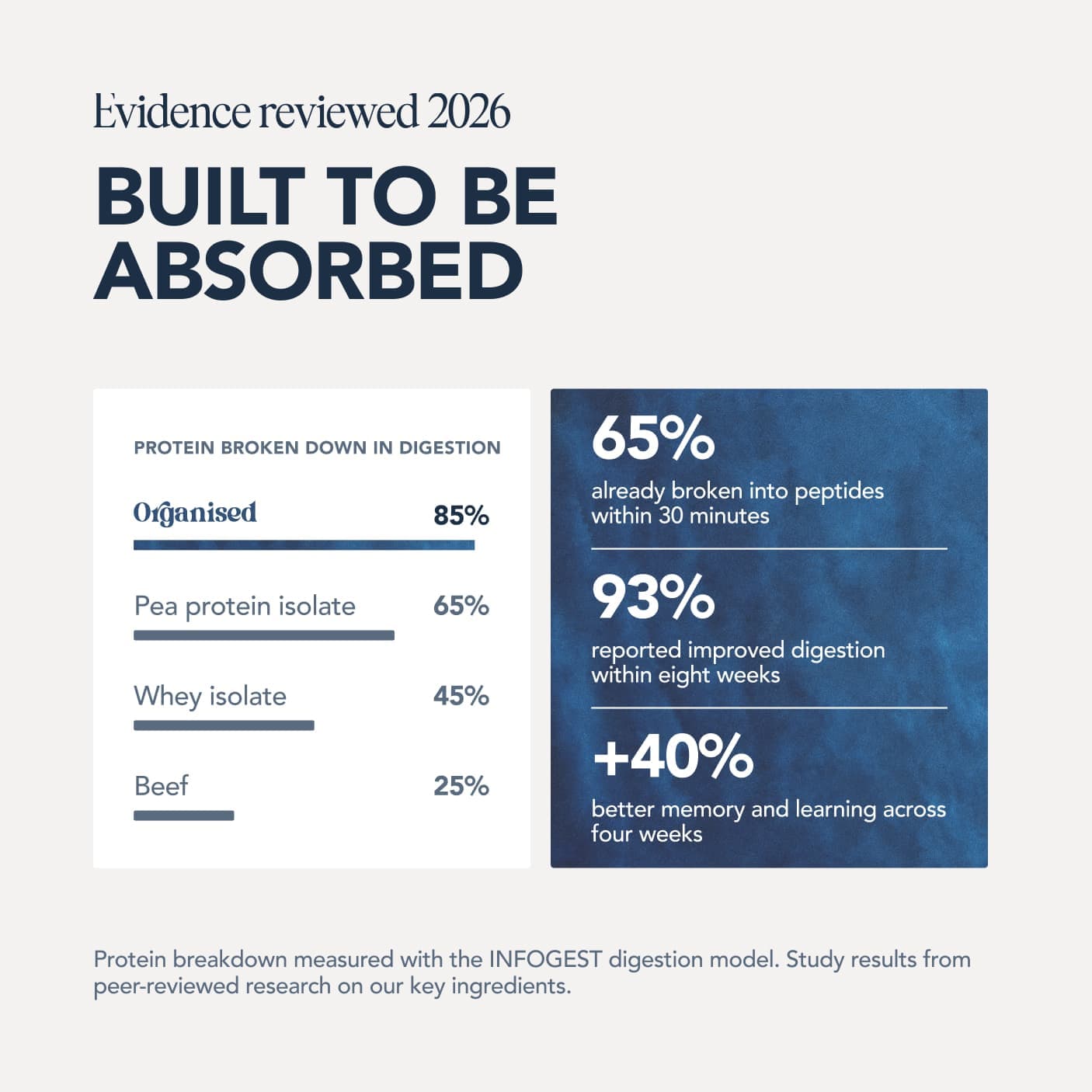
- Why Beef Protein Is Easier to Digest Than You Think
Browse the guides library
All guidesKeep reading
Ingredients
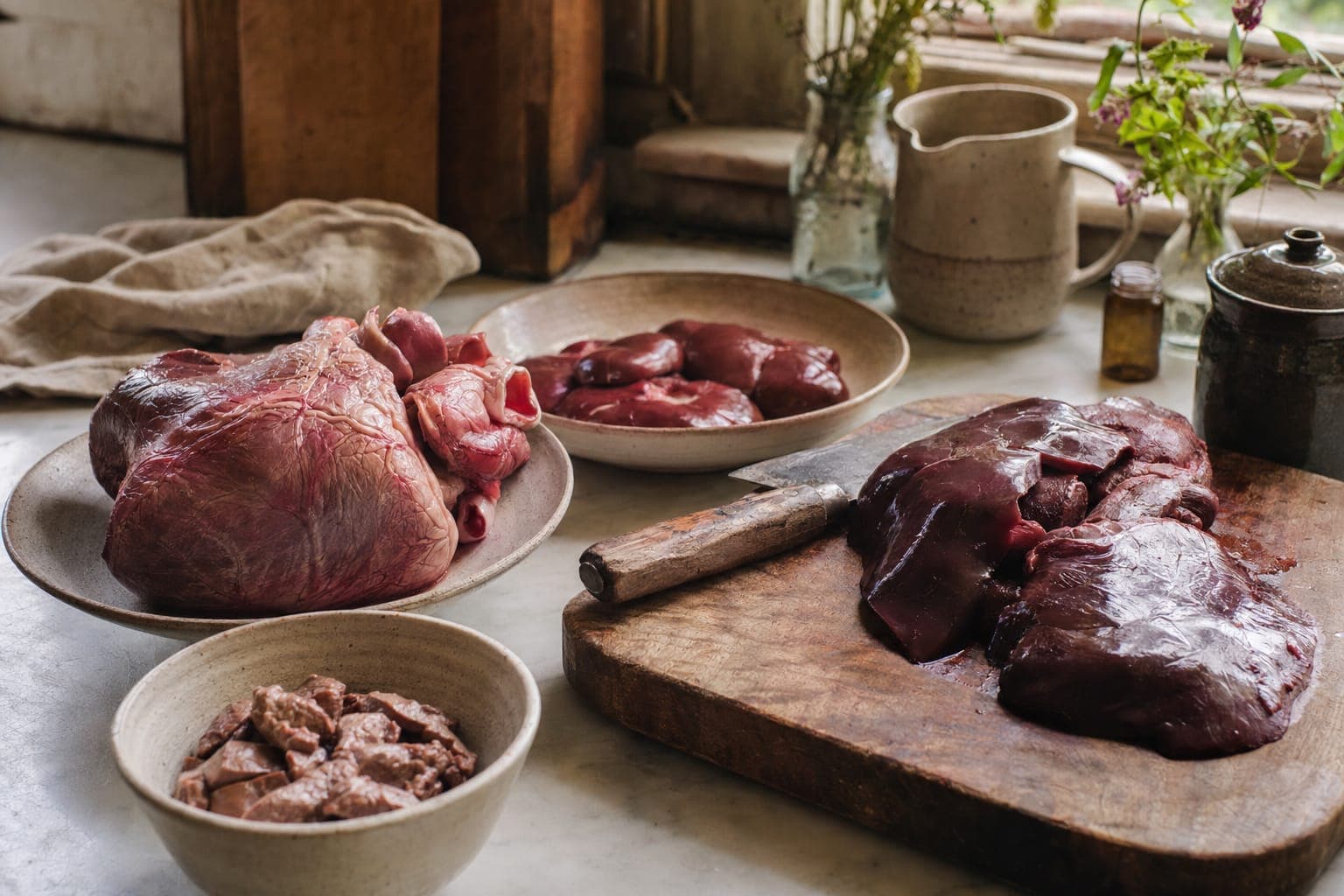
Are Beef Organs Safe? Everything You Need to Know
Wondering if beef organs are safe to eat? See what modern lab testing shows about heavy metals and toxins in liver, so you can choose sources with confidence.
Ingredients
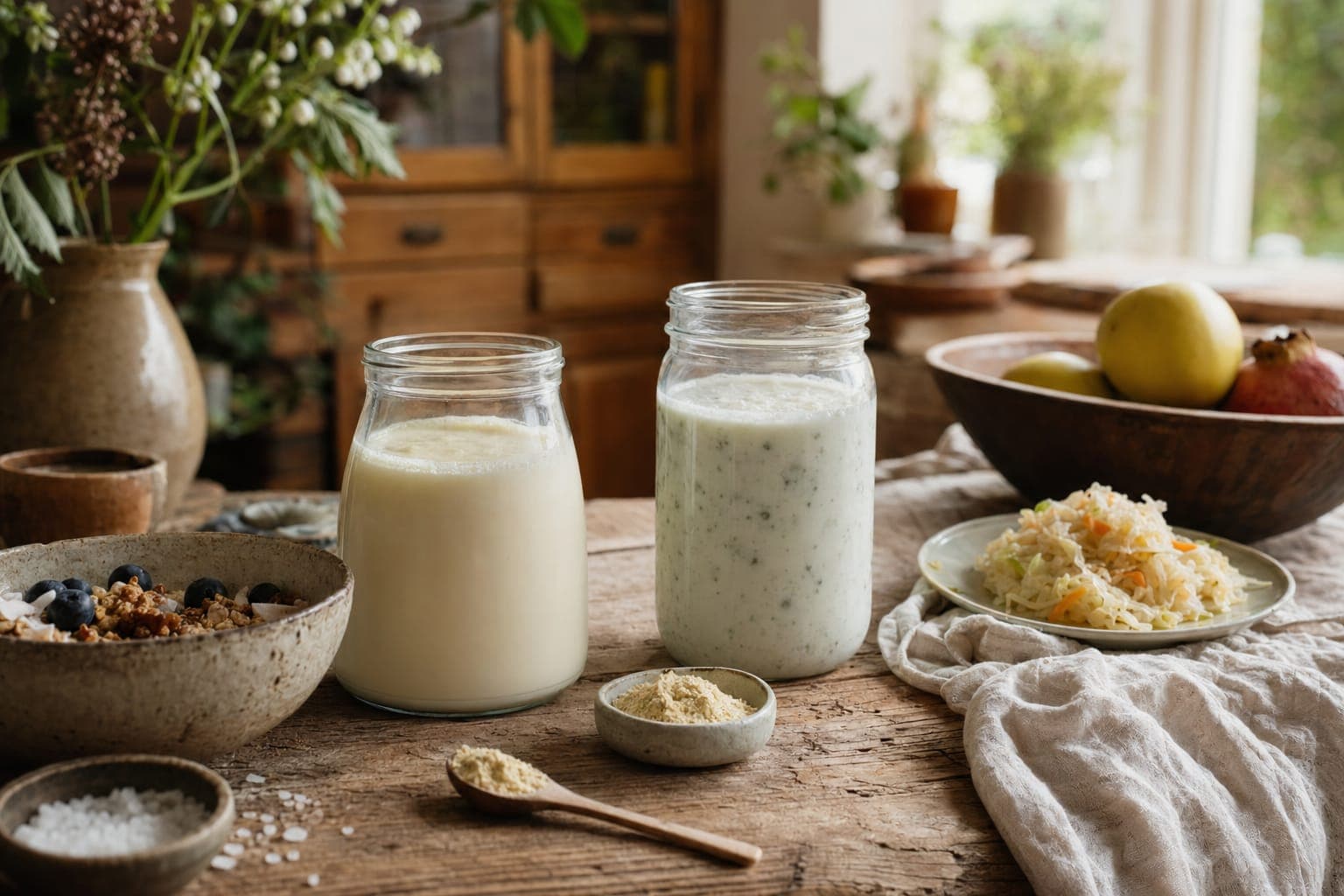
Colostrum vs Probiotics: Do You Need Both?
Understanding the difference between colostrum and probiotics. Learn whether you need both and how to use them together.
Science
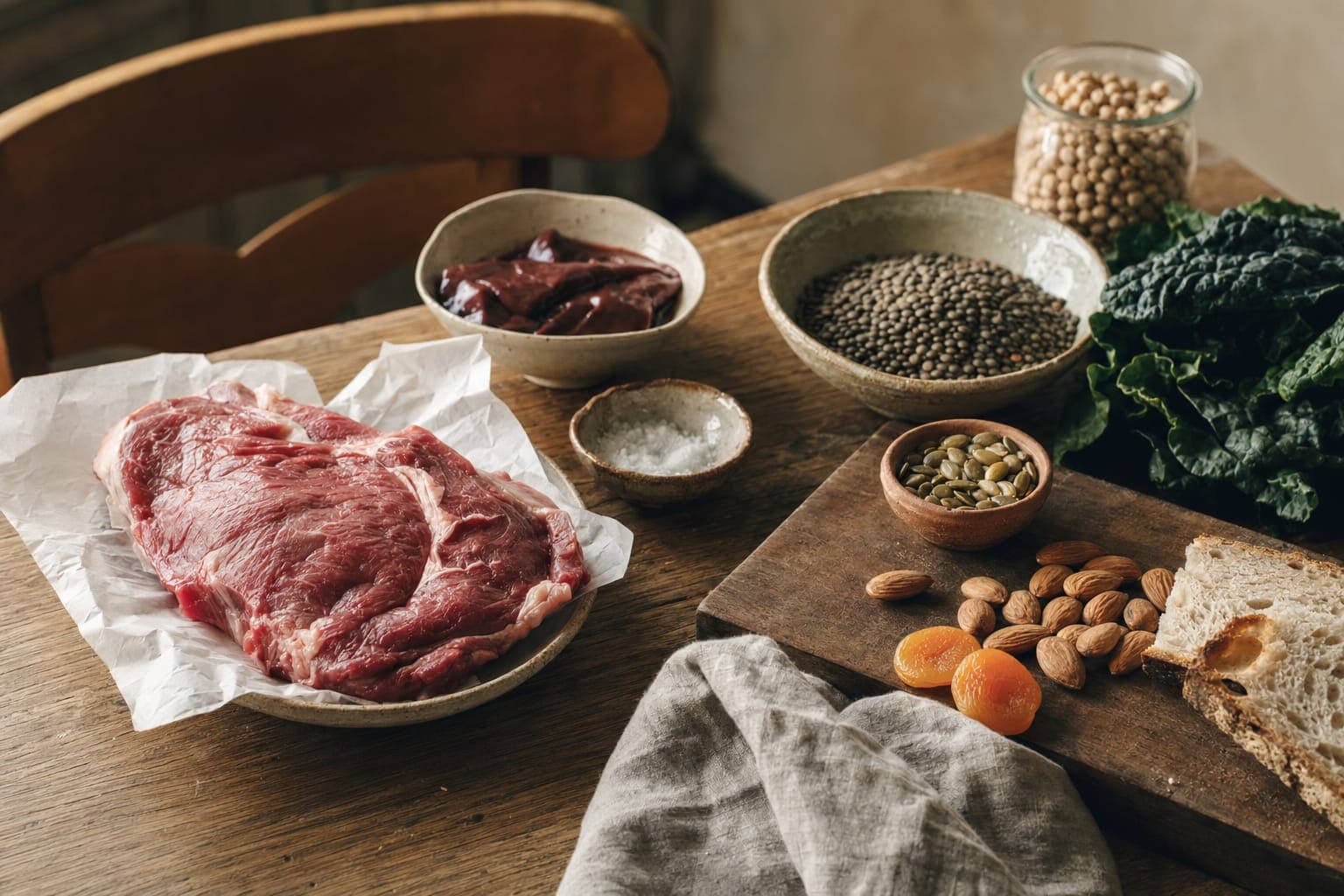
The Difference Between Heme and Non-Heme Iron (And Why It Matters)
How heme iron from meat absorbs differently than plant iron, factors that affect absorption, and why it matters for your blood work.
Real food, made effortless
Try the organ blendA few ways to use it
All recipes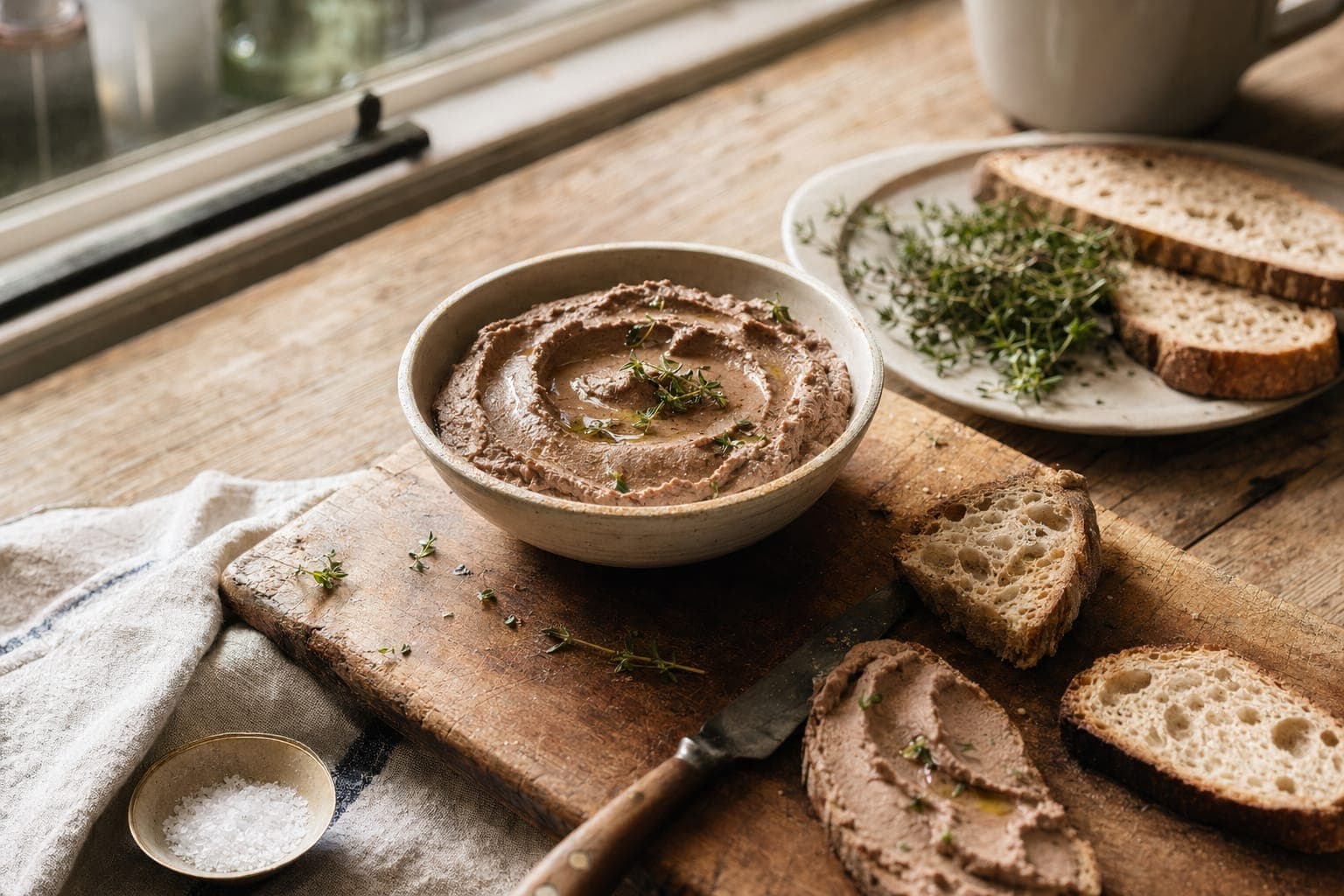
Liver Pate for Beginners: A Gentle Introduction to Organ Meats
Simple liver pate recipe to start eating organ meats. Chicken liver, butter, and herbs. Gentle introduction to nutrient-dense whole foods.
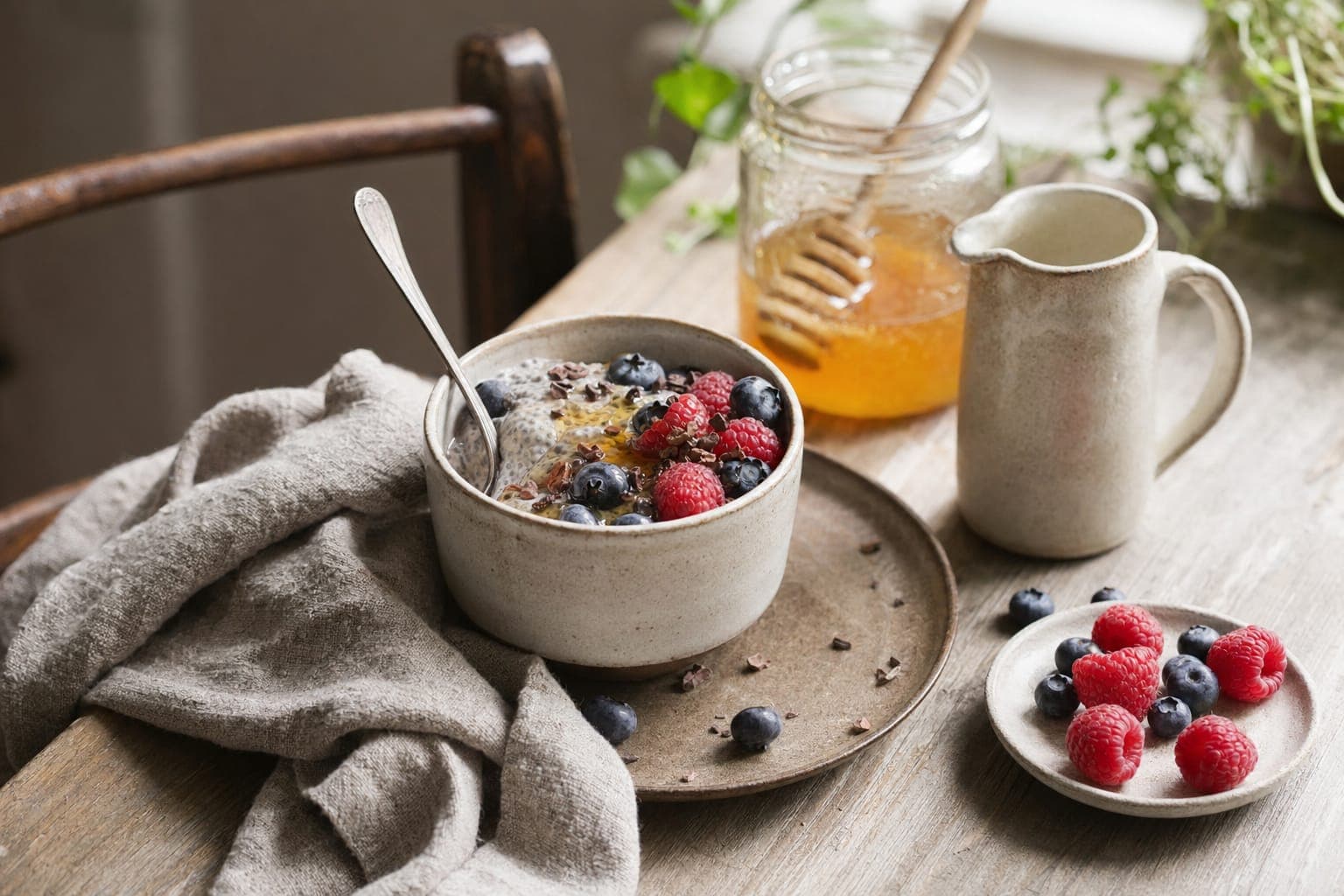
Organised Chia Pudding with Raw Honey and Berries
A no-cook chia seed pudding made with raw milk, collagen, berries, and raw honey. Prep it the night before and eat for breakfast.
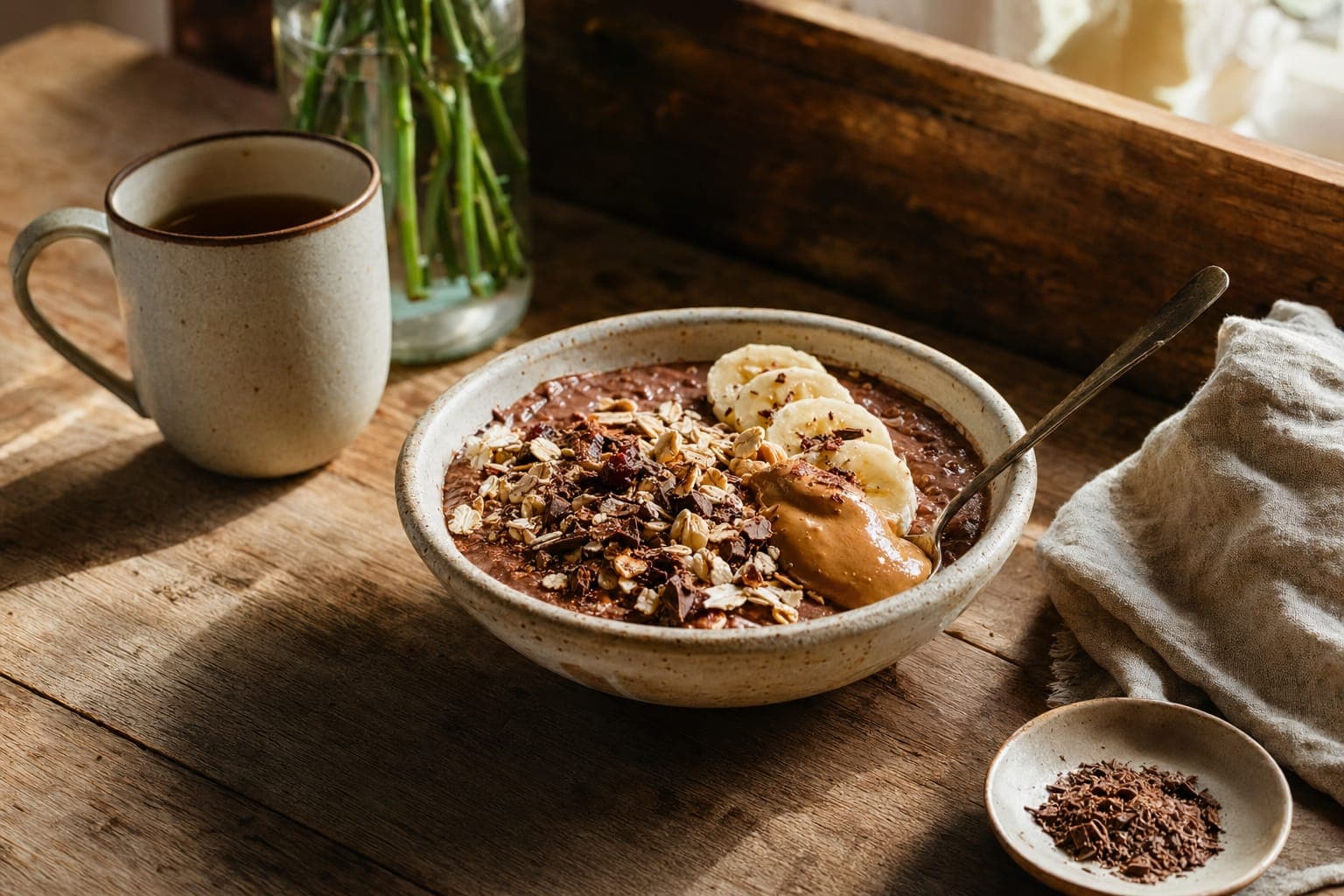
10 Ways to Use Organised That Aren't Just a Shake
Move beyond the basic shake. Discover 10 creative ways to use Organised in smoothie bowls, oats, yoghurt, baking, and more.


 Join over 100,000+ members
Build a better food system with us
The Organised community is thousands of people choosing real food and backing the farmers who grow it, all of us trying to leave the world a little better than we found it. If that is what you care about too, you belong here.