Are Beef Organs Safe? Everything You Need to Know
The safety question isn't stupid. You're thinking about eating an organ from an animal you don't know. The internet has convinced you organs are risky. Let's look at what the actual evidence shows.

By Niall Kiddle, Founder, Organised

Reviewed by Pedro Rodrigues, Agronomist (farming and sourcing only) ·
8 min read · Published · Updated · 4 cited sources
Makers of the Organised Daily blend, a grass-fed beef organ supplement from regenerative UK farms
The safety concern that matters
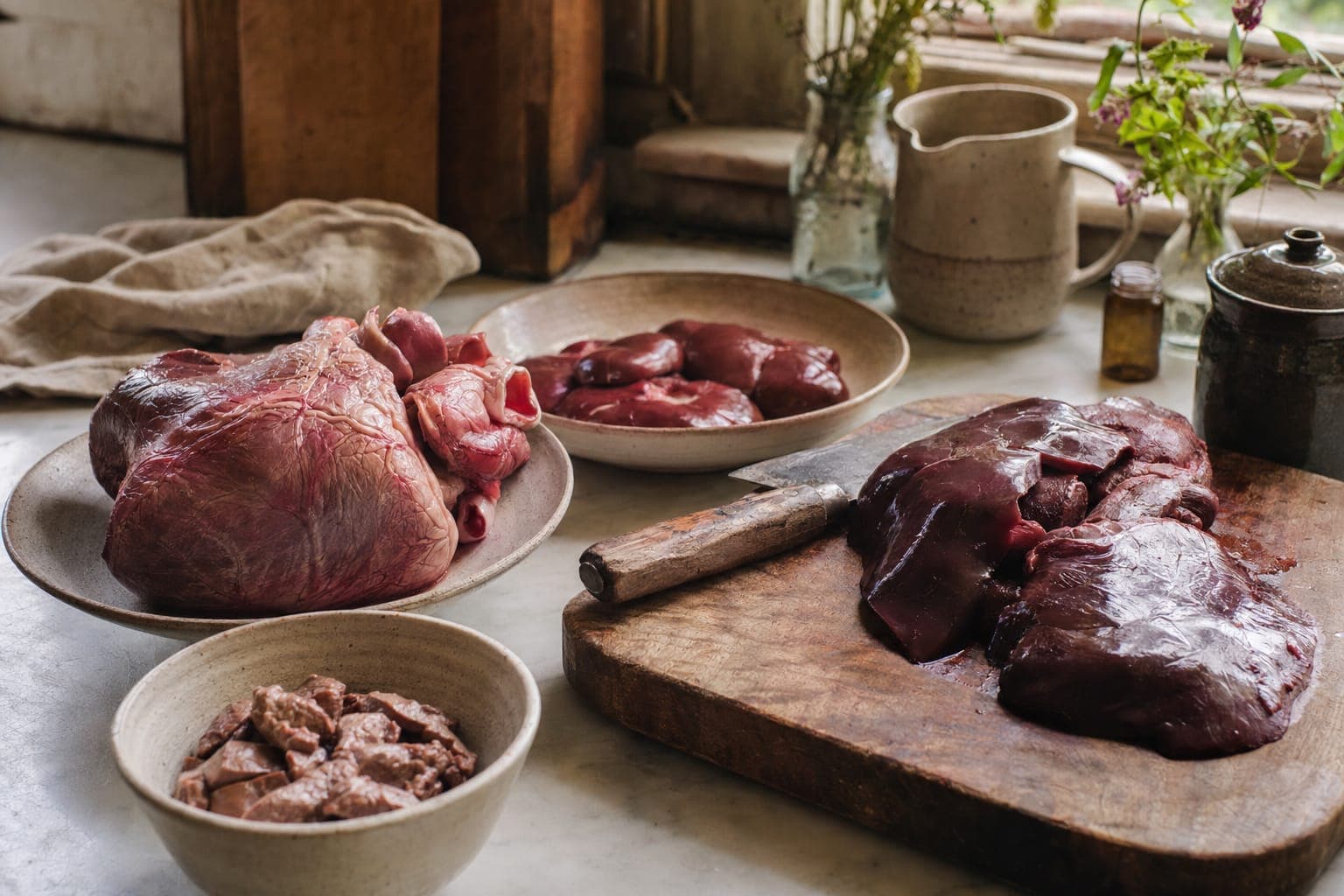
There are three real safety concerns with beef organs: bacterial contamination, heavy metals, and pesticide residue. The first is legitimate; the second two are mostly noise.
Bacterial contamination matters because organs are processed and stored. If they're contaminated during processing and kept at the wrong temperature, you could develop food poisoning. This is rare with reputable suppliers, but it's worth understanding.
Heavy metals (lead, cadmium, mercury) accumulate in organs because organs are involved in processing and storage. Your body has mechanisms to remove them, but chronically high exposure matters.2
Pesticide residue is mostly a non-issue. If beef is grass-fed and pasture-raised, there are minimal pesticides. If it's grain-fed, the grains might carry residue, but modern testing shows residue levels are minimal.
The real question is not whether organs are safe in the abstract. It's whether the organs you're buying have been tested and verified to be safe.
How modern beef is tested
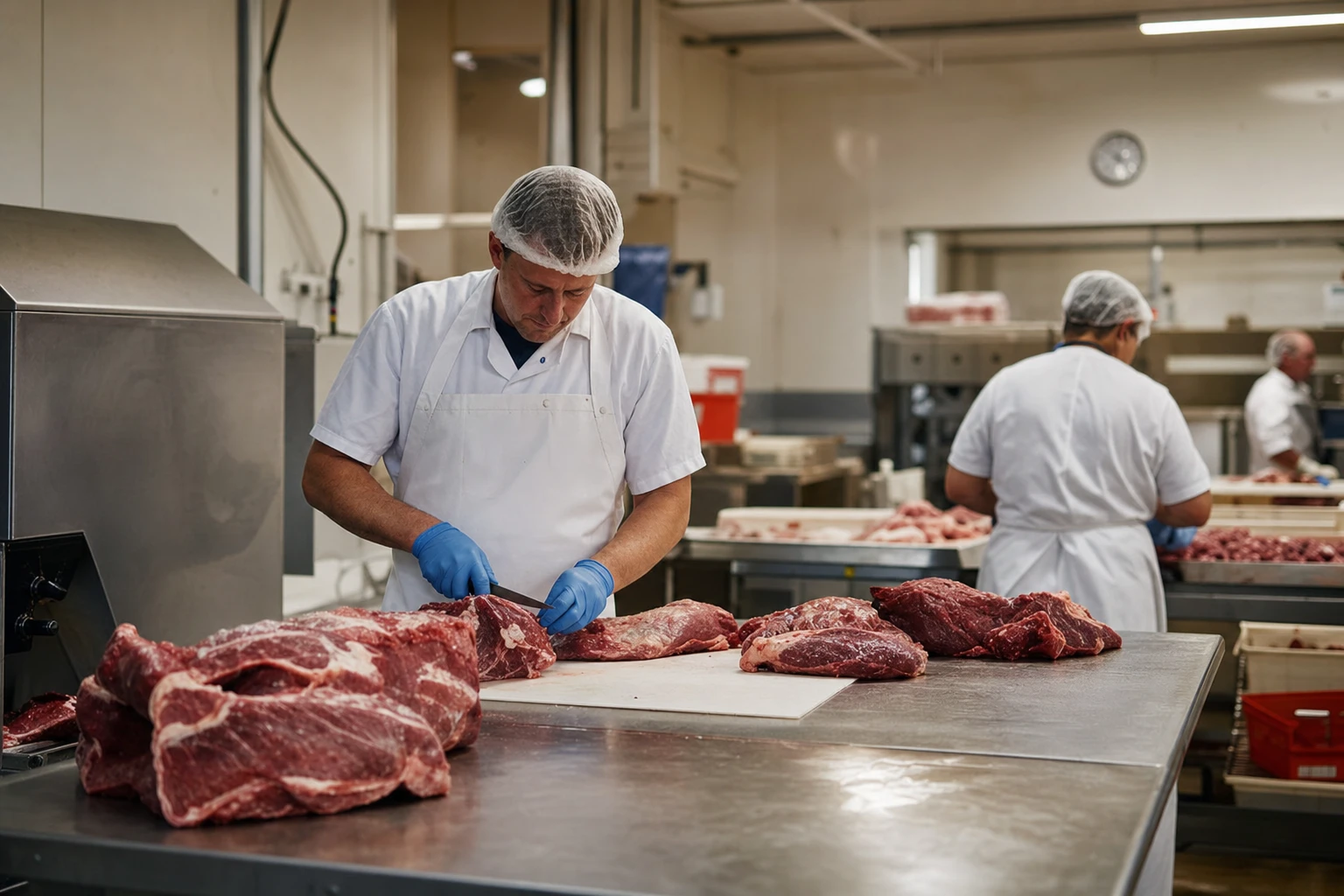
In the UK and most developed countries, beef is subject to rigorous testing. Here's what happens:
Pathogen testing. All beef destined for human consumption is tested for E. coli, Salmonella, Listeria, and other pathogens. Abattoirs are audited regularly. If contamination is found, the batch is destroyed. This is not optional; it's law.1
Residue testing. Beef is periodically tested for antibiotic residue, pesticide residue, and unauthorised growth promoters. These tests are conducted on behalf of the Food Standards Agency. If residues exceed limits, the beef doesn't make it to market.1
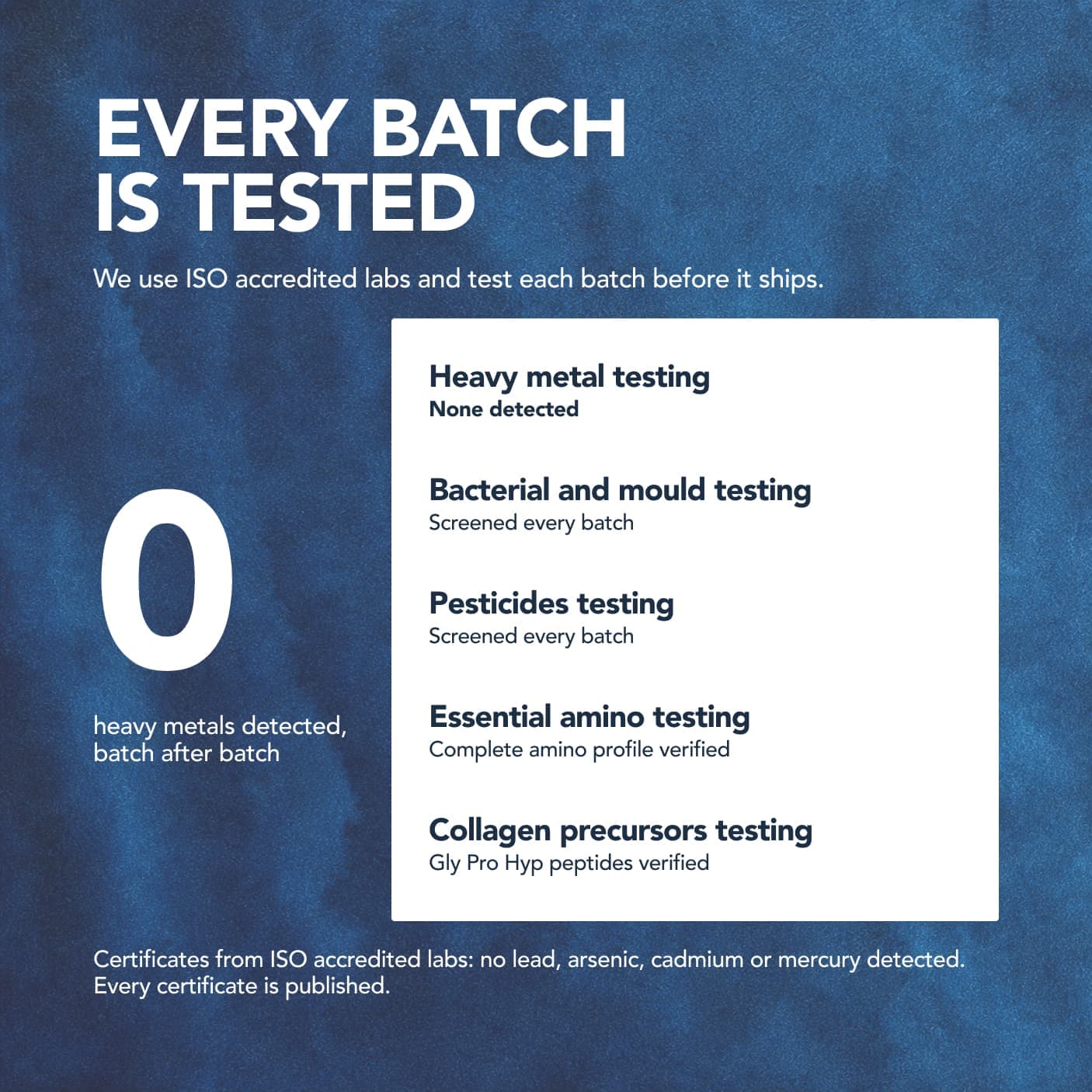
Heavy metal monitoring. This is less standardised but increasingly common. Premium producers voluntarily test for heavy metals. If you're buying from a reputable organ supplier, they should be able to show you lab reports.
Here's the important bit: if a company won't share their testing data with you, they either haven't tested or the results are bad. Move on. There are plenty of suppliers who test transparently.
What 'grass-fed' actually guarantees
Grass-fed doesn't automatically mean safe, but it significantly reduces the risk profile.
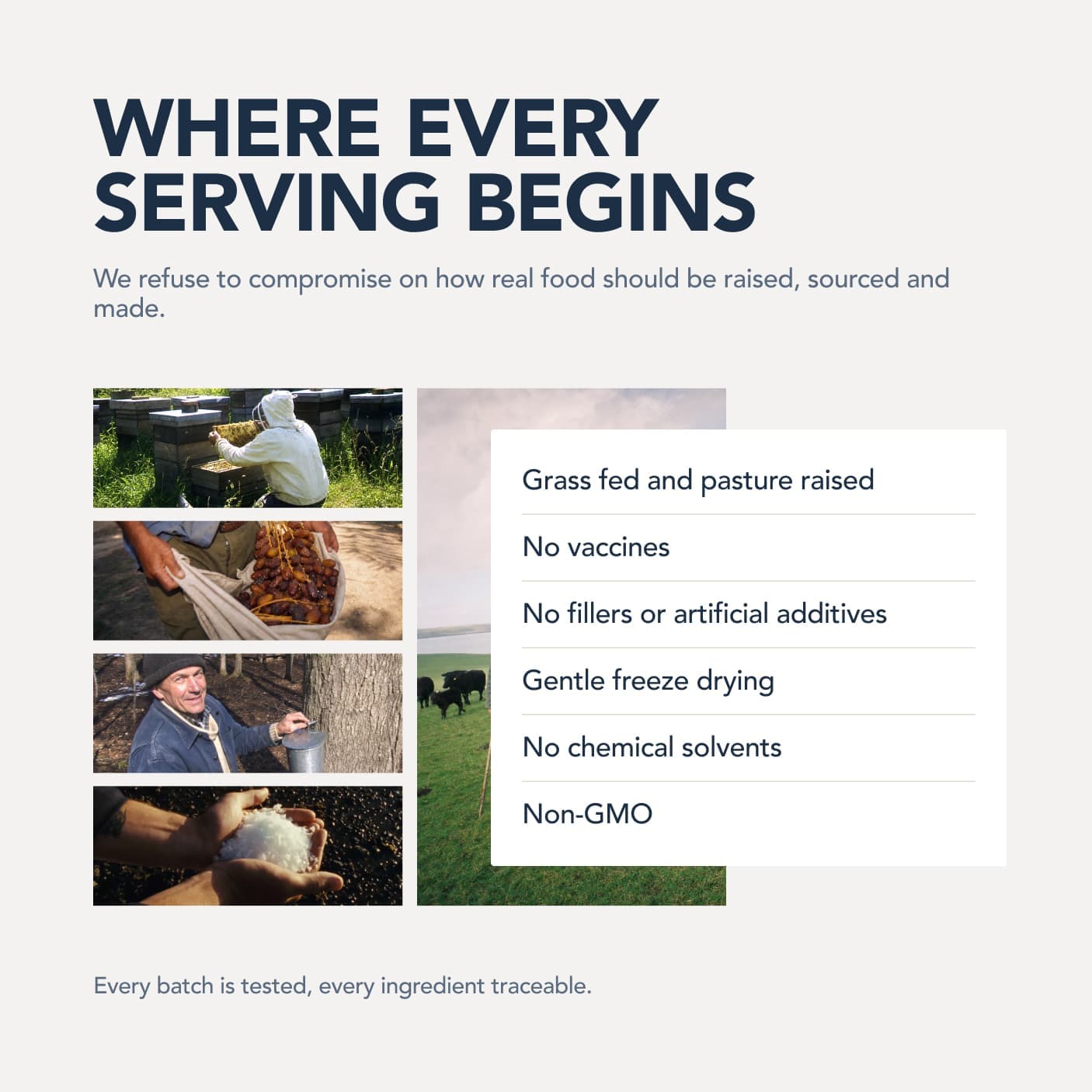
Grass-fed beef is raised on pasture, not in feedlots, and is not fed grain (which can carry pesticide residue). The animals spend their lives grazing, moving, and exposed to natural sunlight. The land they graze is typically managed by farmers who care about soil health (which correlates with food quality).
Grass-fed beef has higher levels of micronutrients and fat-soluble vitamins than grain-fed. The omega-3 to omega-6 ratio is better. The meat is denser in cofactors. And by definition, the animals haven't been fed antibiotics or growth promoters (which is the whole point of grass-fed certification).
Is grass-fed automatically clean? No. A grass-fed animal raised on contaminated land could accumulate heavy metals. But grass-fed from a reputable farm with demonstrated soil health and testing? That's about as safe as you can get.
Heavy metals: what you should and shouldn't worry about
Here's where most people go off the rails: they panic about heavy metals because organs concentrate them.
Yes, organs concentrate heavy metals more than muscle meat. But here's the context: the levels that matter are levels that accumulate over months and years, not from occasional consumption. Eating liver once a week from a tested source is not going to accumulate heavy metals in your body.3
Think about it this way: your body has detoxification pathways specifically designed to handle heavy metals. Your liver excretes them. Your kidneys filter them. These systems work if you're not chronically exposed to dangerous levels.
Occasional consumption of tested organs is not the same as chronic exposure to contaminated water or industrial air pollution. The former is safe. The latter is a real problem.
The people who should be most concerned about heavy metal accumulation are those working in industrial settings, living near factories, or drinking contaminated water. Not people eating nose-to-tail beef from clean sources.
What makes an organ supplement trustworthy
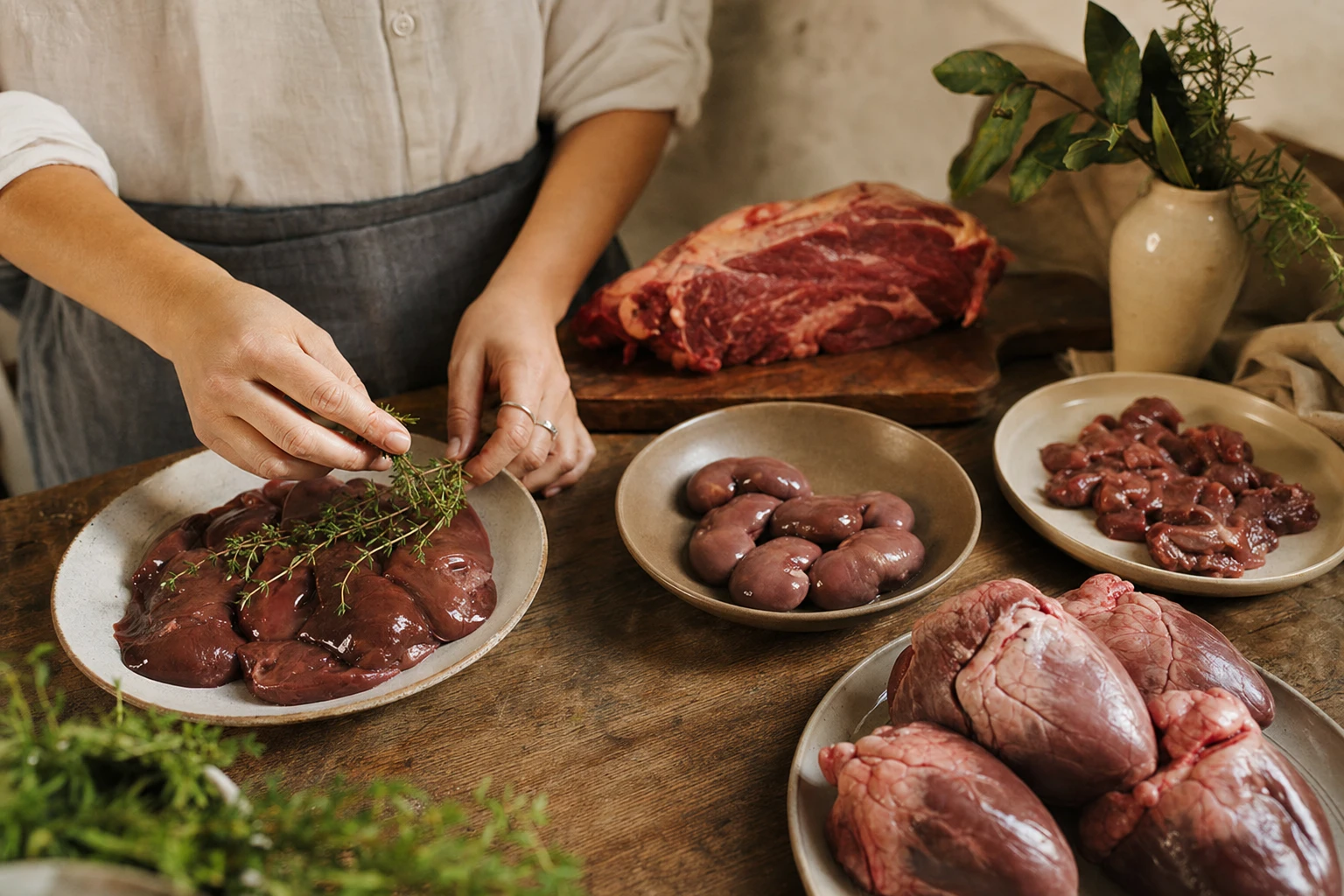
If you're buying organ supplements, here's your checklist:
Third-party testing. The company should provide lab reports showing heavy metal, pathogen, and nutritional content testing. If they won't, they don't know what they're selling.
Single-country sourcing. Beef from a single country or region is easier to trace and verify. If they're blending beef from five different countries, traceability gets complicated.
Grass-fed certification. Not all grass-fed is created equal, but certified grass-fed is far more reliable than unlabelled "grass-fed".
Transparent supplier relationships. Good companies will tell you where their beef comes from. They'll name the farms (or at least the regions). They'll explain their sourcing and testing. Vague companies are dodgy.
Freeze-dried processing. As mentioned elsewhere, freeze-drying is gentler than heat processing and preserves more nutrients. It also reduces the risk of pathogen contamination because the low-moisture environment is hostile to bacterial growth.

Understanding the testing process
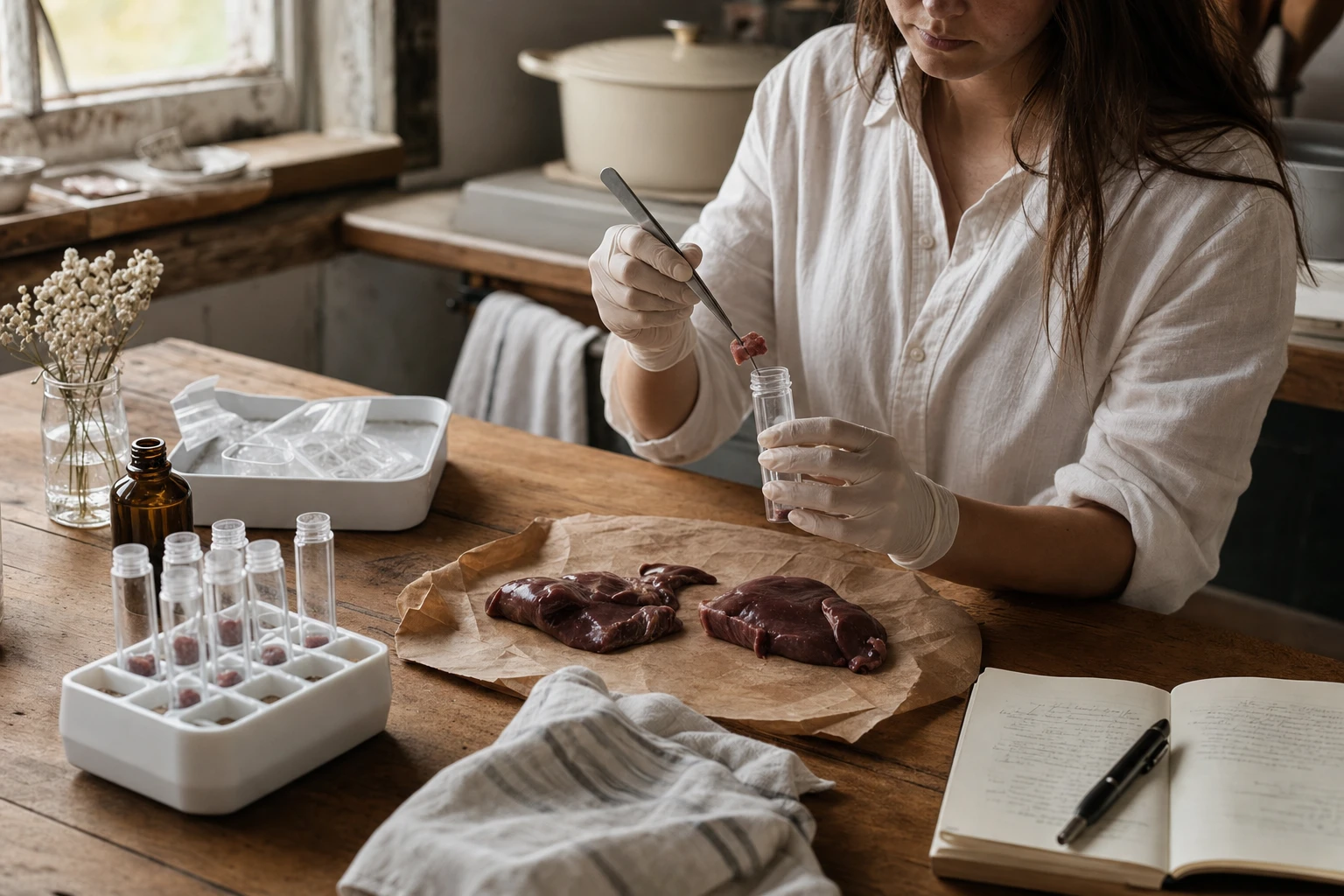
Third-party testing is not optional. It's the foundation of trust. Here's what legitimate testing actually looks like:
Heavy metal panels test for lead, cadmium, mercury, and arsenic. Reputable labs use inductively coupled plasma mass spectrometry (ICP-MS), which can detect metals at parts-per-billion levels.4 The testing should include at least 10-15 different heavy metals, not just the obvious ones.
Pathogen testing looks for E. coli O157:H7, Salmonella, Listeria monocytogenes, and Campylobacter. These tests should come from UKAS-accredited labs in the UK or equivalent internationally recognised laboratories. The reports should show results that are below detection limits, not just "negative".
Nutritional content testing verifies that what the label says is actually in the product. Many supplements under-deliver on their claims. Legitimate companies test batch-to-batch and make the data available.
If a company won't share their testing data publicly, assume they've either never tested or the results failed their own internal standards.
The cost of this testing is significant, roughly £500-1,000 per test per batch. That's why cheaper organ supplements often skip it. The companies that invest in testing are making a statement about their commitment to safety and quality.
Get ingredient guides like this, free
Two short reads a week on the ingredients that matter and how to actually use them.
By signing up you agree to receive emails from us. No spam, unsubscribe anytime.
The difference between grass-fed and conventional beef organs
Grass-fed organs are safer than conventional organs. Not because the safety testing differs, but because grass-fed beef has fewer contamination risks at source.
Grass-fed cattle are raised on pasture, not in concentrated feedlots. They're exposed to fewer pathogens because the population density is lower. They're not being fed grain or other supplements that might carry contamination. They're less likely to be treated with antibiotics, which creates pressure for antibiotic-resistant bacteria.
Conventional beef can be tested and safe, but grass-fed beef has fewer opportunities for contamination in the first place. This is why sourcing matters as much as testing.
The minerals found in grass-fed beef are also different. Animals raised on healthy, mineral-rich pasture accumulate different mineral profiles than animals fed grain. This isn't just about safety; it's about nutrient density. The organs you're after are valuable because they concentrate micronutrients. If those micronutrients came from depleted soil, you're getting less benefit.
The reality of bioaccumulation
One more thing to put to bed: the anxiety about organs being "toxic sponges" that absorb all the environmental contaminants.
Bioaccumulation is real but context-dependent. Animals that live in heavily polluted environments with contaminated water and air will accumulate metals. But that's a risk to the animal itself first. An animal with dangerous heavy metal accumulation would be chronically ill.
In practice, animals raised on healthy farms with clean water and adequate pasture don't accumulate dangerous levels of heavy metals. Testing confirms this.
Think of it this way: if the animal were toxic, it would be dead. If it's alive and passing inspection, the organs are safe to eat.
1 of 9
Daily blend
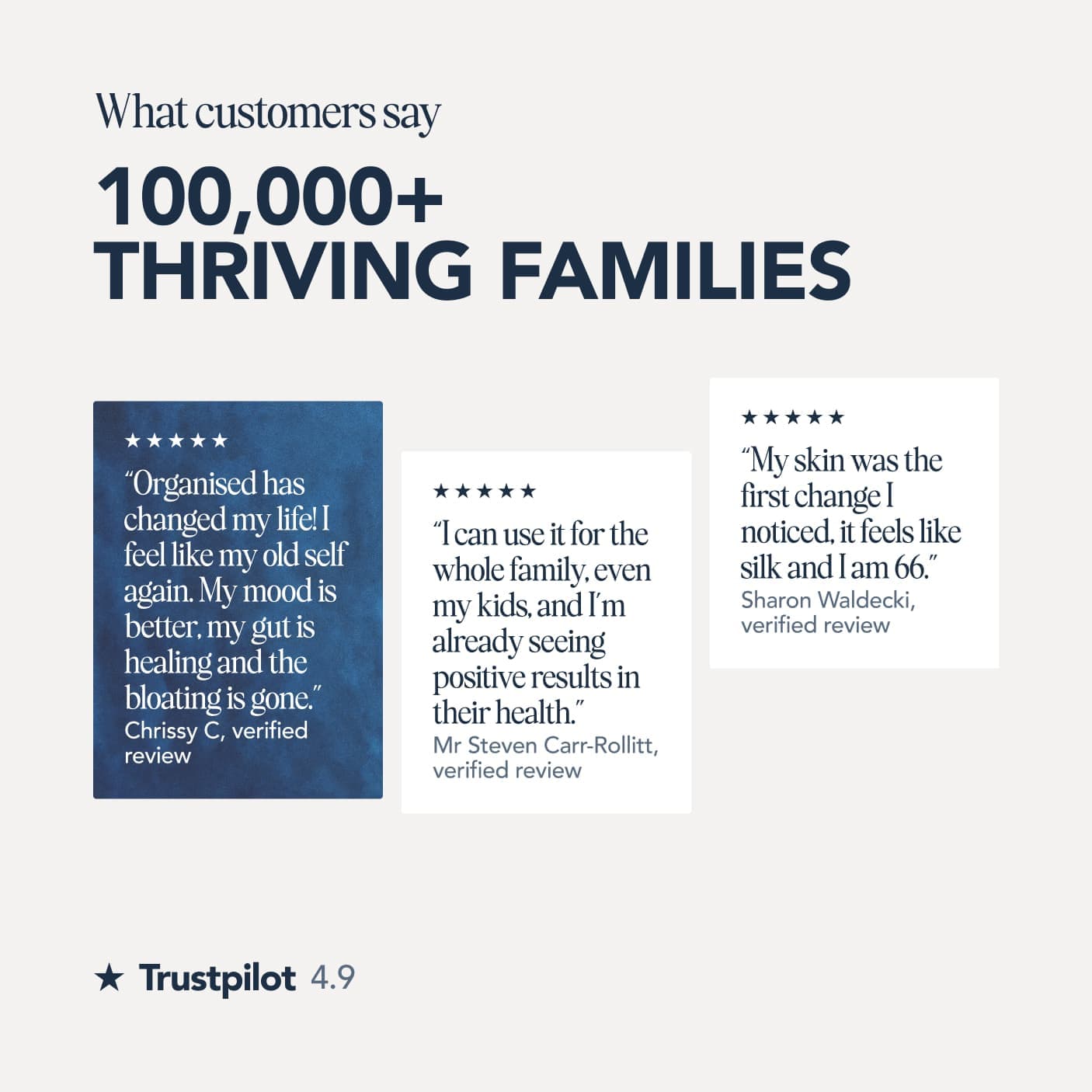
100,000+ thriving families4.9 on Trustpilot
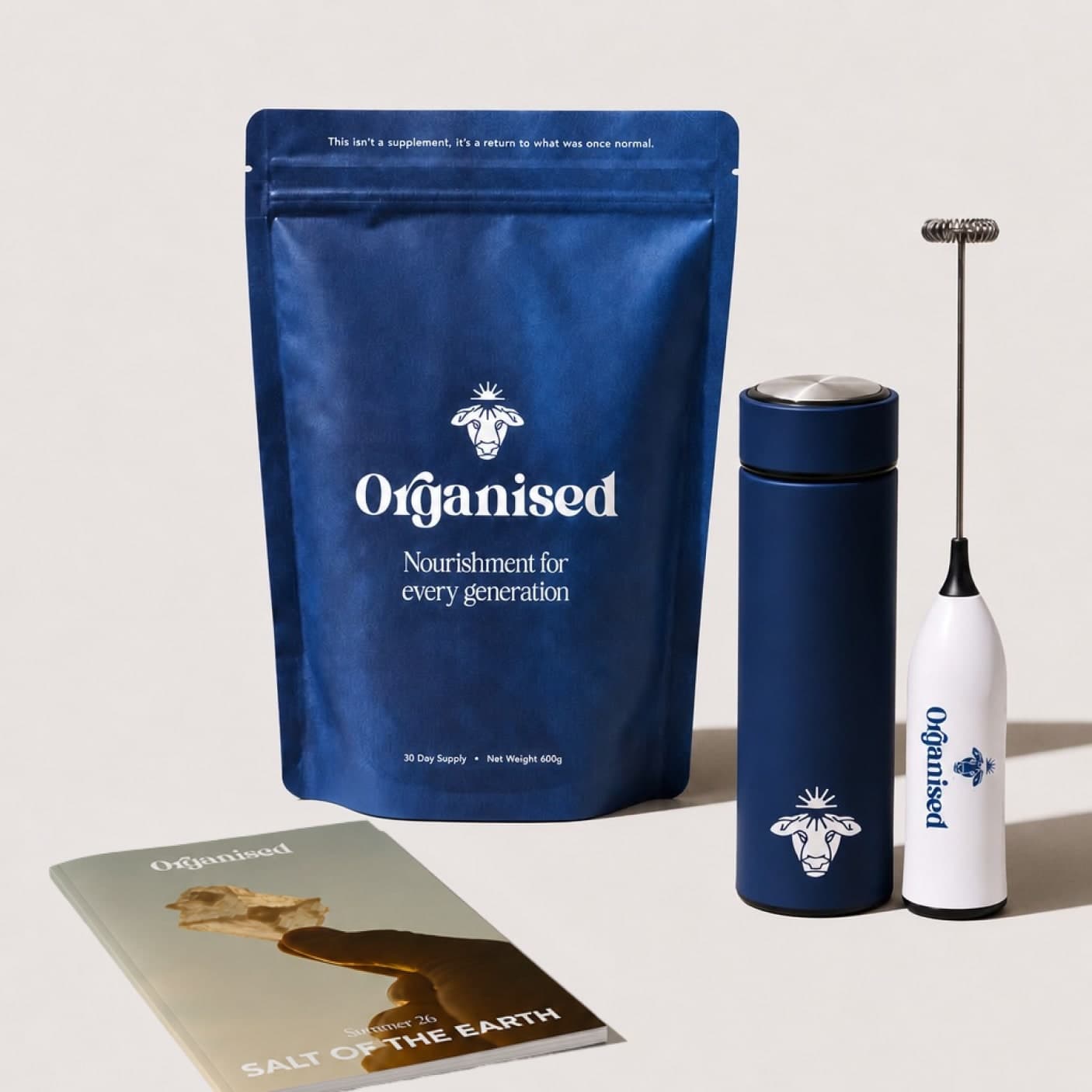
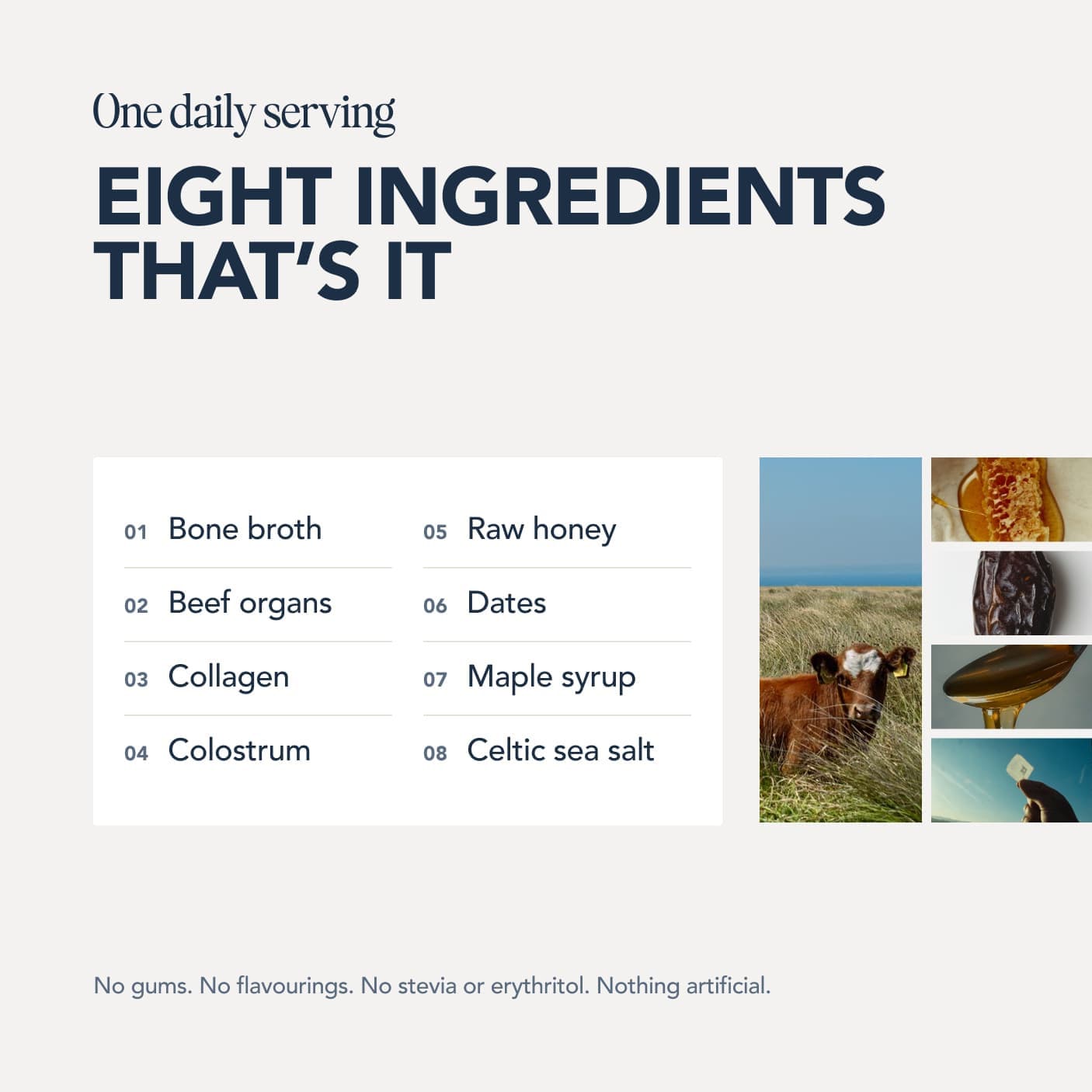
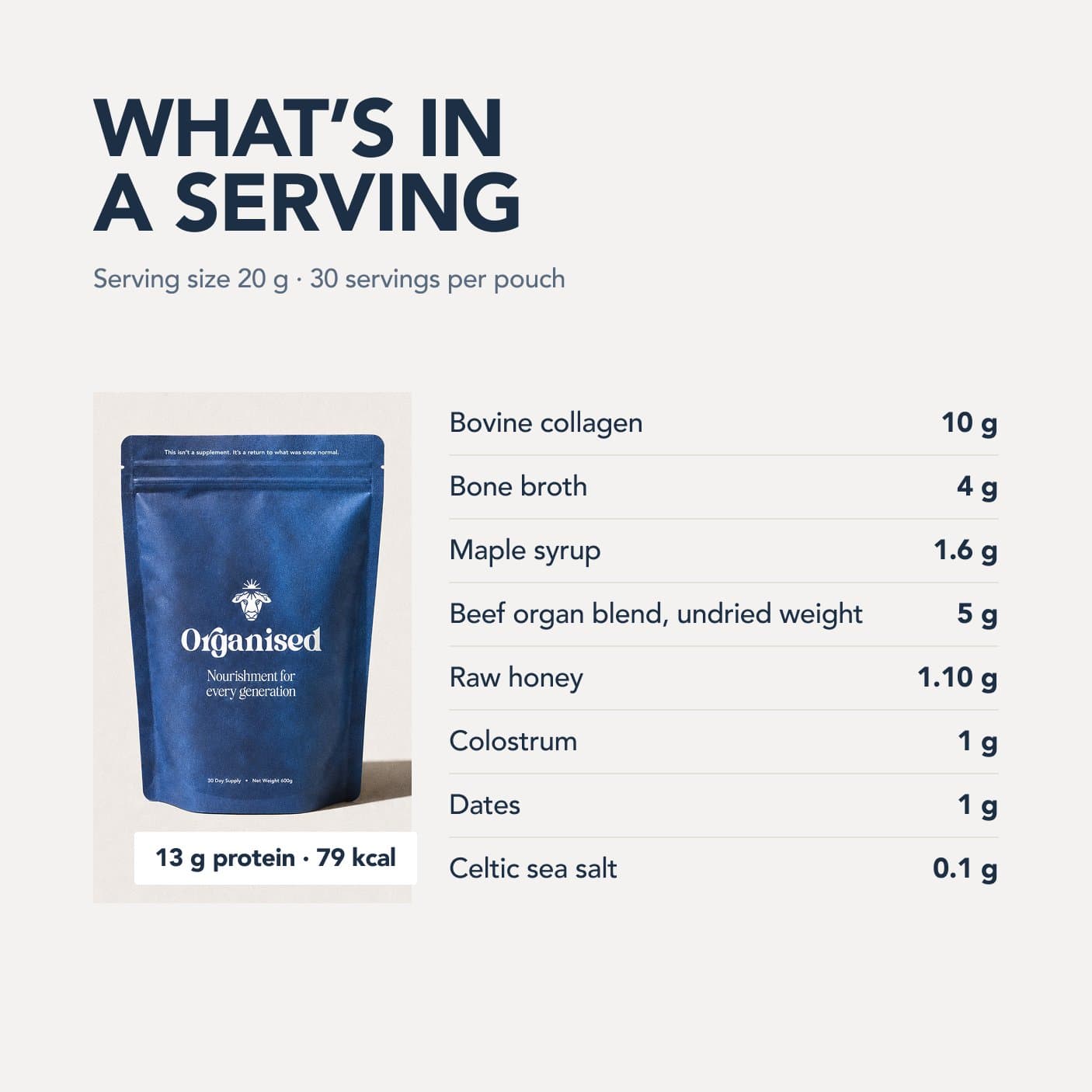
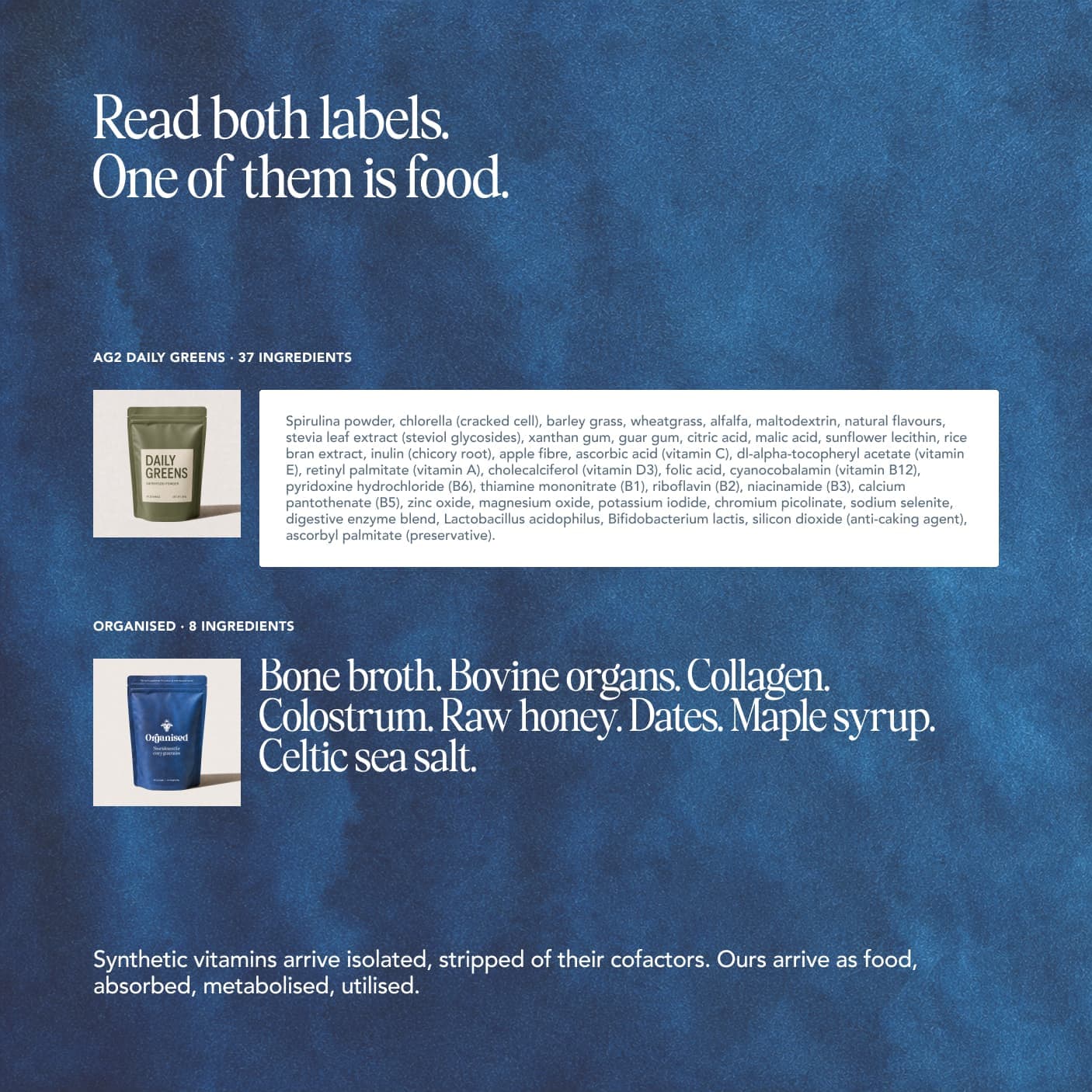
Eight real ingredients built around grass-fed beef organs, collagen and colostrum. Nothing synthetic added.
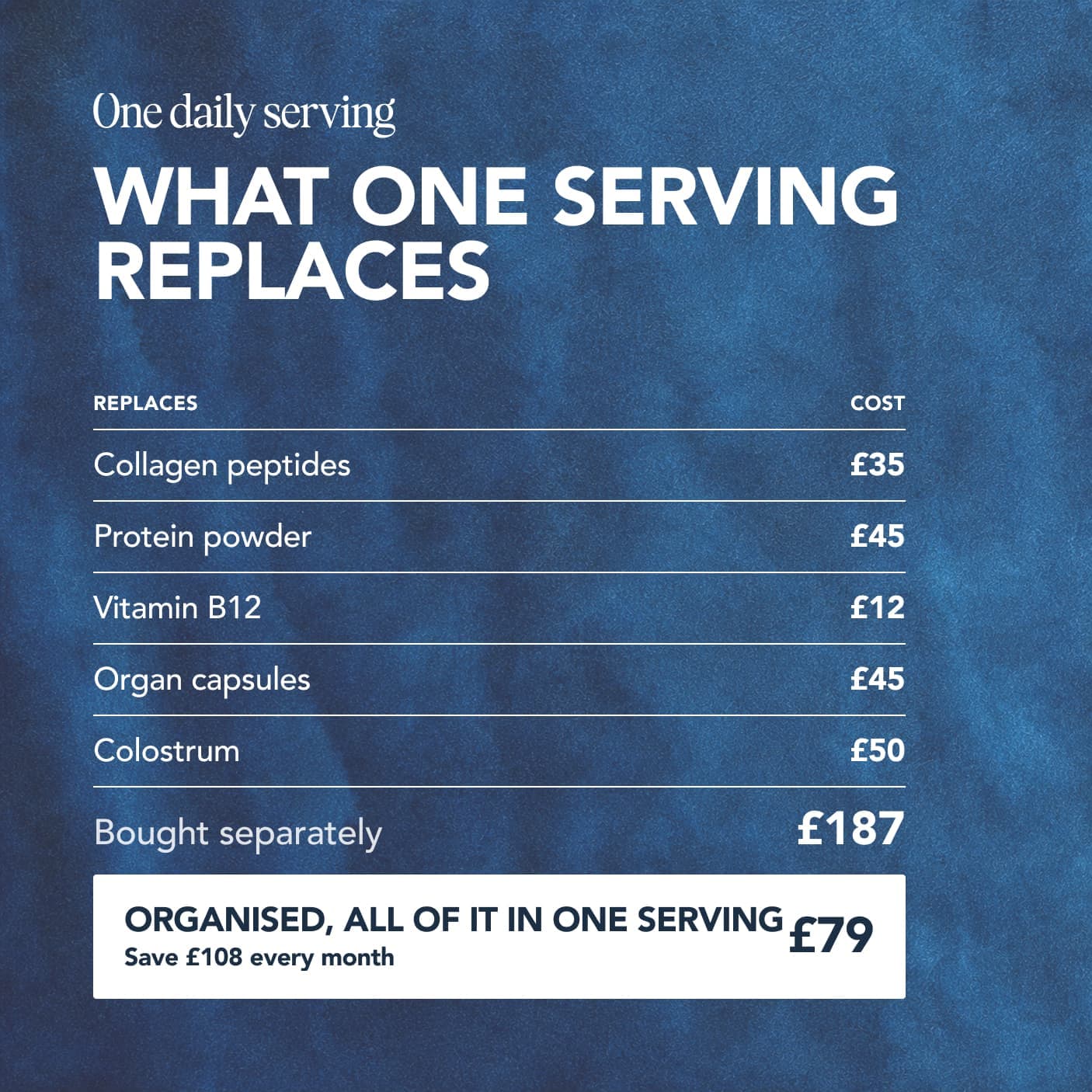
Free with your first order, worth £38. Plus £10 off the pouch with a subscription.

Free UK shipping · Made in England · 100 day money back guarantee on your first pouch · Skip, pause or cancel anytime
Practical sourcing: where to find safe organs
Finding safe organs is easier than it used to be, but you still need to know where to look. Direct-to-consumer butchers and farms are your best bet.
Direct farm purchases: Many regenerative farms that sell beef directly to consumers will prepare organs on request. You can speak to the farmer directly, ask about their land management, see their testing results if they have them. This is the gold standard for sourcing.
Grass-fed butchers: Specialist butchers that focus on grass-fed and pasture-raised beef are more likely to stock organs, and more likely to know where they come from. They can answer questions about sourcing and processing. Ask for organ testing results if available.
Organ supplement brands: If you're buying supplements rather than whole organs, the sourcing question matters even more. Read the label. Does it say where the beef comes from? Is it grass-fed? Does the company publish testing data? Can you contact them directly? Good companies will answer all of these questions transparently.
Questions to ask: When you contact a supplier, ask: Are your animals grass-fed? Where are they raised? What testing do you do? Can I see the results? How is the product processed? Have any batches ever failed testing? A trustworthy supplier will answer clearly and completely.
Don't settle for vague answers. If a company won't tell you where their organs come from or what testing they've done, move on. There are reliable suppliers who will.
The role of personal tolerance in safety
One often-overlooked aspect of safety is individual tolerance. Even organs from a tested, clean source can cause problems if your digestive system isn't ready for them.
Organs are nutrient-dense and concentrated. They're also rich in compounds like histamine and purines that can trigger sensitivity reactions in some people, particularly those with compromised gut health or histamine intolerance.
If you're new to organs, start small. A quarter-serving or half-serving to see how your body responds. Symptoms of intolerance include headaches, digestive distress, skin reactions, or anxiety. These are dose-dependent in most cases, meaning they appear with larger amounts but not smaller ones.
If you experience reactions, don't abandon organs. Reduce the dose or frequency. In many cases, tolerance improves as your gut health improves. Organs themselves support gut healing, so consistent small amounts often lead to better tolerance over time.
Cooking method matters too. Some people tolerate organs better when cooked low and slow (braised liver) versus quick searing. Organ meats are forgiving in this sense. They can be prepared many ways.
The bottom line
Are beef organs safe? Yes, provided they're sourced from a reputable supplier, they're grass-fed, and they've been tested for pathogens and heavy metals.
The organs you should be eating are organs from animals raised well, on clean land, by farmers who know what they're doing, and tested thoroughly before they reach you. That's not a high bar, but it's a real one.
If you're buying from a supplement company, insist on testing data. If you're buying whole organs from a butcher, ask about sourcing and processing. If a supplier can't or won't answer these questions, they're not trustworthy. There are plenty of suppliers who can.
References
Every source below was checked on 27 August 2026. Each PubMed, PMC and DOI identifier was resolved against NCBI or Crossref, and what it opens is printed under the citation, so you can see the link goes where the citation says without leaving the page. Where a citation and its identifier disagreed, the citation was corrected to the record or the reference was deleted along with the sentence marker that pointed at it, and where the resolved paper turned out not to support the sentence, the sentence was cut back to what it does support. Borrowed authority is worse than none, because it looks like rigour.
- UK Food Standards Agency. Meat hygiene. https://www.food.gov.uk/taxonomy/term/386
- UK Food Standards Agency. Heavy metals. https://www.food.gov.uk/topic/heavy-metals
- European Food Safety Authority. Cadmium in food — Scientific Opinion of the Panel on Contaminants in the Food Chain. EFSA Journal, 2009. https://efsa.onlinelibrary.wiley.com/doi/pdf/10.2903/j.efsa.2009.980Checked 27 August 2026: doi:10.2903/j.efsa.2009.980 opens , Cadmium in food ‐ Scientific opinion of the Panel on Contaminants in the Food Chain EFSA Journal 2009;7(3).
- UK Food Standards Agency. Chemical contaminant monitoring. https://www.food.gov.uk/business-guidance/chemical-contaminant-monitoring
Who wrote and reviewed this guide
Niall Kiddle
Author · Founder, Organised
Niall is the founder of Organised. He started the company in 2024 after fixing his own health the slow way: in 2022 he swapped a cupboard of synthetic supplements for real food, raw milk, organ meats, bone broth and honey, and felt the difference within months.
Areas of expertise: Ancestral nutrition, Organ meats, Whole-food supplementation, Gut health, Regenerative sourcing
Read Niall's full profile
Pedro Rodrigues
Reviewer · Agronomist (farming and sourcing only)
Pedro is the agronomist Organised works with on farming and sourcing. His job on the guides is to keep the science honest: he reviews what we publish about soil health, regenerative agriculture, grazing and the way food is actually produced.
Areas of expertise: Regenerative agriculture, Agronomy, Soil health, Grass-fed farming, Food sourcing
Reviewed this guide on
Read Pedro's full profileMore on beef organs
View all- The Complete Guide to Beef Organ Supplements
- Beef Heart: The Organ Your Mitochondria Have Been Waiting For
- Beef Lung: What It Contains and Why It Matters
- Benefits of Beef Organ Supplements: Nature's Multivitamins
- Choline: The Essential Nutrient Almost Nobody Gets Enough Of
- Freeze-Dried vs Fresh Organs: Does the Method Matter?
- How Much Vitamin A Is in Beef Liver? (And Is It Too Much?)
- Is Beef Liver Good for You? 7 Benefits of Eating Beef Liver
- Spleen: The Forgotten Organ That Powers Your Immune System
- The Nutrients You Can Only Get from Organ Meats
- What Does Beef Liver Actually Do for Your Body?
- Why Beef Kidney Deserves a Place in Your Daily Routine
Browse the guides library
All guidesKeep reading
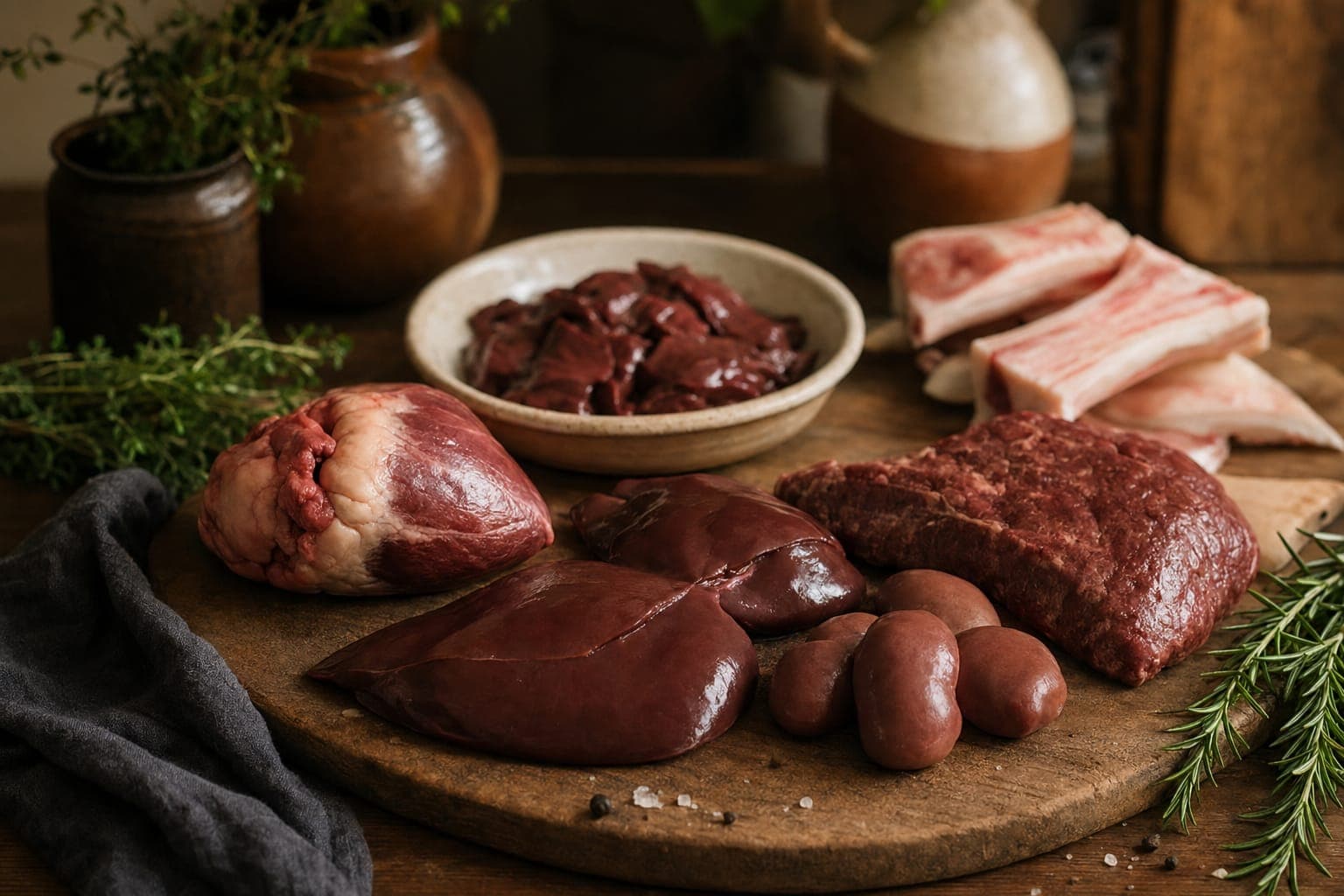
Ingredients
The Complete Guide to Beef Organ Supplements
Beef organ supplements explained from the composition data: what each organ carries, how they compare to muscle meat, and the vitamin A ceiling that limits the dose.
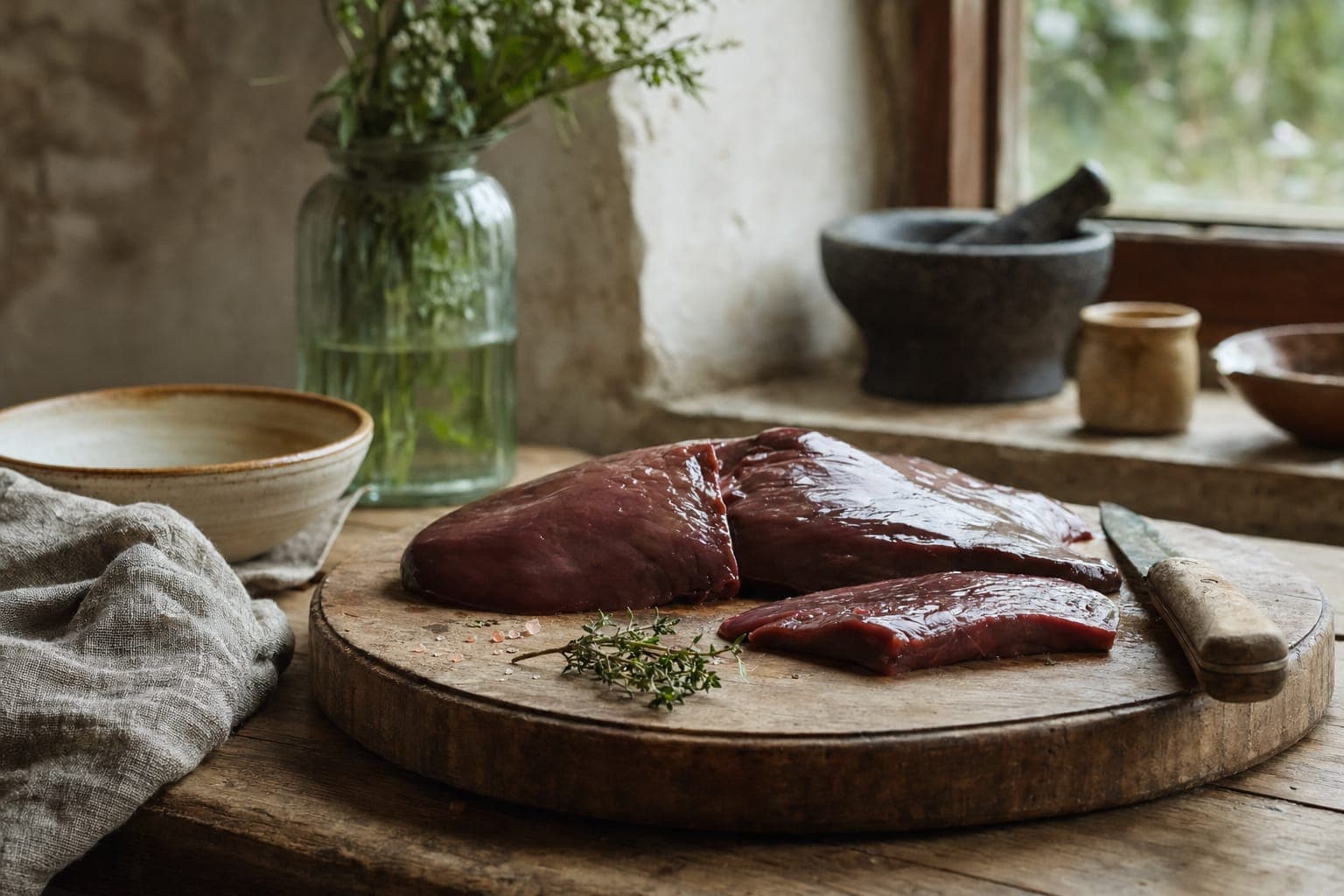
Ingredients
What Does Beef Liver Actually Do for Your Body?
What does beef liver actually contain? Retinol, B12, folate, iron, choline. Plus why the toxin myth is completely wrong.
Ingredients
The Antioxidant Content of Pure Maple Syrup
Pure maple syrup is more than sugar. Research links its 24-plus maple syrup antioxidants, including polyphenols, to lower inflammation. See the detail.
Real food, made effortless
Try the organ blendA few ways to use it
All recipes
How to Make Your Own Gelatine Gummies
A simple recipe for homemade gelatine gummies using grass-fed gelatine, fresh juice, and raw honey. Better than shop-bought, kids love them.

Raw Milk Ice Cream with Organised
Make raw milk ice cream at home with Organised for a seasonal, nutrient-dense treat. Three simple flavours to try whenever the craving strikes.

Organised Chia Pudding with Raw Honey and Berries
A no-cook chia seed pudding made with raw milk, collagen, berries, and raw honey. Prep it the night before and eat for breakfast.


 Join over 100,000+ members
Build a better food system with us
The Organised community is thousands of people choosing real food and backing the farmers who grow it, all of us trying to leave the world a little better than we found it. If that is what you care about too, you belong here.