Breastfeeding and Nutrition: What to Eat to Nourish Two
If you're a new mum who's breastfeeding, you're feeding two bodies on one diet. Your milk is literally made from what you eat, and your own nutrient stores are being drawn down with every feed. This matters more than anyone told you it would.
By Niall Kiddle, Founder, Organised

Reviewed by Pedro Rodrigues, Agronomist (farming and sourcing only) ·
8 min read · Published · Updated · 7 cited sources
Makers of the Organised Daily blend, a grass-fed beef organ supplement from regenerative UK farms
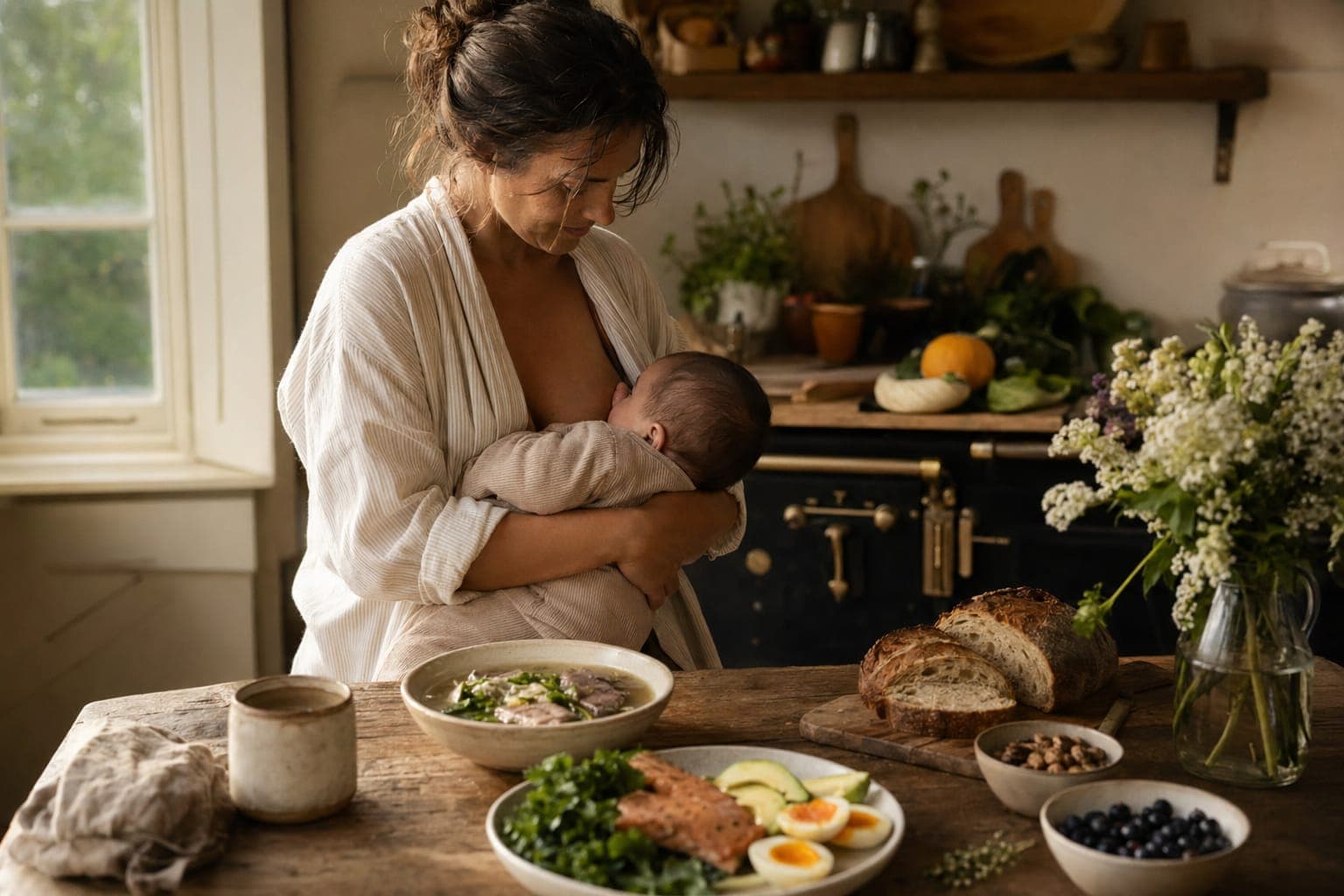
Most postnatal support focuses on recovery. Rest, hydration, emotional wellbeing. These matter. But the nutrition side is often treated as an afterthought, or left to vague advice about eating "plenty of calories" or "staying hydrated." That's not enough. Breastfeeding is metabolically expensive, and the nutrients you lose through milk are specific, substantial, and worth addressing directly.
Your body's hidden demand
Breastfeeding increases energy requirements by roughly 330-500 kcal/day depending on stage of lactation.1 That's a significant amount. But the calorie number alone misses the point. Those calories need to be nutrient-dense, because your breast milk is pulling specific micronutrients from your body in high concentrations.
When you don't replace what you're losing, two things happen. Your milk quality declines (especially the fat-soluble vitamins and minerals your baby needs), and your own body becomes progressively depleted. Many women find themselves exhausted, brain-fogged, and struggling with physical recovery weeks or months into nursing. They assume it's just "new mother tiredness." Often, it's malnutrition.
Your milk comes from your body. If your body isn't nourished, your milk and your health both suffer.
The standard nutrition advice for breastfeeding is to "eat well." But what does that actually mean? In practice, many new mothers are eating less than before pregnancy. They're busier, more stressed, skipping meals, and living on coffee and whatever they can grab between feeds. This is exactly the wrong time to under-eat.
The nutrients being transferred every day
Your breast milk contains everything your baby needs for the first six months of life. That's a remarkable feat, but it comes at a cost to you.
The nutrients most heavily depleted through breastfeeding are:
- Iron. Breast milk is relatively low in iron compared to formula2, and if your iron is depleted from pregnancy and birth, you'll feel it. Exhaustion, brain fog, temperature sensitivity. Iron is essential for energy production, and it's one of the nutrients postpartum depletion hits hardest.
- Calcium. Your body prioritises milk calcium over your own bone health. If your calcium intake is poor during nursing, your bones will pay the price, even if your milk calcium levels stay adequate.
- Zinc. This is involved in over 300 enzymatic reactions in your body, and it's present in high concentrations in breast milk. Inadequate zinc means poor immune function, slower wound healing, and lower mood.
- Choline. Essential for infant brain development, with the AI for breastfeeding women set at 550 mg/day.3 Choline is found almost exclusively in animal products, particularly egg yolks and organ meats.
- Omega-3 fatty acids. DHA is transferred through milk and supports infant neurodevelopment.5 If you're not eating fatty fish or other sources of DHA, your baby's developing brain is missing essential building blocks.
- Iodine. Required for thyroid function in both mother and infant.4 Low iodine leads to fatigue and cognitive problems in mother and child alike.
The mechanism is straightforward. Your body will sacrifice its own nutrient stores to protect your milk. That's the biological priority. But it means if you don't actively replace what's being transferred, depletion is inevitable.
The foods that actually work
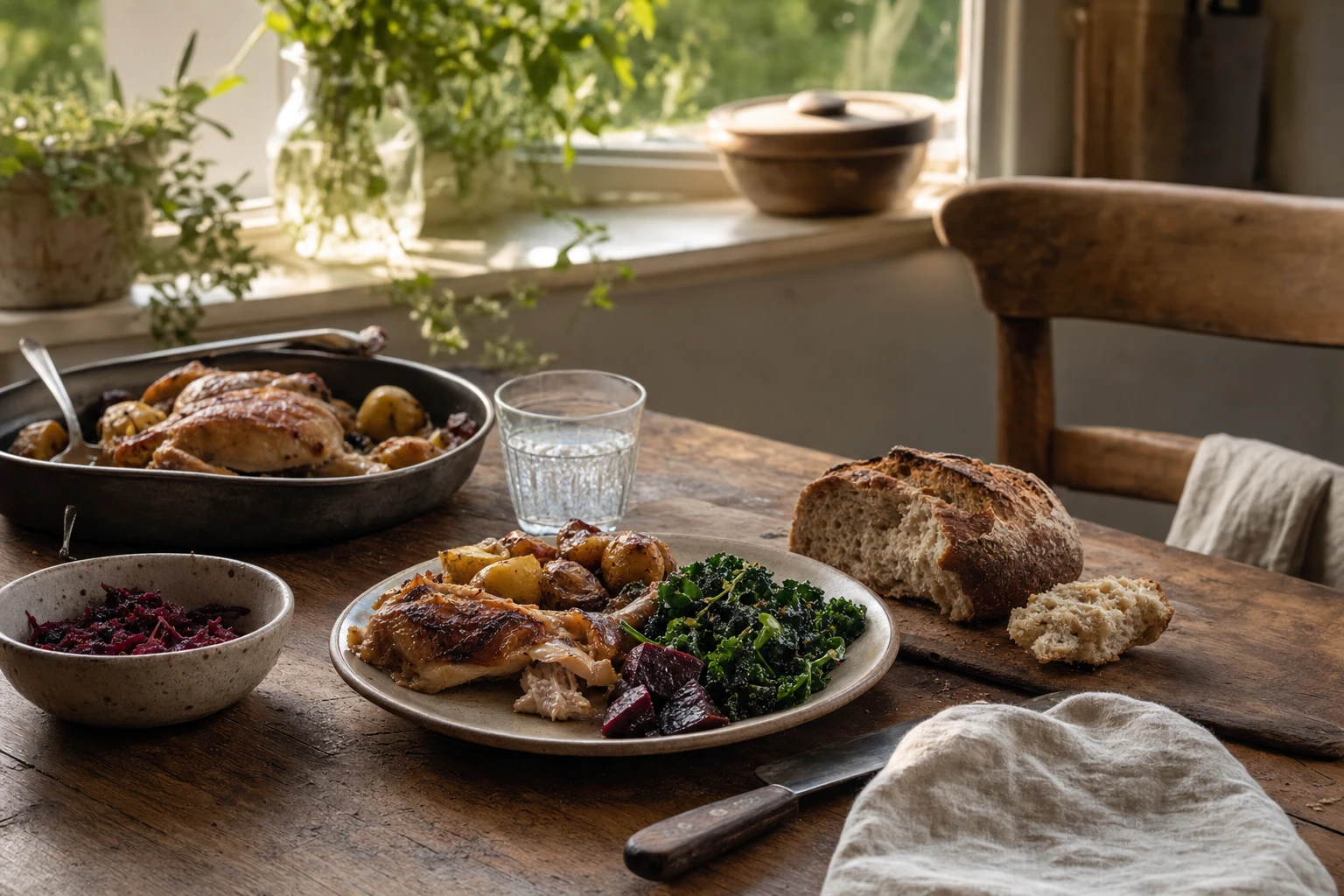
You don't need a special "breastfeeding diet." You need a nutrient-dense diet. The foods that work are the same ones that support any recovery: whole animal foods, rich in the micronutrients your body actually needs.
Start with:
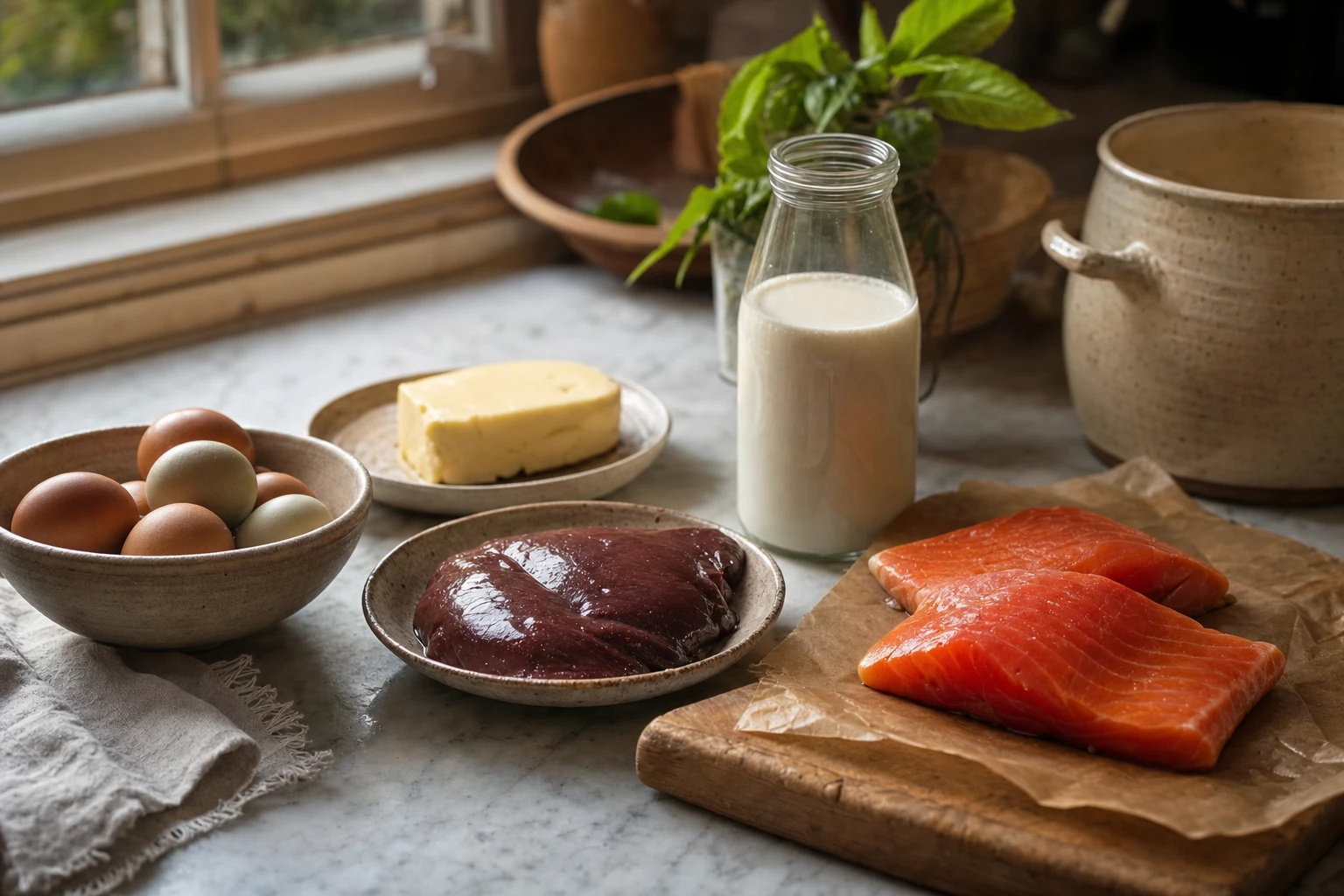
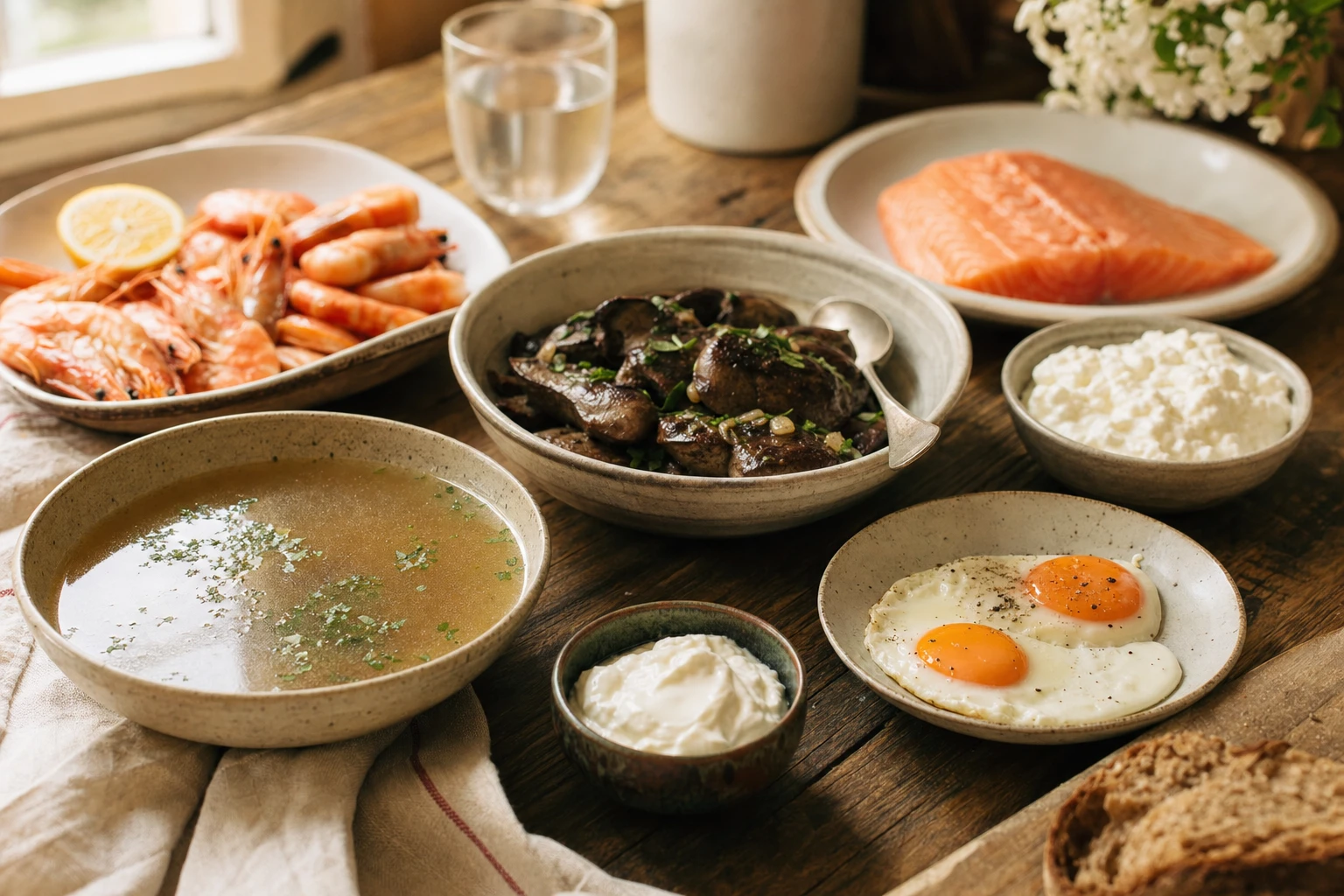
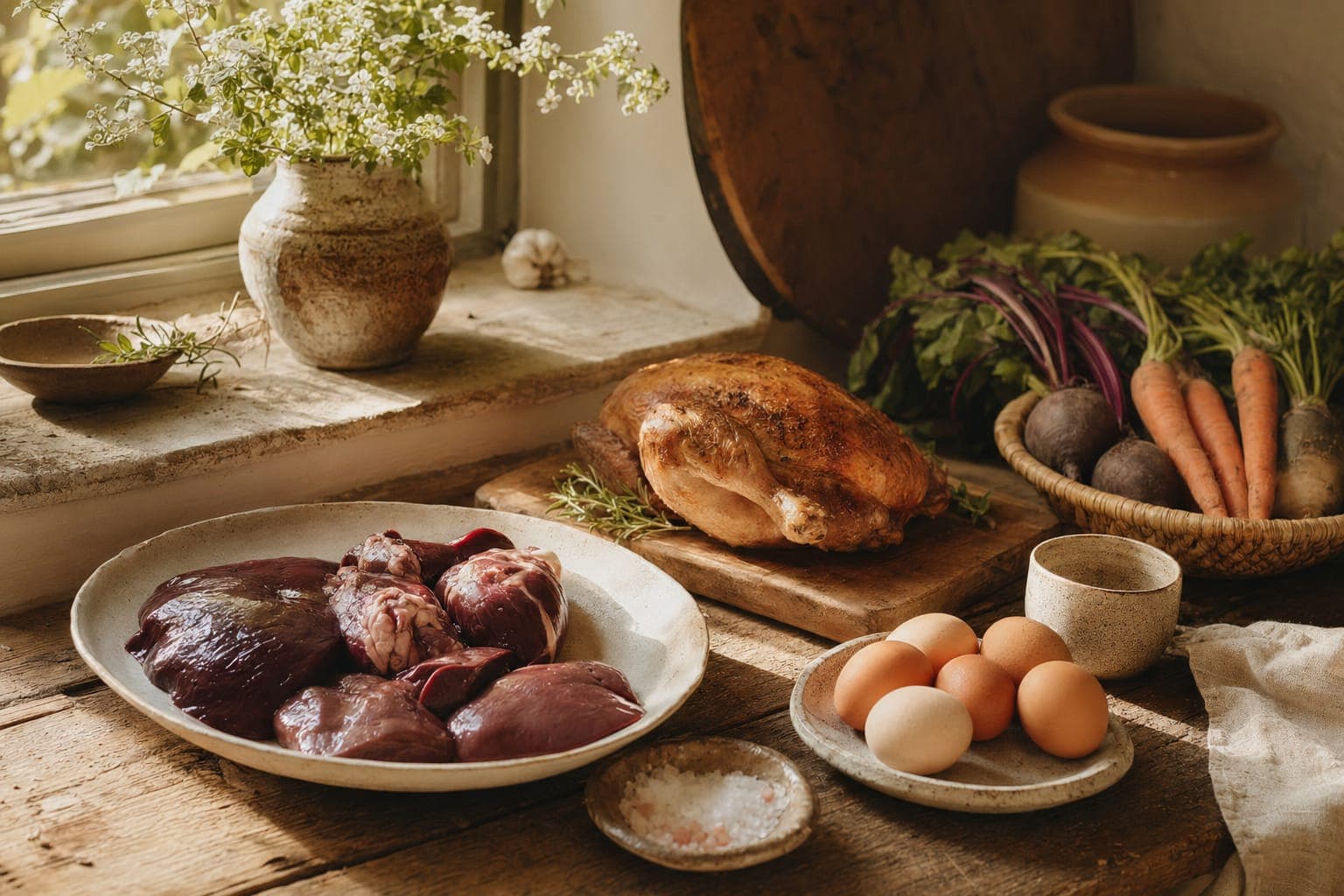
- Organ meats. Liver and kidney are the most nutrient-dense foods available. They contain iron, B12, zinc, choline, and selenium in concentrations no other food can match. If you eat nothing else from this list, liver will do more for your postpartum recovery than almost anything. A small portion of liver pâté, a few ounces of cooked liver, or even finely minced liver stirred into a bolognese sauce delivers a meaningful amount of restoration.
- Bone broth. Gelatinous, mineral-rich, and soothing to a recovering digestive system. Sip it throughout the day, or cook grains and vegetables in it instead of water. The minerals are gentle to extract and easy to absorb.
- Eggs. Whole eggs, cooked however you like them. The yolk is the most nutrient-dense part, containing choline, selenium, and fat-soluble vitamins. Scrambled, boiled, in a frittata, or baked into a casserole. They're quick, and they deliver.
- Full-fat dairy. Whole milk, butter, cheese, full-fat yoghurt. The fat in dairy is where most of the fat-soluble vitamins live. Avoid the low-fat versions entirely. Your body needs the fat.
- Fatty fish. Salmon, sardines, mackerel, herring. These are your best source of omega-3 fatty acids and vitamin D. Aim for at least two to three servings per week, and the oily varieties count more than white fish.
- Red meat. Beef and lamb are rich in iron, zinc, and B vitamins. The iron in red meat is more bioavailable than in any other food. Aim for regular portions, not just occasionally.
- Sea vegetables. Nori, kelp, dulse. These are iodine-rich and often overlooked. A few sheets of nori with meals, or a sprinkle of kelp flakes on food, adds iodine without fuss.
The goal is not to add more calories. It's to add more nutrients. Prioritise nutrient density over volume.
Get life-stage nutrition guides, free
Two short reads a week on eating well through pregnancy, childhood and older age.
By signing up you agree to receive emails from us. No spam, unsubscribe anytime.
Practical eating for lactation
In the early weeks, you'll be exhausted and time-poor. This is not the time to take on complicated recipes. The strategy is simple: prioritise real food, and make it accessible.
Set up a "breastfeeding station" in whatever room you spend the most time in. Keep it stocked with ready-to-eat nutrient-dense foods. Boiled eggs, sardines in tins, full-fat yoghurt, cheese, nuts, fruit. These require zero cooking and zero thought. You need something to eat whilst feeding, and it should be nourishing.
Cook in batches when you have the energy. A simple bolognese made with beef and finely grated liver can be portioned and frozen, then reheated in minutes. A pot of bone broth simmered overnight can be ladled into cups and sipped throughout the day. Roasted vegetables with olive oil and butter, baked salmon, scrambled eggs with butter and cheese. None of these requires the brain power you don't have.
If you have family or friends offering to bring meals, be specific. Ask for real food: slow-cooked stews, casseroles with bone broth, salmon, liver pâté, butter-roasted vegetables, full-fat dairy. Not casseroles made with processed oils, not reduced-fat versions, not foods that will sit in your fridge uneaten because you're too exhausted to cook them further.
Hydration matters, but not in the way you've been told. Drinking excessive water doesn't increase milk supply. Drink when you're thirsty, and drink foods that hydrate: bone broth, full-fat milk, coconut water, herbal teas. These deliver hydration plus nutrients, which is what your body actually needs.
Why supplements miss the point
Many postnatal mothers are offered iron supplements, calcium supplements, or prenatal vitamin continuations. These are better than nothing, but they're a poor substitute for real food.
Iron from food is absorbed more efficiently and causes fewer digestive side effects than iron supplements. Zinc from shellfish and red meat is more bioavailable than from a tablet. Choline from eggs and organs is more effective for brain function than from a synthetic form. The synergistic effect of whole foods, where one nutrient facilitates absorption of another, cannot be replicated by individual supplements.
Moreover, if your body is severely depleted, supplements alone will not restore you. The sheer quantity of nutrients you're losing through breastfeeding requires food-based replacement. A nursing mother eating red meat and liver several times weekly will recover faster than one relying on supplements, regardless of the supplement dose.
Supplements are insurance. Real food is the foundation.
The bottom line
Breastfeeding is one of the most nutrient-intensive things your body will do. It's also temporary. The intensive depletion phase lasts as long as you're nursing, and then your body begins to recover. But the recovery is only possible if you're replacing what's being lost.
You're not just feeding your baby. You're feeding yourself. And that's not selfish, it's essential. A well-nourished mother has more energy, better mood, faster recovery, and better-quality milk. That benefits everyone.
The foods are simple. The principle is simpler: eat real food, prioritise nutrient density, and don't restrict calories. Your body knows how much it needs. Listen to it.
1 of 9
Daily blend
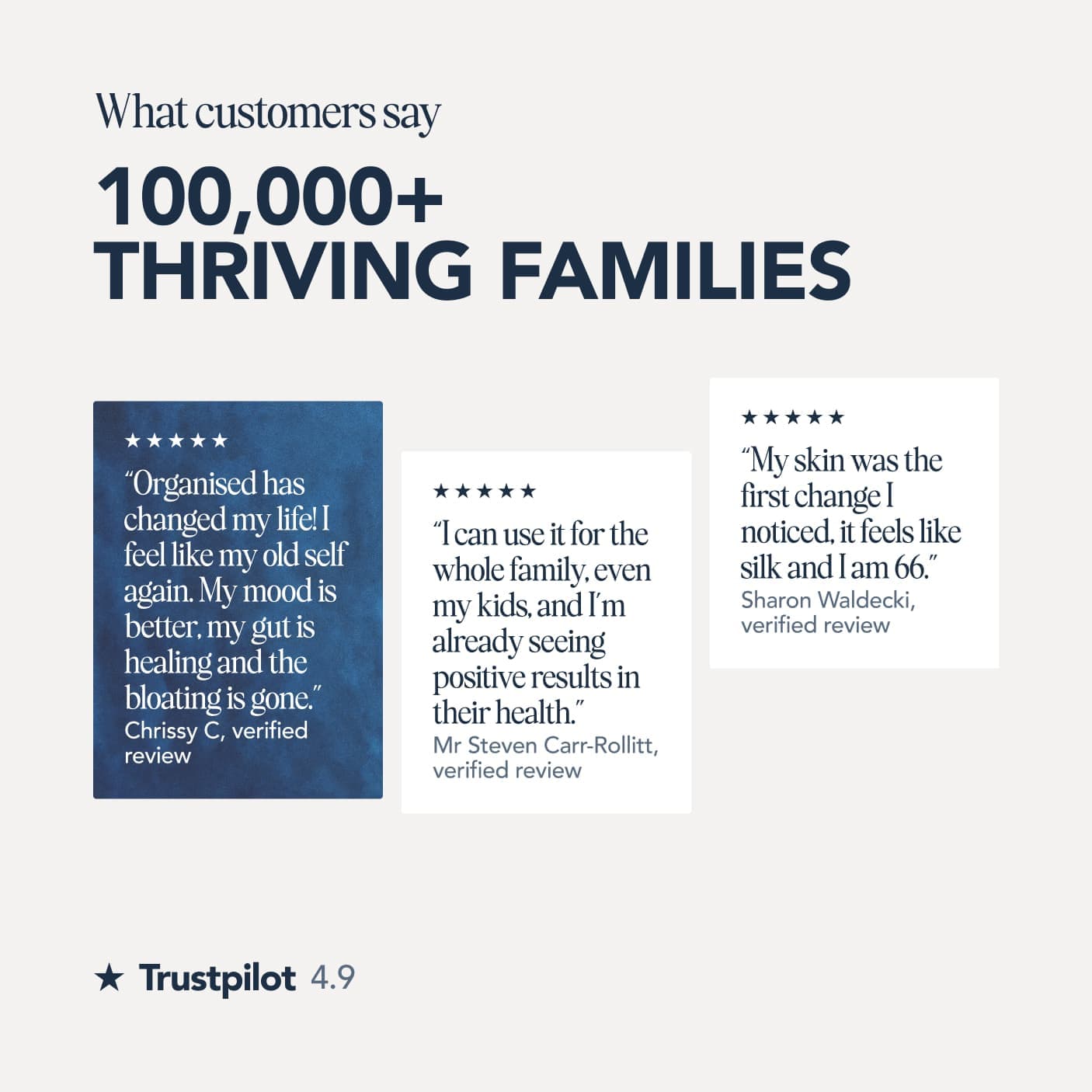
100,000+ thriving families4.9 on Trustpilot
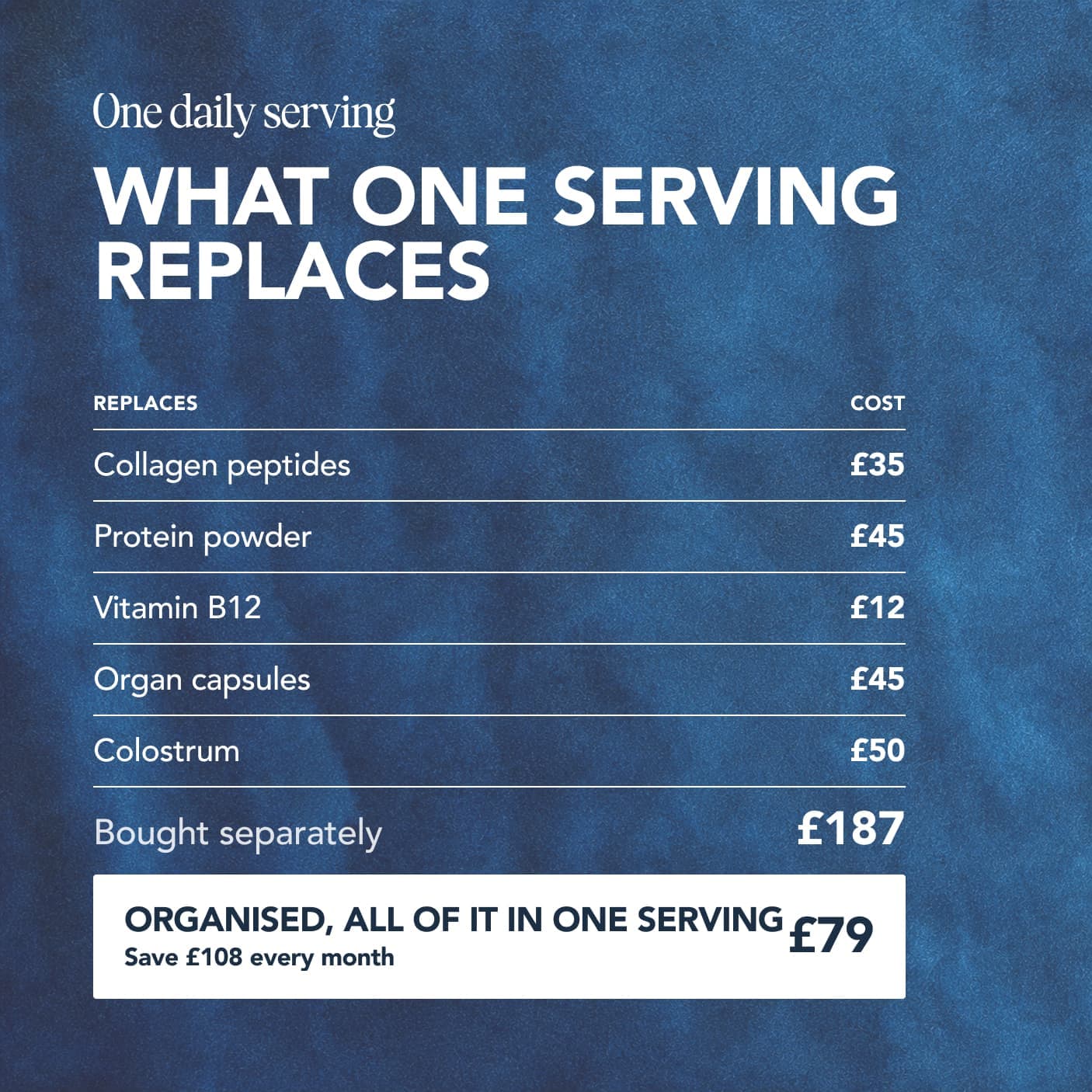
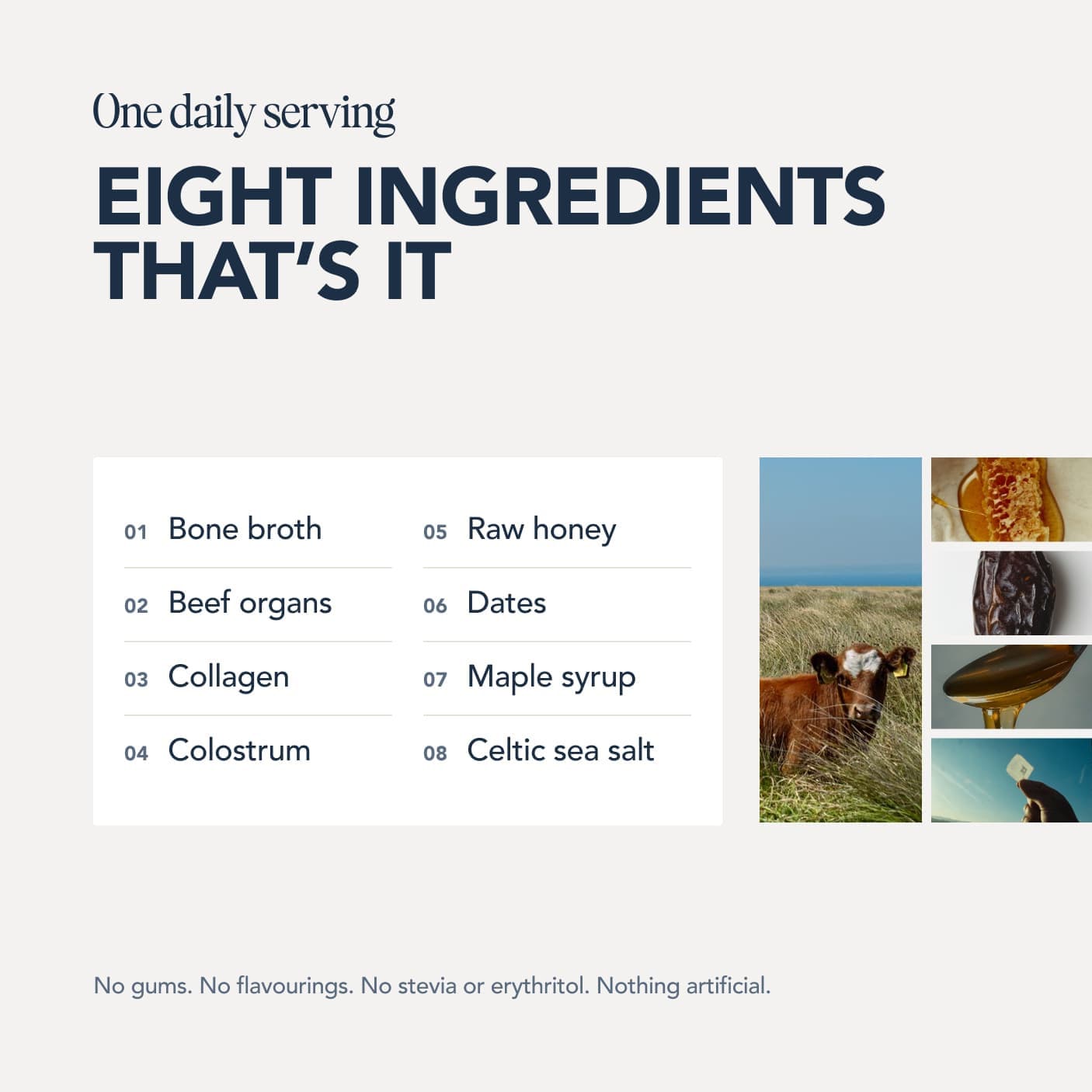
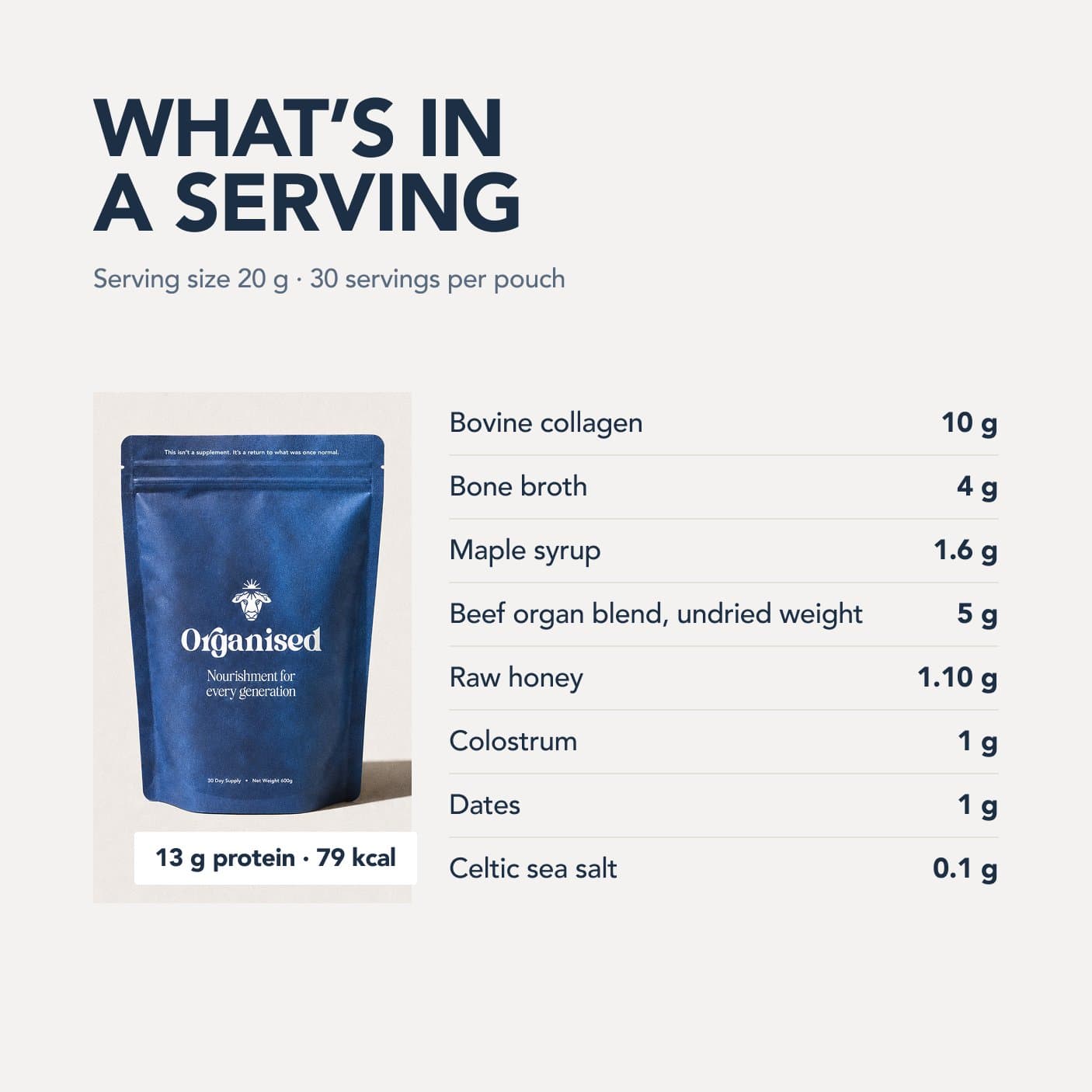
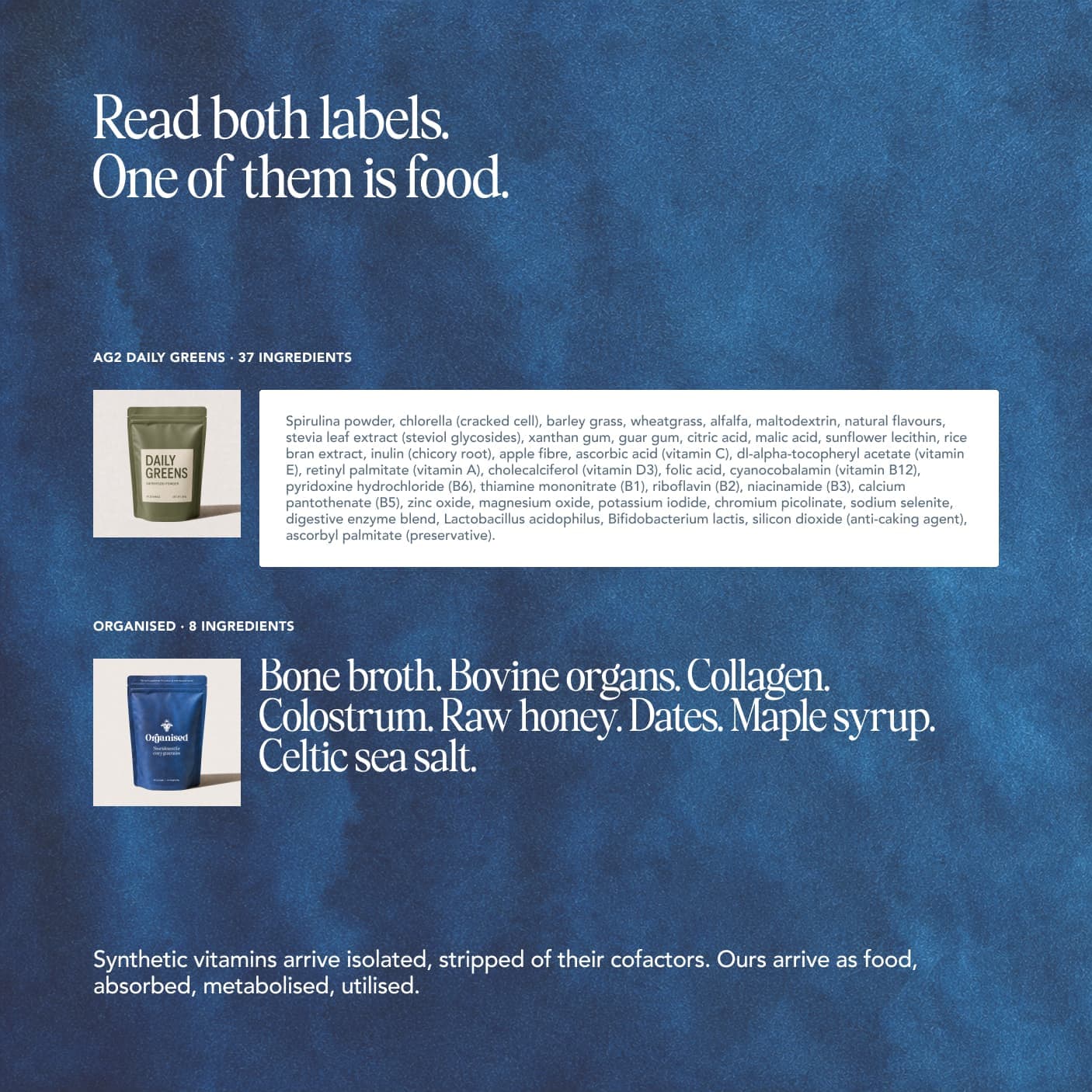
Eight real ingredients built around grass-fed beef organs, collagen and colostrum. Nothing synthetic added.
Free with your first order, worth £38. Plus £10 off the pouch with a subscription.

Free UK shipping · Made in England · 100 day money back guarantee on your first pouch · Skip, pause or cancel anytime
On UK NHS guidance and liver in pregnancy
The NHS recommends pregnant women avoid liver and liver products entirely, on the grounds that liver is dense in preformed retinol and high doses of preformed retinol are teratogenic. That guidance errs heavily on the side of total avoidance. The published evidence is more specific.
The Rothman 1995 NEJM study, which underpins most modern retinol-in-pregnancy advice, found increased risk of birth defects in women whose chronic intake of preformed retinol exceeded roughly 10,000 IU per day (about 3,000 mcg RAE per day) during the first trimester. That figure is also the NIH ODS Tolerable Upper Intake Level for adults.
A 100-gram serving of cooked beef liver delivers roughly 7,800 to 11,100 mcg RAE depending on preparation (USDA FoodData Central; NIH ODS). The published threshold is for chronic daily intake, not for a single serving — Rothman 1995 explicitly framed the risk around habitual intake during the first trimester, not occasional consumption. A 30-gram serving once a week averages around 330 mcg RAE per day across the week, well below the 3,000 mcg/day UL. Even a 50-gram weekly portion averages around 600 mcg per day. Traditional pregnancy diets observed by Weston Price across multiple cultures included occasional liver as a sacred food, in portions and frequencies consistent with this weekly-average framing rather than daily heavy consumption.
Our position: the brand recommends small, occasional liver servings (30 to 50 grams once or twice a week) for pregnant and preconception women who choose to include it, alongside the rest of a nutrient-dense whole-food diet. If you want to follow NHS guidance and avoid liver entirely, you can still hit the same fat-soluble-vitamin profile through pastured egg yolks, grass-fed dairy and modest amounts of cod liver oil. Discuss any pregnancy nutrition decision with your midwife or obstetrician, particularly if you are already supplementing with vitamin A, multivitamins containing retinol, or acne-treatment retinoids.
References
Every source below was checked on 27 August 2026. Each PubMed, PMC and DOI identifier was resolved against NCBI or Crossref, and what it opens is printed under the citation, so you can see the link goes where the citation says without leaving the page. Where a citation and its identifier disagreed, the citation was corrected to the record or the reference was deleted along with the sentence marker that pointed at it, and where the resolved paper turned out not to support the sentence, the sentence was cut back to what it does support. Borrowed authority is worse than none, because it looks like rigour.
- National Academies of Sciences, Engineering, and Medicine. Dietary Reference Intakes for Energy. 2023. See also Butte NF, King JC. Energy requirements during pregnancy and lactation. Public Health Nutr. 2005. PMID 16277817Checked 27 August 2026: PMID 16277817 opens Butte NF, King JC, Energy requirements during pregnancy and lactation. Public Health Nutr 2005;8(7A):1010-27. PubMed indexes it as: Meta-Analysis, Review.
- National Institutes of Health, Office of Dietary Supplements. Iron - Health Professional Fact Sheet. ods.od.nih.gov
- National Institutes of Health, Office of Dietary Supplements. Choline - Health Professional Fact Sheet. ods.od.nih.gov
- National Institutes of Health, Office of Dietary Supplements. Iodine - Health Professional Fact Sheet. ods.od.nih.gov
- National Institutes of Health, Office of Dietary Supplements. Omega-3 Fatty Acids - Health Professional Fact Sheet. ods.od.nih.gov
- Rothman KJ, Moore LL, Singer MR, Nguyen UD, Mannino S, Milunsky A. Teratogenicity of high vitamin A intake. New England Journal of Medicine. 1995;333(21):1369-1373. https://pubmed.ncbi.nlm.nih.gov/7477116/Checked 27 August 2026: PMID 7477116 opens Rothman KJ, Moore LL, Singer MR et al, Teratogenicity of high vitamin A intake. N Engl J Med 1995;333(21):1369-73.
- National Institutes of Health, Office of Dietary Supplements. Vitamin A and Carotenoids: Fact Sheet for Health Professionals. https://ods.od.nih.gov/factsheets/VitaminA-HealthProfessional/ [accessed May 2026].
Who wrote and reviewed this guide
Niall Kiddle
Author · Founder, Organised
Niall is the founder of Organised. He started the company in 2024 after fixing his own health the slow way: in 2022 he swapped a cupboard of synthetic supplements for real food, raw milk, organ meats, bone broth and honey, and felt the difference within months.
Areas of expertise: Ancestral nutrition, Organ meats, Whole-food supplementation, Gut health, Regenerative sourcing
Read Niall's full profile
Pedro Rodrigues
Reviewer · Agronomist (farming and sourcing only)
Pedro is the agronomist Organised works with on farming and sourcing. His job on the guides is to keep the science honest: he reviews what we publish about soil health, regenerative agriculture, grazing and the way food is actually produced.
Areas of expertise: Regenerative agriculture, Agronomy, Soil health, Grass-fed farming, Food sourcing
Reviewed this guide on
Read Pedro's full profileMore on pregnancy & postpartum
View all- Nourishing Pregnancy with Whole Food Nutrition
- Postpartum Recovery Nutrition: Rebuilding After Birth
- Beef Organ Supplements and Pregnancy: Understanding Vitamin A Safety
- Folate vs Folic Acid: Why the Form Matters in Pregnancy
- Gestational Diabetes and Nutrition: What Helps and What Doesn't
- Iron Needs During Pregnancy: Why Heme Iron Makes a Difference
- Morning Sickness and Nutrition: What Helps and What Makes It Worse
- Pregnancy Nutrition on Reddit: What Real Mums Recommend vs the Evidence
- Pregnancy Prep: Nutritional Foundations to Lay Before Conceiving
- Rebuilding Your Iron Stores After Birth
- The Best Foods to Eat in Each Trimester
- The Fourth Trimester: Why Mothers Need Organ Nutrition
Browse the guides library
All guidesKeep reading
Life stage
The Fourth Trimester: Why Mothers Need Organ Nutrition
The fourth trimester is when mothers face severe nutrient depletion. Learn why organ nutrition is critical for recovery and what to eat.

Life stage
Screen Time, Sleep and Nutrition: The Triangle That Affects Every Child
Screen time, sleep, and nutrition form a cycle that shapes children's wellbeing. Learn how the three connect and simple ways to interrupt it at home.
Life stage
Nourishing Pregnancy with Whole Food Nutrition
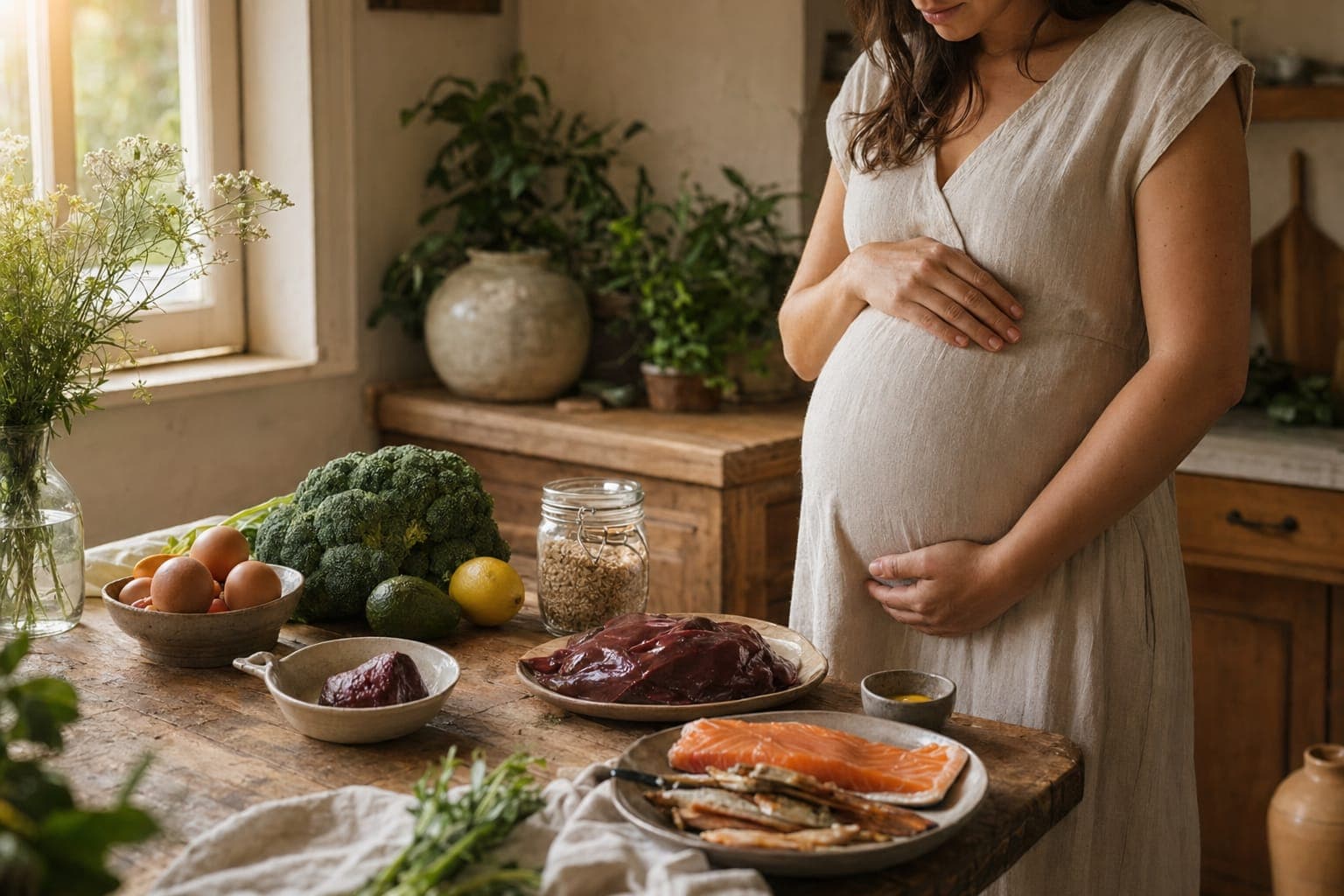
Discover essential nutrients for pregnancy: fat-soluble vitamins, B12, choline, iron, and DHA. Evidence-based whole food approach for expectant mothers.
Real food, made effortless
Find my daily blendA few ways to use it
All recipes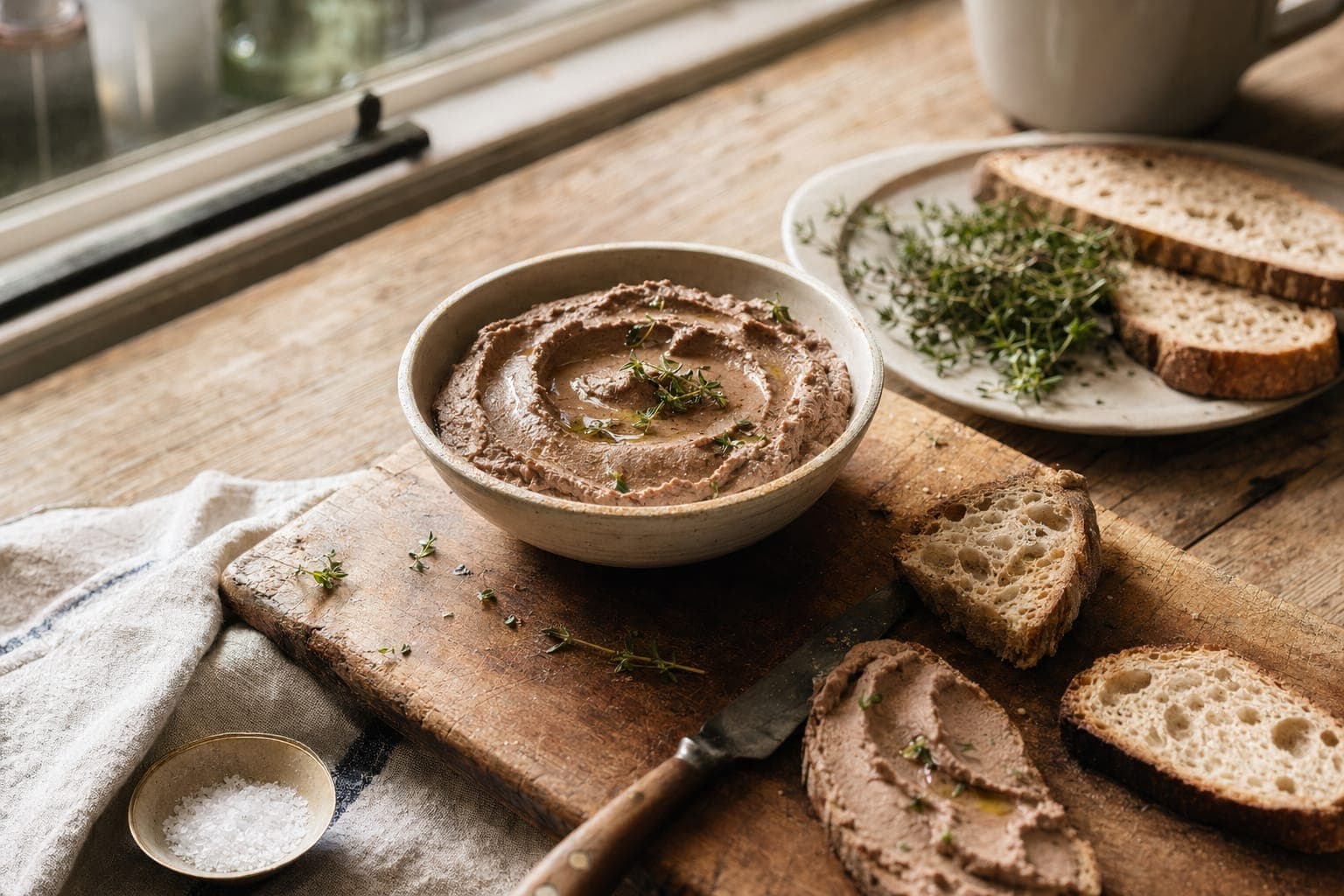
Liver Pate for Beginners: A Gentle Introduction to Organ Meats
Simple liver pate recipe to start eating organ meats. Chicken liver, butter, and herbs. Gentle introduction to nutrient-dense whole foods.
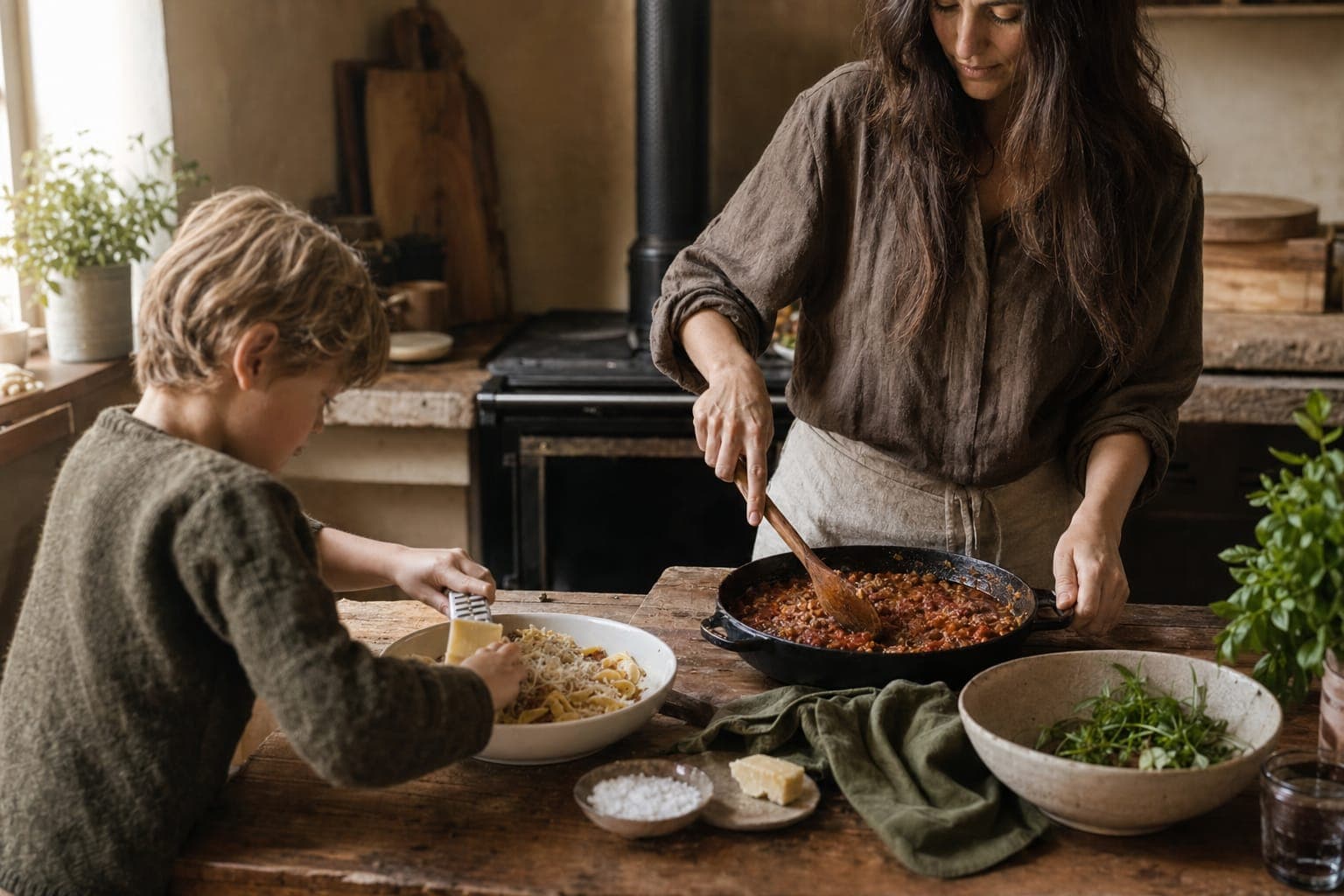
Organ Bolognese: The Family Dinner That Heals
Practical organ meat recipe using fresh beef liver and heart. Family-friendly bolognese that bridges supplements to whole food.
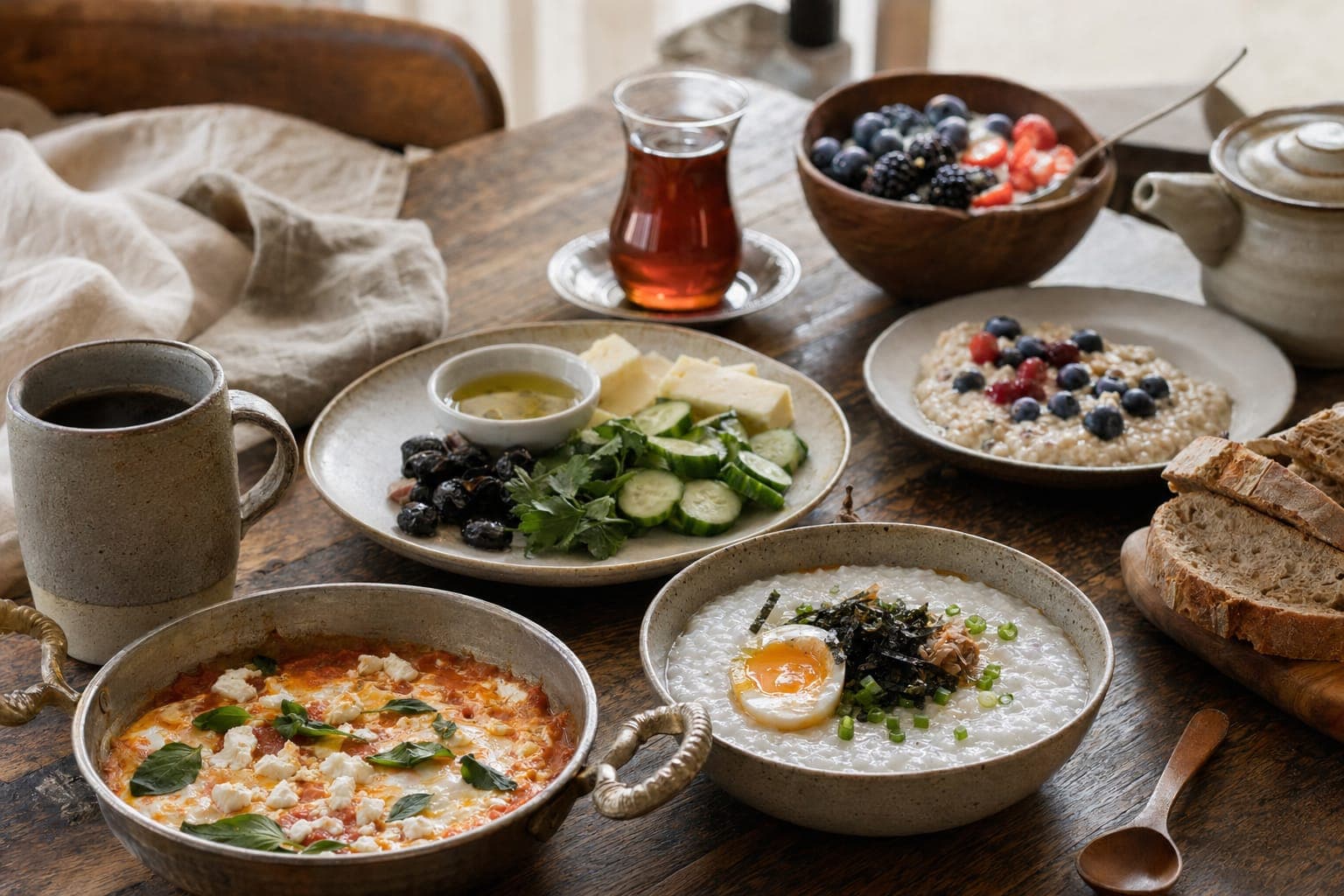
Ancestral Breakfast Ideas from Around the World
Traditional breakfast recipes from cultures that got nutrition right. Japanese, Turkish, Scottish, and more. Whole-food breakfast inspiration.


 Join over 100,000+ members
Build a better food system with us
The Organised community is thousands of people choosing real food and backing the farmers who grow it, all of us trying to leave the world a little better than we found it. If that is what you care about too, you belong here.