The Fourth Trimester: Why Mothers Need Organ Nutrition
The first three months after birth are called the fourth trimester. Your body is haemorrhaging nutrients. Your bones are being mineralised. Your blood is being rebuilt. And culturally, we've decided to ignore all of this and send you home with a pamphlet about pelvic floor exercises.
By Niall Kiddle, Founder, Organised

Reviewed by Pedro Rodrigues, Agronomist (farming and sourcing only) ·
6 min read · Published · Updated · 3 cited sources
Makers of the Organised Daily blend, a grass-fed beef organ supplement from regenerative UK farms
Postnatal depletion is not a myth. It's a biological reality. The first year postpartum is one of the most nutritionally demanding periods of a woman's life, and if you don't actively address it, the consequences can echo for years. Brain fog, chronic fatigue, hair loss, mood instability, weak nails, slow-healing wounds. These are not failings. They're signs of a depleted body desperately trying to function on empty reserves.
The depletion starts immediately
Pregnancy already depleted your mineral stores. Calcium was drawn from your bones to build the baby's skeleton. Iron was used to expand your blood volume. Zinc, magnesium, folate, choline. All of it mobilised toward fetal development.
Birth losses make this worse. If you lost a significant amount of blood, or experienced trauma, your iron and B12 are critically low. If you tore, or had an episiotomy, your body is pouring nutrients into wound healing. And then, if you're breastfeeding, you're losing even more.
The body's priorities are clear. It will sacrifice your own health to protect your milk. To protect the baby. That's evolutionary. But it means you cannot afford to wait for your appetite to return, or to eat "normally" again. Normal eating will not restore you. You need deliberate, nutrient-dense eating.
Your body gave away everything it had to create and grow a human. You can't eat your way back to health with toast and chicken breast.
What is being lost
The specific nutrients being depleted postpartum are:
- Iron. Postpartum blood loss accelerates iron depletion, and lactation increases iron needs. Iron deficiency anaemia is one of the most common postpartum nutritional issues globally and is associated with fatigue and reduced cognitive performance.1
- B12. Essential for nervous system function, red blood cell formation and DNA synthesis. People who avoid animal foods are at substantially higher risk of B12 deficiency, and adequate B12 is particularly important during lactation because breast milk B12 mirrors maternal status.2
- Calcium. Your body continued to prioritise milk calcium over bone health during breastfeeding. If you don't replace your calcium, your bone density will continue to decline even after weaning. This matters for long-term health and injury prevention.
- Zinc. Required for immune function, wound healing, mood regulation, and hormone production. Low zinc is associated with postpartum depression, slow healing, and frequent infections.
- Magnesium. Depleted during labour and through breastfeeding, low magnesium creates muscle tension, anxiety, poor sleep, and mood disturbance. Most women are already magnesium-deficient before pregnancy; postpartum deficiency is severe.
- Choline. Choline requirements increase during pregnancy and lactation; the Adequate Intake is 550 mg/day for lactating women. Eggs and beef liver are among the densest dietary sources.3
The pattern is consistent: animal foods deliver these nutrients in bioavailable forms. Plant-based sources either don't contain them, or contain them in forms your body struggles to absorb efficiently. This is not the time to restrict animal products.
Why organ nutrition matters
Organ meats are the single most nutrient-dense foods on the planet. A small serving of liver delivers more iron, B12, zinc, selenium, and choline than you could get from weeks of eating muscle meat, vegetables, and supplements.
Liver is the body's storage organ. All the nutrients it accumulated, all the micronutrients it processed, are concentrated in liver tissue. When you eat liver, you're getting the condensed nutritional essence of an animal's diet. If that animal ate grass and lived well, its liver is extraordinarily nutrient-rich.
For postpartum recovery specifically, liver is close to magical. A few ounces of liver, two to three times per week, will restore iron, B12, zinc, and other minerals faster than almost any other food. The key is consistency and persistence. You're not trying to fix depletion in a week. You're building nutrient density back in over months.
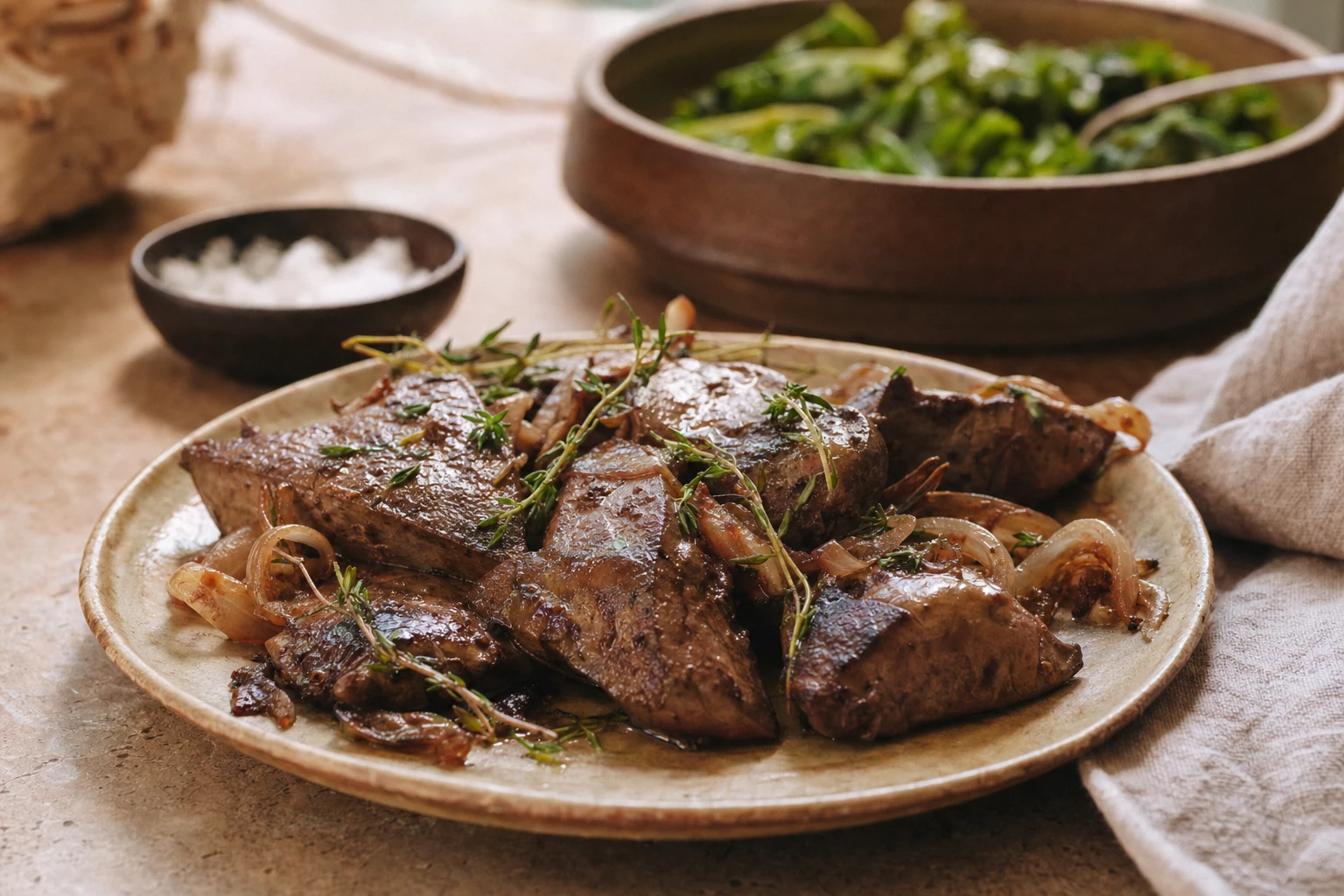
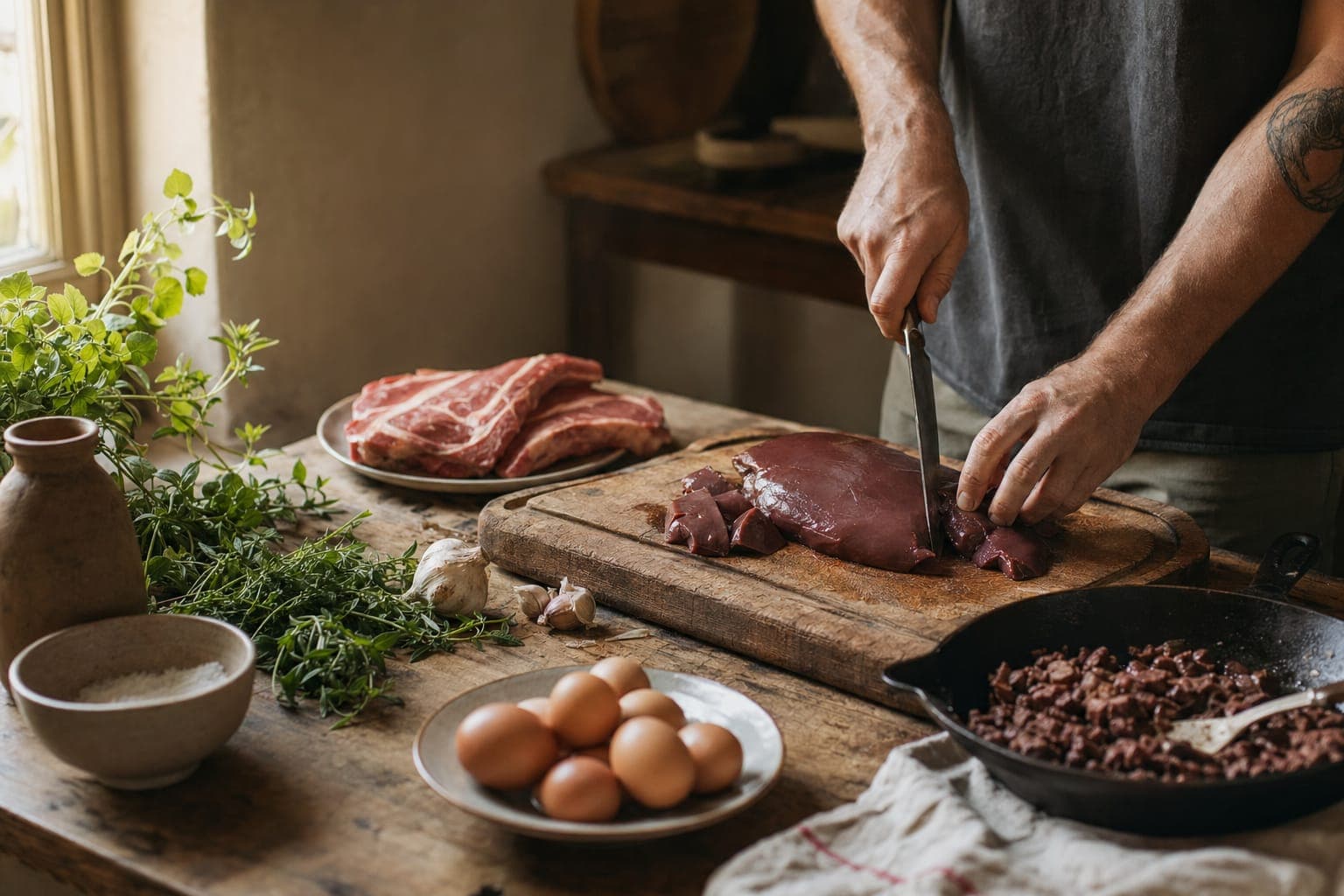
If the thought of eating liver makes you recoil, you're not alone. Most people have never been taught how to cook it, or they tried a poorly prepared version once. Liver can taste metallic or strong if it's overcooked, or if it came from an animal that wasn't well-nourished. The solution is to find a good source (grass-fed beef liver, ideally) and learn a single preparation that works for you. Liver pâté with butter, fried quickly in butter, or finely minced into bolognese sauce so it disappears entirely.
Organ meats are the shortcut to postpartum recovery. They do more, faster, than any other food.
Get life-stage nutrition guides, free
Two short reads a week on eating well through pregnancy, childhood and older age.
By signing up you agree to receive emails from us. No spam, unsubscribe anytime.
The practical approach
You cannot address postnatal depletion with willpower or special meal plans. You need to make nutrient-dense eating automatic and accessible.
Start with organ meats. Aim for liver twice to three times per week. This doesn't need to be a separate meal. Finely grate frozen liver into bolognese sauce, and it will be invisible. Mix liver pâté into butter and spread it on bread. Fry a small steak of liver in plenty of butter with onions. Find one method that doesn't gross you out, and repeat it until it becomes normal.
Add full-fat dairy to every meal. Butter on vegetables, whole milk in your coffee, full-fat yoghurt with fruit, cheese as a snack. The fat is where the nutrition is. Low-fat dairy is a marketing invention, not a health food.
Eat eggs daily. Whole eggs, yolk included. The yolk contains choline, which is essential for brain function and mood. If you're depressed or brain-fogged postpartum, eggs are a simple intervention.
Eat red meat regularly. Beef, lamb, mutton. Not as an occasional treat, but as a staple. These are the most bioavailable sources of iron and zinc outside of organ meats.
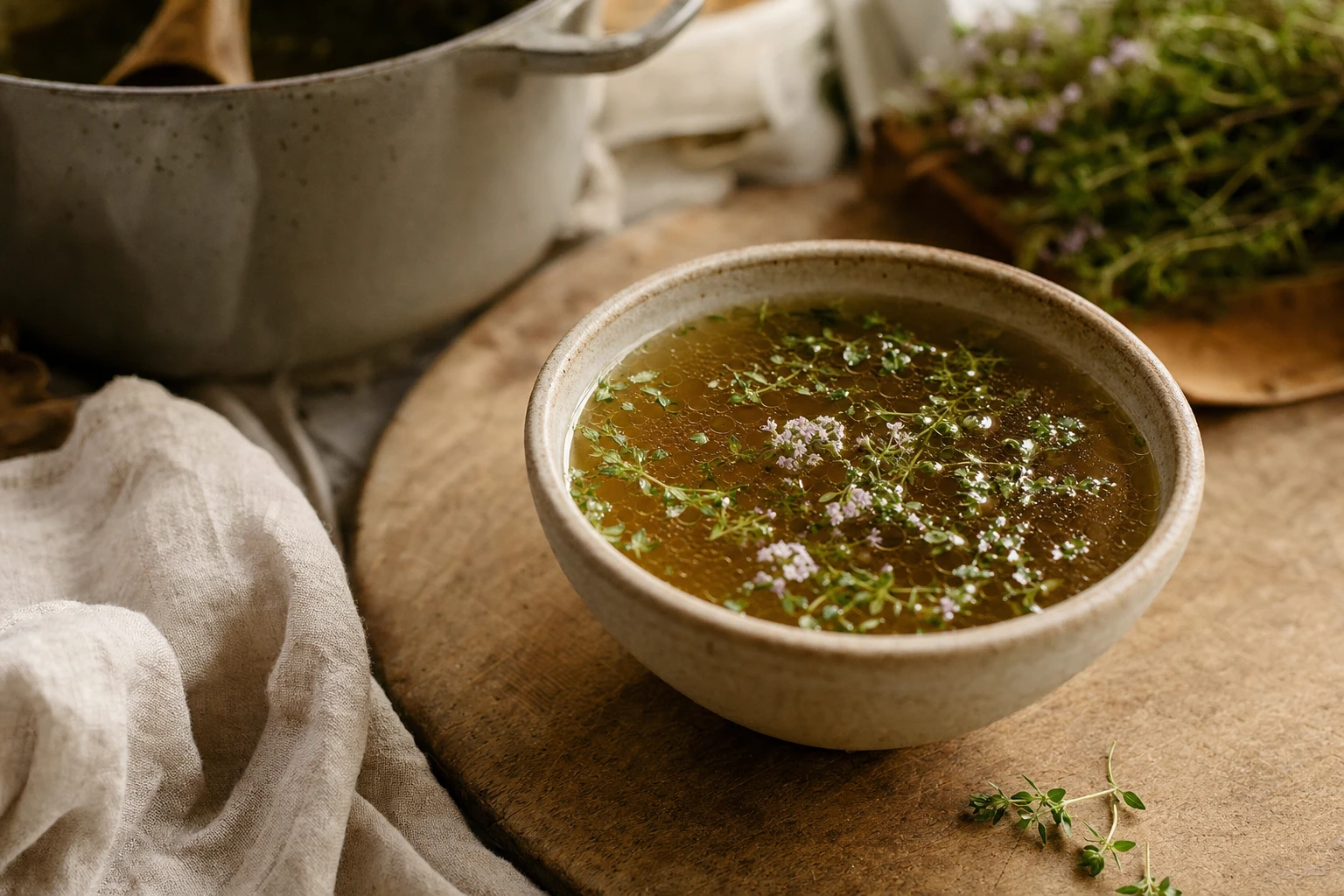
Eat bone broth. Sip it throughout the day. Cook your grains in it. The minerals are gentle and well-absorbed, and the gelatine is soothing to a postpartum gut that might be compromised from antibiotics or trauma.
If you're struggling to eat enough solid food because you're exhausted or overwhelmed, prioritise broth. It requires no chewing, no digestion, no effort. Just sipping. And it delivers meaningful minerals.
1 of 9
Daily blend
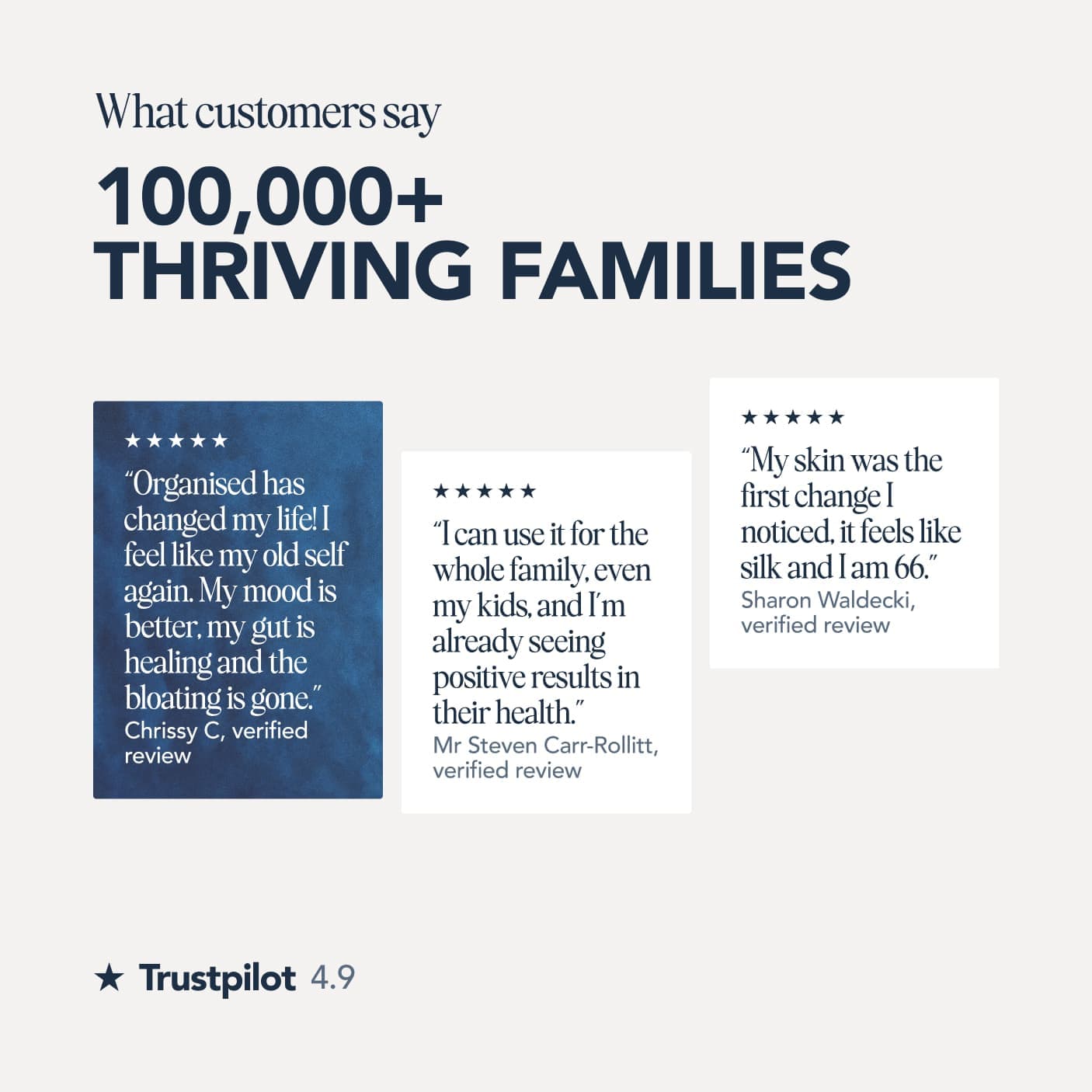
100,000+ thriving families4.9 on Trustpilot
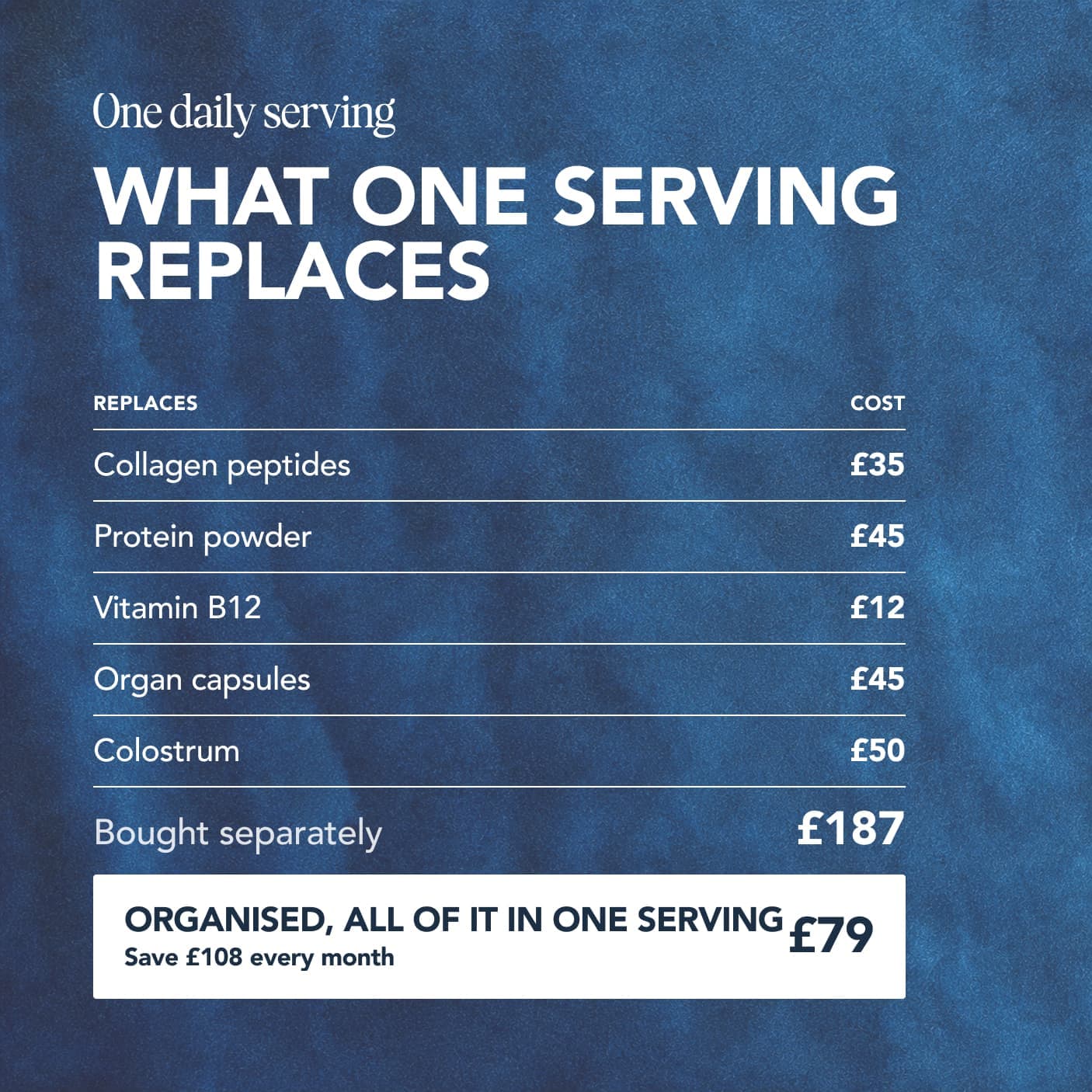
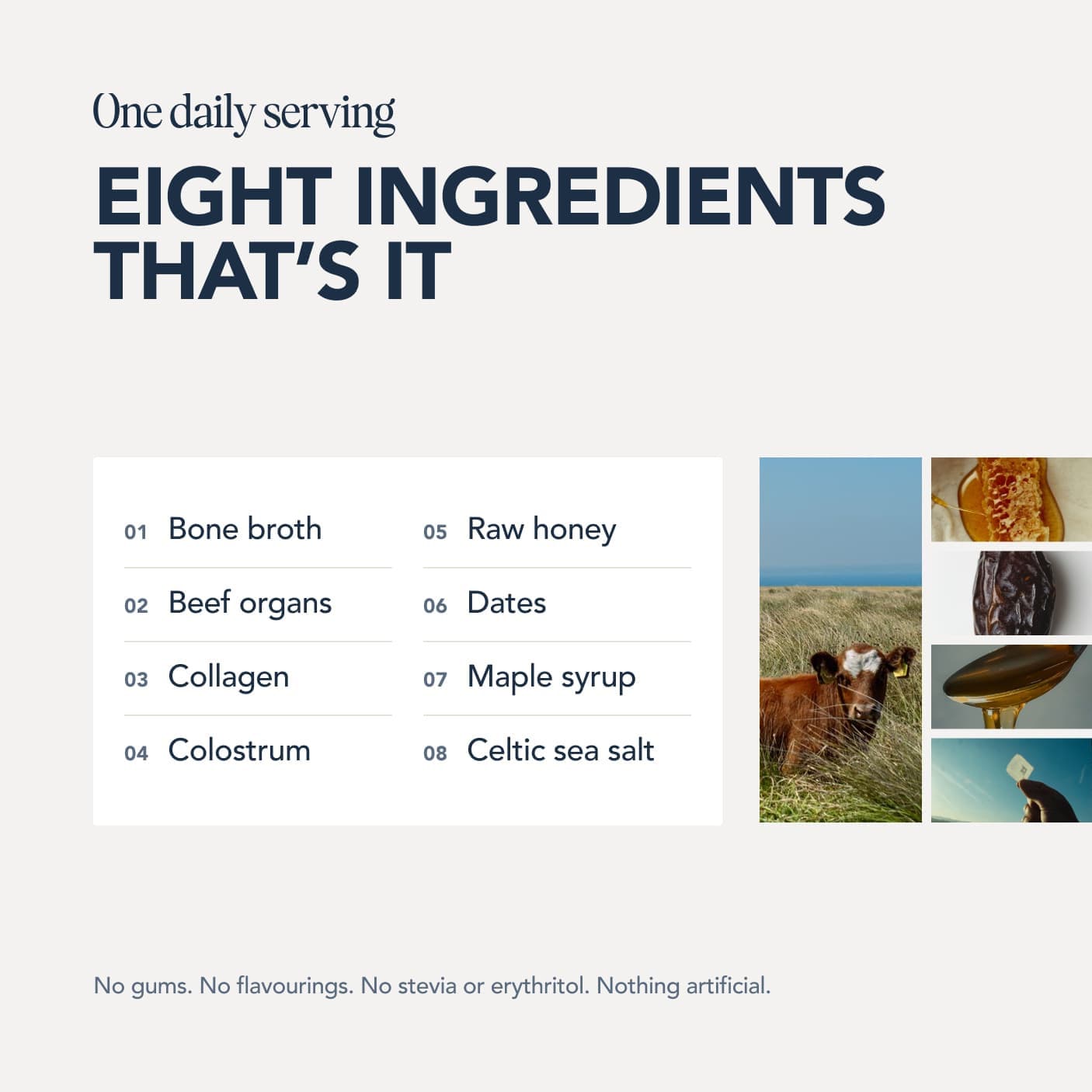
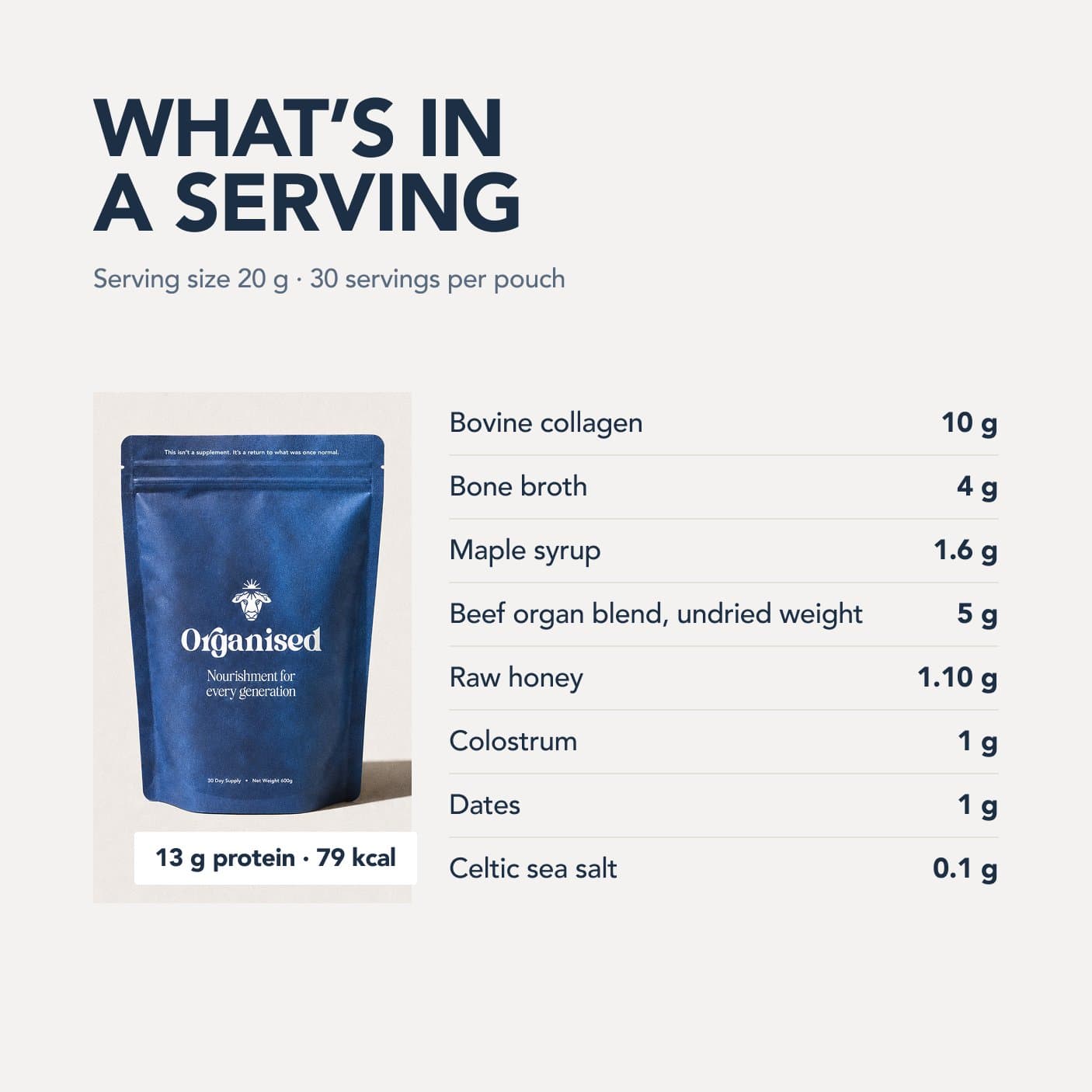
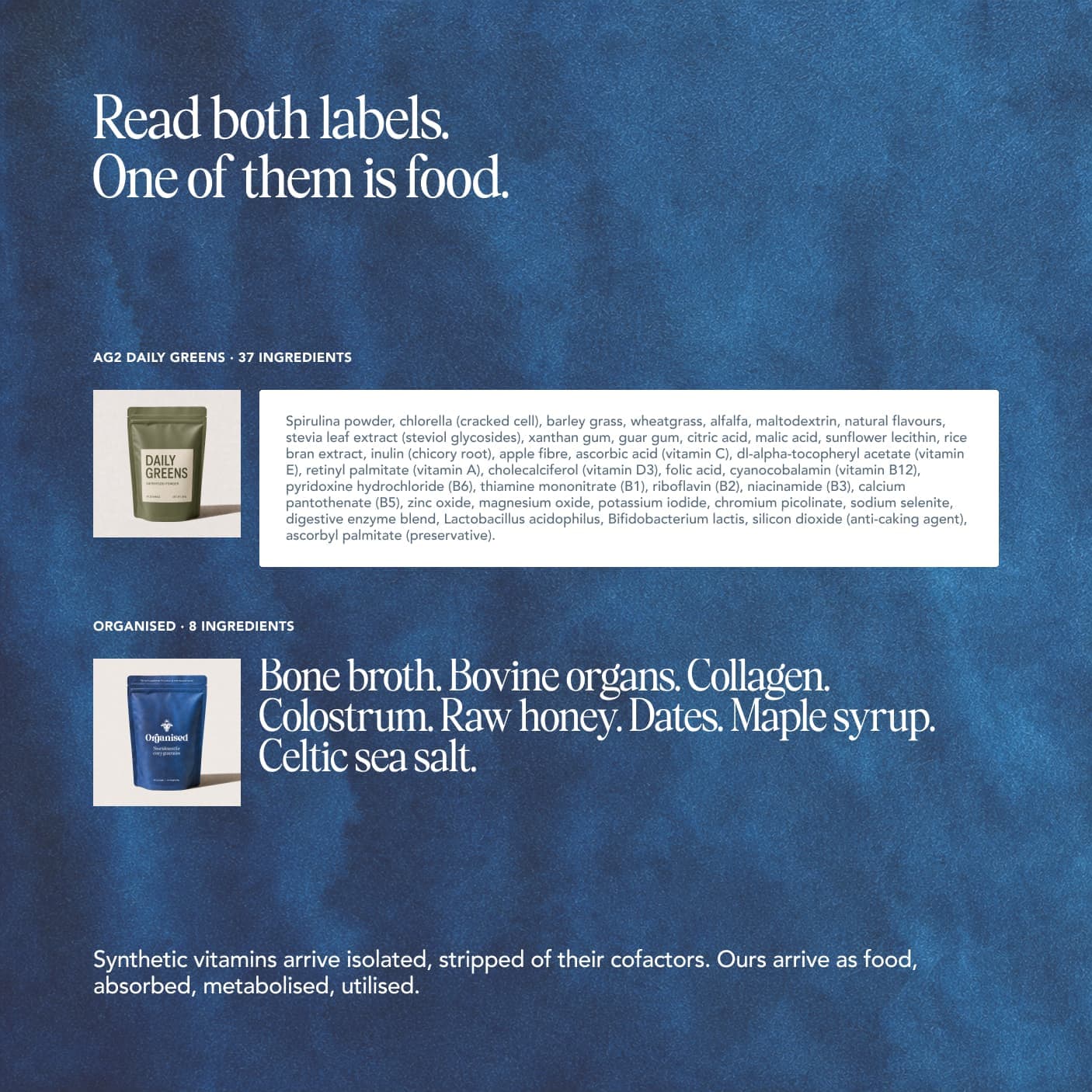
Eight real ingredients built around grass-fed beef organs, collagen and colostrum. Nothing synthetic added.
Free with your first order, worth £38. Plus £10 off the pouch with a subscription.

Free UK shipping · Made in England · 100 day money back guarantee on your first pouch · Skip, pause or cancel anytime
The bottom line
The fourth trimester is when your body makes the decision about whether it's going to recover or whether it's going to become chronically depleted. That decision is largely made by what you eat.
You don't need a complicated nutrition plan. You need real food, prioritised for nutrient density. Organs, especially liver. Full-fat dairy. Red meat. Eggs. Broth. These are the foods that have historically supported women through postpartum recovery, and they remain the most effective tools we have.
The timeline of recovery
Postpartum recovery doesn't follow a fixed schedule. Some women feel restored by three months. Others are still depleted at nine months. The difference is largely nutritional.
If you're eating nutrient-dense foods consistently, most symptoms improve within two to three months. Energy returns. Brain fog lifts. Mood stabilises. Hair stops falling out. If you're underfed on nutrients, these improvements don't happen. Instead, depletion accumulates, and symptoms worsen as breastfeeding continues.
The critical window is the first six months. If you build nutrient density now, your recovery trajectory is set. If you continue to underfeed yourself, you're establishing patterns that can take years to reverse.
When to seek help
If you're experiencing severe fatigue that doesn't improve with rest, persistent low mood, or physical symptoms like dizziness or hair loss, speak to your GP. A simple blood test can identify iron, B12, or other deficiencies. Knowing your specific situation helps you prioritise which foods matter most.
If you wait until you "feel like eating," you may never recover. Appetite returns with restored nutrient status, not the other way around. Eat deliberately, nourish yourself actively, and give your body what it lost. Recovery is possible. But it requires intention.
References
Every source below was checked on 27 August 2026. Each link was requested and read. Where a citation and its identifier disagreed, the citation was corrected to the record or the reference was deleted along with the sentence marker that pointed at it, and where the resolved paper turned out not to support the sentence, the sentence was cut back to what it does support. Borrowed authority is worse than none, because it looks like rigour.
- National Institutes of Health, Office of Dietary Supplements. Iron — Health Professional Fact Sheet. https://ods.od.nih.gov/factsheets/Iron-HealthProfessional/
- National Institutes of Health, Office of Dietary Supplements. Vitamin B12 — Health Professional Fact Sheet. https://ods.od.nih.gov/factsheets/VitaminB12-HealthProfessional/
- National Institutes of Health, Office of Dietary Supplements. Choline — Health Professional Fact Sheet. https://ods.od.nih.gov/factsheets/Choline-HealthProfessional/
Who wrote and reviewed this guide
Niall Kiddle
Author · Founder, Organised
Niall is the founder of Organised. He started the company in 2024 after fixing his own health the slow way: in 2022 he swapped a cupboard of synthetic supplements for real food, raw milk, organ meats, bone broth and honey, and felt the difference within months.
Areas of expertise: Ancestral nutrition, Organ meats, Whole-food supplementation, Gut health, Regenerative sourcing
Read Niall's full profile
Pedro Rodrigues
Reviewer · Agronomist (farming and sourcing only)
Pedro is the agronomist Organised works with on farming and sourcing. His job on the guides is to keep the science honest: he reviews what we publish about soil health, regenerative agriculture, grazing and the way food is actually produced.
Areas of expertise: Regenerative agriculture, Agronomy, Soil health, Grass-fed farming, Food sourcing
Reviewed this guide on
Read Pedro's full profileMore on pregnancy & postpartum
View all- Nourishing Pregnancy with Whole Food Nutrition
- Postpartum Recovery Nutrition: Rebuilding After Birth
- Beef Organ Supplements and Pregnancy: Understanding Vitamin A Safety
- Breastfeeding and Nutrition: What to Eat to Nourish Two
- Folate vs Folic Acid: Why the Form Matters in Pregnancy
- Gestational Diabetes and Nutrition: What Helps and What Doesn't
- Iron Needs During Pregnancy: Why Heme Iron Makes a Difference
- Morning Sickness and Nutrition: What Helps and What Makes It Worse
- Pregnancy Nutrition on Reddit: What Real Mums Recommend vs the Evidence
- Pregnancy Prep: Nutritional Foundations to Lay Before Conceiving
- Rebuilding Your Iron Stores After Birth
- The Best Foods to Eat in Each Trimester
Browse the guides library
All guidesKeep reading

Life stage
Breastfeeding and Nutrition: What to Eat to Nourish Two
Learn what to eat while breastfeeding. Discover the nutrients your body and baby need, and the foods that deliver them most effectively.
Life stage
How Organ Meats Improve Recovery Between Training Sessions
Organ meats are packed with nutrients muscle recovery relies on. See why beef liver earns a place in many athletes' diets between training sessions.

Life stage
Sarcopenia: The Silent Muscle Loss Epidemic
Age-related muscle loss is largely preventable. Learn how nutrition and resistance training help stop sarcopenia and protect strength as you get older.
Real food, made effortless
Find my daily blendA few ways to use it
All recipes
Collagen-Rich Beef Stew: Slow-Cooked Nourishment
Beef stew that delivers collagen from connective tissue and bone broth. Winter comfort food that actually nourishes. Simple slow cooker recipe.

Organ Bolognese: The Family Dinner That Heals
Practical organ meat recipe using fresh beef liver and heart. Family-friendly bolognese that bridges supplements to whole food.

Raw Milk Ice Cream with Organised
Make raw milk ice cream at home with Organised for a seasonal, nutrient-dense treat. Three simple flavours to try whenever the craving strikes.


 Join over 100,000+ members
Build a better food system with us
The Organised community is thousands of people choosing real food and backing the farmers who grow it, all of us trying to leave the world a little better than we found it. If that is what you care about too, you belong here.