Nourishing Pregnancy with Whole Food Nutrition
You're growing another human. Not in a metaphorical sense, but quite literally, your body is building a brain, bones, organs, and blood from the food you eat. What you do now shapes not just your pregnancy, but your child's lifelong health.
By Niall Kiddle, Founder, Organised

Reviewed by Pedro Rodrigues, Agronomist (farming and sourcing only) ·
12 min read · Published · Updated · 10 cited sources
Makers of the Organised Daily blend, a grass-fed beef organ supplement from regenerative UK farms
Most expectant mothers are sold the idea that vitamins come in bottles. They're told to take a synthetic prenatal formula, tick the box, and assume the job is done. But pregnancy isn't a deficiency management problem. It's a nutrient amplification problem. You need more of nearly everything, and the quality of that nutrition matters intensely.
Why whole food nutrition matters in pregnancy
Your nutrient needs increase dramatically during pregnancy. You're not eating for two in the caloric sense, but you are eating for two in the nutritional sense. Blood volume expands by 50%.1 Bone density shifts. The baby's nervous system is building at a rate of approximately 250,000 neurons per minute in the second trimester.
The food you eat becomes your baby's building material. Not in a symbolic way. Literally. The amino acids in the chicken you eat at lunch become the proteins in your baby's muscles and organs. The saturated fat in butter becomes the myelin sheath around your baby's developing nerves. The vitamin A in liver becomes the cells lining your baby's gut.
Pregnancy nutrition is architectural. The nutrients you consume don't just keep you alive. They shape the structure of a human being.
Synthetic vitamins and isolated nutrients simply don't work the same way. When you eat a carrot, you get vitamin A alongside carotenoids, polyphenols, fibre, and minerals in a matrix that your body recognizes. When you take beta-carotene in isolation, you're getting one molecule in a sea of filler. Your body has to figure out what to do with it. The comparison isn't even close.
Fat-soluble vitamins: A, D, and K2
Fat-soluble vitamins are where pregnancy nutrition gets interesting. These three vitamins, A, D, and K2, are absolutely critical for bone development, tooth formation, immune system development, and the structural integrity of every cell in your baby's body.
Vitamin A is essential for cell differentiation, which means it directly controls which cells become eyes, which become ears, which become heart tissue. It's also critical for your baby's vision development and immune system. The richest sources are organ meats, particularly liver. Grass-fed beef liver contains around 27,000 IU of vitamin A per 100 grams.2 Pasture-raised egg yolks, butter, and full-fat dairy also contribute. The recommended dietary allowance during pregnancy is 770 micrograms, but whole food sources are so nutrient-dense that you'll naturally hit this target through food alone.
Vitamin D regulates calcium absorption, which is critical because your baby needs calcium to build bones and teeth. During pregnancy, your body increases the amount of calcium you can absorb from food. This process is vitamin D dependent. The best source is sunlight, which triggers your body to produce vitamin D endogenously. If you're pregnant during winter months or live in northern latitudes, fatty fish like salmon and mackerel, egg yolks from pastured hens, and mushrooms exposed to sunlight all contribute. Many healthcare providers test vitamin D levels during pregnancy and recommend supplementation if levels are low, which is reasonable because deficiency genuinely matters in pregnancy.3
Vitamin K2 is the overlooked one. Unlike K1, which is found in green vegetables and helps with blood clotting, K2 is the nutrient that tells calcium where to go. It activates the proteins that deposit calcium into bones and teeth, and prevents calcium from depositing in soft tissues where it causes problems.4 The richest sources are grass-fed dairy, particularly full-fat cheeses and butter from pastured cows, natto (fermented soy), and organ meats. If you're eating butter from grass-fed cows and full-fat dairy from pastured cows, you're covering K2. If you're eating butter from grain-fed cows, you're not.
The B vitamins your baby needs
B vitamins are cofactors in hundreds of enzymatic reactions. During pregnancy, when your baby is building a nervous system at an extraordinary pace, B vitamin demands skyrocket.
B12 is non-negotiable. It's essential for nerve development, DNA synthesis, and the formation of red blood cells.5 It's found almost exclusively in animal foods, and the richest sources are organ meats, then red meat, fish, eggs, and full-fat dairy. A vegan mother would need to rely on fortified foods or supplementation to meet her B12 needs in pregnancy, because there are no reliable plant sources. If you're eating meat and eggs, you're covering B12.
B6 is required for amino acid metabolism and the development of your baby's brain and immune system. It's found in liver, chicken, fish, potatoes, and chickpeas. Interestingly, B6 is also one of the most effective interventions for morning sickness. Some pregnant mothers report that taking 25-50 mg of B6 daily significantly reduces nausea. Since it's a water-soluble vitamin, excess amounts are excreted, so supplementing modestly is generally safe, but food sources are preferred. Liver is your richest option.
Folate is where the conversation gets more nuanced. Folate is essential for DNA synthesis and cell division. During pregnancy, folate demands increase substantially because your baby is dividing cells at an extraordinary rate. The standard recommendation is 600 micrograms daily during pregnancy. Most prenatal vitamins contain folic acid, the synthetic form, not folate, the natural form. The distinction matters because your body has to convert folic acid into usable folate, and not everyone does this efficiently.6 If you have certain genetic variants in the MTHFR gene, you convert folic acid poorly. For these individuals, methylfolate supplements or food sources of natural folate are more effective.
Liver, greens, legumes, and asparagus are your natural folate sources. If you're eating liver once a week and vegetables daily, you're hitting your target without supplementation. If synthetic folic acid concerns you, speak with your healthcare provider about methylfolate as an alternative.
Iron and folate: preventing anaemia
Iron is one of the most common deficiencies in pregnancy, and it matters because iron carries oxygen, and your baby needs oxygen delivered reliably. Your blood volume expands by 50% during pregnancy, which means your iron needs increase substantially. The recommended intake rises to 27 milligrams daily during pregnancy.7
Animal sources of iron, particularly red meat and organ meats, are absorbed far more efficiently than plant sources. A 100-gram serving of cooked beef liver contains around 6 milligrams of iron (USDA FoodData Central). A 100-gram serving of spinach contains around 3 milligrams of iron, and much of it is bound by oxalic acid, which reduces absorption. If you're eating red meat and liver regularly, you're covering iron. If you're not, your healthcare provider will likely test your haemoglobin levels during pregnancy and recommend supplementation if needed, which is appropriate.
One note on supplementation: if you're prescribed iron supplements, take them with vitamin C (orange juice, berries, tomatoes) to enhance absorption, and take them away from tea, coffee, and calcium, which inhibit absorption. Iron on an empty stomach is absorbed best but often causes gastrointestinal upset, so take it with a small amount of food if needed.
Choline: the overlooked nutrient
Choline is perhaps the most undersupported nutrient in prenatal nutrition. Your baby's brain is roughly 60% fat, and a significant portion of that fat is phosphatidylcholine, which requires choline. Choline is also essential for methylation reactions, which control gene expression and influence whether certain genes are turned on or off.
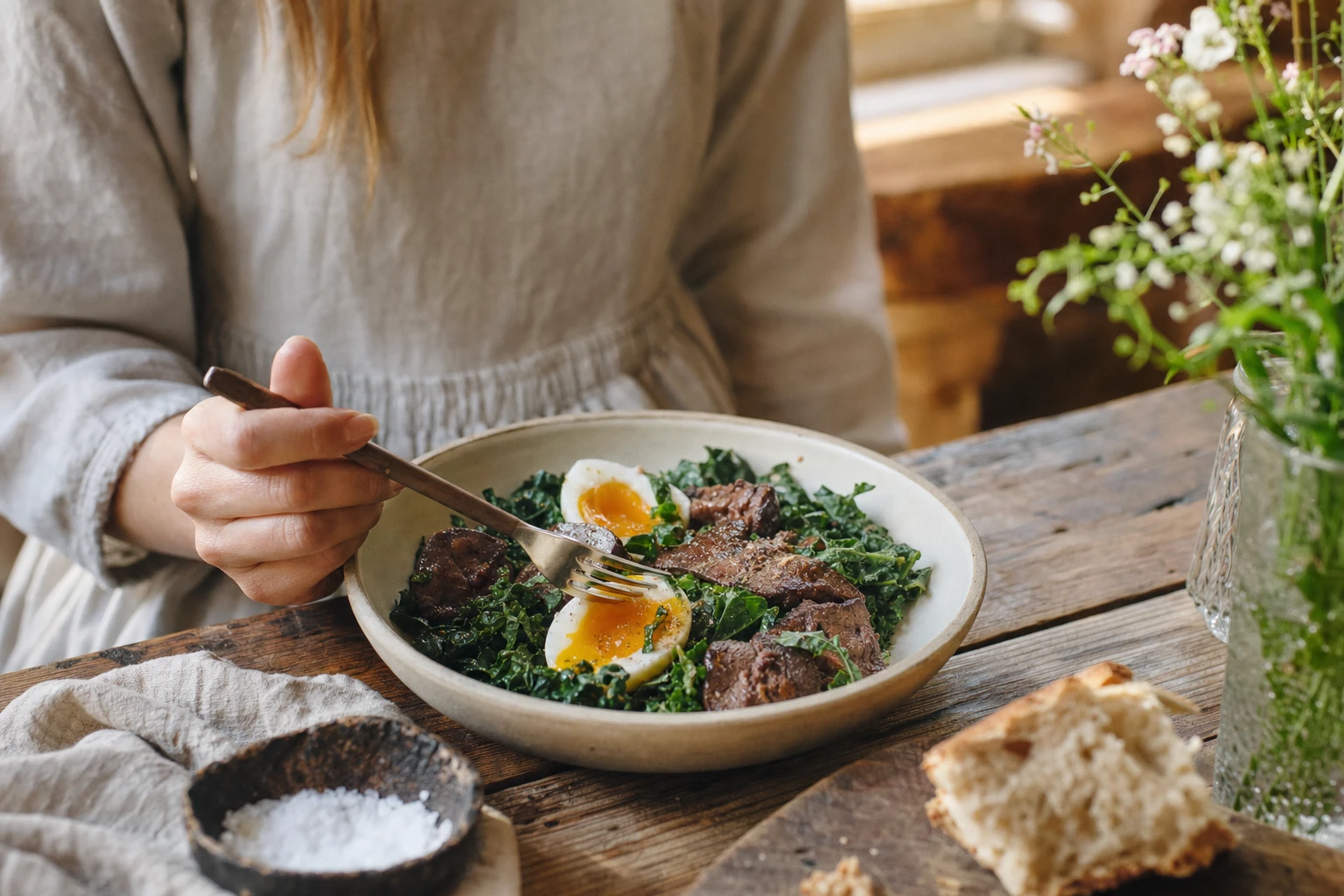
The recommended intake during pregnancy is 450 milligrams daily.8 The richest sources are egg yolks, liver, fish, and beef. A single large egg yolk contains approximately 150 milligrams of choline. Beef liver contains around 430 milligrams per 100 grams. If you're eating eggs regularly and liver once or twice a week, you're hitting your choline target. If you're not eating these foods, choline deficiency is likely, and supplementation or increased intake becomes important.
DHA and omega-3 fats
DHA (docosahexaenoic acid) is a long-chain omega-3 fat that is fundamental to brain and eye development. Your baby's brain accumulates DHA rapidly during the third trimester and continues accumulating it through breastfeeding. The recommended intake during pregnancy is approximately 200-300 milligrams daily.9
DHA is found in fatty fish: salmon, mackerel, sardines, and anchovies are excellent sources. A 100-gram serving of wild salmon contains around 2,500 milligrams of DHA. Grass-fed beef and egg yolks also contribute, though in smaller amounts. If you're eating fatty fish twice a week, you're meeting your DHA needs. If you're not eating fish, supplementation with fish oil or algae-derived DHA is sensible, particularly because plant sources of omega-3s (like flaxseeds and walnuts) convert very poorly to DHA.
Fish doesn't have to mean exotic. Tinned mackerel and sardines are affordable, shelf-stable, and contain more DHA per serving than expensive fresh fish. They also have the added benefit of soft, edible bones, which contribute calcium.
Get life-stage nutrition guides, free
Two short reads a week on eating well through pregnancy, childhood and older age.
By signing up you agree to receive emails from us. No spam, unsubscribe anytime.
Practical whole food approach
So what does this actually look like on a plate? The answer is simpler than most prenatal nutrition guides suggest. You're not combining obscure supplements or calculating complex ratios. You're eating real food that's been nourishing human pregnancies for thousands of years.
Breakfast might be eggs, ideally from pastured hens, with butter and leafy greens. Two to three eggs covers your choline, the egg yolk covers fat-soluble vitamins and DHA, the butter covers K2, and the greens cover folate and minerals. If you add a slice of wholemeal toast and some berries, you've covered carbohydrates and additional antioxidants. You're not calculating macros. You're eating food.
Lunch might be red meat and vegetables, ideally with potatoes or rice. The red meat covers B12, iron, and amino acids. The potatoes or rice cover B6 and carbohydrates. The vegetables cover folate and minerals. A simple beef and vegetable stew with carrots, onions, and potatoes hits every nutrient category without any thought. This is how humans have fed pregnant women historically, and the science backs it up.
Dinner might be fatty fish with butter and more vegetables. The fish covers DHA and selenium. The butter covers K2. The vegetables cover folate. A baked salmon fillet with a pat of butter and roasted broccoli and sweet potato is straightforward and extraordinarily nourishing. You're teaching your baby what food is through the nutrients in your milk postpartum.
Snacks throughout the day matter. A piece of fruit with a handful of nuts. A glass of full-fat milk with a biscuit. A small portion of cheese with an apple. These snacks keep your blood sugar stable and ensure continuous nutrient intake. Pregnancy is not a time to restrict eating. It's a time to eat frequently and well.
Once or twice a week, substitute one of your meat meals with liver. Liver is so nutrient-dense that a single 100-gram serving covers vitamin A, B12, folate, choline, and iron for the week. If liver is a challenge to prepare, liver pâté is an acceptable substitute, or finely minced liver mixed into mince beef reduces the flavour considerably. Beef and liver tacos, liver stroganoff, or liver and onions are all straightforward preparations.
Dairy, ideally full-fat and from grass-fed cows, throughout the day. This covers calcium, K2, and additional fat-soluble vitamins. Full-fat yoghurt with berries for snacks. Cheese with meals. Milk with tea or coffee. These aren't luxuries. They're essential components of pregnancy nutrition.
Hydration matters too. Water, yes, but also nourishing fluids. Bone broth sipped throughout the day. Herbal teas with honey. Milk. The idea that water is the only hydration that matters is flawed. Nutrient-containing fluids are nourishing and hydrating simultaneously.
The goal isn't perfection. It's consistency. If you eat this way most days, you're nourishing your pregnancy at a level that synthetic vitamins cannot match. Some days you'll eat less perfectly. Some days you'll have processed food. That's fine. Consistency over purity wins.
What if you've been eating differently?
If you're vegetarian and eating eggs and dairy, you're in a strong position. Eggs cover choline, B12, and fat-soluble vitamins. Dairy covers calcium and K2. The fat-soluble activators that build a baby's palate, dental arch, and brain are concentrated almost exclusively in animal foods, and ovo-lacto vegetarian eating still gets you most of them. Add liver once or twice a week if you possibly can. The nutrients are there in eggs and dairy, but liver is where they sit at densities nothing else matches.
If you've been eating a vegan diet, the most generous thing you can do for your baby is to reintroduce, at minimum, pastured egg yolks, grass-fed dairy, and liver for the duration of pregnancy and lactation. There is no observed traditional culture that produced healthy children on a plant-only maternal diet. The nutrients your baby is building a brain and a face out of, fat-soluble vitamins A, D and K2, retinol, B12, choline, DHA, heme iron, are concentrated in animal foods in forms that supplements cannot fully replace. A vegan pregnancy increases the nutritional risk in ways that careful planning narrows but does not eliminate. If you cannot reintroduce these foods, work with a clinician who understands the gap and supplement aggressively.
1 of 9
Daily blend
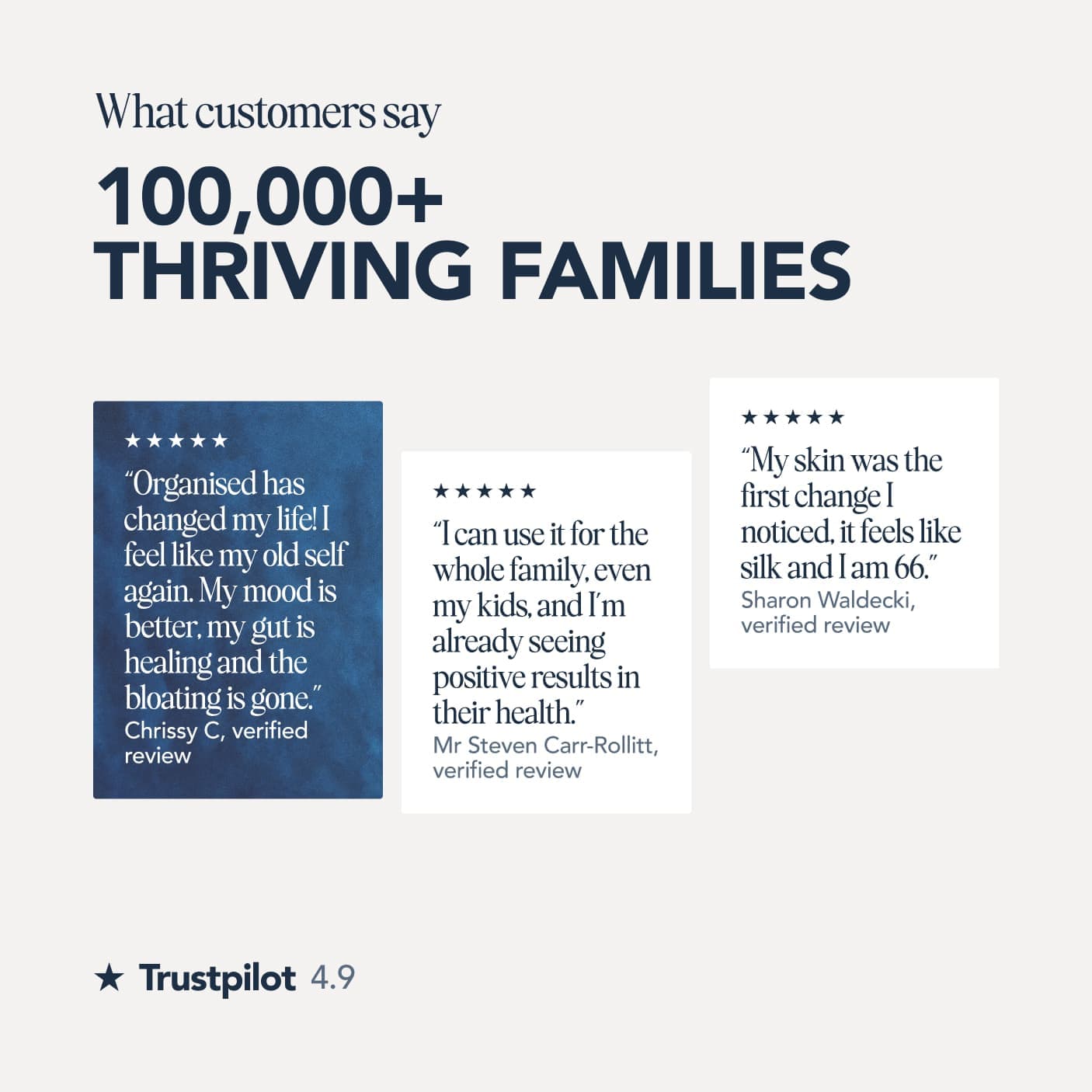
100,000+ thriving families4.9 on Trustpilot
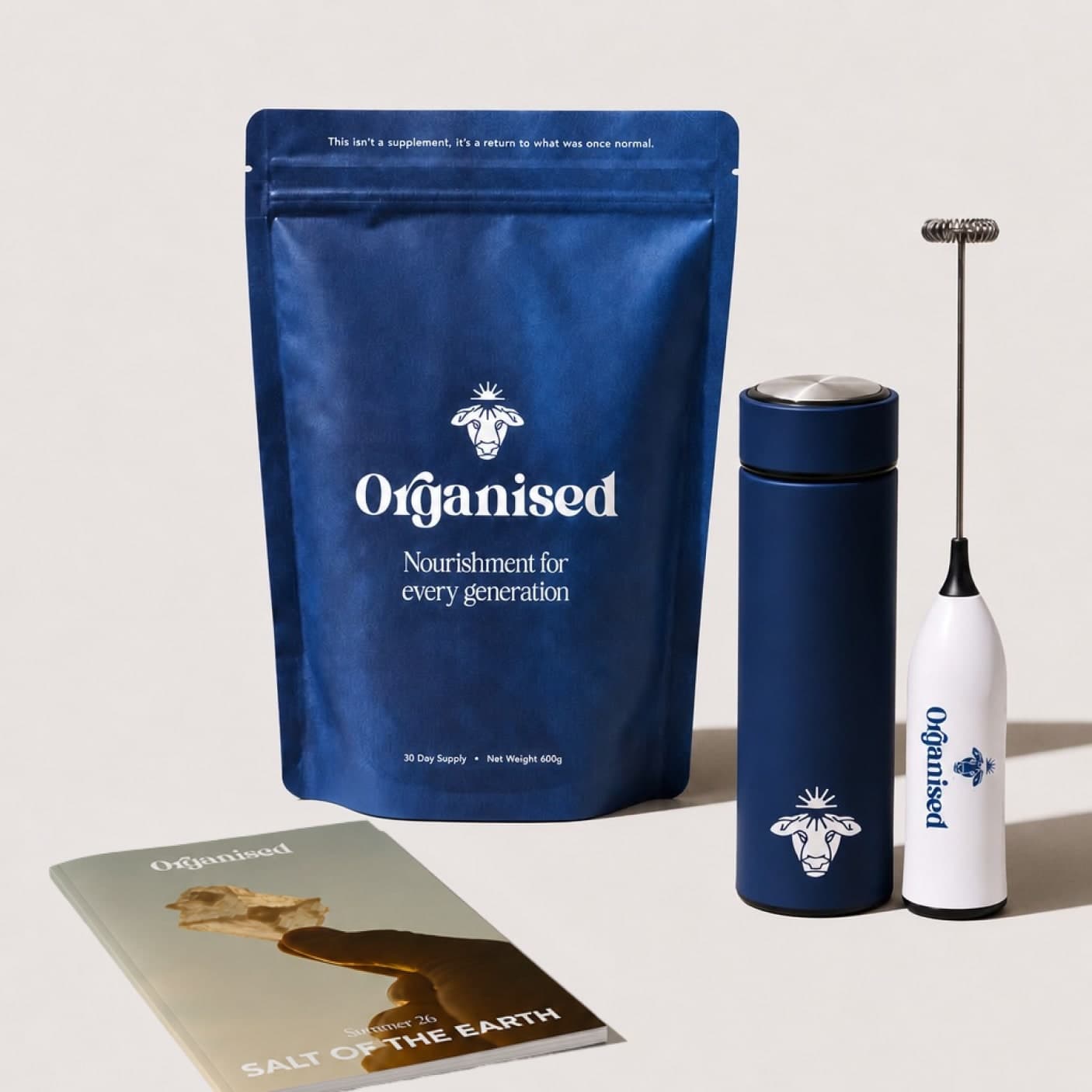
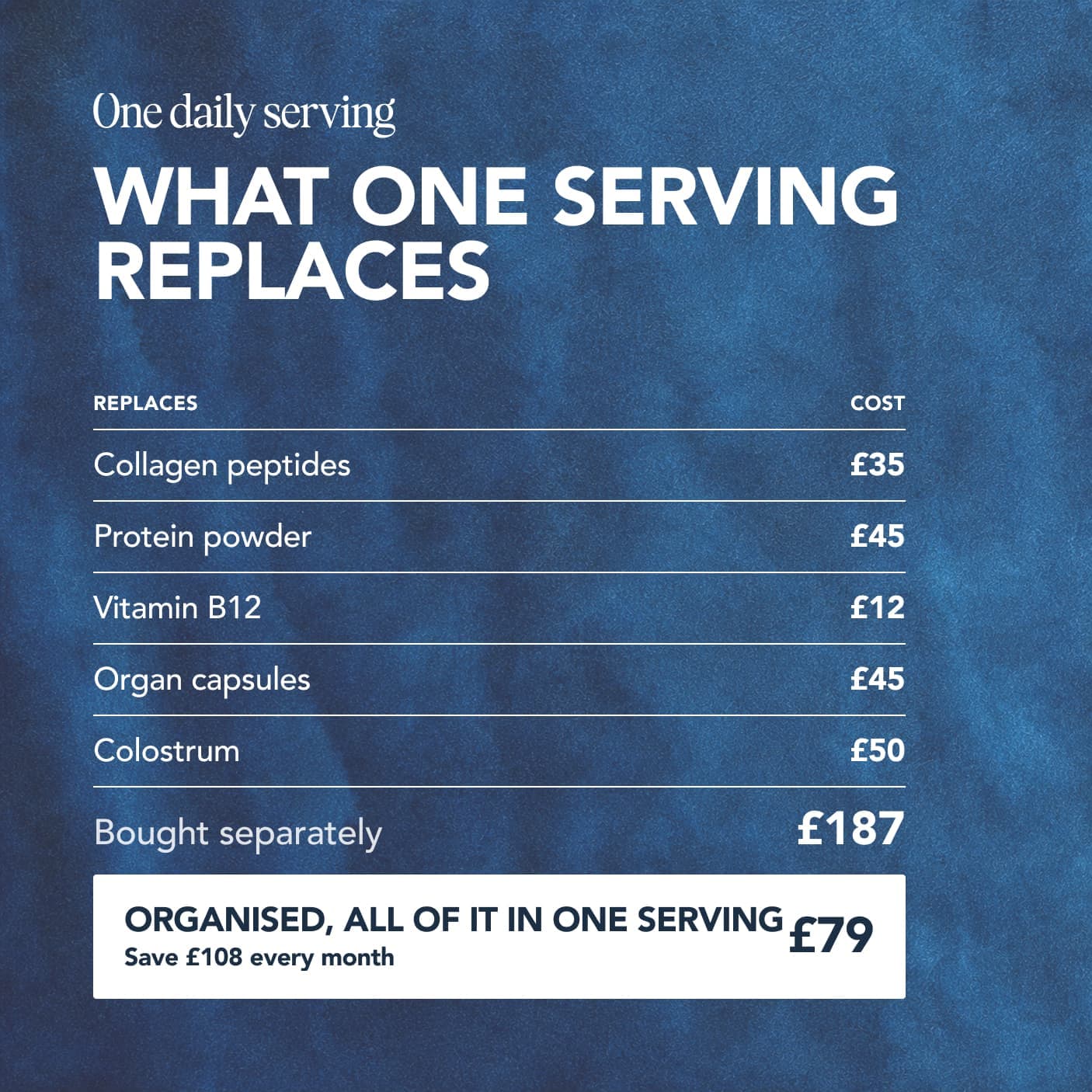
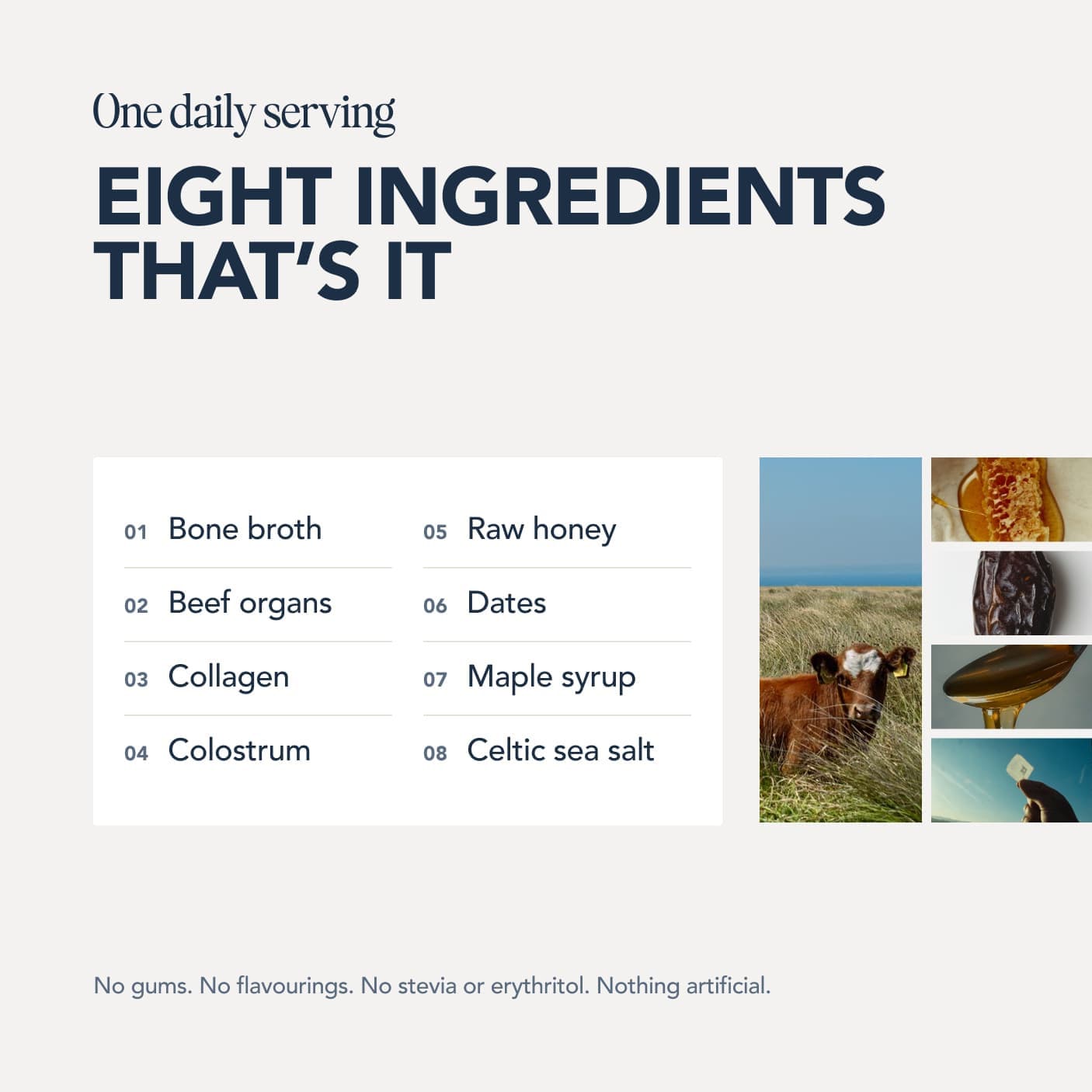
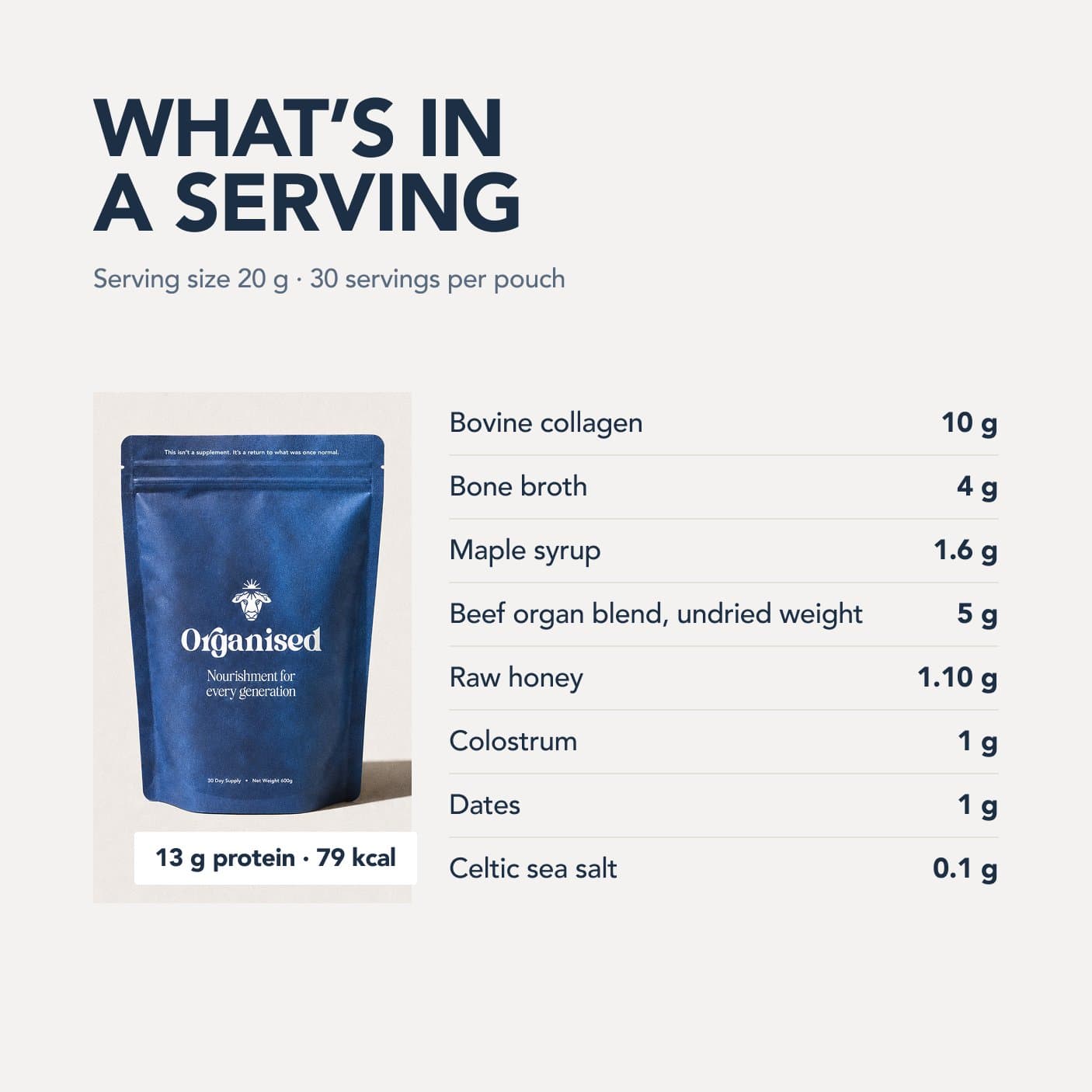
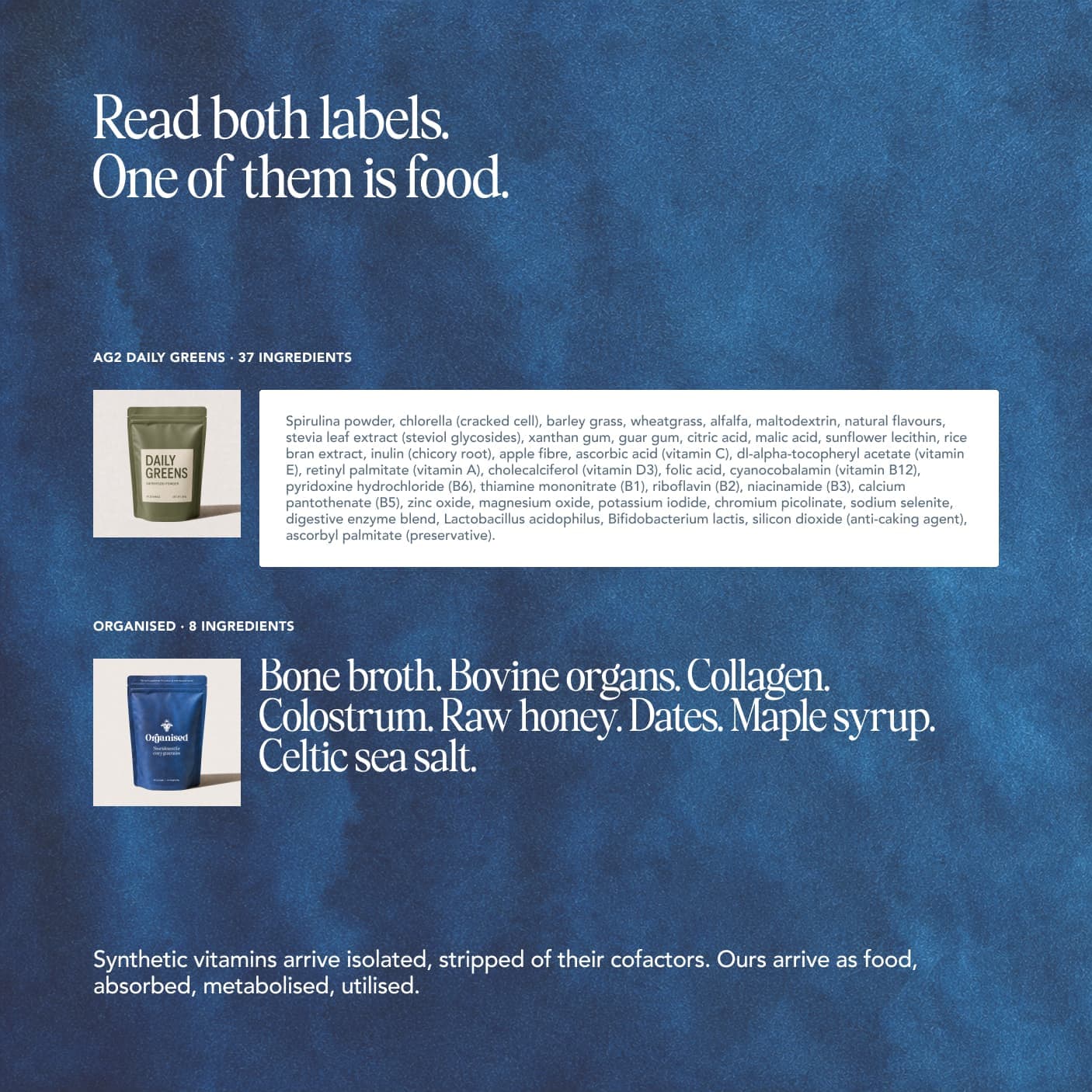
Eight real ingredients built around grass-fed beef organs, collagen and colostrum. Nothing synthetic added.
Free with your first order, worth £38. Plus £10 off the pouch with a subscription.
Free UK shipping · Made in England · 100 day money back guarantee on your first pouch · Skip, pause or cancel anytime
The bottom line
Your pregnancy is not a medical condition requiring correction. It's a remarkable biological process that requires extraordinary nutrition. The nutrients your body accumulates during pregnancy become the structural and functional foundation of your child's lifetime health. Feed yourself with that intention. Eat liver, eggs from pastured hens, red meat, fatty fish, full-fat dairy from grass-fed cows, and plenty of vegetables. Your baby is depending on it, and honestly, so are you.
On UK NHS guidance and liver in pregnancy
The NHS recommends pregnant women avoid liver and liver products entirely, on the grounds that liver is dense in preformed retinol and high doses of preformed retinol are teratogenic. That guidance errs heavily on the side of total avoidance. The published evidence is more specific.
The Rothman 1995 NEJM study, which underpins most modern retinol-in-pregnancy advice, found increased risk of birth defects in women whose chronic intake of preformed retinol exceeded roughly 10,000 IU per day (about 3,000 mcg RAE per day) during the first trimester. That figure is also the NIH ODS Tolerable Upper Intake Level for adults.
A 100-gram serving of cooked beef liver delivers roughly 7,800 to 11,100 mcg RAE depending on preparation (USDA FoodData Central; NIH ODS). The published threshold is for chronic daily intake, not for a single serving — Rothman 1995 explicitly framed the risk around habitual intake during the first trimester, not occasional consumption. A 30-gram serving once a week averages around 330 mcg RAE per day across the week, well below the 3,000 mcg/day UL. Even a 50-gram weekly portion averages around 600 mcg per day. Traditional pregnancy diets observed by Weston Price across multiple cultures included occasional liver as a sacred food, in portions and frequencies consistent with this weekly-average framing rather than daily heavy consumption.
Our position: the brand recommends small, occasional liver servings (30 to 50 grams once or twice a week) for pregnant and preconception women who choose to include it, alongside the rest of a nutrient-dense whole-food diet. If you want to follow NHS guidance and avoid liver entirely, you can still hit the same fat-soluble-vitamin profile through pastured egg yolks, grass-fed dairy and modest amounts of cod liver oil. Discuss any pregnancy nutrition decision with your midwife or obstetrician, particularly if you are already supplementing with vitamin A, multivitamins containing retinol, or acne-treatment retinoids.
References
Every source below was checked on 27 August 2026. Each PubMed, PMC and DOI identifier was resolved against NCBI or Crossref, and what it opens is printed under the citation, so you can see the link goes where the citation says without leaving the page. Where a citation and its identifier disagreed, the citation was corrected to the record or the reference was deleted along with the sentence marker that pointed at it, and where the resolved paper turned out not to support the sentence, the sentence was cut back to what it does support. Borrowed authority is worse than none, because it looks like rigour.
- Soma-Pillay P, Nelson-Piercy C, Tolppanen H, Mebazaa A. Physiological changes in pregnancy. Cardiovascular Journal of Africa. 2016;27(2):89-94. https://pmc.ncbi.nlm.nih.gov/articles/PMC4928162/Checked 27 August 2026: PMC4928162 opens Soma-Pillay P, Nelson-Piercy C, Tolppanen H et al, Physiological changes in pregnancy. Cardiovasc J Afr 2016;27(2):89-94. PubMed indexes it as: Review.
- National Institutes of Health, Office of Dietary Supplements. Vitamin A and Carotenoids: Fact Sheet for Health Professionals. https://ods.od.nih.gov/factsheets/VitaminA-HealthProfessional/ [accessed May 2026].
- National Institutes of Health, Office of Dietary Supplements. Vitamin D: Fact Sheet for Health Professionals. https://ods.od.nih.gov/factsheets/VitaminD-HealthProfessional/ [accessed May 2026]. UK guidance: NHS recommends a 10 microgram (400 IU) vitamin D supplement during pregnancy. https://www.nhs.uk/pregnancy/keeping-well/vitamins-supplements-and-nutrition/
- Maresz K. Proper Calcium Use: Vitamin K2 as a Promoter of Bone and Cardiovascular Health. Integrative Medicine. 2015;14(1):34-39. https://pmc.ncbi.nlm.nih.gov/articles/PMC4566462/Checked 27 August 2026: PMC4566462 opens Maresz K, Proper Calcium Use: Vitamin K2 as a Promoter of Bone and Cardiovascular Health. Integr Med (Encinitas) 2015;14(1):34-9. PubMed indexes it as: Review.
- National Institutes of Health, Office of Dietary Supplements. Vitamin B12: Fact Sheet for Health Professionals. https://ods.od.nih.gov/factsheets/VitaminB12-HealthProfessional/ [accessed May 2026].
- National Institutes of Health, Office of Dietary Supplements. Folate: Fact Sheet for Health Professionals. https://ods.od.nih.gov/factsheets/Folate-HealthProfessional/ [accessed May 2026]. The fact sheet describes folic acid -> DHF -> THF conversion via dihydrofolate reductase, and discusses MTHFR polymorphisms in the context of folate metabolism.
- National Institutes of Health, Office of Dietary Supplements. Iron: Fact Sheet for Health Professionals. https://ods.od.nih.gov/factsheets/Iron-HealthProfessional/ [accessed May 2026]. RDA in pregnancy: 27 mg/day.
- National Institutes of Health, Office of Dietary Supplements. Choline: Fact Sheet for Health Professionals. https://ods.od.nih.gov/factsheets/Choline-HealthProfessional/ [accessed May 2026]. AI in pregnancy: 450 mg/day.
- Coletta JM, Bell SJ, Roman AS. Omega-3 Fatty Acids and Pregnancy. Reviews in Obstetrics and Gynecology. 2010;3(4):163-171. https://pmc.ncbi.nlm.nih.gov/articles/PMC3046737/Checked 27 August 2026: PMC3046737 opens Coletta JM, Bell SJ, Roman AS, Omega-3 Fatty acids and pregnancy. Rev Obstet Gynecol 2010;3(4):163-71.
- Rothman KJ, Moore LL, Singer MR, Nguyen UD, Mannino S, Milunsky A. Teratogenicity of high vitamin A intake. New England Journal of Medicine. 1995;333(21):1369-1373. https://pubmed.ncbi.nlm.nih.gov/7477116/Checked 27 August 2026: PMID 7477116 opens Rothman KJ, Moore LL, Singer MR et al, Teratogenicity of high vitamin A intake. N Engl J Med 1995;333(21):1369-73.
Who wrote and reviewed this guide
Niall Kiddle
Author · Founder, Organised
Niall is the founder of Organised. He started the company in 2024 after fixing his own health the slow way: in 2022 he swapped a cupboard of synthetic supplements for real food, raw milk, organ meats, bone broth and honey, and felt the difference within months.
Areas of expertise: Ancestral nutrition, Organ meats, Whole-food supplementation, Gut health, Regenerative sourcing
Read Niall's full profile
Pedro Rodrigues
Reviewer · Agronomist (farming and sourcing only)
Pedro is the agronomist Organised works with on farming and sourcing. His job on the guides is to keep the science honest: he reviews what we publish about soil health, regenerative agriculture, grazing and the way food is actually produced.
Areas of expertise: Regenerative agriculture, Agronomy, Soil health, Grass-fed farming, Food sourcing
Reviewed this guide on
Read Pedro's full profileMore on pregnancy & postpartum
View all- Postpartum Recovery Nutrition: Rebuilding After Birth
- Beef Organ Supplements and Pregnancy: Understanding Vitamin A Safety
- Breastfeeding and Nutrition: What to Eat to Nourish Two
- Folate vs Folic Acid: Why the Form Matters in Pregnancy
- Gestational Diabetes and Nutrition: What Helps and What Doesn't
- Iron Needs During Pregnancy: Why Heme Iron Makes a Difference
- Morning Sickness and Nutrition: What Helps and What Makes It Worse
- Pregnancy Nutrition on Reddit: What Real Mums Recommend vs the Evidence
- Pregnancy Prep: Nutritional Foundations to Lay Before Conceiving
- Rebuilding Your Iron Stores After Birth
- The Best Foods to Eat in Each Trimester
- The Fourth Trimester: Why Mothers Need Organ Nutrition
Browse the guides library
All guidesKeep reading
Life stage
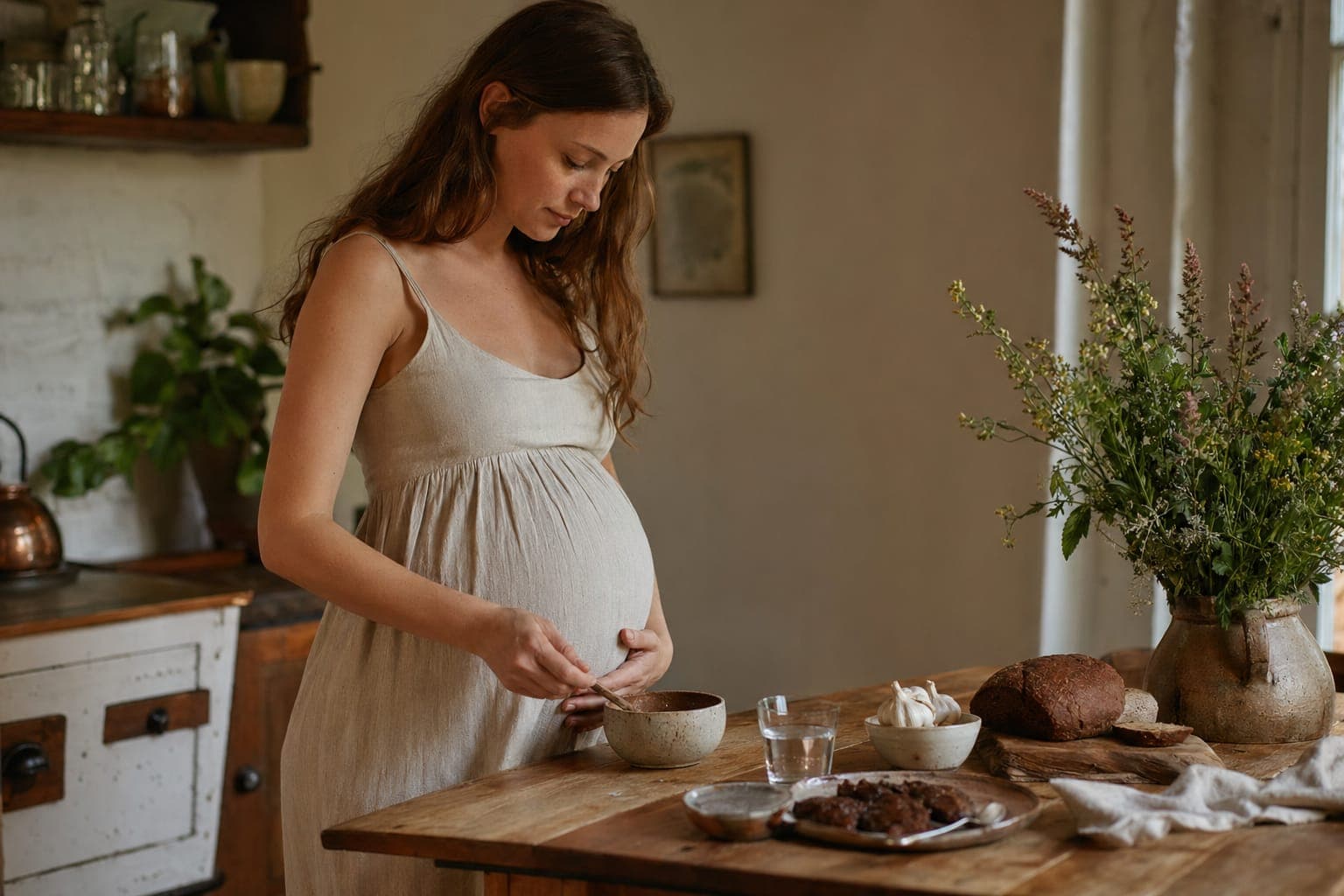
Beef Organ Supplements and Pregnancy: Understanding Vitamin A Safety
Clear guidance on vitamin A pregnancy safety: retinol limits, beta-carotene vs vitamin A, and whether beef organ supplements suit expectant mothers.
Life stage
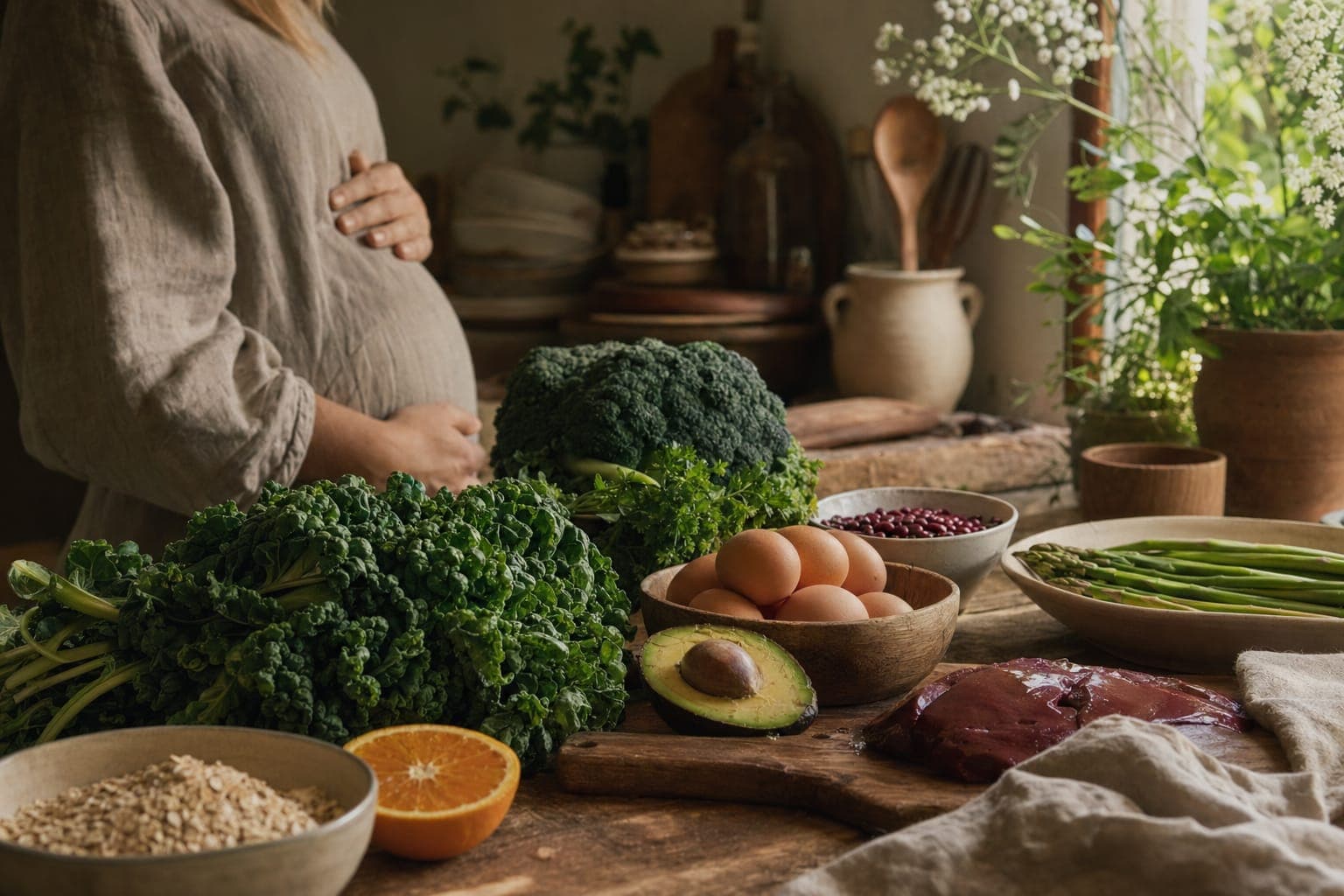
Folate vs Folic Acid: Why the Form Matters in Pregnancy
Understand the difference between folate and folic acid, MTHFR genetics, and why the form matters for your pregnancy. Food sources and supplement guidance.

Life stage
The Family Subscription: Nourishing Every Generation Under One Roof
One simple approach to family nutrition for babies, toddlers, children, teenagers, and parents. See how to nourish every generation under one roof.
Real food, made effortless
Find my daily blendA few ways to use it
All recipes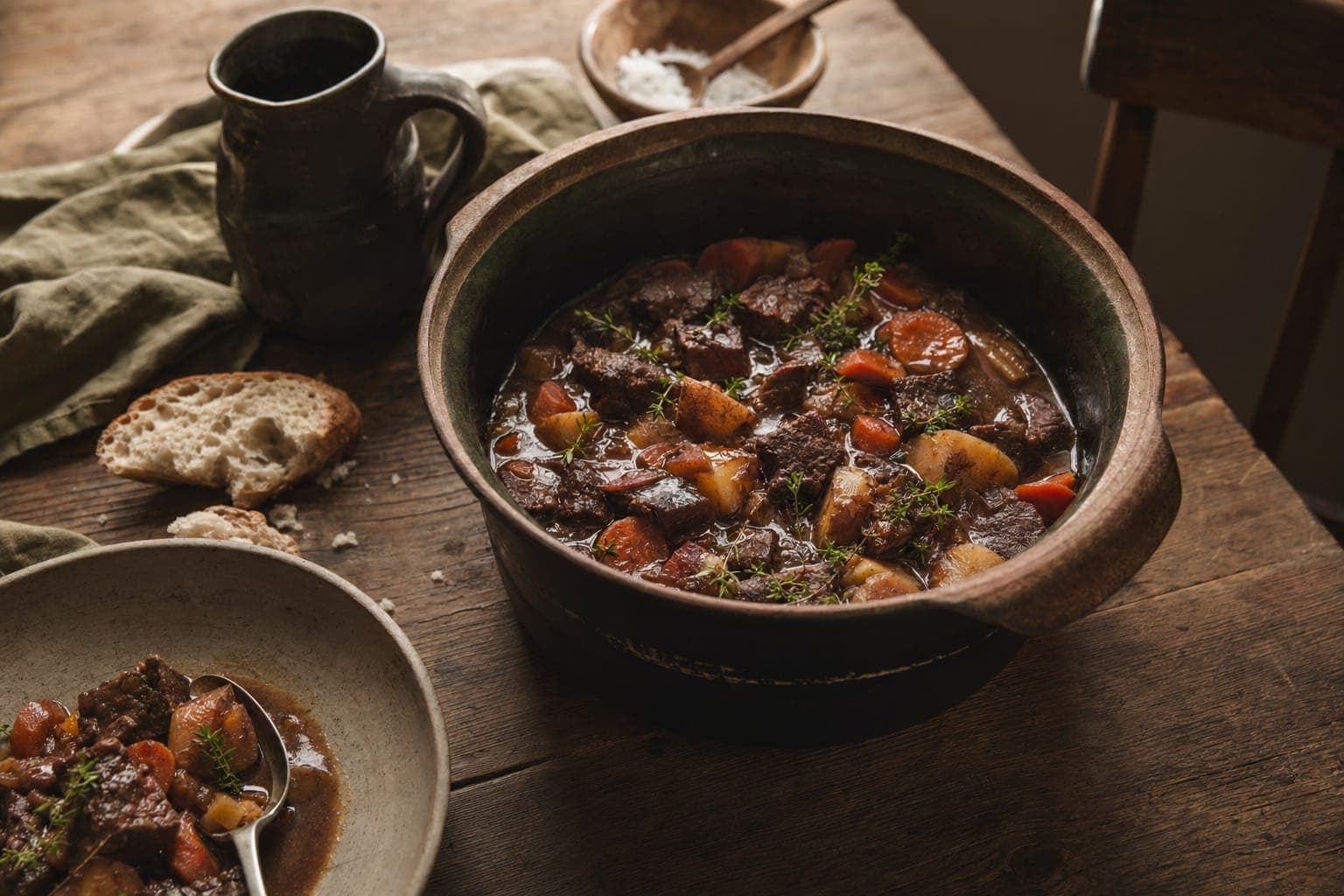
Collagen-Rich Beef Stew: Slow-Cooked Nourishment
Beef stew that delivers collagen from connective tissue and bone broth. Winter comfort food that actually nourishes. Simple slow cooker recipe.
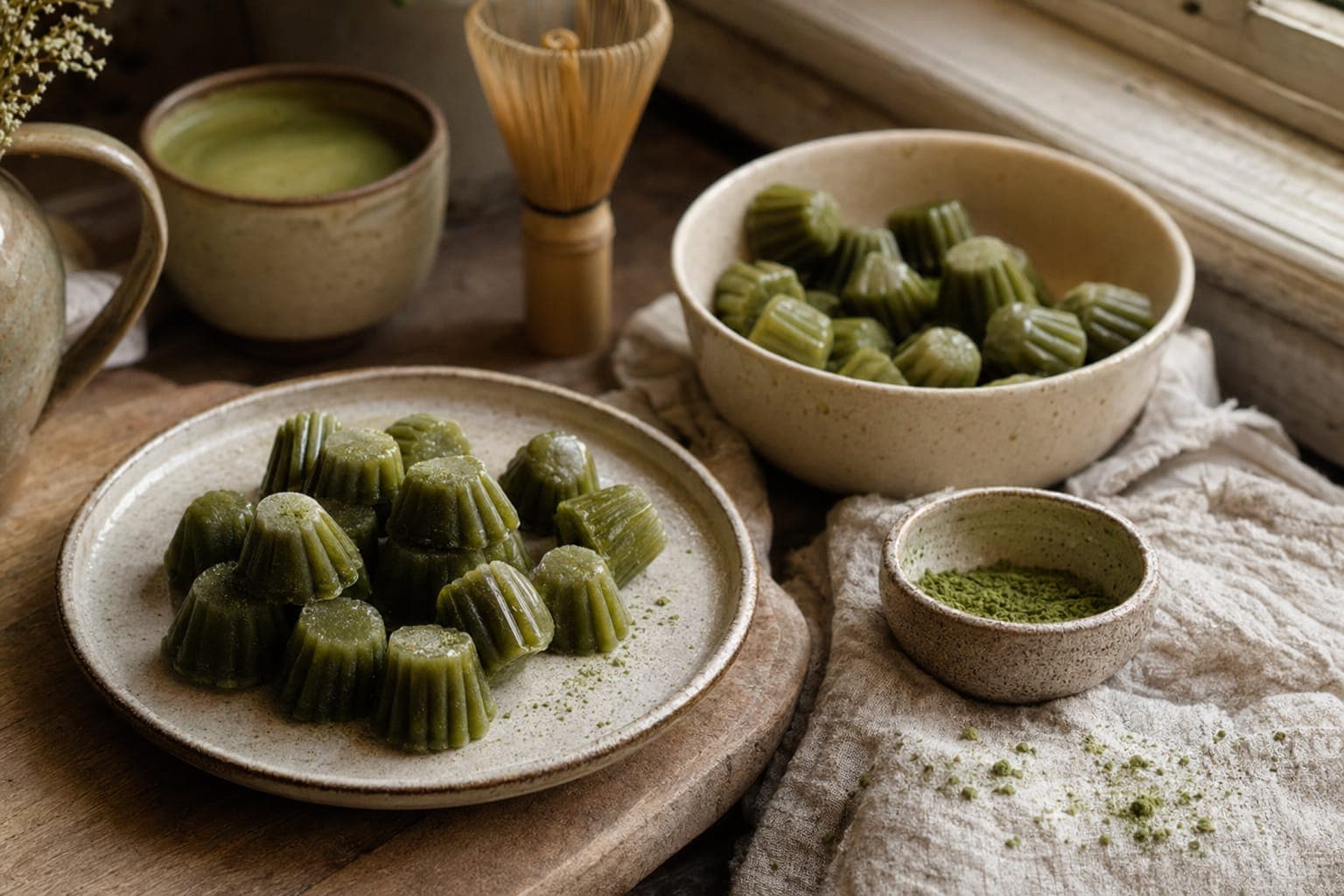
Matcha Latte Gummies with Collagen and Gelatine
Make visually stunning matcha latte gummies infused with collagen and gelatine. Simple recipe for gut-healing sweets you'll actually want to eat.
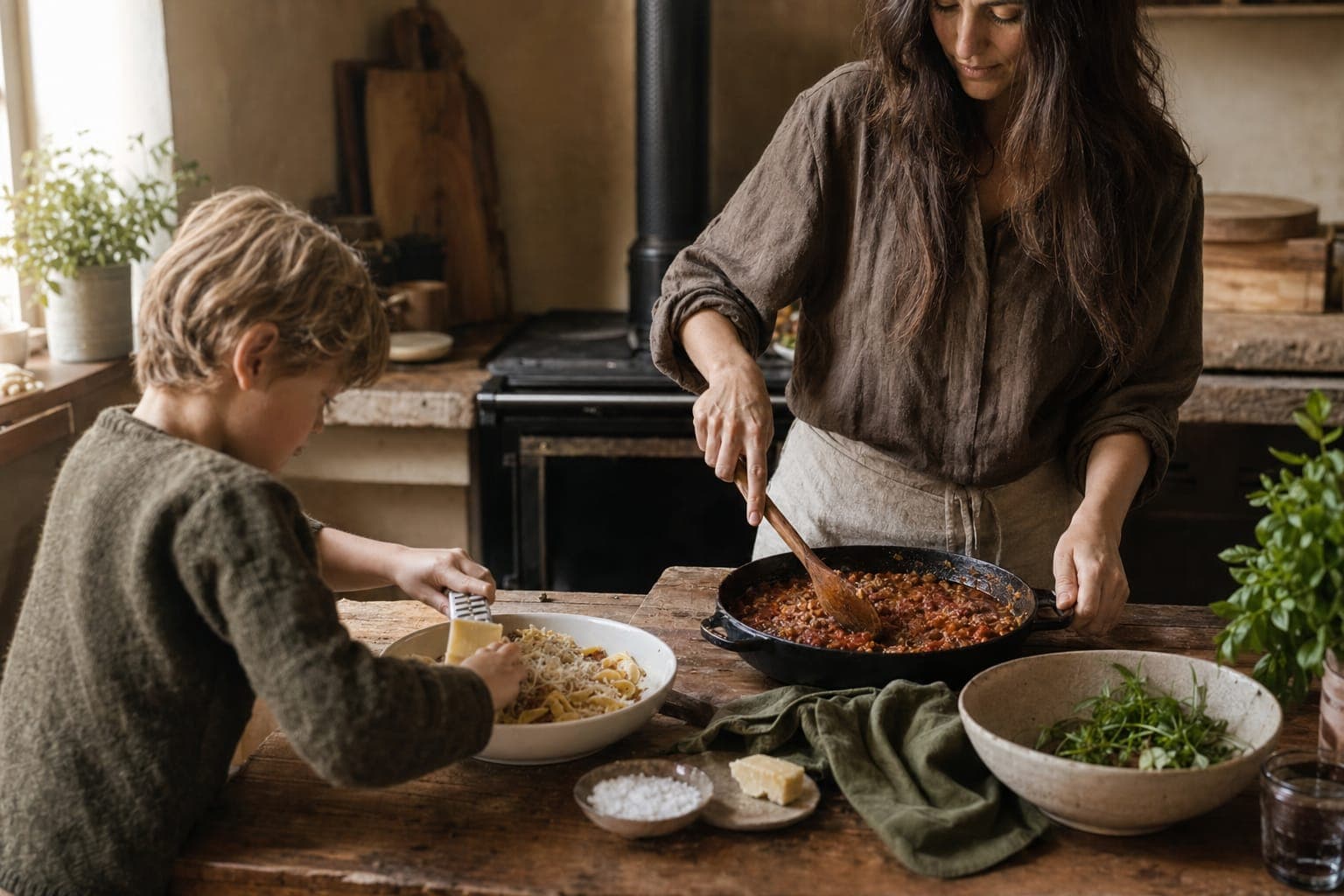
Organ Bolognese: The Family Dinner That Heals
Practical organ meat recipe using fresh beef liver and heart. Family-friendly bolognese that bridges supplements to whole food.


 Join over 100,000+ members
Build a better food system with us
The Organised community is thousands of people choosing real food and backing the farmers who grow it, all of us trying to leave the world a little better than we found it. If that is what you care about too, you belong here.