Folate vs Folic Acid: Why the Form Matters in Pregnancy
Your prenatal vitamin almost certainly contains folic acid. Your liver probably prefers folate. And your genes might determine which one your body can actually use. This distinction matters more than most people realise.

By Niall Kiddle, Founder, Organised

Reviewed by Pedro Rodrigues, Agronomist (farming and sourcing only) ·
7 min read · Published · Updated · 5 cited sources
Makers of the Organised Daily blend, a grass-fed beef organ supplement from regenerative UK farms
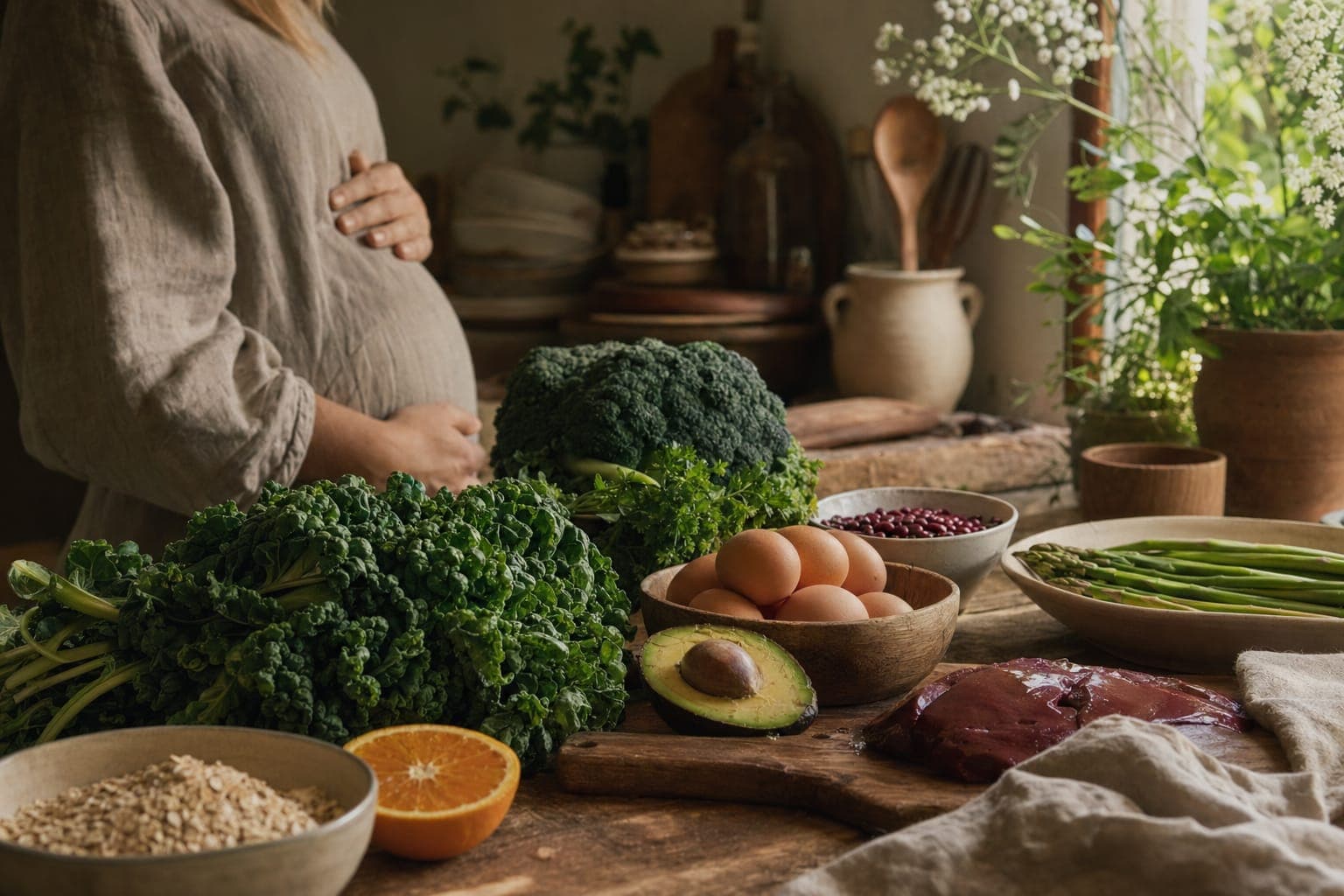
Folate is essential in pregnancy. There is no debate on this point. Adequate folate intake during the first trimester significantly reduces the risk of neural tube defects, which are serious birth defects affecting the brain and spinal cord.1 The standard guidance from medical organisations worldwide is consistent: get enough folate.
Where it gets murky is how to define enough, and what form it should take.
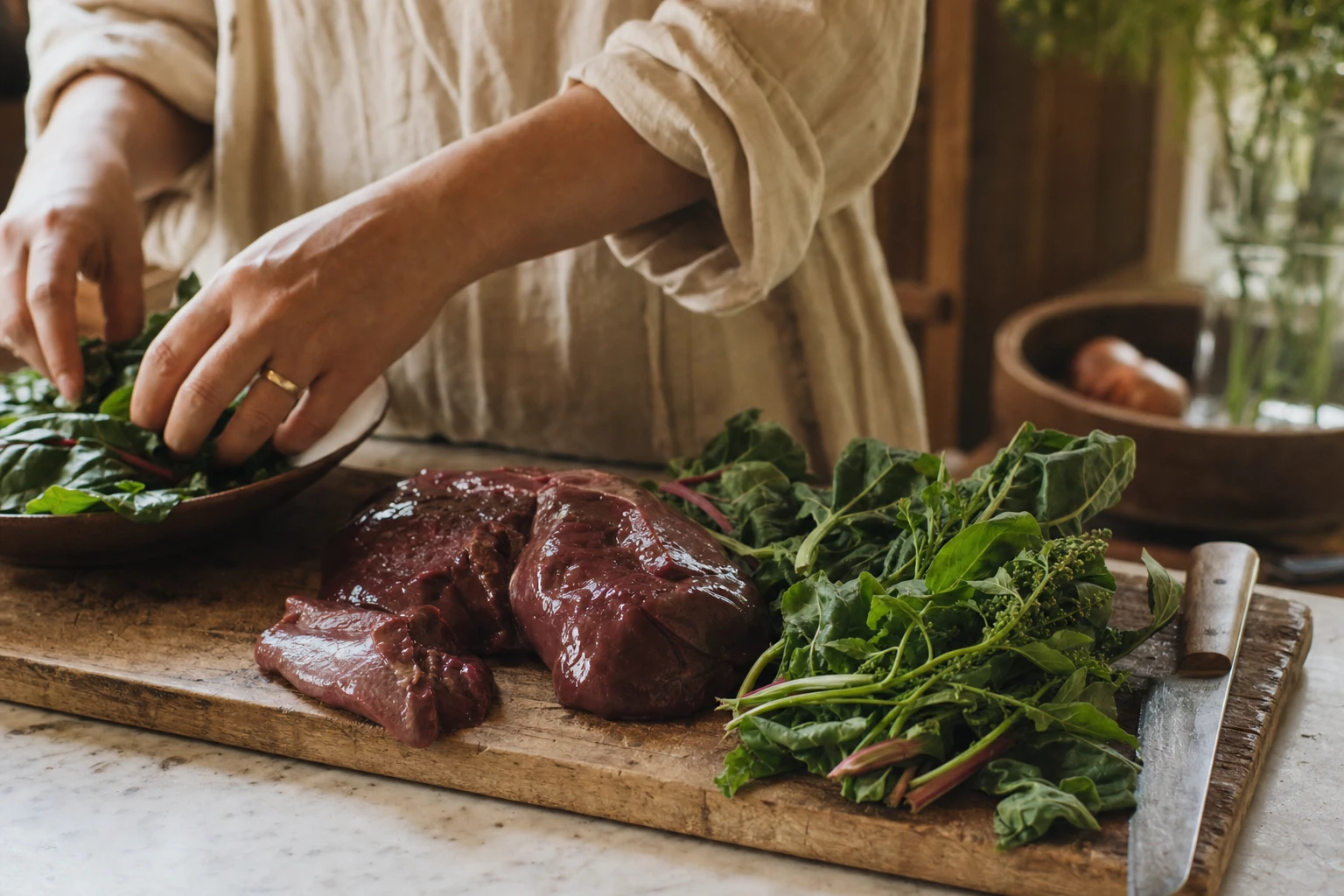
What folate does in pregnancy
Folate is a B vitamin (B9) that's essential for DNA synthesis and cell division. During pregnancy, your baby is dividing cells at an extraordinary rate. Every second of every day, trillions of new cells are being created. Each of these cells needs DNA, and DNA synthesis requires folate. Without adequate folate, cells cannot divide properly. This is why folate deficiency during the first trimester increases the risk of neural tube defects.
Folate is also involved in methylation reactions, which are fundamental to gene expression. Your genes contain instructions, but methylation determines whether those instructions are read or silenced. Adequate folate during pregnancy influences not just whether your baby's cells divide, but how your baby's genes are expressed throughout life. Research suggests that maternal folate status can influence the baby's metabolism and risk of certain diseases later in life.
The recommended dietary allowance in pregnancy is 600 micrograms daily. This is roughly double the non-pregnant requirement of 300 micrograms.1 If you're meeting this target, neural tube defect risk drops substantially. If you're not, risk increases.
Folate vs folic acid: the molecular difference
Folate is the natural form found in food. It exists as tetrahydrofolate and various folate compounds in leafy greens, liver, legumes, and asparagus. Folic acid is the synthetic form created in laboratories. It's a single, stable molecule: pteroyl monoglutamic acid. It doesn't exist in nature.
Folic acid was developed because natural folate is unstable. It breaks down during cooking, storage, and digestion. Folic acid is stable, cheap to produce, and easy to add to supplements and fortified foods. This is why most prenatal vitamins contain folic acid instead of folate.
Here's the challenge: your body cannot use folic acid directly. It has to convert it. The conversion happens through a series of enzymatic reactions that depend on several genes, particularly the MTHFR gene. If you have the typical genetic variant, this conversion happens relatively efficiently. If you have different genetic variants, conversion is slower or less efficient.
Folic acid is synthetic and requires enzymatic conversion to become usable. Folate from food is in a form your body recognises. Folic acid isn't inherently wrong, but folate is inherently easier for your body to process.
MTHFR and genetic variation
The MTHFR gene codes for an enzyme called methylenetetrahydrofolate reductase. This enzyme is essential for converting folic acid into methylfolate, the active form your cells use. Roughly 30-40% of people carry genetic variants in the MTHFR gene that result in slower or reduced enzyme activity.2
If you have one of these variants, your body still converts folic acid, but it does so more slowly and less completely. This means that if you're relying entirely on synthetic folic acid for your folate, you might not achieve optimal levels. Your baby might be developing in a state of relative folate insufficiency even though you're taking your prenatal vitamin.
The evidence on MTHFR variants is still evolving. Some practitioners believe MTHFR variants are hugely important. Others think their significance is overstated. The honest answer is that MTHFR variants matter, but their clinical significance varies between individuals. If you have a variant and you have access to testing, your GP or healthcare provider can discuss what that means for your specific situation.
Practically speaking, if you know you have an MTHFR variant, or if you have a history of miscarriage or family history of neural tube defects, prioritising methylfolate or natural folate sources is reasonable. If you don't know your genetic status and you're having a healthy pregnancy, folic acid is fine.
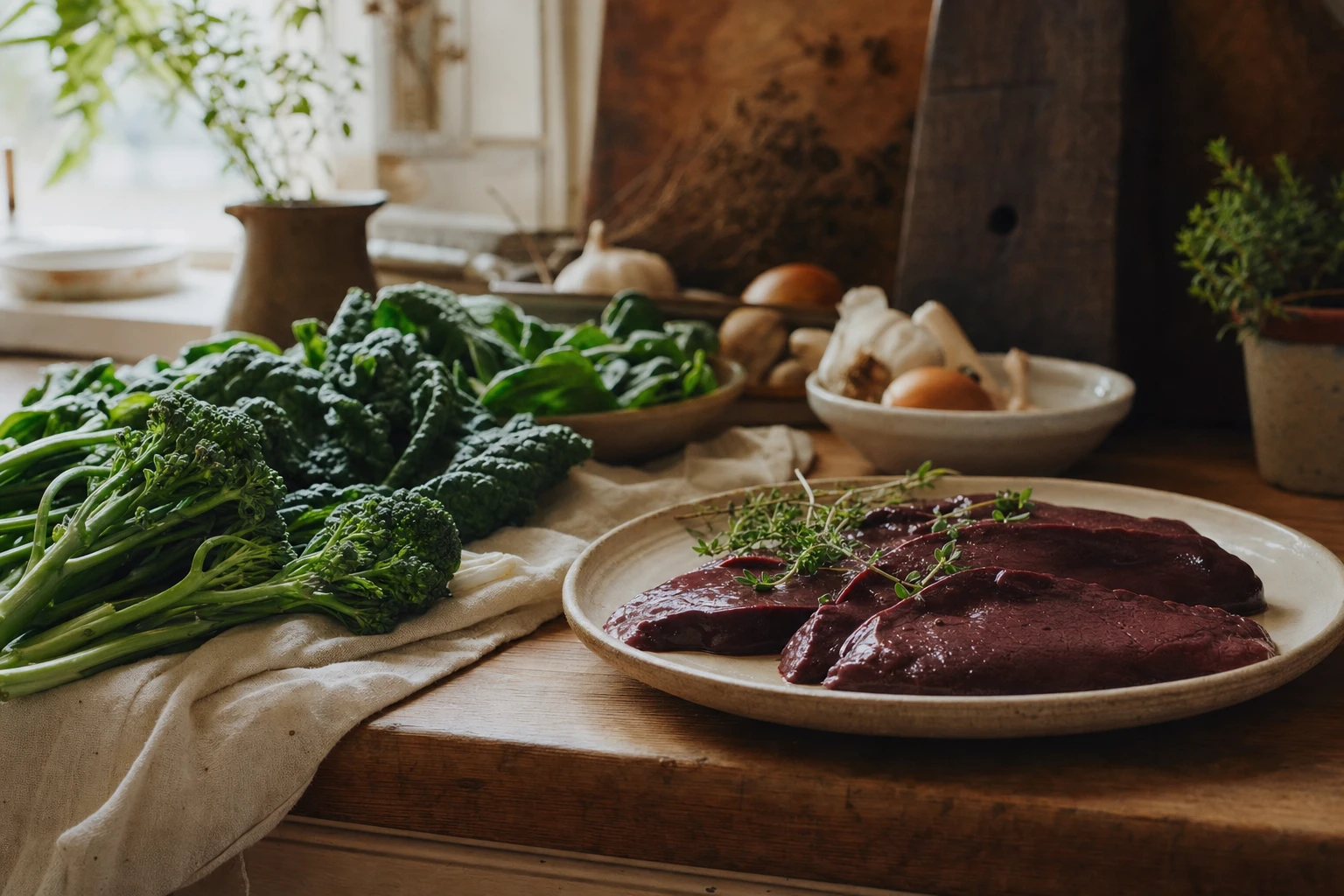
Food sources of natural folate
If you want to cover your folate needs through food, the richest sources are organ meats and leafy greens.
Beef liver contains approximately 220 micrograms of folate per 100 grams. A single 100-gram serving covers roughly a third of your daily requirement.4 Chicken liver contains similar amounts. Lamb liver contains even more.
Leafy greens are also excellent sources. Spinach contains approximately 140 micrograms per 100 grams. Kale contains 145 micrograms per 100 grams. Broccoli contains 65 micrograms per 100 grams. The challenge is that natural folate is sensitive to heat. Cooking reduces folate content by 30-50%. So if you want to maximise folate from vegetables, eat some raw: raw spinach in salads, raw kale in smoothies.
Legumes are also good sources. Lentils contain around 180 micrograms per 100 grams. Chickpeas contain around 140 micrograms per 100 grams. Asparagus contains around 90 micrograms per 100 grams.
If you're eating liver once or twice a week, plenty of vegetables daily, and some legumes several times a week, you're likely hitting your 600-microgram target without supplementation. If you're not eating these foods, supplementation becomes important.
Get life-stage nutrition guides, free
Two short reads a week on eating well through pregnancy, childhood and older age.
By signing up you agree to receive emails from us. No spam, unsubscribe anytime.
When supplementation makes sense
The standard recommendation is that all women capable of becoming pregnant should get 400 micrograms of folic acid daily.5 This is why it's added to fortified foods and included in prenatal vitamins. The logic is sound: folic acid is cheap, it reduces neural tube defect risk, and for most people it works fine.
If you have an MTHFR variant or a family history of neural tube defects, discussing methylfolate supplementation with your healthcare provider is reasonable. Methylfolate is the active form, so it bypasses the conversion step. Your body can use it immediately.3 It's more expensive than folic acid and not as widely available, but if you know you have conversion issues, it's worth considering.
If you're unable to hit your folate target through food, supplementation is essential. Food alone folate is wonderful, but it's not always practical. If it's the choice between taking folic acid and being folate deficient, take folic acid.
Choosing the right form
If you're choosing a prenatal supplement, look at the label. It should list whether it contains folic acid or methylfolate (sometimes labelled as 5-MTHF or L-methylfolate). Standard folic acid is fine for most people. Methylfolate is preferable if you know you have MTHFR variants or conversion issues.
If you're supplementing with folate independent of a prenatal vitamin, methylfolate at 400-500 micrograms daily is a reasonable dose. It's not harmful at higher doses because it's water-soluble and excess is excreted, but there's no benefit to going beyond your needs.
Standard folic acid works for most people. Methylfolate is better if you know you have conversion issues. Either is better than deficiency. Aim for 600 micrograms daily from all sources, then let your body handle the rest.
Testing for MTHFR variants
MTHFR testing has become increasingly popular, but it's worth understanding what it actually tells you. A genetic test can identify whether you carry variants associated with reduced enzyme activity. But having a variant doesn't guarantee that you'll have absorption or conversion issues. Some people with MTHFR variants have no clinical symptoms at all. Others have significant issues.
If you're considering testing, discuss it with your GP or a nutritionist familiar with MTHFR variants. The test itself is straightforward, but interpreting the results requires context. Your healthcare provider can help you understand whether your specific variants warrant intervention.
For most people, testing is unnecessary. If you're pregnant and you're eating well and taking a prenatal supplement, you're almost certainly fine. Testing makes sense if you have a history of recurrent miscarriage, family history of neural tube defects, or symptoms suggestive of folate issues (anaemia, fatigue, cognitive changes). Otherwise, it's optional.
1 of 9
Daily blend
100,000+ thriving families4.9 on Trustpilot
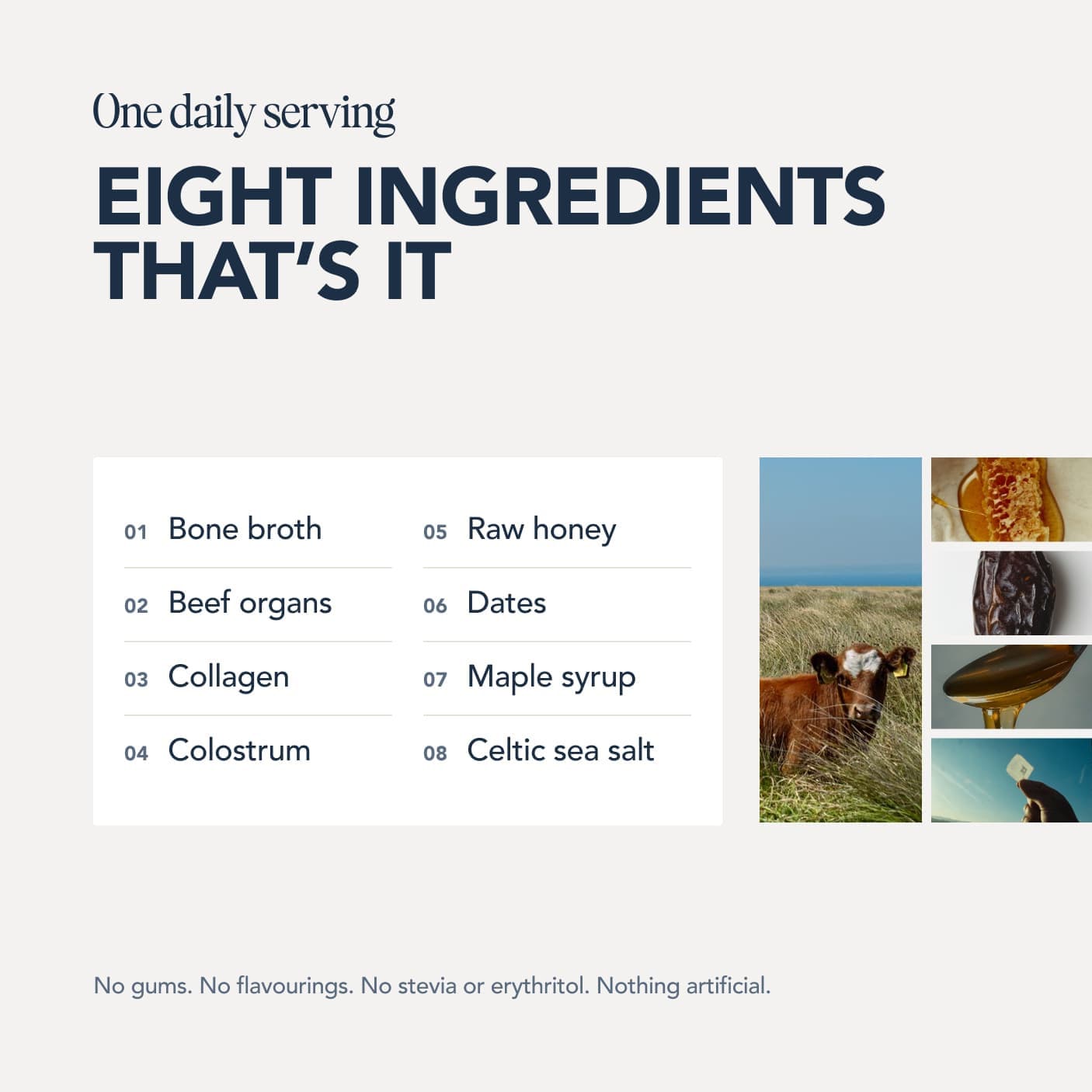
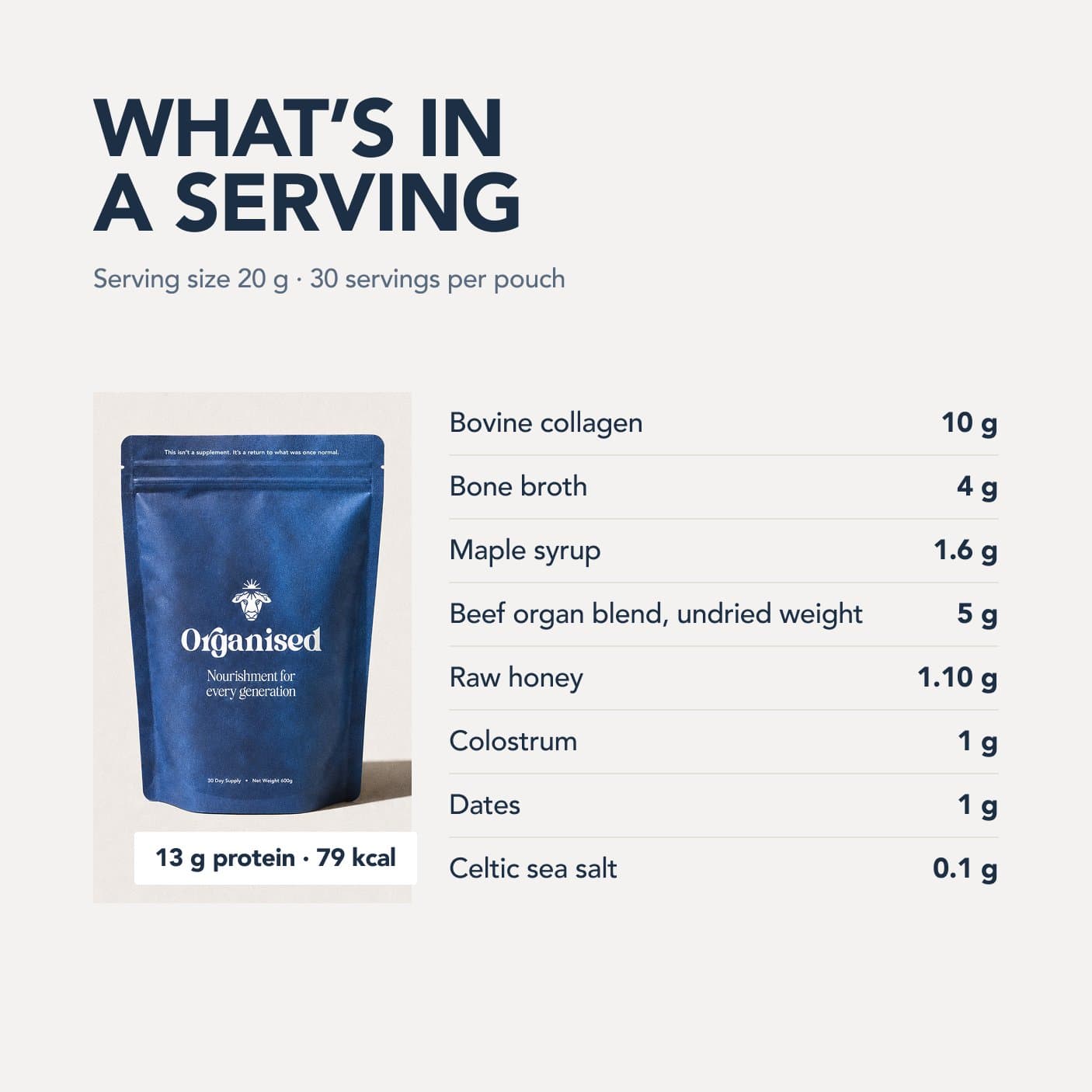
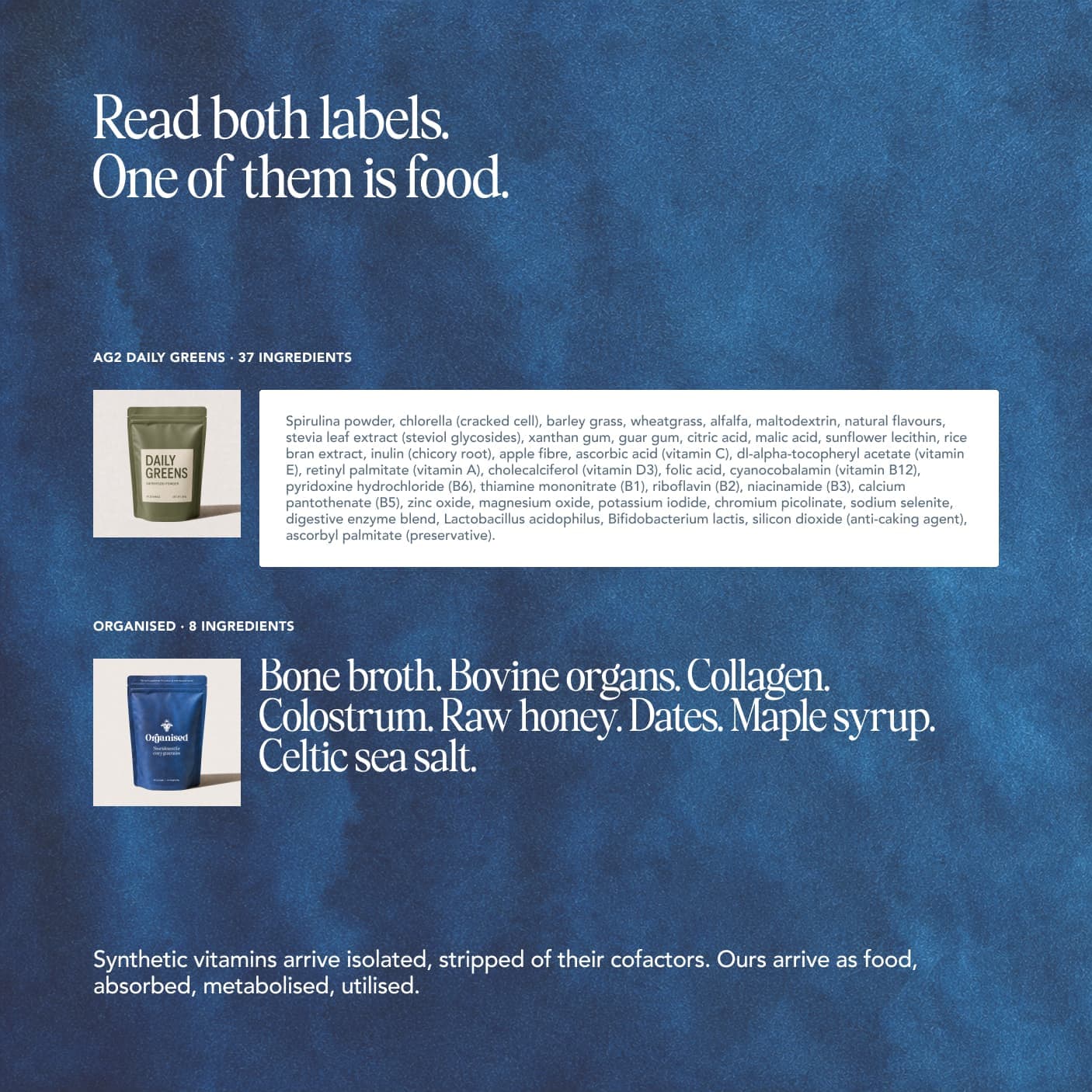
Eight real ingredients built around grass-fed beef organs, collagen and colostrum. Nothing synthetic added.
Free with your first order, worth £38. Plus £10 off the pouch with a subscription.


Free UK shipping · Made in England · 100 day money back guarantee on your first pouch · Skip, pause or cancel anytime
Combination approach
The most pragmatic approach is combining food sources and supplementation. Eat liver weekly. Eat vegetables daily. Add some legumes. Then take a prenatal vitamin that contains either folic acid or methylfolate depending on your preference or test results.
This redundancy is actually good. You're hitting your folate targets from multiple sources. Even if your body converts folic acid inefficiently, you're getting natural folate from food. Even if your food folate intake isn't perfect, you're supplementing. You're covering all bases without obsessing over perfection.
The supplemented folate (or folic acid) is there as insurance, not as your sole source. The food is what nourishes you. The supplements are the safety net. This balance is where good pregnancy nutrition lives.
The bottom line
Folate is essential in pregnancy. The form matters somewhat, but consistency matters more. If you're taking a prenatal supplement with folic acid and eating a diet rich in liver, greens, and legumes, you're almost certainly covered. If you're concerned about MTHFR variants, methylfolate is a reasonable alternative. If you're relying entirely on supplements, make sure you're taking them consistently. Your baby's neural development depends on it, and this is one area where the science is clear: adequate folate intake changes outcomes. Don't obsess over the form. Just make sure you're getting enough, whichever way works best for you.
References
Every source below was checked on 27 August 2026. Each PubMed, PMC and DOI identifier was resolved against NCBI or Crossref, and what it opens is printed under the citation, so you can see the link goes where the citation says without leaving the page. Where a citation and its identifier disagreed, the citation was corrected to the record or the reference was deleted along with the sentence marker that pointed at it, and where the resolved paper turned out not to support the sentence, the sentence was cut back to what it does support. Borrowed authority is worse than none, because it looks like rigour.
- National Institutes of Health, Office of Dietary Supplements. Folate: Fact Sheet for Health Professionals. https://ods.od.nih.gov/factsheets/Folate-HealthProfessional/ [accessed May 2026].
- Centers for Disease Control and Prevention. MTHFR gene variant and folic acid facts. https://www.cdc.gov/folic-acid/data-research/mthfr/index.html [accessed May 2026].
- Ferrazzi E, Tiso G, Di Martino D. Folic acid versus 5-methyl tetrahydrofolate supplementation in pregnancy. European Journal of Obstetrics & Gynecology and Reproductive Biology. 2020;253:312-319. See also Active folate vs folic acid review: https://pmc.ncbi.nlm.nih.gov/articles/PMC9380836/Checked 27 August 2026: PMC9380836 opens Carboni L, Active Folate Versus Folic Acid: The Role of 5-MTHF (Methylfolate) in Human Health. Integr Med (Encinitas) 2022;21(3):36-41.
- U.S. Department of Agriculture. FoodData Central. Beef, variety meats and by-products, liver, raw. https://fdc.nal.usda.gov/ [accessed May 2026].
- NHS. Vitamins and supplements in pregnancy. https://www.nhs.uk/pregnancy/keeping-well/vitamins-supplements-and-nutrition/ [accessed May 2026].
Corrections
What this page used to say, and why it no longer says it. Corrections are dated and are never removed, because deleting the record of an error is a second error. Every guide we have corrected is listed at our corrections log.
- 27 August 2026. Reference 3 pointed at an unnamed “active folate vs folic acid review”. It is by Carboni, and now leads the entry.
Who wrote and reviewed this guide
Niall Kiddle
Author · Founder, Organised
Niall is the founder of Organised. He started the company in 2024 after fixing his own health the slow way: in 2022 he swapped a cupboard of synthetic supplements for real food, raw milk, organ meats, bone broth and honey, and felt the difference within months.
Areas of expertise: Ancestral nutrition, Organ meats, Whole-food supplementation, Gut health, Regenerative sourcing
Read Niall's full profile
Pedro Rodrigues
Reviewer · Agronomist (farming and sourcing only)
Pedro is the agronomist Organised works with on farming and sourcing. His job on the guides is to keep the science honest: he reviews what we publish about soil health, regenerative agriculture, grazing and the way food is actually produced.
Areas of expertise: Regenerative agriculture, Agronomy, Soil health, Grass-fed farming, Food sourcing
Reviewed this guide on
Read Pedro's full profileMore on pregnancy & postpartum
View all- Nourishing Pregnancy with Whole Food Nutrition
- Postpartum Recovery Nutrition: Rebuilding After Birth
- Beef Organ Supplements and Pregnancy: Understanding Vitamin A Safety
- Breastfeeding and Nutrition: What to Eat to Nourish Two
- Gestational Diabetes and Nutrition: What Helps and What Doesn't
- Iron Needs During Pregnancy: Why Heme Iron Makes a Difference
- Morning Sickness and Nutrition: What Helps and What Makes It Worse
- Pregnancy Nutrition on Reddit: What Real Mums Recommend vs the Evidence
- Pregnancy Prep: Nutritional Foundations to Lay Before Conceiving
- Rebuilding Your Iron Stores After Birth
- The Best Foods to Eat in Each Trimester
- The Fourth Trimester: Why Mothers Need Organ Nutrition
Browse the guides library
All guidesKeep reading

Life stage
Nourishing Pregnancy with Whole Food Nutrition
Discover essential nutrients for pregnancy: fat-soluble vitamins, B12, choline, iron, and DHA. Evidence-based whole food approach for expectant mothers.

Life stage
Building Strong Bones in Childhood: Beyond Just Milk
Children's bone health needs vitamin K2, vitamin D, magnesium, and protein. Milk alone is not enough. Sardines, egg yolks, and weight-bearing play matter.

Life stage
Pregnancy Prep: Nutritional Foundations to Lay Before Conceiving
What to eat before pregnancy. Folate, iodine, B12, fat-soluble vitamins. The 3-6 month window that determines your baby's start.
Real food, made effortless
Find my daily blendA few ways to use it
All recipes
How to Make Your Own Gelatine Gummies
A simple recipe for homemade gelatine gummies using grass-fed gelatine, fresh juice, and raw honey. Better than shop-bought, kids love them.

10 Ways to Use Organised That Aren't Just a Shake
Move beyond the basic shake. Discover 10 creative ways to use Organised in smoothie bowls, oats, yoghurt, baking, and more.
Collagen-Rich Beef Stew: Slow-Cooked Nourishment
Beef stew that delivers collagen from connective tissue and bone broth. Winter comfort food that actually nourishes. Simple slow cooker recipe.


 Join over 100,000+ members
Build a better food system with us
The Organised community is thousands of people choosing real food and backing the farmers who grow it, all of us trying to leave the world a little better than we found it. If that is what you care about too, you belong here.