Picky Eaters: How to Sneak Nutrient-Dense Foods Into Family Meals
If you've spent an hour preparing a meal only to watch your child push the plate away, you're not failing. You're up against something most parents never learn about: the difference between food exposure and nutrient density. These are two separate problems, and they require different solutions.
By Niall Kiddle, Founder, Organised

Reviewed by Pedro Rodrigues, Agronomist (farming and sourcing only) ·
6 min read · Published · Updated · 5 cited sources
Makers of the Organised Daily blend, a grass-fed beef organ supplement from regenerative UK farms
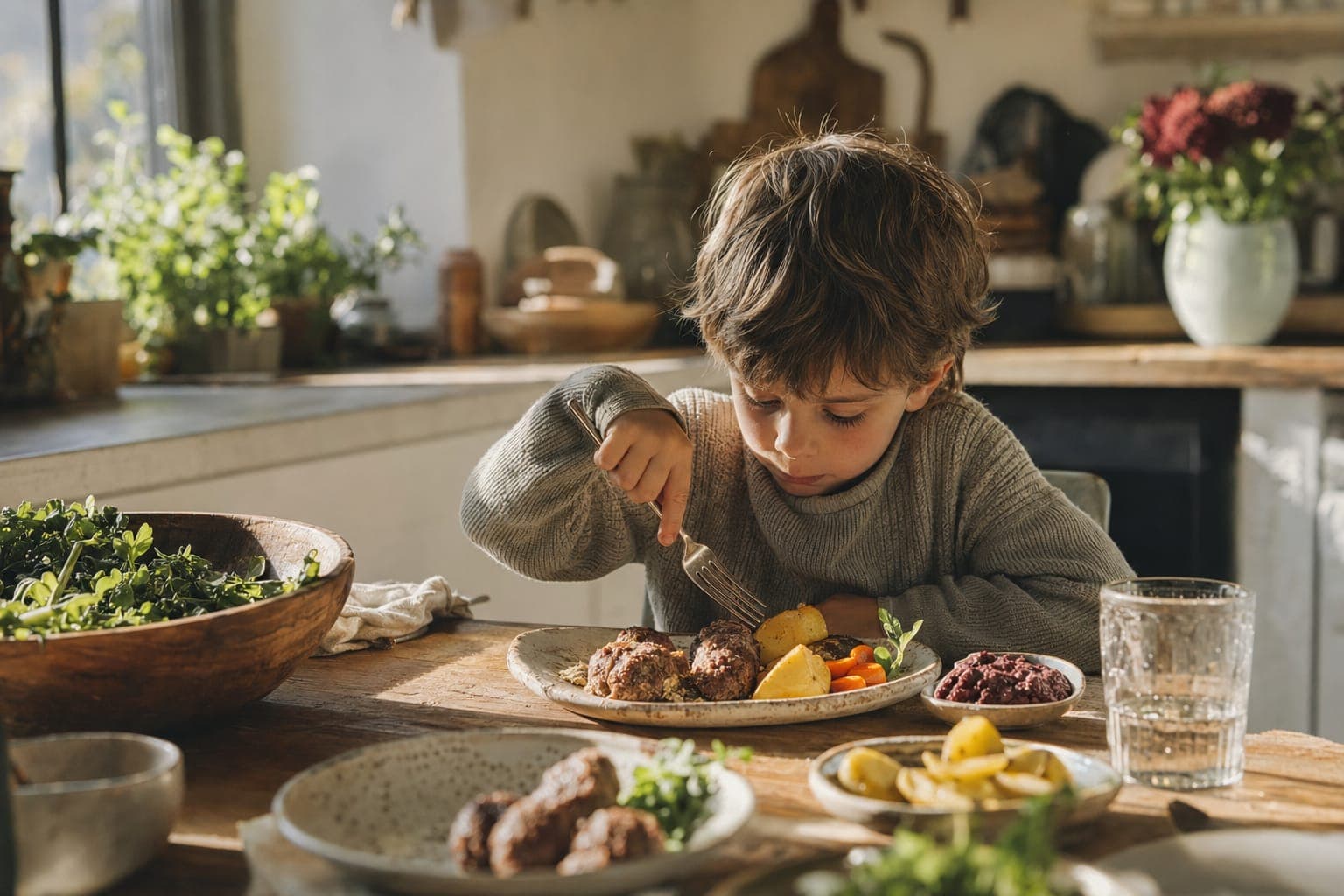
Food exposure is about teaching your child to eat a wide variety of foods. That's the long game, and it takes months or years. Nutrient density is about making sure every mouthful your child does eat delivers maximum micronutrients. That's the immediate need, and it can start today.
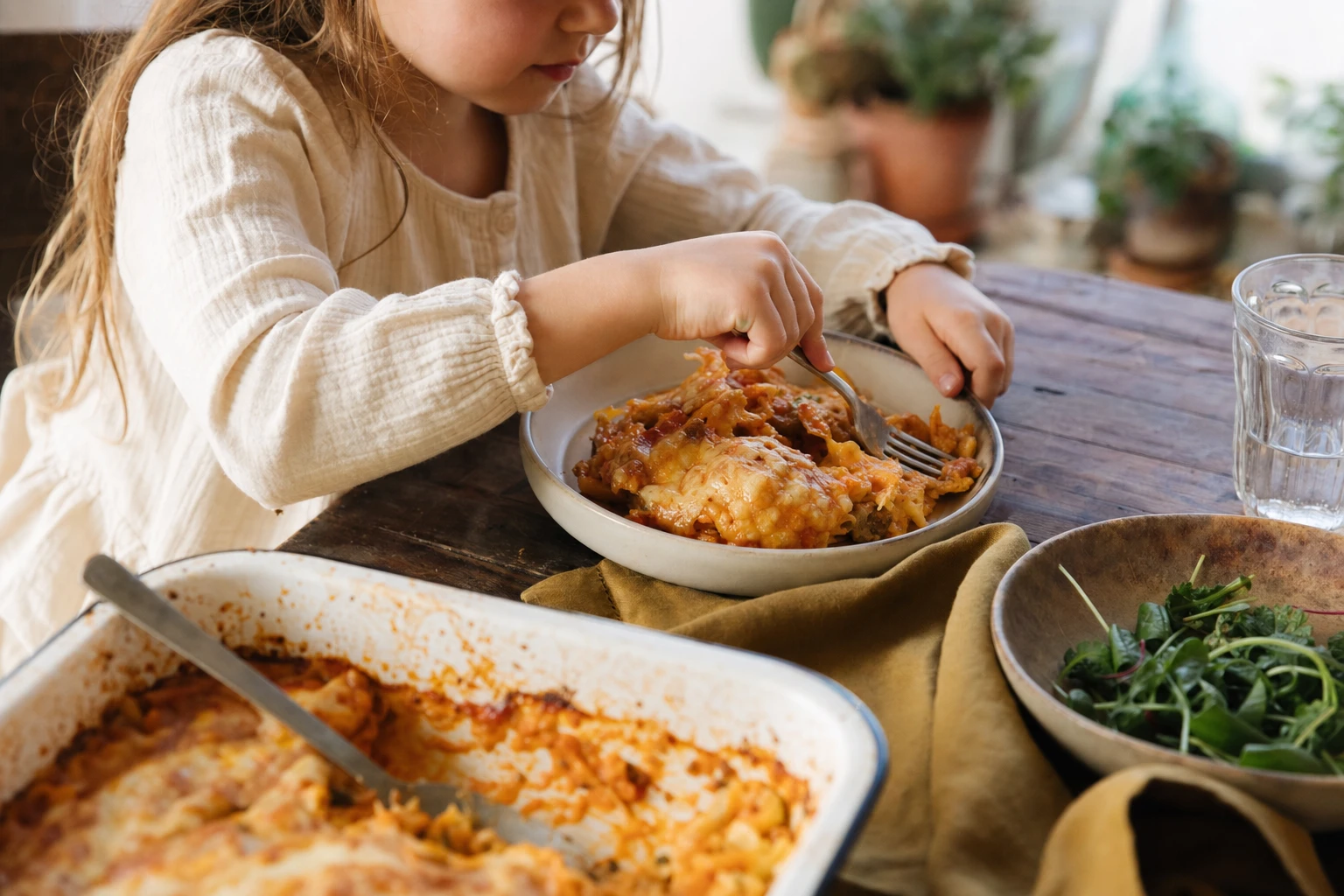
Nutrient density versus exposure
Most parenting advice focuses on the wrong problem. You're told to keep offering new foods. Keep your child at the table during family meals. Model eating vegetables. And these strategies work, they do. But they work slowly. Too slowly.
Your child's brain is developing now. Their bones are building now. Their immune system needs support now. You can't wait three years for them to accept broccoli before you address a suspected iron deficiency.
So you do both. You play the long game at the dinner table, patient and pressure-free, with repeated exposure and family meals. And you play the short game behind the scenes, maximising the nutritional density of the foods your child will already eat, sneaking in the nutrients they're desperately missing.
A child who eats bolognese three times a week with hidden organ meat is better nourished than a child who eats broccoli twice and rejects everything else.
The most critical nutrients
If your child has a restricted diet, focus on these nutrients first:
- Iron. The most common deficiency in picky eaters. It's essential for cognitive development, energy, and immune function.1 Low iron shows up as poor concentration, lethargy, and frequent colds.
- B12. Found almost exclusively in animal foods. Deficiency causes fatigue, mood changes, and developmental delays that get mistaken for other issues.2
- Vitamin A. Retinol (the usable form) is found only in animal foods. Your child cannot convert enough beta-carotene from vegetables to meet their needs.3 Low vitamin A compromises immune function and growth.
- Zinc. Involved in immune function, growth, appetite regulation, and taste perception. Low zinc creates a vicious cycle: your child eats less because their appetite is dulled, so zinc drops further, so appetite drops further.4
- Calcium. For bone health and growth. If your child won't drink milk, you need to be creative about getting calcium in.
These five nutrients are non-negotiable. If you can build a foundation of these, everything else follows more easily.
Practical sneaking strategies
The parent of a picky eater needs to become creative. Your job is not to convince your child that broccoli is delicious. Your job is to ensure they're nourished despite their pickiness.
Start with the foods your child will already eat. Does your child eat bolognese? Pasta? Toast? Milk? Burgers? Whatever their safe foods are, that's your entry point.
If they eat bolognese, you can finely grate frozen liver into the mince whilst it's cooking. Liver completely disappears into the texture and flavour. Your child will never know they're eating it, but they'll be getting iron, B12, zinc, and vitamin A in quantities that would normally require them to eat red meat and vegetables.
If they eat burgers, make them at home with finely grated liver mixed into the beef. Again, invisible. High-nutrient impact.
If they eat pasta with sauce, the same applies. Liver disappears into any tomato-based sauce.
If your child drinks milk, this is your single biggest opportunity. Full-fat milk is already nutrient-dense. But you can add a scoop of freeze-dried organ powder (which preserves nutrients whilst removing taste and texture) and your child will be getting liver, spleen, kidney, all in a food they already accept.
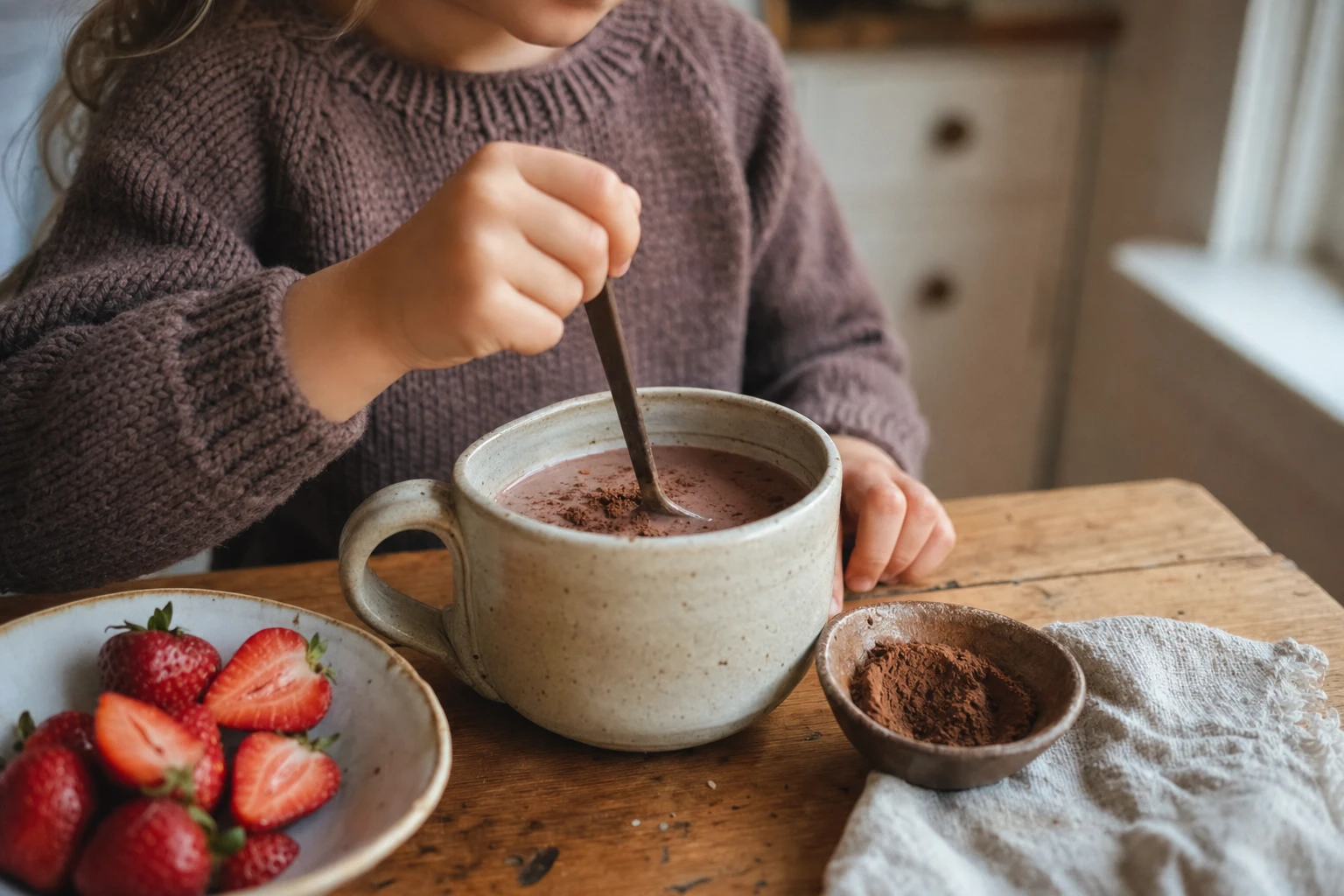
If they drink chocolate milk, even better. The cacao masks everything. You can add nutrients without any pushback.
If your child eats rice, cook it in bone broth instead of water. If they eat toast, use thick layers of full-fat butter. If they eat eggs, use the whole egg including the yolk, which contains the nutrients.
Get life-stage nutrition guides, free
Two short reads a week on eating well through pregnancy, childhood and older age.
By signing up you agree to receive emails from us. No spam, unsubscribe anytime.
Smoothies, bolognese, and hidden wins
Smoothies are the gateway food for picky eaters. They're slightly transgressive, they contain hidden things, and they don't feel like "healthy food."
A basic smoothie: frozen fruit, full-fat milk or yoghurt, and a scoop of freeze-dried organ powder. Your child tastes the fruit and the creaminess. They get liver, which delivers iron, B12, zinc, vitamin A, and choline.
Bolognese is the workhorse meal. Red meat plus tomato sauce plus hidden liver. Make it frequently. Make it consistent. Your child's body will begin to heal on the back of these familiar meals.
Other hidden-nutrient meals:
- Fishcakes made with real fish and potato, fried in butter
- Homemade burgers with liver mixed in
- Cottage pie with a hidden layer of minced organ meat under the potato
- Pasta with a butter and grated cheese sauce that's been made richer with bone marrow
- Soups made with bone broth and whatever vegetables you can hide, blended smooth if necessary
The principle is simple: use the foods your child already trusts, and upgrade them in invisible ways.
The goal isn't to make your child eat things they hate. It's to ensure that the things they do eat are as nourishing as possible.
The why behind picky eating
True picky eating is largely a modern phenomenon. For most of human history, children ate what was available. There was no alternative, no constant stream of hyper-palatable processed foods. Today, many children are introduced early to ultra-processed foods engineered to be intensely rewarding: precise combinations of sugar, refined carbohydrates, salt, and industrial fats that hijack the brain's reward system.
Once a child's brain has been trained by these foods, real food tastes boring by comparison. Bitter notes from vegetables feel overwhelming. Textures become hard to tolerate. The body continues seeking the quick hit it's learned to expect.
This is not a character flaw in your child. It's neurochemistry. And it's reversible if you address both the nutrient foundation and the palate recalibration simultaneously.
1 of 9
Daily blend
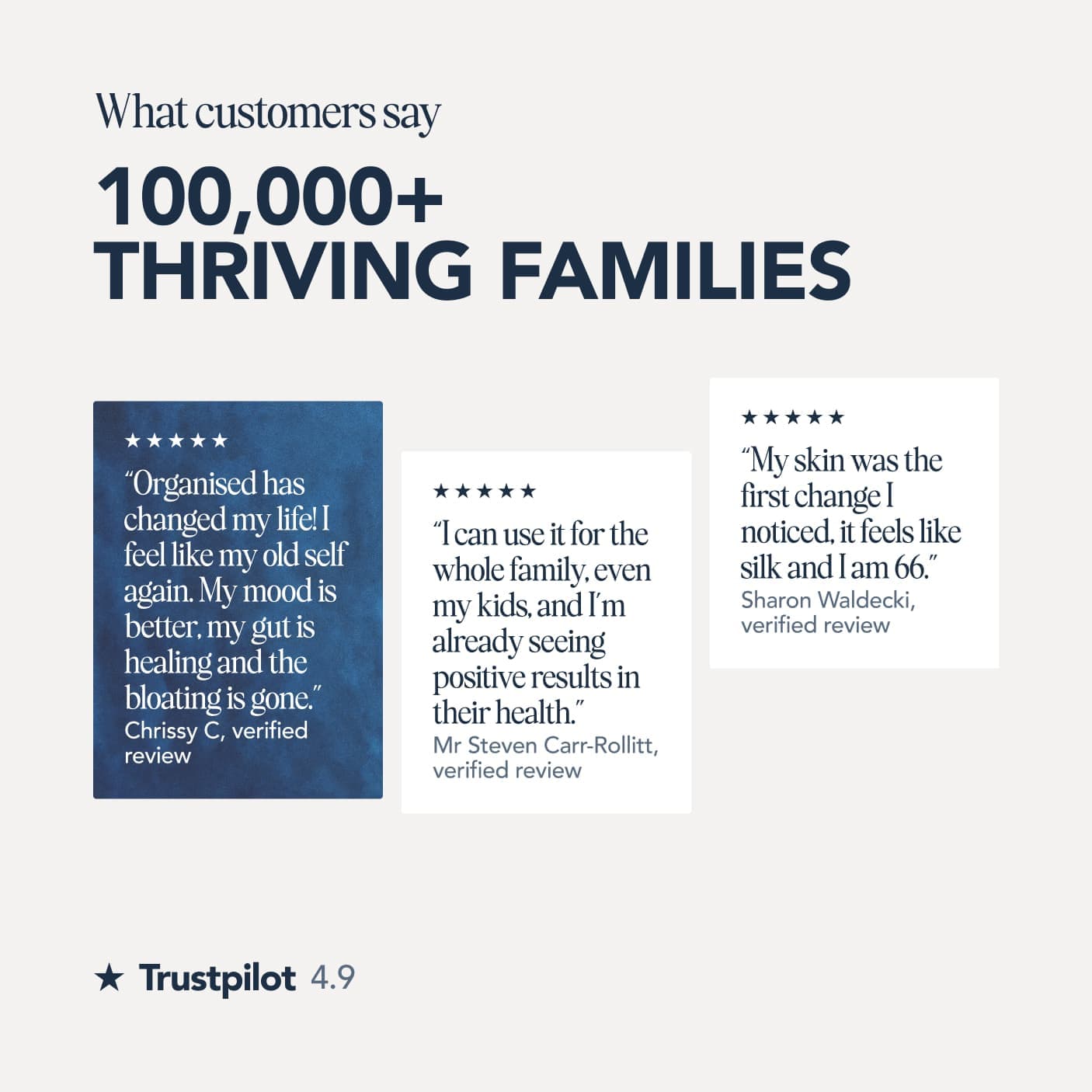
100,000+ thriving families4.9 on Trustpilot
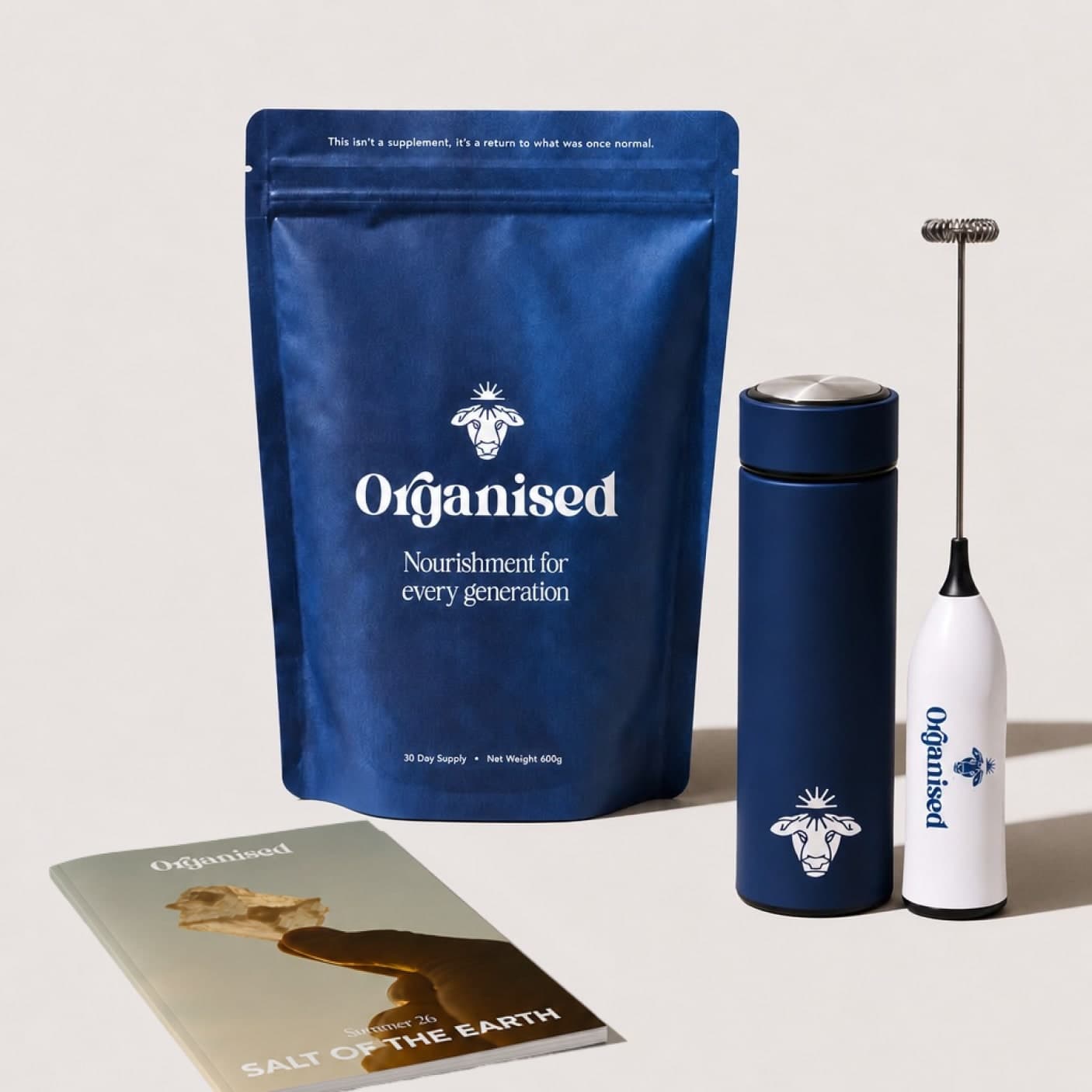
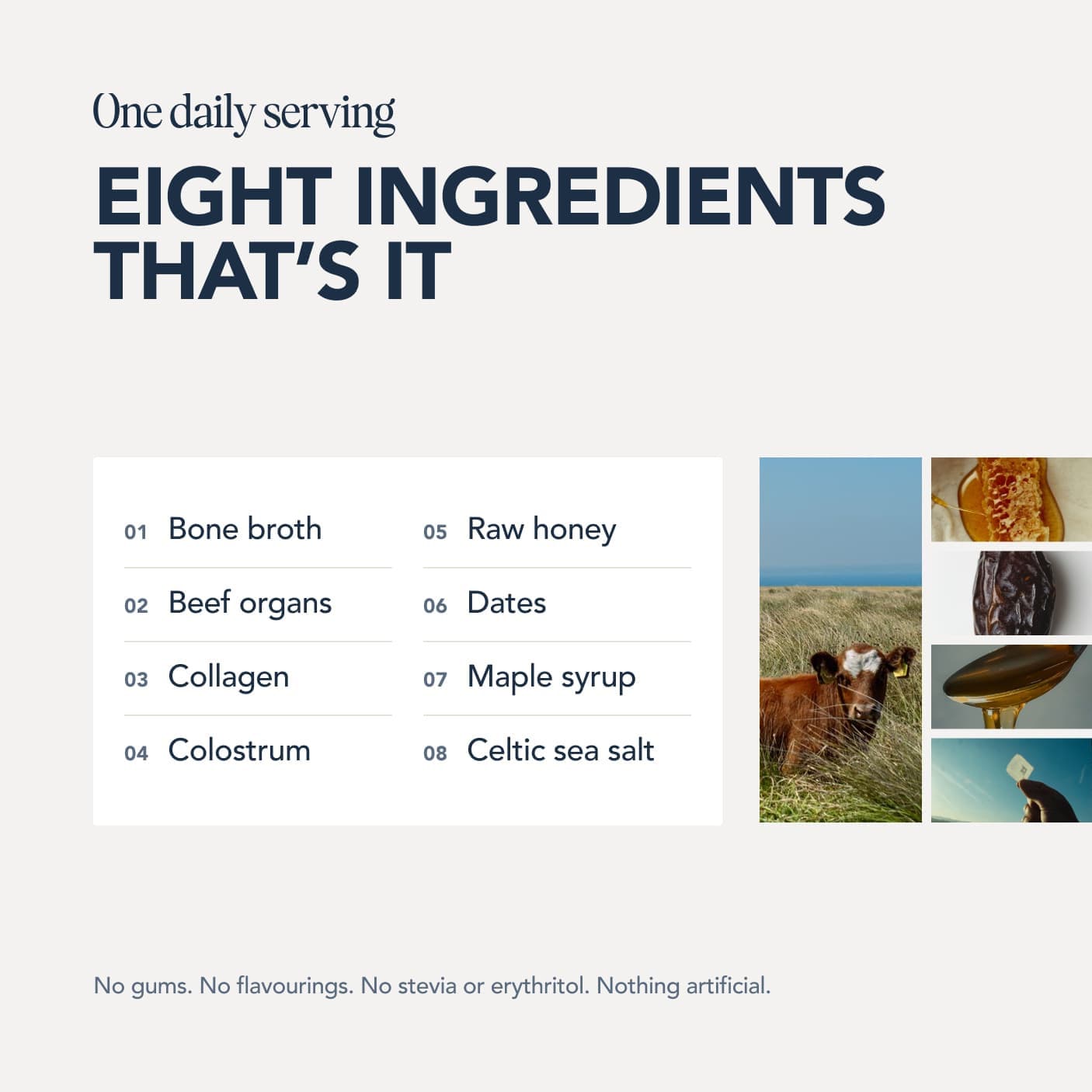
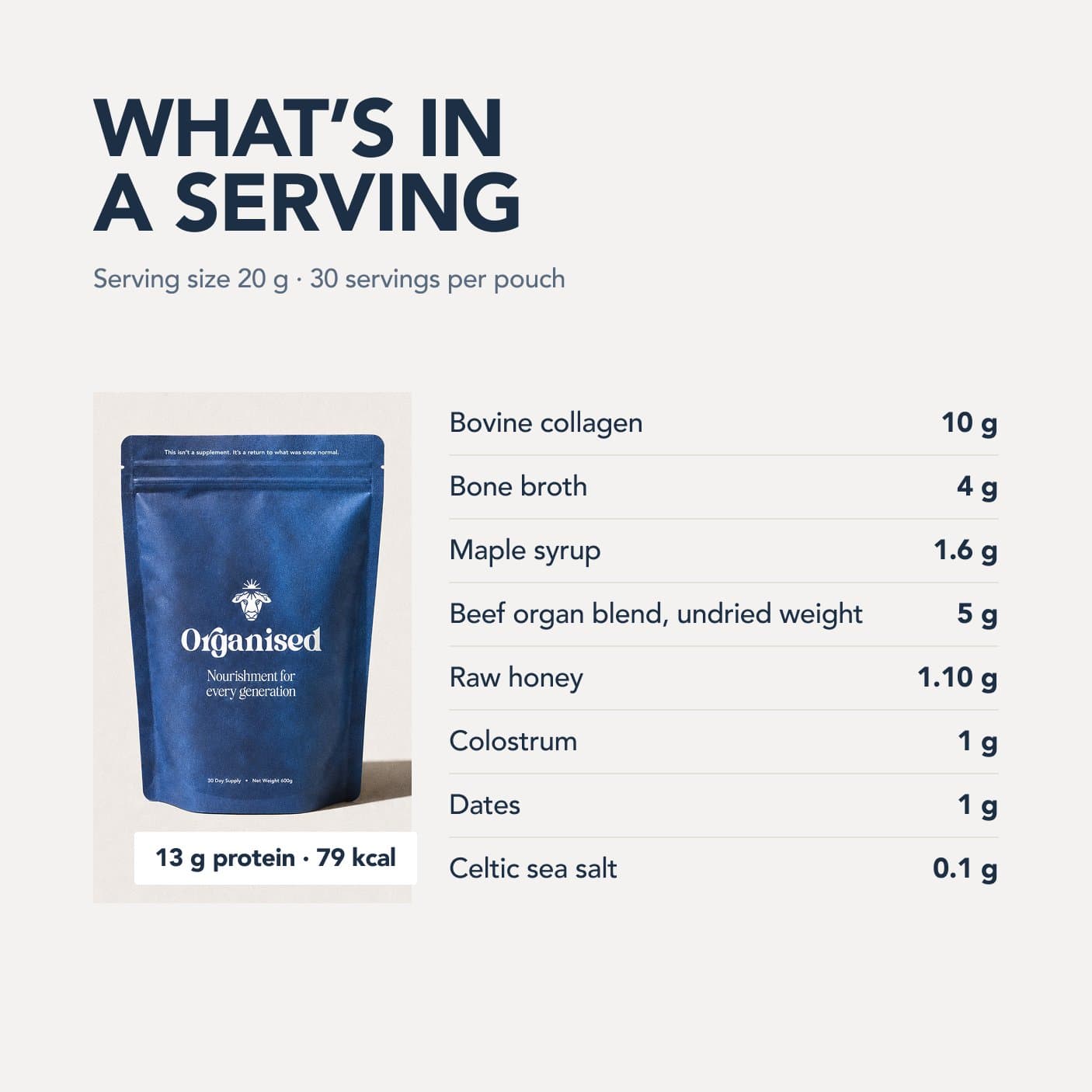
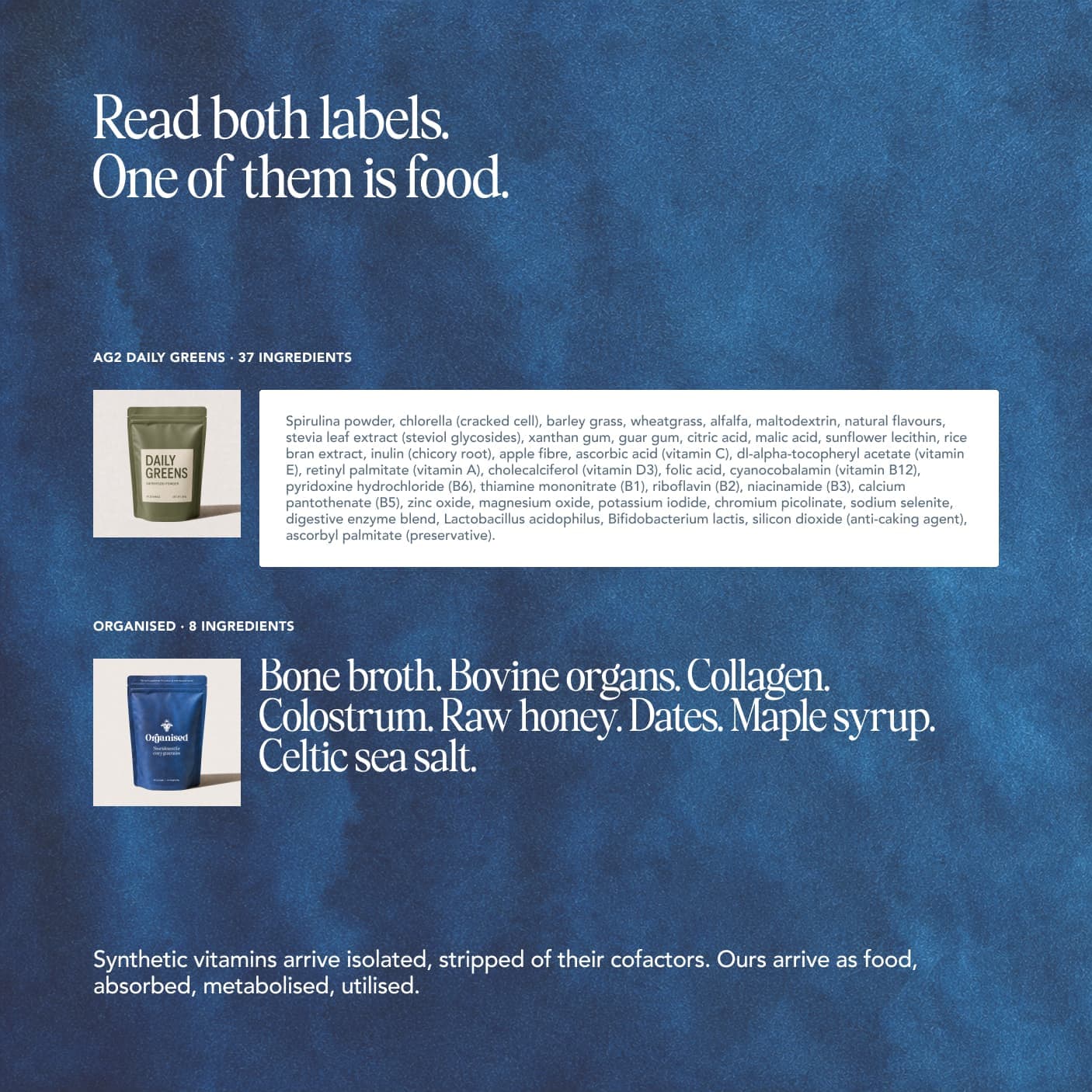
Eight real ingredients built around grass-fed beef organs, collagen and colostrum. Nothing synthetic added.
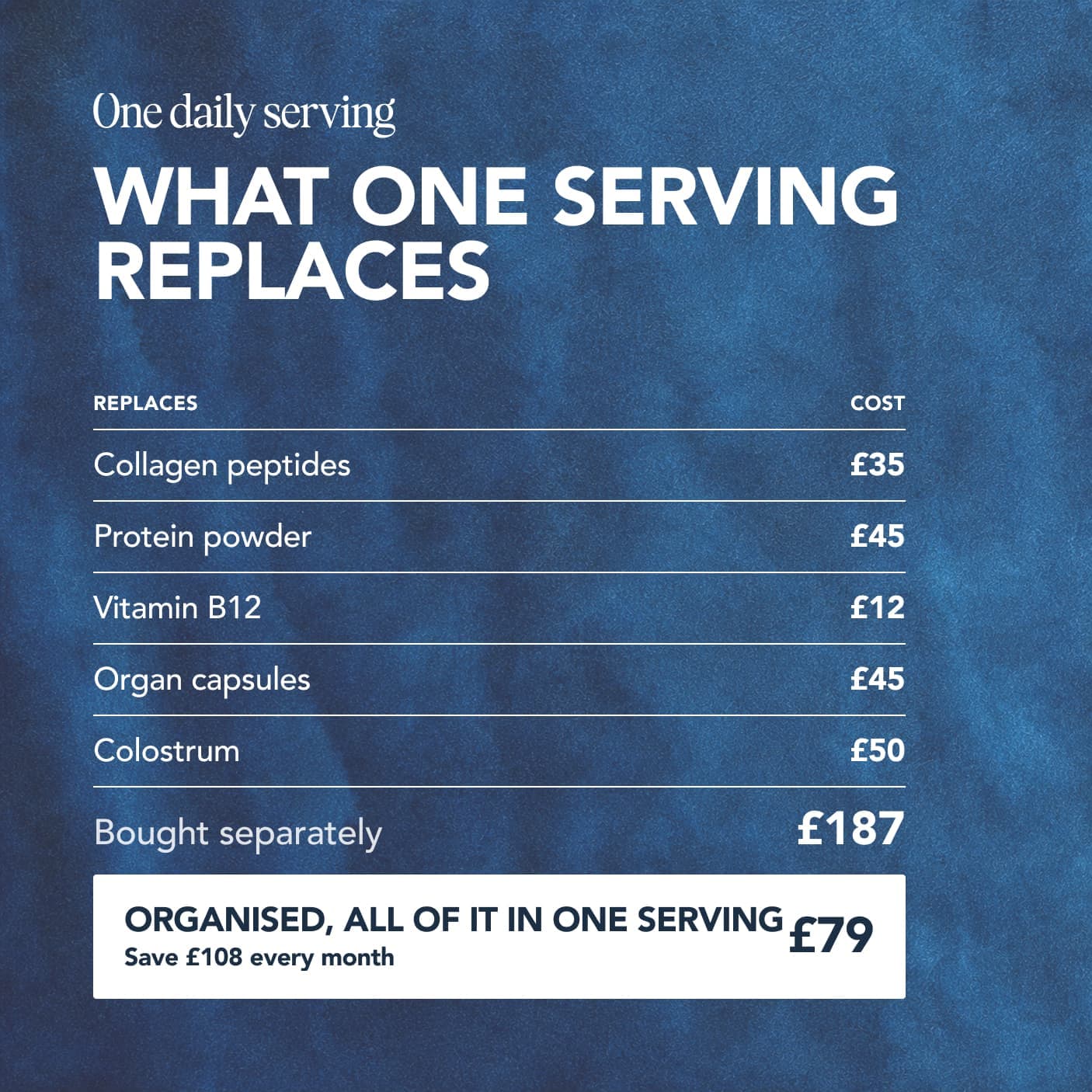
Free with your first order, worth £38. Plus £10 off the pouch with a subscription.


Free UK shipping · Made in England · 100 day money back guarantee on your first pouch · Skip, pause or cancel anytime
When nutrient density isn't enough
For most picky eaters, sneaking nutrients into familiar foods solves the problem. Their energy improves. Infections become less frequent. They feel better. And often, that improvement in how their body feels translates into a small expansion of what they're willing to eat.
For some children, particularly those with sensory processing difficulties or autism spectrum traits, the issue is more complex. Food aversions are neurological, not behavioural. Forcing them to try new foods doesn't help; it typically makes things worse. These children need a different approach: patience, acceptance of their food range, and maximisation of nutrient density within the foods they'll eat.
If your child is losing weight, falling off their growth curve, experiencing severe anxiety at mealtimes, or eating fewer than ten foods total, speak to your GP.5 Ask for a referral to a paediatric dietitian or an occupational therapist with feeding experience. Some children genuinely need professional support. Getting it early makes a difference.
There's no shame in using supplements alongside food when a child's pickiness is severe. Freeze-dried organs or a high-quality children's supplement can bridge the gap whilst you work on food-based nutrition.
The bottom line
Picky eating is frustrating. But it's not a failure on your part, and it's not a referendum on your parenting. It's a fact of childhood development, and it's more common today than it's ever been.
What you can do is ensure that the small window of foods your child does eat becomes a reliable source of the micronutrients their body desperately needs. Bolognese with liver. Milk with organ powder. Burgers with hidden nutrients. Broth instead of water. Butter instead of oil.
Over time, as their nutrient status improves and their body feels better, appetite often begins to expand. New foods become less threatening. But that expansion is a bonus. The priority is meeting their immediate nutritional needs with the foods they'll actually eat. Once the foundation is solid, everything else follows.
References
Every source below was checked on 27 August 2026. Each link was requested and read. Where a citation and its identifier disagreed, the citation was corrected to the record or the reference was deleted along with the sentence marker that pointed at it, and where the resolved paper turned out not to support the sentence, the sentence was cut back to what it does support. Borrowed authority is worse than none, because it looks like rigour.
- National Institutes of Health, Office of Dietary Supplements. Iron: Fact Sheet for Health Professionals. https://ods.od.nih.gov/factsheets/Iron-HealthProfessional/ [accessed May 2026].
- National Institutes of Health, Office of Dietary Supplements. Vitamin B12: Fact Sheet for Health Professionals. https://ods.od.nih.gov/factsheets/VitaminB12-HealthProfessional/ [accessed May 2026].
- National Institutes of Health, Office of Dietary Supplements. Vitamin A and Carotenoids: Fact Sheet for Health Professionals. https://ods.od.nih.gov/factsheets/VitaminA-HealthProfessional/ [accessed May 2026].
- National Institutes of Health, Office of Dietary Supplements. Zinc: Fact Sheet for Health Professionals. https://ods.od.nih.gov/factsheets/Zinc-HealthProfessional/ [accessed May 2026].
- NHS. Fussy eaters. https://www.nhs.uk/conditions/baby/weaning-and-feeding/fussy-eaters/ [accessed May 2026].
Who wrote and reviewed this guide
Niall Kiddle
Author · Founder, Organised
Niall is the founder of Organised. He started the company in 2024 after fixing his own health the slow way: in 2022 he swapped a cupboard of synthetic supplements for real food, raw milk, organ meats, bone broth and honey, and felt the difference within months.
Areas of expertise: Ancestral nutrition, Organ meats, Whole-food supplementation, Gut health, Regenerative sourcing
Read Niall's full profile
Pedro Rodrigues
Reviewer · Agronomist (farming and sourcing only)
Pedro is the agronomist Organised works with on farming and sourcing. His job on the guides is to keep the science honest: he reviews what we publish about soil health, regenerative agriculture, grazing and the way food is actually produced.
Areas of expertise: Regenerative agriculture, Agronomy, Soil health, Grass-fed farming, Food sourcing
Reviewed this guide on
Read Pedro's full profileMore on children & teens
View all- Feeding Children for Optimal Growth and Development
- Teenage Nutrition: Fuelling Growth Spurts and Brain Development
- Building Strong Bones in Childhood: Beyond Just Milk
- Can Children Take Beef Organ Supplements?
- How to Introduce Organ Meats to Children
- Protein for Young Athletes: How Much Do Teenagers Actually Need?
- Screen Time, Sleep and Nutrition: The Triangle That Affects Every Child
- Sugar, Screens and Soil: Raising Healthy Children in a Modern World
- Teenage Athletes: Protein and Nutrient Needs for Growing Bodies
- The Nutrients Children Need Most (And Aren't Getting)
- Why Children Need More Nutrient-Dense Food (Not More Vitamins)
- Why Teenage Girls Are at the Highest Risk of Iron Deficiency
Browse the guides library
All guidesKeep reading

Life stage
Sugar, Screens and Soil: Raising Healthy Children in a Modern World
Raising healthy children today means understanding sugar, screens, soil, and real food. Learn the foundations of child health and development.

Life stage
Morning Sickness and Nutrition: What Helps and What Makes It Worse
Manage pregnancy nausea with B6, ginger, protein, and blood sugar stability. Evidence-based nutrition tips for morning sickness relief.

Life stage
Beef Organ Supplements and Pregnancy: Understanding Vitamin A Safety
Clear guidance on vitamin A pregnancy safety: retinol limits, beta-carotene vs vitamin A, and whether beef organ supplements suit expectant mothers.
Real food, made effortless
Find my daily blendA few ways to use it
All recipes
Raw Milk Hot Chocolate with Collagen
A nourishing evening hot chocolate made with raw milk, grass-fed collagen, raw cacao, and honey. A nighttime ritual that supports sleep and gut health.
Organised Chia Pudding with Raw Honey and Berries
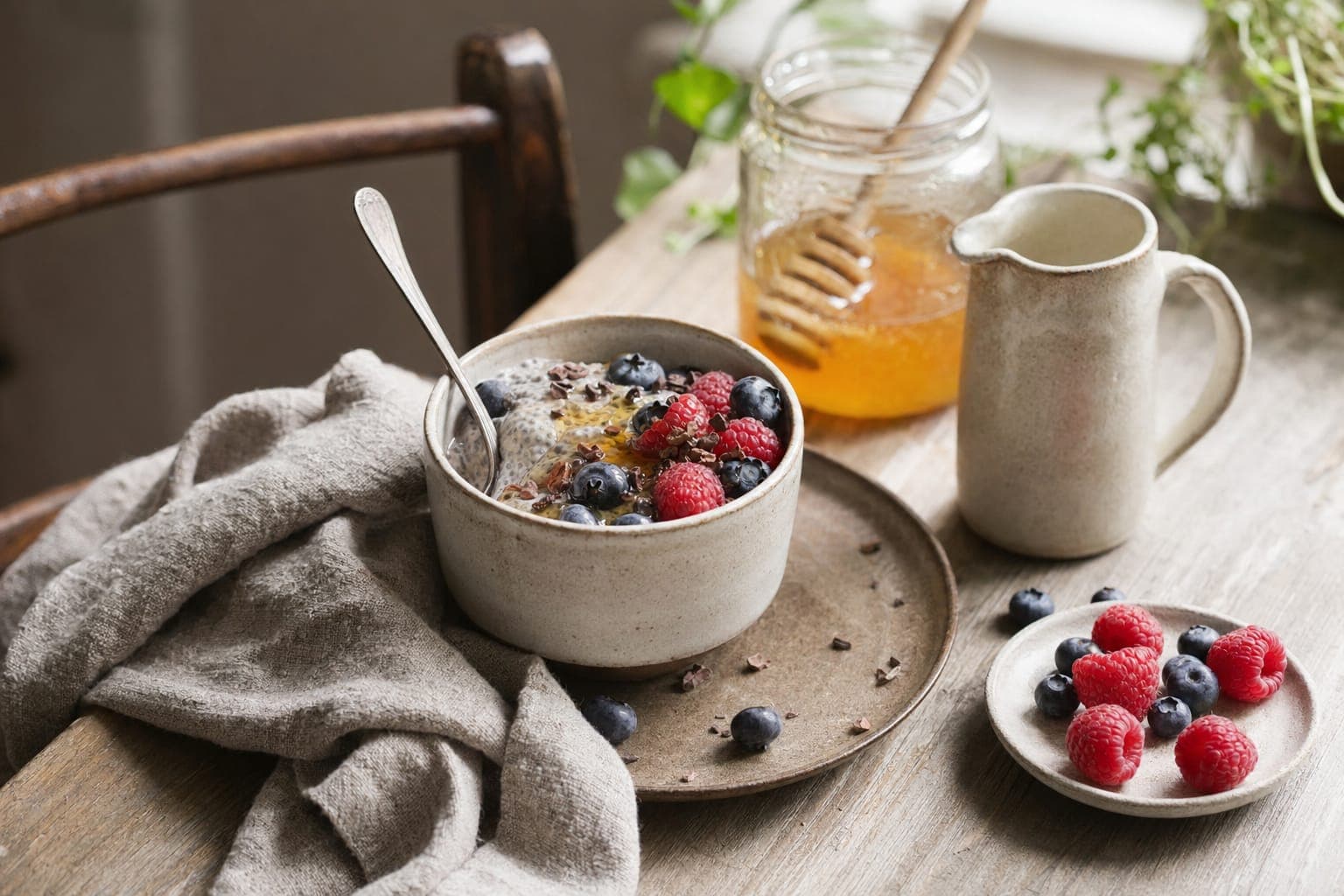
A no-cook chia seed pudding made with raw milk, collagen, berries, and raw honey. Prep it the night before and eat for breakfast.
The Perfect Organised Morning Shake: Our Favourite Recipe
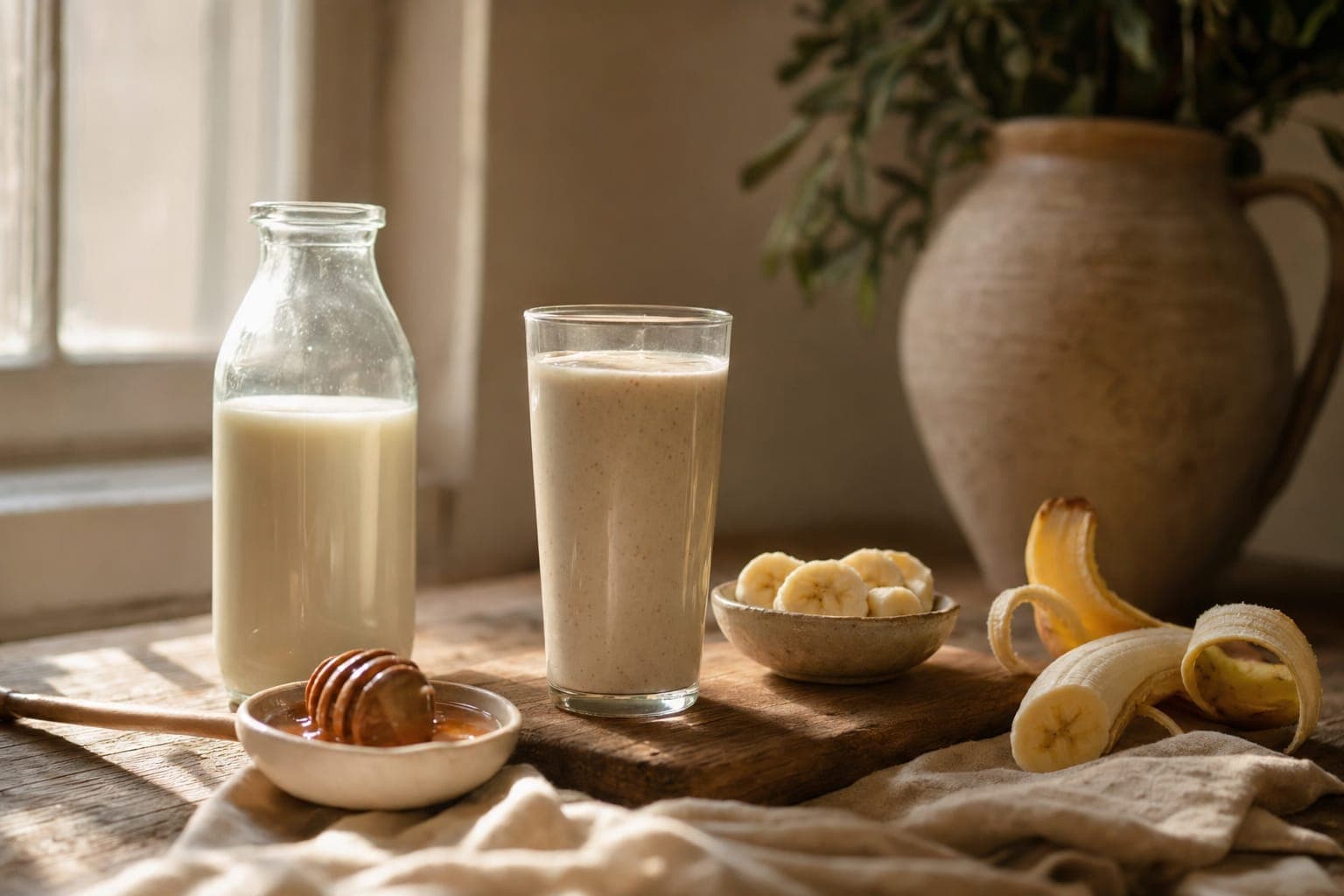
Our signature morning shake: Organised, raw milk, banana, honey. Simple, nourishing, and optimised for an empty stomach.


 Join over 100,000+ members
Build a better food system with us
The Organised community is thousands of people choosing real food and backing the farmers who grow it, all of us trying to leave the world a little better than we found it. If that is what you care about too, you belong here.