Sugar, Screens and Soil: Raising Healthy Children in a Modern World
Your child's job is to grow. Everything else is secondary. But growth requires specific nutrients, outdoor play, exposure to soil, and minimal processed food. Most modern environments provide the opposite.
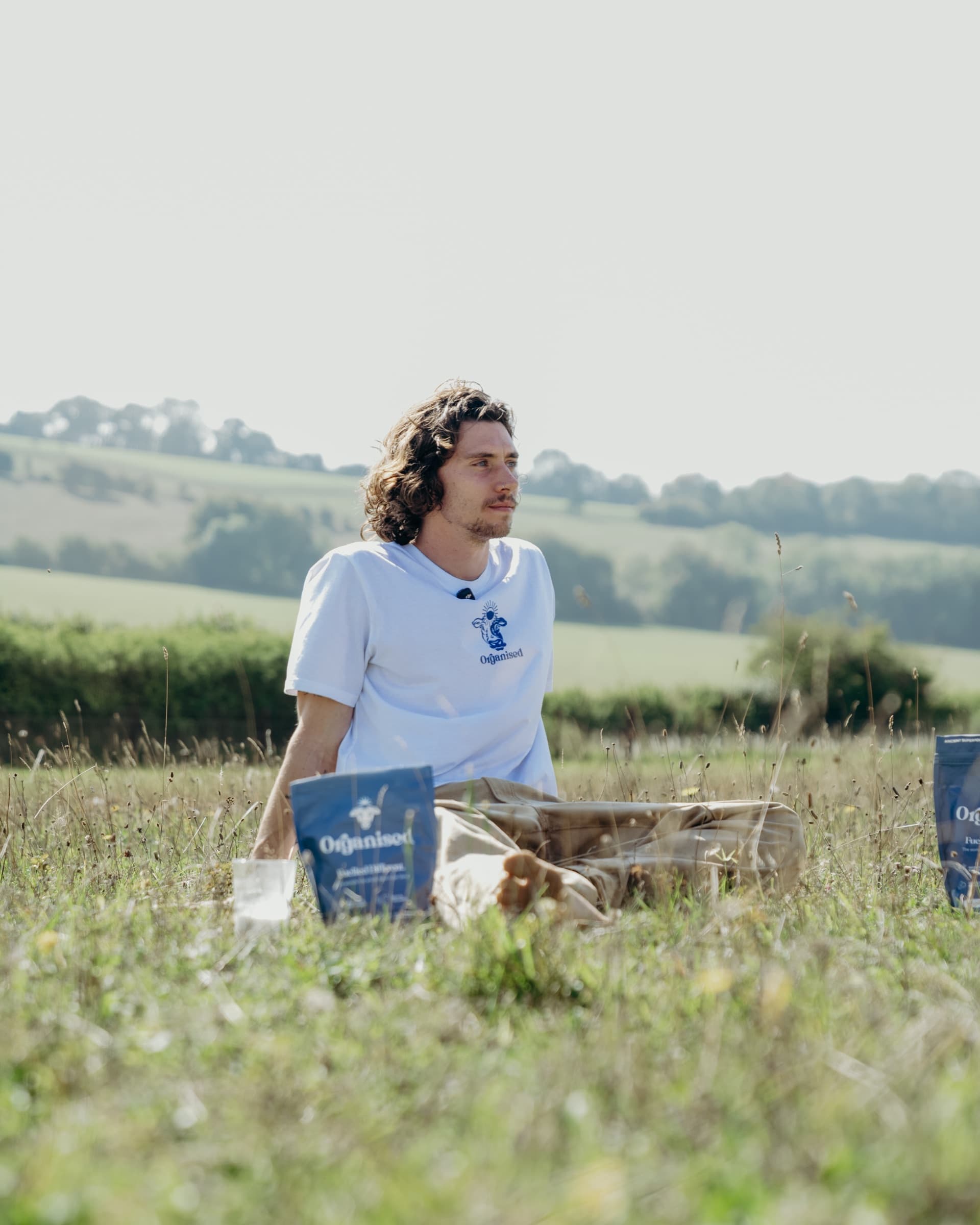
By Niall Kiddle, Founder, Organised

Reviewed by Pedro Rodrigues, Agronomist (farming and sourcing only) ·
7 min read · Published · Updated · 5 cited sources
Makers of the Organised Daily blend, a grass-fed beef organ supplement from regenerative UK farms
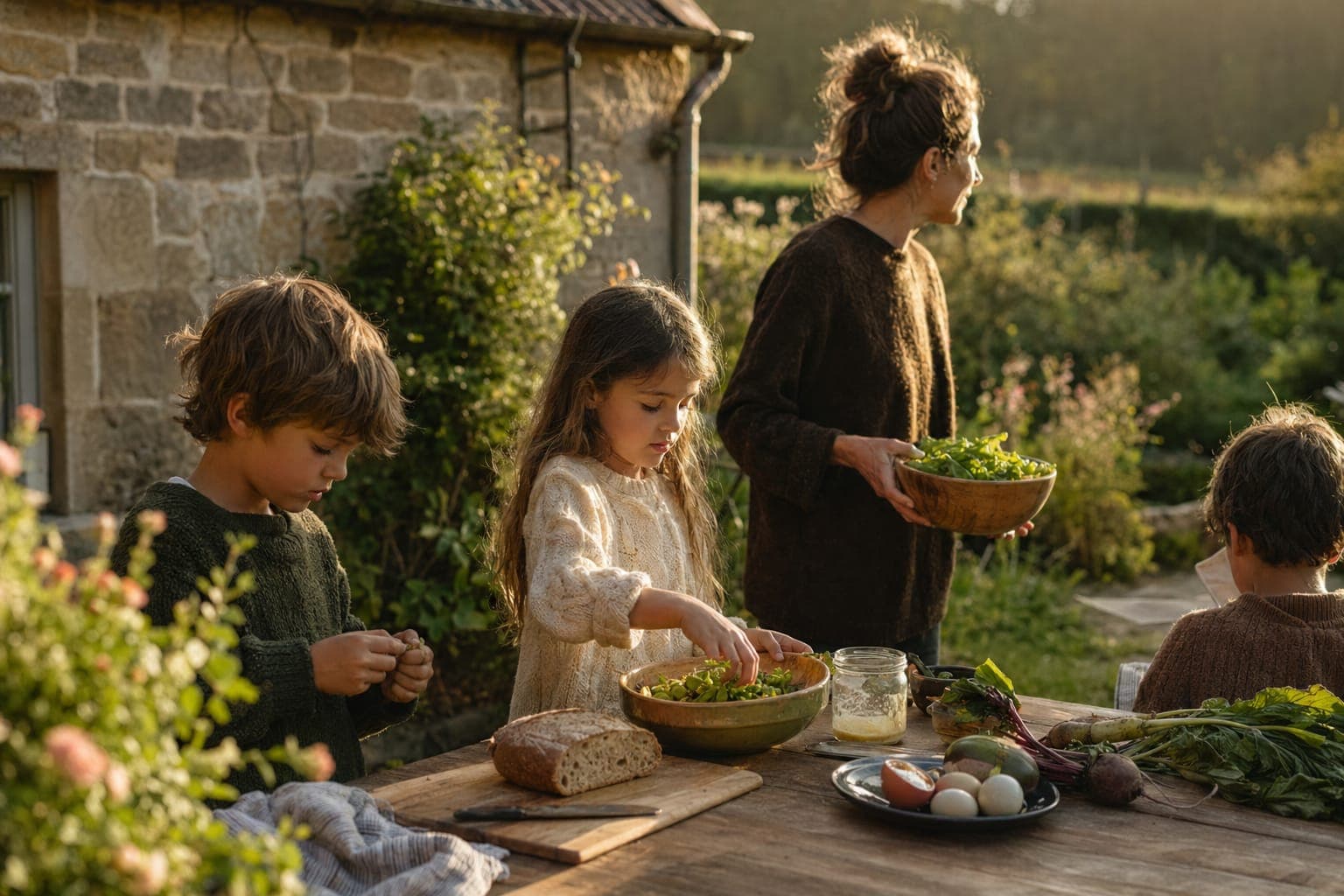
Children today are surrounded by food that's engineered to be irresistible. They're staring at screens for hours. They're spending most of their time indoors. And they're expected to sit still and focus for increasingly long periods. Their bodies are built for something entirely different.
What healthy children actually need
Strip away the noise and the marketing, and what children actually need is remarkably simple. Real food. Outdoor time. Exposure to the natural world. Physical activity. Sunlight. Sleep. And absence of chronic stress.
Most of these are actively working against them in a typical modern childhood. School starts early, cutting sleep short. Sunlight exposure happens through window glass, which blocks the wavelengths the body needs. Physical play is scheduled and supervised rather than free and exploratory. And the general atmosphere of modern parenting is anxious, hurried, and screen-mediated.
The nutritional foundation comes first. If your child is nutrient-depleted, everything else becomes harder. A child who's low in iron is too exhausted to play. A child who's deficient in zinc has no appetite and can't fight off infection. A child whose nervous system is dysregulated from refined sugar and processed seed oils will struggle to focus and regulate emotions.
You cannot screen-time your way to health, and you cannot supplement your way out of a diet of ultra-processed food.
The ultra-processed food trap
Ultra-processed foods are engineered to be maximally rewarding. They contain precise combinations of sugar, refined carbohydrates, salt, and industrial seed oils, chosen to light up the brain's reward systems far more powerfully than real food ever could.
A child whose diet consists largely of these foods develops a brain that's been trained to seek the quick, predictable hit of processed snacks. When they then encounter real food, it tastes bland by comparison. Bitter notes feel overwhelming. Textures become hard to tolerate.
This isn't a moral failing. It's neurochemistry. But it's also reversible.
The strategy is not to remove all pleasure from eating. It's to gradually recalibrate what tastes good. This means reducing the intensity of what your child is used to, slowly, without drawing attention to it. Swapping ultra-processed breakfast cereal for porridge made with full-fat milk and butter. Swapping biscuits for homemade pancakes sweetened with fruit. Swapping juice for water, then gradually for herbal tea with honey.
As their palate shifts, real food begins to taste good. It's not an overnight change. It takes months. But it's persistent and it works.
The other critical shift is the nutritional foundation. If you're feeding a child nutritious food, they'll eat less junk. But if they're chronically underfed on nutrients, their body will continue to crave dense calories, which usually means sweet or fatty processed foods. Build the nutrition base, and the cravings often follow naturally.
The screen and nervous system connection
Screens have a specific effect on the nervous system. The blue light suppresses melatonin.1 The speed and stimulation of content trains the brain to expect constant novelty. The passive consumption teaches the brain to be entertained rather than to seek engagement.
For a child whose job is to grow and develop, sustained screen time is a direct competitor with the rest of life. It displaces outdoor play, face-to-face connection, hands-on exploration, reading, and sleep. All the things that actually build health and resilience.
The recommendation isn't "zero screens." Most modern life doesn't allow that. But a meaningful reduction in screen time, especially before bedtime, shifts everything. A child who's getting two hours of outdoor play daily feels physiologically different from a child who's not.
The nervous system settles. Sleep improves. Appetite improves. Focus improves. Mood improves. Not from any single intervention, but from the cumulative effect of time in natural light, physical activity, and absence of stimulation.
Why soil and outdoor play matter
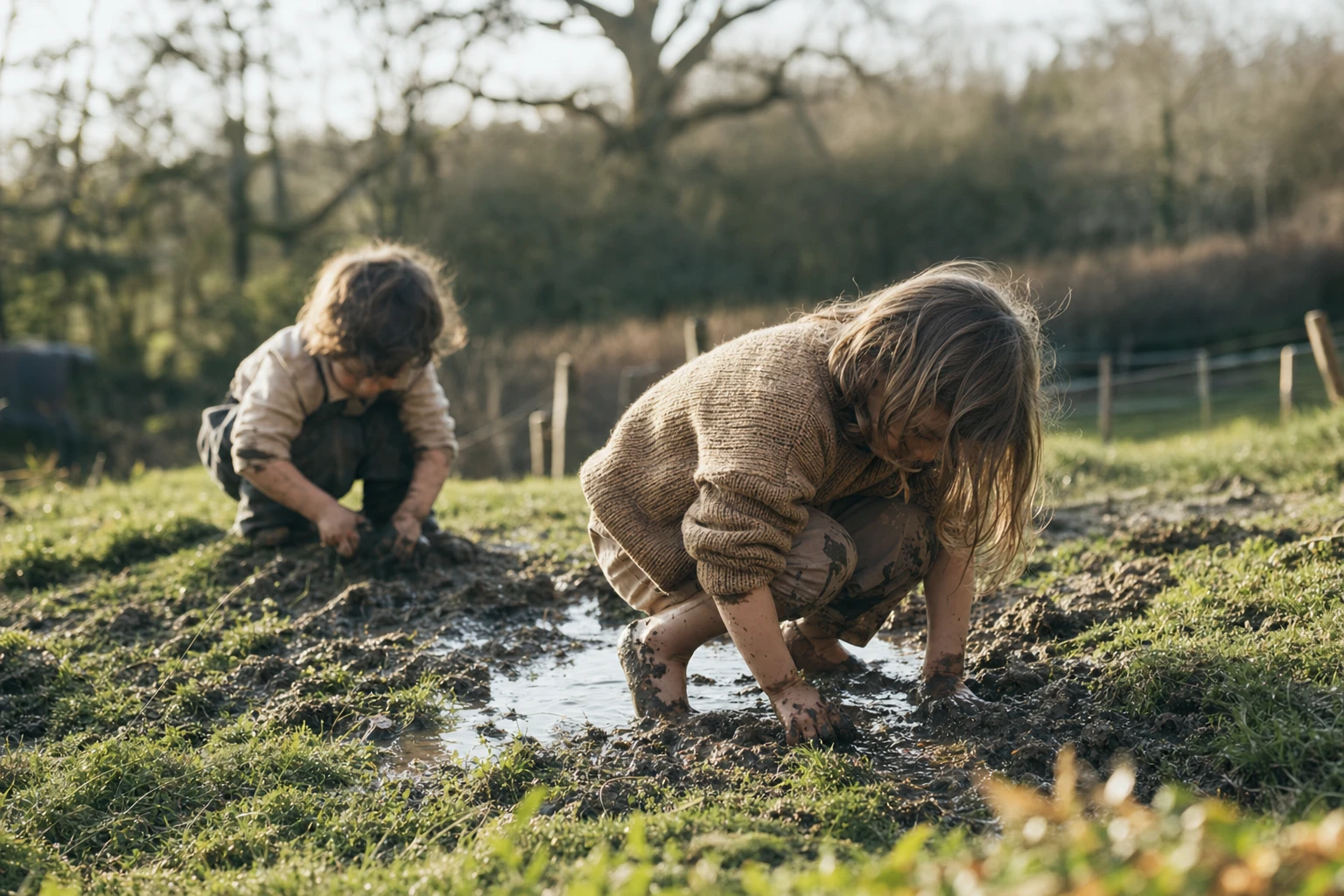
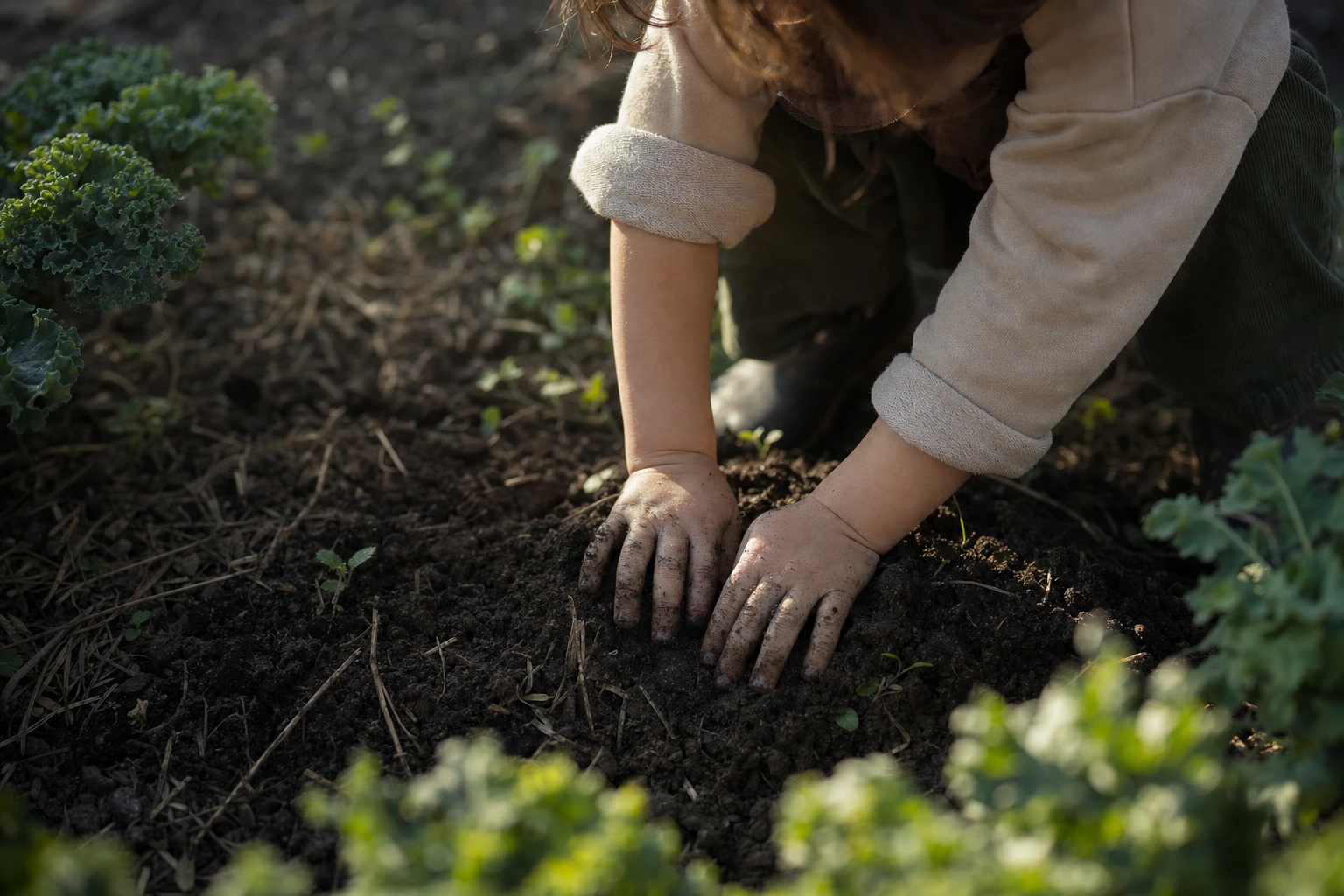
Soil contains exposure to diverse microbes. A child who plays in soil, gets dirty, and isn't obsessively sanitised is exposing their immune system to the microbial environment humans evolved in. This builds immune tolerance and resilience.5
Outdoor time in natural light sets the circadian rhythm. It tells the body when to produce melatonin for sleep. It regulates cortisol. It regulates vitamin D production. None of this happens indoors, regardless of how bright your home is.
Physical play outdoors builds strength, coordination, confidence, and stress resilience. A child who's climbed trees and navigated terrain and felt their body doing hard things feels fundamentally different in their own body.
Free play outdoors, without adult direction or supervision, teaches problem-solving, negotiation, risk assessment, and how to entertain themselves. These are real skills, and they're almost entirely absent in today's childhood, where play is scheduled and supervised.
A child who spends an hour daily in outdoor play on natural ground is building a stronger immune system and clearer mind than any supplement could provide.
Get life-stage nutrition guides, free
Two short reads a week on eating well through pregnancy, childhood and older age.
By signing up you agree to receive emails from us. No spam, unsubscribe anytime.
Building a health foundation
Start with food. Prioritise real food: meat, fish, eggs, dairy, vegetables, fruit, nuts, seeds. Things your great-grandmother would recognise as food.
Reduce ultra-processed foods gradually. Don't try to eliminate them overnight. That creates resistance. Just make the shift quieter and slower.
Prioritise nutrient density, especially iron, zinc, B12, and vitamin A. These five nutrients are the foundation. If these are covered, everything else follows more easily.
Build daily outdoor time into the routine. Not exercise. Just time outside, doing whatever captures their attention. Climbing, digging, sitting, playing. The sun and the soil will do the rest.
Reduce screen time before bed. A hard rule: screens off one to two hours before sleep. It sounds drastic. It works.
Feed them breakfast. A real breakfast. Eggs, meat, dairy, fat. Not cereal. Not juice. Not toast with jam. A breakfast that stabilises blood sugar sets the tone for the entire day.
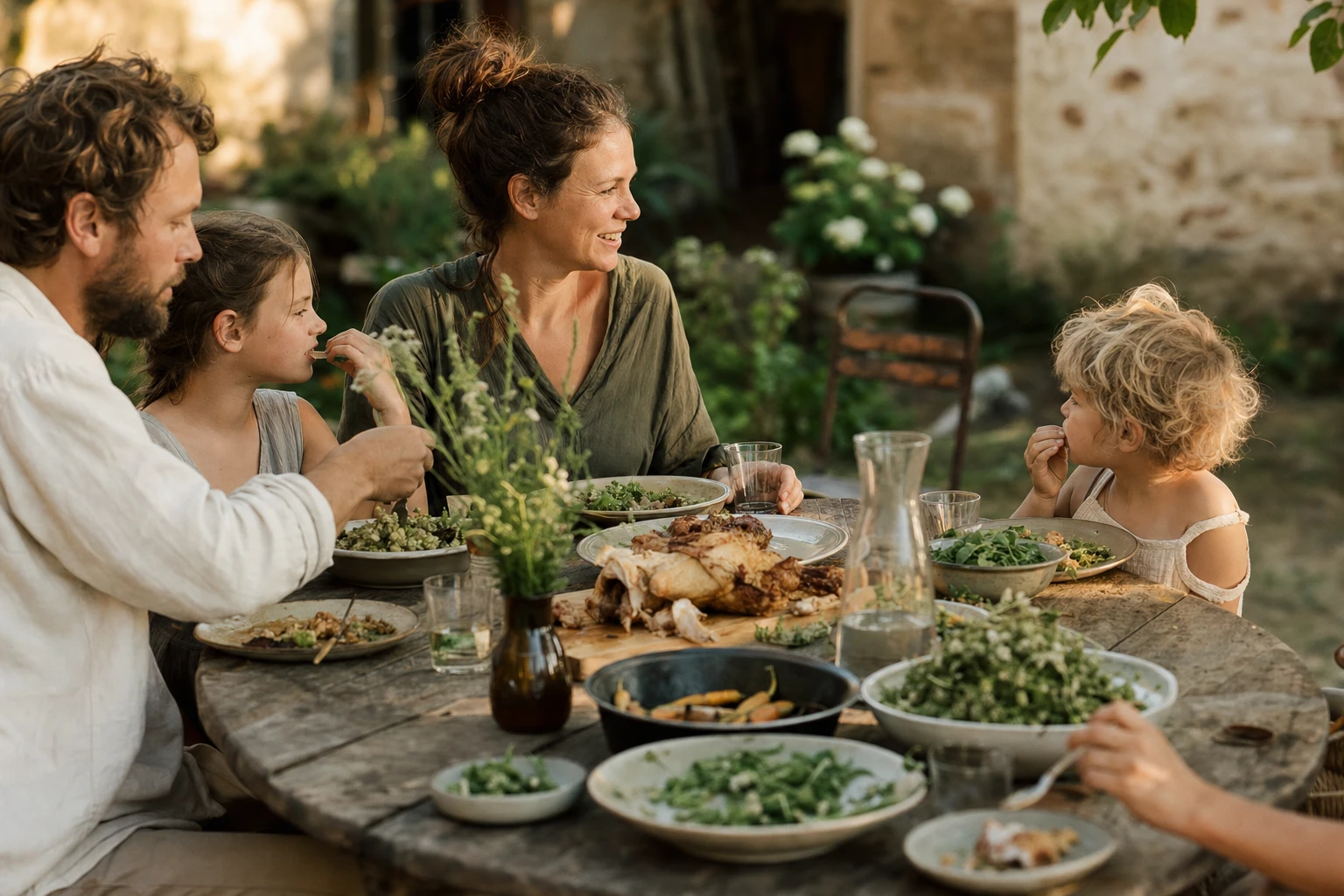
Involve them in food preparation. When children help cook, they eat what they've made. They see where food comes from. They develop competence and confidence around eating.
The practical integration
You don't need to overhaul everything at once. Start with one shift. Maybe it's real breakfast instead of cereal. Maybe it's removing screens an hour before bed. Maybe it's one daily outing to a park where they can play in soil and climb things.
As one thing improves, the others follow more easily. A child who's eating nutrient-dense food has more energy for physical play. A child getting outdoor time sleeps better. A child sleeping better can regulate emotions and focus better in school. The systems reinforce each other.
The cultural pressure to keep children safe, entertained, and on schedule is real. But it's worth questioning. The safest thing you can do for your child is to build a strong immune system and a resilient nervous system. That comes from real food, outdoor play, and minimal stress.
The foundational nutrients
Before worrying about balance or variety, prioritise the nutrients that actually build health in children. Iron for energy and cognition.2 Zinc for immune function and growth.3 Vitamin A for eyes and immune health.4 Calcium for bones. Omega-3 fatty acids for brain development.
These all come reliably from animal foods. Red meat, fish, eggs, full-fat dairy, organ meats. A child eating these foods regularly will be better nourished than a child on a grain-and-vegetable-based diet, regardless of how "balanced" or "colourful" that diet looks.
This doesn't mean avoiding vegetables. Vegetables are nutrient-dense and full of phytochemicals and fibre. But they should be eaten alongside the animal foods that provide the core nutrition, not instead of them. A carrot has value, but not as a substitute for liver. A salad is good, but not a meal without meat or eggs or fish.


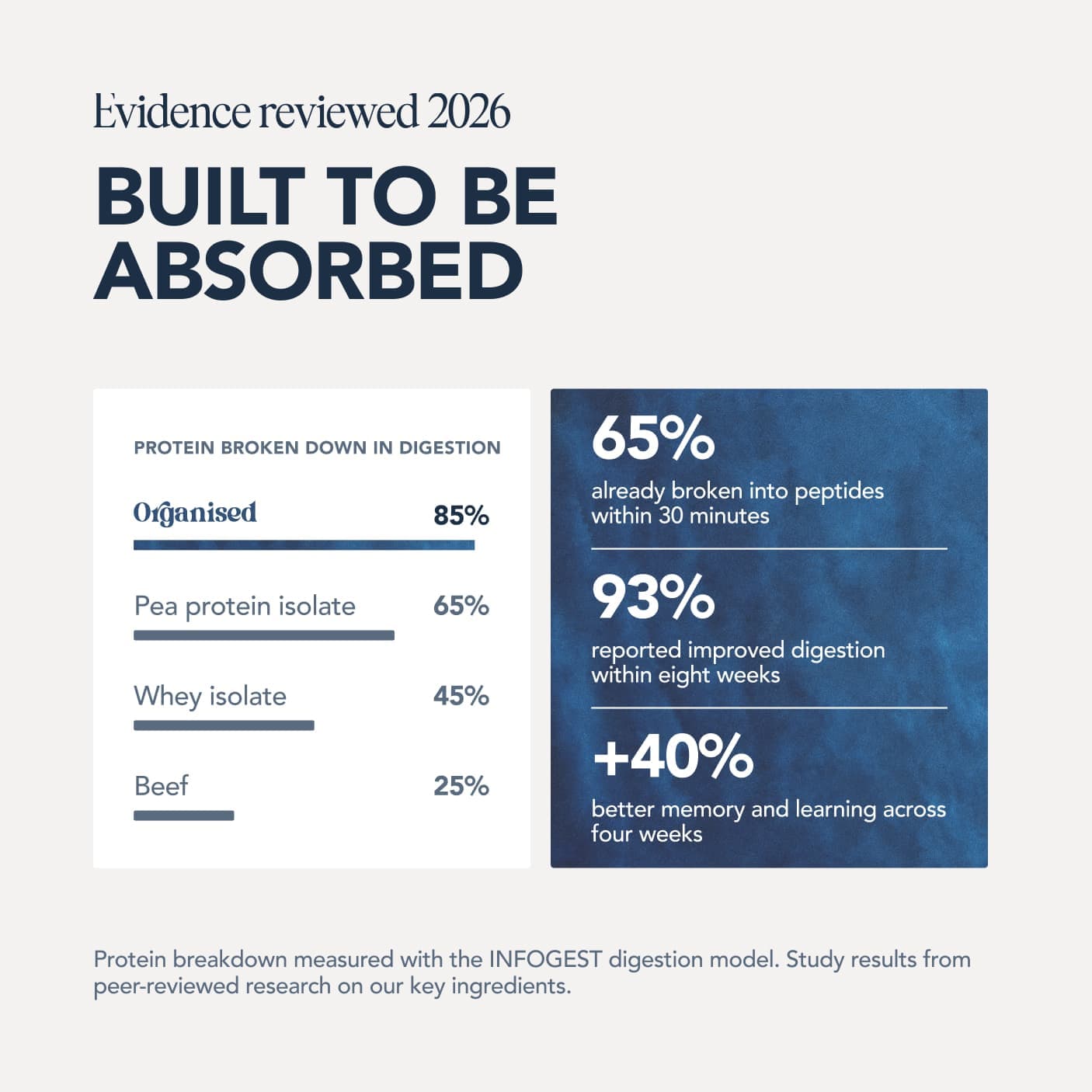
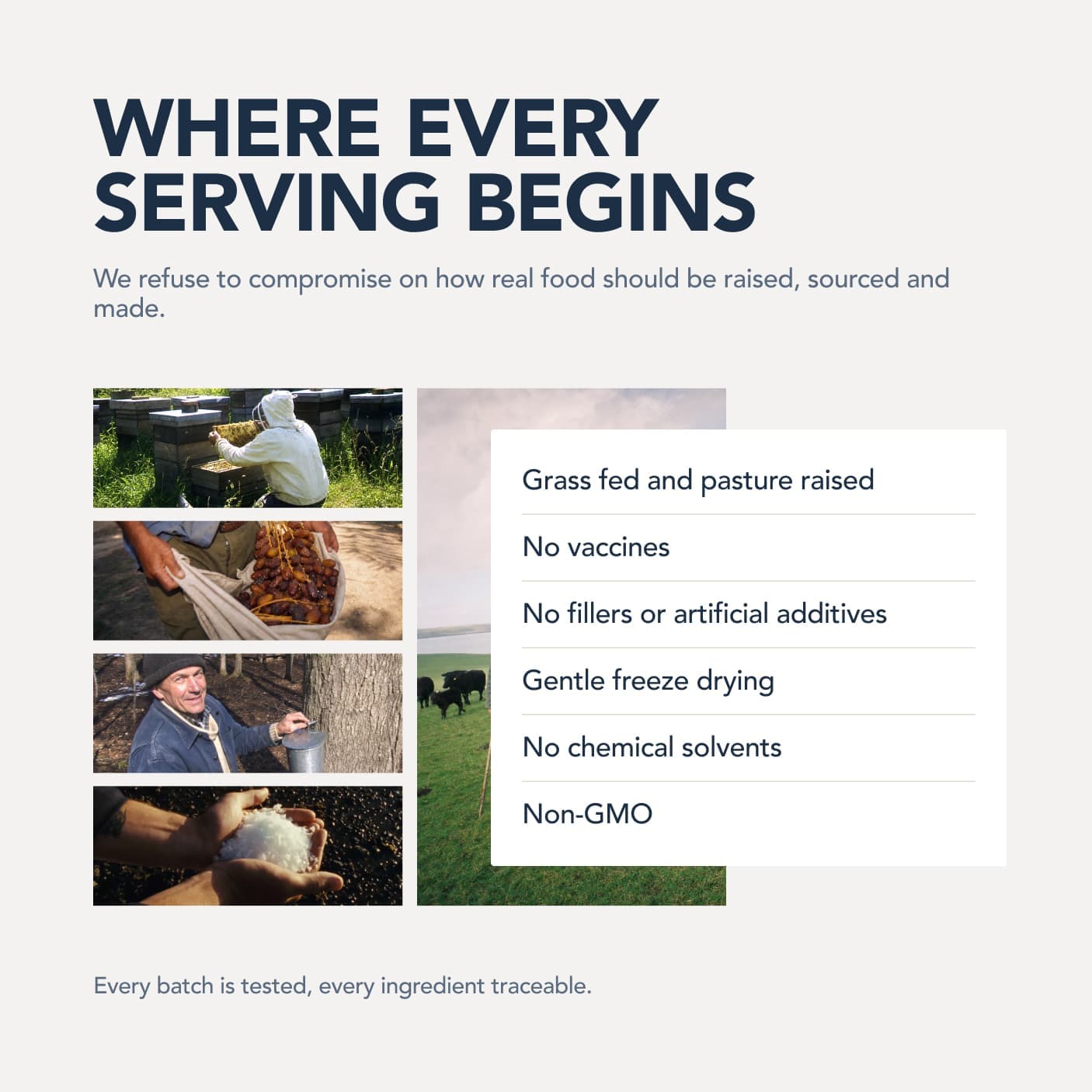
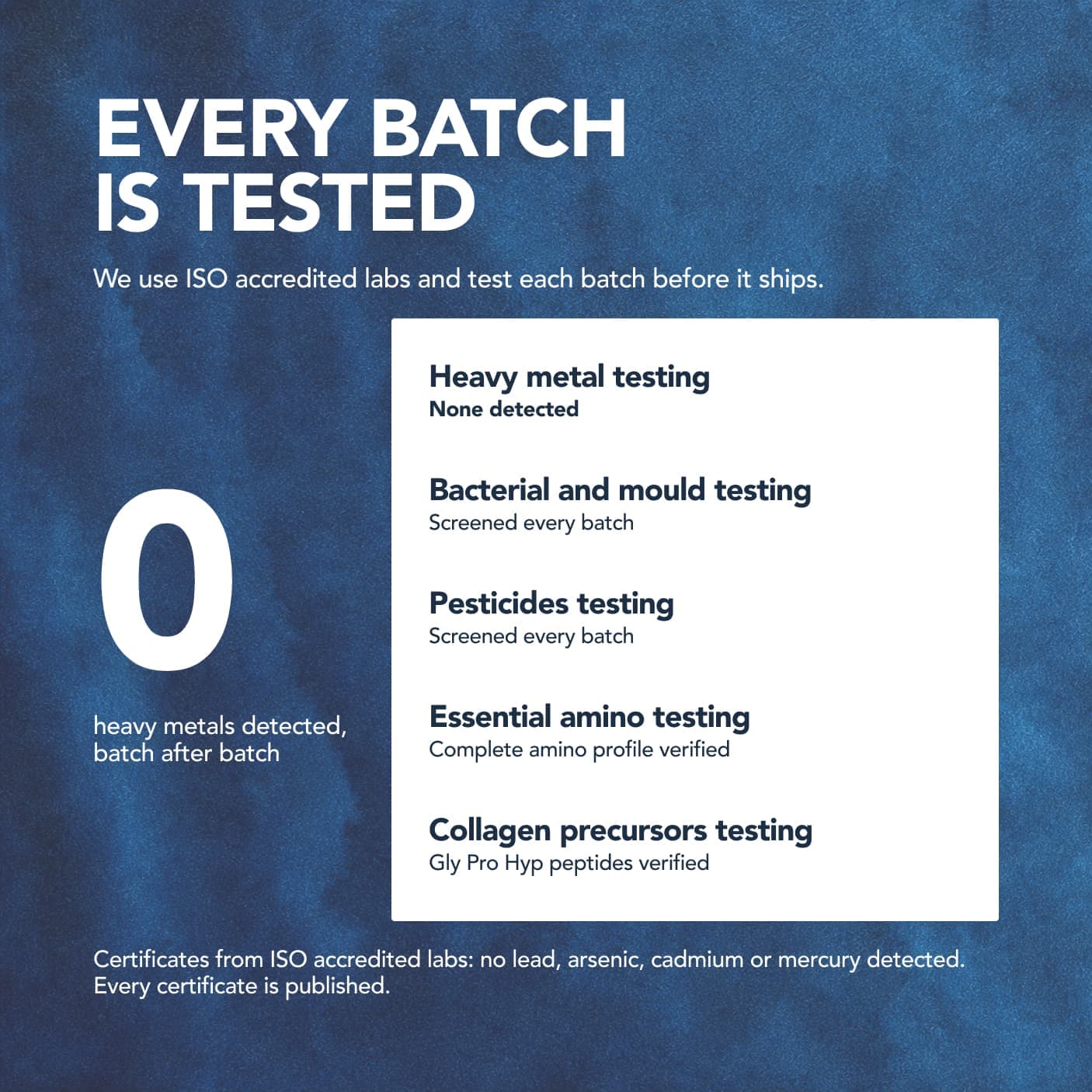
1 of 9
Daily blend
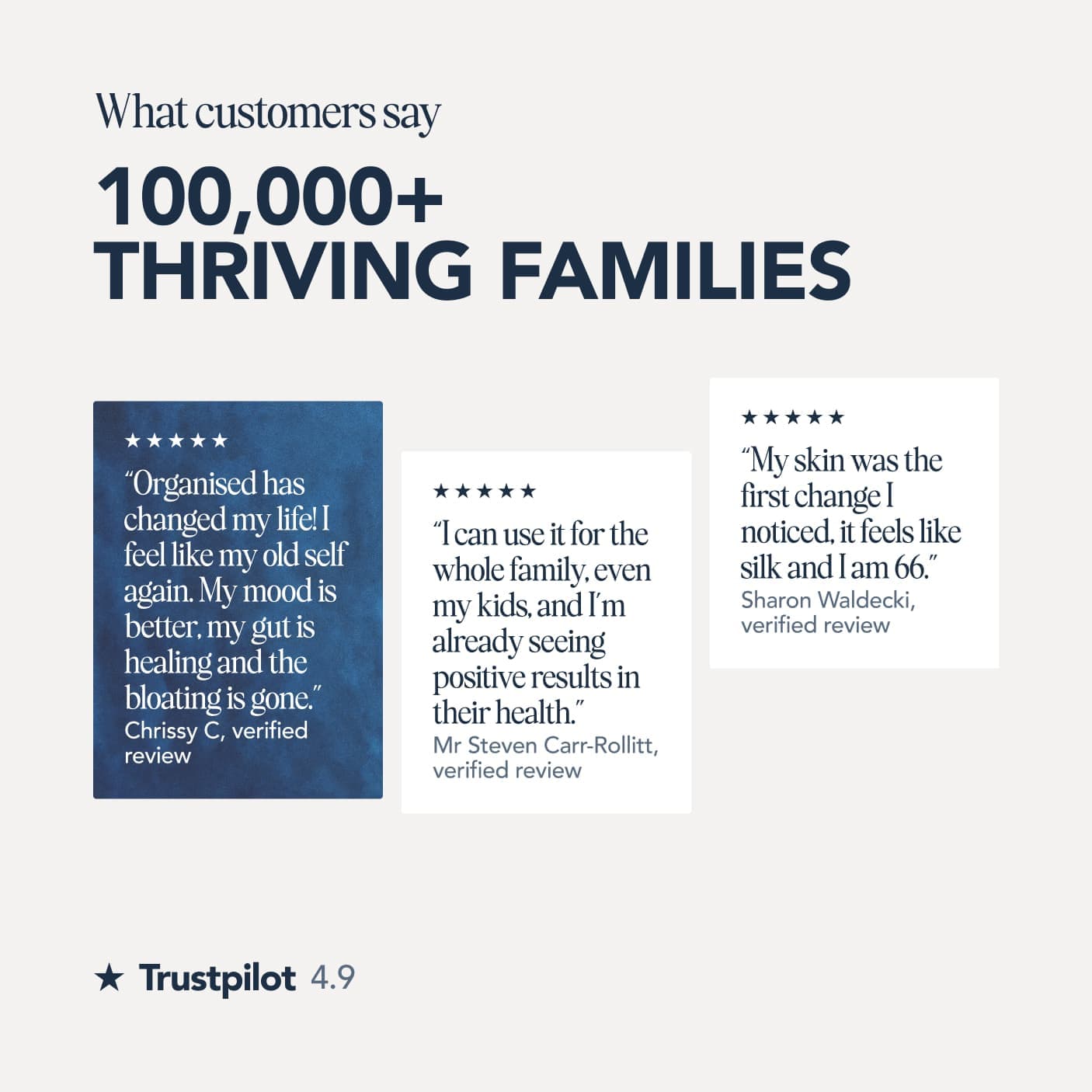
100,000+ thriving families4.9 on Trustpilot
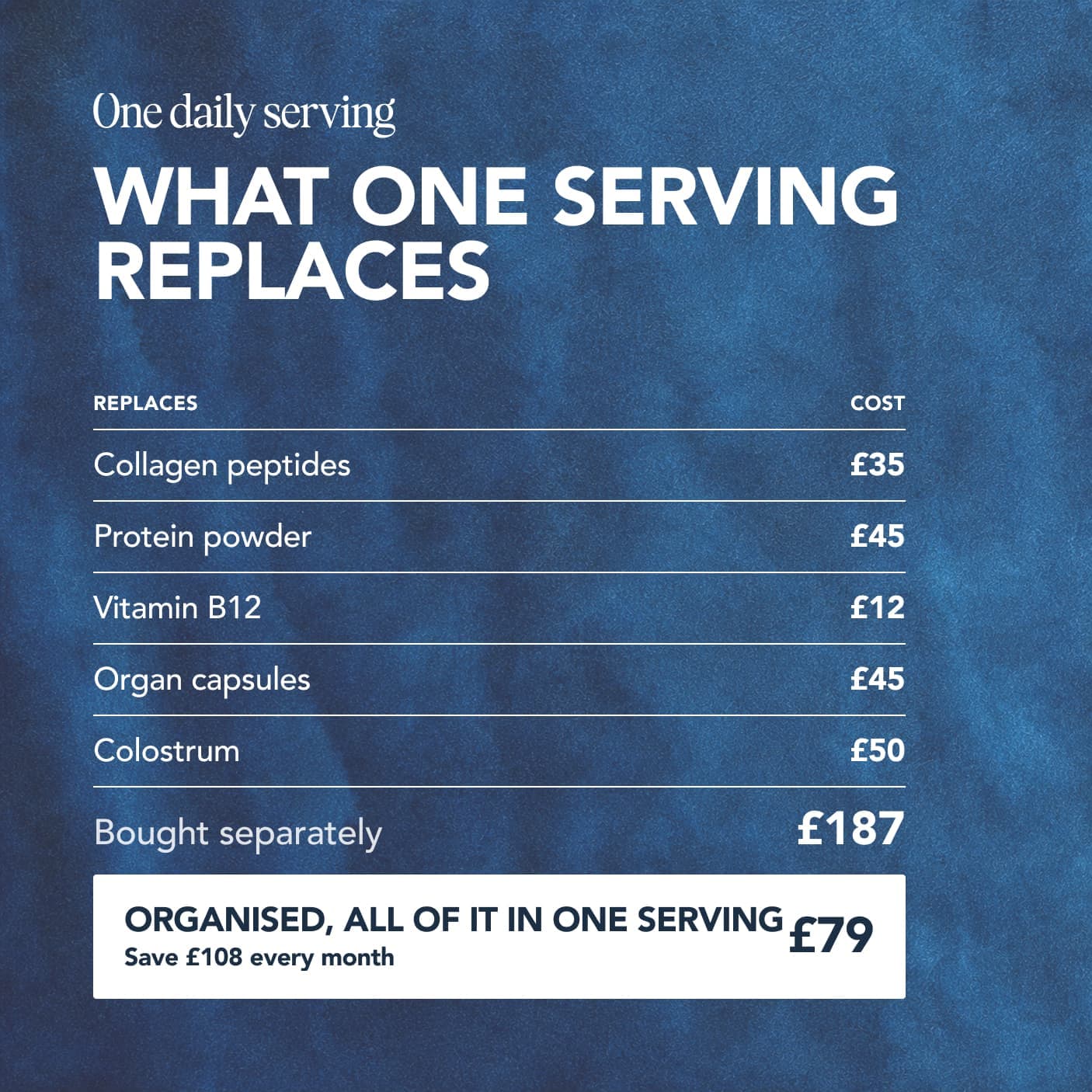
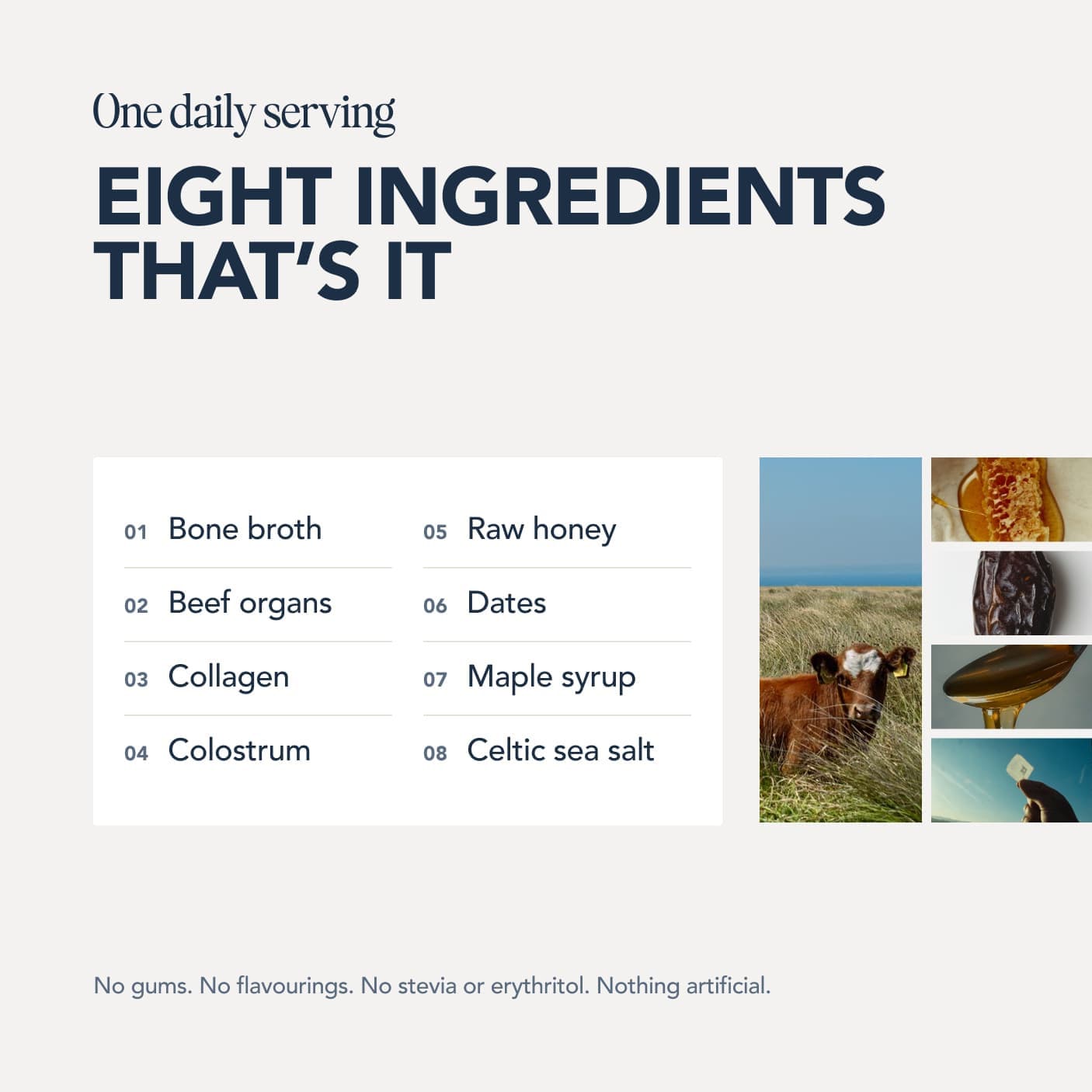
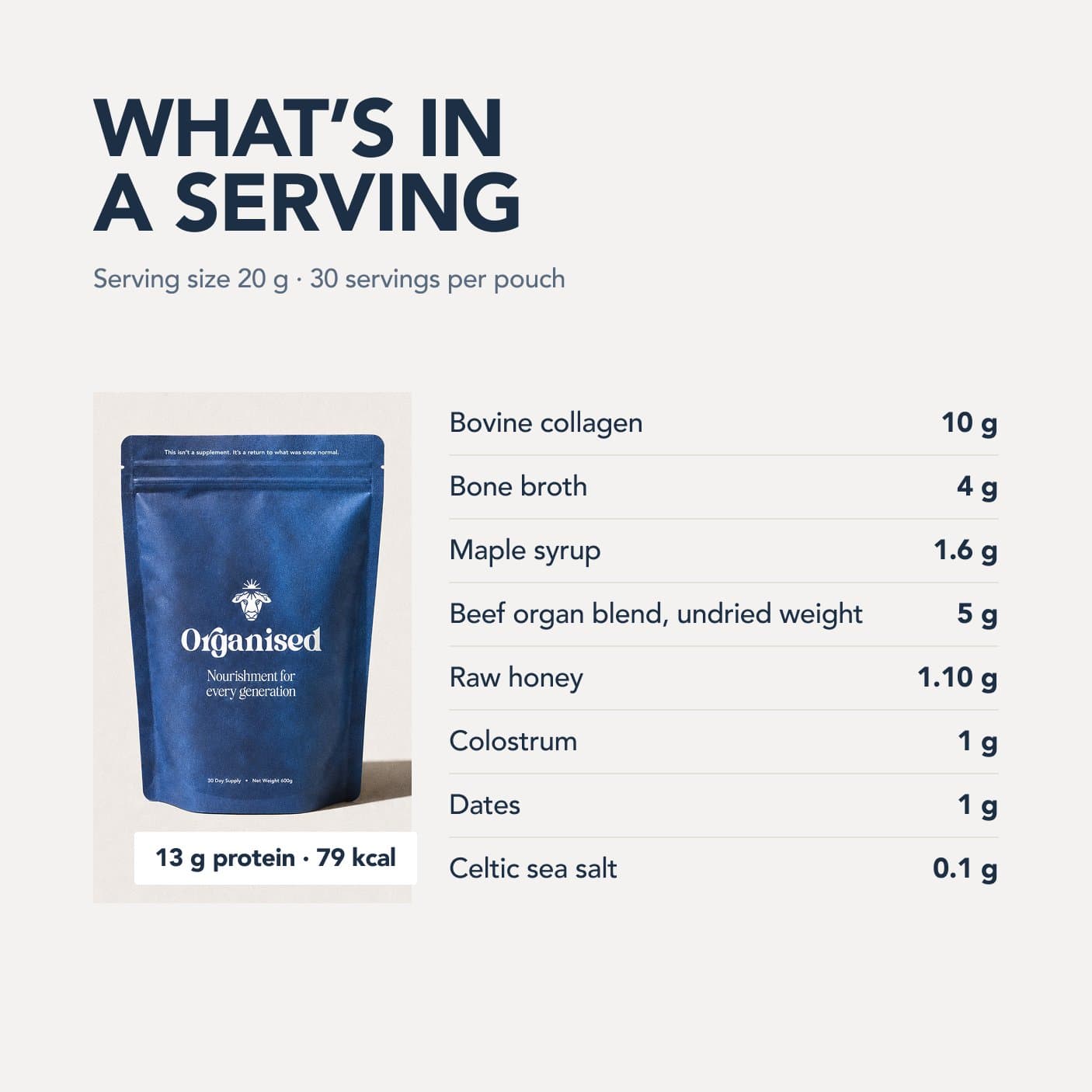
Eight real ingredients built around grass-fed beef organs, collagen and colostrum. Nothing synthetic added.
Free with your first order, worth £38. Plus £10 off the pouch with a subscription.


Free UK shipping · Made in England · 100 day money back guarantee on your first pouch · Skip, pause or cancel anytime
The bottom line
Raising healthy children today requires swimming against a strong cultural current. Ultra-processed food is everywhere. Screens are convenient. Keeping children safe and occupied in structured environments feels like the responsible choice.
But children aren't broken. They're not sick from genetic bad luck. They're underfed on real nutrients, overstimulated by screens, under-exposed to natural light and soil, and under-challenged physically.
The foundation of health is straightforward. Real food. Outdoor play. Natural light. Minimal screens. Absence of processed seed oils and refined sugar. These alone will shift a child's health trajectory.
You don't need special knowledge or elaborate systems. You need consistency, patience, and willingness to do the unfashionable thing. Your child's health will thank you for it.
References
Every source below was checked on 27 August 2026. Each PubMed, PMC and DOI identifier was resolved against NCBI or Crossref, and what it opens is printed under the citation, so you can see the link goes where the citation says without leaving the page. Where a citation and its identifier disagreed, the citation was corrected to the record or the reference was deleted along with the sentence marker that pointed at it, and where the resolved paper turned out not to support the sentence, the sentence was cut back to what it does support. Borrowed authority is worse than none, because it looks like rigour.
- Chang AM et al. Evening use of light-emitting eReaders negatively affects sleep, circadian timing, and next-morning alertness. PNAS, 2015. PMID 25535358.Checked 27 August 2026: PMID 25535358 opens Chang AM, Aeschbach D, Duffy JF et al, Evening use of light-emitting eReaders negatively affects sleep, circadian timing, and next-morning alertness. Proc Natl Acad Sci U S A 2015;112(4):1232-7. PubMed indexes it as: Clinical Trial.The authors' own declaration, from the record: Conflict of interest statement: Dr. Czeisler has received consulting fees from or served as a paid member of scientific advisory boards for: Boston Celtics; Boston Red Sox; Citgo Inc.; Cleveland Browns; Merck; Novartis; Purdue Pharma LP; Quest Diagnostics, Inc.; Teva Pharmaceuticals Industries Ltd.; Valero Inc.; Vanda Pharmaceuticals, Inc. Dr. Czeisler currently owns an equity interest in Lifetrac, Inc.; Somnus … (abridged; the full declaration is on the record)
- National Institutes of Health, Office of Dietary Supplements. Iron — Health Professional Fact Sheet.
- National Institutes of Health, Office of Dietary Supplements. Zinc — Health Professional Fact Sheet.
- National Institutes of Health, Office of Dietary Supplements. Vitamin A and Carotenoids — Health Professional Fact Sheet.
- Strachan DP. Hay fever, hygiene, and household size. BMJ, 1989 (the foundational hygiene hypothesis paper). PMID 2513902.Checked 27 August 2026: PMID 2513902 opens Strachan DP, Hay fever, hygiene, and household size. BMJ 1989;299(6710):1259-60.
Who wrote and reviewed this guide
Niall Kiddle
Author · Founder, Organised
Niall is the founder of Organised. He started the company in 2024 after fixing his own health the slow way: in 2022 he swapped a cupboard of synthetic supplements for real food, raw milk, organ meats, bone broth and honey, and felt the difference within months.
Areas of expertise: Ancestral nutrition, Organ meats, Whole-food supplementation, Gut health, Regenerative sourcing
Read Niall's full profile
Pedro Rodrigues
Reviewer · Agronomist (farming and sourcing only)
Pedro is the agronomist Organised works with on farming and sourcing. His job on the guides is to keep the science honest: he reviews what we publish about soil health, regenerative agriculture, grazing and the way food is actually produced.
Areas of expertise: Regenerative agriculture, Agronomy, Soil health, Grass-fed farming, Food sourcing
Reviewed this guide on
Read Pedro's full profileMore on children & teens
View all- Feeding Children for Optimal Growth and Development
- Teenage Nutrition: Fuelling Growth Spurts and Brain Development
- Building Strong Bones in Childhood: Beyond Just Milk
- Can Children Take Beef Organ Supplements?
- How to Introduce Organ Meats to Children
- Picky Eaters: How to Sneak Nutrient-Dense Foods Into Family Meals
- Protein for Young Athletes: How Much Do Teenagers Actually Need?
- Screen Time, Sleep and Nutrition: The Triangle That Affects Every Child
- Teenage Athletes: Protein and Nutrient Needs for Growing Bodies
- The Nutrients Children Need Most (And Aren't Getting)
- Why Children Need More Nutrient-Dense Food (Not More Vitamins)
- Why Teenage Girls Are at the Highest Risk of Iron Deficiency
Browse the guides library
All guidesKeep reading
Life stage
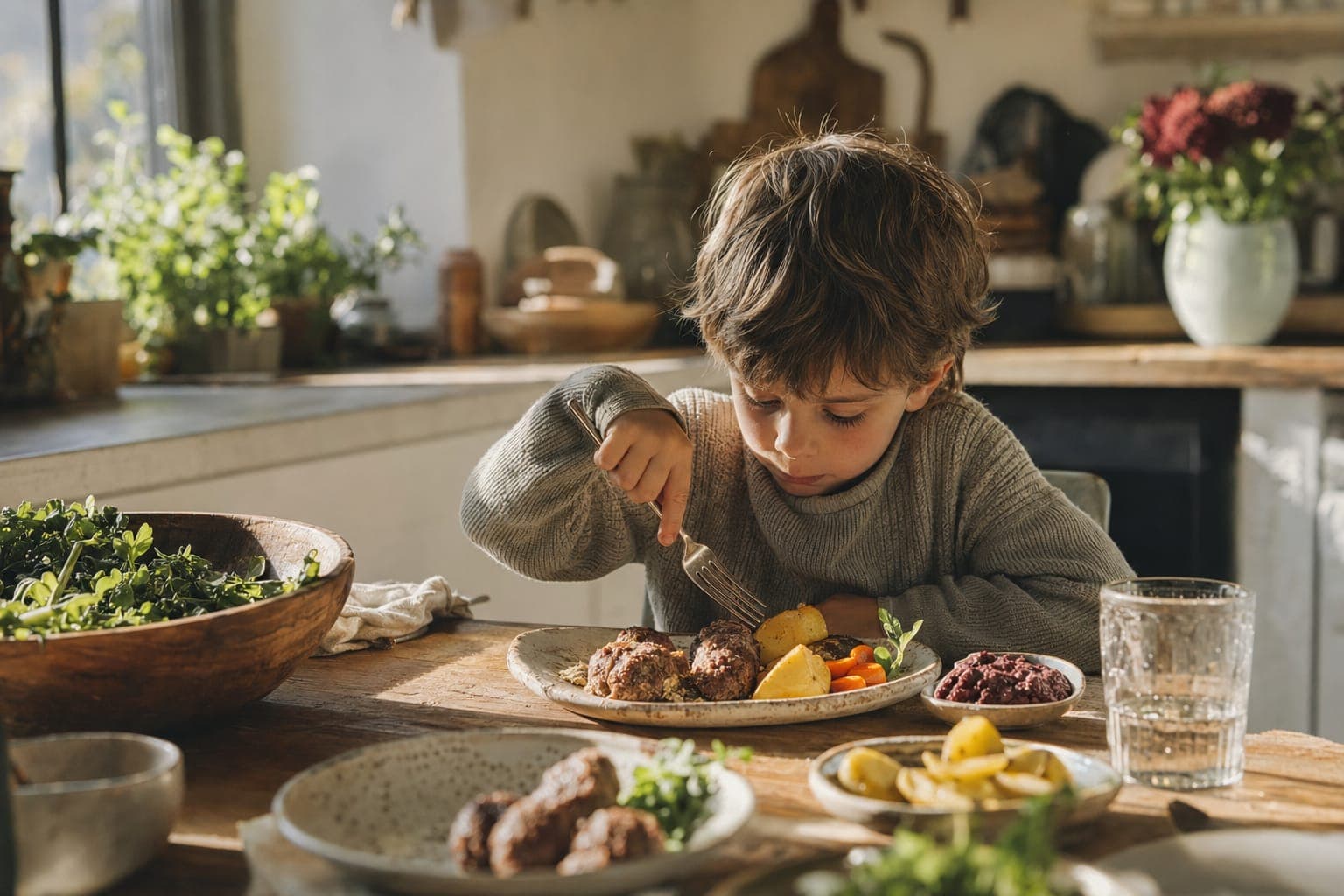
Picky Eaters: How to Sneak Nutrient-Dense Foods Into Family Meals
Learn how to sneak nutrient-dense foods into meals your picky eater will actually eat. Practical strategies for building nutrition without fighting.
Life stage
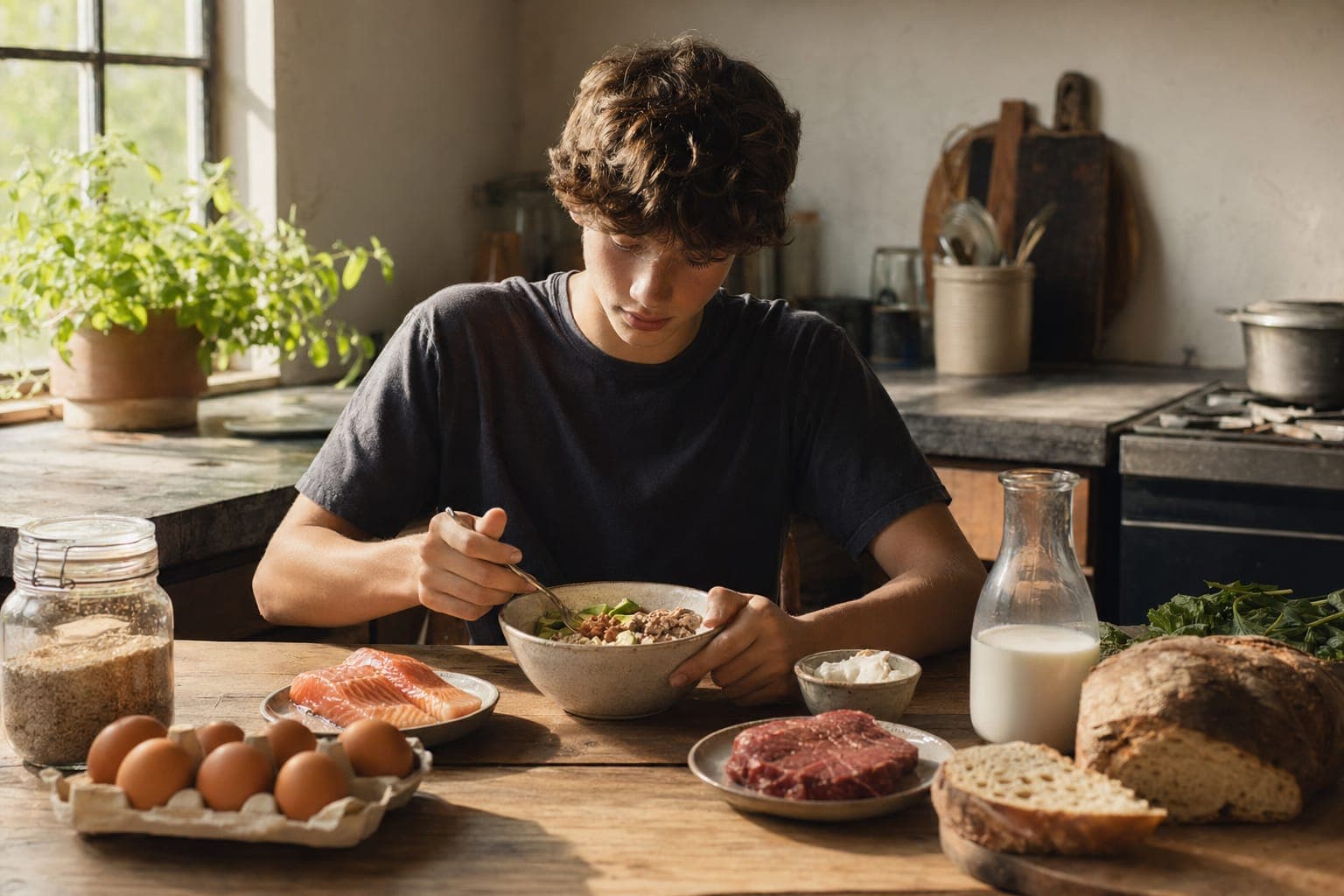
Protein for Young Athletes: How Much Do Teenagers Actually Need?
Learn how much protein teenage athletes need, when to eat it, and which whole foods deliver it best for performance and recovery.
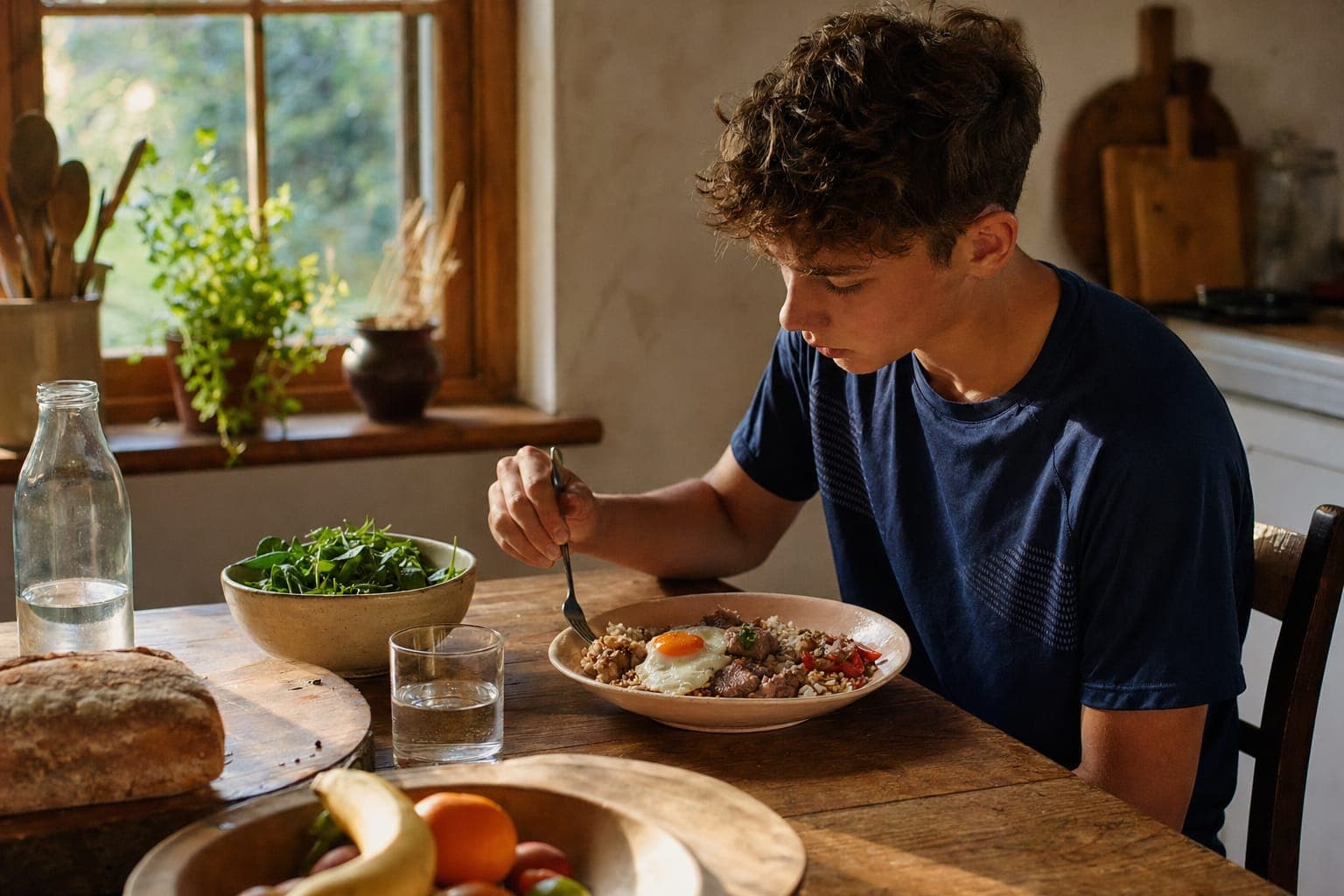
Life stage
Teenage Athletes: Protein and Nutrient Needs for Growing Bodies
Protein, calories, iron, B12: what teenage athletes actually need. Why bars and shakes miss the mark. Real food for growing bodies.
Real food, made effortless
Find my daily blendA few ways to use it
All recipes
Gut-Healing Marshmallows with Collagen and Raw Honey
Learn to make gut-healing marshmallows with collagen and raw honey. A shareable treat that sneaks nutrition into every bite. Easy recipe with video tips.
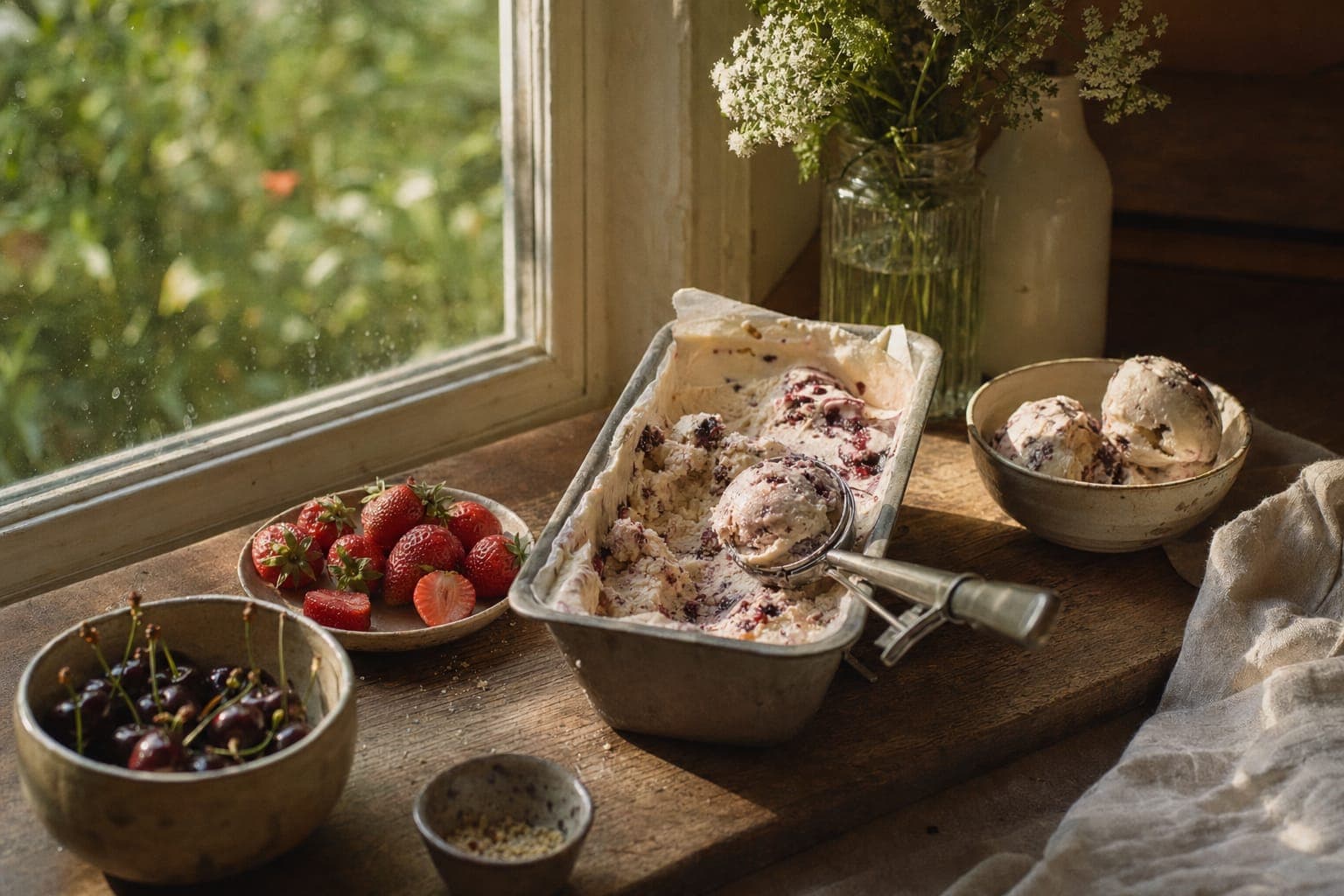
Raw Milk Ice Cream with Organised
Make raw milk ice cream at home with Organised for a seasonal, nutrient-dense treat. Three simple flavours to try whenever the craving strikes.
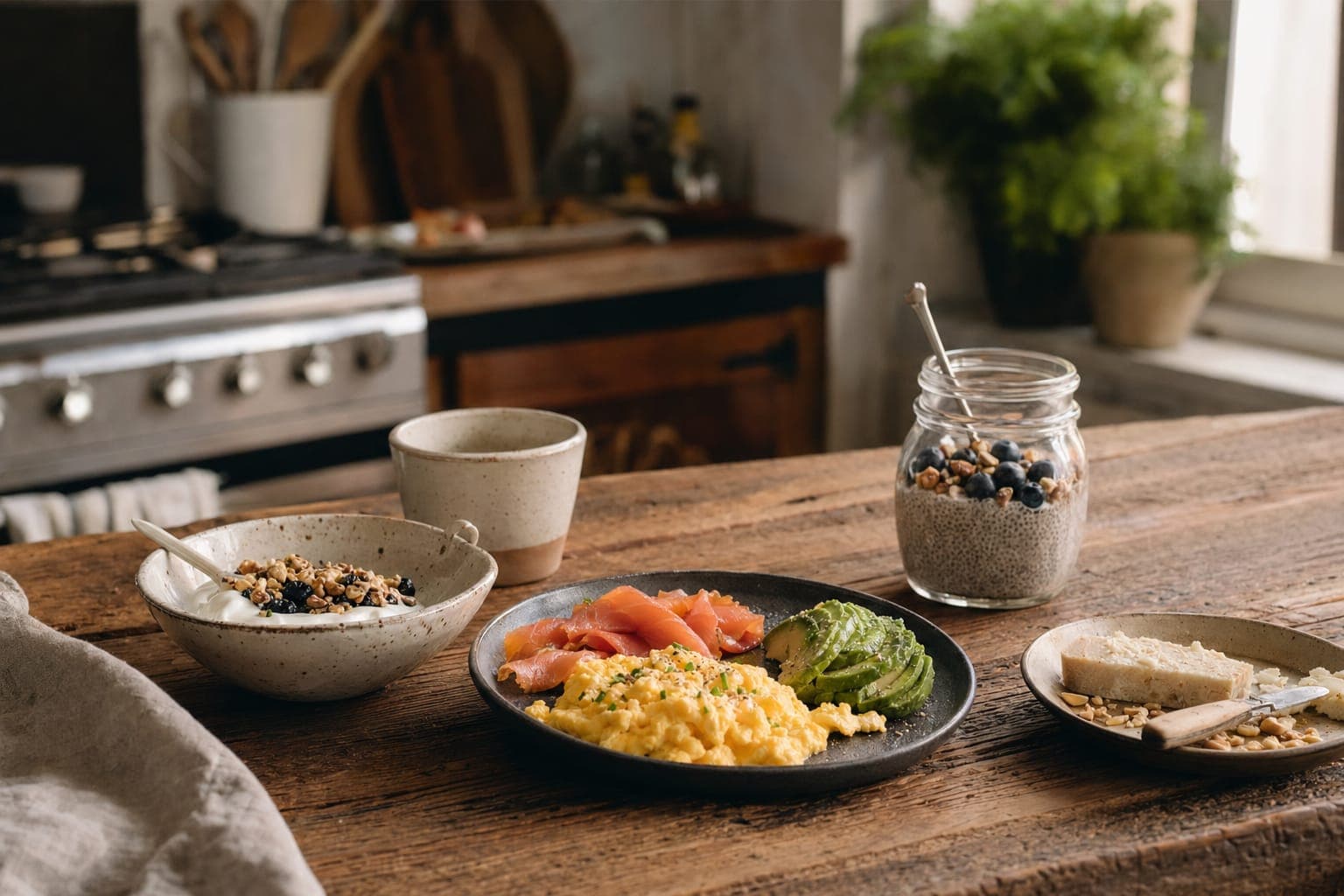
5-Minute High-Protein Breakfasts Using Organised
Quick, high-protein breakfast ideas using Organised. Five recipes you can make in minutes with real food. No fussing around.


 Join over 100,000+ members
Build a better food system with us
The Organised community is thousands of people choosing real food and backing the farmers who grow it, all of us trying to leave the world a little better than we found it. If that is what you care about too, you belong here.