Morning Sickness and Nutrition: What Helps and What Makes It Worse
Morning sickness is called that, but you know the truth. It's all-day sickness. And the irony is brutal. You feel nauseous, so you skip meals. Skipping meals makes the nausea worse. And suddenly you're trapped in a cycle that makes nutrition harder right when your baby needs it most.
By Niall Kiddle, Founder, Organised

Reviewed by Pedro Rodrigues, Agronomist (farming and sourcing only) ·
6 min read · Published · Updated · 4 cited sources
Makers of the Organised Daily blend, a grass-fed beef organ supplement from regenerative UK farms

Most pregnant women experience nausea in the first trimester, and a significant percentage experience it throughout pregnancy. It's not your imagination. It's not weakness. It's a real physiological response, and more importantly, there are real nutrition strategies that can genuinely help.

Why morning sickness happens
Morning sickness is partly hormonal. Human chorionic gonadotropin (hCG), the hormone that pregnancy tests detect, is strongly correlated with nausea severity.1 As hCG levels rise in the first trimester, nausea typically increases. As hCG stabilises in the second trimester, nausea often subsides. But hCG isn't the whole story.
Morning sickness is also your body's way of protecting your baby. Your senses become heightened. Food aversions develop. Smells that didn't bother you before suddenly feel intolerable. Your digestive system becomes more sensitive. Some researchers believe this is an evolved mechanism to keep pregnant women away from potentially toxic foods during the critical period of fetal development. Whether that's true or not, the result is the same: you feel awful and everything smells wrong.
The challenge is that this protective response makes nutrition harder. The foods you need (liver, fatty fish, eggs) are often the ones that trigger the strongest aversions. Iron-rich foods are often triggering. The smell of cooking can be nauseating. This isn't a mental problem. Your body is genuinely struggling with digestion.
Blood sugar and nausea
One of the most overlooked triggers of morning sickness is blood sugar dysregulation. When your blood sugar drops, nausea intensifies. When you're in a fasted state, nausea is worse. When you go too long without eating, the nausea becomes overwhelming.
The solution is counterintuitive: eat more frequently, even when you don't feel like it. Small, frequent meals stabilise blood sugar and reduce nausea significantly. The key is small. Your stomach is already sensitive. Overwhelming it with a large meal will backfire. Six small meals spread throughout the day works better than three standard meals.
Never skip breakfast. Eat something, anything, before you get out of bed if you can manage it. A piece of toast, a few crackers, even a handful of berries. Anything is better than an empty stomach, which is the worst possible state for nausea.
Protein and small meals
Protein stabilises blood sugar better than carbohydrates alone. When you eat carbohydrates without protein, blood sugar spikes and then crashes, triggering a nausea wave. When you eat protein with carbohydrates, the blood sugar rise is slower and more stable, and nausea is less severe.
This is why eggs are such a good choice during morning sickness. They're protein-rich, they're mild in flavour if cooked gently, and they contain choline, which your baby needs.4 Soft-boiled eggs with toast, scrambled eggs with butter, even just egg white if the yolk bothers you initially (though you'll want the yolk eventually for the nutrients). Toast with peanut butter. Yoghurt with berries. Crackers with cheese. Chicken soup, even plain.
The goal is to pair carbohydrates with protein in small amounts and eat before you get hungry. If you wait until hunger hits and nausea is severe, you've already lost the game. Eat preventatively. Carry snacks with you. Keep crackers by your bed. Have protein-rich foods easily accessible so that eating often doesn't require effort.
Some women find that cold foods are easier to tolerate than warm foods during morning sickness. Others find the opposite. Experiment. Cold hard-boiled eggs might be tolerable when warm scrambled eggs aren't. Cold chicken when warm chicken is revolting. This is worth paying attention to because it makes the difference between eating and not eating.
Get life-stage nutrition guides, free
Two short reads a week on eating well through pregnancy, childhood and older age.
By signing up you agree to receive emails from us. No spam, unsubscribe anytime.
B6 and ginger
Vitamin B6 is one of the most evidence-backed interventions for morning sickness. Multiple studies show that B6 supplementation at 25-50 milligrams daily reduces nausea severity in pregnancy.2 The mechanism isn't entirely clear, but the effect is consistent. If you're experiencing significant nausea, discussing B6 with your GP or midwife is worth doing. Many healthcare providers now recommend it as a first-line intervention before moving to medication.
Ginger is another option with reasonable evidence behind it. Ginger (Zingiber officinale) has compounds that may help settle nausea through mechanisms in the digestive system. Studies suggest that ginger root in doses of 1-2 grams daily can reduce nausea severity.3 This can be consumed as ginger tea (fresh ginger steeped in hot water), ginger biscuits, or ginger supplements. The effect is modest but noticeable for many women.
Both B6 and ginger are considered safe in pregnancy at these doses. Neither is a cure, but both can take the edge off enough to make eating more manageable, and that's the whole point. If you're eating, your baby gets nutrients. If you're not eating because the nausea is too severe, nothing else matters.
Hydration and electrolytes
Dehydration makes nausea worse. When you're vomiting or unable to eat, electrolyte loss compounds the problem. You become dehydrated, and dehydration intensifies nausea. It's another vicious cycle.
The solution is consistent hydration. Sip water throughout the day. Coconut water is excellent because it contains natural electrolytes. Bone broth, if you can tolerate warm liquid, is both hydrating and nutritious. Some women find that drinking through a straw helps. Others find that ice-cold water is easier to tolerate than room temperature water. Again, experiment.
If you're vomiting frequently, electrolyte replacement matters. Standard oral rehydration solutions work, or you can make your own: water, a pinch of salt, a squeeze of lemon, and a small amount of honey or sugar. Sip it slowly throughout the day.
What makes it worse
Certain foods and situations predictably worsen morning sickness. Very fatty foods are often triggering. The smell of cooking meat is often intolerable. Iron supplements, even though you need them, often cause nausea. Some vitamins have a metallic taste that's revolting when you're pregnant. Lack of sleep worsens nausea. Stress worsens nausea. Moving too quickly after waking worsens nausea.
Notice what your specific triggers are. Some women cannot tolerate prenatal supplements. If the supplement itself is causing nausea, discuss with your GP about taking smaller doses throughout the day, taking it with food, or switching to a different formulation. Some prenatal supplements are easier on the stomach than others.
Your job during morning sickness is to eat something, anything, consistently. Perfection in nutrition doesn't matter right now. Consistency matters. Your baby's most critical development window is in the first trimester, but your body can draw on stores if needed. Keep yourself nourished enough to function, and let the nausea pass.

1 of 9
Daily blend
100,000+ thriving families4.9 on Trustpilot
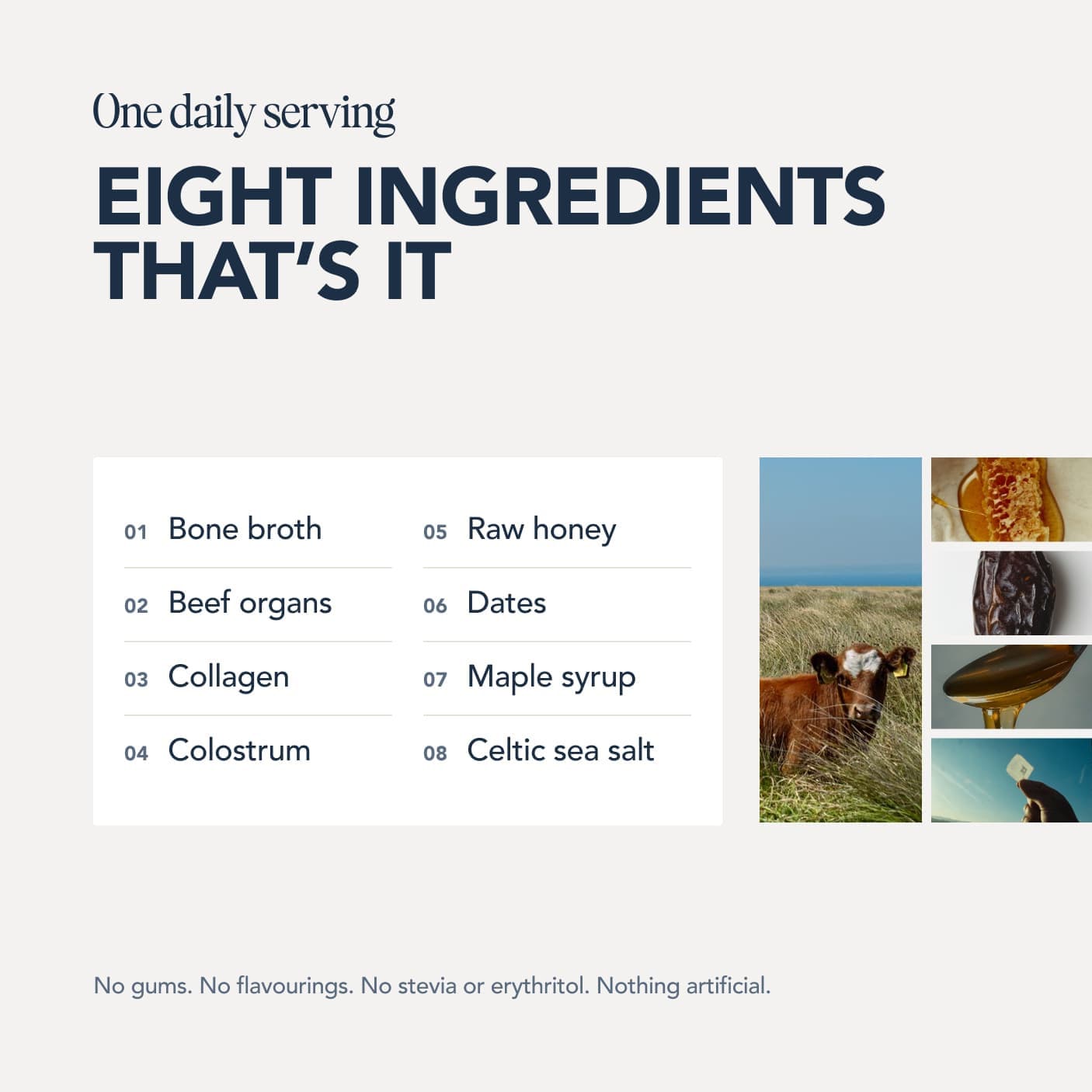
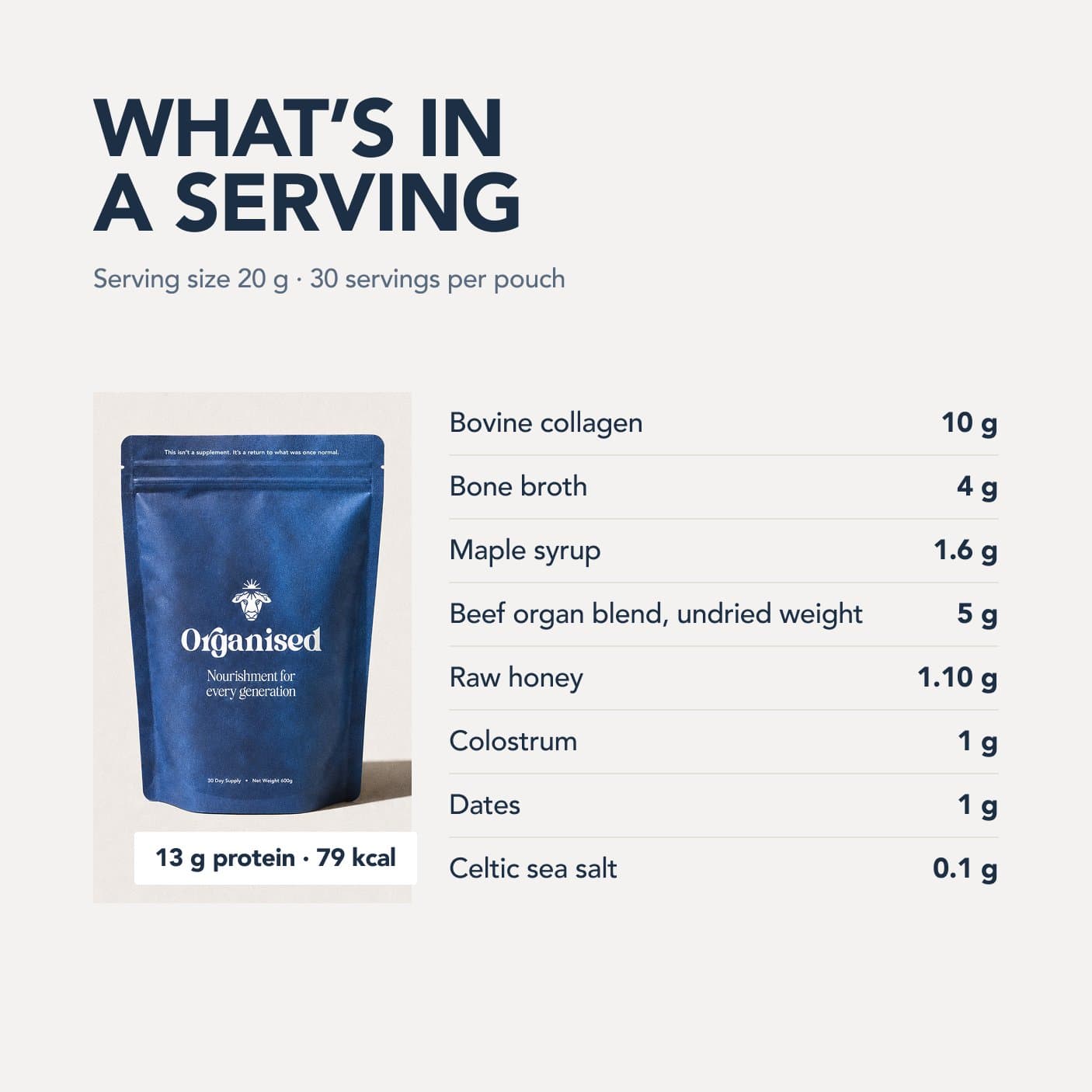
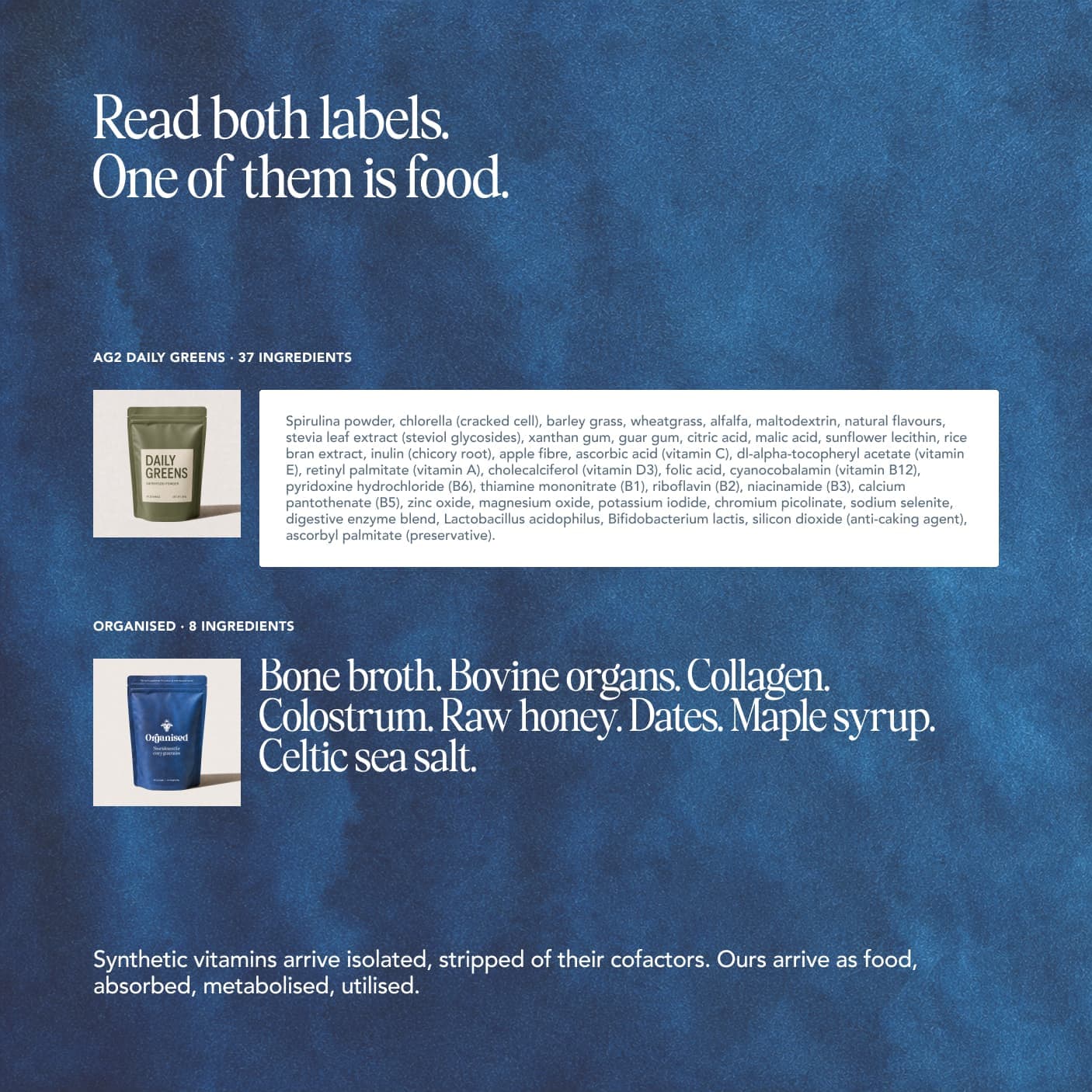
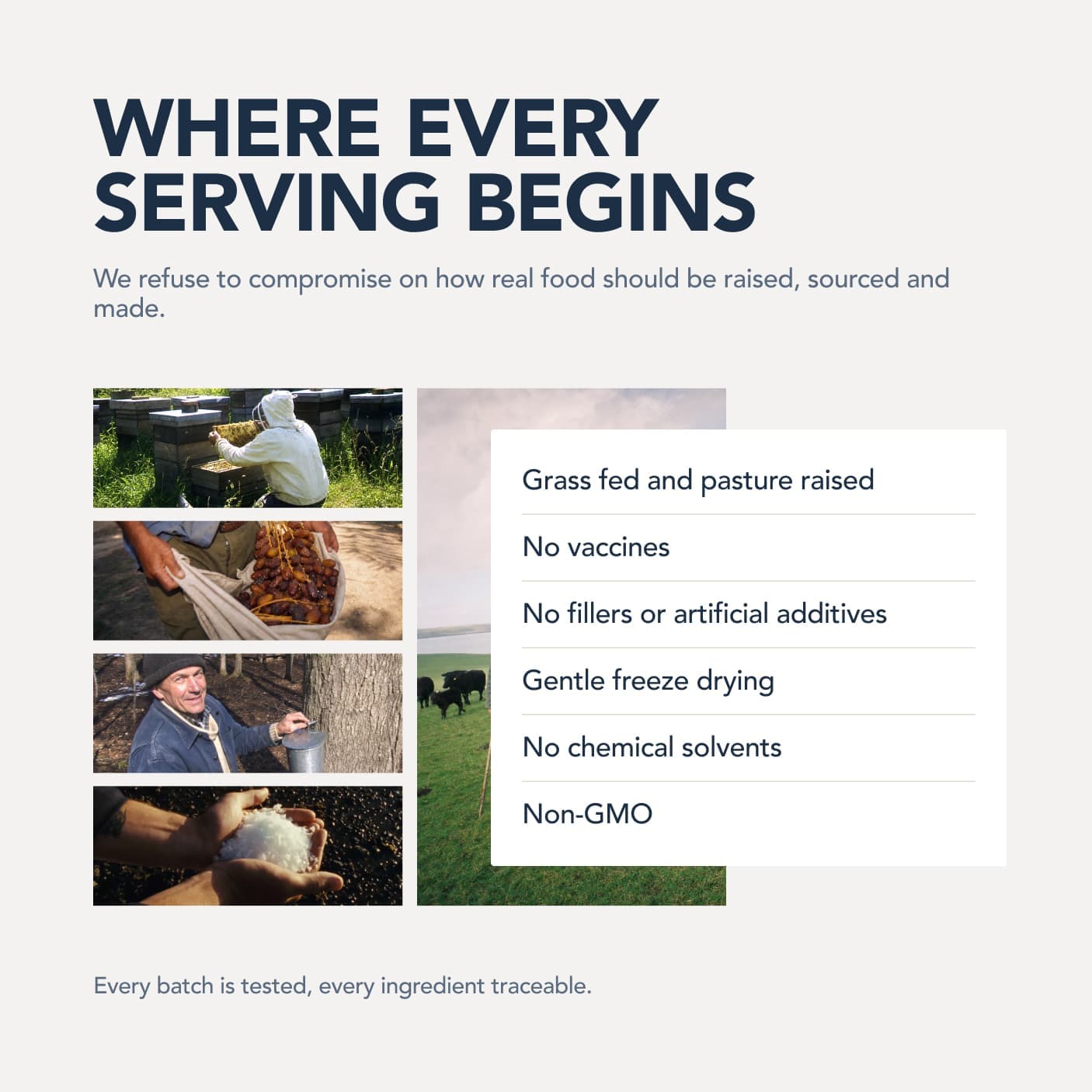
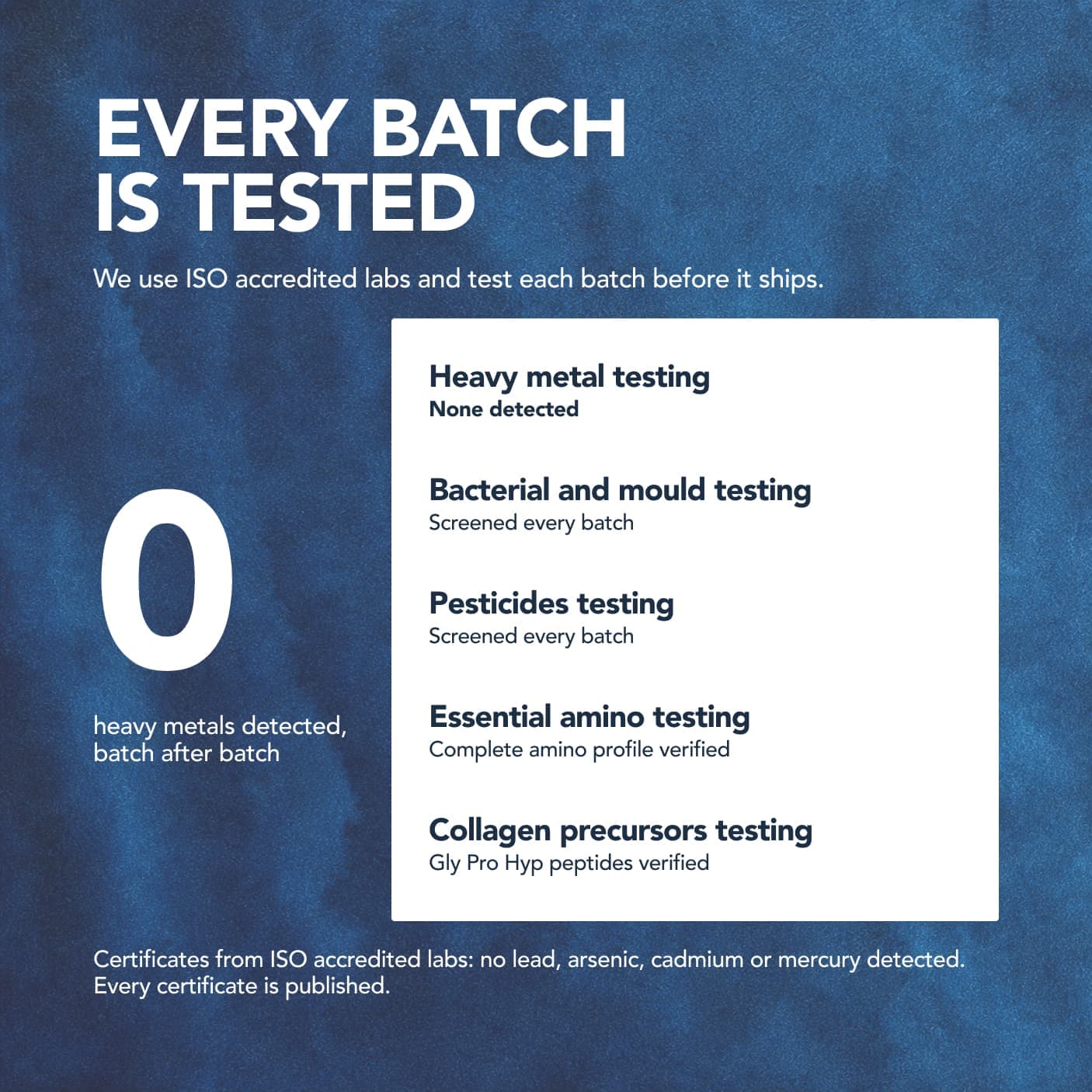
Eight real ingredients built around grass-fed beef organs, collagen and colostrum. Nothing synthetic added.
Free with your first order, worth £38. Plus £10 off the pouch with a subscription.

Free UK shipping · Made in England · 100 day money back guarantee on your first pouch · Skip, pause or cancel anytime
The bottom line
Morning sickness is temporary, but it doesn't feel that way when you're in it. The nutrition strategies that help are boring and simple: eat small meals before you're hungry, pair carbohydrates with protein, stabilise your blood sugar, stay hydrated, try B6 or ginger if nausea is severe, and give yourself grace. You're growing a human whilst your hormones are doing acrobatics and your stomach is turning. That's extraordinary, and you don't need to do it perfectly. You just need to do it.
References
Every source below was checked on 27 August 2026. Each PubMed, PMC and DOI identifier was resolved against NCBI or Crossref, and what it opens is printed under the citation, so you can see the link goes where the citation says without leaving the page. Where a citation and its identifier disagreed, the citation was corrected to the record or the reference was deleted along with the sentence marker that pointed at it, and where the resolved paper turned out not to support the sentence, the sentence was cut back to what it does support. Borrowed authority is worse than none, because it looks like rigour.
- Niebyl JR. Clinical practice. Nausea and vomiting in pregnancy. N Engl J Med. PubMed PMID: 20942670.Checked 27 August 2026: PMID 20942670 opens Niebyl JR, Clinical practice. Nausea and vomiting in pregnancy. N Engl J Med 2010;363(16):1544-50. PubMed indexes it as: Review.
- Sridharan K, Sivaramakrishnan G. Pyridoxine and doxylamine combination in pregnancy-induced nausea and vomiting: meta-analysis. PubMed PMID: 36719452.Checked 27 August 2026: PMID 36719452 opens Jayawardena R, Majeed S, Sooriyaarachchi P et al, The effects of pyridoxine (vitamin B6) supplementation in nausea and vomiting during pregnancy: a systematic review and meta-analysis. Arch Gynecol Obstet 2023;308(4):1075-1084. PubMed indexes it as: Meta-Analysis, Systematic Review.
- Viljoen E et al. A systematic review and meta-analysis of the effect and safety of ginger in the treatment of pregnancy-associated nausea and vomiting. Nutr J. PMC3995184.Checked 27 August 2026: PMC3995184 opens Viljoen E, Visser J, Koen N et al, A systematic review and meta-analysis of the effect and safety of ginger in the treatment of pregnancy-associated nausea and vomiting. Nutr J 2014;13:20. PubMed indexes it as: Meta-Analysis, Systematic Review.
- National Institutes of Health Office of Dietary Supplements. Choline - Health Professional Fact Sheet. NIH ODS Choline.
Who wrote and reviewed this guide
Niall Kiddle
Author · Founder, Organised
Niall is the founder of Organised. He started the company in 2024 after fixing his own health the slow way: in 2022 he swapped a cupboard of synthetic supplements for real food, raw milk, organ meats, bone broth and honey, and felt the difference within months.
Areas of expertise: Ancestral nutrition, Organ meats, Whole-food supplementation, Gut health, Regenerative sourcing
Read Niall's full profile
Pedro Rodrigues
Reviewer · Agronomist (farming and sourcing only)
Pedro is the agronomist Organised works with on farming and sourcing. His job on the guides is to keep the science honest: he reviews what we publish about soil health, regenerative agriculture, grazing and the way food is actually produced.
Areas of expertise: Regenerative agriculture, Agronomy, Soil health, Grass-fed farming, Food sourcing
Reviewed this guide on
Read Pedro's full profileMore on pregnancy & postpartum
View all- Nourishing Pregnancy with Whole Food Nutrition
- Postpartum Recovery Nutrition: Rebuilding After Birth
- Beef Organ Supplements and Pregnancy: Understanding Vitamin A Safety
- Breastfeeding and Nutrition: What to Eat to Nourish Two
- Folate vs Folic Acid: Why the Form Matters in Pregnancy
- Gestational Diabetes and Nutrition: What Helps and What Doesn't
- Iron Needs During Pregnancy: Why Heme Iron Makes a Difference
- Pregnancy Nutrition on Reddit: What Real Mums Recommend vs the Evidence
- Pregnancy Prep: Nutritional Foundations to Lay Before Conceiving
- Rebuilding Your Iron Stores After Birth
- The Best Foods to Eat in Each Trimester
- The Fourth Trimester: Why Mothers Need Organ Nutrition
Browse the guides library
All guidesKeep reading
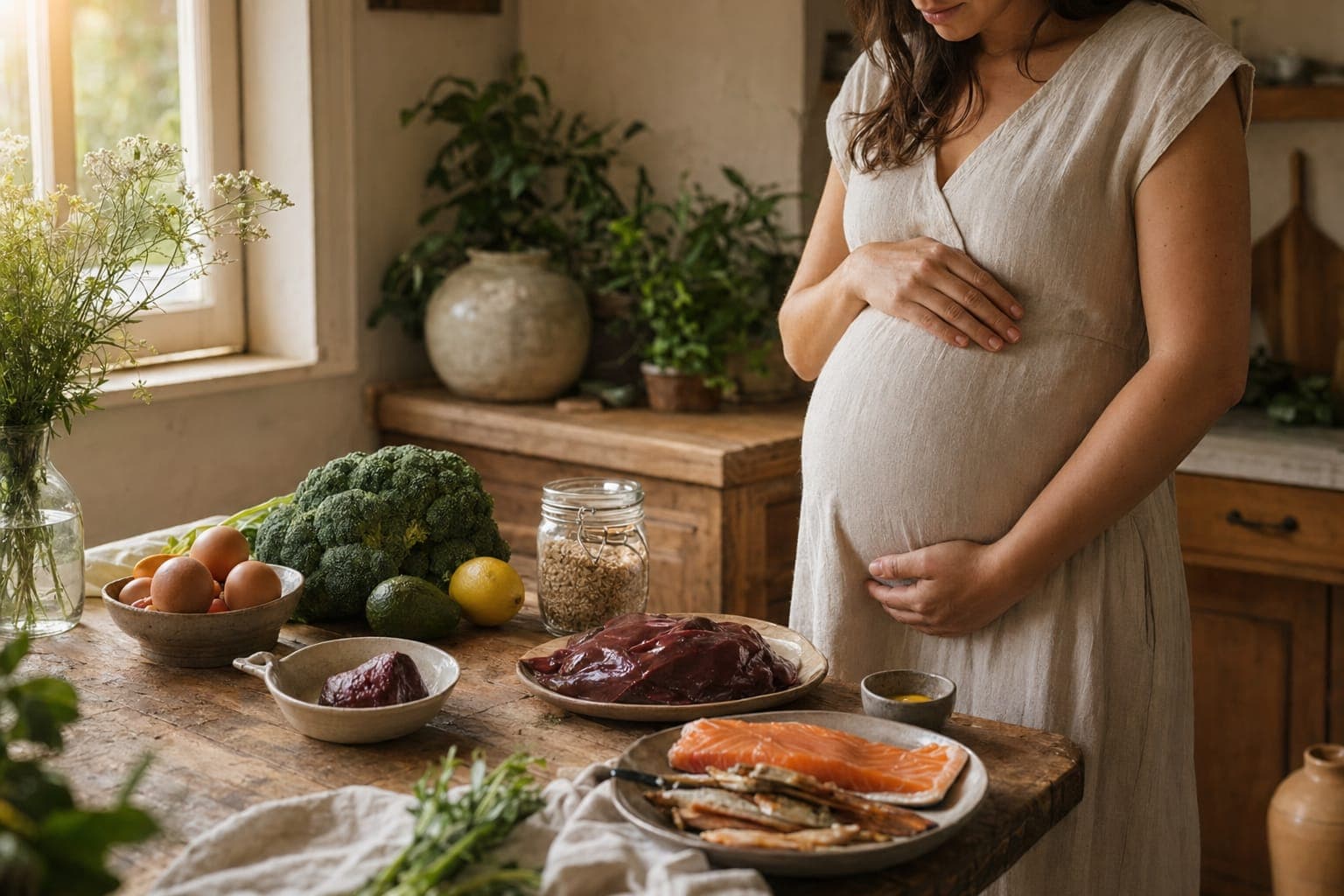
Life stage
Nourishing Pregnancy with Whole Food Nutrition
Discover essential nutrients for pregnancy: fat-soluble vitamins, B12, choline, iron, and DHA. Evidence-based whole food approach for expectant mothers.
Life stage
Why Whole Food Beats Synthetic Sports Nutrition
Isolated supplements lack cofactors real athletes need. Discover why whole food outperforms synthetic sports nutrition for lasting performance.

Life stage
Building Strong Bones in Childhood: Beyond Just Milk
Children's bone health needs vitamin K2, vitamin D, magnesium, and protein. Milk alone is not enough. Sardines, egg yolks, and weight-bearing play matter.
Real food, made effortless
Find my daily blendA few ways to use it
All recipes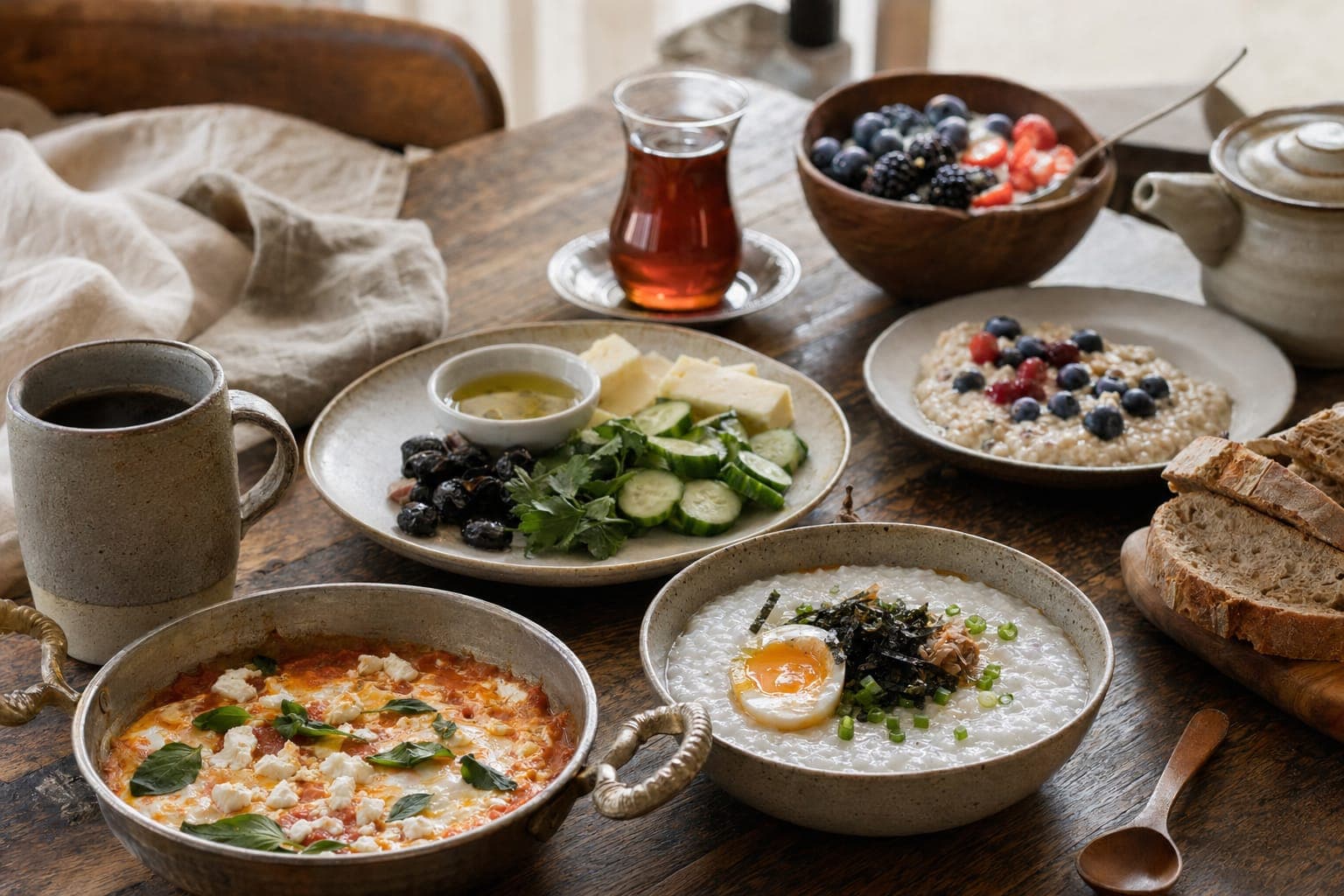
Ancestral Breakfast Ideas from Around the World
Traditional breakfast recipes from cultures that got nutrition right. Japanese, Turkish, Scottish, and more. Whole-food breakfast inspiration.
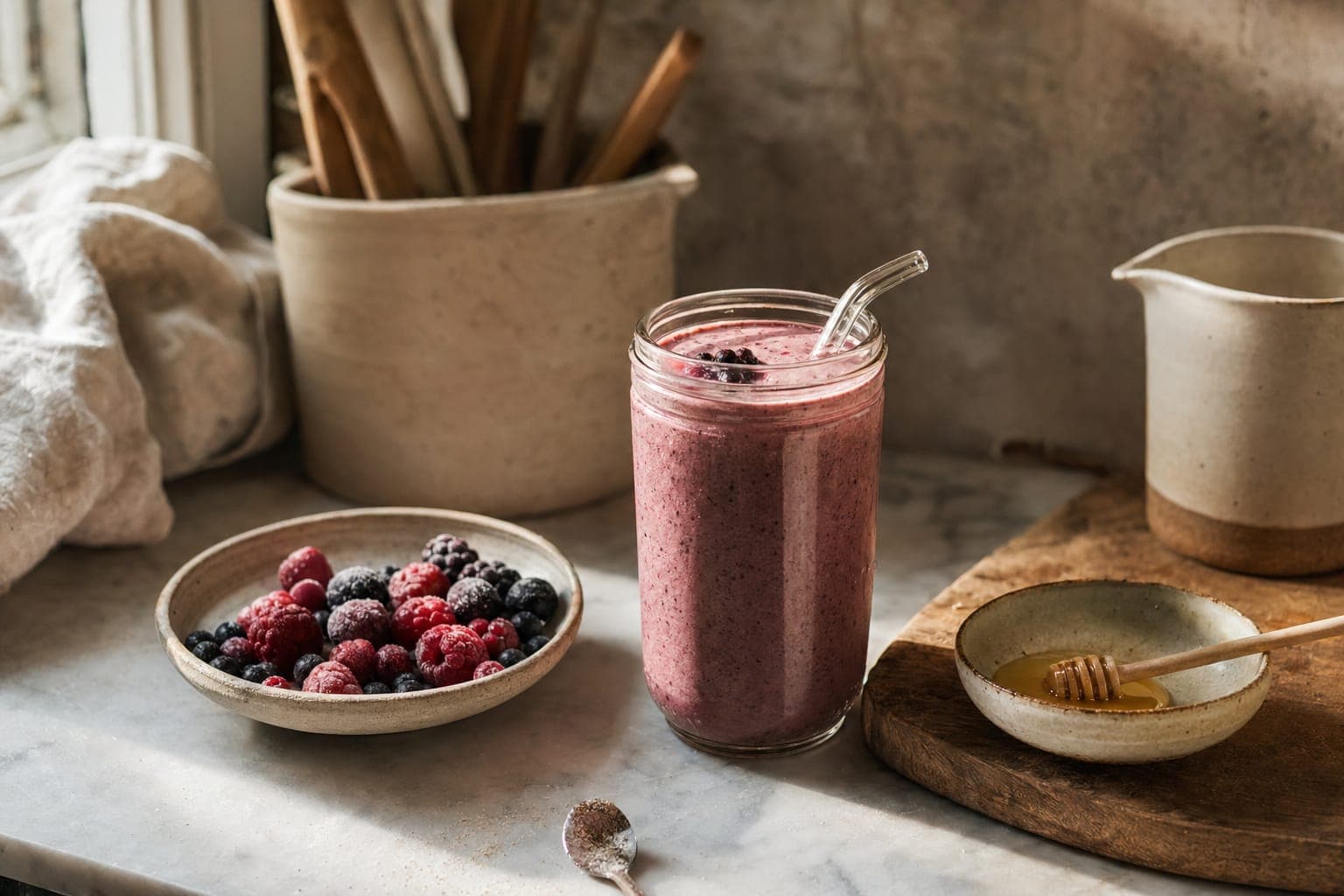
The Organised Recovery Smoothie for After Exercise
A recovery smoothie made with beef protein, raw milk, frozen berries, collagen, and honey. Optimal nutrition in the 30-minute window after exercise.
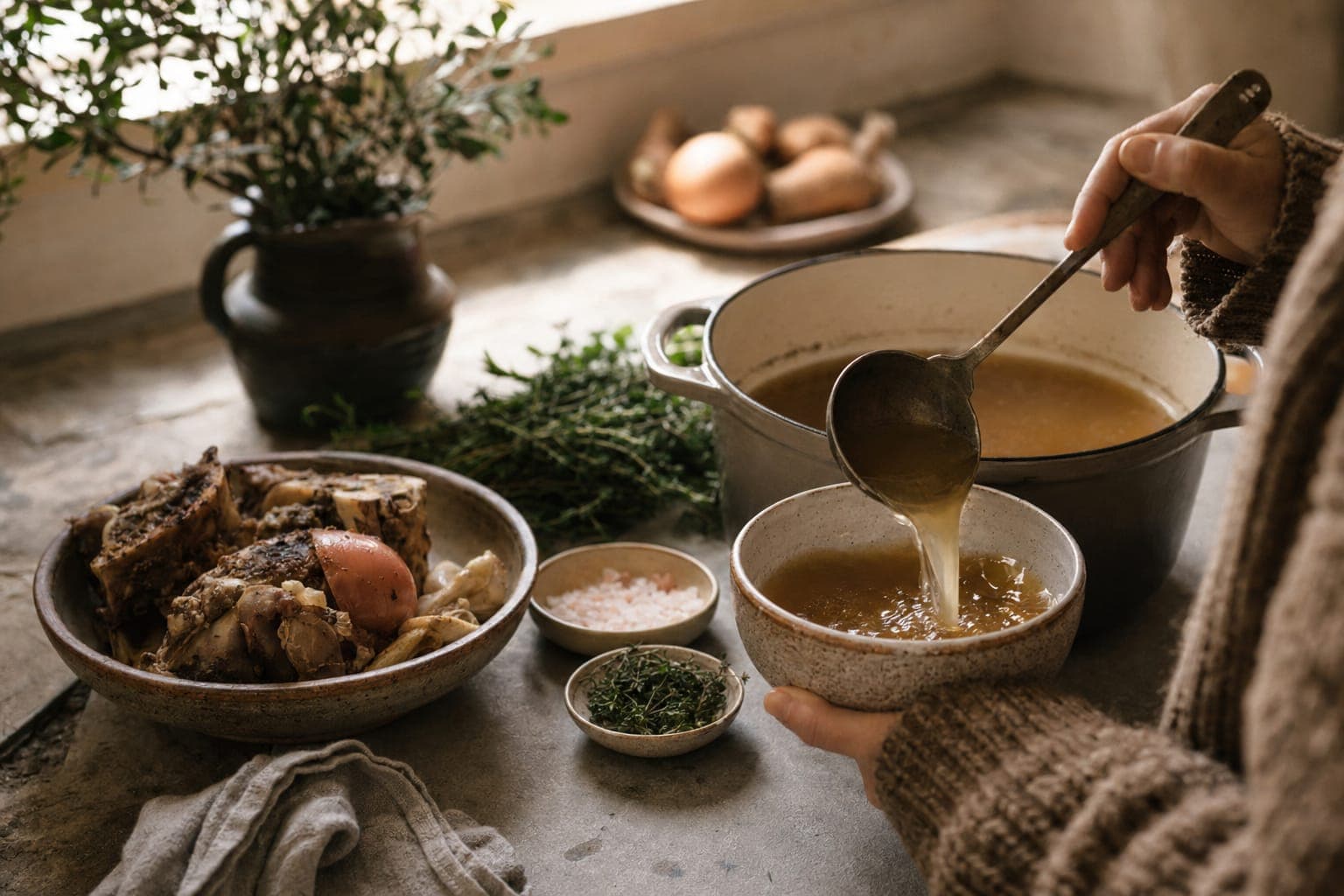
Bone Broth from Scratch: A Step-by-Step Guide
Step-by-step guide to making bone broth at home. Stovetop, slow cooker, and Instant Pot methods. Rich in collagen and gut-healing minerals.


 Join over 100,000+ members
Build a better food system with us
The Organised community is thousands of people choosing real food and backing the farmers who grow it, all of us trying to leave the world a little better than we found it. If that is what you care about too, you belong here.