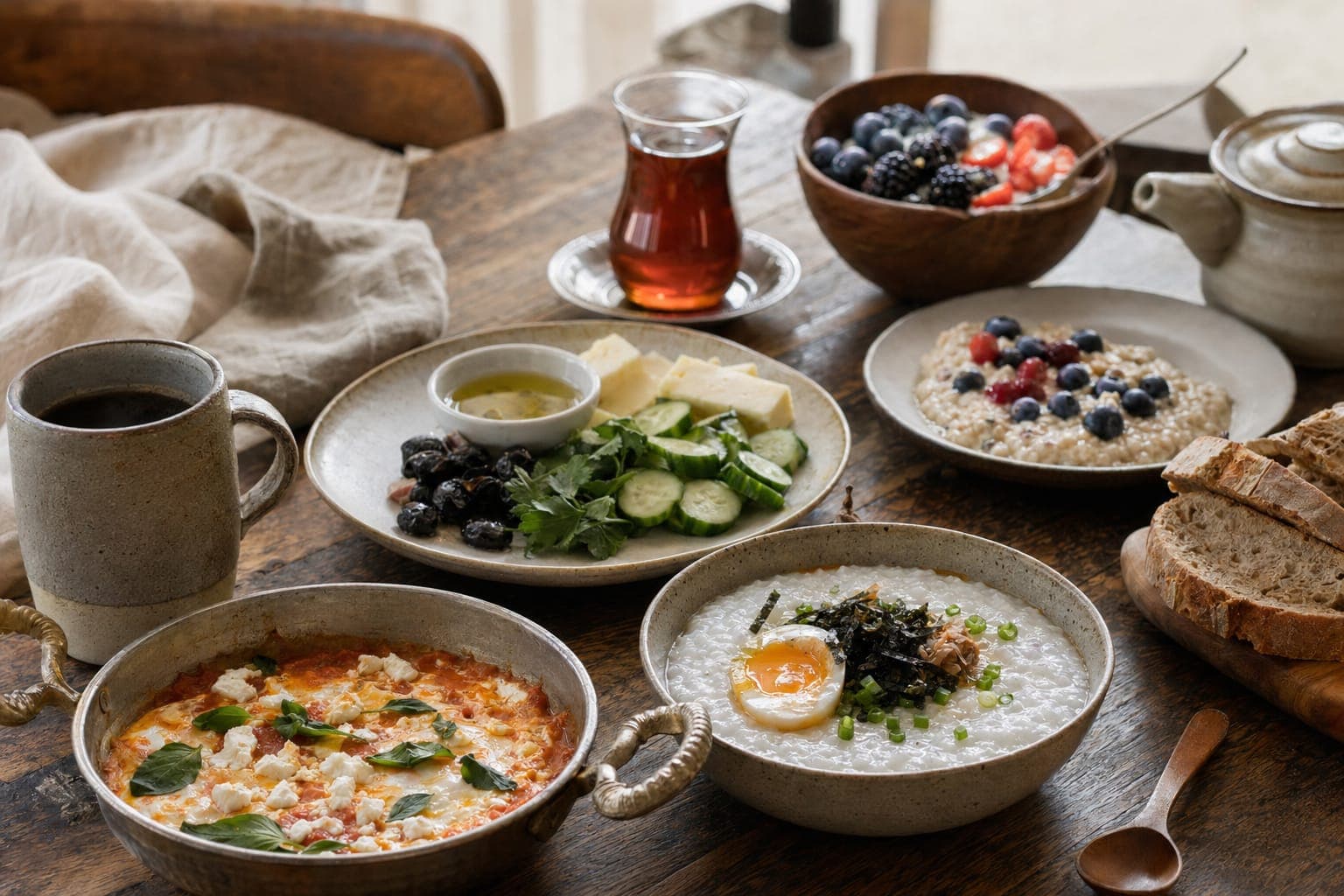
Ancestral Breakfast Ideas from Around the World
Traditional breakfast recipes from cultures that got nutrition right. Japanese, Turkish, Scottish, and more. Whole-food breakfast inspiration.
 Niall Kiddle · Founder, OrganisedReviewed by Pedro Rodrigues6 min read · Updated
Daily blend
Eight real ingredients built around grass-fed beef organs, collagen and colostrum. Nothing synthetic added.
4.9 on Trustpilot · 200,000+ thriving familiesEvery culture that got nutrition right built their breakfast around the same thing: animals, fat, and fermentation. Here's what ancestral breakfast looks like in six parts of the world that have never fallen for the cereal myth.
Why ancestral breakfast matters
Your breakfast sets the tone for your entire day. A carbohydrate-heavy, processed breakfast leaves you dependent on snacking and stimulants. An ancestral breakfast, built around animal foods, fat, and real nutrition, sets you up for stable energy, mental clarity, and satiation until lunch.
But ancestral doesn't mean complicated. Every traditional culture managed breakfast with ingredients they could source locally and cook simply. The patterns are repeating: animal protein, often organ meat, often fermented, always fat. This works because it works. Your body hasn't changed since your ancestors figured this out.
The breakfast that sustained people through a day of physical work wasn't oats and honey. It was liver, fish, eggs, and fat. Never apologise for eating like your grandparents ate.
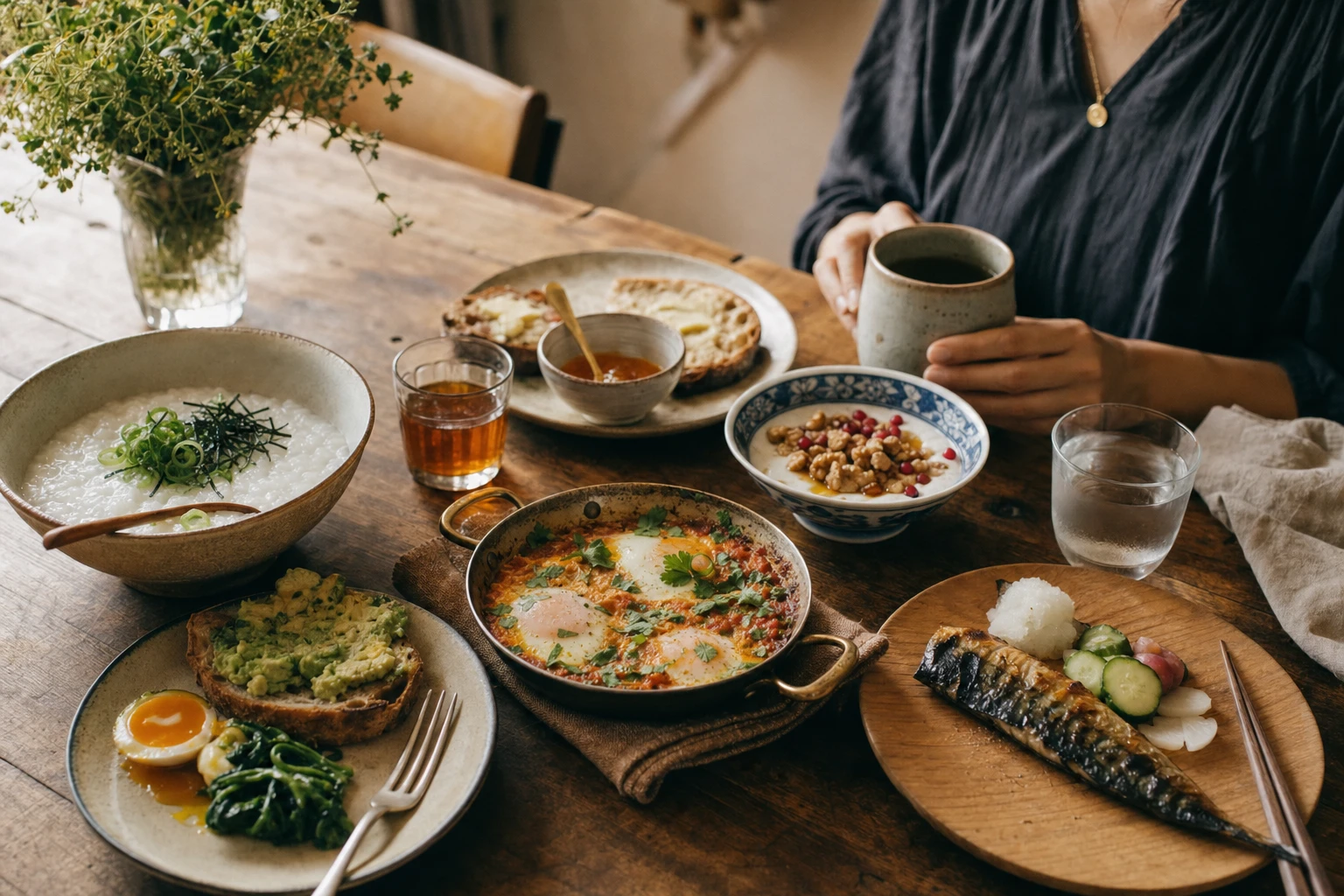
Japan: natto and rice
Japanese breakfast is one of the most nutritionally complete meals ever created. The core is simple: rice, miso soup, pickled vegetables, raw or soft-boiled eggs, and natto (fermented soybeans).
Natto is uncomfortable if you've never had it. It smells strong and has a slimy texture. But this is fermented soybean, which means it's alive. It contains beneficial bacteria and is a notable source of vitamin K2 (menaquinone-7).2 Mixed with rice and a raw egg yolk, it becomes creamy and rich.
The miso soup is a light broth from fermented soybeans, providing probiotics and umami. The pickled vegetables aid digestion. Everything is anti-inflammatory and designed to start the day gently but completely.
If you want to try this: cook short-grain rice, stir a spoonful of natto into it with a raw or soft-boiled egg, add a side of miso soup (make it from good-quality miso paste and dashi stock), and serve with pickled daikon or umeboshi plums.
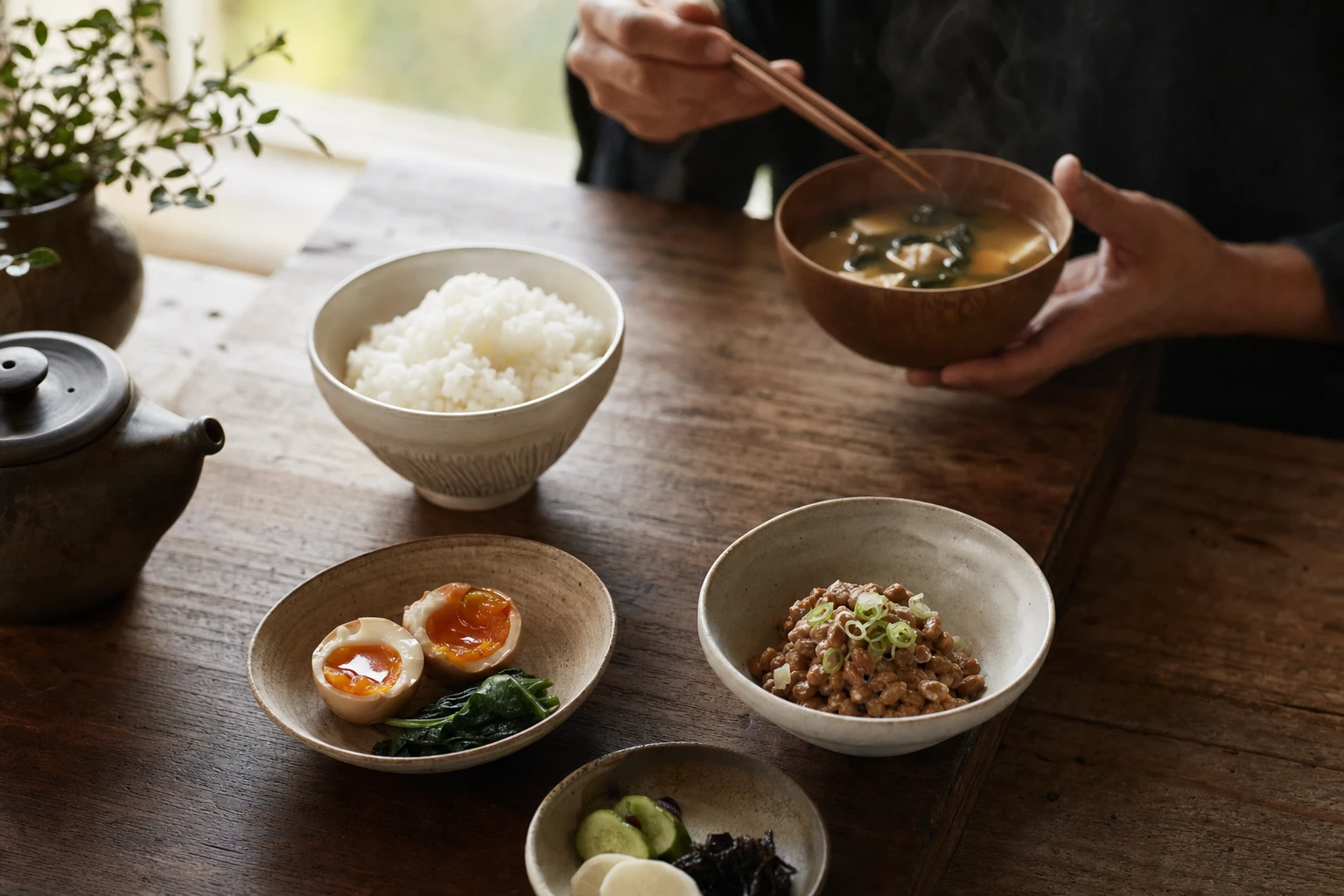
Turkey: menemen and organ
Turkish breakfast, particularly in Istanbul, is meat-based and abundant. Menemen is a scrambled egg dish cooked down with tomatoes, peppers, and sometimes organ meat (traditionally lamb or beef liver).
The liver cooks into the eggs, becoming tender and rich. A tablespoon of liver in menemen provides retinol, B12, and iron that sustains energy for hours. Served with fresh flatbread, soft cheese, raw olives, and strong coffee.
What makes Turkish breakfast work is the complete absence of carbohydrate-heavy items disguised as food. It's protein, fat, and fermented cheese. Nothing processed. Nothing convenient. Nothing that's designed to make you hungry two hours later.
If you want to try this: dice a small piece of fresh liver finely, cook it gently in butter until just firm, then scramble into beaten eggs with diced tomato, pepper, and onion. Finish with a sprinkle of parsley and serve with good cheese and olives.
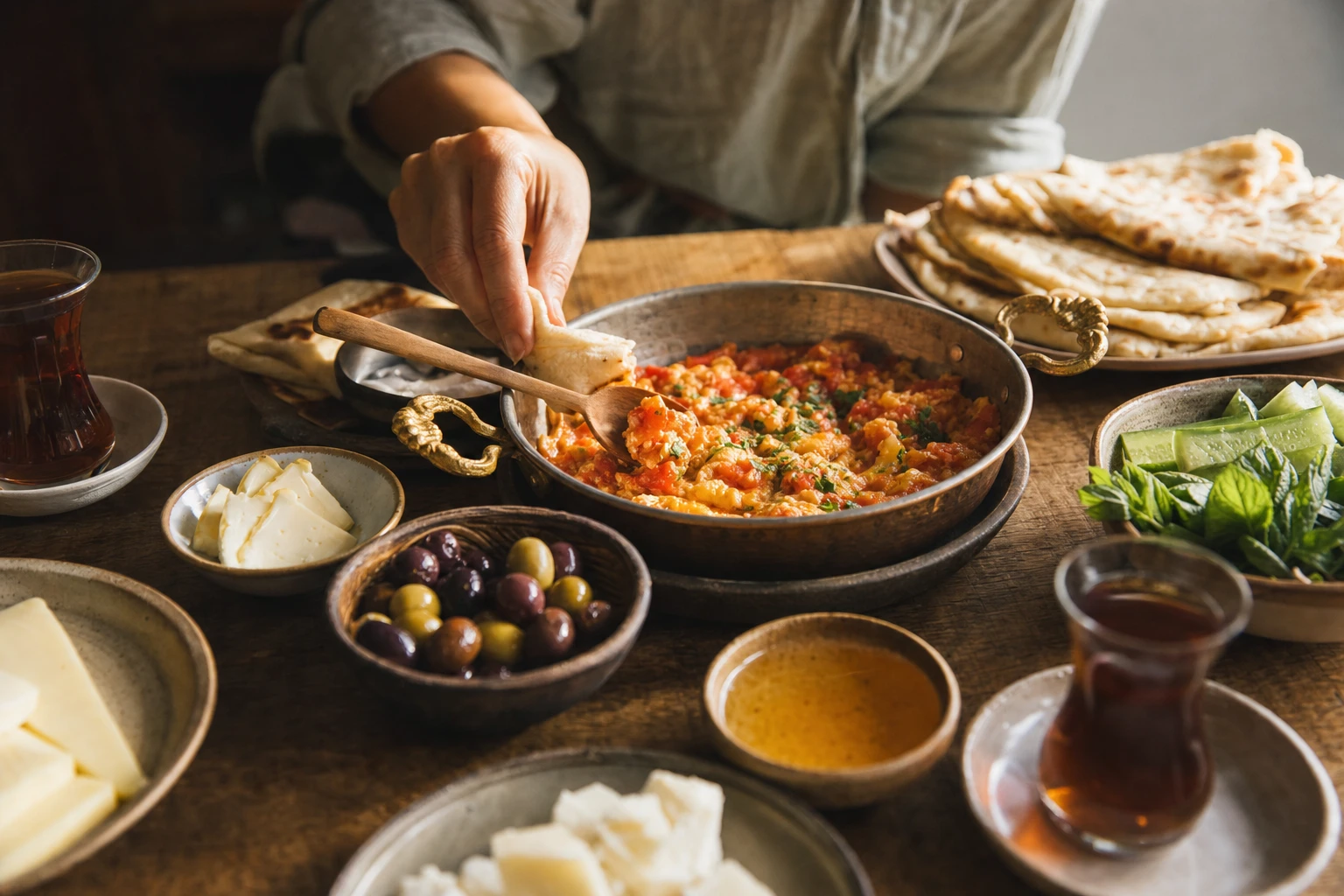
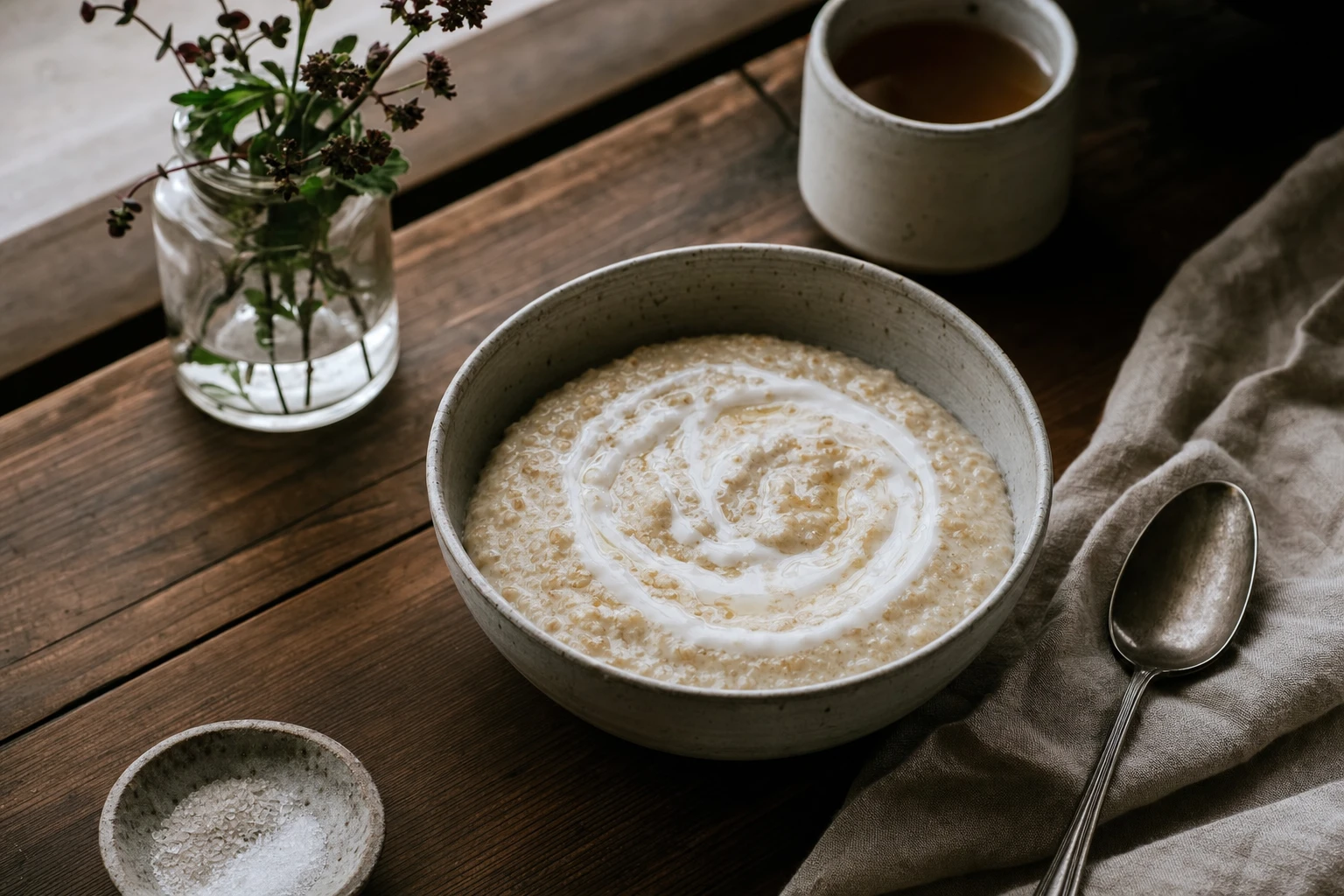
Scotland: porridge and cream
Scottish porridge isn't the instant oat sachets modern marketing has convinced you are porridge. It's slow-cooked oats, traditionally made from oat groats, cooked low and slow until creamy. Served not with sugar and cinnamon, but with a generous dollop of thick cream, perhaps a pinch of salt, and nothing else.
The cream is crucial. Oats are somewhat anti-nutrient (they bind minerals), but fat from cream helps absorption and makes the porridge satisfying. The slow cooking breaks down the anti-nutrients further. Served this way, porridge is legitimate breakfast food.
But the real Scottish breakfast, eaten on working days, was porridge followed by eggs and bacon or fish. The oats alone don't sustain; you need the protein and fat to follow.
If you want to try this: cook steel-cut oats (soak them first if you have time) with water and salt for 30 to 45 minutes on a very low hob, stirring occasionally. Serve in a bowl with a generous pour of double cream and nothing else. Then eat eggs or fish.
Argentina: offal and eggs
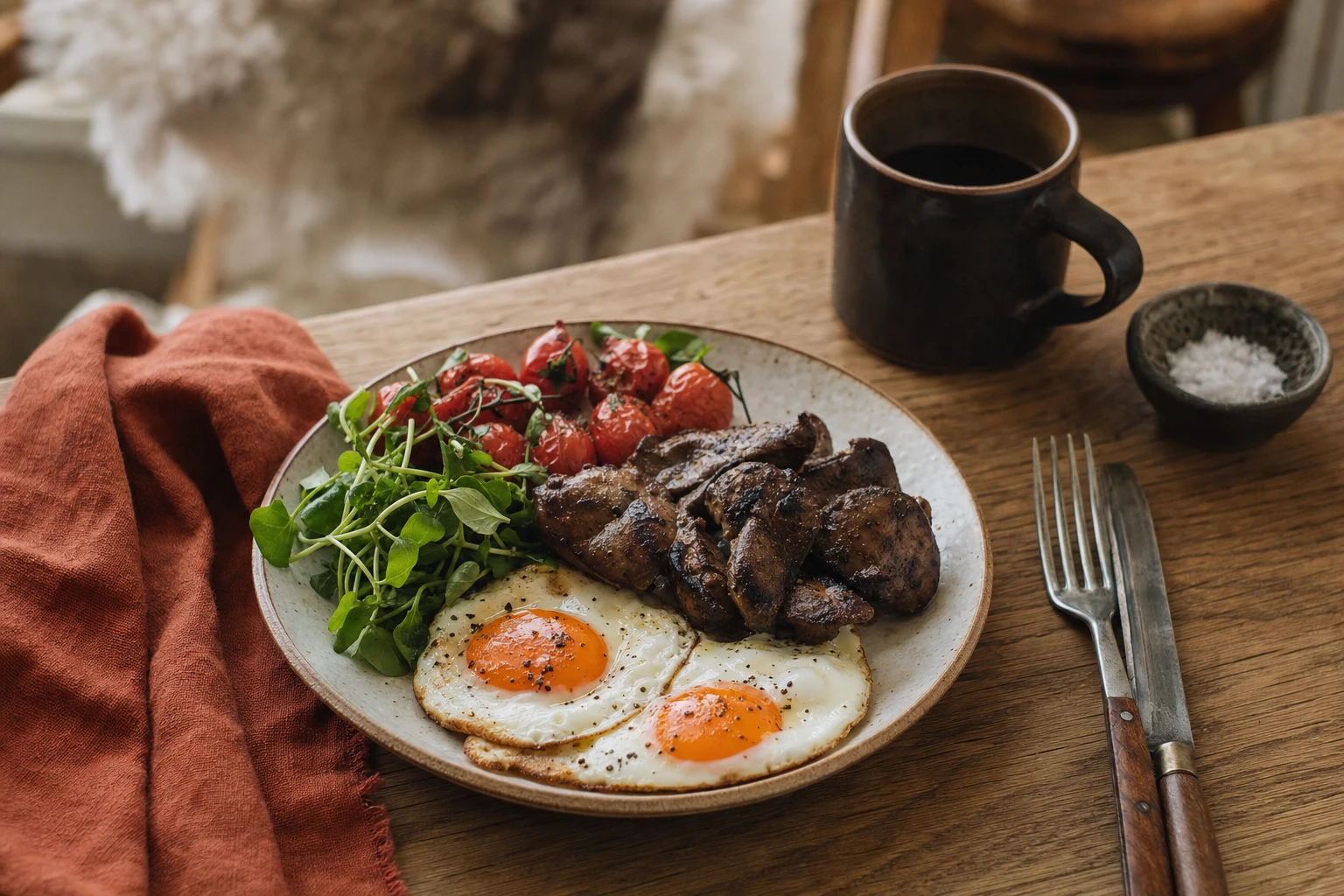
Argentine breakfast, particularly in rural areas, centres on asado: grilled meat. But in the morning, it's often offal. Grilled kidneys, liver, or sweetbread (thymus gland) with eggs, cooked over charcoal.
The offal is tender when cooked properly, rich in minerals and organ-specific nutrients. Paired with eggs from pastured chickens, it's a breakfast that contains every nutrient human nutrition science has identified as important.
This is not dainty food. It's ancestral, functional, and delicious when the ingredients are good. The key is finding a butcher who can provide quality offal and teaching yourself to cook it properly.
If you want to try this: ask your butcher for free-range or grass-fed kidneys or liver, slice thinly, season with salt and pepper, and grill or fry quickly in butter. Serve with fried or poached eggs and fresh greens.
Get recipes and routines, free
Two short reads a week of simple, nutrient-dense recipes and daily routines.
Unsubscribe anytime.
Scandinavia: smoked fish and dairy
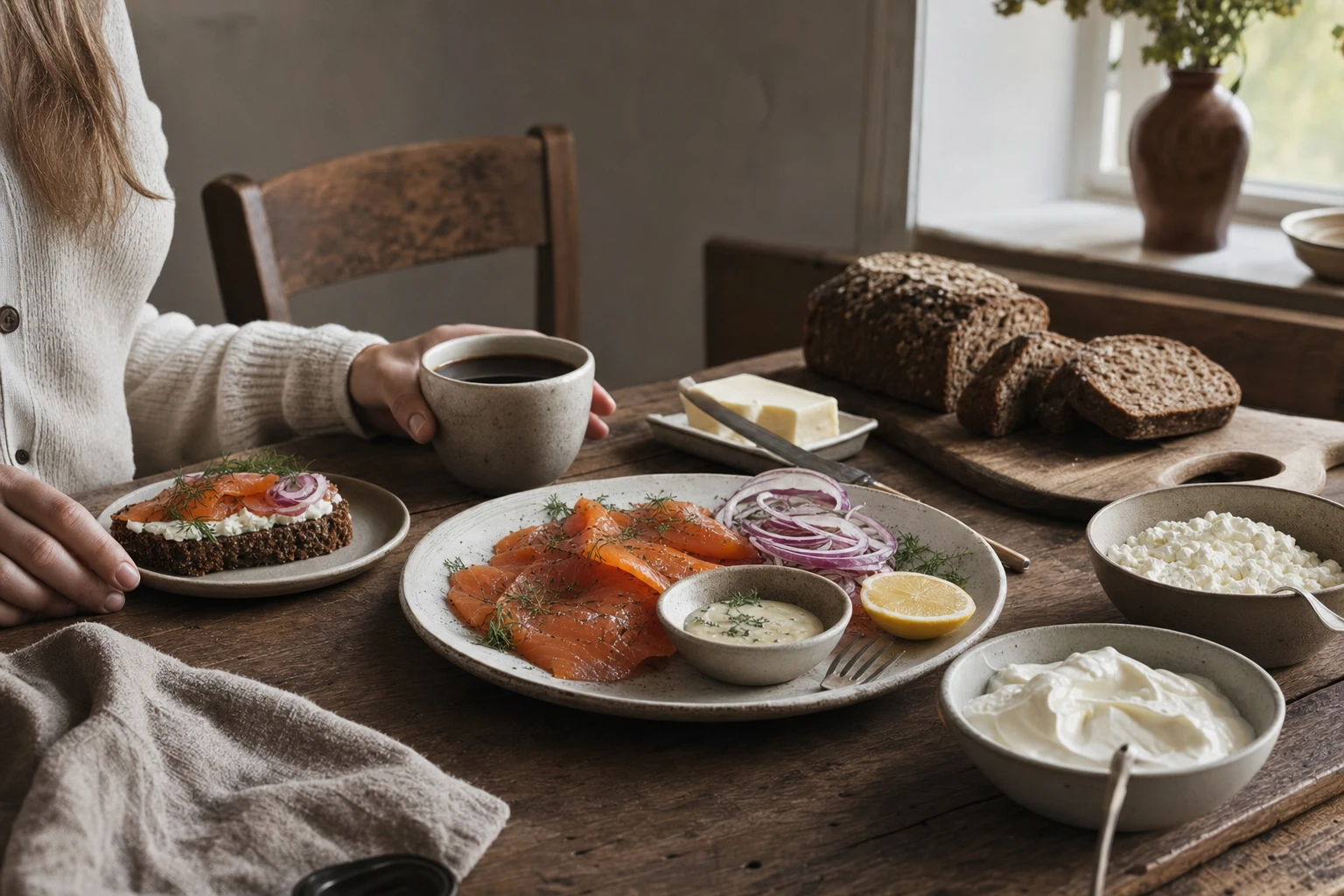
Scandinavian breakfast features heavily smoked and cured fish: gravlax, smoked salmon, or herring. Served with rye bread, soft cheese, and often raw egg yolks or poached eggs.
Smoked fish provides omega-3s, selenium, and B vitamins.1 The curing process (fermentation, salt) aids digestion. Rye bread, though bread, is slow-digesting and less inflammatory than wheat. Raw dairy cheese and eggs provide fat-soluble vitamins.
It's a breakfast built around nutrient density and long-chain satiation. Eating this way, you don't think about food again until genuine hunger arrives.
If you want to try this: slice good smoked salmon, layer with rye bread, add a dollop of sour cream or cream cheese, top with a raw egg yolk (from a trusted source), and finish with dill and capers.
Every ancestral breakfast is built from the same foundation: animal protein, fat, and the absence of refined carbohydrates. The variations are cultural and geographic, but the principle never changes.
Building your own ancestral breakfast
You don't need to adopt a complete cultural breakfast wholesale. But you can steal the principles. Pick a protein source (liver, fish, eggs, meat). Pick a fat source (butter, cream, olive oil, bone marrow). Pick a vegetable or fermented food if you want. Cook it simply. Eat it. This is legitimate breakfast.
The fastest way to build this: soft-boiled eggs from good hens, buttered toast (or no toast), fermented vegetables on the side. Takes 10 minutes, covers every nutritional base. This meal contains protein, fat, minerals, and enzymes. Your body recognises it as real food.
The next level: add a small portion of liver or kidney. Cook it before the eggs. Finish with fresh herbs and lemon. This brings organ nutrition into your morning without requiring you to learn a new cuisine.
If you want more carbohydrate: add rye bread, sourdough, or properly-cooked oats with cream. But build the breakfast around the animal foods first. The carbohydrate is support, not the base. This distinction matters for blood sugar stability.
The breakfast experiment
Try eating ancestral breakfast for one week. Track how you feel, your energy at 10 AM, your hunger patterns, your afternoon mental clarity, your sleep quality. Then switch back to your usual breakfast for a week and notice the difference. Most people report that ancestral breakfast leaves them full longer, sharper mentally, and without afternoon energy crashes.
The bottom line
Ancestral breakfast isn't exotic or difficult. Every traditional culture that survived and thrived built breakfast around animal foods and fat. You can eat exactly like your ancestors ate, with ingredients from your local supermarket or butcher.
The only thing you need to forget is the idea that breakfast should be cereal or toast. Everything else is just food.
References
Every source below was checked on 27 August 2026. Each PubMed, PMC and DOI identifier was resolved against NCBI or Crossref, and what it opens is printed under the citation, so you can see the link goes where the citation says without leaving the page. Where a citation and its identifier disagreed, the citation was corrected to the record or the reference was deleted along with the sentence marker that pointed at it, and where the resolved paper turned out not to support the sentence, the sentence was cut back to what it does support. Borrowed authority is worse than none, because it looks like rigour.
- National Institutes of Health, Office of Dietary Supplements. Omega-3 Fatty Acids (Health Professional Fact Sheet). https://ods.od.nih.gov/factsheets/Omega3FattyAcids-HealthProfessional/ [accessed May 2026].
- Schurgers LJ, Vermeer C. Determination of phylloquinone and menaquinones in food. Effect of food matrix on circulating vitamin K concentrations. Haemostasis. https://pubmed.ncbi.nlm.nih.gov/11356998/ [accessed May 2026].Checked 27 August 2026: PMID 11356998 opens Schurgers LJ, Vermeer C, Determination of phylloquinone and menaquinones in food. Effect of food matrix on circulating vitamin K concentrations. Haemostasis 2000;30(6):298-307.
Who wrote and reviewed this guide
Niall Kiddle
Author · Founder, Organised
Niall is the founder of Organised. He started the company in 2024 after fixing his own health the slow way: in 2022 he swapped a cupboard of synthetic supplements for real food, raw milk, organ meats, bone broth and honey, and felt the difference within months.
Areas of expertise: Ancestral nutrition, Organ meats, Whole-food supplementation, Gut health, Regenerative sourcing
Read Niall's full profile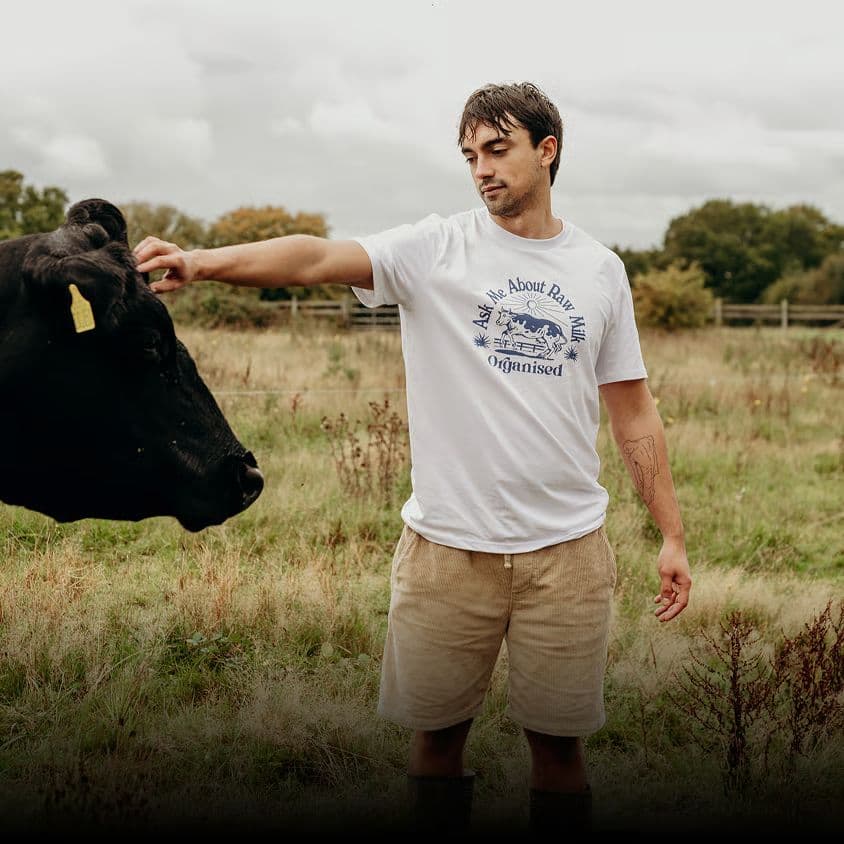
Pedro Rodrigues
Reviewer · Agronomist (farming and sourcing only)
Pedro is the agronomist Organised works with on farming and sourcing. His job on the guides is to keep the science honest: he reviews what we publish about soil health, regenerative agriculture, grazing and the way food is actually produced.
Areas of expertise: Regenerative agriculture, Agronomy, Soil health, Grass-fed farming, Food sourcing
Reviewed this guide on
Read Pedro's full profilePublished · Updated
2 cited sourcesMakers of the Organised Daily blend, a grass-fed beef organ supplement from regenerative UK farms

Daily blend
Read next
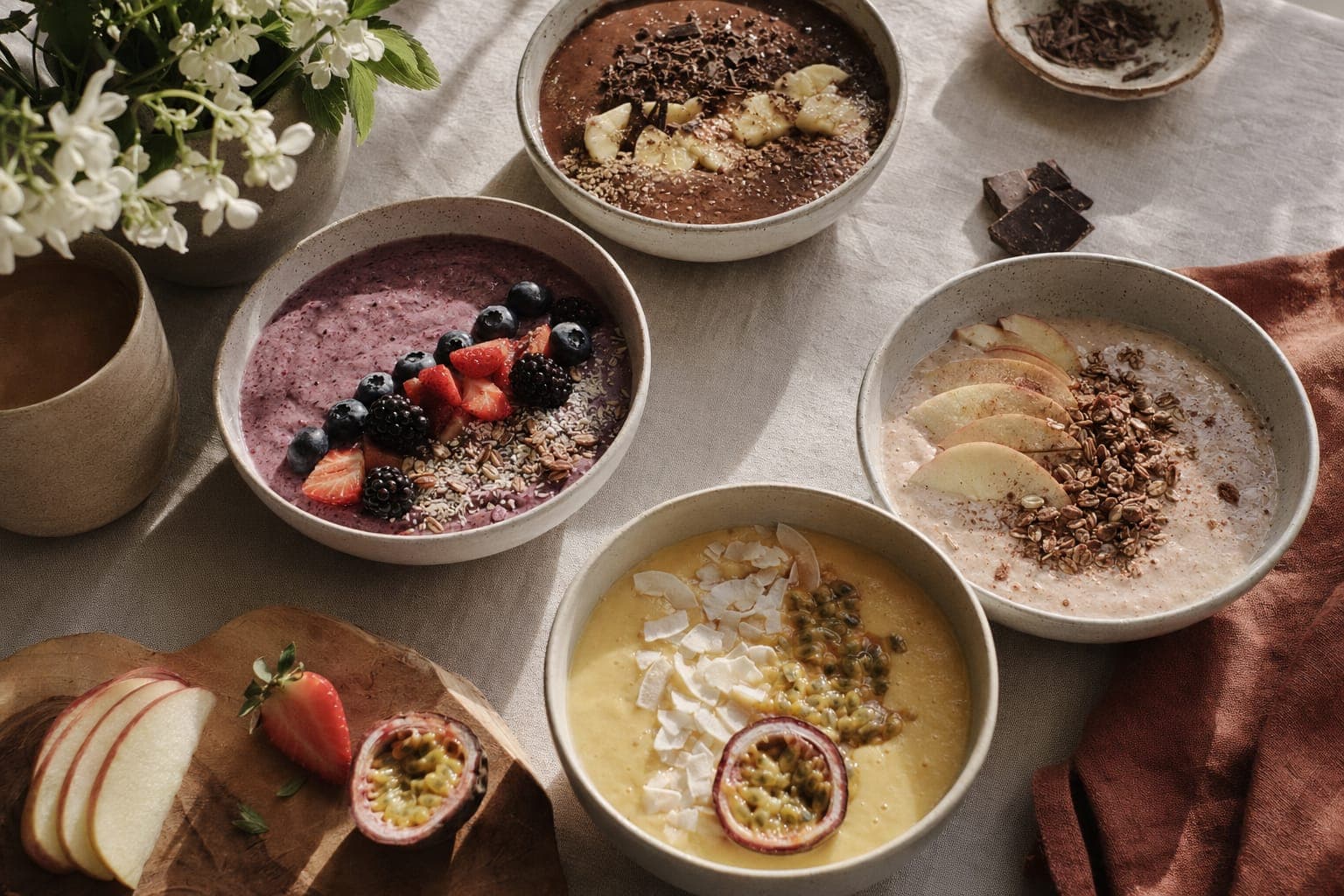
Organised Smoothie Bowl Recipes for Every Season
Recipes & routinesFour seasonal smoothie bowl recipes using Organised. Berry in summer, apple-cinnamon in autumn, tropical in spring, warming chocolate in winter.
Whole Food Snacks for Busy Days
Recipes & routines
The Perfect Organised Morning Shake: Our Favourite Recipe
Recipes & routines