Can You Cook with Organised?
The question comes up regularly: if I heat Organised, do I destroy the nutrients? The answer is more nuanced than yes or no. Some components are genuinely heat-stable. Others are fragile. Here's what actually happens.
By Niall Kiddle, Founder, Organised

Reviewed by Pedro Rodrigues, Agronomist (farming and sourcing only) ·
4 min read · Published · Updated · 1 cited source
Makers of the Organised Daily blend, a grass-fed beef organ supplement from regenerative UK farms
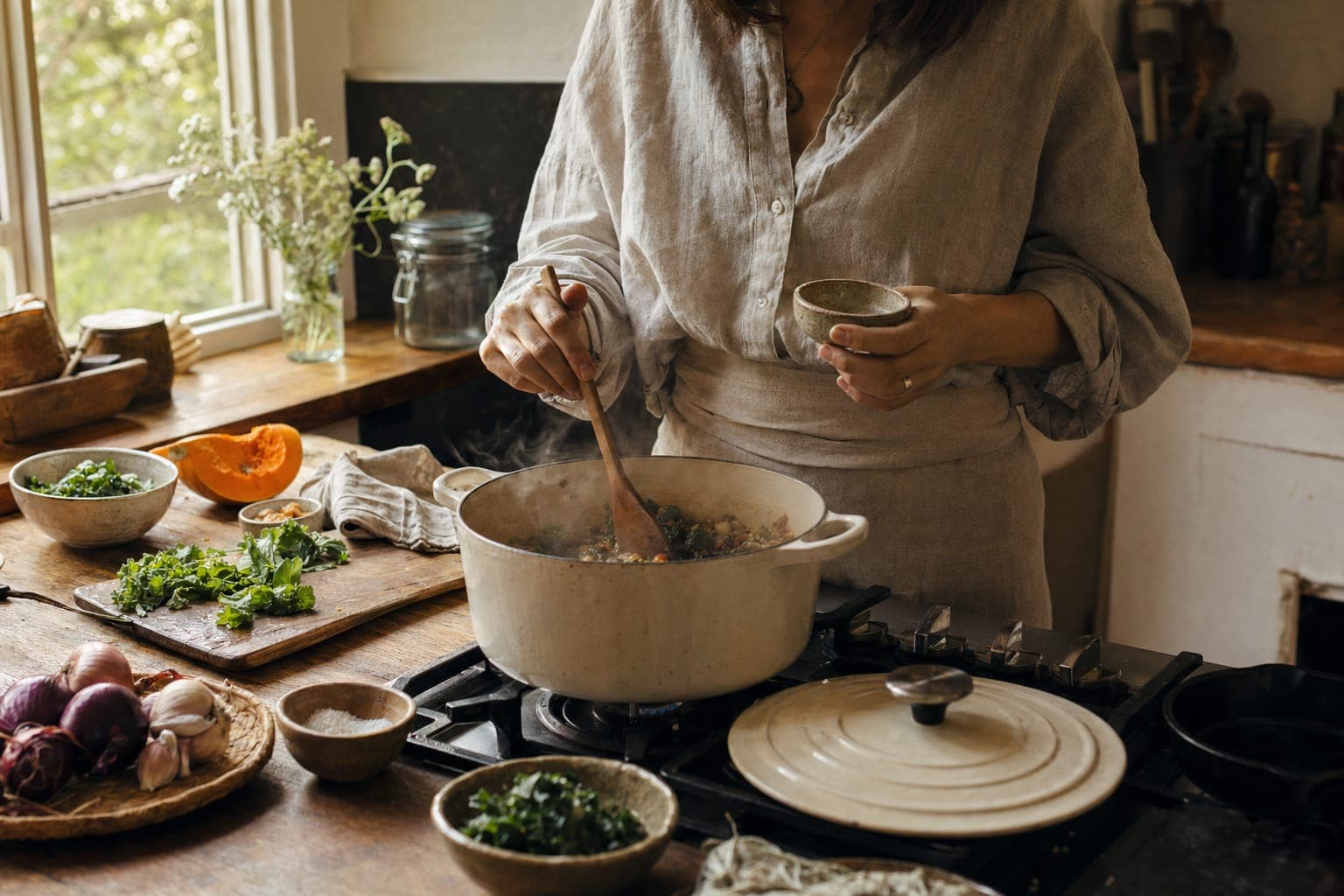
It's a legitimate question. Most protein powders are synthetic, designed in labs, and their heat stability is unpredictable. Organised is whole food derived. Different whole foods have different responses to temperature. The answer requires understanding what's actually in the product and how each component behaves when heated.
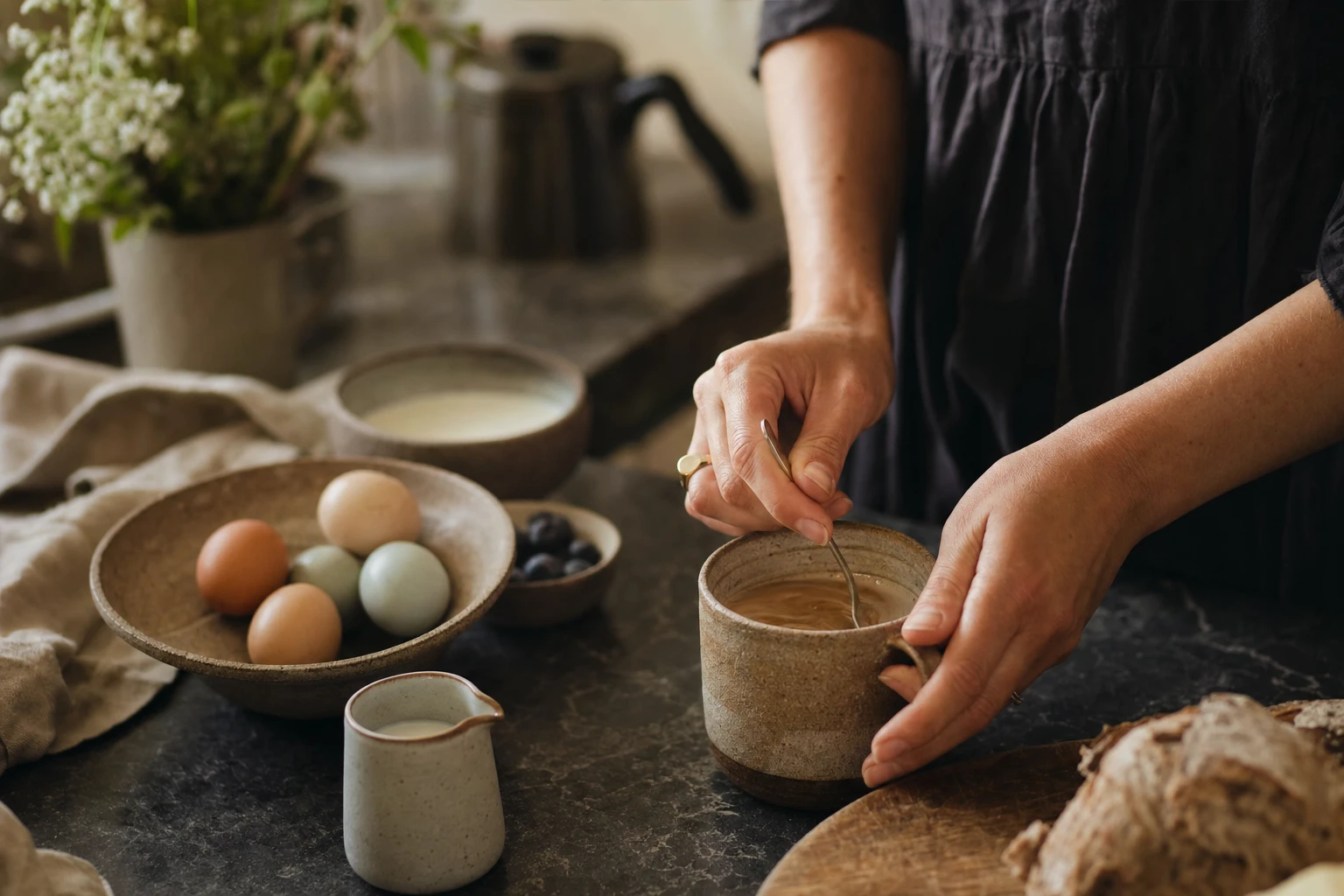
Which nutrients survive heat
Collagen denatures into gelatin at typical cooking temperatures, but its constituent amino acids are heat-stable and remain bioavailable.1 You can add Organised to soups, stews, sauces, and warm drinks without concern. The collagen will remain intact and functional, continuing to support your gut lining and joints.
The amino acids in collagen (particularly glycine, proline, and hydroxyproline) are also heat-stable. These amino acids are the primary reason people consume collagen in the first place. Heat doesn't damage them. They persist through cooking.
The minerals and trace elements in Organised are inherently stable. Minerals are inorganic elements; they do not break down at cooking temperatures, though chemical form may change.1
The collagen and minerals in Organised are as stable at 90C as they are at room temperature. You're not losing the primary nutritional benefit by adding Organised to warm food.
Which nutrients don't
Not everything in the blend is quite as robust as collagen. Colostrum is the delicate one: its immune proteins are more heat-sensitive than collagen, and some B vitamins fade with long, hard cooking. This is why our one piece of hot drink advice is simple: let the drink cool a little before you stir Organised in.
None of this makes cooked Organised pointless. The protein, collagen, amino acids and minerals, which are most of what you're taking it for, come through cooking intact. You're trimming the edges, not losing the middle.
How heat changes the texture
When you add Organised to a liquid and heat it, the collagen absorbs the liquid, swelling slightly. In a cold liquid, Organised mixes cleanly. In a warm liquid, it can clump if you're not careful. This is purely textural; it doesn't indicate nutrient loss.
To avoid clumping: mix Organised into a small amount of cold liquid first, creating a smooth paste, then add that paste to your warm food. Alternatively, whisk it into warm liquid very gradually, whisking constantly, rather than adding it all at once.
Once Organised is fully hydrated, heating doesn't change its texture further. A warm soup with Organised added tastes and feels the same as cold porridge with Organised added. The texture comes from the liquid, not from the heating process.
What temperature matters
Below 45C: everything is fully preserved. This is the zone our hot drink advice aims for: let the coffee, tea or broth cool a little, then stir it in.
45 to 70C: protein, collagen, amino acids, and minerals are intact; the more delicate colostrum proteins start to suffer towards the top of the range. Sauces, soups, and warm porridge sit in this zone. The vast majority of the nutritional benefit remains.
Above 70C: collagen is still fully intact. Amino acids remain. This is boiling and high-heat cooking. The most delicate fractions are lost, but the protein, collagen, and minerals are still working.
Think of Organised as protein, collagen, and minerals first, delicate extras second. If you cook with it, you're keeping the primary benefit and trimming the secondary. That's a reasonable trade.
Get recipes and routines, free
Two short reads a week of simple, nutrient-dense recipes and daily routines.
By signing up you agree to receive emails from us. No spam, unsubscribe anytime.
Practical applications
Warm coffee or tea: let the drink cool a little, then add a serving of Organised and stir. At around 60 to 65C, warm but not scalding, it dissolves smoothly and the collagen and amino acids are fully available.
Soups and stews: add Organised in the last minute of cooking, or after the pot comes off the heat. Stir well. The warmth thins it slightly without significant nutrient loss, and adding it late is kinder to the more delicate components.
Baked goods: adding Organised to batters or doughs is fine. Baking temperatures (180C and above) are the harshest treatment, but collagen remains intact. The baked product will still carry the protein, amino acids, and minerals from Organised.
Porridge and warm cereals: stir Organised into warm (not boiling) porridge just before eating. The temperature is usually around 50 to 60C, warm enough to dissolve Organised smoothly, cool enough to be kind to the more delicate components.
Sauces and gravies: add Organised after the sauce comes off the heat, or keep the temperature below 70C during cooking. Sauces made with bone broth are particularly good; you're doubling down on collagen and amino acids.


1 of 9
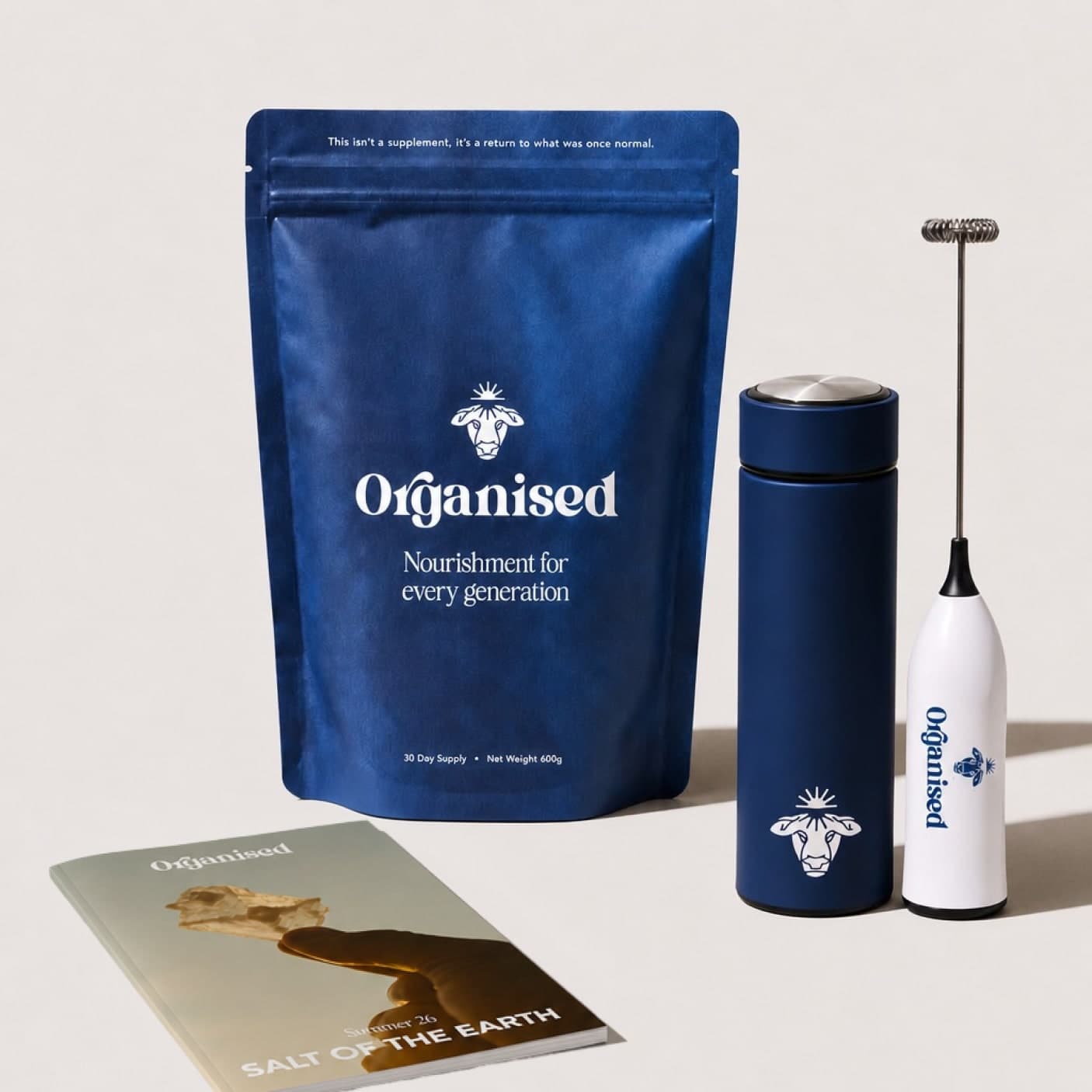
Daily blend
100,000+ thriving families4.9 on Trustpilot
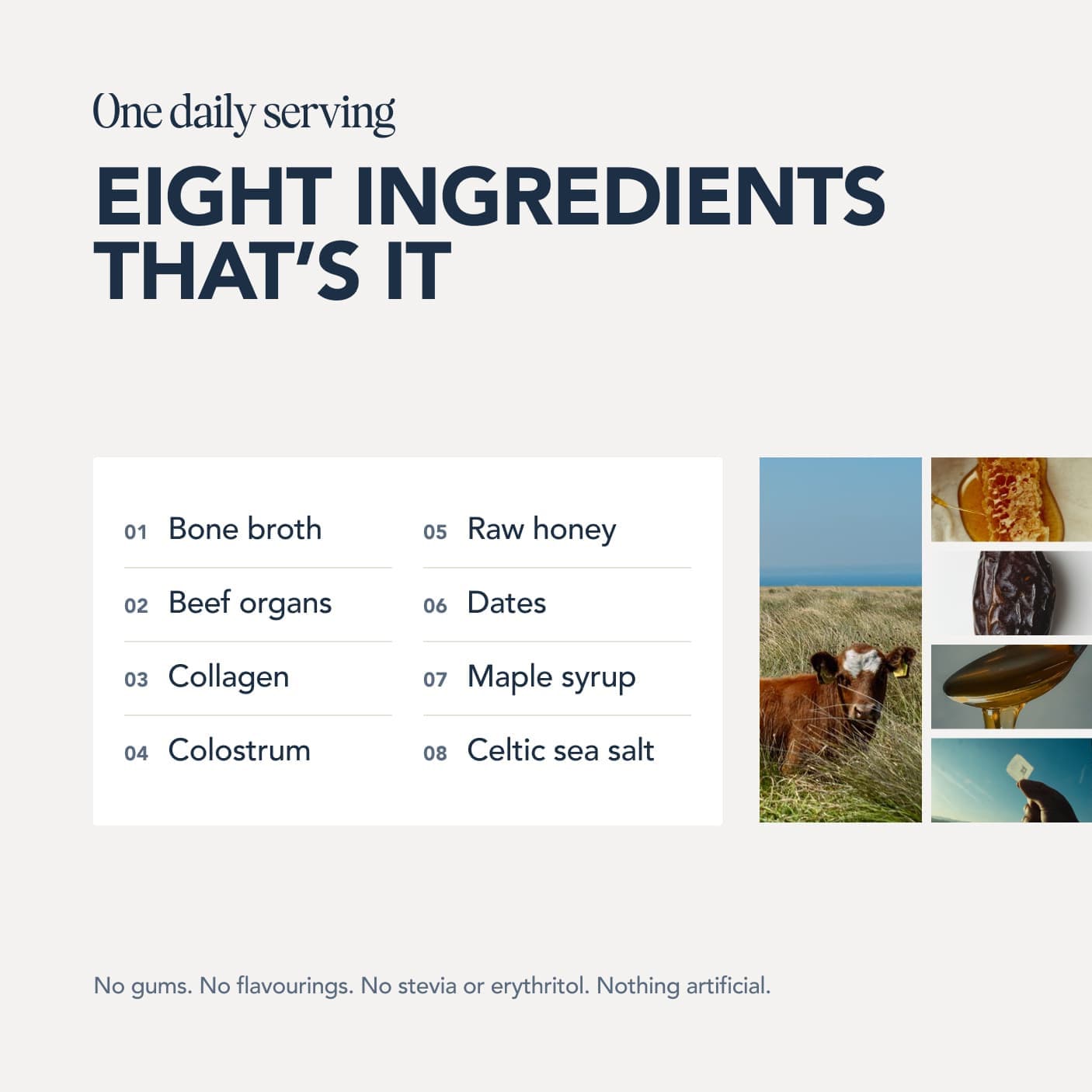
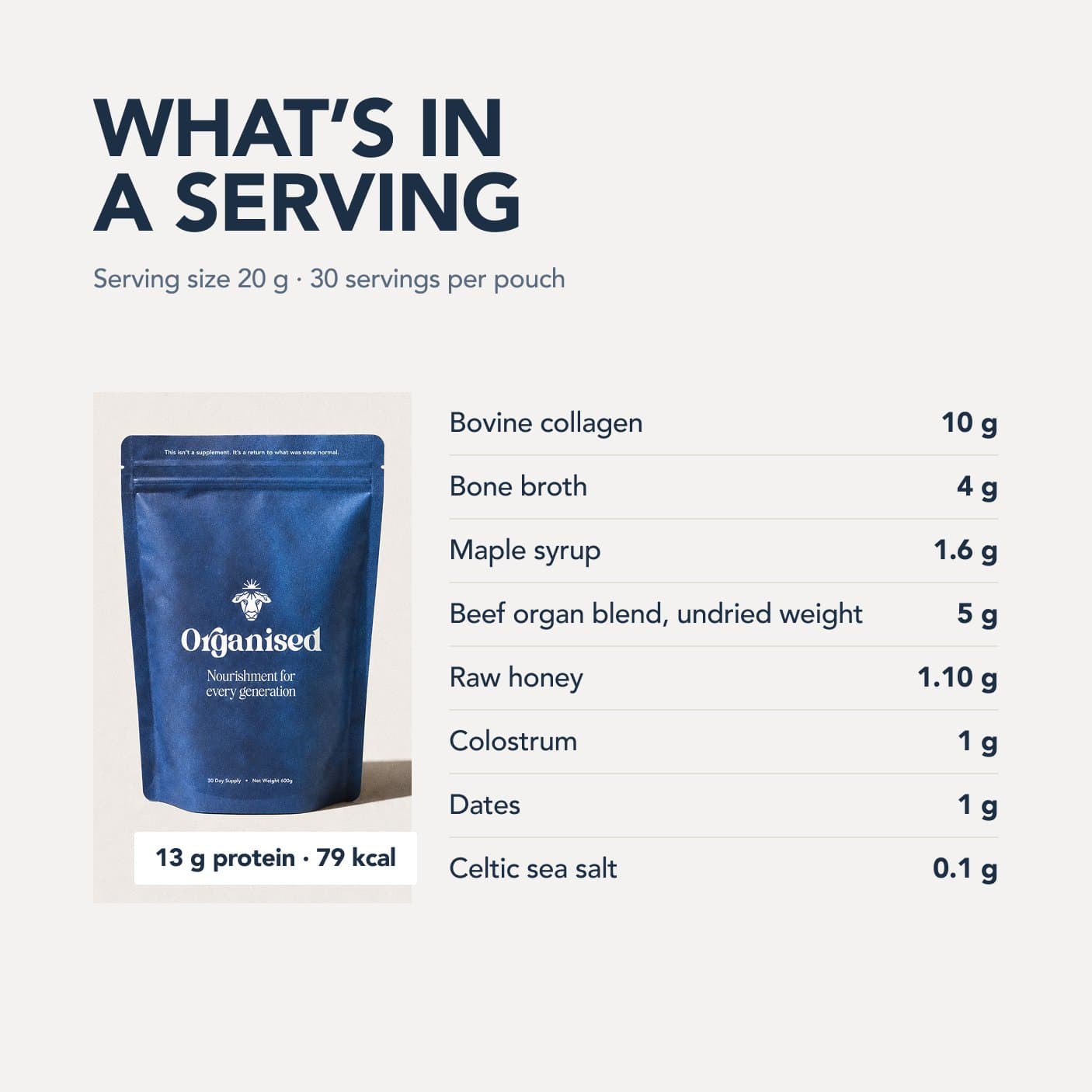
Eight real ingredients built around grass-fed beef organs, collagen and colostrum. Nothing synthetic added.
Free with your first order, worth £38. Plus £10 off the pouch with a subscription.


Free UK shipping · Made in England · 100 day money back guarantee on your first pouch · Skip, pause or cancel anytime
The takeaway
You absolutely can cook with Organised. The collagen is robust. The amino acids are stable. The minerals don't break down. The primary nutritional benefit persists through heating.
High heat costs you only the most delicate fractions, which is why the advice for hot drinks is to let them cool a little first. The collagen and amino acids are what matter most for joint health, gut integrity, and sustained satiety, and they come through cooking intact.
Use Organised cold or gently warmed when you want every last fraction. Cook it into meals when you want simplicity and convenience. Both approaches deliver the nutrition you're buying it for. The collagen is doing its work either way.
References
Every source below was checked on 27 August 2026. Each PubMed, PMC and DOI identifier was resolved against NCBI or Crossref, and what it opens is printed under the citation, so you can see the link goes where the citation says without leaving the page. Where a citation and its identifier disagreed, the citation was corrected to the record or the reference was deleted along with the sentence marker that pointed at it, and where the resolved paper turned out not to support the sentence, the sentence was cut back to what it does support. Borrowed authority is worse than none, because it looks like rigour.
- Bingham SA. The fibre-folate debate in colo-rectal cancer (and a guide to nutrient stability under cooking). Proc Nutr Soc. 2006;65(1):19-23. PMID: 16441940.Checked 27 August 2026: PMID 16441940 opens Bingham S, The fibre-folate debate in colo-rectal cancer. Proc Nutr Soc 2006;65(1):19-23. PubMed indexes it as: Review.
Who wrote and reviewed this guide
Niall Kiddle
Author · Founder, Organised
Niall is the founder of Organised. He started the company in 2024 after fixing his own health the slow way: in 2022 he swapped a cupboard of synthetic supplements for real food, raw milk, organ meats, bone broth and honey, and felt the difference within months.
Areas of expertise: Ancestral nutrition, Organ meats, Whole-food supplementation, Gut health, Regenerative sourcing
Read Niall's full profile
Pedro Rodrigues
Reviewer · Agronomist (farming and sourcing only)
Pedro is the agronomist Organised works with on farming and sourcing. His job on the guides is to keep the science honest: he reviews what we publish about soil health, regenerative agriculture, grazing and the way food is actually produced.
Areas of expertise: Regenerative agriculture, Agronomy, Soil health, Grass-fed farming, Food sourcing
Reviewed this guide on
Read Pedro's full profileMore on guides
View all- How to Start Taking Organised: A Beginner's Guide
- Can I Take Organised While Fasting?
- How Much Organised Should I Take Per Day?
- How to Mix Organised with Cold Water (And Make It Taste Great)
- Organised and Raw Milk: The Perfect Pairing
- Organised FAQ: Every Question Answered
- The Best Time of Day to Take Organised
- The Complete Guide to Mixing Organised into Anything
- The Organised Stacking Guide: Adding Real Food to Your Routine
- What to Expect in Your First 30 Days Taking Organised
Browse the guides library
All guidesKeep reading
Recipes & routines
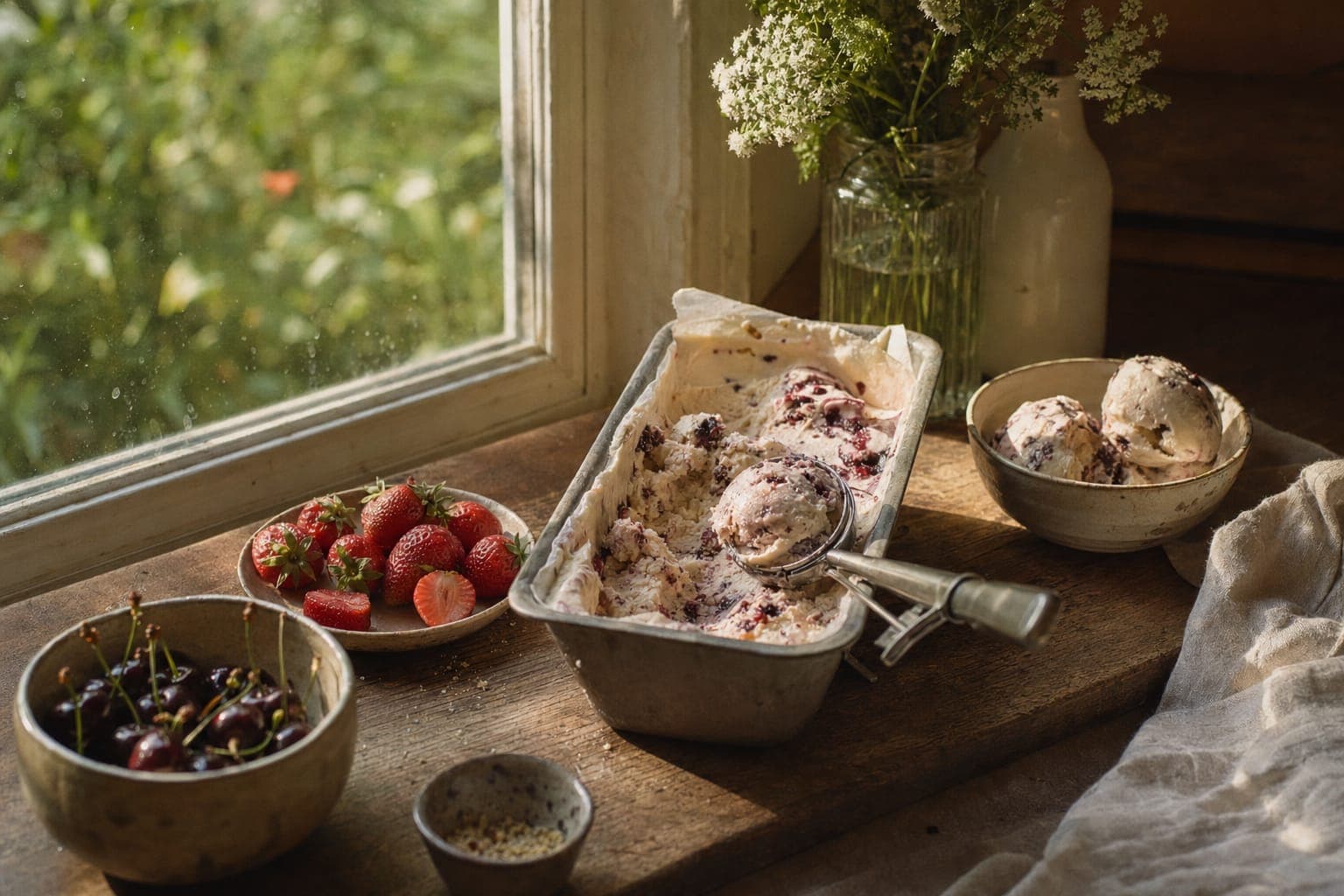
Raw Milk Ice Cream with Organised
Make raw milk ice cream at home with Organised for a seasonal, nutrient-dense treat. Three simple flavours to try whenever the craving strikes.
Recipes & routines
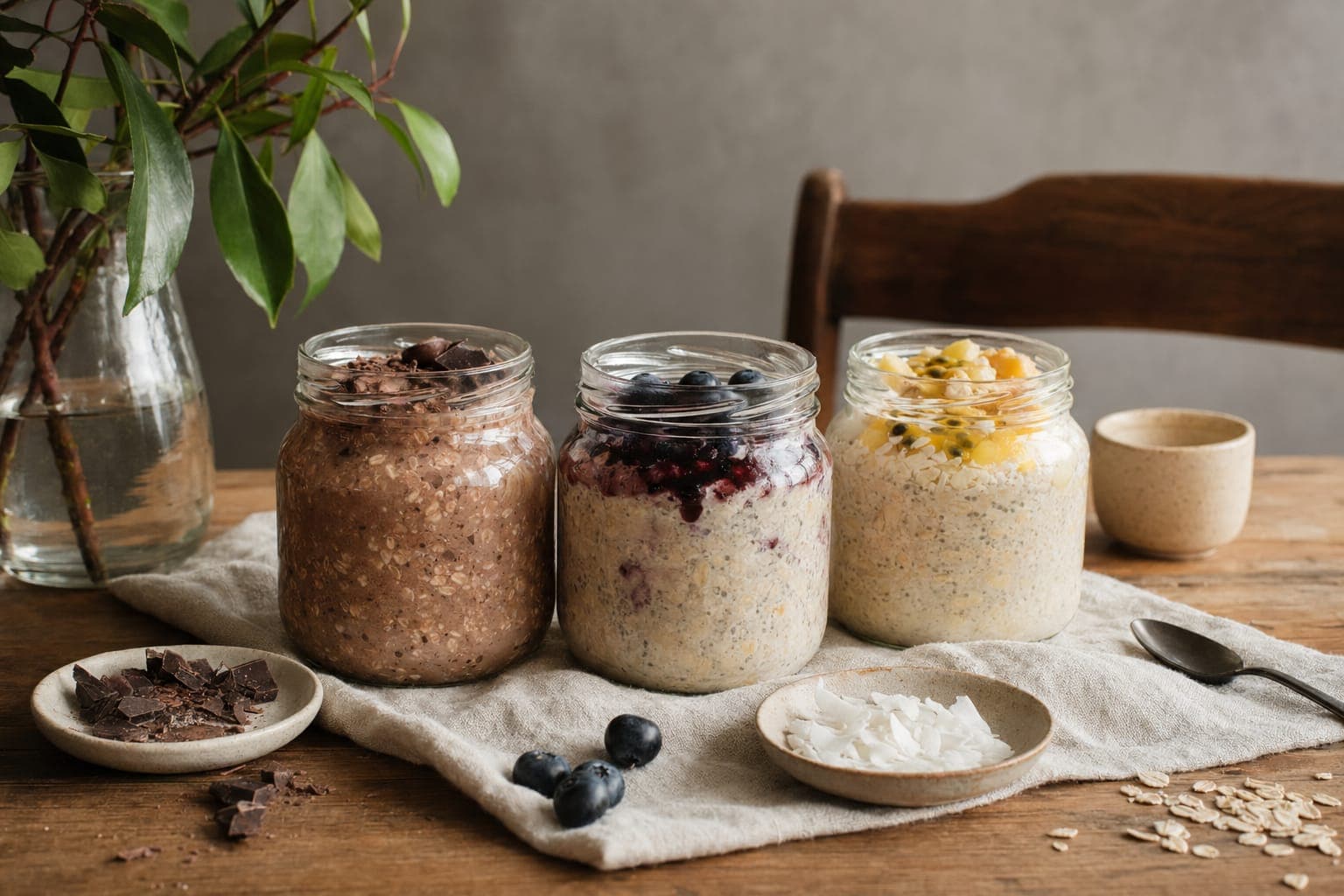
Organised Overnight Oats: 3 Variations
Three delicious overnight oats variations with Organised. Chocolate, berry, tropical flavours. Make them Sunday, eat them all week.
Recipes & routines
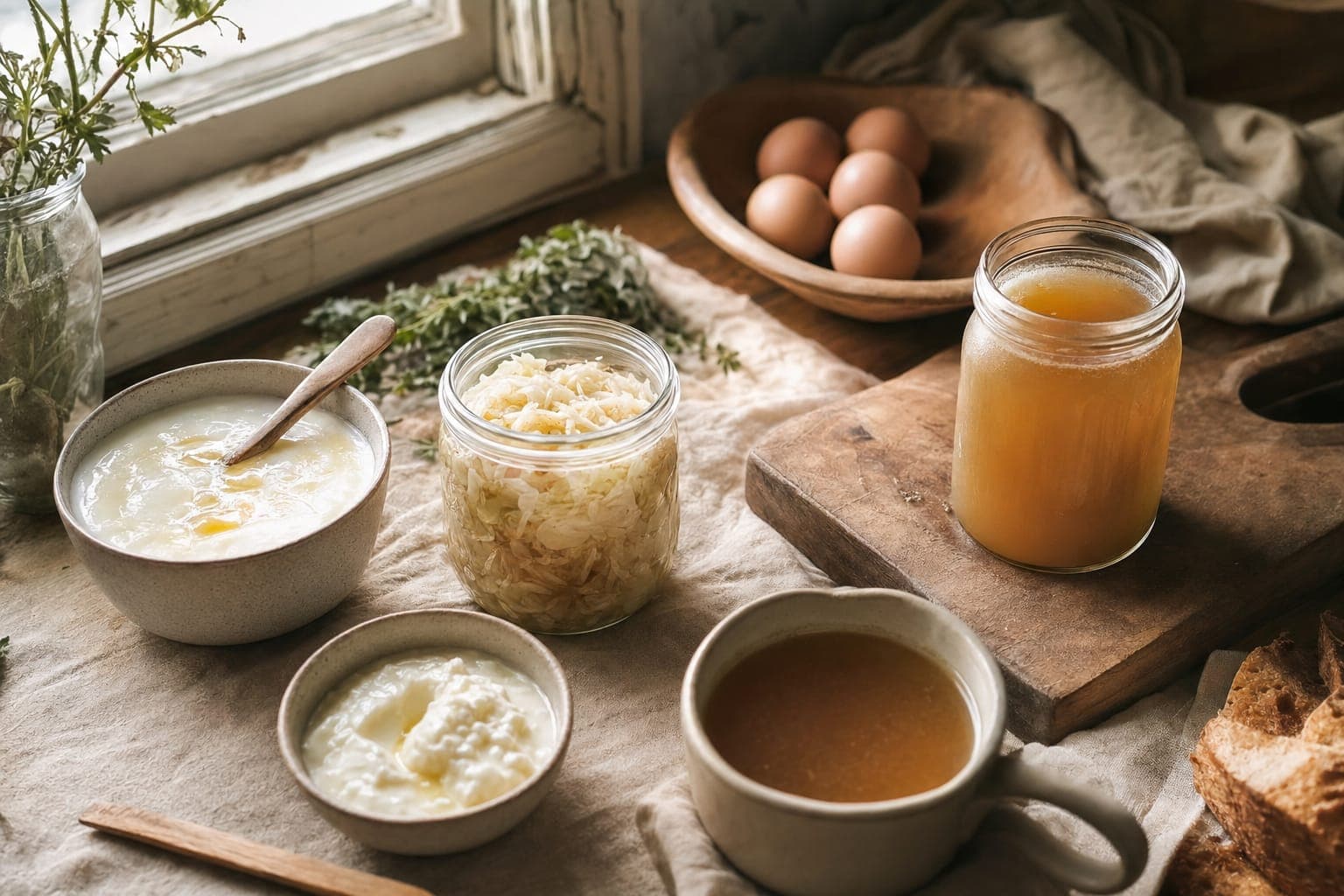
The Organised Stacking Guide: Adding Real Food to Your Routine
Stack Organised with bone broth, raw dairy, and fermented foods to build a complete nutrition protocol. The full strategy.
Real food, made effortless
Add it to my routineA few ways to use it
All recipes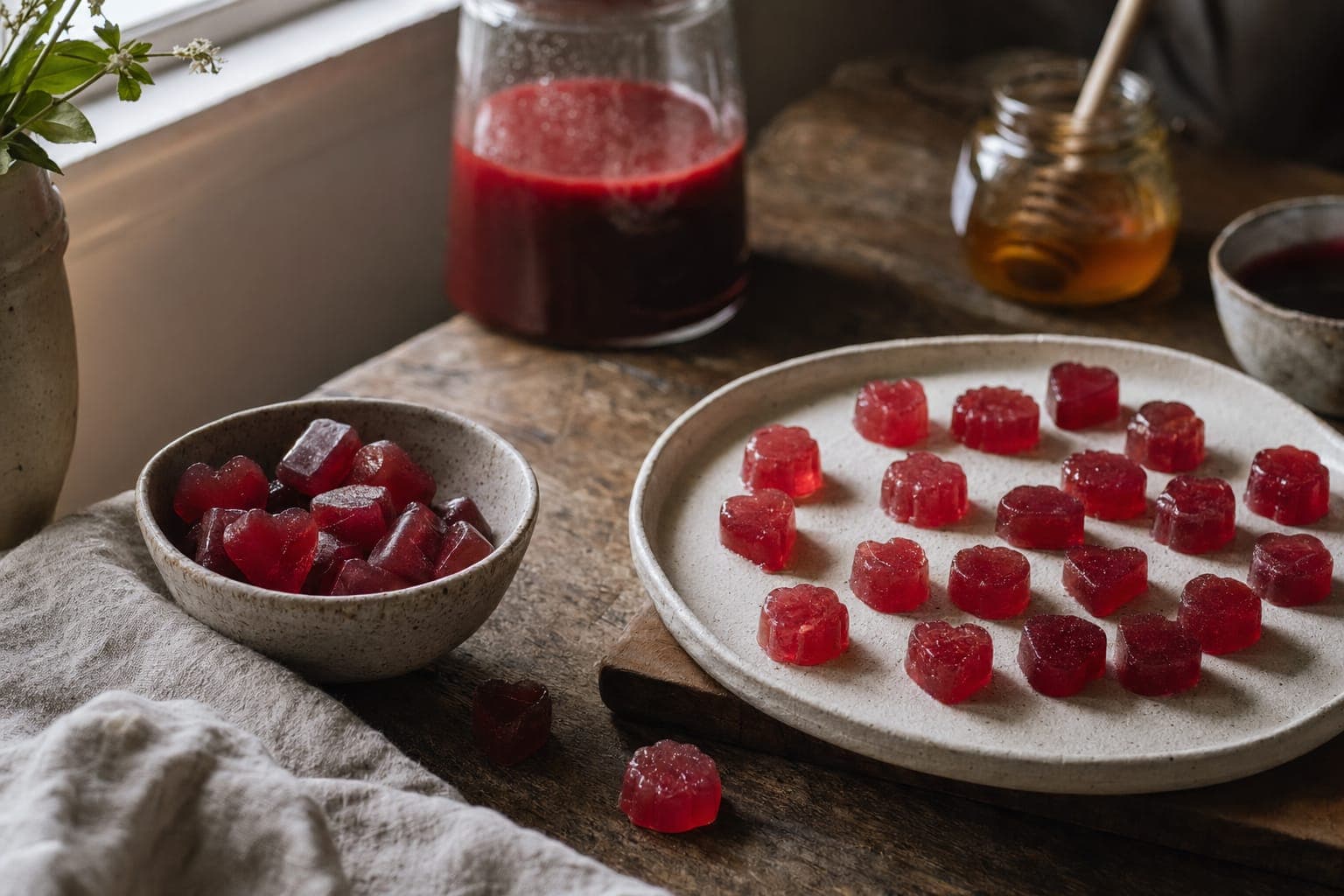
How to Make Your Own Gelatine Gummies
A simple recipe for homemade gelatine gummies using grass-fed gelatine, fresh juice, and raw honey. Better than shop-bought, kids love them.

Organised Protein Pancakes: A Weekend Favourite
A high-protein pancake recipe using beef protein, eggs, and raw milk. Cooked in cast iron, naturally sweetened with banana and honey. Real food breakfast.
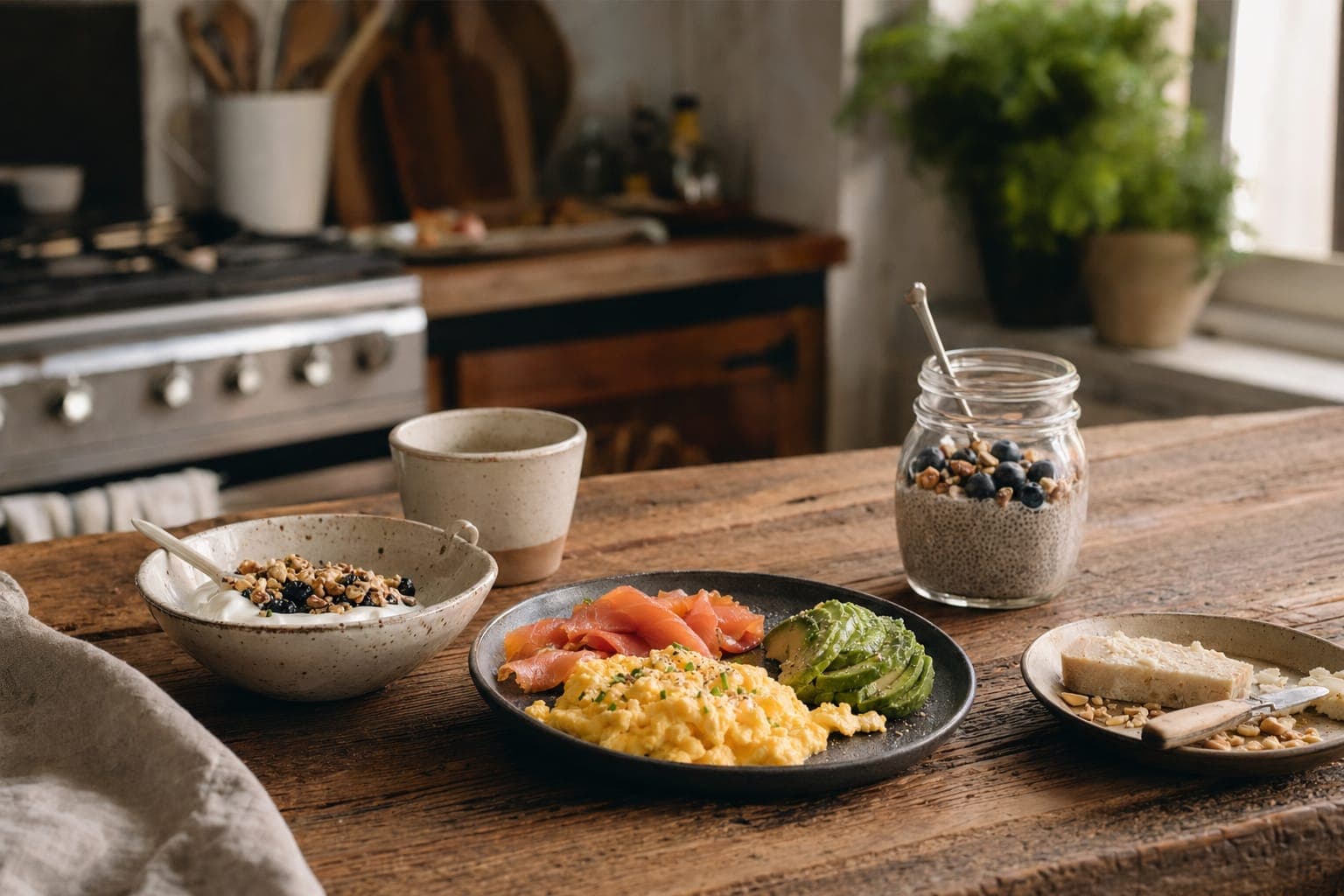
5-Minute High-Protein Breakfasts Using Organised
Quick, high-protein breakfast ideas using Organised. Five recipes you can make in minutes with real food. No fussing around.


 Join over 100,000+ members
Build a better food system with us
The Organised community is thousands of people choosing real food and backing the farmers who grow it, all of us trying to leave the world a little better than we found it. If that is what you care about too, you belong here.