Evening Wind-Down: A Nutrition Protocol for Better Sleep
Your 11pm scrolling habit isn't the only reason you're waking at 3am. The real culprit is often sitting on your dinner plate, or worse, what's missing from it. Here's how to eat your way to better sleep.

By Niall Kiddle, Founder, Organised

Reviewed by Pedro Rodrigues, Agronomist (farming and sourcing only) ·
6 min read · Published · Updated · 4 cited sources
Makers of the Organised Daily blend, a grass-fed beef organ supplement from regenerative UK farms
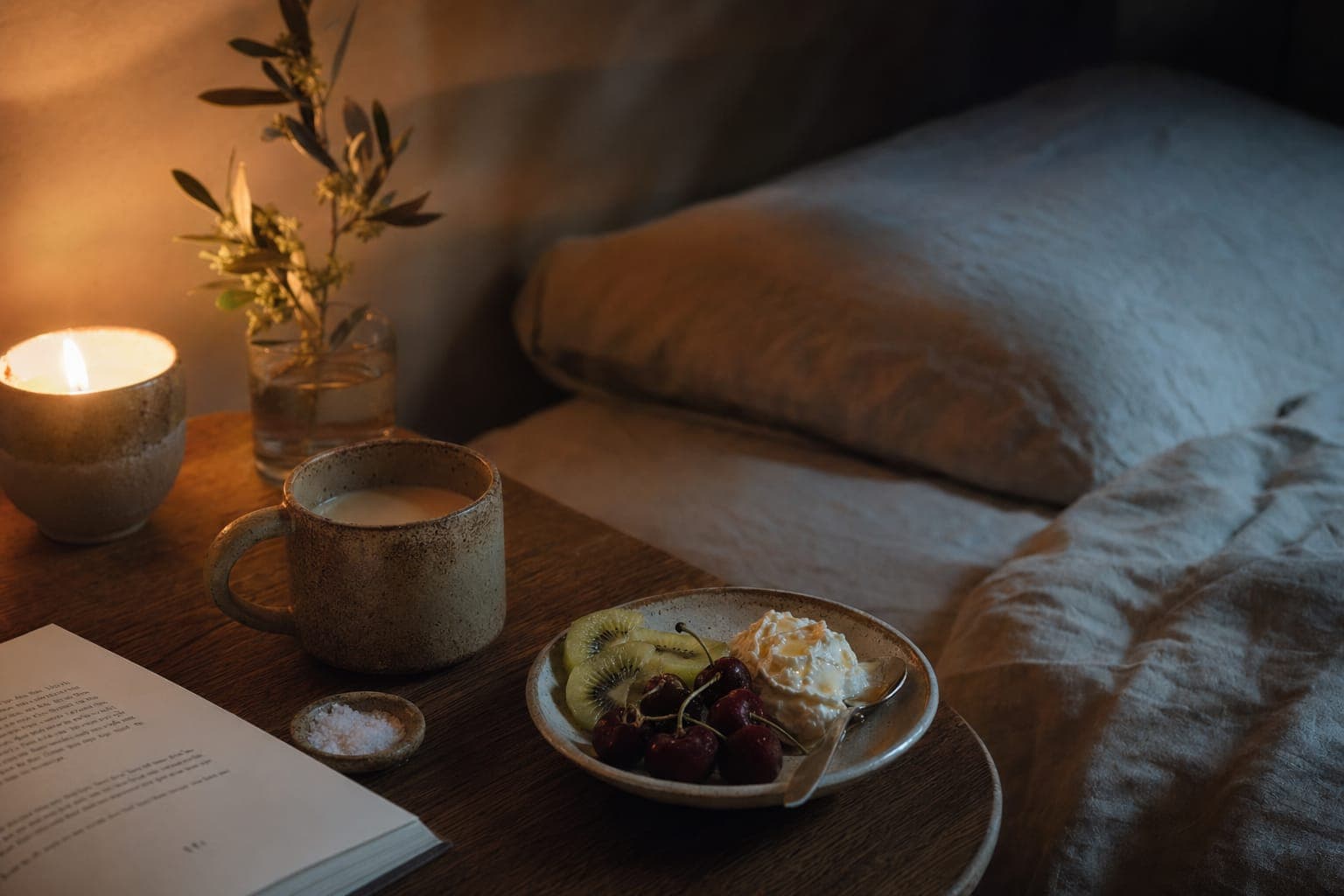
Most sleep advice focuses on what you do (meditate, dim the lights, put the phone away). This is important. But what you eat in the evening is just as structural. Your nervous system, your blood glucose, your serotonin production, and your circadian rhythm all respond to specific nutrients at specific times.
The good news is that once you understand the mechanism, the food choices become obvious. You're not adding complexity. You're aligning what you eat with what your body is trying to do.

Why evening nutrition matters for sleep
Sleep is a metabolic state, not just a time when you stop being awake. Your body needs specific nutritional inputs to transition into that state efficiently. If those inputs are missing, you'll lie awake, or fall asleep but wake at 2 or 3am when blood glucose dips and cortisol spikes to compensate.
The brain runs on glucose, but it also needs amino acids to produce the neurotransmitters that enable sleep. Serotonin, GABA, and melatonin are all built from amino acids. Magnesium is the mineral that relaxes muscle tension and calm the nervous system. Glycine is the amino acid that signals the body that it's safe to lower core body temperature, a critical step in falling asleep.
Sleep doesn't begin at bedtime. It begins in the kitchen at dinner. The quality of your sleep is almost entirely determined by what you've eaten in the previous 3 to 4 hours.
The timing question
Eating too close to bed disrupts sleep because your digestive system is still working when you need it to be resting. Eating too early leaves your blood glucose low in the middle of the night, triggering a cortisol spike and waking you.
The sweet spot for most people is finishing your main meal 2 to 3 hours before bed. This gives you time to digest and stabilise blood glucose, but not so long that you wake hungry or depleted. If you eat dinner at 6pm and sleep at 10pm, you're in the window.
If your dinner is late, that's fine. Just don't eat a heavy, large meal. A lighter meal or snack 60 to 90 minutes before bed works better than nothing, but it's not optimal.
Glycine and gelatine
Glycine is the most abundant amino acid in collagen, and collagen is found richly in bone broth, gelatinous cuts of meat, skin, and connective tissue. Glycine has a direct effect on core body temperature. It signals your body to lower your core temperature, a known physiological trigger for sleepiness.1
Studies show that glycine supplementation in the evening reduces the time it takes to fall asleep and improves sleep quality.1 You're not just feeling better. You're measurably sleeping differently.
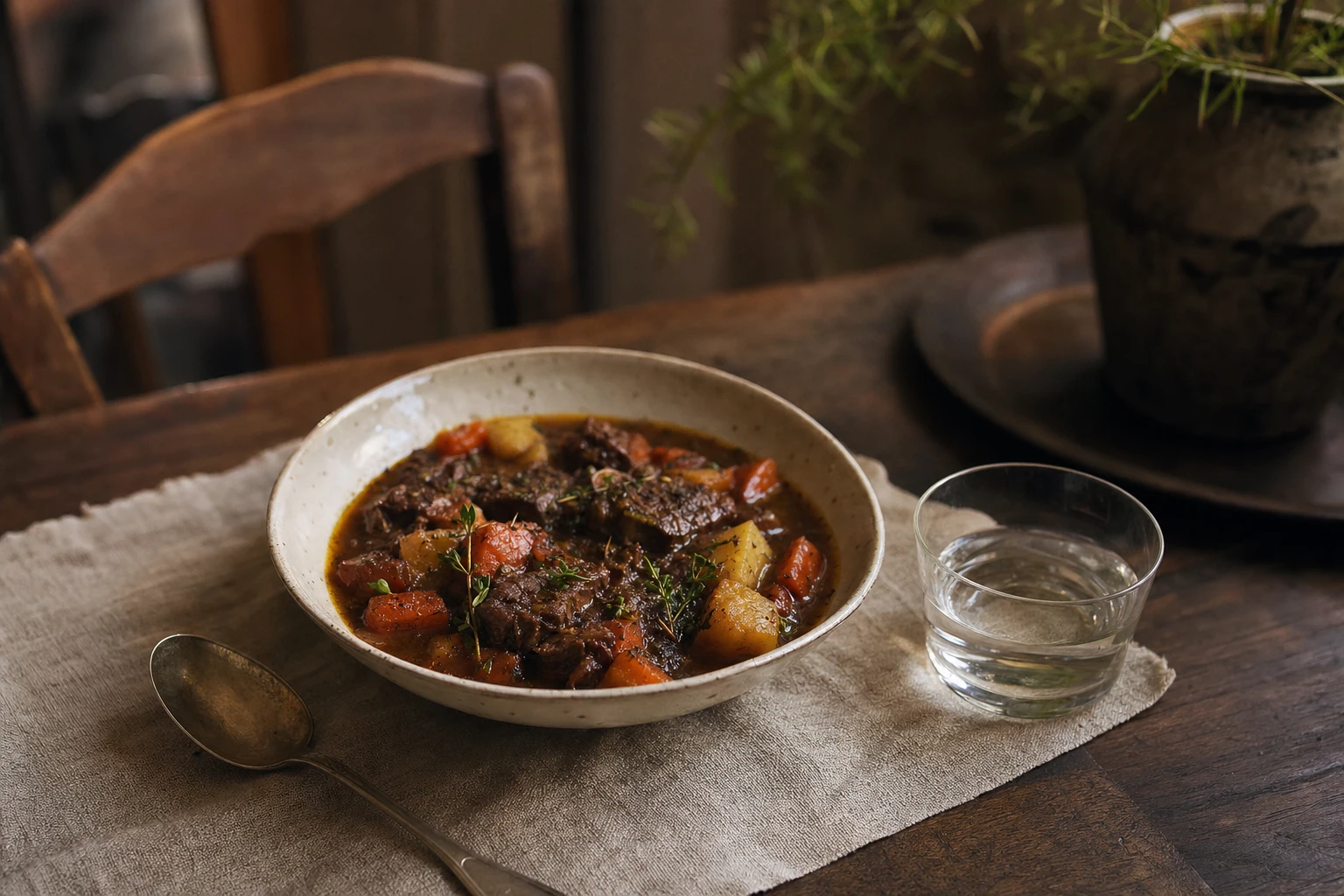
A bowl of bone broth in the evening is one of the most underrated sleep tools. So is a portion of slow-cooked meat with skin, oxtail stew, fish with the skin on, or even a simple gelatinous broth. These aren't fancy. They're traditional because they work.
Eating collagen and glycine in the evening isn't a supplement hack. It's how humans have been signalling their bodies to sleep for thousands of years.
Magnesium and where to find it
Magnesium is essential for relaxing muscles, regulating nervous system function, and enabling deep sleep stages.2 Your modern diet has removed magnesium at nearly every step.
The best food sources are dark leafy greens (spinach, kale, chard), pumpkin seeds, almonds, and mineral water. A single bowl of cooked spinach contains 150mg of magnesium. A small handful of pumpkin seeds delivers another 150mg. These aren't trivial amounts.
If you're eating a proper dinner with leafy greens and seeds, you're getting magnesium. But if your evening is a small plate of pasta and chicken, you're missing the mineral entirely. The shift is simple: add the sides that used to be standard.
Get recipes and routines, free
Two short reads a week of simple, nutrient-dense recipes and daily routines.
By signing up you agree to receive emails from us. No spam, unsubscribe anytime.
What to avoid and when
Caffeine past 2pm disrupts sleep for many people. The half-life of caffeine is 5 to 6 hours, meaning a substantial portion remains in your system at bedtime.3 Black tea, green tea, coffee, and cacao all contain caffeine.
Sugar and refined carbohydrates create blood glucose spikes in the evening, leading to crashes that wake you in the night. If you're eating processed foods at dinner, this is likely happening. Whole foods release glucose slowly and sustainably.
Alcohol feels sedating in the moment, but it fragments sleep in the second half of the night. You'll fall asleep easily, then wake repeatedly in the early hours. It also suppresses REM sleep, the stage most critical for memory and mood regulation.
Blue light in the evening (from screens) suppresses melatonin production.4 A simple phone setting (Night Shift on iPhone, Night Light on Android) reduces blue light significantly. Overhead lights in the evening should be warm and dim, ideally below 300 lux.
The complete evening protocol
Start with your main meal 2 to 3 hours before bed. The meal should include: a portion of protein (ideally a gelatinous cut if possible, but any quality meat or fish works), a substantial quantity of vegetables (especially dark leafy greens), and a small amount of carbohydrate (sweet potato, rice, or oats). This combination stabilises blood glucose for the night and delivers the nutrients your nervous system needs to downregulate.
Follow this with a bowl of bone broth or a light herbal tea about 60 to 90 minutes before bed. The broth delivers additional glycine and minerals. The warmth triggers a relaxation response. If broth isn't available, a mug of herbal tea (chamomile, passionflower, or ashwagandha) with a teaspoon of raw honey works well.
In the final hour before bed, dim your lighting to warm tones. Avoid screens if possible, or use Night Shift/Night Light mode. This allows melatonin production to begin naturally. A simple bedtime routine signals to your nervous system that sleep is coming.
The protocol isn't strict or complicated. It's a framework. Main meal with protein, vegetables, and carbs. Optional light broth or tea. Dim lighting. No screens. This is the rhythm humans have been living for millennia.
1 of 9
Daily blend
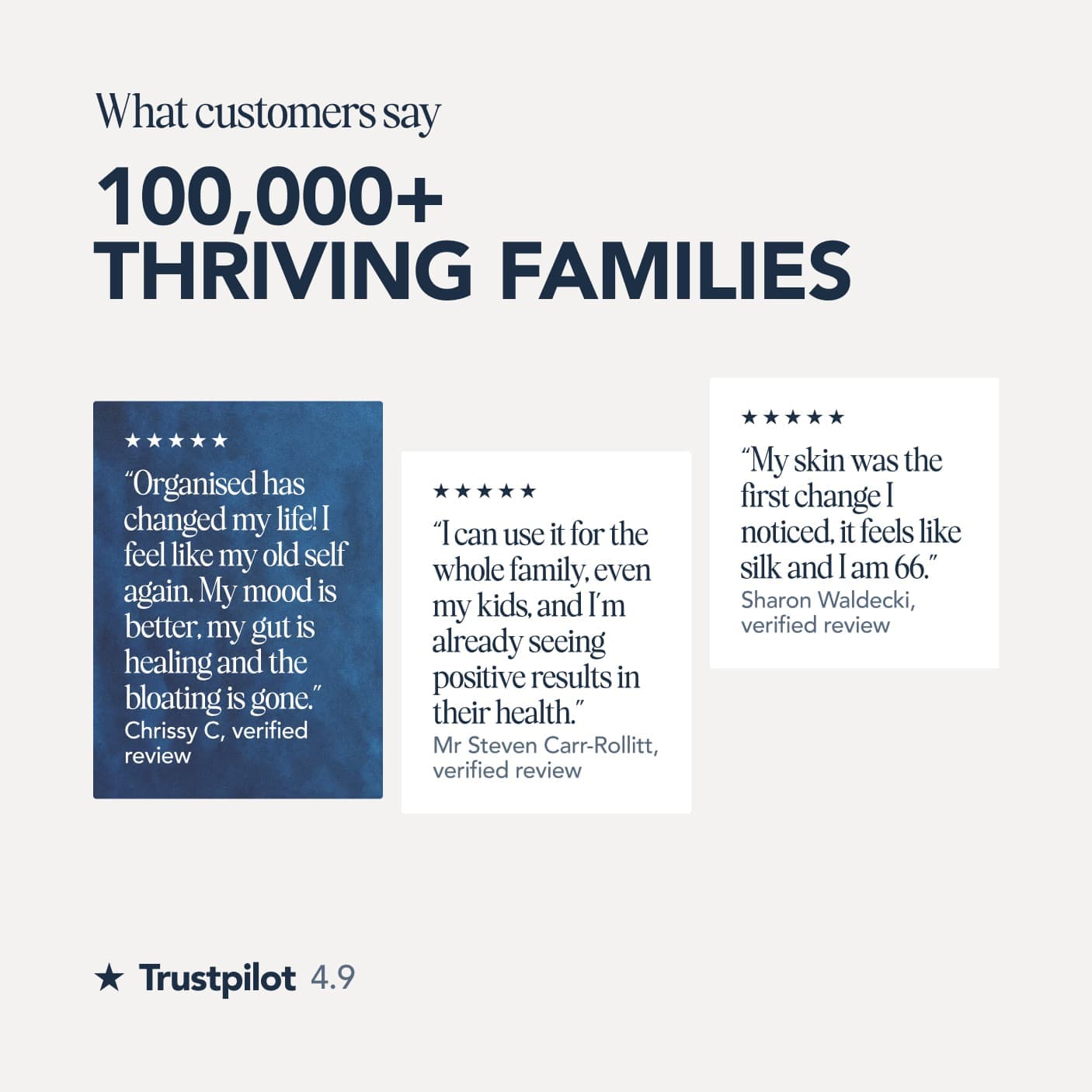
100,000+ thriving families4.9 on Trustpilot
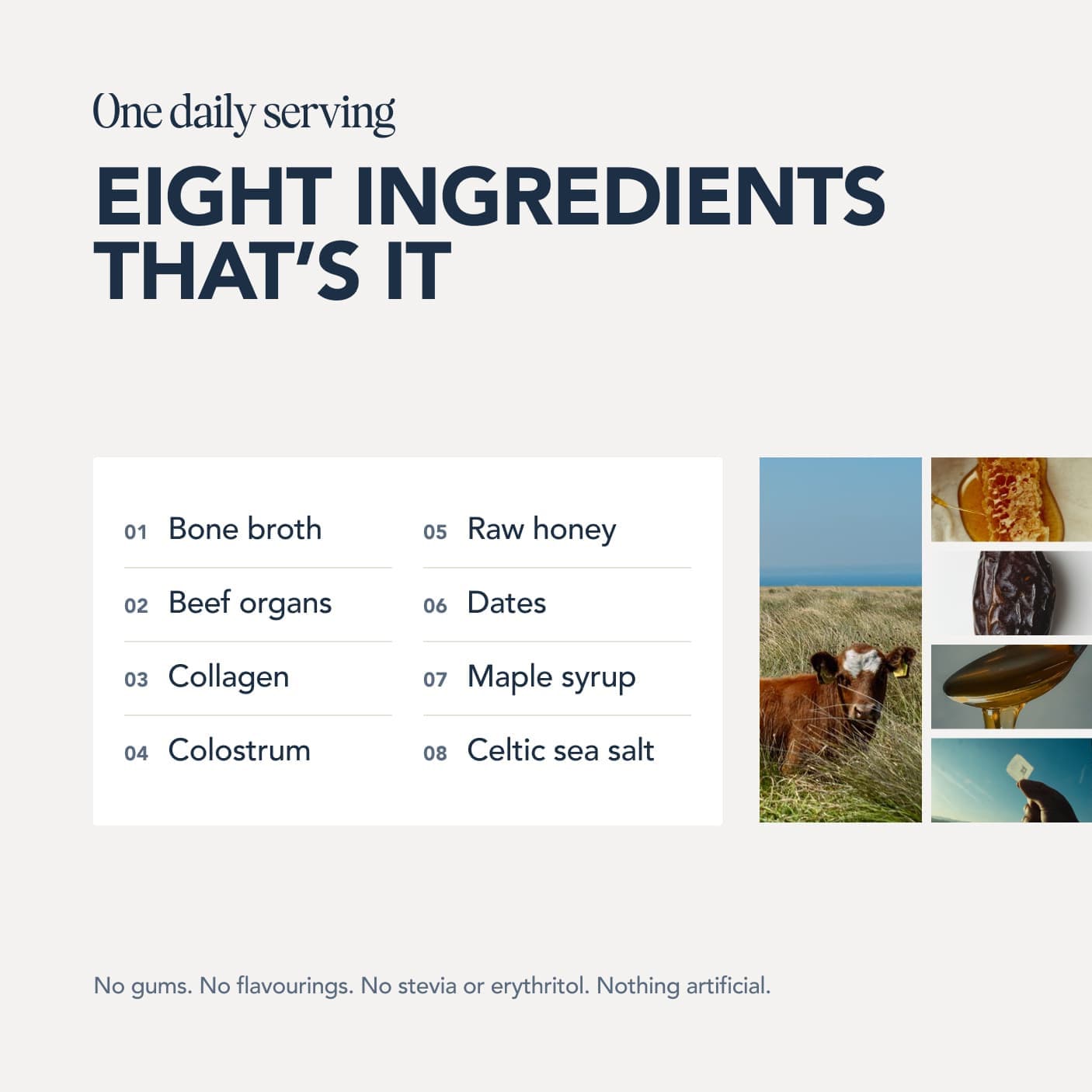
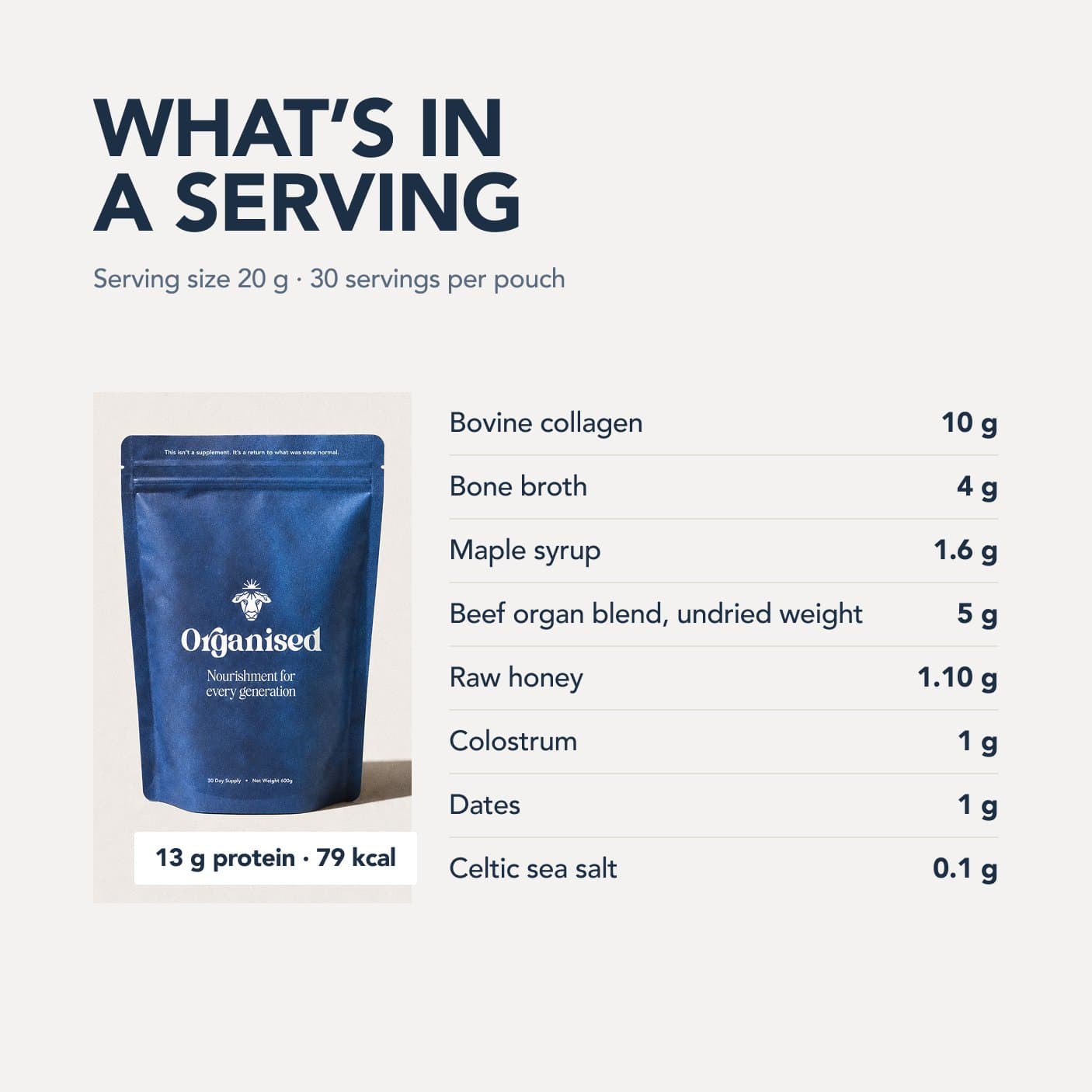
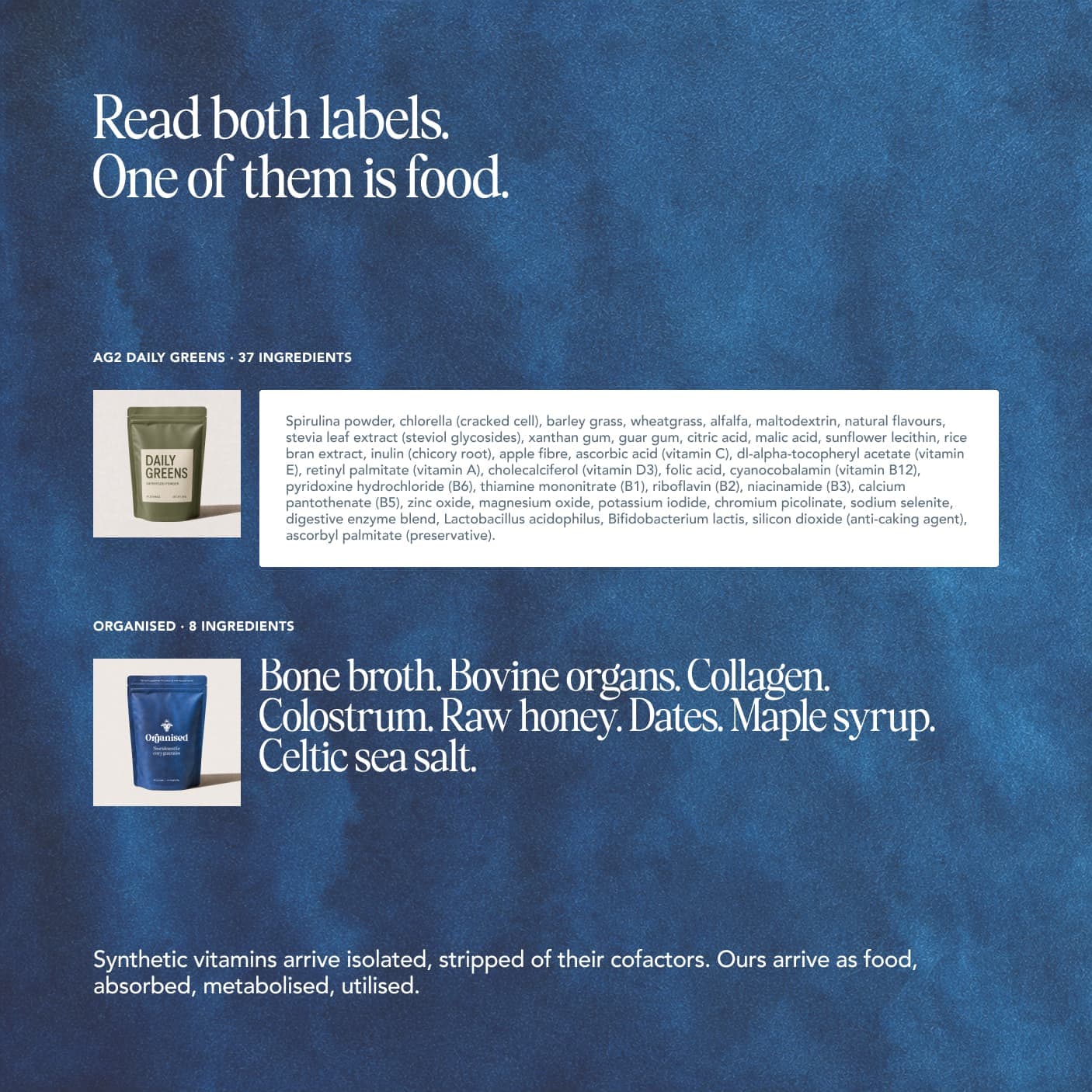
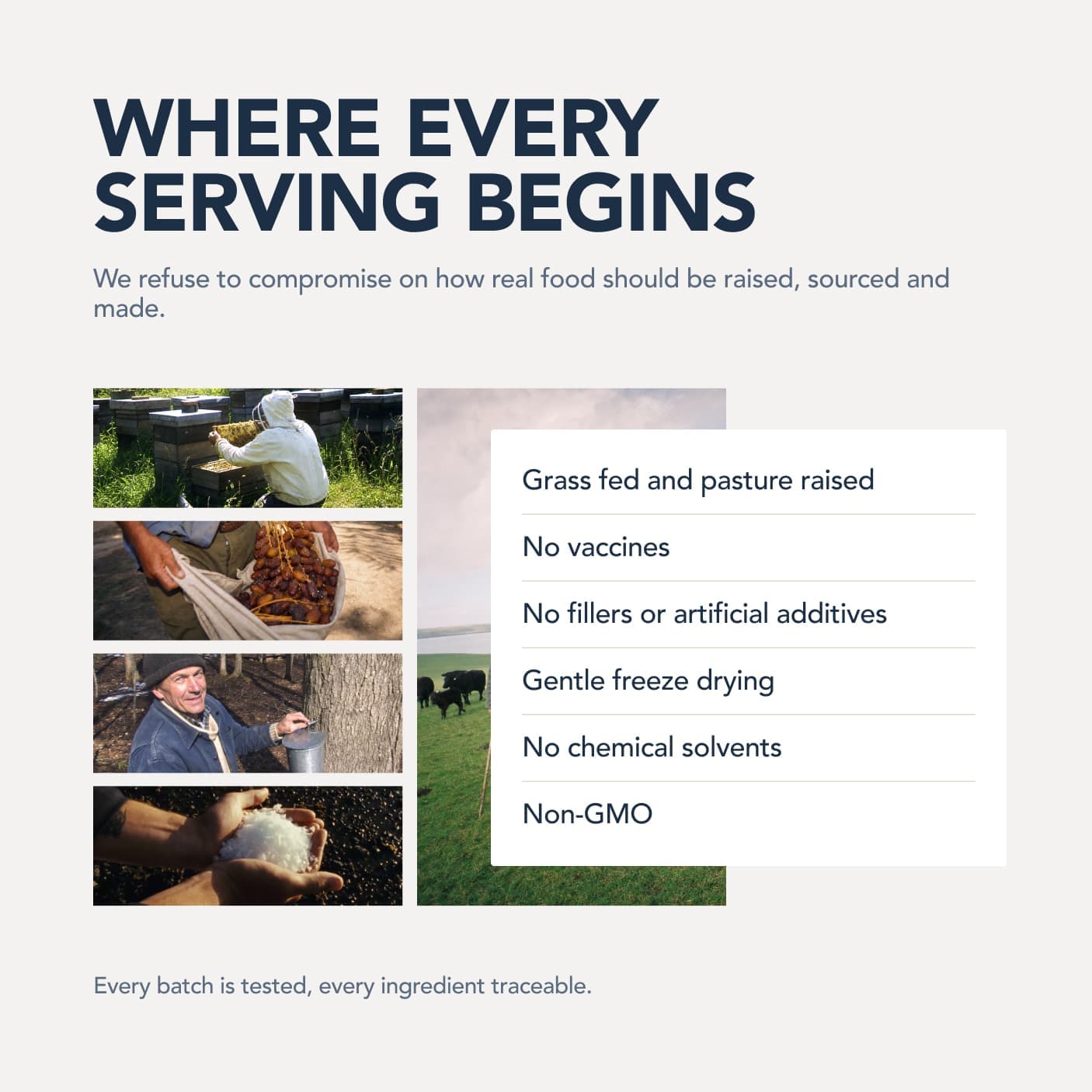
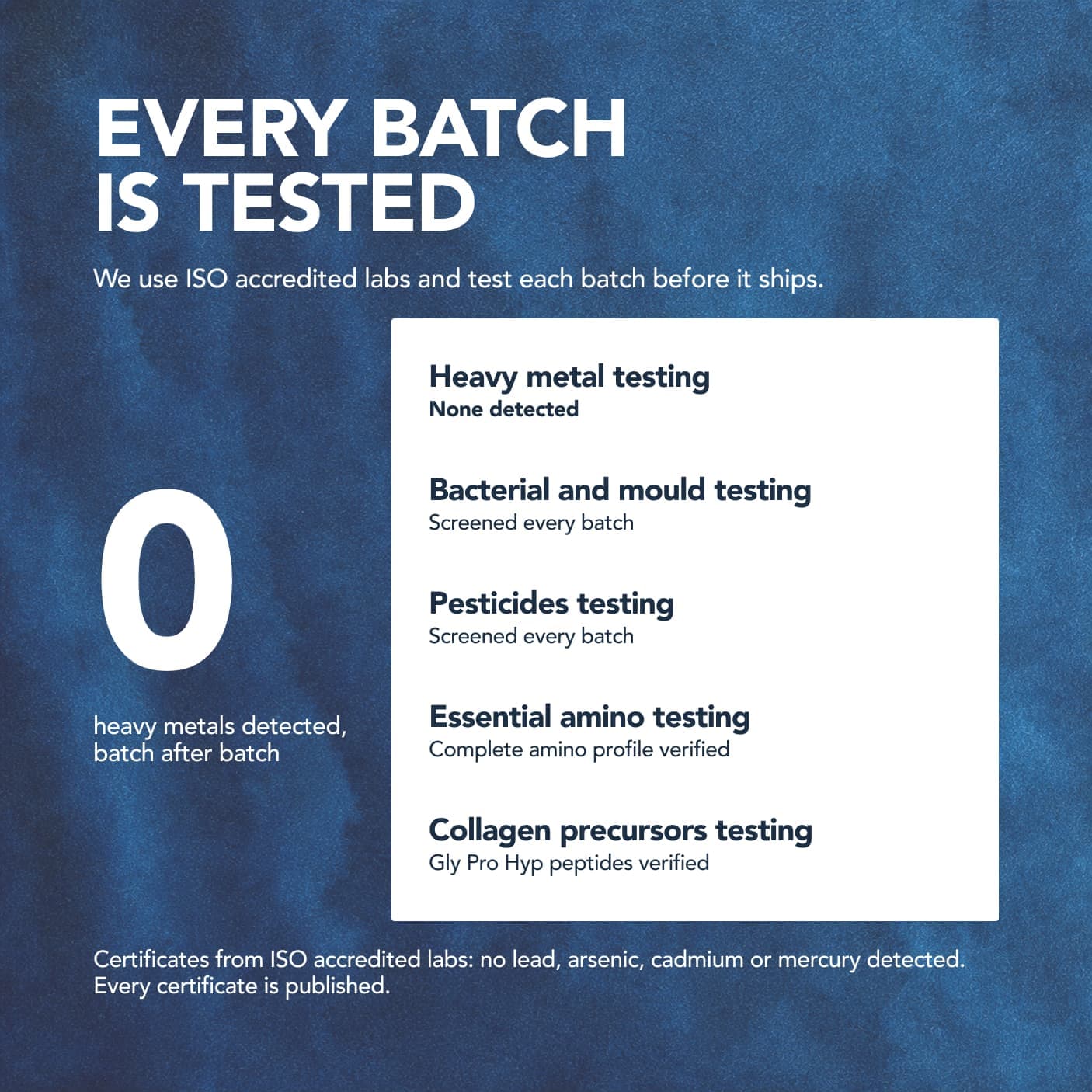
Eight real ingredients built around grass-fed beef organs, collagen and colostrum. Nothing synthetic added.
Free with your first order, worth £38. Plus £10 off the pouch with a subscription.

Free UK shipping · Made in England · 100 day money back guarantee on your first pouch · Skip, pause or cancel anytime
Bringing it together
The reason this works is that it's not fighting your biology. You're working with your circadian rhythm, your nutrient status, and your nervous system's natural downregulation. When you eat gelatinous foods in the evening, your core body temperature drops slightly. When you include mineral-rich vegetables, your muscles relax. When you finish eating 2 to 3 hours before bed, your digestion is complete and blood glucose is stable.
You're not taking supplements or making anything complicated. You're eating actual food in a sequence that aligns with how your body has been designed to prepare for sleep. That alignment is where transformation begins.
Start with one element. Add bone broth one evening. Eat a leafy green side with your next dinner. Turn the overhead light off and light a candle instead. Small shifts, made consistently, become the rhythm your body learns to trust. And when your body trusts the evening rhythm, sleep becomes reliable again.
References
Every source below was checked on 27 August 2026. Each PubMed, PMC and DOI identifier was resolved against NCBI or Crossref, and what it opens is printed under the citation, so you can see the link goes where the citation says without leaving the page. Where a citation and its identifier disagreed, the citation was corrected to the record or the reference was deleted along with the sentence marker that pointed at it, and where the resolved paper turned out not to support the sentence, the sentence was cut back to what it does support. Borrowed authority is worse than none, because it looks like rigour.
- Bannai M, Kawai N. New therapeutic strategy for amino acid medicine: glycine improves the quality of sleep. J Pharmacol Sci. https://pubmed.ncbi.nlm.nih.gov/22293292/ [accessed May 2026].Checked 27 August 2026: PMID 22293292 opens Bannai M, Kawai N, New therapeutic strategy for amino acid medicine: glycine improves the quality of sleep. J Pharmacol Sci 2012;118(2):145-8. PubMed indexes it as: Review.
- National Institutes of Health, Office of Dietary Supplements. Magnesium - Health Professional Fact Sheet. https://ods.od.nih.gov/factsheets/Magnesium-HealthProfessional/ [accessed May 2026].
- Drake C, Roehrs T, Shambroom J, Roth T. Caffeine effects on sleep taken 0, 3, or 6 hours before going to bed. J Clin Sleep Med. https://pmc.ncbi.nlm.nih.gov/articles/PMC3805807/ [accessed May 2026].Checked 27 August 2026: PMC3805807 opens Drake C, Roehrs T, Shambroom J et al, Caffeine effects on sleep taken 0, 3, or 6 hours before going to bed. J Clin Sleep Med 2013;9(11):1195-200. PubMed indexes it as: Randomized Controlled Trial.
- Chang AM, Aeschbach D, Duffy JF, Czeisler CA. Evening use of light-emitting eReaders negatively affects sleep, circadian timing, and next-morning alertness. Proc Natl Acad Sci USA. https://pmc.ncbi.nlm.nih.gov/articles/PMC4313820/ [accessed May 2026].Checked 27 August 2026: PMC4313820 opens Chang AM, Aeschbach D, Duffy JF et al, Evening use of light-emitting eReaders negatively affects sleep, circadian timing, and next-morning alertness. Proc Natl Acad Sci U S A 2015;112(4):1232-7. PubMed indexes it as: Clinical Trial.The authors' own declaration, from the record: Conflict of interest statement: Dr. Czeisler has received consulting fees from or served as a paid member of scientific advisory boards for: Boston Celtics; Boston Red Sox; Citgo Inc.; Cleveland Browns; Merck; Novartis; Purdue Pharma LP; Quest Diagnostics, Inc.; Teva Pharmaceuticals Industries Ltd.; Valero Inc.; Vanda Pharmaceuticals, Inc. Dr. Czeisler currently owns an equity interest in Lifetrac, Inc.; Somnus … (abridged; the full declaration is on the record)
Who wrote and reviewed this guide
Niall Kiddle
Author · Founder, Organised
Niall is the founder of Organised. He started the company in 2024 after fixing his own health the slow way: in 2022 he swapped a cupboard of synthetic supplements for real food, raw milk, organ meats, bone broth and honey, and felt the difference within months.
Areas of expertise: Ancestral nutrition, Organ meats, Whole-food supplementation, Gut health, Regenerative sourcing
Read Niall's full profile
Pedro Rodrigues
Reviewer · Agronomist (farming and sourcing only)
Pedro is the agronomist Organised works with on farming and sourcing. His job on the guides is to keep the science honest: he reviews what we publish about soil health, regenerative agriculture, grazing and the way food is actually produced.
Areas of expertise: Regenerative agriculture, Agronomy, Soil health, Grass-fed farming, Food sourcing
Reviewed this guide on
Read Pedro's full profileMore on routines
View all- The Busy Parent's Guide to Whole Food Nutrition
- The Morning Routine That Changed My Health
- A Day of Eating for Optimal Skin Health
- How to Build a Supplement-Free Daily Routine
- How to Meal Prep for a Week of Whole Food Nutrition
- Shift Workers: How to Eat for Energy When Your Schedule Is Upside Down
- The Healthy Morning Routine Reddit Swears By: An Honest Breakdown
- The Weekend Reset: A 2-Day Whole Food Protocol
- Travel Nutrition: How to Stay Nourished on the Go
Browse the guides library
All guidesKeep reading
Recipes & routines
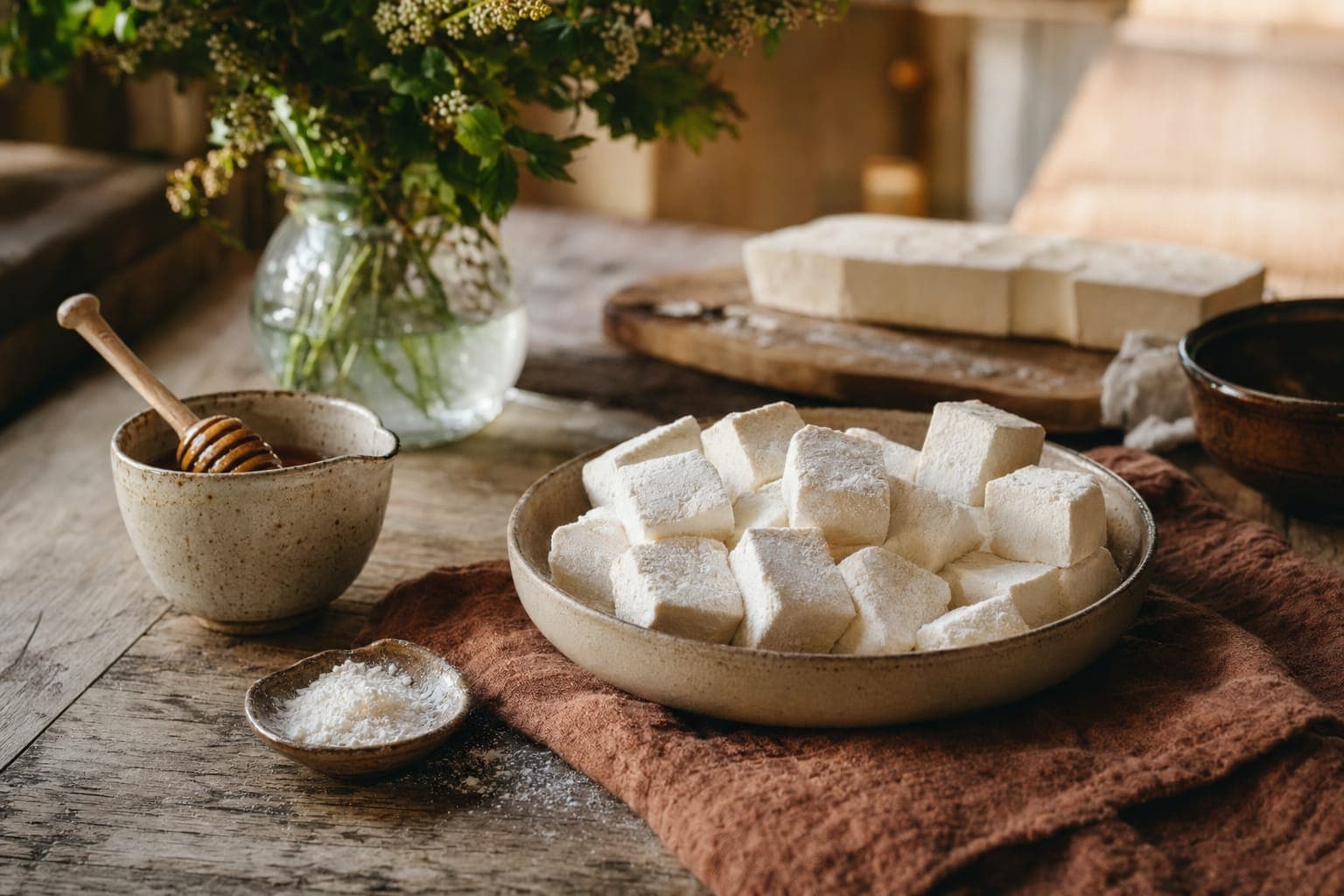
Gut-Healing Marshmallows with Collagen and Raw Honey
Learn to make gut-healing marshmallows with collagen and raw honey. A shareable treat that sneaks nutrition into every bite. Easy recipe with video tips.
Recipes & routines
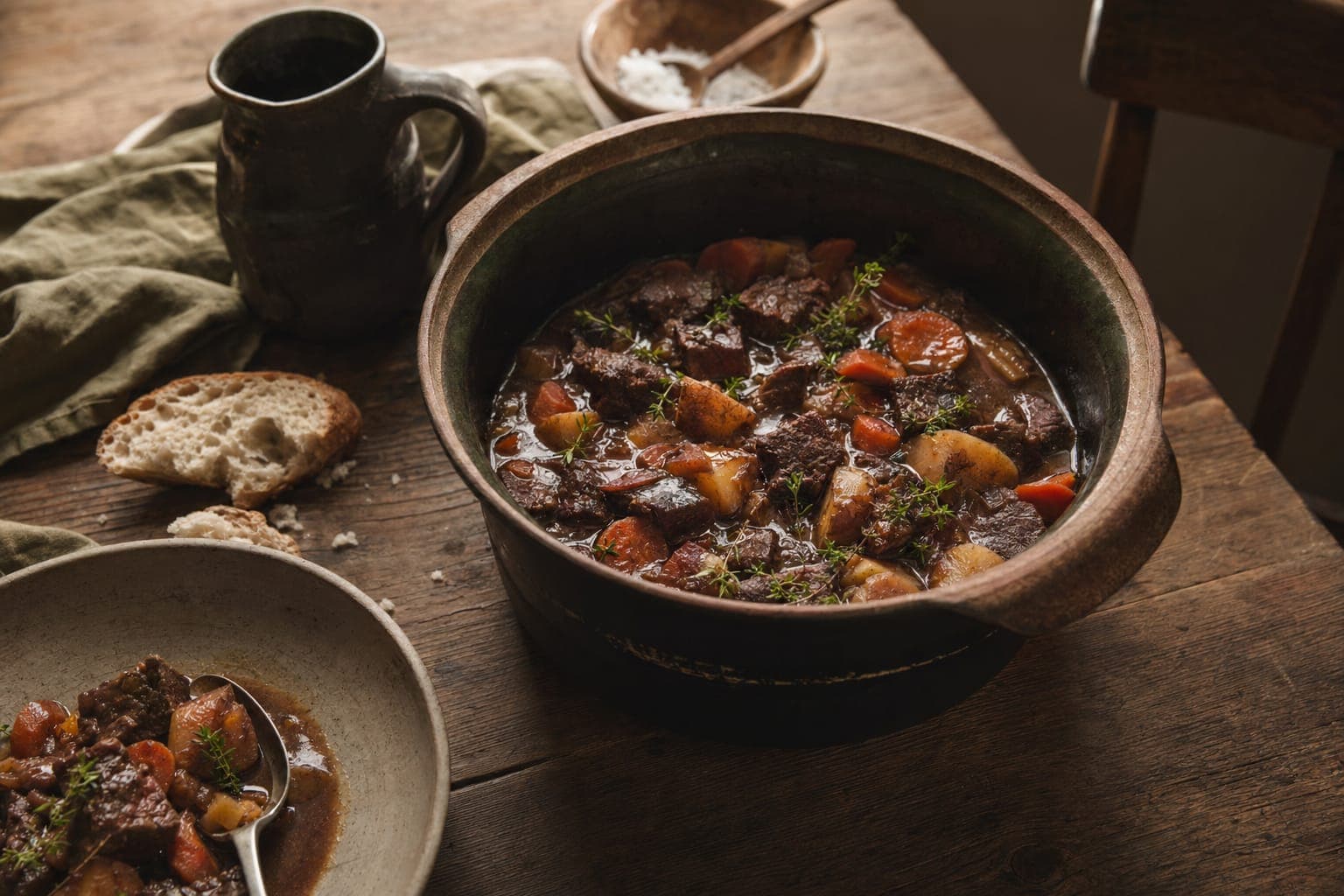
Collagen-Rich Beef Stew: Slow-Cooked Nourishment
Beef stew that delivers collagen from connective tissue and bone broth. Winter comfort food that actually nourishes. Simple slow cooker recipe.

Recipes & routines
The Morning Routine That Changed My Health
Build a healthy morning routine that supports your nutrition: sunlight, hydration, an Organised shake, movement, and mindset, all in one daily protocol.
Real food, made effortless
Add it to my routineA few ways to use it
All recipes
The Organised Recovery Smoothie for After Exercise
A recovery smoothie made with beef protein, raw milk, frozen berries, collagen, and honey. Optimal nutrition in the 30-minute window after exercise.
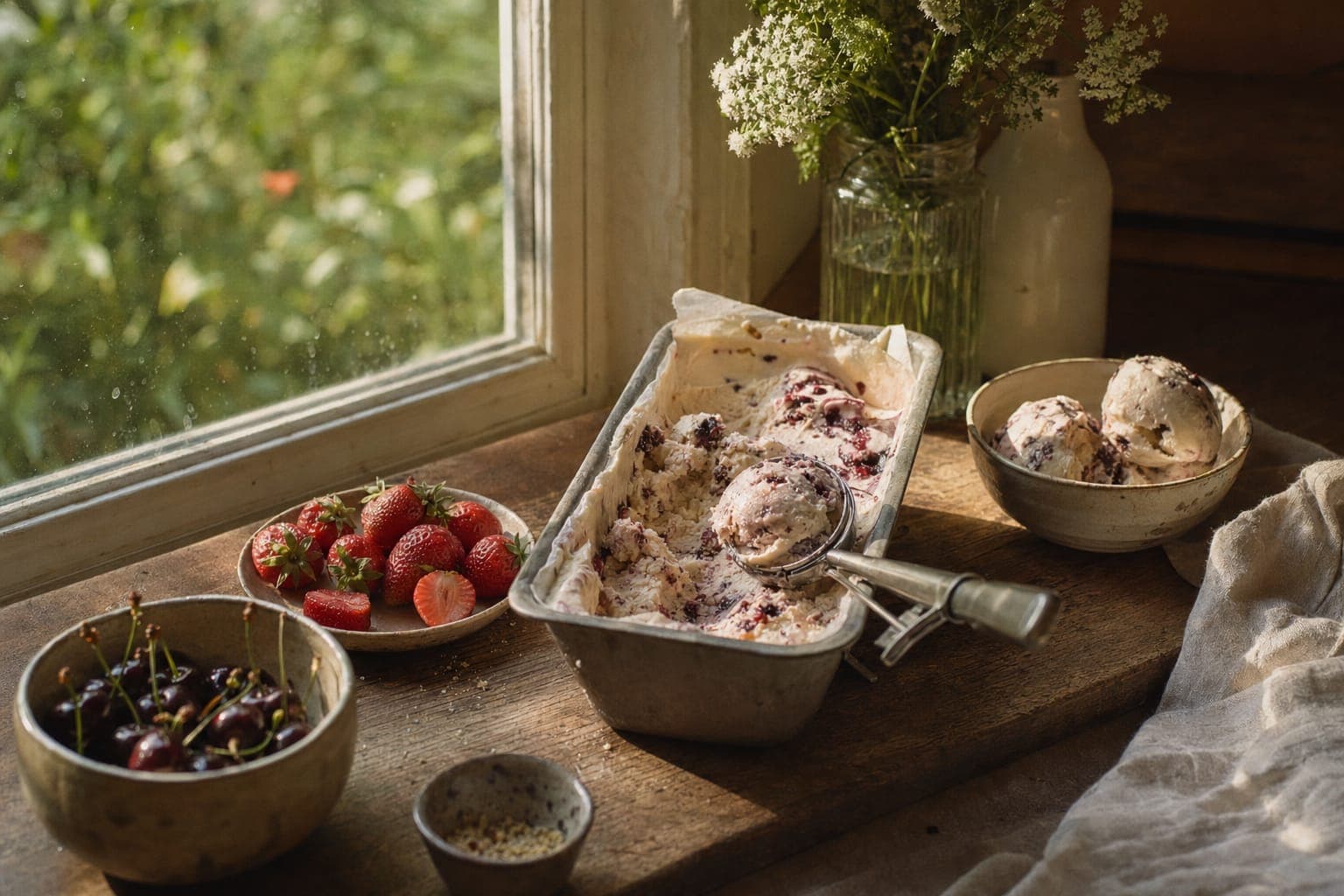
Raw Milk Ice Cream with Organised
Make raw milk ice cream at home with Organised for a seasonal, nutrient-dense treat. Three simple flavours to try whenever the craving strikes.
Gut-Healing Marshmallows with Collagen and Raw Honey
Learn to make gut-healing marshmallows with collagen and raw honey. A shareable treat that sneaks nutrition into every bite. Easy recipe with video tips.


 Join over 100,000+ members
Build a better food system with us
The Organised community is thousands of people choosing real food and backing the farmers who grow it, all of us trying to leave the world a little better than we found it. If that is what you care about too, you belong here.