Liver Pate for Beginners: A Gentle Introduction to Organ Meats
Liver is the most nutrient-dense food you can eat. But telling someone to fry up a slice and eat it straight is not a strategy for adoption. This pate is. It's the gentle, delicious bridge between fearing organ meats and making them a weekly staple.
By Niall Kiddle, Founder, Organised

Reviewed by Pedro Rodrigues, Agronomist (farming and sourcing only) ·
5 min read · Published · Updated · 1 cited source
Makers of the Organised Daily blend, a grass-fed beef organ supplement from regenerative UK farms
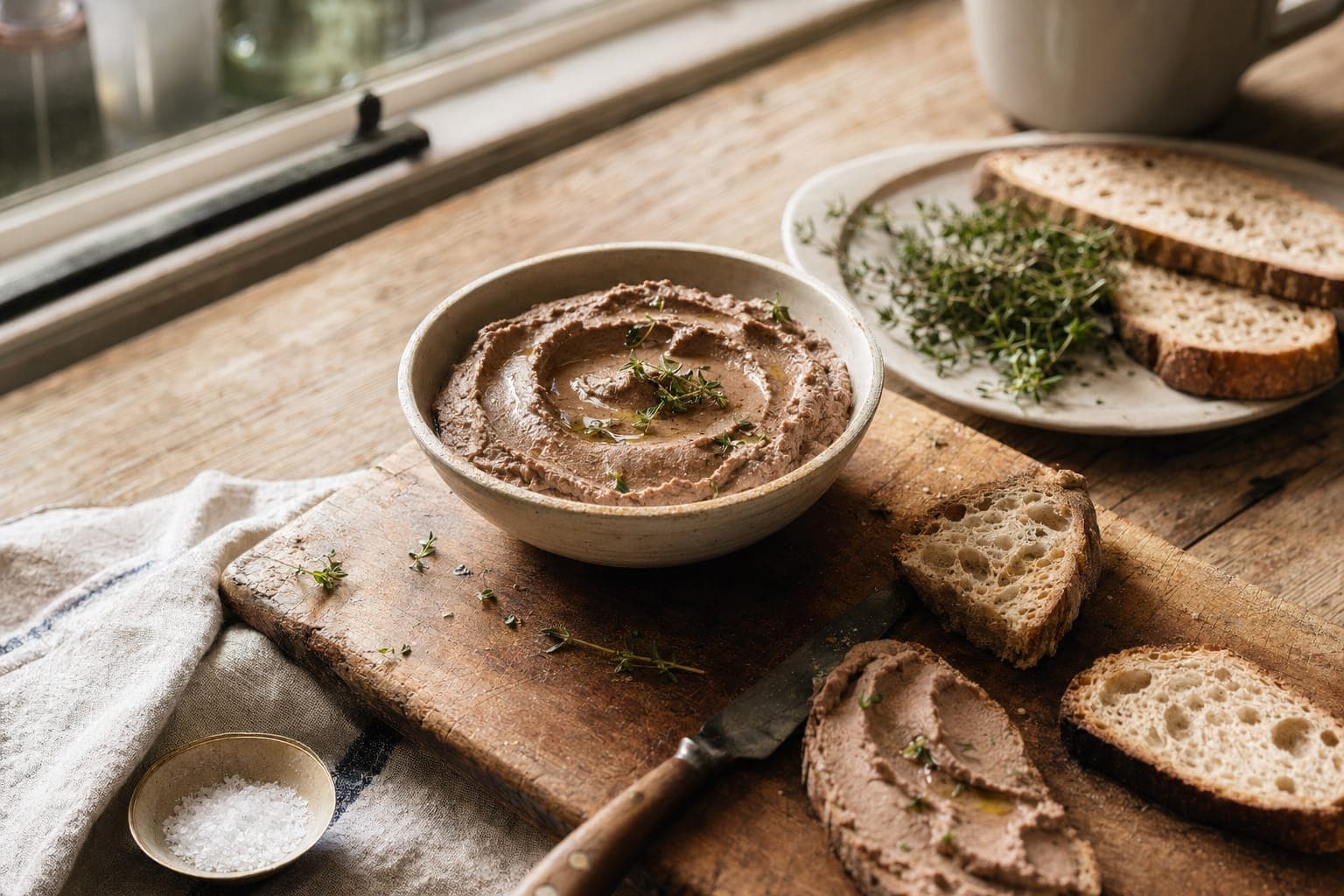
- Prep
- 15 min
- Cook
- 12 min
- Total
- 2 hr 30 min
- Makes
- Serves 8 to 10 (roughly 400g)
- Type
- Spread
Why liver, and why pate
Liver contains more micronutrients per gram than almost any other food. Vitamin A, B12, iron, copper, choline, selenium.1 A single 100g serving of liver contains more usable nutrition than a week of multivitamins could ever deliver.1
And yet most people have never eaten it. The thought feels strange, textually challenging, or somehow medieval. Pate solves this by transforming liver from an intimidating ingredient into something smooth, rich, and utterly familiar. It's comfort food that happens to be an ancestral superfood.
Pate is liver blended with fat and herbs until it becomes something new. Something that tastes good and hides the intensity of the raw ingredient. It's strategic nutrition dressed as indulgence.
What makes a good pate
A bad pate tastes livery, dense, and slightly metallic. A good pate is smooth, buttery, and you'd eat it even if it weren't extraordinarily nutritious.
The difference is in three things. One: using chicken liver rather than beef or pork liver to start. Chicken is milder, less intense, easier to like on a first attempt. Two: proper fat content. Fat rounds out the sharp flavours and makes pate spreadable. Grass-fed butter is ideal. Three: acid and salt. A squeeze of lemon juice and good sea salt balance the richness and make the pate taste good rather than heavy.
Basic chicken liver pate recipe
Serves: 8-10 (makes roughly 400g)
Prep time: 15 minutes
Cook time: 12 minutes
Chilling time: 2 hours minimum
Ingredients
- 400g fresh chicken livers (from a good butcher, not supermarket pre-packed if possible)
- 150g grass-fed butter, softened
- 1 medium shallot, finely diced
- 2 cloves garlic, minced
- 30ml dry white wine or brandy (optional but recommended)
- 30g fresh thyme leaves (or 2 tsp dried thyme)
- 2 bay leaves
- 1 tsp Dijon mustard
- Juice of half a lemon
- Sea salt and black pepper to taste
- Pinch of ground nutmeg
Method
- Remove the chicken livers from the fridge 15 minutes before cooking. Pat them dry with kitchen paper and trim away any green-tinged or discoloured portions (these are bitter and must be removed).
- Heat 20g of butter in a heavy-bottomed frying pan on a medium-high hob. Once foaming, add the diced shallot and cook for 3 minutes until soft and fragrant.
- Add the minced garlic and fresh thyme. Stir for 30 seconds until the garlic is just fragrant, not brown.
- Increase heat to high. Add the chicken livers to the pan in a single layer. Let them sit undisturbed for 2 minutes, then turn and cook for another 2-3 minutes on the other side. The livers should be browned on the outside but still slightly pink in the very centre. Do not overcook; they become dense and metallic if cooked through.
- Pour in the wine or brandy if using. Let it bubble for 30 seconds to evaporate the raw alcohol. Add the bay leaves.
- Remove from heat and allow to cool for 5 minutes. Discard the bay leaves.
- Transfer the liver mixture, including all pan juices, into a food processor. Add the softened butter, Dijon mustard, lemon juice, and nutmeg.
- Blend on high for 2 minutes until completely smooth. Stop and scrape the sides halfway through.
- Press the pate through a fine sieve into a clean bowl using the back of a spoon. This removes any remaining texture and creates restaurant-quality smoothness. (This step is optional but highly worth it.)
- Season generously with sea salt and black pepper. Taste and adjust lemon juice and mustard to preference.
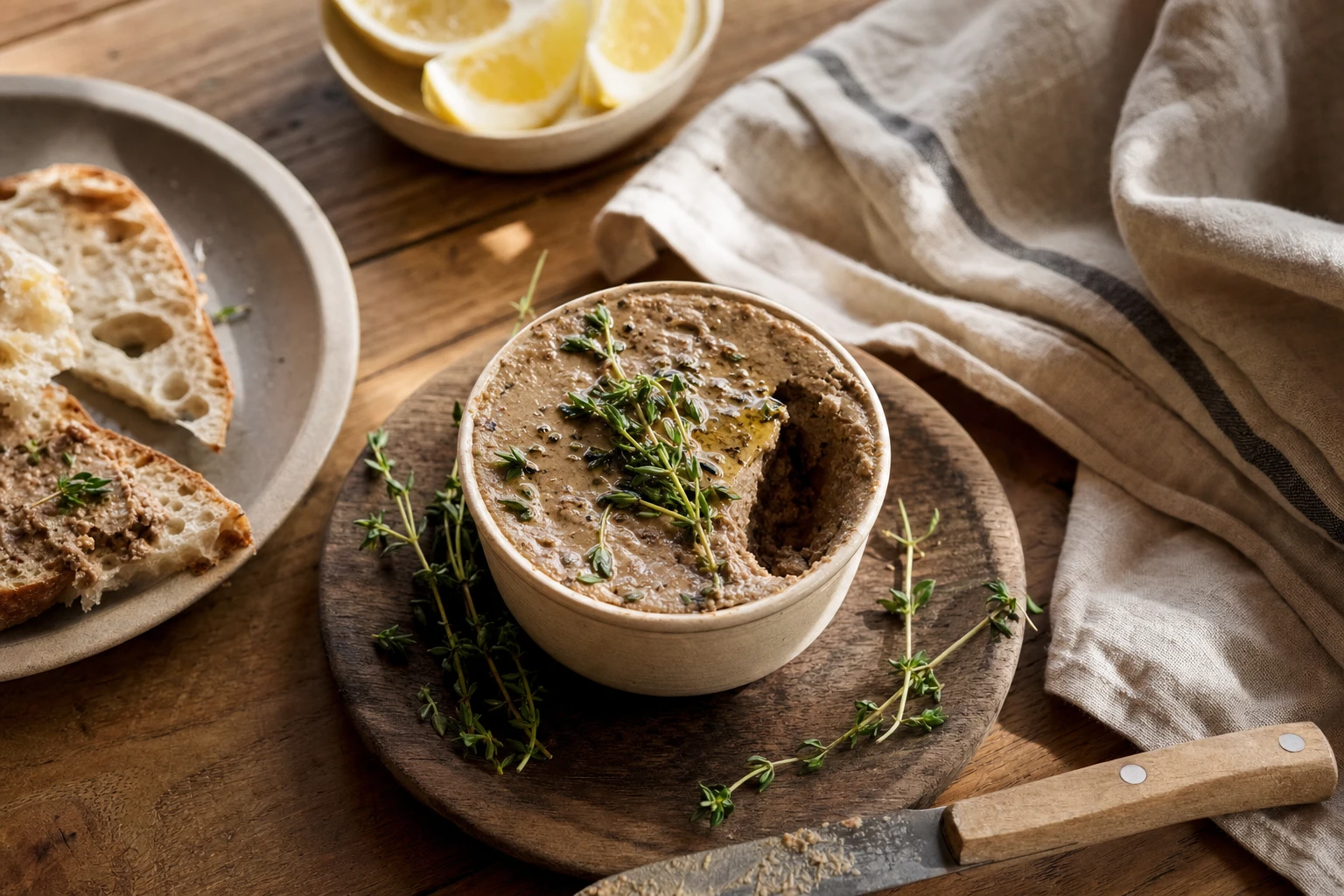
- Spoon into a serving dish or small ramekins. Smooth the top. Cover with cling film and refrigerate for at least 2 hours before serving. The flavour improves as it sets.
The pate will keep in the fridge for 4-5 days covered, or in the freezer for up to 3 months. A layer of clarified butter poured on top before freezing acts as a seal.
Get recipes and routines, free
Two short reads a week of simple, nutrient-dense recipes and daily routines.
By signing up you agree to receive emails from us. No spam, unsubscribe anytime.
How to serve and store
Serve pate at room temperature on sourdough toast, with crudites (crisp vegetables), or simply on its own as a starter. A tablespoon of pate provides more micronutrition than most people eat in a day. The cold, dense richness is utterly satisfying and makes you feel full despite tiny portions.
It pairs beautifully with cornichons, crusty bread, and a dry white wine or cider. It's the kind of food that tastes luxurious and unusual to friends but is actually ancestral eating at its most practical.
Storage and preservation
Refrigerated pate lasts 4 to 5 days in a covered container. But if you want to preserve it longer, there's a traditional method: pour a layer of clarified butter on top once the pate has set. This butter seal preserves the pate for weeks, sometimes months. The pate stays fresh underneath whilst the butter oxidises slightly on top, creating an actual barrier.
To freeze pate, portion it into small ramekins before the butter layer hardens. Freeze for up to three months. Thaw in the refrigerator overnight and serve at room temperature.
Moving beyond the beginner version
Once you're comfortable with chicken liver pate, you can experiment. Beef liver pate is richer and more intense, with deeper earthy flavours. Pork liver sits in the middle. Add different herbs: tarragon for brightness, sage for earthiness, oregano for Mediterranean depth. Include caramelised onions or finely chopped mushrooms for umami. Some recipes add a tiny amount of anchovy paste for depth and minerality.
Try making this pate with different fat ratios. More butter makes it richer and easier to spread. Less butter gives you a denser, meatier texture. Experiment and find your preference.
But the basic version above is where everyone should start. It's mild enough to enjoy, impressive enough to serve at dinner, and nutritious enough to change someone's health quietly and without fuss.

1 of 9
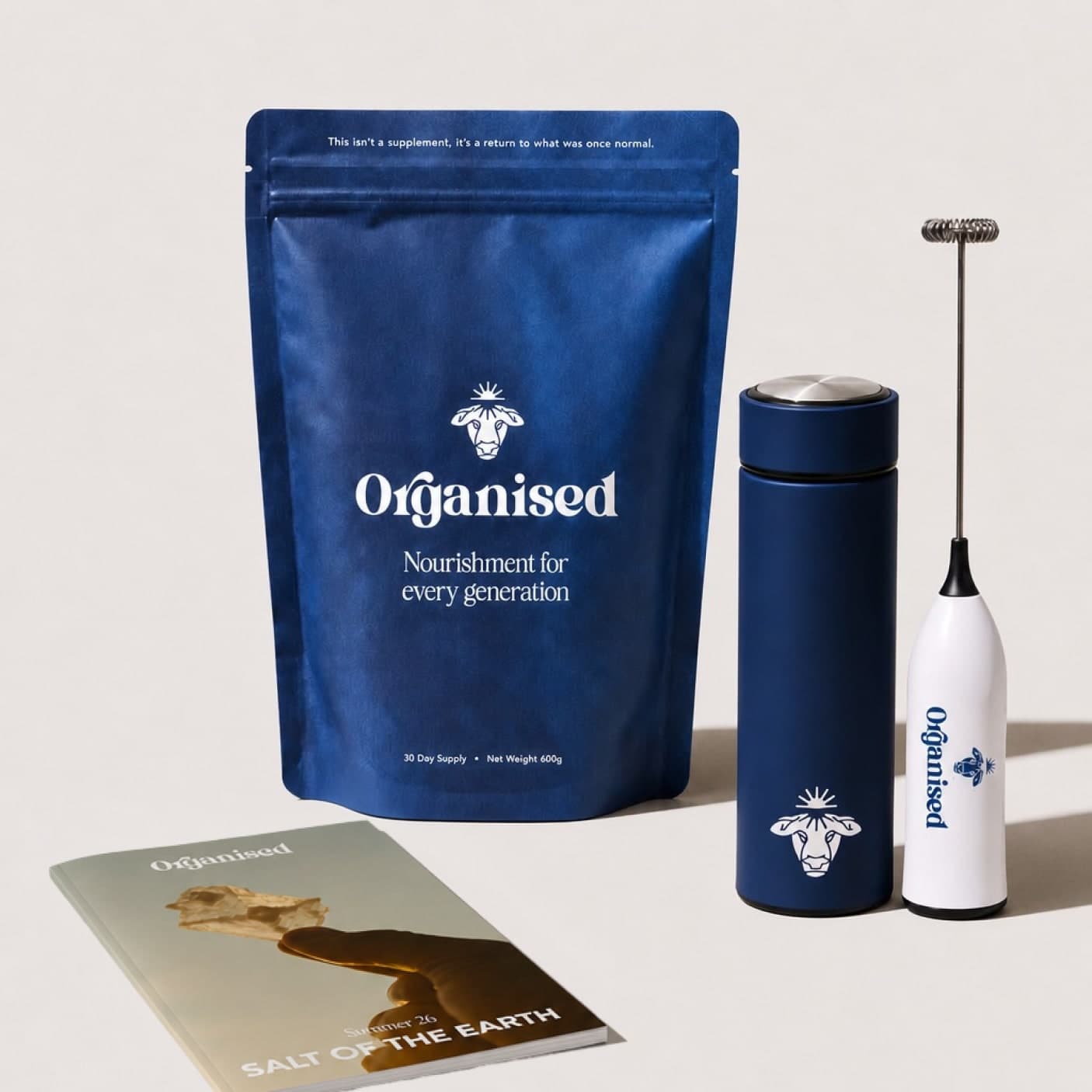
Daily blend
100,000+ thriving families4.9 on Trustpilot
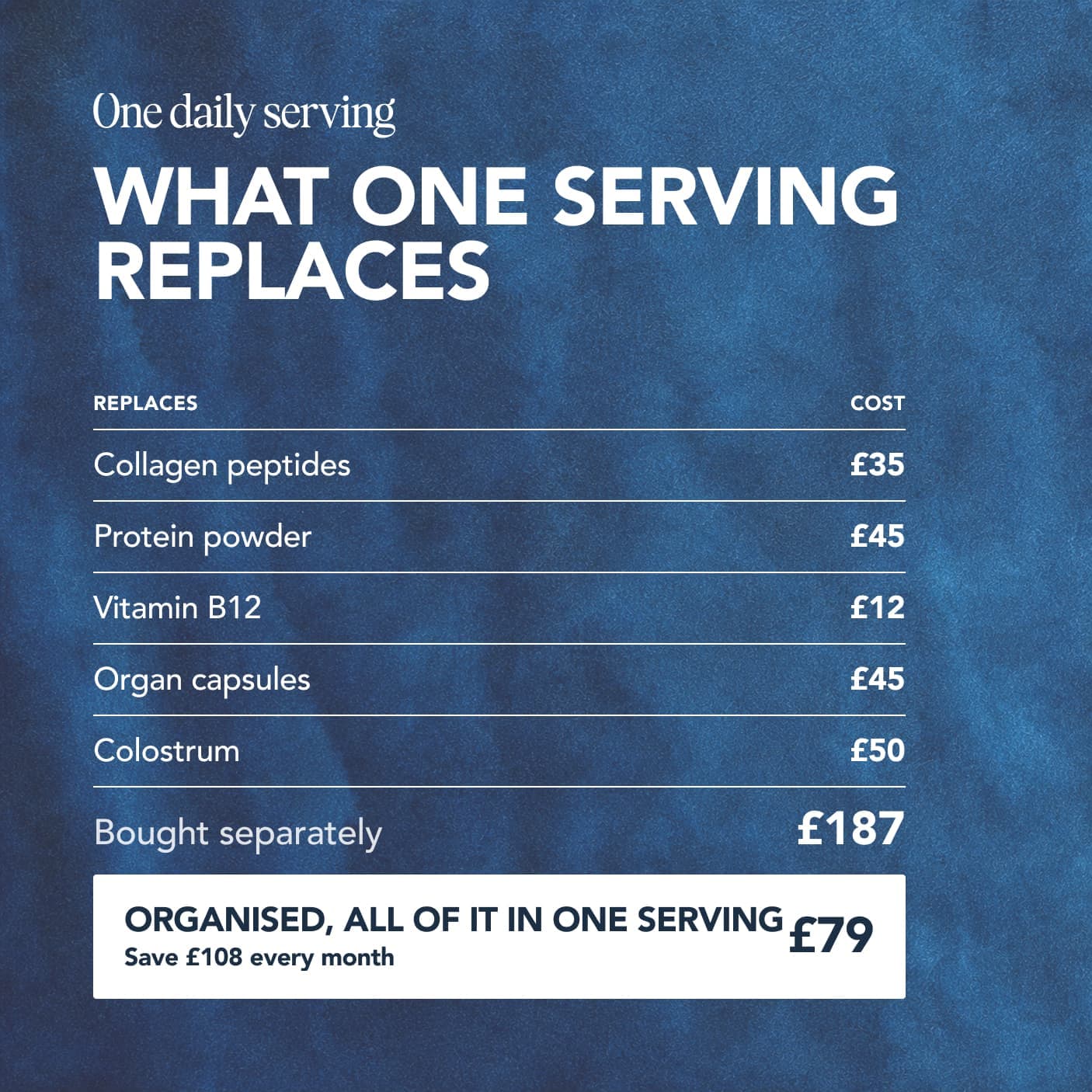
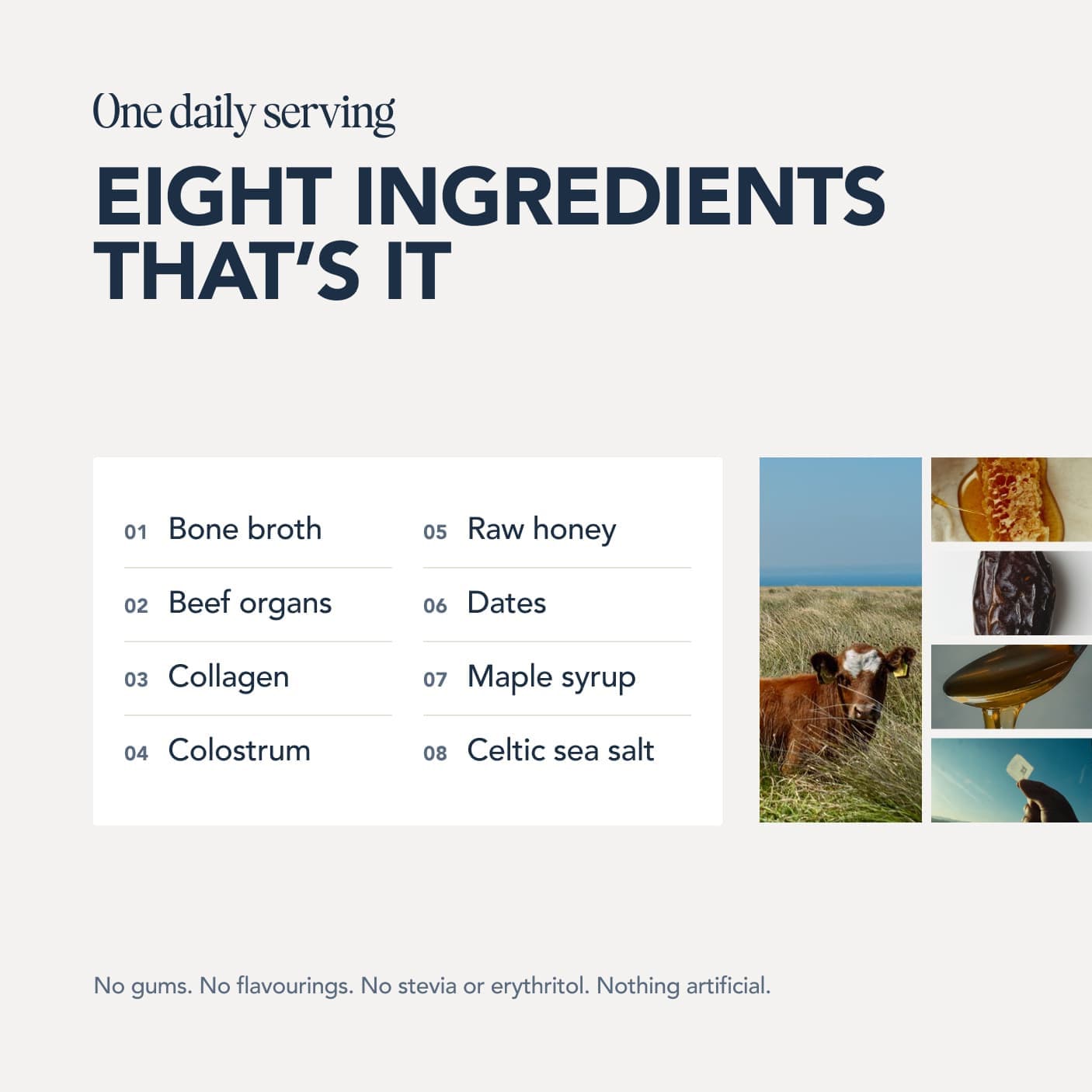
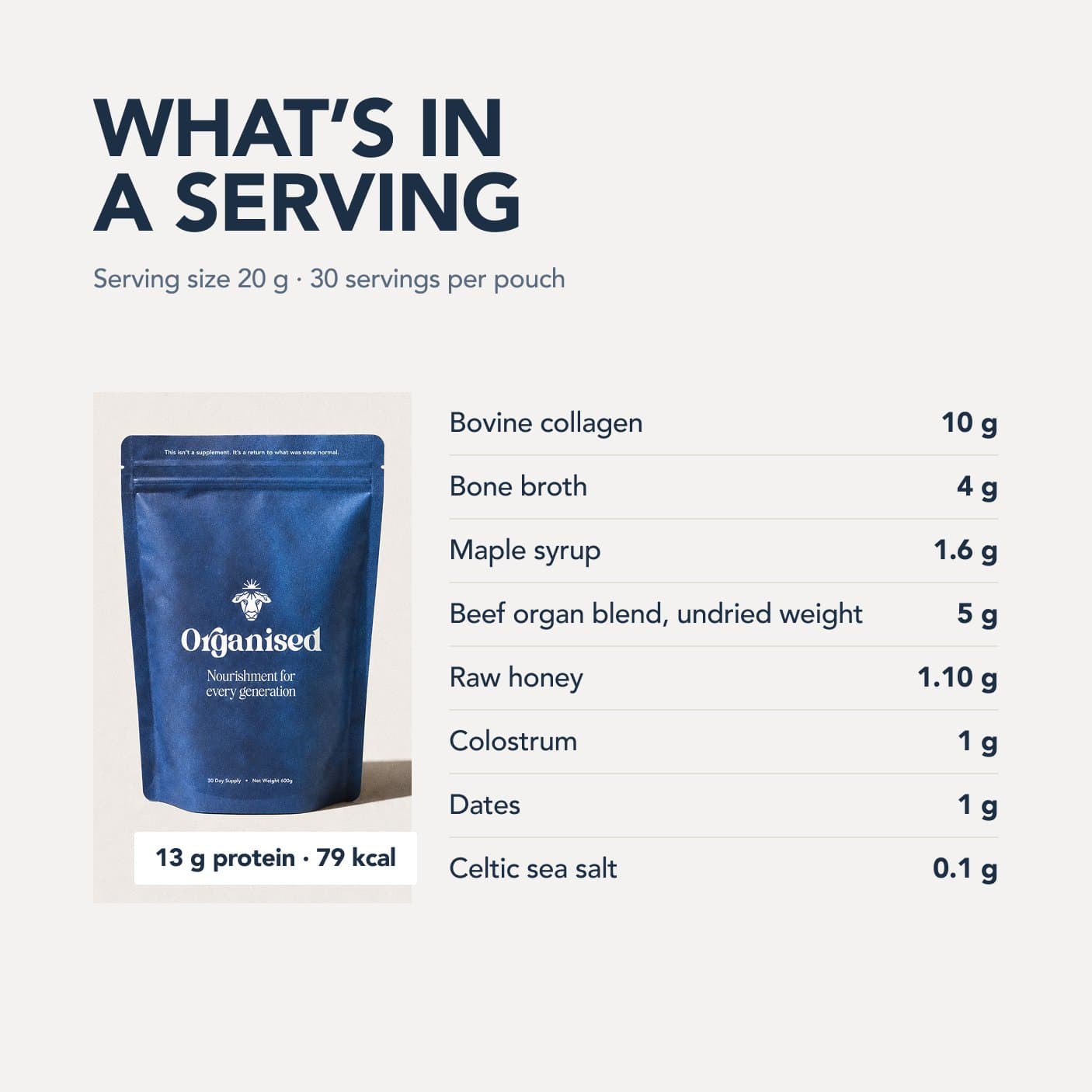
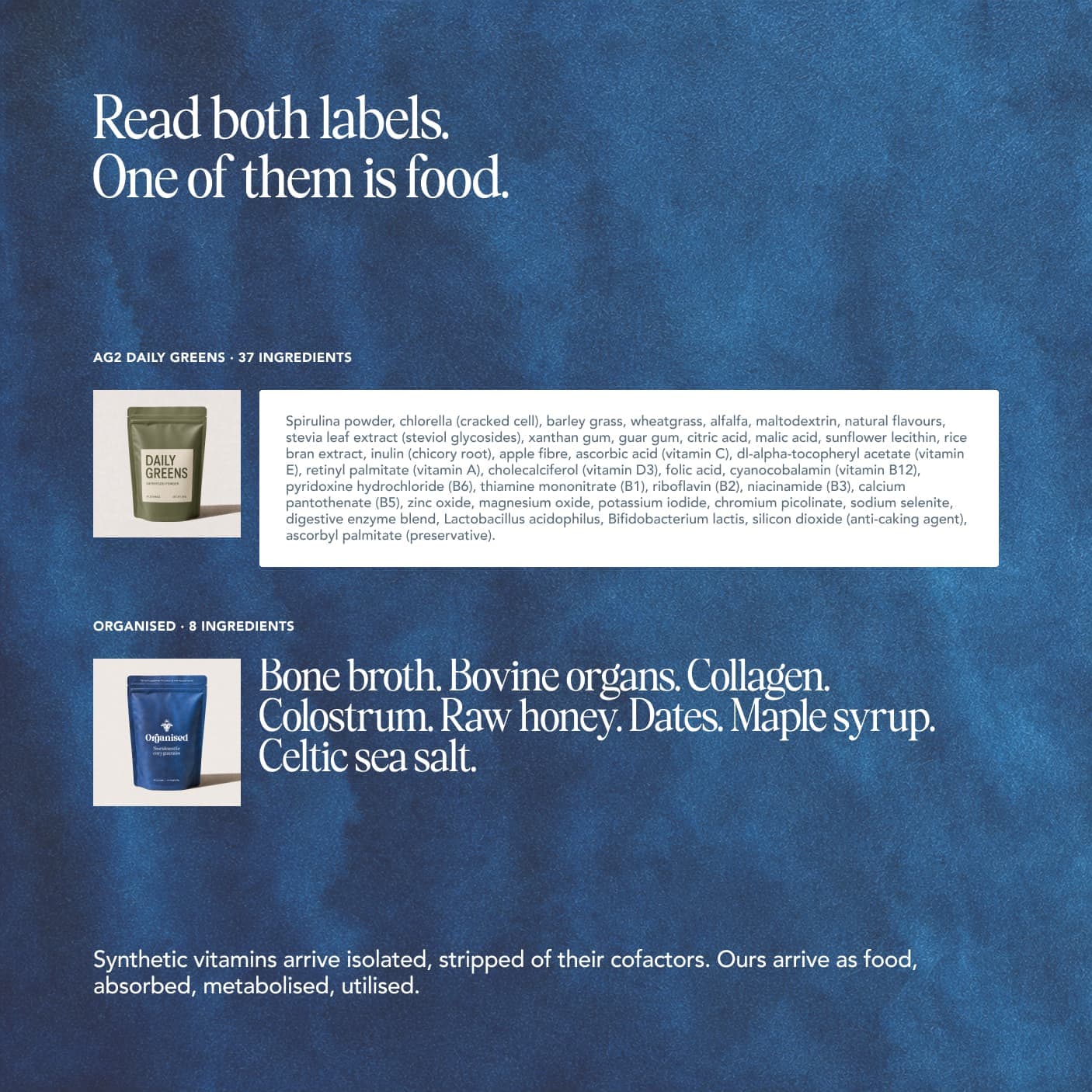
Eight real ingredients built around grass-fed beef organs, collagen and colostrum. Nothing synthetic added.
Free with your first order, worth £38. Plus £10 off the pouch with a subscription.
Free UK shipping · Made in England · 100 day money back guarantee on your first pouch · Skip, pause or cancel anytime
Why organ pate matters
Pate exists in nearly every culinary tradition because ancestors understood something we've forgotten: organ meats are the most nutrient-dense foods available. A single tablespoon of pate provides more usable nutrition than most people eat in a day. It's not health food disguised as indulgence. It's actually indulgence that happens to be health food.
In France, pate is considered sophisticated. In Scandinavia, liver paste is everyday food. In South America, organ-based spreads are common. Every tradition that survived long-term health challenges made organ meats central, not peripheral.
Making and eating pate is not extreme. It's ancestral. Your great-grandmother probably made something similar.
The bottom line
Pate is your gateway into organ meats. It's delicious enough to eat weekly, nutritious enough to matter, and approachable enough to share with people who are still scared of liver. Make this once. Then make it again. By the third batch, you'll be thinking about what else you might try.
Have you made pate before, or is this your first attempt? We'd love to hear how you get on.
References
Every source below was checked on 27 August 2026. Each link was requested and read. Where a citation and its identifier disagreed, the citation was corrected to the record or the reference was deleted along with the sentence marker that pointed at it, and where the resolved paper turned out not to support the sentence, the sentence was cut back to what it does support. Borrowed authority is worse than none, because it looks like rigour.
- National Institutes of Health, Office of Dietary Supplements. Vitamin A and Carotenoids: Fact Sheet for Health Professionals. https://ods.od.nih.gov/factsheets/VitaminA-HealthProfessional/ See also: Vitamin B12 (link), Iron (link), Copper (link), Choline (link) and Selenium (link) fact sheets [accessed May 2026].
Who wrote and reviewed this guide
Niall Kiddle
Author · Founder, Organised
Niall is the founder of Organised. He started the company in 2024 after fixing his own health the slow way: in 2022 he swapped a cupboard of synthetic supplements for real food, raw milk, organ meats, bone broth and honey, and felt the difference within months.
Areas of expertise: Ancestral nutrition, Organ meats, Whole-food supplementation, Gut health, Regenerative sourcing
Read Niall's full profile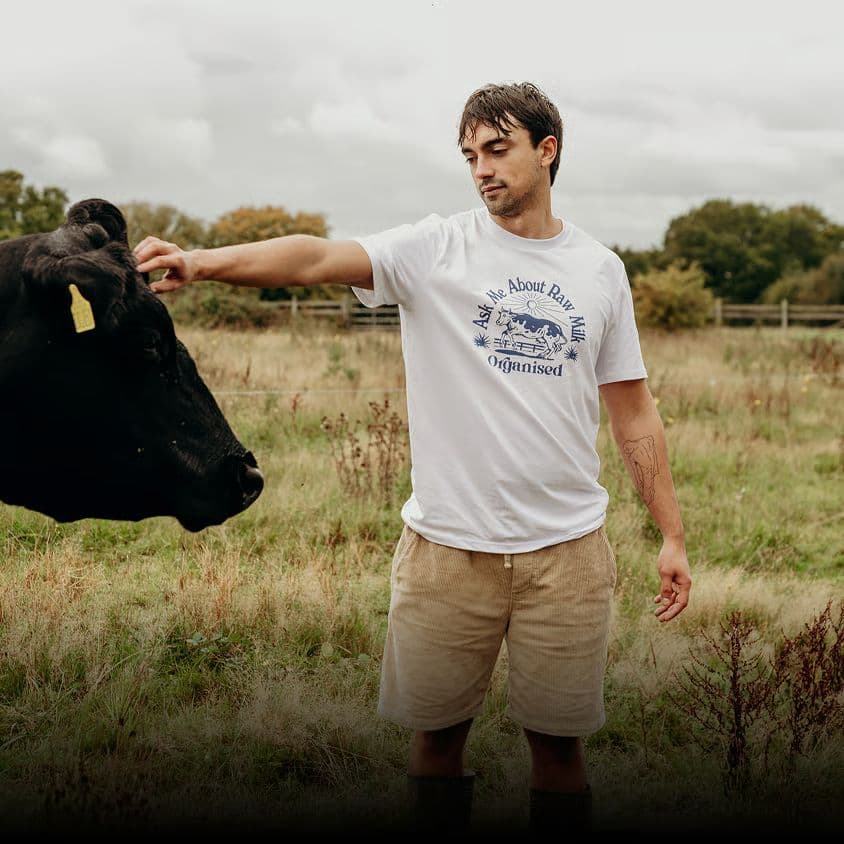
Pedro Rodrigues
Reviewer · Agronomist (farming and sourcing only)
Pedro is the agronomist Organised works with on farming and sourcing. His job on the guides is to keep the science honest: he reviews what we publish about soil health, regenerative agriculture, grazing and the way food is actually produced.
Areas of expertise: Regenerative agriculture, Agronomy, Soil health, Grass-fed farming, Food sourcing
Reviewed this guide on
Read Pedro's full profileMore on recipes
View all- 10 Ways to Use Organised That Aren't Just a Shake
- 5-Minute High-Protein Breakfasts Using Organised
- Ancestral Breakfast Ideas from Around the World
- Bone Broth from Scratch: A Step-by-Step Guide
- Collagen-Rich Beef Stew: Slow-Cooked Nourishment
- Energy Balls with Organised, Dates and Raw Honey
- Gut-Healing Marshmallows with Collagen and Raw Honey
- How to Make Bone Marrow Butter
- How to Make Your Own Gelatine Gummies
- Matcha Latte Gummies with Collagen and Gelatine
- Organ Bolognese: The Family Dinner That Heals
- Organised Chia Pudding with Raw Honey and Berries
Browse the guides library
All guidesKeep reading
Recipes & routines
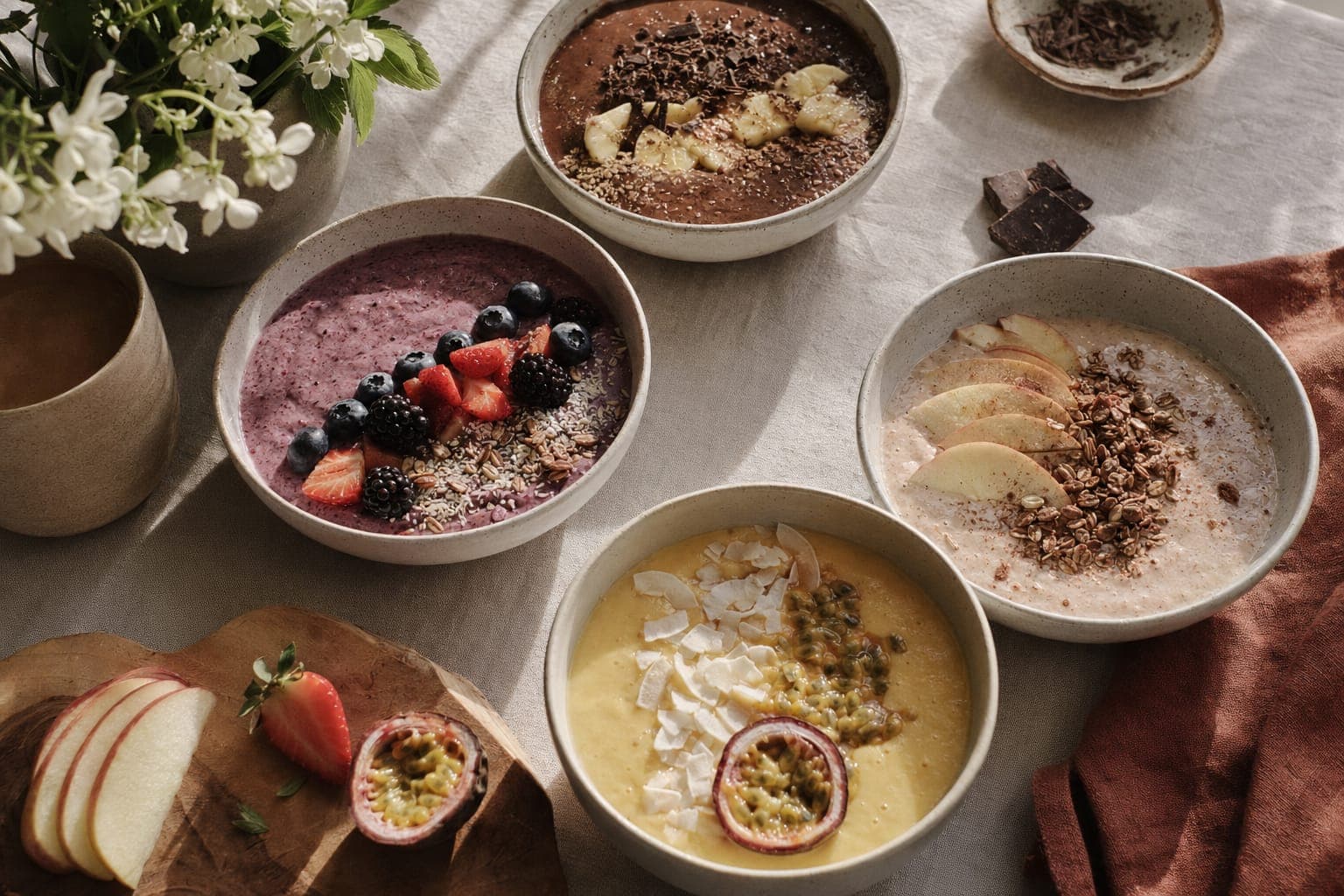
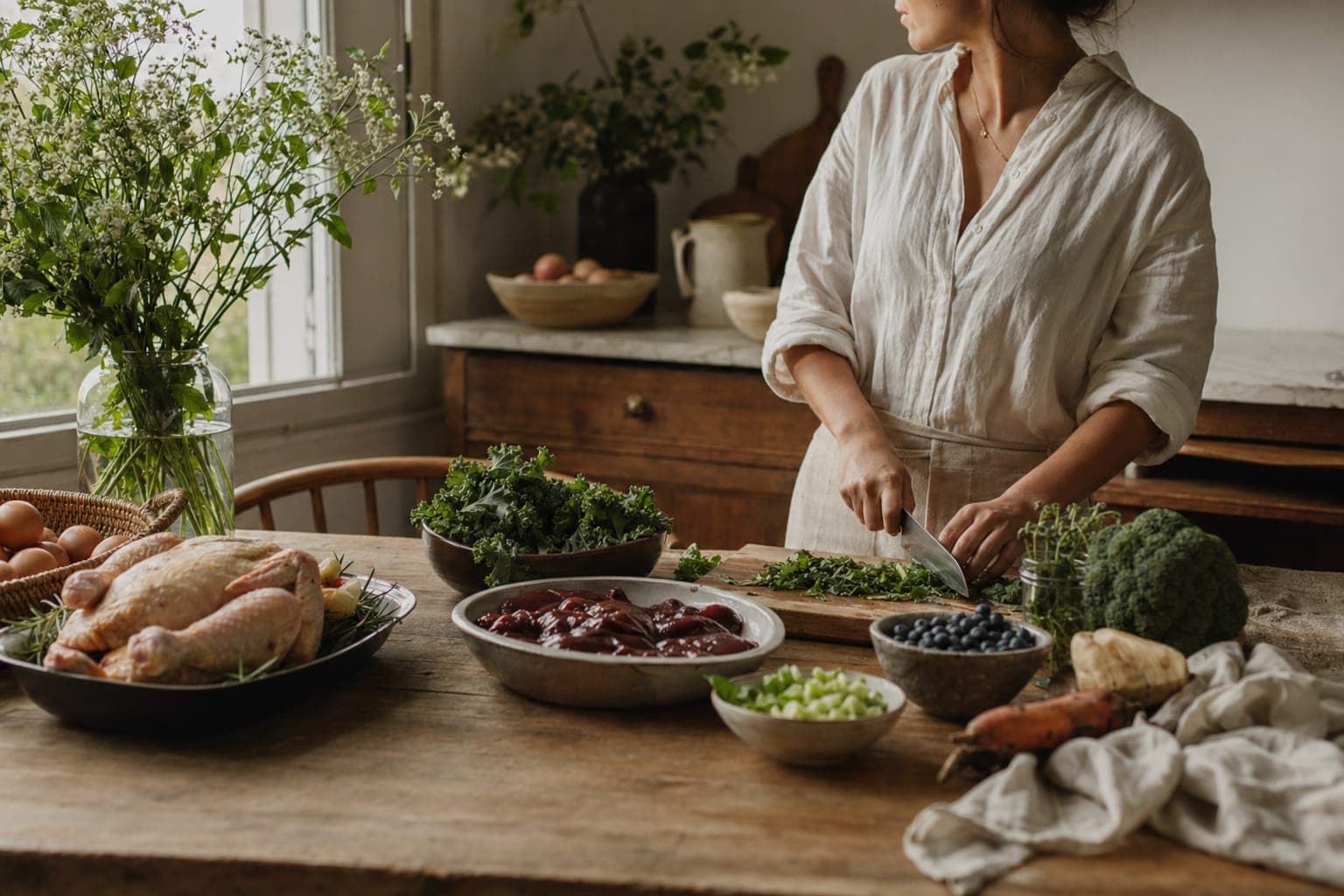
Organised Smoothie Bowl Recipes for Every Season
Four seasonal smoothie bowl recipes using Organised. Berry in summer, apple-cinnamon in autumn, tropical in spring, warming chocolate in winter.
Recipes & routines
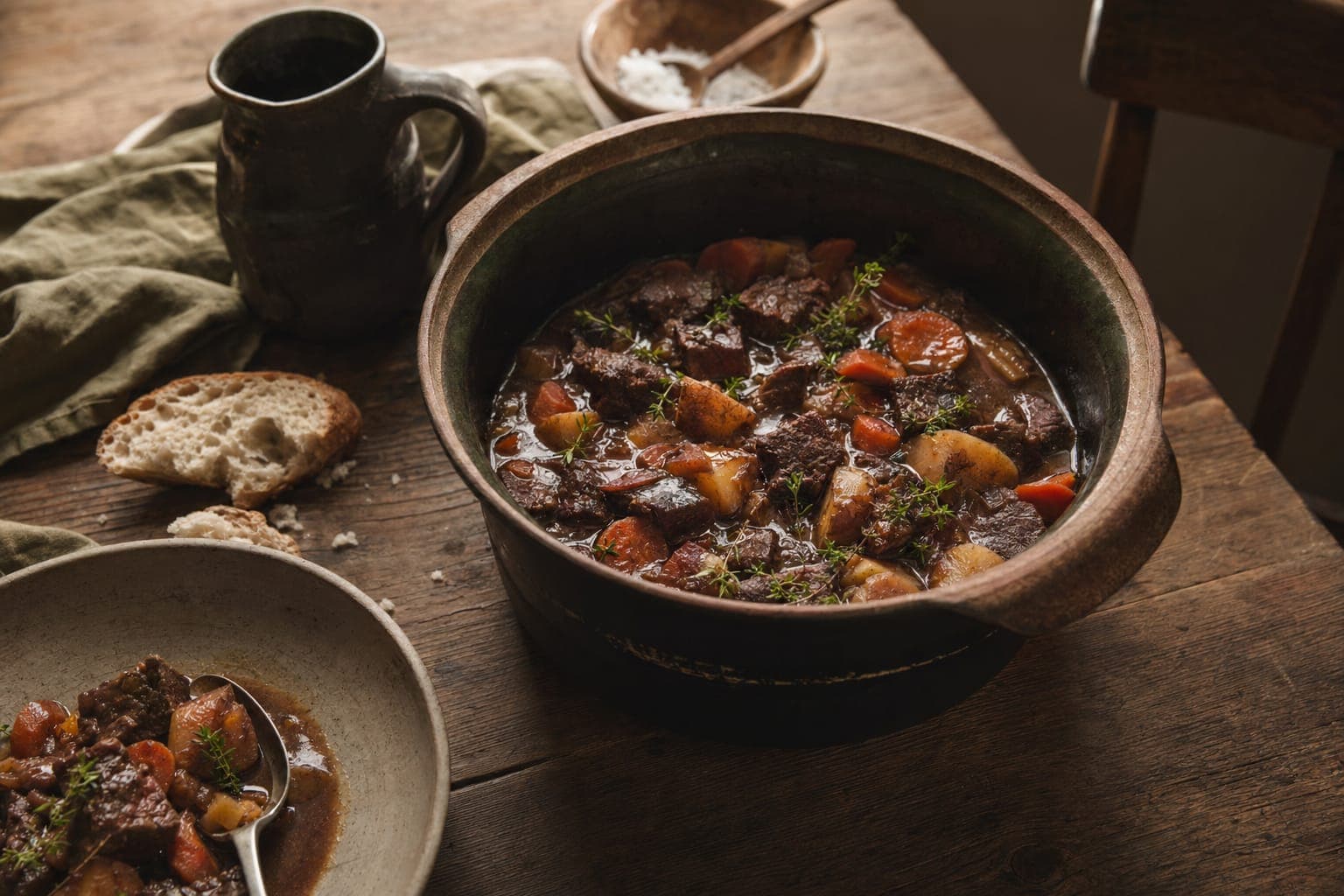
The Weekend Reset: A 2-Day Whole Food Protocol
Reclaim your weekend from processed food and sugar crashes. A Saturday and Sunday meal plan built around whole foods and organ nutrition.
Recipes & routines
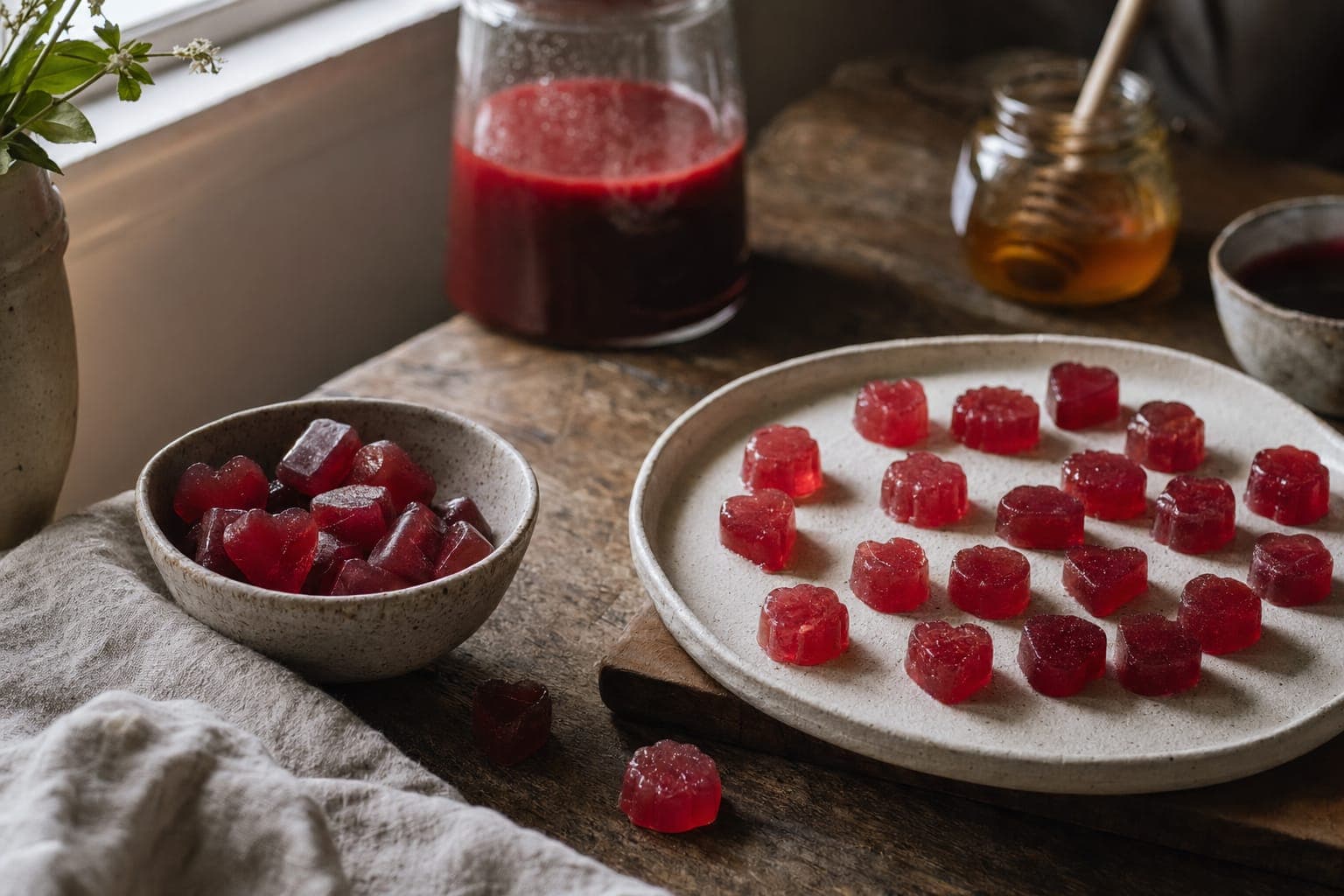
Collagen-Rich Beef Stew: Slow-Cooked Nourishment
Beef stew that delivers collagen from connective tissue and bone broth. Winter comfort food that actually nourishes. Simple slow cooker recipe.
Real food, made effortless
Add it to my routineA few ways to use it
All recipesCollagen-Rich Beef Stew: Slow-Cooked Nourishment
Beef stew that delivers collagen from connective tissue and bone broth. Winter comfort food that actually nourishes. Simple slow cooker recipe.
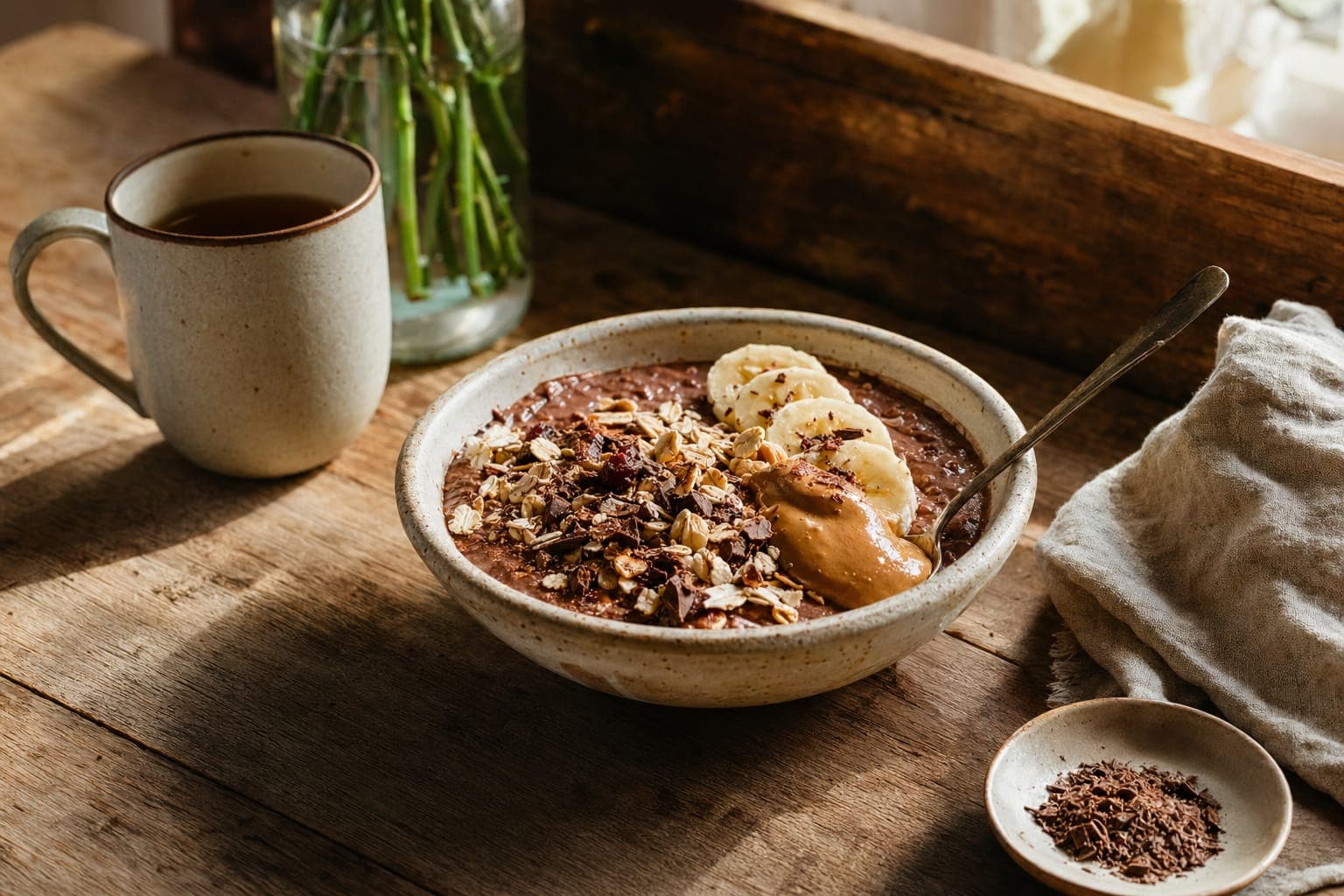
How to Make Your Own Gelatine Gummies
A simple recipe for homemade gelatine gummies using grass-fed gelatine, fresh juice, and raw honey. Better than shop-bought, kids love them.
10 Ways to Use Organised That Aren't Just a Shake
Move beyond the basic shake. Discover 10 creative ways to use Organised in smoothie bowls, oats, yoghurt, baking, and more.


 Join over 100,000+ members
Build a better food system with us
The Organised community is thousands of people choosing real food and backing the farmers who grow it, all of us trying to leave the world a little better than we found it. If that is what you care about too, you belong here.