Understanding Your Blood Work: A Nutritional Perspective
You get your blood work back. A stack of numbers and abbreviations in tiny print. Your doctor says everything looks normal and hands you the report. But you feel exhausted. Your hair is thinning. Your mood is flat. Your energy crashes by afternoon. You look at the report and have no idea what any of it means beyond that green checkmark next to 'normal range'. The problem is that normal range and optimal range are not the same thing. Not even close.

By Niall Kiddle, Founder, Organised

Reviewed by Pedro Rodrigues, Agronomist (farming and sourcing only) ·
6 min read · Published · Updated · 5 cited sources
Makers of the Organised Daily blend, a grass-fed beef organ supplement from regenerative UK farms

Most doctors use standard reference ranges, which capture the lower 2.5% and upper 97.5% of the general population. That population includes people with chronic disease, poor nutrition, and metabolic dysfunction. People on medications that interfere with nutrient absorption. People eating processed food exclusively. You don't want to be normal. You want to be optimal.

Why normal range isn't optimal
Functional medicine practitioners and nutritionists use what's called 'functional range'. This is narrower than the standard reference range. It captures the zone where most healthy people with good nutrition, good energy levels, and absence of symptoms actually sit. The functional range represents not the absence of disease, but the presence of health.
For example, serum ferritin has a standard reference range of roughly 15 to 200 ng/mL. Within that range, you're technically normal. But functional practitioners look for ferritin between 50 and 100. Why? Because people with ferritin below 50 frequently report fatigue, poor exercise recovery, thinning hair, and poor temperature regulation, even though they're technically in the normal range. At 50 to 100, these symptoms tend to resolve.
This pattern repeats across markers. Vitamin D normal range is often cited as 20 to 100 ng/mL. Functionally, most people feel better and have better immune function between 50 and 70. TSH normal range is 0.4 to 4.0. Functionally, most people feel their best between 0.5 and 2.5. The numbers are different but the principle is the same: normal doesn't mean optimal.
Your blood work isn't just a snapshot of disease risk. It's a portrait of your nutritional status. Reading it through a nutritional lens gives you information your standard GP review might miss entirely.
Ferritin: the iron that matters
Ferritin is your iron storage marker. It tells you whether your body has adequate iron reserves. Low ferritin, particularly below 30 but functionally below 50, correlates strongly with fatigue, poor focus, hair loss, and cold intolerance. Women in particular can run chronically low on iron due to menstrual losses, even if they're eating well.
Most GPs test serum iron and TIBC (total iron-binding capacity) to diagnose anaemia. But you can have adequate haemoglobin and still be iron-depleted in storage. Your haemoglobin can be normal whilst your ferritin is dangerously low. That's when ferritin tells the real story. You're not anaemic by standard measures, but you're iron-depleted, and your body is compromising on performance to preserve what little iron you have.
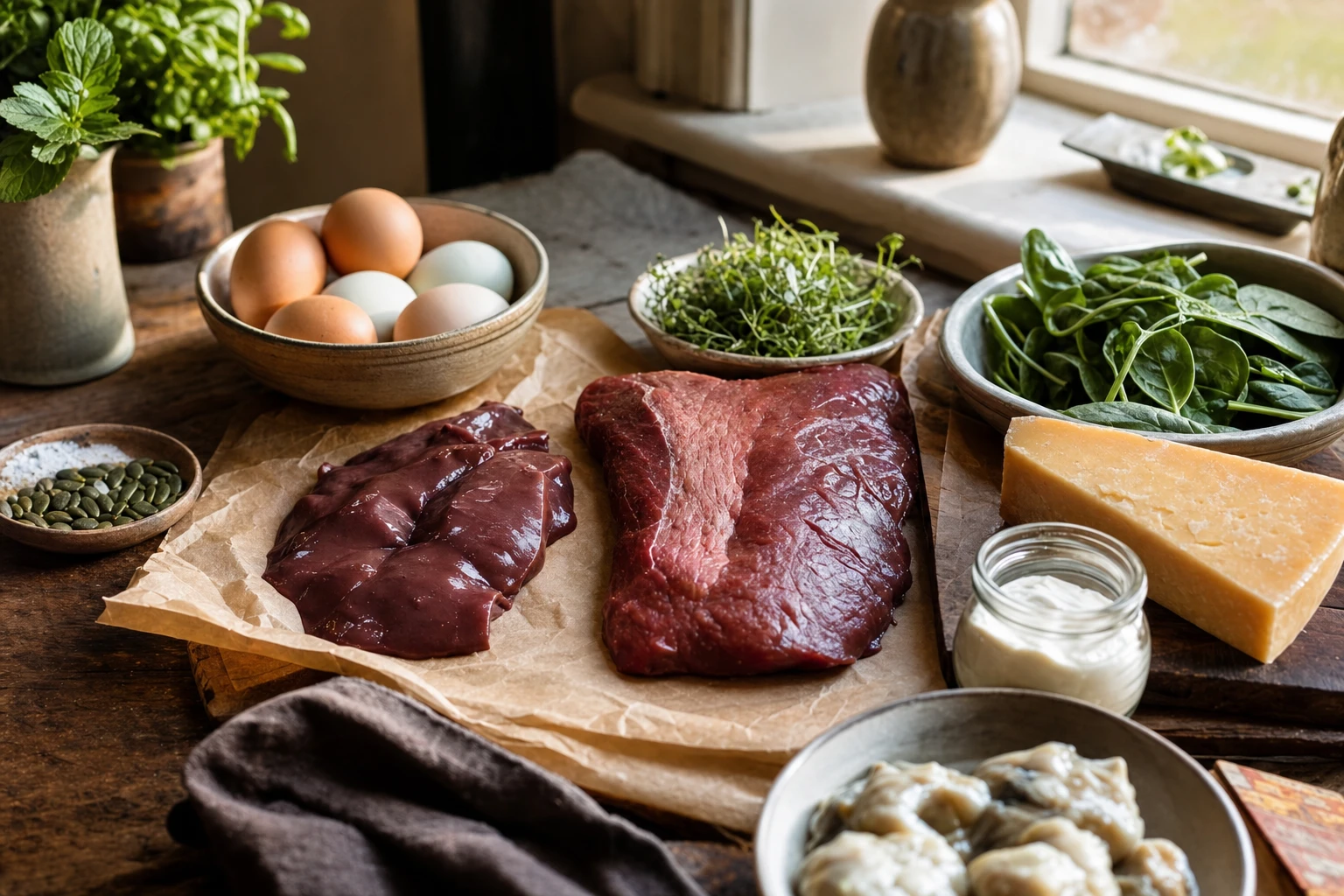
Optimal ferritin is typically 50 to 100 ng/mL for most people.1 Some research suggests even higher for athletes or people with high metabolic demands. If ferritin is low, the first step is determining whether it's from inadequate intake or excessive loss. Eat liver, beef, oysters regularly. If you menstruate heavily, address that first. If ferritin remains stubbornly low despite good food intake and normal menstruation, you might have poor absorption, in which case gut healing takes priority over iron supplementation.
Ferritin below 50 is common in people who feel perpetually exhausted, even if haemoglobin is technically normal.
B12 and methylation
B12 is measured two ways: serum B12 and methylmalonic acid (MMA). Serum B12 shows your circulating level. MMA shows whether your cells are actually using it effectively.2 You can have adequate serum B12 and still be functionally deficient if MMA is elevated, which indicates your cells aren't properly utilising the B12 you have.
B12 is essential for methylation, the process that makes neurotransmitters, regulates gene expression, maintains DNA integrity, and supports immune function. Deficiency shows up as fatigue, poor mood, cognitive fog, neuropathy, and numbness in extremities. It's found almost exclusively in animal foods: liver, beef, fish, eggs, dairy. Plants don't contain usable B12.
Optimal serum B12 is above 500 pmol/L (or 700 pg/mL in US units). Some people feel symptoms of deficiency even at levels that standard medicine considers normal. If you're vegetarian or vegan, B12 deficiency is a genuine and unavoidable risk without supplementation. If you're eating animal foods and B12 is still low, investigate stomach acid production, intrinsic factor antibodies, and gut permeability.
Vitamin D: the forgotten hormone
Vitamin D is a steroid hormone, not a vitamin. It regulates immune function, mood, bone health, cardiovascular health, and metabolic function. Most blood tests show serum 25-hydroxyvitamin D.3 Standard range is 20 to 100 ng/mL, which is absurdly wide. Functional range is 40 to 60 ng/mL in winter and 50 to 70 in summer.
If vitamin D is below 30, mood disorders and immune dysfunction are common. Below 20, bone health begins to suffer meaningfully. But the relationship isn't perfectly linear. Some people genuinely thrive at 50 ng/mL. Others feel notably better at 70. The key is knowing your baseline and how you feel at different levels. Most people improve substantially when brought from 25 to 50.
Vitamin D is synthesised in your skin in response to UVB sunlight. If you live in the UK, supplementation or regular sun exposure is essential, particularly from October to March when the sun angle doesn't permit synthesis. Fatty fish, liver, and egg yolks contain some, but not enough to reach optimal levels without sun or supplementation. Mushrooms contain ergocalciferol, but conversion is limited.
Vitamin D below 40 ng/mL is associated with worse mood, worse immune function, and bone loss. Optimal for most people is 50 to 70.

Get the science, plainly, free
Two short reads a week on what the research actually says about nutrition.
By signing up you agree to receive emails from us. No spam, unsubscribe anytime.
Zinc and immune resilience
Zinc is measured as serum zinc, though hair mineral analysis is sometimes used for tissue zinc status.5 Standard range is roughly 10 to 20 µmol/L. Below 12, immune function declines noticeably. Cold duration increases. Infection frequency increases. Wound healing slows. Taste and smell deteriorate.
Zinc is abundant in red meat, shellfish, and organ meats, particularly beef liver. A single serving of oysters provides dramatic amounts. Beef liver provides a week's worth of zinc in one meal. But zinc absorption depends on copper balance, adequate stomach acid, and gut integrity. If you're eating zinc-rich foods and serum zinc is still low, absorption is the issue, not intake.
Zinc deficiency is common in older adults and in people with poor gut health. If your zinc is borderline low and you're dealing with recurring infections or slow wound healing, prioritise gut healing and regular consumption of zinc-rich foods.


1 of 9
Daily blend
100,000+ thriving families4.9 on Trustpilot
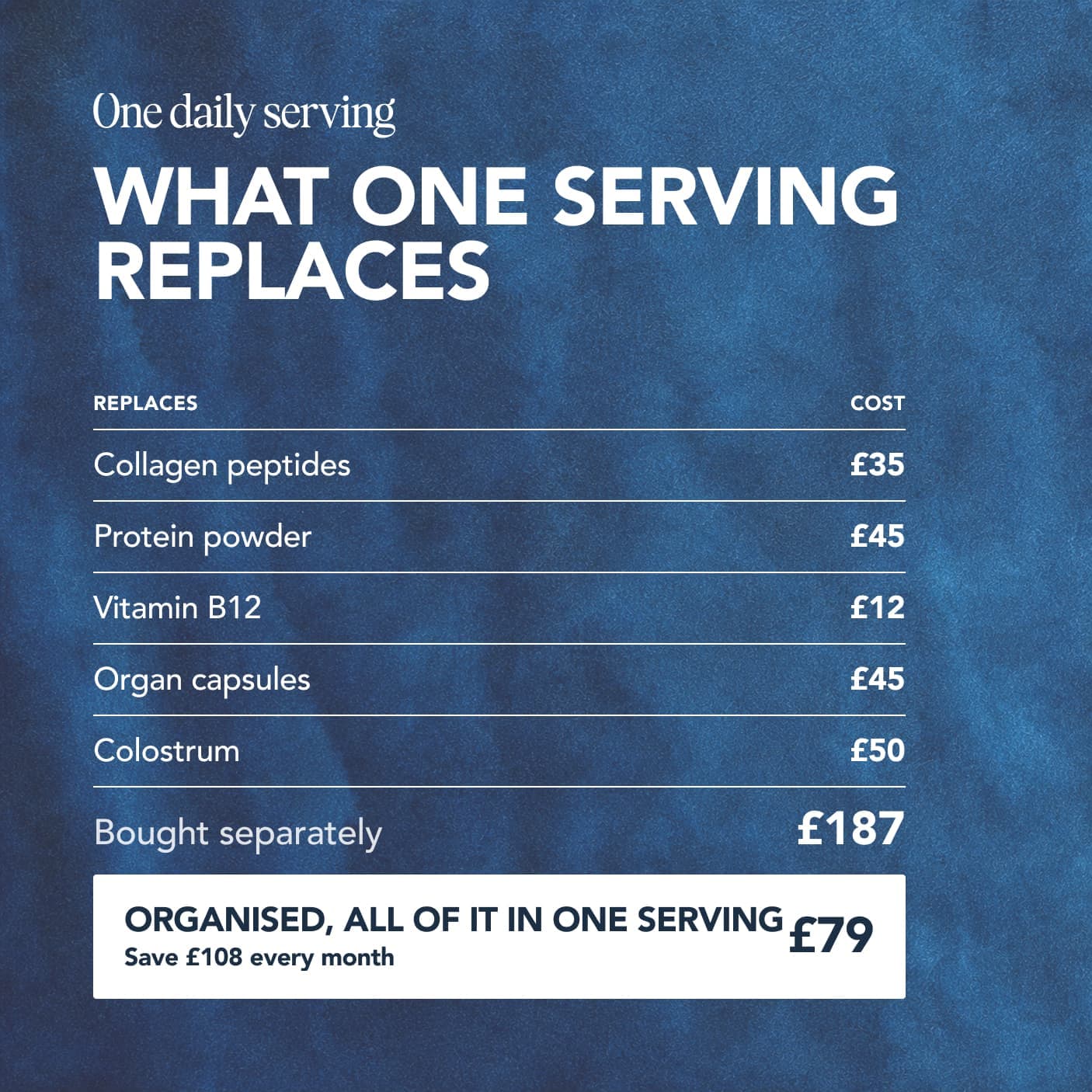
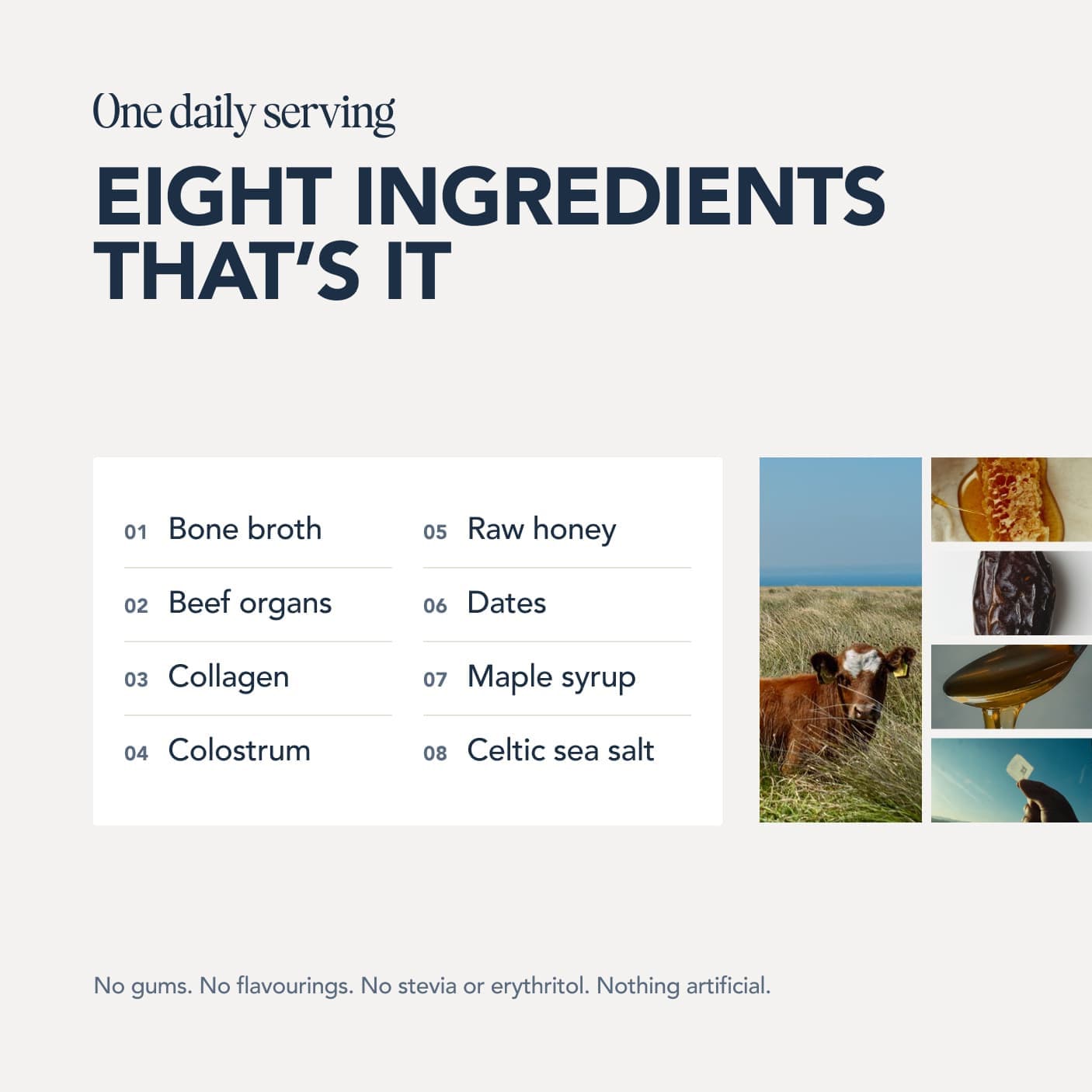
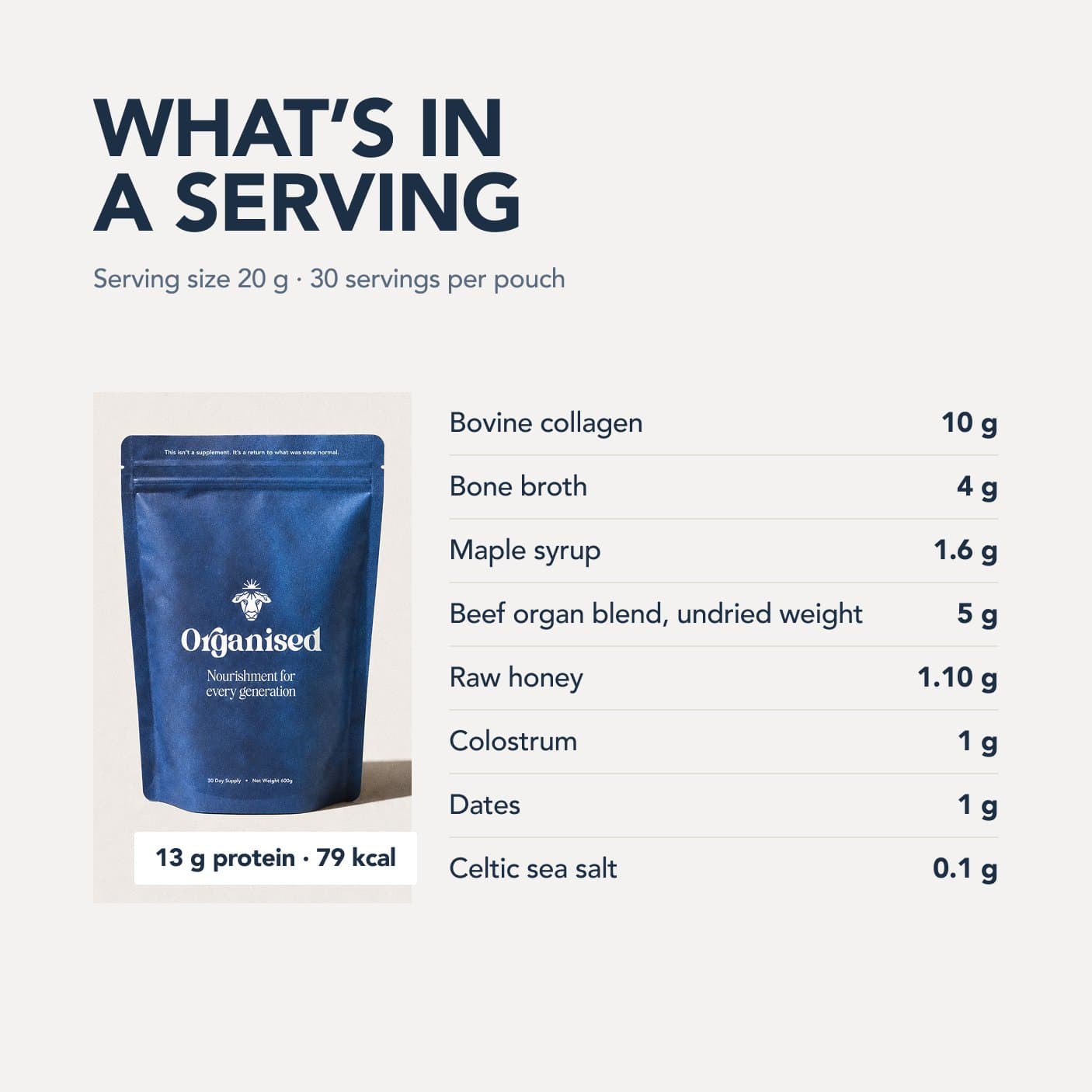
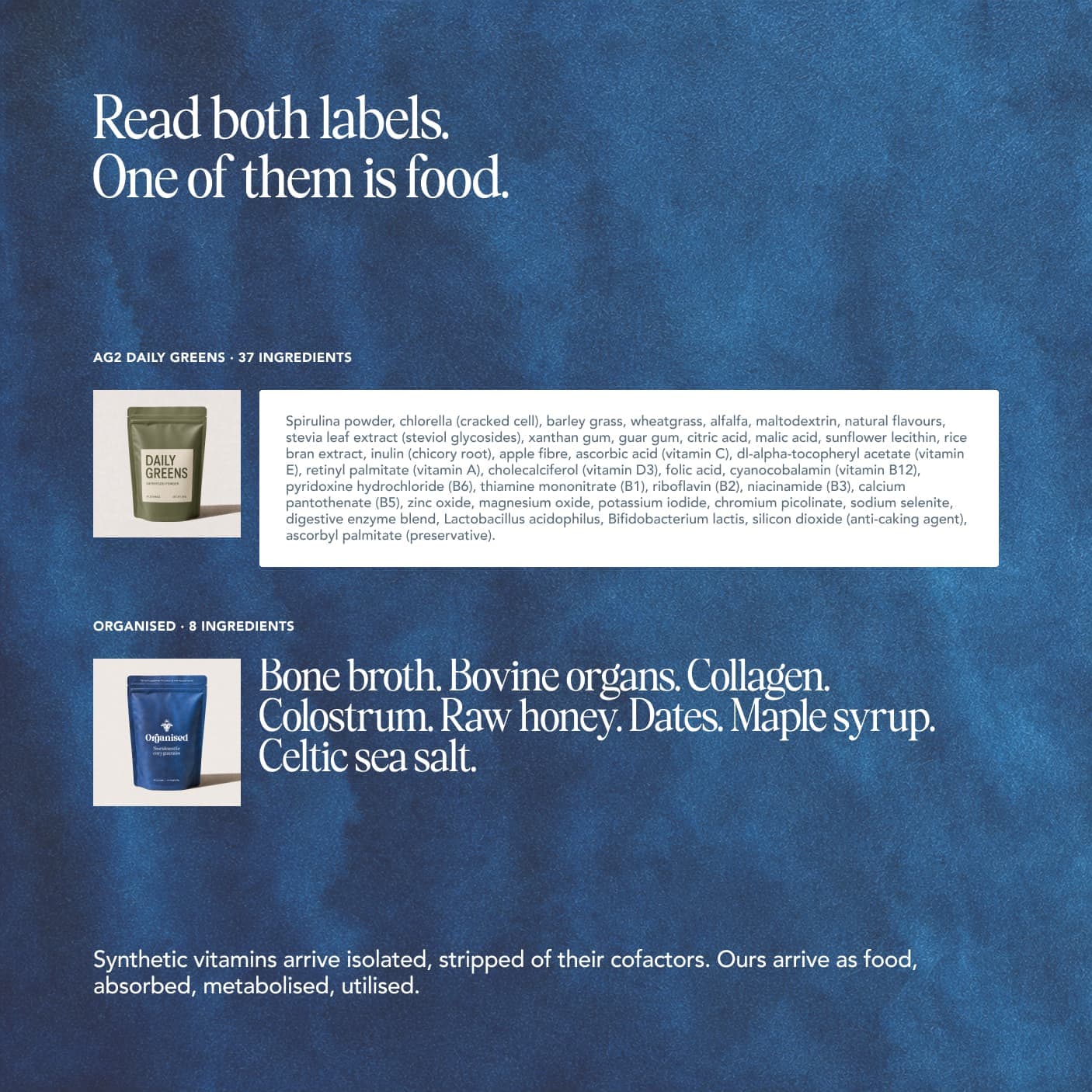
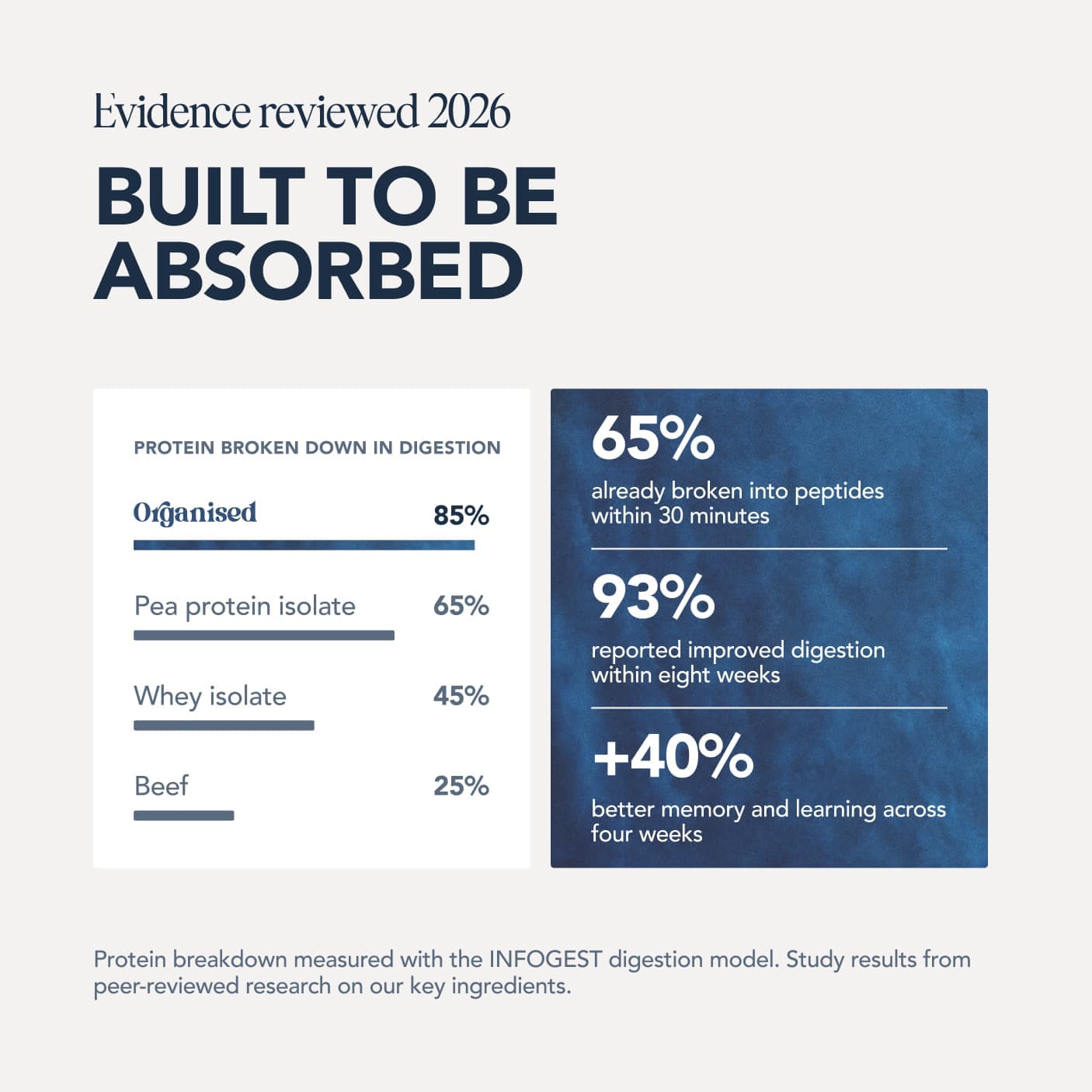
Eight real ingredients built around grass-fed beef organs, collagen and colostrum. Nothing synthetic added.
Free with your first order, worth £38. Plus £10 off the pouch with a subscription.


Free UK shipping · Made in England · 100 day money back guarantee on your first pouch · Skip, pause or cancel anytime
Thyroid markers and metabolic health
TSH (thyroid-stimulating hormone) is the screening test most GPs use. Normal range is typically 0.4 to 4.0 mIU/L.4 But functional practitioners look for TSH between 0.5 and 2.5. Why? Because people with TSH above 2.5 often report fatigue, weight gain, poor temperature regulation, sluggish metabolism, and hair loss, even though TSH is technically normal.
Free T3 and free T4 are more informative than TSH alone. TSH tells you how hard your pituitary is working to stimulate your thyroid. Free T4 tells you how much thyroid hormone is being produced. Free T3 tells you what hormone is actually circulating and available to your cells. If TSH is normal but free T4 is low-normal, you might have conversion issues, an inability to convert inactive T4 into active T3, or poor absorption.
Thyroid antibodies (TPO, thyroglobulin) reveal autoimmune thyroid disease. Many people are hypothyroid not from iodine deficiency but from immune attack on the thyroid gland. This changes treatment approach entirely. If you're hypothyroid, request antibody testing.
What to do with your results
Request a copy of your results with reference ranges. Don't accept just a checkmark. Note anything that sits in the lower third of normal range or the upper third. These are often the first signs of brewing deficiency or dysfunction. A ferritin of 25 is technically normal but functionally concerning.
If you find yourself deficient, the first intervention is always food. Liver for B12, iron, and zinc. Fatty fish or sunlight for vitamin D. Shellfish for zinc. Whole eggs for choline. Before supplementing, ensure you're eating the actual foods that contain these nutrients in abundance.
If markers are persistently low despite good nutrition, investigate absorption. Get your stomach acid tested. Check for intrinsic factor antibodies. Assess gut permeability. The problem is often not in your mouth but in your gut lining's ability to actually absorb what you're eating.
References
Every source below was checked on 27 August 2026. Each link was requested and read. Where a citation and its identifier disagreed, the citation was corrected to the record or the reference was deleted along with the sentence marker that pointed at it, and where the resolved paper turned out not to support the sentence, the sentence was cut back to what it does support. Borrowed authority is worse than none, because it looks like rigour.
- National Institutes of Health, Office of Dietary Supplements. Iron: Fact Sheet for Health Professionals. https://ods.od.nih.gov/factsheets/Iron-HealthProfessional/ [accessed May 2026].
- National Institutes of Health, Office of Dietary Supplements. Vitamin B12: Fact Sheet for Health Professionals. https://ods.od.nih.gov/factsheets/VitaminB12-HealthProfessional/ [accessed May 2026].
- National Institutes of Health, Office of Dietary Supplements. Vitamin D: Fact Sheet for Health Professionals. https://ods.od.nih.gov/factsheets/VitaminD-HealthProfessional/ [accessed May 2026].
- NHS. Underactive thyroid (hypothyroidism). https://www.nhs.uk/conditions/underactive-thyroid-hypothyroidism/ [accessed May 2026].
- National Institutes of Health, Office of Dietary Supplements. Zinc: Fact Sheet for Health Professionals. https://ods.od.nih.gov/factsheets/Zinc-HealthProfessional/ [accessed May 2026].
Who wrote and reviewed this guide
Niall Kiddle
Author · Founder, Organised
Niall is the founder of Organised. He started the company in 2024 after fixing his own health the slow way: in 2022 he swapped a cupboard of synthetic supplements for real food, raw milk, organ meats, bone broth and honey, and felt the difference within months.
Areas of expertise: Ancestral nutrition, Organ meats, Whole-food supplementation, Gut health, Regenerative sourcing
Read Niall's full profile
Pedro Rodrigues
Reviewer · Agronomist (farming and sourcing only)
Pedro is the agronomist Organised works with on farming and sourcing. His job on the guides is to keep the science honest: he reviews what we publish about soil health, regenerative agriculture, grazing and the way food is actually produced.
Areas of expertise: Regenerative agriculture, Agronomy, Soil health, Grass-fed farming, Food sourcing
Reviewed this guide on
Read Pedro's full profileMore on nutritional science
View all- 6 Mineral Deficiencies You Probably Have Without Realising
- Glutathione: Your Body's Master Antioxidant
- Methylation: What It Is and Why It Matters
- The Difference Between Heme and Non-Heme Iron (And Why It Matters)
- The Micronutrient Gap: Why Even 'Healthy' Diets Fall Short
- The Role of Fat-Soluble Vitamins: A, D, E and K
- What Is Oxidative Stress and How Does Nutrition Help?
- Why Nutrient Density Should Replace Calorie Counting
Browse the guides library
All guidesKeep reading
Science
The Role of Fat-Soluble Vitamins: A, D, E and K
A clear guide to fat-soluble vitamins A, D, E and K2, how they work together, the best food sources and why organ meats are the richest source of them all.

Science
How to Read a Nutritional Study Without Being Misled
Learn how to read nutritional studies without being misled. Tell apart observational and RCT research, and spot confounders, funding and healthy user bias.

Science
What Is Bioavailability and Why Does It Matter for Supplements?
What bioavailability means, why it matters for supplement effectiveness, and how it changes everything about your nutrition strategy.
Real food, made effortless
See the blendA few ways to use it
All recipes
How to Make Bone Marrow Butter
Roast grass-fed marrow bones, scoop the marrow, and mix with butter and herbs. A nutrient-dense spread with fat-soluble vitamins.

How to Make Your Own Gelatine Gummies
A simple recipe for homemade gelatine gummies using grass-fed gelatine, fresh juice, and raw honey. Better than shop-bought, kids love them.

Organised Chia Pudding with Raw Honey and Berries
A no-cook chia seed pudding made with raw milk, collagen, berries, and raw honey. Prep it the night before and eat for breakfast.


 Join over 100,000+ members
Build a better food system with us
The Organised community is thousands of people choosing real food and backing the farmers who grow it, all of us trying to leave the world a little better than we found it. If that is what you care about too, you belong here.