The Role of Fat-Soluble Vitamins: A, D, E and K
Take a vitamin D supplement without adequate vitamin K2 and you might be directing calcium to your arteries instead of your bones. Give someone vitamin A without E and the A gets oxidised before it can be used. Fat-soluble vitamins don't work alone. They work best together, in ratios found in real food.
By Niall Kiddle, Founder, Organised

Reviewed by Pedro Rodrigues, Agronomist (farming and sourcing only) ·
6 min read · Published · Updated · 4 cited sources
Makers of the Organised Daily blend, a grass-fed beef organ supplement from regenerative UK farms
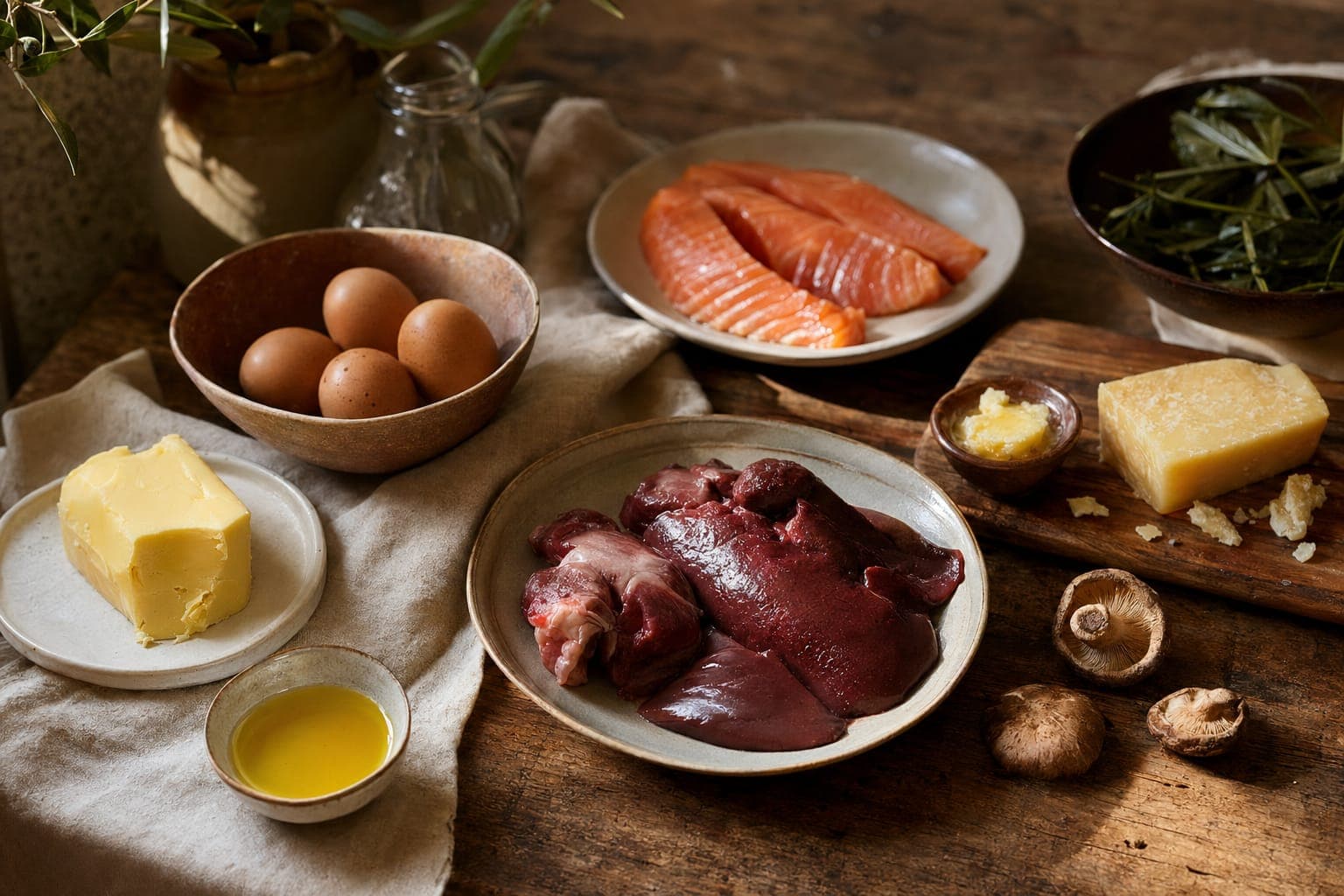
This is why the most effective approach to fat-soluble vitamin nutrition isn't supplementing them in isolation. It's eating the foods richest in all of them: organ meats, particularly liver and heart.

What makes vitamins fat-soluble
Fat-soluble vitamins (A, D, E, K) are absorbed in dietary fat and require lipase enzymes and healthy bile production to be properly absorbed. This means that people with poor fat digestion, bile acid problems, or insufficient stomach acid may absorb these vitamins poorly even if they eat enough of them.
These vitamins are stored in fat tissue and can accumulate in the body. This is both an advantage (you can build up reserves over time) and a potential risk (you can theoretically overdose, though this is rare from food and more common with high-dose synthetic supplements).
They require adequate fat intake to be absorbed properly. Eating fat-soluble vitamins with a fat-free meal means minimal absorption. Eaten with fat, particularly with saturated fat and cholesterol (which enhance absorption), absorption becomes efficient. This is one reason organ meats are so effective sources. They contain both the vitamins and the fat needed for their absorption.
Vitamin A: The vision and immunity vitamin
Retinol (preformed vitamin A) is found in animal foods.1 Beta-carotene (provitamin A) is found in plants and must be converted to retinol by your body. The conversion is inefficient and varies based on genetics, gut health, and current nutrient status. Some people convert as little as 3-6% of consumed beta-carotene to usable retinol, while others convert at higher rates.
Vitamin A is essential for vision (particularly night vision, which requires rhodopsin, a vitamin A-dependent protein), immune function, skin health, and gene expression. Deficiency causes night blindness, poor immunity, dry skin, and reproductive problems. Excess from food is virtually impossible; toxicity occurs primarily with high-dose supplementation.
The richest sources are organ meats, particularly beef liver, which contains over 500,000 IU per 100g. Organ meats generally deliver bioavailable retinol. Fatty fish and eggs provide moderate amounts. No plant food comes close to organ meat for retinol density or bioavailability.
Vitamin D: The hormone vitamin
Vitamin D is technically a hormone your body synthesises from cholesterol when your skin is exposed to UVB radiation from sunlight.2 It's found in food primarily in fatty fish (particularly wild salmon and mackerel), organ meats, and egg yolks, but in smaller amounts than would be needed to maintain optimal levels if you had no sun exposure.
Vitamin D regulates calcium absorption, immune function, gene expression, bone health, and mood. Deficiency is pandemic in modern populations, particularly in northern latitudes and in people who avoid sun exposure. Optimal blood levels are probably 50-70 ng/mL, while recommended minimums are often too low (20 ng/mL).
The critical point: vitamin D doesn't work well in isolation. It requires vitamin K2 to activate osteocalcin, the protein that directs calcium to bone. Without adequate K2, supplemental D can actually cause calcification in soft tissues (arteries, kidneys) instead of bone.
Vitamin E: The protection vitamin
Vitamin E is a potent antioxidant. Its primary function is to protect other fat-soluble vitamins and polyunsaturated fats in the body from oxidation.3 It's found in nuts, seeds, and vegetable oils, but also in meat and organ meats, particularly in grass-fed sources.
The best form is mixed tocopherols (alpha, beta, gamma, delta-tocopherol), not isolated alpha-tocopherol, which is what most supplements contain. Grass-fed beef contains more vitamin E than grain-fed beef. Organ meats from well-raised animals contain significant E.
Deficiency causes oxidative stress, neurological problems, and impaired function of other fat-soluble vitamins. But massive excess (from supplements) can interfere with other nutrients and actually increase oxidative stress, so balance is important.
Vitamin K: The direction vitamin
Vitamin K exists in two main forms: K1 (phylloquinone) and K2 (menaquinone). They have different functions.
Vitamin K1 is found in plant foods and is essential for blood clotting (this is what warfarin interferes with). It's abundant in leafy greens but doesn't have significant roles beyond clotting.
Vitamin K2 (found primarily in animal foods and fermented foods) directs calcium where it needs to go, to bone and teeth, not to soft tissues like arteries and kidney stones.4 K2 exists in several forms: MK-4 (found in animal foods) and MK-7 (found in fermented foods and some bacteria-fermented foods). Both are active, but MK-4 has a shorter half-life and requires more frequent intake, while MK-7 circulates longer in the body.
Beef liver is one of the richest sources of MK-4. Grass-fed dairy is another. Fermented foods like natto (fermented soybeans) provide extraordinary amounts of MK-7. Sauerkraut and kimchi provide small amounts.
K2 deficiency leads to a paradoxical pattern: soft-tissue calcification (arteries, kidneys, joints) alongside osteoporosis (weak bones). This paradox, weak bones and calcified soft tissues, is a hallmark of K2 deficiency.
Vitamin D without K2 is like giving someone directions without a destination. You're increasing calcium absorption, but D can't tell calcium where to go. K2 is the traffic director.
Get the science, plainly, free
Two short reads a week on what the research actually says about nutrition.
By signing up you agree to receive emails from us. No spam, unsubscribe anytime.
Synergies and antagonisms
Vitamin A and high-dose beta-carotene compete for absorption, so very high-dose beta-carotene supplementation can impair retinol absorption.
Vitamin E protects other fat-soluble vitamins from oxidation, so adequate E status supports A and K function. Without sufficient E, A gets oxidised and becomes unusable.
Vitamin D and K2 work synergistically. Together they regulate calcium metabolism far better than either alone. Without this synergy, calcium regulation becomes dysregulated, leading to the paradox of osteoporosis with vascular calcification.
Calcium, magnesium, and vitamin D balance affects all of these. Excess calcium without magnesium impairs D function. These minerals and vitamins need to be in appropriate ratios, not taken in isolation.
1 of 9
Daily blend
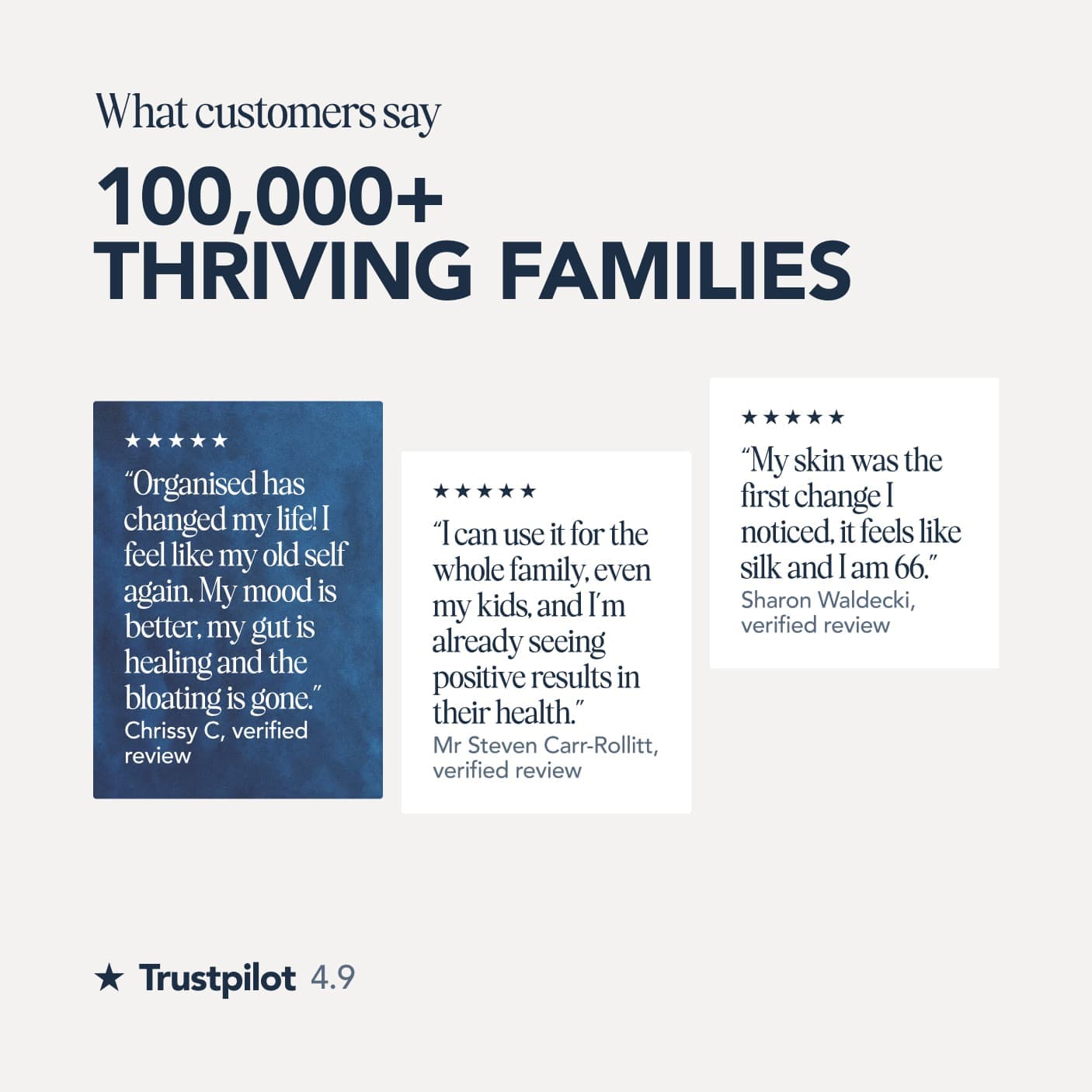
100,000+ thriving families4.9 on Trustpilot
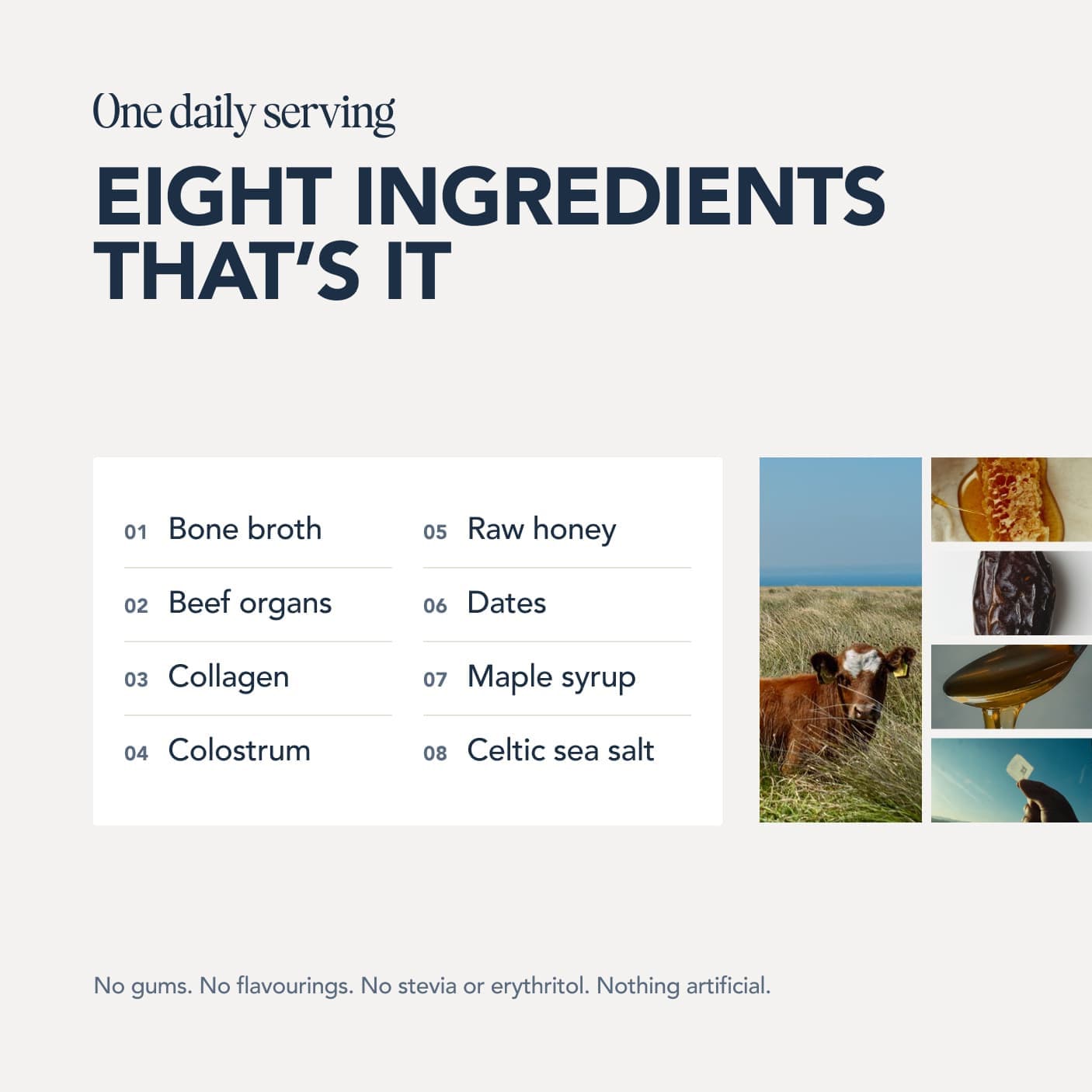
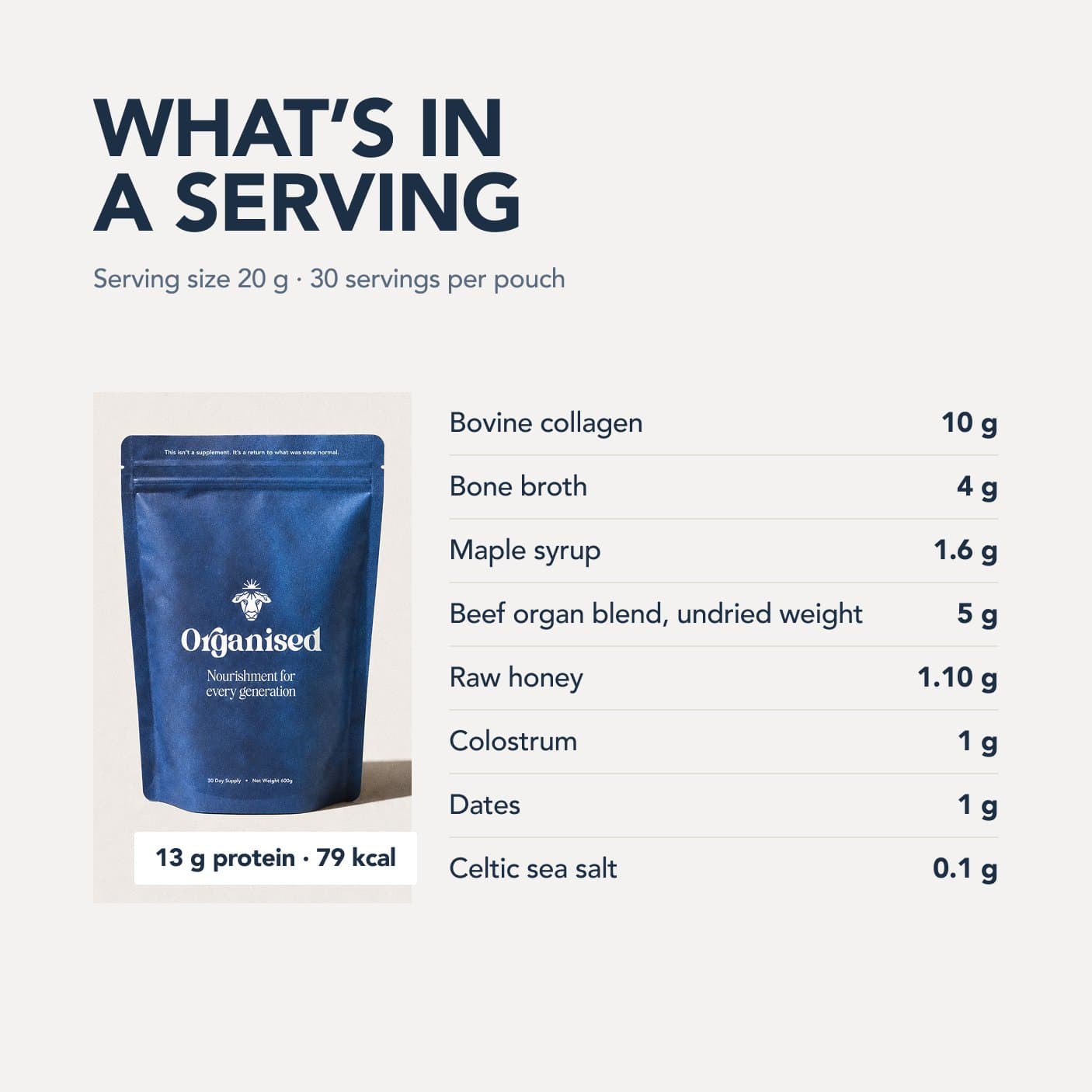
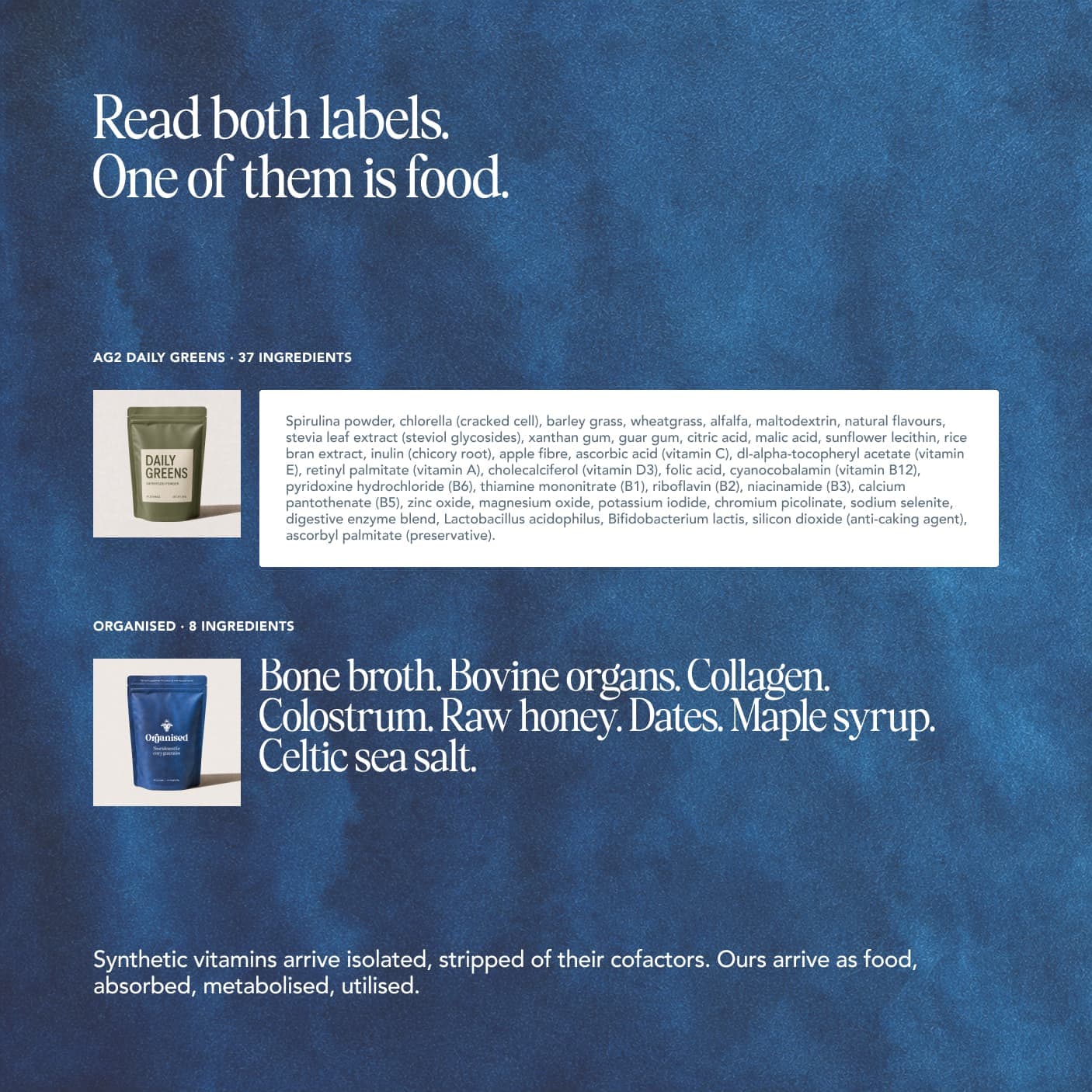
Eight real ingredients built around grass-fed beef organs, collagen and colostrum. Nothing synthetic added.
Free with your first order, worth £38. Plus £10 off the pouch with a subscription.
Free UK shipping · Made in England · 100 day money back guarantee on your first pouch · Skip, pause or cancel anytime
Deficiency patterns and testing
Vitamin A deficiency is rare in developed countries but common in developing countries. Signs include night blindness and dry skin.
Vitamin D deficiency is pandemic. Signs include fatigue, mood disturbance, bone pain, muscle weakness, and susceptibility to infection. Testing serum 25(OH)D is standard.
Vitamin E deficiency is rare from diet alone but can occur with fat malabsorption. Signs include neurological problems.
Vitamin K deficiency is uncommon for K1 (bleeding problems) but increasingly common for K2 (soft-tissue calcification, osteoporosis). There's no standard K2 test, but functional markers include bone density and arterial calcification.
Best food sources
The single most nutrient-dense source of all four fat-soluble vitamins is beef liver. A 100g serving provides:
- Vitamin A (retinol): 5000-10000 IU
- Vitamin D: 40-80 IU
- Vitamin E (mixed tocopherols): 1-2mg
- Vitamin K2 (MK-4): 1-3 mcg
Plus the cofactors these vitamins need: copper, zinc, B vitamins, selenium, and the fat needed for absorption. It's a genuinely complete package evolved over millions of years to support mammalian development.
Other excellent sources: other organ meats (kidney, heart, brain), grass-fed butter (high in K2 and A), pasture-raised egg yolks (high in all four), wild-caught fatty fish (high in D and E), grass-fed beef (moderate amounts of all four).
If you're supplementing any of these vitamins individually, you're probably creating imbalances. The more effective approach is eating the foods that naturally contain all four in synergistic ratios.
The bottom line
Fat-soluble vitamins are teammates. They work best together. Trying to supplement one in isolation often creates imbalances and reduces overall efficacy. Eating real foods rich in all four, particularly organ meats, gives you the full spectrum in ratios your body evolved to use.
If you must supplement, supplement them together as whole-food extracts, not individual synthetic vitamins. But better still: eat the foods that humans have eaten for millennia as the primary source of these vitamins. Organ meats remain unmatched for fat-soluble vitamin density and bioavailability.
References
Every source below was checked on 27 August 2026. Each link was requested and read. Where a citation and its identifier disagreed, the citation was corrected to the record or the reference was deleted along with the sentence marker that pointed at it, and where the resolved paper turned out not to support the sentence, the sentence was cut back to what it does support. Borrowed authority is worse than none, because it looks like rigour.
- National Institutes of Health, Office of Dietary Supplements. Vitamin A and Carotenoids — Health Professional Fact Sheet.
- National Institutes of Health, Office of Dietary Supplements. Vitamin D — Health Professional Fact Sheet.
- National Institutes of Health, Office of Dietary Supplements. Vitamin E — Health Professional Fact Sheet.
- National Institutes of Health, Office of Dietary Supplements. Vitamin K — Health Professional Fact Sheet.
Who wrote and reviewed this guide
Niall Kiddle
Author · Founder, Organised
Niall is the founder of Organised. He started the company in 2024 after fixing his own health the slow way: in 2022 he swapped a cupboard of synthetic supplements for real food, raw milk, organ meats, bone broth and honey, and felt the difference within months.
Areas of expertise: Ancestral nutrition, Organ meats, Whole-food supplementation, Gut health, Regenerative sourcing
Read Niall's full profile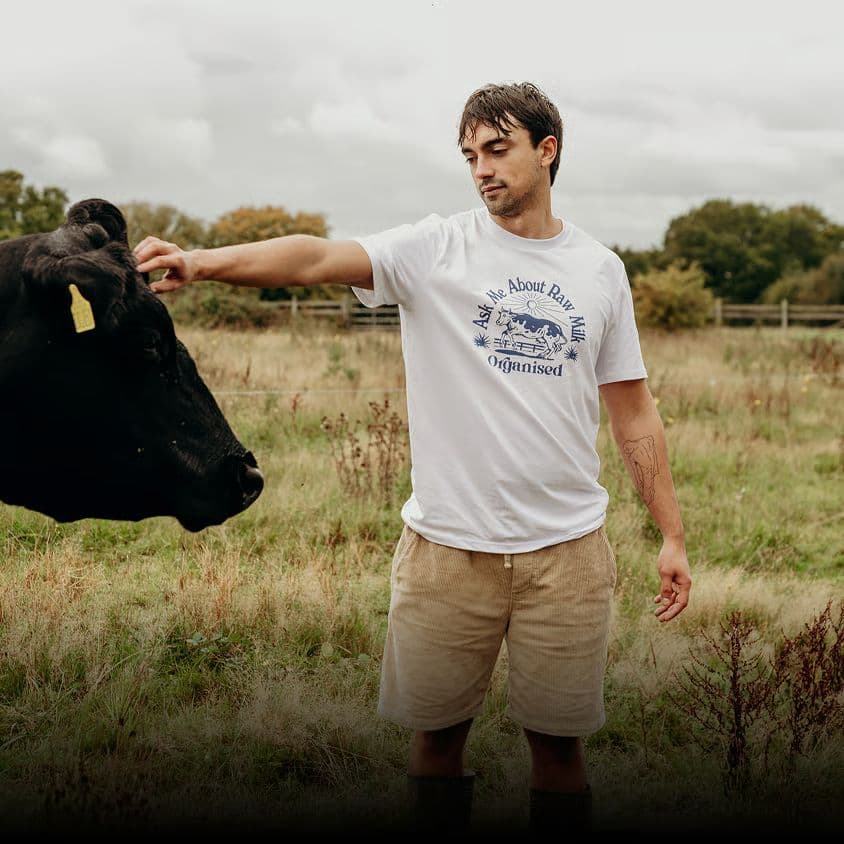
Pedro Rodrigues
Reviewer · Agronomist (farming and sourcing only)
Pedro is the agronomist Organised works with on farming and sourcing. His job on the guides is to keep the science honest: he reviews what we publish about soil health, regenerative agriculture, grazing and the way food is actually produced.
Areas of expertise: Regenerative agriculture, Agronomy, Soil health, Grass-fed farming, Food sourcing
Reviewed this guide on
Read Pedro's full profileMore on nutritional science
View all- 6 Mineral Deficiencies You Probably Have Without Realising
- Glutathione: Your Body's Master Antioxidant
- Methylation: What It Is and Why It Matters
- The Difference Between Heme and Non-Heme Iron (And Why It Matters)
- The Micronutrient Gap: Why Even 'Healthy' Diets Fall Short
- Understanding Your Blood Work: A Nutritional Perspective
- What Is Oxidative Stress and How Does Nutrition Help?
- Why Nutrient Density Should Replace Calorie Counting
Browse the guides library
All guidesKeep reading

Science
The Connection Between Nutrition and Autoimmune Disease
Autoimmune disease is not just genetic. Nutrition affects gut barrier integrity, molecular mimicry, and immune tolerance. Learn the mechanisms.
Science
Do You Really Need 5 a Day? What the Evidence Says
The '5 a day' recommendation wasn't based on rigorous research. Here's what the evidence actually says about fruit and vegetable intake and health.
Science
What Is Oxidative Stress and How Does Nutrition Help?
Understand oxidative stress and how your body's antioxidant systems work. Learn which nutrients support glutathione and SOD, and where to find them in food.
Real food, made effortless
See the blendA few ways to use it
All recipes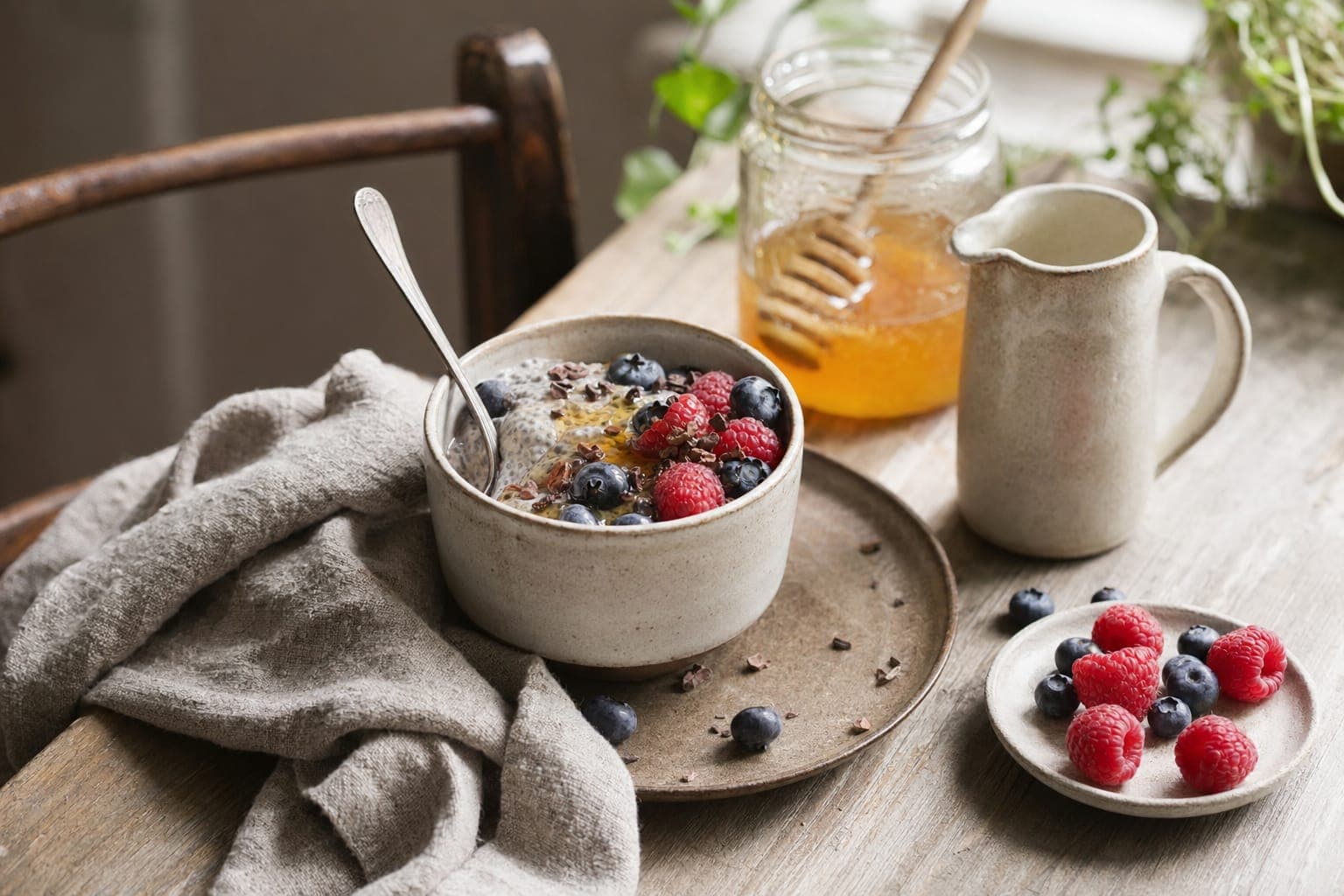
Organised Chia Pudding with Raw Honey and Berries
A no-cook chia seed pudding made with raw milk, collagen, berries, and raw honey. Prep it the night before and eat for breakfast.

Organ Bolognese: The Family Dinner That Heals
Practical organ meat recipe using fresh beef liver and heart. Family-friendly bolognese that bridges supplements to whole food.
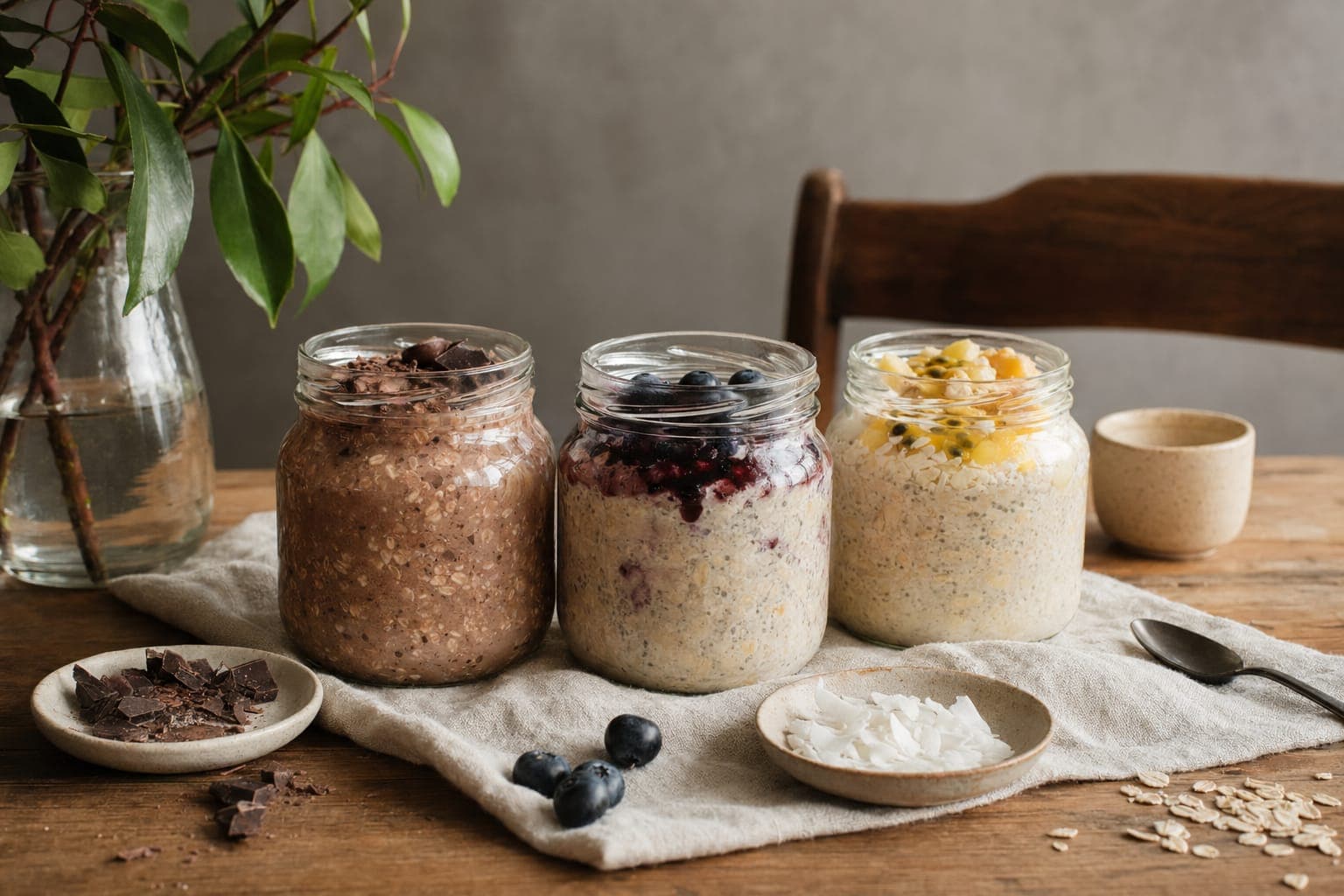
Organised Overnight Oats: 3 Variations
Three delicious overnight oats variations with Organised. Chocolate, berry, tropical flavours. Make them Sunday, eat them all week.


 Join over 100,000+ members
Build a better food system with us
The Organised community is thousands of people choosing real food and backing the farmers who grow it, all of us trying to leave the world a little better than we found it. If that is what you care about too, you belong here.