Guides
Science
What the research really says: the studies, mechanisms, and honest assessments behind modern nutrition claims.
47 guides across these topics.
Nutritional Science
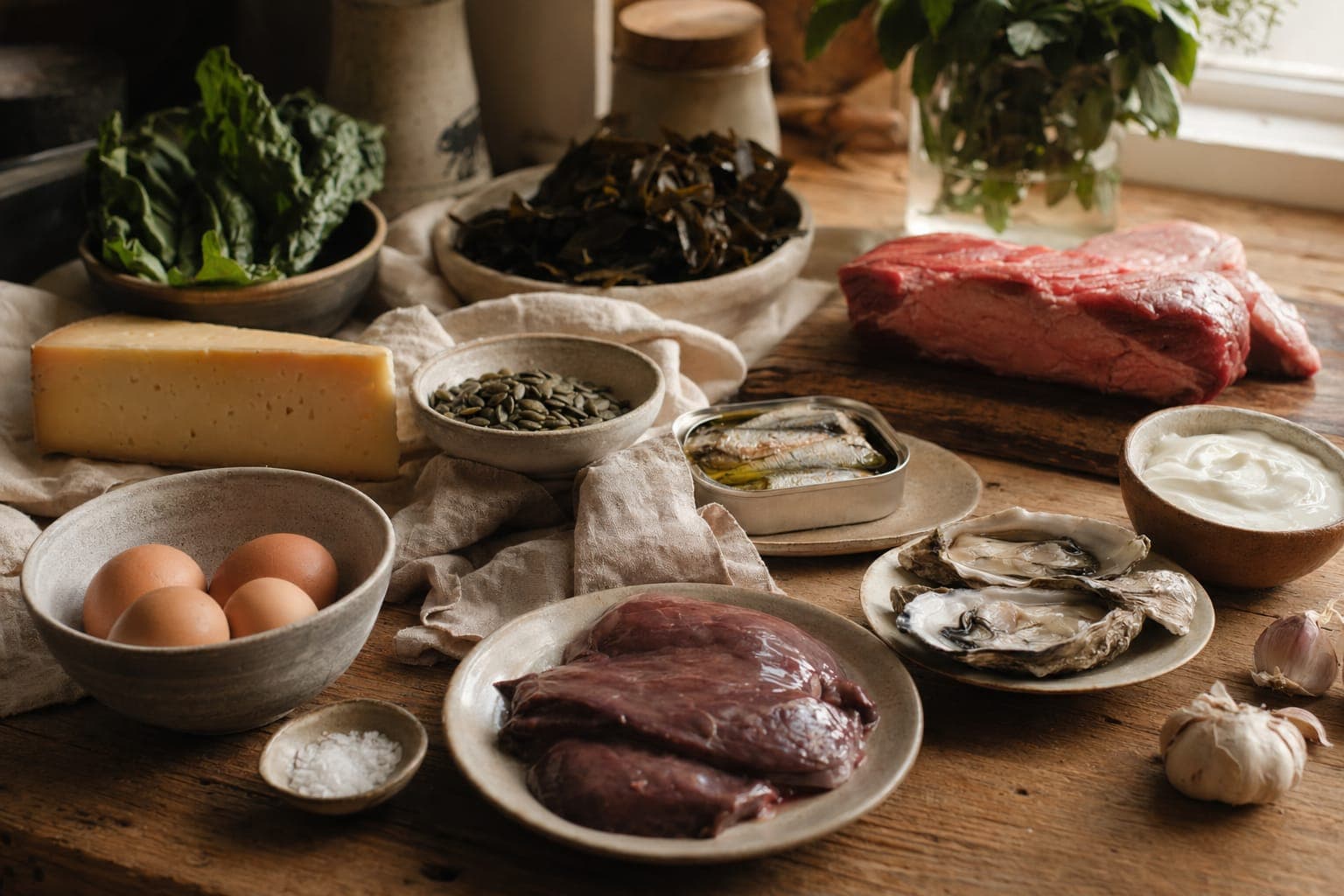
6 Mineral Deficiencies You Probably Have Without Realising
Spot common mineral deficiencies like magnesium, zinc, iodine and selenium. Learn the warning signs, how to test, and the real food sources that replete them.
Glutathione: Your Body's Master Antioxidant
How glutathione protects your cells, why synthesis depends on three amino acids, and why liver health is fundamental to ageing.
Methylation: What It Is and Why It Matters
Understand methylation, the chemical process fundamental to every cell. Learn how B12, folate, and choline support it, and why organs are key sources.
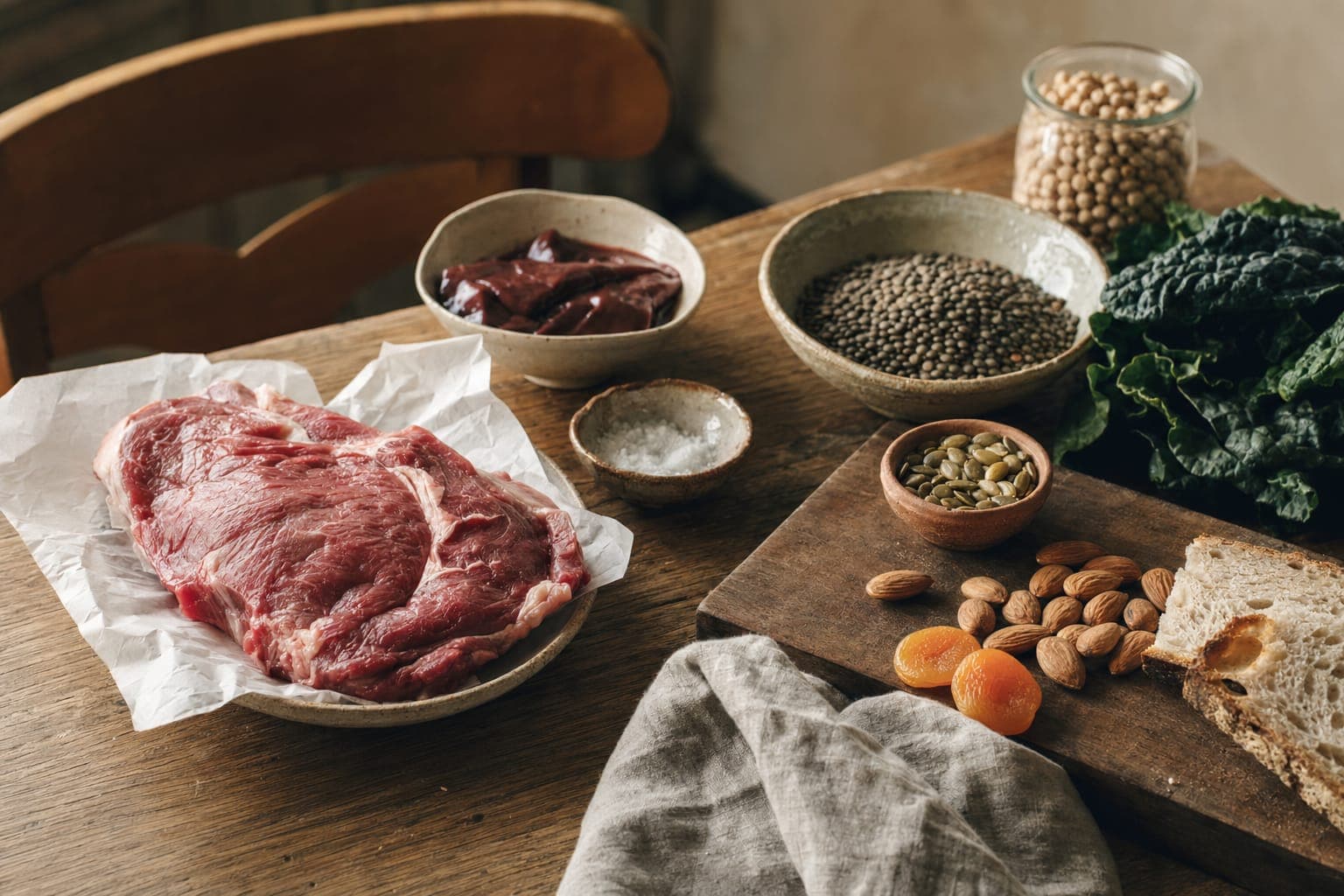
The Difference Between Heme and Non-Heme Iron (And Why It Matters)
How heme iron from meat absorbs differently than plant iron, factors that affect absorption, and why it matters for your blood work.

The Micronutrient Gap: Why Even 'Healthy' Diets Fall Short
Even well-planned 'healthy' diets are missing key micronutrients. Here's why the gap exists and which foods bridge it most effectively.
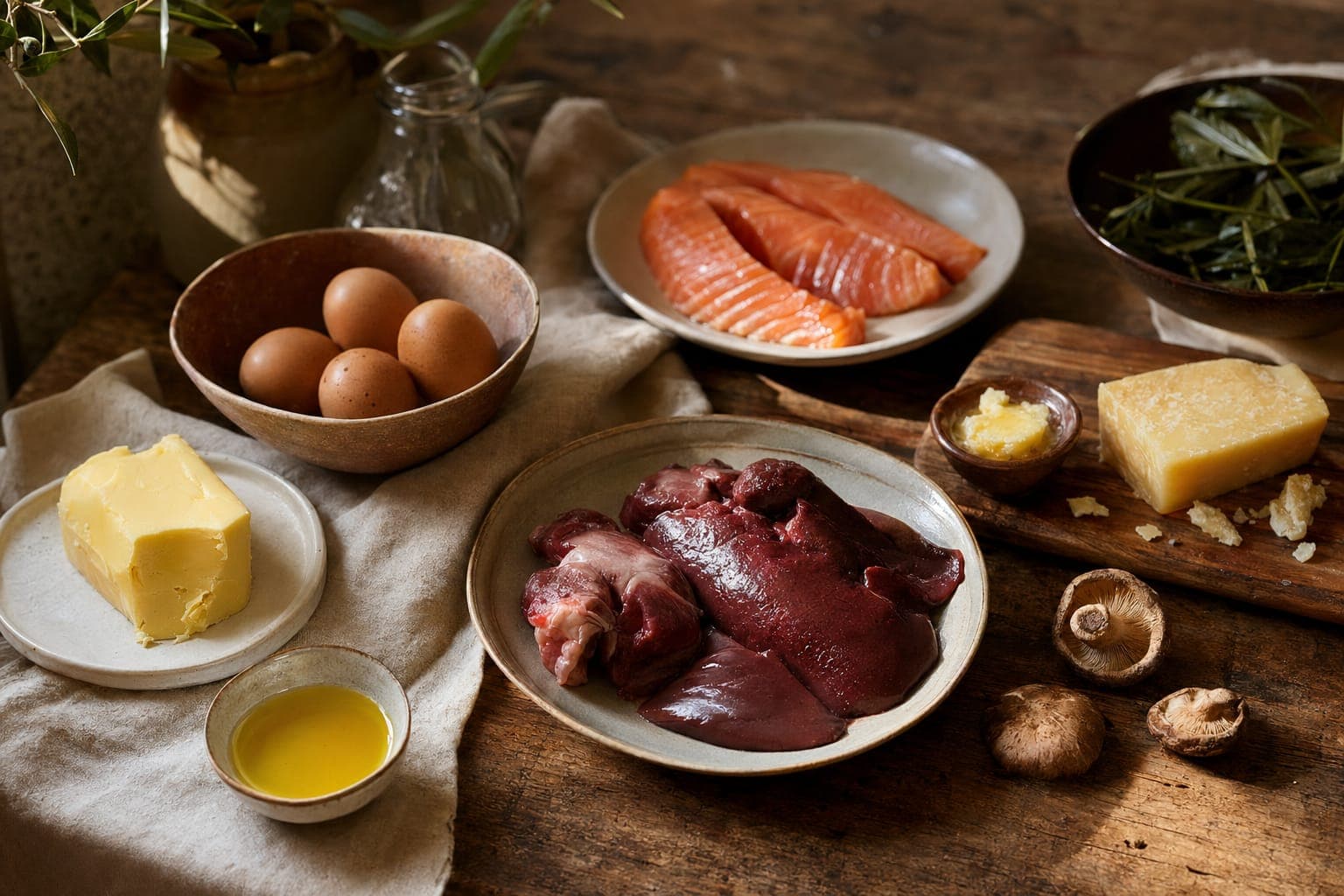
The Role of Fat-Soluble Vitamins: A, D, E and K
A clear guide to fat-soluble vitamins A, D, E and K2, how they work together, the best food sources and why organ meats are the richest source of them all.

Understanding Your Blood Work: A Nutritional Perspective
Your blood work tells a nutritional story. Here's how to interpret key markers like ferritin, B12, vitamin D, and zinc to assess micronutrient status.
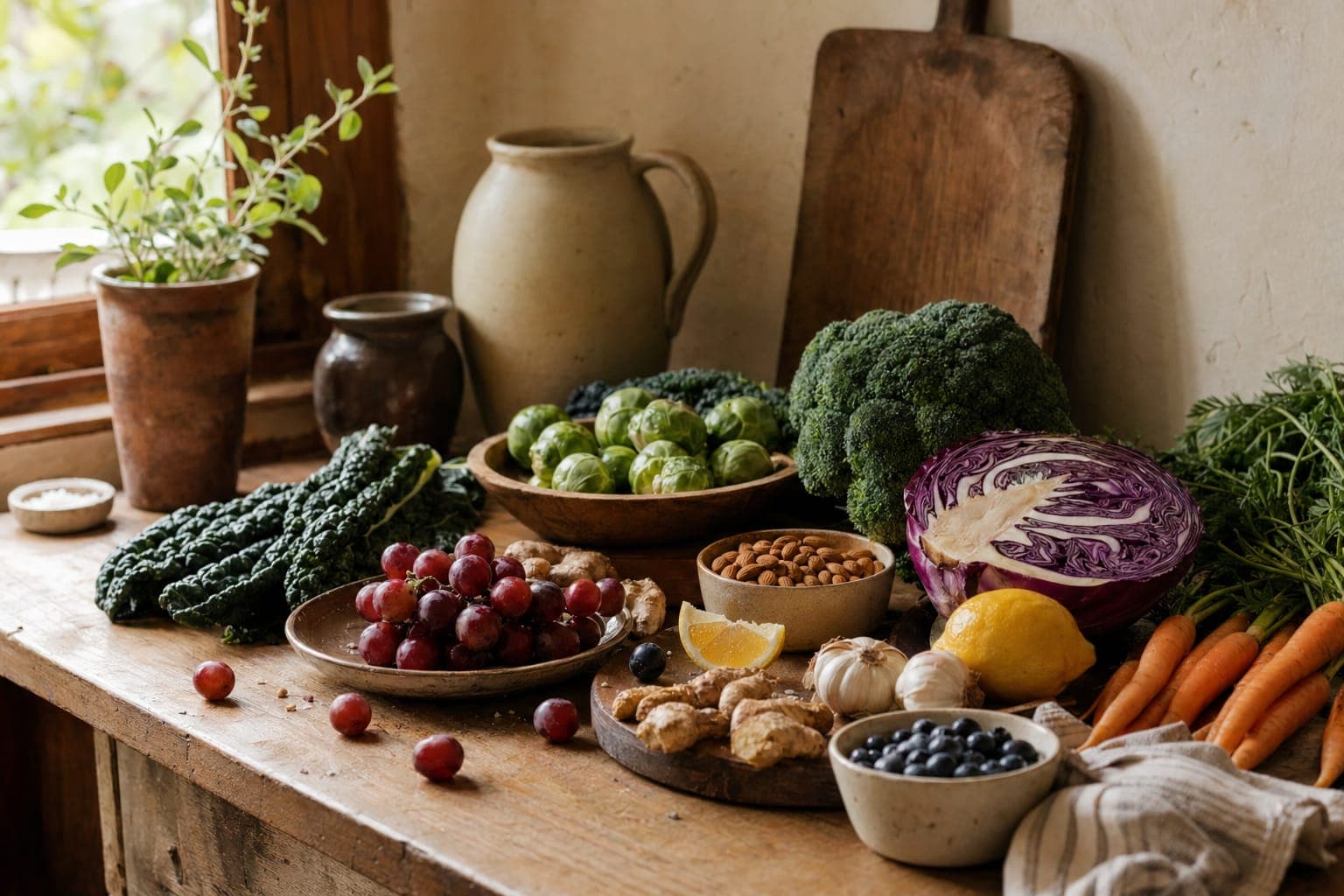
What Is Oxidative Stress and How Does Nutrition Help?
Understand oxidative stress and how your body's antioxidant systems work. Learn which nutrients support glutathione and SOD, and where to find them in food.
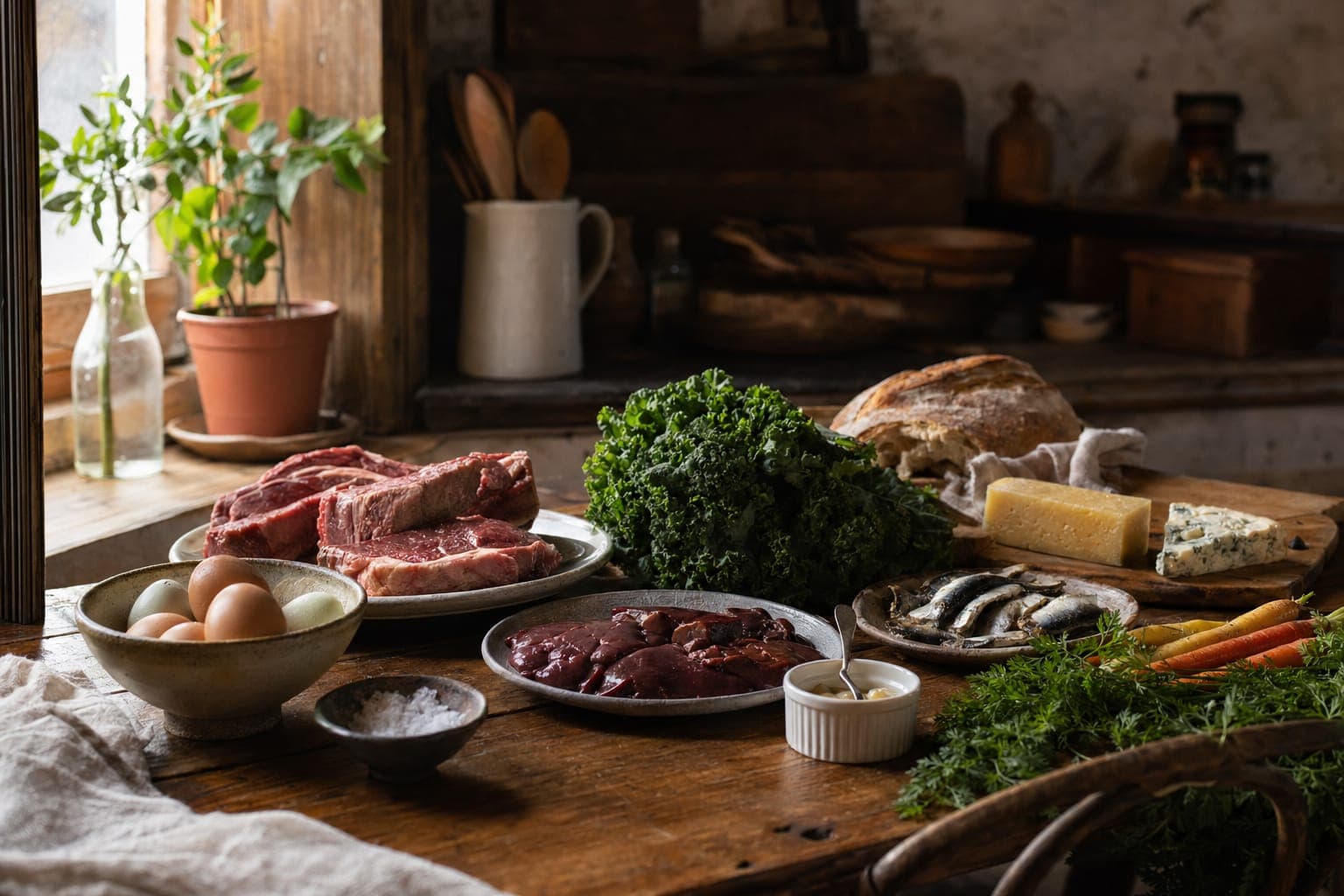
Why Nutrient Density Should Replace Calorie Counting
Why calories aren't the whole story. How nutrient density changes your body composition and health without restricting calories.
Debunking
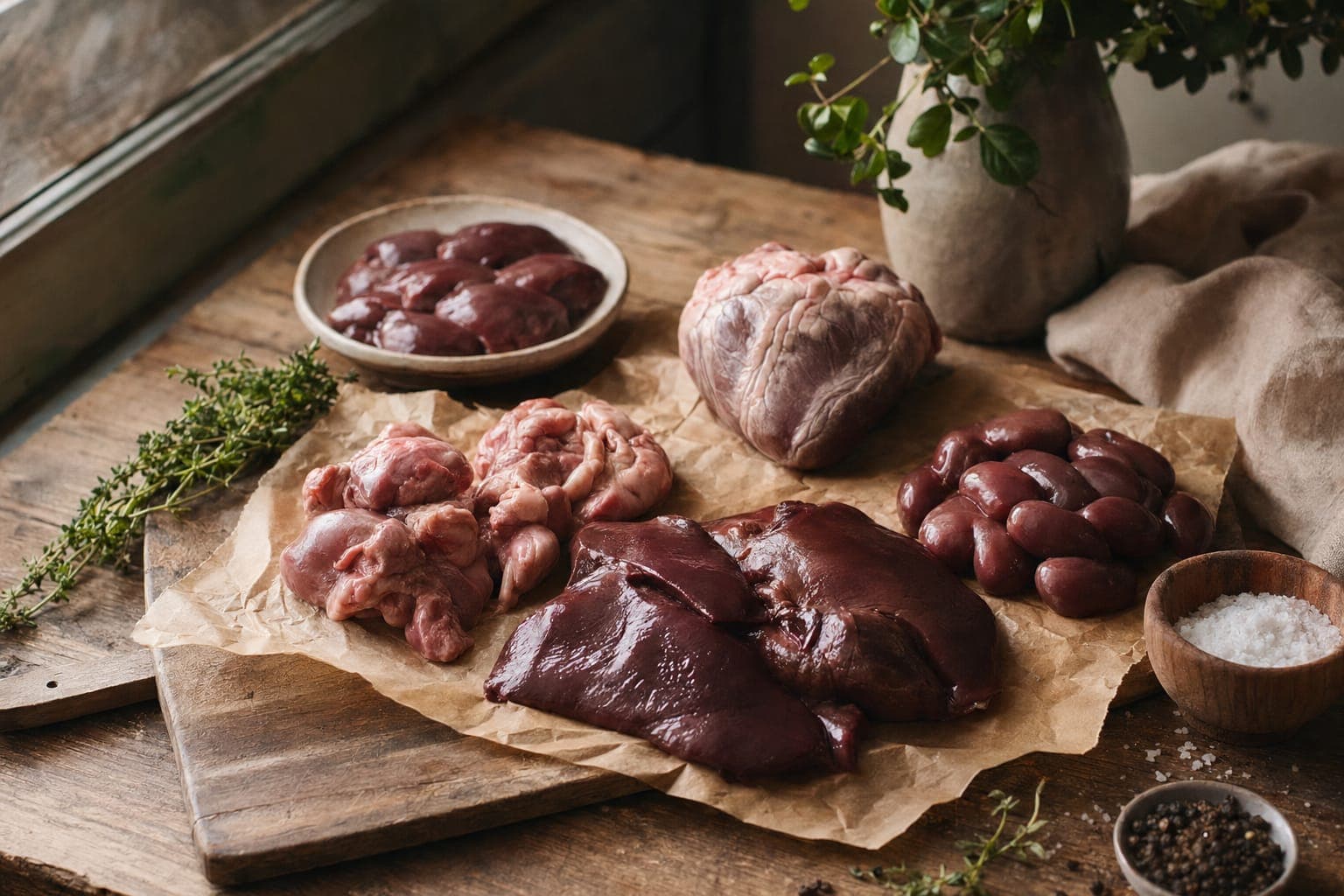
Are Organ Meats High in Purines? What Gout Sufferers Need to Know
Not all organ meats are high in purines. Learn which organs you can safely eat with gout and which ones to avoid, based on actual purine content.
Cholesterol in Organ Meats: Should You Be Worried?
Do organ meats raise cholesterol? The science on dietary cholesterol and serum cholesterol, plus the 2015 guideline shift.
Do You Really Need 5 a Day? What the Evidence Says
The '5 a day' recommendation wasn't based on rigorous research. Here's what the evidence actually says about fruit and vegetable intake and health.
Does Red Meat Cause Cancer? A Nuanced Look at the Evidence
The WHO warning, processed vs unprocessed meat, confounders, and what the real research says about red meat consumption.
Is Too Much Protein Bad for Your Kidneys? Separating Fact from Fear
Is high protein bad for your kidneys? We unpack the protein and kidneys myth and what the research actually shows for people with healthy kidneys.

Liver Doesn't Store Toxins: Debunking the Biggest Organ Meat Myth
The liver filters toxins, it doesn't store them. Here's the science behind the biggest organ meat myth, and why liver is one of the safest foods you can eat.
The Real Reason Your Doctor Says 'Eat Less Red Meat'
Your doctor says eat less red meat, but the science is muddier than the advice. Learn about confounders, processed meat and what the evidence really shows.
The Saturated Fat Myth: What Modern Research Actually Shows
The saturated fat myth was built on selective data. See what modern meta-analyses and the wider evidence really show about fat and heart health. A fair look.
Nutrient Deep-dives
Amino Acids 101: Essential, Non-Essential and Conditional
There are nine essential amino acids you must eat. But four conditionally essential amino acids matter more than most people realise.

CoQ10: What It Does, Where to Get It, and Why It Matters
CoQ10 is essential for mitochondrial energy production and heart health. Learn how statins deplete it and where to find it in food.
Is Collagen Just Expensive Protein? What the Science Says
Collagen is not just protein. Its unique amino acid profile, rich in glycine and lacking tryptophan, makes it metabolically distinct.
Retinol vs Beta-Carotene: Why Preformed Vitamin A Matters
Not all vitamin A is equal. Some people are poor converters of beta-carotene. Learn why preformed retinol from liver and eggs matters.

The Microbiome and Weight: What New Research Reveals
Your gut bacteria directly influence weight. Discover how Firmicutes, Bacteroidetes, and short-chain fatty acids affect metabolism.
The Role of Zinc in Over 300 Enzymatic Reactions
Zinc is required for over 300 enzymatic reactions. From immunity to testosterone to wound healing, zinc deficiency silently undermines health.
Clinical Evidence

Hub
The Science Behind Organised: Every Claim, Every Study
Transparency on every study cited in Organised's marketing. How we choose what to claim, and what the evidence actually shows.
Beef Protein and Muscle Gain: What the Research Actually Shows
What does the research say about beef protein for muscle gain? We review key studies and what beef adds beyond protein: creatine, carnitine, taurine and B12.

Collagen and Hair Density: Breaking Down the Reilly et al. Study
What the Reilly et al. research really shows about collagen and hair density. Why the 27% increase matters, and what to realistically expect.

Collagen and Skin Elasticity: A Meta-Analysis of the Evidence
Deep dive into the 52.3% skin elasticity improvement. Methodology, sample size, and what realistic expectations should be.

Colostrum and Bloating: What the Research Actually Shows
See what the research really says about bovine colostrum and bloating, from gut-lining and intestinal permeability to growth factors, and what to expect.
Emerging Research

Colostrum Research: What's New and What's Coming
What the latest colostrum research shows about immune function, gut health, and athletic recovery. Plus, where the field is heading next.
Epigenetics and Nutrition: How Food Shapes Gene Expression
Your genes aren't destiny. Nutrients like B12, folate, and choline control epigenetic switches that turn genes on or off. Learn how food shapes your biology.

Glycine and Longevity: The Latest Research
Recent research on glycine supplementation and lifespan extension. How glycine affects ageing and where the longevity field is heading.

The Gut Microbiome and Mental Health: What We Know So Far
Your gut bacteria may shape mood, anxiety, and mental clarity. See what emerging research on the gut-brain axis suggests about the microbiome link.
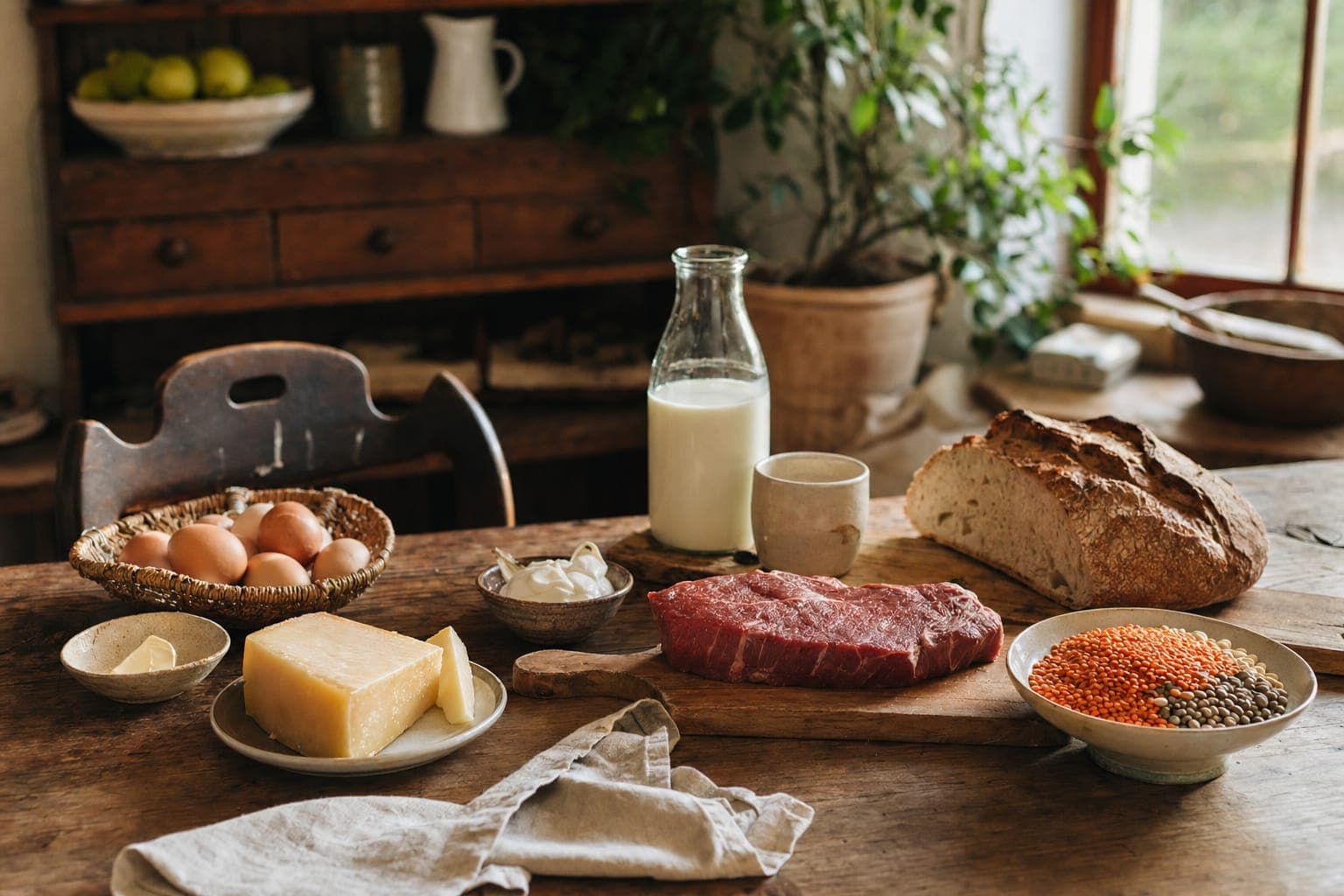
The Protein Leverage Hypothesis: Why We Overeat
The protein leverage hypothesis from Simpson and Raubenheimer explains how appetite chases a protein target and drives overeating of low-protein foods.
Bioavailability
Hub
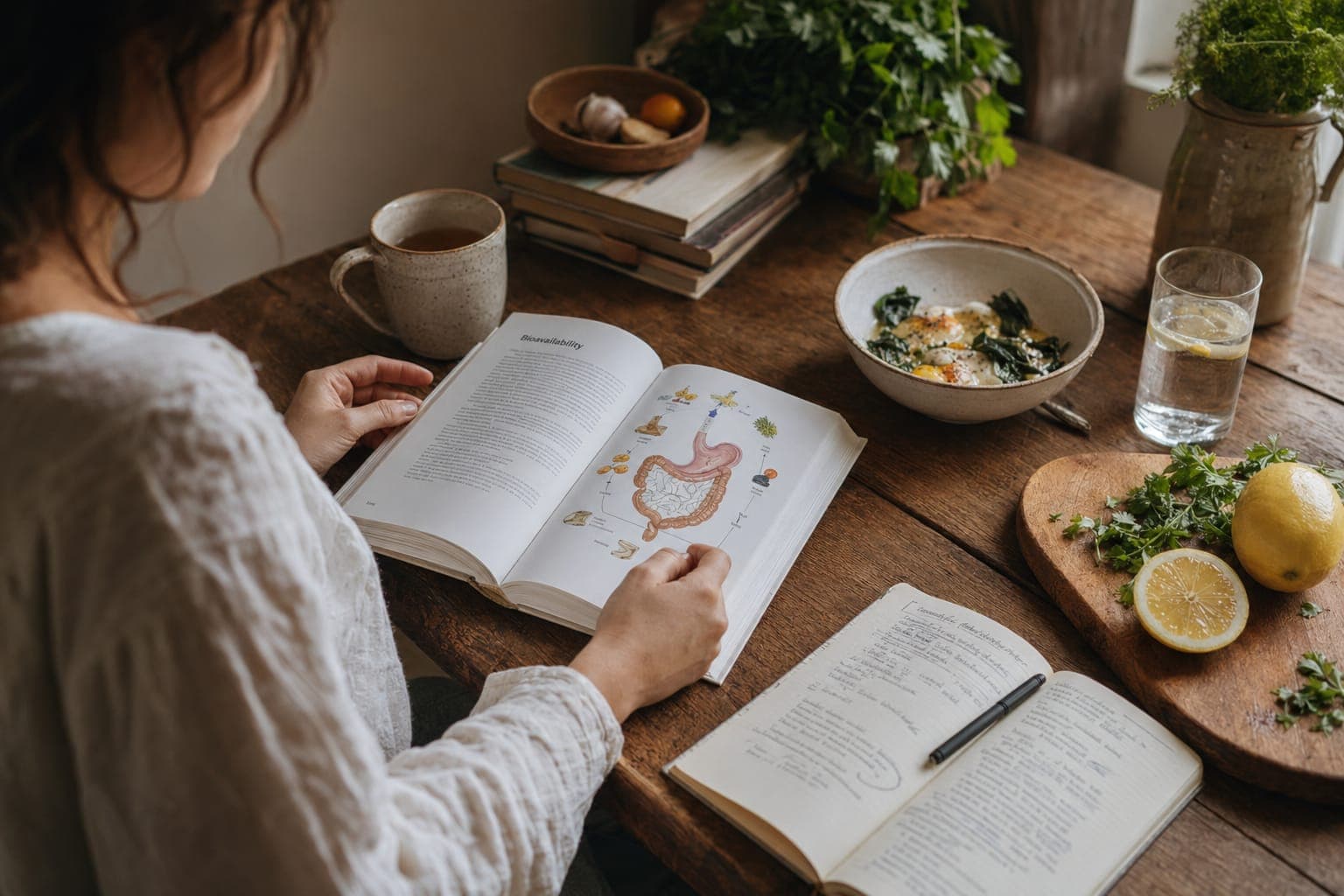
What Is Bioavailability and Why Does It Matter for Supplements?
What bioavailability means, why it matters for supplement effectiveness, and how it changes everything about your nutrition strategy.
Do Supplements Actually Get Absorbed? What Reddit and the Science Say
Reddit loves the 'expensive urine' line. Here is what it gets right about supplement absorption and bioavailability, checked against the science.

How Your Gut Health Affects Nutrient Absorption
See how gut health drives nutrient absorption, with intestinal integrity, microbiome balance, and bile all shaping how much of your food you actually use.
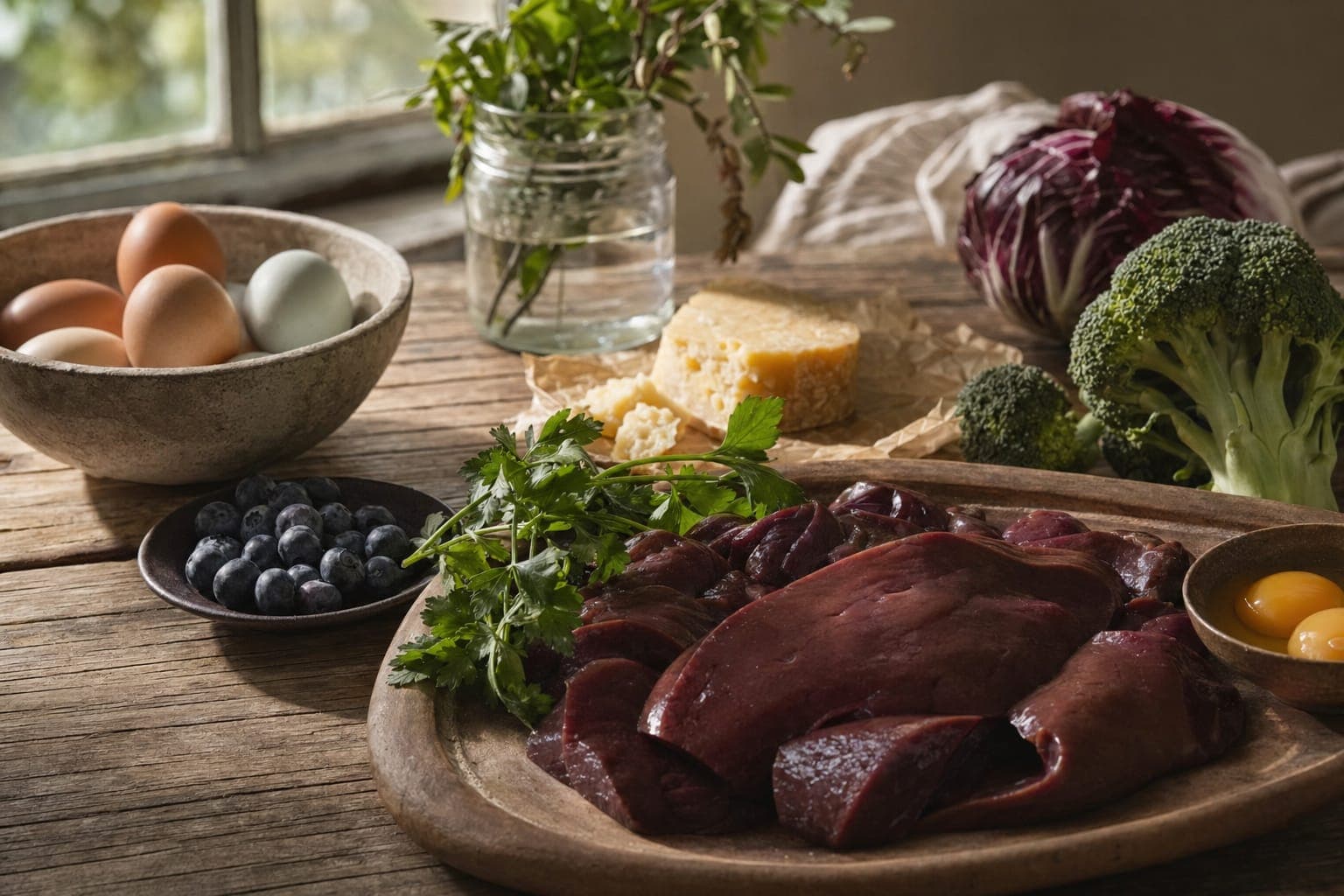
Why Synthetic Vitamins Absorb Differently Than Whole Food Nutrients
How synthetic and natural vitamins differ chemically and how your body processes them differently. The bioavailability comparison.
More guides

Are Organ Supplements Just a Trend? Looking at the History
Organ supplements predate modern wellness by a century. In the 1920s, glandular supplements were serious medicine. What changed?

Are Seed Oils Bad? Everything You Need To Know
You pick up a “healthy” granola, flip the packet and there it is in the small print, sunflower oil, rapeseed oil, “vegetable oil”. Everywhere you look,
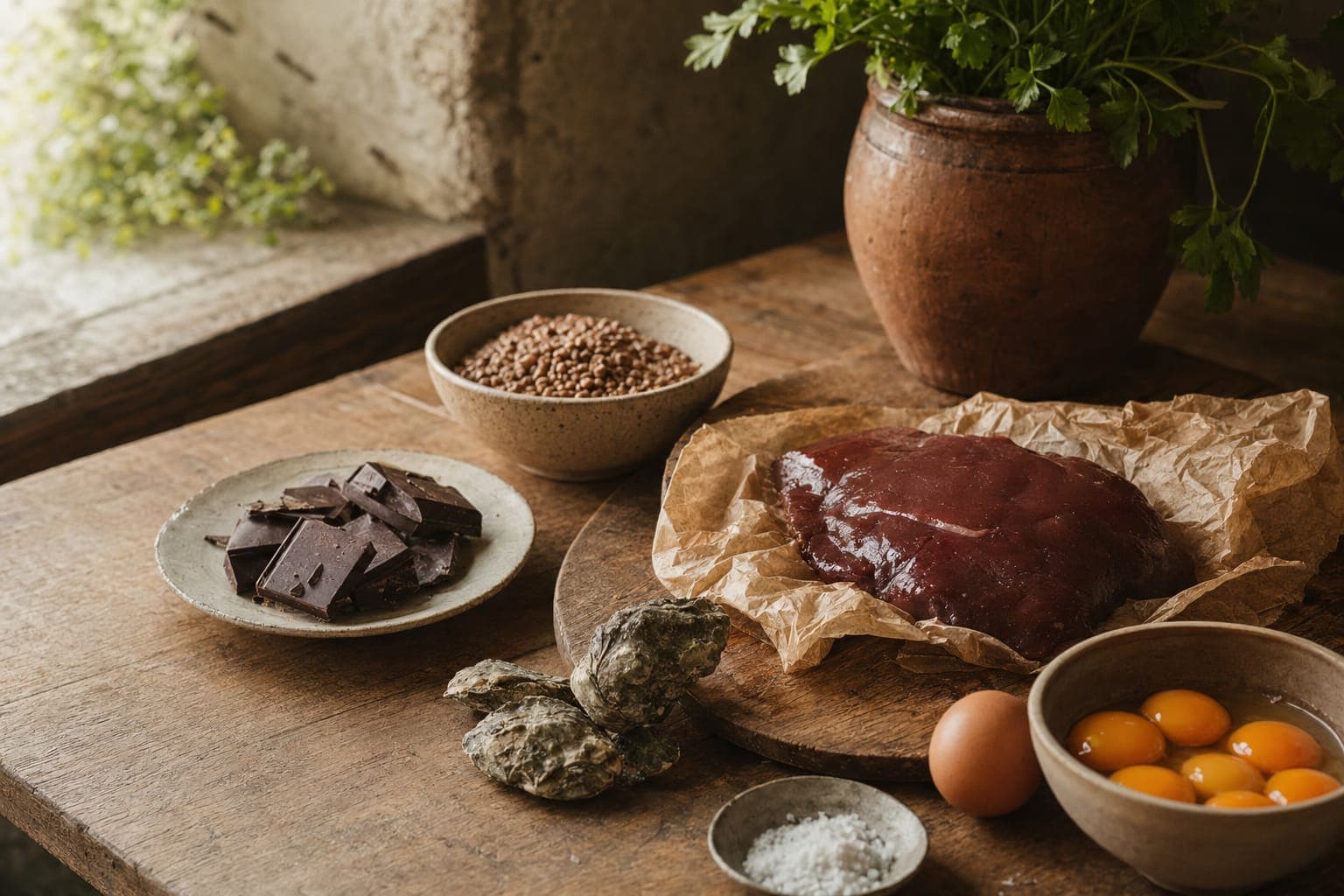
Copper and Iron: Why These Minerals Must Be in Balance
Learn why copper and iron must stay balanced. Discover ceruloplasmin's role, zinc's blocking effect, and why iron overload without copper is dangerous.

Hub
How to Read a Nutritional Study Without Being Misled
Learn how to read nutritional studies without being misled. Tell apart observational and RCT research, and spot confounders, funding and healthy user bias.
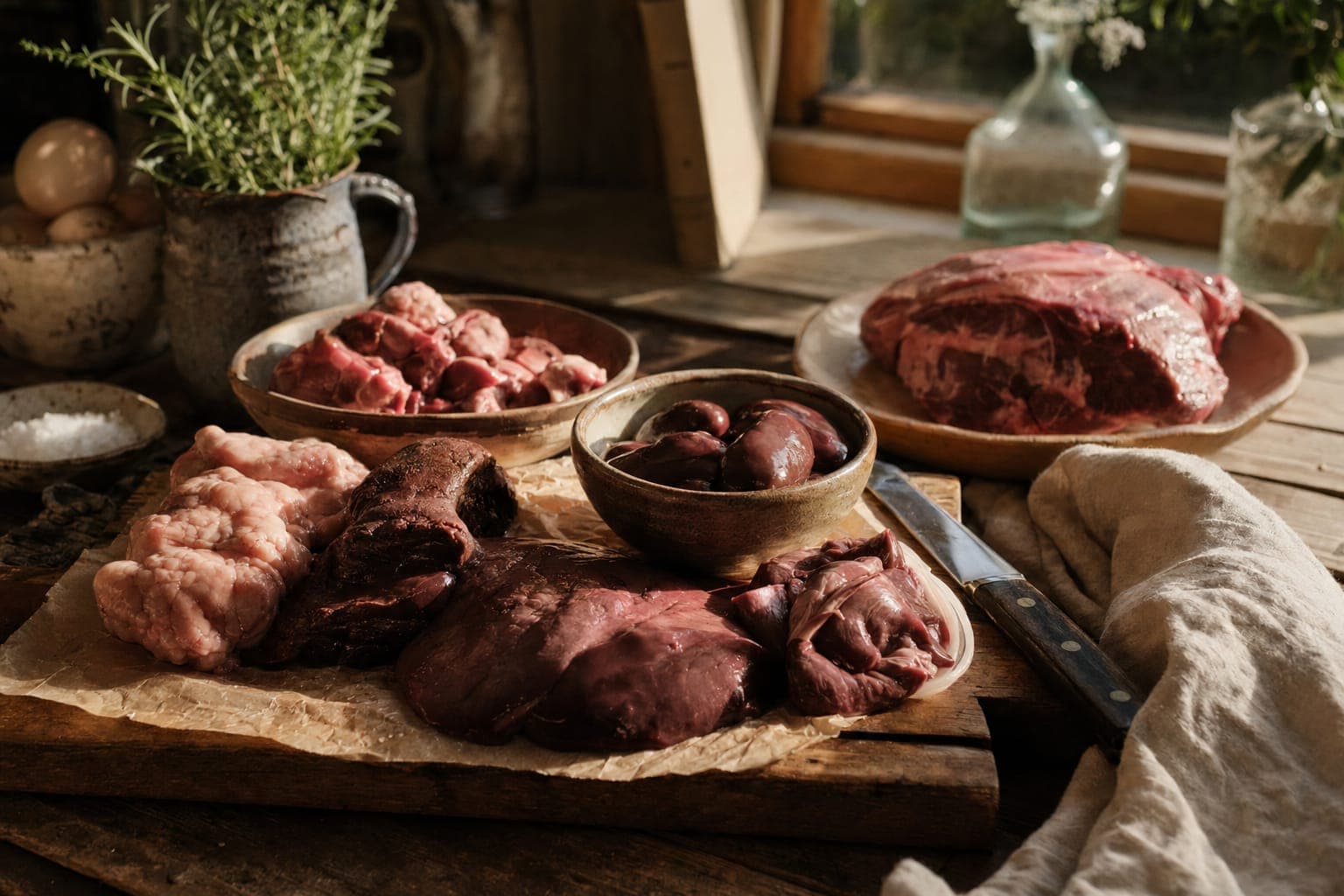
Peptides in Organ Meats: Beyond Vitamins and Minerals
Organ meats contain bioactive peptides (carnosine, anserine, glutathione) that muscle meat lacks. Learn why whole organs are nutritionally different.

The Connection Between Nutrition and Autoimmune Disease
Autoimmune disease is not just genetic. Nutrition affects gut barrier integrity, molecular mimicry, and immune tolerance. Learn the mechanisms.
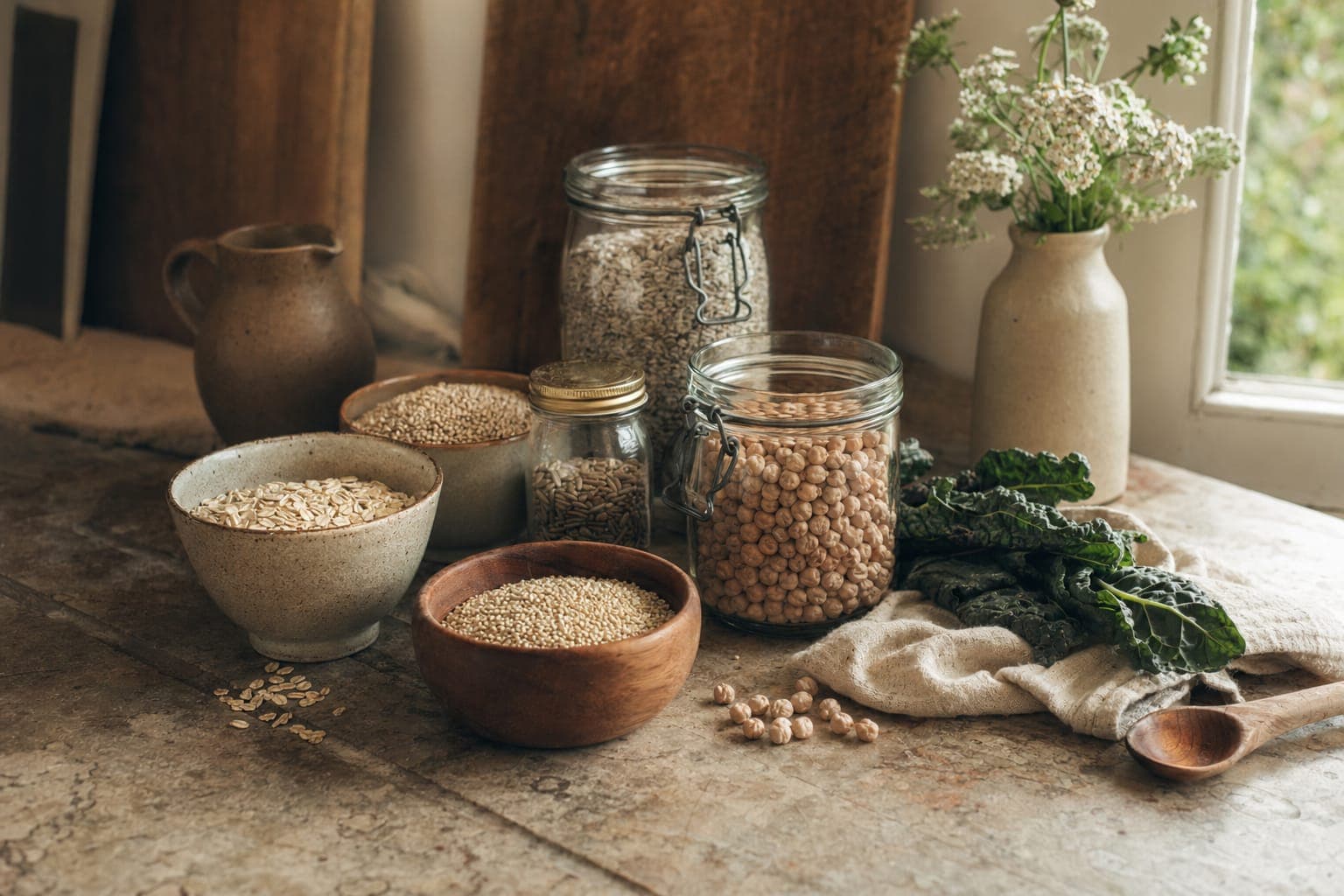
The Fibre Myth: Do We Really Need as Much as We're Told?
Explore the fibre myth. Learn about SCFAs, why more fibre isn't always better, context-dependent dosing, and the history of cereal industry marketing.

Hub
The Gut Lining: How It Works and How to Protect It
Understand how your gut lining works. Learn about enterocytes, tight junctions, zonulin, and practical ways to protect your intestinal barrier with food.
Hub
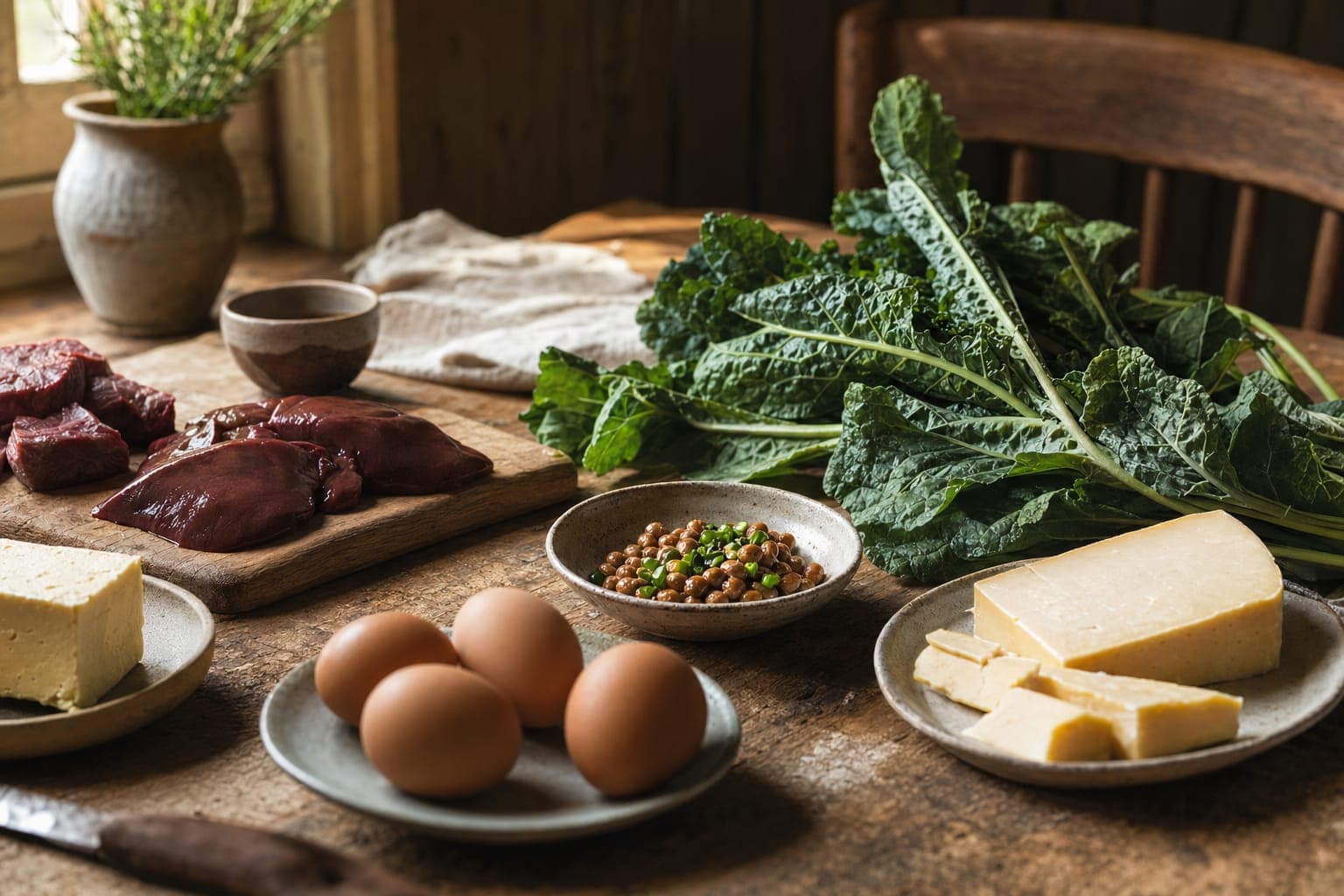
Vitamin K2: The Nutrient Nobody Talks About
Learn about vitamin K2, the nutrient that directs calcium to bone and away from arteries. Discover MK-4, MK-7, and the best food sources.

Hub
You Can't Get All Your Nutrients from Plants Alone: Here's the Science
Explore nutrients that plants cannot provide: B12, heme iron, retinol, creatine, carnosine, K2. A nuanced look at plant-based diet limitations without dogma.