Beef Organs vs Desiccated Liver: Why a Blend Is Better
Liver is legendary. It's the most nutrient-dense food you can eat. But it's not the whole story. When you look at what your body actually needs, a blend of all the organs, liver, heart, kidney, spleen, pancreas, covers far more ground. Here's why a multi-organ approach wins.
By Niall Kiddle, Founder, Organised

Reviewed by Pedro Rodrigues, Agronomist (farming and sourcing only) ·
9 min read · Published · Updated · 6 cited sources
Makers of the Organised Daily blend, a grass-fed beef organ supplement from regenerative UK farms
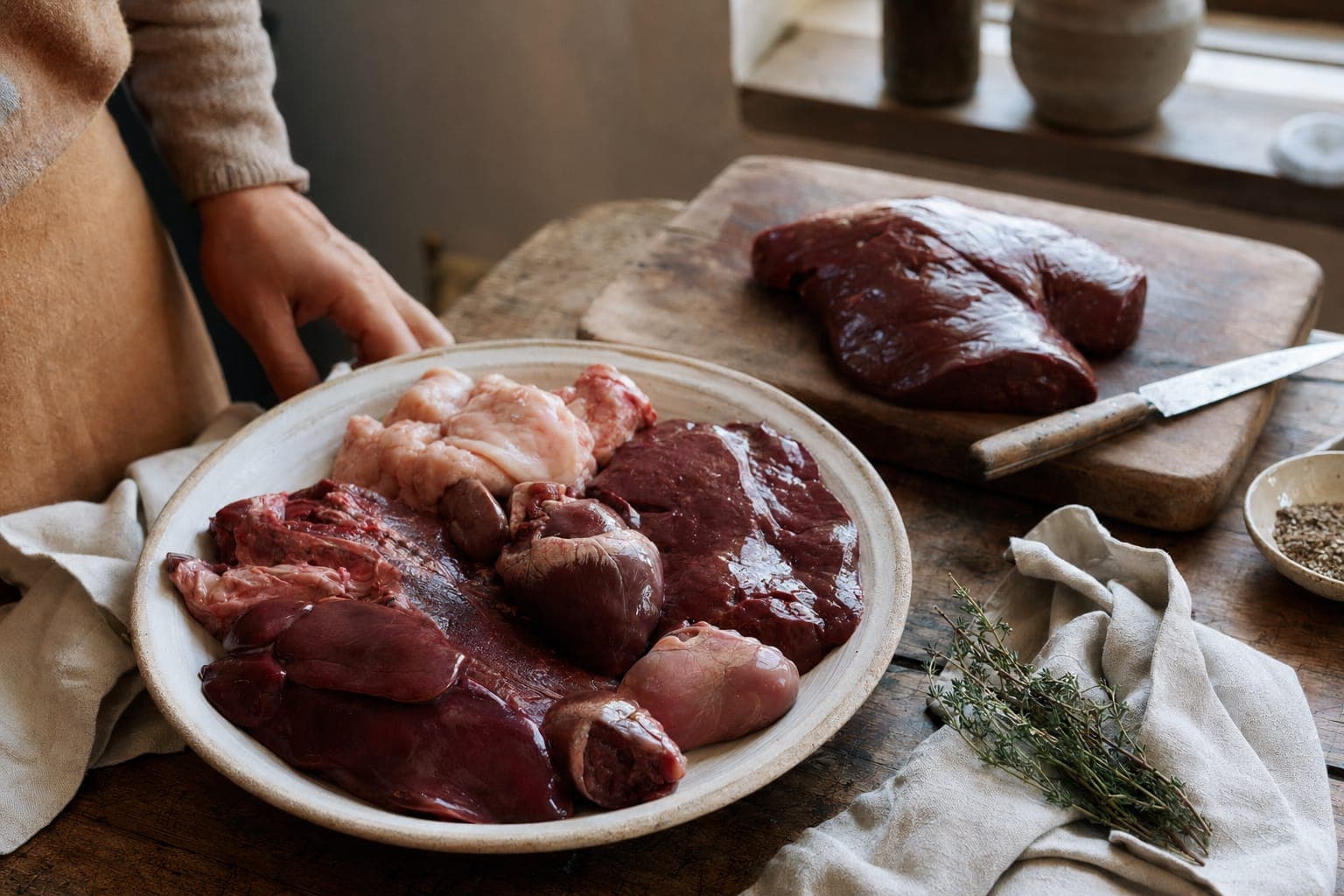
Here's why a multi-organ approach wins.
What makes liver so special
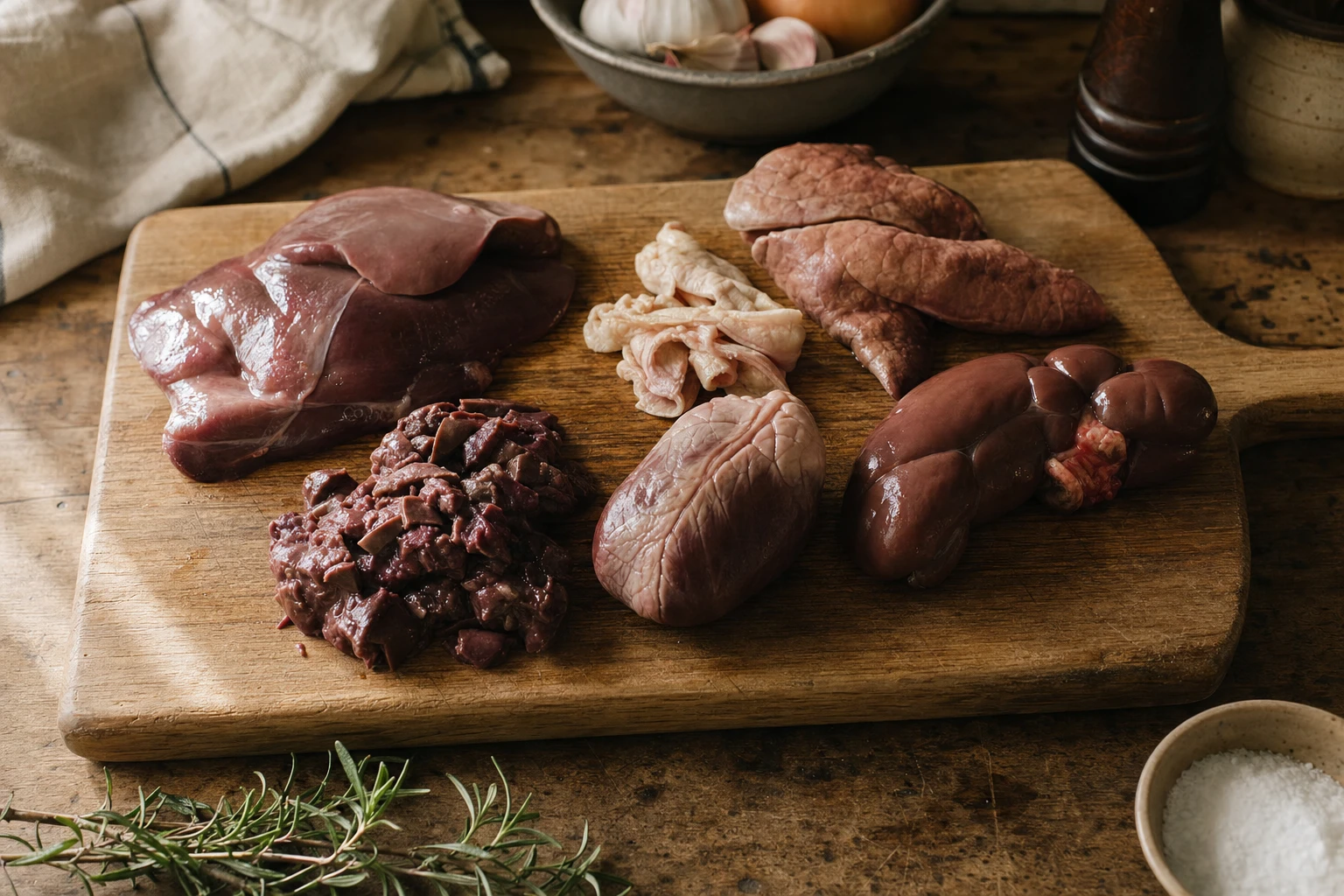
Liver is packed with vitamin A, B vitamins (especially B12 and folate), iron, copper, and selenium. A small amount of liver delivers more of these nutrients than you'd get from pounds of muscle meat. If you could only eat one organ, liver is the right choice. One hundred grams of beef liver contains about 6,500 micrograms of vitamin A, compared to virtually none in muscle meat.1 That's extraordinary density. The same serving contains 60 micrograms of B12, the highest of any food source.2
But here's the catch. Liver is not a complete nutritional picture. It's exceptional in specific nutrients. It's adequate in others. And it's almost completely absent in some things your body relies on.
Desiccated liver tablets and powders preserve these nutrients well. The freeze-drying process doesn't destroy them. So desiccated liver is a legitimate way to get liver's benefit without eating fresh offal. But as a single-source supplement, it still carries liver's limitations. You're getting a specialist supplement, not a comprehensive one.
The nutrients liver is actually missing
Liver is low in CoQ10. This matters more as you age. CoQ10 supports heart function, energy production at the cellular level, and acts as an antioxidant. Your heart is your most CoQ10-dependent organ. It's the organ that depends most heavily on energy production, and CoQ10 is essential for that. Your body produces less CoQ10 as you age, so supplementation becomes increasingly important. Guess what's rich in it.
Liver is also low in collagen and gelatin. It's a dense, processed organ. The connective tissue has been broken down. If you're supplementing specifically to support your skin, joints, or gut lining, liver won't deliver the collagen you'd get from simmering bones or eating gelatinous cuts. This is a meaningful gap if connective tissue health is your goal. Gelatin supports the integrity of your gut wall, aids digestion, and provides glycine, which your nervous system needs.
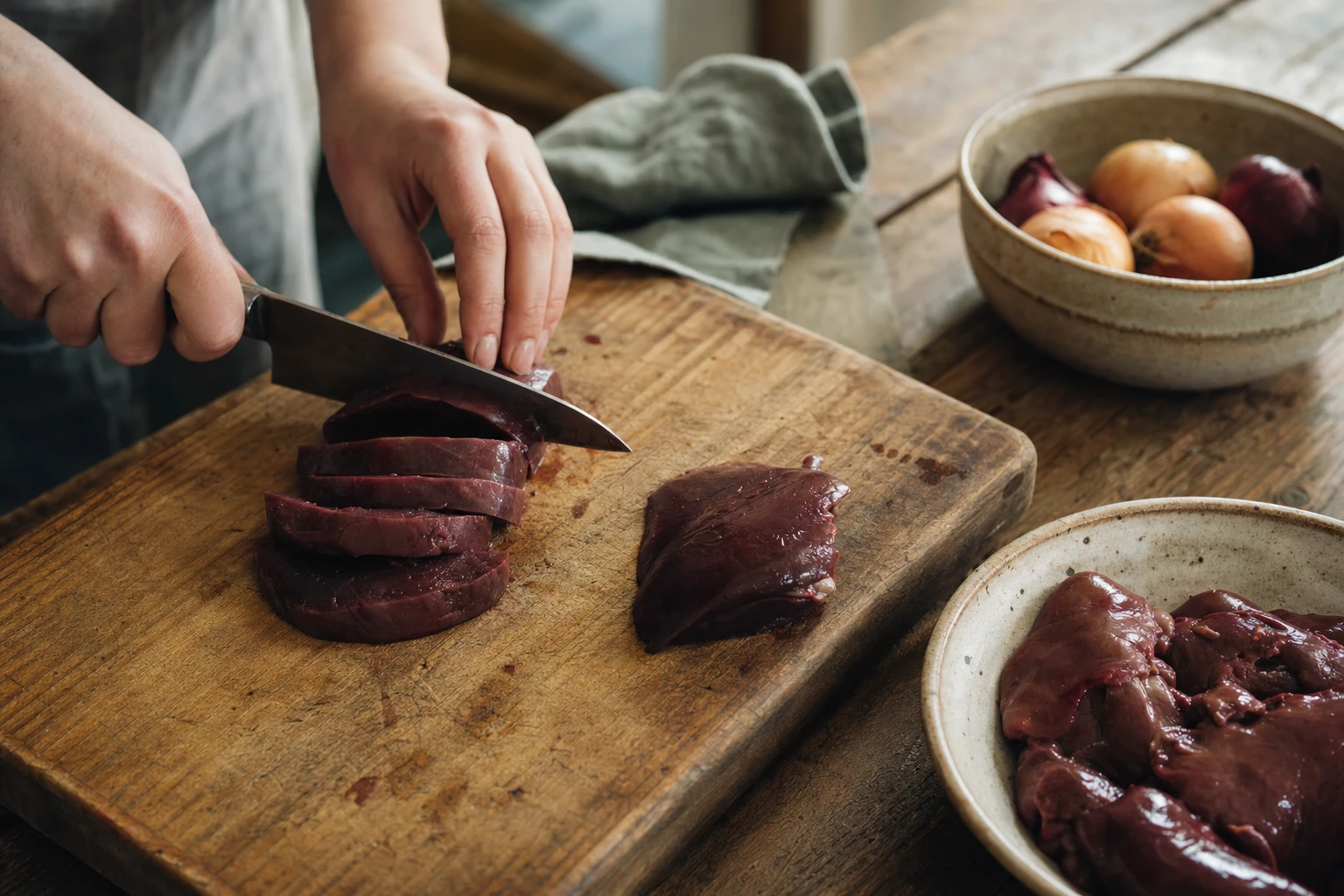
And liver, whilst rich in minerals, isn't the densest source of all of them. There are organs better positioned for specific minerals. This is where the blend becomes practical. When you're trying to support your entire body systematically, one organ won't do it.
Heart: the CoQ10 and collagen source
Heart is the densest animal source of CoQ10. A single 100-gram serving contains roughly 100 micrograms of CoQ10, compared to almost none in liver.3 It also contains carnosine, an antioxidant crucial for muscle and brain health, and is rich in collagen from its connective tissue. Heart muscle is also packed with taurine, which supports cardiovascular function, eye health, and neurological function.4 Taurine deficiency has been linked to heart failure and cardiomyopathy, yet most people don't eat enough of it.
A blend that includes heart is immediately stronger than liver alone, especially if your goal is energy and cardiovascular health. You're covering a nutritional territory liver simply doesn't. For people over forty, this difference becomes increasingly important.
Kidney: minerals and enzyme function
Kidney is mineral-dense, especially in selenium and other trace minerals that support thyroid function and immune health. It also contains nucleotides, compounds that support cellular repair and immune function. Kidney is rich in B vitamins too, though not as rich as liver. Kidney doesn't get the attention it deserves, probably because people find it slightly more challenging to eat. In supplement form, this doesn't matter.
If you're supplementing with organs to cover nutritional gaps, adding kidney covers minerals and enzyme cofactors that liver handles less thoroughly.
Spleen and pancreas: the overlooked pair
Spleen supports immune function. It's rich in iron and selenium. It's also one of the organs most involved in blood health and immune regulation. Adding spleen to a blend strengthens the immune component of your supplementation. Traditional Chinese medicine has valued spleen for centuries, and modern nutrition is starting to catch up. Your spleen filters blood and produces white blood cells, making spleen supplementation theoretically beneficial for immune resilience.
Pancreas (also called sweetbreads) contains peptides and factors that support blood sugar regulation and pancreatic health. If anyone in your family has struggled with blood sugar or energy crashes, including pancreas addresses a system liver alone doesn't target. The pancreas produces digestive enzymes, so consuming pancreatic tissue provides enzyme cofactors that support your own digestion and nutrient absorption.
Why the blend wins
A multi-organ blend hits more targets than liver alone. You get liver's B vitamins and vitamin A. You get heart's CoQ10 and collagen. You get kidney's minerals. You get spleen's immune support and pancreas's blood-sugar-modulating factors. You're covering far more of your body's actual needs in one supplement.
This is how ancestral peoples ate. They didn't eat liver three times a week. They ate the whole animal, using all the organs. A supplement that mimics that approach is closer to real nutrition than a single-organ extract. You're getting nutritional synergy, not just isolated compounds. The organs work together the way they did in the original animal.
Desiccated liver alone is a solid choice if that's what's available. But a five-organ blend is the more complete answer to what your body actually needs.
The Five-Organ Nutrition Profile
Beef liver is exceptional, providing: vitamin A (36,000 IU per 100g), iron (5.2 mg), copper (6.3 mg), folate (215 mcg), B12 (60+ mcg). But this concentrated profile comes at a cost: it's low in calcium, contains minimal vitamin C, provides no vitamin D.
A five-organ blend specifically addresses these gaps. Beef kidney provides selenium (200+ mcg), CoQ10 (32 mg), and different B-vitamin ratios than liver. Beef heart supplies taurine (110 mg per 100g), carnitine, and minerals in different ratios. Beef spleen contributes unique immune factors and iron in different forms. Beef pancreas provides chromium, amylase enzymes, and pancreatic-specific nutrients.
Together, these organs create nutritional completeness that liver alone cannot provide. This is precisely why traditional cultures valued consuming all organs, not just the most popular ones.
Anti-Nutrient Considerations
Liver stores vitamins A and D in concentrated form. Consuming excessive liver (more than 100 grams daily) can theoretically create vitamin A accumulation. Some populations, particularly pregnant women, are advised to limit liver consumption.5
An organ blend distributes nutrients across multiple sources. You receive adequate vitamin A from liver without excessive concentration. Other organs provide minerals and nutrients without vitamin A overload risk. This distribution also reduces risk of any single nutrient reaching excessive levels.
Get honest comparisons, free
Two short reads a week cutting through supplement marketing with what the evidence says.
By signing up you agree to receive emails from us. No spam, unsubscribe anytime.
Nutrient Synergy Within the Blend
The copper in kidney enhances iron absorption efficiency. The taurine in heart supports cardiovascular function whilst other organs provide supporting minerals. The nutrient ratios across the five organs evolved through millennia of human consumption, creating biochemical harmony your body recognises.
Desiccated liver is nutritionally one-dimensional despite being exceptional. A blend is nutritionally three-dimensional, engaging multiple body systems simultaneously.
Taste Profile and Palatability
Desiccated liver has a distinctly strong, somewhat unpleasant liver taste. Many people find this unappealing and difficult to consume consistently. Capsule counts are typically high (3 to 6 daily) because capsule volumes limit organ concentration.
An organ blend spreads taste across multiple organs. Heart has a milder taste than liver. Kidney is different still. Spleen adds complexity. The combined flavour profile is less intensely "organ-like" and more tolerable for consistent daily consumption. Importantly, blends typically provide adequate nutrition in fewer capsules.
Dosing Flexibility and Consistency
With pure liver, you're locked into whatever dose the capsules provide, typically 500 to 1000 mg per serving. Achieving a meaningful total dose (2000 to 3000 mg) requires 2 to 6 capsules.
Some organ blends offer both capsule and powder options, allowing flexible dosing. This matters for people building tolerance gradually or wanting to customise their dose based on individual response.
Environmental and Ethical Sourcing
Using only liver from a cow wastes other nutrient-dense organs. From an ethical and environmental perspective, using the whole animal and all its organs is more respectful and sustainable. It maximises nutritional value extracted from each animal and reduces waste.
Supporting farmers and processors who utilise the whole animal reinforces better farming practices and animal welfare standards.
Quality Sourcing Indicators
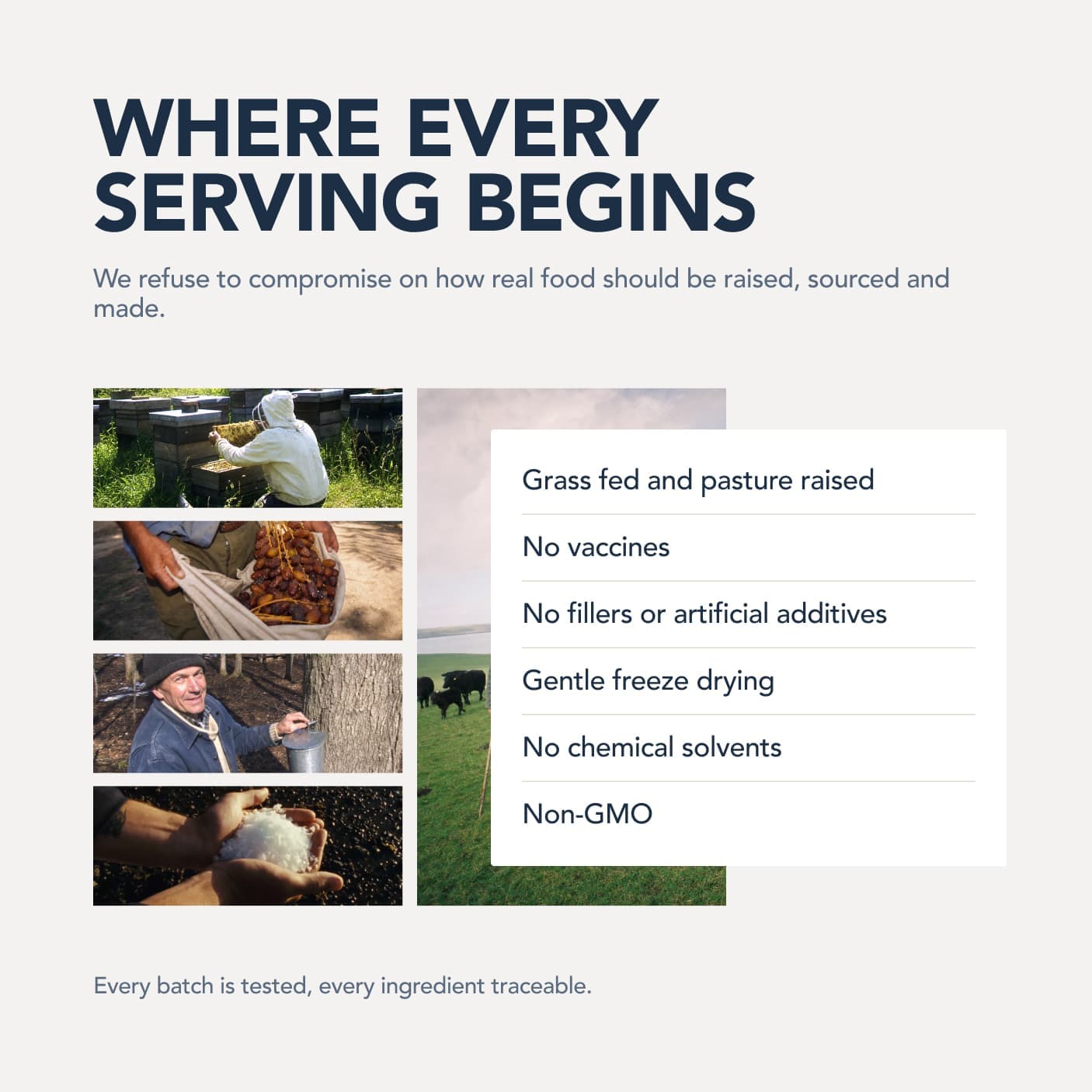
The best organ blends come from grass-fed, pasture-raised cattle. These animals have consumed their natural diet, resulting in superior nutrient profiles. Grass-fed beef organs contain higher omega-3 ratios, more CLA (conjugated linoleic acid), and better mineral ratios than grain-fed equivalents.
Look for brands explicitly stating grass-fed and pasture-raised sourcing. Avoid vague language like "beef organs" without feeding practice specifications.
The Practical Choice
Desiccated liver is valuable for people wanting concentrated iron and B12 specifically. For people wanting broader organ nutrition covering more body systems, a five-organ blend is superior. The choice depends on whether you're addressing a specific nutritional goal or seeking general organ nutrition support.
1 of 9
Daily blend
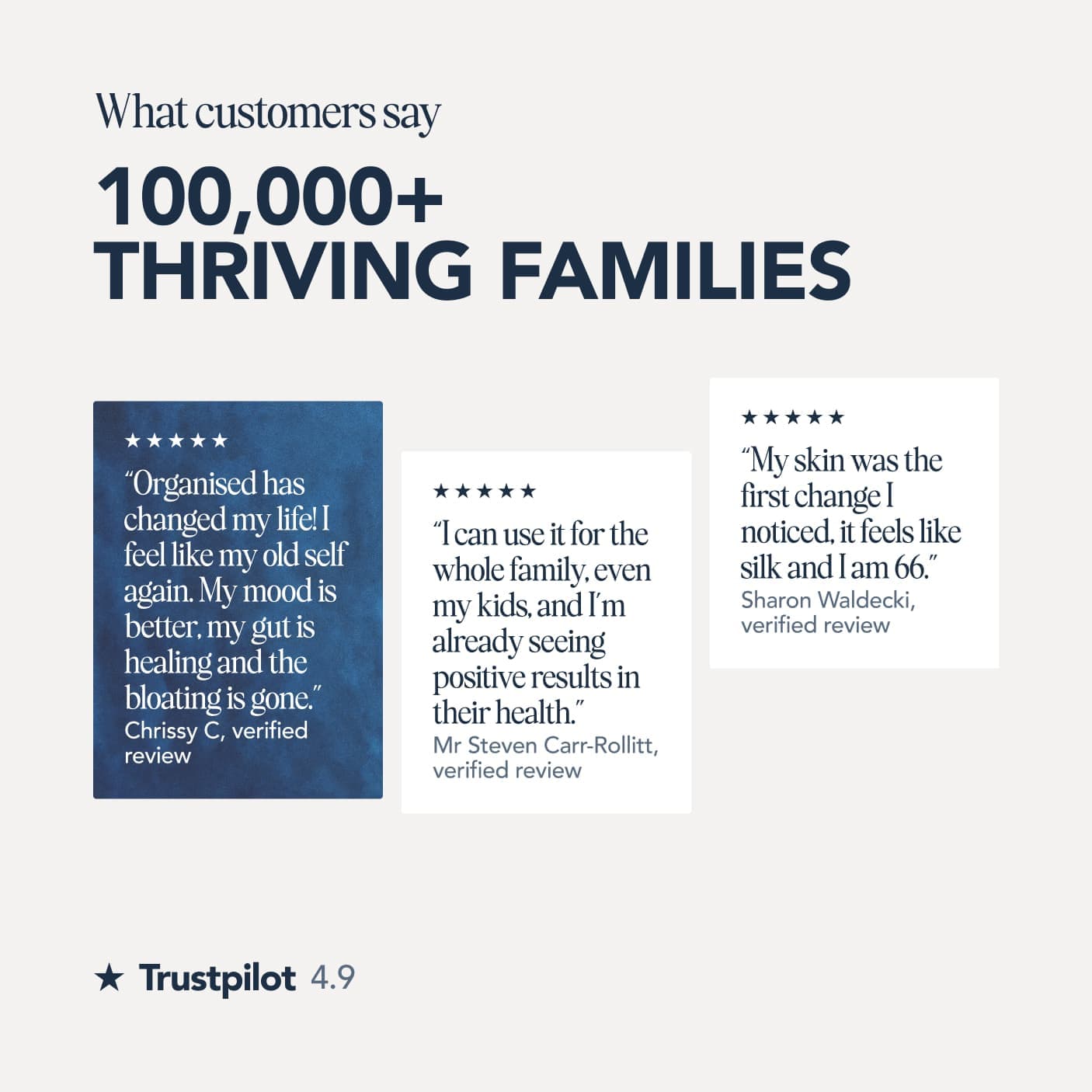
100,000+ thriving families4.9 on Trustpilot
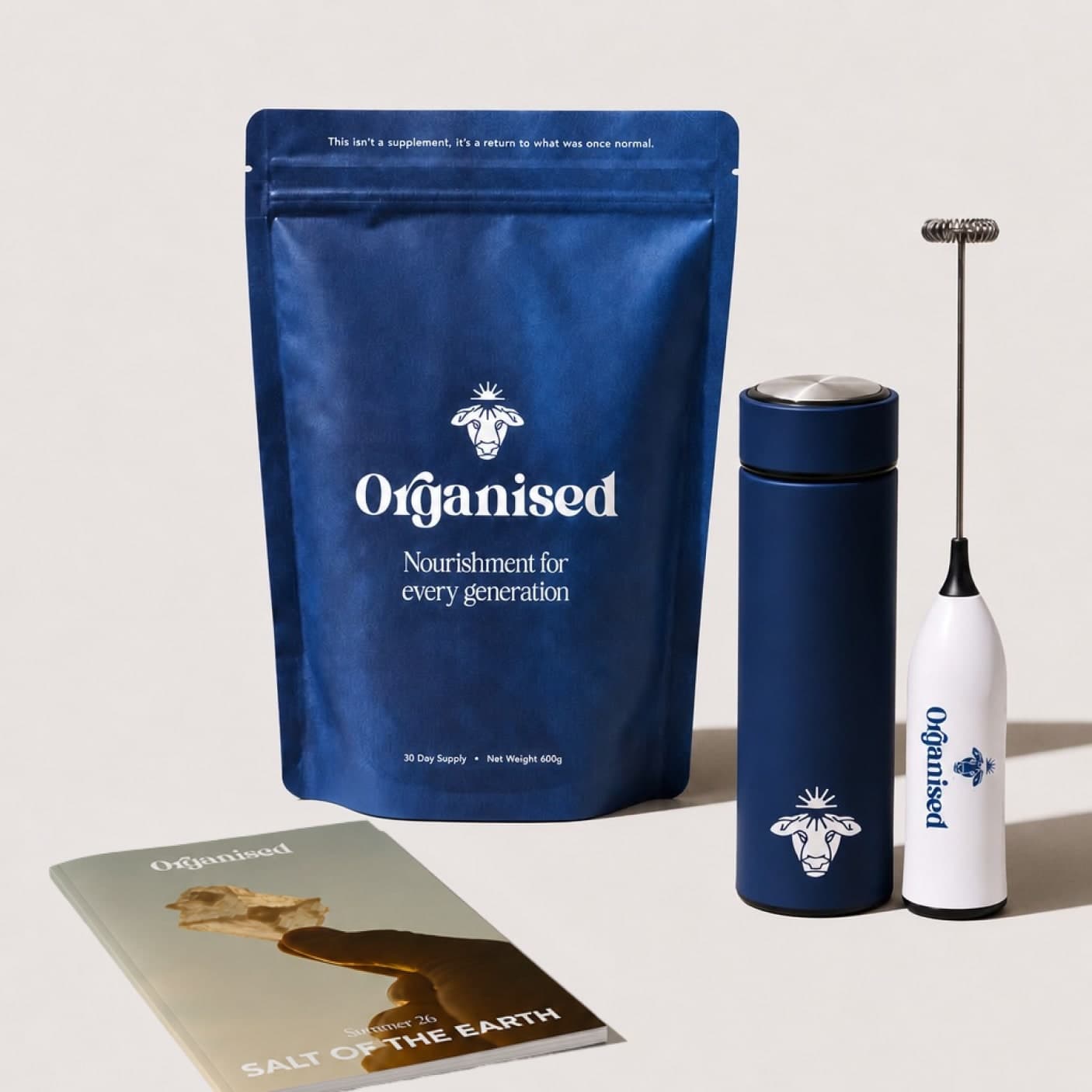
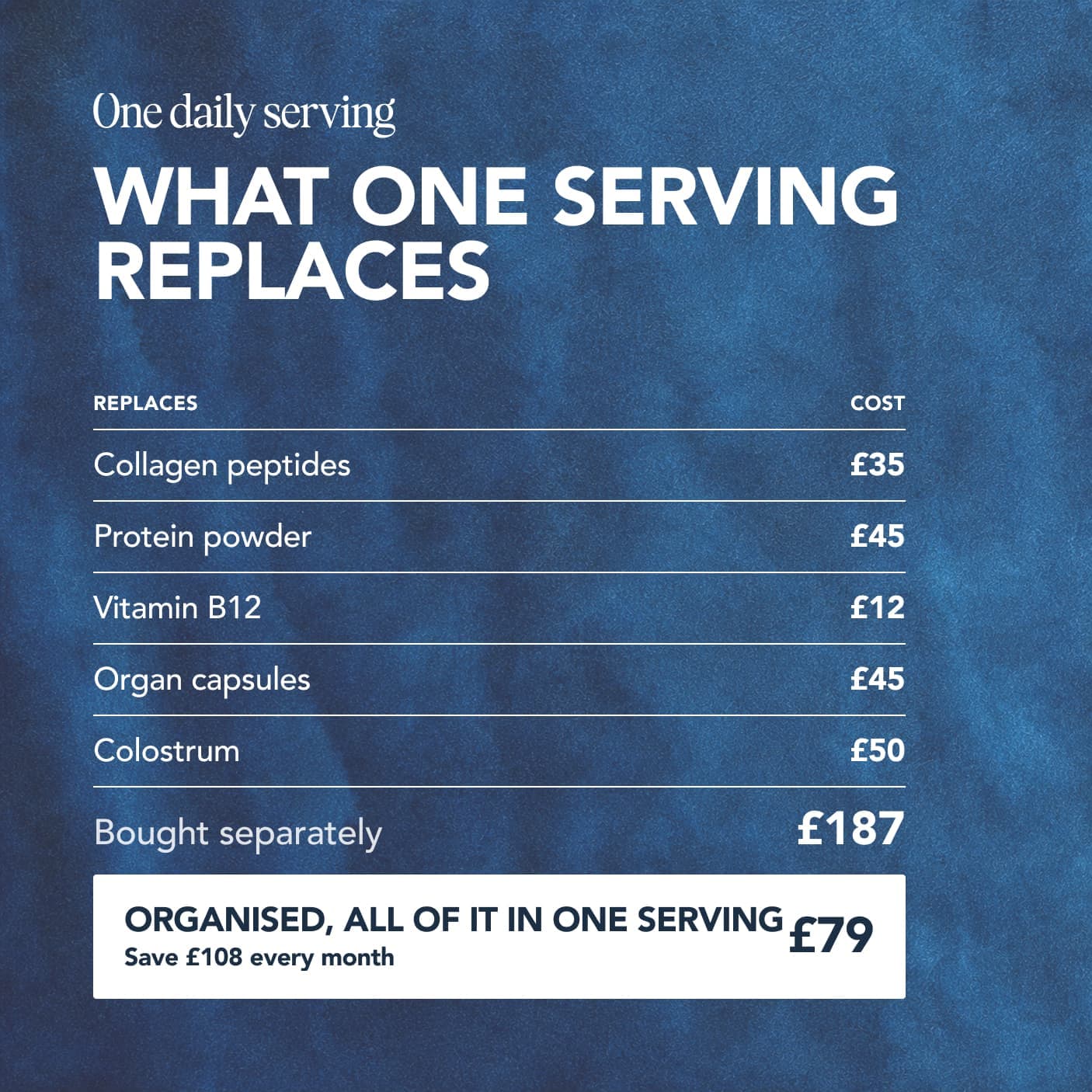
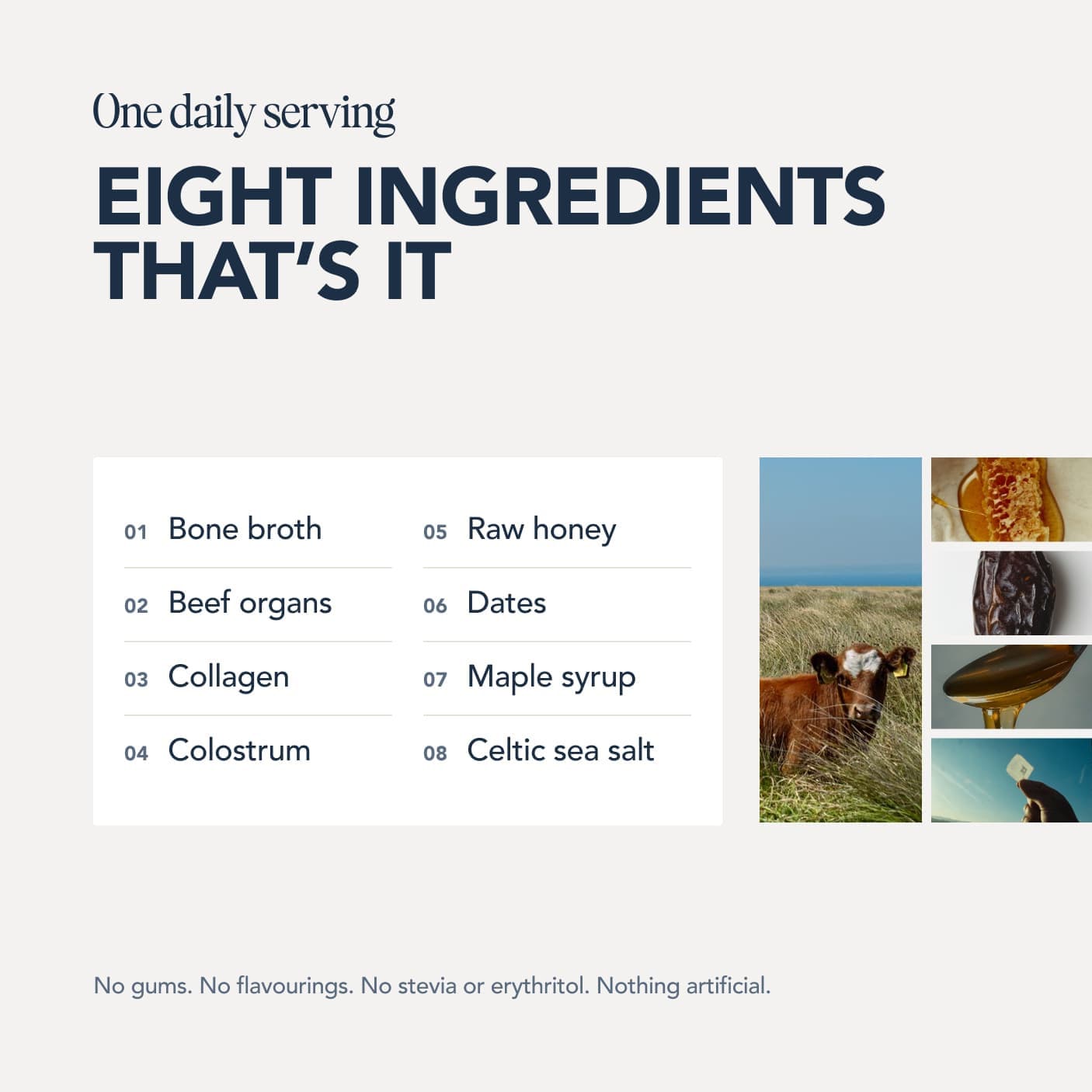
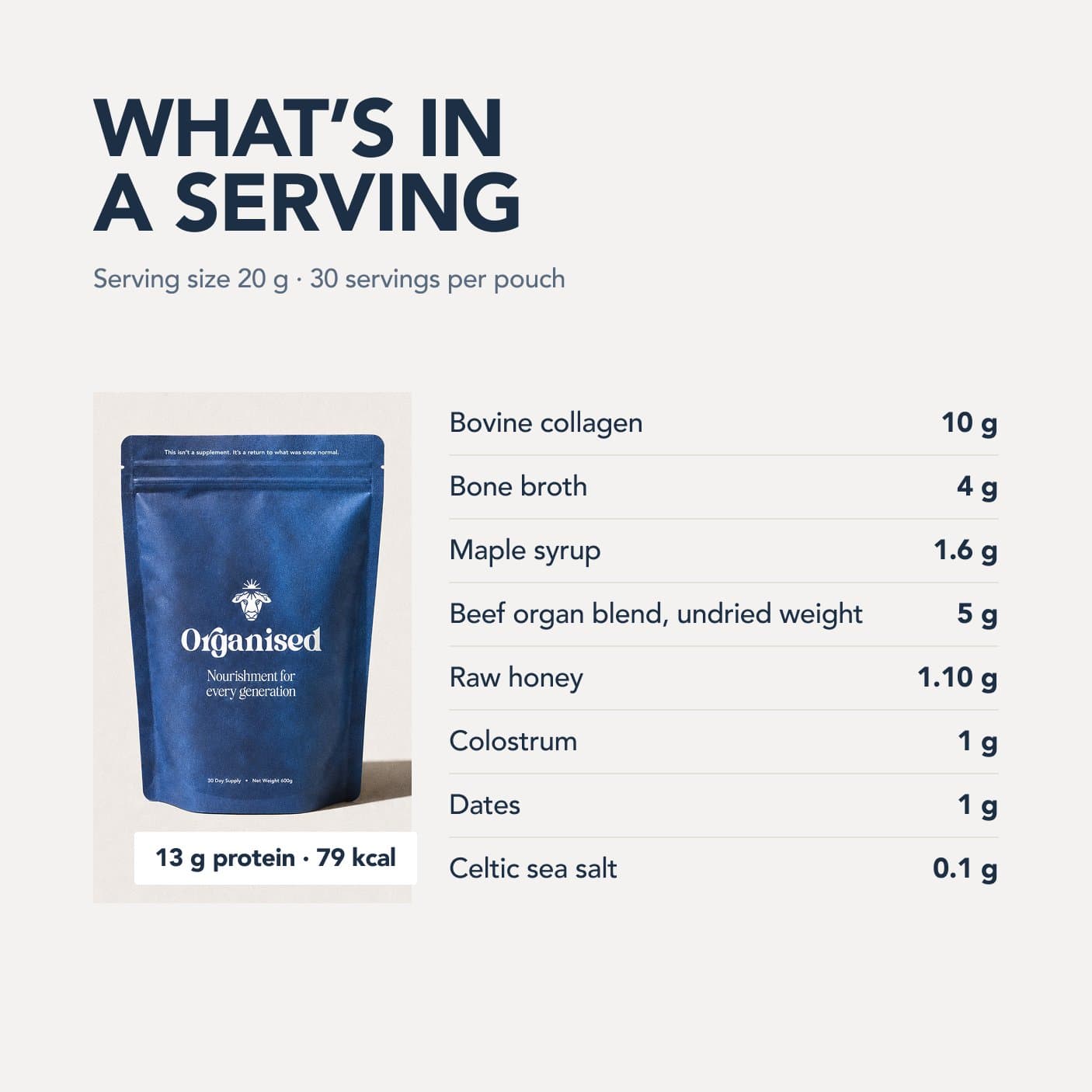
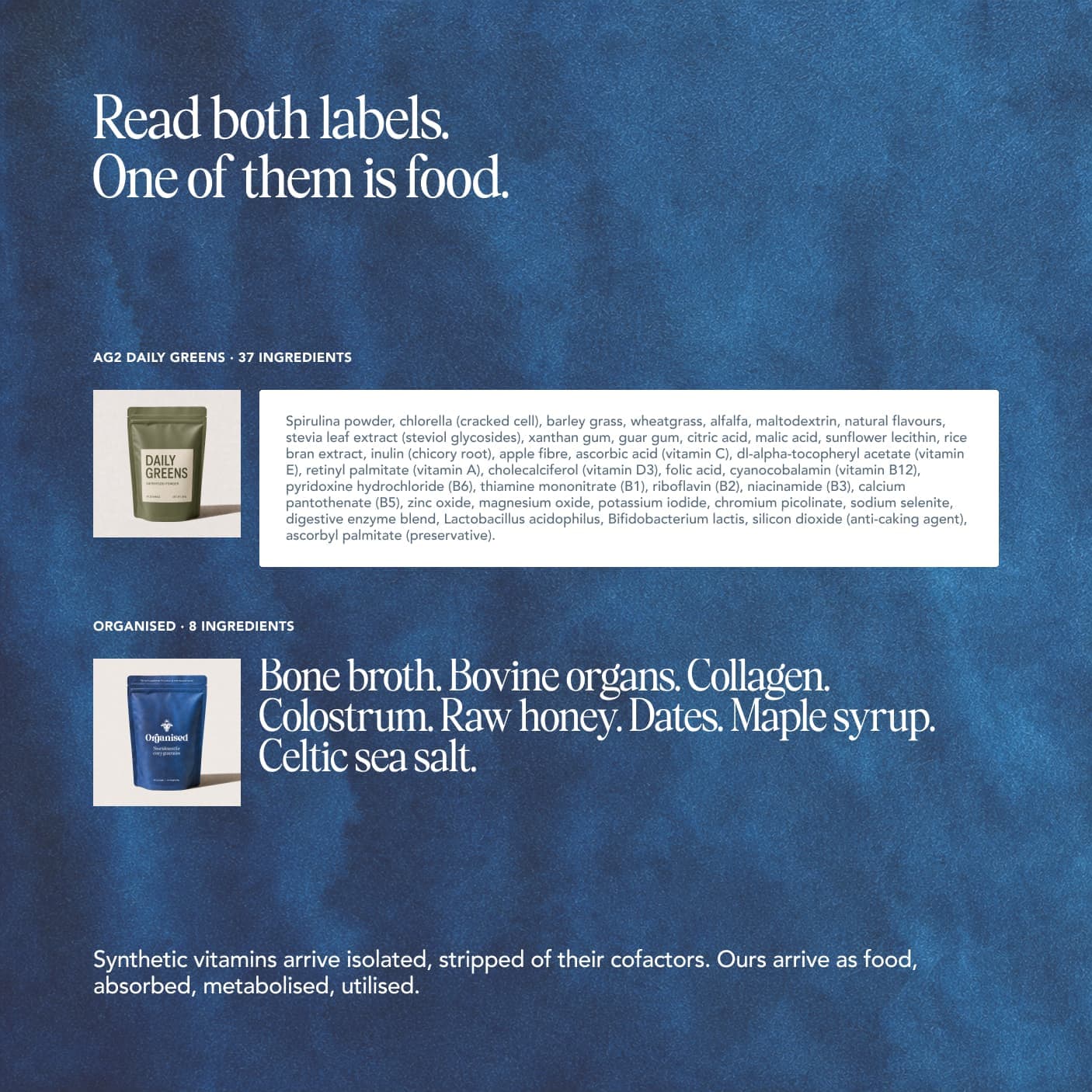
Eight real ingredients built around grass-fed beef organs, collagen and colostrum. Nothing synthetic added.
Free with your first order, worth £38. Plus £10 off the pouch with a subscription.
Free UK shipping · Made in England · 100 day money back guarantee on your first pouch · Skip, pause or cancel anytime
The bottom line
Liver is extraordinarily nutrient-dense and should be your baseline. But if you're choosing a supplement, a blend of beef organs gives you everything liver offers plus the CoQ10, collagen, minerals, and immune factors that other organs bring. It's more expensive than liver alone. It's also more complete. For most people, that trade-off is worth it. See our full guide to beef organ supplements for more detail on how to choose quality blends and how to use them.
On UK NHS guidance and liver in pregnancy
The NHS recommends pregnant women avoid liver and liver products entirely, on the grounds that liver is dense in preformed retinol and high doses of preformed retinol are teratogenic. That guidance errs heavily on the side of total avoidance. The published evidence is more specific.
The Rothman 1995 NEJM study, which underpins most modern retinol-in-pregnancy advice, found increased risk of birth defects in women whose chronic intake of preformed retinol exceeded roughly 10,000 IU per day (about 3,000 mcg RAE per day) during the first trimester. That figure is also the NIH ODS Tolerable Upper Intake Level for adults.
A 100-gram serving of cooked beef liver delivers roughly 7,800 to 11,100 mcg RAE depending on preparation (USDA FoodData Central; NIH ODS). The published threshold is for chronic daily intake, not for a single serving — Rothman 1995 explicitly framed the risk around habitual intake during the first trimester, not occasional consumption. A 30-gram serving once a week averages around 330 mcg RAE per day across the week, well below the 3,000 mcg/day UL. Even a 50-gram weekly portion averages around 600 mcg per day. Traditional pregnancy diets observed by Weston Price across multiple cultures included occasional liver as a sacred food, in portions and frequencies consistent with this weekly-average framing rather than daily heavy consumption.
Our position: the brand recommends small, occasional liver servings (30 to 50 grams once or twice a week) for pregnant and preconception women who choose to include it, alongside the rest of a nutrient-dense whole-food diet. If you want to follow NHS guidance and avoid liver entirely, you can still hit the same fat-soluble-vitamin profile through pastured egg yolks, grass-fed dairy and modest amounts of cod liver oil. Discuss any pregnancy nutrition decision with your midwife or obstetrician, particularly if you are already supplementing with vitamin A, multivitamins containing retinol, or acne-treatment retinoids.
References
Every source below was checked on 27 August 2026. Each PubMed, PMC and DOI identifier was resolved against NCBI or Crossref, and what it opens is printed under the citation, so you can see the link goes where the citation says without leaving the page. Where a citation and its identifier disagreed, the citation was corrected to the record or the reference was deleted along with the sentence marker that pointed at it, and where the resolved paper turned out not to support the sentence, the sentence was cut back to what it does support. Borrowed authority is worse than none, because it looks like rigour.
- National Institutes of Health, Office of Dietary Supplements. Vitamin A and Carotenoids — Health Professional Fact Sheet.
- U.S. Department of Agriculture, FoodData Central. Beef, variety meats, liver — nutrient profile.
- Pravst I et al. Coenzyme Q10 contents in foods and fortification strategies. Critical Reviews in Food Science and Nutrition, 2010. PMID 20301015.Checked 27 August 2026: PMID 20301015 opens Pravst I, Zmitek K, Zmitek J, Coenzyme Q10 contents in foods and fortification strategies. Crit Rev Food Sci Nutr 2010;50(4):269-80. PubMed indexes it as: Review.
- Schaffer S, Kim HW. Effects and Mechanisms of Taurine as a Therapeutic Agent. Biomolecules & Therapeutics, 2018. PMID 29631391.Checked 27 August 2026: PMID 29631391 opens Schaffer S, Kim HW, Effects and Mechanisms of Taurine as a Therapeutic Agent. Biomol Ther (Seoul) 2018;26(3):225-241. PubMed indexes it as: Review.
- NHS. Foods to avoid in pregnancy.
- Rothman KJ, Moore LL, Singer MR, Nguyen UD, Mannino S, Milunsky A. Teratogenicity of high vitamin A intake. New England Journal of Medicine. 1995;333(21):1369-1373. https://pubmed.ncbi.nlm.nih.gov/7477116/Checked 27 August 2026: PMID 7477116 opens Rothman KJ, Moore LL, Singer MR et al, Teratogenicity of high vitamin A intake. N Engl J Med 1995;333(21):1369-73.
Who wrote and reviewed this guide
Niall Kiddle
Author · Founder, Organised
Niall is the founder of Organised. He started the company in 2024 after fixing his own health the slow way: in 2022 he swapped a cupboard of synthetic supplements for real food, raw milk, organ meats, bone broth and honey, and felt the difference within months.
Areas of expertise: Ancestral nutrition, Organ meats, Whole-food supplementation, Gut health, Regenerative sourcing
Read Niall's full profile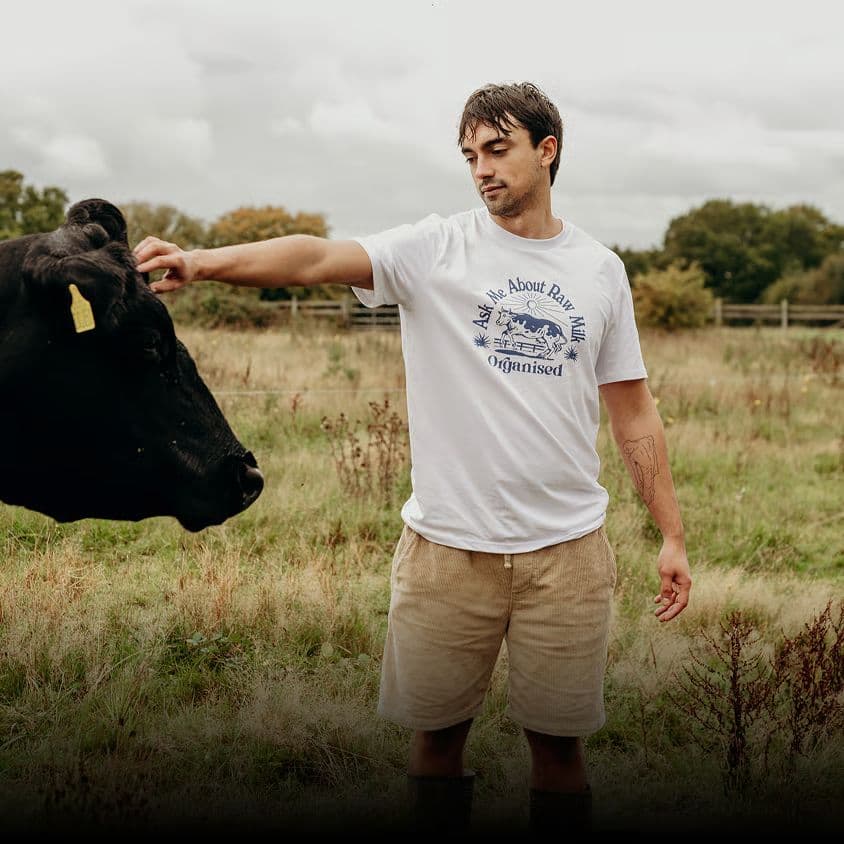
Pedro Rodrigues
Reviewer · Agronomist (farming and sourcing only)
Pedro is the agronomist Organised works with on farming and sourcing. His job on the guides is to keep the science honest: he reviews what we publish about soil health, regenerative agriculture, grazing and the way food is actually produced.
Areas of expertise: Regenerative agriculture, Agronomy, Soil health, Grass-fed farming, Food sourcing
Reviewed this guide on
Read Pedro's full profileMore on nutrient comparisons
View all- Beef Liver vs Multivitamin: A Side-by-Side Nutrient Comparison
- Beef Protein vs Plant Protein: A Nutritional Reality Check
- Bone Broth vs Collagen Supplements: Do You Need Both?
- Bone Broth vs Collagen: What Reddit Says You Actually Need
- Bovine Colostrum vs Goat Colostrum: Does the Source Matter?
- Celtic Sea Salt vs Table Salt: A Mineral Analysis
- Collagen vs Hyaluronic Acid: What Actually Works for Skin?
- Folate from Liver vs Folic Acid from Supplements
- Grass-Fed Collagen vs Marine Collagen vs Vegan Collagen
- Methylcobalamin vs Cyanocobalamin: Which B12 Is Better?
- Retinol from Food vs Retinol in Supplements: Bioavailability Compared
Browse the guides library
All guidesKeep reading
Comparisons
Bovine Collagen vs Marine Collagen: Which Is Better?
Compare bovine vs marine collagen on amino acid profiles, sustainability, and cost to find which is better for your skin, joints, and gut. A clear breakdown.
Comparisons
Bovine Colostrum vs Goat Colostrum: Does the Source Matter?
Compare bovine and goat colostrum. Learn about IgG content, fat profiles, availability, and cost to choose the right colostrum for your needs.
Comparisons
Methylcobalamin vs Cyanocobalamin: Which B12 Is Better?
Methylcobalamin is the active B12 form found in food. Cyanocobalamin is synthetic and requires conversion. Why the difference matters.
Real food, made effortless
Try the blendA few ways to use it
All recipes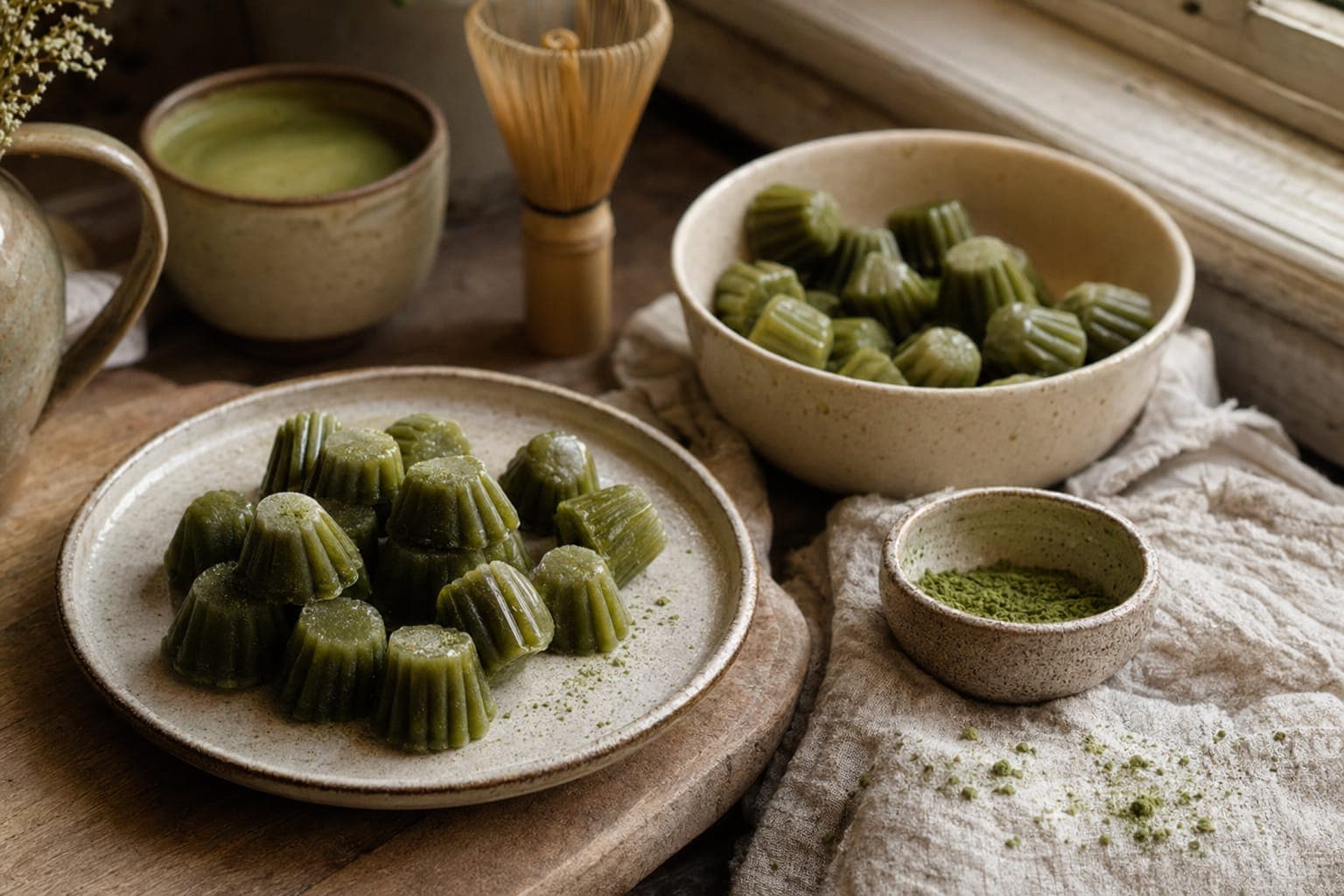
Matcha Latte Gummies with Collagen and Gelatine
Make visually stunning matcha latte gummies infused with collagen and gelatine. Simple recipe for gut-healing sweets you'll actually want to eat.
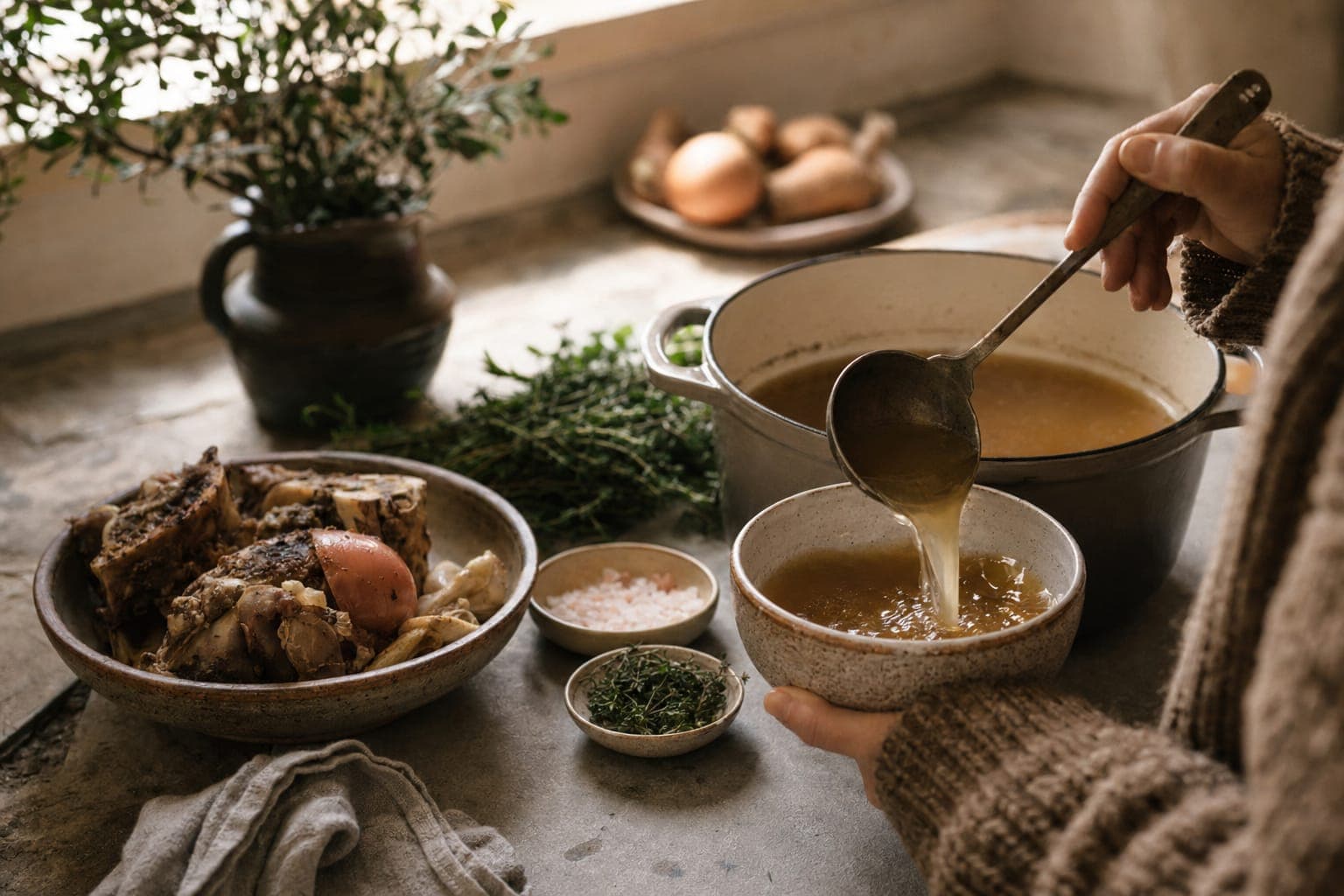
Bone Broth from Scratch: A Step-by-Step Guide
Step-by-step guide to making bone broth at home. Stovetop, slow cooker, and Instant Pot methods. Rich in collagen and gut-healing minerals.
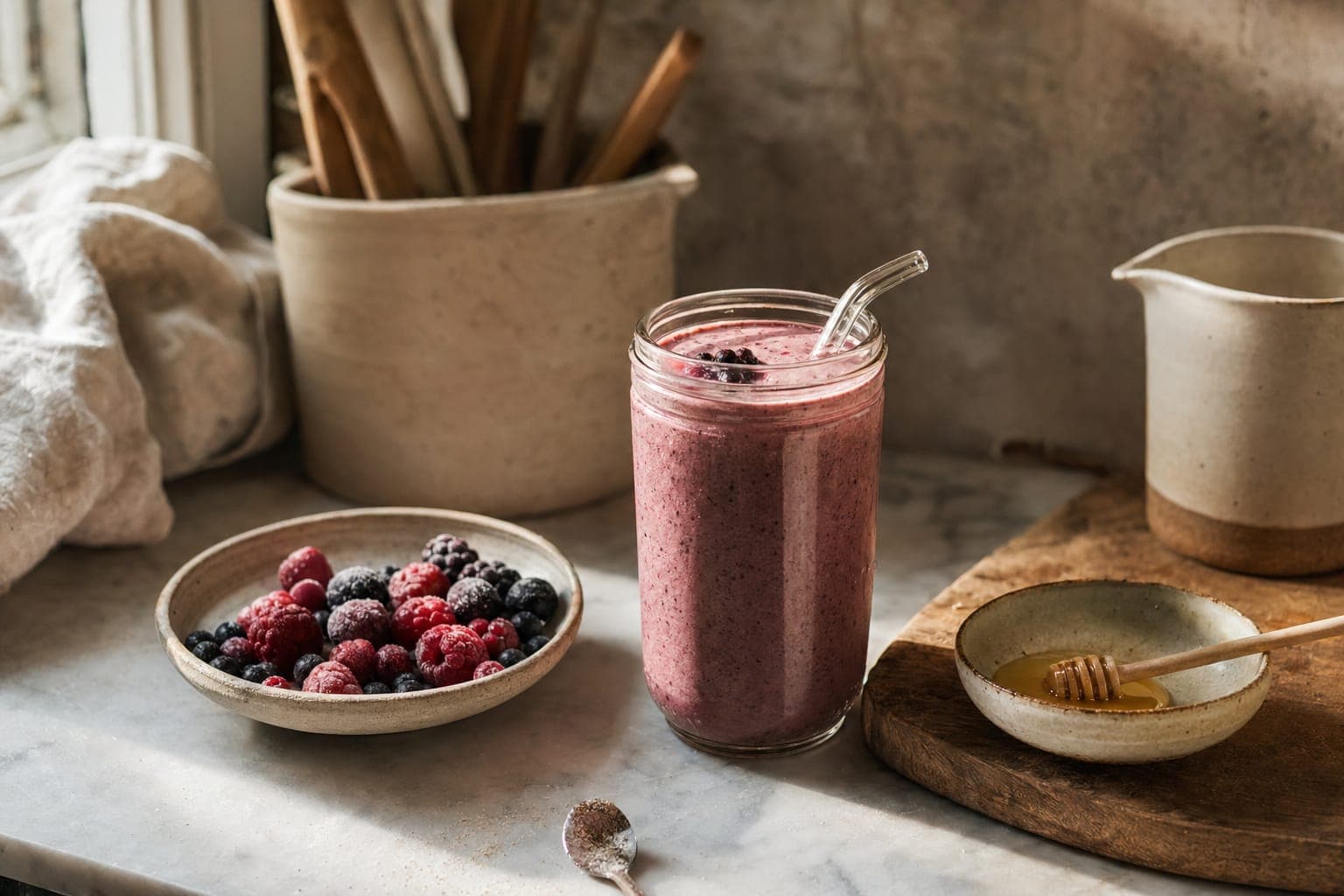
The Organised Recovery Smoothie for After Exercise
A recovery smoothie made with beef protein, raw milk, frozen berries, collagen, and honey. Optimal nutrition in the 30-minute window after exercise.


 Join over 100,000+ members
Build a better food system with us
The Organised community is thousands of people choosing real food and backing the farmers who grow it, all of us trying to leave the world a little better than we found it. If that is what you care about too, you belong here.