Methylcobalamin vs Cyanocobalamin: Which B12 Is Better?
There are multiple forms of B12, and your cells care deeply which one you're taking. Cyanocobalamin is the cheap version. Methylcobalamin is the version your body actually uses.

By Niall Kiddle, Founder, Organised

Reviewed by Pedro Rodrigues, Agronomist (farming and sourcing only) ·
6 min read · Published · Updated · 2 cited sources
Makers of the Organised Daily blend, a grass-fed beef organ supplement from regenerative UK farms


Why B12 form matters
B12 comes in several forms, each with a different molecule attached to the central cobalt atom. These aren't slight variations. The attached group (called a ligand) determines what your body can do with the B12 once it's absorbed.
Cyanocobalamin has a cyanide group attached. The amount of cyanide released during conversion is negligible, but the molecule must be processed by the body to release the cobalt centre and convert it into the active forms methylcobalamin or adenosylcobalamin.1
Methylcobalamin has a methyl group attached. This is the form your cells actually use for methylation reactions, critical processes like DNA synthesis, myelin formation, and neurotransmitter production.
The distinction is crucial: one requires processing before your body can use it. The other is ready to work immediately.

What cyanocobalamin is
Cyanocobalamin is the pharmaceutical standard because it's cheap, stable, and easy to manufacture. It was the first synthetic form of B12 developed in laboratories, and it dominates supplements and fortified foods because the industry hasn't seen reason to change.
Once you take cyanocobalamin, your body has to convert it. Liver enzymes must cleave off the cyanide group and replace it with a methyl group (to make methylcobalamin) or an adenosyl group (to make adenosylcobalamin). Only after this conversion can the B12 be used.
This conversion works reasonably well in healthy people with adequate liver function. But it adds an unnecessary step. And for people with liver stress, genetic variations in detoxification enzymes, or compromised methylation capacity (a surprisingly large group), the conversion is slow or incomplete.
Cyanocobalamin is a precursor waiting to become useful. Methylcobalamin is already useful the moment it's absorbed.
There's also the awkward question of the cyanide. Yes, your body eliminates it. But why ingest cyanide unnecessarily when the active form exists and is available?

The methylcobalamin advantage
Methylcobalamin is what your cells actually want. It's the form found in animal foods, meat, fish, eggs, dairy. When your ancestors ate an animal product, they were getting methylcobalamin, not cyanocobalamin. Your body's B12-dependent enzymes evolved to work with this form.
Methylcobalamin participates directly in methylation, the process your cells use to activate genes, produce neurotransmitters, synthesise creatine, and maintain myelin. When you take methylcobalamin, it's available for these reactions immediately. No conversion needed. No waiting for your liver to process it.
Research suggests methylcobalamin may also be better absorbed and retained in tissues than cyanocobalamin. Some studies show improved neurological outcomes when people with B12 deficiency switch from cyanocobalamin to methylcobalamin injections.
For anyone with nervous system concerns, peripheral neuropathy, cognitive decline, mood instability, methylcobalamin is worth trying. The nervous system relies heavily on methylation reactions, and having the active form of B12 available makes a real difference.
Bioavailability and efficiency
Both forms are absorbed similarly in the gut. The NIH ODS notes that existing evidence does not show meaningful differences among the various forms of B12 with respect to absorption or bioavailability for most people.1
For someone with adequate liver function and no genetic variations, this might not matter much. For someone with liver stress, methylation polymorphisms (MTHFR variants), or depleted methylation cofactors (B6, folate, magnesium), the difference is significant.
There's also a practical consideration: dosing. Because cyanocobalamin requires conversion, you often need higher doses to achieve the same blood levels as methylcobalamin. A 1,000 mcg cyanocobalamin supplement might deliver 500-700 mcg of actual usable B12. A 1,000 mcg methylcobalamin supplement delivers the full amount.
Methylcobalamin is efficient by design. Cyanocobalamin is efficient by accident, if your body's conversion machinery is working well.

Making the choice
If you're buying a B12 supplement, methylcobalamin is the better choice. It's not dramatically more expensive, often the same price or just slightly higher. And you're paying for a form your body can use directly, rather than paying for a conversion step that may or may not work efficiently.
The only caveat: cyanocobalamin injections (for severe deficiency or pernicious anaemia) are so well-established and cheap that your GP will likely prescribe them. If that's what's available, take them. Cyanocobalamin is better than no B12. But if you're choosing your own supplement, methylcobalamin wins.
Look for sublingual methylcobalamin lozenges (absorbs through mouth tissue, bypassing digestion) or methylcobalamin in capsules. If you have MTHFR variants or genetic methylation issues, methylcobalamin becomes even more important, it reduces the burden on your body's conversion and detoxification systems.
One more thing: pair your B12 with adequate folate, B6, and magnesium. These are the cofactors that make methylation work. B12 alone is incomplete. But B12 in the form your body recognises and can use immediately is the place to start.
Get honest comparisons, free
Two short reads a week cutting through supplement marketing with what the evidence says.
By signing up you agree to receive emails from us. No spam, unsubscribe anytime.
Cyanocobalamin Chemistry Explained
Cyanocobalamin is B12 with a cyanide group attached to the cobalt centre. Your liver must enzymatically remove this cyanide before B12 becomes metabolically active. In people with compromised liver function, genetic variations in detoxification capacity (particularly COMT or other detox enzyme variations), this creates an unnecessary processing burden.
The amount of cyanide released is microscopic and generally safe. But it's unnecessary. Methylcobalamin is the form your body actually uses without requiring removal of toxic compounds first.
Methylcobalamin and Methylation Support
Methylcobalamin participates directly in methylation reactions, the fundamental chemical process underlying DNA synthesis, neurotransmitter production, immune function, and myelin formation. These are critical processes for neurological health, mood regulation, and cognitive function.
Cyanocobalamin must convert to methylcobalamin before participating in these reactions. For people with compromised methylation capacity (common in autism spectrum, depression, anxiety, autoimmune conditions), providing methylcobalamin directly bypasses the conversion step entirely.
MTHFR Polymorphisms and B12 Form Relevance
MTHFR polymorphisms (C677T and A1298C) affect folate metabolism and are common in many populations, with the C677T variant carrier rate varying by ancestry. The clinical significance of these variants for B12 supplementation is modest in most people without other contributing factors.2
Practical reality: some people with MTHFR variants feel dramatically better on methylcobalamin. Others notice no difference. The only way to know is trial.

1 of 9
Daily blend
100,000+ thriving families4.9 on Trustpilot
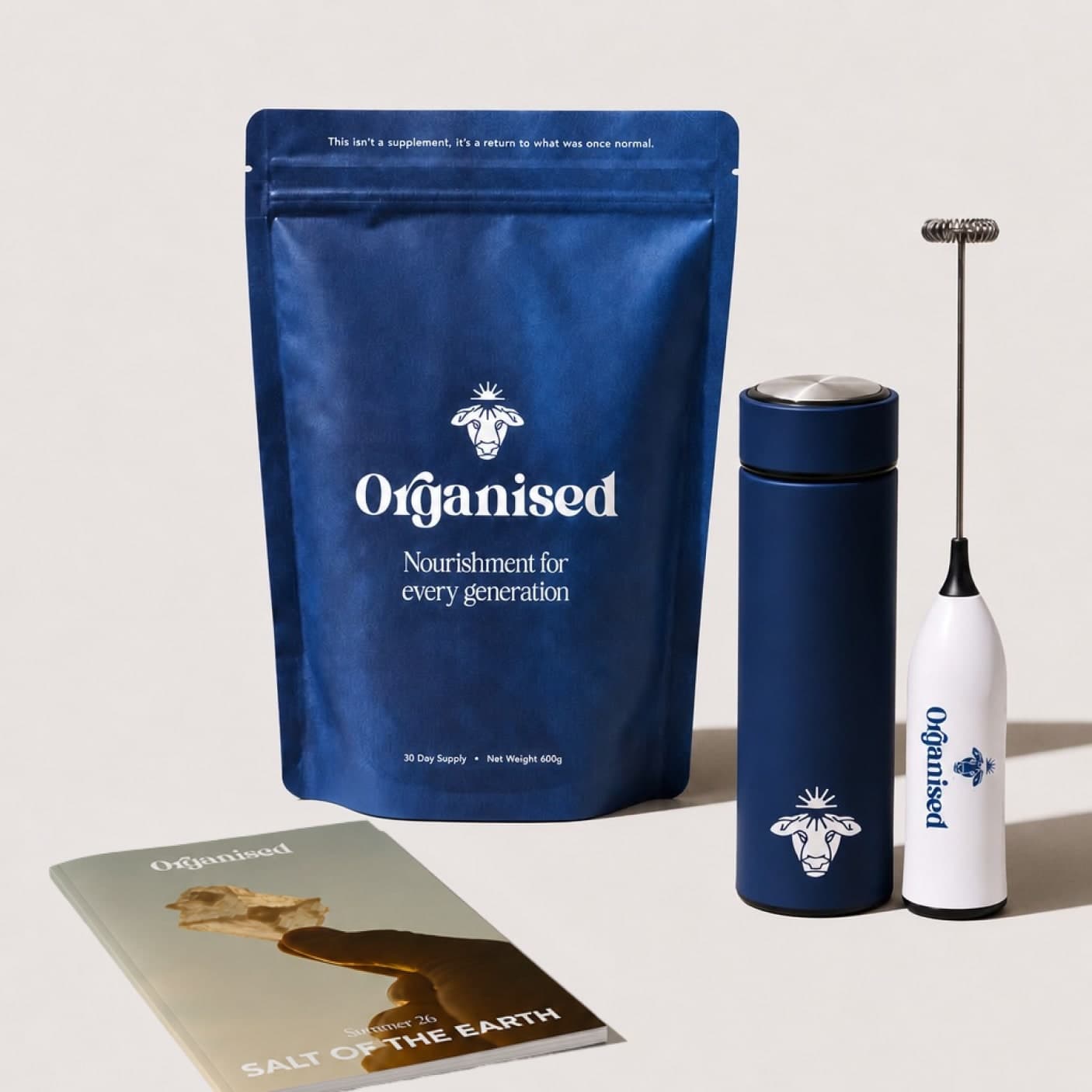
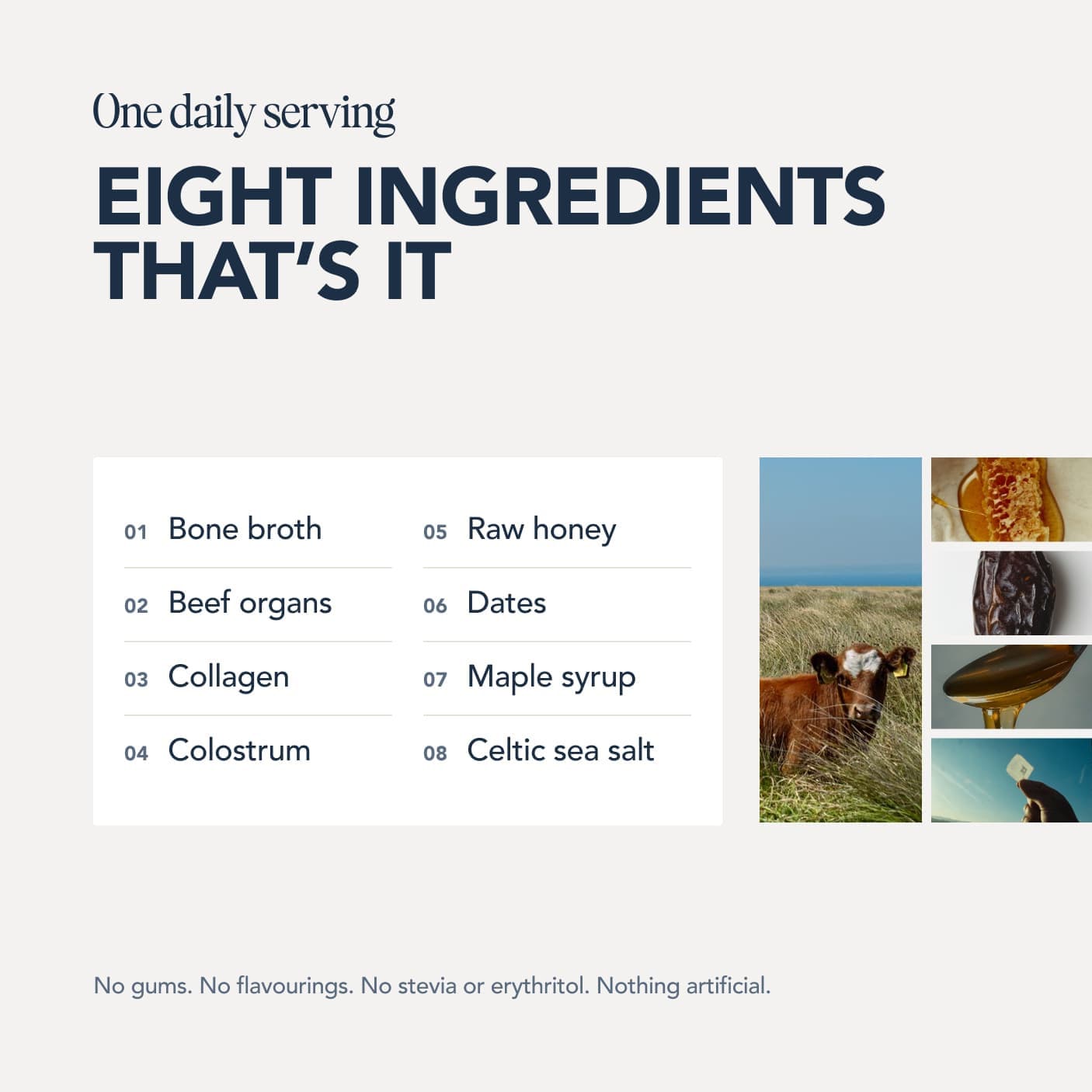
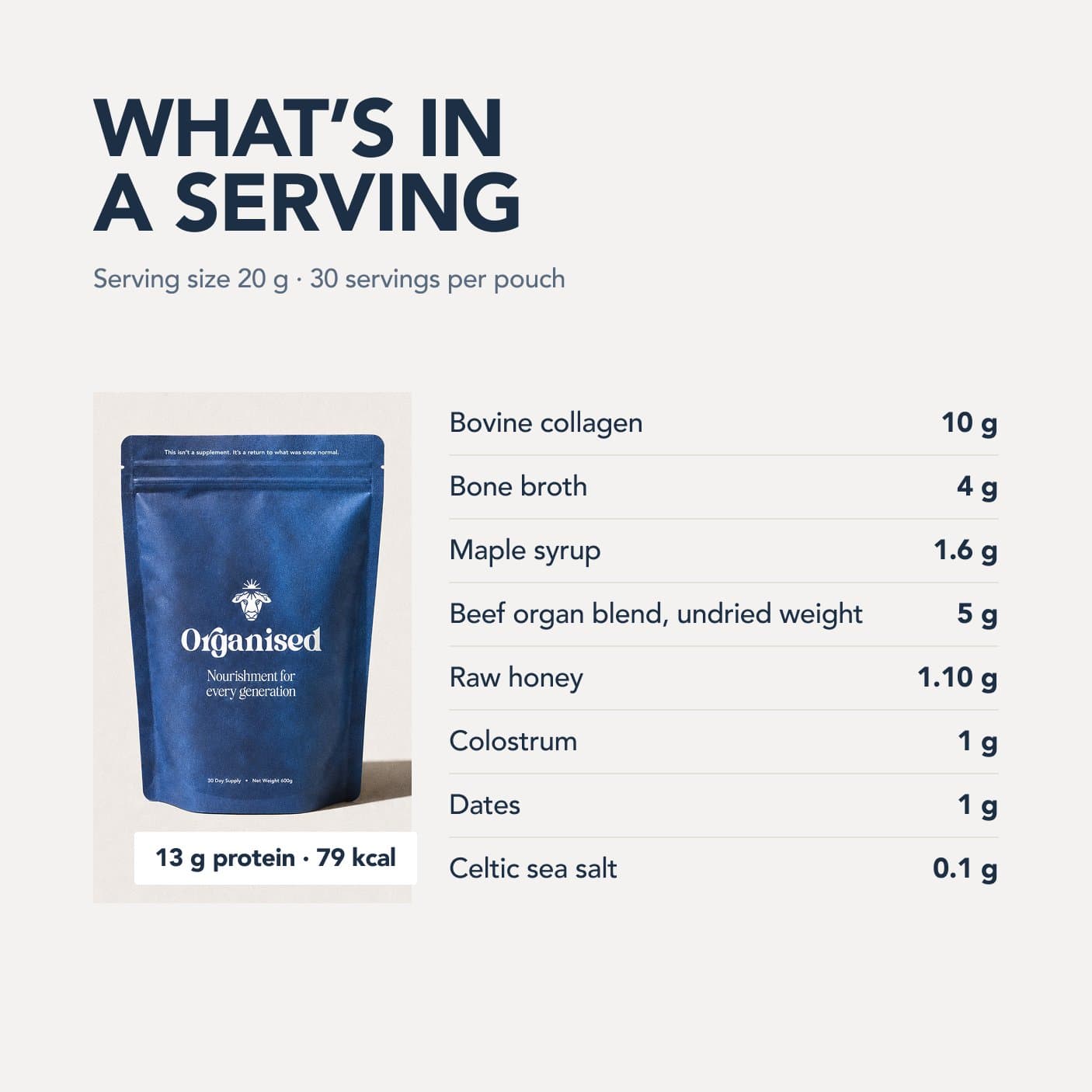
Eight real ingredients built around grass-fed beef organs, collagen and colostrum. Nothing synthetic added.
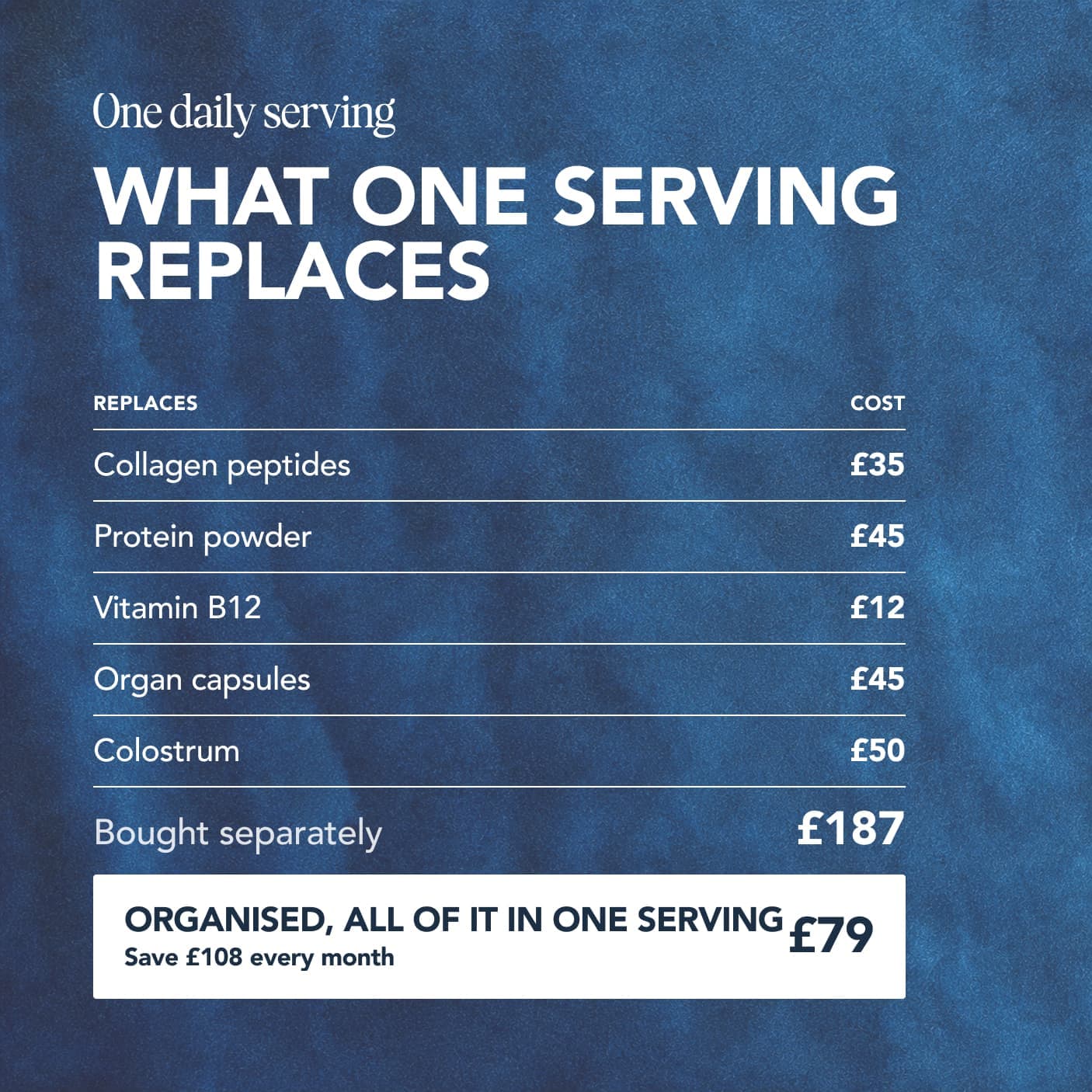
Free with your first order, worth £38. Plus £10 off the pouch with a subscription.
Free UK shipping · Made in England · 100 day money back guarantee on your first pouch · Skip, pause or cancel anytime
Adenosylcobalamin Alternative
Adenosylcobalamin is another active B12 form that participates in cellular energy production. It's less available in supplements than methylcobalamin but theoretically beneficial for people with mitochondrial dysfunction or chronic fatigue.
Most supplement options are cyanocobalamin or methylcobalamin. Adenosylcobalamin is rarer and more expensive.
Food Sources and Natural Forms
Beef liver, fish, eggs, and other animal foods naturally contain methylcobalamin and adenosylcobalamin, not cyanocobalamin. Cyanocobalamin is synthetic, created for supplement manufacturing convenience and stability.
From an evolutionary perspective, your body recognises and processes methylcobalamin more readily because that's what humans have consumed for millennia.
Supplementation Dose Considerations
Both cyanocobalamin and methylcobalamin supplements typically provide 1,000-2,000 mcg per dose. This is 400-800 times the recommended daily intake of 2.4 mcg. The excess is intentional because B12 absorption is inefficient and highly variable.
Both forms work through this high-dose mechanism. The difference isn't in dose but in form efficiency.
Storage Stability Trade-offs
Cyanocobalamin is more chemically stable, maintaining potency longer in supplements without special storage. Methylcobalamin is less stable and requires protective packaging and careful storage.
This is why cyanocobalamin is common in cheap supplements. Manufacturing stability matters more than biochemical optimality for many budget brands.
Symptom Response Patterns
People responding to methylcobalamin often report: improved energy, clearer thinking, better mood, improved sleep quality. These improvements typically emerge within 2-8 weeks of consistent consumption.
People not responding to methylcobalamin feel no different whether taking cyano or methyl form, suggesting B12 form isn't their limiting factor.
Testing B12 Status
You can test serum B12 levels to determine if deficiency exists. Normal range is 200-900 pg/mL. Functional deficiency can exist with normal serum levels if methylmalonic acid (MMA) or homocysteine are elevated.
Testing before supplementing reveals whether B12 is actually your issue.
The Practical Protocol
If you have MTHFR variants, depression, anxiety, or chronic fatigue, try methylcobalamin (1,000 mcg daily) for 8-12 weeks whilst monitoring energy, mood, and clarity. If improvements occur, methylcobalamin is superior for you. If not, form matters less than consistent consumption.
The Bottom Line
Methylcobalamin is theoretically superior because it's the active form your body uses and the form found in food. Cyanocobalamin requires liver conversion. For most people both work fine. For those with methylation issues, methylcobalamin can be life-changing. The only way to know is to try.
References
Every source below was checked on 27 August 2026. Each link was requested and read. Where a citation and its identifier disagreed, the citation was corrected to the record or the reference was deleted along with the sentence marker that pointed at it, and where the resolved paper turned out not to support the sentence, the sentence was cut back to what it does support. Borrowed authority is worse than none, because it looks like rigour.
- National Institutes of Health, Office of Dietary Supplements. Vitamin B12 — Health Professional Fact Sheet. https://ods.od.nih.gov/factsheets/VitaminB12-HealthProfessional/
- National Institutes of Health, Office of Dietary Supplements. Folate — Health Professional Fact Sheet. https://ods.od.nih.gov/factsheets/Folate-HealthProfessional/
Who wrote and reviewed this guide
Niall Kiddle
Author · Founder, Organised
Niall is the founder of Organised. He started the company in 2024 after fixing his own health the slow way: in 2022 he swapped a cupboard of synthetic supplements for real food, raw milk, organ meats, bone broth and honey, and felt the difference within months.
Areas of expertise: Ancestral nutrition, Organ meats, Whole-food supplementation, Gut health, Regenerative sourcing
Read Niall's full profile
Pedro Rodrigues
Reviewer · Agronomist (farming and sourcing only)
Pedro is the agronomist Organised works with on farming and sourcing. His job on the guides is to keep the science honest: he reviews what we publish about soil health, regenerative agriculture, grazing and the way food is actually produced.
Areas of expertise: Regenerative agriculture, Agronomy, Soil health, Grass-fed farming, Food sourcing
Reviewed this guide on
Read Pedro's full profileMore on nutrient comparisons
View all- Beef Liver vs Multivitamin: A Side-by-Side Nutrient Comparison
- Beef Organs vs Desiccated Liver: Why a Blend Is Better
- Beef Protein vs Plant Protein: A Nutritional Reality Check
- Bone Broth vs Collagen Supplements: Do You Need Both?
- Bone Broth vs Collagen: What Reddit Says You Actually Need
- Bovine Colostrum vs Goat Colostrum: Does the Source Matter?
- Celtic Sea Salt vs Table Salt: A Mineral Analysis
- Collagen vs Hyaluronic Acid: What Actually Works for Skin?
- Folate from Liver vs Folic Acid from Supplements
- Grass-Fed Collagen vs Marine Collagen vs Vegan Collagen
- Retinol from Food vs Retinol in Supplements: Bioavailability Compared
Browse the guides library
All guidesKeep reading
Comparisons
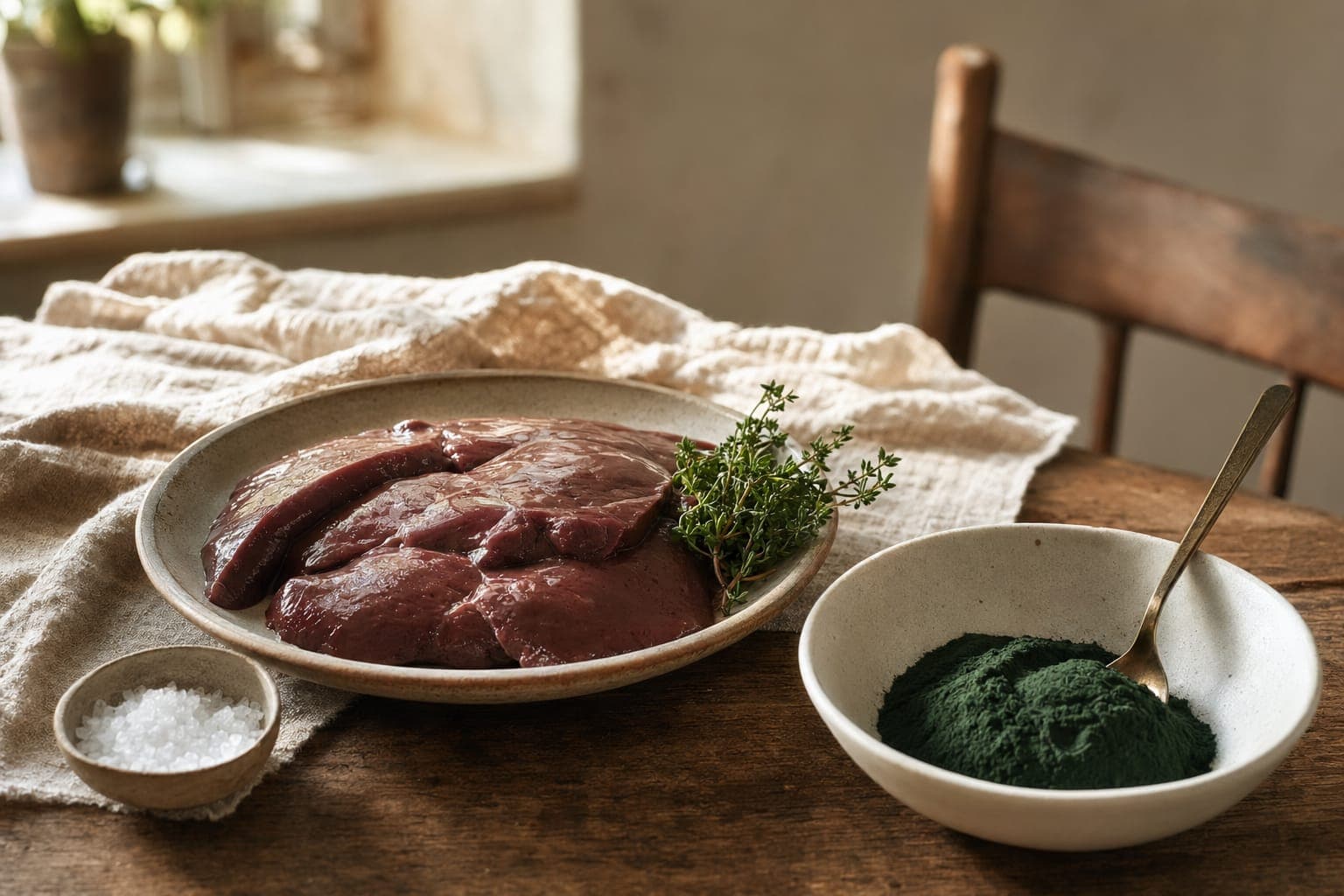
Beef Liver vs Spirulina: Which Is Really the Superfood?
Which is truly nutrient-dense? Compare beef liver and spirulina nutrient for nutrient, including retinol, B12, and contamination risk. You might be surprised.
Comparisons
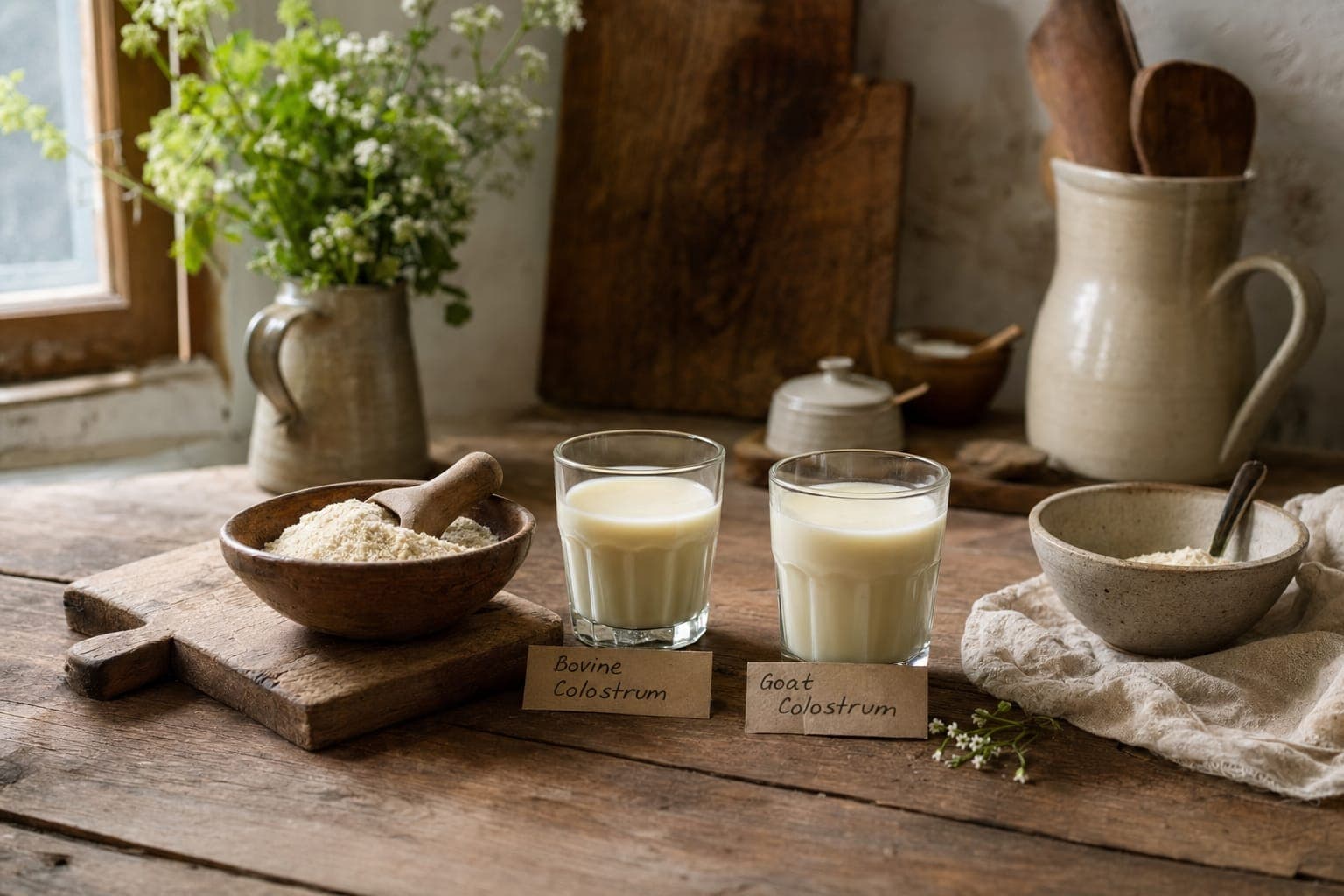
Bovine Colostrum vs Goat Colostrum: Does the Source Matter?
Compare bovine and goat colostrum. Learn about IgG content, fat profiles, availability, and cost to choose the right colostrum for your needs.

Comparisons
Bovine Collagen vs Marine Collagen: Which Is Better?
Compare bovine vs marine collagen on amino acid profiles, sustainability, and cost to find which is better for your skin, joints, and gut. A clear breakdown.
Real food, made effortless
Try the blendA few ways to use it
All recipes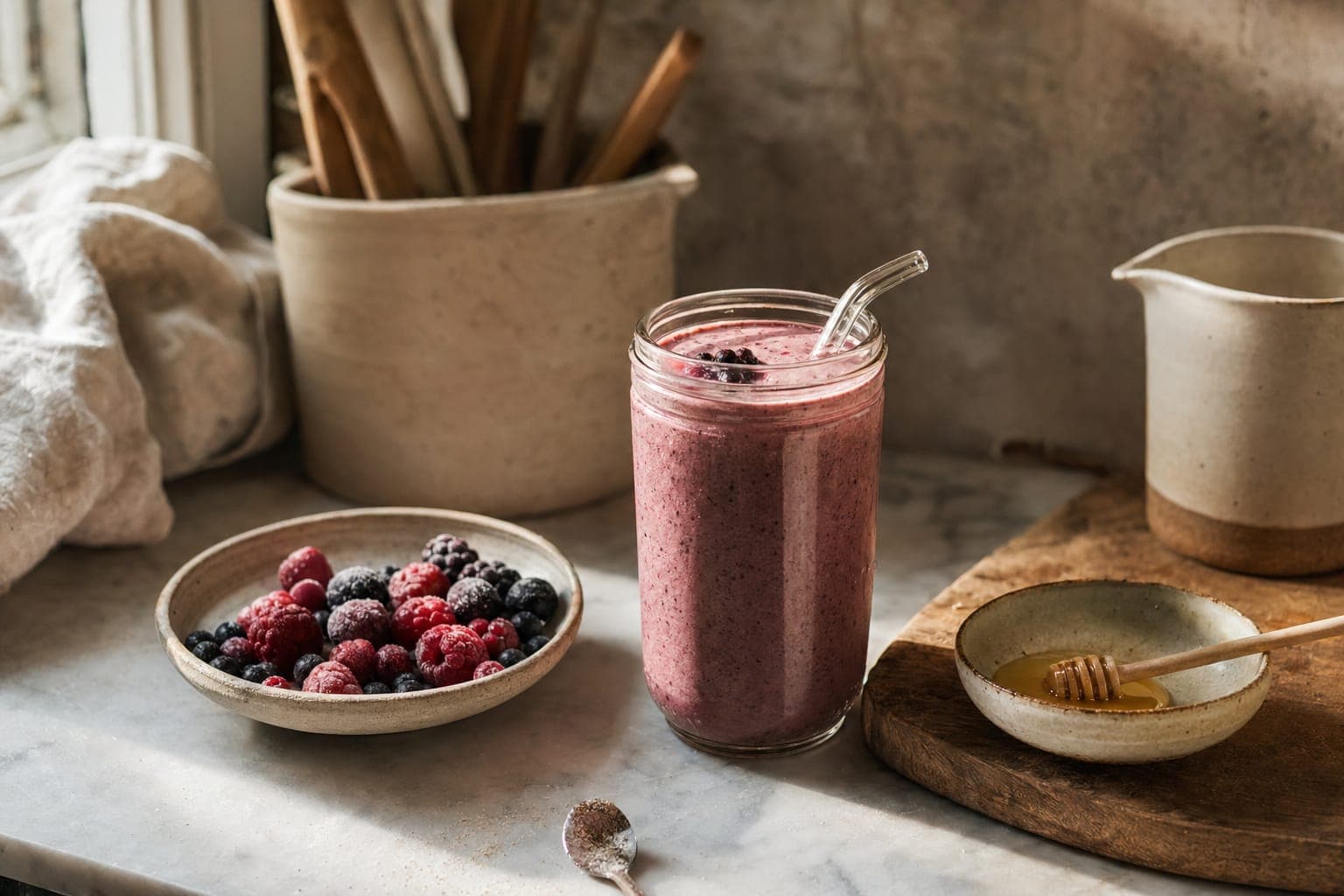
The Organised Recovery Smoothie for After Exercise
A recovery smoothie made with beef protein, raw milk, frozen berries, collagen, and honey. Optimal nutrition in the 30-minute window after exercise.

Organised Chia Pudding with Raw Honey and Berries
A no-cook chia seed pudding made with raw milk, collagen, berries, and raw honey. Prep it the night before and eat for breakfast.
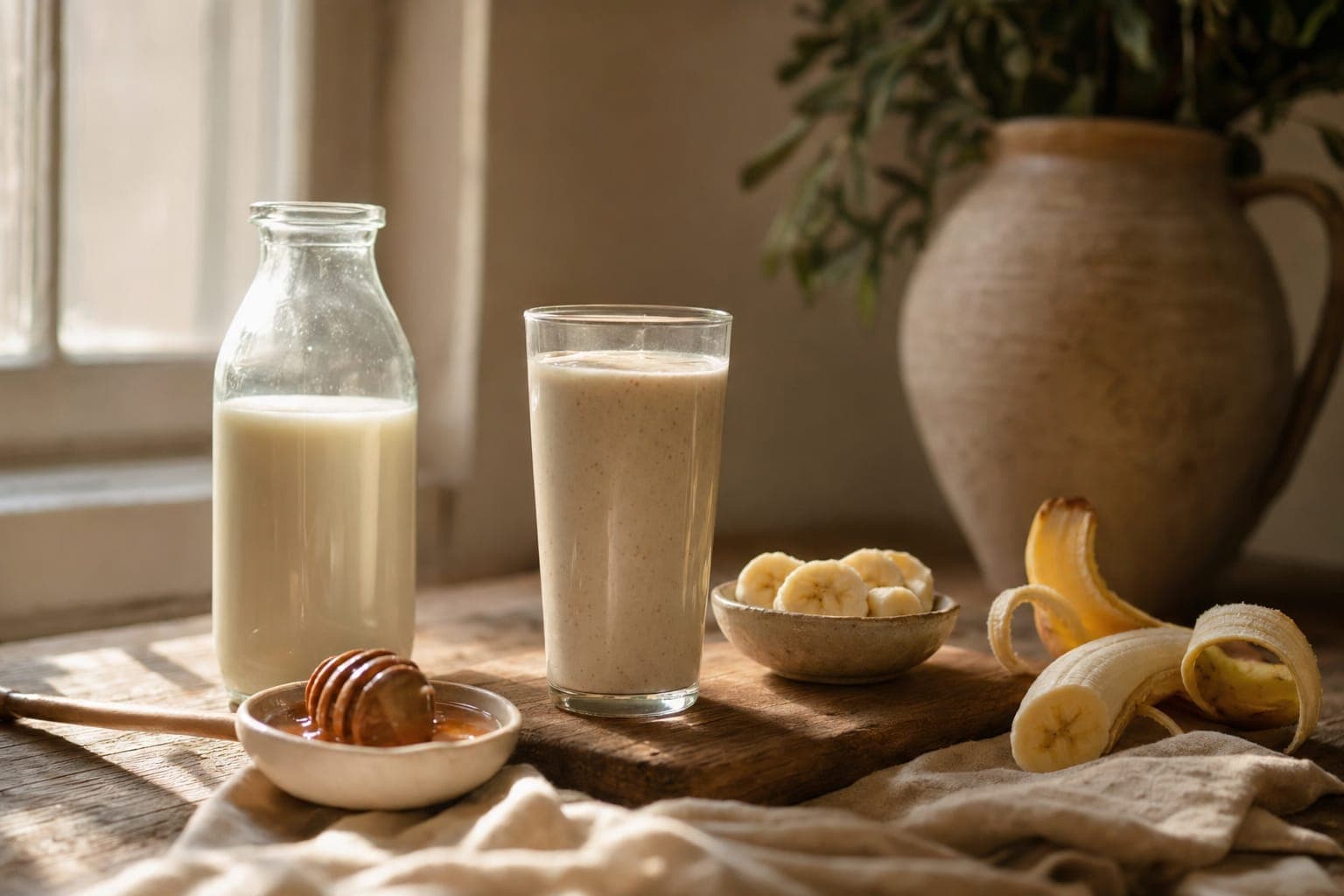
The Perfect Organised Morning Shake: Our Favourite Recipe
Our signature morning shake: Organised, raw milk, banana, honey. Simple, nourishing, and optimised for an empty stomach.


 Join over 100,000+ members
Build a better food system with us
The Organised community is thousands of people choosing real food and backing the farmers who grow it, all of us trying to leave the world a little better than we found it. If that is what you care about too, you belong here.