Bovine Colostrum vs Goat Colostrum: Does the Source Matter?
Both bovine and goat colostrum come from the first milk after birth. Both are packed with immune compounds. But the source matters more than you might think.
By Niall Kiddle, Founder, Organised

Reviewed by Pedro Rodrigues, Agronomist (farming and sourcing only) ·
5 min read · Published · Updated · 2 cited sources
Makers of the Organised Daily blend, a grass-fed beef organ supplement from regenerative UK farms
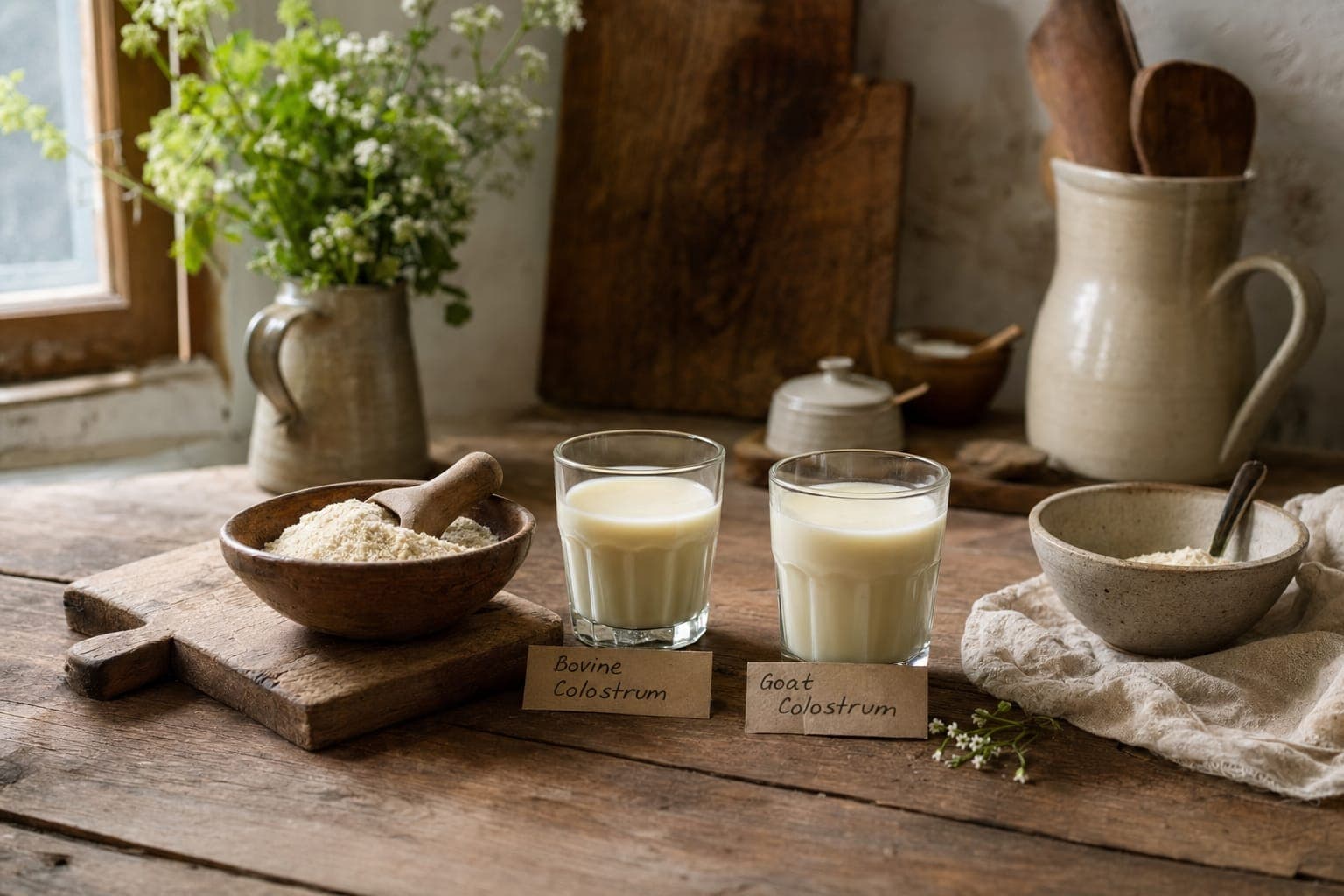
Bovine colostrum (from cows) and goat colostrum are not interchangeable. They have different immunological profiles, different fat contents, and different practical considerations. Understanding these differences helps you choose the right tool for your actual needs.

Immunoglobulin profiles compared
Both bovine and goat colostrum contain immunoglobulins (antibodies), but in different proportions. Immunoglobulins are the key immune compounds that make colostrum effective.
Bovine colostrum is very high in IgG (immunoglobulin G), which is the primary antibody circulating in blood and the one that provides systemic immunity.1 A typical serving of bovine colostrum contains 50 to 100 milligrams of IgG. This is the heavy hitter for immune support.
Bovine colostrum also contains significant IgA (immunoglobulin A), which provides local gut immunity. IgA is the antibody that stays in your gut and protects your intestinal lining.1 This is crucial if you're dealing with leaky gut or food sensitivities.
Goat colostrum has lower IgG than bovine, roughly 30 to 60 milligrams per serving. But it's much higher in IgA relative to its total immunoglobulin content. For gut-specific immunity, goat colostrum might be slightly superior. For systemic immune support, bovine wins.
The practical difference: if you're trying to boost overall immune function, bovine is more effective. If you're specifically trying to heal your gut lining, goat might have a slight edge, though the difference is modest.
Bovine colostrum is stronger for systemic immunity. Goat colostrum is slightly more focused on gut healing. Both work. The difference is nuance, not night and day.
Fat and nutrient density
Colostrum is rich in fat-soluble nutrients. Bovine colostrum is very high in fat, roughly 6 to 8 per cent by weight. This fat carries vitamins A, D, E, and K2, along with fatty acids that support brain health and immune function.
Goat colostrum is lower in fat, roughly 2 to 4 per cent by weight. This is both an advantage and a disadvantage. Lower fat means fewer calories and less richness (useful if you have fat malabsorption issues). But it also means less fat-soluble vitamin carrier capacity.
If you're dealing with normal digestion and fat absorption, the higher fat content in bovine colostrum means better delivery of fat-soluble vitamins. If you have compromised fat digestion (common in colitis, Crohn's, or after gallbladder removal), goat colostrum's lower fat might be better tolerated.
Digestibility and sensitivity
Goat milk is generally considered easier to digest than cow milk. The fat globules are smaller, the curd structure is softer2, and the protein ratios are slightly different. Some people with dairy sensitivity find goat milk tolerable when cow milk is not.
For colostrum specifically, this advantage might hold. Goat colostrum could be easier to digest for some people, though the scientific literature isn't robust on this point. If you've had trouble tolerating bovine colostrum (bloating, gas, loose stool), trying goat colostrum is worth a test.
Bovine colostrum is well-tolerated by most people, though some report digestive sensitivity at higher doses. Starting low (1 to 2 grams) and building up gradually minimises this.
Availability and sourcing
Bovine colostrum is far more widely available. Most commercial colostrum supplements are bovine because cow farming is more prevalent and the supply is more reliable. You can find bovine colostrum from ethical, grass-fed sources fairly easily.
Goat colostrum is harder to source. Goat farming is less common, colostrum collection is more limited, and availability is sporadic. Finding high-quality goat colostrum requires more research and potentially more patience.
If sourcing matters to you (regenerative farming, ethical practices), bovine might actually be easier to vet because more brands emphasise their sourcing practices. Goat colostrum sourcing is less transparent across the board.
Get honest comparisons, free
Two short reads a week cutting through supplement marketing with what the evidence says.
By signing up you agree to receive emails from us. No spam, unsubscribe anytime.
Cost comparison
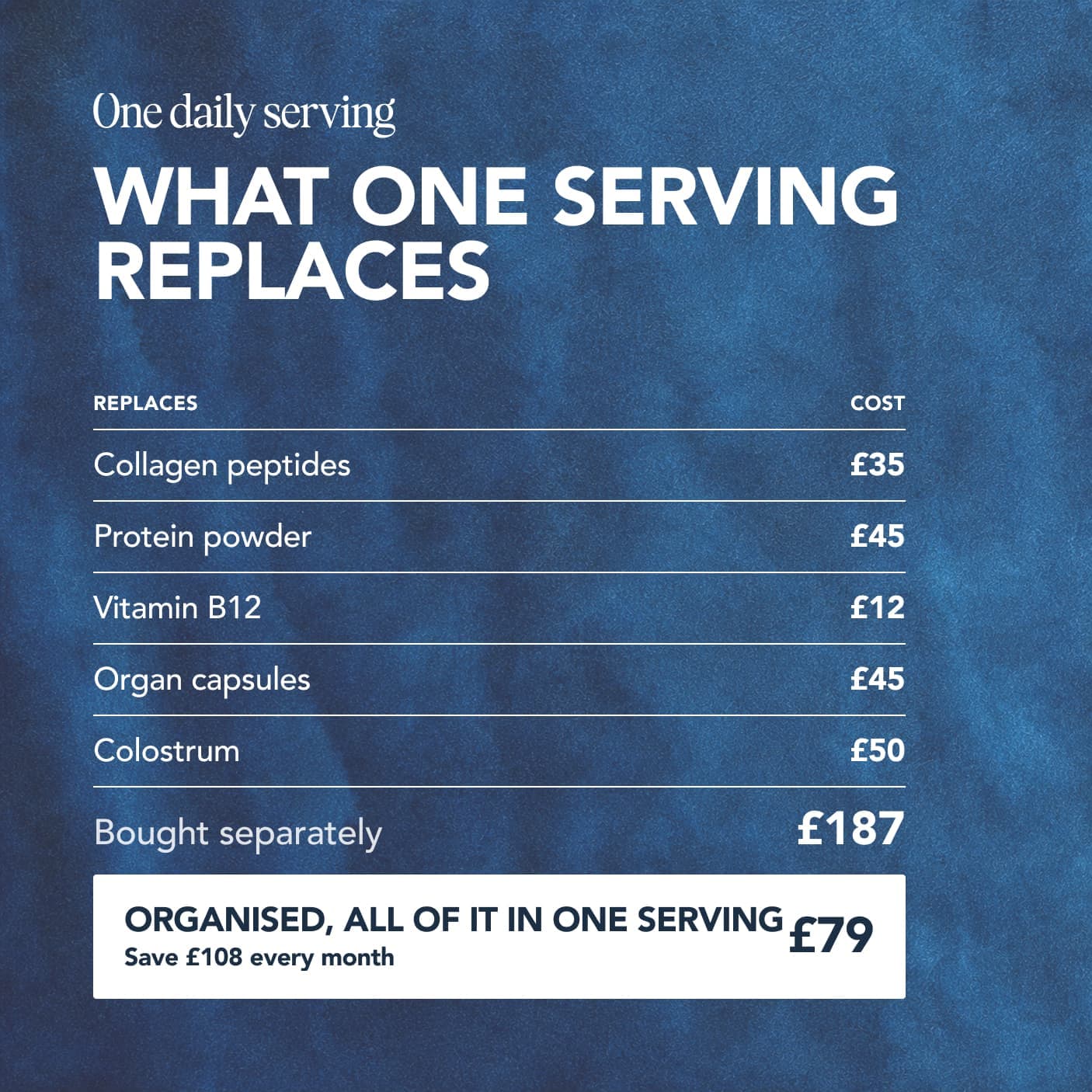
Bovine colostrum typically costs around £35 to £50 per month for a therapeutic dose (10 to 20 grams daily). This is the standard price point across most brands.
Goat colostrum is more expensive, typically £55 to £80 per month, because supply is limited and production is smaller. You're paying a premium for scarcity and niche availability.
If cost matters, bovine wins decisively. If you have specific intolerance to bovine and goat is the only option that works for you, the premium is worth it.
When to choose each one
Choose bovine colostrum if you want the highest immunoglobulin content, if cost matters, if you want the most widely available option, and if you tolerate cow milk well. This is the default choice for most people.
Choose goat colostrum if you've tried bovine and experienced digestive sensitivity, if you have known dairy intolerance (though colostrum is usually well-tolerated even in dairy-sensitive people), or if you want the slightly higher ratio of gut-specific immunity compounds. This is the specialised choice for specific situations.
Bovine is stronger, cheaper, and more available. Goat is gentler, more expensive, and harder to find. Choose based on what your body actually needs.
Testing and quality assurance
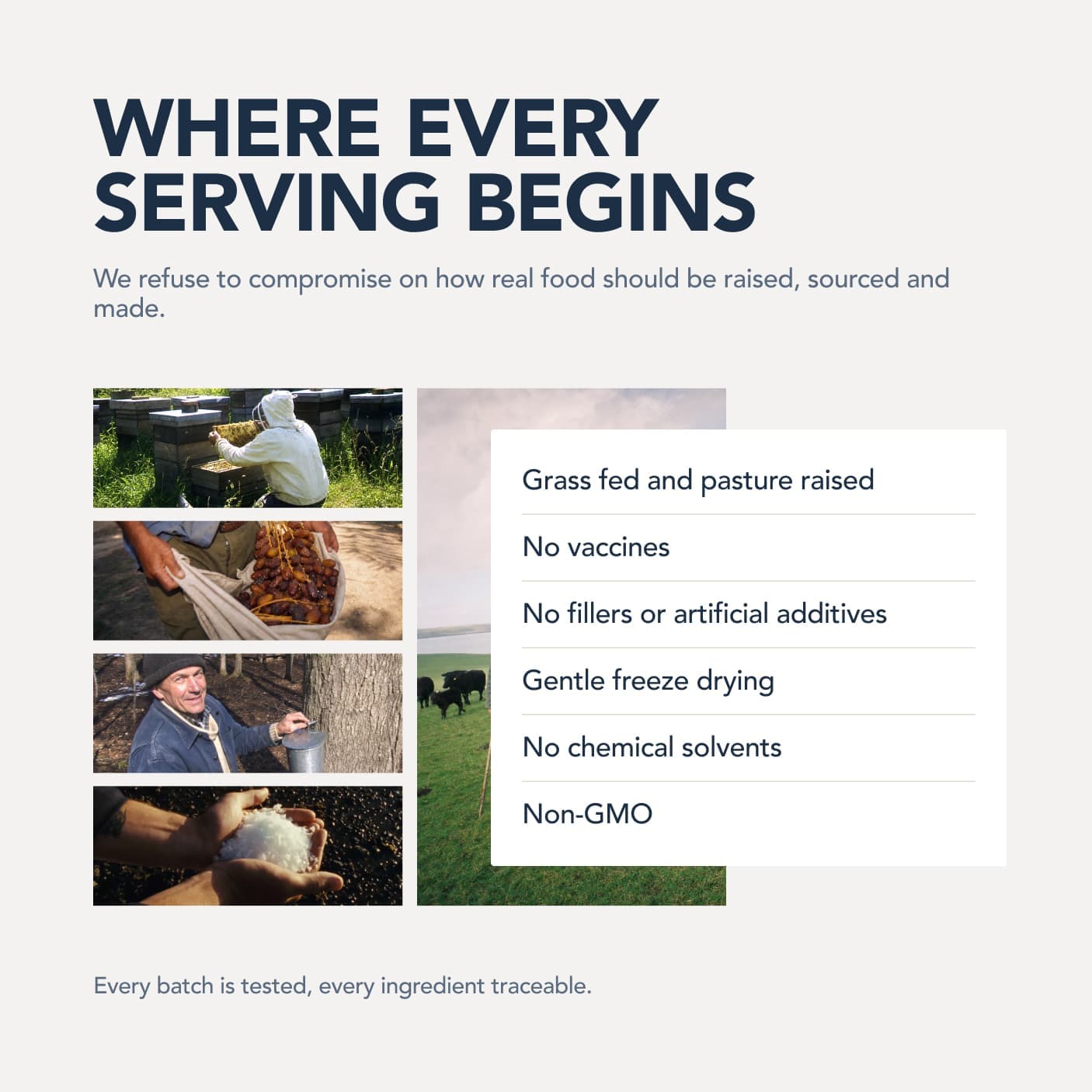
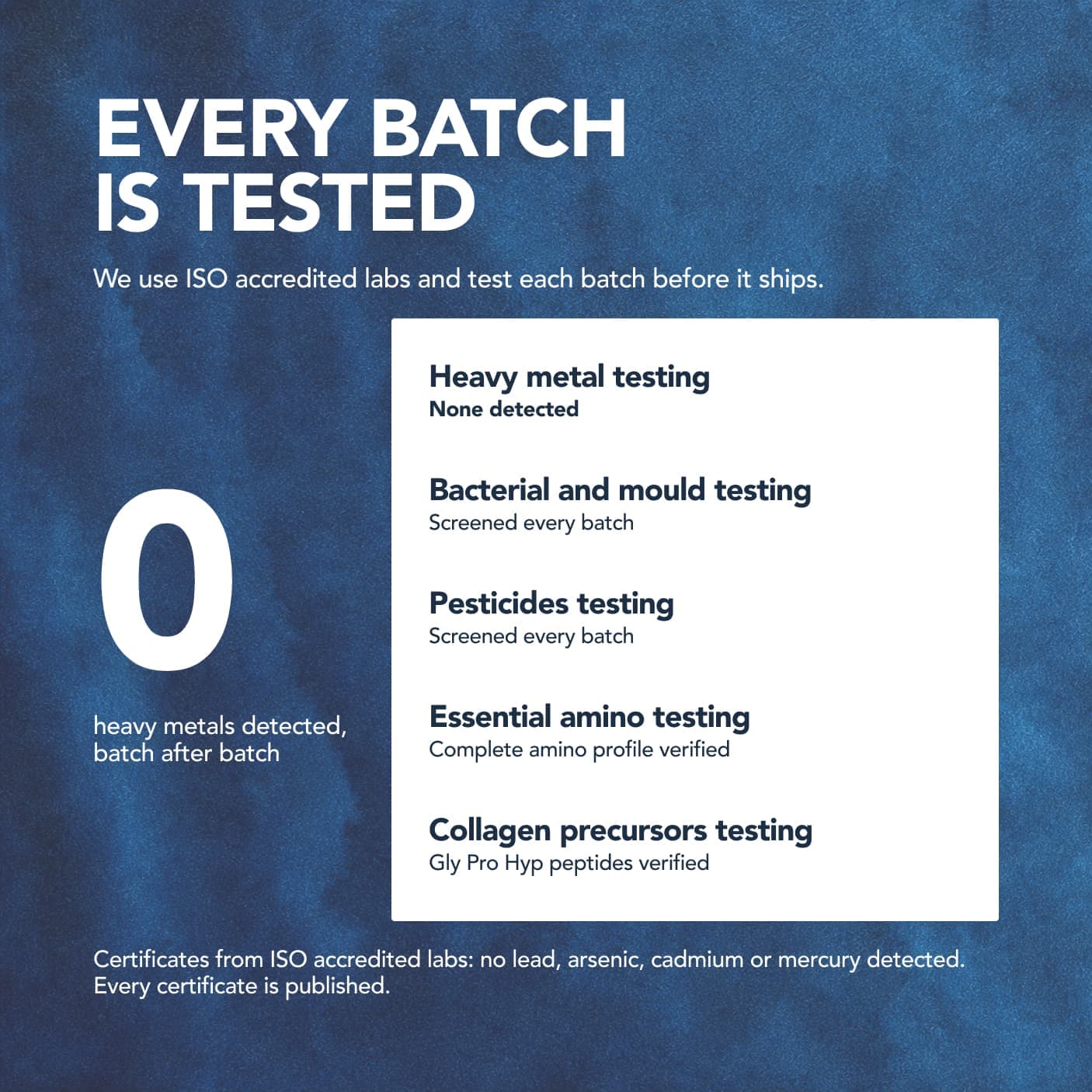
Both bovine and goat colostrum should be tested for pathogens, heavy metals, and pesticides. Quality brands test every batch. Check whether your colostrum manufacturer has third-party testing and is willing to share results.
Bovine colostrum is more commonly tested because of larger commercial scale and regulatory scrutiny. Goat colostrum manufacturers are smaller and may have less rigorous testing. This is another reason to vet goat colostrum carefully before buying.

1 of 9
Daily blend
100,000+ thriving families4.9 on Trustpilot
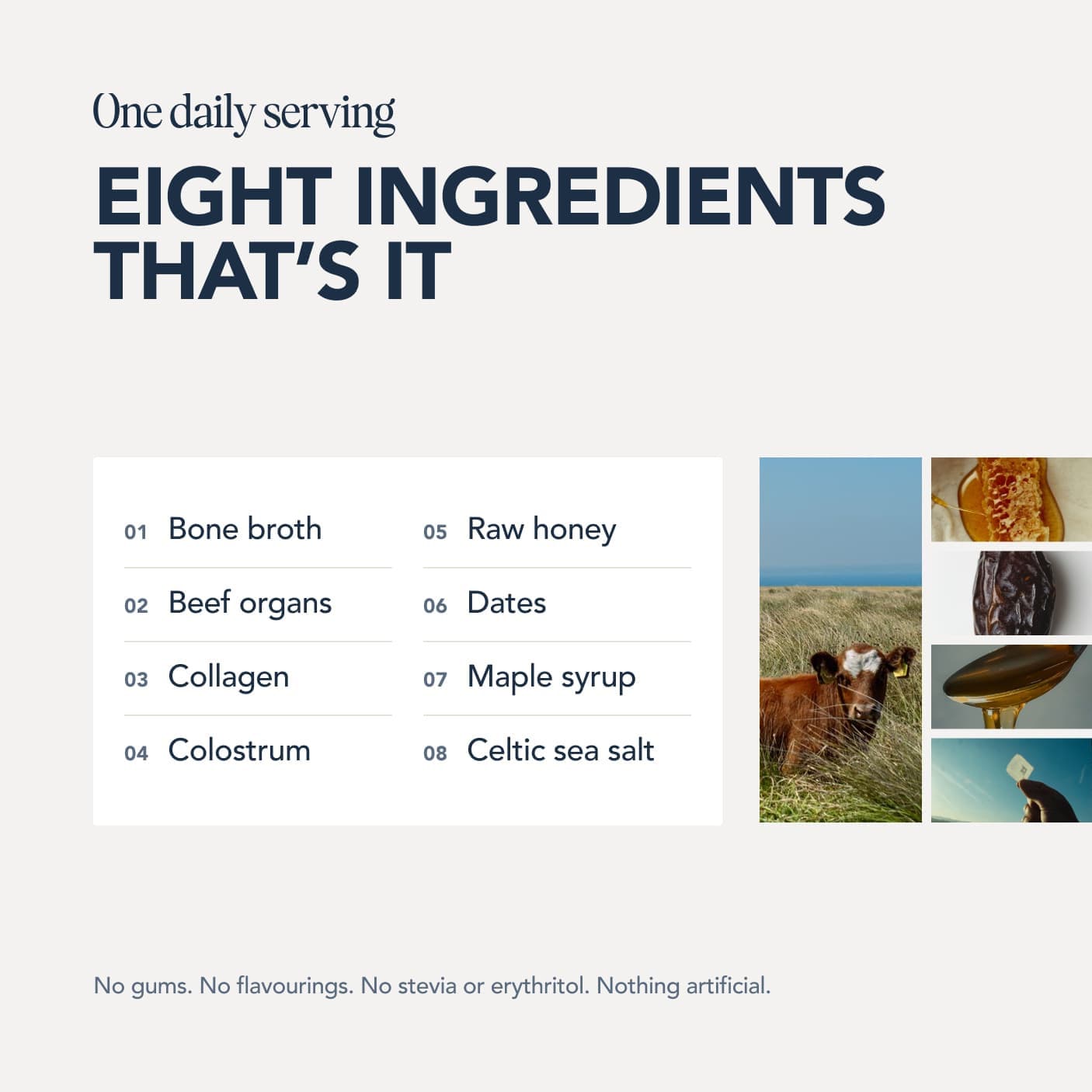
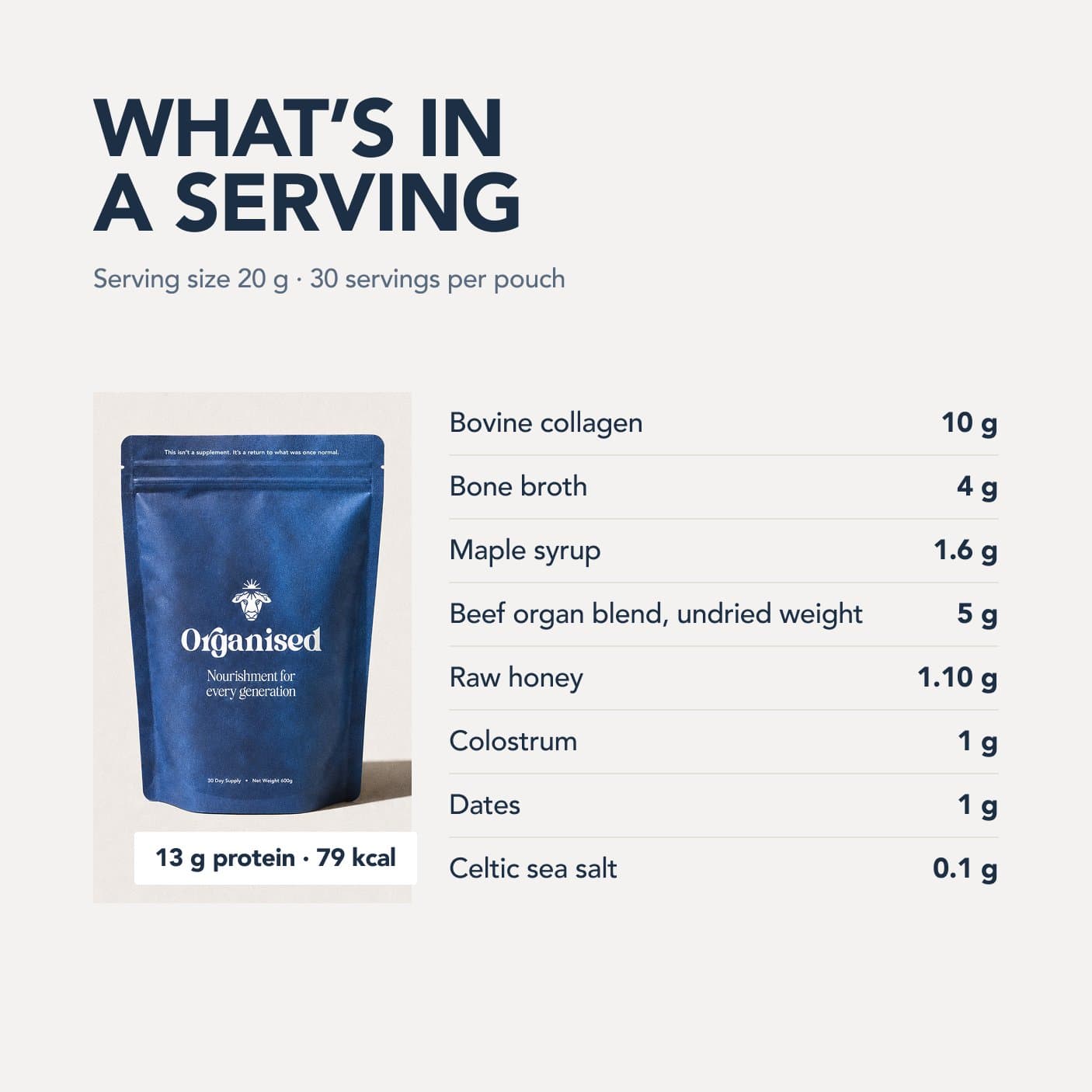
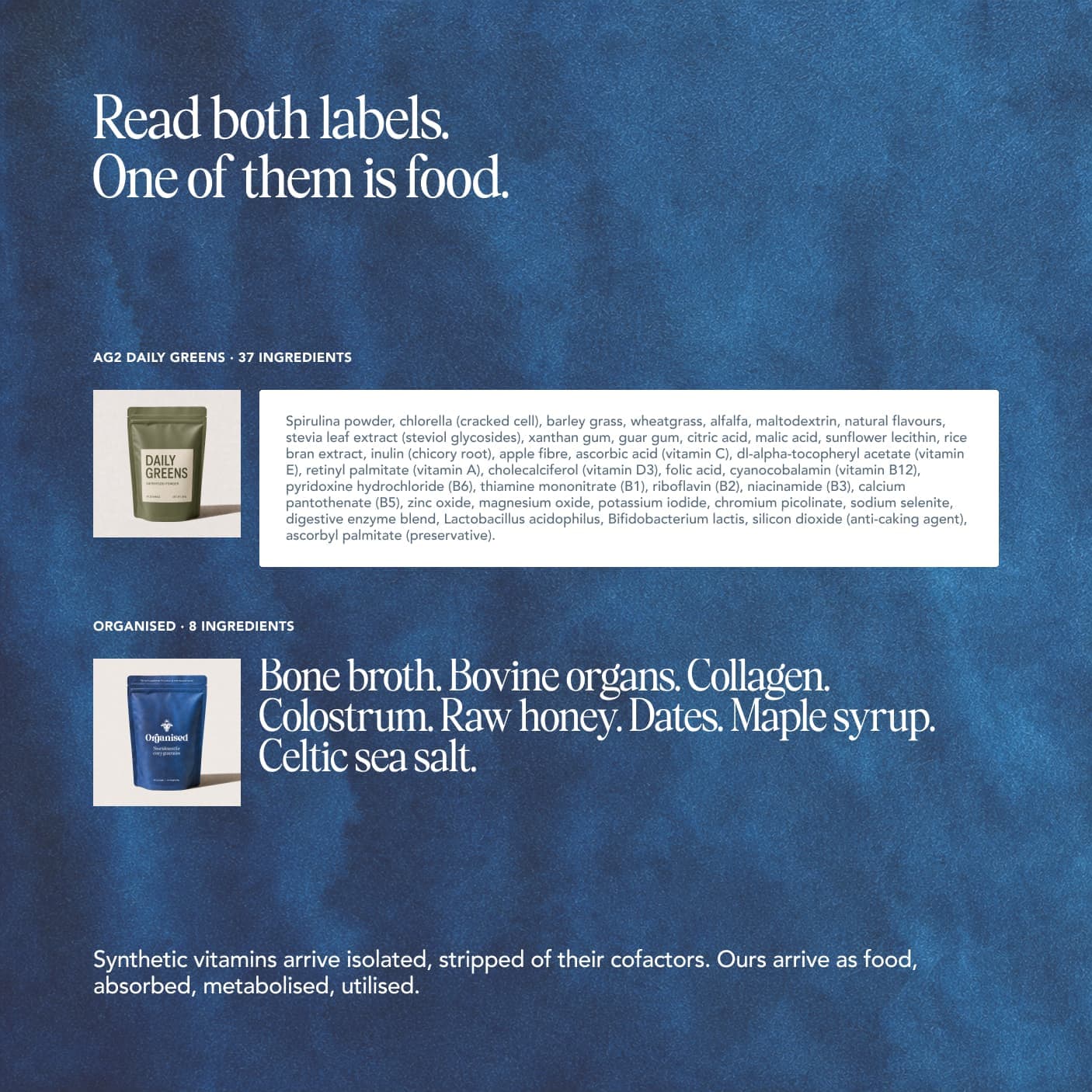
Eight real ingredients built around grass-fed beef organs, collagen and colostrum. Nothing synthetic added.
Free with your first order, worth £38. Plus £10 off the pouch with a subscription.
Free UK shipping · Made in England · 100 day money back guarantee on your first pouch · Skip, pause or cancel anytime
Practical dosing for both
Start with 1 to 2 grams daily, taken in the morning on an empty stomach or with minimal food. Build up to 5 to 10 grams daily over the course of a week. Most therapeutic effects show up at 10 to 20 grams daily. Don't exceed 20 grams daily unless working with a practitioner.
Take colostrum for 60 to 90 days, then reassess. Once your gut symptoms improve and your immune function is better, you can discontinue or drop to a maintenance dose of 5 grams daily.
The bottom line
For most people, bovine colostrum is the right choice. It's more potent, cheaper, and more widely available from ethical sources. The immune support is stronger, the nutrient density is higher, and you're getting better value.
If you try bovine and experience digestive issues, or if you know you have dairy intolerance (and it's severe enough to affect colostrum), goat colostrum is worth exploring. But start with bovine. It's the more evidence-backed, more potent, and more practical choice.
The source matters in terms of potency and digestibility, but both work. Don't get caught up in goat being "gentler" or "better" because of marketing. Both sources provide effective immune and gut support. Choose based on your tolerance, your budget, and what's actually available to you.
References
Every source below was checked on 27 August 2026. Each PubMed, PMC and DOI identifier was resolved against NCBI or Crossref, and what it opens is printed under the citation, so you can see the link goes where the citation says without leaving the page. Where a citation and its identifier disagreed, the citation was corrected to the record or the reference was deleted along with the sentence marker that pointed at it, and where the resolved paper turned out not to support the sentence, the sentence was cut back to what it does support. Borrowed authority is worse than none, because it looks like rigour.
- Playford RJ, Weiser MJ. Bovine colostrum: its constituents and uses. Nutrients. 2021;13(1):265.Checked 27 August 2026: PMC7831509 opens Playford RJ, Weiser MJ, Bovine Colostrum: Its Constituents and Uses. Nutrients 2021;13(1). PubMed indexes it as: Review.The authors' own declaration, from the record: PanTheryx Inc supply BC to U.S., European, and Asia-Pacific markets. This does not affect our adherence to the Nutrients policies regarding sharing data and materials.
- Park YW et al. Physico-chemical characteristics of goat and sheep milk. Small Rumin Res. 2007;68(1-2):88-113.Checked 27 August 2026: PMID 17451405 opens Wali A, Ali G, John P et al, Mapping of a gene for alopecia with mental retardation syndrome (APMR3) on chromosome 18q11.2-q12.2. Ann Hum Genet 2007;71(Pt 5):570-7.
Who wrote and reviewed this guide
Niall Kiddle
Author · Founder, Organised
Niall is the founder of Organised. He started the company in 2024 after fixing his own health the slow way: in 2022 he swapped a cupboard of synthetic supplements for real food, raw milk, organ meats, bone broth and honey, and felt the difference within months.
Areas of expertise: Ancestral nutrition, Organ meats, Whole-food supplementation, Gut health, Regenerative sourcing
Read Niall's full profile
Pedro Rodrigues
Reviewer · Agronomist (farming and sourcing only)
Pedro is the agronomist Organised works with on farming and sourcing. His job on the guides is to keep the science honest: he reviews what we publish about soil health, regenerative agriculture, grazing and the way food is actually produced.
Areas of expertise: Regenerative agriculture, Agronomy, Soil health, Grass-fed farming, Food sourcing
Reviewed this guide on
Read Pedro's full profileMore on nutrient comparisons
View all- Beef Liver vs Multivitamin: A Side-by-Side Nutrient Comparison
- Beef Organs vs Desiccated Liver: Why a Blend Is Better
- Beef Protein vs Plant Protein: A Nutritional Reality Check
- Bone Broth vs Collagen Supplements: Do You Need Both?
- Bone Broth vs Collagen: What Reddit Says You Actually Need
- Celtic Sea Salt vs Table Salt: A Mineral Analysis
- Collagen vs Hyaluronic Acid: What Actually Works for Skin?
- Folate from Liver vs Folic Acid from Supplements
- Grass-Fed Collagen vs Marine Collagen vs Vegan Collagen
- Methylcobalamin vs Cyanocobalamin: Which B12 Is Better?
- Retinol from Food vs Retinol in Supplements: Bioavailability Compared
Browse the guides library
All guidesKeep reading
Organised
Is Colostrum Better Than Whey for Gut Health?
Compare colostrum vs whey for gut health. Colostrum brings IgG and growth factors for the gut lining, whey builds muscle. Here is the honest breakdown.
Comparisons
Bone Broth vs Collagen: What Reddit Says You Actually Need
Reddit debates bone broth vs collagen constantly. Here is the honest take on which is better for skin and joints, and whether you need both.
Comparisons
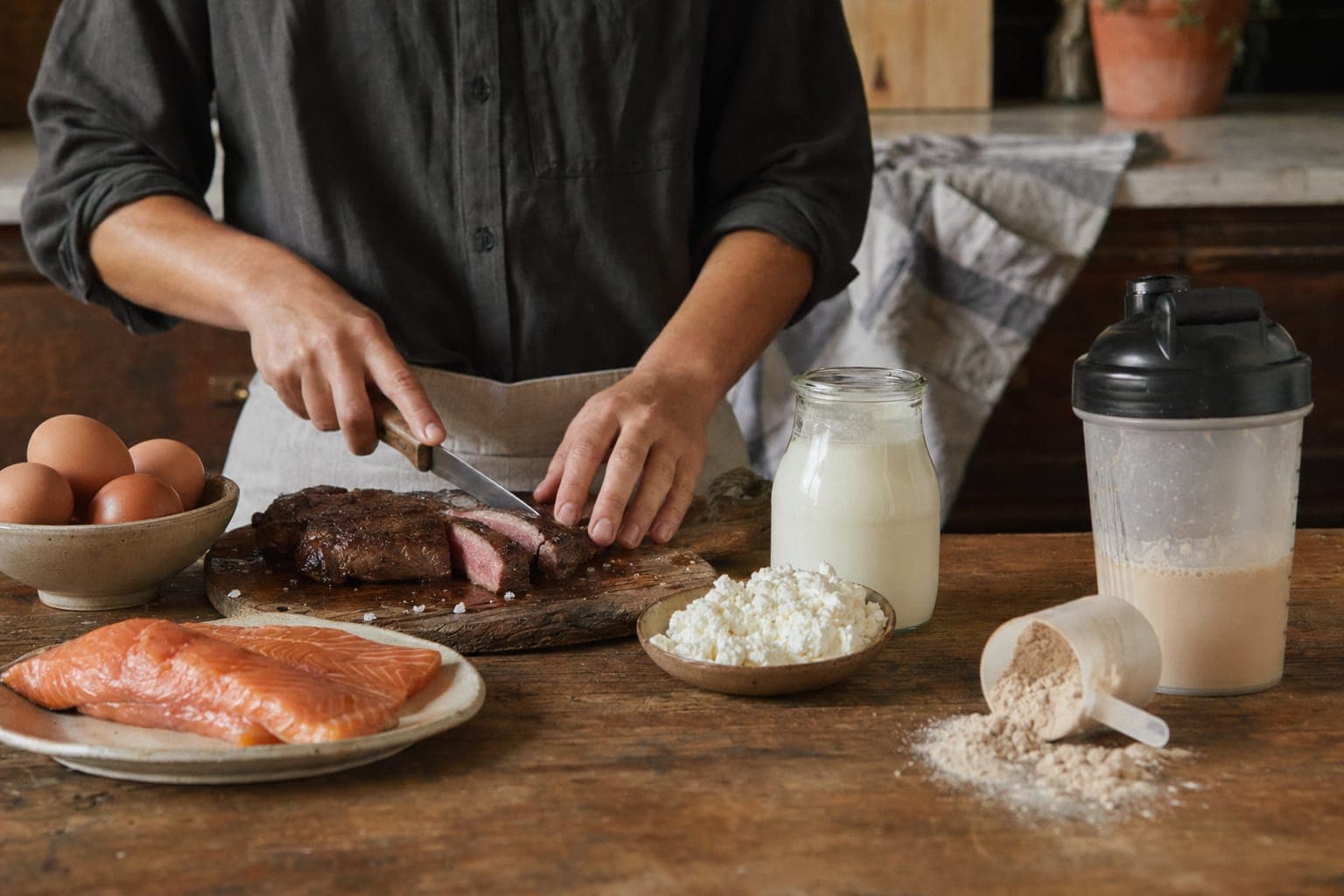
Natural Protein vs Processed Protein: What Your Body Prefers
Your body recognises a steak and a protein powder as fundamentally different things. Here's what happens when you replace one with the other.
Real food, made effortless
Try the blendA few ways to use it
All recipes
Organ Bolognese: The Family Dinner That Heals
Practical organ meat recipe using fresh beef liver and heart. Family-friendly bolognese that bridges supplements to whole food.
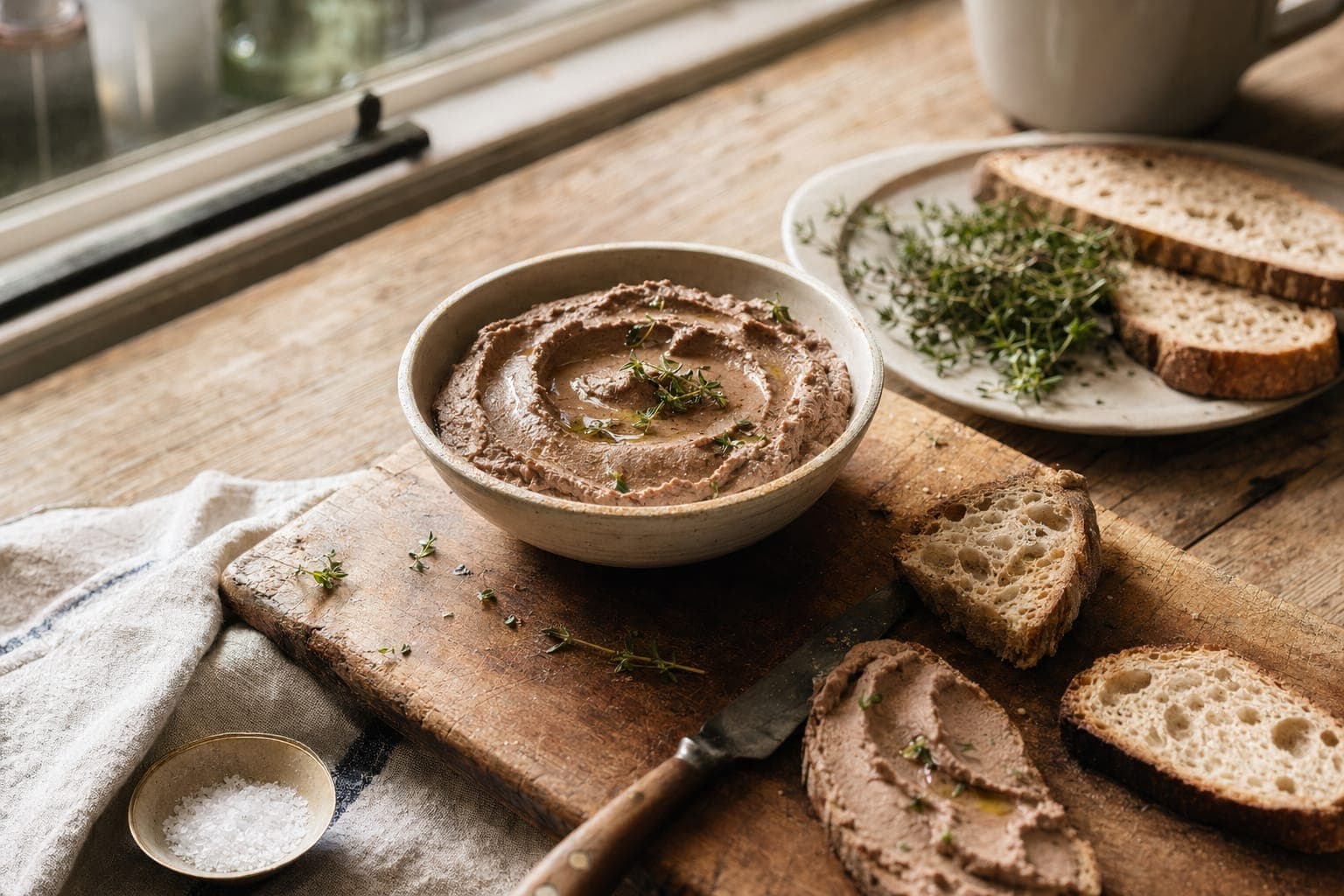
Liver Pate for Beginners: A Gentle Introduction to Organ Meats
Simple liver pate recipe to start eating organ meats. Chicken liver, butter, and herbs. Gentle introduction to nutrient-dense whole foods.
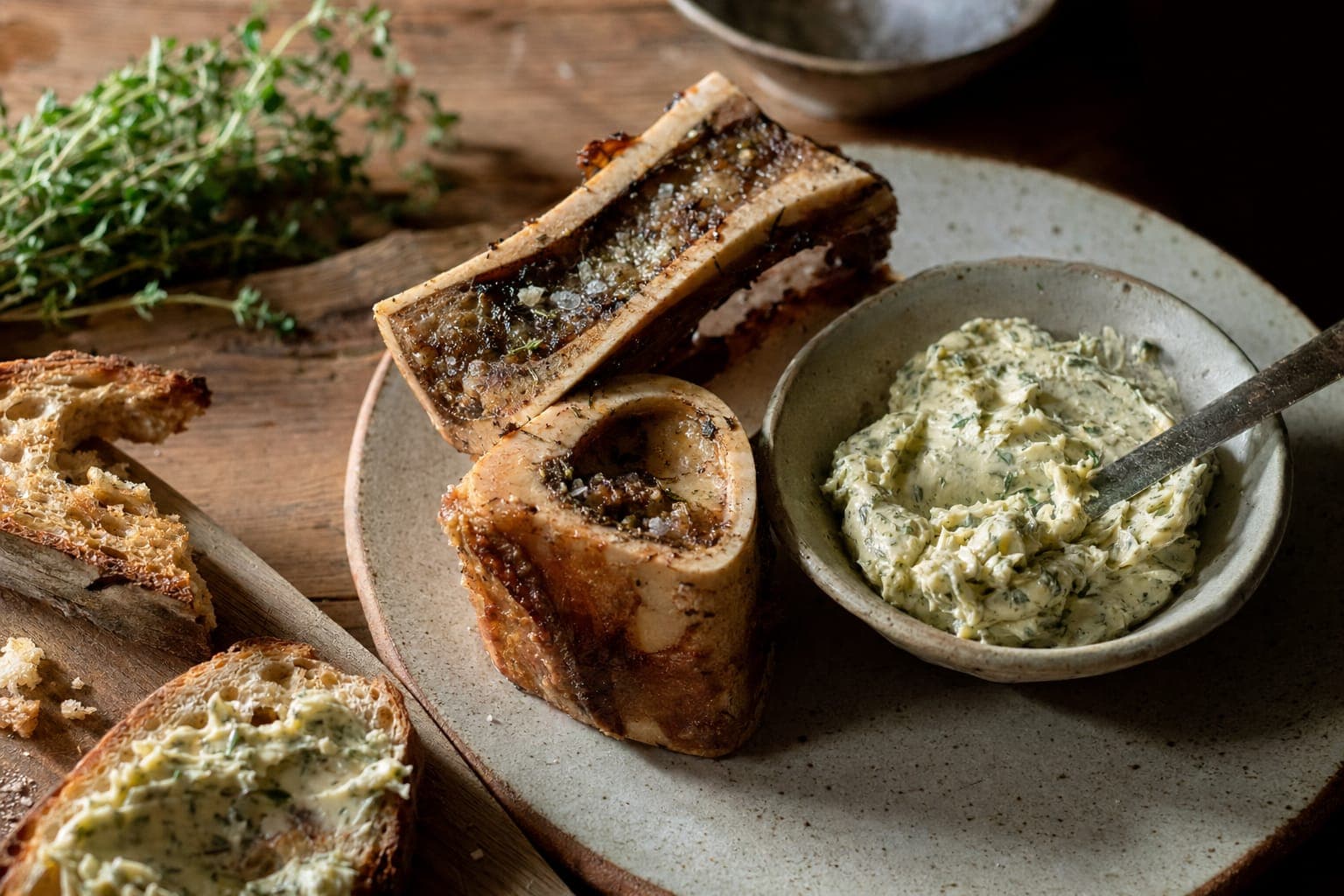
How to Make Bone Marrow Butter
Roast grass-fed marrow bones, scoop the marrow, and mix with butter and herbs. A nutrient-dense spread with fat-soluble vitamins.


 Join over 100,000+ members
Build a better food system with us
The Organised community is thousands of people choosing real food and backing the farmers who grow it, all of us trying to leave the world a little better than we found it. If that is what you care about too, you belong here.