Bone Broth vs Collagen Supplements: Do You Need Both?
Bone broth is nutrient-dense. Collagen supplements are concentrated amino acids. Most people treat them as if they're the same thing. They're not even close. Here's what you're actually choosing between.

By Niall Kiddle, Founder, Organised

Reviewed by Pedro Rodrigues, Agronomist (farming and sourcing only) ·
7 min read · Published · Updated · 4 cited sources
Makers of the Organised Daily blend, a grass-fed beef organ supplement from regenerative UK farms
What bone broth actually is
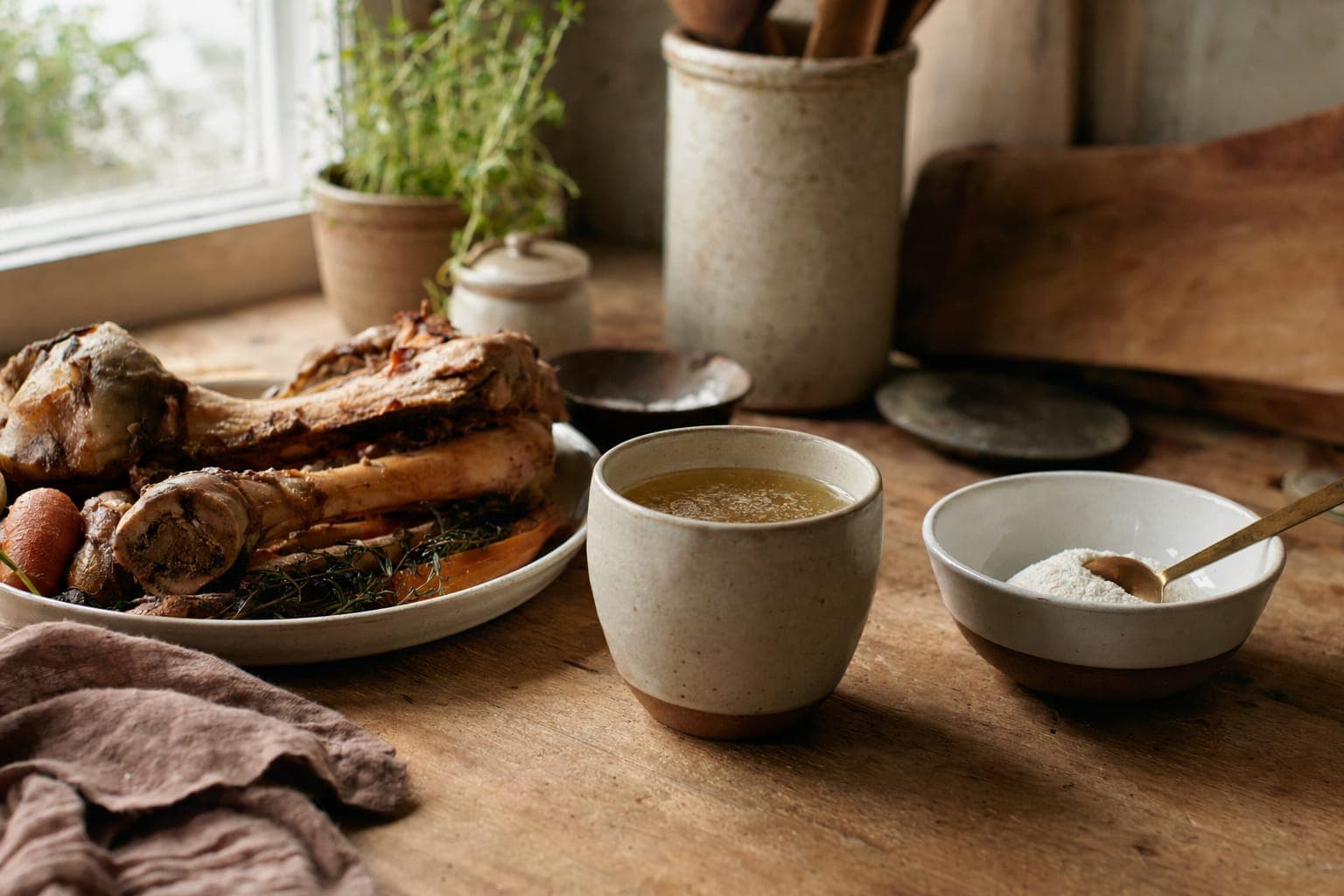
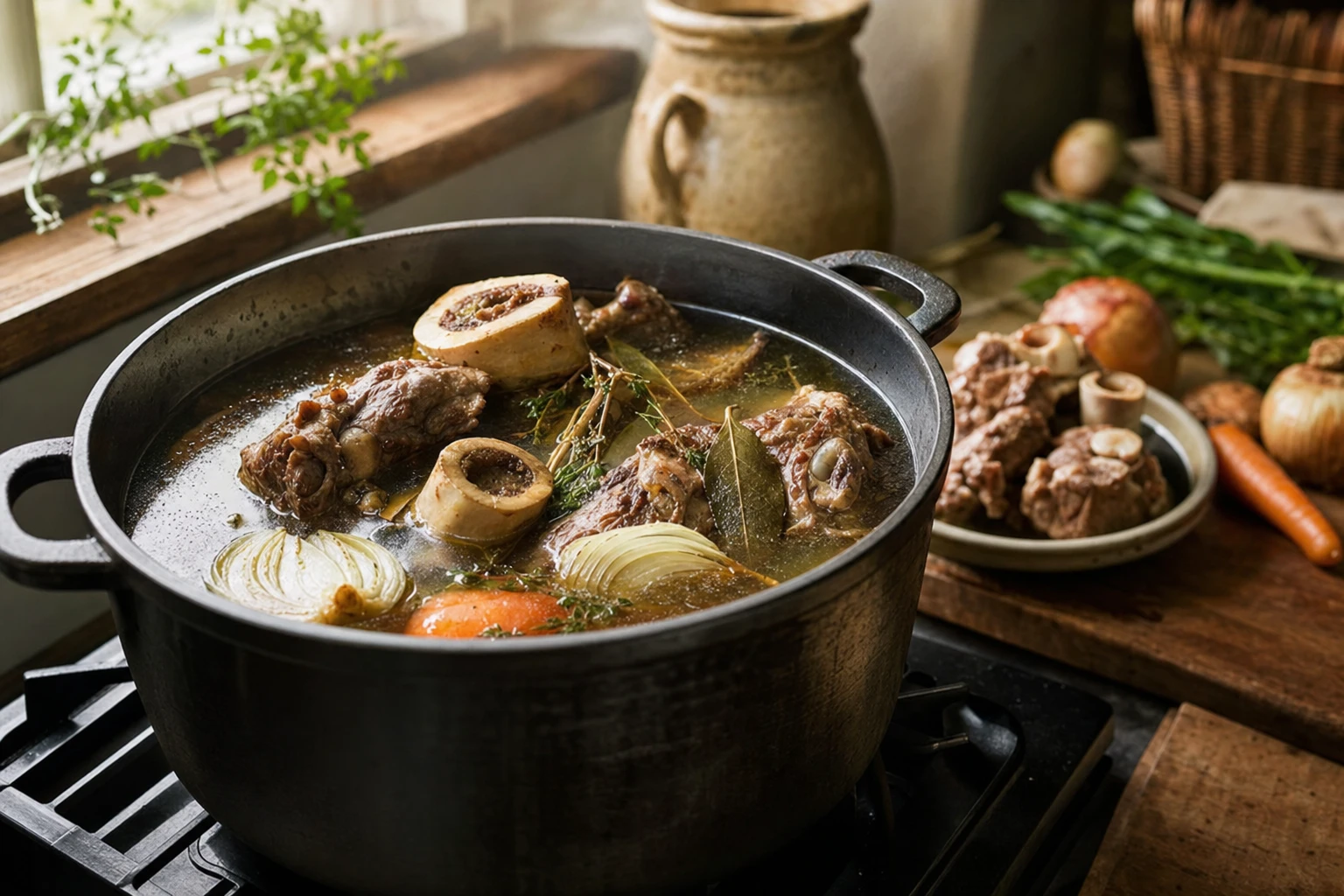
Bone broth is made by simmering animal bones, joints, and connective tissue in water for 12 to 48 hours. The long cooking time hydrates the collagen in the bones, converting it to gelatine. But it also extracts minerals from the bone matrix (calcium, magnesium, phosphorus, potassium), amino acids, peptides, and hundreds of micronutrients.
A good bone broth tastes like what it is: something rich and meaty. There's depth to it. Umami. The body recognises it immediately as food.
Bone broth is an entire nutrient system extracted from bone into water. It's not just collagen with a fancy name.
When you drink a cup of broth, you're getting collagen, yes. But you're also getting mineral-rich water, amino acids like glycine (which feeds your gut lining), proline, and trace minerals that your body uses immediately.
What collagen supplements provide
Collagen peptides are hydrolysed collagen. The long amino acid chains are broken into short ones for rapid absorption. When you mix a scoop of collagen peptide powder into water, you get two grams of gelatin and amino acids, plus water. That's approximately what's in it.
Quality matters. Some collagen powders are grass-fed, some aren't. Some have added vitamins (usually synthetic), some don't. But the baseline is: you're taking concentrated amino acids.
Collagen supplements are a pure shot of collagen-specific amino acids. Glycine, proline, hydroxyproline. No minerals. No other supporting nutrients. Just those specific amino acids at high concentration.
- Bone broth: collagen plus minerals, amino acids, peptides, trace nutrients
- Collagen peptides: hydrolysed collagen, glycine, proline, hydroxyproline only
- Mineral content: broth has 200-500mg calcium per cup, peptides have zero
- Amino acid diversity: broth has 15+ amino acids, peptides have 3-4 main ones
Nutrient density comparison
A cup of quality bone broth (250ml) contains approximately 10 to 15 grams of collagen, plus 200 to 500mg of calcium, 30 to 50mg of magnesium, significant amounts of glycine, and trace minerals like zinc and copper.
A serving of collagen peptide powder (10 grams) contains 10 grams of protein, mostly glycine and proline, zero minerals, zero other amino acids besides the collagen-specific ones.
By that measure, bone broth is a complete nutrient package. Collagen peptides are a single-purpose supplement.
But here's the catch: you'd need to drink 2 to 3 cups of broth to match the collagen in a single serving of peptide powder. So if pure collagen concentration is your goal, peptides win on efficiency.
Bone broth is whole food nutrition. Collagen peptides are targeted supplementation. They solve different problems.
The broader nutrient picture
Your body doesn't use collagen in isolation. It uses glycine as a neurotransmitter. As a precursor for glutathione production. As a substrate for creatine synthesis. It uses proline for immune function. It uses the minerals in bone broth to support bone remodelling and nervous system function.
When you drink bone broth, all of these systems get support simultaneously. Your gut lining gets glycine directly. Your bones get mineral substrate. Your nervous system gets minerals and amino acids.
Collagen peptides give your body amino acids and nothing else. Your body still uses them well. But it's using them in isolation, without the supporting mineral and nutrient infrastructure that comes with broth.
Practical usage and convenience
Bone broth requires time and planning. You either make it yourself (which takes two days) or buy it (which costs 8 to 15 pounds per litre). You need to heat it or at least store it carefully. It has a shelf life of a few days in the fridge, weeks in the freezer.
Collagen peptides require a spoon and hot or cold water. Shelf life is years. Cost is comparable per serving but concentrated into one product.
If convenience is your priority, peptides win. If nutrient density and whole-food nutrition is your priority, broth wins.
Do you need both?
If your goal is joint and connective tissue support, skin health, and gut lining integrity, broth and peptides work synergistically. Broth provides the mineral and amino acid foundation. Peptides provide the concentrated collagen boost.
If you're choosing based on budget or time, pick one. Broth is better if you can make it or access it. Peptides are better if convenience matters.
If you're trying to optimise, use broth as your base (you're getting broad nutrition plus collagen) and add a scoop of peptides on the days you want an extra collagen boost.
Bone broth is the more complete nutrient package. Collagen peptides are the more convenient supplement. Neither replaces the other. They complement.
Amino Acid Ratios in Detail
Both bone broth and collagen peptides provide three primary amino acids: glycine, proline, and hydroxyproline. In bone broth, these comprise roughly 30 to 40 percent of total protein. In collagen peptides, they comprise 100 percent, as all non-collagen proteins have been removed.
A cup of high-quality homemade bone broth (450 grams) contains approximately 1.5 to 3 grams of pure collagen-derived amino acids. A standard 10-gram serving of collagen peptides is nearly pure amino acids, with almost no filler. The concentration difference is dramatic and directly affects dosing requirements.
Research on collagen supplementation consistently uses 10 to 20 grams daily for measurable results.1 To achieve this from bone broth alone, you would need to consume 5 to 15 cups daily, an impossible commitment for most people. This practical constraint is why collagen peptides exist and why they're valuable.
Get honest comparisons, free
Two short reads a week cutting through supplement marketing with what the evidence says.
By signing up you agree to receive emails from us. No spam, unsubscribe anytime.
The Mineral Content Advantage
Quality bone broth, made from bones with marrow, connective tissue, and ideally some organ meats, contains substantial minerals. A typical cup of bone broth provides: 86 mg calcium, 15 mg magnesium, 193 mg phosphorus, 90 mg potassium, and trace amounts of zinc, selenium, and copper.4
These minerals exist in bioavailable form because they've been extracted through the slow cooking process (typically 12 to 48 hours) that breaks down connective tissue. Collagen peptides contain virtually none of these minerals, as they're pure extracted amino acids.
This mineral content is crucial for people with mineral deficiency, which is far more common than most realise. Magnesium insufficiency, for example, affects an estimated 50 to 60 percent of populations consuming modern diets.
Glutamine and Gut Barrier Integrity
The gelatine naturally present in bone broth contains glutamine, an amino acid that directly fuels intestinal epithelial cells.3 These cells form the intestinal barrier, and their health directly determines how effectively you absorb nutrients and prevent unwanted substances from crossing into your bloodstream.
For people with compromised gut health, leaky gut, or digestive sensitivity, bone broth is specifically therapeutic because it provides the substrate these intestinal cells prefer for energy and repair.
Collagen peptides don't contain substantial glutamine. They provide the collagen structure amino acids but not the gut-specific healing factors.
Practical Implementation for Real Life
The honest comparison reveals that neither is superior in isolation. For people who genuinely love bone broth and can maintain consistent daily consumption (at least 2 cups), the mineral content and gut-healing compounds make broth valuable. But achieving collagen amino acid targets from broth alone requires unrealistic consumption volumes.
For people wanting collagen amino acid benefits without massive broth consumption, peptides are pragmatically superior. They're faster to prepare, cheaper, less time-intensive, and deliver measurable amino acid quantities in practical servings.
The optimal strategy for most: consume collagen peptides consistently (10 grams daily in coffee or smoothies) for collagen amino acid support, combined with bone broth 2 to 3 times weekly (prepared in batches) for mineral and gut-healing support. This gives you both benefits without requiring either to be perfect.
1 of 9
Daily blend
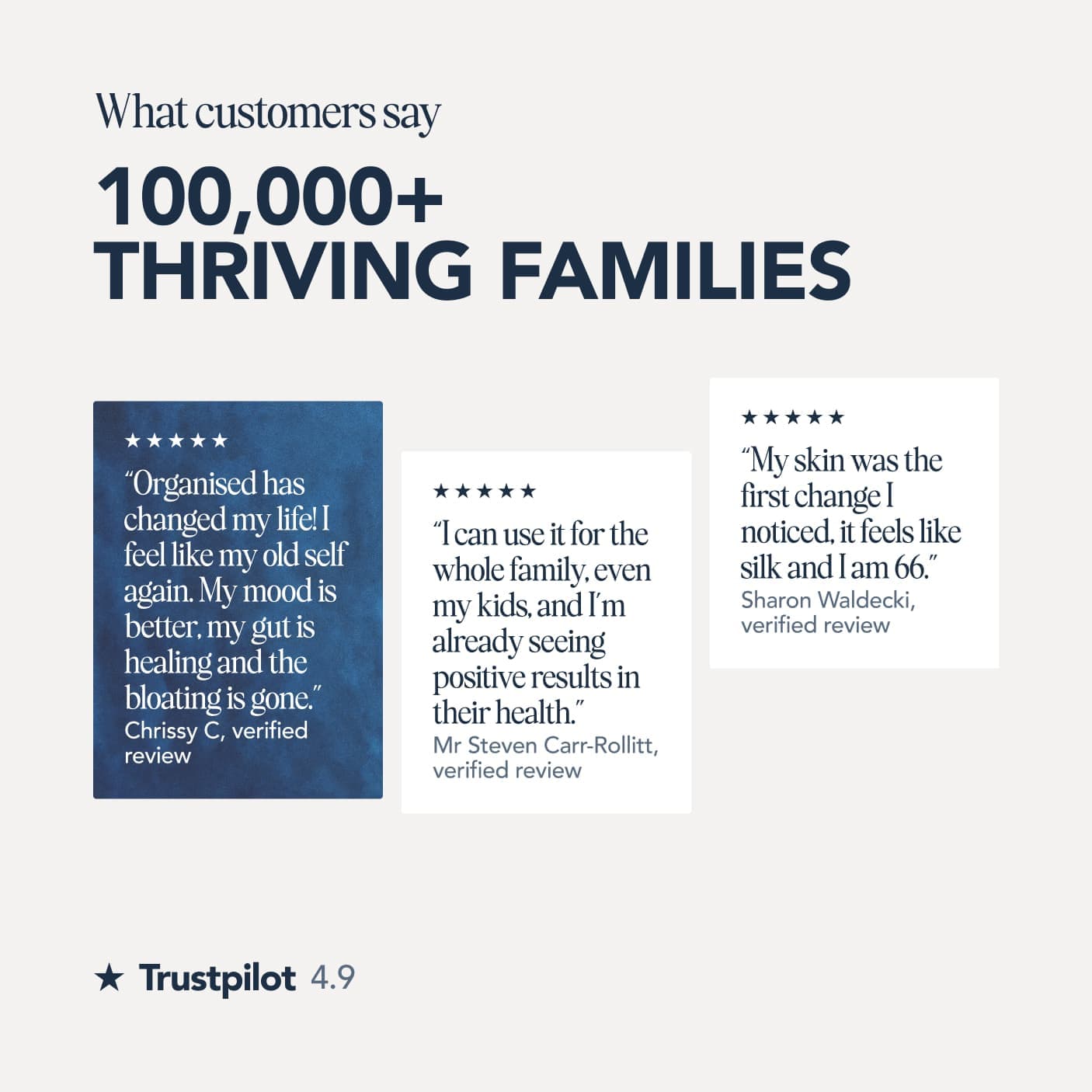
100,000+ thriving families4.9 on Trustpilot
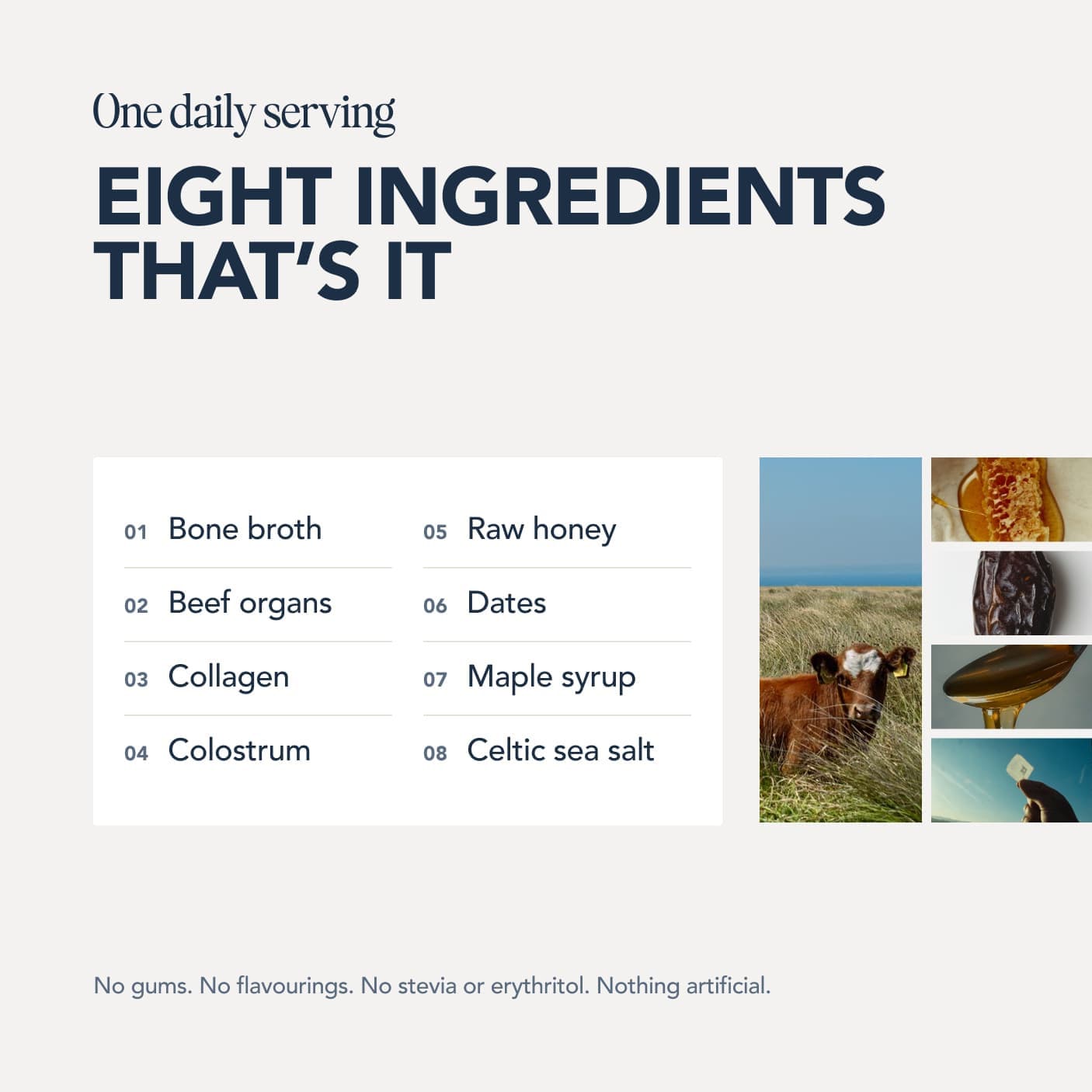
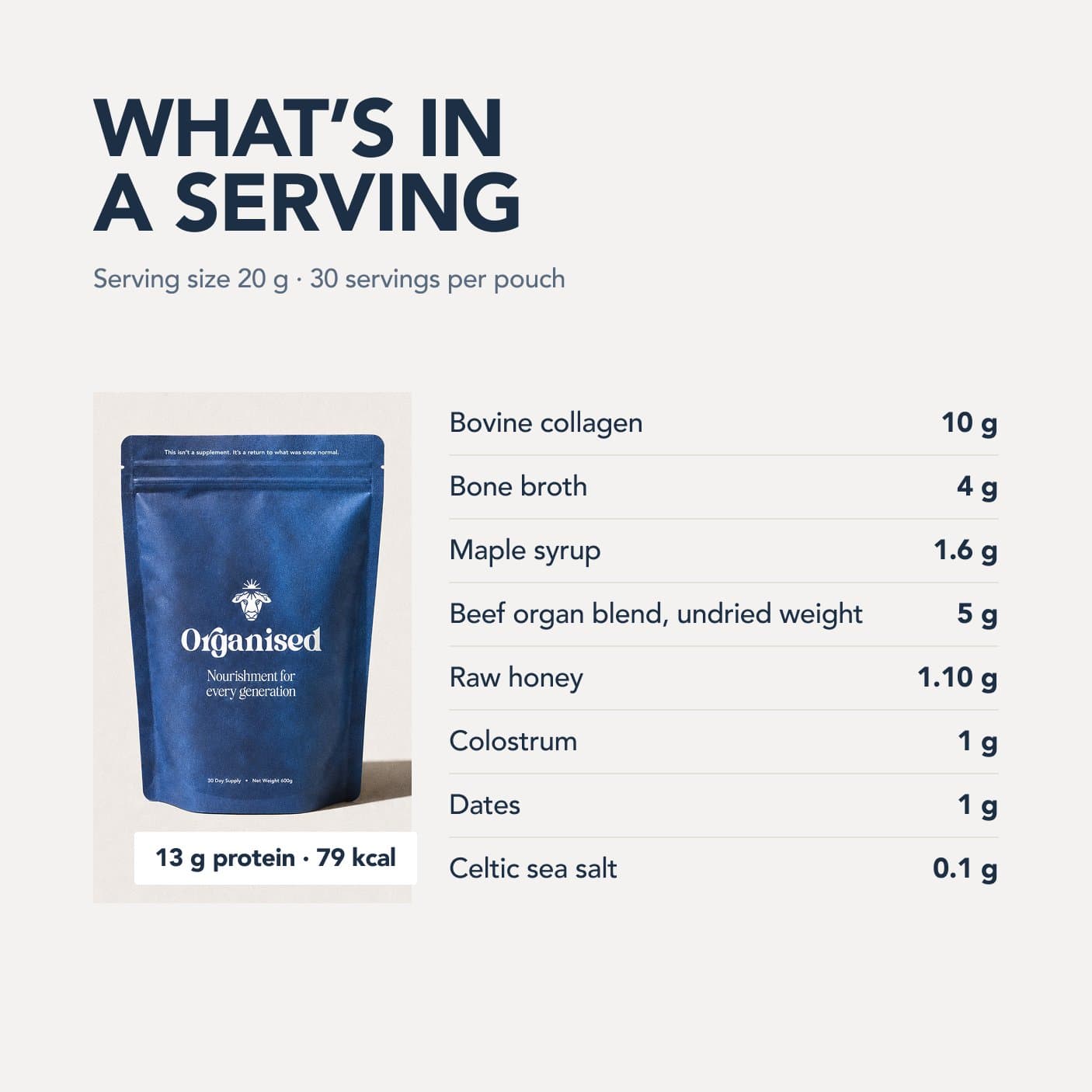
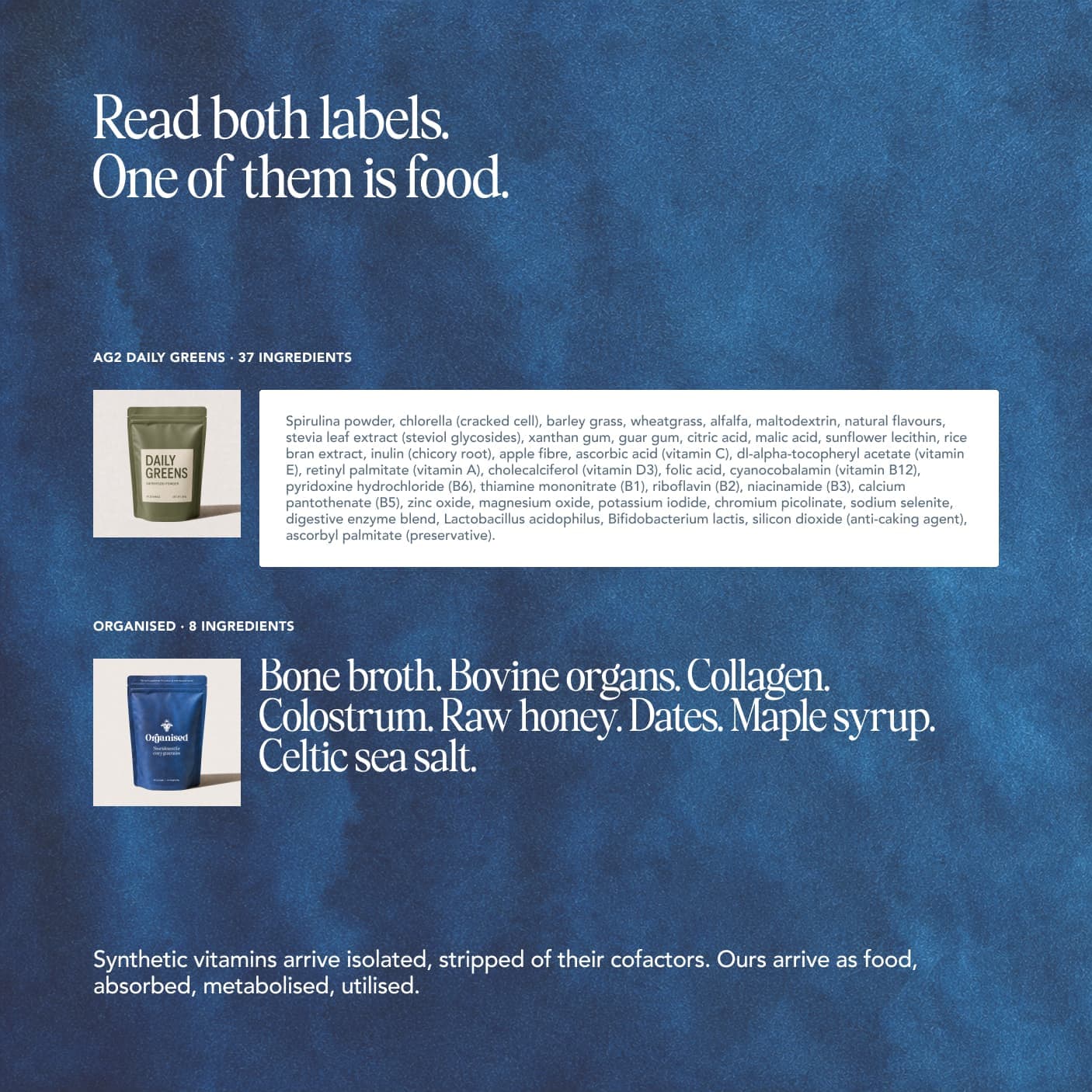
Eight real ingredients built around grass-fed beef organs, collagen and colostrum. Nothing synthetic added.
Free with your first order, worth £38. Plus £10 off the pouch with a subscription.
Free UK shipping · Made in England · 100 day money back guarantee on your first pouch · Skip, pause or cancel anytime
Cost Per Nutrient Delivered
Collagen peptides cost roughly 15 to 25 pounds monthly for a therapeutic dose of 10 grams daily. Bone broth, if purchased pre-made, costs 4 to 8 pounds per litre, or roughly 30 to 60 pounds monthly for 2 cups daily. If making from scratch, ingredients cost 8 to 15 pounds monthly but require 12 to 48 hours of cooking time per batch.
For cost-conscious people, homemade broth is cheaper but time-intensive. For busy people, collagen peptides are more cost-efficient when time is valued. Many people find combining modest broth consumption (2 to 3 times weekly) with daily peptides to be optimal for both budget and results.
The bottom line
Bone broth is real food. Collagen peptides are a supplement. Both contain collagen. Both contain glycine. But broth comes packaged with minerals, broad amino acid diversity, and the nutrient synergy of a whole food.
If you have time and budget, make or buy bone broth and drink it regularly. If you need convenience, collagen peptides are the fastest way to get concentrated collagen and glycine. If you can do both, you're covering yourself across multiple nutrient gaps and supporting your connective tissue from multiple angles.
References
Every source below was checked on 27 August 2026. Each PubMed, PMC and DOI identifier was resolved against NCBI or Crossref, and what it opens is printed under the citation, so you can see the link goes where the citation says without leaving the page. Where a citation and its identifier disagreed, the citation was corrected to the record or the reference was deleted along with the sentence marker that pointed at it, and where the resolved paper turned out not to support the sentence, the sentence was cut back to what it does support. Borrowed authority is worse than none, because it looks like rigour.
- Pu SY, Huang YL, Pu CM, et al. Effects of oral collagen for skin anti-aging: a systematic review and meta-analysis. Nutrients. 2023;15(9):2080. https://pmc.ncbi.nlm.nih.gov/articles/PMC10180699/Checked 27 August 2026: PMC10180699 opens Pu SY, Huang YL, Pu CM et al, Effects of Oral Collagen for Skin Anti-Aging: A Systematic Review and Meta-Analysis. Nutrients 2023;15(9). PubMed indexes it as: Meta-Analysis, Systematic Review.The authors' own declaration, from the record: The authors declare no conflict of interest. The funders had no role in the design of the study; in the collection, analyses, or interpretation of data; in the writing of the manuscript; or in the decision to publish the results.
- Iwai K, Hasegawa T, Taguchi Y, et al. Identification of food-derived collagen peptides in human blood after oral ingestion of gelatin hydrolysates. Journal of Agricultural and Food Chemistry. 2005;53(16):6531-6536. https://pubmed.ncbi.nlm.nih.gov/16076145/Checked 27 August 2026: PMID 16076145 opens Iwai K, Hasegawa T, Taguchi Y et al, Identification of food-derived collagen peptides in human blood after oral ingestion of gelatin hydrolysates. J Agric Food Chem 2005;53(16):6531-6.
- Kim MH, Kim H. The roles of glutamine in the intestine and its implication in intestinal diseases. International Journal of Molecular Sciences. 2017;18(5):1051. https://pmc.ncbi.nlm.nih.gov/articles/PMC5454963/Checked 27 August 2026: PMC5454963 opens Kim MH, Kim H, The Roles of Glutamine in the Intestine and Its Implication in Intestinal Diseases. Int J Mol Sci 2017;18(5). PubMed indexes it as: Review.The authors' own declaration, from the record: The authors declare no conflict of interest.
- McCusker RR, Goldberger BA, Cone EJ. Caffeine content of brewed teas. Journal of Analytical Toxicology. 2006;30(8):611-613. See also Hsu DJ, Lee CW, Tsai WC, Chien YC. Essential and toxic metals in animal bone broths. Food & Nutrition Research. 2017;61(1):1347478. https://pmc.ncbi.nlm.nih.gov/articles/PMC5533136/Checked 27 August 2026: PMC5533136 opens Hsu DJ, Lee CW, Tsai WC et al, Essential and toxic metals in animal bone broths. Food Nutr Res 2017;61(1):1347478.
Corrections
What this page used to say, and why it no longer says it. Corrections are dated and are never removed, because deleting the record of an error is a second error. Every guide we have corrected is listed at our corrections log.
- 27 August 2026. Reference 4 led with a paper on caffeine in tea and linked a paper on metals in bone broth. The linked paper now leads the entry.
Who wrote and reviewed this guide
Niall Kiddle
Author · Founder, Organised
Niall is the founder of Organised. He started the company in 2024 after fixing his own health the slow way: in 2022 he swapped a cupboard of synthetic supplements for real food, raw milk, organ meats, bone broth and honey, and felt the difference within months.
Areas of expertise: Ancestral nutrition, Organ meats, Whole-food supplementation, Gut health, Regenerative sourcing
Read Niall's full profile
Pedro Rodrigues
Reviewer · Agronomist (farming and sourcing only)
Pedro is the agronomist Organised works with on farming and sourcing. His job on the guides is to keep the science honest: he reviews what we publish about soil health, regenerative agriculture, grazing and the way food is actually produced.
Areas of expertise: Regenerative agriculture, Agronomy, Soil health, Grass-fed farming, Food sourcing
Reviewed this guide on
Read Pedro's full profileMore on nutrient comparisons
View all- Beef Liver vs Multivitamin: A Side-by-Side Nutrient Comparison
- Beef Organs vs Desiccated Liver: Why a Blend Is Better
- Beef Protein vs Plant Protein: A Nutritional Reality Check
- Bone Broth vs Collagen: What Reddit Says You Actually Need
- Bovine Colostrum vs Goat Colostrum: Does the Source Matter?
- Celtic Sea Salt vs Table Salt: A Mineral Analysis
- Collagen vs Hyaluronic Acid: What Actually Works for Skin?
- Folate from Liver vs Folic Acid from Supplements
- Grass-Fed Collagen vs Marine Collagen vs Vegan Collagen
- Methylcobalamin vs Cyanocobalamin: Which B12 Is Better?
- Retinol from Food vs Retinol in Supplements: Bioavailability Compared
Browse the guides library
All guidesKeep reading
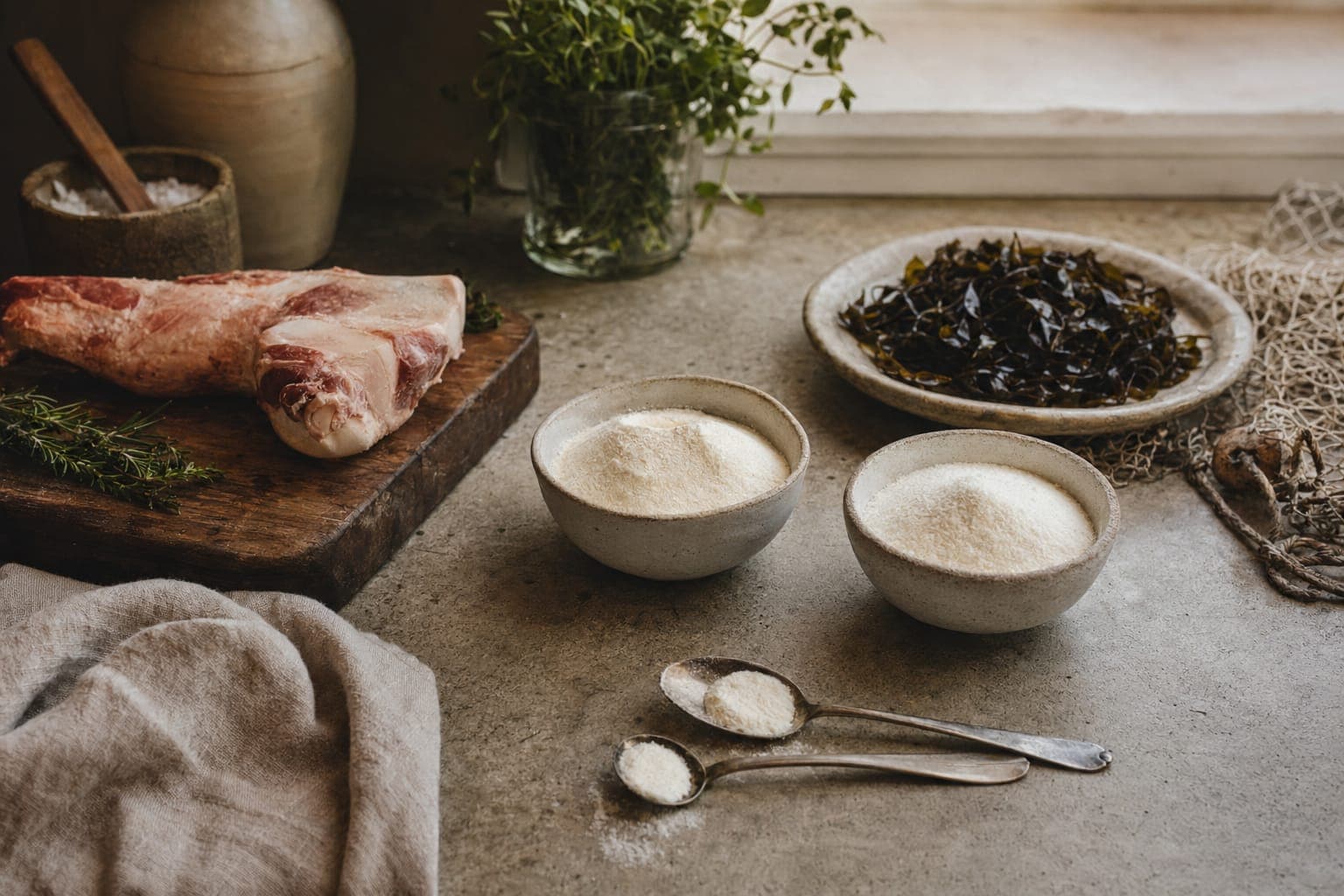
Comparisons
Bovine Collagen vs Marine Collagen: Which Is Better?
Compare bovine vs marine collagen on amino acid profiles, sustainability, and cost to find which is better for your skin, joints, and gut. A clear breakdown.
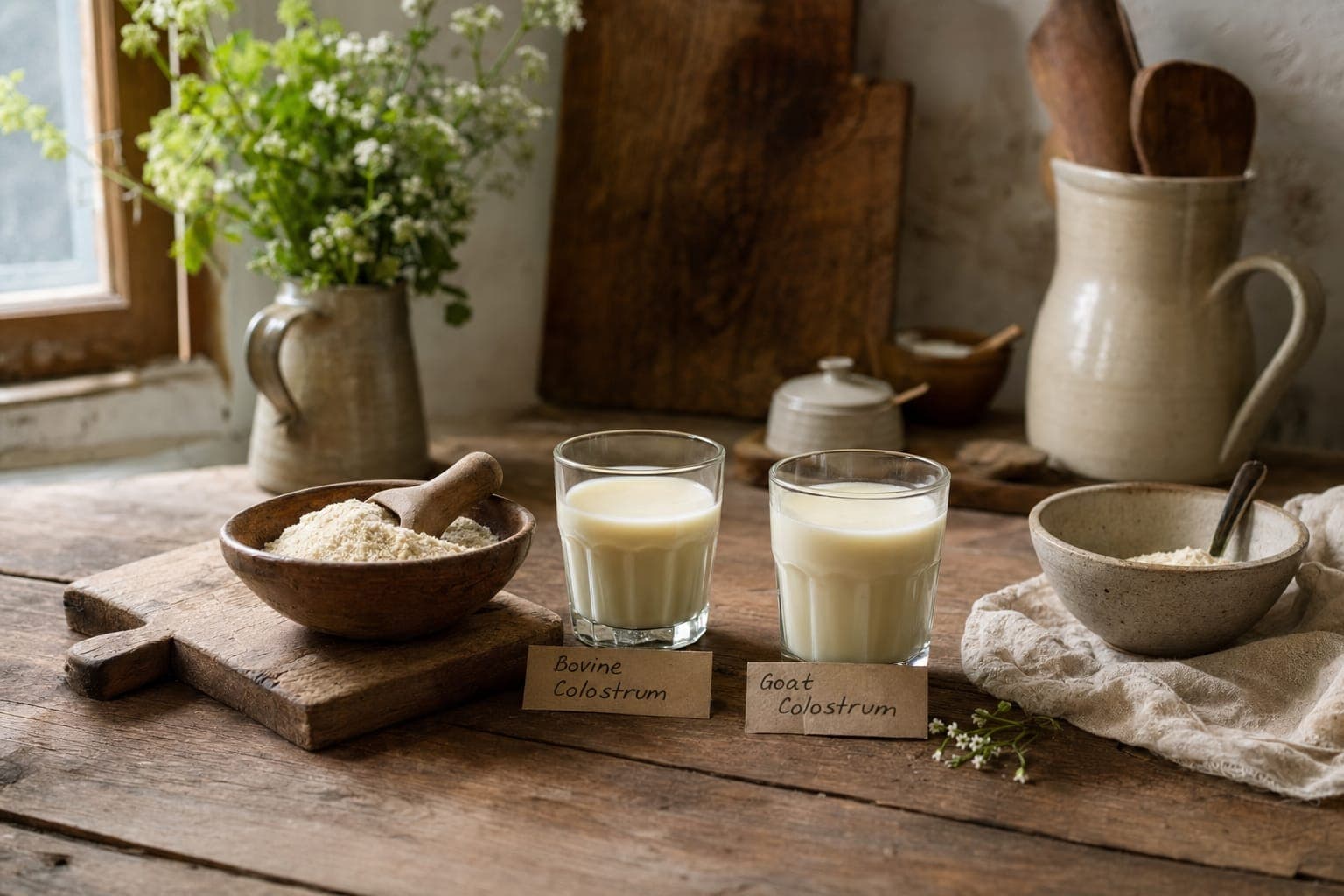
Comparisons
Bovine Colostrum vs Goat Colostrum: Does the Source Matter?
Compare bovine and goat colostrum. Learn about IgG content, fat profiles, availability, and cost to choose the right colostrum for your needs.
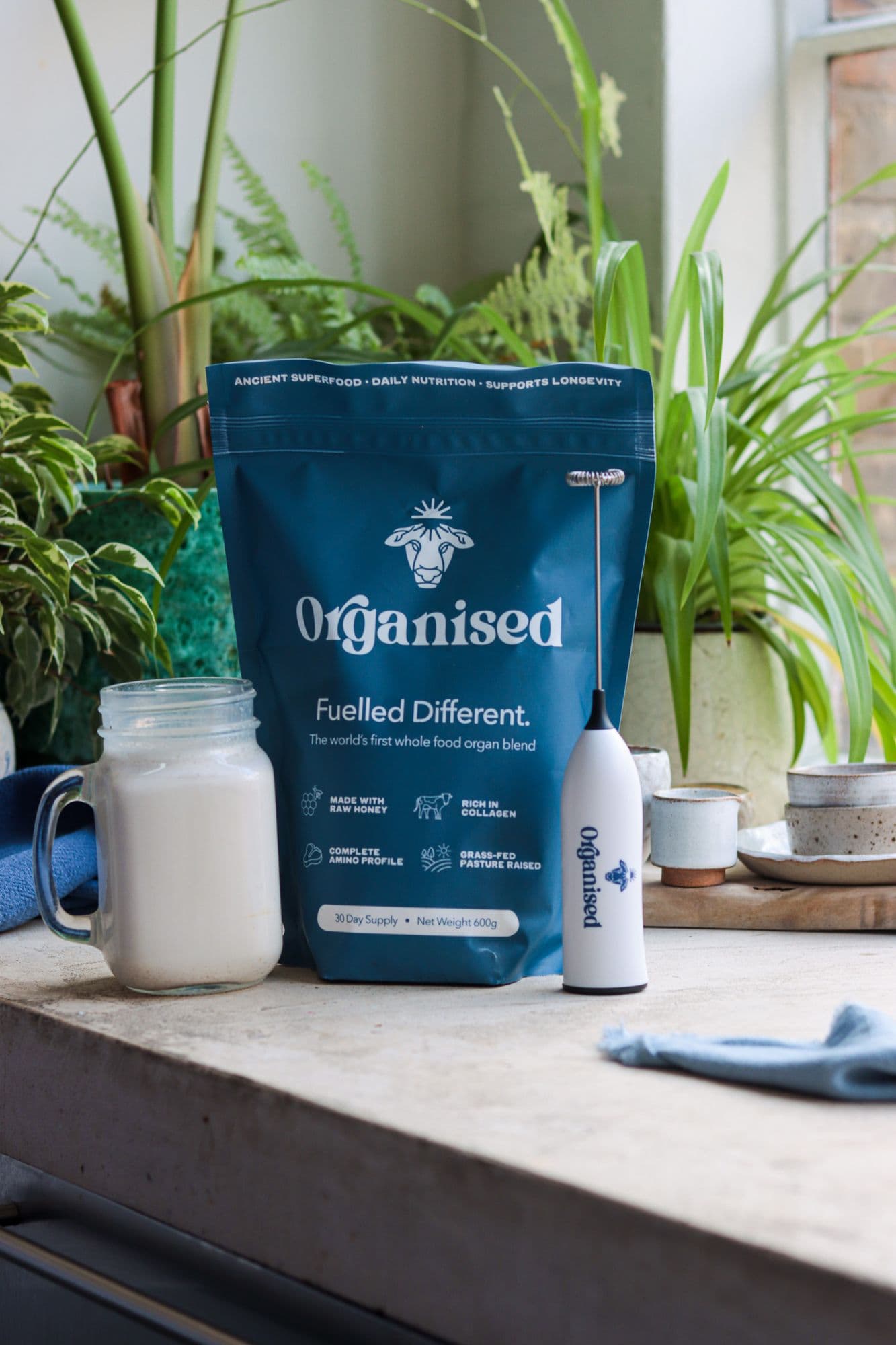
Comparisons
Bone Broth vs Collagen: What Reddit Says You Actually Need
Reddit debates bone broth vs collagen constantly. Here is the honest take on which is better for skin and joints, and whether you need both.
Real food, made effortless
Try the blendA few ways to use it
All recipes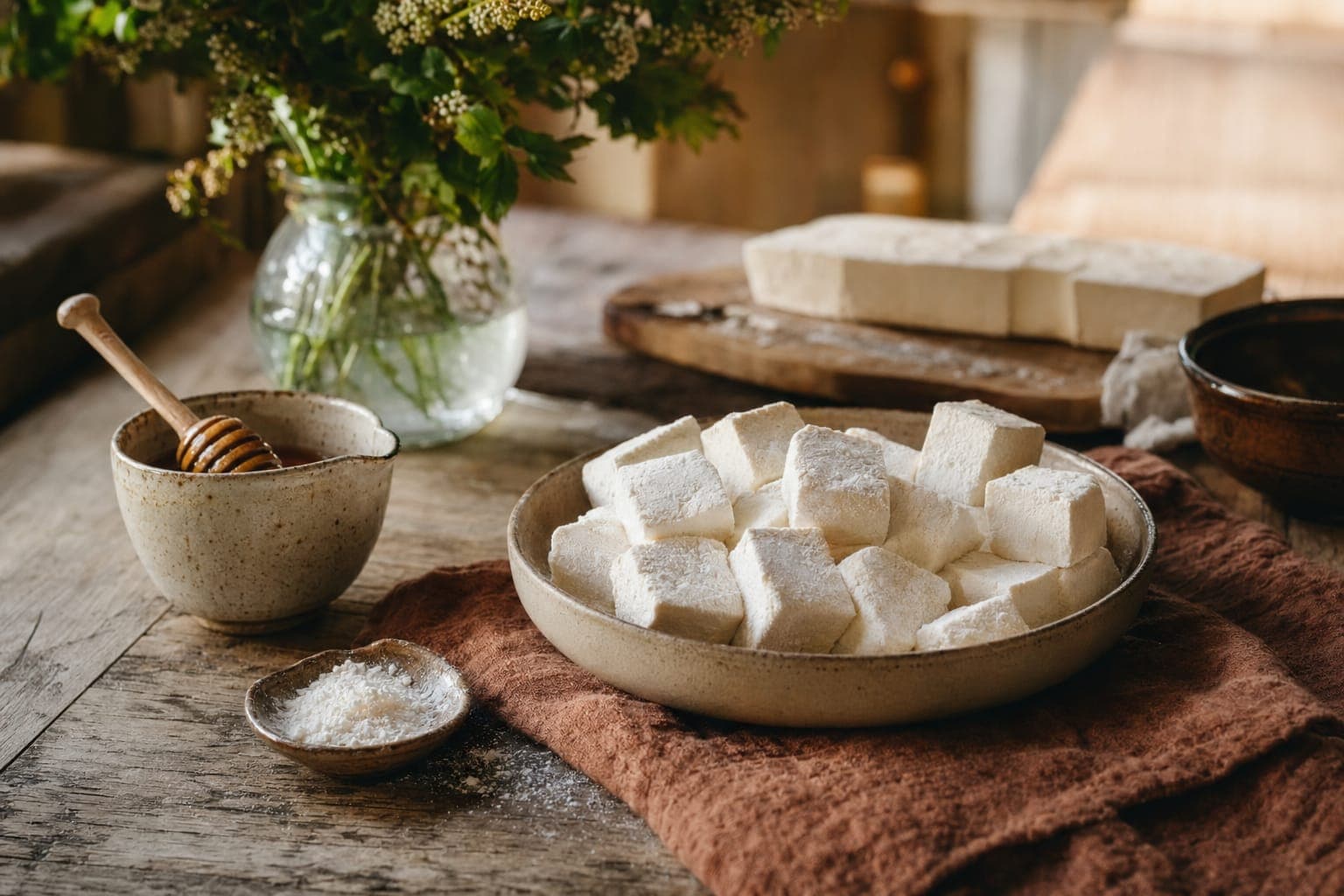
Gut-Healing Marshmallows with Collagen and Raw Honey
Learn to make gut-healing marshmallows with collagen and raw honey. A shareable treat that sneaks nutrition into every bite. Easy recipe with video tips.
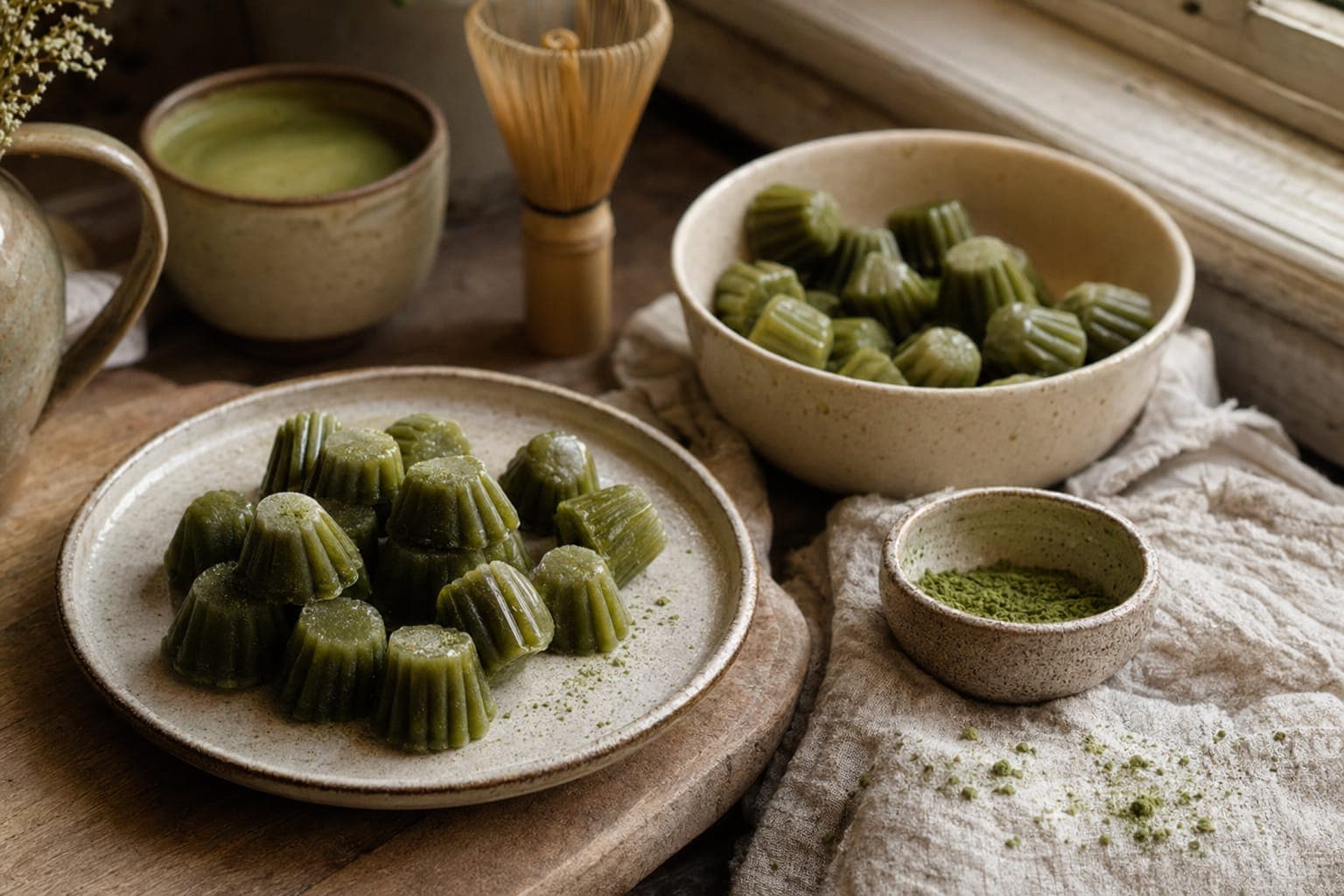
Matcha Latte Gummies with Collagen and Gelatine
Make visually stunning matcha latte gummies infused with collagen and gelatine. Simple recipe for gut-healing sweets you'll actually want to eat.
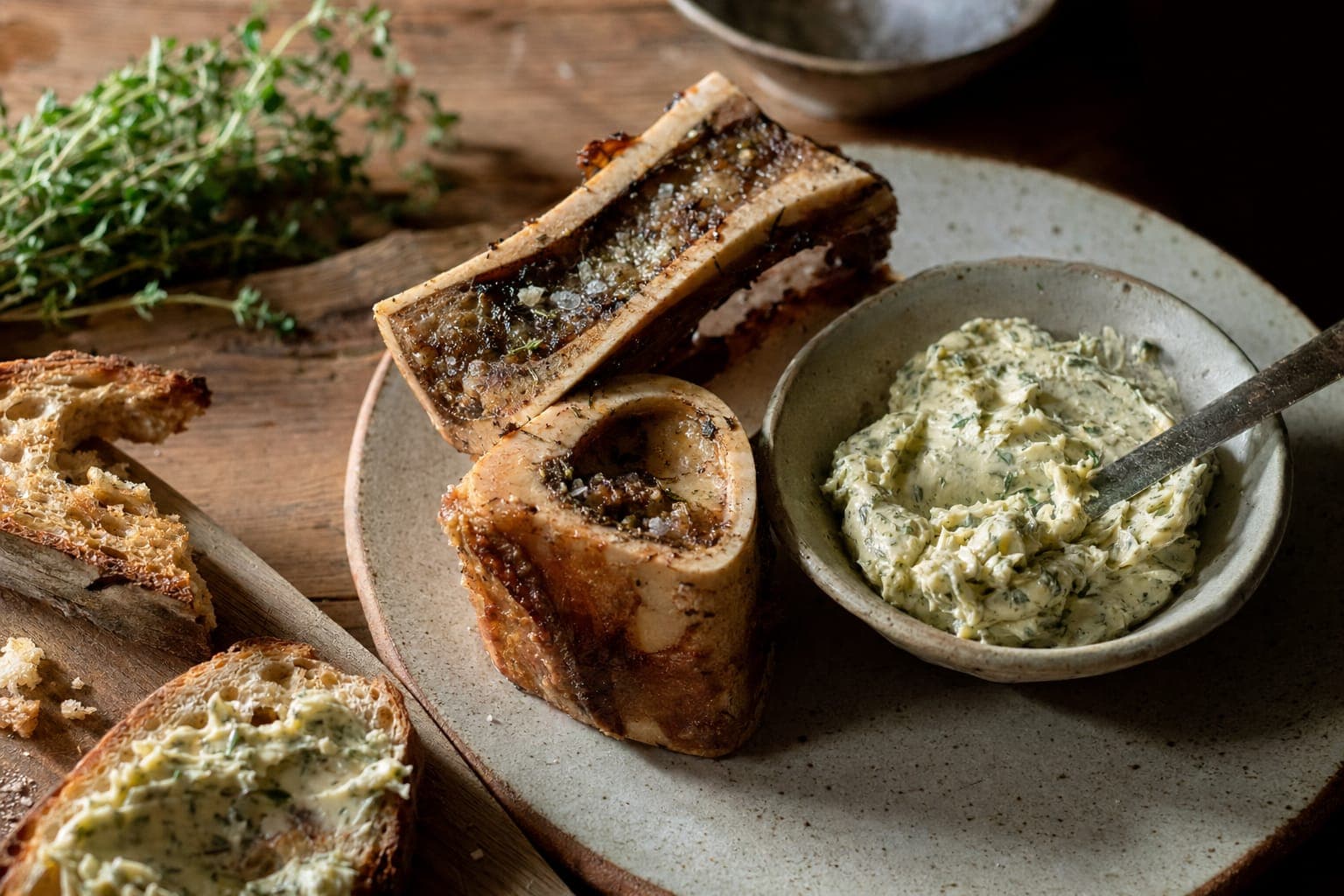
How to Make Bone Marrow Butter
Roast grass-fed marrow bones, scoop the marrow, and mix with butter and herbs. A nutrient-dense spread with fat-soluble vitamins.


 Join over 100,000+ members
Build a better food system with us
The Organised community is thousands of people choosing real food and backing the farmers who grow it, all of us trying to leave the world a little better than we found it. If that is what you care about too, you belong here.