Beef Liver vs Spirulina: Which Is Really the Superfood?
Spirulina costs three times as much per gram as beef liver, yet contains a fraction of the nutrients you actually absorb. Here's what the supermarket isn't telling you about these two so-called superfoods.
By Niall Kiddle, Founder, Organised

Reviewed by Pedro Rodrigues, Agronomist (farming and sourcing only) ·
6 min read · Published · Updated · 3 cited sources
Makers of the Organised Daily blend, a grass-fed beef organ supplement from regenerative UK farms
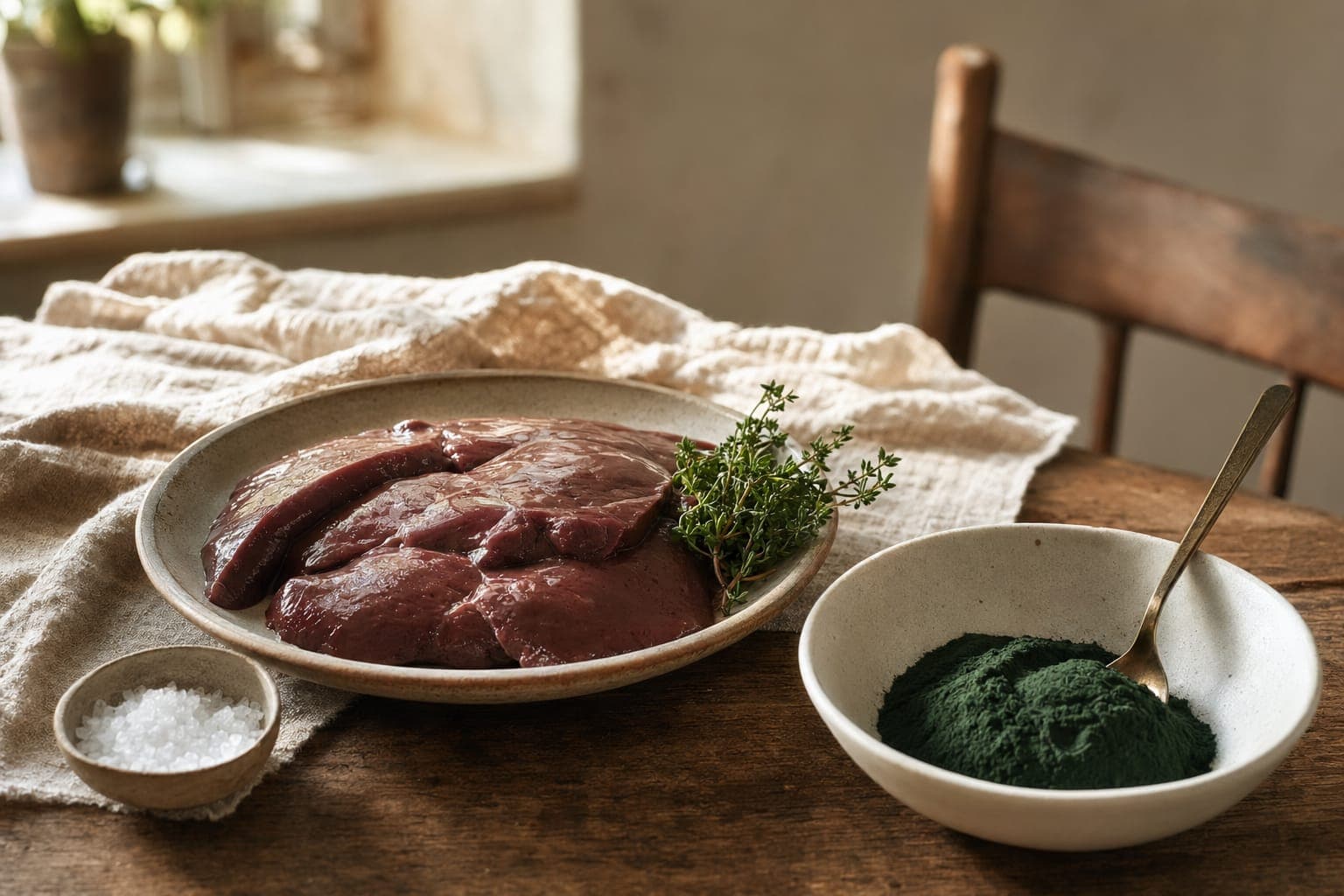
The supplement industry has spent years convincing you that vibrant green powder is the ultimate nutritional shortcut. Meanwhile, the most nutrient-dense food on the planet sits quietly in the supermarket butcher counter, priced at a fraction of what wellness brands charge per serving.
The nutrient density trap
When someone claims spirulina is nutrient-dense, they're technically right. But they're also missing the entire point.
Nutrient density by weight looks impressive on paper. A gram of dried spirulina contains roughly 60-70% protein by weight, alongside minerals like iron and magnesium. Beef liver, by contrast, is mostly water. A 100-gram serving of raw liver is only about 20% protein.
But here's what nobody talks about: you don't actually eat dried spirulina by weight. You eat teaspoons. A typical serving is around 3-5 grams. That's nothing.
A serving of beef liver delivers more iron, copper, folate, and B12 than you could get from spirulina in an entire week of daily teaspoons.
A 100-gram serving of beef liver contains roughly 5-8 micrograms of B12. A typical spirulina serving? Less than 1 microgram, and it's in a form your body struggles to use. When you stack serving size against actual nutrient yield, liver isn't just winning. It's playing a completely different game.
The mismatch between nutrient density per kilogram and nutrient density per actual serving is where the spirulina marketing falls apart. You can't reasonably consume 100 grams of spirulina powder daily. You can easily consume 100 grams of liver twice a week.
Retinol vs beta-carotene: why absorption matters
This is where the comparison gets uncomfortable for spirulina advocates.
Beef liver is one of the richest sources of preformed vitamin A (retinol) on the planet. A 100-gram serving delivers around 10,000-30,000 IU of retinol, depending on the animal's diet and age.1 Your body uses retinol directly. No conversion needed. No variability. You eat it, you absorb it.
Spirulina contains beta-carotene, which your body must convert to retinol. In theory, this sounds fine. In practice, your conversion efficiency ranges anywhere from 3% to 50%, depending on your genetics, gut health, thyroid function, and bile production.1 For many people, that conversion rate hovers around 10-15%.
That means you'd need roughly 100 grams of spirulina to get the same usable vitamin A as a single 100-gram serving of liver. Nobody's actually doing that.
Your body recognises retinol and uses it immediately. Beta-carotene requires a conversion step that many people never complete efficiently.
There's also the safety question. Too much preformed vitamin A can be problematic in pregnancy (which spirulina users don't have to worry about, because they're not getting enough to matter). But beef liver's vitamin A comes with the entire enzymatic machinery your body evolved to process it. The cofactors, the supporting nutrients, the molecular structure itself - all optimised over millennia.
Beta-carotene is a starting point, not the finished product. Your body has to do the work. And for many people, it simply doesn't.
The B12 problem in spirulina
This is the claim that broke spirulina's superfood status for many nutritionists.
Spirulina does contain compounds that look like B12 under a microscope. These are called B12 analogues. They have the right molecular shape, which is why they register as B12 on standard lab tests. But your body doesn't use them.2 They might even block real B12 absorption.2
Several studies have documented this phenomenon. People who relied solely on spirulina as their B12 source developed deficiencies despite testing positive for B12 in their blood. The analogue occupied the binding sites, but delivered no actual function.
B12 deficiency is silent at first. It erodes your energy, your cognition, your mood. By the time symptoms become obvious, you might have weeks of damage already accumulated. If you're relying on spirulina for B12, you're not covered. You're hoping.
Beef liver contains methylcobalamin and cyanocobalamin - both forms your body recognises and uses immediately. Not analogues. The real thing.
One serving of beef liver provides more usable B12 than a month of spirulina supplementation. And it's in forms your body evolved to absorb.
Get honest comparisons, free
Two short reads a week cutting through supplement marketing with what the evidence says.
By signing up you agree to receive emails from us. No spam, unsubscribe anytime.
Heavy metals and water quality
Spirulina grows in water. That's its strength and its liability.
Spirulina is a bio-accumulator. It pulls minerals from its growing environment with impressive efficiency. That's brilliant if the water is pristine. It's catastrophic if the water contains cadmium, arsenic, or lead.
Several studies have identified concerning levels of heavy metals in spirulina supplements, particularly those sourced from China and India where water regulation is less stringent.3 One analysis found that some brands exceeded safe levels of cadmium by 10-fold.
Beef liver, by contrast, is a filter. Yes, the liver does accumulate some toxins. But it also processes and detoxifies them. And cattle are raised under regulated standards in most Western countries. The source matters, but the risk profile is fundamentally different.
If you're buying spirulina, you're entirely dependent on the manufacturer's sourcing and testing. Many don't test for heavy metals at all. It's buyer beware at best, a game of chance at worst.
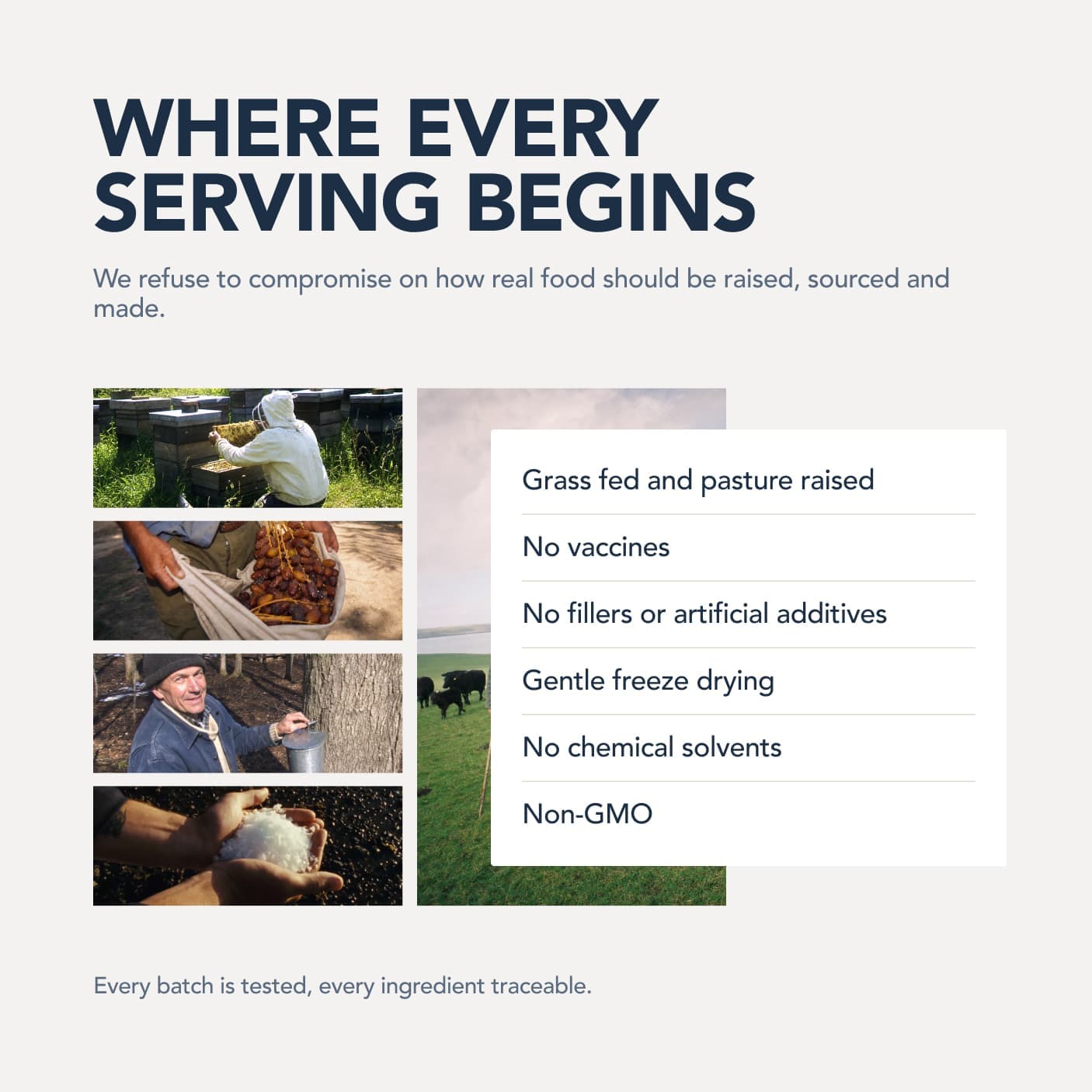
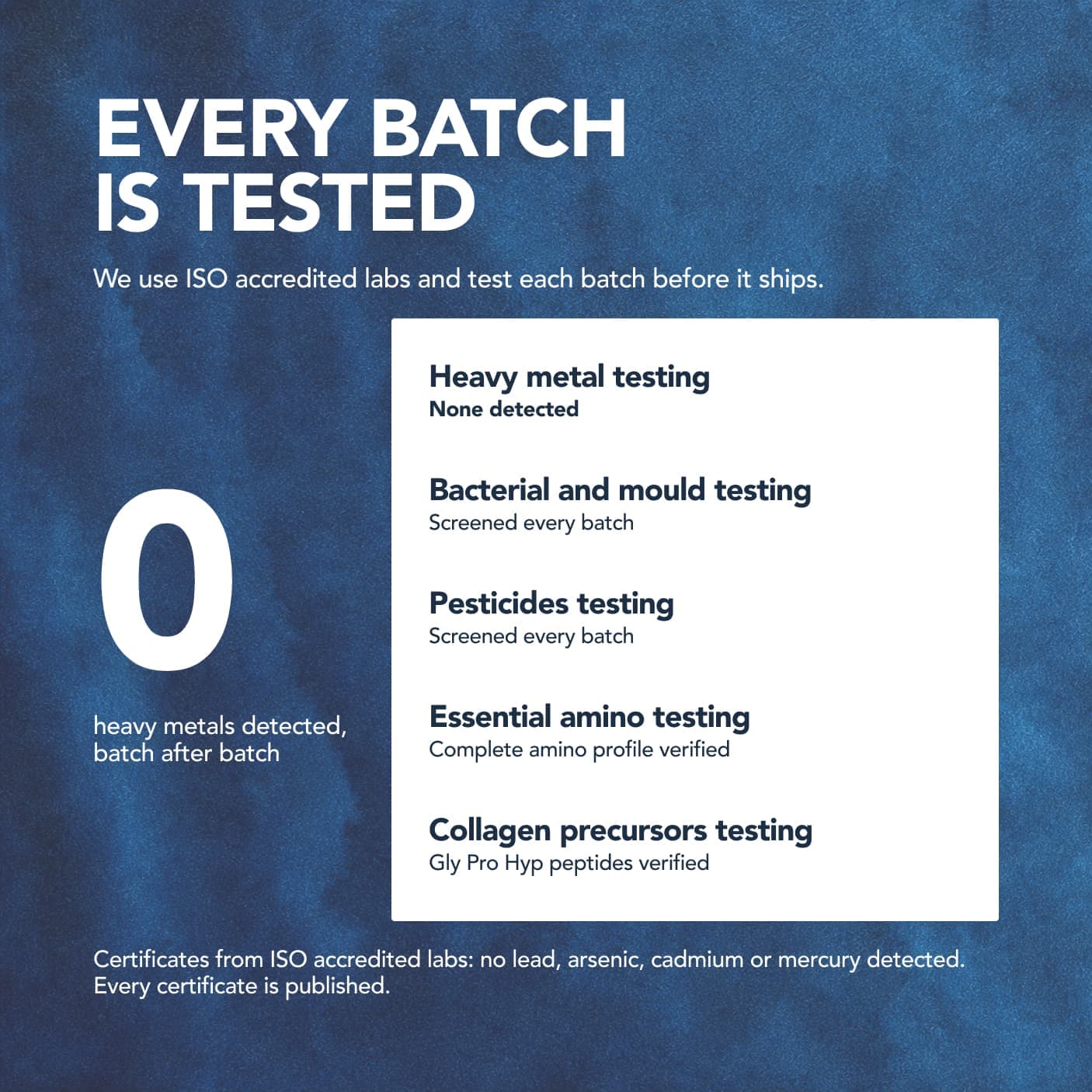
Grass-fed or pasture-raised beef liver from trusted UK sources carries virtually zero heavy metal risk. The quality control is regulated. The animal's environment is monitored. You know what you're getting.
Cost per usable nutrient
Let's do the math that matters.
A 100-gram serving of beef liver costs roughly GBP 1-2, depending on where you shop. A kilogram of spirulina powder costs GBP 8-15. At a typical 5-gram serving, you're looking at GBP 0.04-0.07 per serving. So far, spirulina looks cheaper.
But you'd need 100 grams of spirulina to theoretically match a 100-gram serving of liver (and that's ignoring absorption rates and the B12 analogue problem). That's GBP 0.80-1.50 per serving for nutrients your body might not use. And you'd need to eat 100 grams of spirulina in a day, which nobody's doing.
In real usable nutrients per pound spent, beef liver wins by a landslide. You're absorbing 70-90% of liver's nutrients. You're absorbing maybe 10-30% of spirulina's nutrients, depending on your individual conversion capacity and the B12 analogue problem.
One serving of liver provides more usable micronutrients than a month of spirulina supplementation, at a lower total cost and higher absorption.
There's also the question of satiety. Spirulina is protein powder. You drink it and feel nothing. Beef liver is food. It satisfies. You eat 100 grams and you're genuinely full for hours. That satiety signal matters for your metabolism and your adherence.
1 of 9
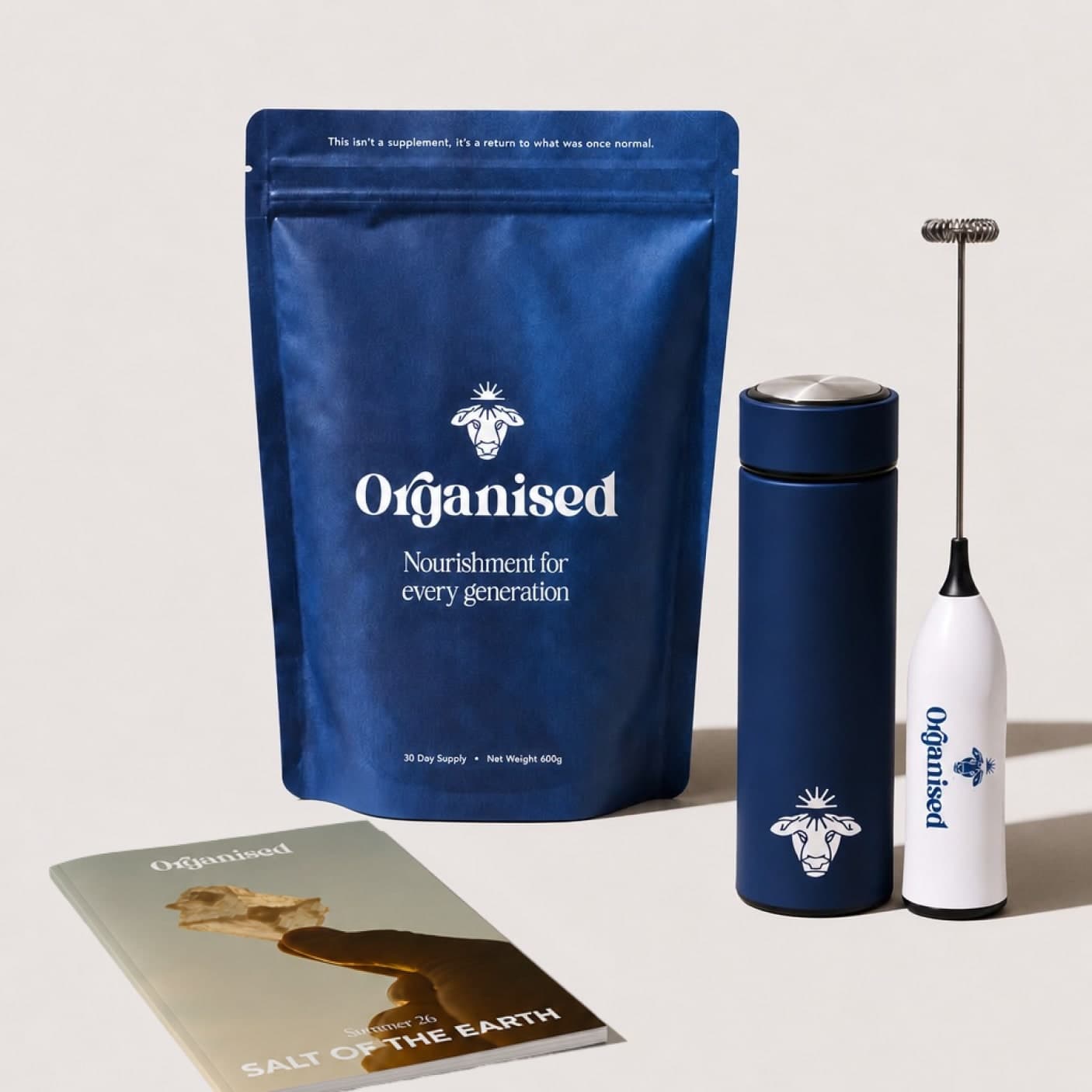
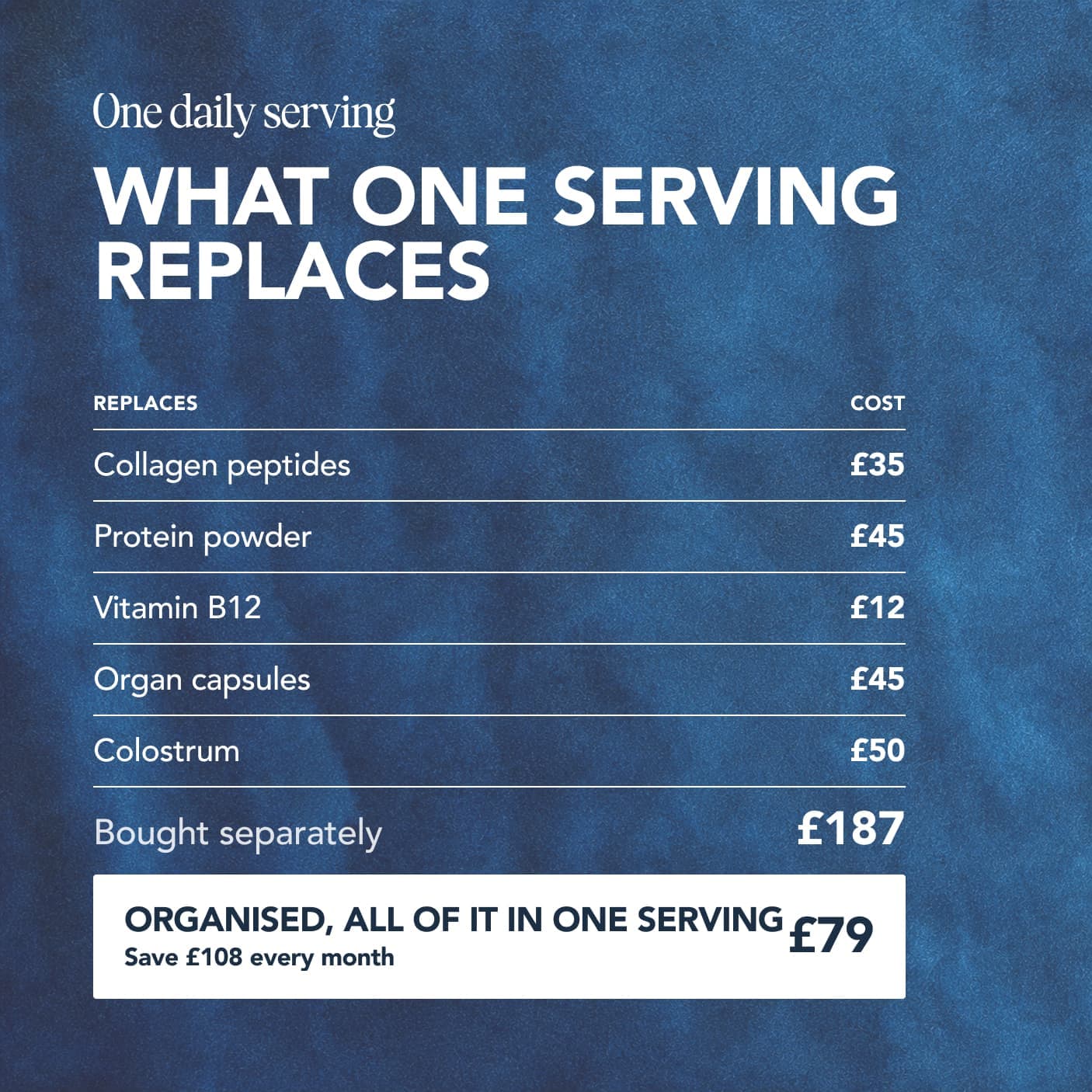
Daily blend
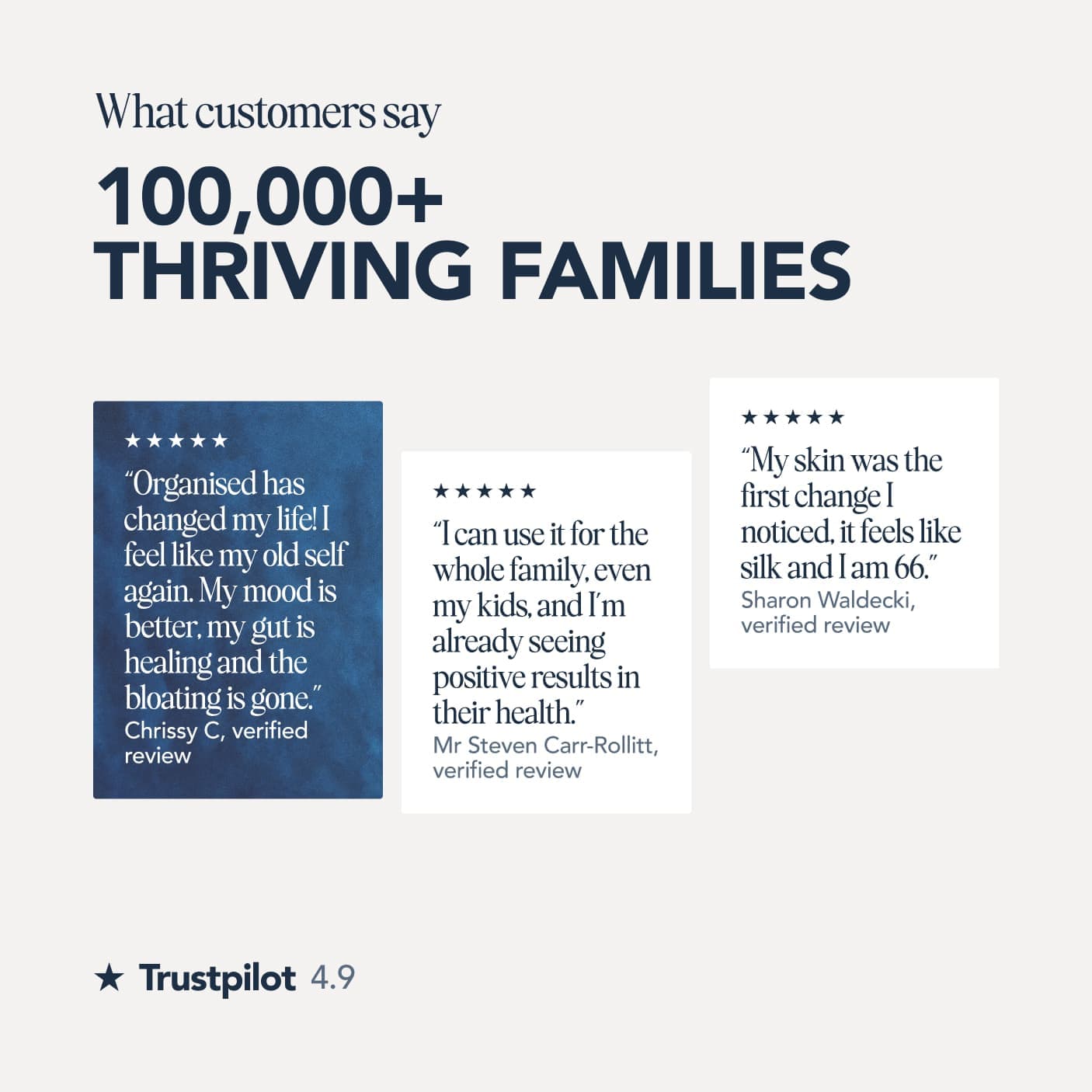
100,000+ thriving families4.9 on Trustpilot
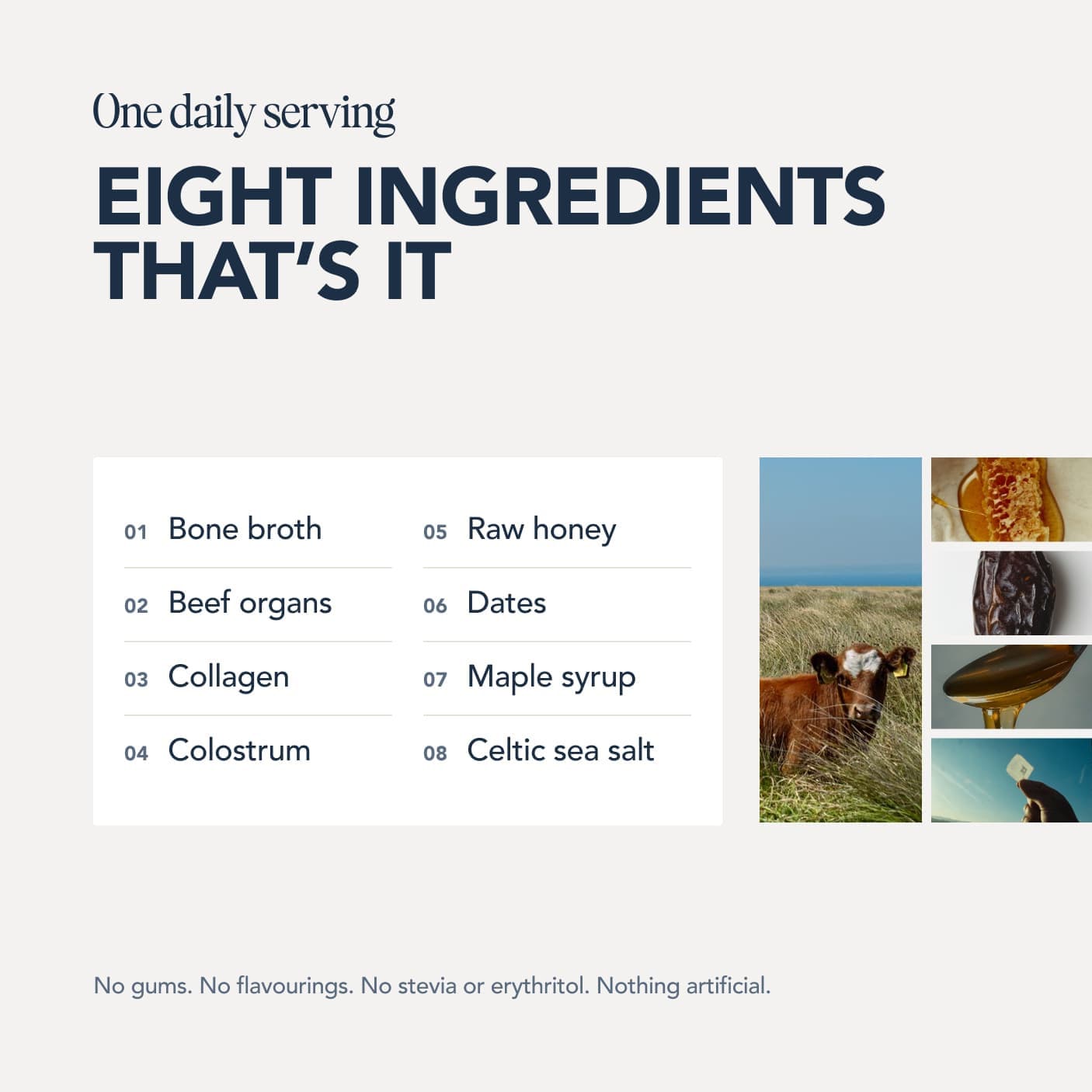
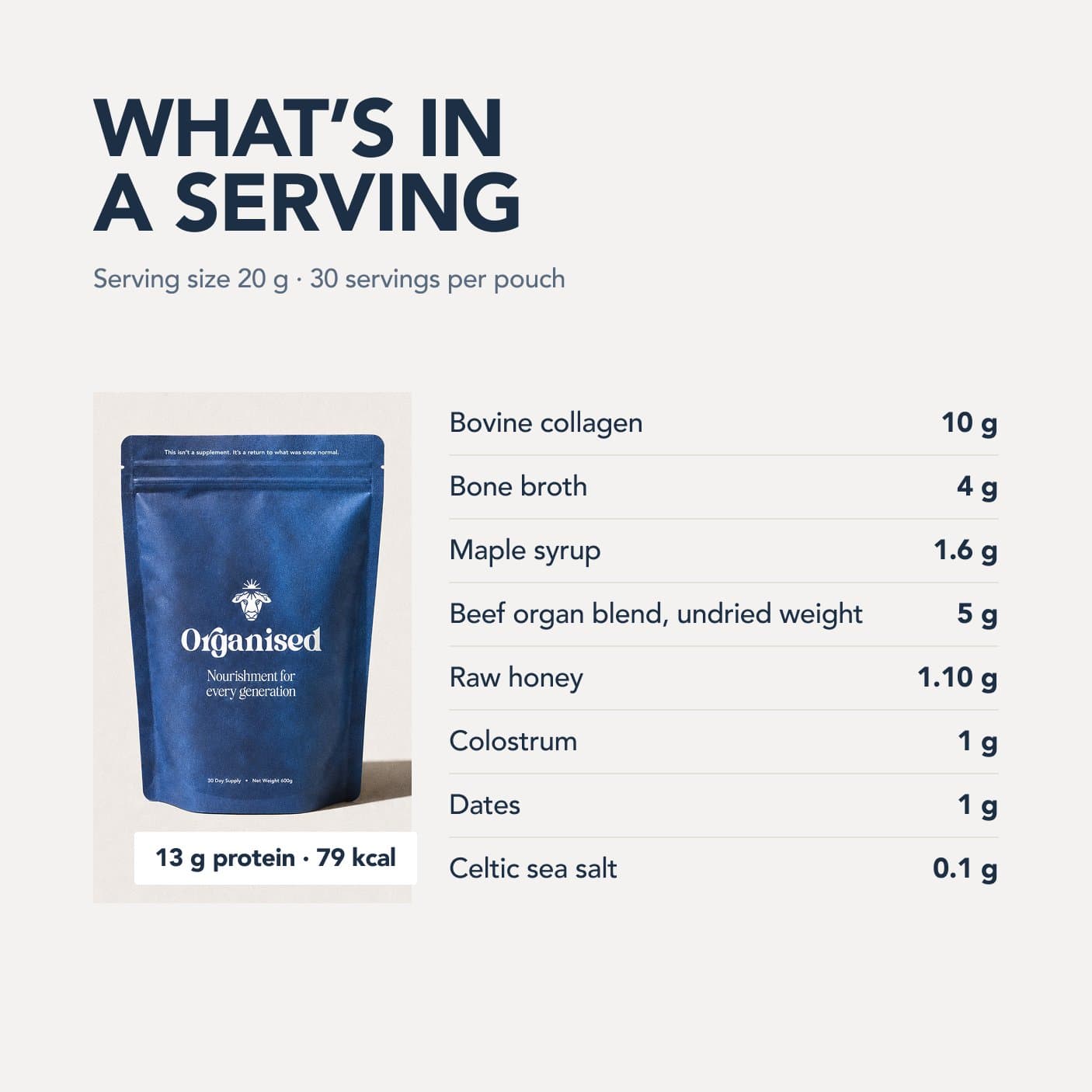
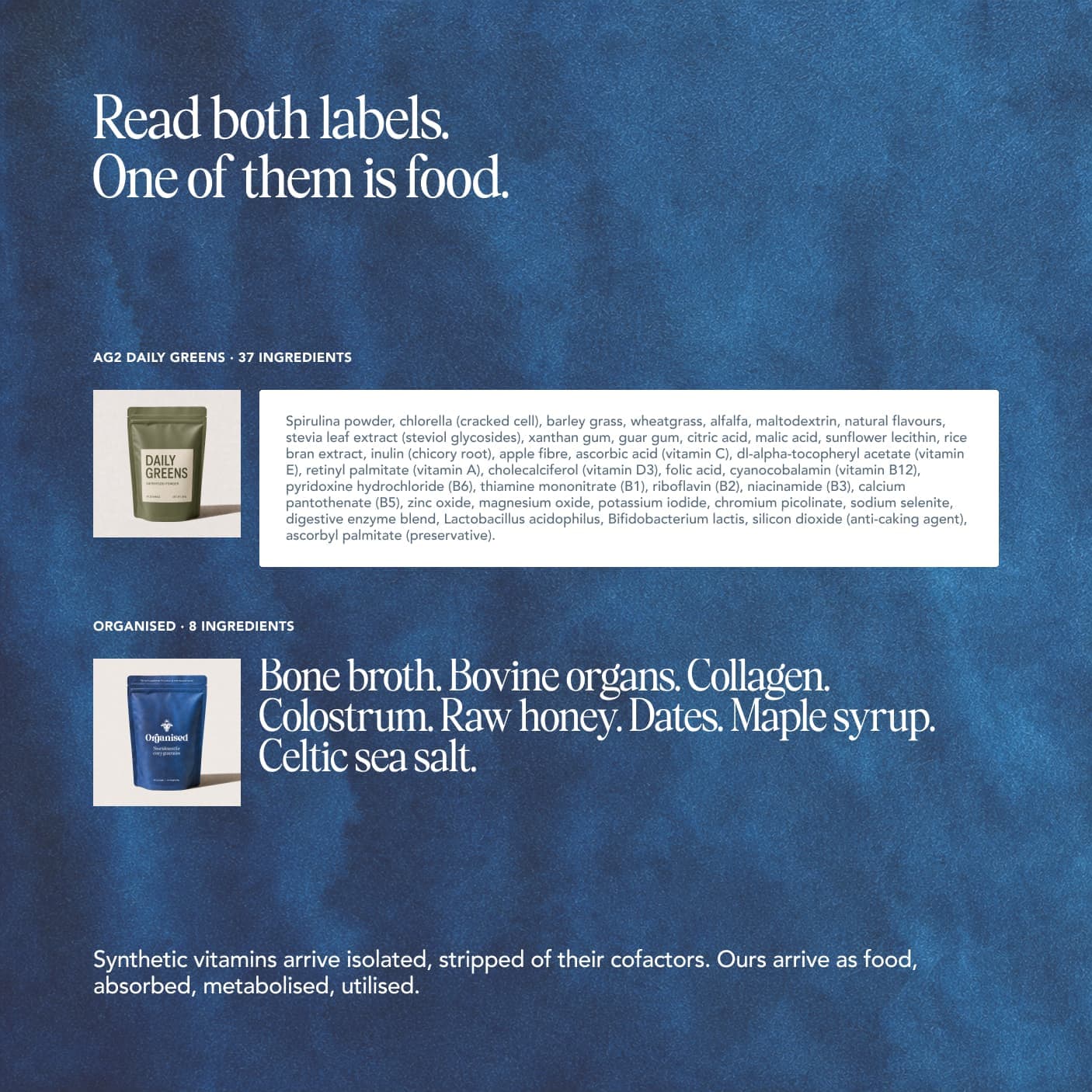
Eight real ingredients built around grass-fed beef organs, collagen and colostrum. Nothing synthetic added.
Free with your first order, worth £38. Plus £10 off the pouch with a subscription.
Free UK shipping · Made in England · 100 day money back guarantee on your first pouch · Skip, pause or cancel anytime
Why one actually works and one doesn't
The fundamental difference is biological recognition.
Your body has evolved for millions of years to recognise and process animal tissue. When you eat liver, your digestive system deploys every enzyme and transporter designed for that task. The nutrients arrive in forms your body knows how to use. Everything is synergistic.
Spirulina is a novelty. Your digestive system can process it, but it's not optimised for it. The beta-carotene requires conversion that not everyone achieves efficiently. The B12 analogues look right but don't work. The nutrients are present but not in the context your body evolved to use them in.
Spirulina works fine as a supplement if you already have good nutrition. It's a nice-to-have. But as a replacement for whole food? As a superfood that actually moves the needle on deficiency? It falls apart under scrutiny.
The bottom line
Spirulina isn't a bad supplement. It's a fine source of chlorophyll, some minerals, and a convenient protein boost. But it's not a superfood. It's a supplement that costs like a superfood and delivers like a supplement.
Beef liver is the genuine article. It's nutrient-dense, absorbed efficiently, free from analogues and conversion uncertainty, and cheaper per usable nutrient. Your ancestors knew this. Your body knows this. The only ones confused are the supplement companies.
Eat the liver. Skip the powder.
References
Every source below was checked on 27 August 2026. Each PubMed, PMC and DOI identifier was resolved against NCBI or Crossref, and what it opens is printed under the citation, so you can see the link goes where the citation says without leaving the page. Where a citation and its identifier disagreed, the citation was corrected to the record or the reference was deleted along with the sentence marker that pointed at it, and where the resolved paper turned out not to support the sentence, the sentence was cut back to what it does support. Borrowed authority is worse than none, because it looks like rigour.
- National Institutes of Health Office of Dietary Supplements. Vitamin A and Carotenoids - Health Professional Fact Sheet. NIH ODS Vitamin A.
- Watanabe F et al. Pseudovitamin B(12) is the predominant cobamide of an algal health food, spirulina tablets. J Agric Food Chem. PubMed PMID: 10552882.Checked 27 August 2026: PMID 10552882 opens Watanabe F, Katsura H, Takenaka S et al, Pseudovitamin B(12) is the predominant cobamide of an algal health food, spirulina tablets. J Agric Food Chem 1999;47(11):4736-41.
- Rzymski P et al. The multidisciplinary approach to safety and toxicity assessment of microalgae-based food supplements following clinical cases of poisoning. Harmful Algae. PubMed PMID: 26436734.Checked 27 August 2026: PMID 26436734 opens Blume C, Reale R, Held M et al, Temporal Monitoring of Differentiated Human Airway Epithelial Cells Using Microfluidics. PLoS One 2015;10(10):e0139872.The authors' own declaration, from the record: Competing Interests: The authors have declared that no competing interests exist.
Who wrote and reviewed this guide
Niall Kiddle
Author · Founder, Organised
Niall is the founder of Organised. He started the company in 2024 after fixing his own health the slow way: in 2022 he swapped a cupboard of synthetic supplements for real food, raw milk, organ meats, bone broth and honey, and felt the difference within months.
Areas of expertise: Ancestral nutrition, Organ meats, Whole-food supplementation, Gut health, Regenerative sourcing
Read Niall's full profile
Pedro Rodrigues
Reviewer · Agronomist (farming and sourcing only)
Pedro is the agronomist Organised works with on farming and sourcing. His job on the guides is to keep the science honest: he reviews what we publish about soil health, regenerative agriculture, grazing and the way food is actually produced.
Areas of expertise: Regenerative agriculture, Agronomy, Soil health, Grass-fed farming, Food sourcing
Reviewed this guide on
Read Pedro's full profileBrowse the guides library
All guidesKeep reading
Science
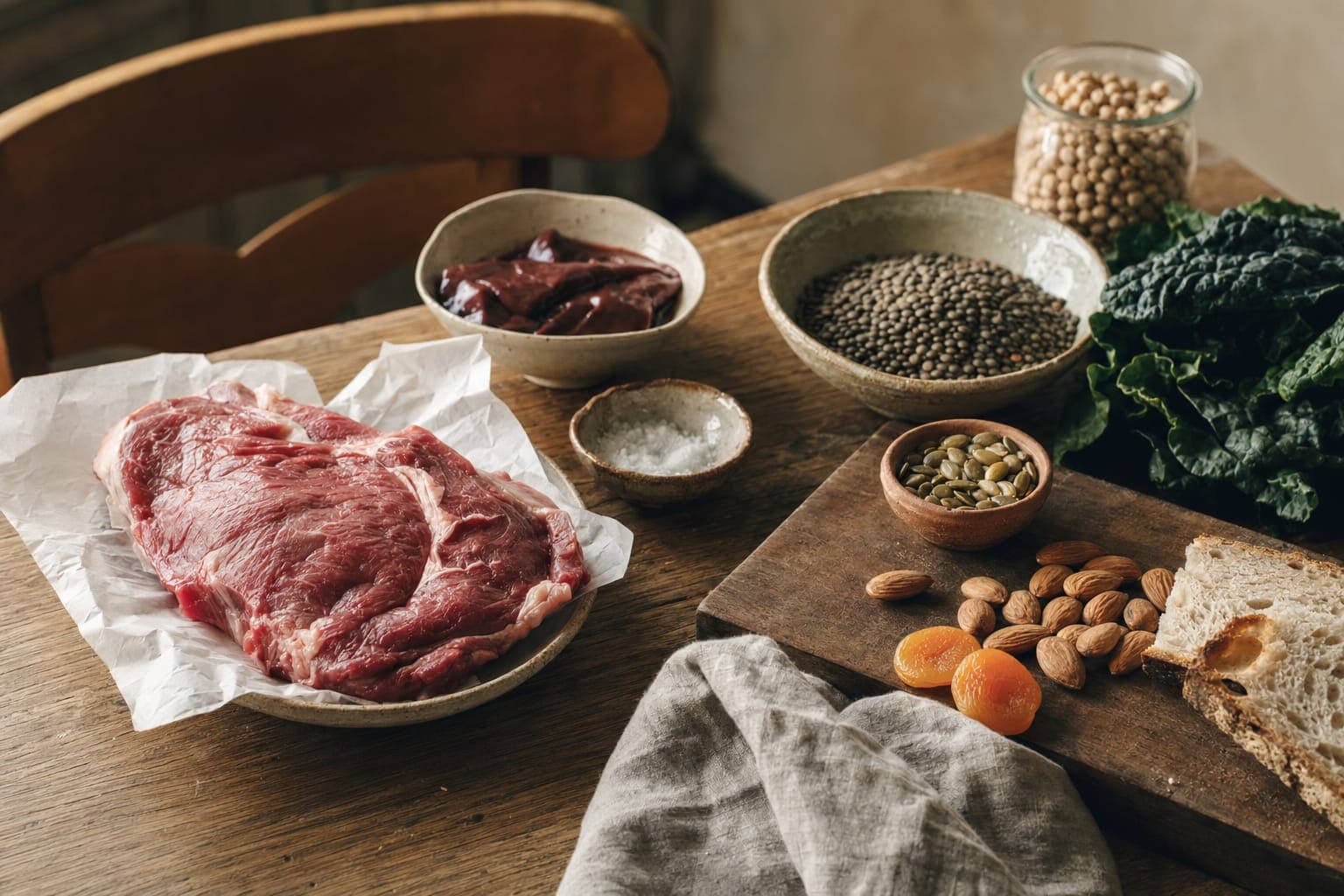
The Difference Between Heme and Non-Heme Iron (And Why It Matters)
How heme iron from meat absorbs differently than plant iron, factors that affect absorption, and why it matters for your blood work.
Comparisons
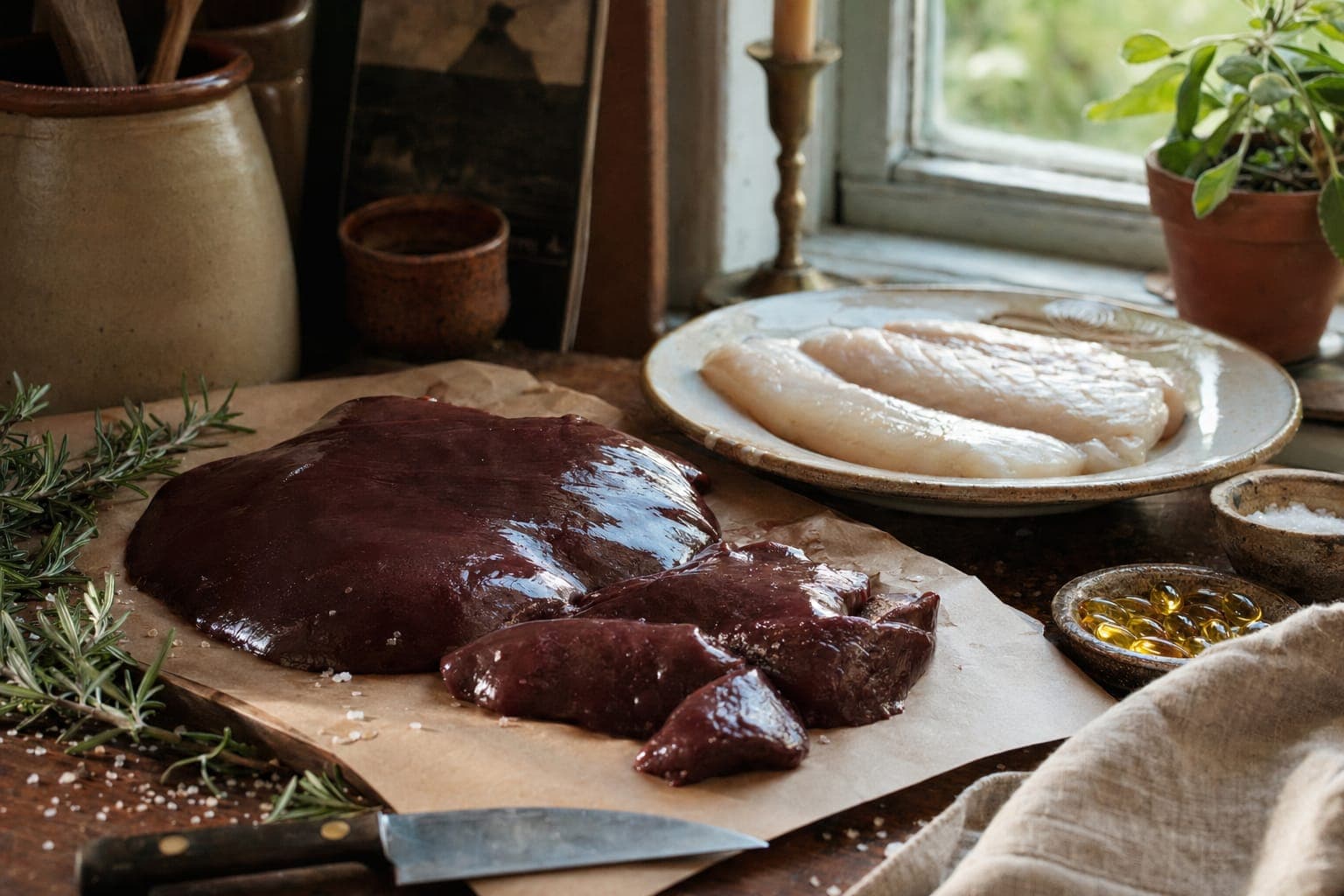
Beef Liver vs Cod Liver Oil: Which Has More Vitamin A?
Beef liver has more vitamin A per gram. Cod liver oil has D3 and EPA/DHA. They serve different purposes. Here's what each is actually good for.
Comparisons
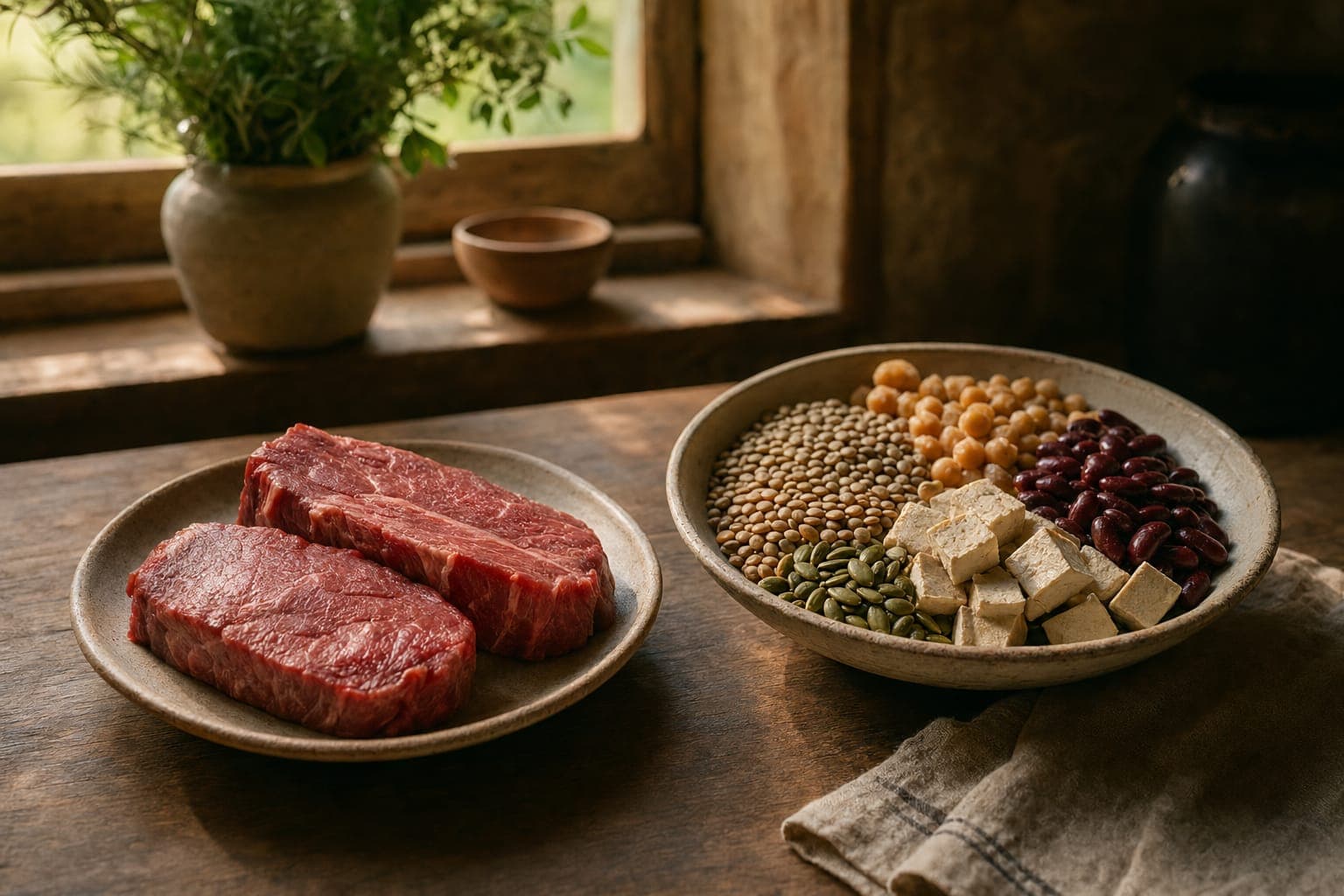
Beef Protein vs Plant Protein: A Nutritional Reality Check
Compare beef and plant protein. Learn why amino acid completeness, anti-nutrients, and digestion make beef protein nutritionally superior for most people.
Real food, made effortless
Try the blendA few ways to use it
All recipes
Whole Food Snacks for Busy Days
Practical whole food snacks that travel well and sustain energy. No refined carbs, no seed oils. Real food options for when you're busy.
The Perfect Organised Morning Shake: Our Favourite Recipe
Our signature morning shake: Organised, raw milk, banana, honey. Simple, nourishing, and optimised for an empty stomach.
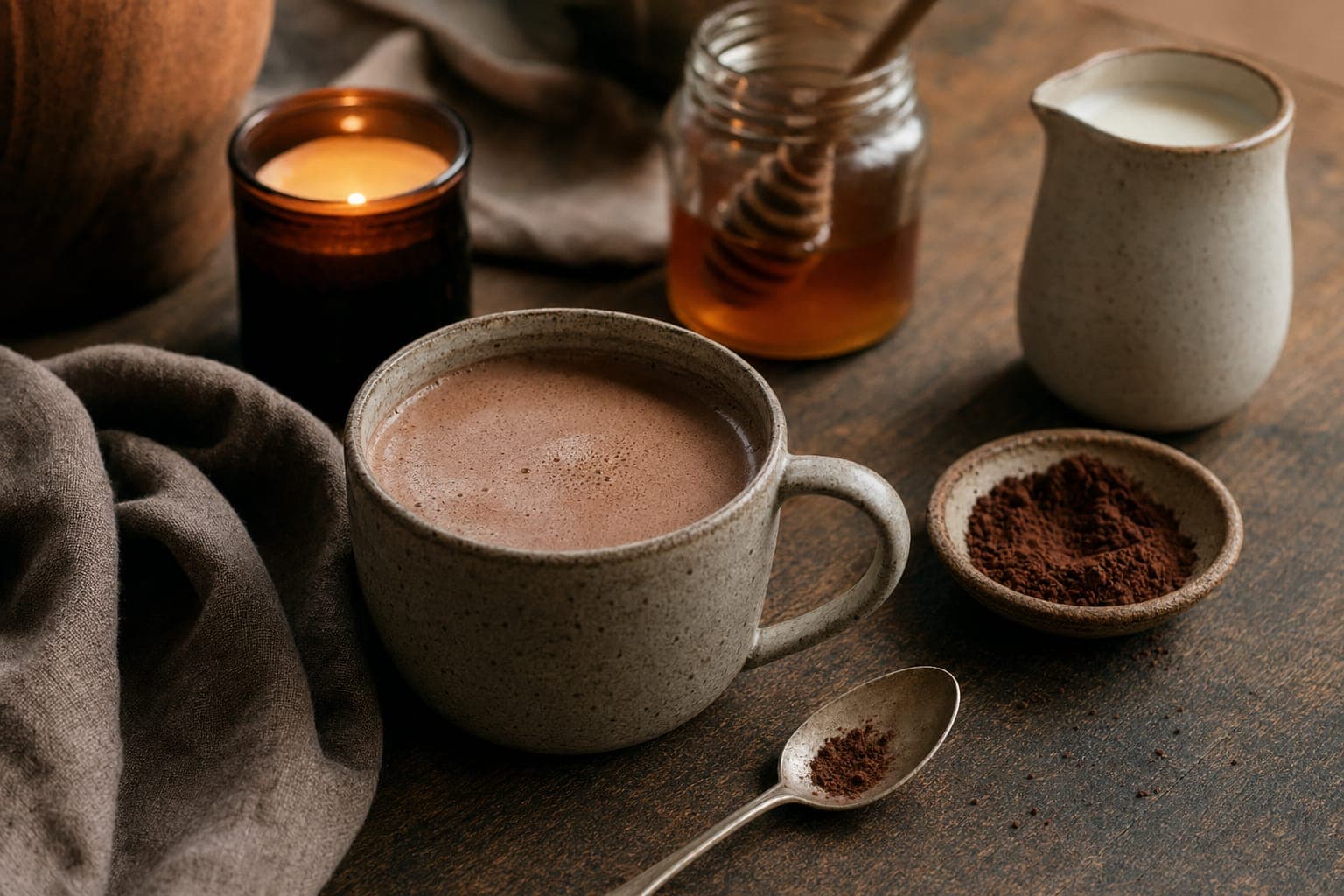
Raw Milk Hot Chocolate with Collagen
A nourishing evening hot chocolate made with raw milk, grass-fed collagen, raw cacao, and honey. A nighttime ritual that supports sleep and gut health.


 Join over 100,000+ members
Build a better food system with us
The Organised community is thousands of people choosing real food and backing the farmers who grow it, all of us trying to leave the world a little better than we found it. If that is what you care about too, you belong here.