Vitamin K2: The Nutrient Nobody Talks About
Your doctor tells you to take calcium for your bones. You take calcium. Your bone density improves slightly. But your arteries calcify. Your cardiovascular risk increases. You're confused. Nobody told you that calcium without K2 doesn't know where to go. It doesn't follow a plan. It ends up wherever biology allows. Vitamin K2 is the nutrient that tells calcium where to go. And almost nobody has it.
By Niall Kiddle, Founder, Organised

Reviewed by Pedro Rodrigues, Agronomist (farming and sourcing only) ·
6 min read · Published · Updated · 4 cited sources
Makers of the Organised Daily blend, a grass-fed beef organ supplement from regenerative UK farms
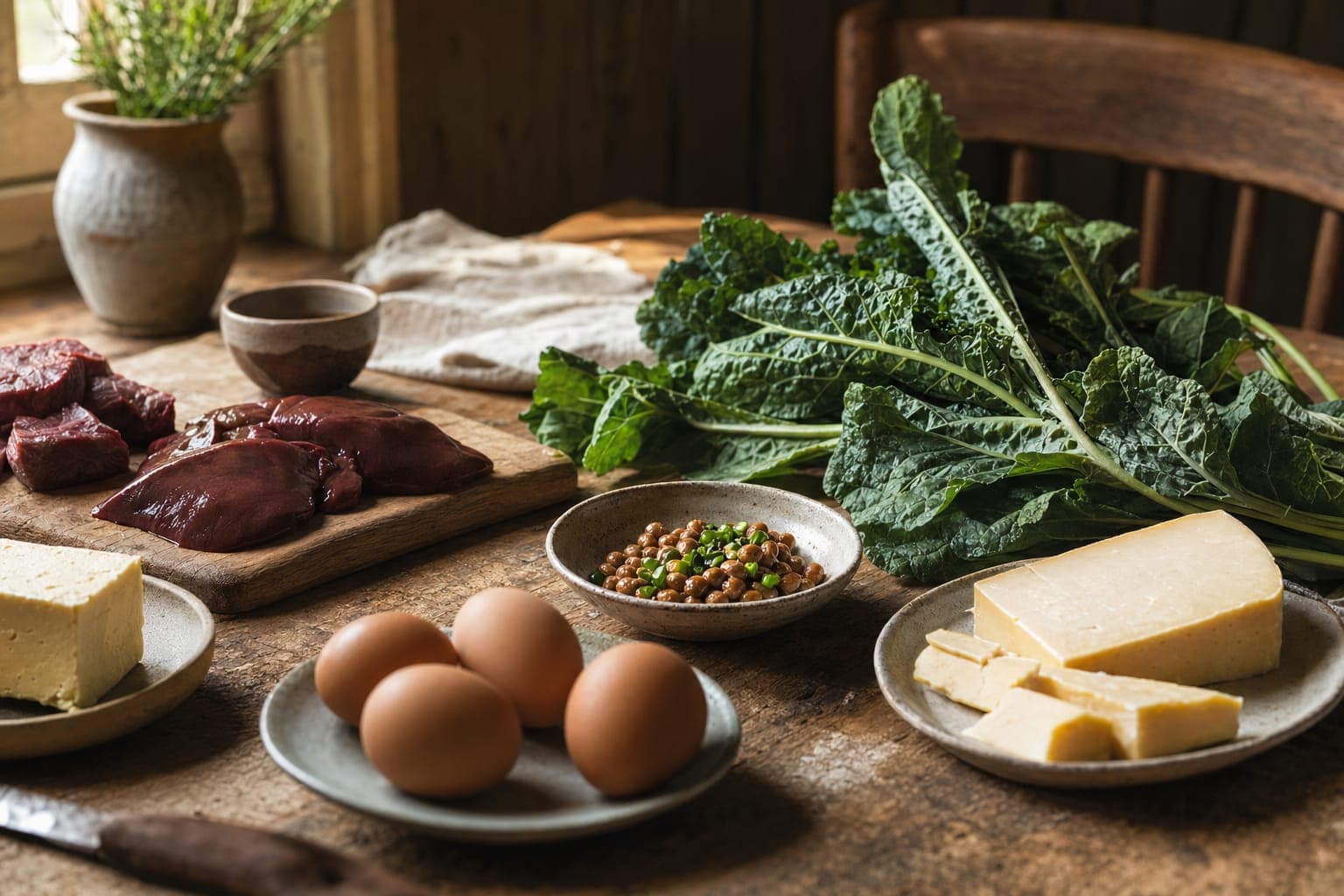
K1 is known. You get it from leafy greens. It's the vitamin involved in blood clotting. But K2 is different. K2 is involved in calcium transport and bone mineralisation. And while K1 is ubiquitous, K2 is hidden in foods most people don't eat regularly.
What vitamin K2 actually does
Vitamin K2 activates two critical proteins: osteocalcin and matrix Gla protein (MGP).1
Osteocalcin lives in bone. When K2 activates it, osteocalcin binds to calcium and integrates it into the mineral matrix of bone. This is the difference between calcium sitting in your blood (potentially problematic) and calcium being laid down in bone architecture (protective). Without activated osteocalcin, calcium doesn't get incorporated into bone properly.
Matrix Gla protein lives in soft tissue and blood vessels. When K2 activates it, MGP prevents calcium from accumulating in arteries and soft tissue. It's literally a shield against arterial calcification. Without activated MGP, calcium deposits in blood vessels, stiffening them and increasing cardiovascular risk.
Together, these two proteins create a calcium management system. K2 tells calcium: go to bone, stay out of arteries. This is why populations with high K2 intake show both stronger bones and more flexible arteries.2 It's not a coincidence. It's biochemistry.
Without adequate K2, calcium gets deposited randomly. Your bones are still porous (because osteocalcin isn't activated). Your arteries are calcified (because MGP isn't there to block it). You're simultaneously weak and at cardiovascular risk. This is the calcium paradox. And K2 is the missing piece.
Calcium without K2 is a directionless mineral. It can build bone or calcify arteries. K2 decides which.
MK-4 versus MK-7: the forms that matter
Vitamin K2 is a family of compounds called menaquinones. The two most studied are MK-4 and MK-7.
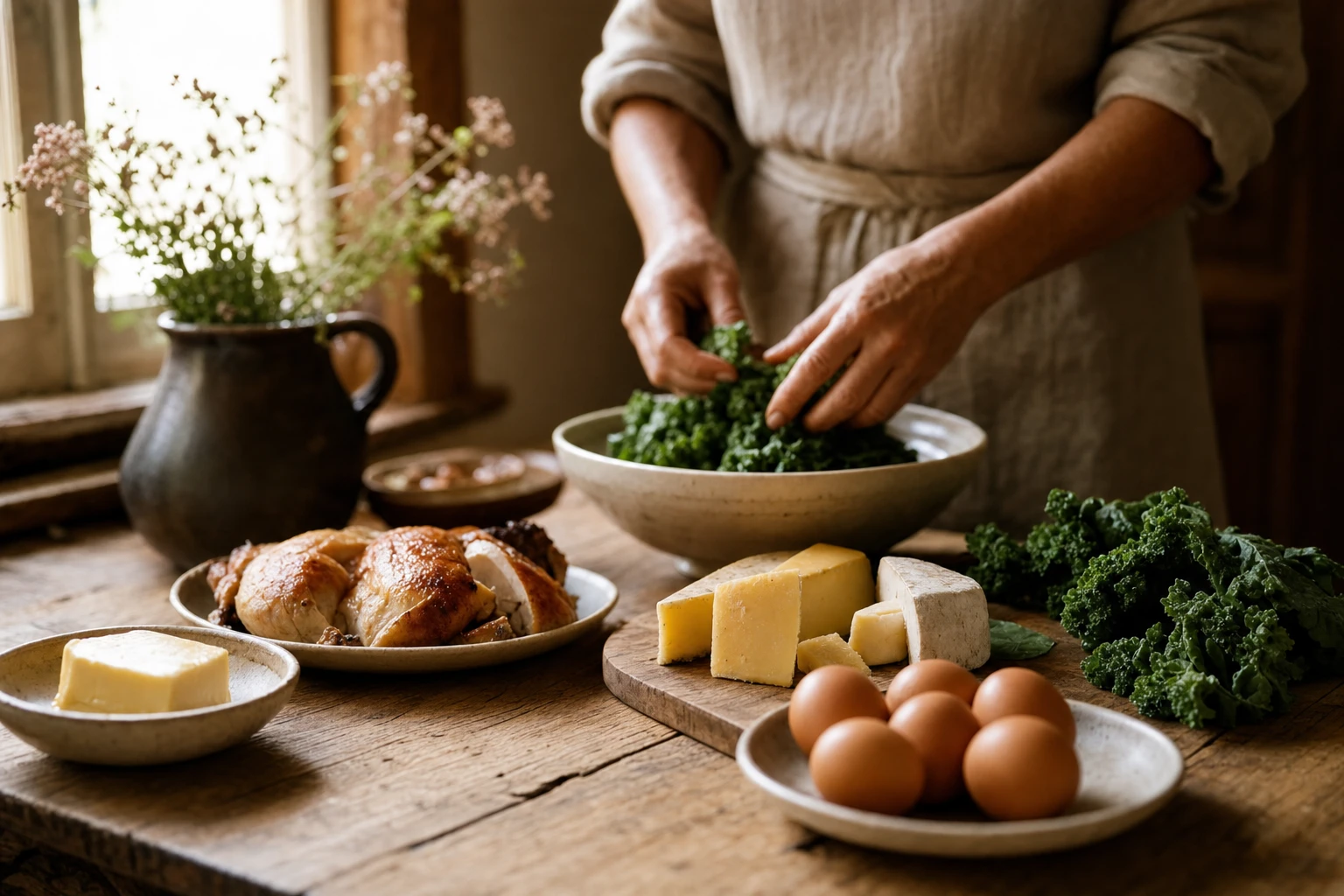
MK-4 is found primarily in animal products, particularly in foods where animals have high turnover of vitamin K1. Liver stores it. Eggs contain it. Hard cheese contains it. Your own body can manufacture a small amount of MK-4 from K1 (roughly 1 per cent efficiency), which is minimal and unreliable.
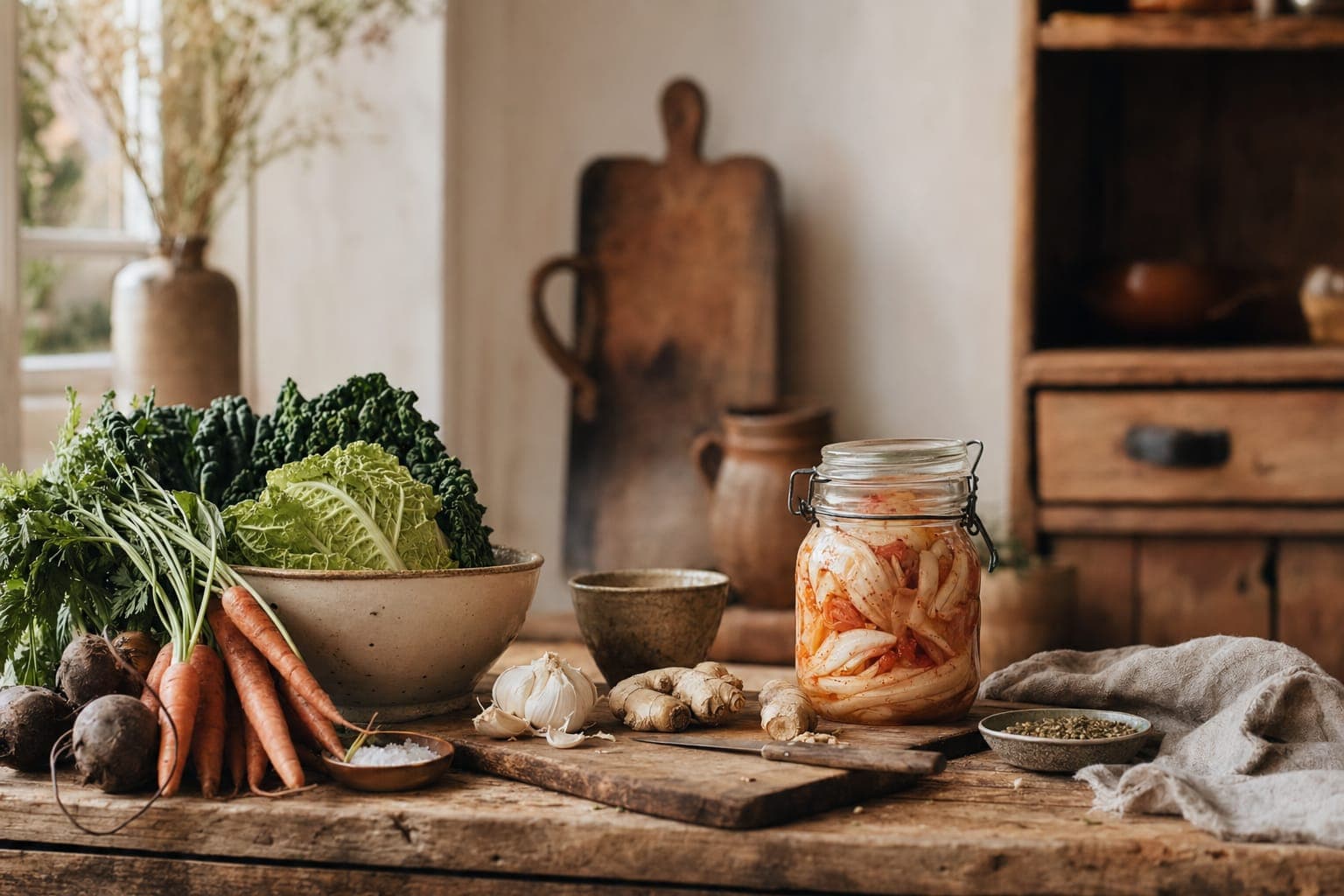
MK-7 is produced by bacteria, particularly in fermented foods. Natto (fermented soybeans) is extraordinarily rich in MK-7. Sauerkraut contains some. Aged cheeses contain some. Plant-based people often rely on MK-7 from these sources as their only K2 source.
Here's the tricky part. MK-4 and MK-7 behave differently in your body. MK-4 is taken up quickly by tissues like bone and brain. It has a short half-life (roughly one hour). Your body clears it quickly, but while it's there, it's bioavailable and active.
MK-7 has a much longer half-life (several days), which means it circulates longer.3 But it accumulates in the liver rather than being rapidly taken up by peripheral tissues. For bone health, MK-4 might be more directly active. For long-term circulating status, MK-7 might be more protective.
The research suggests you need both. Or at least, relying on one creates subtle blind spots. Ideally, your diet provides both forms. But realistically, most modern diets provide neither.
Why K2 deficiency is universal
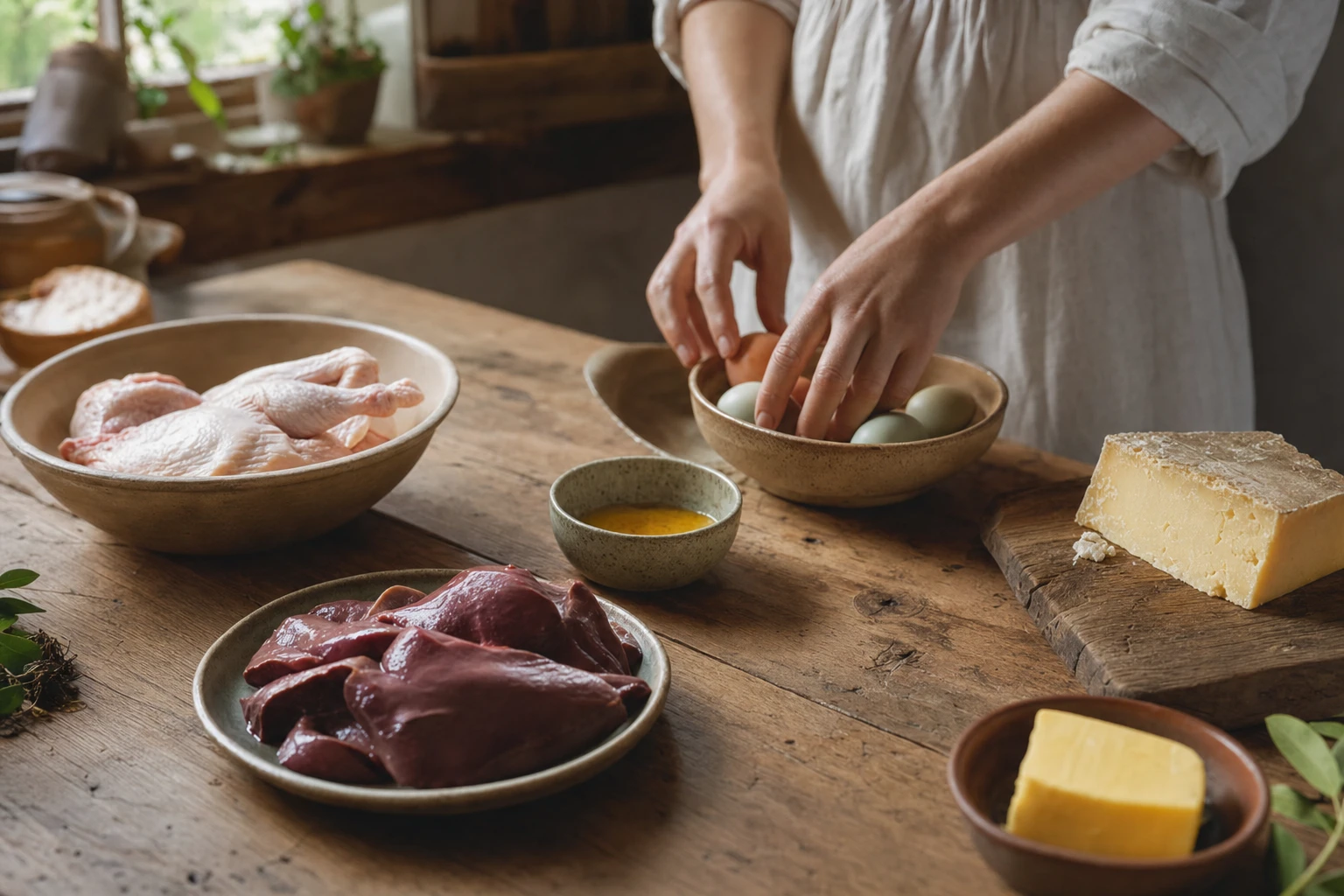
Vitamin K2 is found mostly in fermented foods and animal products where animals have high vitamin K1 intake. In modern diets, both categories have collapsed.
Fermented foods were once a dietary staple. Sauerkraut, kimchi, natto, miso, aged cheeses. Now they're rare delicacies. Factory-farmed animal products (particularly from grain-fed animals in confined conditions) contain far less K2 than grass-fed or pastured animals. The shift to industrial farming has gutted K2 from the food supply.
Additionally, modern calcium supplementation is almost always done without K2. People take calcium pills, which activate osteocalcin-independent calcium absorption in the intestine, but the calcium then has no direction. No wonder arterial calcification is epidemic in populations taking high calcium supplements.
Vitamin K2 deficiency is so universal that most modern health conditions (osteoporosis, arterial calcification, cardiovascular disease) can be partially explained by it. It's not the only factor, but it's usually a factor. Most people are chronically deficient without realising it.
Get the science, plainly, free
Two short reads a week on what the research actually says about nutrition.
By signing up you agree to receive emails from us. No spam, unsubscribe anytime.
The calcium paradox: why calcium supplements backfire
The calcium story is taught backward. Your bones are weak, so take calcium. And yes, calcium is necessary for bone. But without K2, that calcium is directionless. Supplemental calcium, absorbed efficiently from pills without K2 present, tends to calcify arteries more readily than it mineralises bone.
Studies consistently show that people taking high-dose calcium supplements without K2 have increased cardiovascular risk and sometimes even decreased bone density (because the calcium wasn't integrated into bone architecture, it was just absorbed and then deposited randomly).4
The remedy is simple. If you're going to supplement calcium, you must also provide K2. Preferably MK-7, given its longer half-life and demonstrated cardiovascular safety. But better still, get both from food. Calcium and K2 together from food sources work synergistically in ways supplements rarely do.
Where to find K2 in food
The richest sources are:
- Natto (fermented soybeans, roughly 1,100 mcg K2-MK-7 per 100g, if you can tolerate it)3
- Hard cheeses (aged cheddar, gouda, particularly from grass-fed cows, 40 to 100 mcg per ounce)
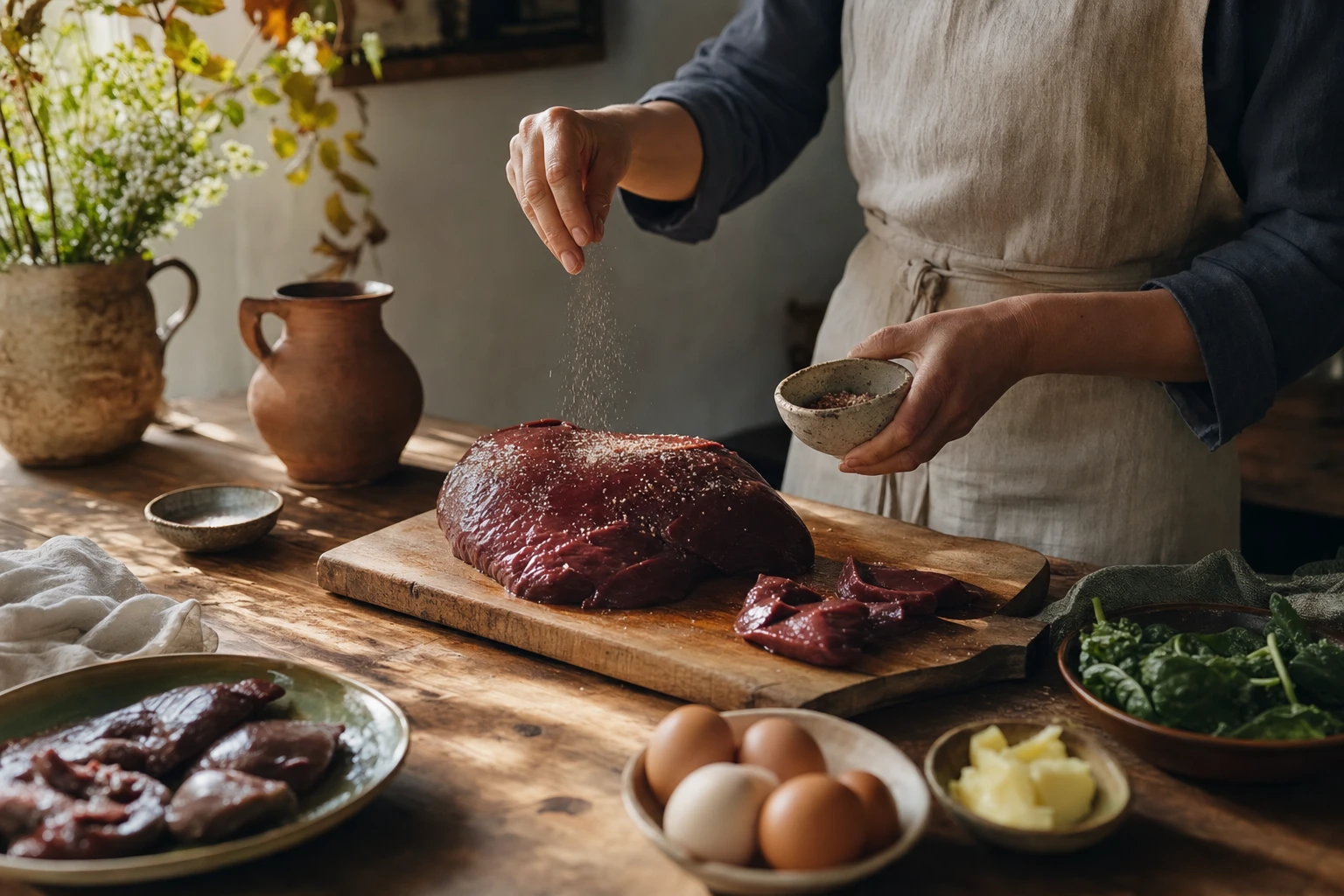
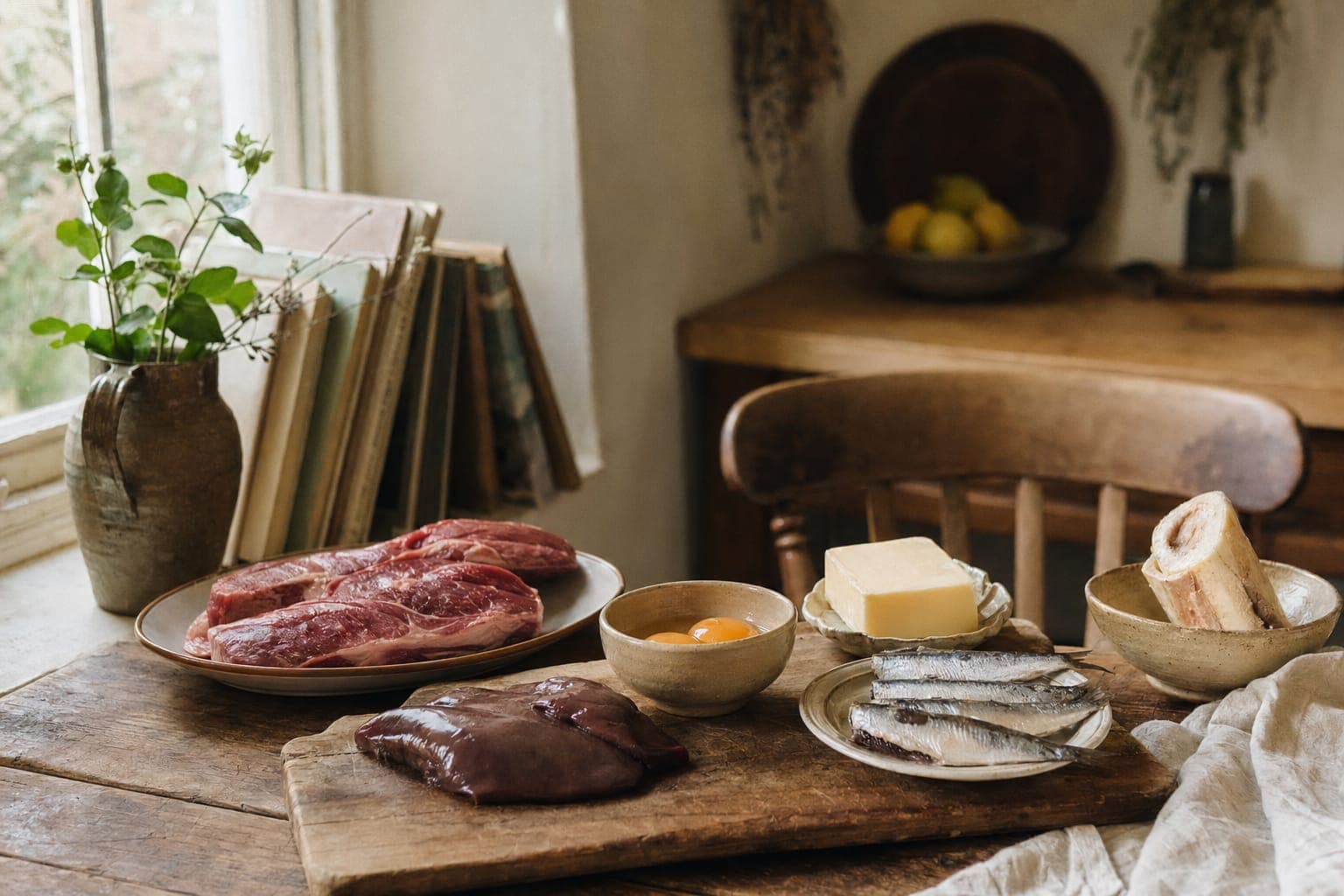
- Liver (particularly from grass-fed animals, 100 to 300 mcg MK-4 per 100g)
- Egg yolk (particularly from pastured hens, 15 to 30 mcg per yolk)
- Butter (particularly from grass-fed cows, 10 to 20 mcg per tablespoon)
- Sauerkraut and fermented vegetables (modest amounts of MK-7, 5 to 10 mcg per serving)
- Meat (particularly from grass-fed or pastured animals, 5 to 15 mcg per 100g)
The pattern is clear. K2 is found in animal products from well-nourished animals (grass-fed, pastured) and in fermented foods. If you eat neither, you're deficient. It's that simple.

1 of 9
Daily blend
100,000+ thriving families4.9 on Trustpilot
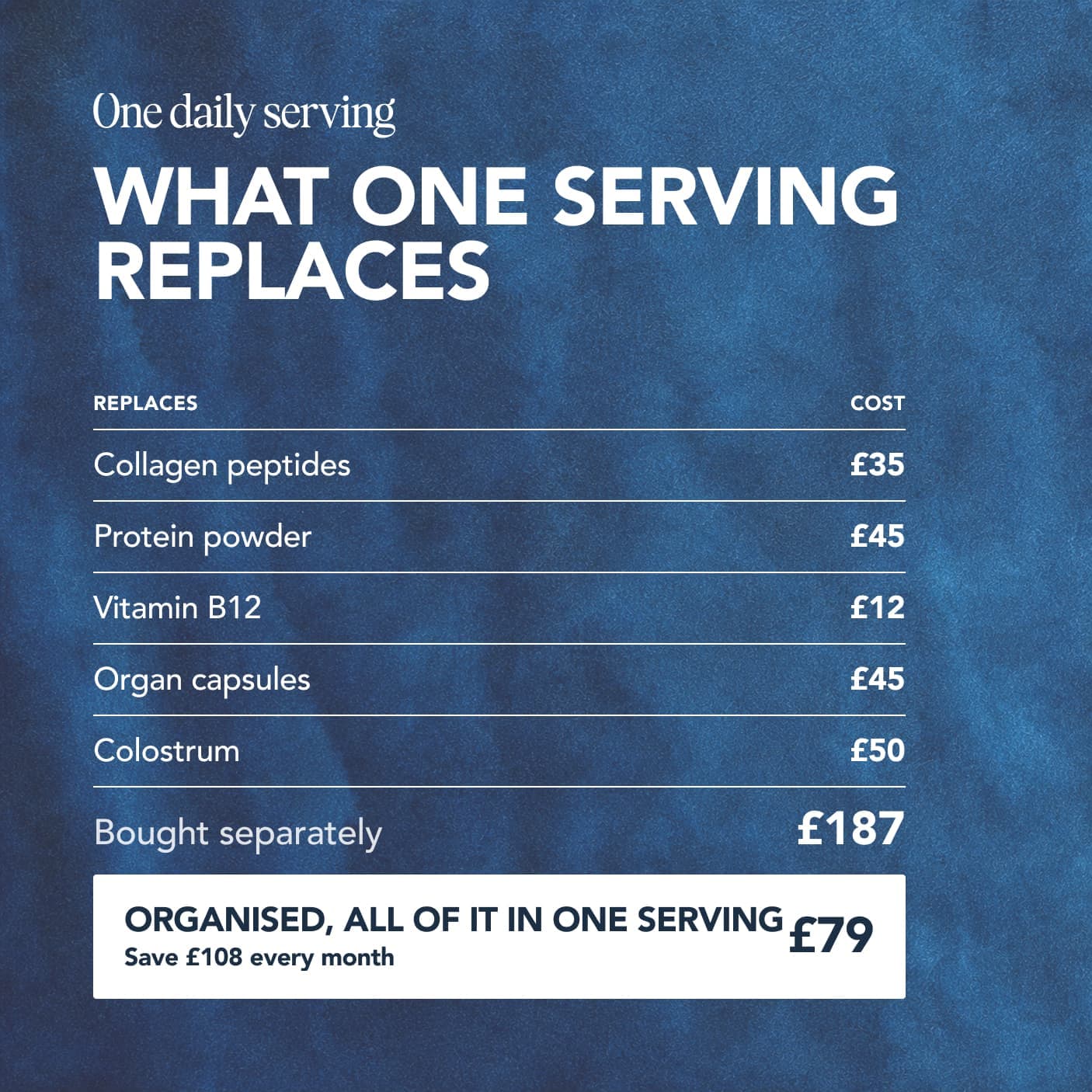
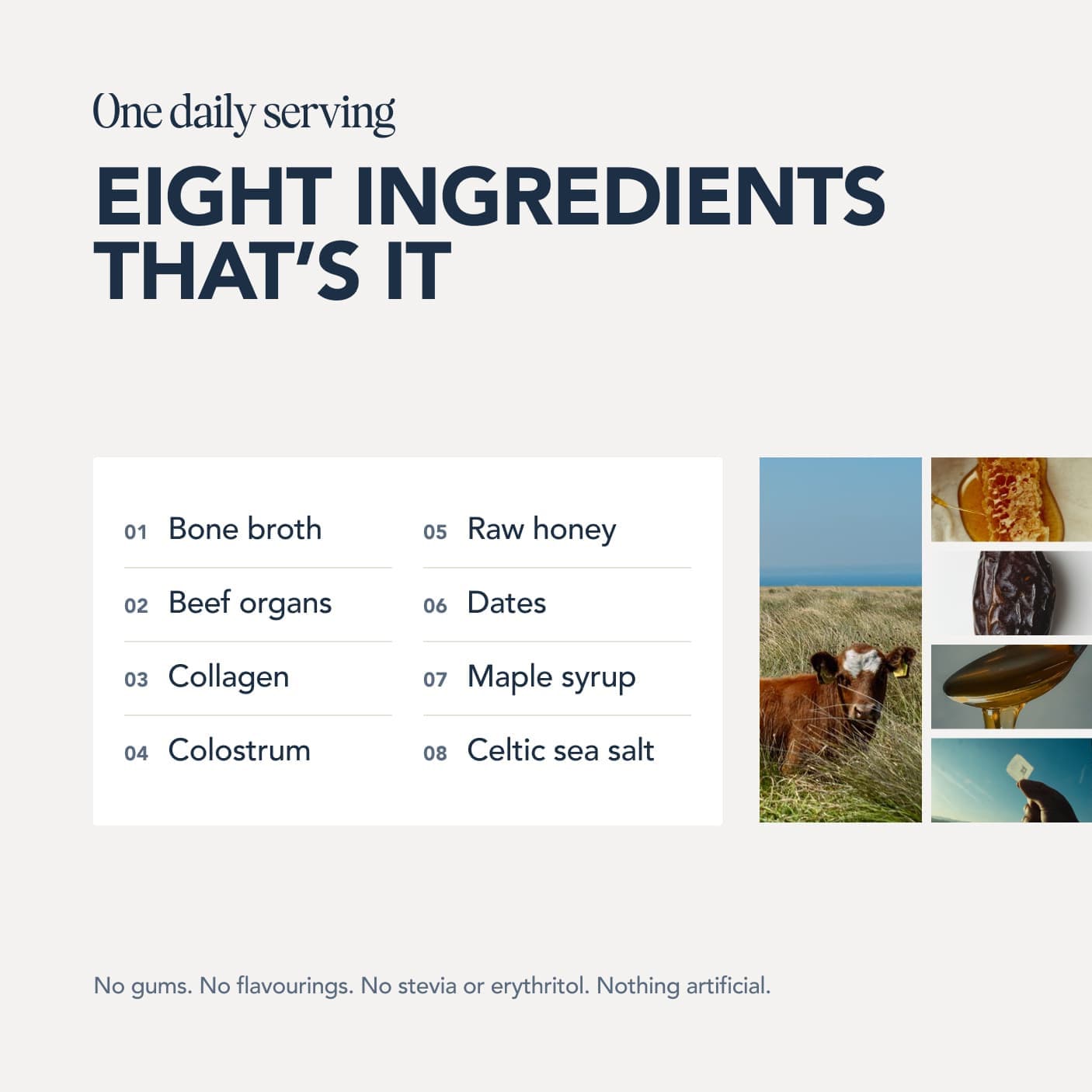
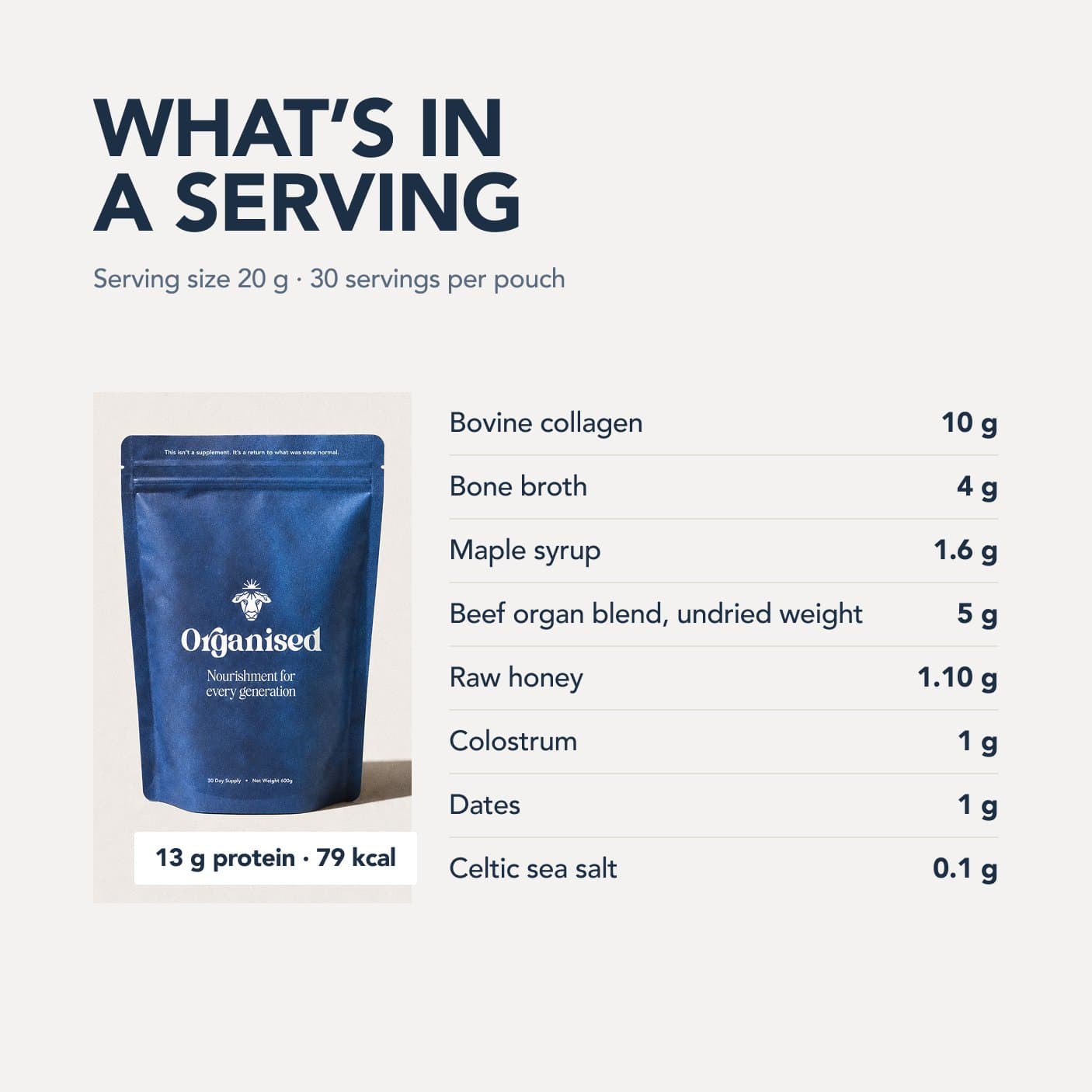
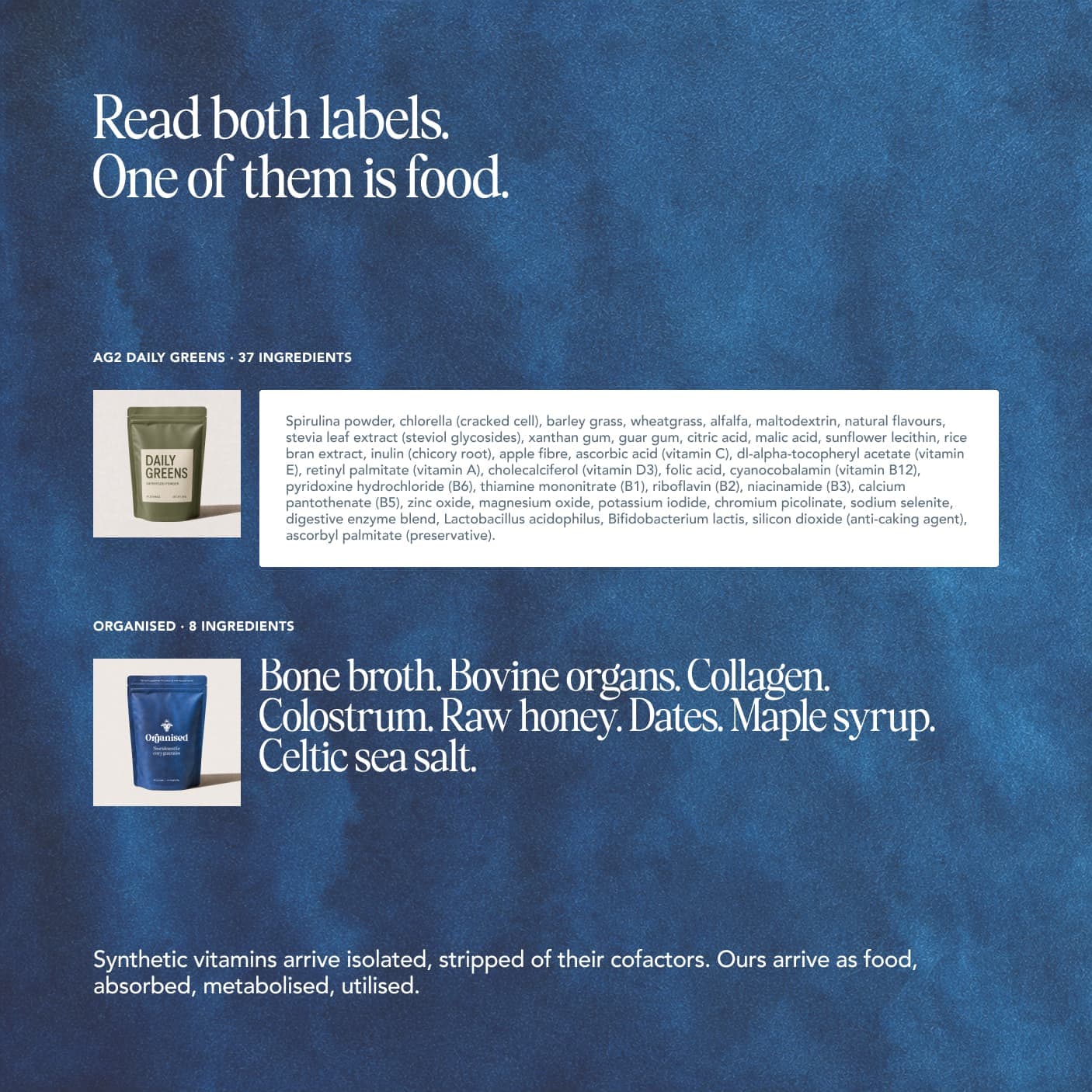
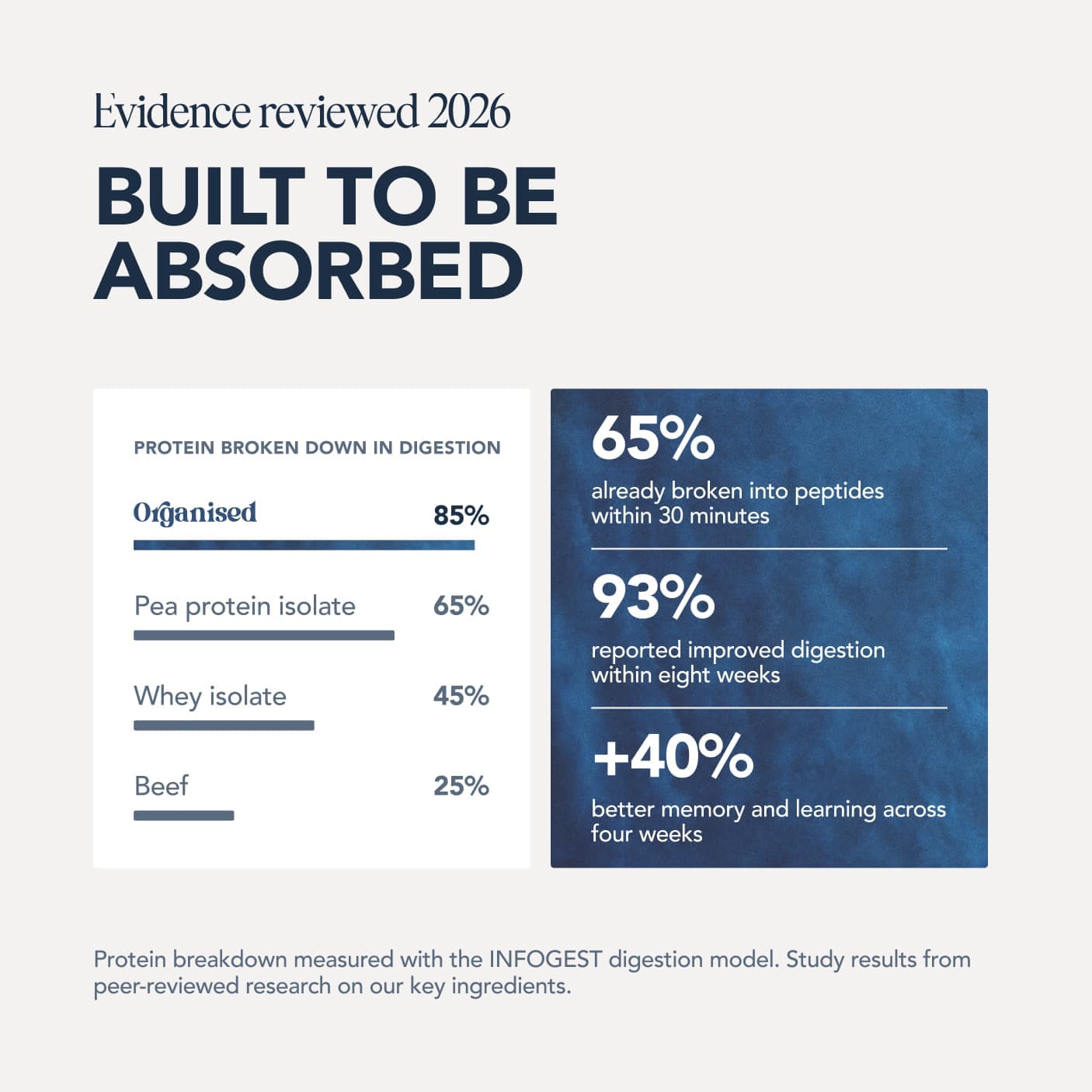
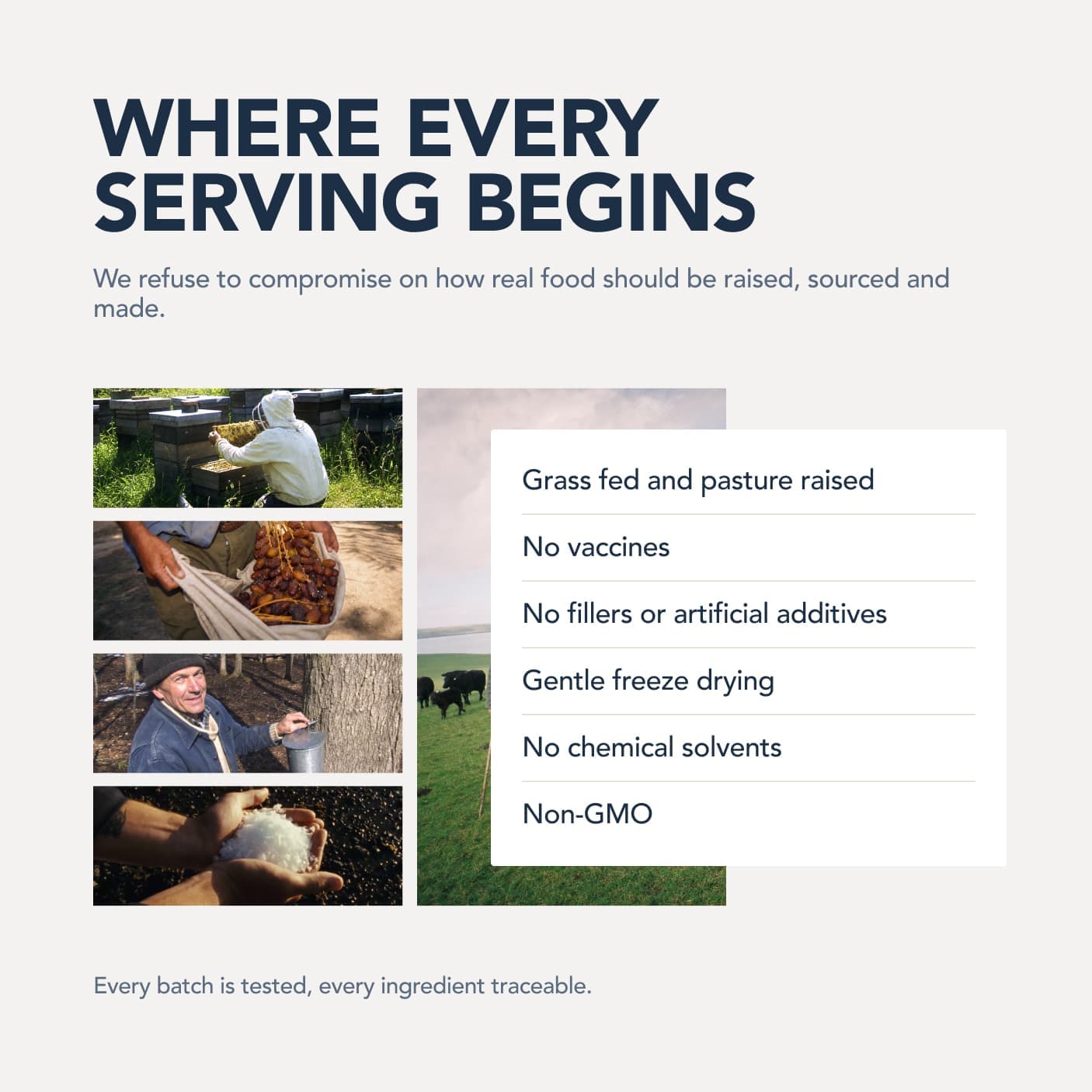
Eight real ingredients built around grass-fed beef organs, collagen and colostrum. Nothing synthetic added.
Free with your first order, worth £38. Plus £10 off the pouch with a subscription.

Free UK shipping · Made in England · 100 day money back guarantee on your first pouch · Skip, pause or cancel anytime
How much K2 you actually need
The recommended dietary allowance is still based primarily on K1 (blood clotting). For K2 specifically, the adequate intake is roughly 90 mcg per day for women and 120 mcg for men, but this is extrapolated from K1 data and likely understates true K2 needs.
Research on bone health suggests benefits at 90 to 200 mcg daily. Cardiovascular research suggests similar ranges. But most people eating modern diets get less than 20 mcg daily. The gap is massive.
A simple solution: eat a small piece of aged cheese (40 mcg), an egg yolk (20 mcg), and a small serving of liver (100 mcg) weekly. That's 160 mcg. Done. You've covered K2 adequately.
Or, if you're plant-based or averse to those foods, include fermented foods consistently and consider supplementing MK-7 at 50 to 100 mcg daily. Both approaches work if done consistently.
K2 isn't rare. It's just hidden in foods most people don't eat regularly. A small shift in what you're eating restores status completely.
Vitamin K2 is the nutrient that determines whether your calcium builds bone or hardens arteries. It's the difference between ageing well and ageing with stiffness and disease. And it's remarkably easy to get if you eat the right foods. You just have to know which foods matter and commit to eating them regularly.
References
Every source below was checked on 27 August 2026. Each PubMed, PMC and DOI identifier was resolved against NCBI or Crossref, and what it opens is printed under the citation, so you can see the link goes where the citation says without leaving the page. Where a citation and its identifier disagreed, the citation was corrected to the record or the reference was deleted along with the sentence marker that pointed at it, and where the resolved paper turned out not to support the sentence, the sentence was cut back to what it does support. Borrowed authority is worse than none, because it looks like rigour.
- Maresz K. Proper Calcium Use: Vitamin K2 as a Promoter of Bone and Cardiovascular Health. Integrative Medicine. 2015;14(1):34-39. https://pmc.ncbi.nlm.nih.gov/articles/PMC4566462/ See also Theuwissen E et al., on Matrix Gla Protein and vitamin K2: https://pmc.ncbi.nlm.nih.gov/articles/PMC3648717/Checked 27 August 2026: PMC4566462 opens Maresz K, Proper Calcium Use: Vitamin K2 as a Promoter of Bone and Cardiovascular Health. Integr Med (Encinitas) 2015;14(1):34-9. PubMed indexes it as: Review. PMC3648717 opens Theuwissen E, Smit E, Vermeer C, The role of vitamin K in soft-tissue calcification. Adv Nutr 2012;3(2):166-73. PubMed indexes it as: Review.
- Geleijnse JM, Vermeer C, Grobbee DE, et al. Dietary intake of menaquinone is associated with a reduced risk of coronary heart disease: the Rotterdam Study. Journal of Nutrition. 2004;134(11):3100-3105. https://pubmed.ncbi.nlm.nih.gov/15514282/Checked 27 August 2026: PMID 15514282 opens Geleijnse JM, Vermeer C, Grobbee DE et al, Dietary intake of menaquinone is associated with a reduced risk of coronary heart disease: the Rotterdam Study. J Nutr 2004;134(11):3100-5.
- Sato T, Schurgers LJ, Uenishi K. Comparison of menaquinone-4 and menaquinone-7 bioavailability in healthy women. Nutrition Journal. 2012;11:93. See also Schurgers LJ et al. on the long half-life of MK-7 and high-MK-7 content of natto. PubMed: https://pubmed.ncbi.nlm.nih.gov/17158229/Checked 27 August 2026: PMID 17158229 opens Schurgers LJ, Teunissen KJ, Hamulyák K et al, Vitamin K-containing dietary supplements: comparison of synthetic vitamin K1 and natto-derived menaquinone-7. Blood 2007;109(8):3279-83. PubMed indexes it as: Clinical Trial, Comparative Study, Multicenter Study.
- Bolland MJ, Avenell A, Baron JA, et al. Effect of calcium supplements on risk of myocardial infarction and cardiovascular events: meta-analysis. BMJ. 2010;341:c3691. https://pubmed.ncbi.nlm.nih.gov/20671013/ Note: subsequent meta-analyses have produced mixed findings (see editor's notes).Checked 27 August 2026: PMID 20671013 opens Bolland MJ, Avenell A, Baron JA et al, Effect of calcium supplements on risk of myocardial infarction and cardiovascular events: meta-analysis. BMJ 2010;341:c3691. PubMed indexes it as: Meta-Analysis, Review.The authors' own declaration, from the record: Competing interests: All authors have completed the unified competing interest form at www.icmje.org/coi_disclosure.pdf (available on request from the corresponding author) and declare that: (1) no author has support from companies for the submitted work; (2) IR has received research support from and acted as a consultant for Fonterra that might have an interest in the submitted work in the previous 3 years; JB, IR, … (abridged; the full declaration is on the record)
Corrections
What this page used to say, and why it no longer says it. Corrections are dated and are never removed, because deleting the record of an error is a second error. Every guide we have corrected is listed at our corrections log.
- 27 August 2026. Reference 1 credited a vitamin K2 link to Theuwissen et al. That record is by El Asmar, Naoum and Arbid. Corrected.
Who wrote and reviewed this guide
Niall Kiddle
Author · Founder, Organised
Niall is the founder of Organised. He started the company in 2024 after fixing his own health the slow way: in 2022 he swapped a cupboard of synthetic supplements for real food, raw milk, organ meats, bone broth and honey, and felt the difference within months.
Areas of expertise: Ancestral nutrition, Organ meats, Whole-food supplementation, Gut health, Regenerative sourcing
Read Niall's full profile
Pedro Rodrigues
Reviewer · Agronomist (farming and sourcing only)
Pedro is the agronomist Organised works with on farming and sourcing. His job on the guides is to keep the science honest: he reviews what we publish about soil health, regenerative agriculture, grazing and the way food is actually produced.
Areas of expertise: Regenerative agriculture, Agronomy, Soil health, Grass-fed farming, Food sourcing
Reviewed this guide on
Read Pedro's full profileBrowse the guides library
All guidesKeep reading

Science
How to Read a Nutritional Study Without Being Misled
Learn how to read nutritional studies without being misled. Tell apart observational and RCT research, and spot confounders, funding and healthy user bias.
Science
The Gut Lining: How It Works and How to Protect It
Understand how your gut lining works. Learn about enterocytes, tight junctions, zonulin, and practical ways to protect your intestinal barrier with food.
Science
You Can't Get All Your Nutrients from Plants Alone: Here's the Science
Explore nutrients that plants cannot provide: B12, heme iron, retinol, creatine, carnosine, K2. A nuanced look at plant-based diet limitations without dogma.
Real food, made effortless
See the blendA few ways to use it
All recipes
Matcha Latte Gummies with Collagen and Gelatine
Make visually stunning matcha latte gummies infused with collagen and gelatine. Simple recipe for gut-healing sweets you'll actually want to eat.
The Perfect Organised Morning Shake: Our Favourite Recipe
Our signature morning shake: Organised, raw milk, banana, honey. Simple, nourishing, and optimised for an empty stomach.
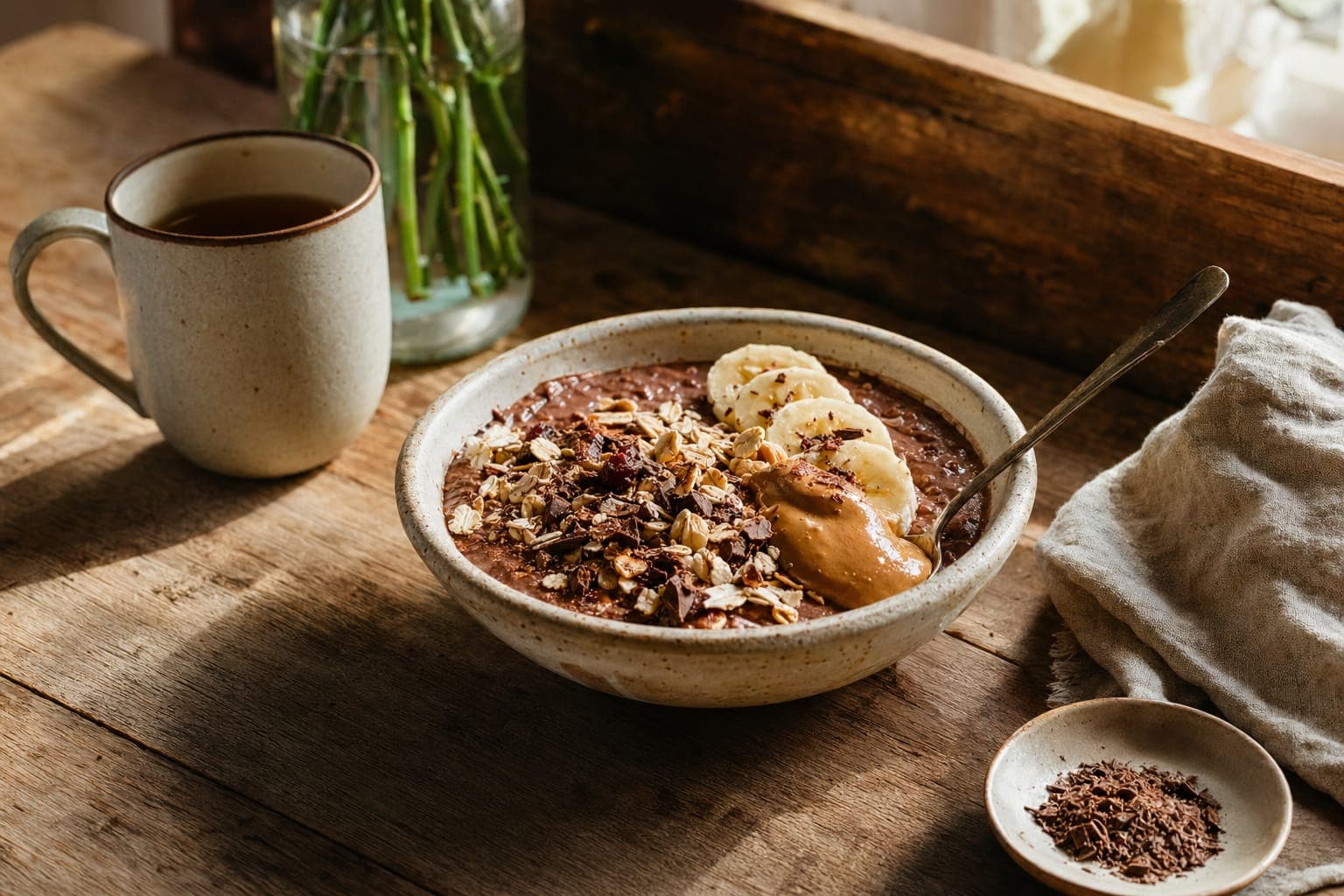
10 Ways to Use Organised That Aren't Just a Shake
Move beyond the basic shake. Discover 10 creative ways to use Organised in smoothie bowls, oats, yoghurt, baking, and more.


 Join over 100,000+ members
Build a better food system with us
The Organised community is thousands of people choosing real food and backing the farmers who grow it, all of us trying to leave the world a little better than we found it. If that is what you care about too, you belong here.