Folate from Liver vs Folic Acid from Supplements
Your GP might tell you to take folic acid for pregnancy. But folic acid isn't folate. It's a synthetic molecule your body has to convert before it can use it. Some of you can't make that conversion at all.

By Niall Kiddle, Founder, Organised

Reviewed by Pedro Rodrigues, Agronomist (farming and sourcing only) ·
4 min read · Published · Updated · 3 cited sources
Makers of the Organised Daily blend, a grass-fed beef organ supplement from regenerative UK farms

The folate and folic acid distinction
Folate is the natural form of this B vitamin, found in foods like liver, leafy greens, legumes, and eggs. Folic acid is the synthetic form, manufactured in laboratories and added to supplements and fortified foods.1 They sound like the same thing. They're not.
Folate is methylfolate, tetrahydrofolate, or one of several other naturally occurring forms. Your body recognises these immediately. Folic acid is a completely synthetic molecule that doesn't exist in nature. Your liver has to convert it into a usable form before your cells can use it.
This conversion step is the problem. Not everyone's liver can do it efficiently. Some people's genetics make them poor converters. These people take folic acid, thinking they're supporting pregnancy, but the folic acid just accumulates in their bloodstream. It never becomes the active folate their cells need.
Folate is what nature made. Folic acid is what the pharmaceutical industry made as a substitute. The body knows the difference.

What folic acid really is
Folic acid was synthesised in the 1940s as a cheaper, shelf-stable alternative to natural folate. It's incredibly stable, which is why it dominates supplement shelves and food fortification programmes. The problem with stability is that it can circulate in your blood unmetabolised.
When you take synthetic folic acid, it enters your bloodstream and your liver must reduce it, convert it to dihydrofolate, then tetrahydrofolate, then methylfolate. Each step requires specific enzymes. Each step is a potential bottleneck.
Research has documented that a substantial proportion of people have genetic variations that make them slower at converting folic acid.2 Some studies suggest up to 35% of the population is a "poor converter." For these people, folic acid simply doesn't work.
The irony is sharp: millions of women are prescribed folic acid for pregnancy, thinking they're preventing neural tube defects, when the folic acid they're taking may never be converted into the active form needed for fetal development.
How liver folate works
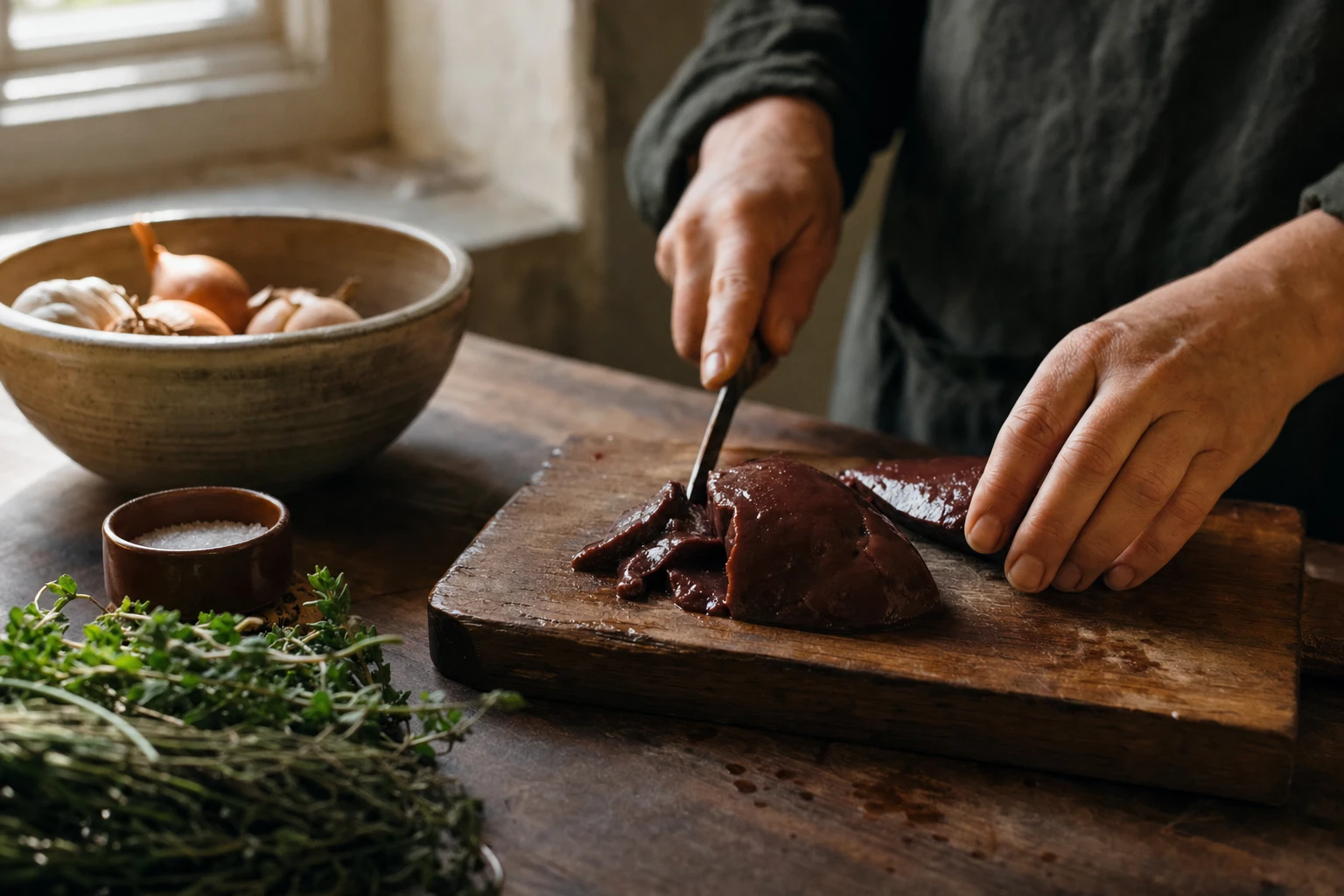
Liver contains roughly 250-600 micrograms of folate per 100g serving, almost entirely in the methylfolate form. When you eat liver, the methylfolate enters your bloodstream ready to work. No conversion needed. No waiting for liver enzymes. No genetic variability affecting absorption.
Methylfolate crosses the blood-brain barrier easily, supports neurological development directly, and integrates into DNA synthesis immediately. For pregnancy, where neural tube development happens in weeks 3-4 of gestation (often before you know you're pregnant), the form of folate matters tremendously.
Liver folate also comes packaged with other pregnancy-supporting nutrients: vitamin B12 (essential for neural development), choline (critical for brain development), iron (needed for expanded blood volume in pregnancy), and vitamin A (guides embryonic development). Folic acid supplements come alone.
When you eat liver, you're delivering active folate plus all the supporting nutrients pregnancy requires. When you take folic acid, you're delivering a molecule that might become folate, if your genetics allow it.

Get honest comparisons, free
Two short reads a week cutting through supplement marketing with what the evidence says.
By signing up you agree to receive emails from us. No spam, unsubscribe anytime.
The MTHFR factor
The MTHFR gene codes for methylenetetrahydrofolate reductase, the enzyme responsible for converting folic acid and other folate forms into methylfolate, the form your cells actually use.2 About 35-40% of people have variations (SNPs) in this gene that reduce enzyme efficiency by 30-40%.
This isn't a disease. It's not a deficiency. It's a variation in the speed at which you process synthetic folate. The problem is that mainstream medicine doesn't account for it. Everyone gets told to take the same dose of folic acid. Those with MTHFR variations end up with inadequate methylfolate.
If you have an MTHFR variation, liver folate is infinitely superior to folic acid. You're bypassing the problematic conversion step entirely. The folate you eat is already methylfolate. Your body uses it directly.
You can get genetic testing for MTHFR if you're curious, but honestly, if you're pregnant or planning pregnancy and you have any family history of birth defects, miscarriage, or pregnancy complications, it's worth assuming you might be a poor folic acid converter and choosing the safer option: food folate.

1 of 9
Daily blend
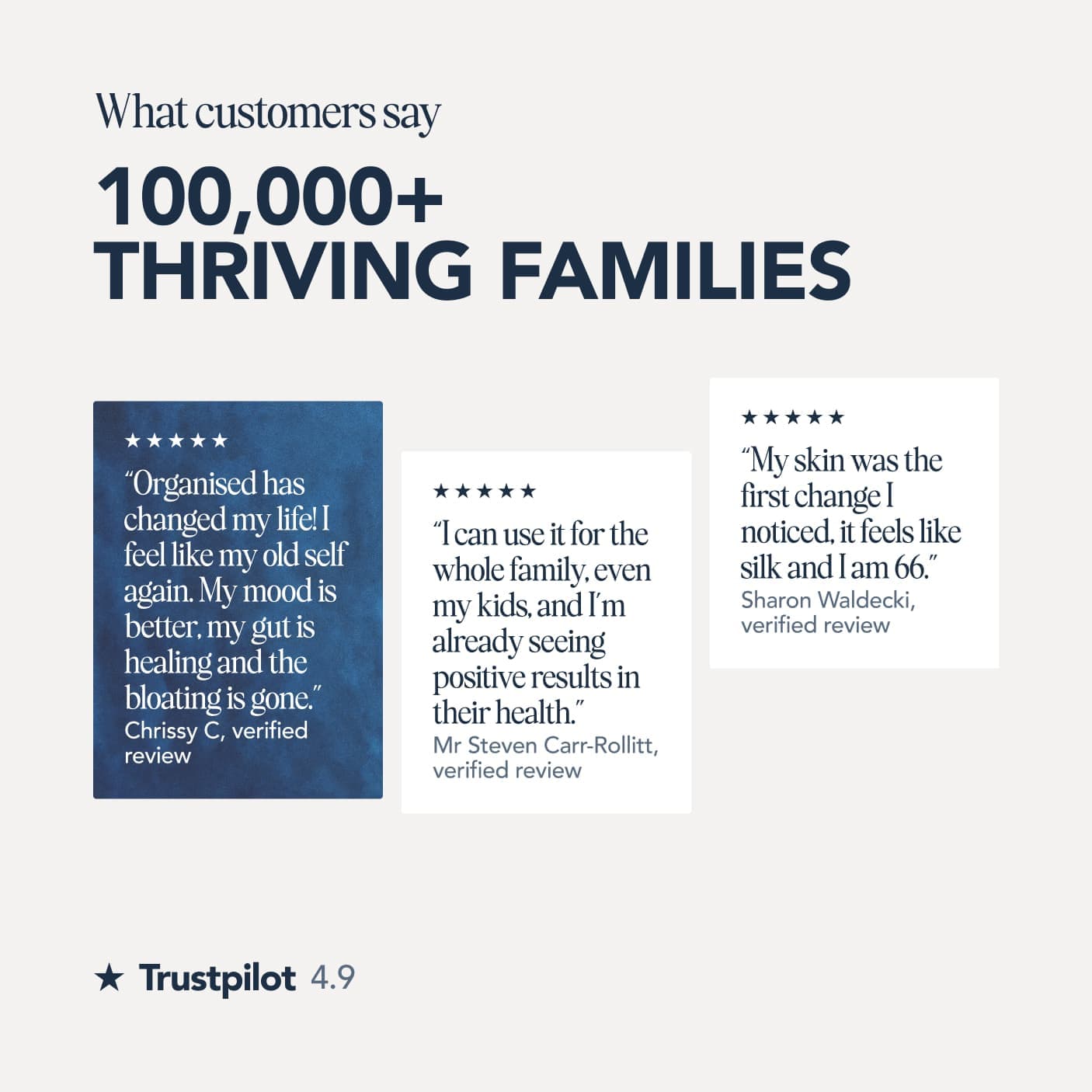
100,000+ thriving families4.9 on Trustpilot
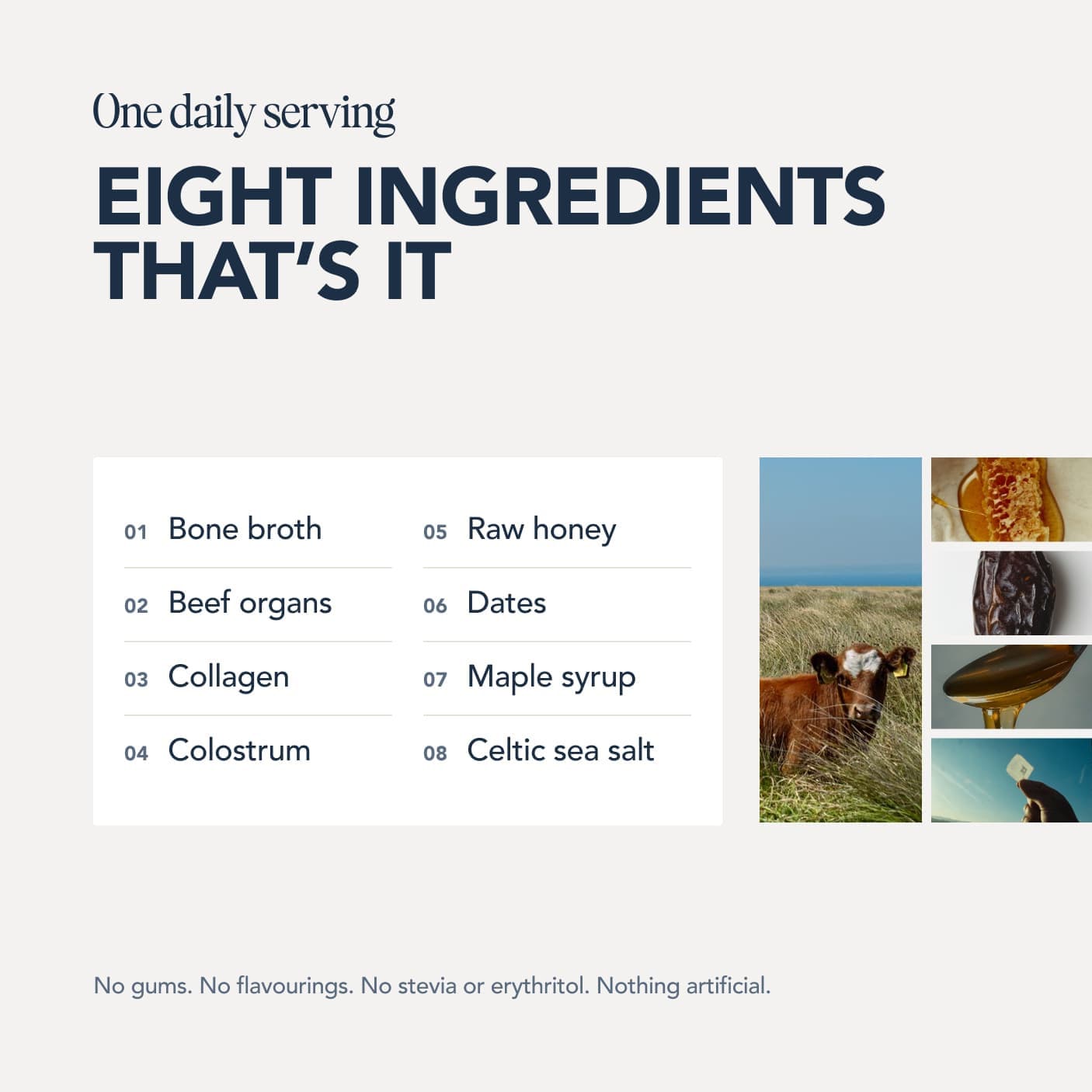
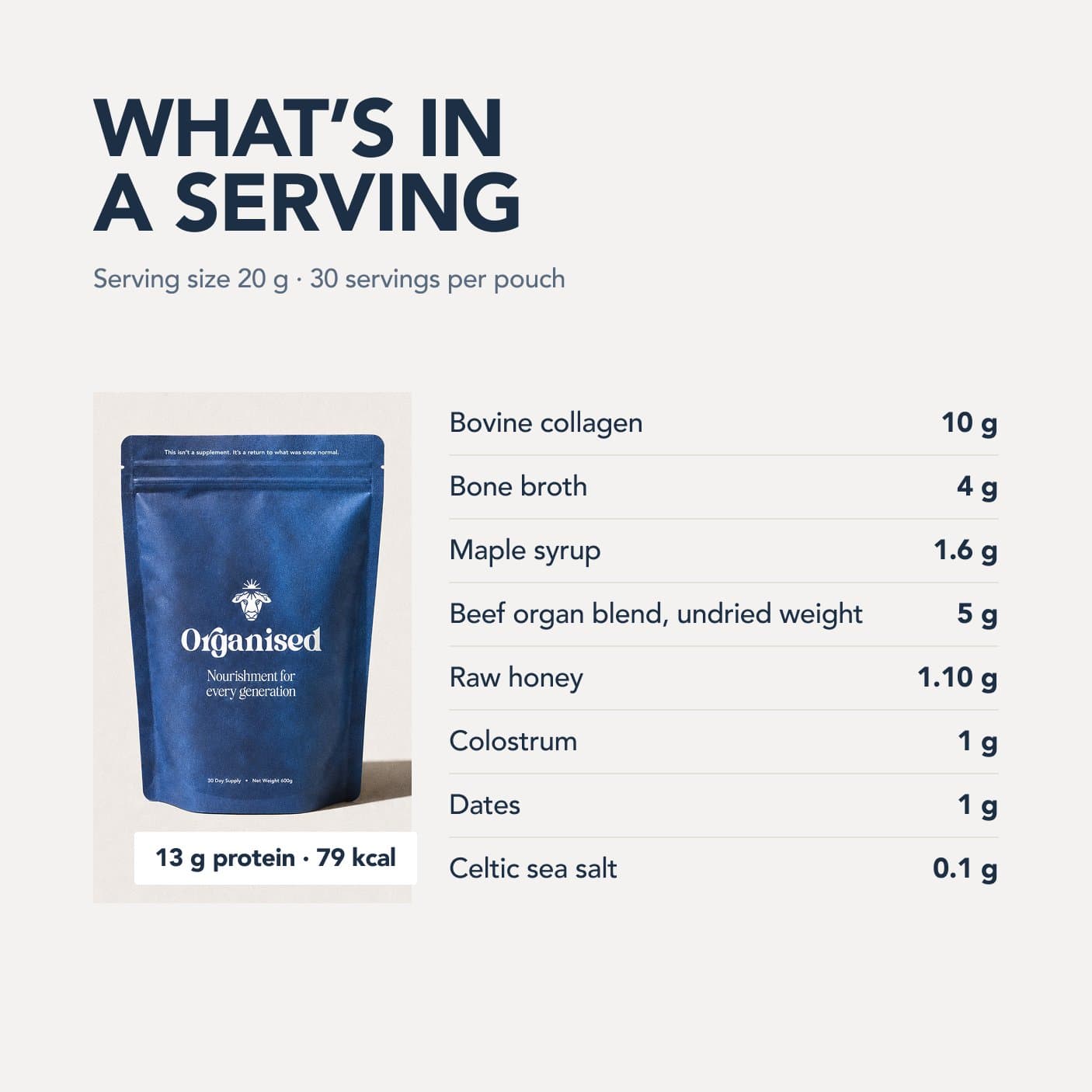
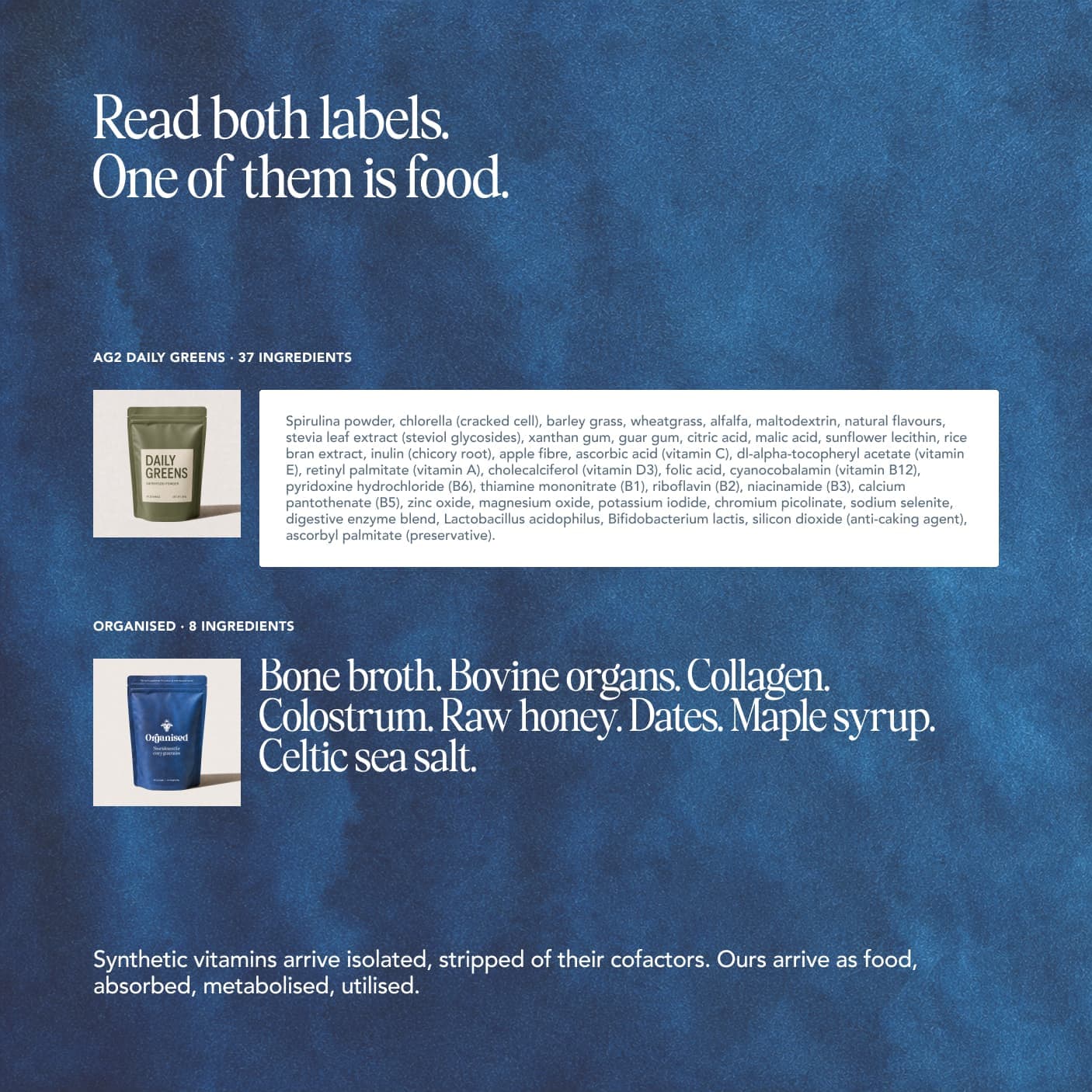
Eight real ingredients built around grass-fed beef organs, collagen and colostrum. Nothing synthetic added.
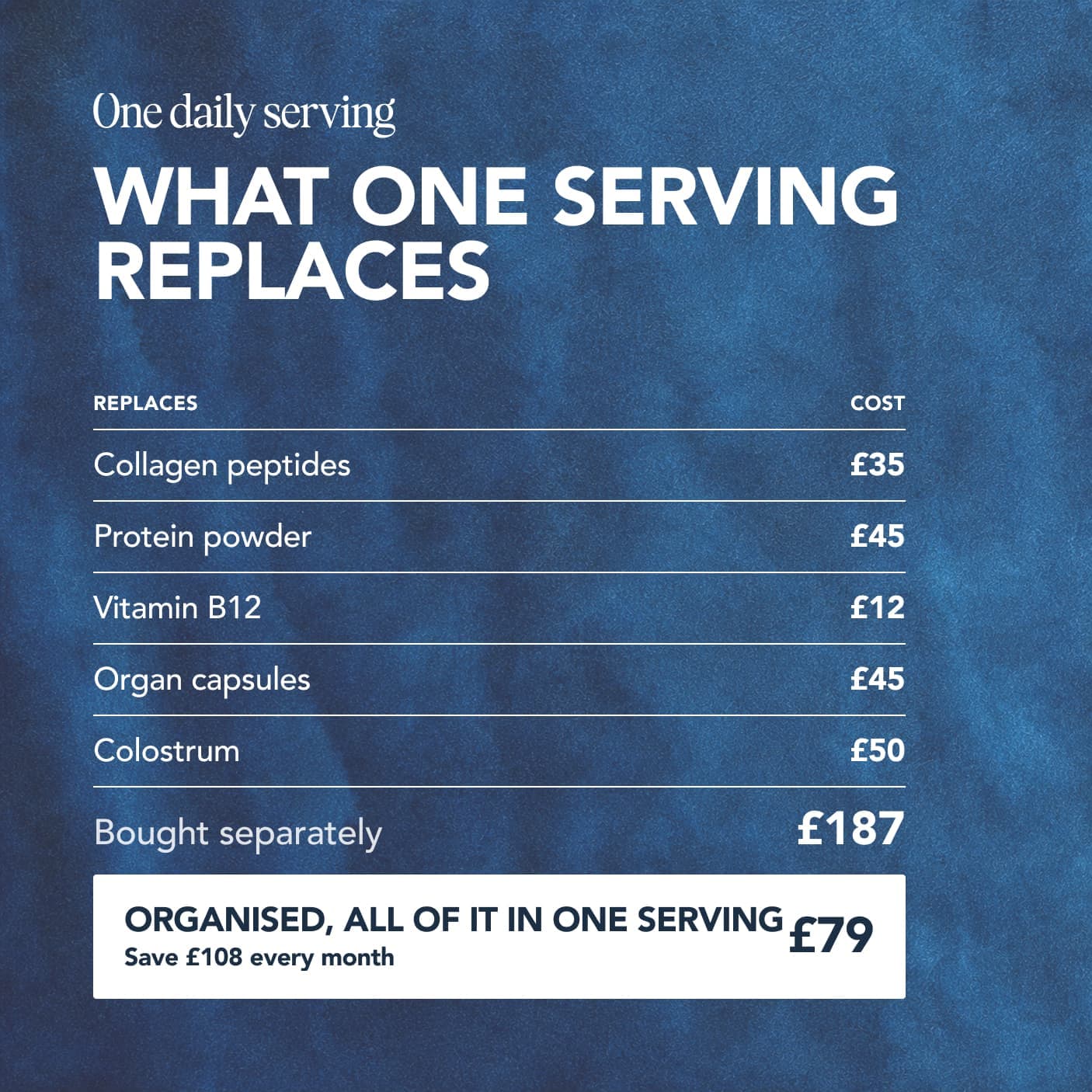
Free with your first order, worth £38. Plus £10 off the pouch with a subscription.


Free UK shipping · Made in England · 100 day money back guarantee on your first pouch · Skip, pause or cancel anytime
Getting folate right in pregnancy
The government recommendation for pregnant women is 400 micrograms of folate daily.3 If you're relying on folic acid supplements, hope your liver enzymes are efficient. If you're eating liver twice weekly (100g each serving), you're getting 300-400 micrograms of active, ready-to-use methylfolate, plus all the supporting nutrients.
Better: eat liver regularly (once weekly minimum) and take a methylfolate supplement (not folic acid) as insurance. Methylfolate is more expensive than folic acid, but it actually works for everyone, including MTHFR variants. If your budget allows only one, choose food folate from liver over any supplement.
For women with a history of miscarriage or birth defects, or with known MTHFR variations, liver folate isn't optional. It's essential. Folic acid is a gamble you shouldn't take when so much is at stake.
The uncomfortable truth is that our grandmothers ate liver regularly and got folate they could actually use. Modern medicine invented folic acid and called it progress. For most people it's fine. For 35-40% of the population, it's theatre. You're swallowing a pill that isn't working whilst missing the food that would.
References
Every source below was checked on 27 August 2026. Each PubMed, PMC and DOI identifier was resolved against NCBI or Crossref, and what it opens is printed under the citation, so you can see the link goes where the citation says without leaving the page. Where a citation and its identifier disagreed, the citation was corrected to the record or the reference was deleted along with the sentence marker that pointed at it, and where the resolved paper turned out not to support the sentence, the sentence was cut back to what it does support. Borrowed authority is worse than none, because it looks like rigour.
- National Institutes of Health, Office of Dietary Supplements. Folate - Health Professional Fact Sheet. https://ods.od.nih.gov/factsheets/Folate-HealthProfessional/ [accessed May 2026].
- Wilcken B, Bamforth F, Li Z, et al. Geographical and ethnic variation of the 677C>T allele of 5,10 methylenetetrahydrofolate reductase (MTHFR): findings from over 7000 newborns. J Med Genet. https://pubmed.ncbi.nlm.nih.gov/12920077/ [accessed May 2026].Checked 27 August 2026: PMID 12920077 opens Wilcken B, Bamforth F, Li Z et al, Geographical and ethnic variation of the 677C>T allele of 5,10 methylenetetrahydrofolate reductase (MTHFR): findings from over 7000 newborns from 16 areas world wide. J Med Genet 2003;40(8):619-25. PubMed indexes it as: Multicenter Study.
- NHS. Vitamins, supplements and nutrition in pregnancy: Folic acid. https://www.nhs.uk/pregnancy/keeping-well/vitamins-supplements-and-nutrition/ [accessed May 2026].
Who wrote and reviewed this guide
Niall Kiddle
Author · Founder, Organised
Niall is the founder of Organised. He started the company in 2024 after fixing his own health the slow way: in 2022 he swapped a cupboard of synthetic supplements for real food, raw milk, organ meats, bone broth and honey, and felt the difference within months.
Areas of expertise: Ancestral nutrition, Organ meats, Whole-food supplementation, Gut health, Regenerative sourcing
Read Niall's full profile
Pedro Rodrigues
Reviewer · Agronomist (farming and sourcing only)
Pedro is the agronomist Organised works with on farming and sourcing. His job on the guides is to keep the science honest: he reviews what we publish about soil health, regenerative agriculture, grazing and the way food is actually produced.
Areas of expertise: Regenerative agriculture, Agronomy, Soil health, Grass-fed farming, Food sourcing
Reviewed this guide on
Read Pedro's full profileMore on nutrient comparisons
View all- Beef Liver vs Multivitamin: A Side-by-Side Nutrient Comparison
- Beef Organs vs Desiccated Liver: Why a Blend Is Better
- Beef Protein vs Plant Protein: A Nutritional Reality Check
- Bone Broth vs Collagen Supplements: Do You Need Both?
- Bone Broth vs Collagen: What Reddit Says You Actually Need
- Bovine Colostrum vs Goat Colostrum: Does the Source Matter?
- Celtic Sea Salt vs Table Salt: A Mineral Analysis
- Collagen vs Hyaluronic Acid: What Actually Works for Skin?
- Grass-Fed Collagen vs Marine Collagen vs Vegan Collagen
- Methylcobalamin vs Cyanocobalamin: Which B12 Is Better?
- Retinol from Food vs Retinol in Supplements: Bioavailability Compared
Browse the guides library
All guidesKeep reading

Life stage
Beef Organ Supplements and Pregnancy: Understanding Vitamin A Safety
Clear guidance on vitamin A pregnancy safety: retinol limits, beta-carotene vs vitamin A, and whether beef organ supplements suit expectant mothers.
Comparisons
Methylcobalamin vs Cyanocobalamin: Which B12 Is Better?
Methylcobalamin is the active B12 form found in food. Cyanocobalamin is synthetic and requires conversion. Why the difference matters.
Comparisons
Beef Liver vs Multivitamin: A Side-by-Side Nutrient Comparison
Which is better: beef liver or a multivitamin? We compare nutrient density, bioavailability, and what your body actually absorbs.
Real food, made effortless
Try the blendA few ways to use it
All recipes
Organised Smoothie Bowl Recipes for Every Season
Four seasonal smoothie bowl recipes using Organised. Berry in summer, apple-cinnamon in autumn, tropical in spring, warming chocolate in winter.
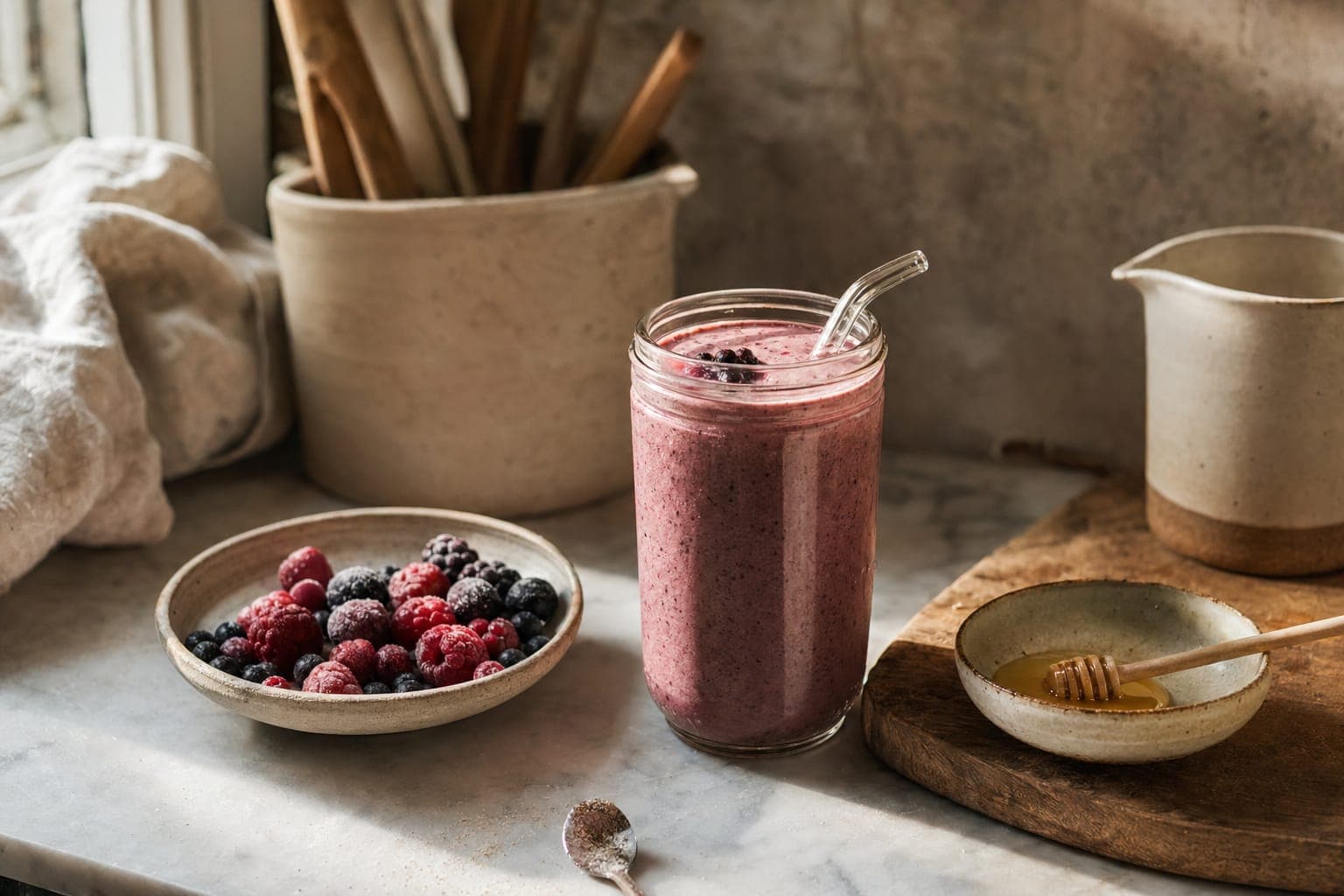
The Organised Recovery Smoothie for After Exercise
A recovery smoothie made with beef protein, raw milk, frozen berries, collagen, and honey. Optimal nutrition in the 30-minute window after exercise.
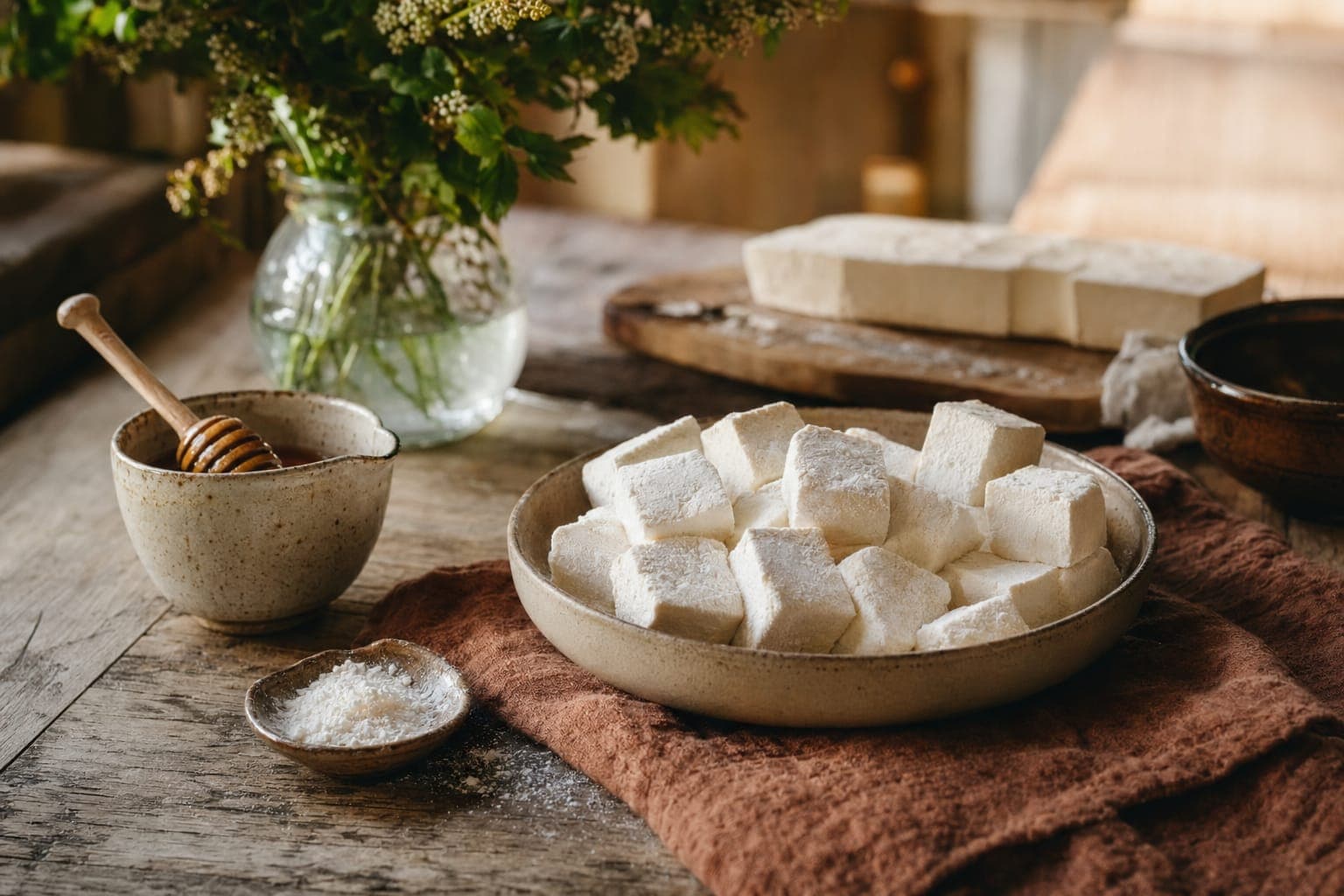
Gut-Healing Marshmallows with Collagen and Raw Honey
Learn to make gut-healing marshmallows with collagen and raw honey. A shareable treat that sneaks nutrition into every bite. Easy recipe with video tips.


 Join over 100,000+ members
Build a better food system with us
The Organised community is thousands of people choosing real food and backing the farmers who grow it, all of us trying to leave the world a little better than we found it. If that is what you care about too, you belong here.