The Anti-UPF Movement: What's Driving the Backlash Against Processed Food
Five years ago, nobody talked about UPF. Ultra-processed food was simply how you ate. It was on every supermarket shelf, recommended by convenience, marketed as nutritious, and completely normal. Then something changed. First it was one doctor, talking about the health effects of ultra-processed food on a social media platform. Then it was policy announcements. Then it was cultural. Now it's a movement. Millions are rejecting ultra-processed diets. Here's what's driving the shift.
By Niall Kiddle, Founder, Organised

Reviewed by Pedro Rodrigues, Agronomist (farming and sourcing only) ·
7 min read · Published · Updated · 3 cited sources
Makers of the Organised Daily blend, a grass-fed beef organ supplement from regenerative UK farms
Then something changed.
First it was one doctor, talking about the health effects of ultra-processed food on a social media platform. Then it was policy announcements. Then it was cultural. Now it's a movement.
Millions are rejecting ultra-processed diets.
The visibility moment
The turning point was public conversation becoming possible. For decades, the connection between ultra-processed food and chronic disease existed in the scientific literature. Studies were published. Researchers knew the risks. But public awareness was suppressed by industry marketing and regulatory capture.
The moment a respected medical voice started talking about it openly, the conversation became legitimate. Not fringe. Not diet culture. But actual medicine.
What followed was rapid. Once people started paying attention, the evidence became impossible to ignore. The mortality data. The metabolic dysfunction. The correlation between ultra-processed food consumption and nearly every chronic disease of the modern era.
What had been invisible became impossible to unsee.
What the research actually showed
Research linking ultra-processed food consumption to chronic disease has accumulated over the past two decades, with the NOVA classification proposed by Monteiro and colleagues.2 Multiple studies from different countries, different populations, different research groups, all reaching the same conclusions.
Ultra-processed food consumption has been associated with increased risk of obesity, type 2 diabetes, cardiovascular disease, and adverse mental health outcomes in multiple cohort studies and meta-analyses.1 Not as a lifestyle factor correlated with disease. But as a causal mechanism.
The evidence is now strong enough that major medical organisations have begun acknowledging it. The mechanisms are becoming clear. The Hall 2019 inpatient trial demonstrated that ultra-processed foods drove additional energy intake even when matched for nutrients, suggesting effects beyond simple calorie content.3
The research didn't change. What changed is that it became impossible to hide from the public.
The science was never in doubt. Ultra-processed food harms health. What changed is that people finally found out.
Policy catching up
Once public awareness reached critical mass, governments had to respond. Denial became politically untenable. The obesity crisis, the metabolic disease epidemic, the mental health deterioration couldn't be blamed on individual failure any longer if the entire food system was engineered to produce that outcome.
Countries have started implementing policies. Restrictions on food advertising to children. Regulation of misleading health claims. Taxation of ultra-processed foods. Mandatory labelling standards that make ultra-processed foods easier to identify.
The resistance is fierce. The food industry spends billions defending its market share. But the regulatory momentum is building. Once one country implements a policy successfully, others follow.
It's slow. It's imperfect. But it's movement in the direction of food system reform.
Consumer awareness
The most powerful force isn't policy or media. It's personal experience. When someone switches from an ultra-processed diet to real food and experiences the difference in energy, mood, and physical health, they don't go back.
That personal experience spreads. Friends notice the change. Family members ask questions. Colleagues observe the difference in energy. The testimonials become powerful because they're real, lived experiences, not abstract claims about health.
The awareness creates momentum. People start reading labels. They start asking questions about ingredients they can't pronounce. They start noticing how they feel after eating different foods. The system that was invisible becomes visible, and nobody likes what they see.
This consumer awareness is the real driver of change. Not regulatory bodies or corporate decisions, but individual humans deciding to stop eating food that makes them sick.
The movement goes mainstream
What started as fringe has become mainstream. Ultra-processed food reduction is no longer a diet trend or a wellness obsession. It's becoming a basic health principle.
Restaurants are emerging that specialise in real food. Food brands that focus on ingredient quality are growing faster than industrial food companies. Farmers markets and farm shops are experiencing unprecedented growth. Direct-to-consumer delivery services for real food are expanding into areas where they didn't exist.
The market is restructuring itself in response to demand. Not because regulators mandated it, but because consumers voted with their purchasing power.
The food industry, rather than fighting this trend, is attempting to co-opt it. Creating "better for you" versions of ultra-processed products. Marketing ultra-processed foods with cleaner labels. Using every trick to maintain market share whilst pretending to respond to health concerns.
But the fundamental shift is irreversible. Once people experience what real food does for their health, substitutes don't work.
What's changing in supply
The supply chains that produce ultra-processed food are built for volume. Industrial agriculture, mechanised processing, global distribution, just-in-time delivery. They're efficient at scale and profitable at volume.
Real food supply chains are different. They're local or regional. They require seasonal thinking. They prioritise quality over quantity. They're less profitable per unit but more sustainable.
As demand for real food grows, the supply infrastructure is expanding. Small farms are becoming viable again. Agricultural practices that were abandoned in favour of industrial monoculture are returning. The economics of scale that made industrial food dominant are being challenged by the economics of quality.
It's not yet at scale. Real food will probably never be as cheap per calorie as industrial food, because industrial food's cost doesn't account for externalities like environmental damage and public health costs.
But the direction is clear. The infrastructure for real food is growing. The infrastructure for ultra-processed food is starting to feel unstable, dependent on marketing and regulatory protection rather than genuine demand.
Consumer behaviour is reshaping food systems. Not through top-down policy, but through millions of individual decisions to eat differently.
Get stories from the community, free
Two short reads a week on the farmers, the standards, and the return to real food.
By signing up you agree to receive emails from us. No spam, unsubscribe anytime.
Where this goes next
The anti-UPF movement is in its early stages. Most people still eat predominantly ultra-processed diets. The marketing still works. The convenience is still seductive.
But the momentum is clear. As more people experience the health effects of real food, as the research becomes more accessible, as supply infrastructure for real food improves, the pendulum will continue to swing.
The outcome isn't predetermined. The food industry is powerful and will fight for every market share point. Habit and convenience are powerful forces. But the health evidence is overwhelming, and once it reaches a critical mass of public awareness, cultural shifts follow.
We're in that early stage now. The awareness is spreading. The supply is expanding. The policies are starting to catch up. The movement isn't inevitable, but it's gaining unstoppable momentum.
What the research keeps confirming
There's a remarkable consistency to what happens when large populations shift away from ultra-processed food. Health markers improve. Healthcare costs decline. Productivity increases. Mental health outcomes stabilise.
Communities that have moved toward real food-based diets show measurable improvements in chronic disease rates within years. Not decades. Years. This suggests that the damage is reversible, and that the body's capacity for healing is far greater than the medical system typically acknowledges.
The research also shows that the shift doesn't require perfection. Someone eating real food 70 per cent of the time experiences noticeable health benefits. Eating it 85 per cent of the time shows dramatic transformation. It's not all-or-nothing. Every meal counts.
The role of genuine community
One thing the anti-UPF movement has revealed is that food is fundamentally social. It's not just fuel. It's how we connect. How we celebrate. How we care for each other.
The movement works best when it's built on community support. When eating differently isn't isolating, but connecting. When friends and family understand and support the transition. When there's a shared culture around real food as normal and expected.
This is why farmers markets, food coops, and community gardens have become so important to the movement. They're not just sources of food. They're sources of belonging. Spaces where eating real food is the default rather than the exception.
1 of 9
Daily blend
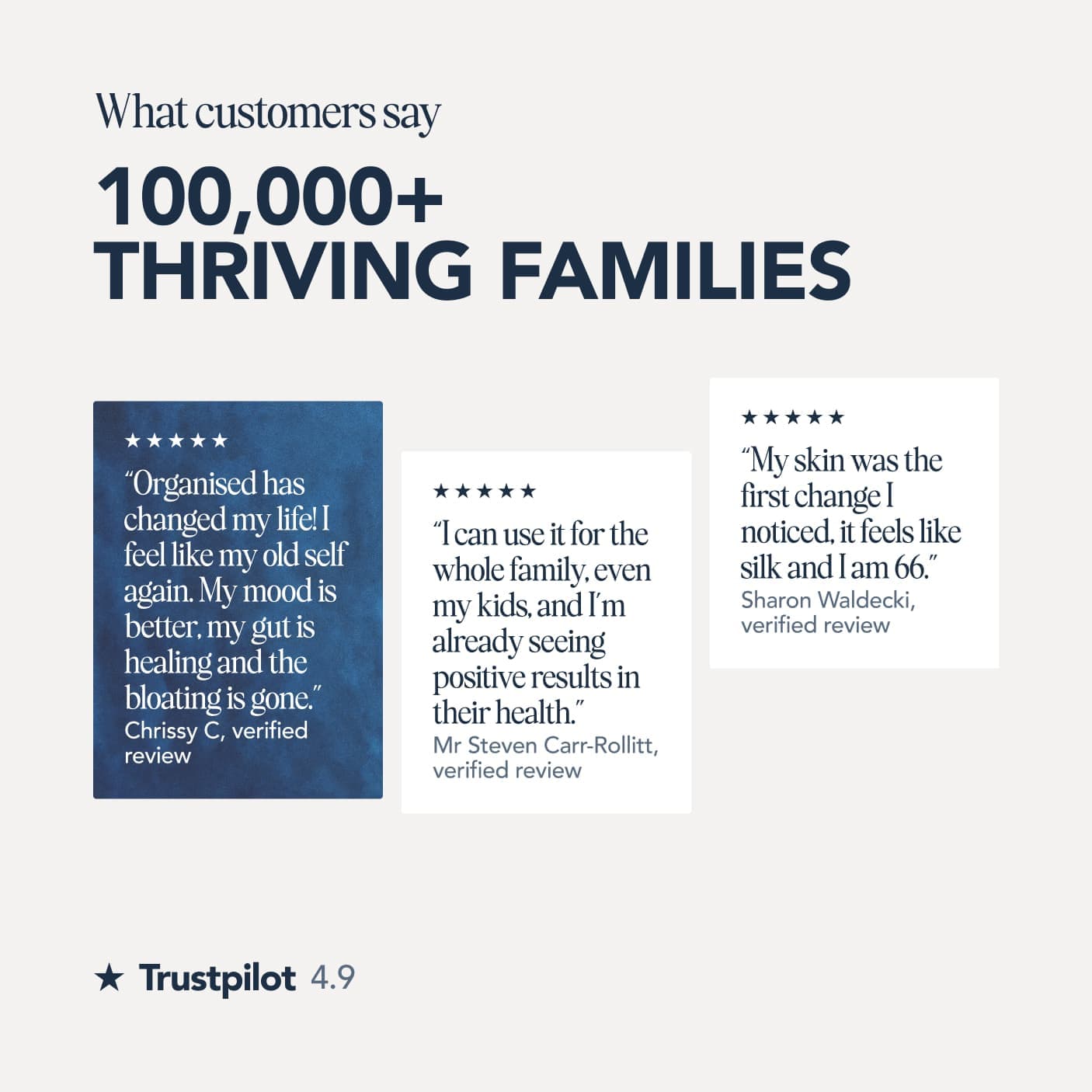
100,000+ thriving families4.9 on Trustpilot
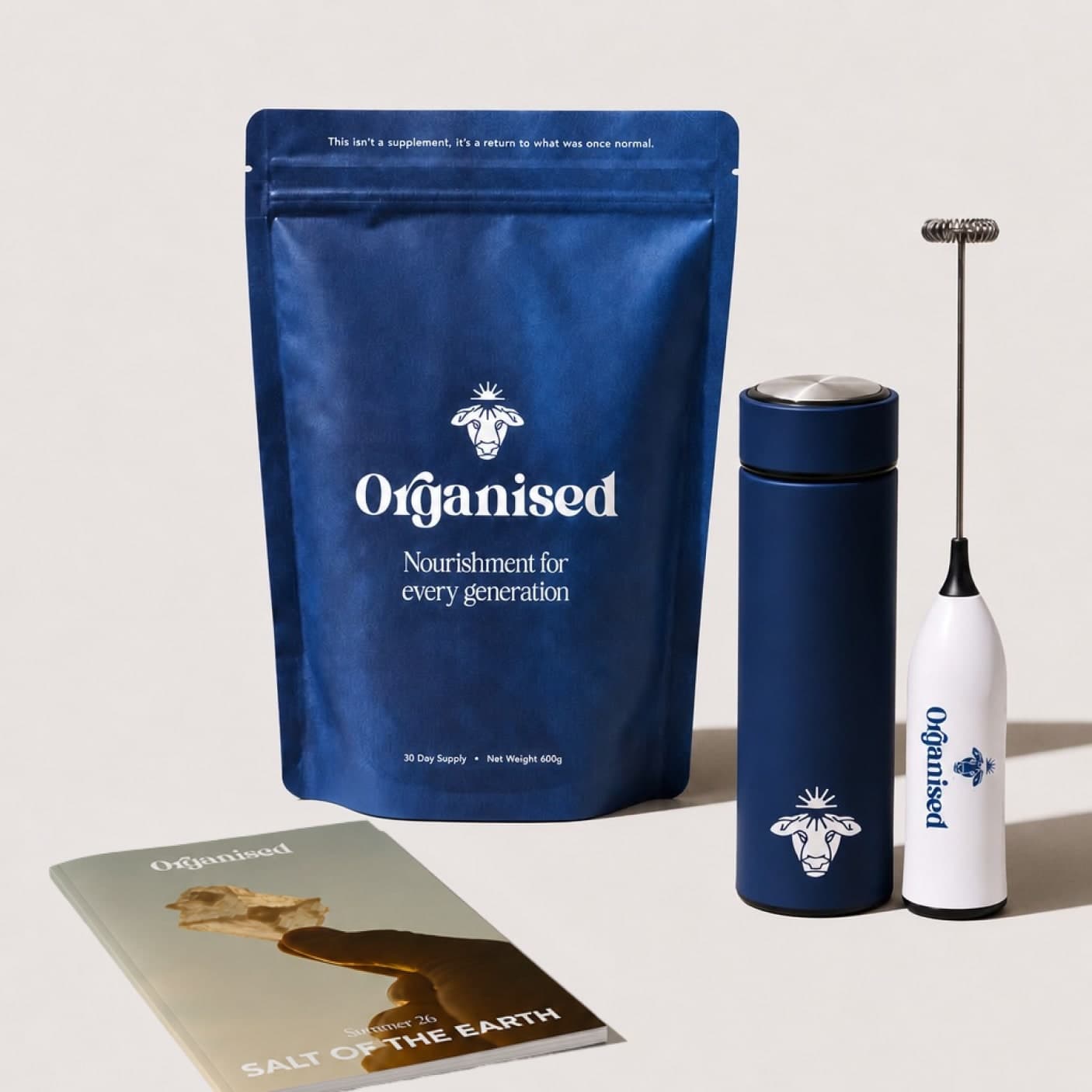
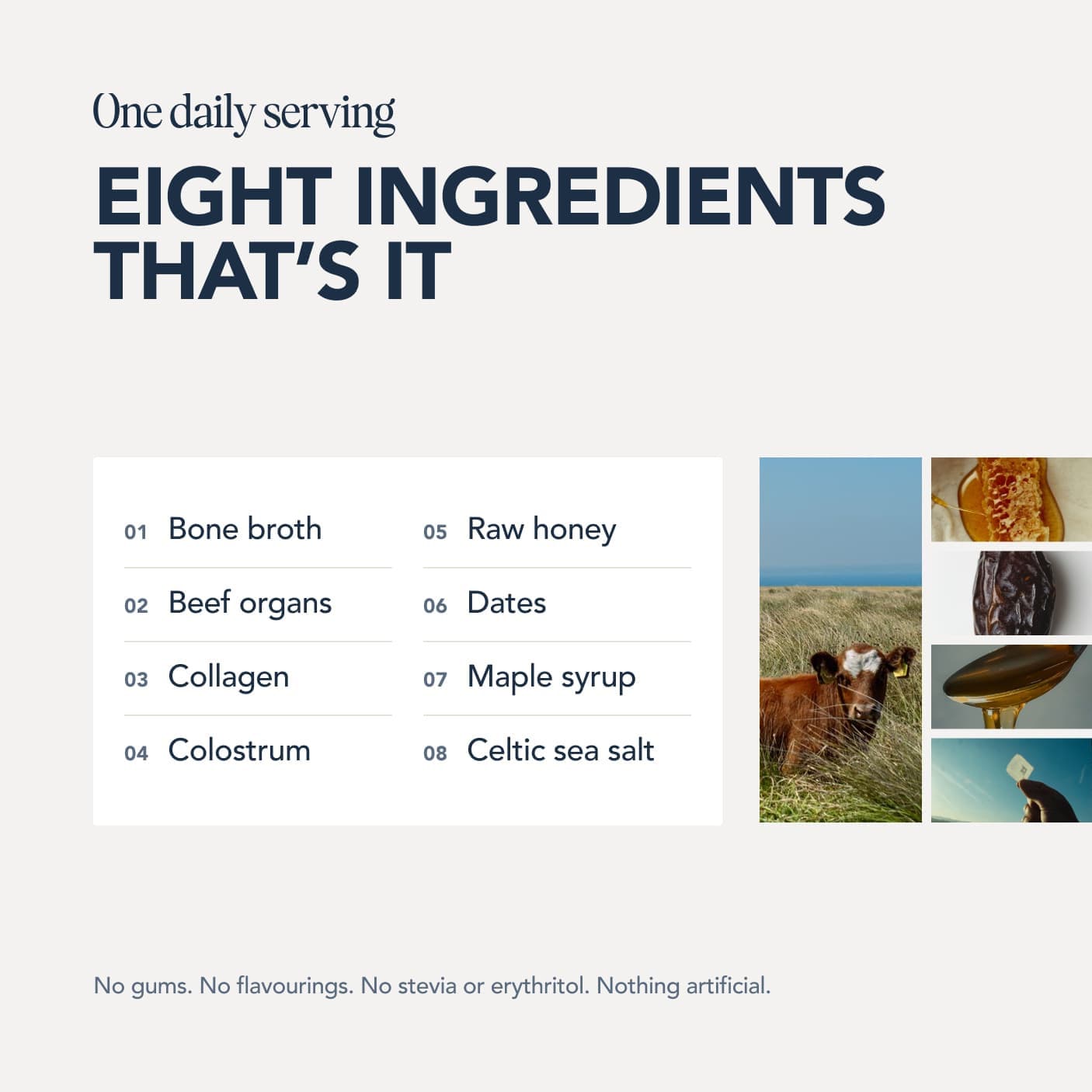
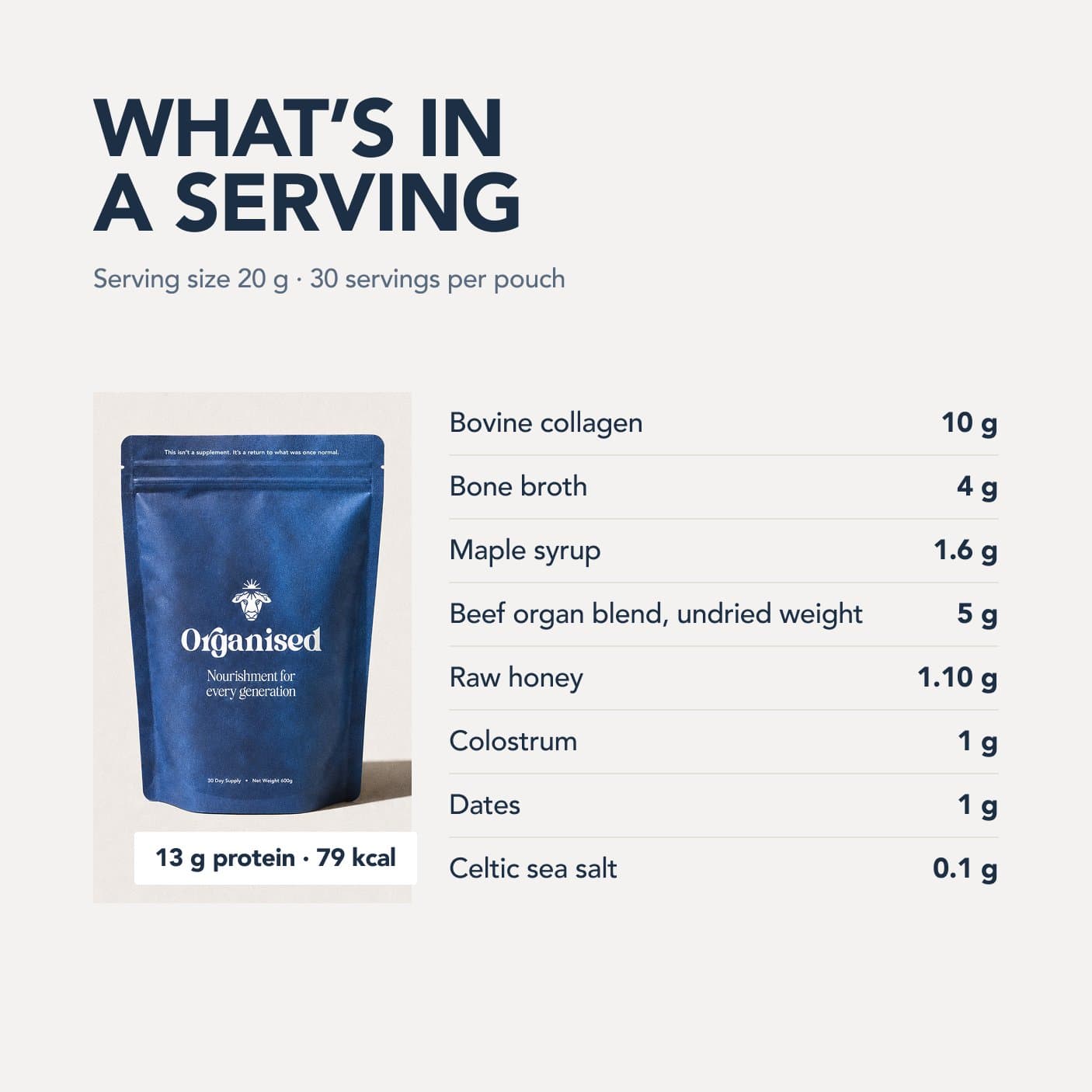
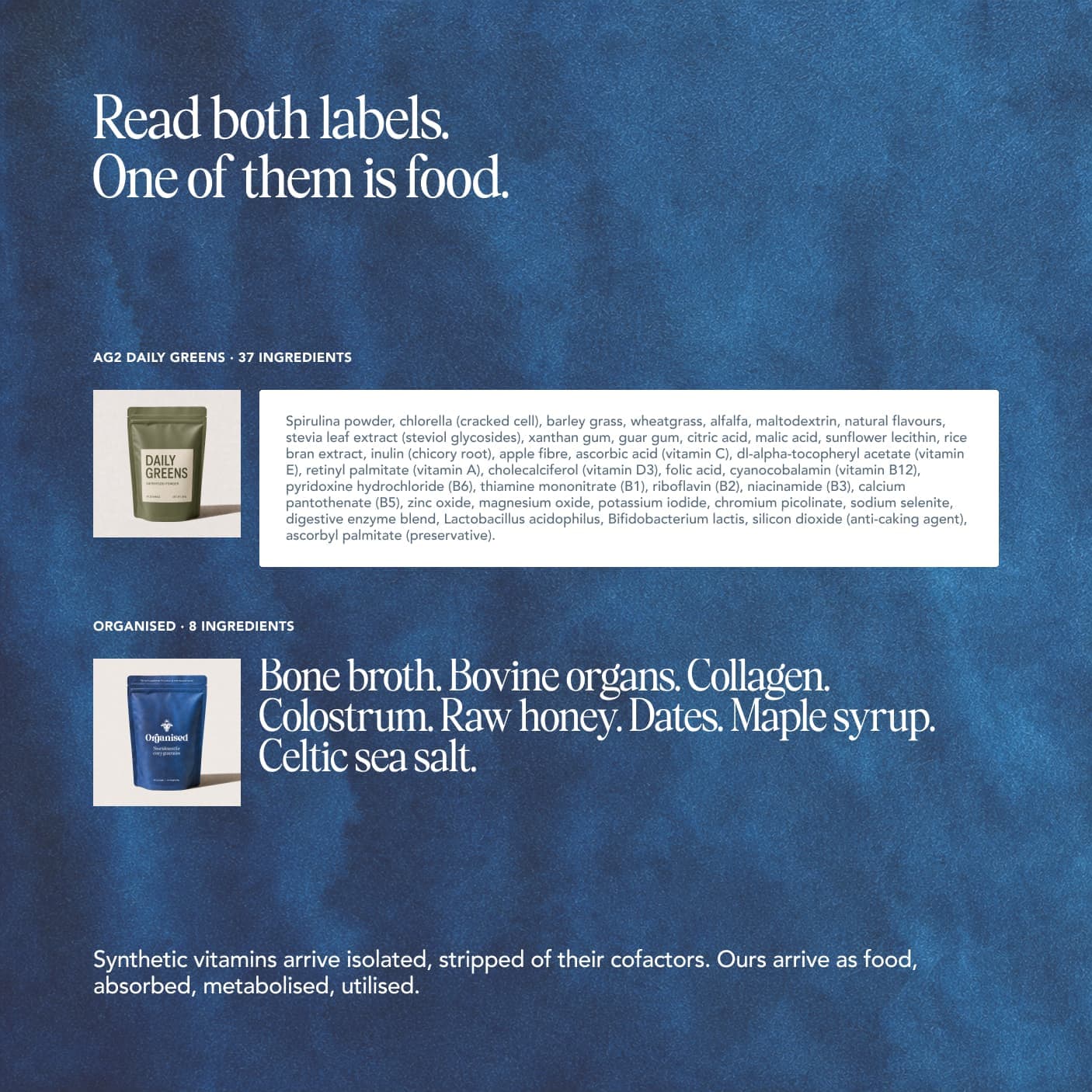
Eight real ingredients built around grass-fed beef organs, collagen and colostrum. Nothing synthetic added.
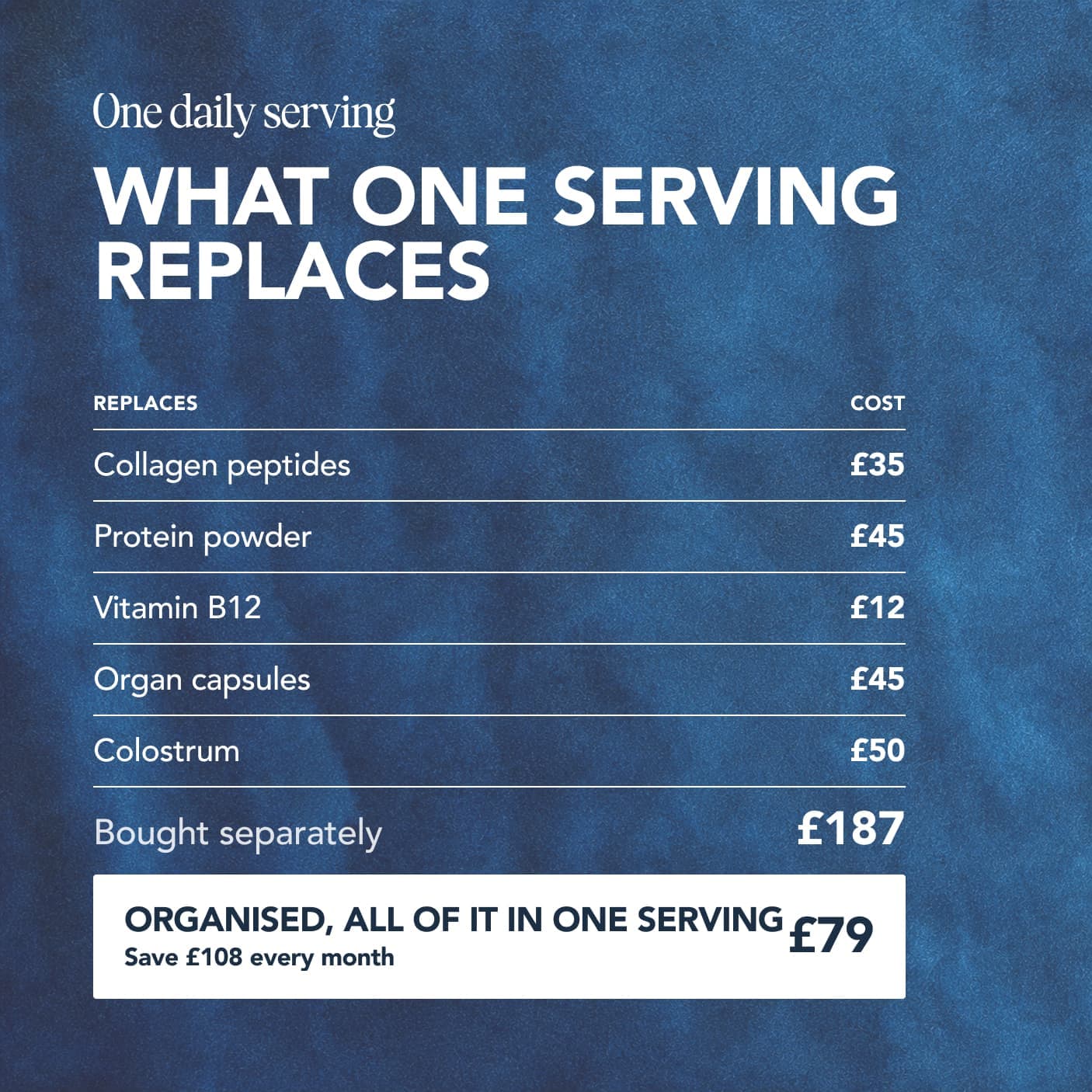
Free with your first order, worth £38. Plus £10 off the pouch with a subscription.


Free UK shipping · Made in England · 100 day money back guarantee on your first pouch · Skip, pause or cancel anytime
Your role in the movement
Every individual decision to eat real food instead of ultra-processed food is part of the movement. It's not symbolic. It's material. It shifts demand. It funds the supply chains that produce real food. It normalises eating patterns that don't require processed alternatives.
The anti-UPF movement isn't about being perfect. It's not about eliminating every processed food forever. It's about shifting your diet toward real food, one meal at a time, and experiencing what happens to your health when you do.
That individual experience is the most powerful driver of the broader movement. Because once you've felt the difference, you can't unknow it. And you'll spread that knowledge to everyone around you.
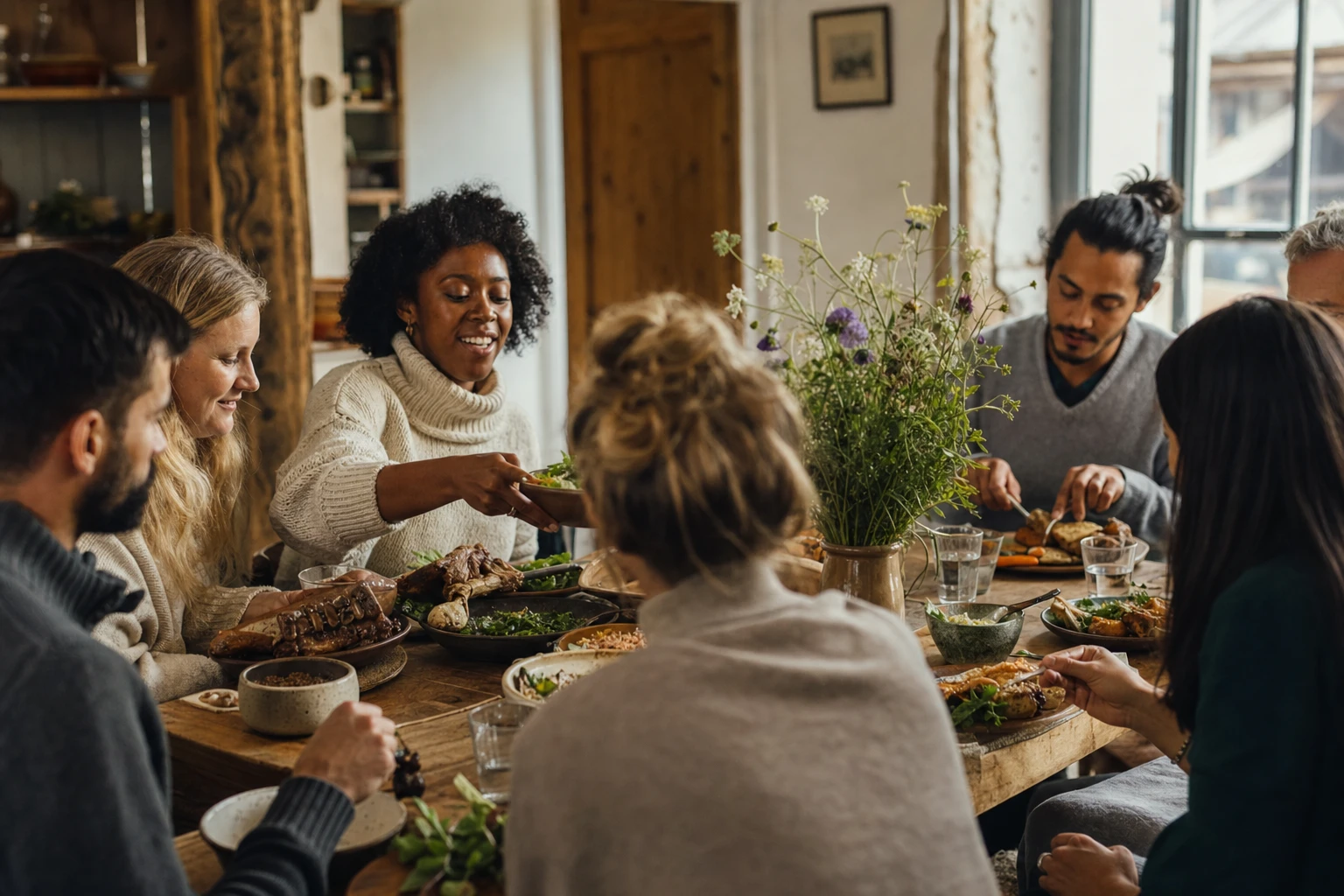
The system that built ultra-processed food as dominant is beginning to crack. The awareness is spreading. The movement is growing. And millions of people are discovering that real food feels better, tastes better, and produces better health than anything the industrial food system has to offer.
That's what's driving the backlash. Not ideology. Just the simple, personal experience of feeling better when you eat real food.
References
Every source below was checked on 27 August 2026. Each PubMed, PMC and DOI identifier was resolved against NCBI or Crossref, and what it opens is printed under the citation, so you can see the link goes where the citation says without leaving the page. Where a citation and its identifier disagreed, the citation was corrected to the record or the reference was deleted along with the sentence marker that pointed at it, and where the resolved paper turned out not to support the sentence, the sentence was cut back to what it does support. Borrowed authority is worse than none, because it looks like rigour.
- Lane MM, et al. Ultra-processed food exposure and adverse health outcomes: umbrella review of epidemiological meta-analyses. BMJ. 2024;384:e077310. PMID 38418082Checked 27 August 2026: PMID 38418082 opens Lane MM, Gamage E, Du S et al, Ultra-processed food exposure and adverse health outcomes: umbrella review of epidemiological meta-analyses. BMJ 2024;384:e077310. PubMed indexes it as: Systematic Review.The authors' own declaration, from the record: Competing interests: All authors have completed the ICMJE uniform disclosure form at www.icmje.org/coi_disclosure.pdf and declare: MML, EG, DNA, AJM, SG, FNJ, AO, and WM are affiliated with the Food & Mood Centre, Deakin University, which has received research funding support from Be Fit Food, Bega Dairy and Drinks, and the a2 Milk Company and philanthropic research funding support from the Waterloo Foundation, … (abridged; the full declaration is on the record)
- Monteiro CA, et al. Ultra-processed foods: what they are and how to identify them. Public Health Nutr. 2019;22(5):936-941. PMID 30744710Checked 27 August 2026: PMID 30744710 opens Monteiro CA, Cannon G, Levy RB et al, Ultra-processed foods: what they are and how to identify them. Public Health Nutr 2019;22(5):936-941.
- Hall KD, et al. Ultra-Processed Diets Cause Excess Calorie Intake and Weight Gain: An Inpatient Randomized Controlled Trial. Cell Metab. 2019;30(1):67-77.e3. PMID 31105044Checked 27 August 2026: PMID 31105044 opens Hall KD, Ayuketah A, Brychta R et al, Ultra-Processed Diets Cause Excess Calorie Intake and Weight Gain: An Inpatient Randomized Controlled Trial of Ad Libitum Food Intake. Cell Metab 2019;30(1):67-77.e3. PubMed indexes it as: Randomized Controlled Trial.The authors' own declaration, from the record: Declaration of Interests. CG Forde has received reimbursement for speaking at conferences sponsored by companies selling nutritional products, serves on the scientific advisory council for Kerry Taste and Nutrition, and is part of an academic consortium that has received research funding from Abbott Nutrition, Nestec, and Danone. The other authors have no conflicts of interest.
Who wrote and reviewed this guide
Niall Kiddle
Author · Founder, Organised
Niall is the founder of Organised. He started the company in 2024 after fixing his own health the slow way: in 2022 he swapped a cupboard of synthetic supplements for real food, raw milk, organ meats, bone broth and honey, and felt the difference within months.
Areas of expertise: Ancestral nutrition, Organ meats, Whole-food supplementation, Gut health, Regenerative sourcing
Read Niall's full profile
Pedro Rodrigues
Reviewer · Agronomist (farming and sourcing only)
Pedro is the agronomist Organised works with on farming and sourcing. His job on the guides is to keep the science honest: he reviews what we publish about soil health, regenerative agriculture, grazing and the way food is actually produced.
Areas of expertise: Regenerative agriculture, Agronomy, Soil health, Grass-fed farming, Food sourcing
Reviewed this guide on
Read Pedro's full profileMore on movement
View all- The Return to Real Food: Why Millions Are Rejecting Ultra-Processed Diets
- Against Ultra-Processed: A Manifesto for Real Food
- Find a Farm: How to Source Real Food Near You
- Food Sovereignty: Taking Back Control of What You Eat
- Processed Food Companies Don't Want You to Know This
- Social Media and Nutrition: Navigating the Noise
- The Problem with 'Clean Label' Marketing
- The Raw Milk Renaissance: Our Documentary
- The Rise of Ancestral Eating in the UK
- What 'Nourishment for Every Generation' Really Means to Us
- Why 'Eat Less, Move More' Failed a Generation
- Why More Doctors Are Recommending Whole Food Over Supplements
Browse the guides library
All guidesKeep reading
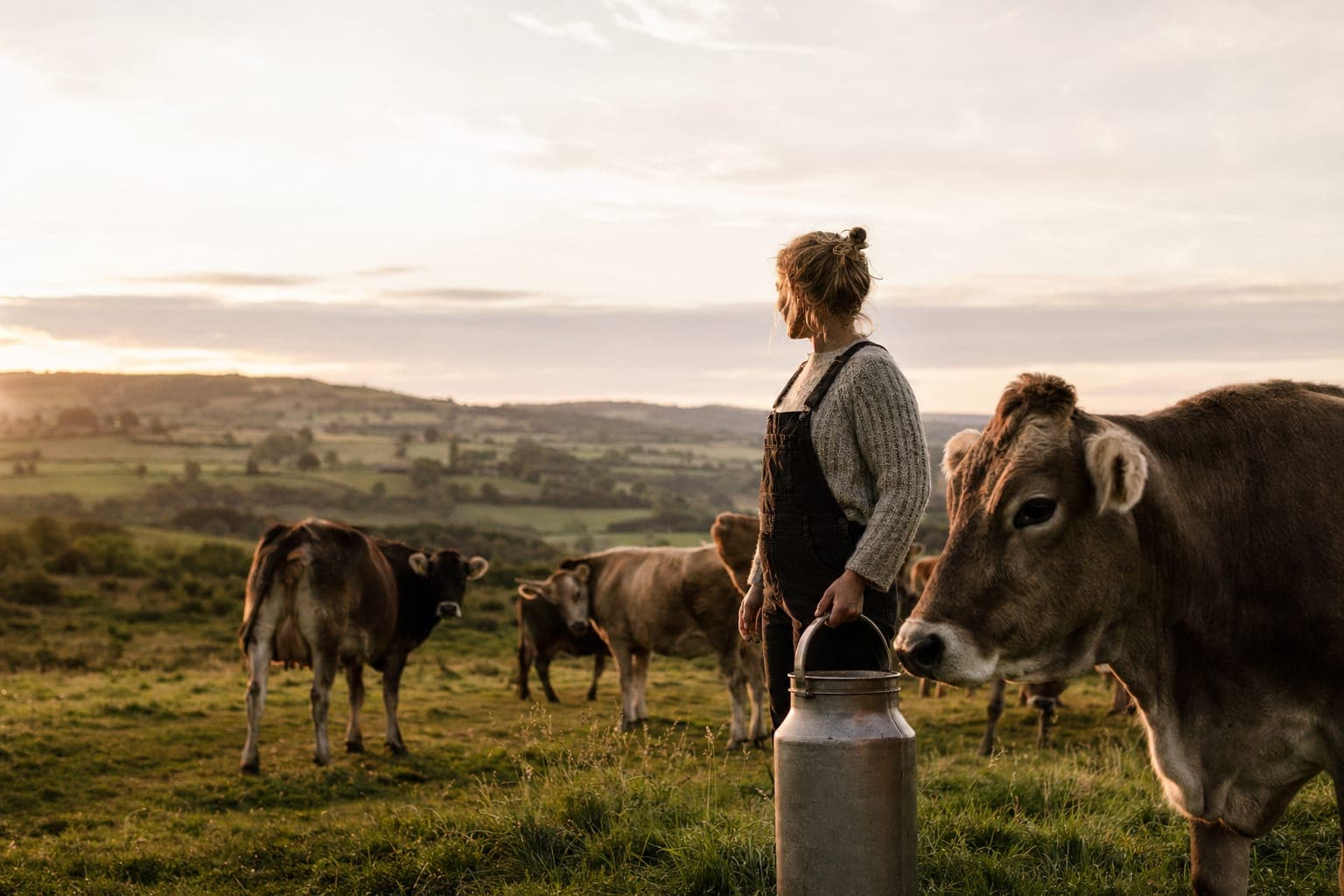
Culture & community
The Raw Milk Renaissance: Our Documentary
Our raw milk documentary, The Death of Normal: Milk, premieres 31 May 2026. Filmed at Plaw Hatch and UK farms still making milk the original way.

Culture & community
Winter Nourishment: How to Stay Well When the Cold Sets In
Winter depletes vitamin D and drains energy. Here's how real food, minerals, and light exposure keep you resilient through the cold months.
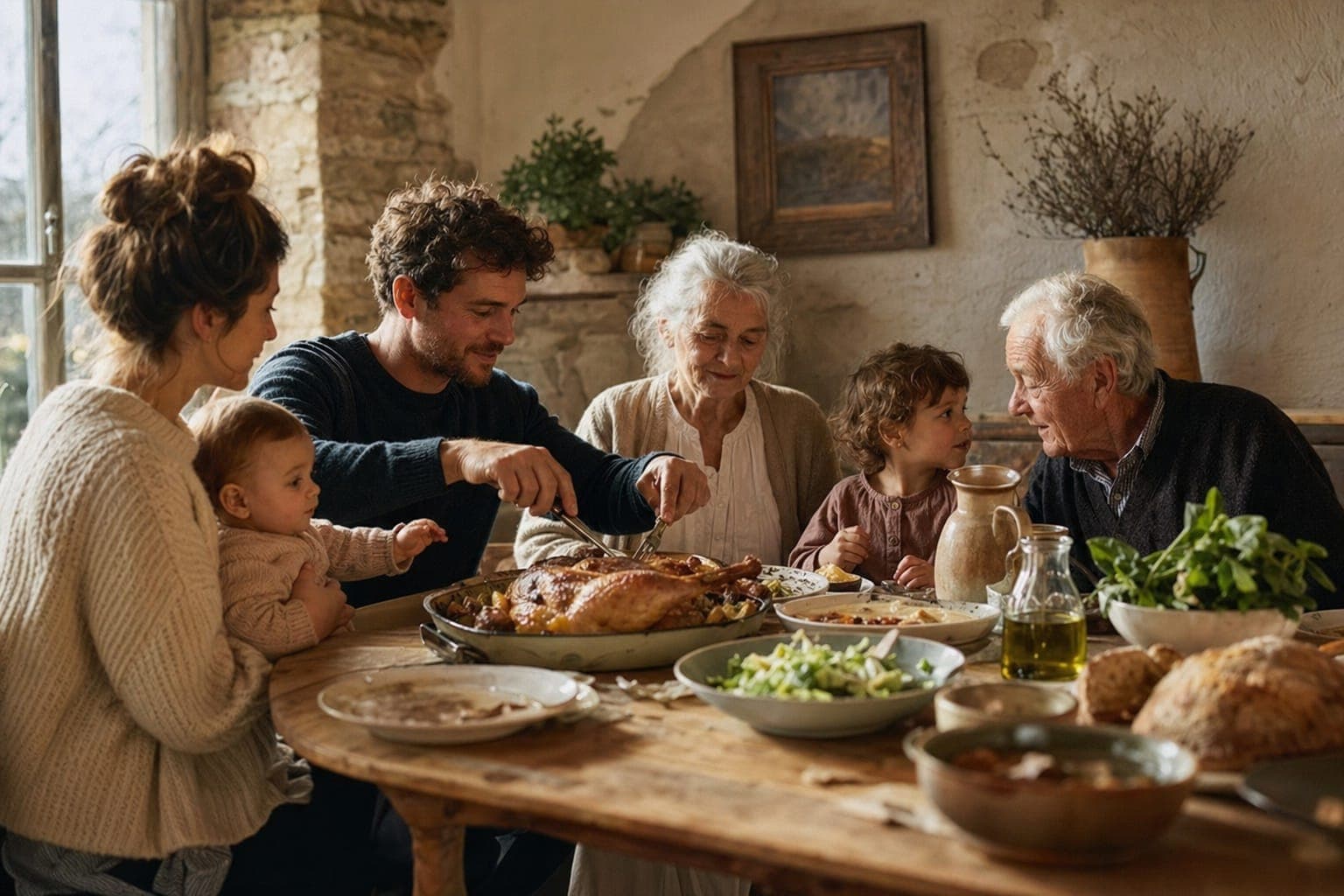
Culture & community
What 'Nourishment for Every Generation' Really Means to Us
From newborns to grandparents in their 90s. How whole food nutrition supports health across every life stage. Organised's core mission explained.
Real food, made effortless
Shop the blendA few ways to use it
All recipes
Raw Milk Hot Chocolate with Collagen
A nourishing evening hot chocolate made with raw milk, grass-fed collagen, raw cacao, and honey. A nighttime ritual that supports sleep and gut health.
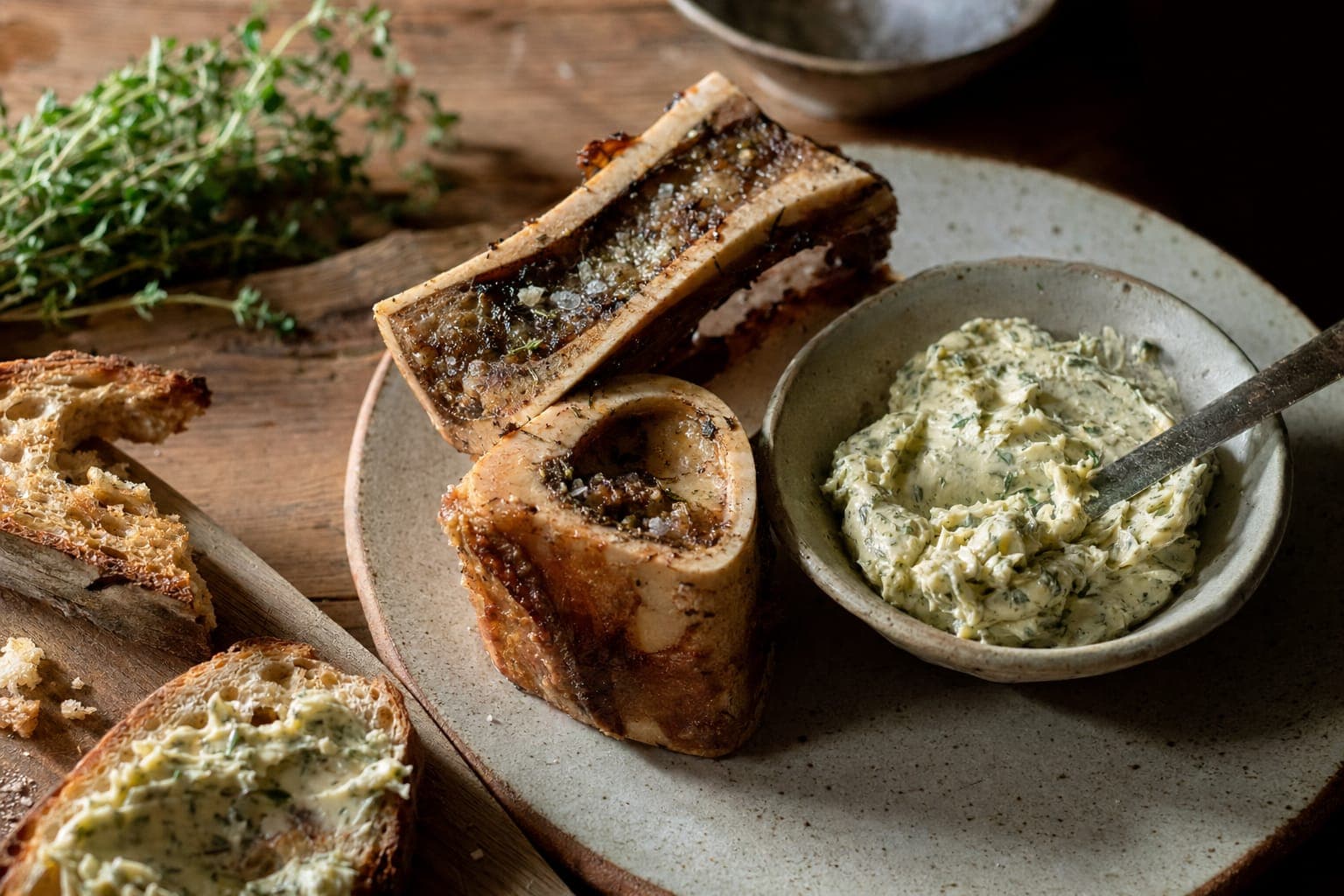
How to Make Bone Marrow Butter
Roast grass-fed marrow bones, scoop the marrow, and mix with butter and herbs. A nutrient-dense spread with fat-soluble vitamins.
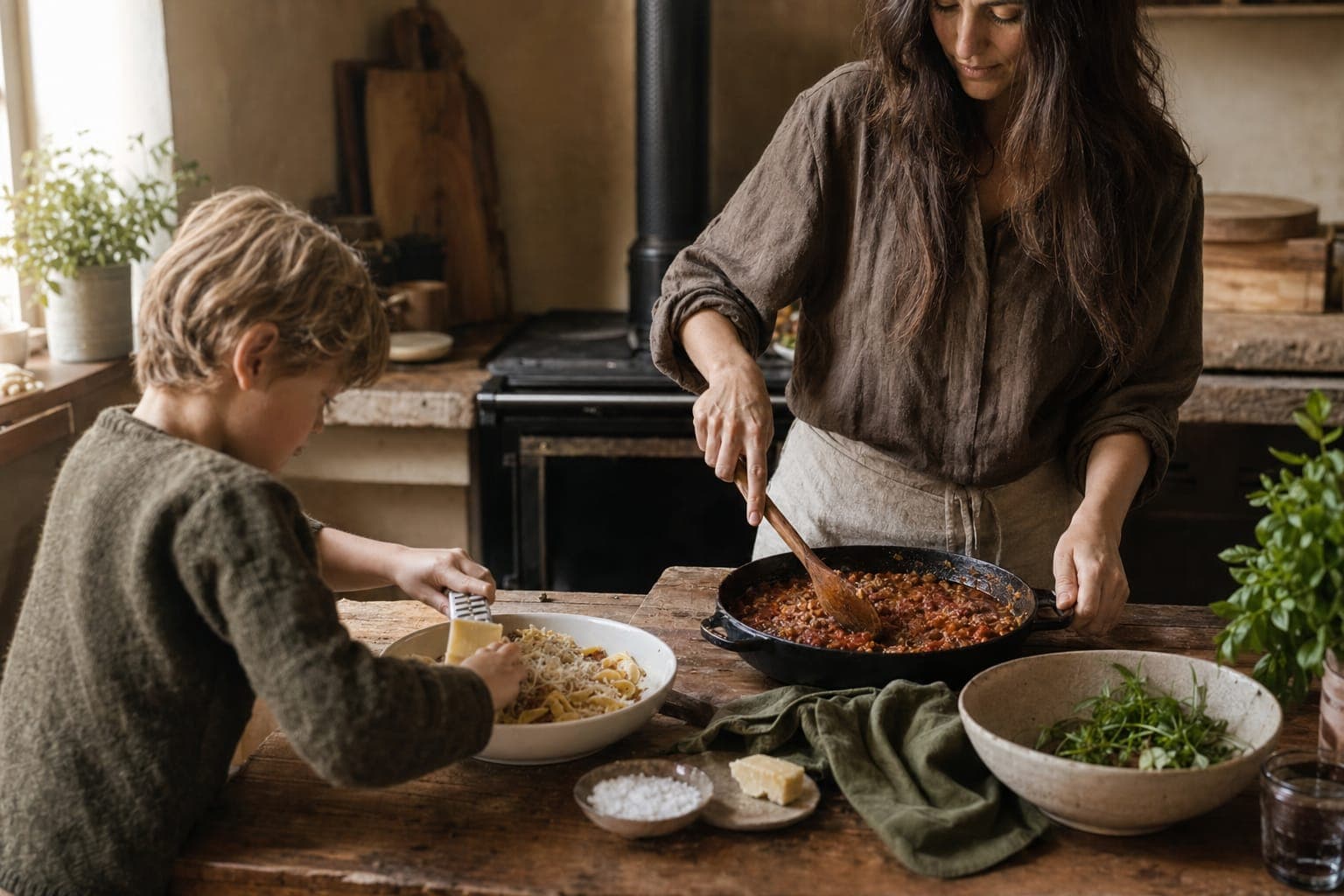
Organ Bolognese: The Family Dinner That Heals
Practical organ meat recipe using fresh beef liver and heart. Family-friendly bolognese that bridges supplements to whole food.


 Join over 100,000+ members
Build a better food system with us
The Organised community is thousands of people choosing real food and backing the farmers who grow it, all of us trying to leave the world a little better than we found it. If that is what you care about too, you belong here.