Winter Nourishment: How to Stay Well When the Cold Sets In
Winter isn't just cold. It's darker, isolation feels easier, and your body drifts into a state of mild hibernation. You feel it as fatigue, low mood, and stubborn infection after infection. You're not failing. Winter requires different nutrition.
By Niall Kiddle, Founder, Organised

Reviewed by Pedro Rodrigues, Agronomist (farming and sourcing only) ·
7 min read · Published · Updated · 3 cited sources
Makers of the Organised Daily blend, a grass-fed beef organ supplement from regenerative UK farms

Your ancestors prepared for winter. They stored food, shifted their diet, and moved differently. Modern life skips all of that. We stay indoors, eat the same things year-round, and feel surprised when our energy tanks and illness arrives.
Why winter depletes your body
Daylight plummets. In the UK, winter days stretch less than 8 hours of usable sunlight. In December, much of the north gets barely 6 hours. Your skin cannot manufacture vitamin D at these latitudes in winter, no matter how often you step outside. Your circadian rhythm fragments because the light-dark cycle that normally governs your sleep-wake cycle is obliterated.
The body responds by pulling down metabolism, conserving energy, and shifting into a more defensive immune posture. This is ancestral. Your nervous system has spent millions of years preparing for scarcity when daylight disappears. Even though your pantry is full, your nervous system doesn't know that.
Cold also increases metabolic demand significantly. Your body burns more calories simply maintaining core temperature in cold conditions. But you move less. You sit more. You spend time indoors under artificial light. And without intention, you slip into a state of chronic mild stress that your immune system picks up on, leaving you vulnerable to every virus circulating.
The combination is potent: lower circulating vitamin D, depleted minerals, increased inflammatory load, reduced movement, fragmented sleep, and a nervous system held in a chronic state of mild alert. That's the winter blues. That's winter illness. That's energy collapse.
Winter isn't a time to eat less or move less. It's a time to eat more strategically and move with intention. Your body is asking for more nourishment, not less.
Vitamin D: the sunlight nutrient you're almost certainly low on
Vitamin D acts as a steroid hormone in the body and modulates immune function and bone metabolism. Vitamin D synthesis from sunlight is severely limited in the UK between October and March, and Public Health England advises adults to consider 10 micrograms (400 IU) of vitamin D daily during autumn and winter.12
A 2017 BMJ individual-participant-data meta-analysis (Martineau et al.) reported that vitamin D supplementation reduced the risk of acute respiratory tract infections, with the largest benefit in those with the lowest baseline vitamin D status.3
You cannot eat enough vitamin D from food alone in winter. Not really. The richest food sources are fatty fish, egg yolks from pasture-raised birds, and organ meats. But even eating these daily, you're getting 400 to 600 IU per day. Your body manufactures 10,000 to 25,000 IU from 20 minutes of midday sun exposure on exposed skin. In Britain in winter, you can't access that.
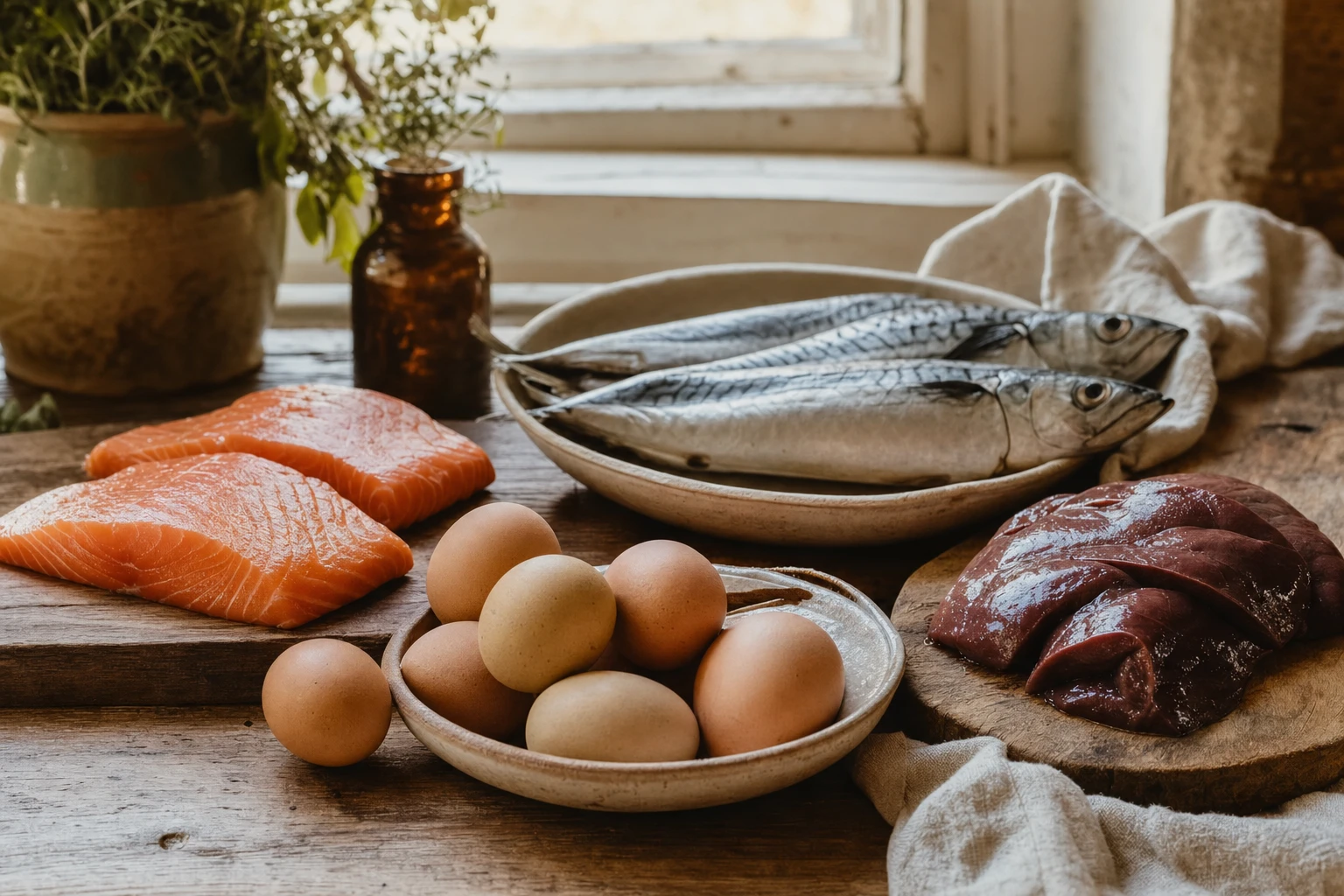
If you live north of 52 degrees latitude (which includes most of the UK north of Birmingham), supplementing vitamin D3 in winter is sensible, not optional. 2,000 to 4,000 IU daily for most adults, tested where possible so you can see if you're correcting the deficiency. But pair supplementation with food. Eat oily fish twice a week. Seek eggs from actual pasture-raised birds with deep orange yolks, not the pale yellow supermarket variety. Include organ meats, especially liver, which carry not just D but the cofactors that make it work: vitamin K, magnesium, selenium.
And get outside at midday, even on grey days. Cloudy daylight is still daylight. It matters more than you think.
The minerals that make winter resilient
Winter demands mineral repletion in a way summer doesn't. Magnesium, calcium, sodium, and potassium all decline when you're cold-stressed, moving less, and spending time indoors under artificial light. The result is poor sleep, muscle tension, low mood, neural irritability, and an immune system that can't mount a proper response to pathogens.
Magnesium is the crucial one. Responsible for over 300 enzymatic reactions in the body, magnesium is central to nervous system regulation, muscle relaxation, and sleep quality. Most people in the modern world are running low on it. Winter makes it worse because stress (which winter is) burns through magnesium reserves. You feel the depletion as insomnia, muscle tightness, anxiety, and an inability to genuinely relax.
Celtic sea salt isn't a luxury or a trend. It's mineral-dense and signals to your body that mineral resources are available. Use it. Real salt in food, not the industrial white stuff stripped of everything. A pinch on meat, on vegetables, in broths. Your nervous system recognizes real salt and responds by relaxing.
Magnesium comes through bone broth (simmer marrow bones, joint bones, and gelatinous meat cuts for 24 hours minimum), dark leafy greens, nuts, seeds, and dark chocolate. Magnesium baths matter too, especially if sleep is fragile. Epsom salt baths absorb magnesium through the skin, supporting mineral repletion from the outside in.
Mineral water is underrated. Spring water or properly remineralized water (reverse osmosis with minerals added back) supports the electrolyte balance your nervous system needs to calm down. Ordinary tap water, stripped and chlorinated, does the opposite. If you can access spring water, it's worth prioritizing in winter.
Winter nutrition is mineral nutrition. Bone broth, salt, leafy greens, and whole food carbohydrates are your foundations. Everything else builds on top.
Get stories from the community, free
Two short reads a week on the farmers, the standards, and the return to real food.
By signing up you agree to receive emails from us. No spam, unsubscribe anytime.
Warming foods that actually nourish
Winter calls for food that warms and nourishes. Not warming in the sense of temperature alone, but foods that support metabolic function and immune resilience from the inside out.
Stews built on bone broth with root vegetables and slow-cooked meat cuts. Red meat from grass-fed sources, rich in iron, zinc, and B vitamins your immune system depletes when under stress. Organ meats like liver and heart, concentrated nutrition in small portions. Liver once or twice weekly is non-negotiable in winter. Bone marrow for the fats and minerals. Fatty fish three times a week. Fermented foods like sauerkraut and kefir that support gut bacteria, which is where roughly 70 percent of immune function lives.
Include whole food carbohydrates liberally. Carrots, parsnips, turnips, potatoes, white rice. Carbohydrates signal abundance to your nervous system, supporting the shift from stress mode to rest-and-repair mode, which is where actual immune repair happens. Don't fear them in winter. Your body needs them. They're not optional.
Broth-based soups with bone, root veg, and fermented vegetables become a meal, not a side. A piece of liver seared in butter with roasted beetroot. Slow-cooked beef cheeks with mushrooms and carrots. Braised chicken thighs with lemon. Simple preparations, real ingredients, food that settles and nourishes rather than agitates.
Homemade food matters in winter because processed food requires your body to spend energy detoxifying it. Your energy budget is already tight. Real food costs your body almost nothing to digest and uses energy purely for nourishment and repair.
Movement and light matter more in winter
Movement in winter isn't about burning calories or punishment. It's about maintaining circulation, supporting mood through endorphin release and neurochemical balance, and keeping the body awake and metabolically engaged.
A 20-minute walk at midday, even on a grey day, signals daylight to your eyes through the retinal photoreceptors that govern circadian rhythm. Early morning light, even from a grey sky, supports your circadian rhythm far more than you'd expect. That matters more than any supplement. Indoors, under artificial light, your body thinks it's night, suppressing the hormones that keep you alert and resilient.
Strength training once or twice a week supports muscle and bone integrity. Winter strength declines without resistance work. Walking outdoors, even slowly, maintains metabolic flexibility. Swimming in a heated pool supports both movement and mineral absorption through the skin. Yoga or tai chi if that's your rhythm. The goal isn't intensity or sweat. It's consistency and presence. A body that moves is a body that stays resilient.
Movement also supports lymphatic function. The lymphatic system has no pump. It relies on muscle contraction to move. Winter inactivity means lymphatic stagnation, which compounds immune dysfunction. Move. Even gently. It matters.


1 of 9
Daily blend
100,000+ thriving families4.9 on Trustpilot
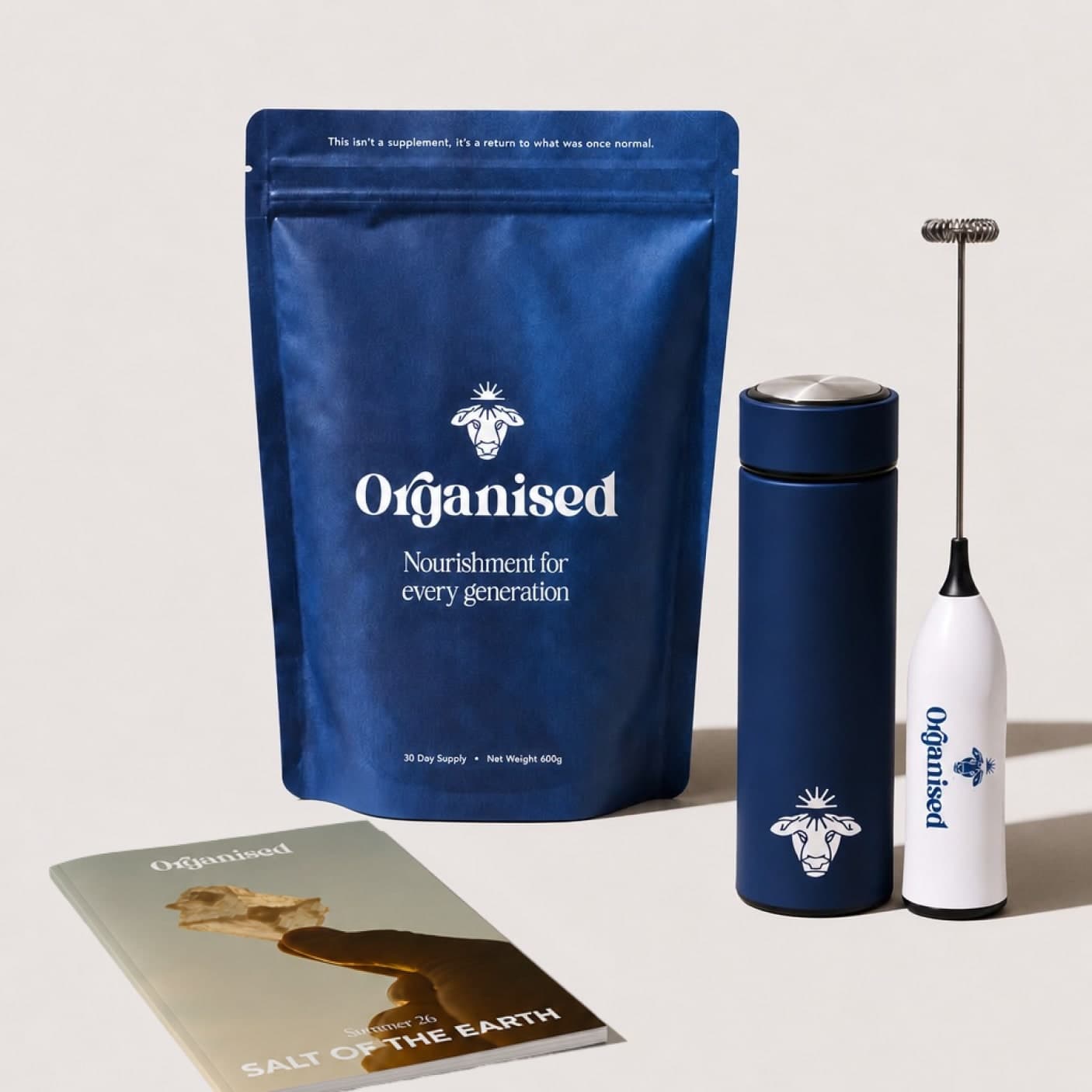
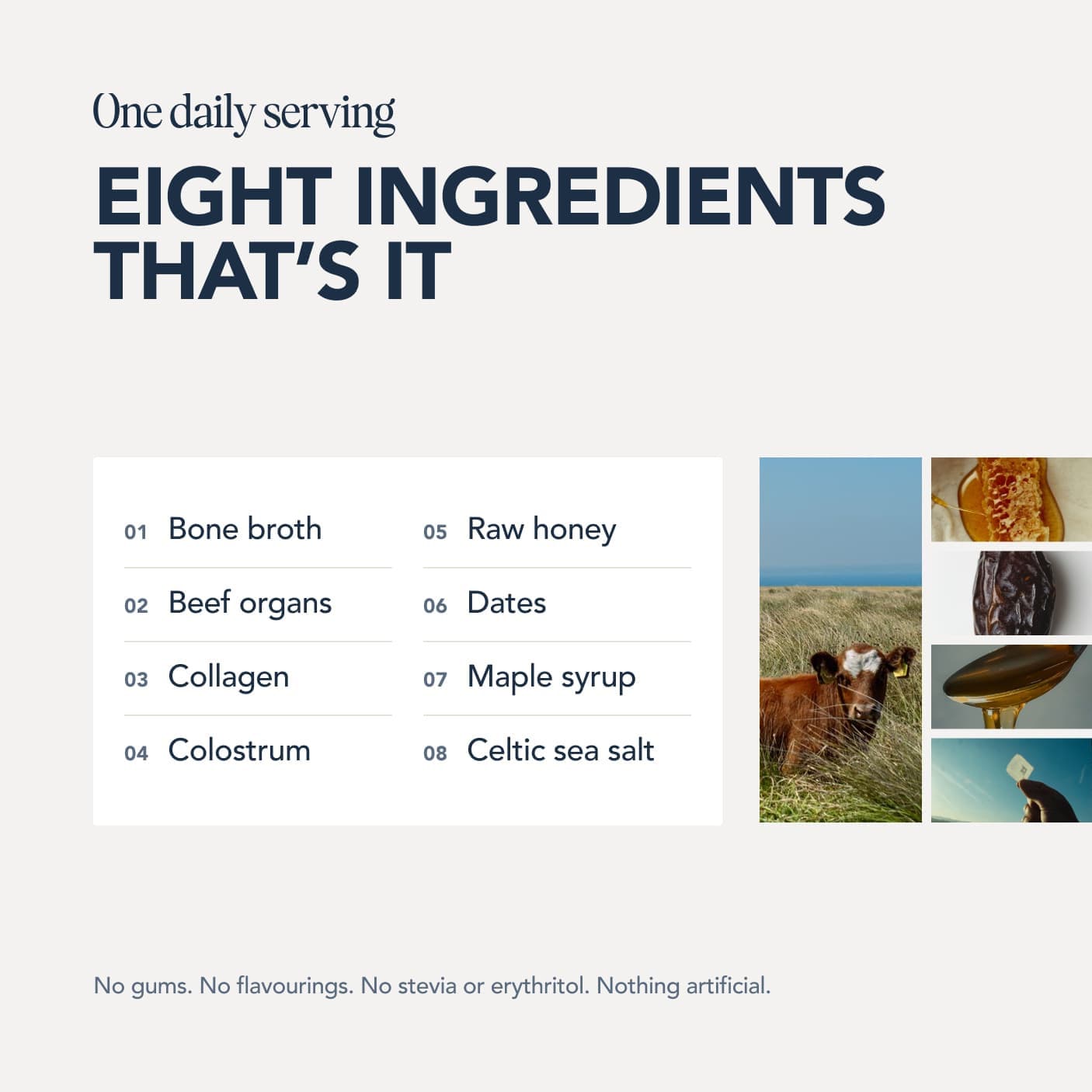
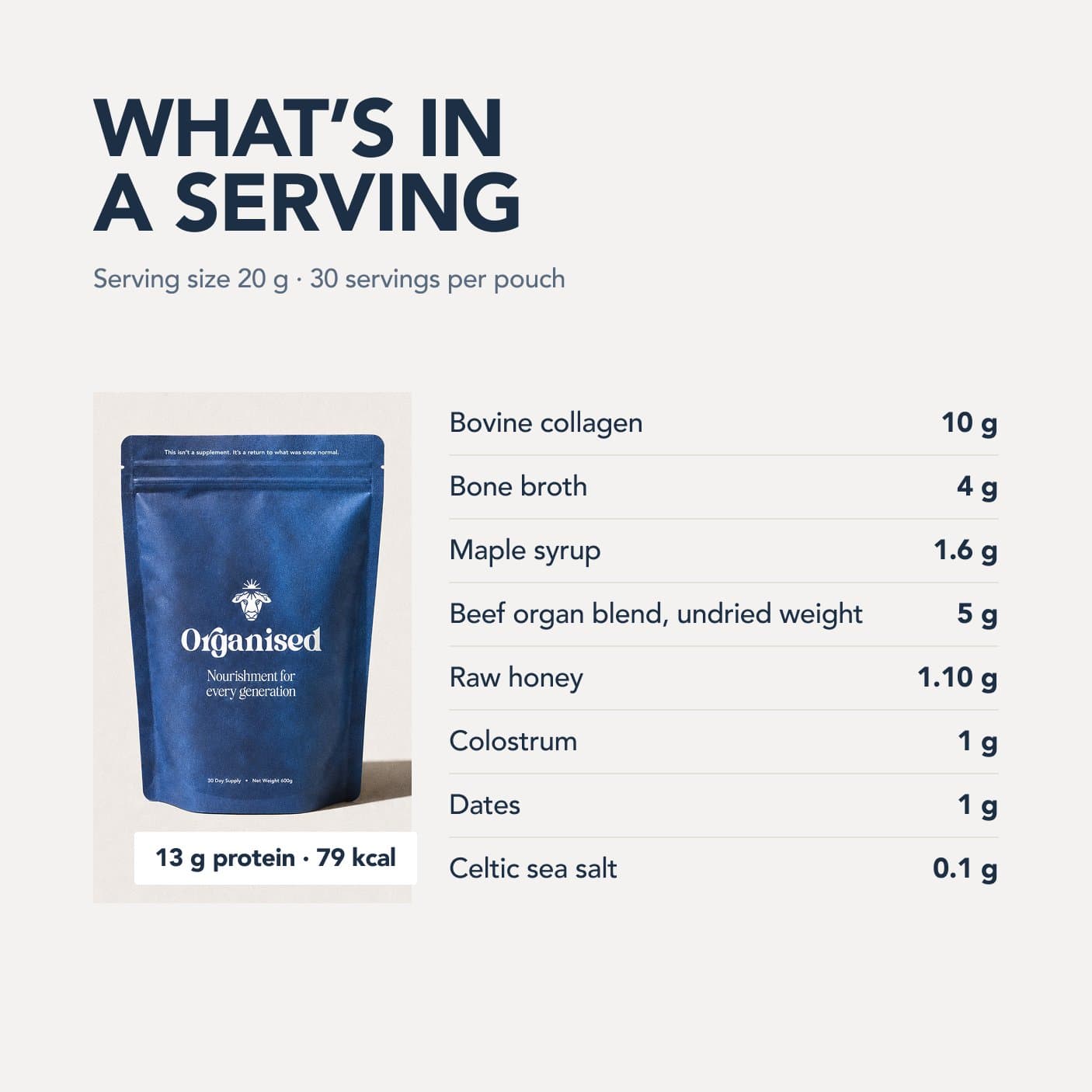
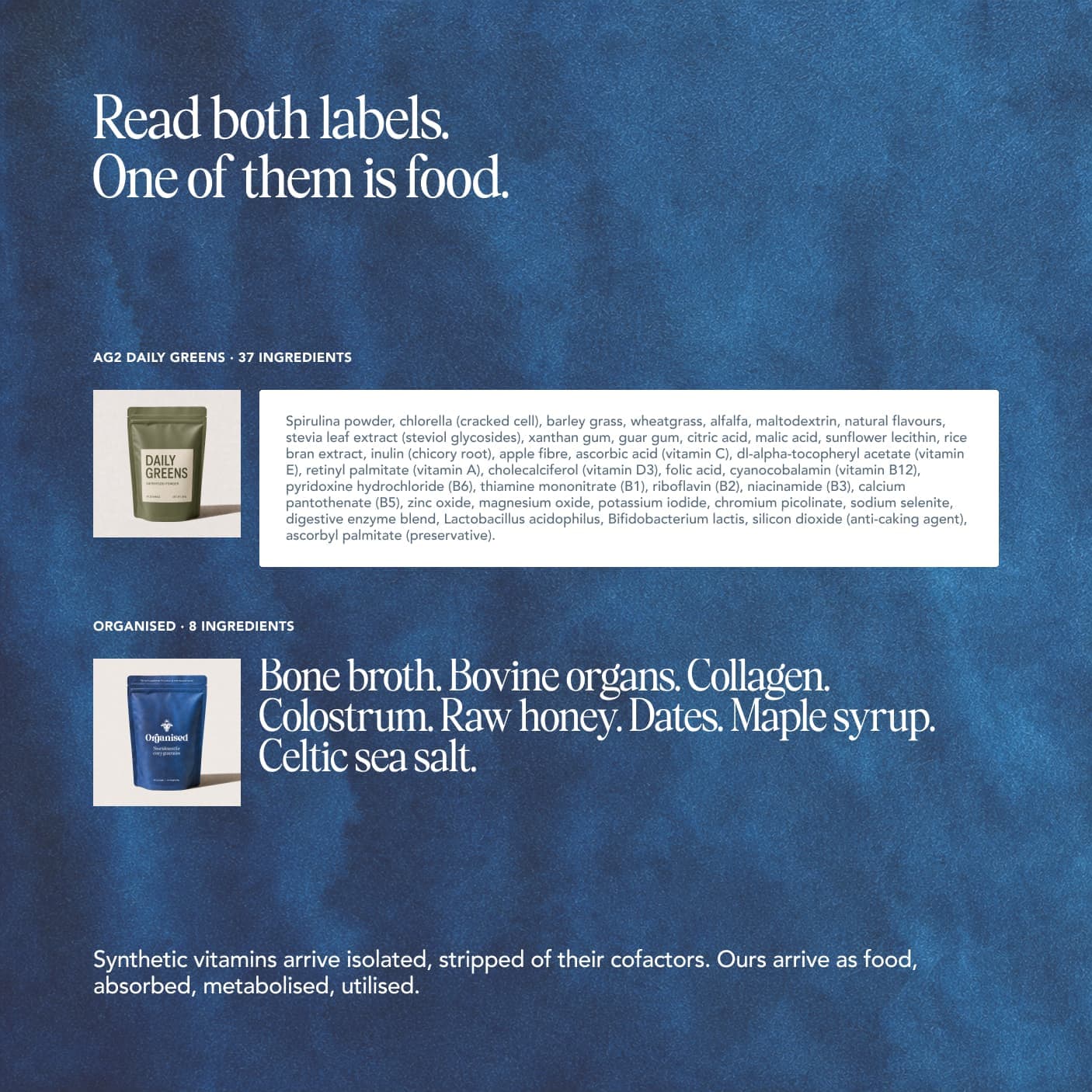
Eight real ingredients built around grass-fed beef organs, collagen and colostrum. Nothing synthetic added.
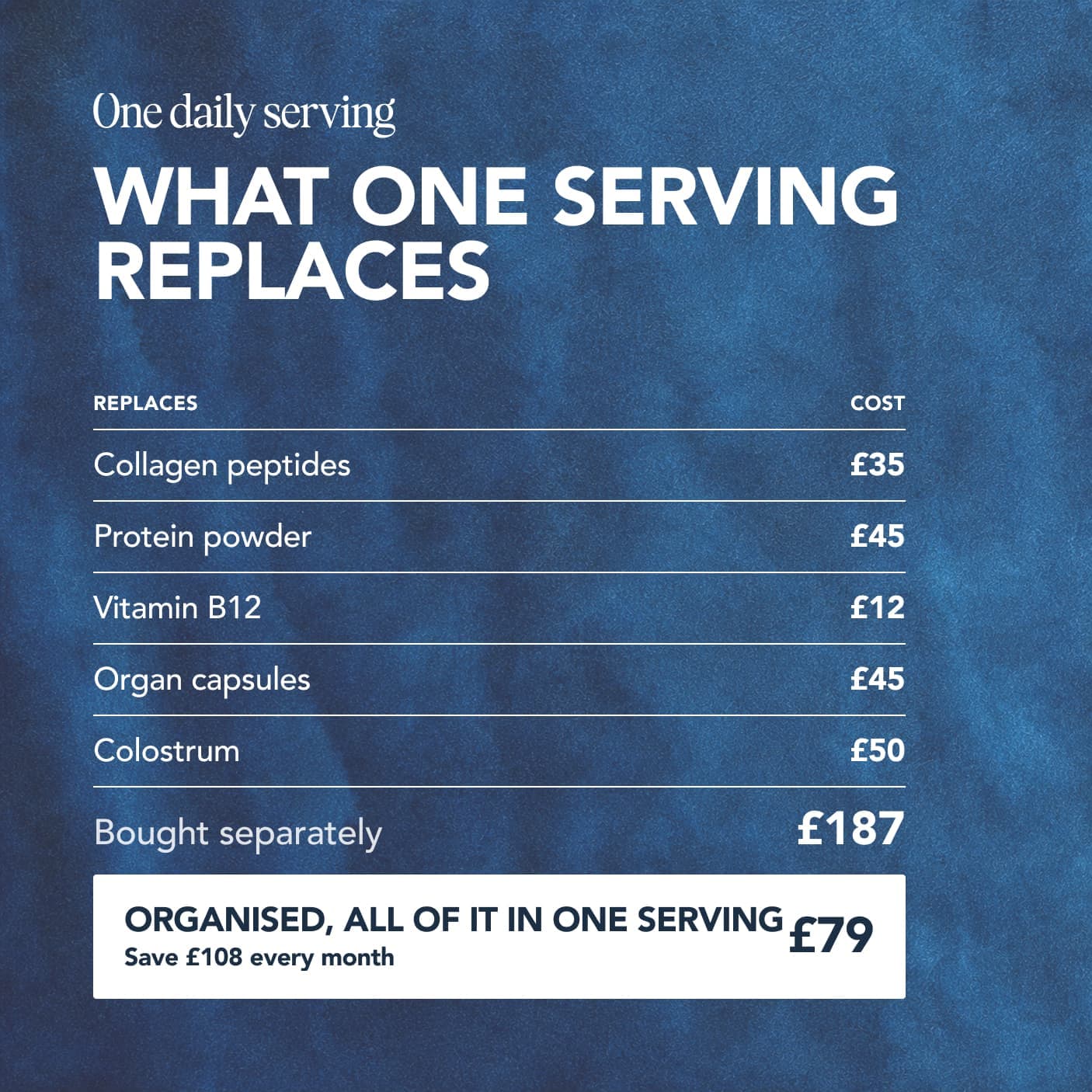
Free with your first order, worth £38. Plus £10 off the pouch with a subscription.



Free UK shipping · Made in England · 100 day money back guarantee on your first pouch · Skip, pause or cancel anytime
Sleep, darkness, and rest matter
Winter is the season when your ancestors slept more. That's not laziness. That's alignment with your biology. Longer nights mean more sleep is natural and necessary. Your body wants it. Your immune system needs it.
A cool, dark bedroom, window open to fresh air, bed genuinely warm. Blue light off screens by 8 pm (use blue-light blockers if you can't avoid screens). A warm drink with no stimulant, perhaps chamomile or a warming spice blend like turmeric and ginger. The ritual matters more than the ingredients because your nervous system relaxes into sleep when it knows what to expect.
Sleep is where immune repair happens. Cytokines, the molecules that coordinate immune response and inflammation, are manufactured during sleep. Growth hormone, essential for recovery and tissue repair, is released during deep sleep. Shortchanging sleep in winter then wondering why you're ill is like not watering a plant then asking why it's wilting.
Winter darkness is actually a gift if you use it. Sleep an extra hour. Your body will use that hour to heal. Resistance to extra sleep is cultural programming, not biology. Your biology wants more sleep in winter. Respect that.
The bottom line
Winter is not a season to survive with less. It's a season to nourish with intention. Vitamin D where sunlight won't provide it, minerals through real food and salt, warming whole foods that support your metabolism, movement for circulation and mood, light exposure for your nervous system, and sleep because that's when you heal. All of it matters. None of it is optional.
Your body knows it's winter. It's preparing for scarcity and protecting itself. Give it what it actually needs, and you'll emerge in spring resilient rather than depleted.
References
Every source below was checked on 27 August 2026. Each PubMed, PMC and DOI identifier was resolved against NCBI or Crossref, and what it opens is printed under the citation, so you can see the link goes where the citation says without leaving the page. Where a citation and its identifier disagreed, the citation was corrected to the record or the reference was deleted along with the sentence marker that pointed at it, and where the resolved paper turned out not to support the sentence, the sentence was cut back to what it does support. Borrowed authority is worse than none, because it looks like rigour.
- National Institutes of Health, Office of Dietary Supplements. Vitamin D — Health Professional Fact Sheet. https://ods.od.nih.gov/factsheets/VitaminD-HealthProfessional/
- NHS. Vitamin D. https://www.nhs.uk/conditions/vitamins-and-minerals/vitamin-d/
- Martineau AR, et al. Vitamin D supplementation to prevent acute respiratory tract infections: systematic review and meta-analysis of individual participant data. BMJ. 2017;356:i6583. https://pmc.ncbi.nlm.nih.gov/articles/PMC5310969/Checked 27 August 2026: PMC5310969 opens Martineau AR, Jolliffe DA, Hooper RL et al, Vitamin D supplementation to prevent acute respiratory tract infections: systematic review and meta-analysis of individual participant data. BMJ 2017;356:i6583. PubMed indexes it as: Meta-Analysis, Systematic Review.The authors' own declaration, from the record: Competing interests: All authors have completed the ICMJE uniform disclosure form at www.icmje.org/coi_disclosure.pdf and declare financial support for this work from the National Institute for Health Research under its Health Technology Assessment programme. No author has had any financial relationship with any organisations that might have an interest in the submitted work in the previous three years. No author … (abridged; the full declaration is on the record)
Who wrote and reviewed this guide
Niall Kiddle
Author · Founder, Organised
Niall is the founder of Organised. He started the company in 2024 after fixing his own health the slow way: in 2022 he swapped a cupboard of synthetic supplements for real food, raw milk, organ meats, bone broth and honey, and felt the difference within months.
Areas of expertise: Ancestral nutrition, Organ meats, Whole-food supplementation, Gut health, Regenerative sourcing
Read Niall's full profile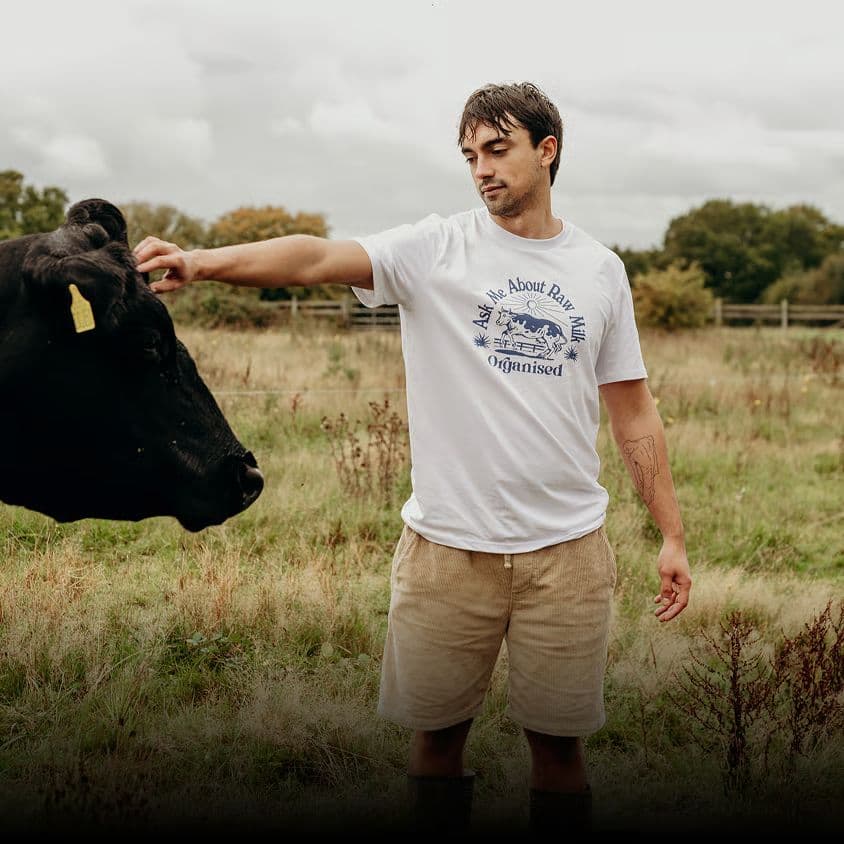
Pedro Rodrigues
Reviewer · Agronomist (farming and sourcing only)
Pedro is the agronomist Organised works with on farming and sourcing. His job on the guides is to keep the science honest: he reviews what we publish about soil health, regenerative agriculture, grazing and the way food is actually produced.
Areas of expertise: Regenerative agriculture, Agronomy, Soil health, Grass-fed farming, Food sourcing
Reviewed this guide on
Read Pedro's full profileMore on seasonal
View allBrowse the guides library
All guidesKeep reading

Culture & community
From Supplement Sceptic to Daily User: Customer Journeys
Real stories of sceptics who became committed supplement users. Why doubt transformed into trust, and how they know it's working.

Culture & community
What 'Nourishment for Every Generation' Really Means to Us
From newborns to grandparents in their 90s. How whole food nutrition supports health across every life stage. Organised's core mission explained.
Culture & community
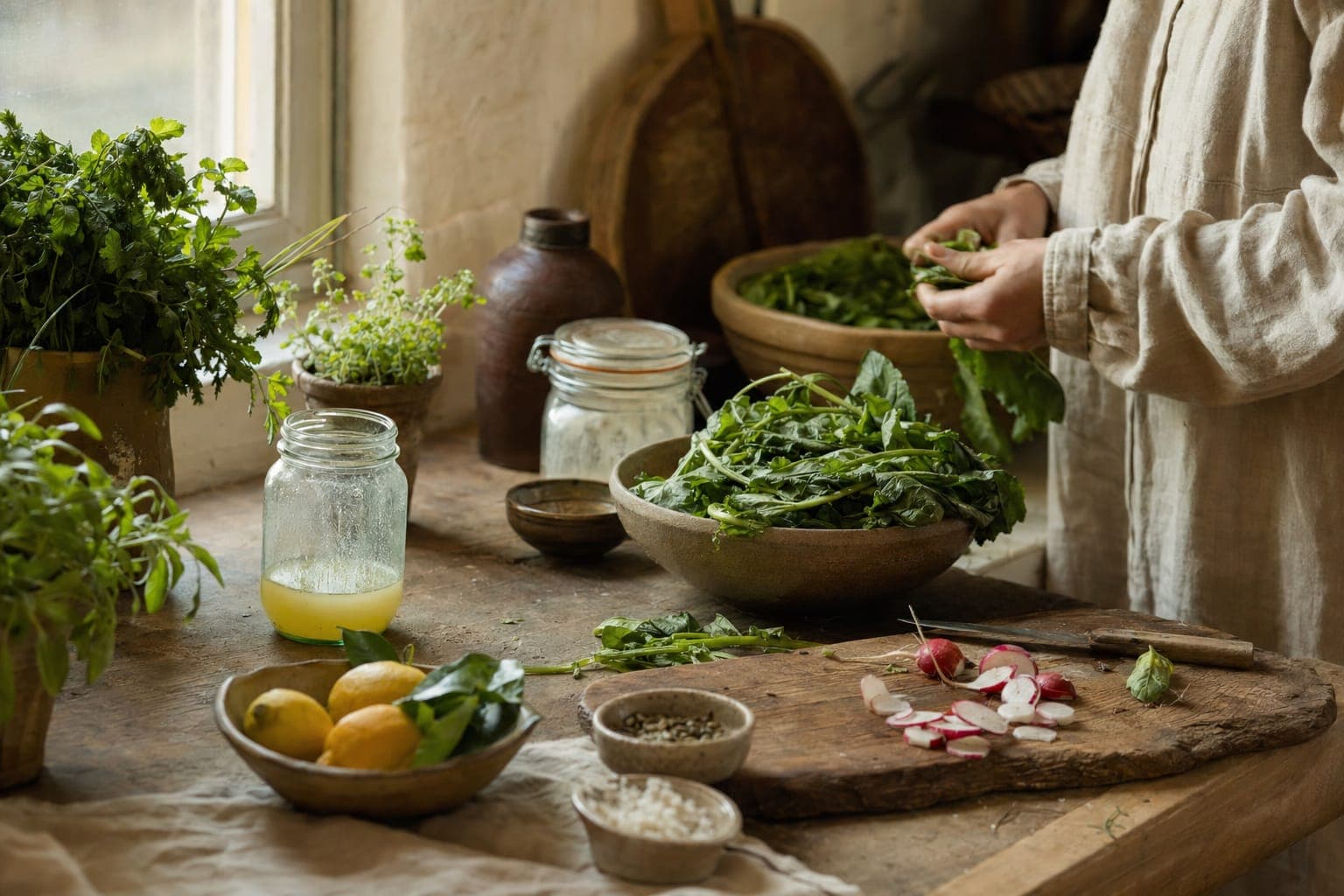
Spring Reset: A Whole Food Cleanse That Actually Makes Sense
Forget juice cleanses. A real spring reset means bitter greens, liver support, and eating seasonally to match your body's natural rhythms.
Real food, made effortless
Shop the blendA few ways to use it
All recipes
How to Make Bone Marrow Butter
Roast grass-fed marrow bones, scoop the marrow, and mix with butter and herbs. A nutrient-dense spread with fat-soluble vitamins.
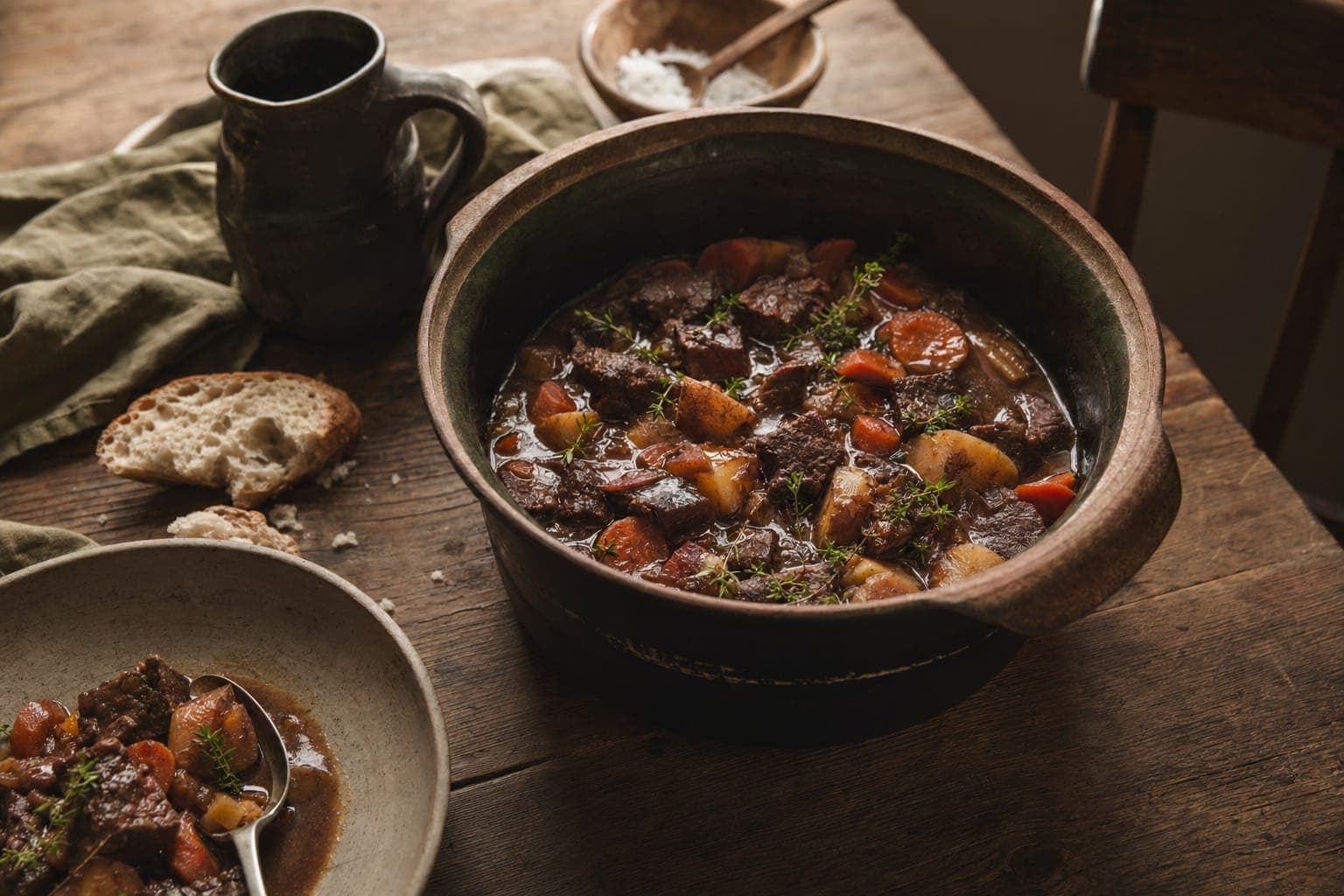
Collagen-Rich Beef Stew: Slow-Cooked Nourishment
Beef stew that delivers collagen from connective tissue and bone broth. Winter comfort food that actually nourishes. Simple slow cooker recipe.
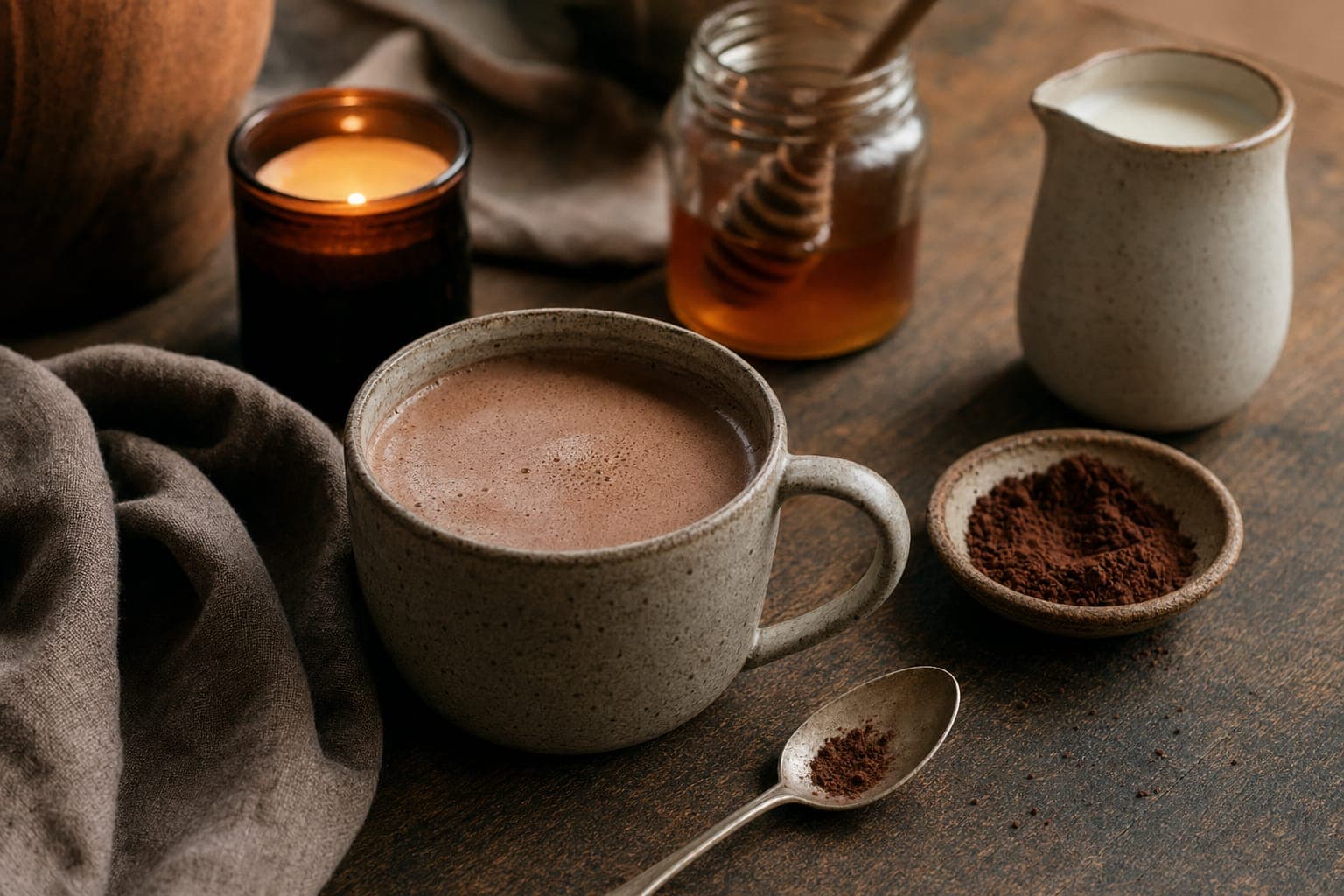
Raw Milk Hot Chocolate with Collagen
A nourishing evening hot chocolate made with raw milk, grass-fed collagen, raw cacao, and honey. A nighttime ritual that supports sleep and gut health.


 Join over 100,000+ members
Build a better food system with us
The Organised community is thousands of people choosing real food and backing the farmers who grow it, all of us trying to leave the world a little better than we found it. If that is what you care about too, you belong here.