The Raw Milk Renaissance: Our Documentary
For thousands of years, milk was just milk. Then, about a century ago, industrialisation changed everything — the original became "raw," and the processed version became "normal," without much question. Our new documentary, The Death of Normal: Milk, premiering 31 May 2026, asks a simple question: what else have we been told is dangerous that was once just the way things were?
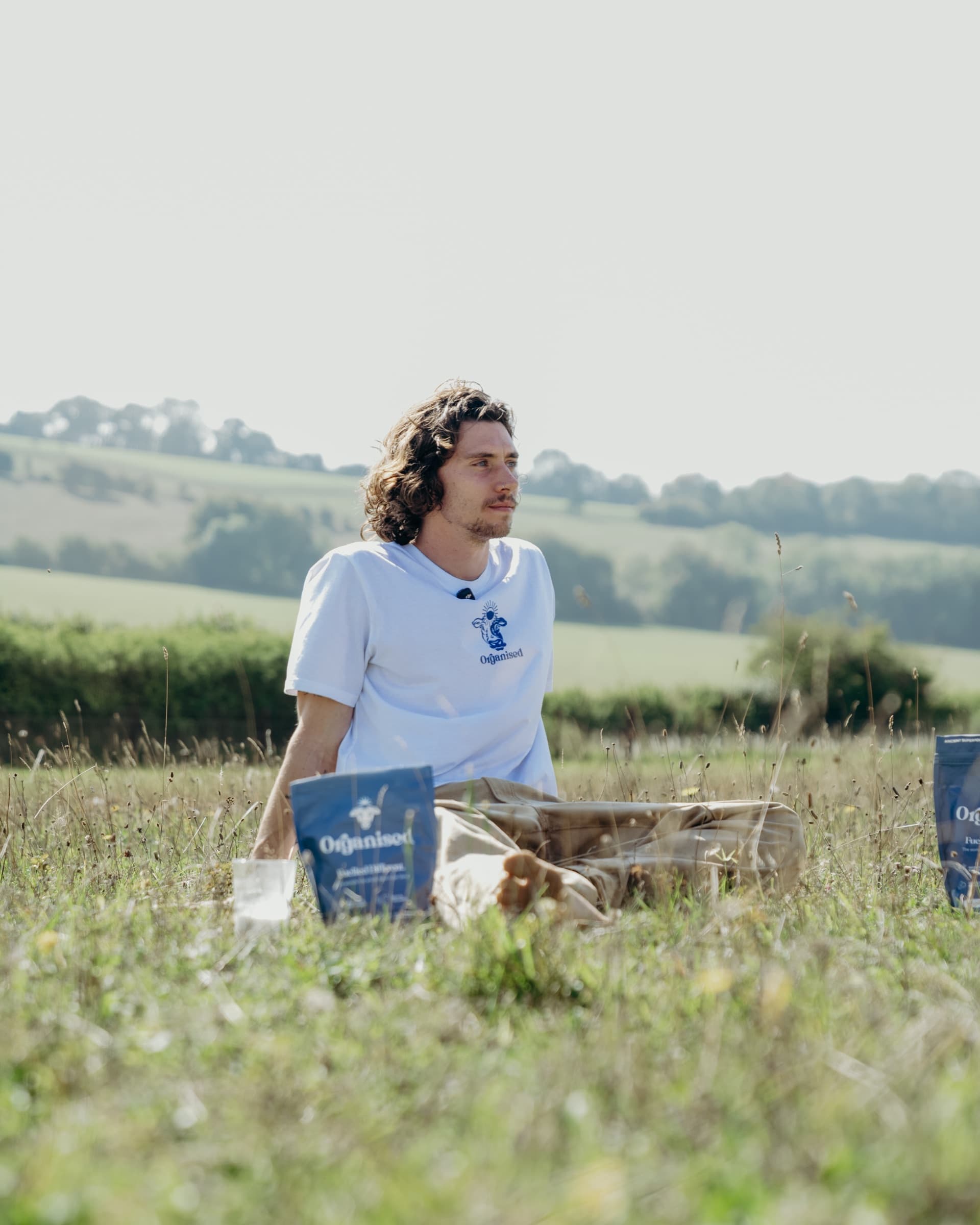
By Niall Kiddle, Founder, Organised

Reviewed by Pedro Rodrigues, Agronomist (farming and sourcing only) ·
7 min read · Published · Updated · 2 cited sources
Makers of the Organised Daily blend, a grass-fed beef organ supplement from regenerative UK farms
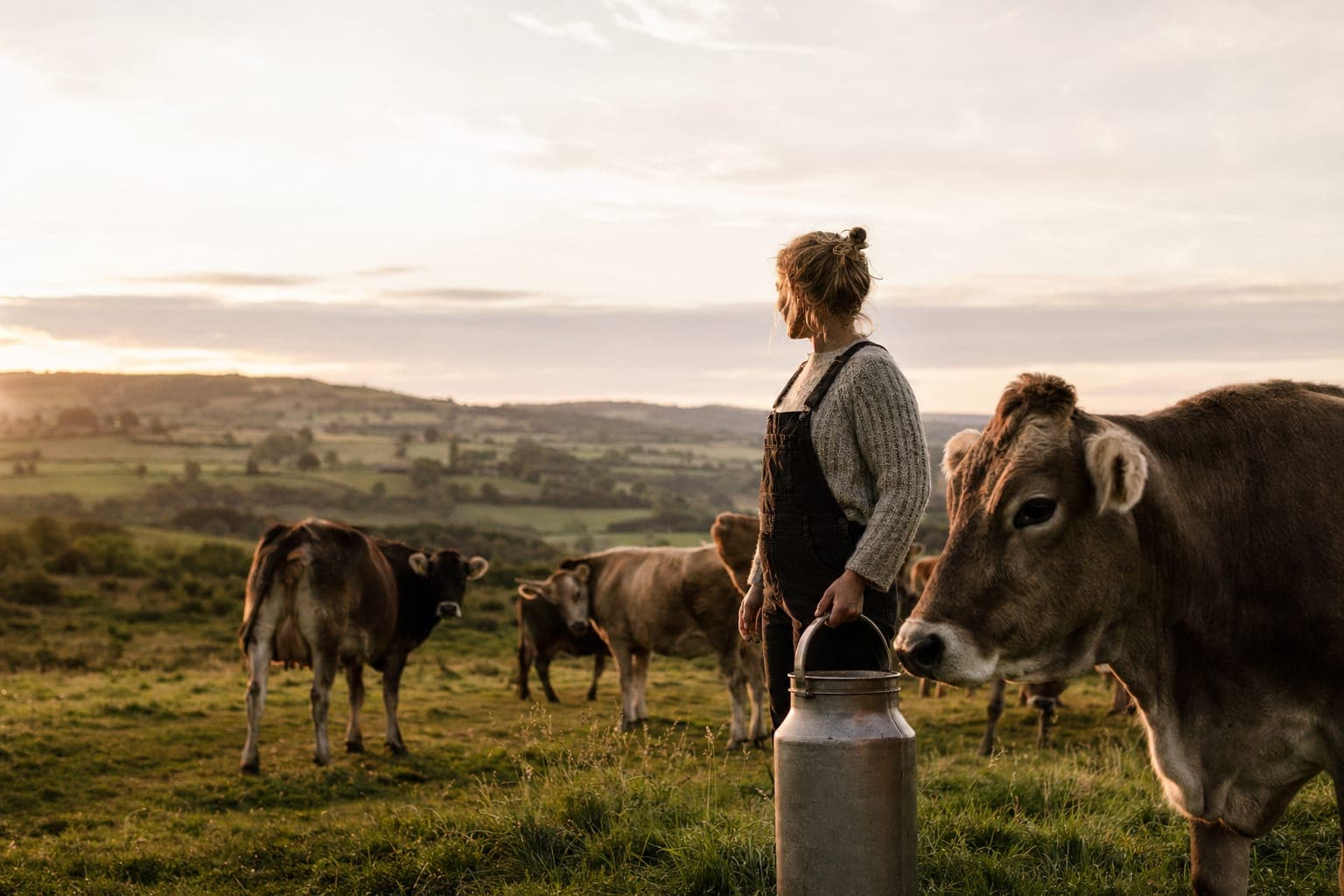
For thousands of years, people drank milk straight from the cow. It was simply milk.
About a century ago, industrialisation changed that. The original became "raw." The processed version became "normal." The shift happened without much public conversation, and most of us stopped asking questions long ago.
But something has changed. Farmers are returning to raw milk production. Demand is doubling every couple of years.1 And people who've experienced real milk from properly managed farms aren't going back.2
So we made a documentary about it: The Death of Normal: Milk, premiering 31 May 2026.
Why we made this
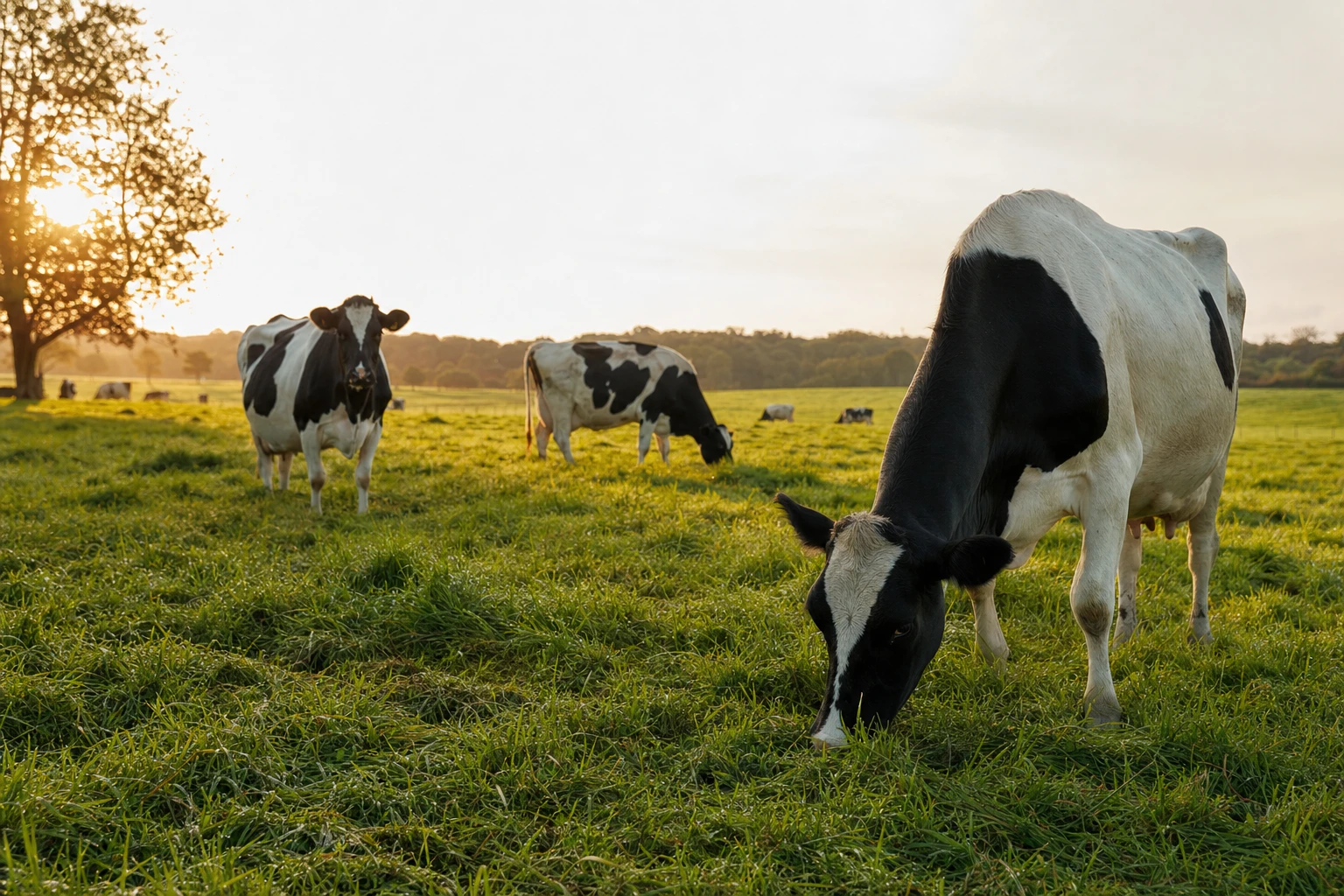
The film started at Plaw Hatch Farm in Sussex — a biodynamic cooperative that's been running for 45 years. The herd is small. The milk is tested daily. Families drive across the country to collect it. The women who run the farm don't call it "raw milk." They just call it milk.
That distinction was the thread we wanted to pull. Pasteurisation was presented to the public as an unambiguous good — a safety measure that made milk accessible to the population at scale. And for industrial milk, from animals confined indoors, fed grain, kept in high-density conditions, it had to be: that milk required pasteurisation to be safe.
But milk from a herd like Plaw Hatch's is a different product. The risks aren't the same. The benefits aren't the same. Yet the regulation treats them identically.
We wanted to explore that tension. Not through ideology, but through observation. What's actually happening on farms that produce raw milk? What does the process look like? Who are the people choosing to produce milk this way, despite regulatory and commercial pressure to industrialise?
And what are people actually experiencing when they drink real milk?
What raw milk actually is
Raw milk from a healthy, grass-fed animal that's properly handled is not the same thing as industrial milk that's been unpasteurised. That's a critical distinction the discussion usually misses.
When an animal is grazing on diverse pasture, moving regularly, living in conditions that allow for natural behaviour, the milk it produces has a different composition. The bacterial load is lower. The nutrient profile is different. The fat structure is different.
Raw milk contains living enzymes that pasteurisation destroys. It contains beneficial bacteria that support the microbiome. It contains a balance of proteins and fats that makes the milk easier to digest than industrial alternatives.
Pasteurisation heats milk to kill pathogens, but it also damages the heat-sensitive nutrients. It kills the beneficial bacteria. It changes the structure of the fat in ways that some people find harder to digest.
Raw milk from a properly managed grass-fed herd carries very different risks than milk from concentrated feeding operations. And it carries different benefits: living enzymes, beneficial bacteria, and a nutrient profile that supports actual health.
The farming story
Most of the farms producing raw milk in the UK are small, family-run operations. They didn't start raw milk production because it was profitable. They did it because they had a different philosophy about farming.
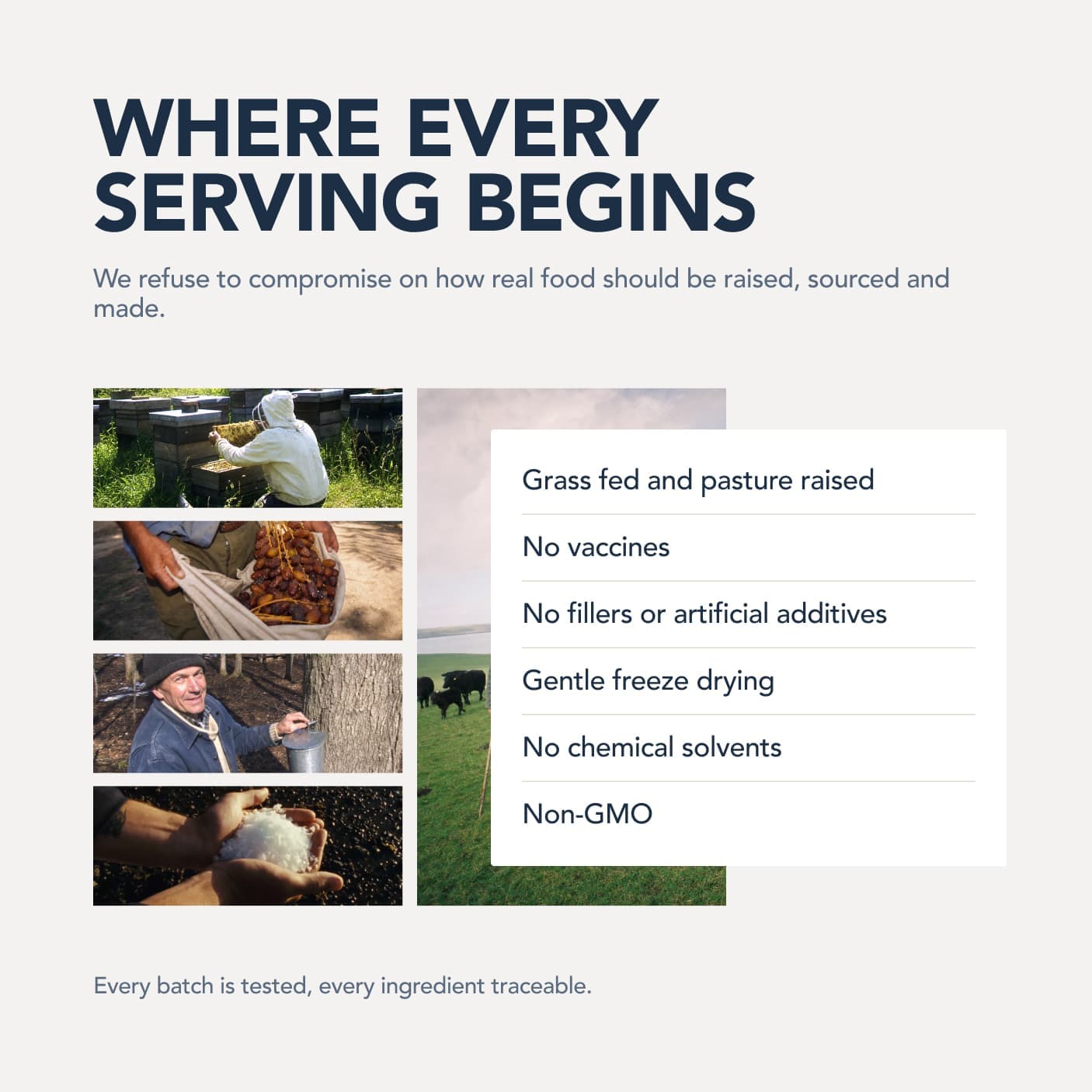
For these farmers, the goal isn't maximising yield per animal. It's producing the healthiest milk possible. That means rotational grazing, so the animals are always eating fresh, diverse pasture. It means lower animal density, so the herd health is better. It means regular testing and meticulous hygiene, because the animals are the farmers' livelihood and reputation.
The economics are different. A raw milk herd produces less milk per animal than an industrial herd, but the milk commands a significantly higher price. The farmer's margin is comparable, but the system is regenerative rather than extractive.
The farming practices matter because the milk reflects them. Animals on diverse pasture produce milk with a different fatty acid profile. The beta-carotene content is higher, which is why the milk has a slightly golden tint. The presence of beneficial bacteria means the milk has a longer shelf life naturally, without requiring pasteurisation or added preservatives.
The nutrients nobody mentions
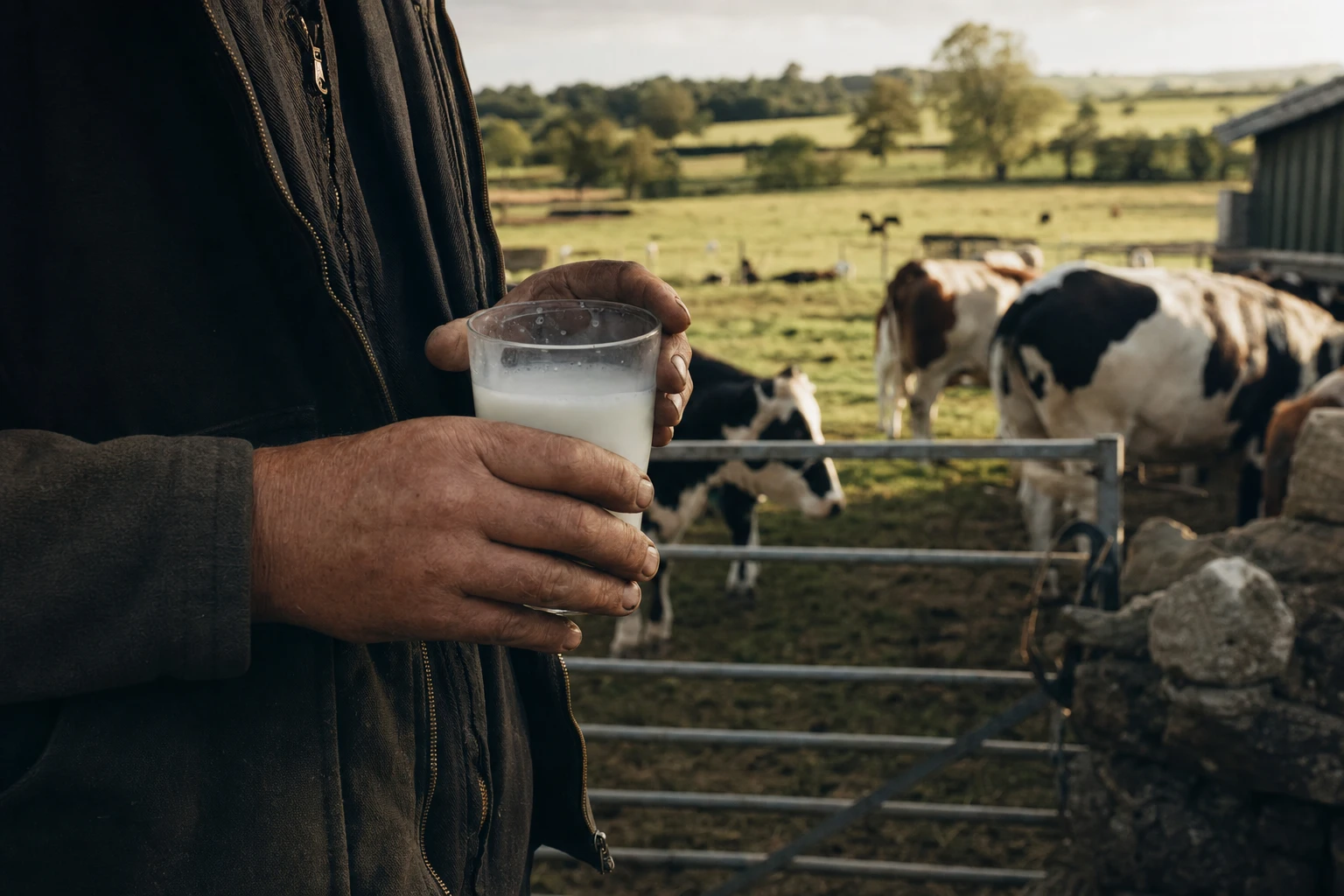
When nutritionists talk about milk, they focus on calcium. Calcium is important, but it's not what makes raw milk valuable. Calcium is available from many sources. What makes raw milk remarkable is the constellation of nutrients that come together in a properly sourced product.
A2 milk proteins, which are more common in older breeds and in animals from certain regions, are easier to digest than A1. Grass-fed milk is high in conjugated linoleic acid, a fat that has been shown to have anti-inflammatory effects. The fat structure is different, which affects how readily the body absorbs the fat-soluble vitamins A, D, and K2.
Raw milk also contains immunoglobulins and other compounds that support immune function in the gut. It contains enzymes like lactase, which help with digestion of the lactose in the milk.
None of this is controversial. It's all documented in the literature. But it's conspicuously absent from public health messaging about milk, perhaps because it points toward foods the industrial system can't produce at scale.
Get stories from the community, free
Two short reads a week on the farmers, the standards, and the return to real food.
By signing up you agree to receive emails from us. No spam, unsubscribe anytime.
Why regulation misses the point
The regulatory framework for milk was built in response to industrial dairy. The problem it was solving was real: milk from animals in poor conditions, handled with poor hygiene, transported long distances, being consumed raw and making people ill.
Pasteurisation solved that problem. It made industrial milk safe. But the solution became universal, applied equally to industrial milk and to milk from properly managed farms. The regulations don't distinguish between the two.
A farmer producing raw milk from a herd of 30 animals, using rotational grazing, testing regularly, and selling locally has a fundamentally different risk profile than an industrial dairy. But the regulatory bar is the same.
This isn't malicious. It's just how policy works. Once a regulation is in place, it's treated as the minimum standard, even if the underlying problem it was solving no longer applies to all cases.
Good regulation distinguishes between different risk profiles. It protects public health without crushing the farming practices that actually produce the healthiest food.
The farmers behind the movement
The documentary follows farmers across the UK who've returned to raw milk production. The film features the women of Plaw Hatch Farm in Sussex; Matt Aidley at Hill Farm, who's been doing this work for over two decades and won't call it raw milk either; Laure & Keivor at My Little Farm; and Sam Hunt at Buckwell Organic, a regenerative organic farm built around soil and animal welfare. Their motivations vary. Some came to it through a health crisis that they resolved through dietary change. Some inherited farms and wanted to farm regeneratively rather than industrially. Some simply wanted to produce food they could be proud of.
What they share is a commitment to farming in a way that produces genuinely healthy milk. Not because it's trendy, but because they believe food quality matters.
These aren't idealistic amateurs. They're experienced farmers who understand animal husbandry, who know how to manage herds, who take food safety seriously. Their farms are models of how proper farming produces healthy food.
The documentary gives face and voice to this movement. It shows what good farming actually looks like. And it reveals why these farmers are passionate about their work.
1 of 9
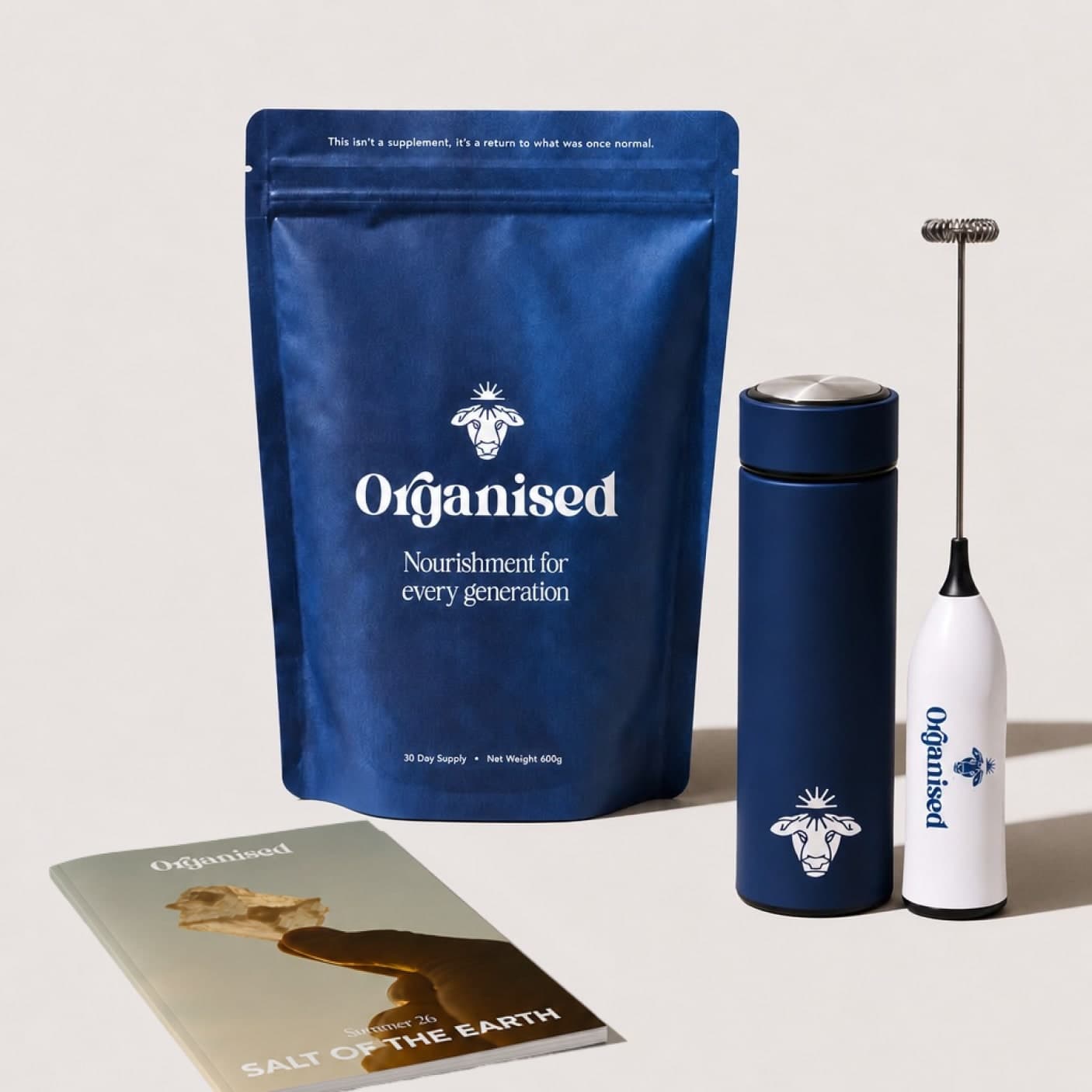
Daily blend
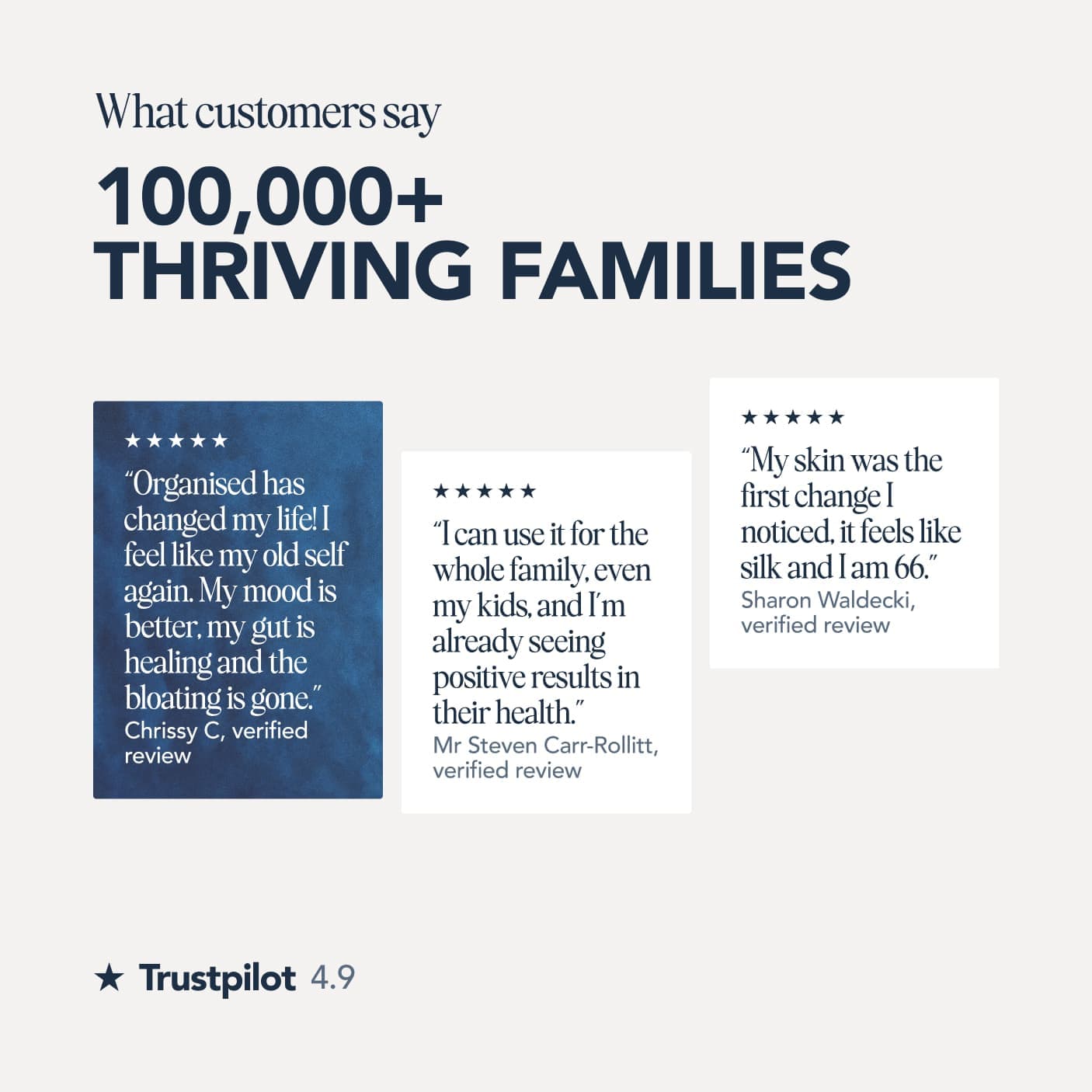
100,000+ thriving families4.9 on Trustpilot
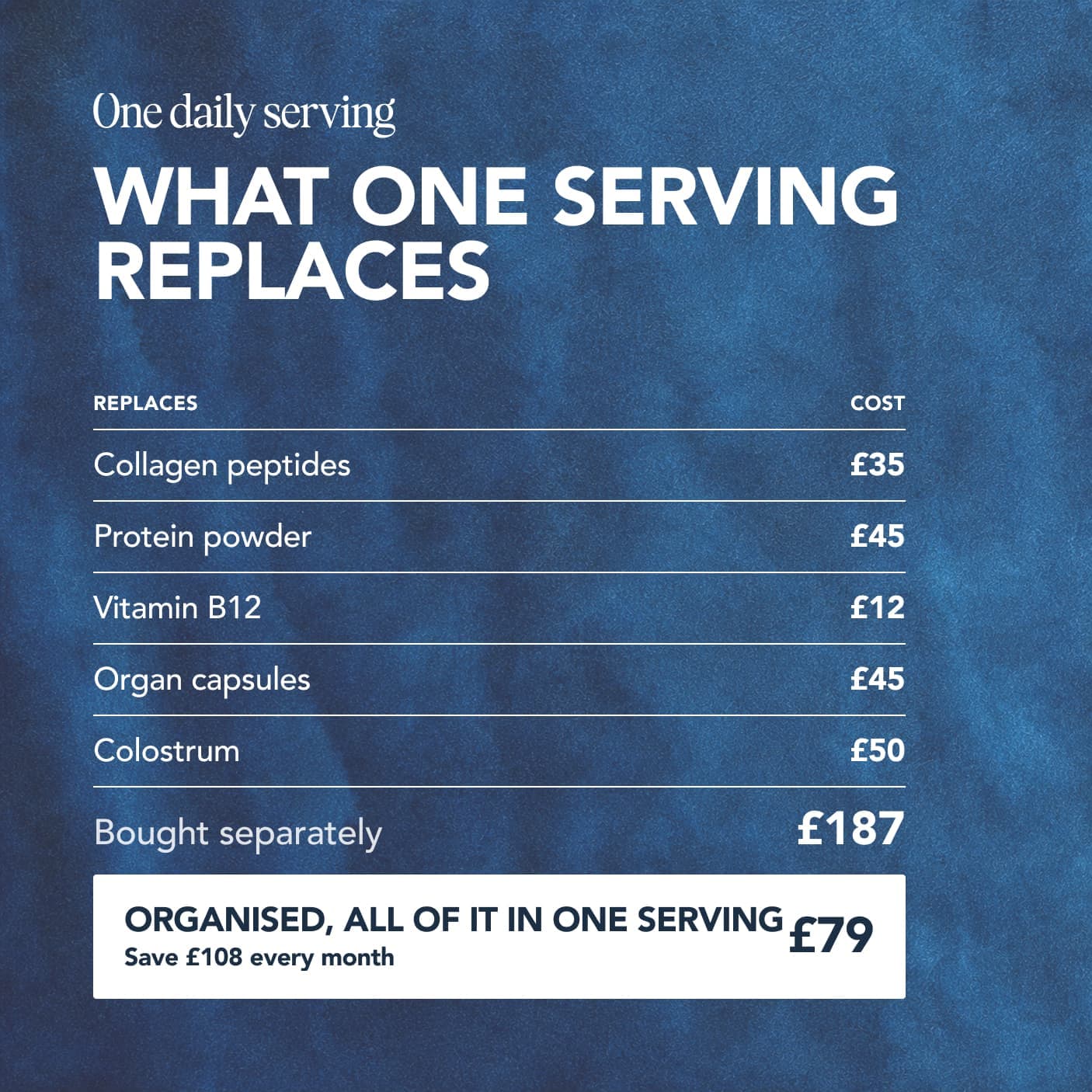
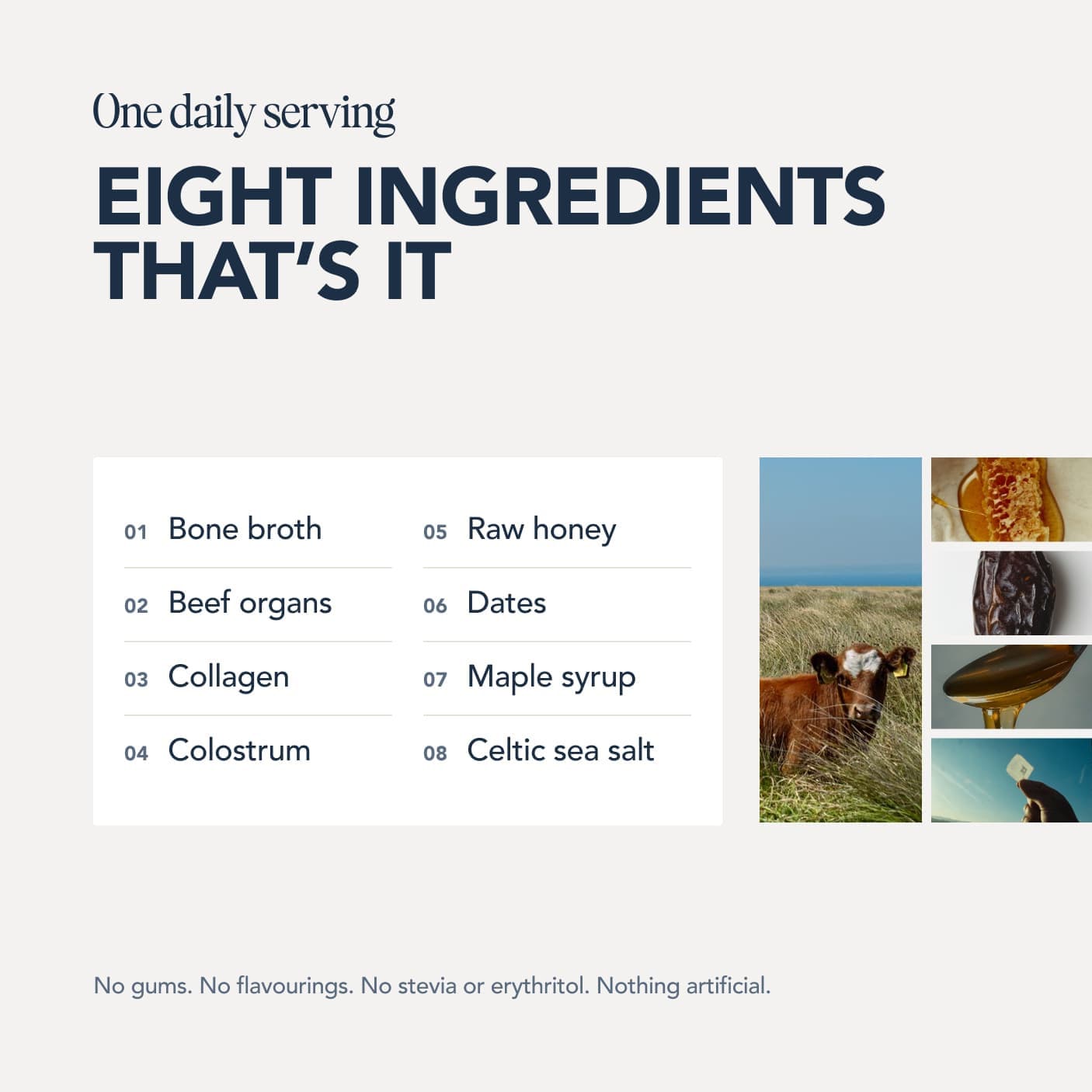
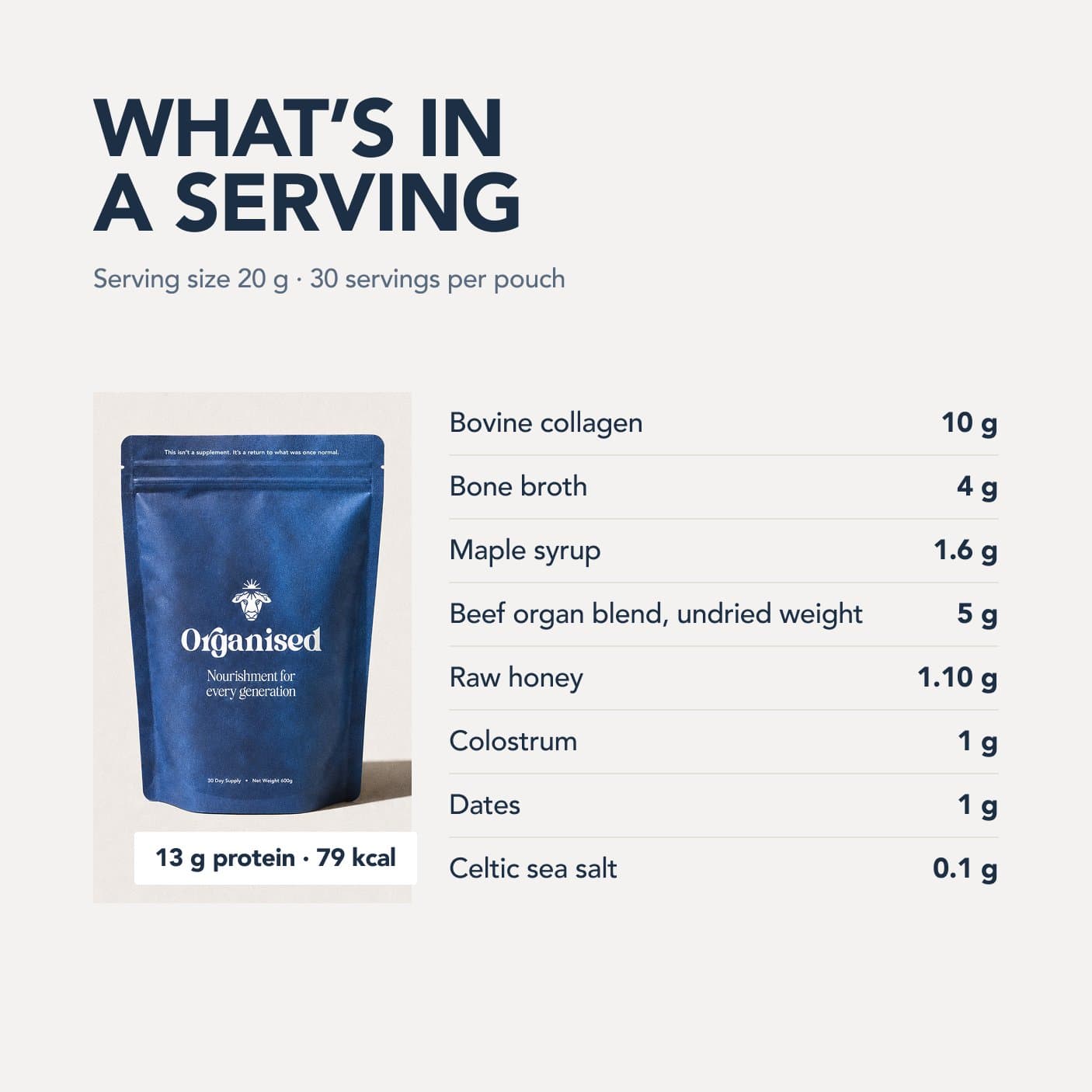
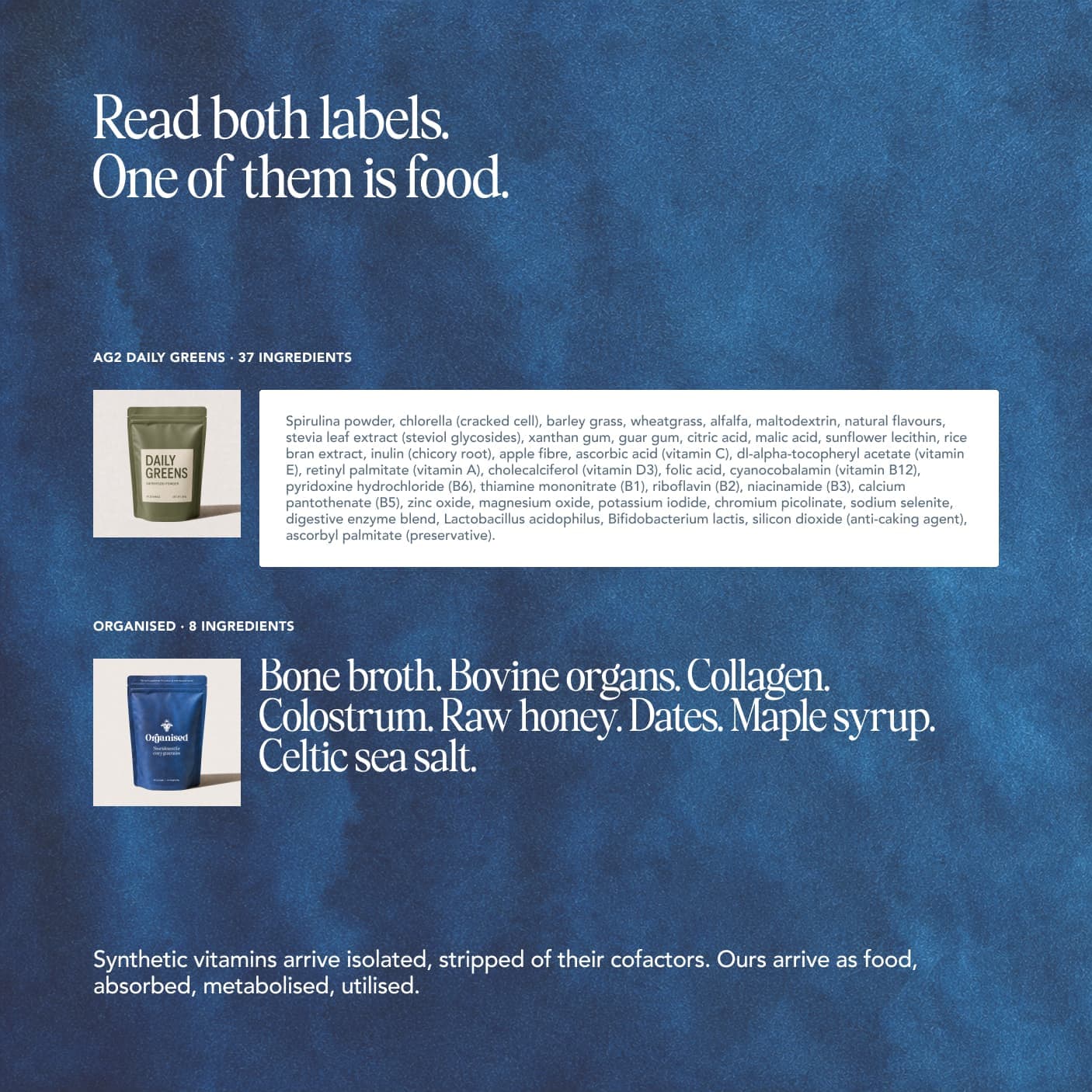
Eight real ingredients built around grass-fed beef organs, collagen and colostrum. Nothing synthetic added.
Free with your first order, worth £38. Plus £10 off the pouch with a subscription.
Free UK shipping · Made in England · 100 day money back guarantee on your first pouch · Skip, pause or cancel anytime
What you'll learn
The documentary traces milk from grass to glass. It explores the biology of how different farming practices affect the composition of milk. It interviews farmers, nutritionists, and people who've used raw milk to resolve their own health challenges.
It answers questions that rarely get asked: What makes some raw milk safe and other raw milk risky? How do you find a farm producing raw milk ethically? What's actually in raw milk that makes it different from pasteurised alternatives?
More fundamentally, it explores why we've built a food system that requires destroying the nutrient profile of food in order to make it safe. And whether there's a different way.
The film isn't propaganda for raw milk consumption. It's an honest exploration of what's happening on farms, why farmers are making the choices they're making, and what the implications are for food quality and health.
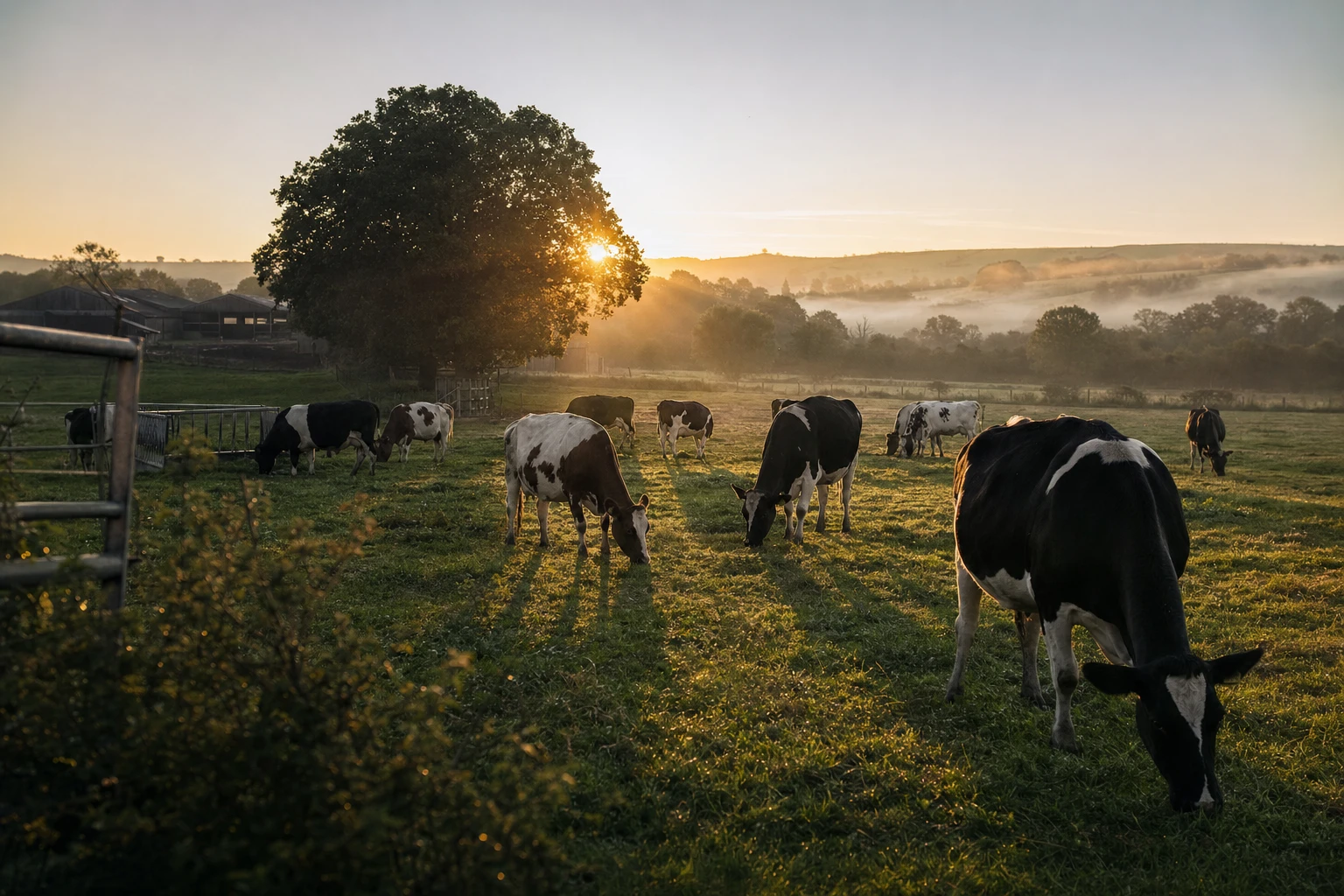
We made this documentary because the story matters. Not just for the farmers, but for anyone who cares about where their food comes from. About whether the food system is genuinely optimised for health, or whether it's optimised for other priorities.
The Death of Normal: Milk premieres 31 May 2026. Watch the trailer and get notified the moment it goes live →
References
Every source below was checked on 27 August 2026. Each PubMed, PMC and DOI identifier was resolved against NCBI or Crossref, and what it opens is printed under the citation, so you can see the link goes where the citation says without leaving the page. Where a citation and its identifier disagreed, the citation was corrected to the record or the reference was deleted along with the sentence marker that pointed at it, and where the resolved paper turned out not to support the sentence, the sentence was cut back to what it does support. Borrowed authority is worse than none, because it looks like rigour.
- Loss G, et al. The protective effect of farm milk consumption on childhood asthma and atopy: the GABRIELA study. J Allergy Clin Immunol. 2011. PMID 21875744.Checked 27 August 2026: PMID 21875744 opens Loss G, Apprich S, Waser M et al, The protective effect of farm milk consumption on childhood asthma and atopy: the GABRIELA study. J Allergy Clin Immunol 2011;128(4):766-773.e4. PubMed indexes it as: Clinical Trial, Multicenter Study.
- Waser M, et al. Inverse association of farm milk consumption with asthma and allergy in rural and suburban populations across Europe (PARSIFAL). Clin Exp Allergy. 2007. PMID 17456213.Checked 27 August 2026: PMID 17456213 opens Waser M, Michels KB, Bieli C et al, Inverse association of farm milk consumption with asthma and allergy in rural and suburban populations across Europe. Clin Exp Allergy 2007;37(5):661-70. PubMed indexes it as: Multicenter Study.
Who wrote and reviewed this guide
Niall Kiddle
Author · Founder, Organised
Niall is the founder of Organised. He started the company in 2024 after fixing his own health the slow way: in 2022 he swapped a cupboard of synthetic supplements for real food, raw milk, organ meats, bone broth and honey, and felt the difference within months.
Areas of expertise: Ancestral nutrition, Organ meats, Whole-food supplementation, Gut health, Regenerative sourcing
Read Niall's full profile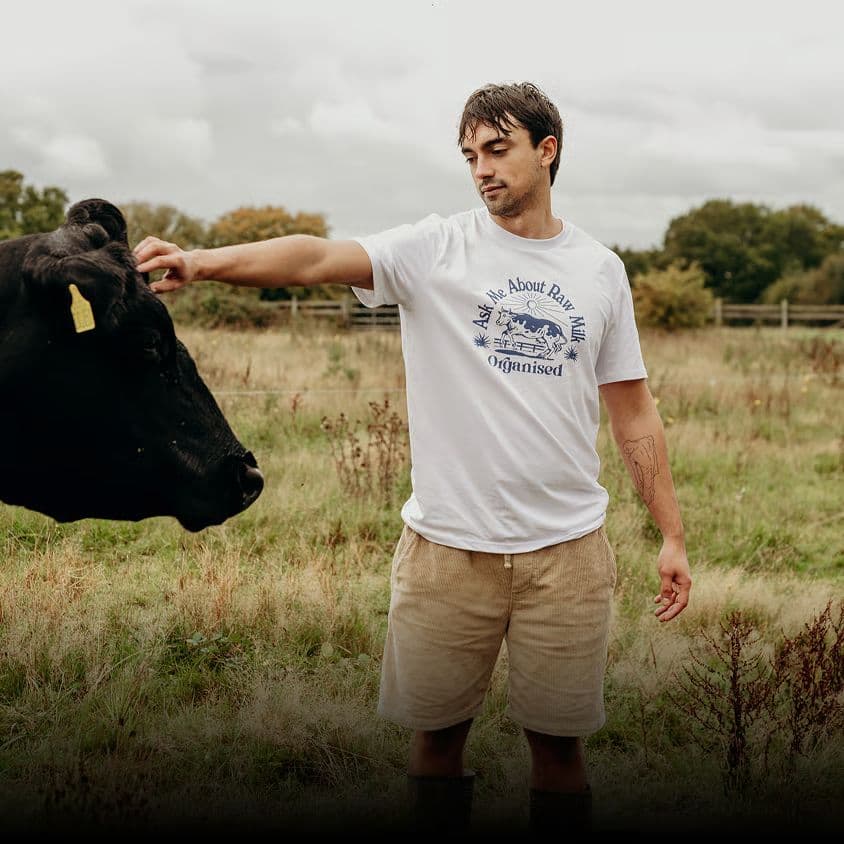
Pedro Rodrigues
Reviewer · Agronomist (farming and sourcing only)
Pedro is the agronomist Organised works with on farming and sourcing. His job on the guides is to keep the science honest: he reviews what we publish about soil health, regenerative agriculture, grazing and the way food is actually produced.
Areas of expertise: Regenerative agriculture, Agronomy, Soil health, Grass-fed farming, Food sourcing
Reviewed this guide on
Read Pedro's full profileMore on movement
View all- The Return to Real Food: Why Millions Are Rejecting Ultra-Processed Diets
- Against Ultra-Processed: A Manifesto for Real Food
- Find a Farm: How to Source Real Food Near You
- Food Sovereignty: Taking Back Control of What You Eat
- Processed Food Companies Don't Want You to Know This
- Social Media and Nutrition: Navigating the Noise
- The Anti-UPF Movement: What's Driving the Backlash Against Processed Food
- The Problem with 'Clean Label' Marketing
- The Rise of Ancestral Eating in the UK
- What 'Nourishment for Every Generation' Really Means to Us
- Why 'Eat Less, Move More' Failed a Generation
- Why More Doctors Are Recommending Whole Food Over Supplements
Browse the guides library
All guidesKeep reading
Culture & community
What Doctors and Nutritionists Are Saying About Organised
Medical professionals increasingly recommend whole food over supplements. Here's what practitioners are saying about real nutrition.
Culture & community
Food Sovereignty: Taking Back Control of What You Eat
Understanding food sovereignty, why knowing your food sources matters, and how to resist industrial food systems through local and regenerative choices.
Culture & community
From Supplement Sceptic to Daily User: Customer Journeys
Real stories of sceptics who became committed supplement users. Why doubt transformed into trust, and how they know it's working.
Real food, made effortless
Shop the blendA few ways to use it
All recipes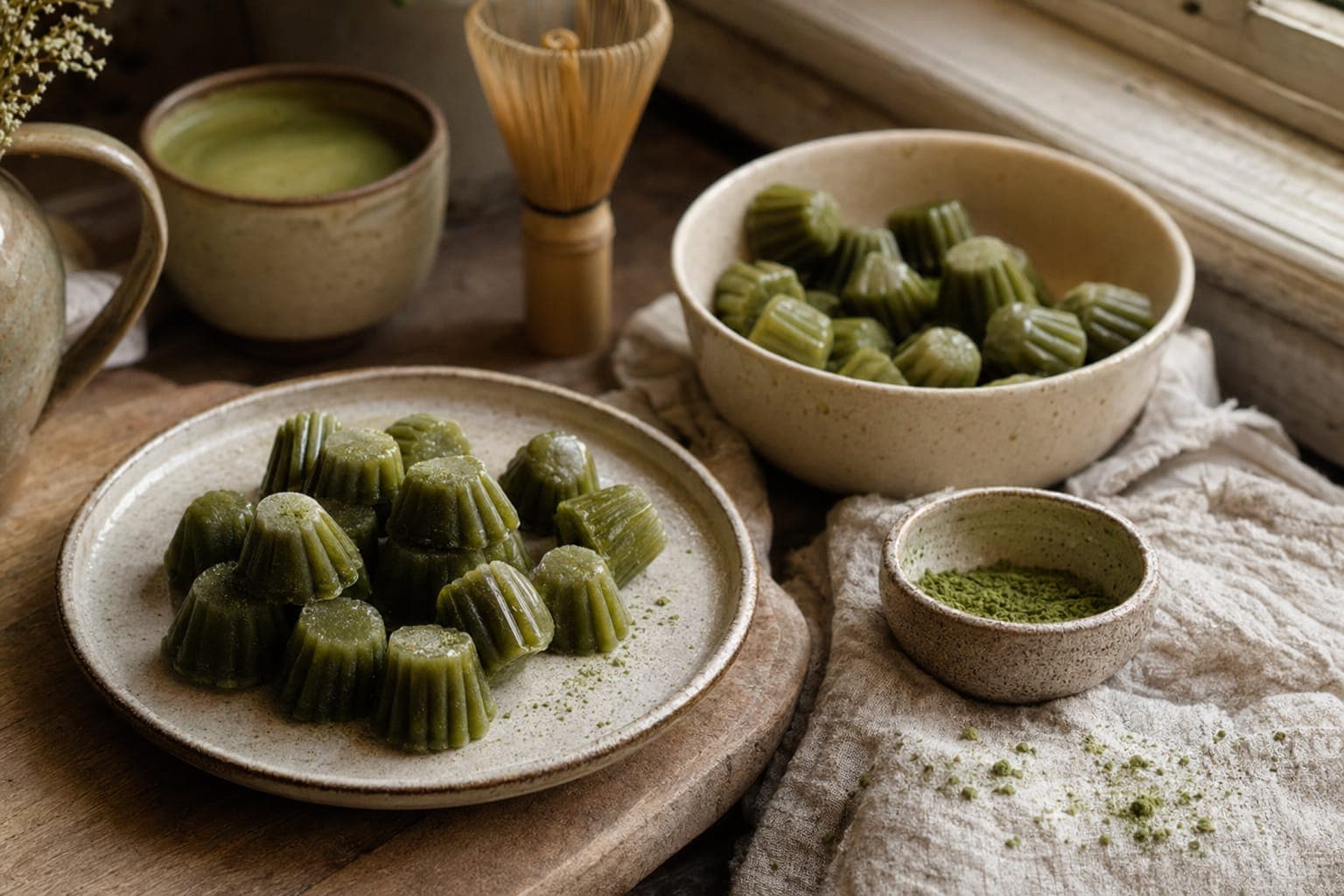
Matcha Latte Gummies with Collagen and Gelatine
Make visually stunning matcha latte gummies infused with collagen and gelatine. Simple recipe for gut-healing sweets you'll actually want to eat.
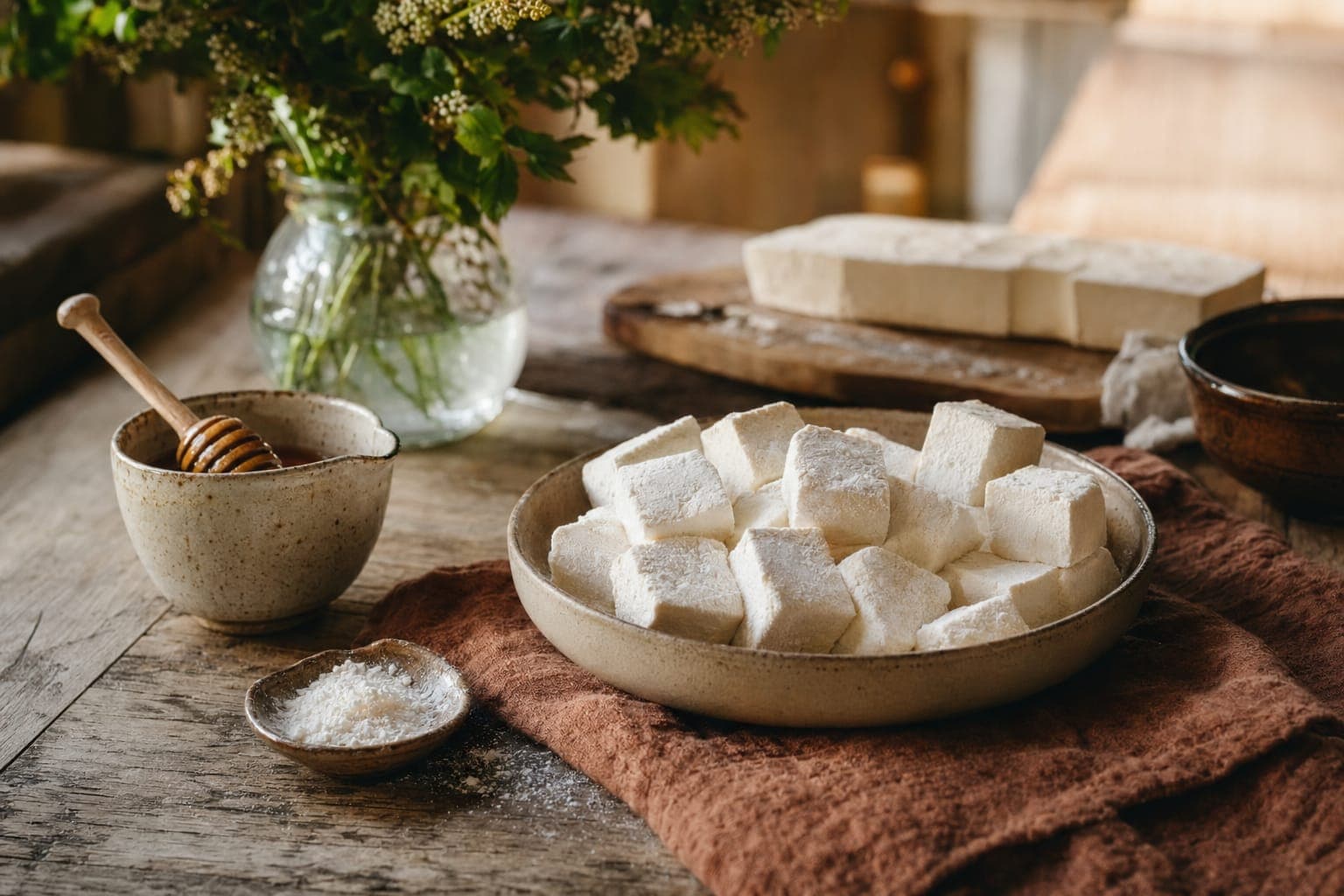
Gut-Healing Marshmallows with Collagen and Raw Honey
Learn to make gut-healing marshmallows with collagen and raw honey. A shareable treat that sneaks nutrition into every bite. Easy recipe with video tips.
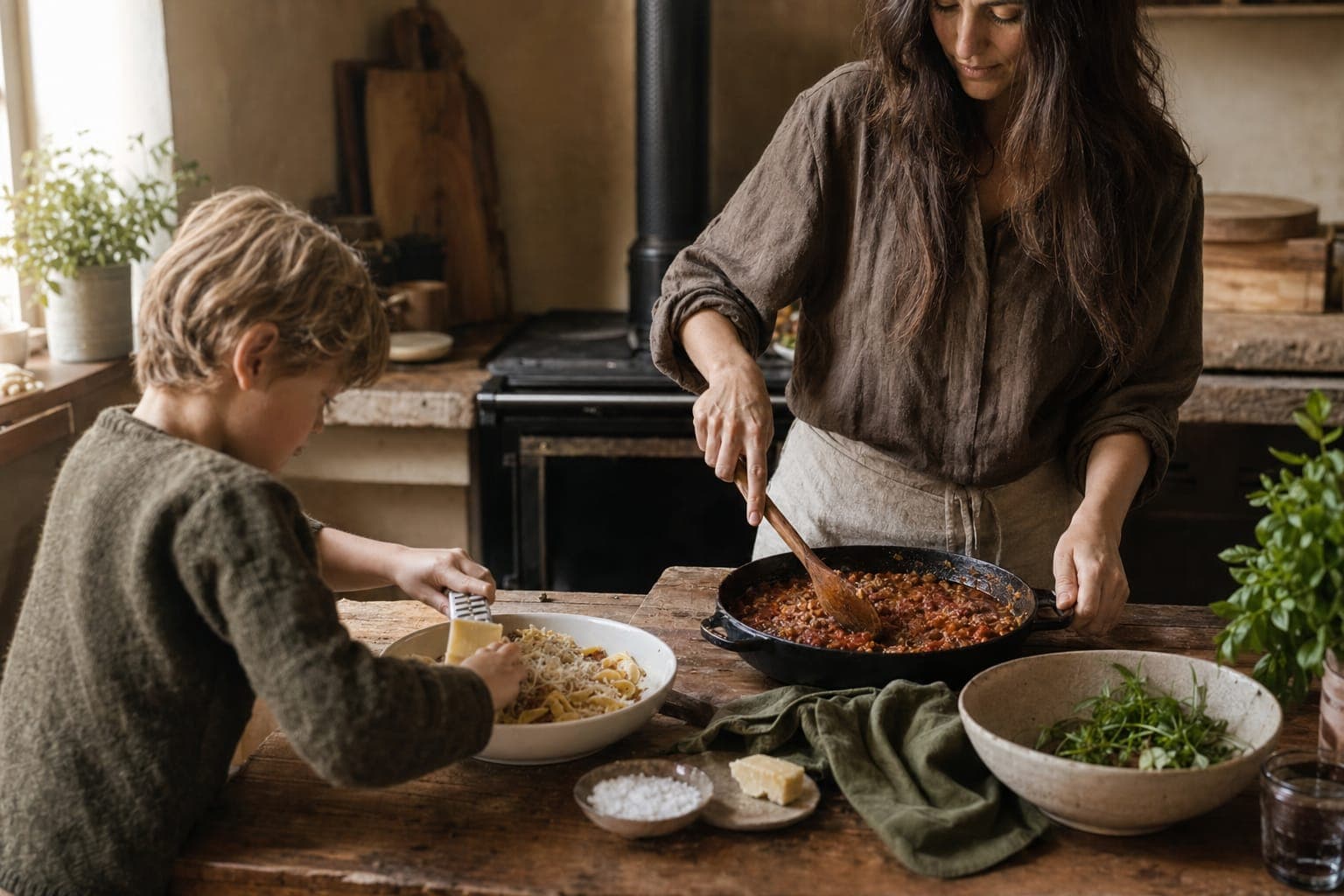
Organ Bolognese: The Family Dinner That Heals
Practical organ meat recipe using fresh beef liver and heart. Family-friendly bolognese that bridges supplements to whole food.


 Join over 100,000+ members
Build a better food system with us
The Organised community is thousands of people choosing real food and backing the farmers who grow it, all of us trying to leave the world a little better than we found it. If that is what you care about too, you belong here.