What 'Nourishment for Every Generation' Really Means to Us
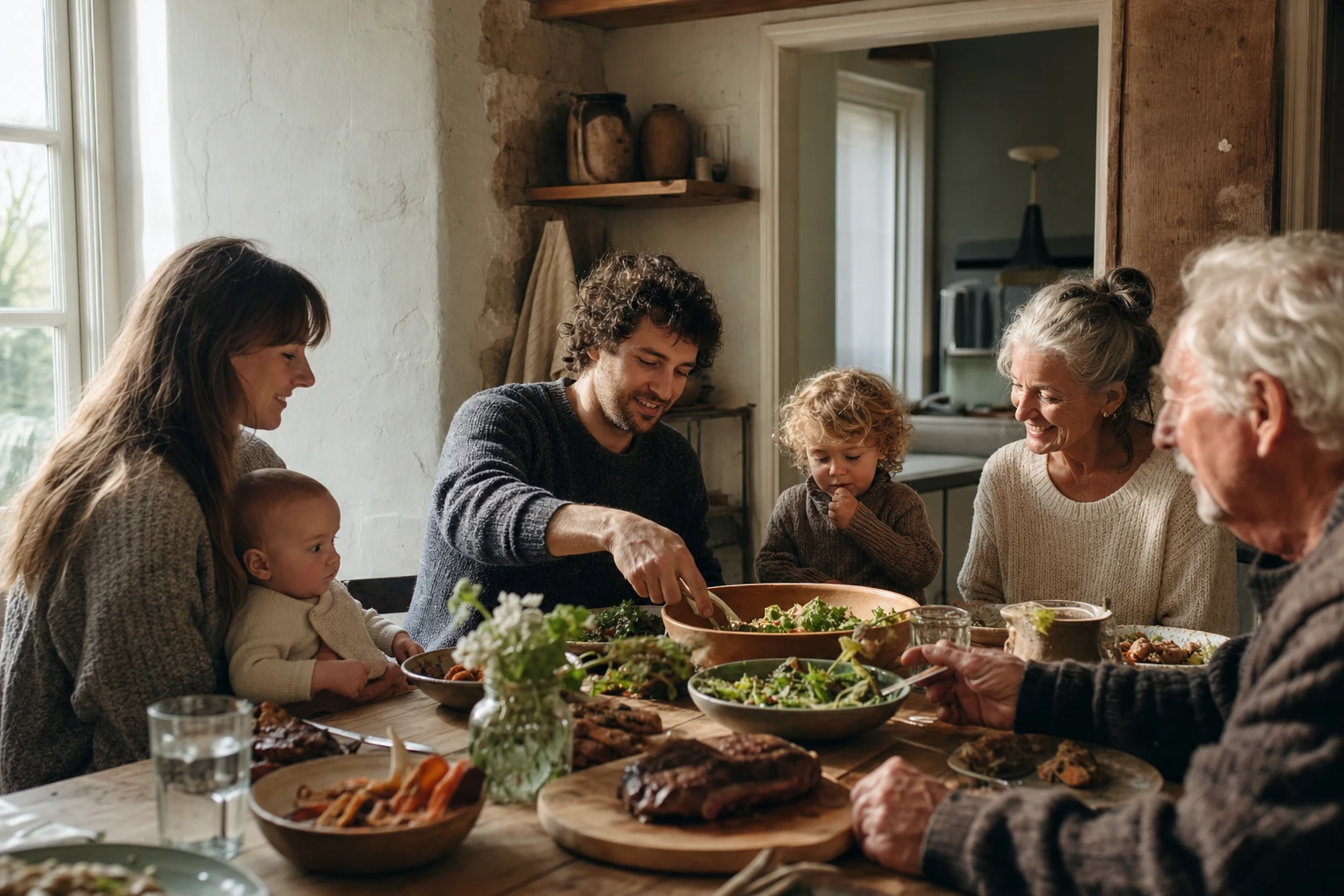
Nourishment for every generation. It's our tagline, but it's not marketing speak. It's literally what we mean. The foods we make are designed so that a woman pregnant or breastfeeding can use them. So that a child learning to eat solids can use them. So that a working adult can use them. So that a grandmother in her 90s can use them. The same food, different life stage, same fundamental need.
By Niall Kiddle, Founder, Organised

Reviewed by Pedro Rodrigues, Agronomist (farming and sourcing only) ·
8 min read · Published · Updated · 5 cited sources
Makers of the Organised Daily blend, a grass-fed beef organ supplement from regenerative UK farms
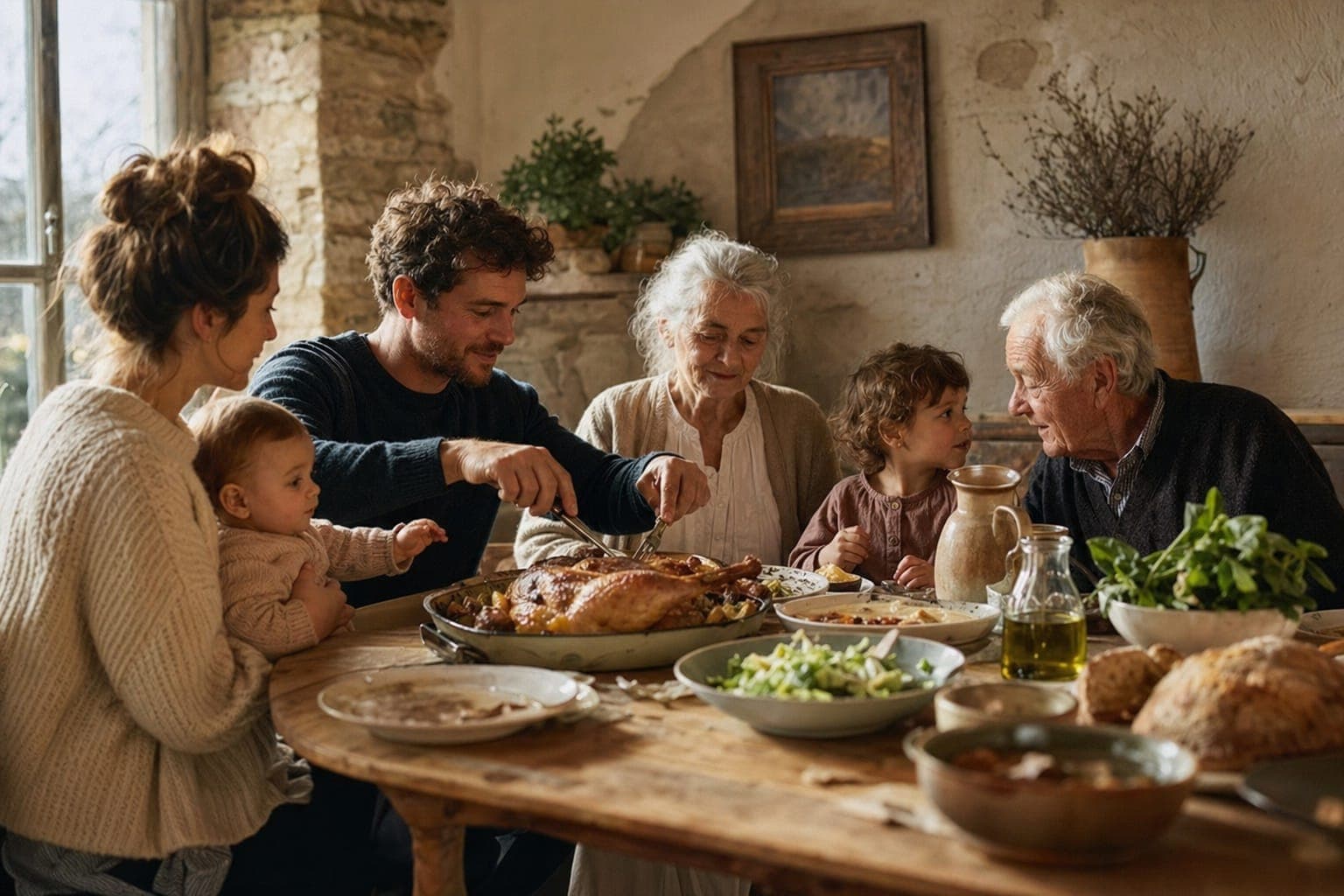
This isn't easy marketing. It's far easier to create products for a specific persona. A supplement for women over 40. A powder for athletes. A tonic for the stressed. Instead, we've chosen to make things that work across the entire human lifespan.
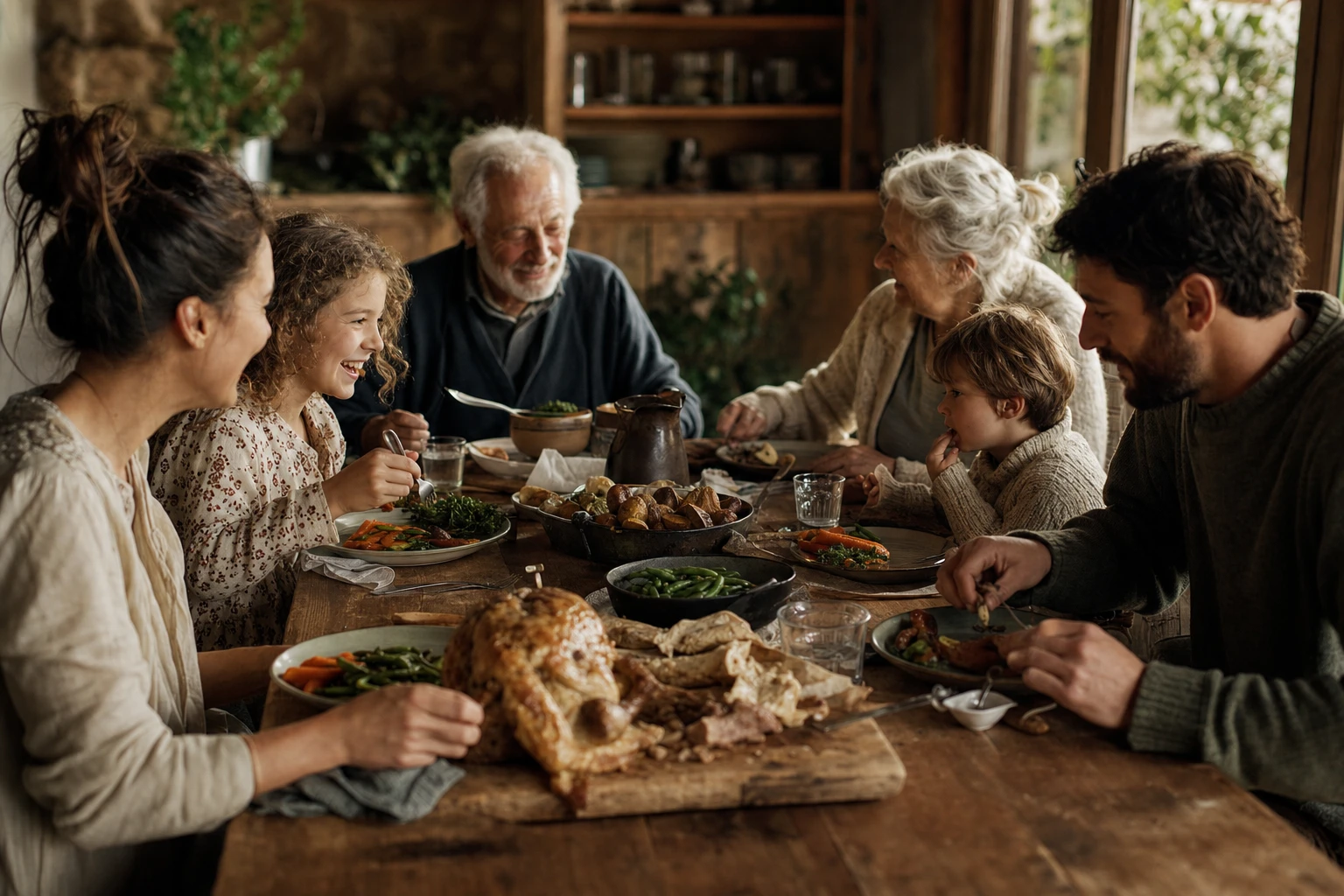
The pregnant and breastfeeding woman
Pregnancy and lactation increase requirements for many nutrients including protein, choline, iron, iodine, and several vitamins.1 A pregnant woman needs more of almost everything. More protein. More minerals, particularly magnesium, zinc, and iron. More fat-soluble vitamins. More choline, which directly influences foetal brain development.
A breastfeeding woman is literally converting her own nutrient stores into milk to feed another human. If her nutrient status is poor, she depletes further. If her nutrient status is good, her milk is nutrient-dense and her recovery is faster.
The foods we create for this stage are designed to be nutrient-dense enough that a woman can meet her needs without eating vastly larger quantities. Bone broth, collagen, beef liver, and organ meat blends are ideal for this. They concentrate the nutrients a pregnant or lactating woman needs in a form she can eat easily, digest easily, and assimilate easily.
The infant learning to eat
The first foods a baby eats become the foundation of their immune system and metabolic health. Starting with nutrient-dense foods means the baby receives the nutrients they need for brain development, immune function, and healthy metabolism.
The standard advice to start with grain porridge or processed rice cereal is bizarre from a nutritional perspective. These foods provide almost no micronutrient density. A baby would be better served starting with egg yolk, bone broth, or soft-cooked muscle meat.
The foods we create can be used this way. A soft, nutrient-dense food introduced early sets a pattern of preferring real food over processed alternatives. It gives the child's metabolism the signals it needs to develop properly.
The growing child
Growing children need enormous amounts of nutrients. They're building an entire human body whilst also maintaining existing systems. Per kilogram of body weight, children's requirements for protein and many micronutrients exceed those of adults during periods of rapid growth.2
Protein, minerals, and fat-soluble vitamins are essential. A child who is poorly nourished will be smaller, weaker, and more prone to infection. A child who is well nourished will grow vigorously, resist illness, and develop strong teeth, bones, and organs.
Many modern children are both overfed and undernourished. They eat plenty of calories from processed foods, but those calories come without the nutrients that would support growth and health. A child eating real foods, bone broth, liver, eggs, and full-fat dairy develops differently than one eating industrial processed foods.
The foods we create can be incorporated into a child's diet at whatever stage they're at. They're nutrient-dense enough to make a difference. They're familiar enough that they don't require the child to develop a taste for something exotic.
The young adult building their health foundation
A young adult has the advantage of resilience. Bad nutrition doesn't immediately show consequences. But the foundation is being built. The nutrient status a young person establishes in their 20s and 30s influences their health in their 50s and beyond.
For a young adult, particularly one with high physical demands (athletics, manual labour, demanding career), nutrient density matters. The difference between eating processed foods and real foods shows up in recovery speed, energy levels, immune function, and hormonal balance.
This is the life stage when supporting muscle building, bone density, and metabolic resilience has the longest payoff. A young adult investing in nutrient density is quite literally buying health later in life.
The working parent managing stress and fatigue
A working parent, particularly one with young children, is chronically stressed and fatigued. The nervous system is activated. Cortisol is elevated. Sleep is fragmented. The immune system is run down.
This life stage calls for nutrient-dense food that doesn't require much preparation. Bone broth. Pre-made collagen. Organ meat blends that can be quickly added to meals. The food needs to support the nervous system, the adrenal glands, and the immune system.
It also needs to be affordable. A parent buying real food for themselves and their family can't spend hours preparing everything. The foods we create are designed to be quick and to fit into a busy life. A cup of bone broth in the morning. A serving of collagen in the afternoon. These tiny additions accumulate into significant nutrient intake.
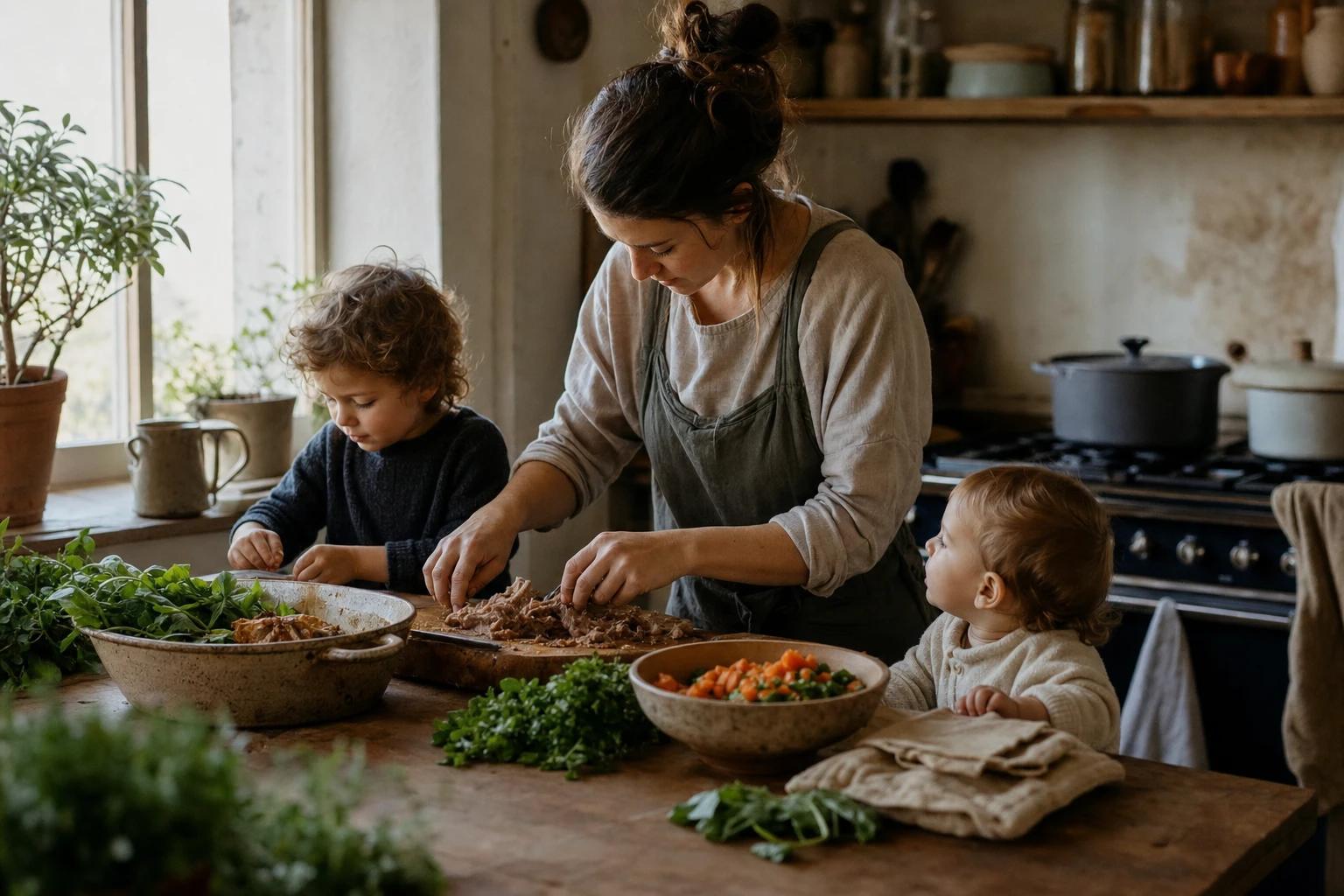
The ageing adult preserving strength and cognition
Older adults absorb some nutrients (notably vitamin B12) less efficiently and benefit from higher protein intake to preserve muscle mass.3 Mineral needs increase. The risk of cognitive decline and physical frailty becomes apparent.
An older adult eating exactly the same diet as they did at 30 is under-nourishing themselves. They need more protein to maintain muscle. More minerals to maintain bone density. More B12 to maintain cognitive function. More antioxidants to manage chronic inflammation.
The good news is that the response to improved nutrition is often dramatic. An older adult who was declining physically can often reverse that decline through improved nutrition. Strength improves. Energy improves. Cognitive function improves.
The foods we create are ideal for this stage. Bone broth for joint health and mineral density. Collagen for skin, joint, and gut integrity. Organ meat blends for the nutrients that modern diets lack.
Get stories from the community, free
Two short reads a week on the farmers, the standards, and the return to real food.
By signing up you agree to receive emails from us. No spam, unsubscribe anytime.
The elderly person fighting nutritional decline
By 80 or 90, an elderly person often faces nutritional challenges that go beyond food choice. Dental problems make eating difficult. Appetite suppression is common. Medication can interfere with nutrient absorption. The energy required to prepare food might exceed available energy.
At this stage, nutrient density becomes critical. There's no room for empty calories. Every calorie needs to carry nutrients. Every meal needs to count.
Bone broth is ideal. It's soft, easy to digest, nutrient-dense, and supportive of the connective tissue that's declining with age. Collagen supports skin, nails, hair, and joints, all of which deteriorate in very advanced age. Organ meats provide nutrients that can't be obtained from muscle meat alone.
An elderly person eating well is not just surviving longer. They're maintaining strength, cognition, and quality of life. The difference between an 90-year-old who's well-nourished and one who's undernourished is visible in their vitality.
The same foods that nourish a pregnant woman nourish a child learning to eat and an elderly woman in her 90s. The human nutritional need for nutrient-dense whole food doesn't change across the lifespan.
The shared thread
What's consistent across every life stage is the fundamental need for nutrient density. Across 80 years of human life, the need for protein, minerals, vitamins, and essential fats is constant. The quantity might change. The specific focus might shift. But the basics don't.
A pregnant woman doesn't need different types of nutrients than a 90-year-old. She needs more of them. A growing child doesn't need exotic foods. They need real foods in amounts appropriate for their growth.
The tragedy of modern nutrition is that the food system has fragmented. A pregnant woman gets advice to eat one thing. A child gets fed something different. An elderly person gets something else entirely. Yet the human body, across the lifespan, is making the same request: give me nutrient-dense whole food.
When we created Organised, the insight was that this request doesn't change. A product that serves a pregnant woman can serve her child, her grandchild, and eventually her children's children. The same food, across generations, meeting the same fundamental need.
The bottom line
Nourishment for every generation isn't a marketing slogan. It's a design principle. Every product we make is built so that a woman can use it whilst pregnant or breastfeeding. So that a child learning to eat can use it. So that a working parent under stress can use it. So that an elderly person can use it. One product, many life stages, same fundamental human need. This is what it means to us. Not everyone will need the same thing at the same time. But everyone, across the entire human lifespan, needs real food. We're here to make sure that real food is available, accessible, and designed for the reality of how people actually live.
1 of 9
Daily blend
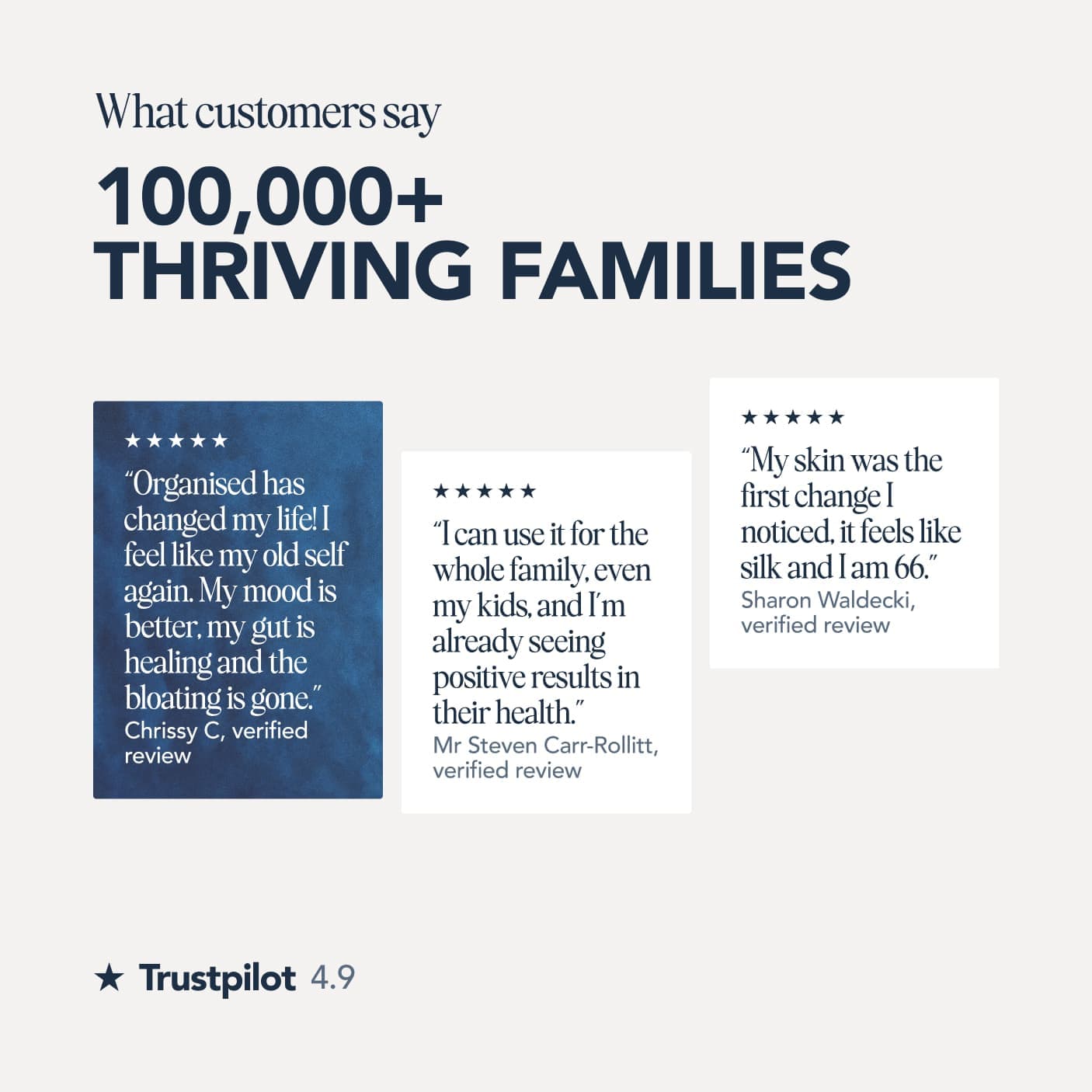
100,000+ thriving families4.9 on Trustpilot
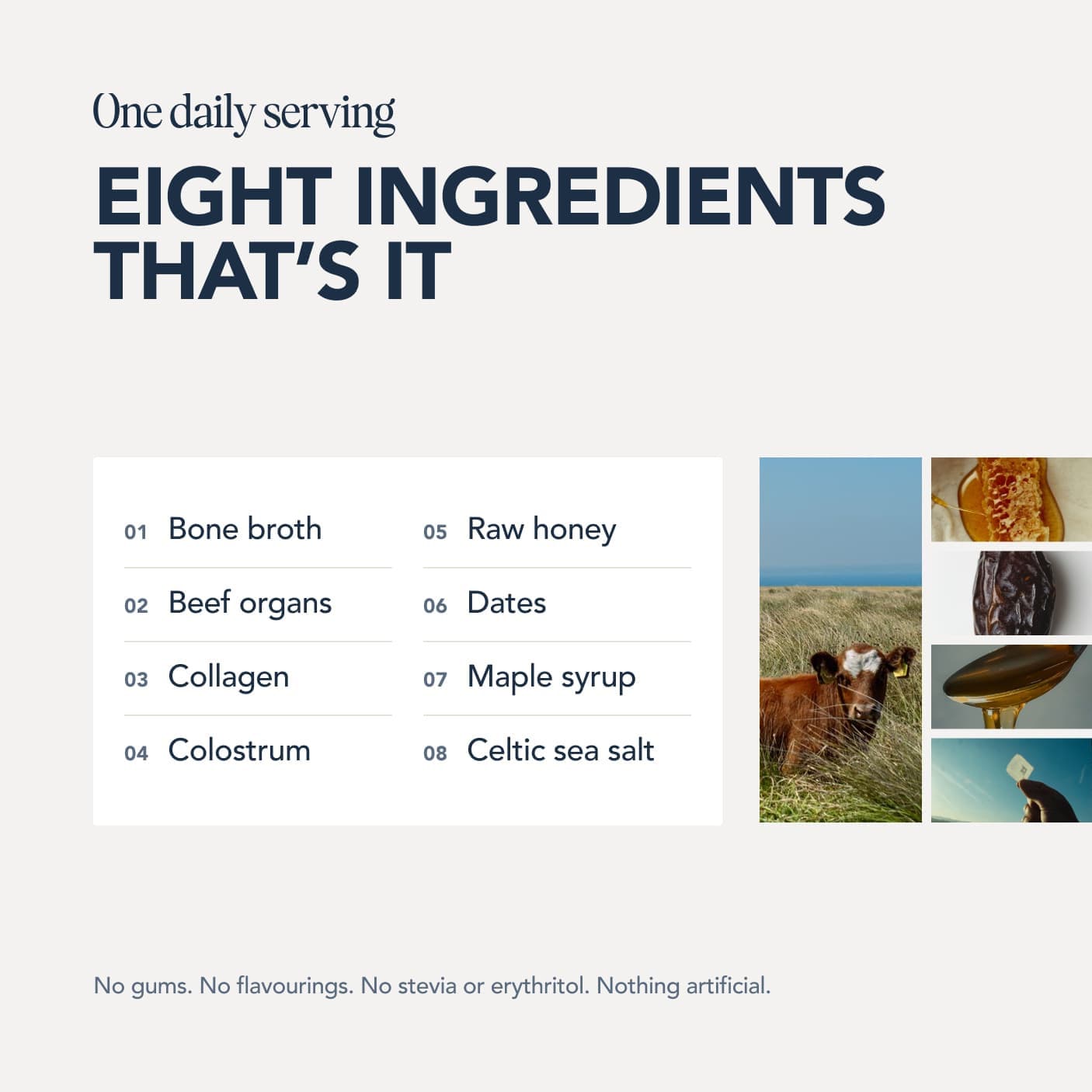
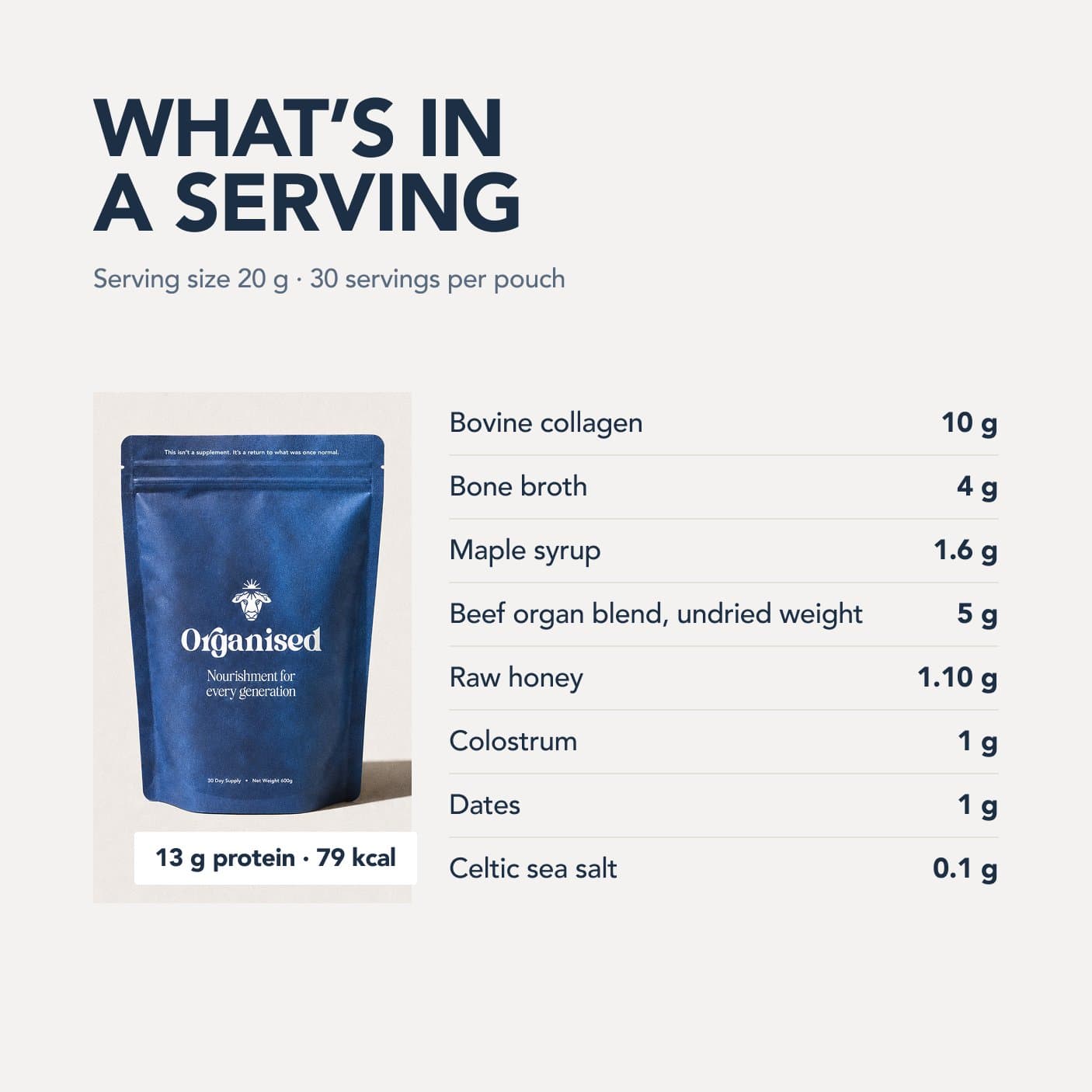
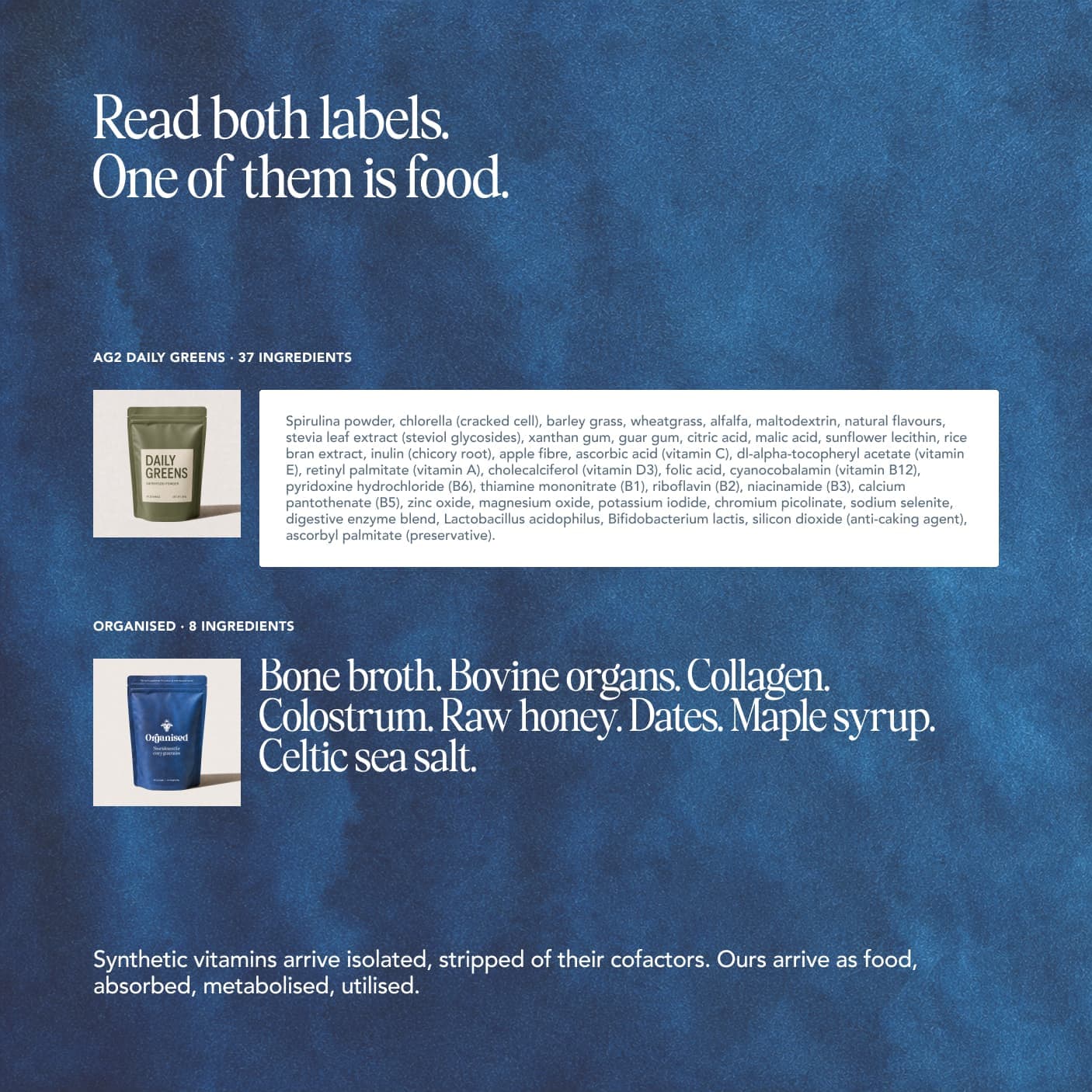
Eight real ingredients built around grass-fed beef organs, collagen and colostrum. Nothing synthetic added.
Free with your first order, worth £38. Plus £10 off the pouch with a subscription.
Free UK shipping · Made in England · 100 day money back guarantee on your first pouch · Skip, pause or cancel anytime
On UK NHS guidance and liver in pregnancy
The NHS recommends pregnant women avoid liver and liver products entirely, on the grounds that liver is dense in preformed retinol and high doses of preformed retinol are teratogenic. That guidance errs heavily on the side of total avoidance. The published evidence is more specific.
The Rothman 1995 NEJM study, which underpins most modern retinol-in-pregnancy advice, found increased risk of birth defects in women whose chronic intake of preformed retinol exceeded roughly 10,000 IU per day (about 3,000 mcg RAE per day) during the first trimester. That figure is also the NIH ODS Tolerable Upper Intake Level for adults.
A 100-gram serving of cooked beef liver delivers roughly 7,800 to 11,100 mcg RAE depending on preparation (USDA FoodData Central; NIH ODS). The published threshold is for chronic daily intake, not for a single serving — Rothman 1995 explicitly framed the risk around habitual intake during the first trimester, not occasional consumption. A 30-gram serving once a week averages around 330 mcg RAE per day across the week, well below the 3,000 mcg/day UL. Even a 50-gram weekly portion averages around 600 mcg per day. Traditional pregnancy diets observed by Weston Price across multiple cultures included occasional liver as a sacred food, in portions and frequencies consistent with this weekly-average framing rather than daily heavy consumption.
Our position: the brand recommends small, occasional liver servings (30 to 50 grams once or twice a week) for pregnant and preconception women who choose to include it, alongside the rest of a nutrient-dense whole-food diet. If you want to follow NHS guidance and avoid liver entirely, you can still hit the same fat-soluble-vitamin profile through pastured egg yolks, grass-fed dairy and modest amounts of cod liver oil. Discuss any pregnancy nutrition decision with your midwife or obstetrician, particularly if you are already supplementing with vitamin A, multivitamins containing retinol, or acne-treatment retinoids.
References
Every source below was checked on 27 August 2026. Each PubMed, PMC and DOI identifier was resolved against NCBI or Crossref, and what it opens is printed under the citation, so you can see the link goes where the citation says without leaving the page. Where a citation and its identifier disagreed, the citation was corrected to the record or the reference was deleted along with the sentence marker that pointed at it, and where the resolved paper turned out not to support the sentence, the sentence was cut back to what it does support. Borrowed authority is worse than none, because it looks like rigour.
- National Institutes of Health, Office of Dietary Supplements. Dietary Supplements and Life Stages: Pregnancy - Health Professional Fact Sheet. ods.od.nih.gov
- National Academies of Sciences, Engineering, and Medicine. Dietary Reference Intakes for protein. USDA / NAS DRIs
- Bauer J, et al. Evidence-based recommendations for optimal dietary protein intake in older people: a position paper from the PROT-AGE Study Group. J Am Med Dir Assoc. 2013;14(8):542-59. PMID 23867520Checked 27 August 2026: PMID 23867520 opens Bauer J, Biolo G, Cederholm T et al, Evidence-based recommendations for optimal dietary protein intake in older people: a position paper from the PROT-AGE Study Group. J Am Med Dir Assoc 2013;14(8):542-59. PubMed indexes it as: Consensus Statement, Review.
- Rothman KJ, Moore LL, Singer MR, Nguyen UD, Mannino S, Milunsky A. Teratogenicity of high vitamin A intake. New England Journal of Medicine. 1995;333(21):1369-1373. https://pubmed.ncbi.nlm.nih.gov/7477116/Checked 27 August 2026: PMID 7477116 opens Rothman KJ, Moore LL, Singer MR et al, Teratogenicity of high vitamin A intake. N Engl J Med 1995;333(21):1369-73.
- National Institutes of Health, Office of Dietary Supplements. Vitamin A and Carotenoids: Fact Sheet for Health Professionals. https://ods.od.nih.gov/factsheets/VitaminA-HealthProfessional/ [accessed May 2026].
Who wrote and reviewed this guide
Niall Kiddle
Author · Founder, Organised
Niall is the founder of Organised. He started the company in 2024 after fixing his own health the slow way: in 2022 he swapped a cupboard of synthetic supplements for real food, raw milk, organ meats, bone broth and honey, and felt the difference within months.
Areas of expertise: Ancestral nutrition, Organ meats, Whole-food supplementation, Gut health, Regenerative sourcing
Read Niall's full profile
Pedro Rodrigues
Reviewer · Agronomist (farming and sourcing only)
Pedro is the agronomist Organised works with on farming and sourcing. His job on the guides is to keep the science honest: he reviews what we publish about soil health, regenerative agriculture, grazing and the way food is actually produced.
Areas of expertise: Regenerative agriculture, Agronomy, Soil health, Grass-fed farming, Food sourcing
Reviewed this guide on
Read Pedro's full profileMore on movement
View all- The Return to Real Food: Why Millions Are Rejecting Ultra-Processed Diets
- Against Ultra-Processed: A Manifesto for Real Food
- Find a Farm: How to Source Real Food Near You
- Food Sovereignty: Taking Back Control of What You Eat
- Processed Food Companies Don't Want You to Know This
- Social Media and Nutrition: Navigating the Noise
- The Anti-UPF Movement: What's Driving the Backlash Against Processed Food
- The Problem with 'Clean Label' Marketing
- The Raw Milk Renaissance: Our Documentary
- The Rise of Ancestral Eating in the UK
- Why 'Eat Less, Move More' Failed a Generation
- Why More Doctors Are Recommending Whole Food Over Supplements
Browse the guides library
All guidesKeep reading
Culture & community
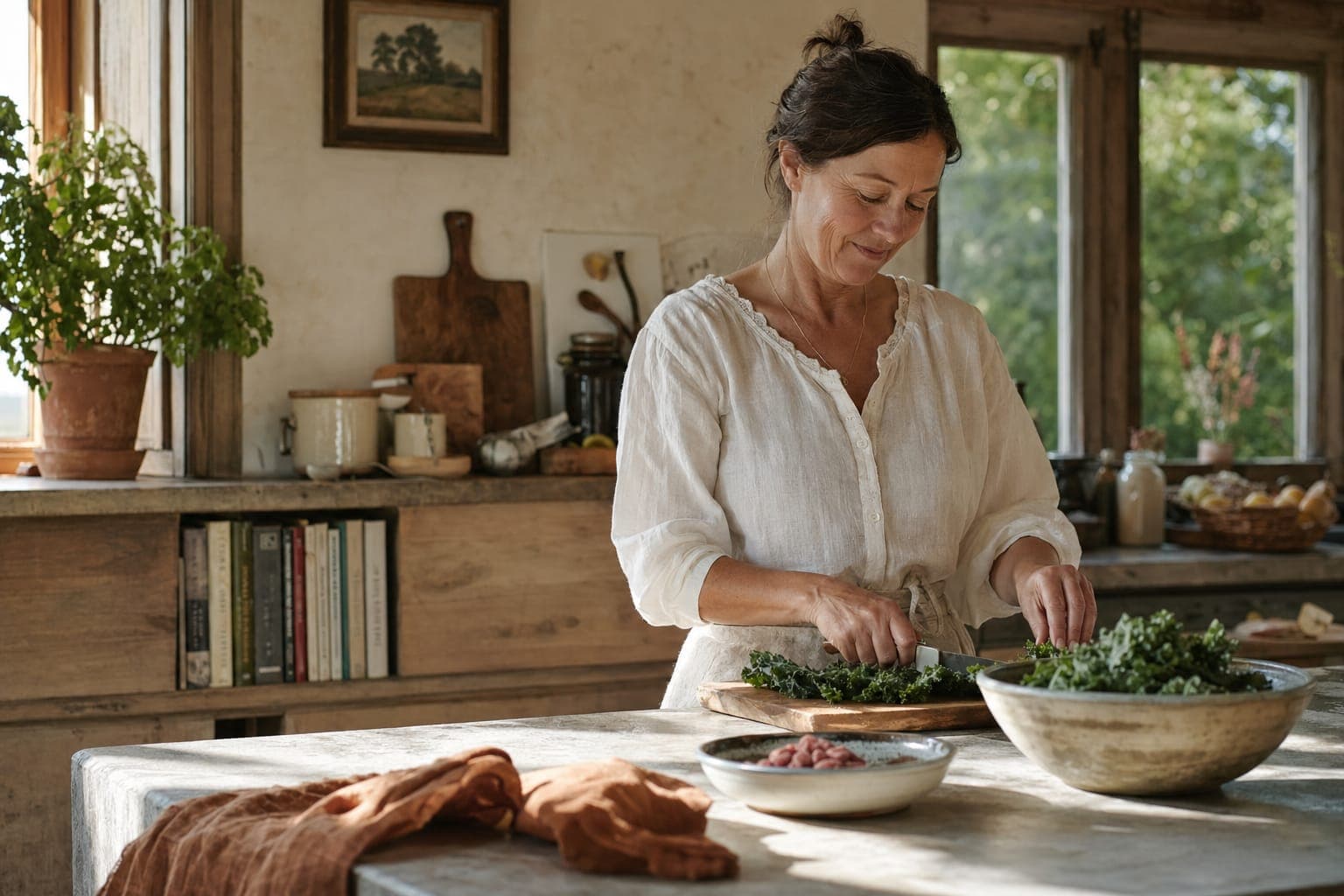
How Niall's Mum Reversed 15 Years of IBS
Niall's mum lived with IBS for 15 years before her symptoms eased after adding organs and collagen back to her diet. The story behind Organised.

Culture & community
Customer Stories: How Organised Changed Their Morning
Read real Organised customer stories from people who changed their mornings, going from foggy and sluggish to clear and functional with a simple daily habit.
Culture & community
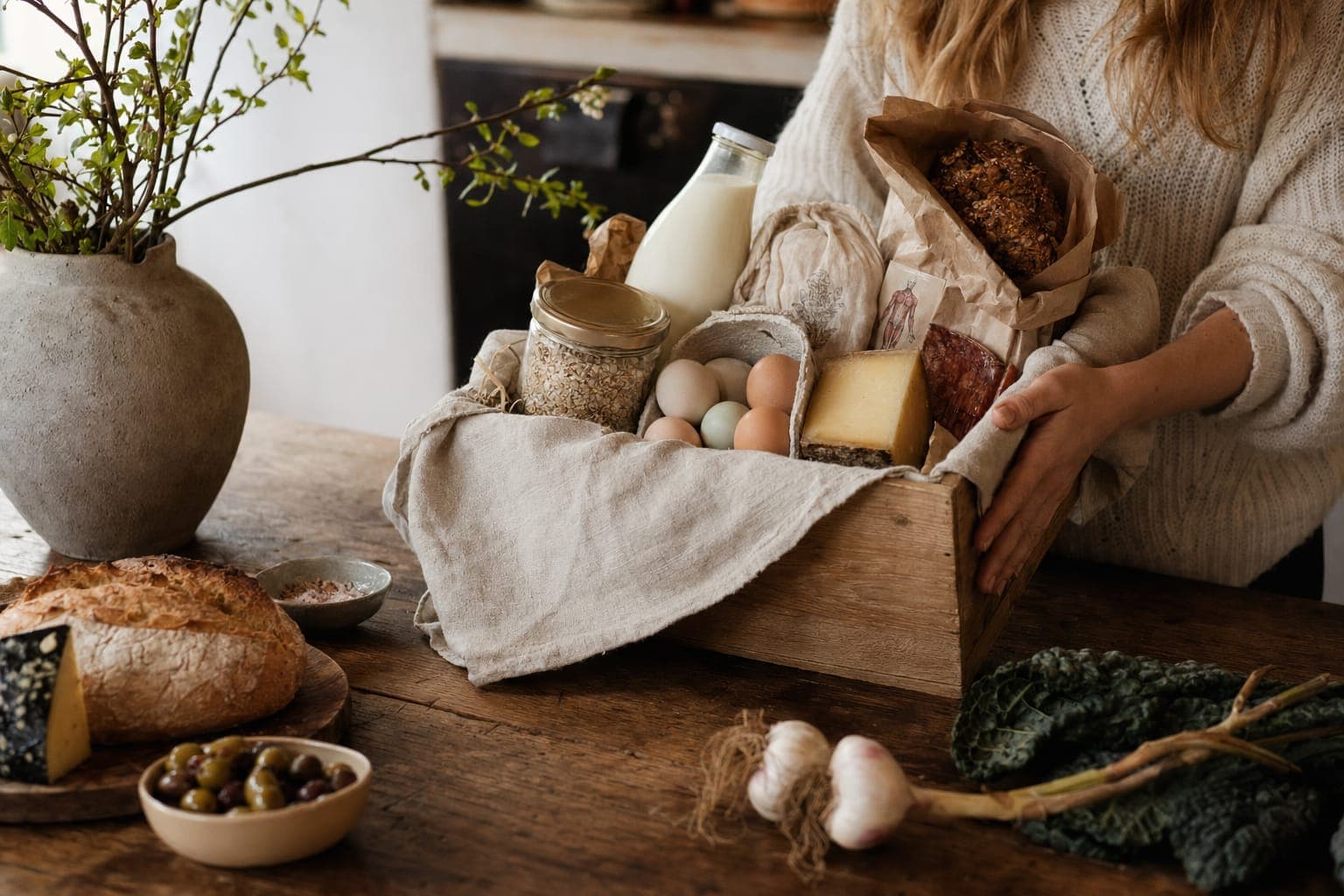
The Best Gift for Someone Who Cares About Their Health
Buying for someone health-conscious? Skip the expensive supplements. Real nourishment comes from whole food. Here's what actually works.
Real food, made effortless
Shop the blendA few ways to use it
All recipes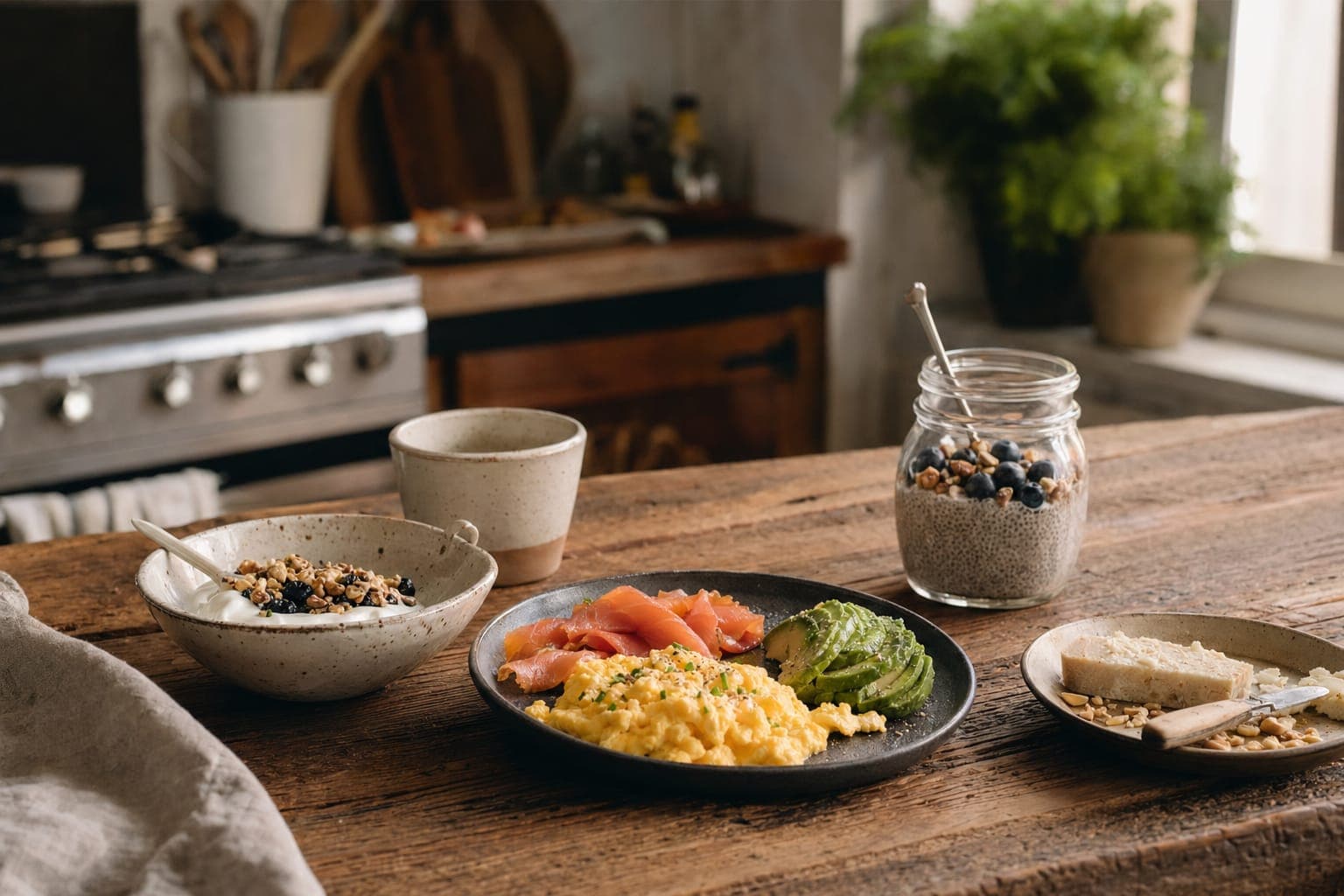
5-Minute High-Protein Breakfasts Using Organised
Quick, high-protein breakfast ideas using Organised. Five recipes you can make in minutes with real food. No fussing around.
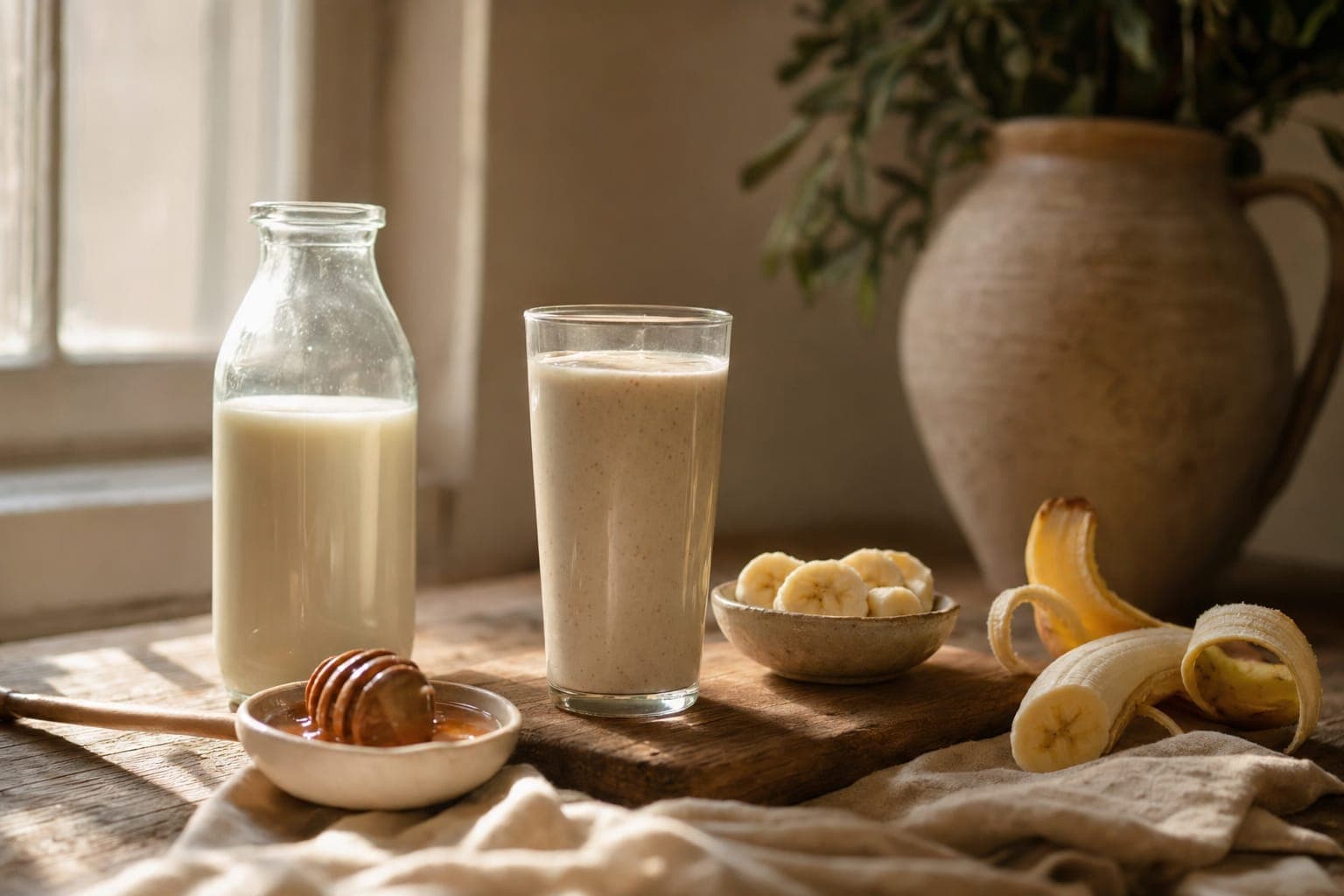
The Perfect Organised Morning Shake: Our Favourite Recipe
Our signature morning shake: Organised, raw milk, banana, honey. Simple, nourishing, and optimised for an empty stomach.
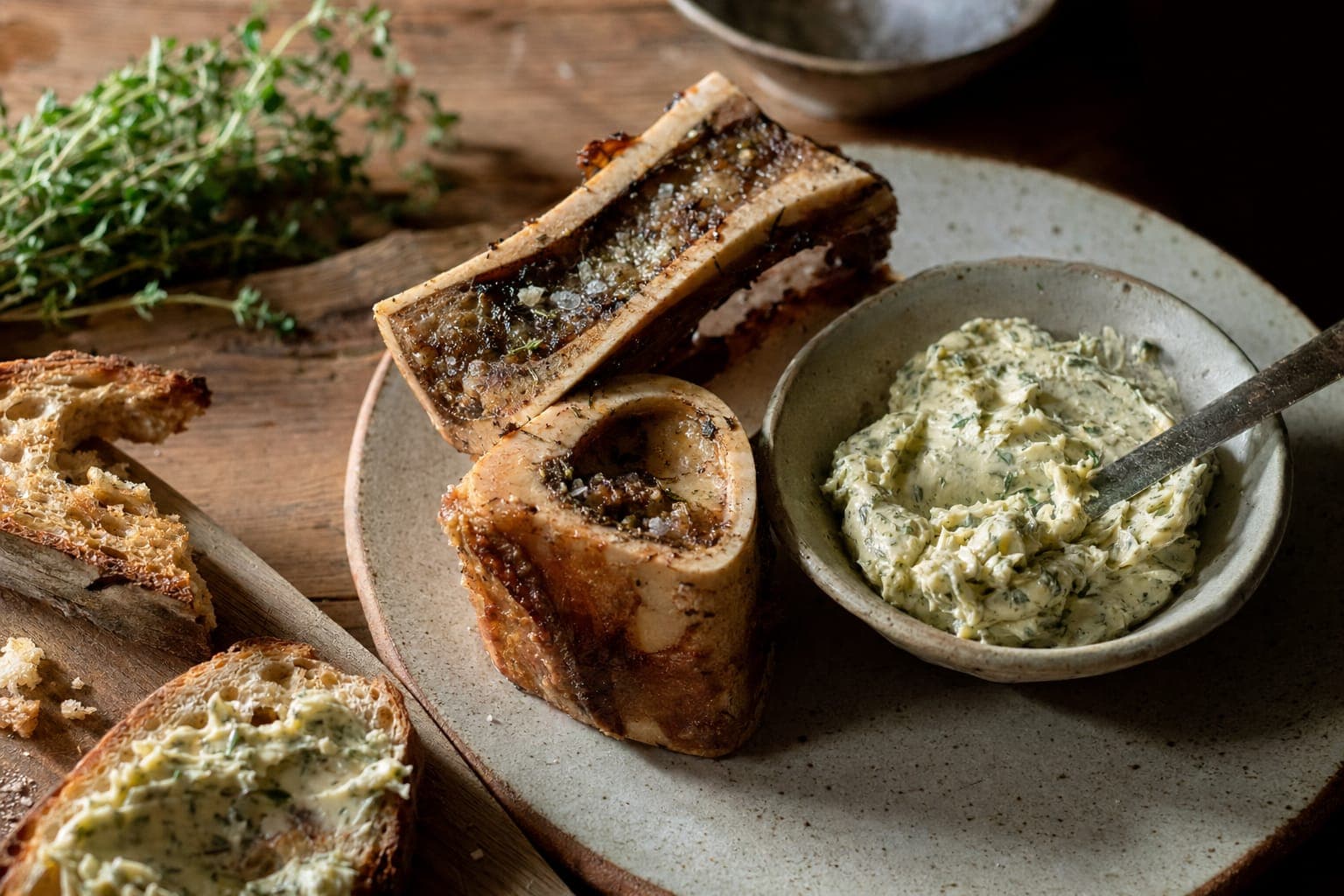
How to Make Bone Marrow Butter
Roast grass-fed marrow bones, scoop the marrow, and mix with butter and herbs. A nutrient-dense spread with fat-soluble vitamins.


 Join over 100,000+ members
Build a better food system with us
The Organised community is thousands of people choosing real food and backing the farmers who grow it, all of us trying to leave the world a little better than we found it. If that is what you care about too, you belong here.