Autumn Nourishment: Preparing Your Body for Winter
Autumn is when your body actually wants to change what it's eating. Not for health trends. For survival. Your ancestors knew this. You probably don't.
By Niall Kiddle, Founder, Organised

Reviewed by Pedro Rodrigues, Agronomist (farming and sourcing only) ·
5 min read · Published · Updated · 2 cited sources
Makers of the Organised Daily blend, a grass-fed beef organ supplement from regenerative UK farms
For most of human history, autumn was when you prepared. You stored. You built reserves. Your body still has those instincts. It wants to accumulate nutrition before winter. Modern life has obscured this, but the biology hasn't changed.
What autumn is asking your body to do
As daylight decreases and temperature drops, your body has specific needs. Your nervous system wants to shift into a more parasympathetic state. Calmer. Slower. More internal. Your metabolism wants to build reserves.
This is signalled through light exposure, temperature, and the foods that grow in autumn. Your body reads these signals and responds by wanting richer food. More fat. More minerals. More calories.
The problem is that modern life fights these signals. You have the same amount of light at work. The same temperature inside. The same foods available year-round. Your body is confused. It wants to prepare. Modern life is saying, "relax, nothing is changing."
Your immune system suffers when you ignore this. You catch colds. Infection rates spike in winter for a reason. Your body hasn't prepared.
Autumn nutrition isn't optional. It's foundation for winter resilience.
Building nutritional reserves
Nutritional reserves are built over weeks, not days. Think of autumn as a 6 to 8 week window to accumulate stores your body will draw on throughout winter.
This means nutrient density becomes essential. One kilo of nutrient-dense food provides more nutritional value than three kilos of empty calories. Organ meats. Full-fat dairy. Bone broth made from long bones and joints. Root vegetables. Nuts and seeds rich in minerals.
Animal foods in autumn matter more than in summer. Your body wants cholesterol for hormone production. It wants saturated fats for cell membrane integrity. It wants amino acids for tissue repair and immune function. These aren't luxuries in autumn. They're preparation.
A simple strategy: by late autumn, ensure you're eating something with animal food content at every meal. An egg with breakfast. Fish at lunch. Meat with dinner. It sounds repetitive. It's actually a return to how humans ate for thousands of years.
Autumn is when a diet built on vegetables and whole grains genuinely fails. Your body needs animal foods more, not less.
Vitamin D and seasonal shifts
Vitamin D production drops dramatically as the sun lowers.1 Your skin angle relative to the sun changes. Cloud cover increases. You spend more time indoors. Your vitamin D levels plummet unless you've prepared.
The first preparation is to eat vitamin D rich foods throughout autumn. Fatty fish. Egg yolks from pasture-raised hens. Organ meats, particularly liver. Raw milk if you can access it. These are your primary sources.
Supplementation becomes reasonable in winter if your intake is low. But the foundation is food. Building adequate levels through autumn food means your stores are substantial enough to carry you through winter without additional support.
How do you know if your levels are adequate? Testing is possible, but the simpler approach is observation. Your energy in winter. Your mood. Your susceptibility to infection. These reflect vitamin D status more accurately than any number.
The role of dense fats and minerals
Fat isn't just energy. It's structural. Your nervous system is 60 percent fat. Your brain is 80 percent fat. Cholesterol isn't a poison. It's the building block of every hormone your body makes, including the ones that regulate immune response.
In autumn, when hormone production matters more (cortisol regulation, melatonin for sleep, immune hormones), dietary fat becomes essential. This is why your body craves it in autumn, not summer.
Minerals work with fat for absorption and utilization. Magnesium, zinc, selenium, copper, iron. These are depleted through stress, illness, and exercise. Autumn is when you replenish them.
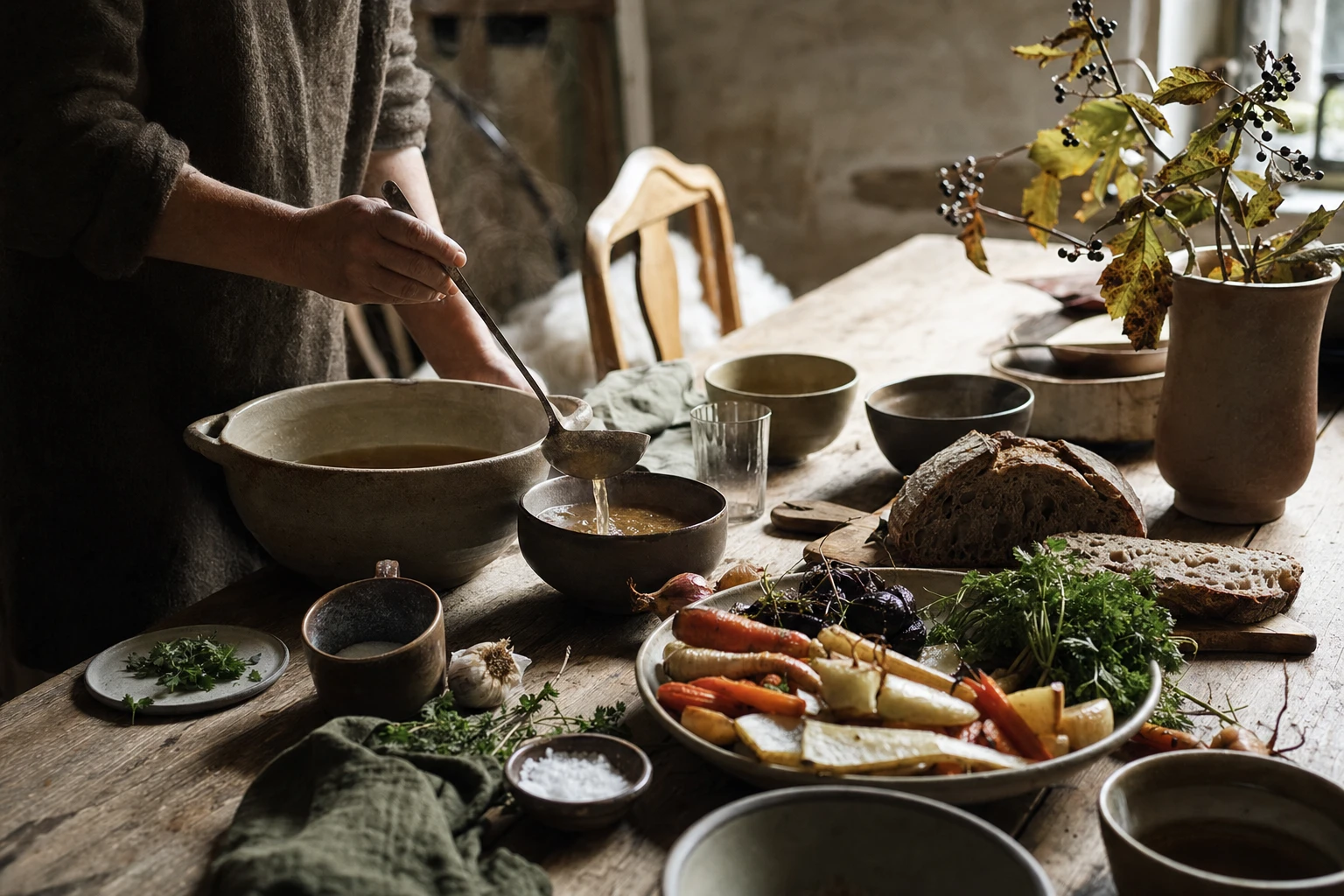
Bone broth is the classic autumn food because it contains gelatin, collagen, minerals, and fat all in one preparation. It's not trendy. It's biological intelligence in a pot.
Your body in autumn is asking for what your ancestors knew to provide. Rich, mineral-dense, fat-containing foods that build resilience.
Get stories from the community, free
Two short reads a week on the farmers, the standards, and the return to real food.
By signing up you agree to receive emails from us. No spam, unsubscribe anytime.
Autumn foods that work
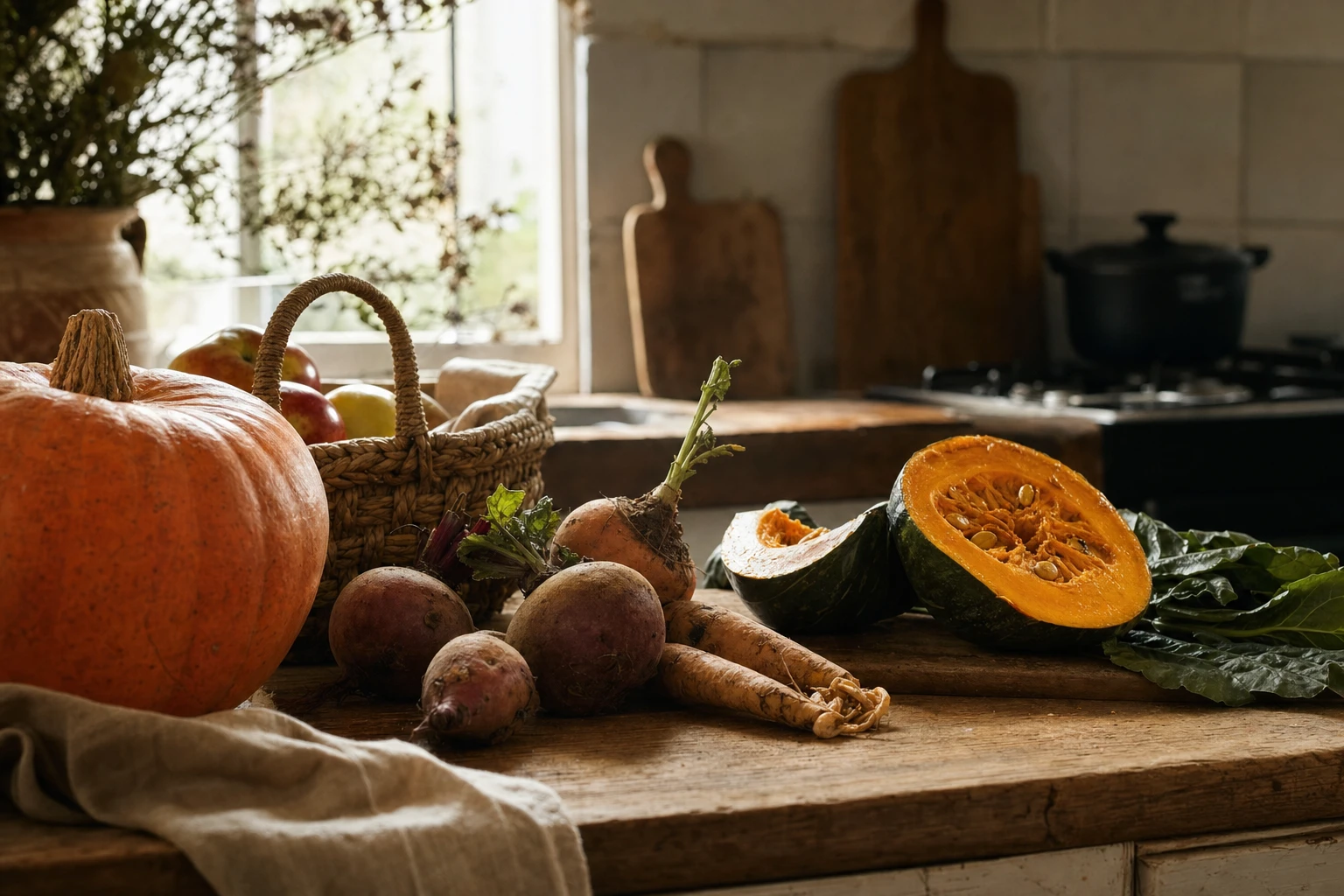
Autumn harvest is generous if you eat seasonally. Root vegetables. Squash. Apples. Pears. Nuts and seeds at their most nutrient-dense. These are your vegetable backbone.
But the protein foundation matters more. Game meats if available. Grassfed beef. Fish. Poultry, particularly organ meats from pastured birds. Eggs. Dairy from grass-fed cows if you tolerate it.
A simple autumn meal: bone broth based soup with root vegetables, meat, and herbs. Bread with grass-fed butter. An apple with almond butter. This is autumn eating. It's not exotic. It's nutritionally complete and builds reserves.
Fermented foods in autumn prepare your gut for the slower movement of winter digestion. Sauerkraut. Kimchi. Aged cheese. Fermented vegetables. These aren't supplements. They're traditional foods that support the bacteria that support your immunity.

1 of 9
Daily blend
100,000+ thriving families4.9 on Trustpilot
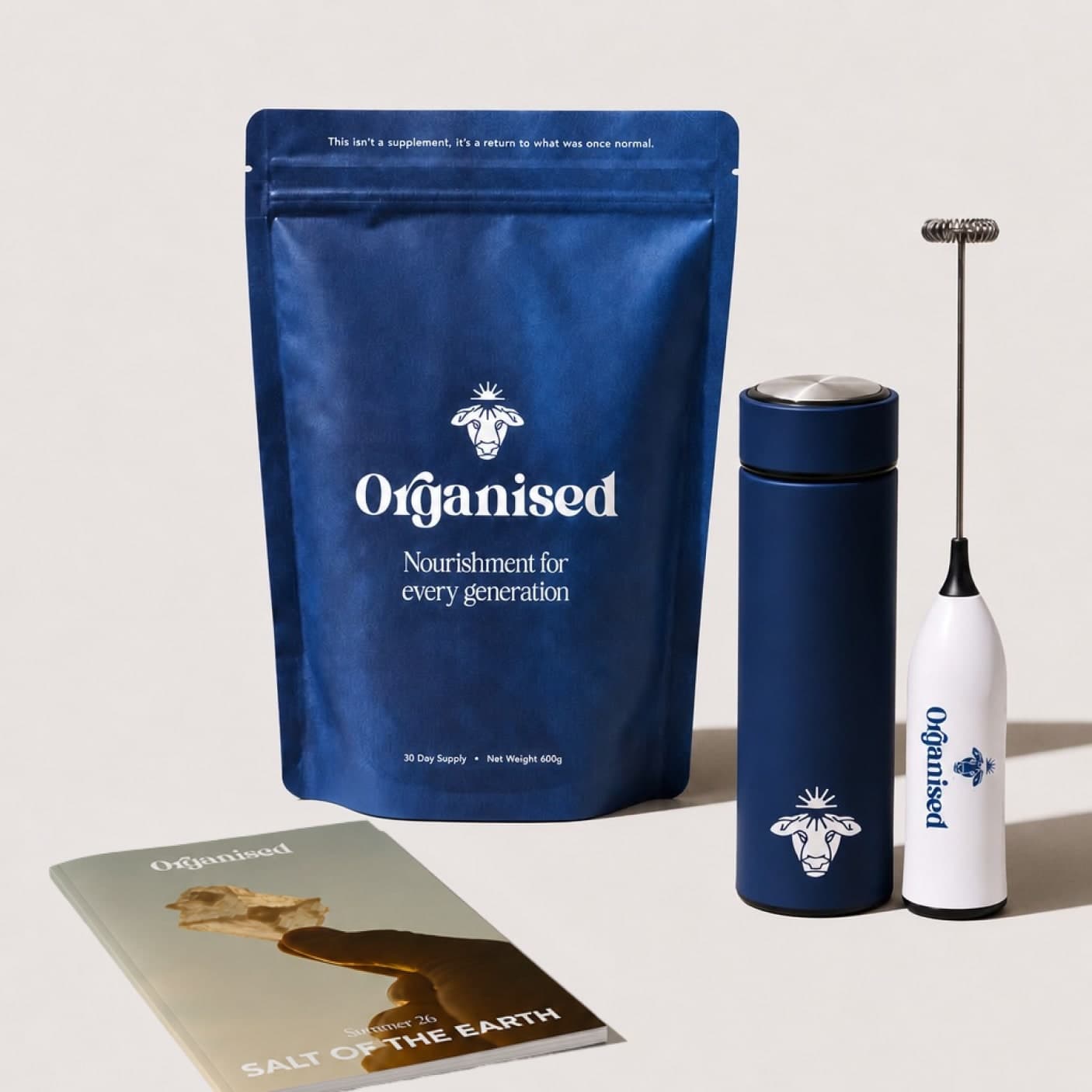
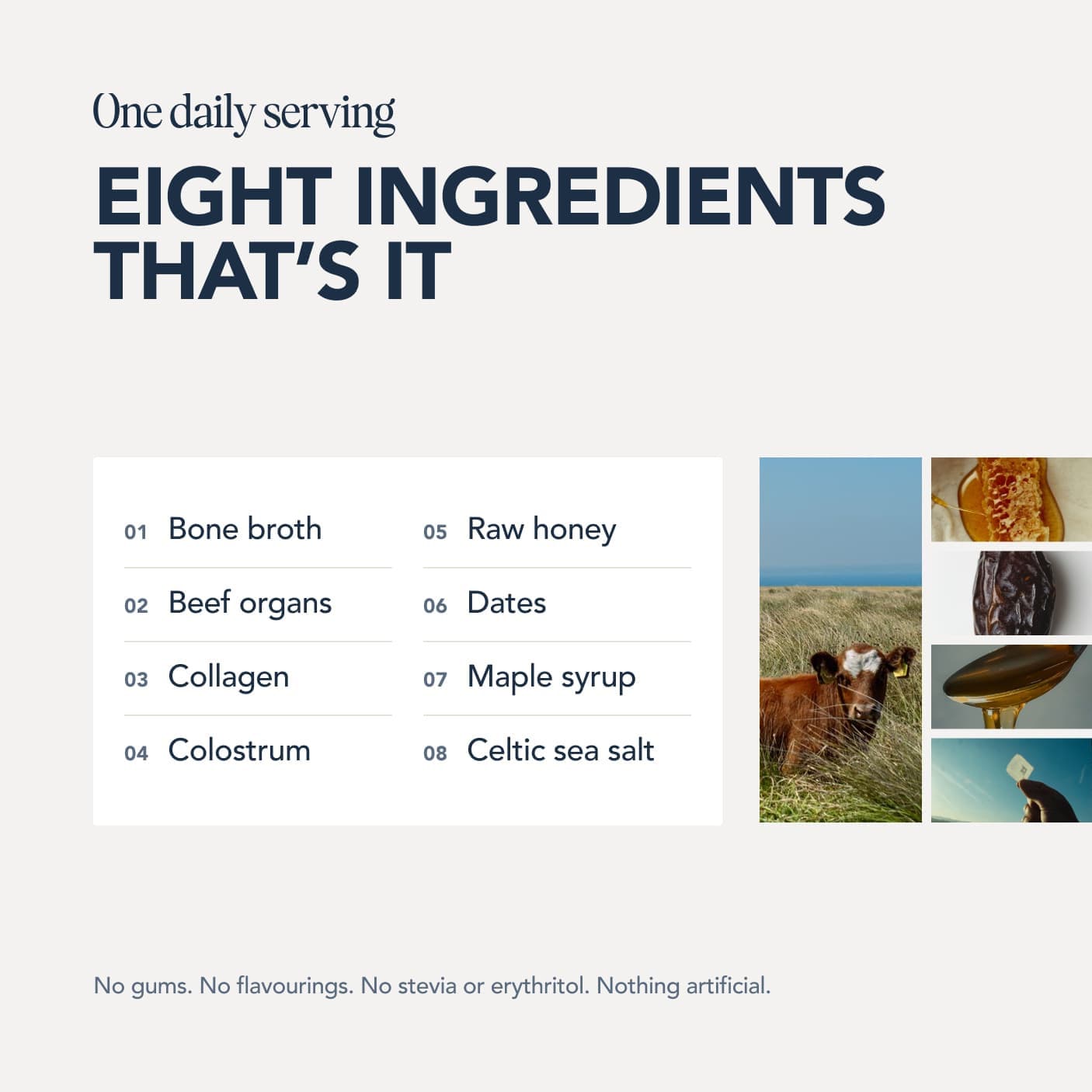
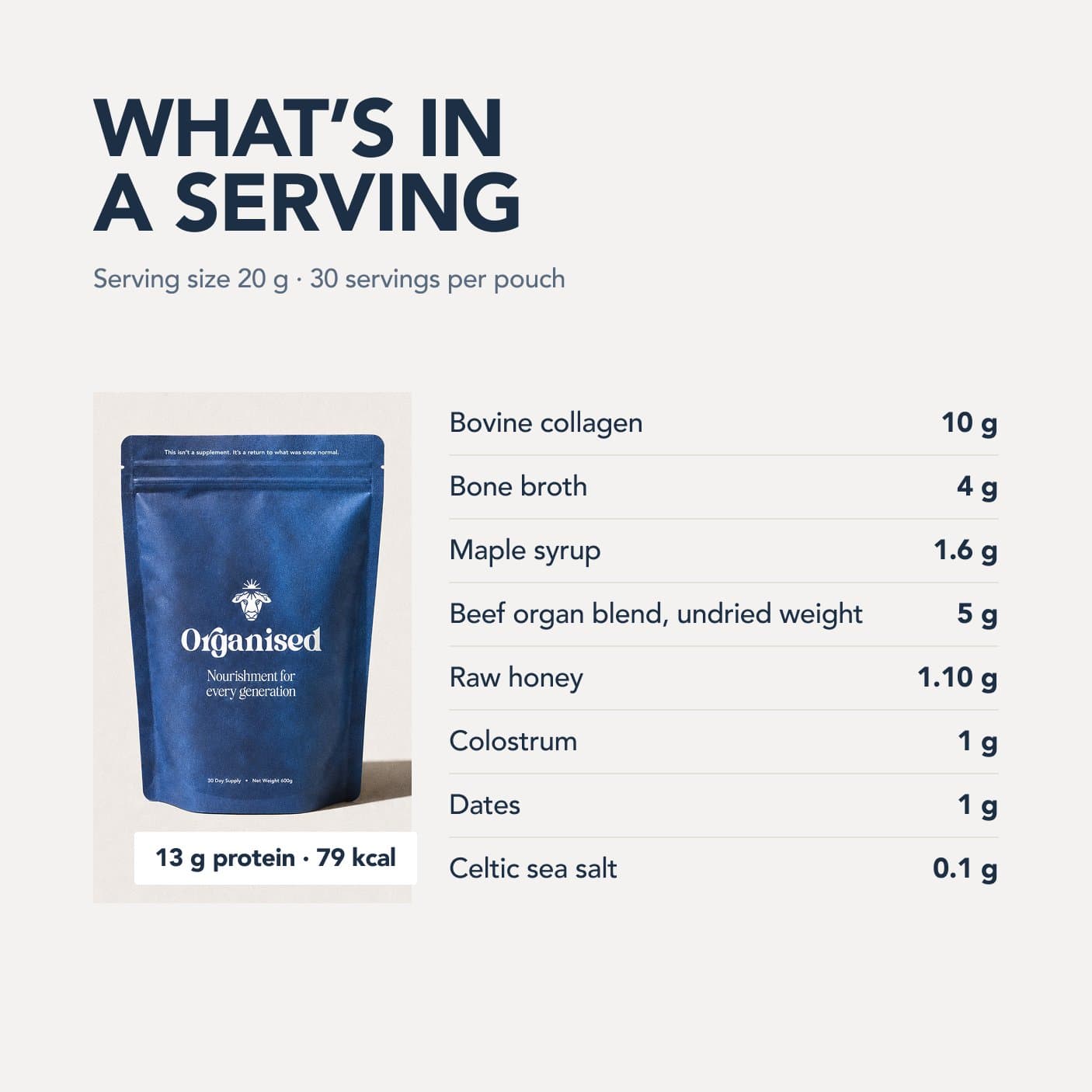
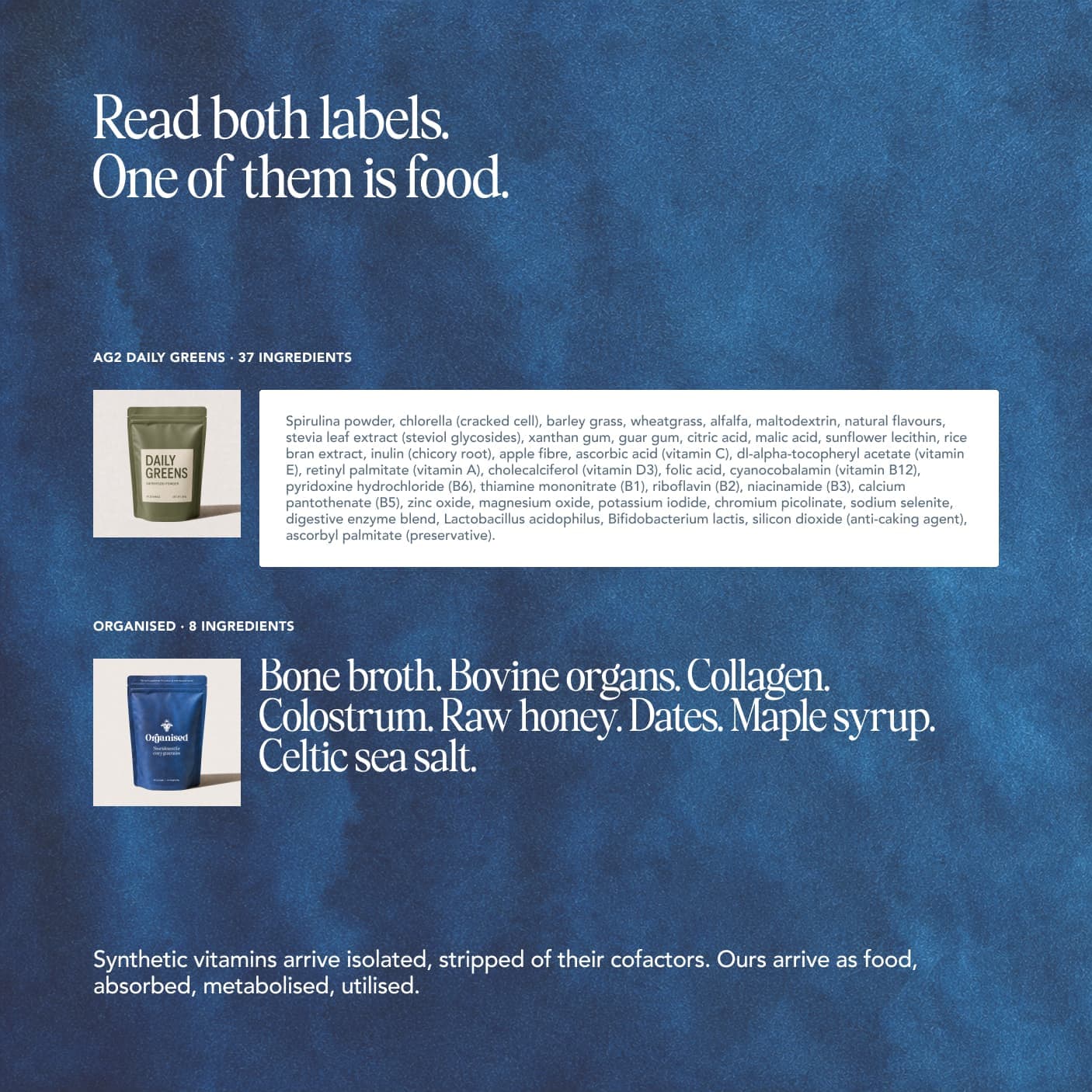
Eight real ingredients built around grass-fed beef organs, collagen and colostrum. Nothing synthetic added.
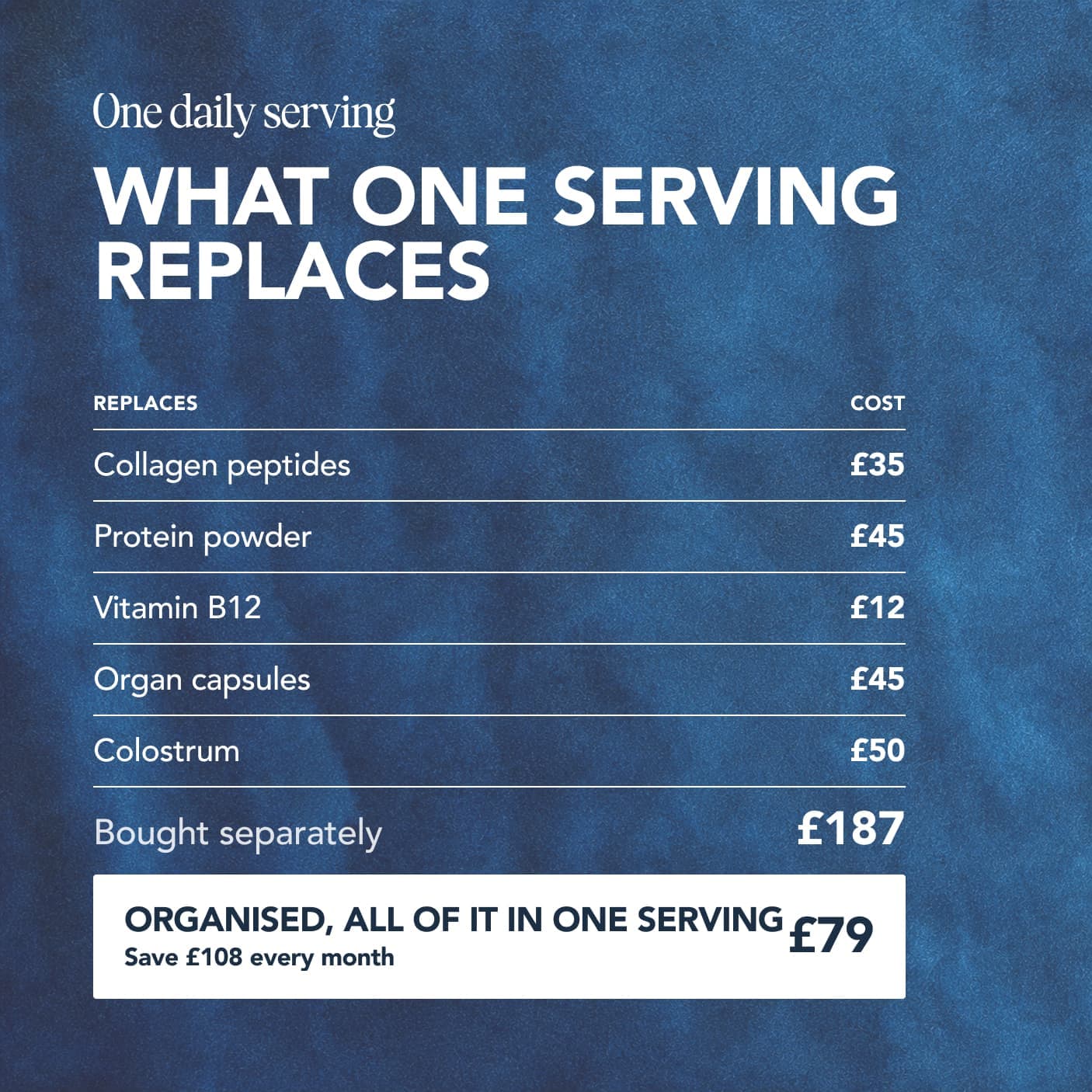
Free with your first order, worth £38. Plus £10 off the pouch with a subscription.

Free UK shipping · Made in England · 100 day money back guarantee on your first pouch · Skip, pause or cancel anytime
The bottom line
You don't have to be dramatic about autumn nutrition. You just have to align with what your body is asking for. More animal food. More fat. More minerals. More nutrient density.
Most people wait until January to address their health. By then, they've coasted through winter with depleted reserves, picked up every infection, and lost energy. The time to prepare is now, in autumn, when your body is asking for it.
Winter resilience is built in October and November, not December and January. Start there.
Building nutritional reserves for winter
Autumn is when you prepare. Eat more. Build fat stores. Increase mineral intake. Your ancestors did this instinctively, the season provides foods that signal to your body: build reserves, it's about to be cold and scarce.
Autumn vegetables like squash and root vegetables are higher in carbohydrate and nutrient density than summer vegetables. Eat them. Your body wants them. Nuts and seeds are available and nutrient-rich. Meat and fat should increase slightly as temperature drops. This isn't intuition, it's seasonal eating aligned with physiology.
Autumn abundance isn't indulgence. It's preparation. Your body knows this and will thank you in January.
Vitamin D status and immune preparation
As days shorten, vitamin D production drops. You can't make enough vitamin D from sunlight in winter in the UK.2 Autumn is when you maximise sun exposure (yes, really), build vitamin D reserves, and ensure your diet includes vitamin D sources: fatty fish, egg yolks, organ meats.
Vitamin D isn't just about bones. It's essential for immune function. Your immune system is more robust when vitamin D is adequate.1 So is your mood regulation. This is why seasonal affective disorder coincides with vitamin D deficiency, and why some people feel dramatically better when they address it.
The immune reset
Many people get sick in early autumn after the summer. This isn't random. It's your immune system resetting as seasons change. Supporting this with good nutrition, adequate calories, adequate fat, adequate vitamin C from fresh produce, helps the transition. You won't avoid all infection, but you'll recover faster and feel better if your nutritional status is solid.
References
Every source below was checked on 27 August 2026. Each link was requested and read. Where a citation and its identifier disagreed, the citation was corrected to the record or the reference was deleted along with the sentence marker that pointed at it, and where the resolved paper turned out not to support the sentence, the sentence was cut back to what it does support. Borrowed authority is worse than none, because it looks like rigour.
- National Institutes of Health, Office of Dietary Supplements. Vitamin D: Fact Sheet for Health Professionals. https://ods.od.nih.gov/factsheets/VitaminD-HealthProfessional/ [accessed May 2026].
- NHS. Vitamin D. https://www.nhs.uk/conditions/vitamins-and-minerals/vitamin-d/ [accessed May 2026].
Who wrote and reviewed this guide
Niall Kiddle
Author · Founder, Organised
Niall is the founder of Organised. He started the company in 2024 after fixing his own health the slow way: in 2022 he swapped a cupboard of synthetic supplements for real food, raw milk, organ meats, bone broth and honey, and felt the difference within months.
Areas of expertise: Ancestral nutrition, Organ meats, Whole-food supplementation, Gut health, Regenerative sourcing
Read Niall's full profile
Pedro Rodrigues
Reviewer · Agronomist (farming and sourcing only)
Pedro is the agronomist Organised works with on farming and sourcing. His job on the guides is to keep the science honest: he reviews what we publish about soil health, regenerative agriculture, grazing and the way food is actually produced.
Areas of expertise: Regenerative agriculture, Agronomy, Soil health, Grass-fed farming, Food sourcing
Reviewed this guide on
Read Pedro's full profileMore on seasonal
View allBrowse the guides library
All guidesKeep reading
Culture & community
Summer Nutrition: Staying Hydrated and Energised
Stay hydrated and energised through summer with smart nutrition. Learn about electrolyte balance, Celtic sea salt, and seasonal foods that keep you going.

Culture & community
How to Talk to Your Family About Changing the Way You Eat
Navigate family resistance to dietary change. Address common pushback, communicate benefits, and manage eating in a shared household without conflict.

Culture & community
Social Media and Nutrition: Navigating the Noise
Learn how to evaluate nutrition claims on social media. Build critical thinking skills to separate science from marketing hype.
Real food, made effortless
Shop the blendA few ways to use it
All recipes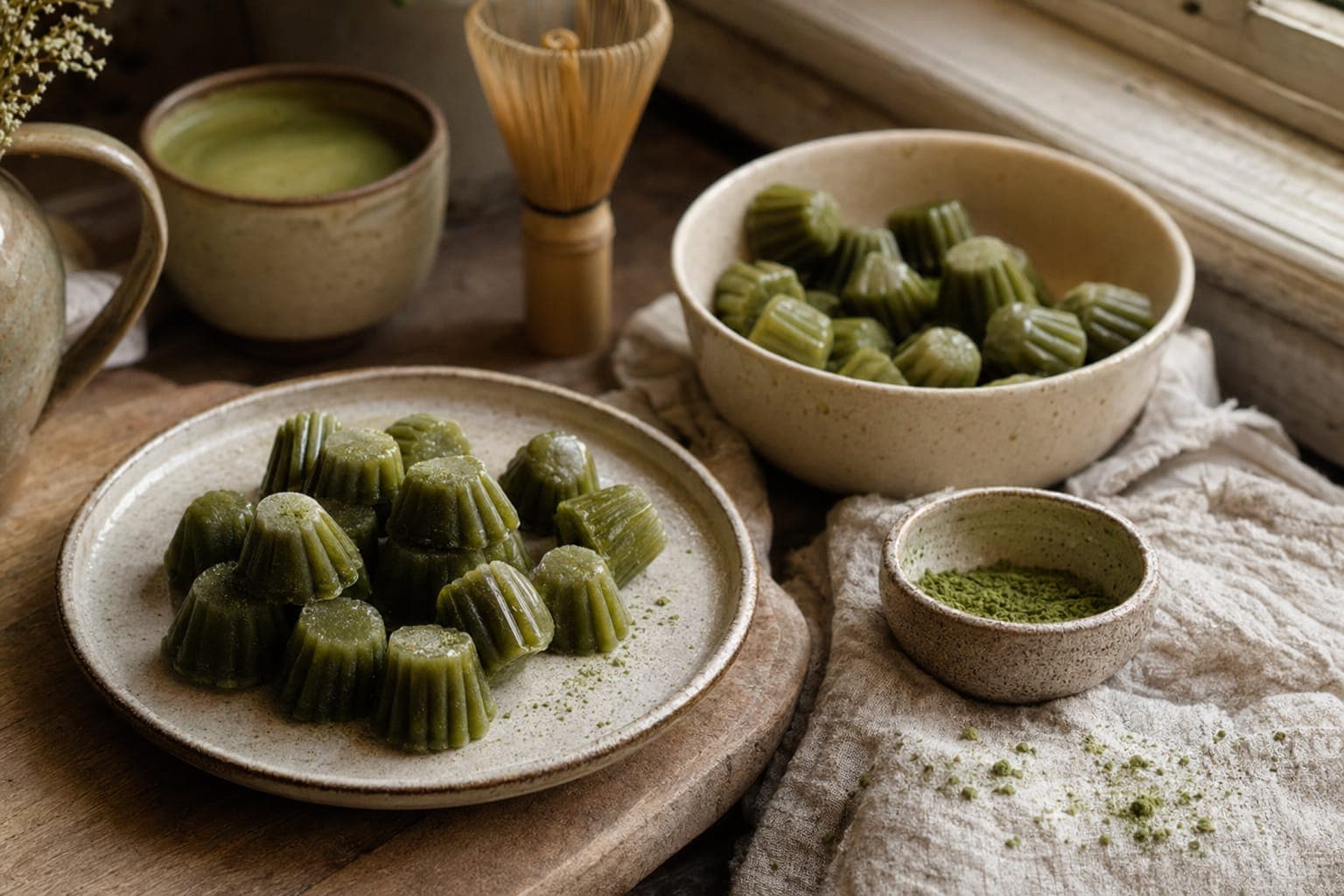
Matcha Latte Gummies with Collagen and Gelatine
Make visually stunning matcha latte gummies infused with collagen and gelatine. Simple recipe for gut-healing sweets you'll actually want to eat.
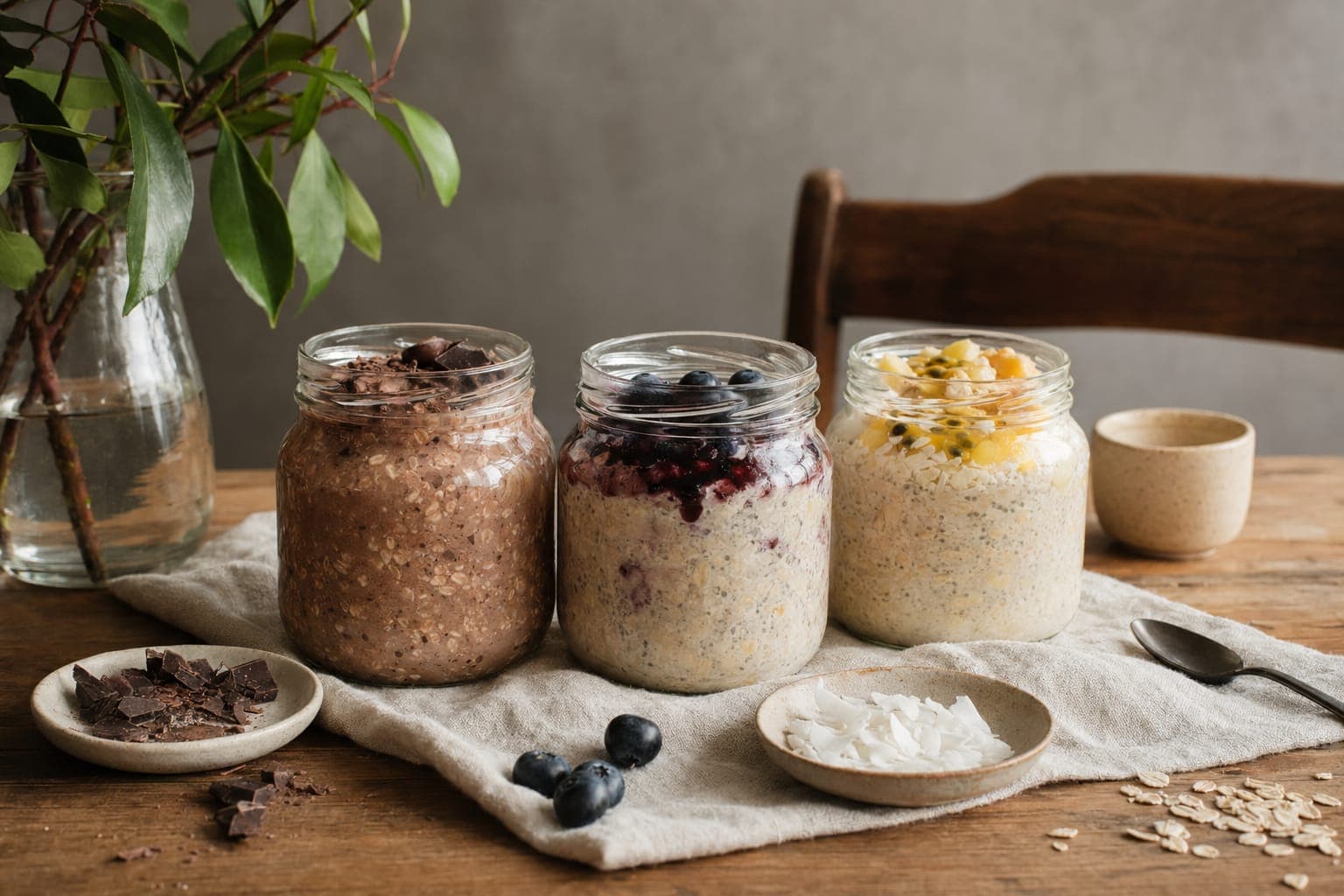
Organised Overnight Oats: 3 Variations
Three delicious overnight oats variations with Organised. Chocolate, berry, tropical flavours. Make them Sunday, eat them all week.
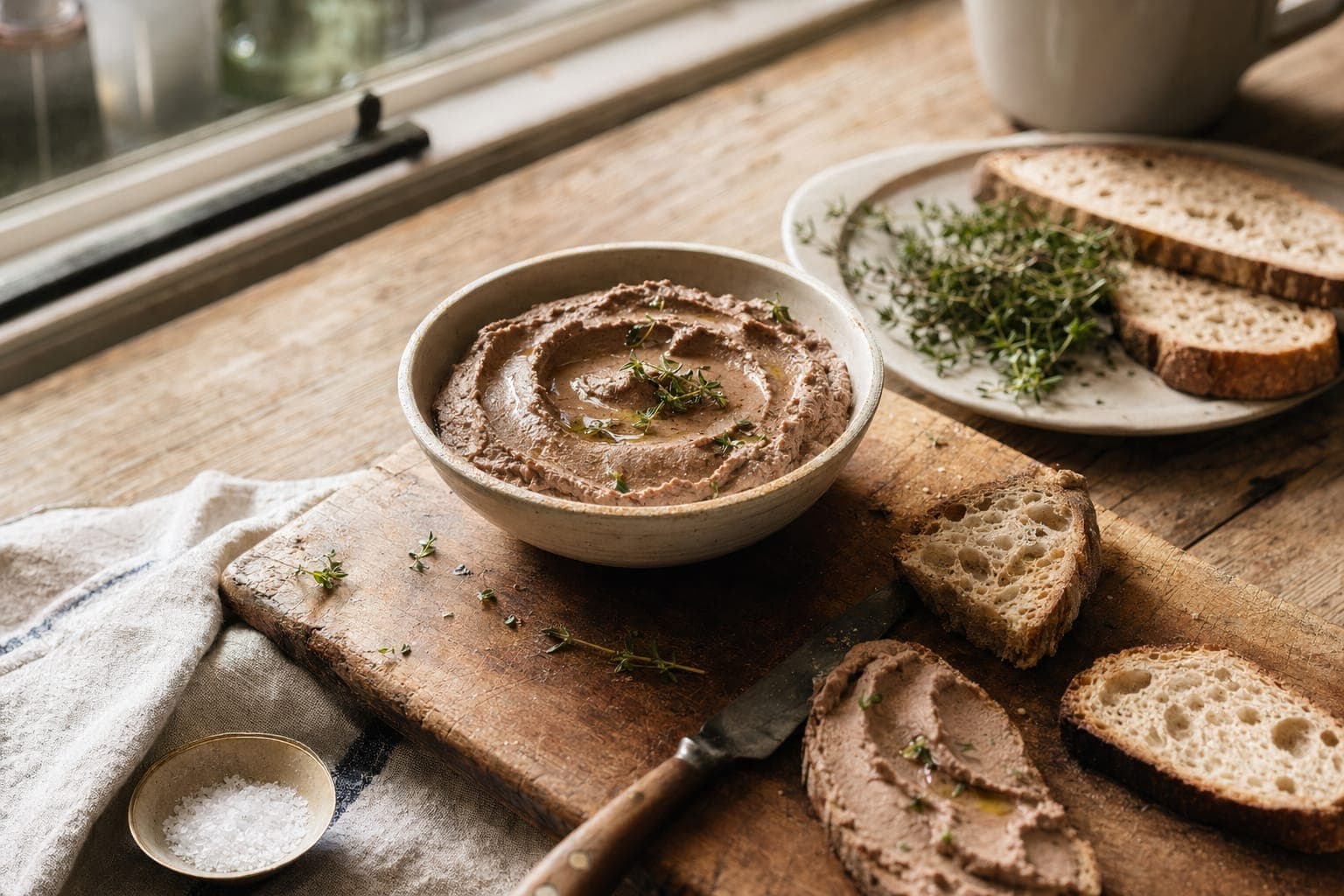
Liver Pate for Beginners: A Gentle Introduction to Organ Meats
Simple liver pate recipe to start eating organ meats. Chicken liver, butter, and herbs. Gentle introduction to nutrient-dense whole foods.


 Join over 100,000+ members
Build a better food system with us
The Organised community is thousands of people choosing real food and backing the farmers who grow it, all of us trying to leave the world a little better than we found it. If that is what you care about too, you belong here.