Social Media and Nutrition: Navigating the Noise
Every day you scroll past someone claiming they cured their condition with a supplement. Someone else swears they reversed ageing with a specific diet. Someone's selling you a protocol that costs £500 a month. How do you know what's real?
By Niall Kiddle, Founder, Organised

Reviewed by Pedro Rodrigues, Agronomist (farming and sourcing only) ·
6 min read · Published · Updated · 2 cited sources
Makers of the Organised Daily blend, a grass-fed beef organ supplement from regenerative UK farms

The modern nutrition landscape is almost entirely structured to distort the truth. Not always intentionally. But the incentive structure guarantees it.
Why social media makes everything sound true
Social media rewards emotional certainty. A post that says, "The research is conflicting and nutrition is genuinely complex" gets ignored. A post that says, "Carbs are killing you and here's the solution" gets shared thousands of times.
This creates a landscape where extreme claims dominate. Moderate claims don't get engagement. So people gradually escalate what they say to stay relevant. A reasonable observation becomes a definitive claim. A single study becomes proof of a revolution.
Anyone with an audience learns this quickly. Nuance doesn't convert to followers. Certainty does. So the people with the biggest platforms are often the ones most willing to simplify complex topics into digestible certainty.
Trust the person who says "I don't know" before you trust the person who's absolutely certain about everything.
How incentives distort information
Follow the money. If someone is selling you something, their incentive is to make you buy it. This doesn't mean everything sold is bad. But it does mean the information you're receiving is filtered through a profit motive.
An influencer recommending a product may be genuinely using it. But they're also making £5,000 for every thousand followers who click their affiliate link. That's a powerful incentive to oversell the benefits.
A supplement company funding a study on their own product has an incentive to present favourable results. That doesn't mean the results are fake. But it means the research is filtered through ownership interest.
Even well-meaning people are shaped by incentives. A doctor who specializes in a particular condition has incentive to diagnose that condition more frequently than another doctor might. A nutritionist who works with a specific food group has incentive to promote that group's benefits.
This doesn't make everyone a liar. But it does mean you should assume that everyone's information is filtered through some kind of incentive. Your job is to account for that filter.
Who benefits if you believe this claim? Follow that to understand whether the information is trustworthy.
What credibility actually looks like
Real credibility has markers. Someone with genuine expertise in nutrition has spent years studying it. That education is usually verifiable. A registered dietitian has credentials you can check. Someone who's been thinking about a specific topic for a decade has a track record.
But credentials alone aren't enough. A credible source shows their work. They cite studies. They acknowledge conflicting evidence. They explain why they believe what they believe. They change their mind when presented with better information.
A credible source rarely says, "I know the truth and everyone else is wrong." That's usually a sign you're listening to someone with a strong incentive to be right, not someone with actual truth.
A credible source also rarely has a unified protocol for everything. "Eat this diet and fix everything" is a red flag. Real nutrition is contextual. What works for one person's body doesn't work for another's. A credible voice acknowledges that complexity.
Red flags to spot
Absolute claims. "Carbs are poison." "Sugar is evil." "This food will cure cancer." Nutrition is rarely that simple. Life is messier than absolutes.
Arguments from celebrity. "This influencer used this and got amazing results." Celebrity endorsements are paid. Even if genuine, one person's experience doesn't constitute evidence.
Appeals to nature. "It's natural so it's better." Cyanide is natural. Arsenic is natural. Hemlock is natural. Natural doesn't mean safe.1 Science matters more than naturalness.
Selling lifestyle alongside information. If someone is selling you both the philosophy and the supplements needed for that philosophy, be suspicious. Genuine advice doesn't require you to buy their specific products.
Mysterious proprietary formulas. "I can't tell you exactly what's in this because it's proprietary." Real science is transparent. If a company won't tell you the ingredients, they're hiding something.
Long testimonial threads. "This changed my life." You might have changed your life, but testimonials aren't evidence. Placebo effect is powerful. Confirmation bias is universal.2 A testimonial is one person's experience, not proof of mechanism.

Get stories from the community, free
Two short reads a week on the farmers, the standards, and the return to real food.
By signing up you agree to receive emails from us. No spam, unsubscribe anytime.
Questions to ask before believing
Is this person credentialed in this specific area? A personal trainer's opinion on nutrition is worth less than a nutritionist's. A celebrity's opinion on supplements is worth less than a biochemist's.
Are they showing me the evidence or asking me to trust them? Real evidence can be examined. If someone won't show you the research or keeps saying "trust me," they're building faith, not science.
Does this contradict well-established science or extend existing knowledge? New discoveries happen. But they rarely overturn everything we know. If someone is saying the entire scientific community has it wrong and only they know the truth, be very sceptical.
Who benefits financially from me believing this? That's not a disqualifying question. But it's important context. If someone benefits financially, their incentives are misaligned with yours.
Does this person acknowledge uncertainty and nuance? Or do they present everything as obvious and simple? Complexity is a feature of truthfulness, not a bug.
Has this person changed their mind based on new evidence? If someone has held the exact same position for 10 years despite new research, they're ideologically committed, not evidence-based.
The questions matter more than the answers. Someone who asks good questions is usually smarter than someone who has all the answers.
The bottom line
Social media makes you a target for nutritional misinformation because nutrition is where hope meets biology, and hope is profitable. Companies, influencers, and even well-meaning practitioners can make money from selling you certainty.
Your protection is scepticism. Not cynicism (everyone is lying) but genuine scepticism (everyone has incentives and I should account for that). Your protection is asking questions. Your protection is checking the credentials of who's talking to you.
The people worth listening to are usually the ones most cautious about making definitive claims. Start there, and you'll navigate the noise more accurately.
1 of 9
Daily blend
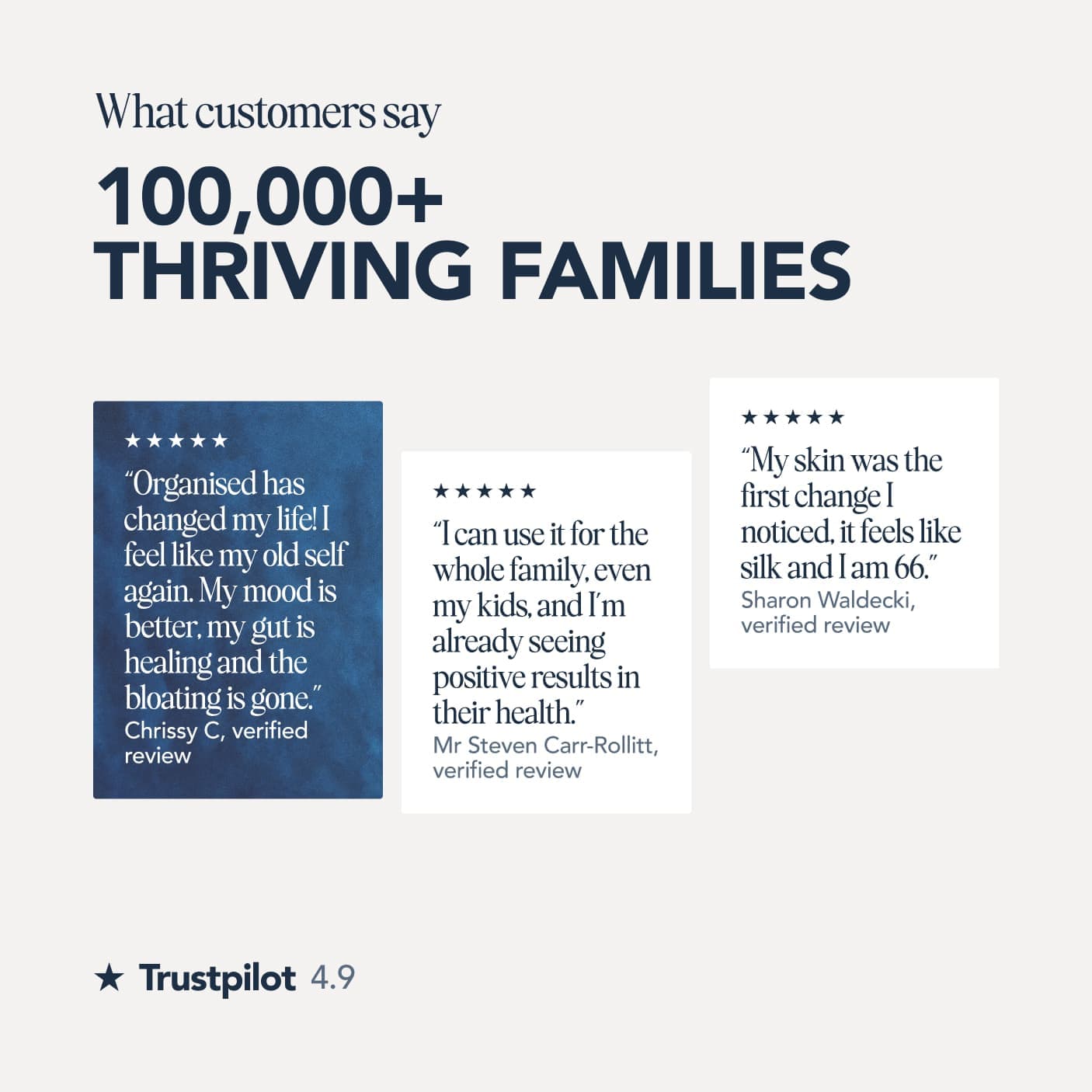
100,000+ thriving families4.9 on Trustpilot
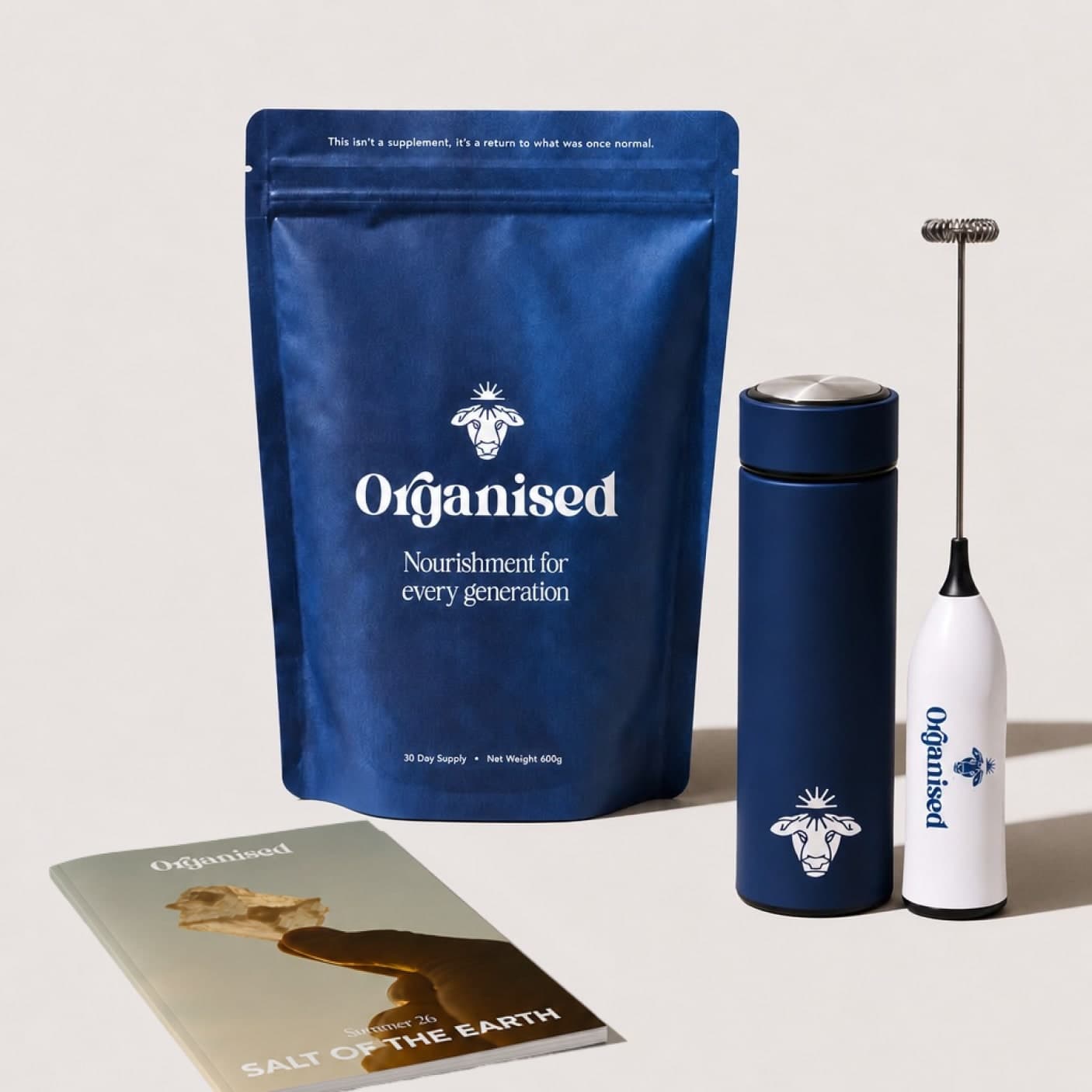
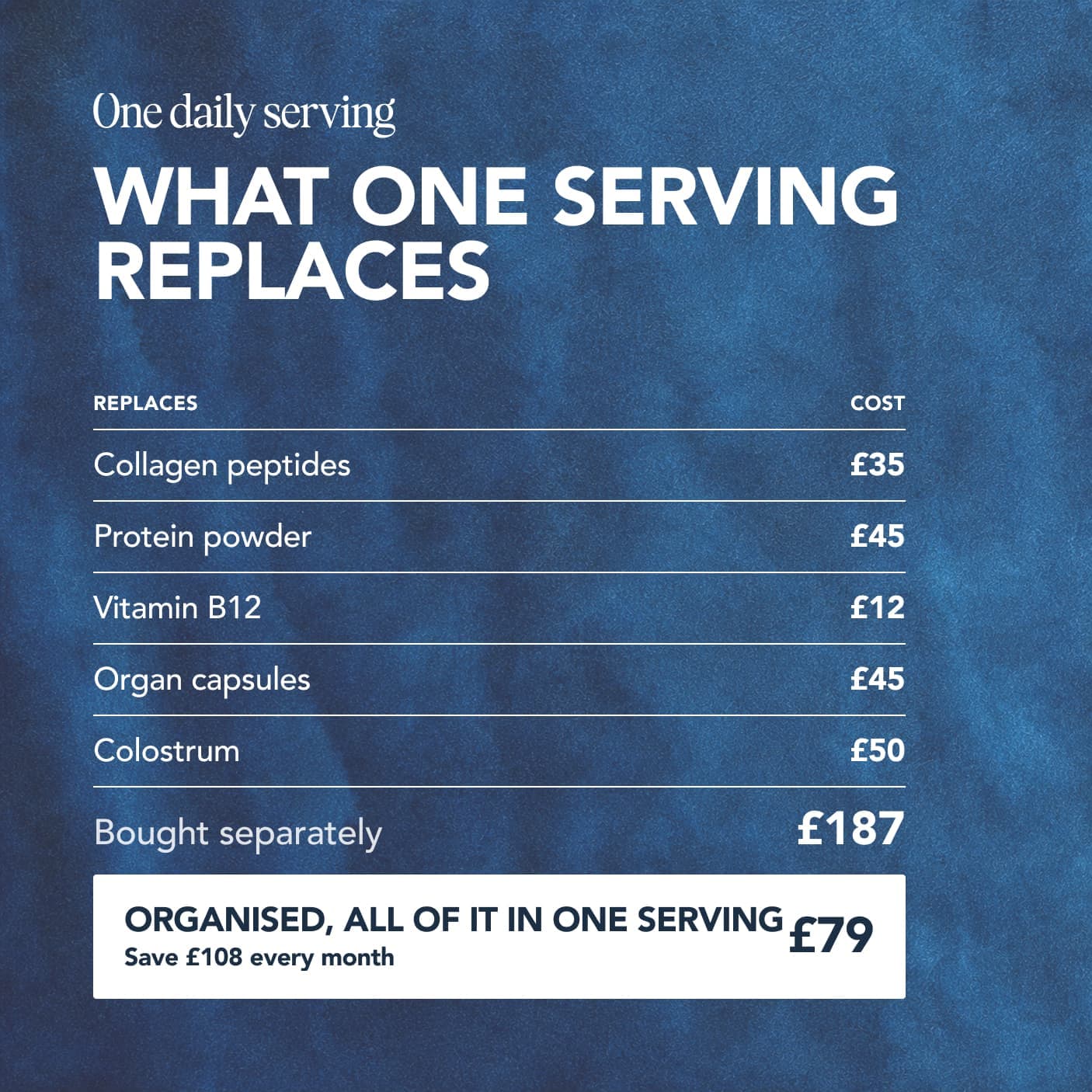
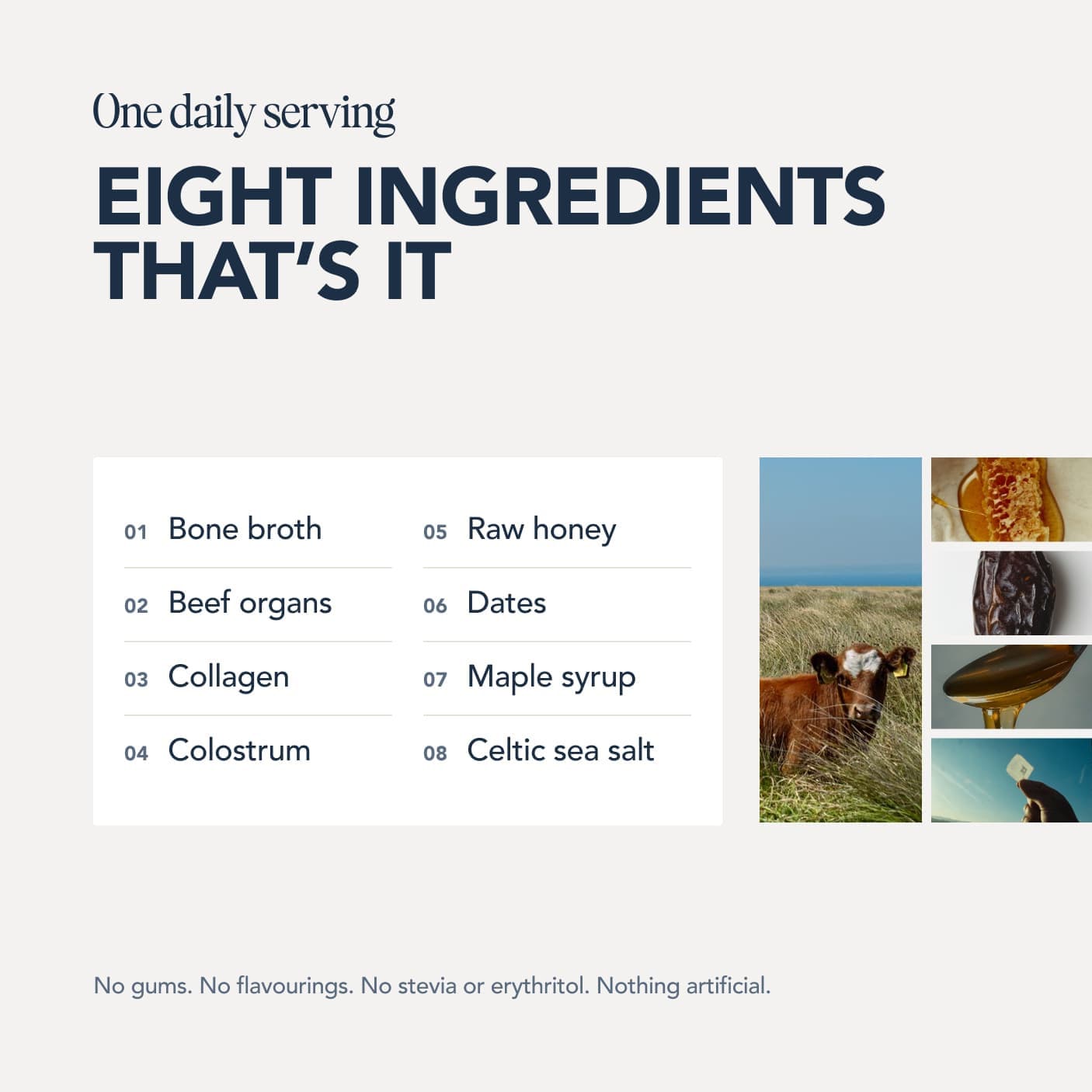
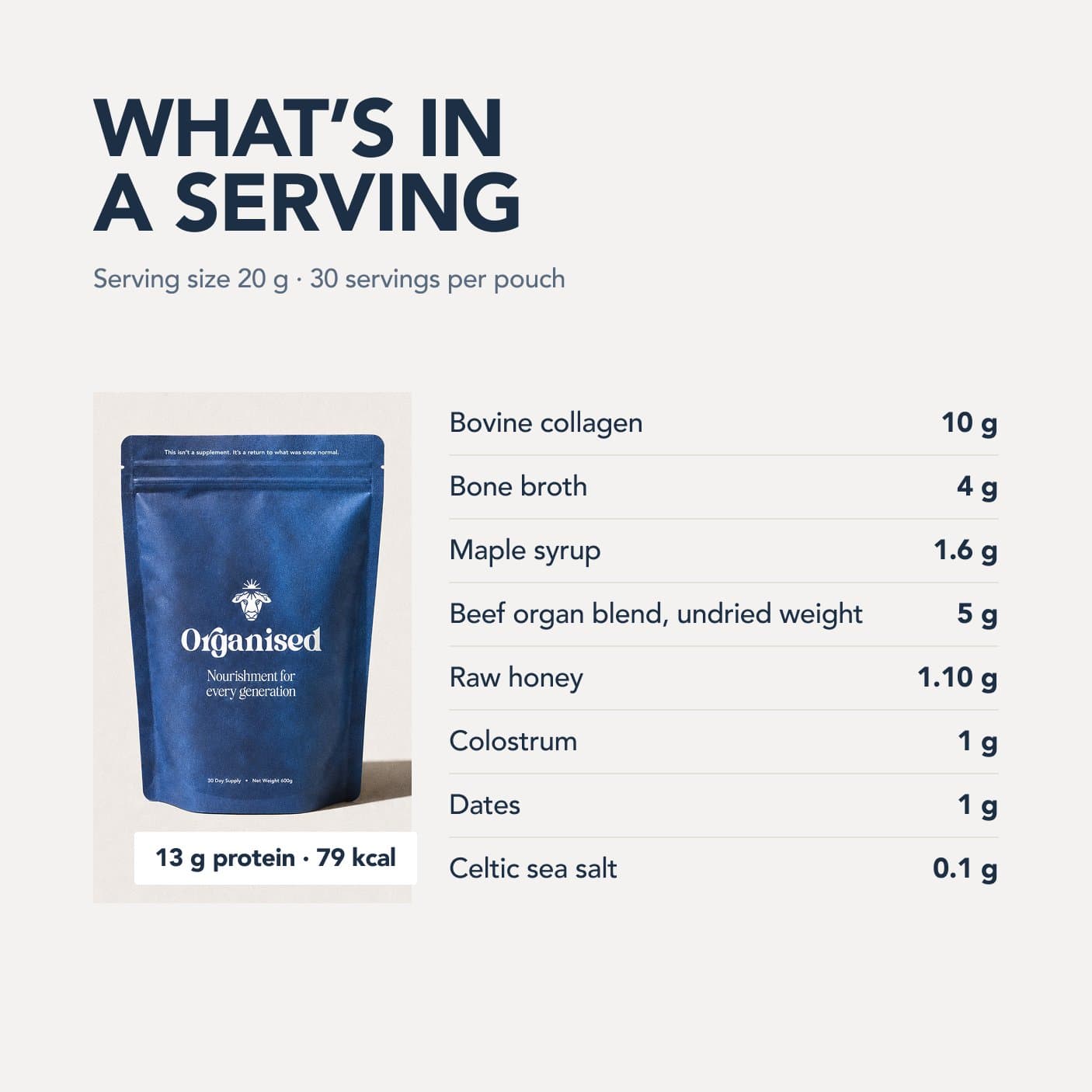
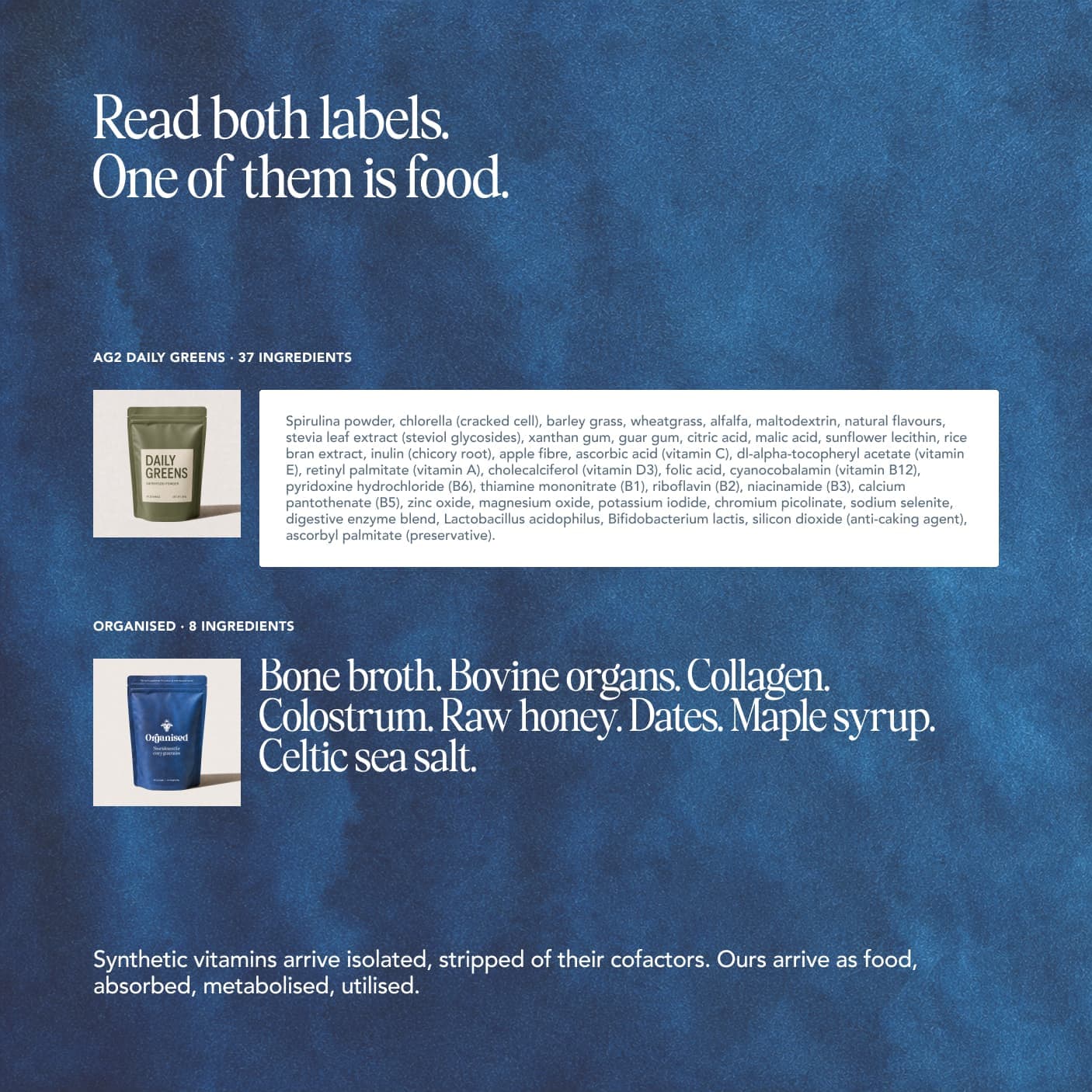
Eight real ingredients built around grass-fed beef organs, collagen and colostrum. Nothing synthetic added.
Free with your first order, worth £38. Plus £10 off the pouch with a subscription.
Free UK shipping · Made in England · 100 day money back guarantee on your first pouch · Skip, pause or cancel anytime
How to spot bad nutrition advice online
The biggest red flag is absolutism. "Never eat this." "Always do that." Real nutrition is contextual. Individual. What works for one person might not for another. Claims that are absolute across all humans are probably wrong.
Another red flag is complexity disguising simplicity. If the advice requires three supplements, a special meal timing, and a PhD to understand, it's probably not working as advertised. Real nutrition is usually simpler: eat real food, sleep, move, repeat.
If the advice requires you to buy something the person sells, you're not getting advice. You're getting marketing.
The influencer trap
Someone with a large following isn't an expert on nutrition. They're good at social media. These aren't the same thing. Expertise comes from study, from evidence, from years of working with actual humans. Followers come from being entertaining or shocking or from good photos.
This is why reading actual science, talking to actual practitioners (doctors, nutritionists who've been studying for a decade), and testing claims against your own experience matters. You don't need a celebrity nutritionist. You need sources who are actually studying the science, not monetising your anxiety.
Testing claims against your own body
The final filter is your own experience. If someone claims something will happen and it doesn't happen when you test it, the claim was wrong for you. That's data. If someone claims you need something and you feel fine without it, you probably don't need it. Trust yourself more than you trust the algorithm.
This doesn't mean be arrogant about it. It means: test, observe, adjust. That's how actual learning happens, online advice or not.
References
Every source below was checked on 27 August 2026. Each PubMed, PMC and DOI identifier was resolved against NCBI or Crossref, and what it opens is printed under the citation, so you can see the link goes where the citation says without leaving the page. Where a citation and its identifier disagreed, the citation was corrected to the record or the reference was deleted along with the sentence marker that pointed at it, and where the resolved paper turned out not to support the sentence, the sentence was cut back to what it does support. Borrowed authority is worse than none, because it looks like rigour.
- U.S. Food & Drug Administration. Use of the Term Natural on Food Labeling. FDA Natural Labeling.
- Kaptchuk TJ, Miller FG. Placebo Effects in Medicine. N Engl J Med. PubMed PMID: 26132938.Checked 27 August 2026: PMID 26132938 opens Kaptchuk TJ, Miller FG, Placebo Effects in Medicine. N Engl J Med 2015;373(1):8-9.
Who wrote and reviewed this guide
Niall Kiddle
Author · Founder, Organised
Niall is the founder of Organised. He started the company in 2024 after fixing his own health the slow way: in 2022 he swapped a cupboard of synthetic supplements for real food, raw milk, organ meats, bone broth and honey, and felt the difference within months.
Areas of expertise: Ancestral nutrition, Organ meats, Whole-food supplementation, Gut health, Regenerative sourcing
Read Niall's full profile
Pedro Rodrigues
Reviewer · Agronomist (farming and sourcing only)
Pedro is the agronomist Organised works with on farming and sourcing. His job on the guides is to keep the science honest: he reviews what we publish about soil health, regenerative agriculture, grazing and the way food is actually produced.
Areas of expertise: Regenerative agriculture, Agronomy, Soil health, Grass-fed farming, Food sourcing
Reviewed this guide on
Read Pedro's full profileMore on movement
View all- The Return to Real Food: Why Millions Are Rejecting Ultra-Processed Diets
- Against Ultra-Processed: A Manifesto for Real Food
- Find a Farm: How to Source Real Food Near You
- Food Sovereignty: Taking Back Control of What You Eat
- Processed Food Companies Don't Want You to Know This
- The Anti-UPF Movement: What's Driving the Backlash Against Processed Food
- The Problem with 'Clean Label' Marketing
- The Raw Milk Renaissance: Our Documentary
- The Rise of Ancestral Eating in the UK
- What 'Nourishment for Every Generation' Really Means to Us
- Why 'Eat Less, Move More' Failed a Generation
- Why More Doctors Are Recommending Whole Food Over Supplements
Browse the guides library
All guidesKeep reading
Culture & community
How to Talk to Your Family About Changing the Way You Eat
Navigate family resistance to dietary change. Address common pushback, communicate benefits, and manage eating in a shared household without conflict.
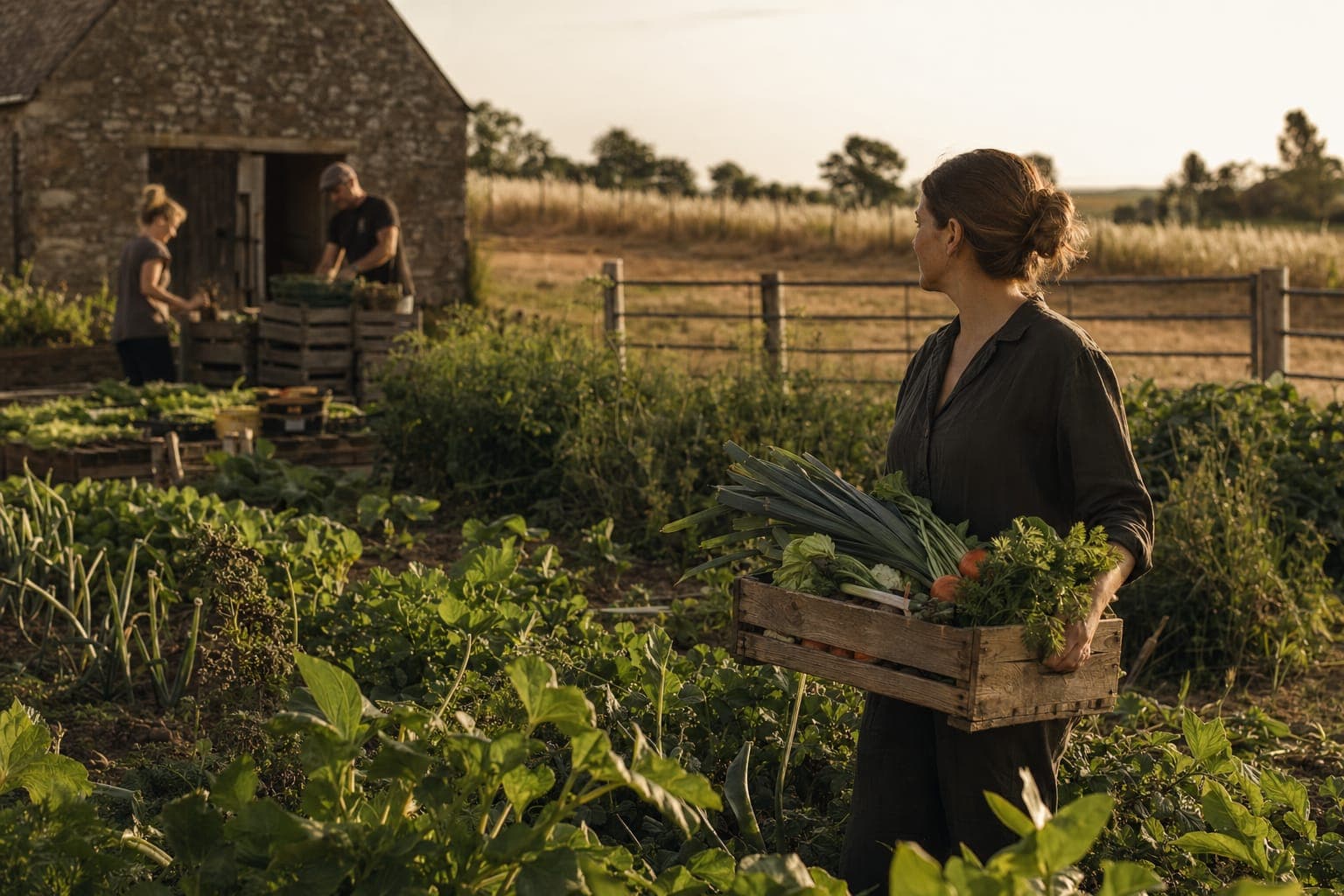
Culture & community
Food Sovereignty: Taking Back Control of What You Eat
Understanding food sovereignty, why knowing your food sources matters, and how to resist industrial food systems through local and regenerative choices.

Culture & community
From Supplement Sceptic to Daily User: Customer Journeys
Real stories of sceptics who became committed supplement users. Why doubt transformed into trust, and how they know it's working.
Real food, made effortless
Shop the blendA few ways to use it
All recipes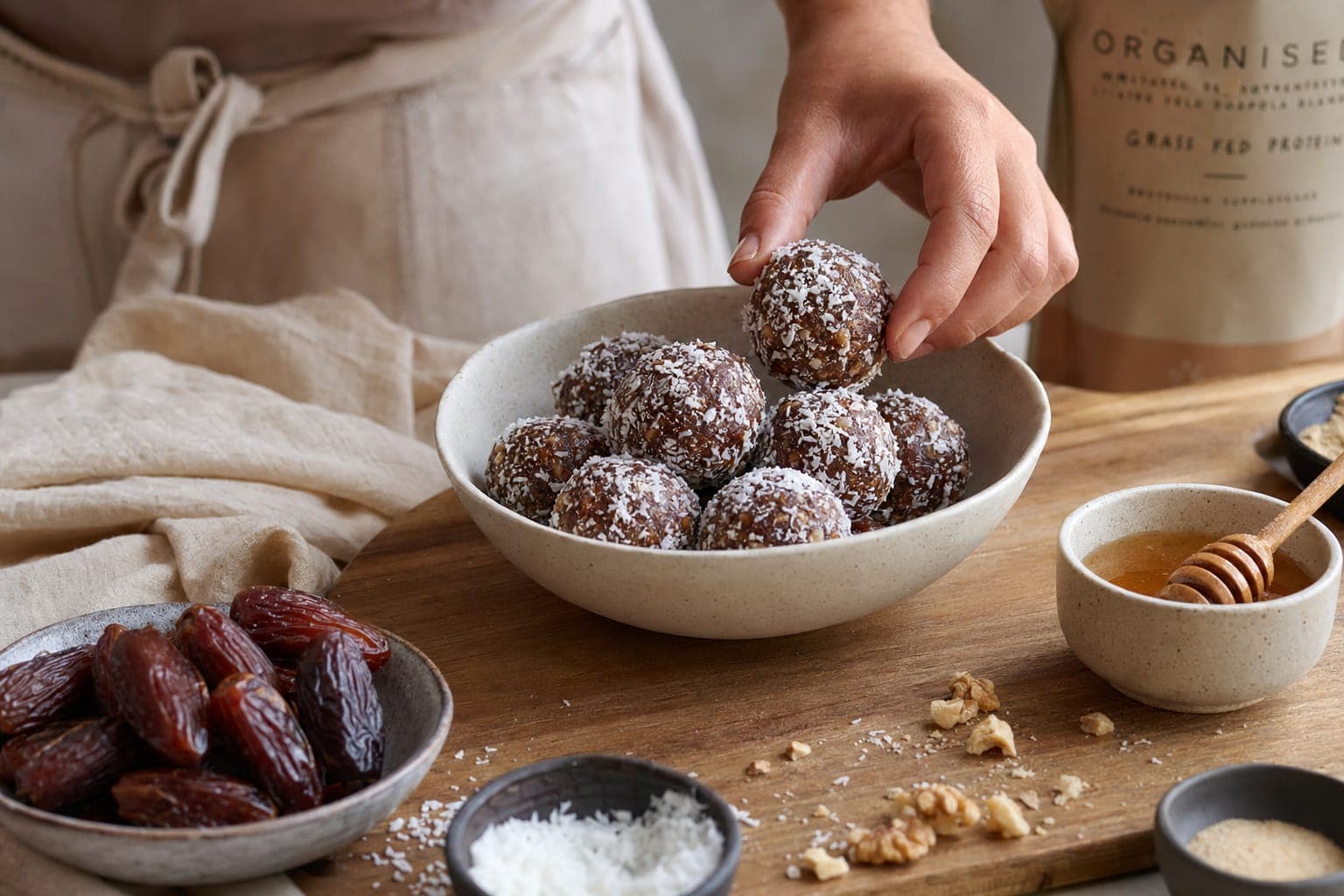
Energy Balls with Organised, Dates and Raw Honey
Make no-bake energy balls with Organised, dates, and raw honey. Perfect lunch box, pre-workout, or on-the-go snack. Simple recipe.
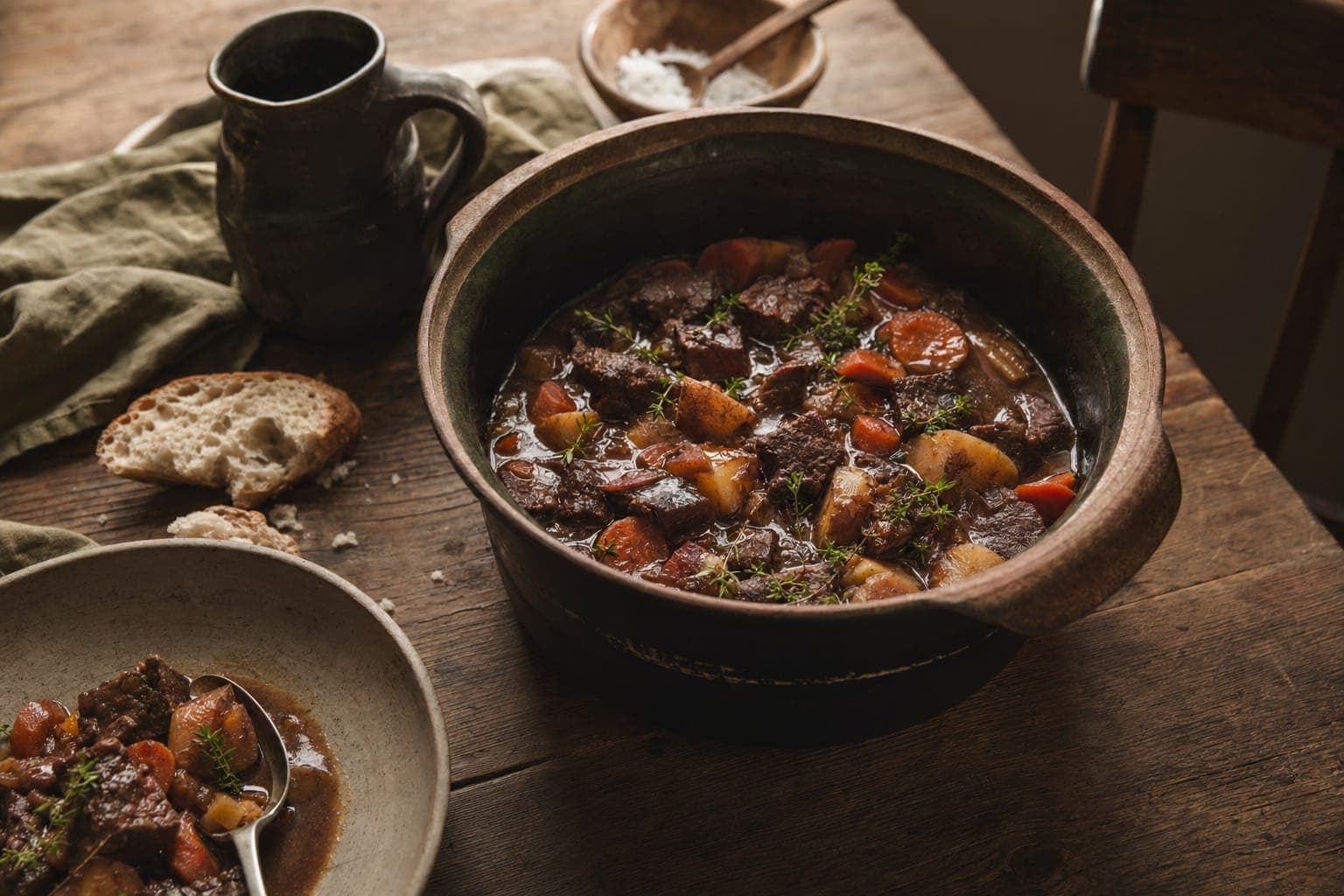
Collagen-Rich Beef Stew: Slow-Cooked Nourishment
Beef stew that delivers collagen from connective tissue and bone broth. Winter comfort food that actually nourishes. Simple slow cooker recipe.
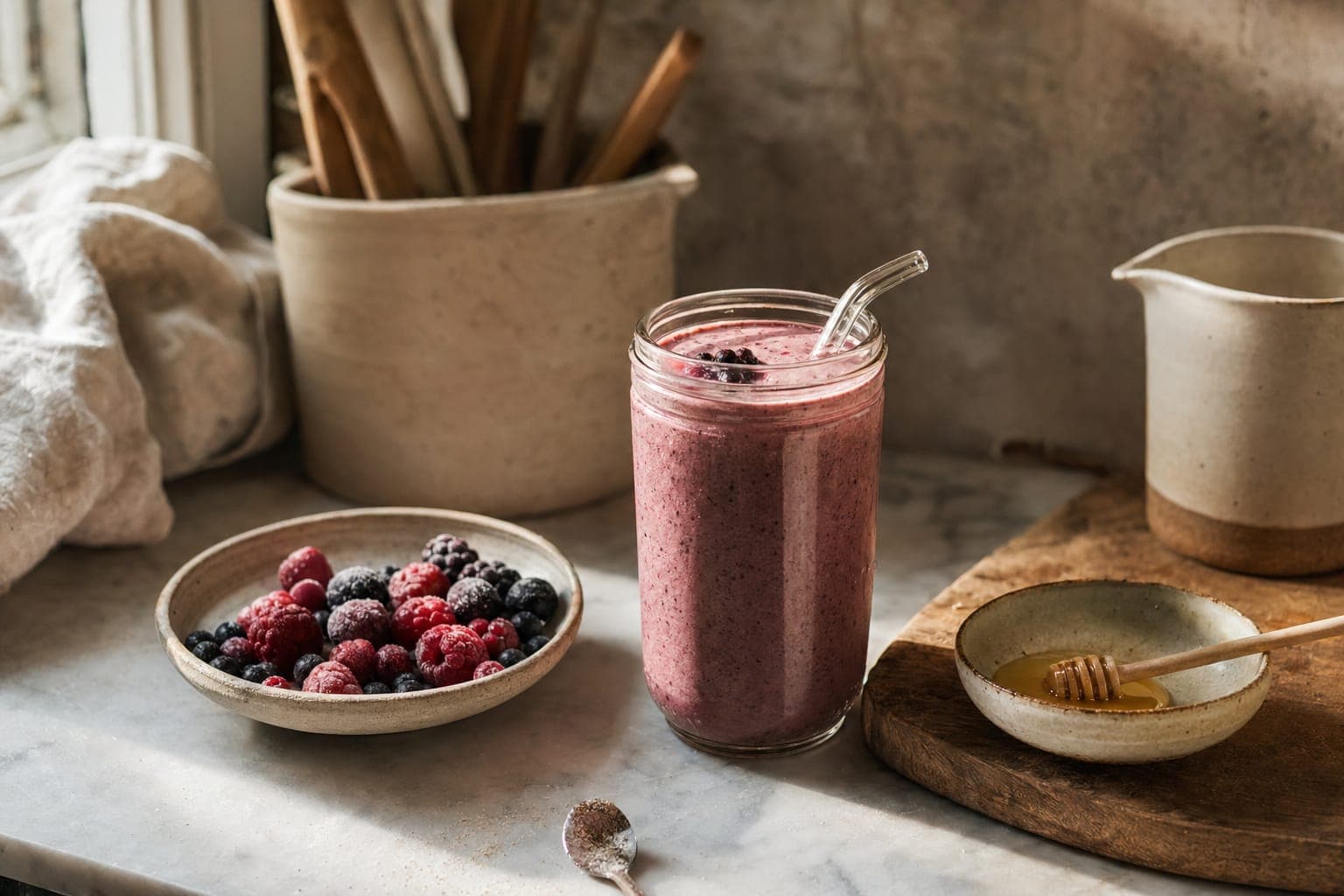
The Organised Recovery Smoothie for After Exercise
A recovery smoothie made with beef protein, raw milk, frozen berries, collagen, and honey. Optimal nutrition in the 30-minute window after exercise.


 Join over 100,000+ members
Build a better food system with us
The Organised community is thousands of people choosing real food and backing the farmers who grow it, all of us trying to leave the world a little better than we found it. If that is what you care about too, you belong here.