How to Talk to Your Family About Changing the Way You Eat
You've shifted how you eat. You feel better. And now you're home for dinner and everyone's looking at you like you've joined a cult. The tension is real.
By Niall Kiddle, Founder, Organised

Reviewed by Pedro Rodrigues, Agronomist (farming and sourcing only) ·
5 min read · Published · Updated
Makers of the Organised Daily blend, a grass-fed beef organ supplement from regenerative UK farms
Dietary change inside a household is complex because food is never just food. It's culture, tradition, identity, and love all tangled together. When you change what you eat, you're often implicitly criticising what everyone else is eating. That's not usually your intention. But that's often how it lands.
Why family pushback happens
Your mother made this dish for 20 years. Your siblings grew up on this. Your partner has memories attached to specific foods. When you say you're changing your diet, what people often hear is, "What you've been doing is wrong."
It's defensive. It's protective. And it's completely understandable.
There's also a psychological barrier. Changing how you eat requires thinking about food. Most people don't want to think about it. They want breakfast to be automatic. Dinner to be simple. Your dietary change is making them think. That's uncomfortable.
Family pushback isn't about the food. It's about feeling judged, disrupted, and uncomfortable. Start there.
Common objections and how to address them
"You're being extreme." You're probably not. But from someone eating the standard diet, eliminating certain foods looks extreme. The response isn't to defend yourself. It's to be honest. "I'm not doing anything extreme. I'm just trying to feel better." That's simple. That's defensible.
"This is just a phase." Maybe. Maybe it won't be. The response: "Even if it's a phase, I'd like to try it now." You don't need their permission. You just need their acceptance that you're an adult making your own choice.
"We can't afford that kind of food." This one matters because cost is real. Address it directly. "Some things cost more. Some cost less. We'll figure it out together." And actually do that. Show them that regenerative beef might be more expensive per kilogram, but you're not eating more of it, so overall cost is manageable. Show them that growing some of your own vegetables reduces cost.
"You'll get sick without [that food]." This assumes they know your body. They don't. Respond with data if you have it. Your doctor agrees. Your blood work improved. You have energy you didn't have before. But the deeper response is, "I'm listening to my body, and my body feels better." That's not something they can argue with.
Don't defend your choices by attacking theirs. Defence creates argument. Explanation creates understanding.
Communicate without preaching
The biggest mistake is trying to convince everyone to change with you. You can't. And if you try, you'll alienate them further.
Instead, talk about yourself. Not about the general population. Not about what people should do. About you. "I felt tired all the time. Now I don't." "My digestion was off. It's not now." "I'm sleeping better." These are personal. They're not an indictment of anyone else's choices.
Avoid language that sounds righteous. Don't talk about "toxins" unless you're specific about what you mean. Don't make blanket statements about industrial food. Instead, explain your own experience. "When I was eating bread every day, I felt bloated. I cut back and it changed."
Show, don't tell. Cook something delicious with your new approach. Make it taste good. Make it normal. Don't frame it as "healthy" food, which sounds like punishment. Frame it as, "I made something I like and I think you will too."
Managing shared meals
If you live with people eating differently than you, you'll need to negotiate practically.
One approach: shared base, individual modifications. Make rice and a simple protein. Each person adds what they want. Rice with ghee and salt for you. Rice with sauce and something else for them. Everyone eats together. No one's cooking multiple meals.
Another: you cook your meals, they cook theirs. This works if you all have the space and time. It's less integrated but creates less friction.
The key is that you're not forcing anyone else to change. You're also not abandoning the family meal. You're finding a middle ground where everyone eats and no one feels attacked.
Your dietary change is about you. It becomes everyone's problem if you make it about them.
Get stories from the community, free
Two short reads a week on the farmers, the standards, and the return to real food.
By signing up you agree to receive emails from us. No spam, unsubscribe anytime.
When to stand firm
There will be moments where you have to hold a boundary. Not argumentatively. But clearly.
You don't have to eat food that makes you feel bad, even if your mother made it. You can be grateful. You can decline kindly. "This is lovely and I appreciate it. I'm going to eat this instead." You don't need to explain or justify.
If your children are involved and you want to teach them a different approach to food, you get to do that in your own home. Your ex, your partner's family, your parents, they get to feed them differently when they're in their care. That's a boundary to hold without drama.
You also don't need to eat at restaurants you hate to please others. Suggest places that have options for everyone. If there aren't any, suggest something else. This isn't controlling. It's taking care of yourself while still being present with people you love.


1 of 9
Daily blend
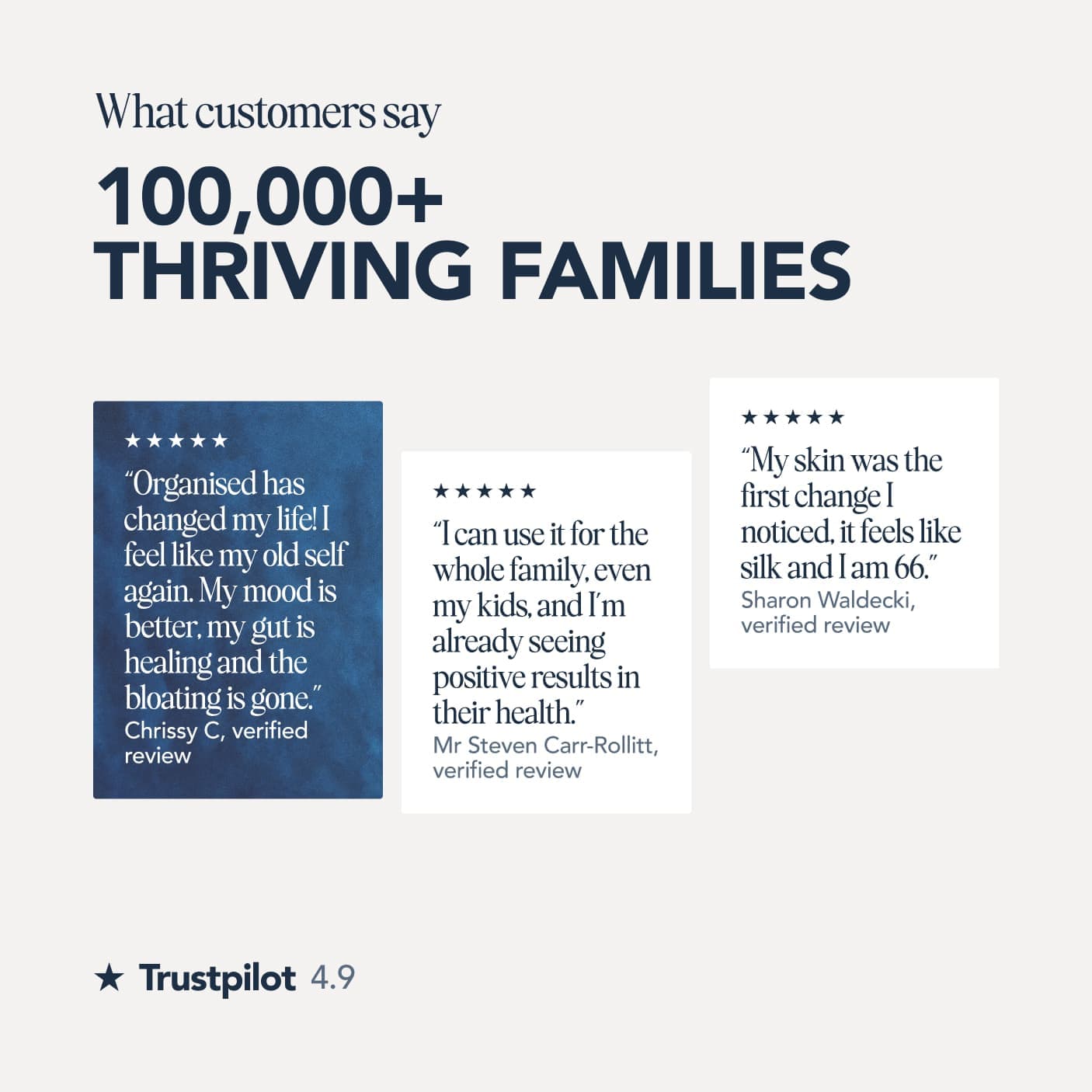
100,000+ thriving families4.9 on Trustpilot
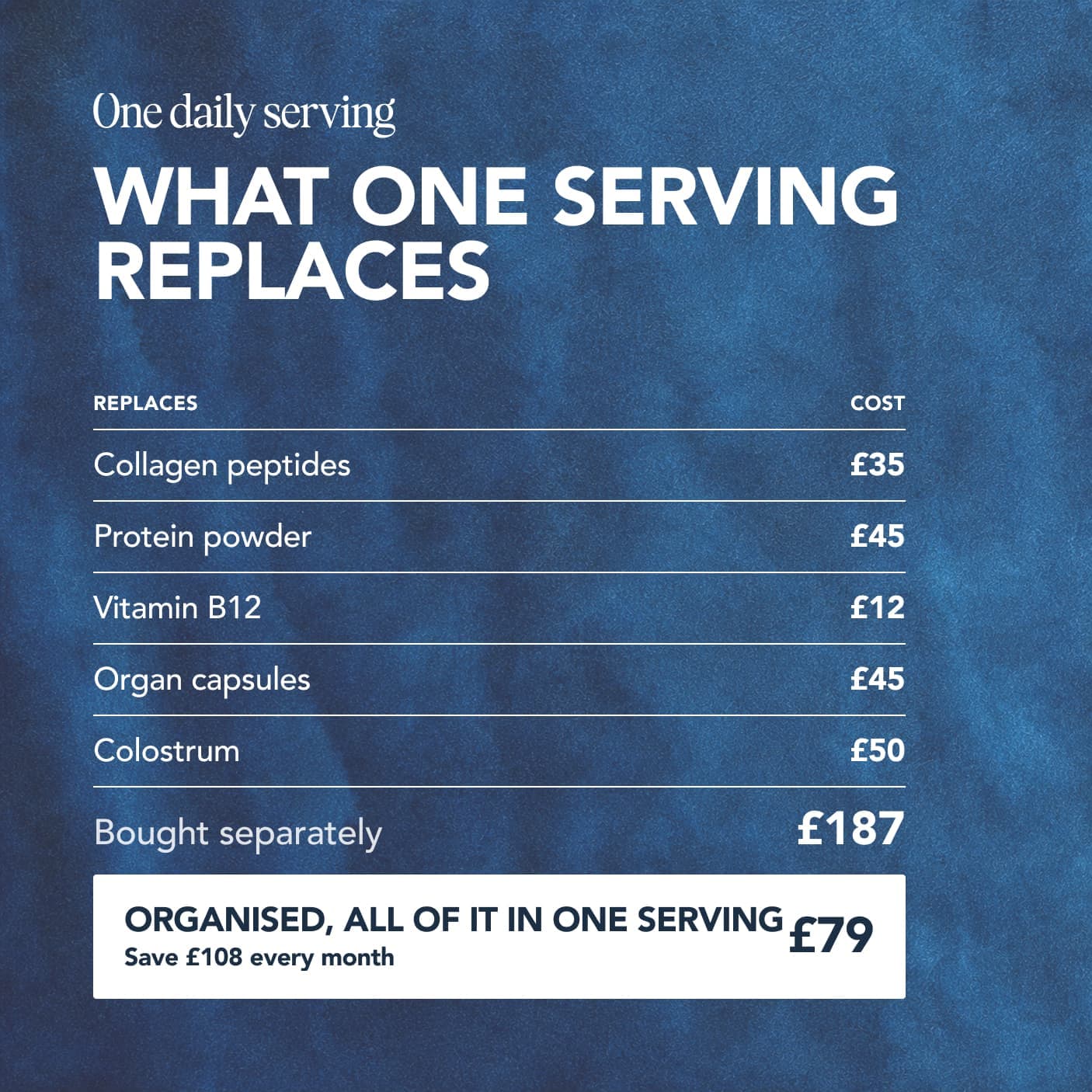
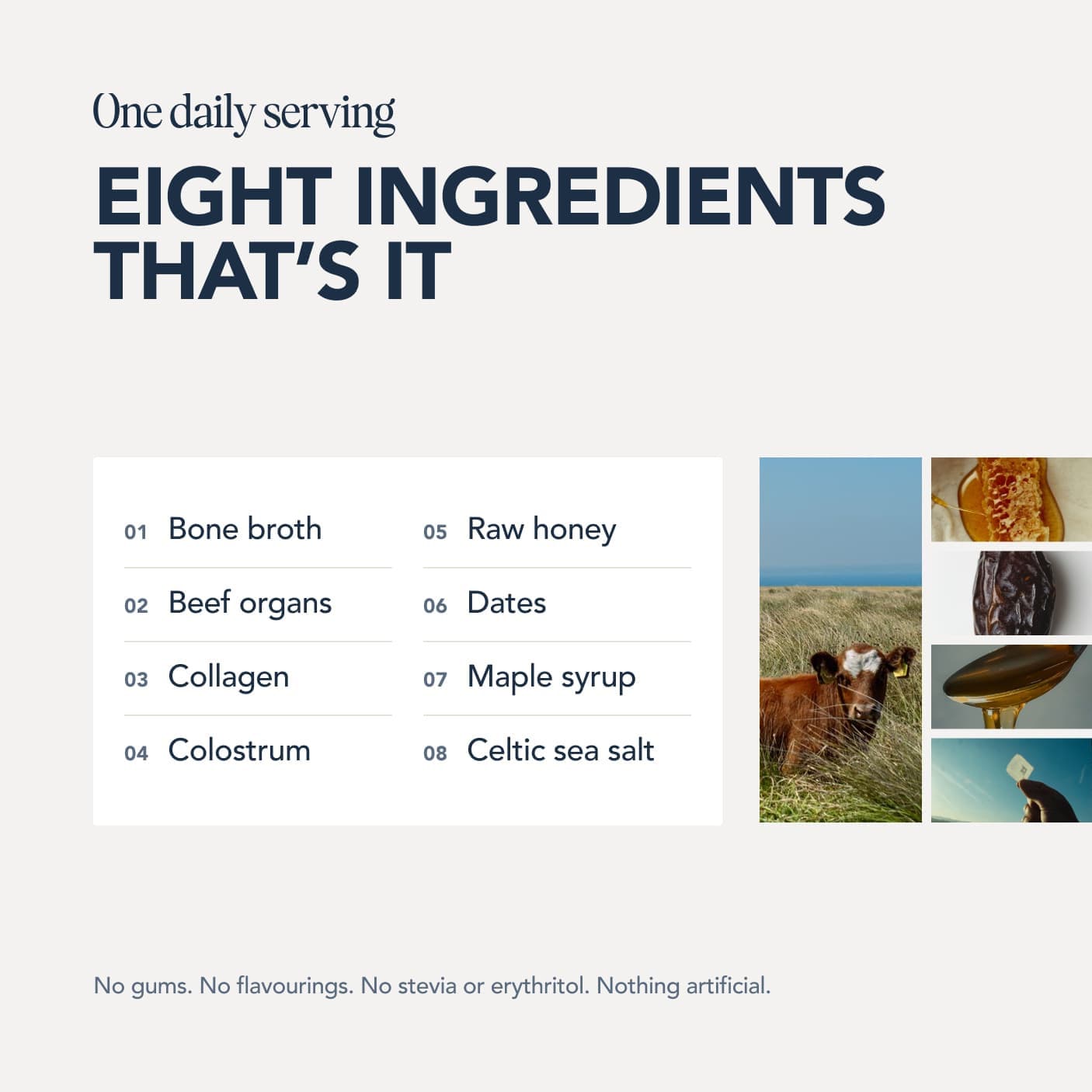
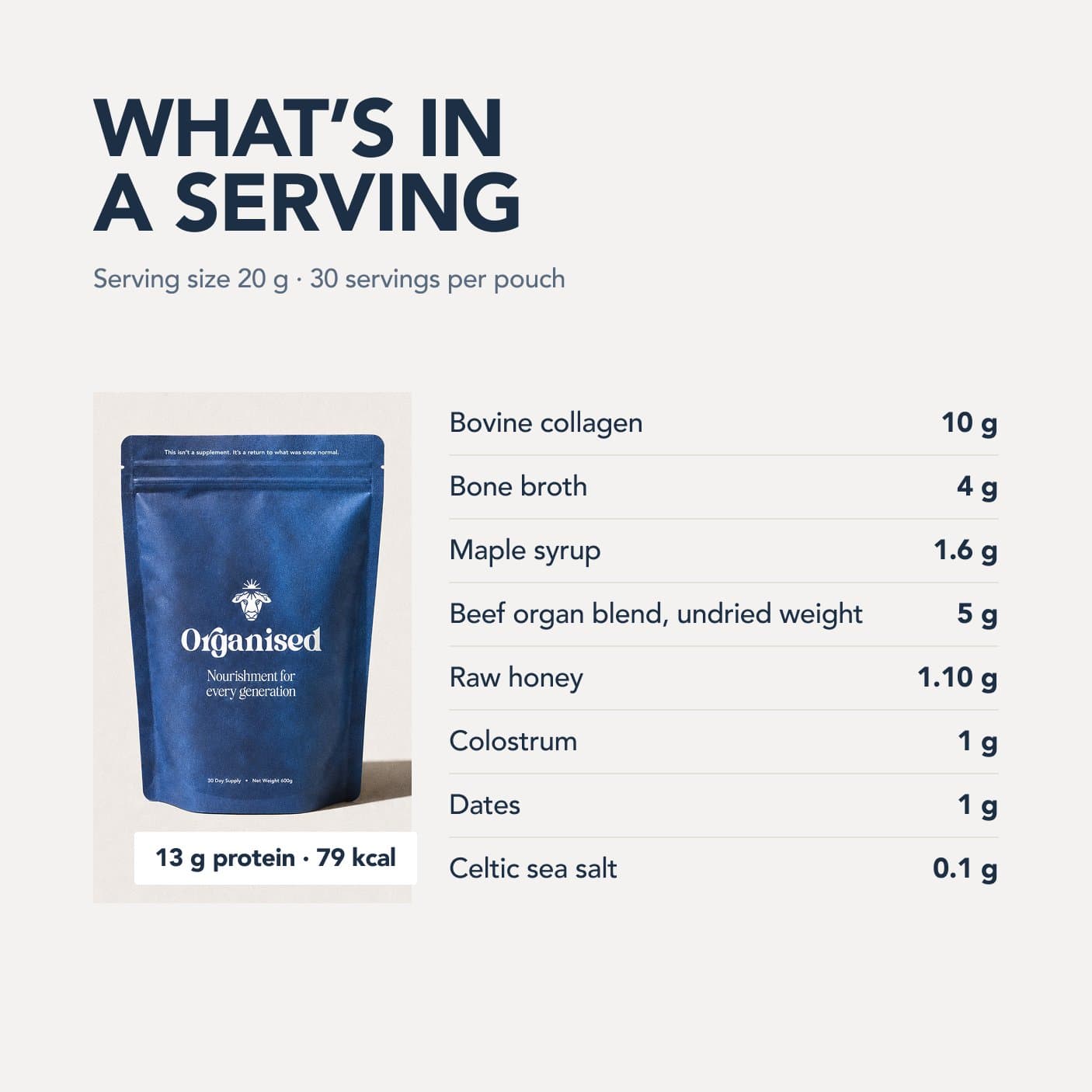
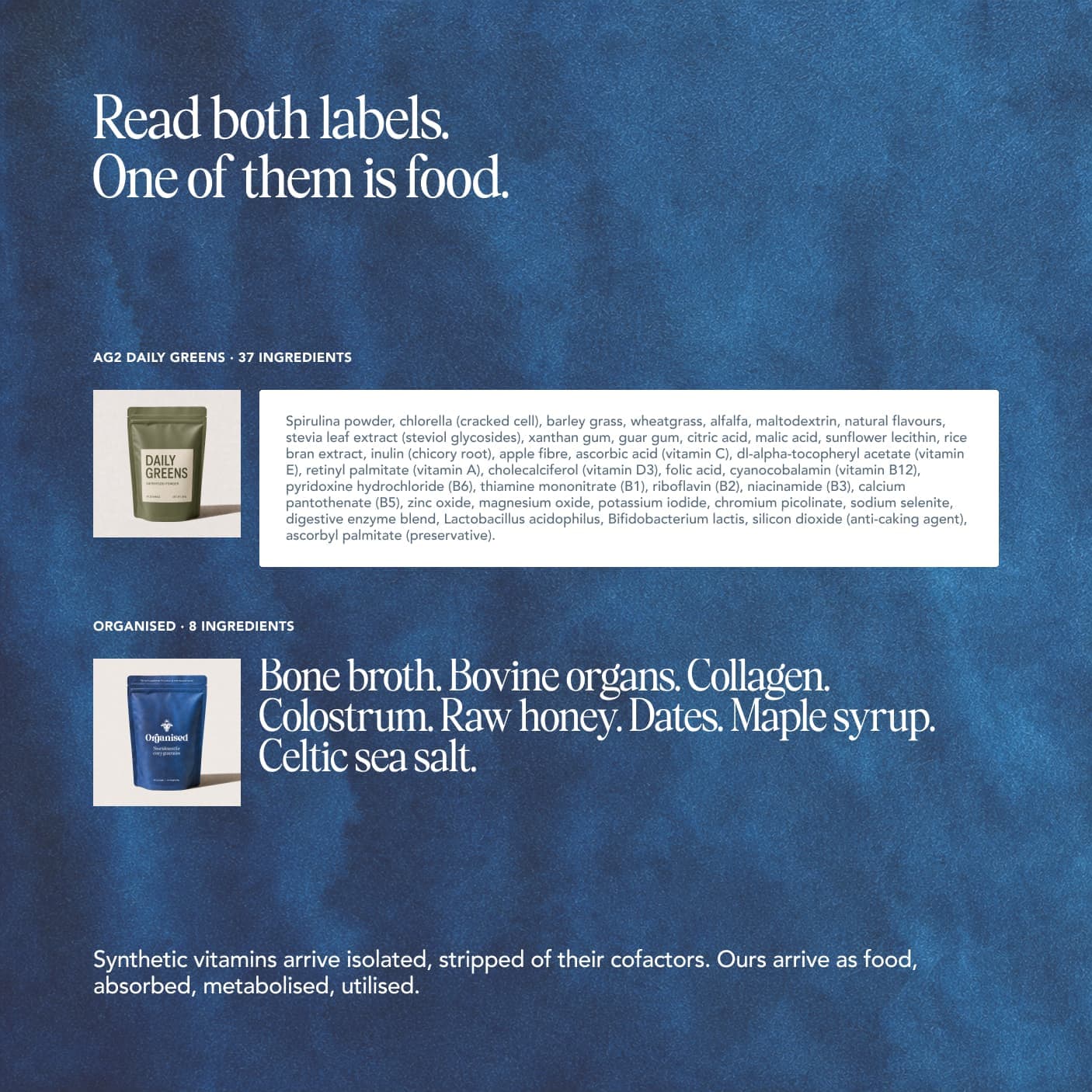
Eight real ingredients built around grass-fed beef organs, collagen and colostrum. Nothing synthetic added.
Free with your first order, worth £38. Plus £10 off the pouch with a subscription.



Free UK shipping · Made in England · 100 day money back guarantee on your first pouch · Skip, pause or cancel anytime
The bottom line
Dietary change inside a family is a negotiation, not a revolution. You don't need everyone to agree with your choices. You need them to accept that you're making them.
The people who love you might take time to adjust. Some might never fully understand. But most will eventually get there, especially if you make it about feeling better, not about them being wrong.
Food brings people together. If your dietary change is driving a wedge, step back and ask whether you're communicating about health or preaching about righteousness. The difference determines everything.
Common family pushback and how to handle it
Someone will say, "But that's expensive." It's not, per calorie and per nutrient, but more importantly: you're not asking them to change. You're changing how you eat. Making your own lunch is separate from what they eat.
Someone will say, "This is just a phase." Maybe. Probably not, but maybe. The answer isn't to defend it. It's to eat well, feel better, and not lecture them.
The most persuasive argument is you, feeling noticeably better. People notice. They don't always admit it, but they notice.
Managing shared meals
The hardest part isn't making your own food. It's eating together. If your family still eats processed food and you don't, you need a strategy. Cook the shared meal component: meat, vegetables, rice. Then you add the good oil and seasoning, they add the sauce. You eat the components, they eat it the old way. There's overlap, but not pretence.
This is easier when you're cooking from scratch anyway. A roasted chicken and roasted vegetables works for everyone. How much salt, fat, or sauce each person adds is their choice. No separate meal, no drama, no preaching.
The long game
If you're in a household where others don't share your approach to food, you need patience. You're not trying to convert them overnight. You're trying to eat well yourself, model what it looks like, and let them see the results. Some will follow. Some won't. Your job is to eat well, not to convince.
If you have children, they'll learn from watching you. They'll see that food can be simple and real. They'll taste the difference when they're ready. You can't force it. But you can show it.
Who wrote and reviewed this guide
Niall Kiddle
Author · Founder, Organised
Niall is the founder of Organised. He started the company in 2024 after fixing his own health the slow way: in 2022 he swapped a cupboard of synthetic supplements for real food, raw milk, organ meats, bone broth and honey, and felt the difference within months.
Areas of expertise: Ancestral nutrition, Organ meats, Whole-food supplementation, Gut health, Regenerative sourcing
Read Niall's full profile
Pedro Rodrigues
Reviewer · Agronomist (farming and sourcing only)
Pedro is the agronomist Organised works with on farming and sourcing. His job on the guides is to keep the science honest: he reviews what we publish about soil health, regenerative agriculture, grazing and the way food is actually produced.
Areas of expertise: Regenerative agriculture, Agronomy, Soil health, Grass-fed farming, Food sourcing
Reviewed this guide on
Read Pedro's full profileMore on community
View allBrowse the guides library
All guidesKeep reading
Culture & community
Food Sovereignty: Taking Back Control of What You Eat
Understanding food sovereignty, why knowing your food sources matters, and how to resist industrial food systems through local and regenerative choices.

Culture & community
Summer Nutrition: Staying Hydrated and Energised
Stay hydrated and energised through summer with smart nutrition. Learn about electrolyte balance, Celtic sea salt, and seasonal foods that keep you going.

Culture & community
From Supplement Sceptic to Daily User: Customer Journeys
Real stories of sceptics who became committed supplement users. Why doubt transformed into trust, and how they know it's working.
Real food, made effortless
Shop the blendA few ways to use it
All recipes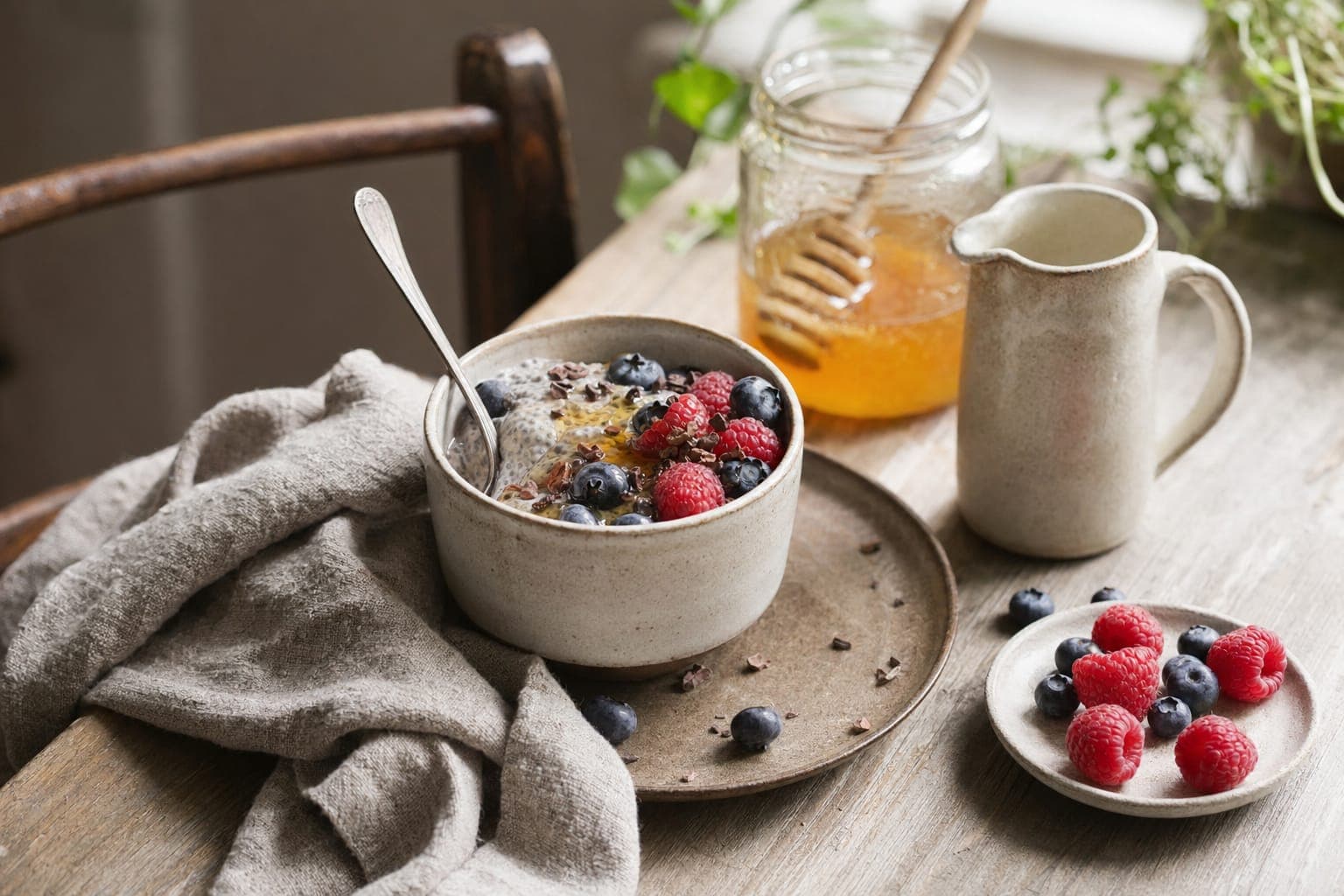
Organised Chia Pudding with Raw Honey and Berries
A no-cook chia seed pudding made with raw milk, collagen, berries, and raw honey. Prep it the night before and eat for breakfast.
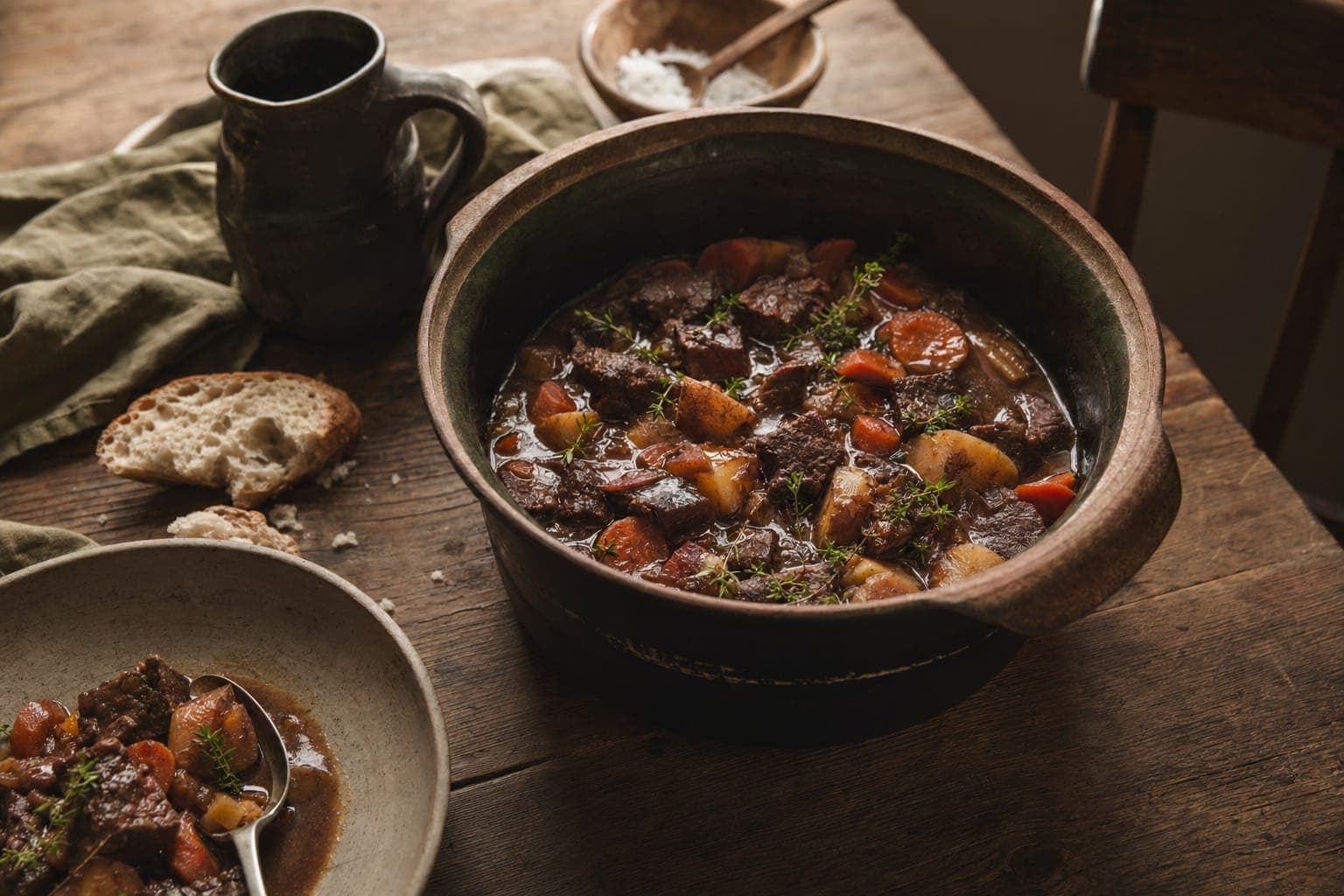
Collagen-Rich Beef Stew: Slow-Cooked Nourishment
Beef stew that delivers collagen from connective tissue and bone broth. Winter comfort food that actually nourishes. Simple slow cooker recipe.
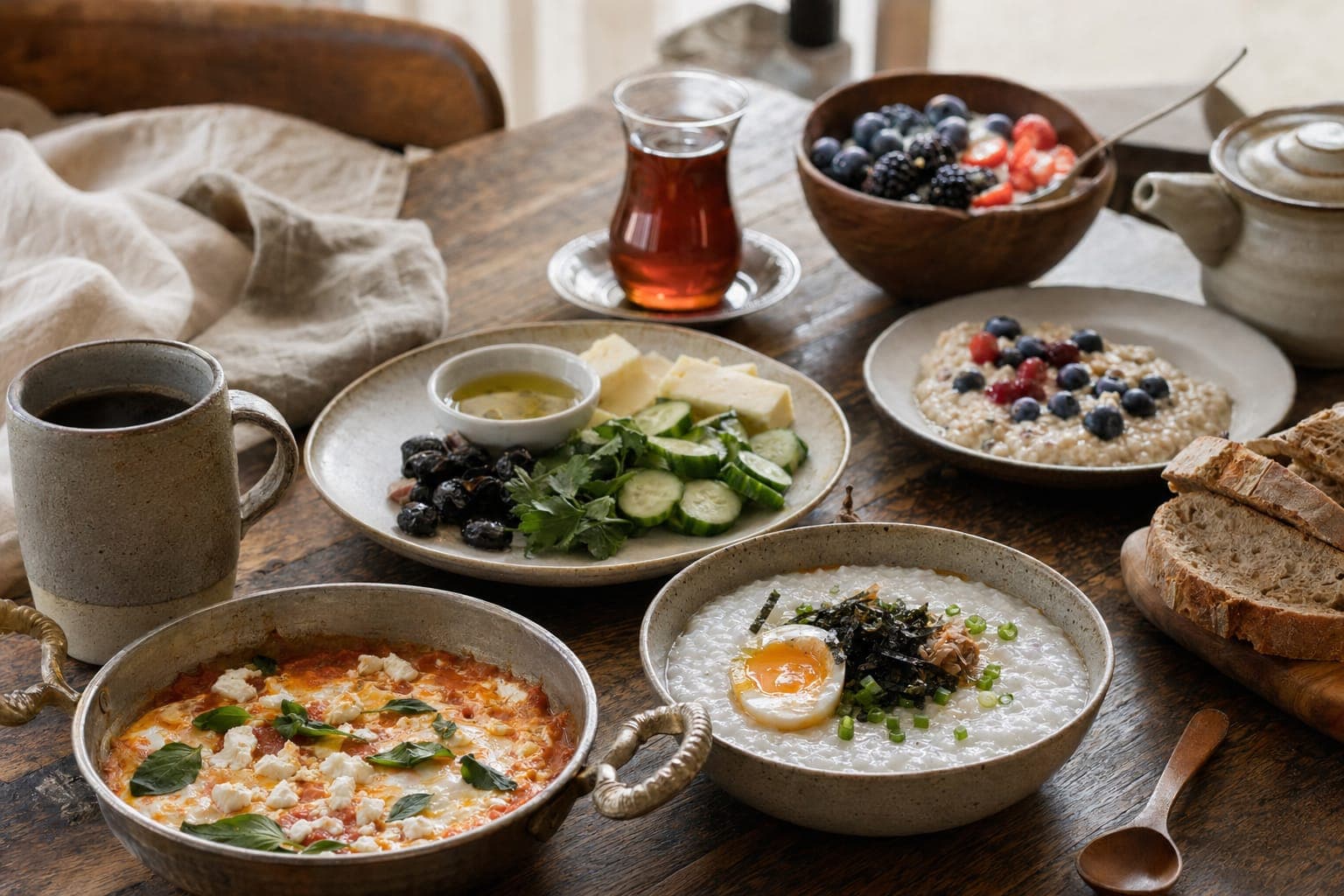
Ancestral Breakfast Ideas from Around the World
Traditional breakfast recipes from cultures that got nutrition right. Japanese, Turkish, Scottish, and more. Whole-food breakfast inspiration.


 Join over 100,000+ members
Build a better food system with us
The Organised community is thousands of people choosing real food and backing the farmers who grow it, all of us trying to leave the world a little better than we found it. If that is what you care about too, you belong here.