Bank Holiday Nutrition: How to Eat Well When You're Off Routine
Bank holidays are when your nutrition goes to shit. Everyone's off routine. You're either travelling, or at someone's house, or in a pub with nobody cooking real food. You have a choice: either give up entirely, or figure out how to eat real food when you're not in your own kitchen. It's more possible than you think.
By Niall Kiddle, Founder, Organised

Reviewed by Pedro Rodrigues, Agronomist (farming and sourcing only) ·
5 min read · Published · Updated · 2 cited sources
Makers of the Organised Daily blend, a grass-fed beef organ supplement from regenerative UK farms
It's more possible than you think.
It's just a weekend, but it disrupts everything
Your routine is powerful. You wake up, you eat eggs. You're in control of your food. Your body knows what to expect. Then bank holiday comes and you're on someone else's schedule, eating food you didn't prepare, in environments where real food is a luxury rather than the default.
The stress of that disruption is real. Your nervous system is activated. You're not home. The food is uncertain. The portions are uncertain. You're tired or overstimulated or both. And suddenly, the thing that felt non-negotiable (eating real food) feels impossible.
But it's not impossible. It just requires a different approach than your Tuesday morning.
Bank holidays don't undo months of real food eating. One weekend off routine is not a failure. It's a weekend.
Pub meals and how to navigate them
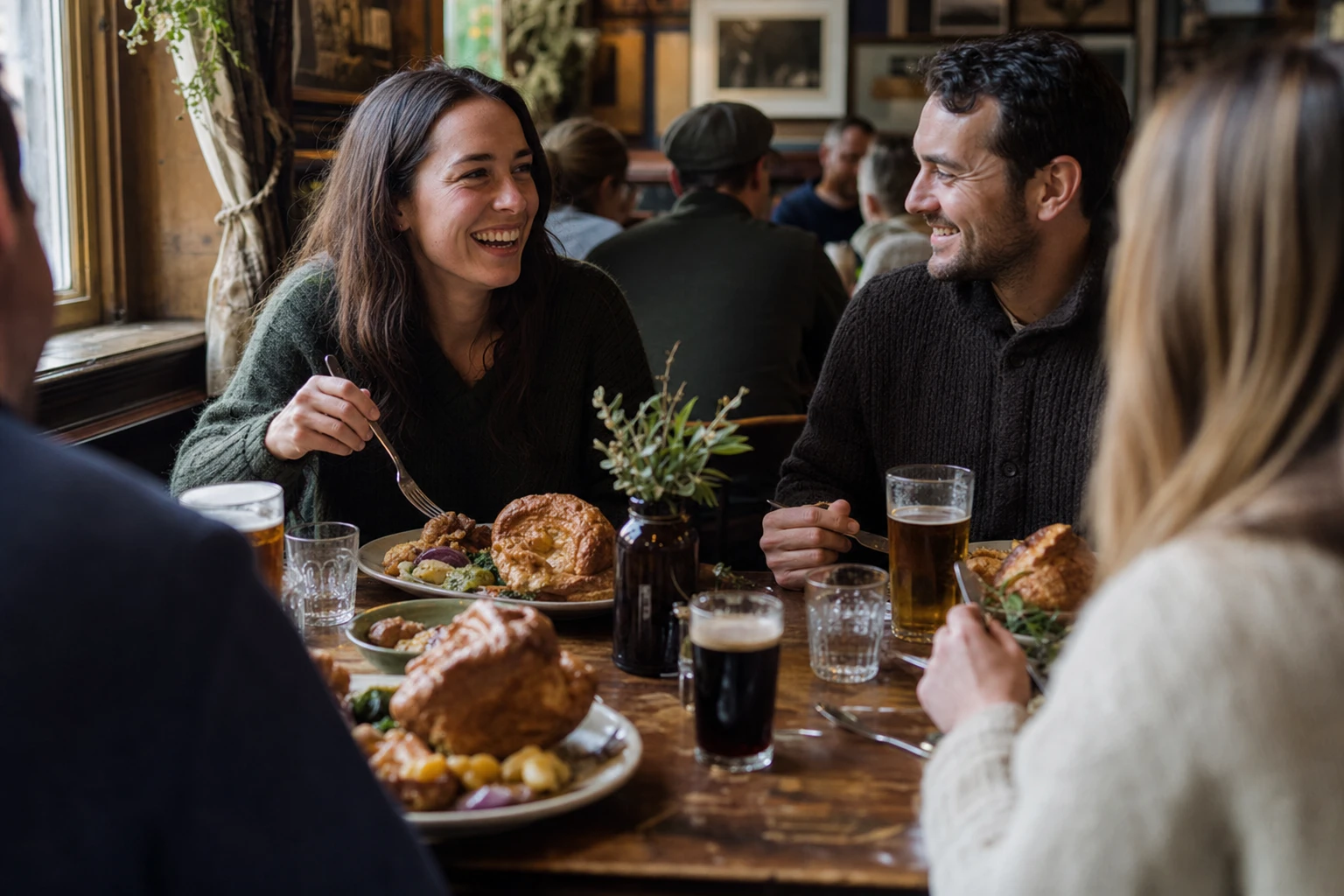
The pub is the British bank holiday. You've got half the extended family, a few drinks, and a menu that's mostly fried things and carbohydrate with processing. Here's how you navigate it without being that person.
First: order meat. A steak, a piece of fish, a roast. Meat is on every pub menu. Order it. It's real food. Then order vegetables. Most pubs have at least one vegetable option that isn't deep-fried. If they don't, order a side salad. Most pubs will put butter on your vegetables if you ask, or olive oil.
Second: don't overthink it. You're having a drink with family. You're not preaching about food. You're just eating a meal that's real food instead of the breaded and processed alternative. Nobody needs to know you're making a choice. You're just ordering a steak and veg instead of fish and chips.
Third: if the only available option is truly terrible (which is rare, but happens), you eat it and you move on. One pub meal does not destroy your health. Your body can handle one meal of processed food. It won't feel great, but it won't undo months of real food eating either.
The key is not swinging to the other extreme. You don't walk into a pub and think, "Well, I'm off routine, so I might as well have three drinks and a fried breakfast and dessert and nothing matters." You just eat a real food meal in an environment that doesn't cater to real food eating. That's all.
Family gatherings: the politics of real food
The harder part isn't the food. It's the social layer. Your mum has spent two hours on a casserole and you're not eating it because it's made with seed oil and processed meat. Your partner's family has brought a cake and you're not eating it. Everyone's watching to see if you're "being difficult" about food.
Here's the truth: you don't have to explain yourself. You eat what your body does well with. You don't announce it. You don't make a fuss. You eat the roasted vegetables and the good meat and if someone questions it, you say, "This is what my body does well with," and you leave it there.
If you genuinely want a piece of cake or a bit of the casserole, you can eat it. Bank holidays are not the moment to be rigid. But if you don't want it, you don't need to want it to please other people. "I'm full" is a complete sentence. "I'm good thanks" is a complete sentence. You don't owe anyone a detailed explanation of your food choices.
Other people's expectations about your body are their problem, not your problem.
Get stories from the community, free
Two short reads a week on the farmers, the standards, and the return to real food.
By signing up you agree to receive emails from us. No spam, unsubscribe anytime.
Travel and what to pack
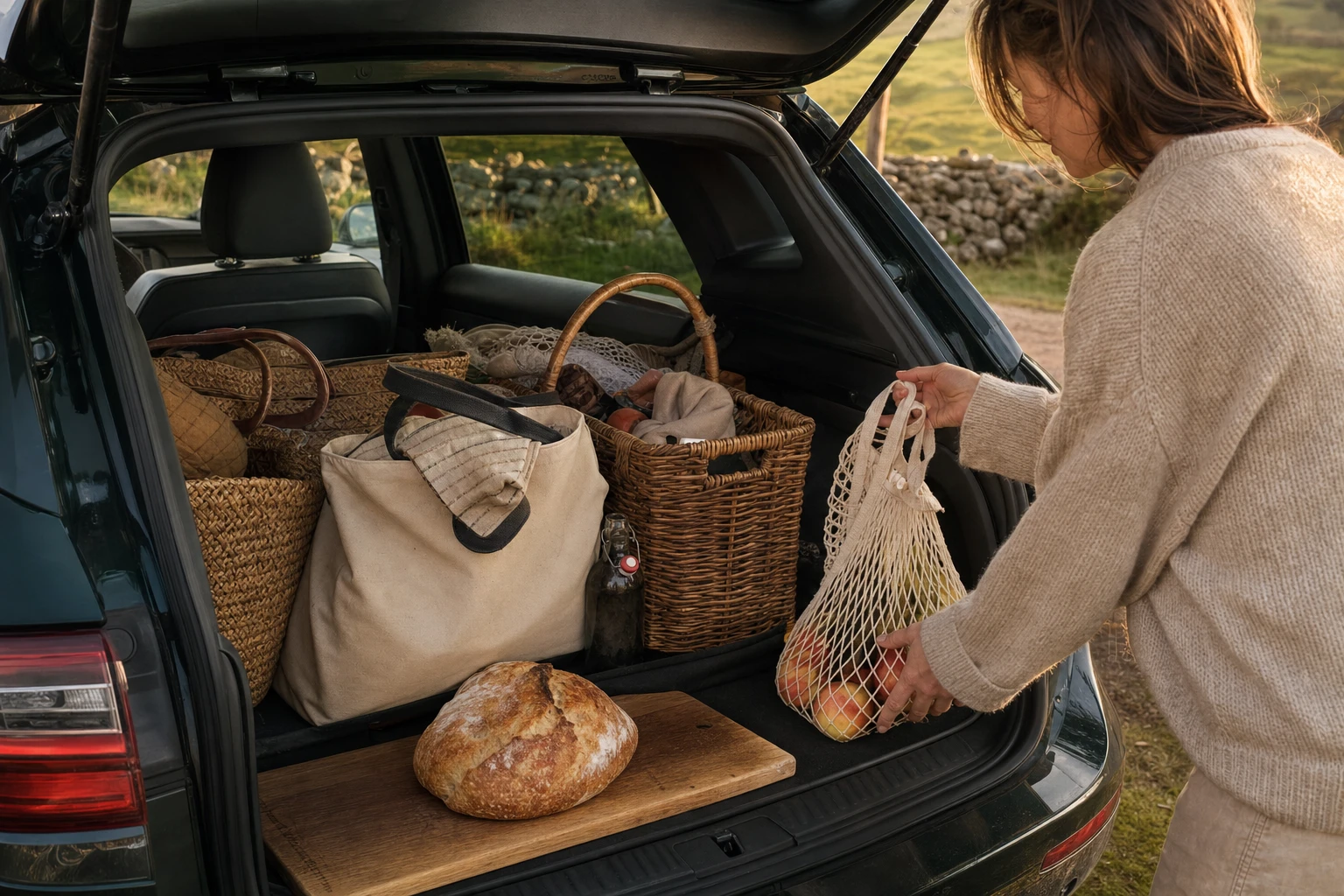
Bank holidays often mean travel. Sitting in a car for four hours or longer. You're going to get hungry. You're going to want to stop at a service station. You're going to be faced with options that are mostly processed nonsense.
Pack real food. Hard-boiled eggs. Cheese. Cold meat. Leftover roasted chicken. Nuts if you tolerate them. Fruit. A bit of dark chocolate if you want something for taste. Real food that doesn't require heating or much preparation.
You sit in the car, you eat real food, you feel fine. You get to your destination and you're not depleted and shaky from processed carbohydrate and seed oil and sugar. That's the difference.
If you're staying somewhere with a kitchen, you're golden. You can cook. If you're staying somewhere without a kitchen, you eat out, and you navigate it like you navigate the pub: order real food, don't overthink it, move on.
The flexibility equation
Here's the thing about real food that makes bank holidays easier: it's flexible. You're not on a macro counting app. You're not obsessed with exact percentages of protein and carb. You're just eating real food when you have access to it, and eating the best you can when you don't.
One meal of processed food doesn't derail you. One pub lunch doesn't undo anything. One piece of cake doesn't matter. What matters is the pattern. The month of eating real food. The routine that you go back to on Tuesday morning.
This is why real food is better than diet culture. Diet culture would tell you that you've failed the moment you eat a processed meal. Real food says: you ate a meal. It probably wasn't your best choice. You move on. By Tuesday you're back to real food. No guilt, no spiral, no need to "earn it back" with exercise.
1 of 9
Daily blend
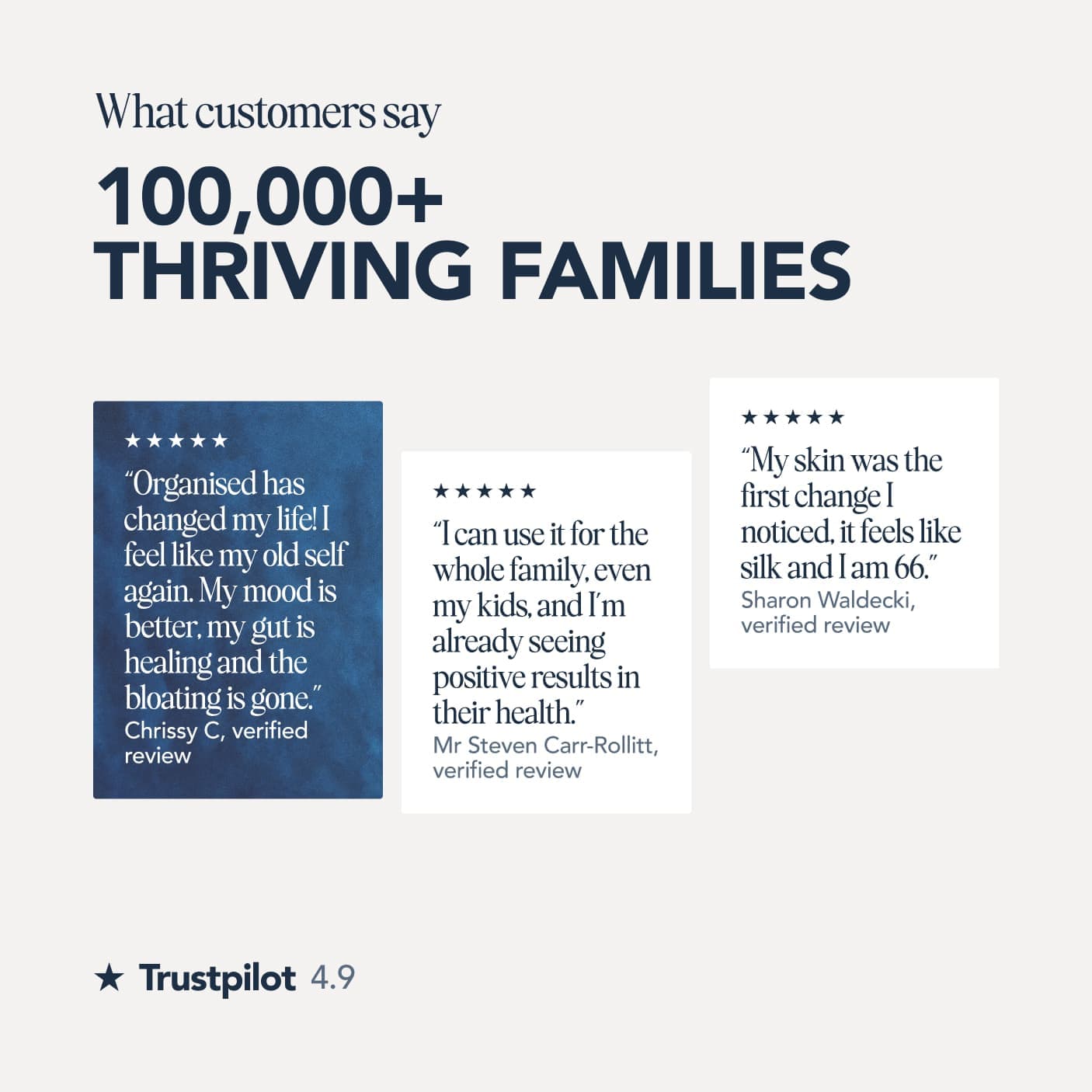
100,000+ thriving families4.9 on Trustpilot
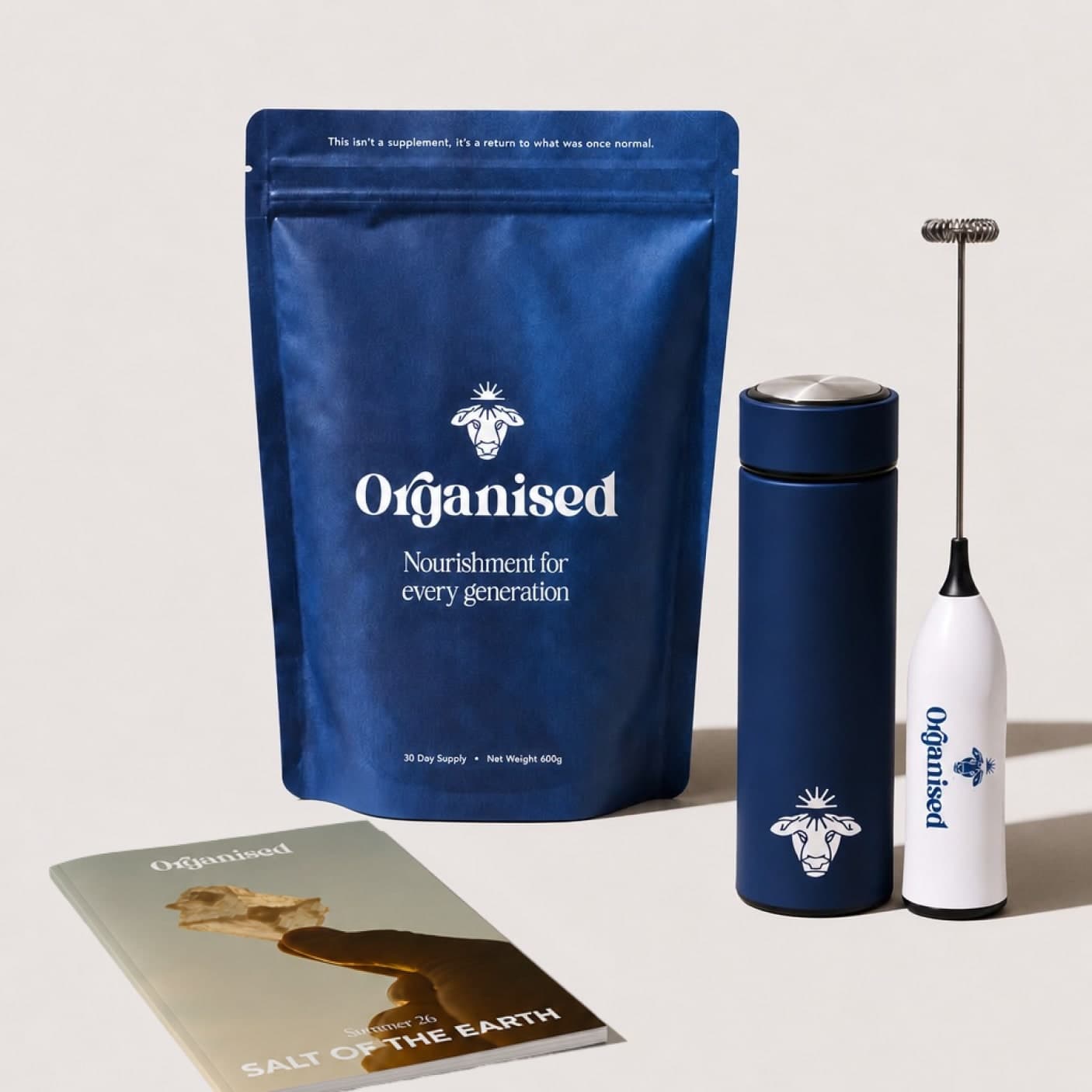
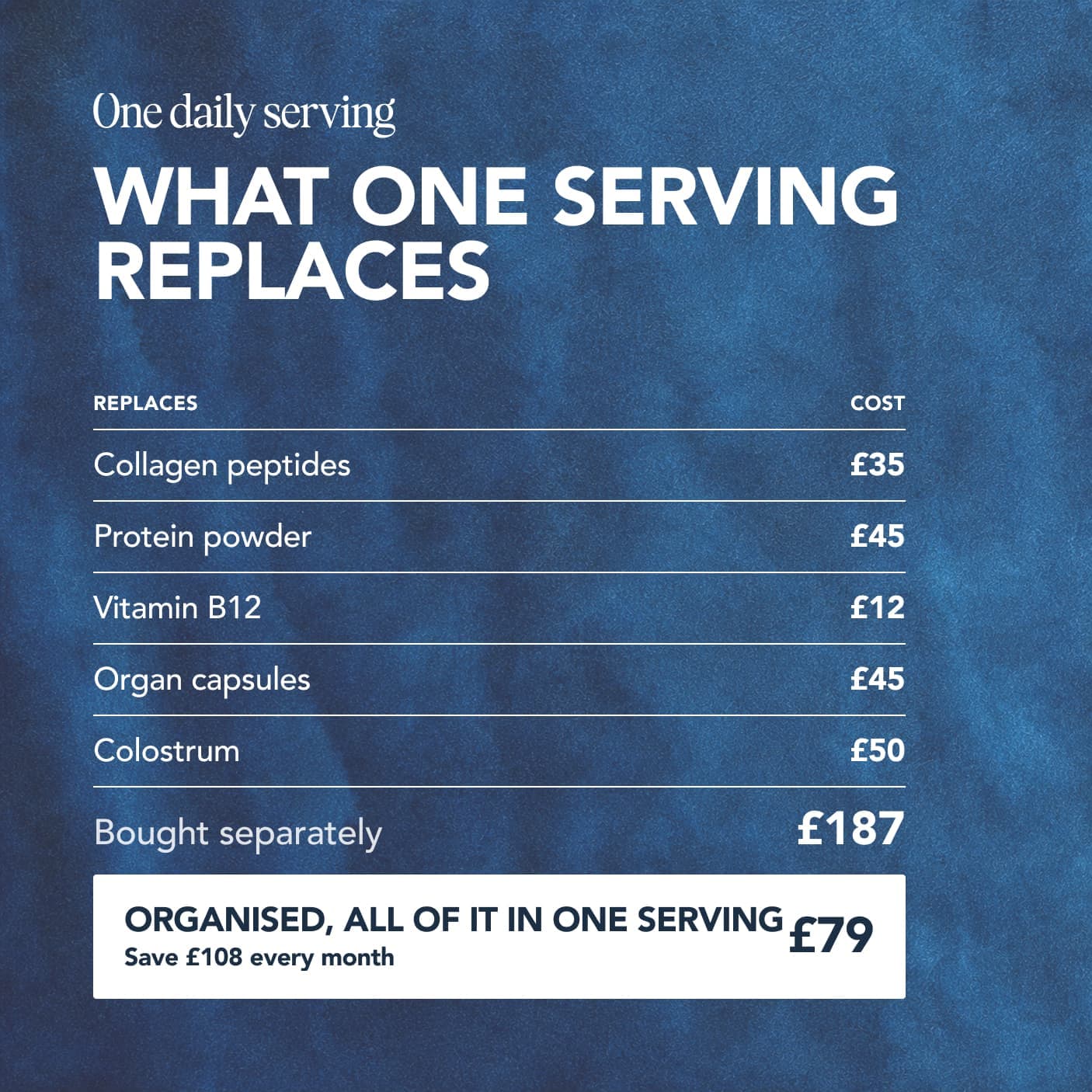
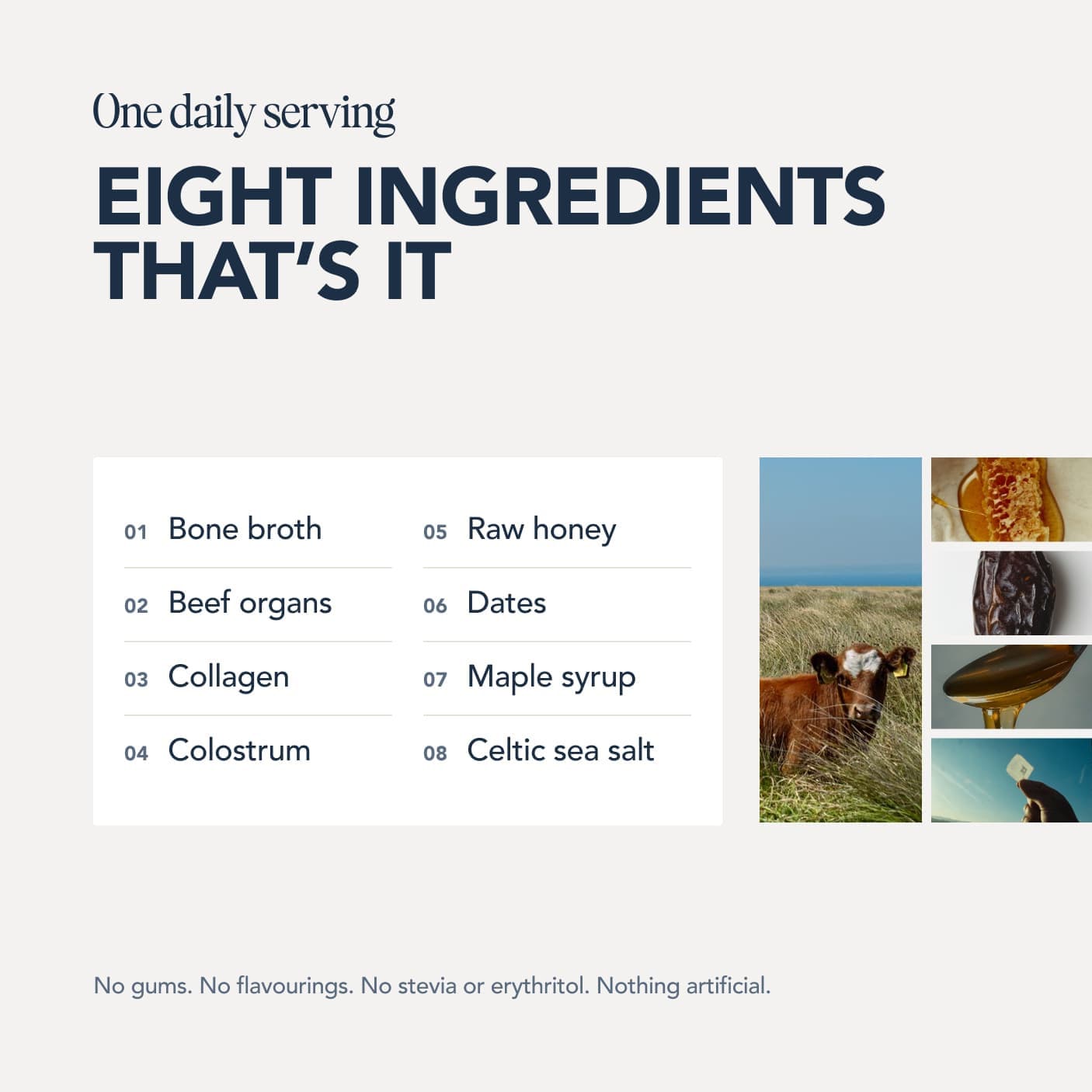
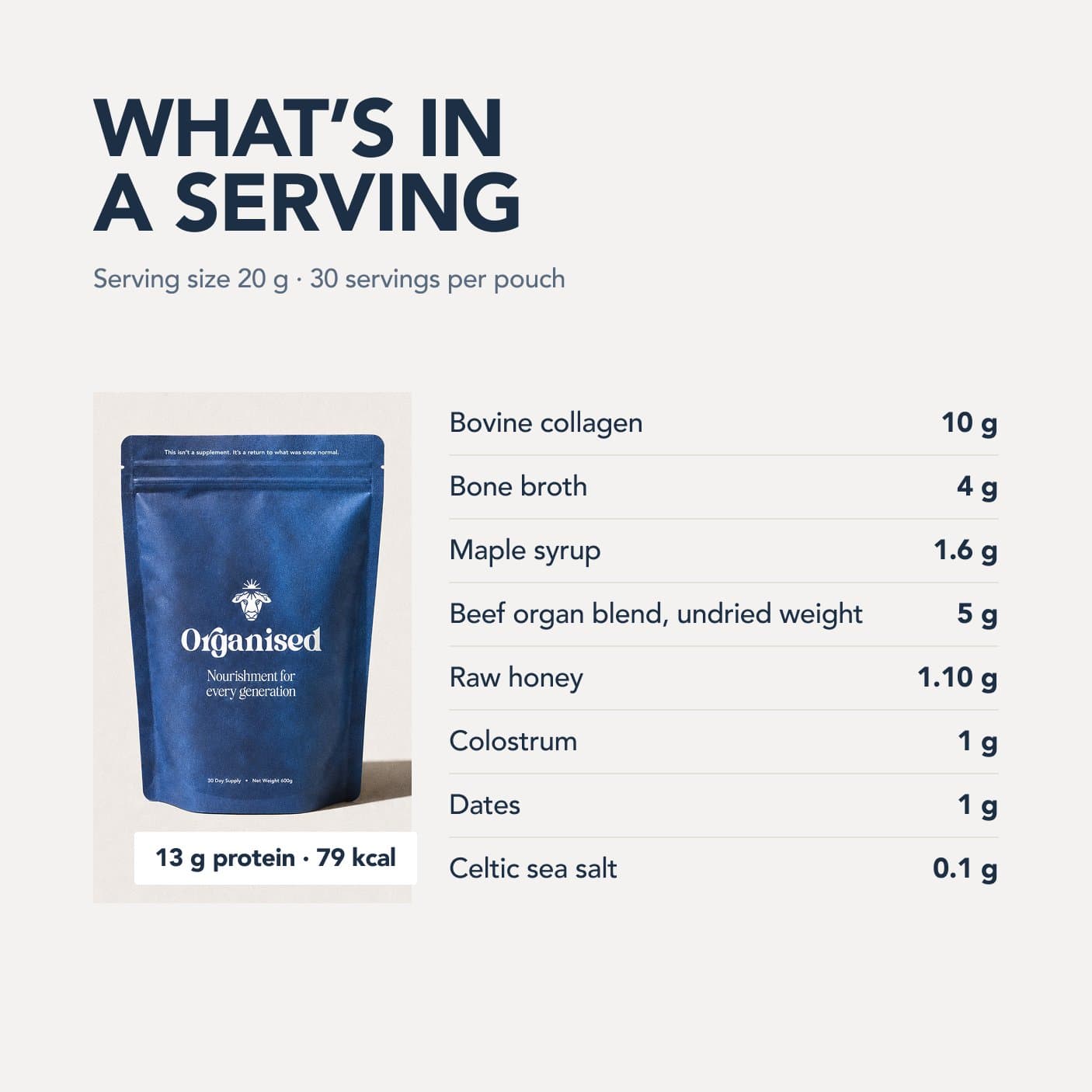
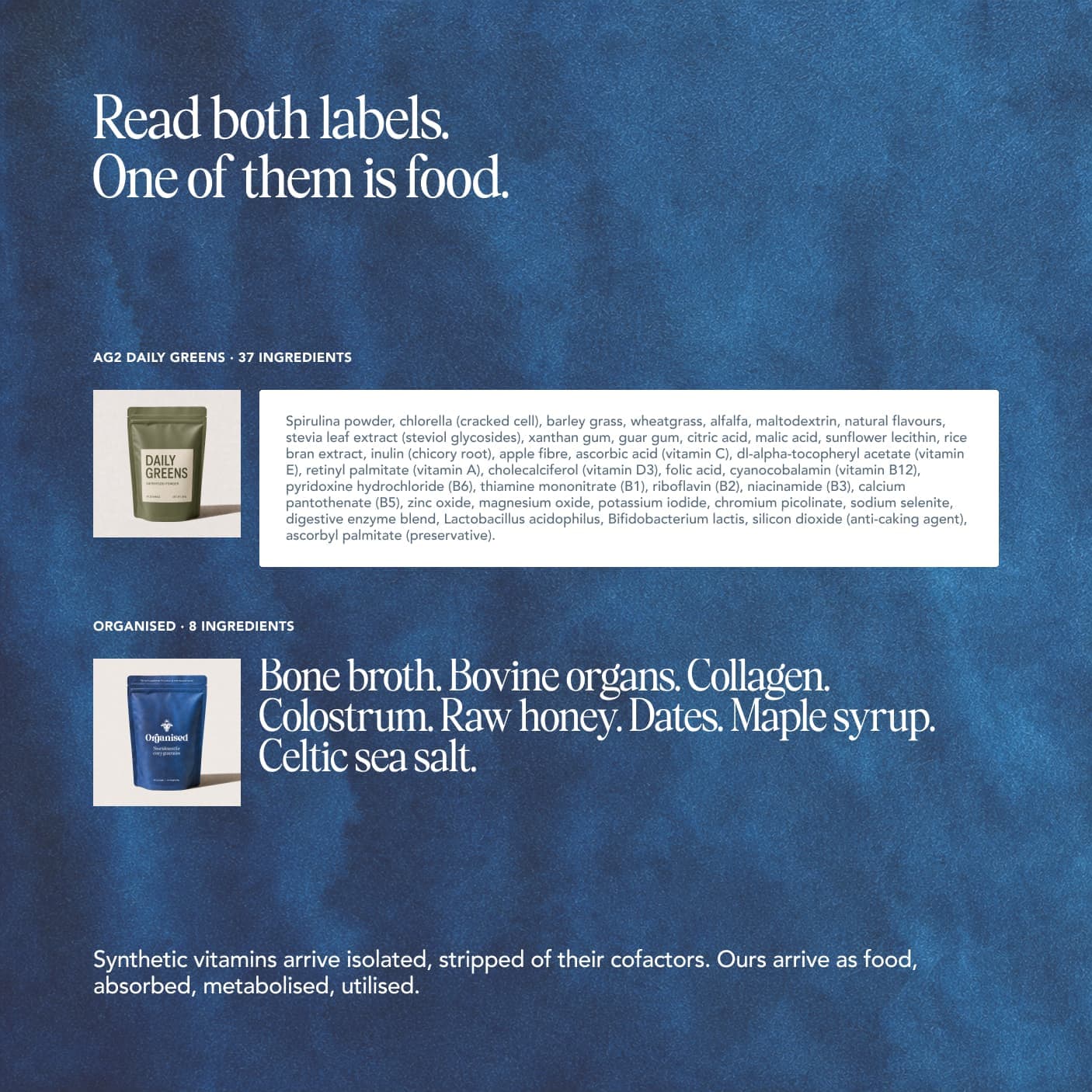
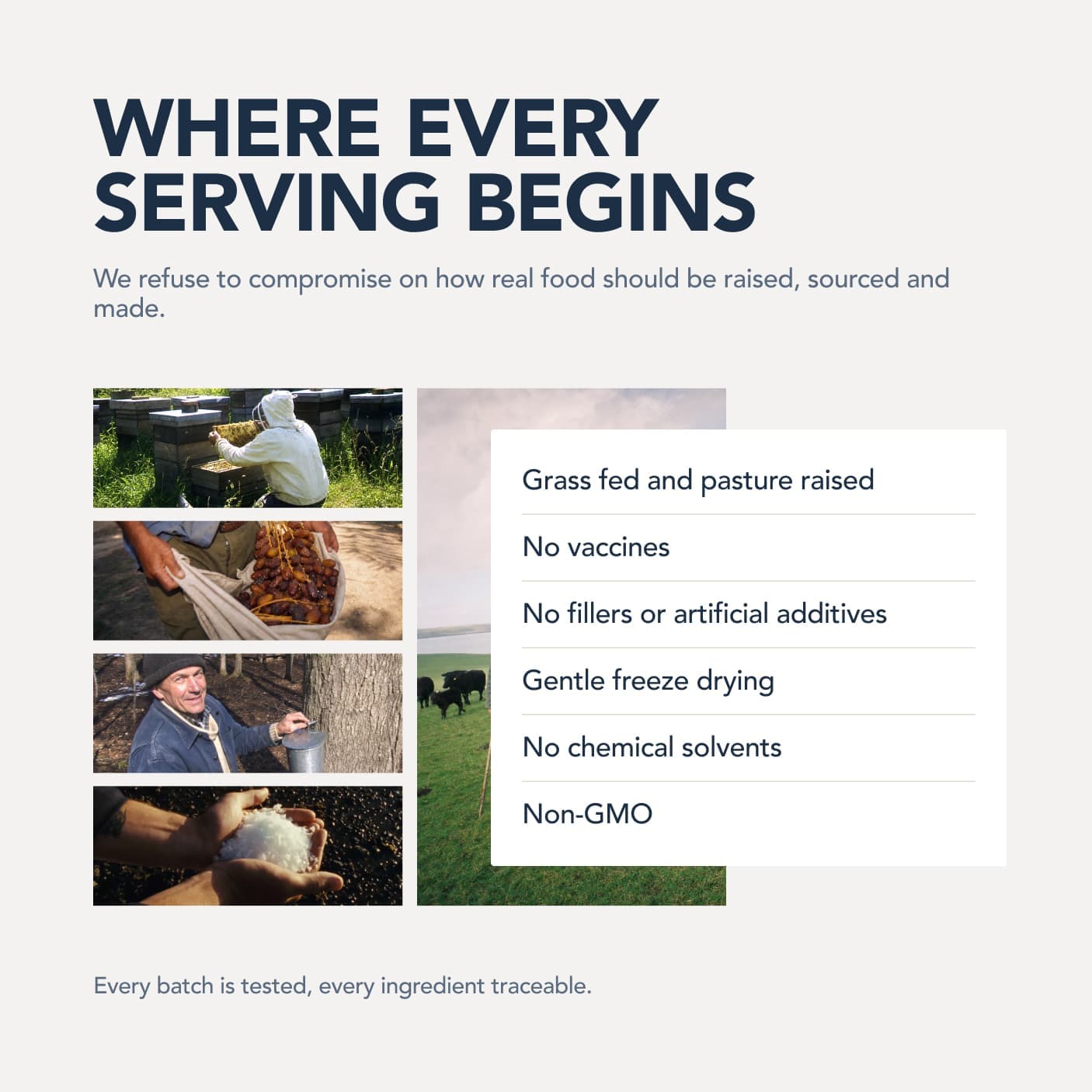
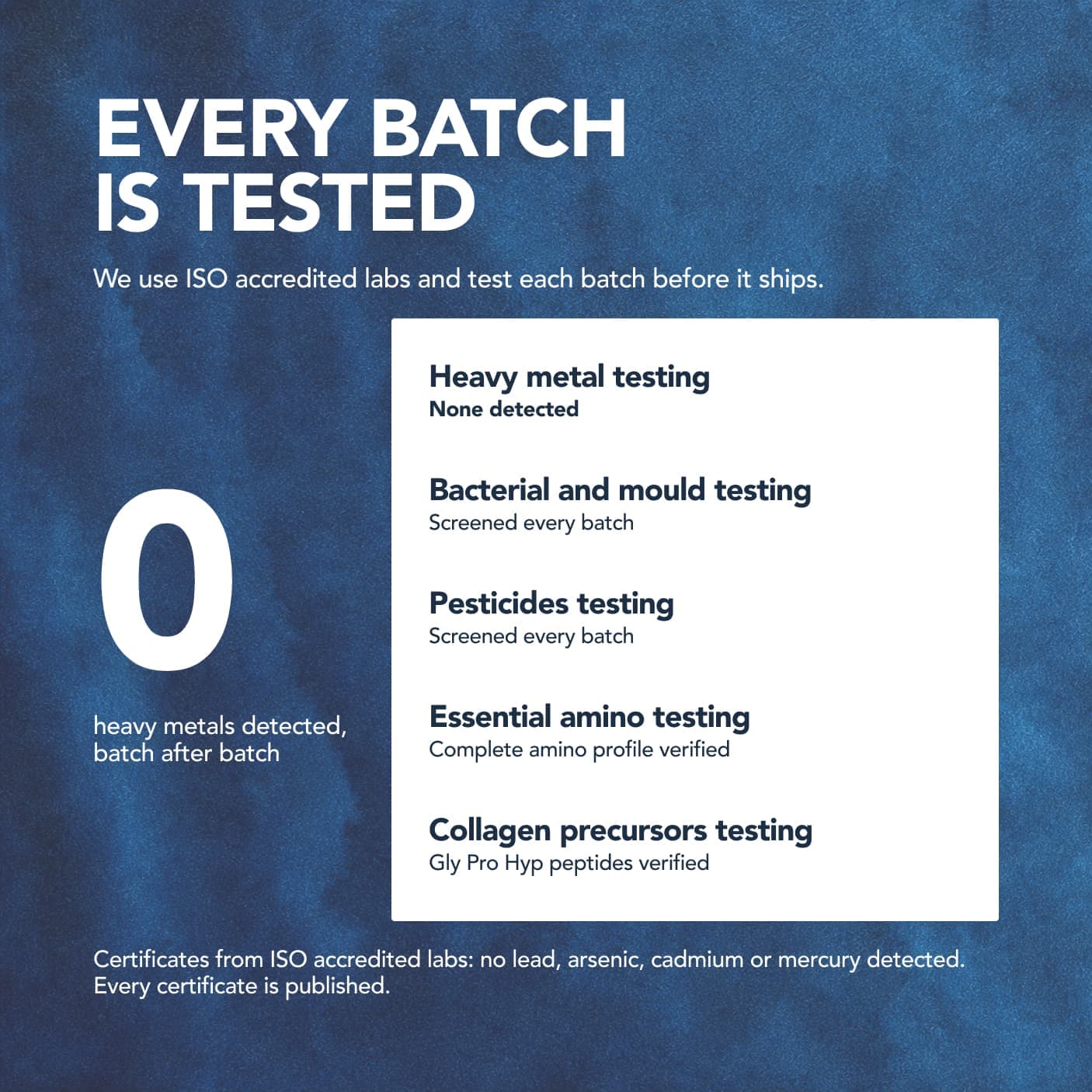
Eight real ingredients built around grass-fed beef organs, collagen and colostrum. Nothing synthetic added.
Free with your first order, worth £38. Plus £10 off the pouch with a subscription.

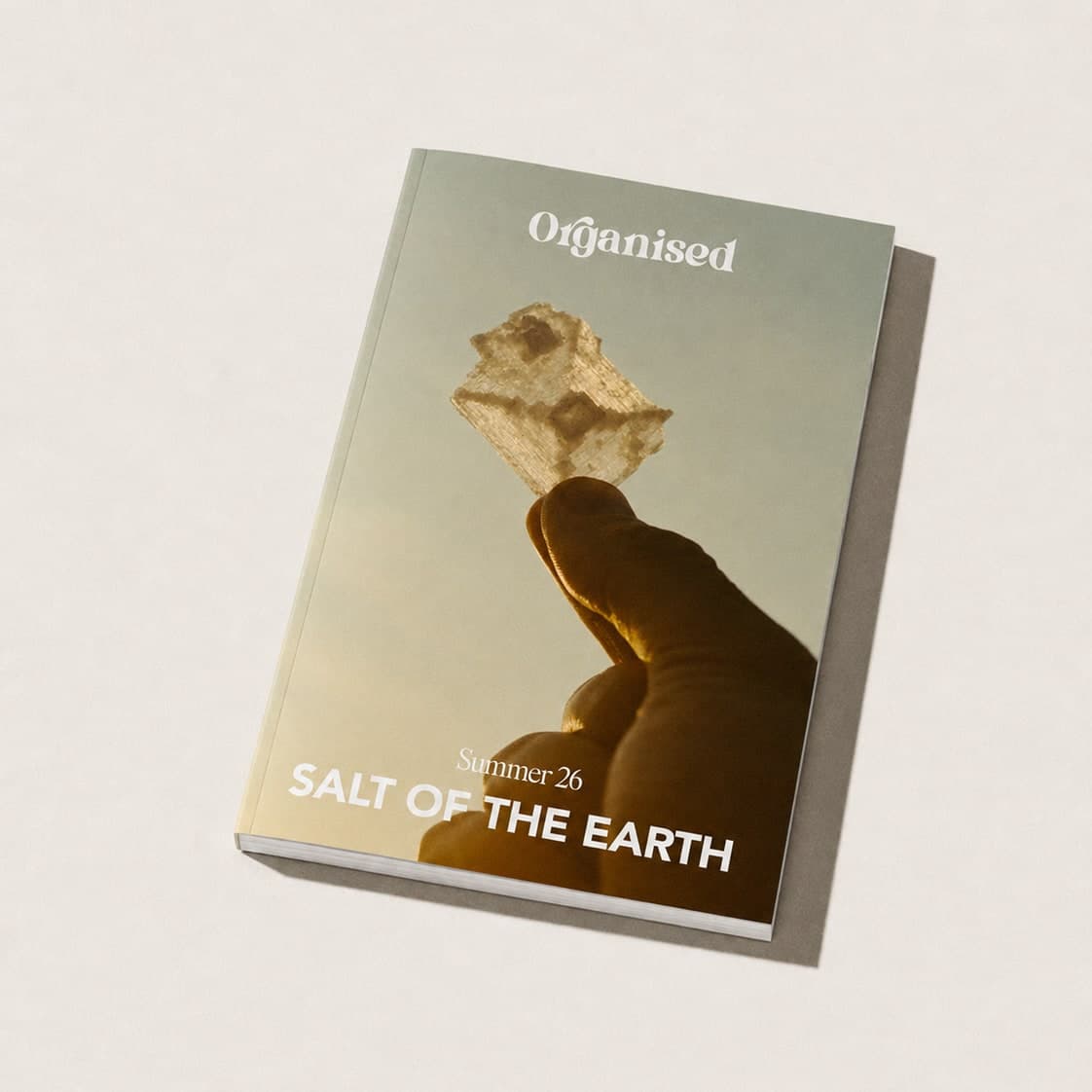
Free UK shipping · Made in England · 100 day money back guarantee on your first pouch · Skip, pause or cancel anytime
Getting back on track after
Bank holidays end. You go home. You go back to your routine. Tuesday morning you eat eggs. You're back. It's that simple.
Some people feel a bit off after a few days away eating differently.2 Maybe slightly bloated. Maybe a bit of brain fog. Maybe your digestion is a bit confused. That clears within a day or two of eating real food again. Your body remembers what it prefers.
You don't need to do a "cleanse" or a "detox" or start being extra strict.1 You just eat real food again. Your body sorts itself out.
Bank holidays are not your enemy. They're just a break from routine. You navigate them with flexibility, eat real food when you can, eat the best alternative when you can't, and then you go back to your routine. That's the whole thing. It's simple because real food is simple. You're just eating the thing that makes your body work, even when circumstances are difficult.
References
Every source below was checked on 27 August 2026. Each PubMed, PMC and DOI identifier was resolved against NCBI or Crossref, and what it opens is printed under the citation, so you can see the link goes where the citation says without leaving the page. Where a citation and its identifier disagreed, the citation was corrected to the record or the reference was deleted along with the sentence marker that pointed at it, and where the resolved paper turned out not to support the sentence, the sentence was cut back to what it does support. Borrowed authority is worse than none, because it looks like rigour.
- Klein AV, Kiat H. Detox diets for toxin elimination and weight management: a critical review of the evidence. J Hum Nutr Diet. 2015. PMID 25522674.Checked 27 August 2026: PMID 25522674 opens Klein AV, Kiat H, Detox diets for toxin elimination and weight management: a critical review of the evidence. J Hum Nutr Diet 2015;28(6):675-86. PubMed indexes it as: Review.
- NHS. Eating a balanced diet. nhs.uk/live-well/eat-well.
Who wrote and reviewed this guide
Niall Kiddle
Author · Founder, Organised
Niall is the founder of Organised. He started the company in 2024 after fixing his own health the slow way: in 2022 he swapped a cupboard of synthetic supplements for real food, raw milk, organ meats, bone broth and honey, and felt the difference within months.
Areas of expertise: Ancestral nutrition, Organ meats, Whole-food supplementation, Gut health, Regenerative sourcing
Read Niall's full profile
Pedro Rodrigues
Reviewer · Agronomist (farming and sourcing only)
Pedro is the agronomist Organised works with on farming and sourcing. His job on the guides is to keep the science honest: he reviews what we publish about soil health, regenerative agriculture, grazing and the way food is actually produced.
Areas of expertise: Regenerative agriculture, Agronomy, Soil health, Grass-fed farming, Food sourcing
Reviewed this guide on
Read Pedro's full profileBrowse the guides library
All guidesKeep reading
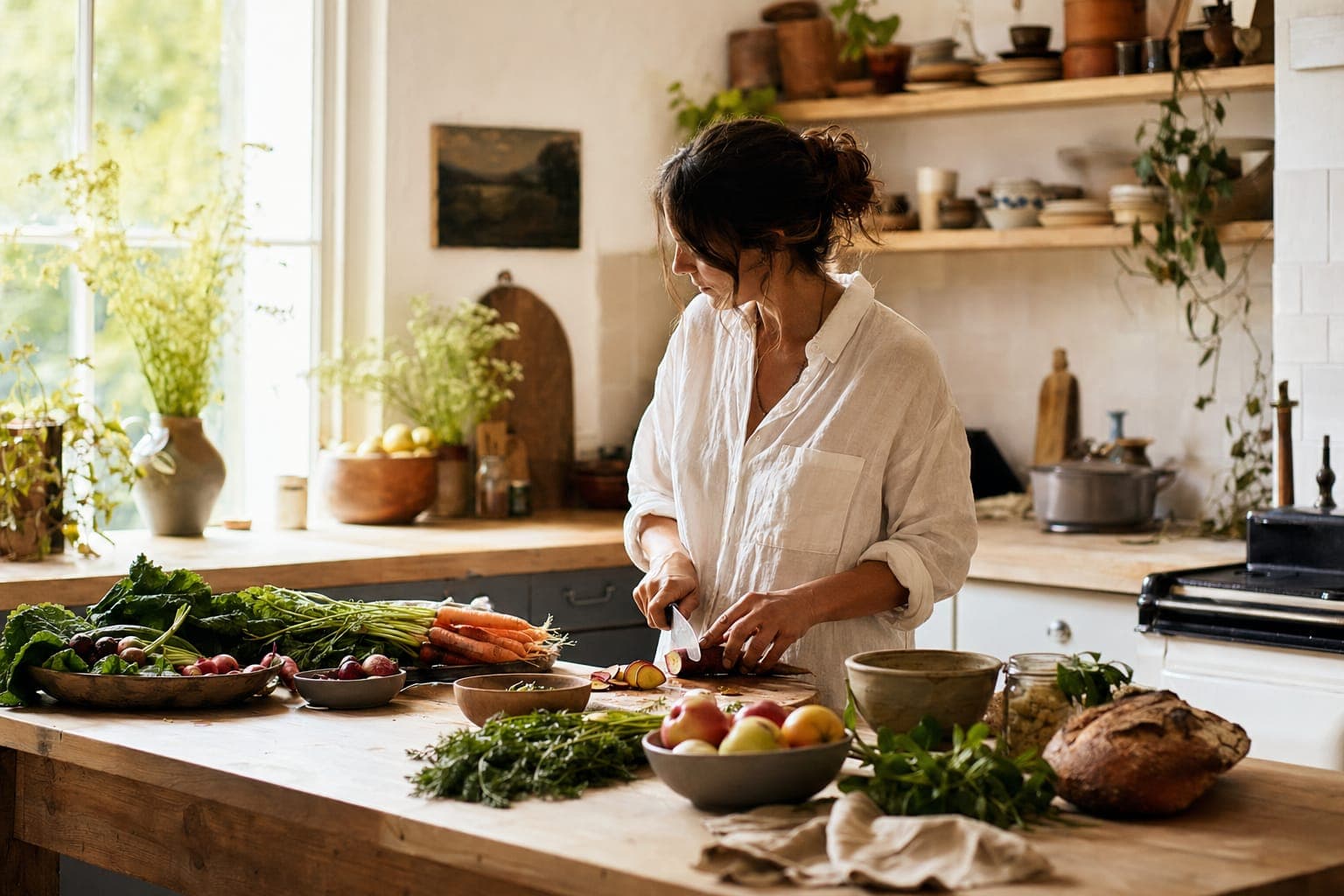
Culture & community
New Year, Real Food: A Whole Food Resolution That Actually Works
January diets fail. Here's why, and how to build a resolution based on adding real food instead of restriction. Sustainable change that lasts.
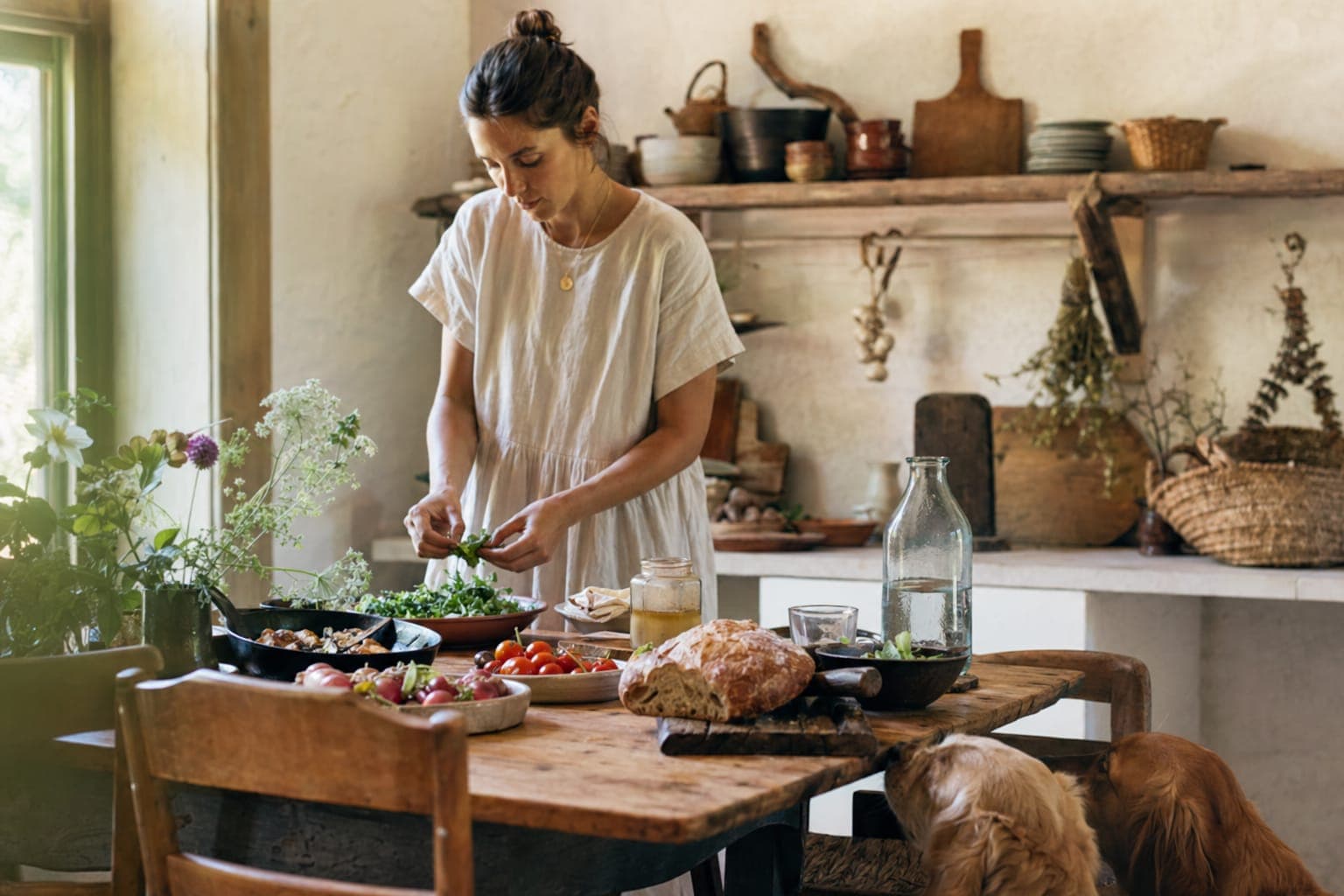
Culture & community
Beyond Supplements: Building a Whole Food Lifestyle
Nutrition is just one piece. Real health comes from cooking, sleep, sunlight, movement, and relationships. Here's how to build a whole system.
Culture & community
What Doctors and Nutritionists Are Saying About Organised
Medical professionals increasingly recommend whole food over supplements. Here's what practitioners are saying about real nutrition.
Real food, made effortless
Shop the blendA few ways to use it
All recipes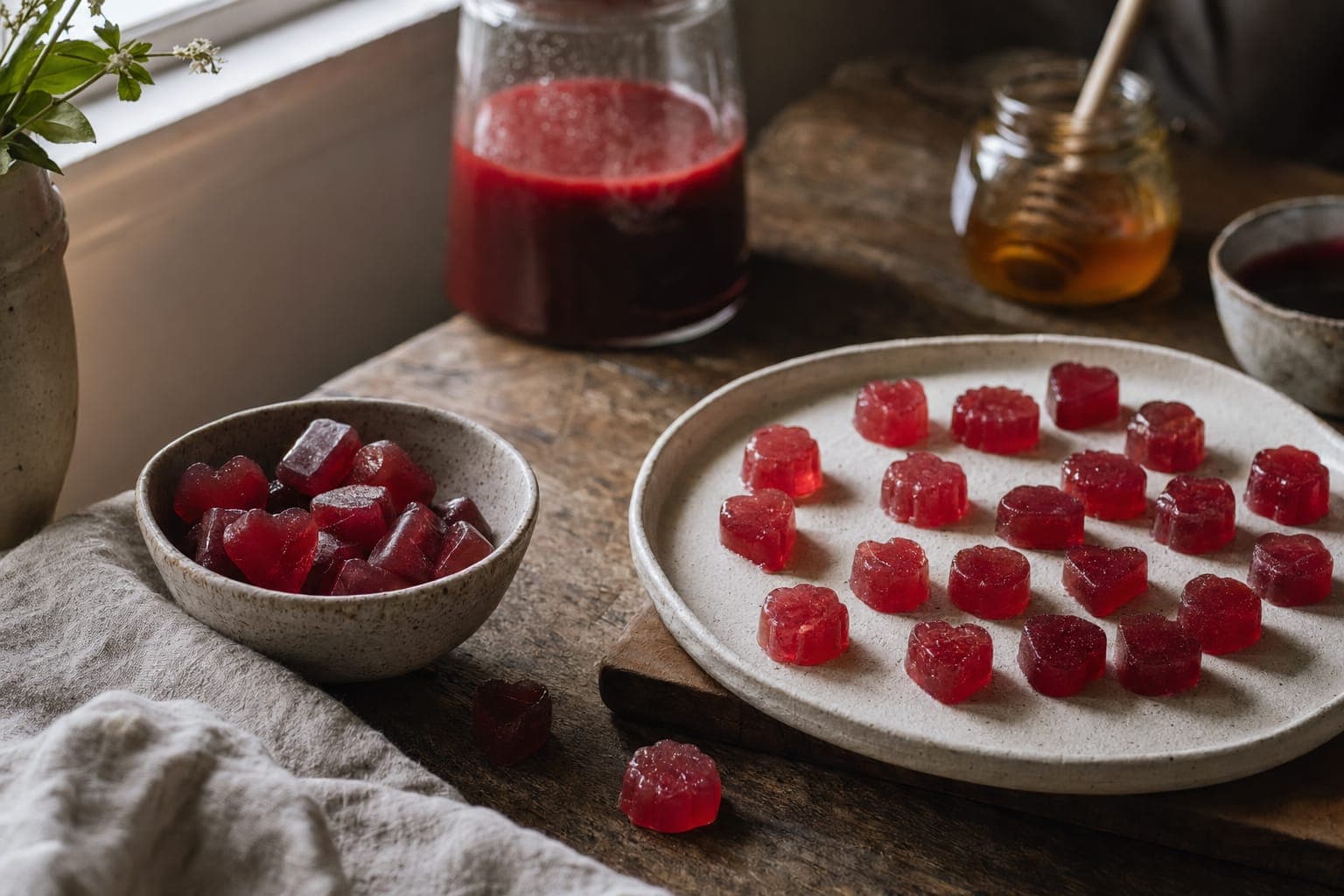
How to Make Your Own Gelatine Gummies
A simple recipe for homemade gelatine gummies using grass-fed gelatine, fresh juice, and raw honey. Better than shop-bought, kids love them.
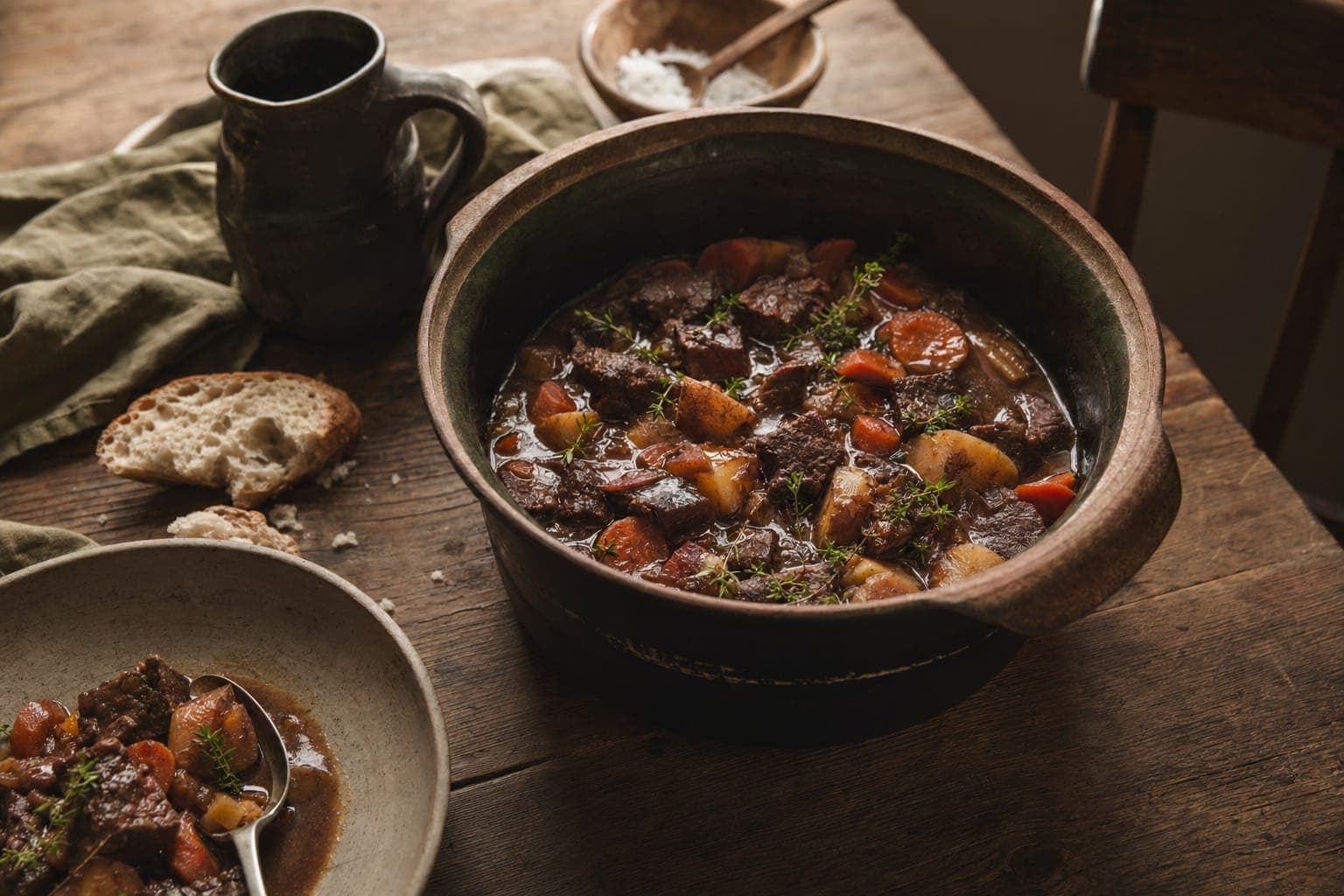
Collagen-Rich Beef Stew: Slow-Cooked Nourishment
Beef stew that delivers collagen from connective tissue and bone broth. Winter comfort food that actually nourishes. Simple slow cooker recipe.
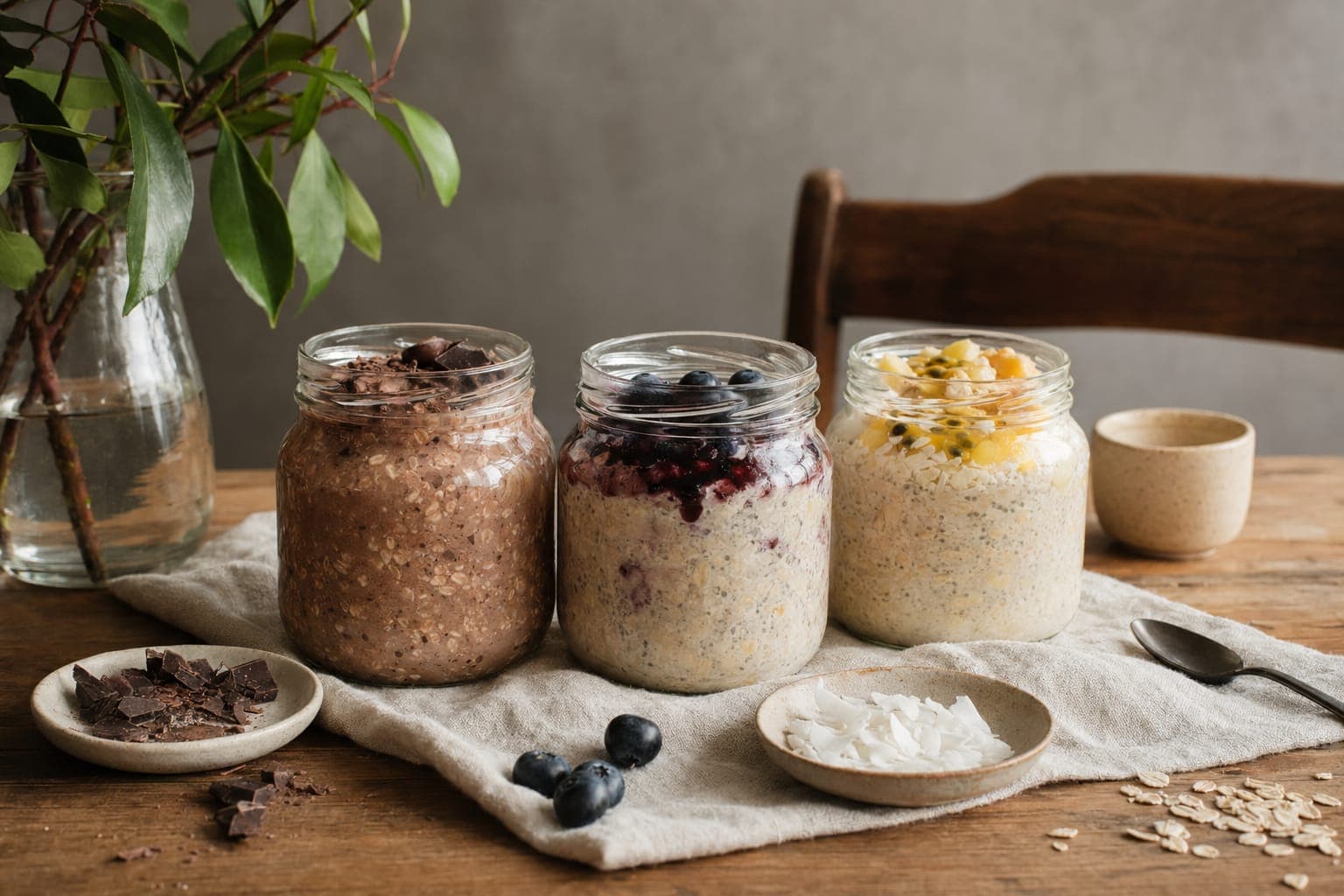
Organised Overnight Oats: 3 Variations
Three delicious overnight oats variations with Organised. Chocolate, berry, tropical flavours. Make them Sunday, eat them all week.


 Join over 100,000+ members
Build a better food system with us
The Organised community is thousands of people choosing real food and backing the farmers who grow it, all of us trying to leave the world a little better than we found it. If that is what you care about too, you belong here.