Beyond Supplements: Building a Whole Food Lifestyle
You can eat perfectly and still feel terrible. You can have the best supplements and still be depleted. You can know exactly what to eat and still be sick. Because nutrition isn't separate from the rest of your life. It's woven through everything. Your sleep. Your movement. Your light. Your stress. Your relationships. The time you spend cooking. The way you eat.
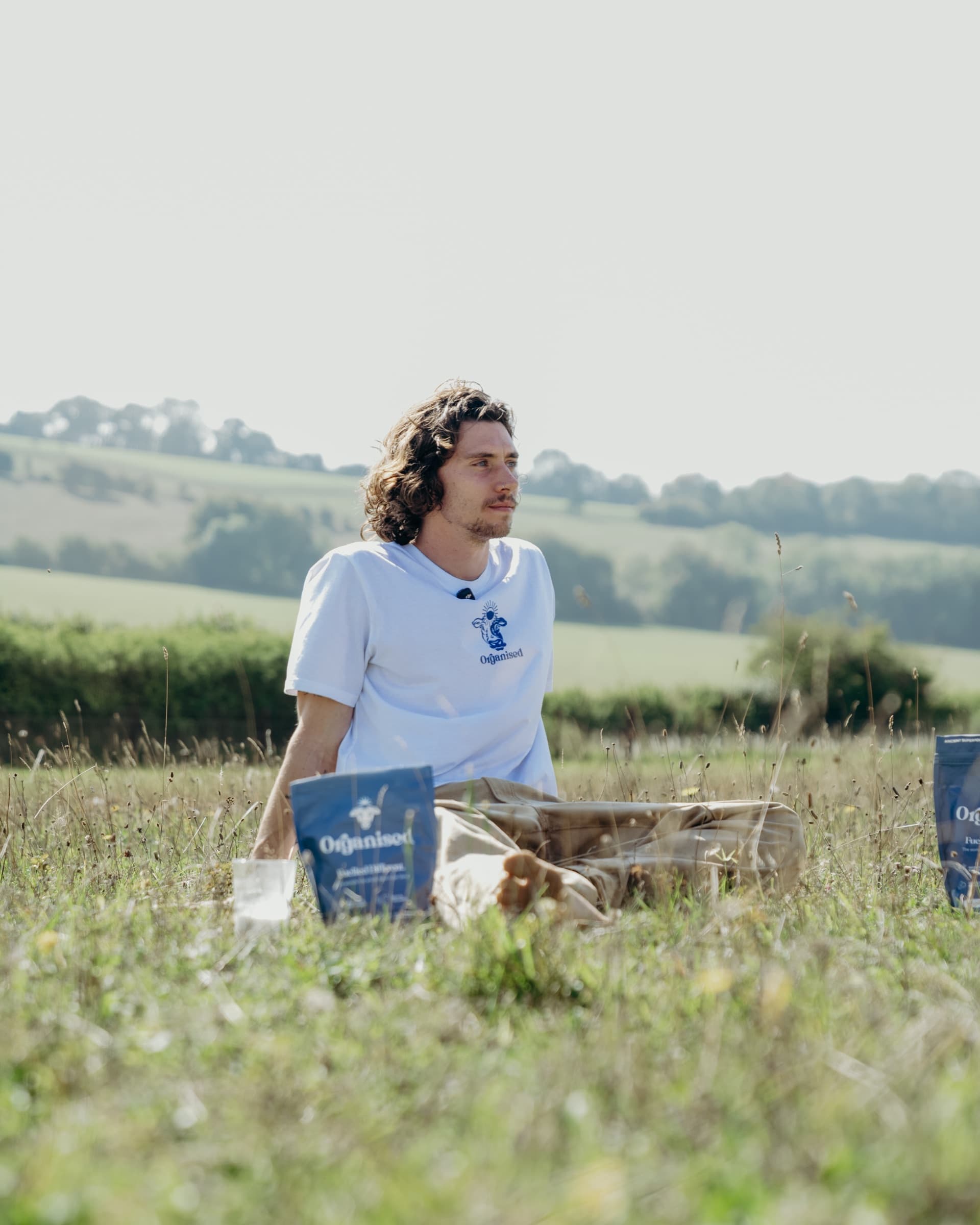
By Niall Kiddle, Founder, Organised

Reviewed by Pedro Rodrigues, Agronomist (farming and sourcing only) ·
5 min read · Published · Updated
Makers of the Organised Daily blend, a grass-fed beef organ supplement from regenerative UK farms
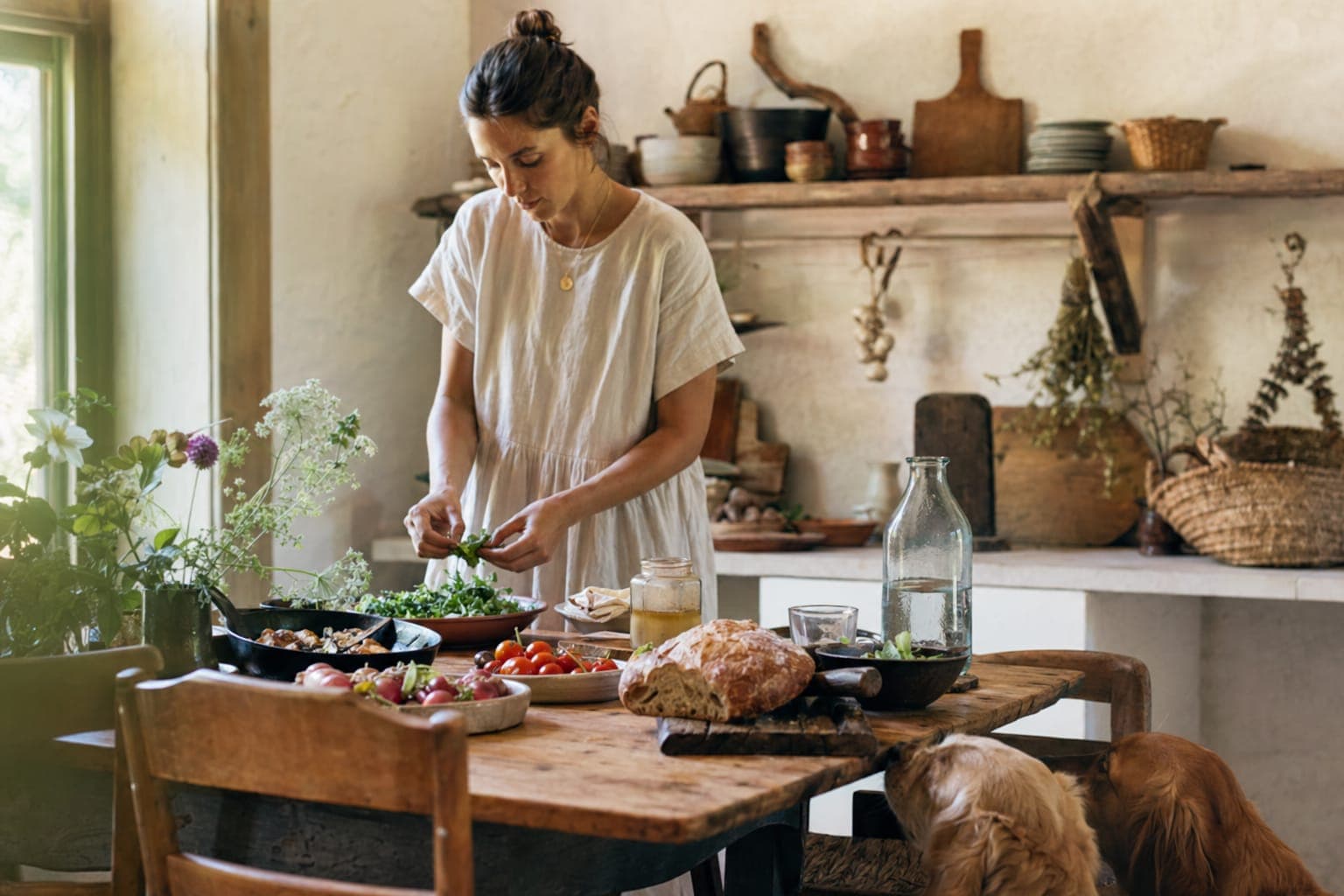
Real health is a system. Food is part of it. But it's not the whole thing.
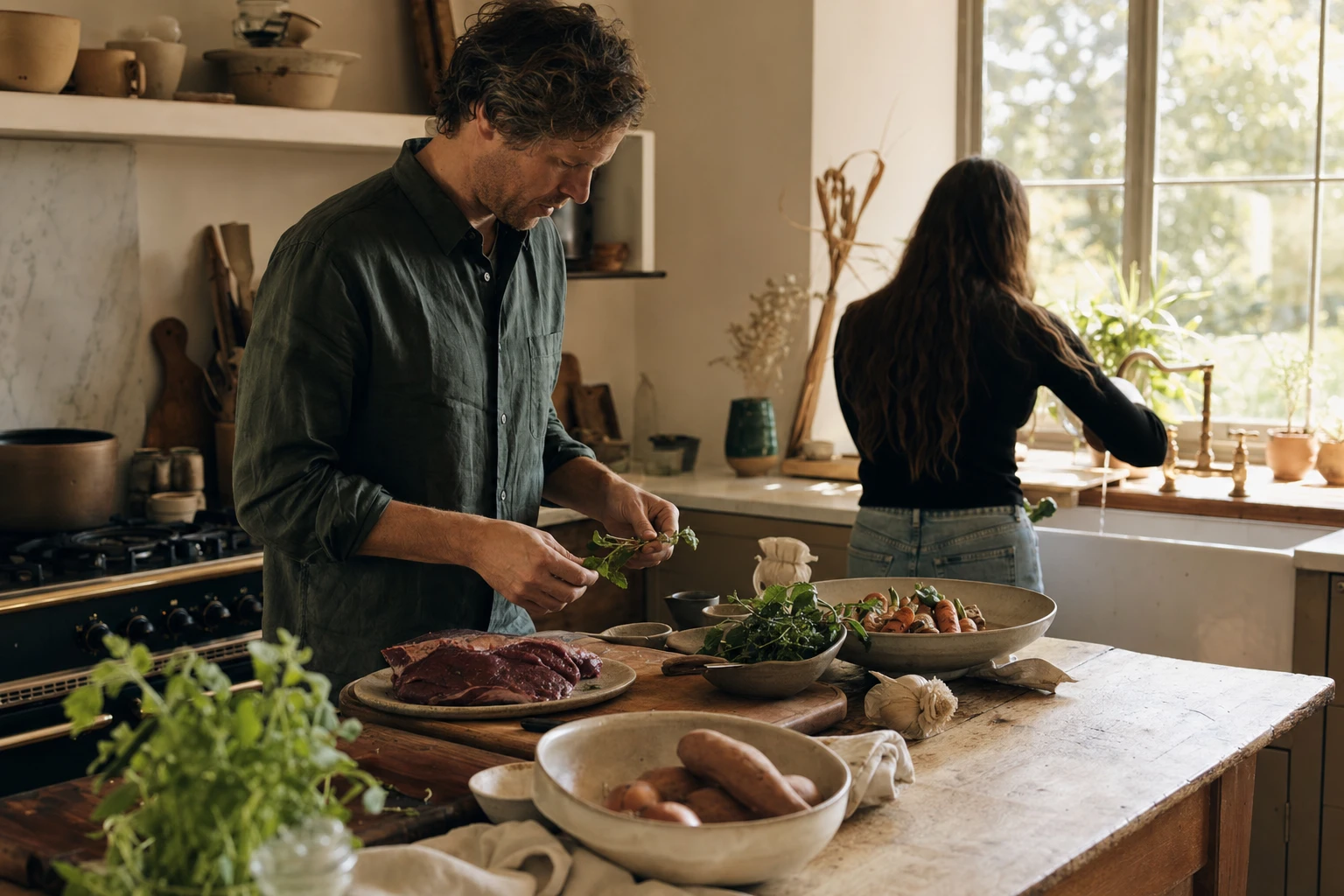
Nutrition is one system, not the whole picture
The nutrition industry has spent decades trying to convince you that if you get the nutrients right, everything else will fall into place. Eat this, supplement that, and you'll be well. But that's reductive. Your body is not a machine where you just swap out the fuel and the output changes.
Your body is a system embedded in other systems. Your nervous system responds to stress and light and movement. Your hormonal system responds to sleep and nutrition and exercise and your social environment. Your gut microbiome responds not just to food, but to stress and antibiotics and whether you're moving enough. Your immune system responds to all of it.
You can eat nose-to-tail, grass-fed, organically sourced, perfectly prepared nutrition, and if you're sleeping four hours a night, never seeing sunlight, completely sedentary, and socially isolated, your body will still deteriorate. The food is real and good. But it's fighting upstream.
Great food without great sleep is like running a high-performance car without changing the oil. You're optimising one thing while everything else degrades.
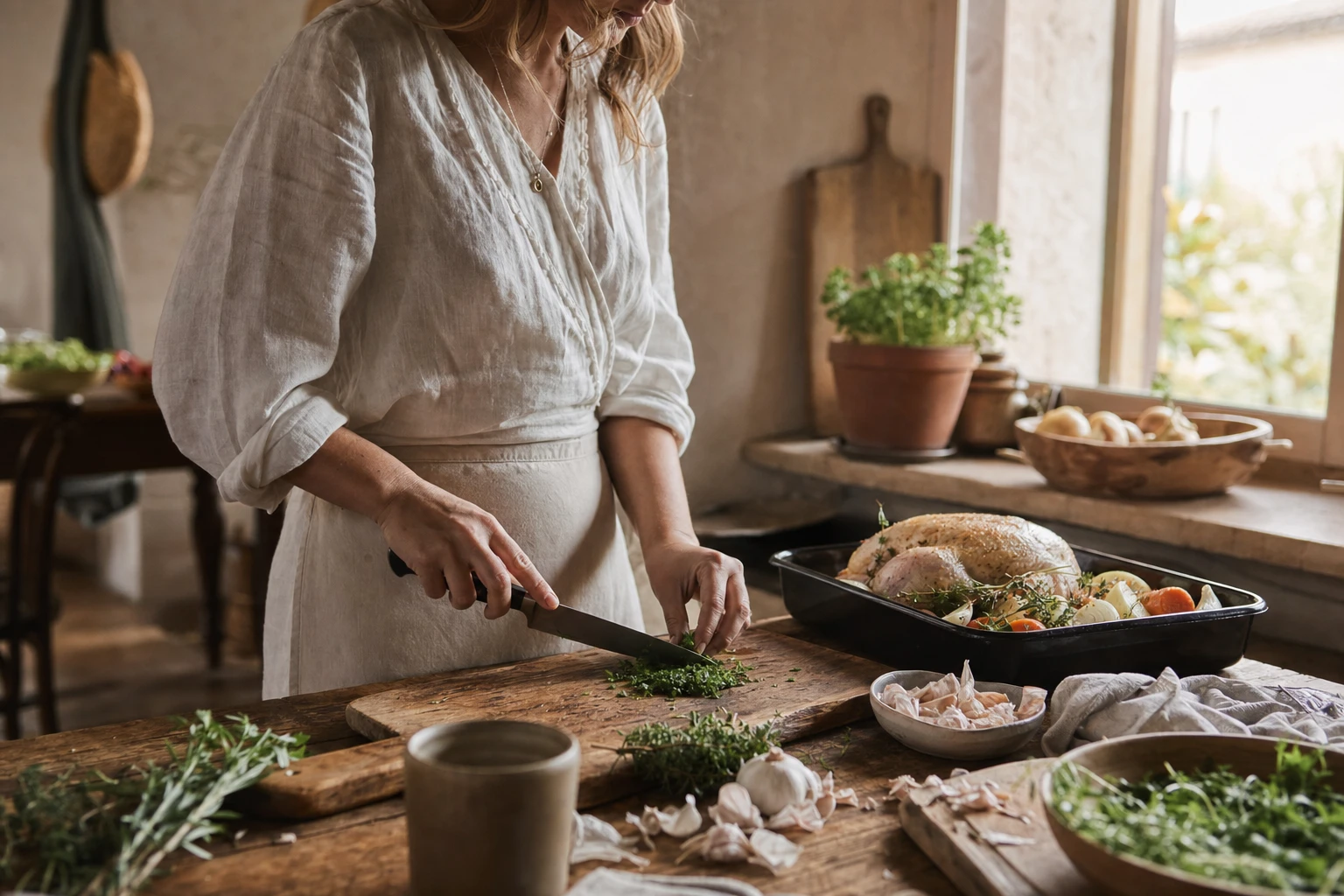
Real food requires real cooking
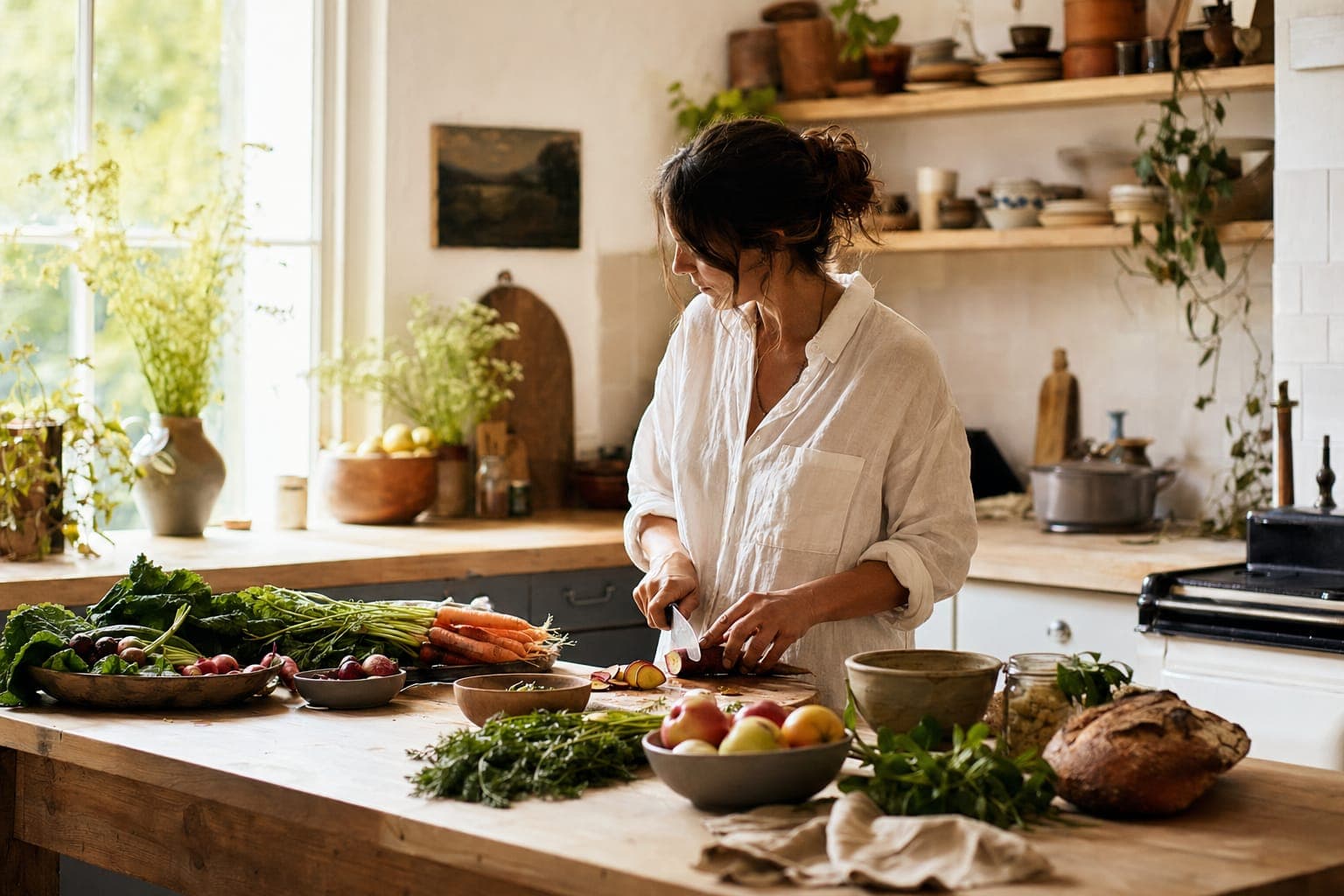
Here's the bit that matters: you can't eat real food without cooking. Real food doesn't come in packages. It comes from the earth and from animals, and it needs to be prepared. Not heavily processed, not turned into something industrialised. Just prepared. Cleaned, cut, cooked, combined with fat and salt and herbs.
This is the part that seems simple but is actually revolutionary. You have to spend time in the kitchen. You have to develop a relationship with ingredients. You have to know whether the garlic is going brown, whether the meat is rendered, whether the vegetables are soft enough. You have to taste and adjust.
This isn't punishment. This is where a lot of the healing actually happens. In the time you spend cooking. In the attention you pay to real ingredients. In the fact that you're doing something with your hands, something that requires presence. Something that produces a meal instead of opening a packet.
When you cook, you slow down. You notice things. You develop intuition about food. You remember what real food tastes like, not enhanced food, not novelty food, not marketing food. Just food. And your body knows the difference.
Sleep is where the body rebuilds
You could write an entire book on sleep (many people have). But the simple version is this: sleep is where your body does its repair work. Your brain consolidates learning. Your muscles recover. Your immune system resets. Your nervous system downregulates. Your hormones rebalance.
If you're sleeping poorly, no amount of good nutrition is going to fix everything. You need to address sleep. That means going to bed at a reasonable hour (ideally when it's dark). That means waking naturally if possible, without an alarm dragging your nervous system into fight-or-flight. That means your bedroom being cool and dark and quiet. That means limiting blue light before bed. That means not solving important problems at 10 PM when your body is asking to slow down.
None of this is revolutionary information. But it's information that almost everyone is actively ignoring. You're eating real food and sleeping five hours a night and wondering why you don't feel brilliant. Sleep first. Food after. They're both non-negotiable.
One night of good sleep does more for your immune system than one week of excellent nutrition.
Get stories from the community, free
Two short reads a week on the farmers, the standards, and the return to real food.
By signing up you agree to receive emails from us. No spam, unsubscribe anytime.
Sunlight and circadian health
Your body evolved on a 24-hour cycle driven by sunlight. Sunrise, you wake. Midday, you're alert. Sunset, you start to wind down. Darkness, you sleep. Your circadian rhythm is a fundamental organising principle of your physiology.
Modern life ignores this completely. You get light from screens in the evening (which tells your brain it's still daytime). You never see direct sunlight (you're in buildings, or outside with sunscreen and sunglasses). You sleep with a nightlight. Your circadian rhythm becomes a circadian mess.
If you want to feel better, get direct sunlight in the morning and throughout the day. Not through windows (glass blocks UV). Direct sunlight on your skin. This isn't about vitamin D (though vitamin D is part of it). It's about resetting your nervous system. It's about telling your body that it's daytime, be alert, be awake.
Then, in the evening, dim the lights, stop using screens, let the darkness come, and let your body downregulate naturally. That circadian alignment, combined with good sleep, combined with real food, changes everything.
1 of 9
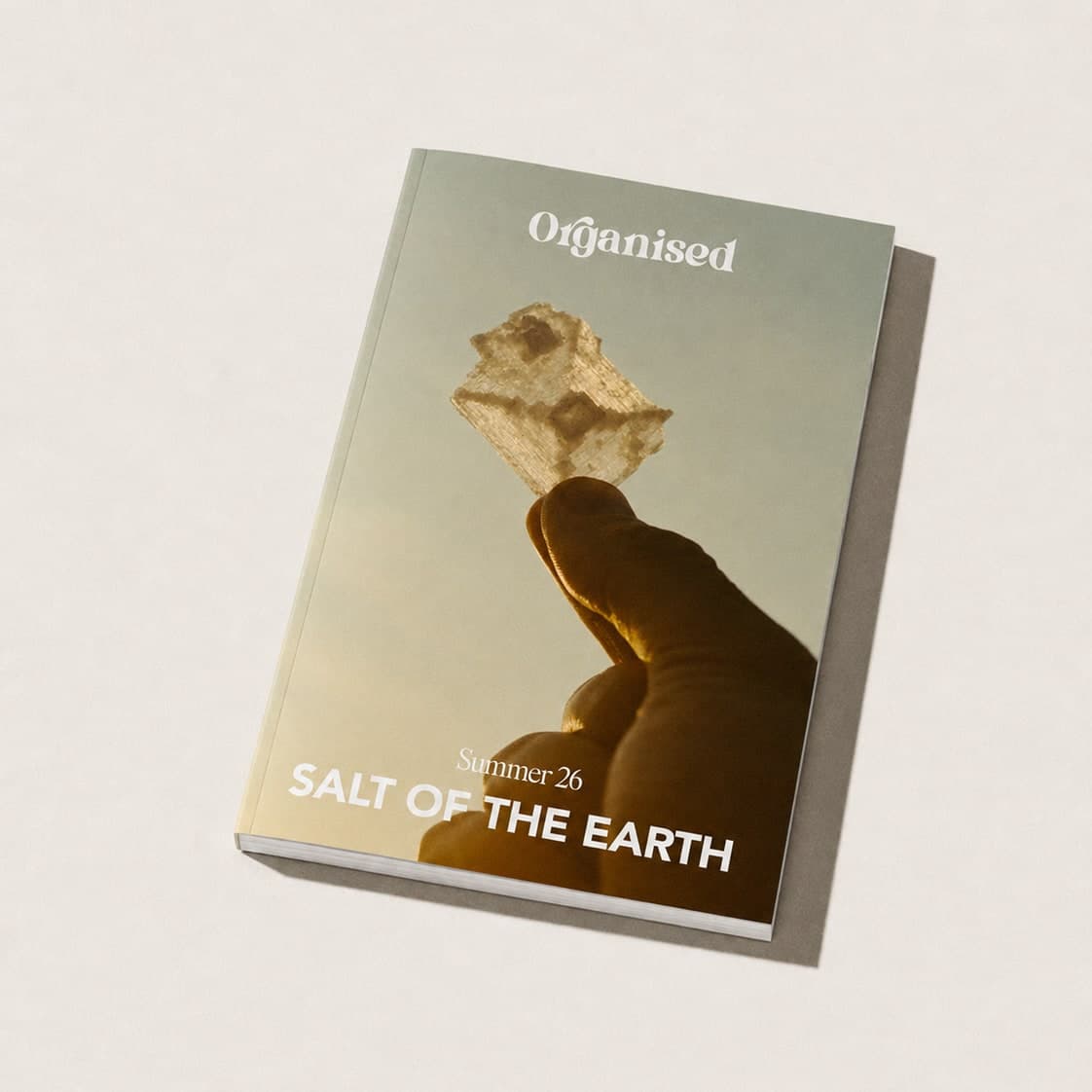
Daily blend
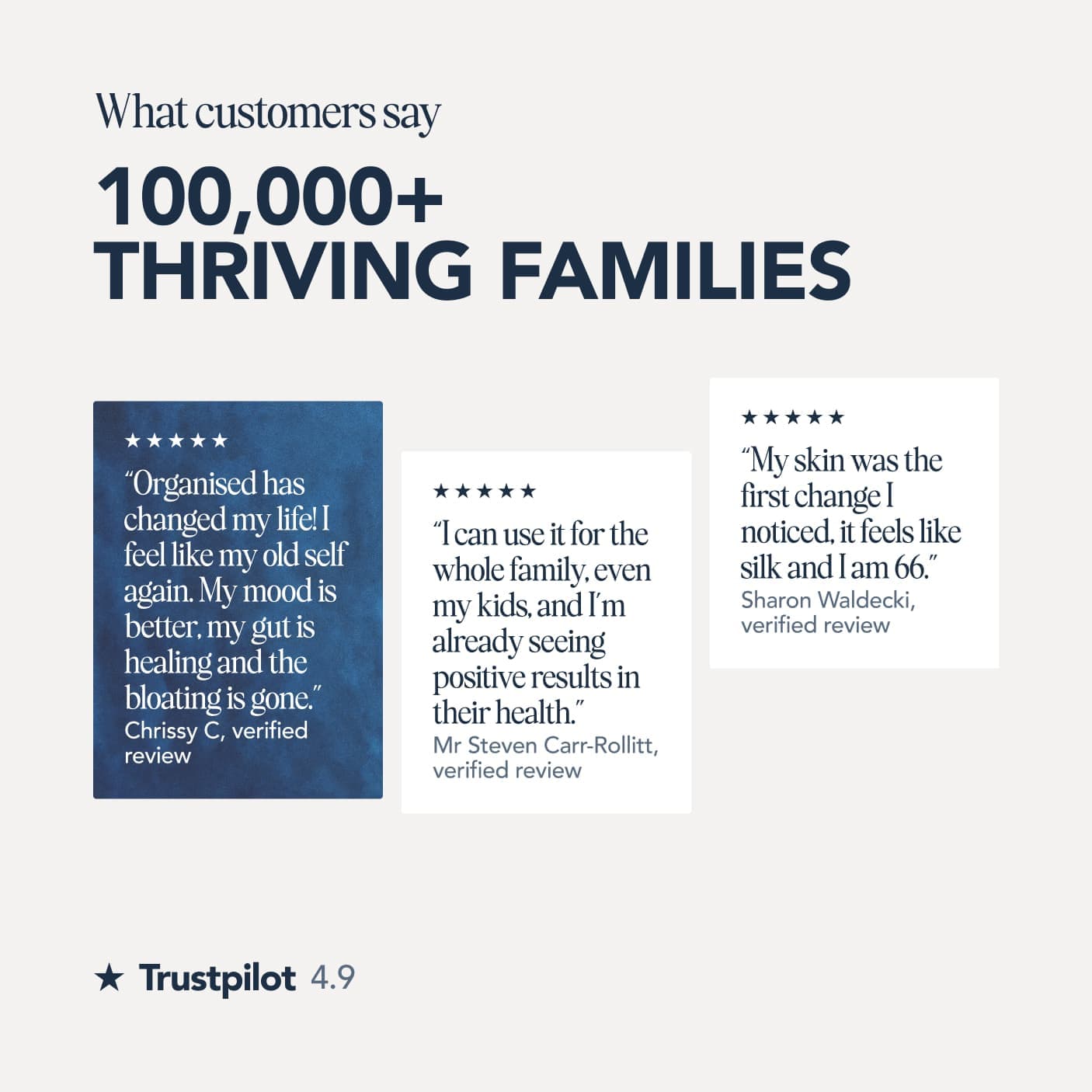
100,000+ thriving families4.9 on Trustpilot
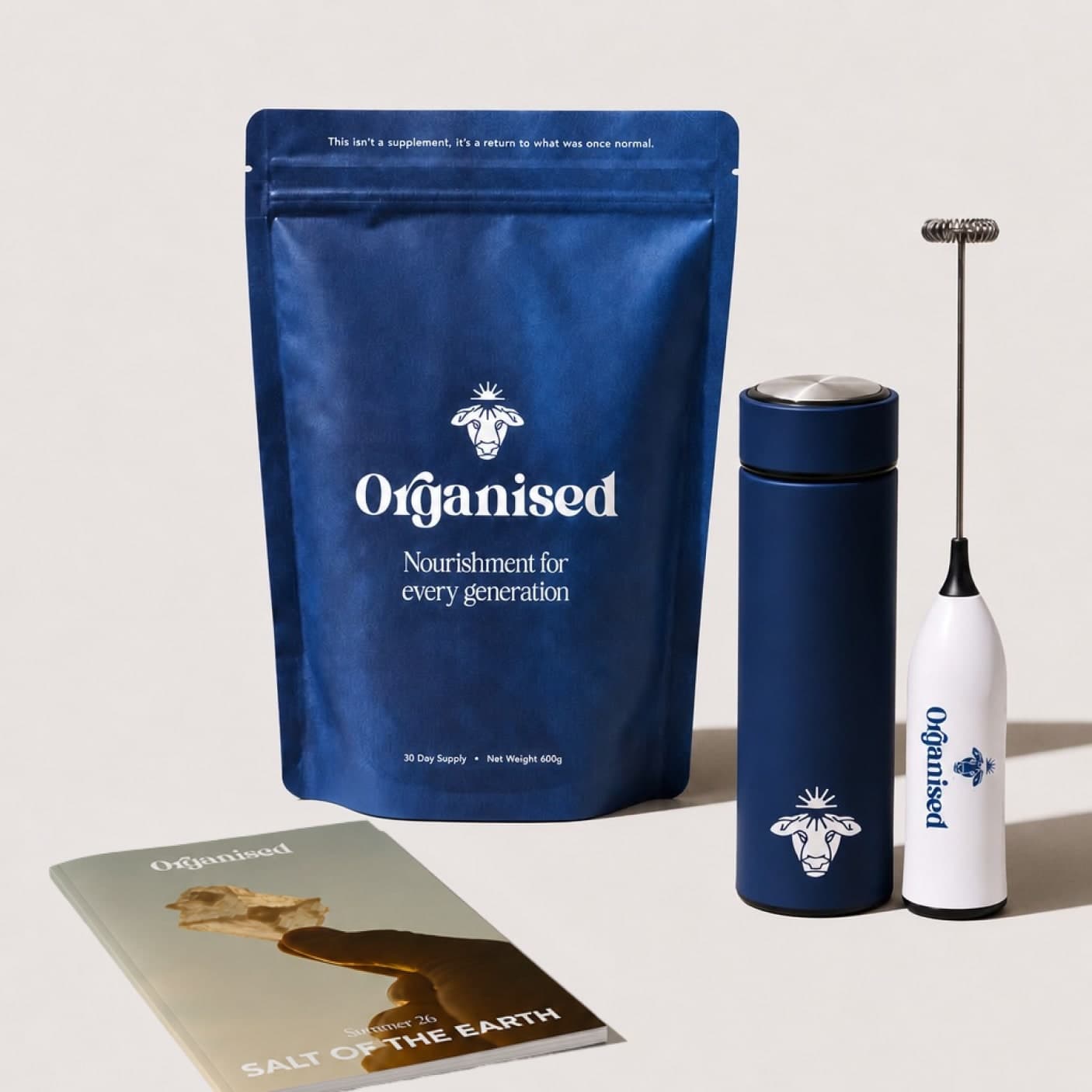
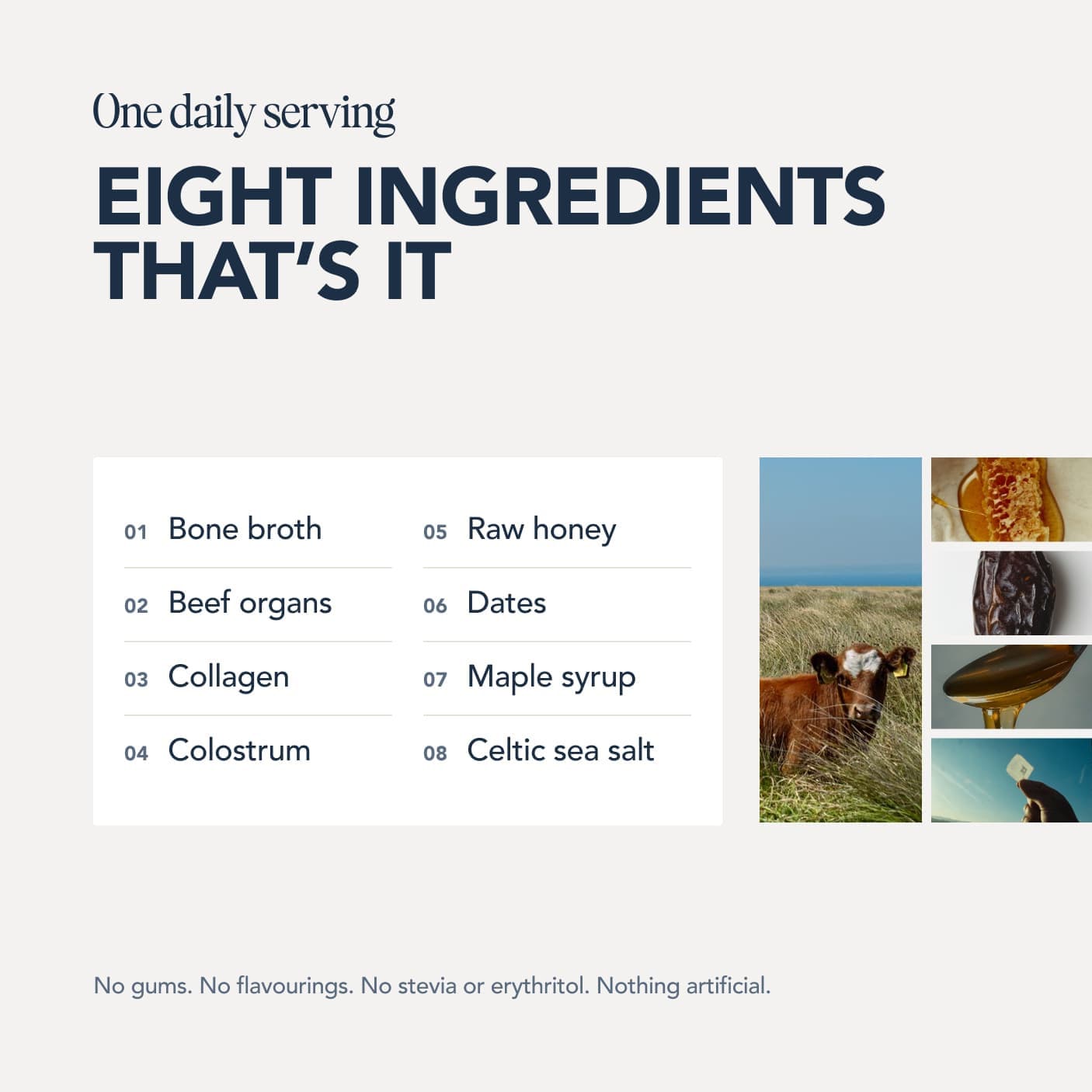
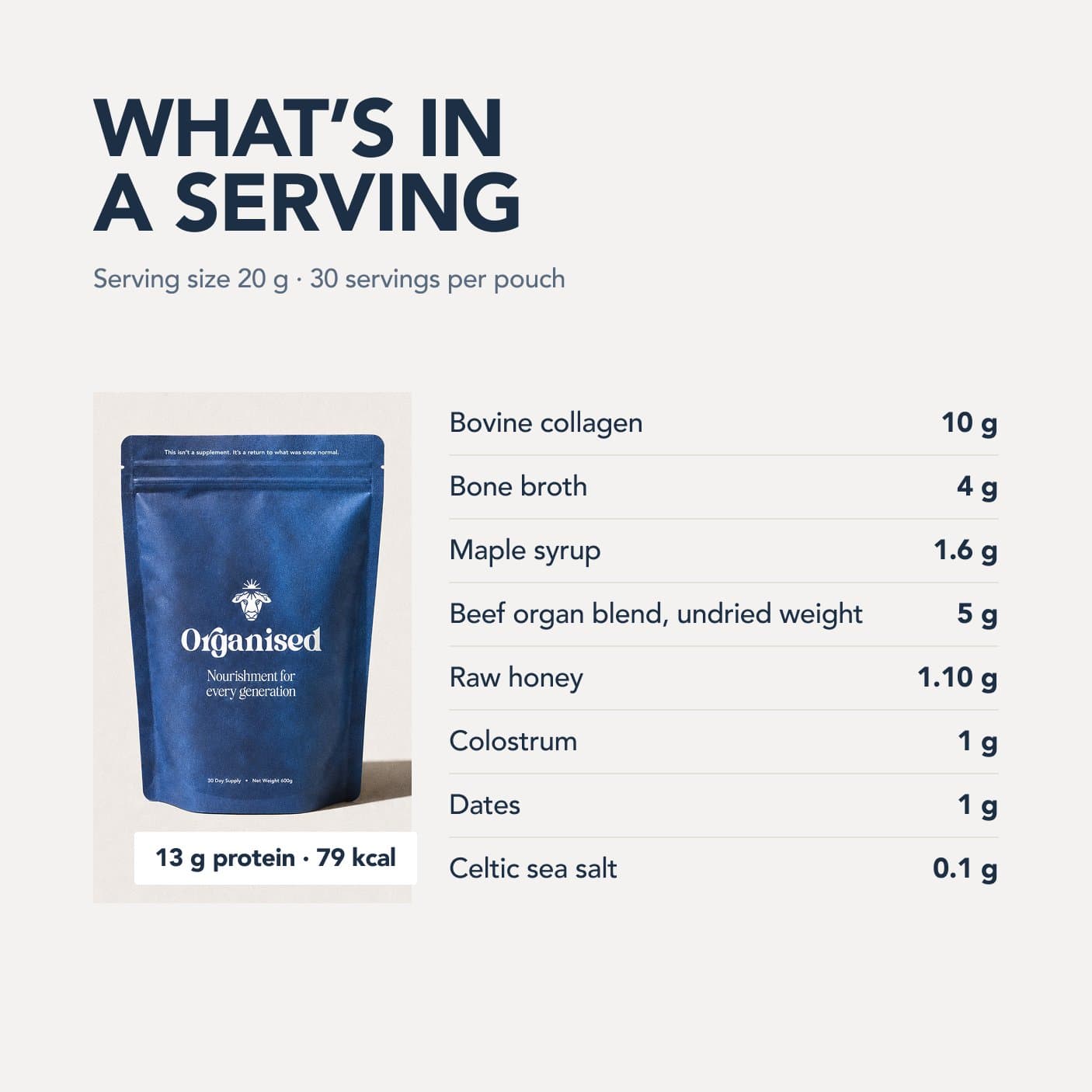
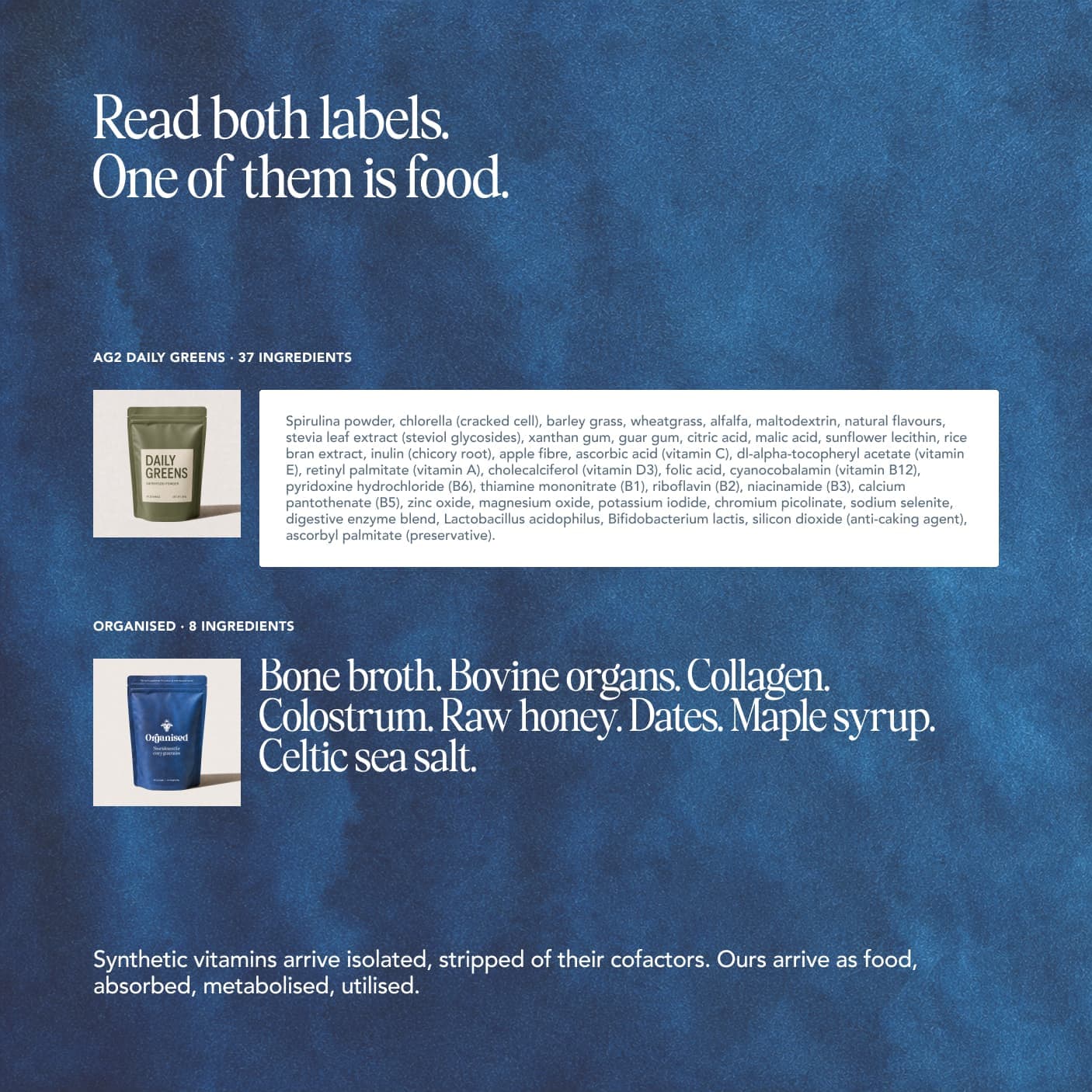
Eight real ingredients built around grass-fed beef organs, collagen and colostrum. Nothing synthetic added.
Free with your first order, worth £38. Plus £10 off the pouch with a subscription.
Free UK shipping · Made in England · 100 day money back guarantee on your first pouch · Skip, pause or cancel anytime
Movement as communication
Your body is designed to move. Not to run marathons or spend an hour in the gym. Just to move. To walk. To carry things. To squat. To have a level of everyday movement that's now absent from most people's lives.
You can eat real food and be completely sedentary and your body will still deteriorate. Movement does things that nutrition can't. It sends signals to your muscles that they're needed. It regulates your nervous system. It distributes nutrients. It builds bone density. It improves digestion. It manages stress.
This doesn't mean you need to exercise intensely. It means moving consistently. Walking daily. Using your body. Playing with it. Moving with intention, not just moving because you feel obligated to earn your food.
Your body needs to feel useful. Movement tells it that it is.
Relationships as medicine
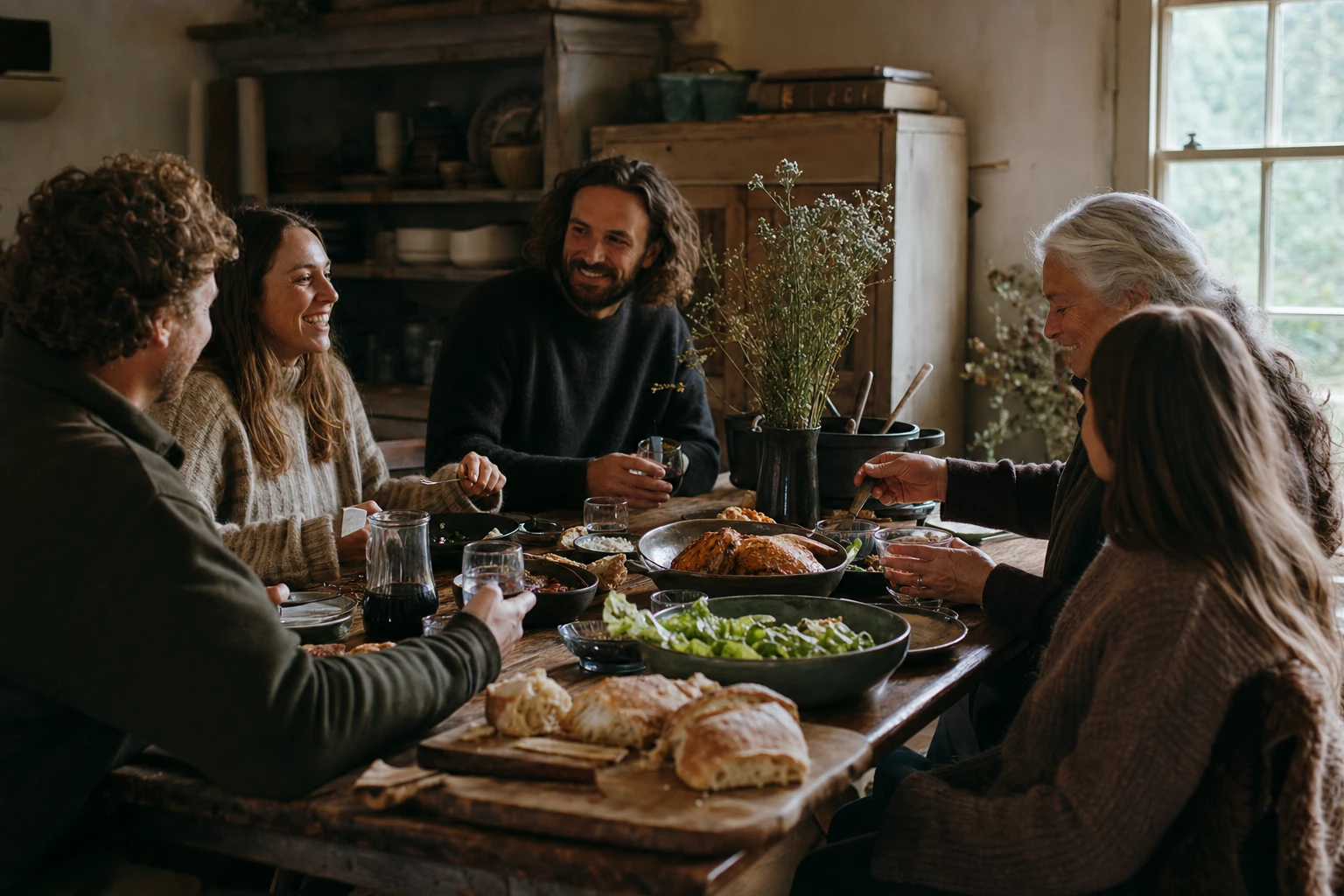
This is the part that gets left out of every nutrition conversation. But your social connection, your sense of belonging, whether you eat alone or with people you care about, whether you feel isolated or part of a community. This affects your immune system. This affects your hormones. This affects your ability to heal.
Eating alone in front of a screen, even if the food is perfect, activates stress. Eating in community, in conversation, with people who matter to you, activates parasympathetic nervous system. Your digestion actually works better when you're relaxed and connected.
One of the most powerful interventions you can make isn't a food choice. It's a social choice. Eat with people you love. Cook for people. Have conversations at the table. Let the meal be about connection, not just nutrition.
Putting the system together
Here's what a whole system looks like. You eat real food. You cook it yourself, with attention. You sleep eight hours in a cool, dark room. You get sunlight in the morning. You move throughout the day. You eat with people you care about. You spend time outside. You do things that feel meaningful. You have relationships that feel real.
None of this is complicated. All of it is counter to modern life. All of it is what your body is asking for.
If you're starting with real food and only real food, you're winning. But you're not done. The real transformation happens when you layer all of this together. When the food is real and the sleep is deep and the movement is consistent and the relationships are genuine. That's when people stop feeling like they're fighting against their own biology.
Start somewhere. If food is what you're interested in, start there. But know that you're not trying to fix yourself with nutrition alone. You're rebuilding a life. And that takes time, and intention, and all of these pieces. But your body will thank you.
Who wrote and reviewed this guide
Niall Kiddle
Author · Founder, Organised
Niall is the founder of Organised. He started the company in 2024 after fixing his own health the slow way: in 2022 he swapped a cupboard of synthetic supplements for real food, raw milk, organ meats, bone broth and honey, and felt the difference within months.
Areas of expertise: Ancestral nutrition, Organ meats, Whole-food supplementation, Gut health, Regenerative sourcing
Read Niall's full profile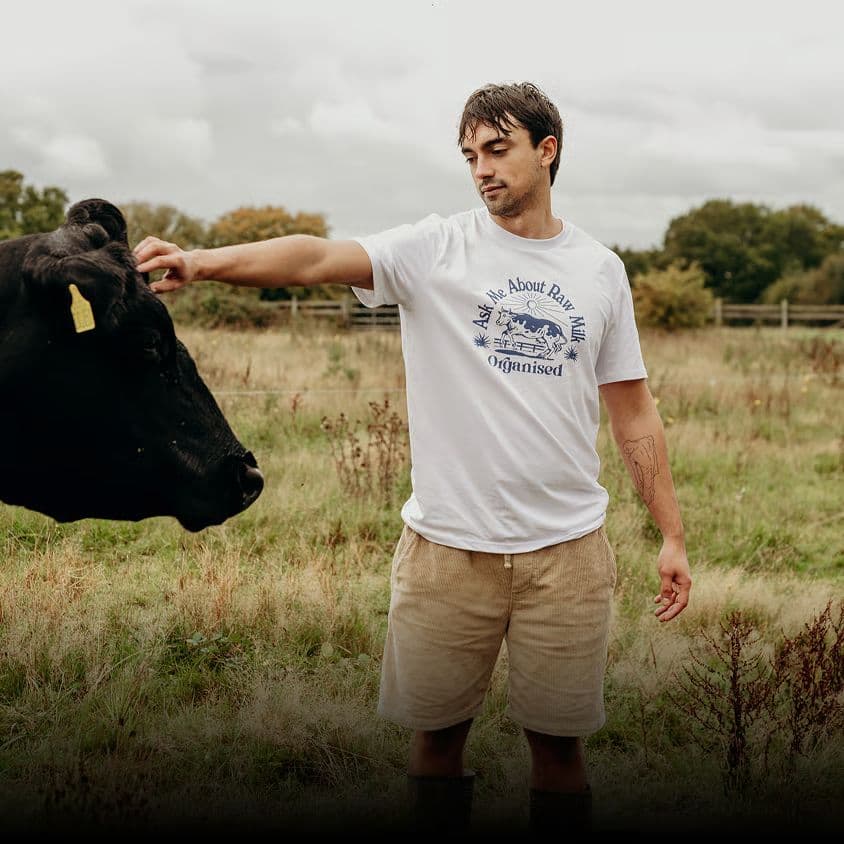
Pedro Rodrigues
Reviewer · Agronomist (farming and sourcing only)
Pedro is the agronomist Organised works with on farming and sourcing. His job on the guides is to keep the science honest: he reviews what we publish about soil health, regenerative agriculture, grazing and the way food is actually produced.
Areas of expertise: Regenerative agriculture, Agronomy, Soil health, Grass-fed farming, Food sourcing
Reviewed this guide on
Read Pedro's full profileBrowse the guides library
All guidesKeep reading
Culture & community
New Year, Real Food: A Whole Food Resolution That Actually Works
January diets fail. Here's why, and how to build a resolution based on adding real food instead of restriction. Sustainable change that lasts.
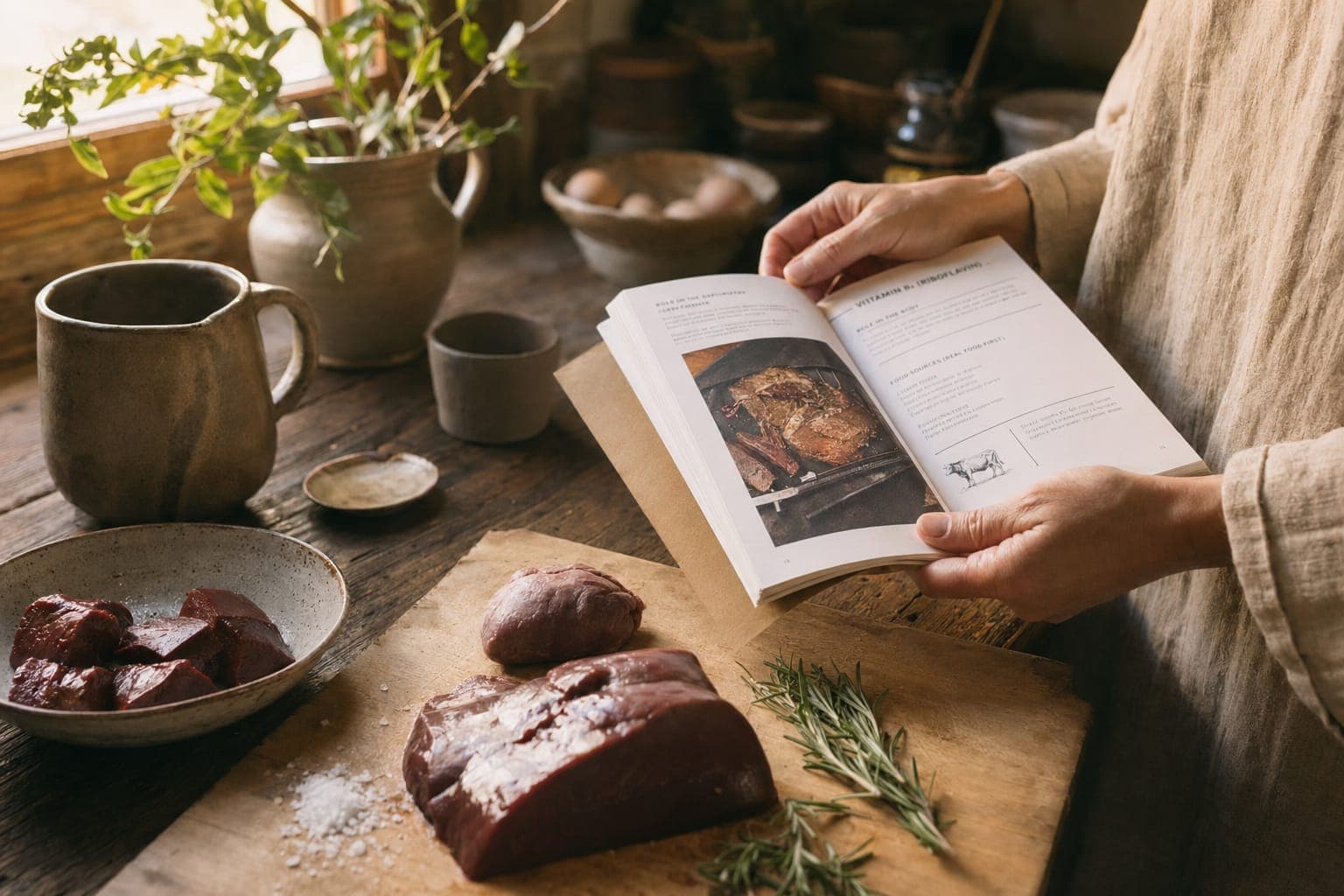
Culture & community
The Organised Field Guide: What's Inside and Why We Made It
A transparent resource for real food nutrition. What's in the Organised Field Guide and how to use it to build a whole food eating pattern.
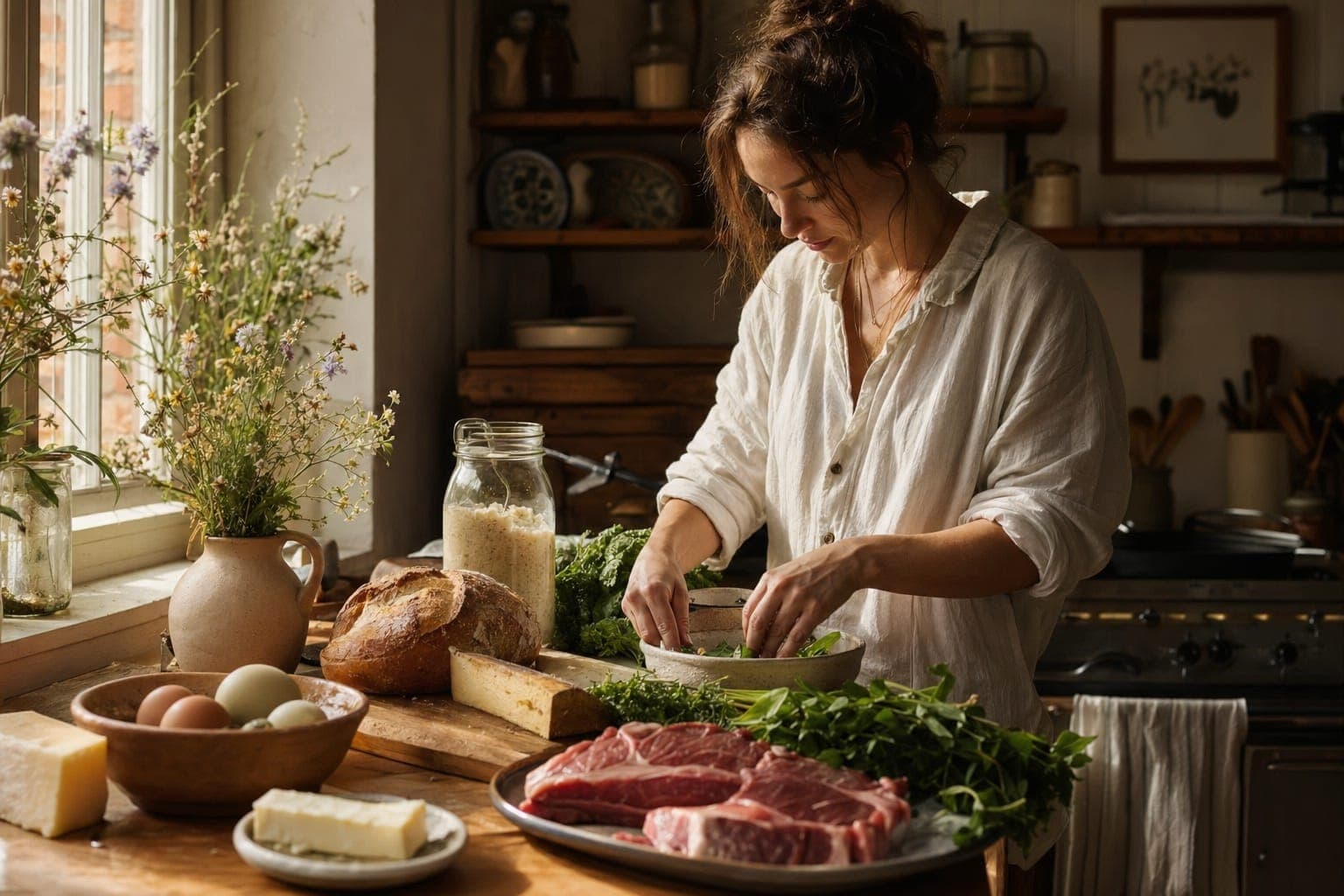
Culture & community
How to Start Your Organised Journey: Stories from First-Time Users
Real patterns from first 30 days. How people actually start changing to real food, what works, what doesn't, what to expect.
Real food, made effortless
Shop the blendA few ways to use it
All recipes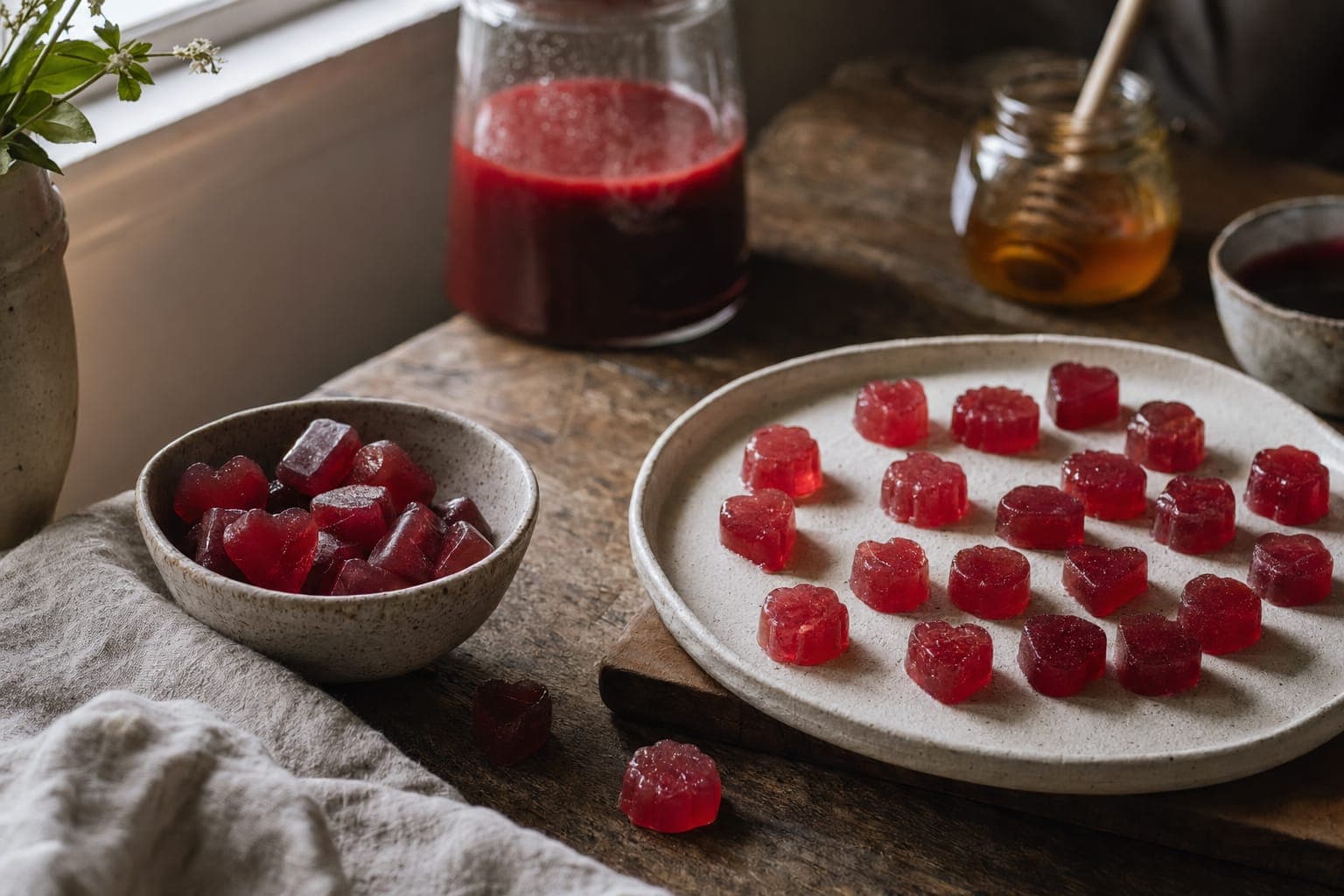
How to Make Your Own Gelatine Gummies
A simple recipe for homemade gelatine gummies using grass-fed gelatine, fresh juice, and raw honey. Better than shop-bought, kids love them.
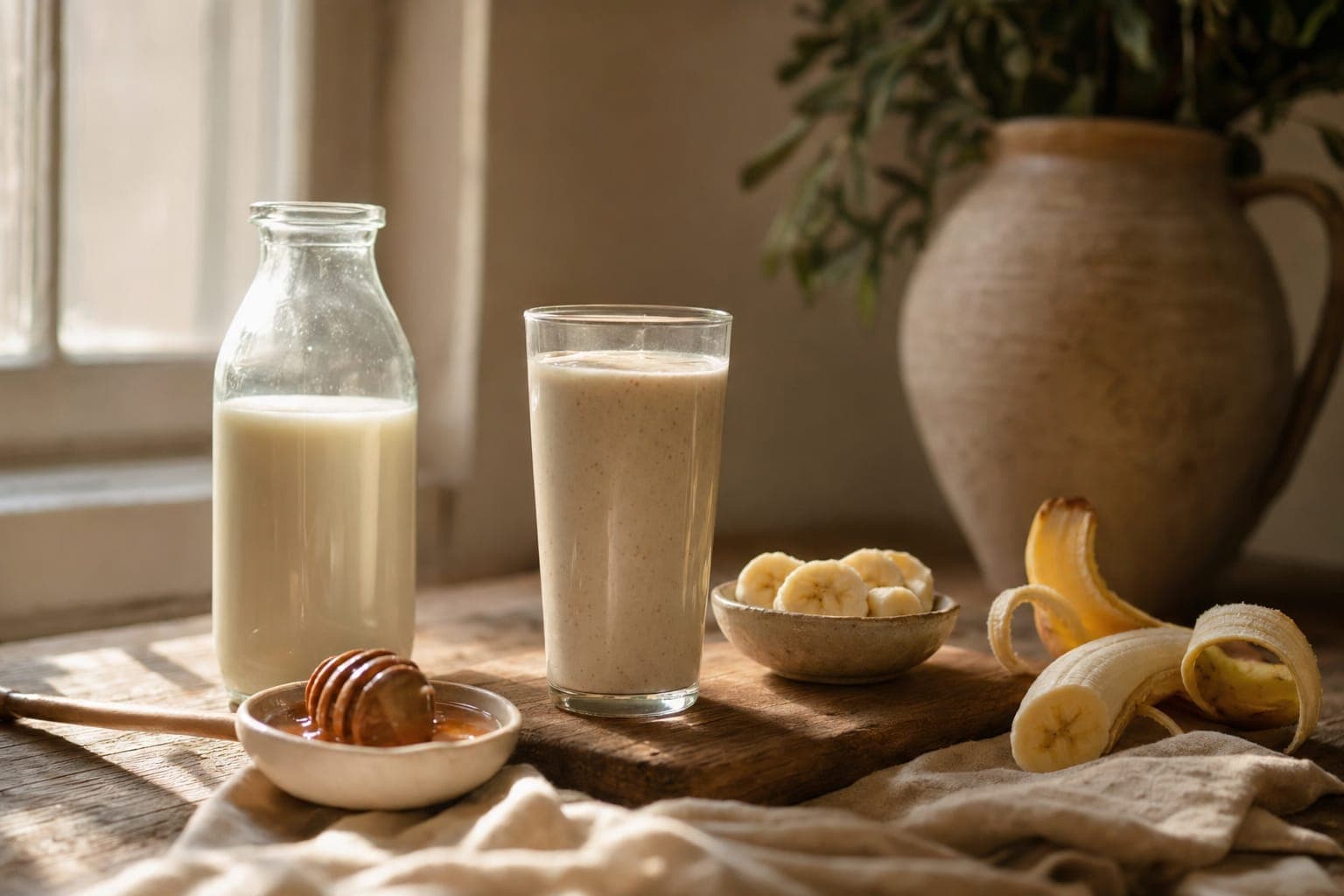
The Perfect Organised Morning Shake: Our Favourite Recipe
Our signature morning shake: Organised, raw milk, banana, honey. Simple, nourishing, and optimised for an empty stomach.
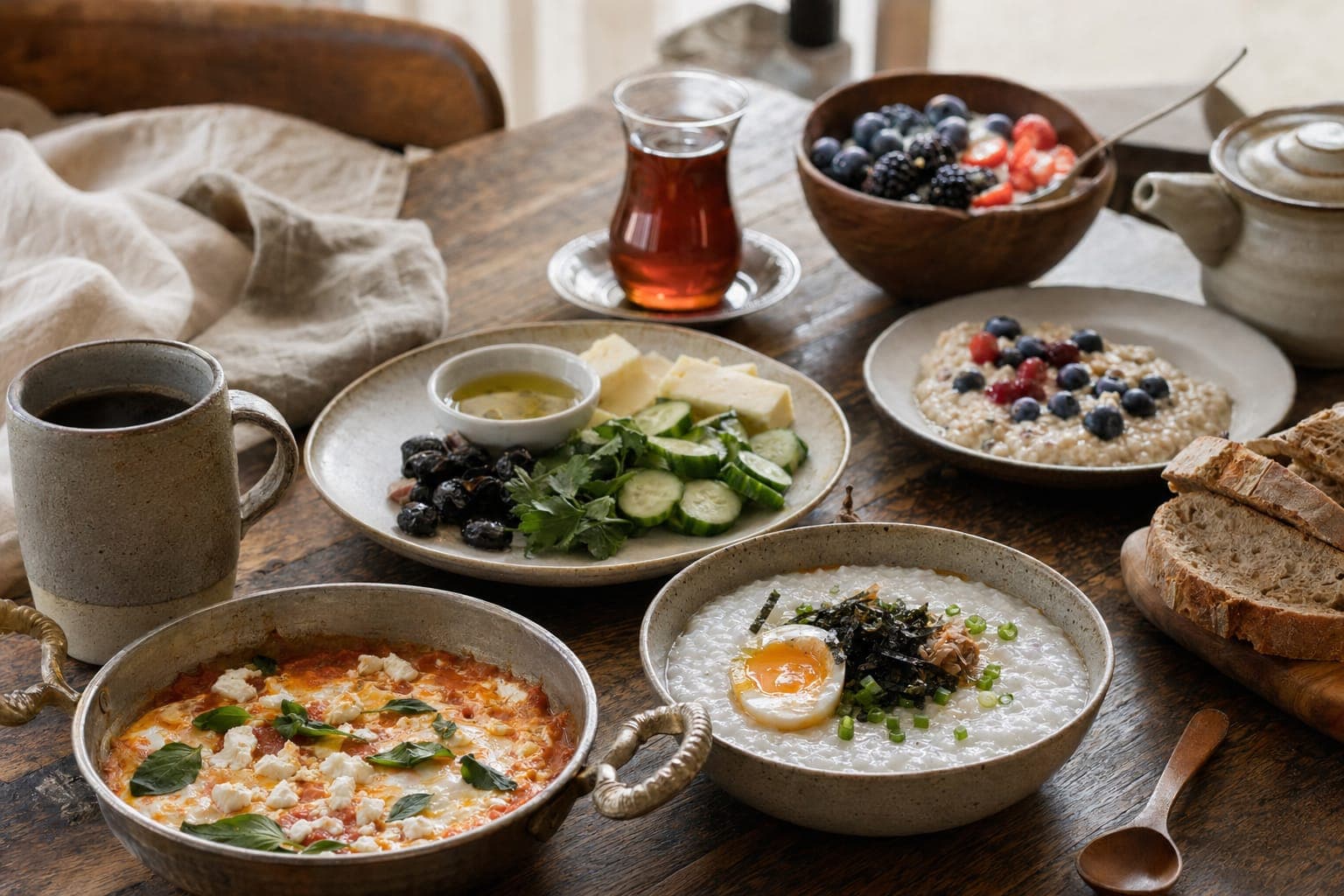
Ancestral Breakfast Ideas from Around the World
Traditional breakfast recipes from cultures that got nutrition right. Japanese, Turkish, Scottish, and more. Whole-food breakfast inspiration.


 Join over 100,000+ members
Build a better food system with us
The Organised community is thousands of people choosing real food and backing the farmers who grow it, all of us trying to leave the world a little better than we found it. If that is what you care about too, you belong here.