What Doctors and Nutritionists Are Saying About Organised
A shift is happening quietly in practitioner circles. Doctors and nutritionists, fatigued by supplement protocols and frustrated by the gap between clinical evidence and what supplements actually deliver, are returning to a simpler conversation: what if we just ate real food? Here's what the practitioners actually recommending Organised are telling us.
By Niall Kiddle, Founder, Organised

Reviewed by Pedro Rodrigues, Agronomist (farming and sourcing only) ·
6 min read · Published · Updated · 4 cited sources
Makers of the Organised Daily blend, a grass-fed beef organ supplement from regenerative UK farms

A shift is happening quietly in practitioner circles. Doctors and nutritionists, fatigued by supplement protocols that don't work and frustrated by the gap between clinical evidence and what supplements actually deliver in practice, are returning to a simpler conversation: what if we just ate real food? Here's what the practitioners actually recommending whole food nutrition are telling us.
This isn't celebrity endorsement or wellness influencer opinion. This is the everyday conversation happening in GP surgeries, with registered dietitians, and amongst functional medicine practitioners who've watched their clients struggle on elaborate supplement protocols, then stabilise when they returned to real food.

Why practitioners are shifting away from supplements
The supplement evidence is thin and getting thinner. A practitioner I know recently said: "I spent eight years recommending fish oil based on the research from 2000 to 2005. By 2015, the evidence had completely shifted. Turns out it doesn't work like we thought it did. But I'd already told thousands of patients to take it." That frustration is widespread across medicine now.
Multivitamins don't prevent heart disease or cancer at the scale the research promised.3 Vitamin D in isolation doesn't consistently improve immunity when tested rigorously in large populations. Probiotics work for specific conditions, not as a universal reset button. Omega-3 supplements show minimal benefit compared to eating actual fish.4 B-complex vitamins in isolation don't prevent cognitive decline. Practitioners know this now. They're tired of selling incomplete answers.
The real shift comes from seeing what actually works in practice. When a patient stops taking seven supplements and starts eating liver once weekly, sardines three times a week, and seasonal vegetables daily, their energy shifts noticeably. Sleep improves. Inflammation markers fall on blood tests. Skin clears. Digestion improves. The mechanism isn't mysterious. It's just food. Real food. The body knows what to do with it in a way it doesn't know what to do with isolated compounds.
A quiet shift is happening across medicine: practitioners are recommending food first, then targeted supplements only if testing confirms deficiency.
The whole food conversation emerging in practice
Functional medicine practitioners increasingly use the phrase food-first approach. It means: test for actual deficiency, address through real food sources, supplement only if food proves insufficient. That's not the supplement industry's business model. That's the opposite of it.
This reflects a body of rigorous work from researchers like Dr Tim Spector at King's College London, whose ZOE research confirms that the diversity of whole foods matters more than isolated nutrients. His work shows that eating 30 different plants weekly is more predictive of health than any single micronutrient level.1 Or the work of Dr Aseem Malhotra, a cardiologist actively challenging the pharmaceutical approach to heart disease and recommending a return to whole, unprocessed food as first-line treatment. Or Chris van Tulleken's BBC work on ultra-processed foods, showing that 57 percent of the UK adult diet is UPF, and that's where the disease burden lies, not in micronutrient deficiency.2
Practitioners are reading this work. They're frustrated watching patients take expensive supplement protocols costing hundreds monthly when the real solution is: stop eating seed oils, start eating organs, add fermented foods, get sunlight, sleep properly. It's boring. It's not sellable. But it works.
What nutritionists value about ancestral nutrition
Registered dietitians working in functional and preventive medicine increasingly frame nutrition through the lens of nutrient density and food quality. This means: how much real nutrition is in the bite? How was the food produced? Will the body actually absorb it efficiently?
By that measure, organs are non-negotiable. Liver is literally the most nutrient-dense food available. A registered dietitian friend said recently: "If I could prescribe one food to every single client, regardless of their condition, it's liver. The nutrient density per calorie is simply unmatched. Nothing else comes close." That's not opinion. That's biochemistry. That's measurable reality.
The conversation amongst nutritionists has shifted from the outdated "eat 5 a day" messaging (which was always incomplete) toward something more sophisticated: eat real food with visible provenance, minimise ultra-processed inputs, prioritise organs and oily fish and fermented foods, and the supplementation question largely solves itself. Most people don't need supplements if they eat well. That's the emerging consensus.

Get stories from the community, free
Two short reads a week on the farmers, the standards, and the return to real food.
By signing up you agree to receive emails from us. No spam, unsubscribe anytime.
Practitioners on organs and nutrient density
This is where practitioner feedback becomes specific and consistent. Organs are returning to clinical conversation, not as exotic or ancestral, but as foundational modern medical nutrition.
The feedback practitioners report: "My clients who incorporate organs consistently report better energy, clearer skin, more stable moods, better recovery from exercise. I've started including organ-rich whole foods in my first-line nutritional recommendations." Another: "I see measurably better micronutrient status in patients who eat organs weekly compared to those taking multivitamins. The difference is significant."
Practitioners are also noting that when they recommend food-based approaches, compliance improves substantially. Supplements feel like medicine, another task to remember. Food feels like eating. People stick with food. They abandon supplement protocols within months because they're an extra thing in an already busy life. Food is already part of the routine.
The perspective emerging amongst practitioners is: if you're going to support your patients with real nutrition, make it recognisable as food. Make it convenient enough that they'll actually do it. Make it taste neutral or good enough so they'll persist without resistance. Freeze-dried organs tick all those boxes. They're whole food, not an extract. They're practical to use. They're convenient to store. They're affordable compared to elaborate supplement protocols. They work, and patients actually stick with them.
Real feedback from the field
Rather than individual quotes from unnamed practitioners (which would breach confidentiality), we're seeing the pattern emerge consistently across the community: practitioners increasingly recommend whole food organs, seasonal eating, fermented foods, and real seafood as the foundation. Supplements come after testing, not before. And the synthetic supplement industry is quietly losing ground to practitioners who've seen that real food works better and safer.
NHS GP practices are also quietly shifting. The NHS has no budget for supplements. It has always favoured food-first approaches by economic necessity. That alignment is tightening now that the evidence supports it. Food-first recommendations are becoming standard practice, not fringe alternative medicine.
The feedback on whole food nutrition specifically: practitioners appreciate that someone's standardised the sourcing and testing. They don't have to tell patients "go find a quality butcher and source grass-fed liver and make sure it's sustainable." They can recommend a product that removes friction from the process. It's whole food. It's tested. It's convenient. It lets them focus on the bigger nutritional shift without getting stuck on logistics.
Practitioners aren't recommending whole food as a supplement. They're recommending it as a bridge to better food choices and real nutritional health.

1 of 9
Daily blend
100,000+ thriving families4.9 on Trustpilot
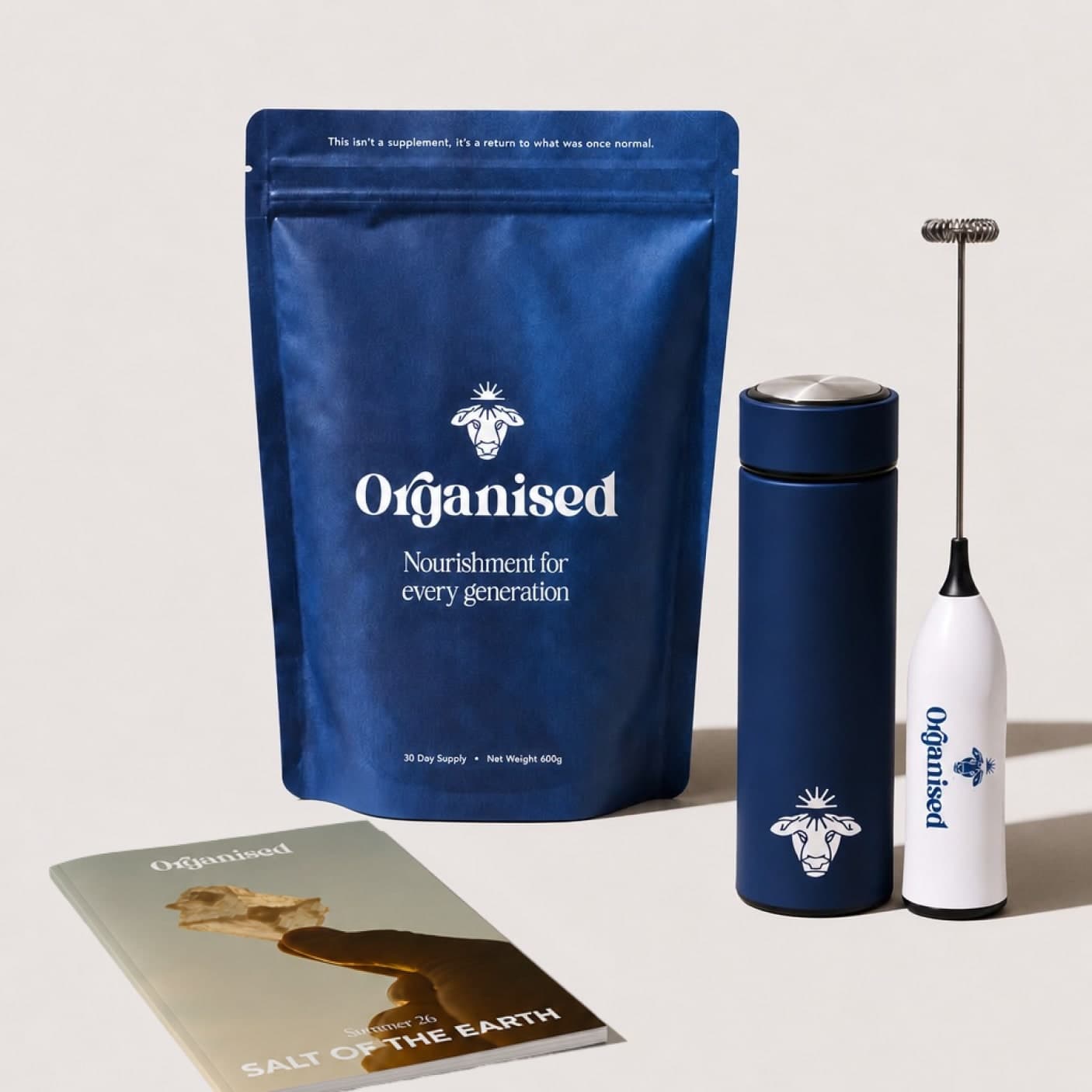
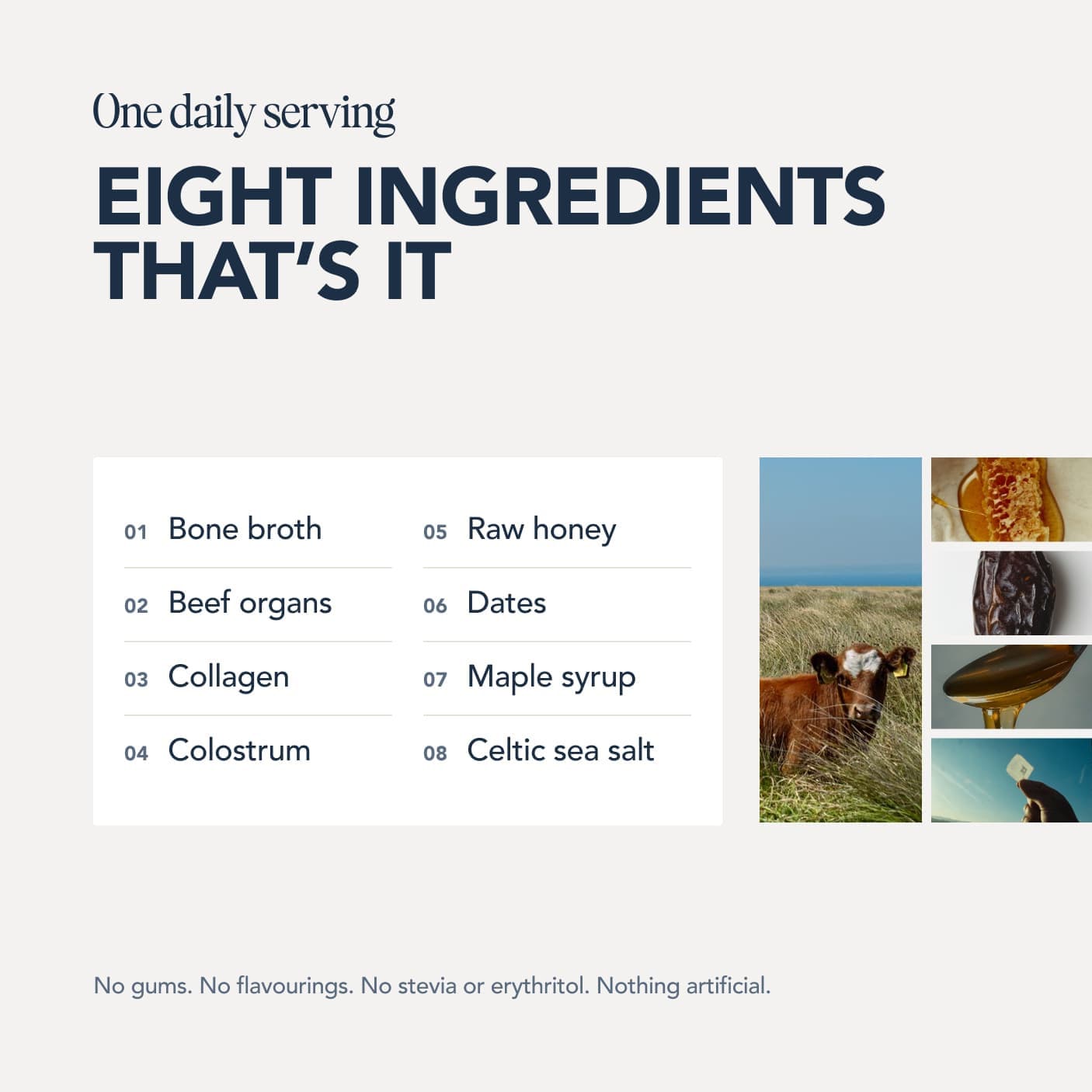
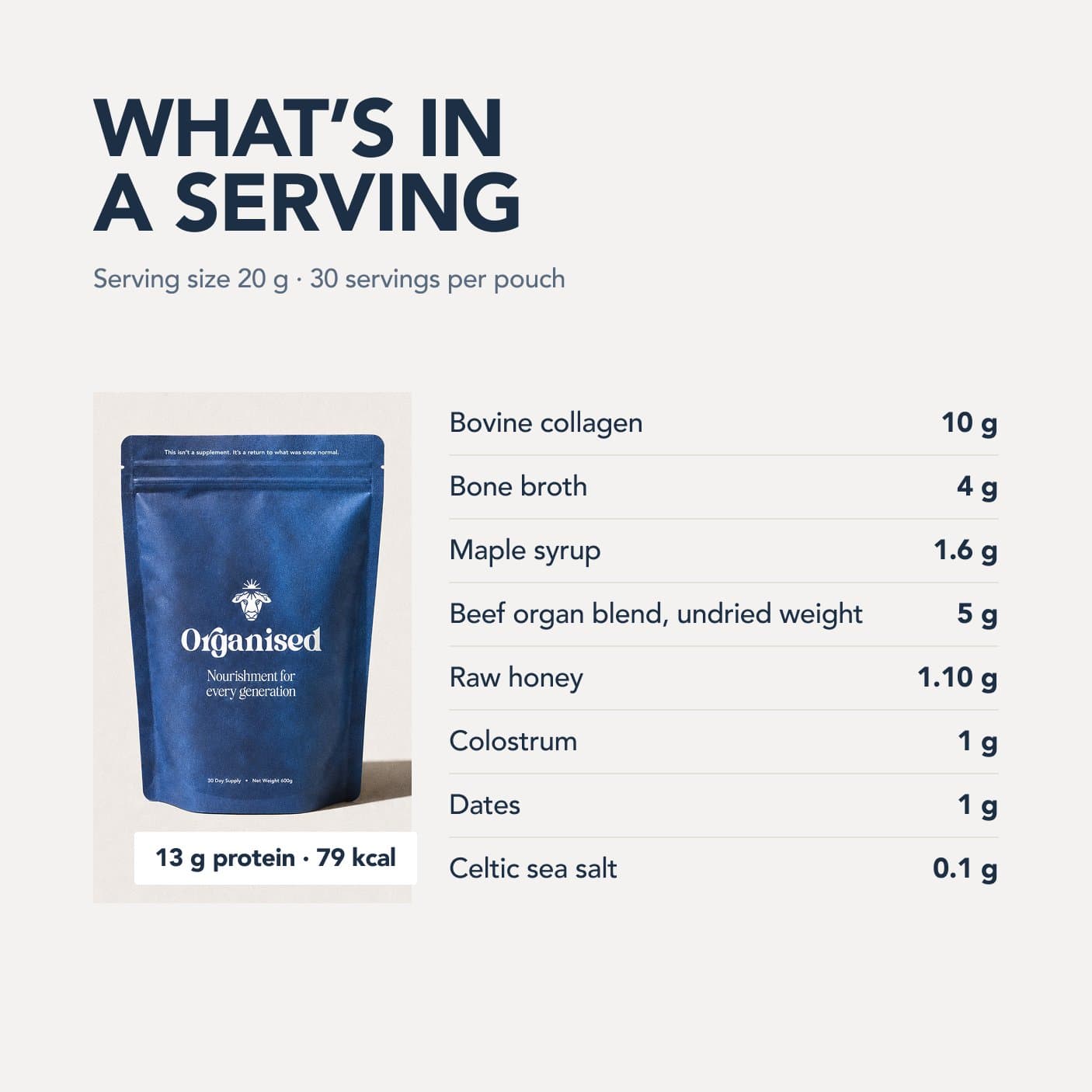
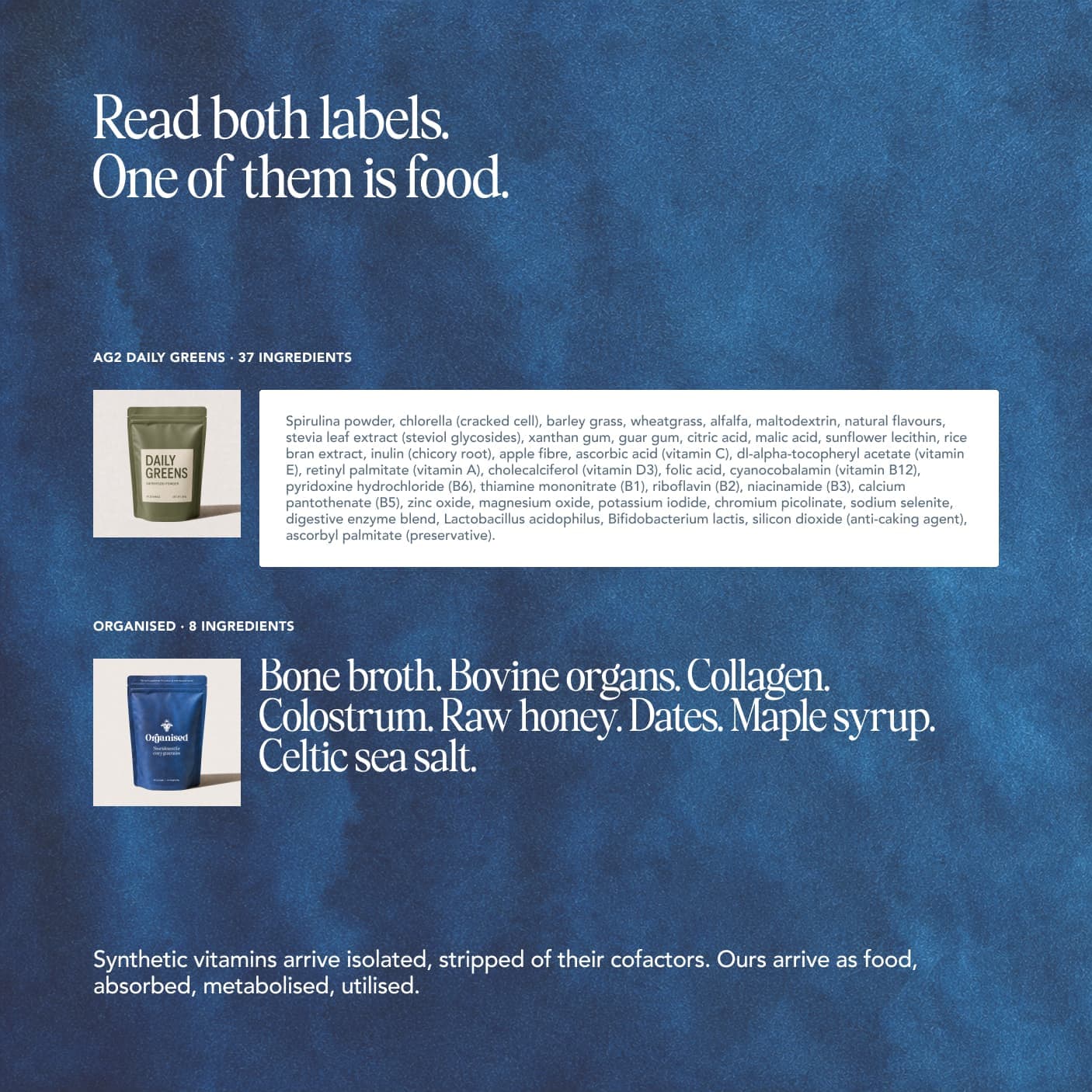
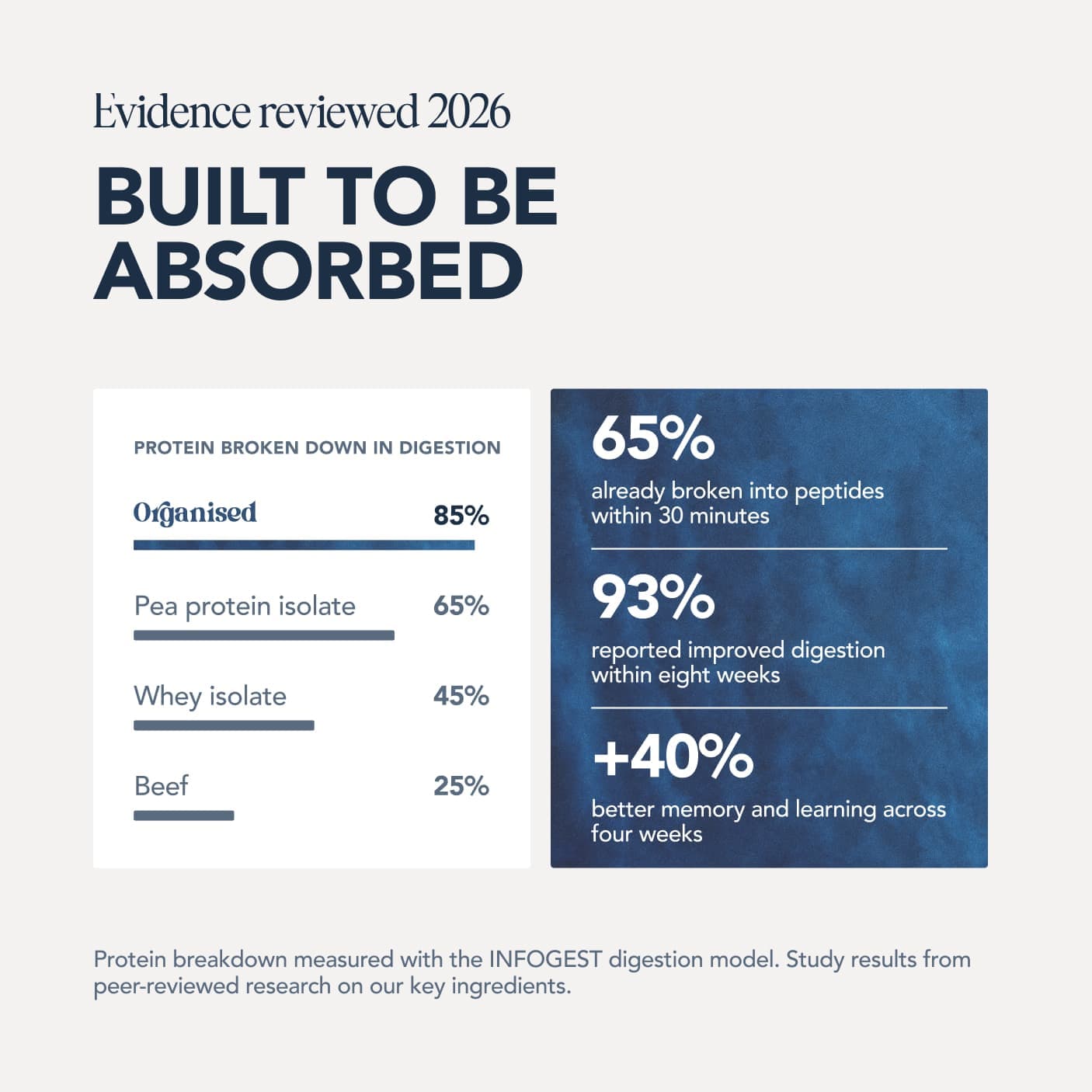
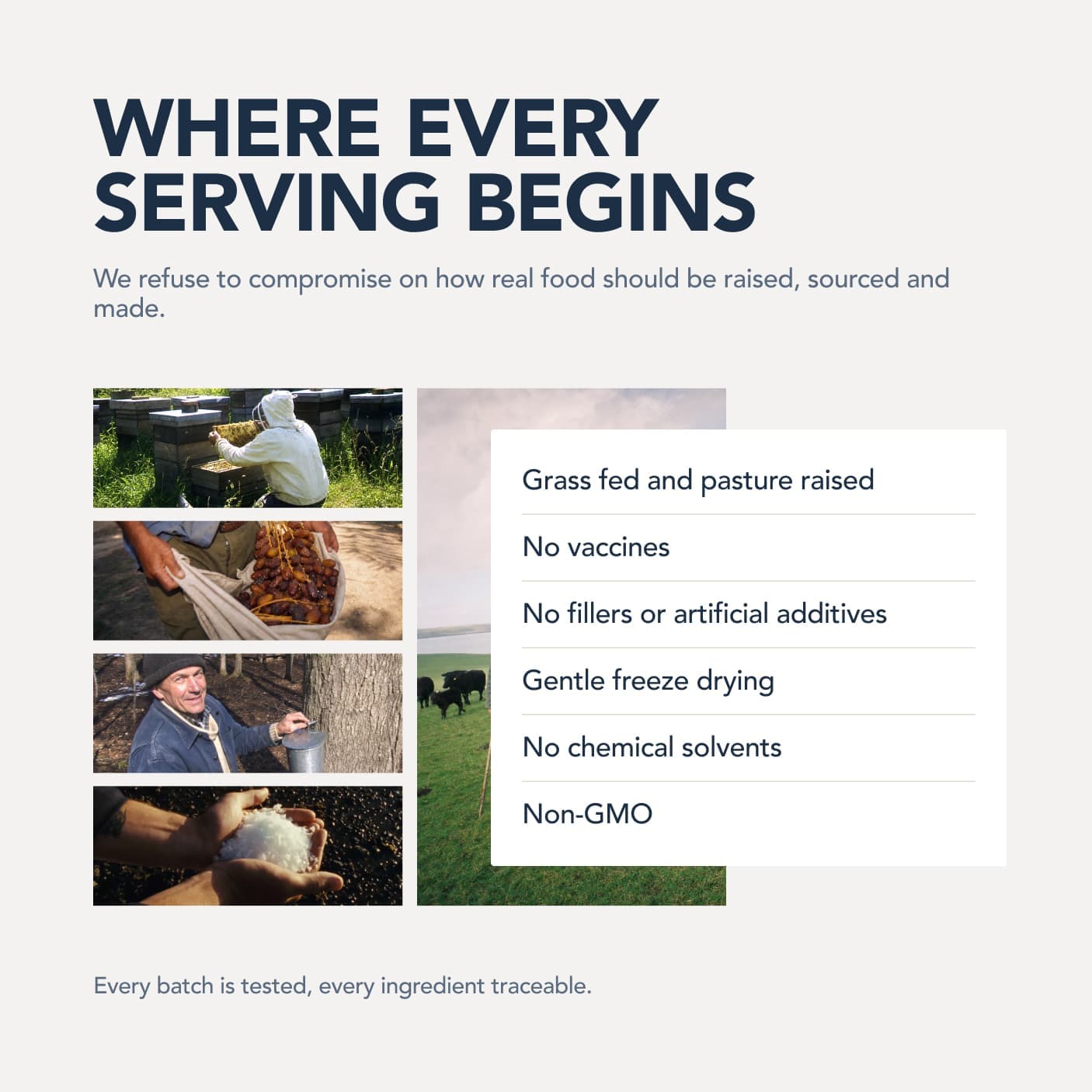
Eight real ingredients built around grass-fed beef organs, collagen and colostrum. Nothing synthetic added.
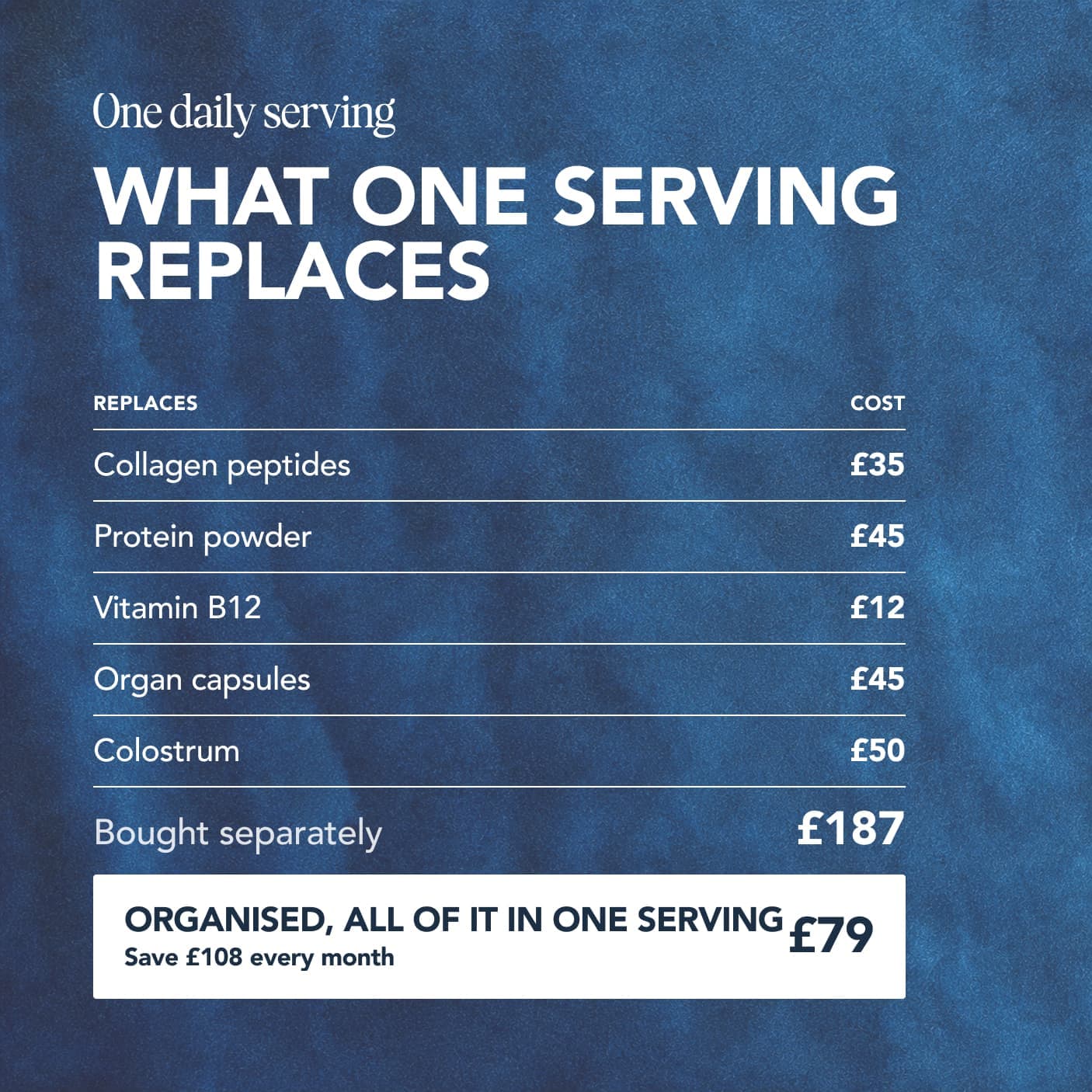
Free with your first order, worth £38. Plus £10 off the pouch with a subscription.


Free UK shipping · Made in England · 100 day money back guarantee on your first pouch · Skip, pause or cancel anytime
The bottom line
The medical and nutritional community is shifting. Not universally yet. There's still a supplement wing. But the momentum is toward food-first, whole-food approaches. Practitioners are tired of selling pills that don't work as promised. They're recommending real nutrition instead.
What they're telling us is: this is the direction. Real food, tested quality, organs, seasonal eating, fermented foods, proper sleep, movement. That's medicine. That's what works. And it aligns with what every ancestral culture knew: real food heals. Everything else is distraction.
References
Every source below was checked on 27 August 2026. Each PubMed, PMC and DOI identifier was resolved against NCBI or Crossref, and what it opens is printed under the citation, so you can see the link goes where the citation says without leaving the page. Where a citation and its identifier disagreed, the citation was corrected to the record or the reference was deleted along with the sentence marker that pointed at it, and where the resolved paper turned out not to support the sentence, the sentence was cut back to what it does support. Borrowed authority is worse than none, because it looks like rigour.
- McDonald D et al. American Gut: an Open Platform for Citizen Science Microbiome Research. mSystems. PMC5954204.Checked 27 August 2026: PMC5954204 opens McDonald D, Hyde E, Debelius JW et al, American Gut: an Open Platform for Citizen Science Microbiome Research. mSystems 2018;3(3).
- Rauber F et al. Ultra-processed food consumption and indicators of obesity in the United Kingdom population (2008-2016). PLoS One. PubMed PMID: 32357191.Checked 27 August 2026: PMID 32357191 opens Rauber F, Steele EM, Louzada MLDC et al, Ultra-processed food consumption and indicators of obesity in the United Kingdom population (2008-2016). PLoS One 2020;15(5):e0232676.The authors' own declaration, from the record: The authors have declared that no competing interests exist.
- Fortmann SP et al. Vitamin and mineral supplements in the primary prevention of cardiovascular disease and cancer: An updated systematic evidence review for the U.S. Preventive Services Task Force. Ann Intern Med. PubMed PMID: 24217421.Checked 27 August 2026: PMID 24217421 opens Fortmann SP, Burda BU, Senger CA et al, Vitamin and mineral supplements in the primary prevention of cardiovascular disease and cancer: An updated systematic evidence review for the U.S. Preventive Services Task Force. Ann Intern Med 2013;159(12):824-34. PubMed indexes it as: Systematic Review.
- Aung T et al. Associations of Omega-3 Fatty Acid Supplement Use With Cardiovascular Disease Risks: Meta-analysis of 10 Trials Involving 77 917 Individuals. JAMA Cardiol. PubMed PMID: 29387889.Checked 27 August 2026: PMID 29387889 opens Aung T, Halsey J, Kromhout D et al, Associations of Omega-3 Fatty Acid Supplement Use With Cardiovascular Disease Risks: Meta-analysis of 10 Trials Involving 77 917 Individuals. JAMA Cardiol 2018;3(3):225-234. PubMed indexes it as: Meta-Analysis, Systematic Review.The authors' own declaration, from the record: Conflict of Interest Disclosures: All authors have completed and submitted the ICMJE Form for Disclosure of Potential Conflicts of Interest. Dr Armitage is a principal investigator, and Dr Collins is Chair of the Trial Steering Committee for the ASCEND trial of omega-3 FA supplements for prevention of vascular disease in diabetes. Dr Collins reports grants from Mylan (formerly Solvay and Abbott) outside the … (abridged; the full declaration is on the record)
Who wrote and reviewed this guide
Niall Kiddle
Author · Founder, Organised
Niall is the founder of Organised. He started the company in 2024 after fixing his own health the slow way: in 2022 he swapped a cupboard of synthetic supplements for real food, raw milk, organ meats, bone broth and honey, and felt the difference within months.
Areas of expertise: Ancestral nutrition, Organ meats, Whole-food supplementation, Gut health, Regenerative sourcing
Read Niall's full profile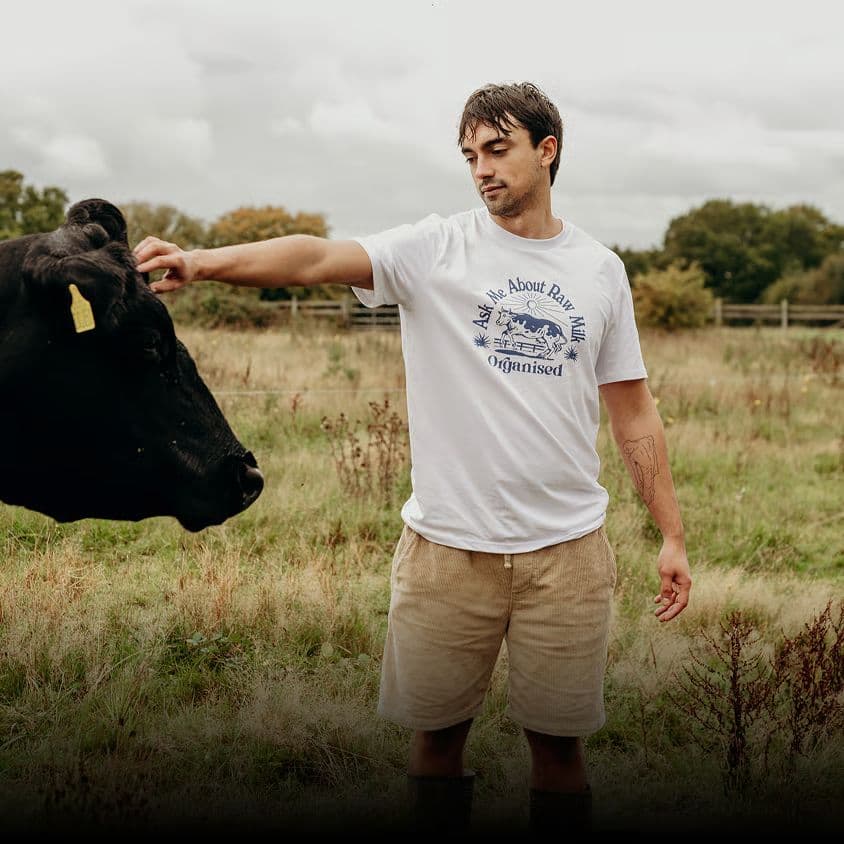
Pedro Rodrigues
Reviewer · Agronomist (farming and sourcing only)
Pedro is the agronomist Organised works with on farming and sourcing. His job on the guides is to keep the science honest: he reviews what we publish about soil health, regenerative agriculture, grazing and the way food is actually produced.
Areas of expertise: Regenerative agriculture, Agronomy, Soil health, Grass-fed farming, Food sourcing
Reviewed this guide on
Read Pedro's full profileMore on community
View allBrowse the guides library
All guidesKeep reading

Culture & community
How to Start Your Organised Journey: Stories from First-Time Users
Real patterns from first 30 days. How people actually start changing to real food, what works, what doesn't, what to expect.

Culture & community
Find a Farm: How to Source Real Food Near You
A practical guide to finding local farms, farmers markets, and food sources you can trust. Real food sourcing made simple.

Culture & community
The Problem with 'Clean Label' Marketing
Why 'clean label' marketing obscures the real question: does the product actually work? How to see through supplement marketing.
Real food, made effortless
Shop the blendA few ways to use it
All recipes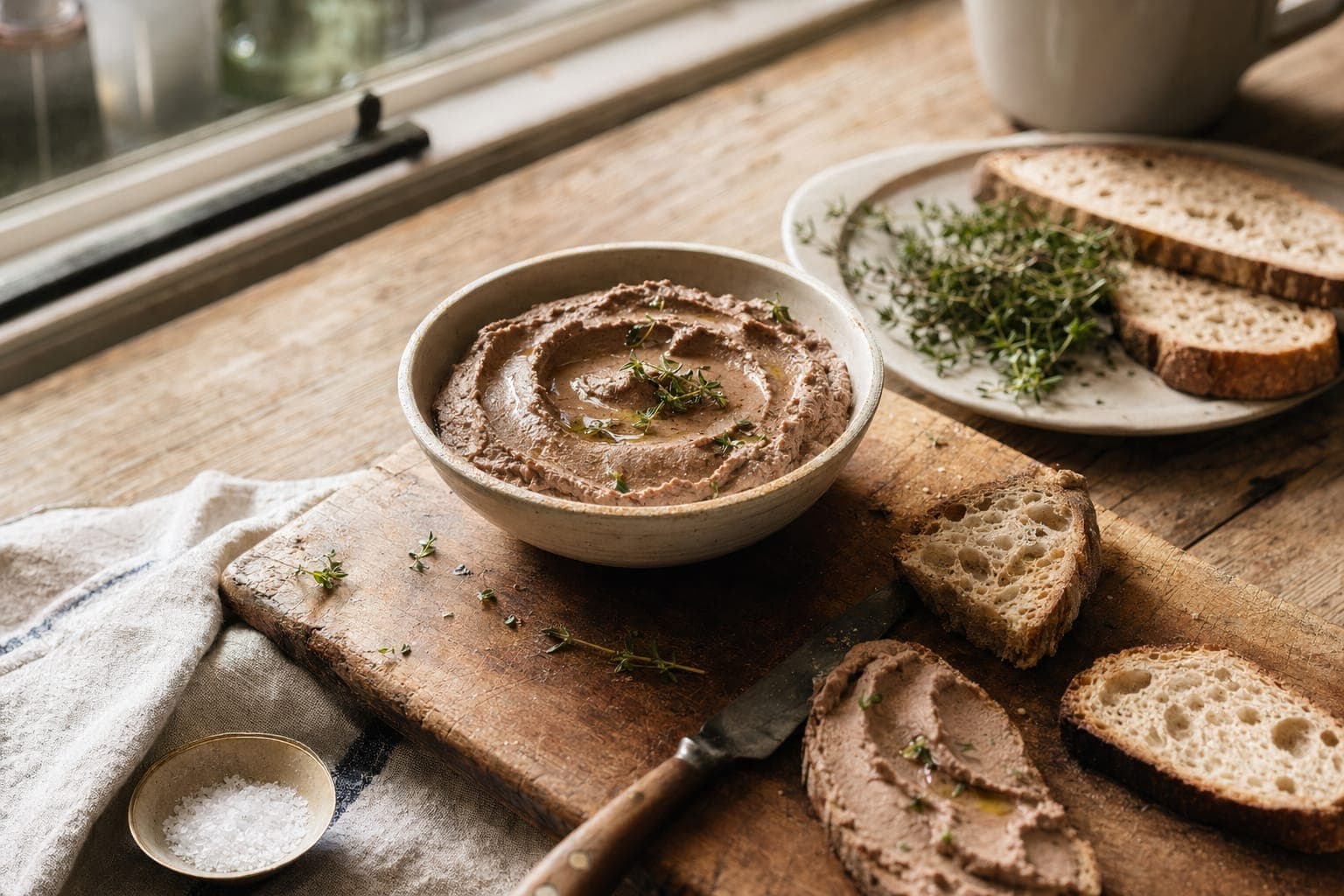
Liver Pate for Beginners: A Gentle Introduction to Organ Meats
Simple liver pate recipe to start eating organ meats. Chicken liver, butter, and herbs. Gentle introduction to nutrient-dense whole foods.

Energy Balls with Organised, Dates and Raw Honey
Make no-bake energy balls with Organised, dates, and raw honey. Perfect lunch box, pre-workout, or on-the-go snack. Simple recipe.
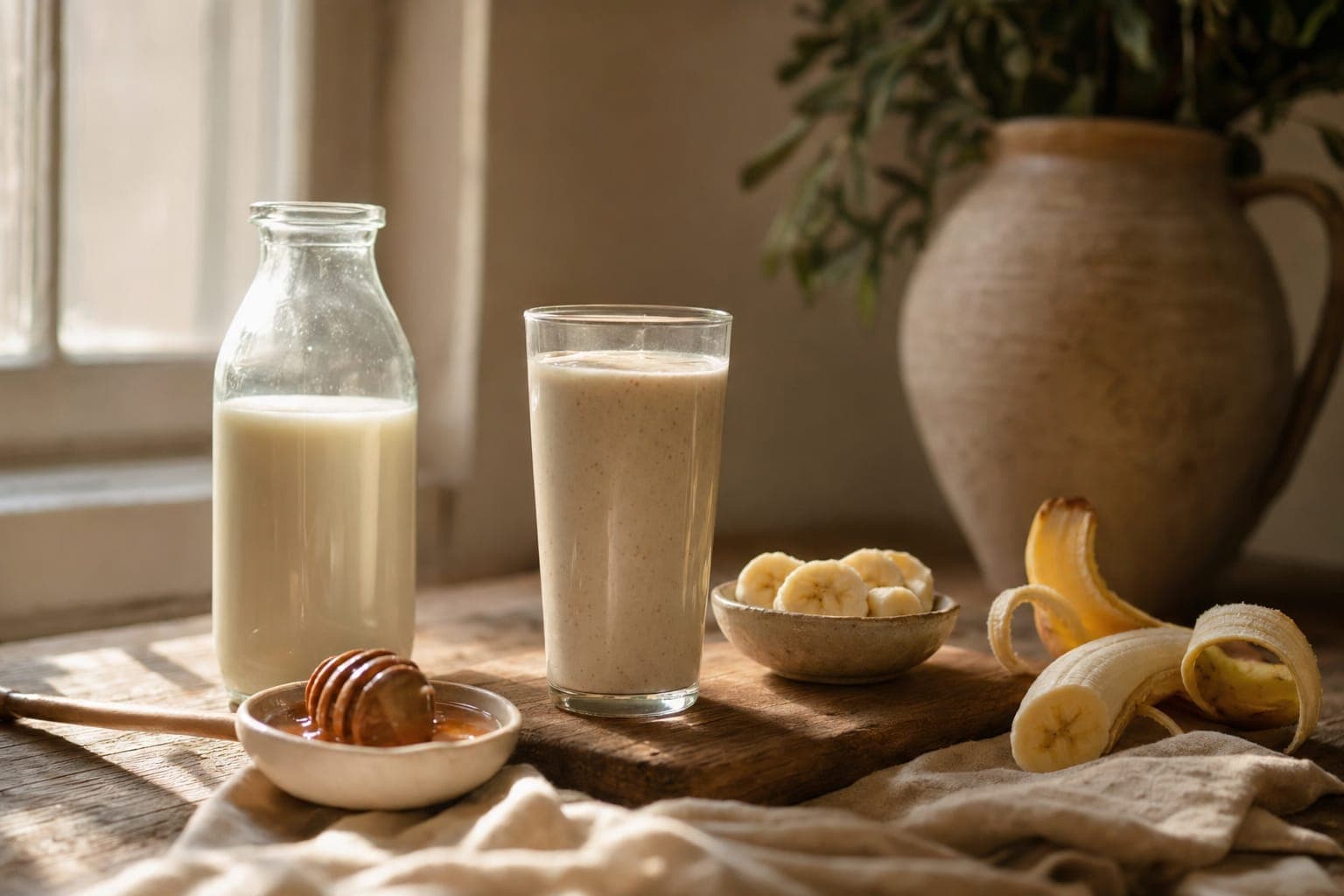
The Perfect Organised Morning Shake: Our Favourite Recipe
Our signature morning shake: Organised, raw milk, banana, honey. Simple, nourishing, and optimised for an empty stomach.


 Join over 100,000+ members
Build a better food system with us
The Organised community is thousands of people choosing real food and backing the farmers who grow it, all of us trying to leave the world a little better than we found it. If that is what you care about too, you belong here.