New Year, Real Food: A Whole Food Resolution That Actually Works
January diets promise a fresh start. A reset. You remove things, restrict things, punish things. Then by February you're back where you started, wondering why you can't stick with anything. It's not willpower that's the problem. It's the approach itself.
By Niall Kiddle, Founder, Organised

Reviewed by Pedro Rodrigues, Agronomist (farming and sourcing only) ·
5 min read · Published · Updated · 1 cited source
Makers of the Organised Daily blend, a grass-fed beef organ supplement from regenerative UK farms

It’s not willpower that’s the problem. It’s the approach itself.
Why January diets fail
The problem with most New Year resolutions is that they're built on subtraction. Cut out sugar. Cut out carbs. Cut out processed food. Stop eating late at night. Eat less. Move more. The diet industry has spent decades convincing you that the path to better health is through deprivation, and January is the moment you finally do it.1
Here's the uncomfortable bit: your body doesn't want to be deprived. It wants to be nourished.1 When you remove food without replacing it with something better, you're not creating lasting change. You're creating a short-term punishment that ends the moment your willpower runs out.
By mid-January, your body is hungry. Your brain is foggy. Your energy is in the floor. You're tired of thinking about food in a restrictive way, so you stop thinking about it altogether and revert to what's easy. Pizza. Takeaway. Cereal. The thing that makes you feel full, even if it leaves you depleted.
Restriction fails because it's fighting your biology. Addition works because it's partnering with it.
The resolution that actually sticks is the one built on addition. Adding foods that nourish. Adding meals that satisfy. Adding fuel that makes you feel different.
The case for addition, not subtraction
Think about the last time you genuinely felt good. Properly good. Not just "not ill," but actually energised. Clear-headed. Stable through the afternoon. Not craving sugar at 3 PM. Sleeping through the night without waking at 2 AM.
Most people can't remember the last time they felt like that. So they assume they need to achieve it through restriction. Cut this, cut that, and you'll finally feel normal. But normal isn't the absence of something. It's the presence of something. It's the presence of nutrients your body has been asking for.
The New Year resolution that works starts with a question instead of a prohibition. Not "What should I cut out?" but "What am I missing?" What would it feel like to eat more protein? More fat? More organ meat? More minerals? What if, instead of punishing your body into compliance, you overwhelmed it with nutrition?
That shift is everything. Because suddenly, eating well isn't about denial. It's about abundance. You're not white-knuckling through hunger. You're genuinely satiated, and the weight, the brain fog, the fatigue starts lifting because your body finally has what it needs.
Start with one meal
You don't change your entire diet on January 1st. You change one meal. That's it.
For most people, that meal is breakfast. Breakfast is the easiest place to start because you control it. You're not at someone else's dinner table. You're not navigating a restaurant menu. You're in your kitchen, and you can make a choice.
Most people's current breakfast is either nothing, or refined carbohydrates, or both. Toast. Cereal. A banana. Coffee. You're starting the day with no protein, no fat, no satiation. By 10 AM, you're hungry again. By 11 AM, you're reaching for biscuits. The entire day spirals from there.
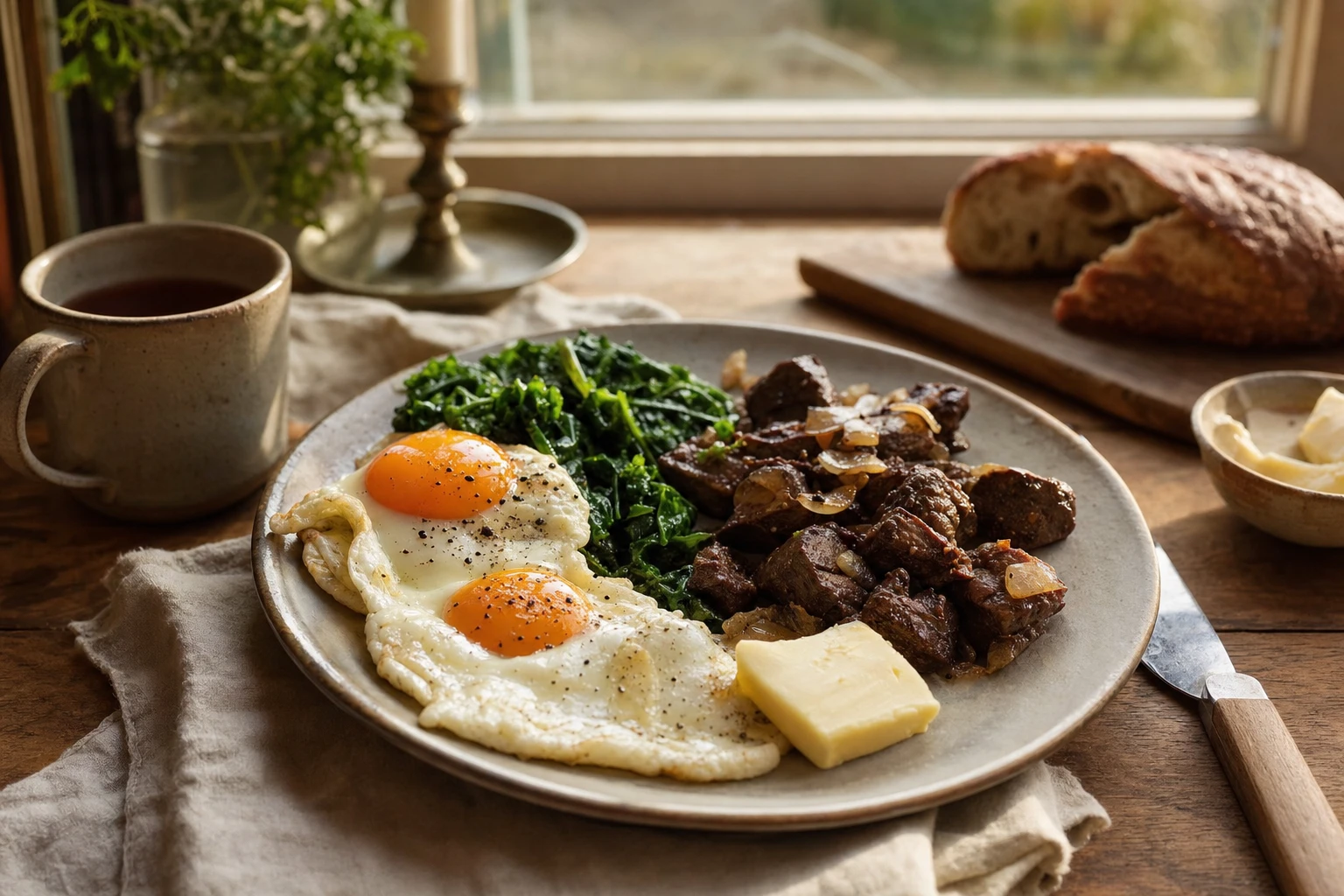
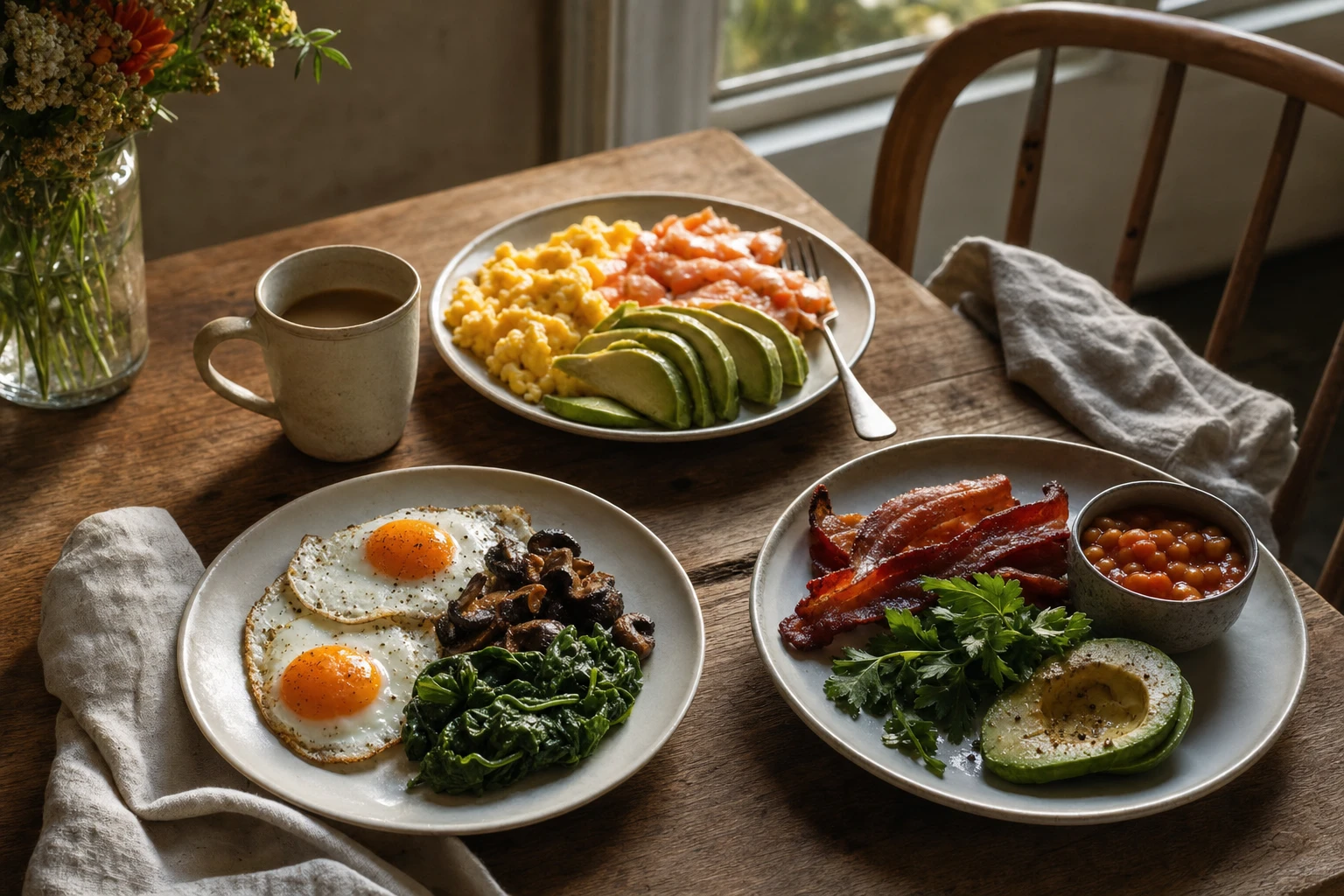
A breakfast built on eggs, or meat, or bone broth, or full-fat dairy, or all of the above, changes everything. You eat breakfast and you're genuinely satisfied. Not stuffed. Satisfied. You get to 12 PM and you're not thinking about food. You're not shaky. You're not foggy. You're just… fine.
One meal done properly creates a cascade of better choices for the rest of the day. Start there.
Build around what you already eat
The second mistake people make is abandoning everything familiar. They decide to change their diet, so they delete the meals they actually enjoy, scramble for new recipes they've never tried, and then quit after three days because they're eating things they don't actually like.
Instead, work with what you already eat. You like sandwiches? Build a better sandwich. Proper sourdough. Grass-fed butter. Nose-to-tail pâté instead of processed deli meat. Add a side of fermented vegetables. You like pasta? Use pasta. Add a proper sauce made with ground meat and bone broth. Grate cheese over it. You like curry? Make curry with the best quality meat and fat you can afford, pile vegetables in, use proper ghee.
The food doesn't have to change dramatically. The ingredients change. The quality changes. The intention changes. But the comfort is still there. The satisfaction is there. The familiarity is there.
This is what makes resolutions stick. You're not reinventing yourself. You're just eating the foods you were going to eat anyway, but better.
Get stories from the community, free
Two short reads a week on the farmers, the standards, and the return to real food.
By signing up you agree to receive emails from us. No spam, unsubscribe anytime.
Real food as the foundation
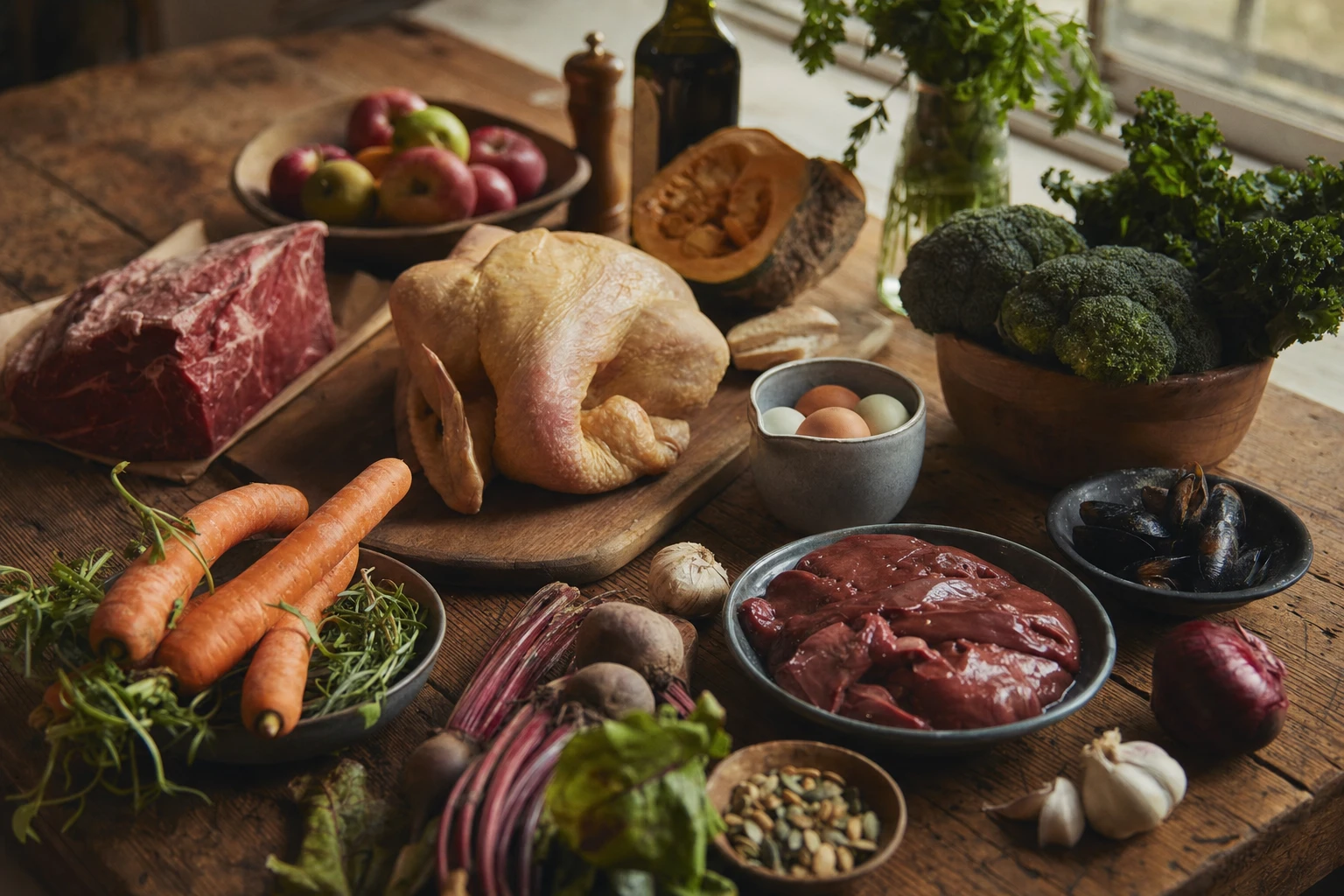
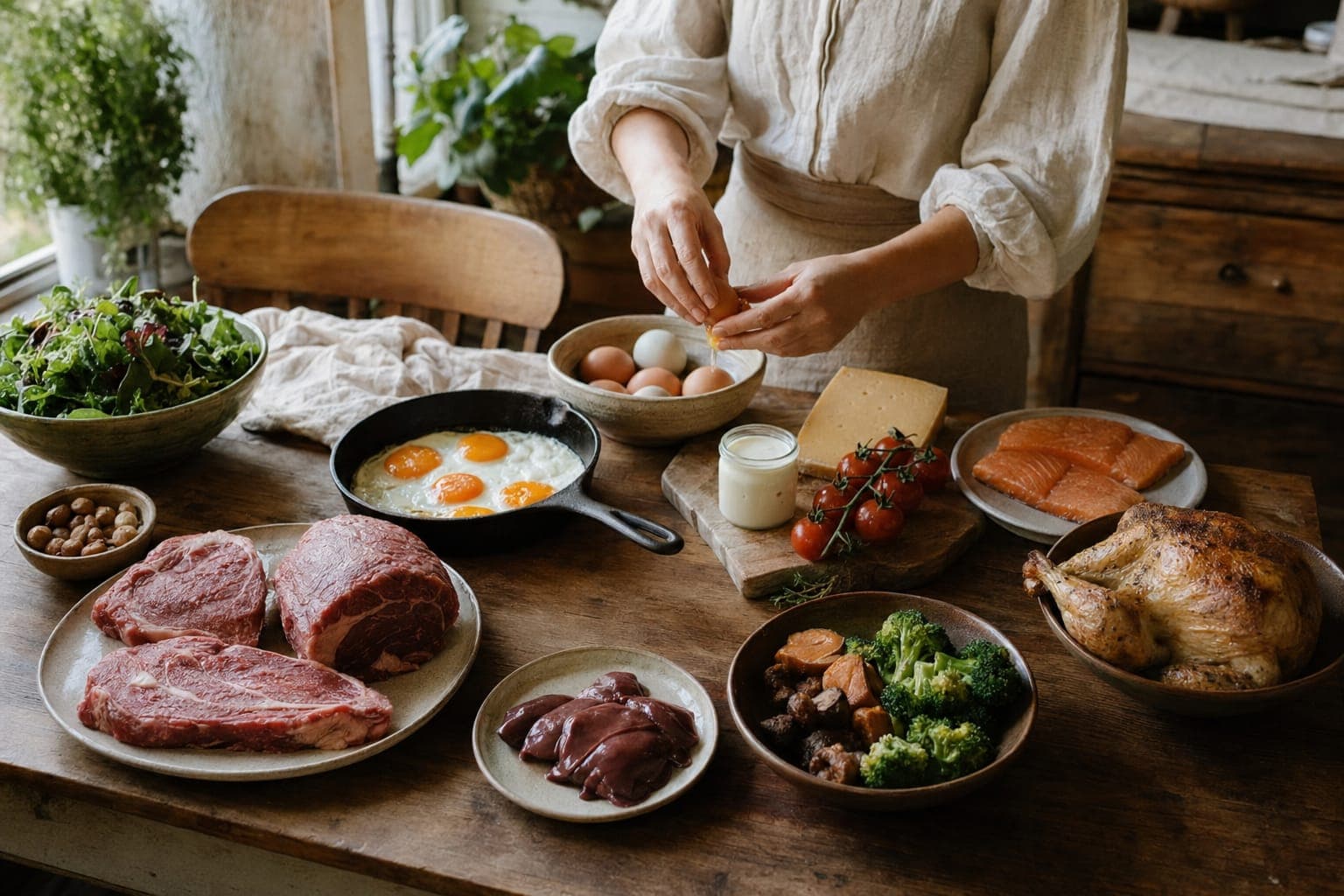
Here's the baseline: if you're eating real food, you're winning. Not perfect food. Not optimised food. Real food.
Real food means animal products, vegetables, fruit, fat, salt, herbs. It means not eating anything from a packet that has an ingredient list longer than a sentence. It means cooking at home most of the time. It means knowing where your food came from, roughly.
If your New Year resolution is "I'm going to eat real food," you've already won. You don't need to be perfect. You don't need to source everything from farmers markets. You don't need to spend hours meal-prepping. You just need to eat real food more often than not.
Start with that. Get comfortable with that. Then, if you want, you can optimise. Grass-fed this, organic that, wild-caught the other thing. But the foundation is just real food. Meat. Vegetables. Eggs. Butter. Time at the table, without the phone.
1 of 9
Daily blend
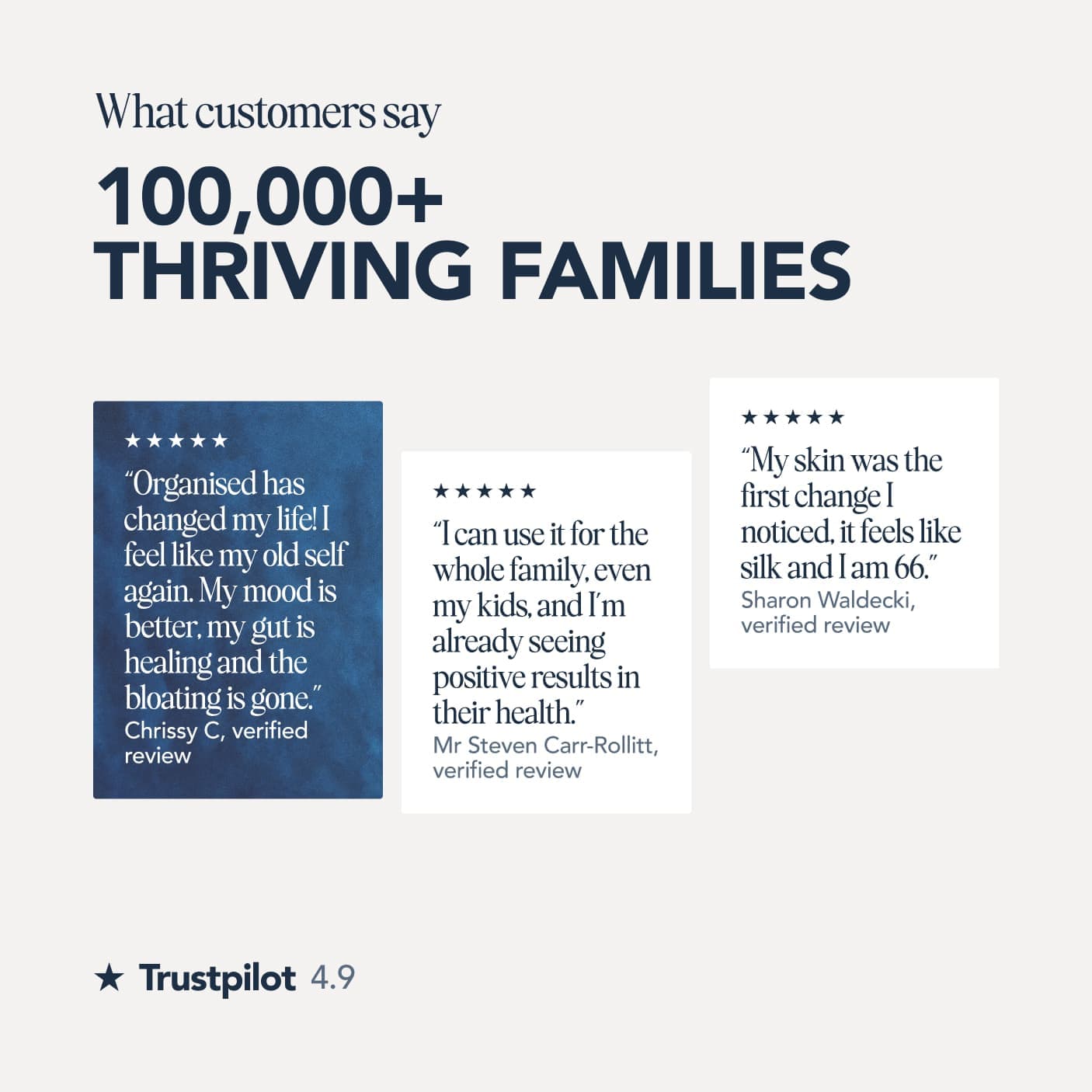
100,000+ thriving families4.9 on Trustpilot
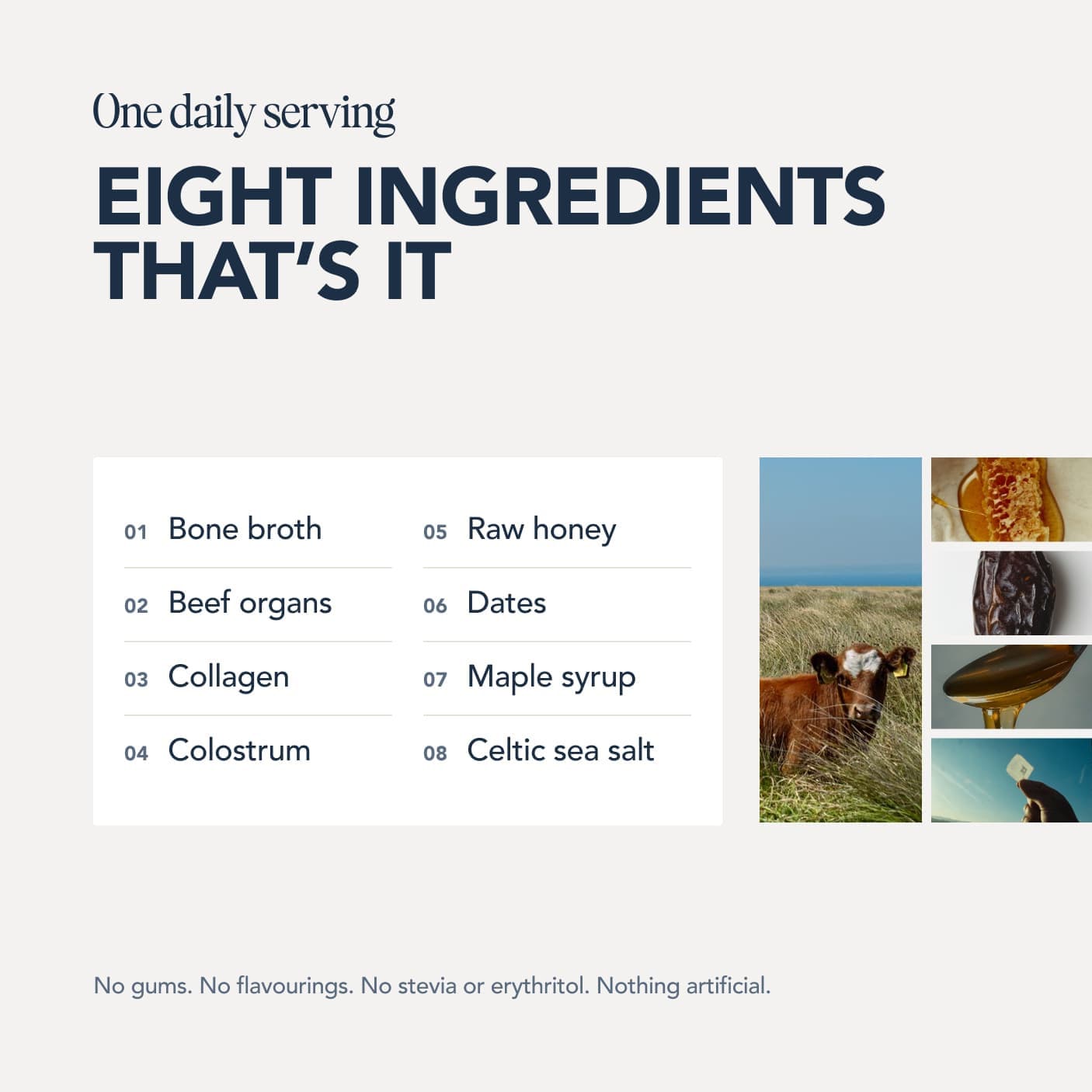
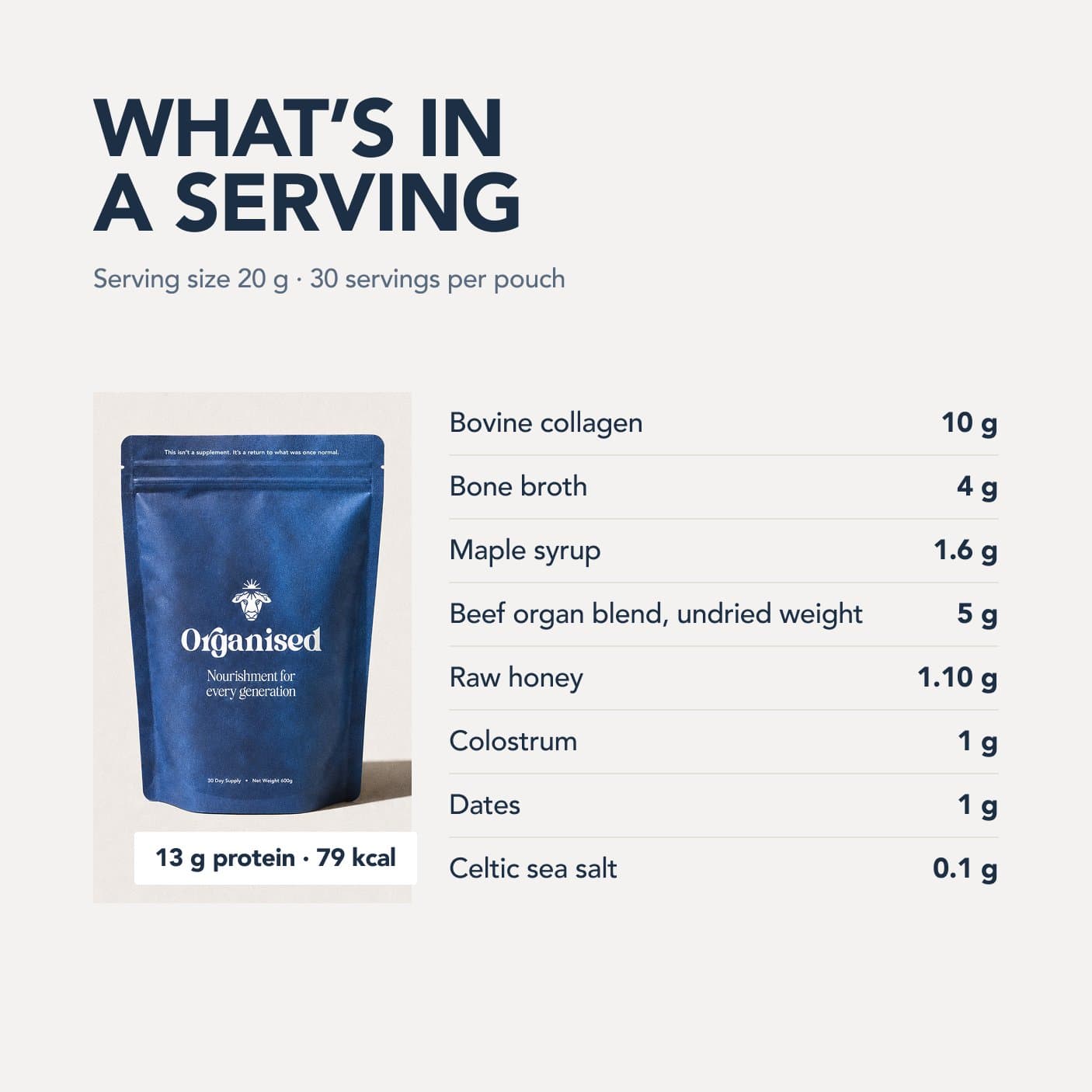
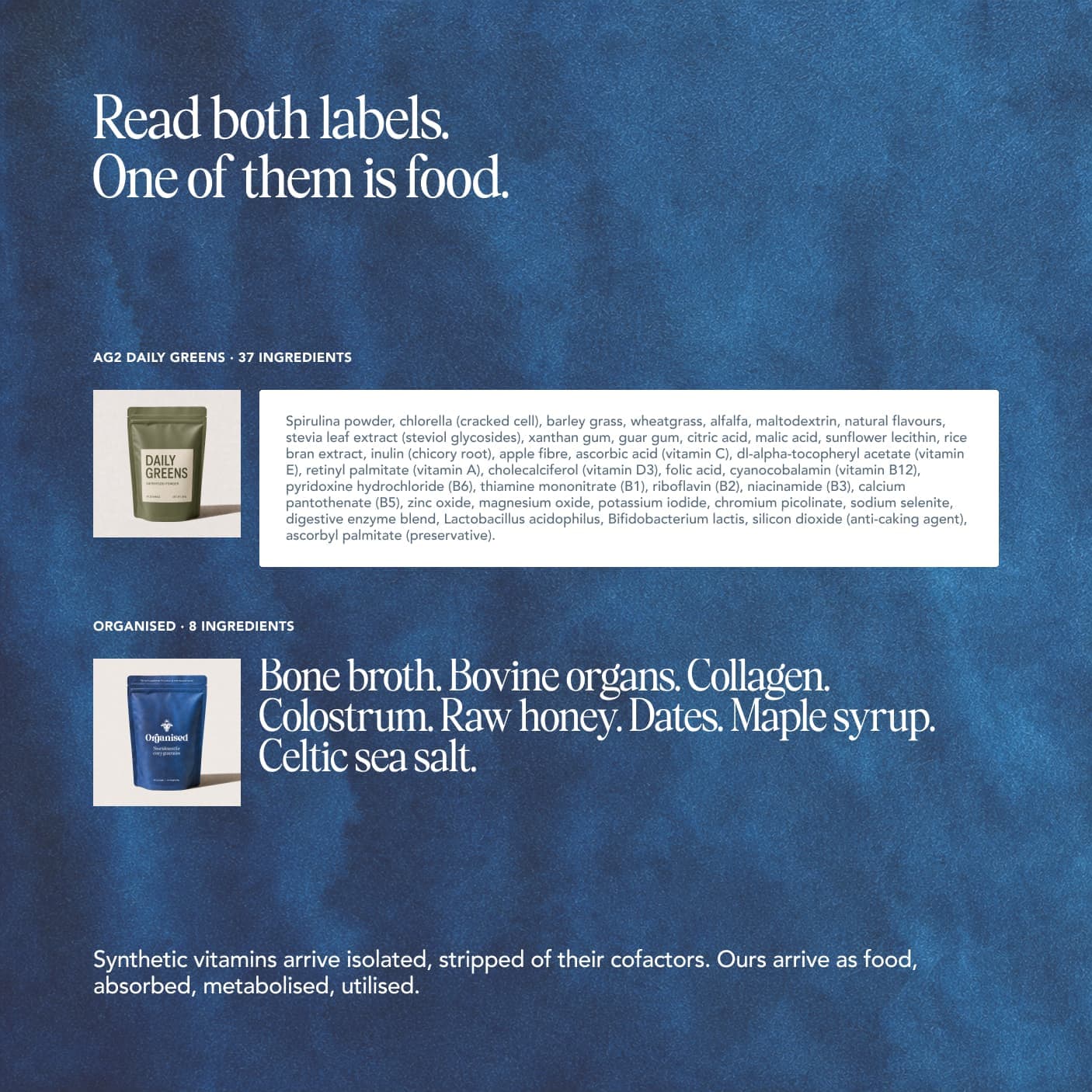
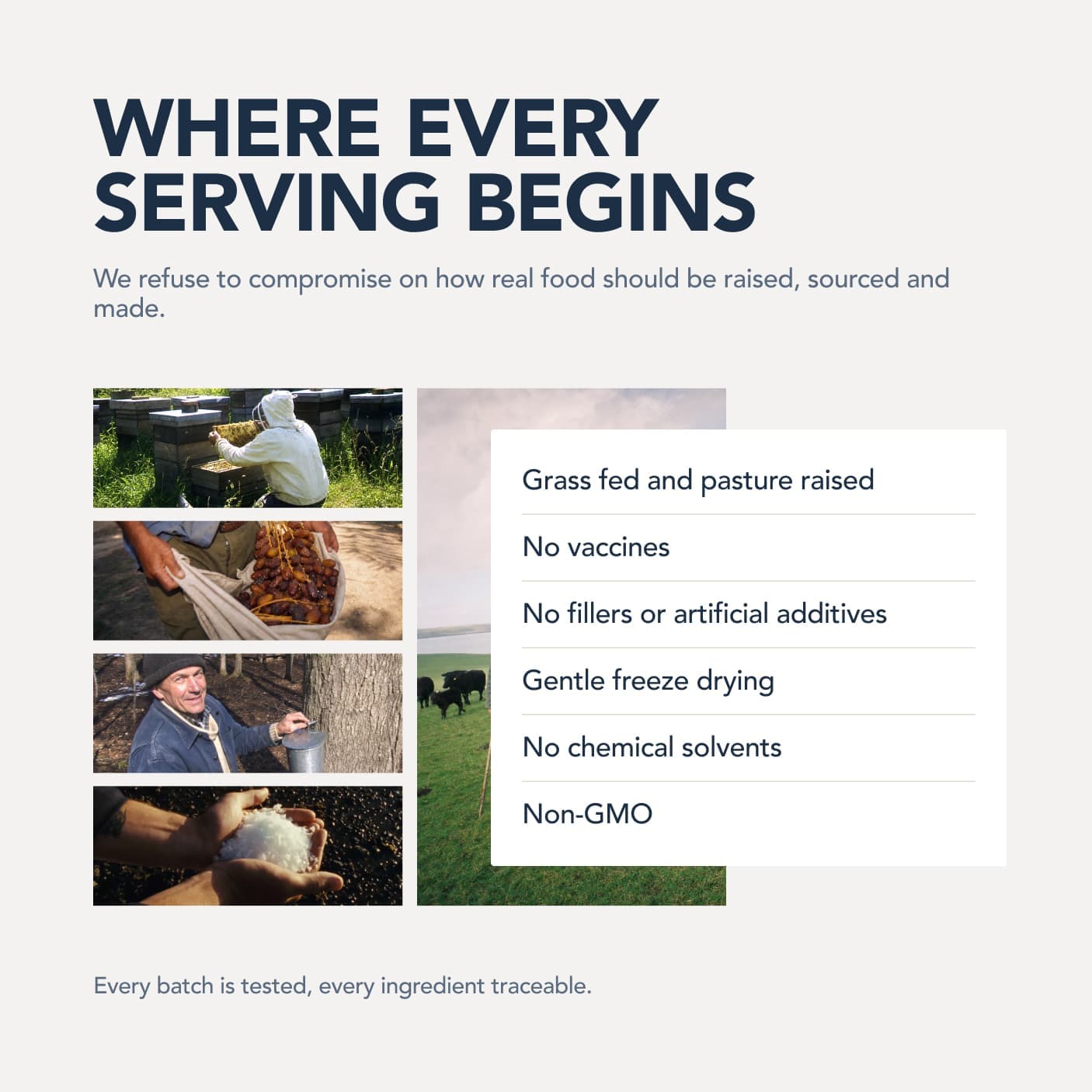
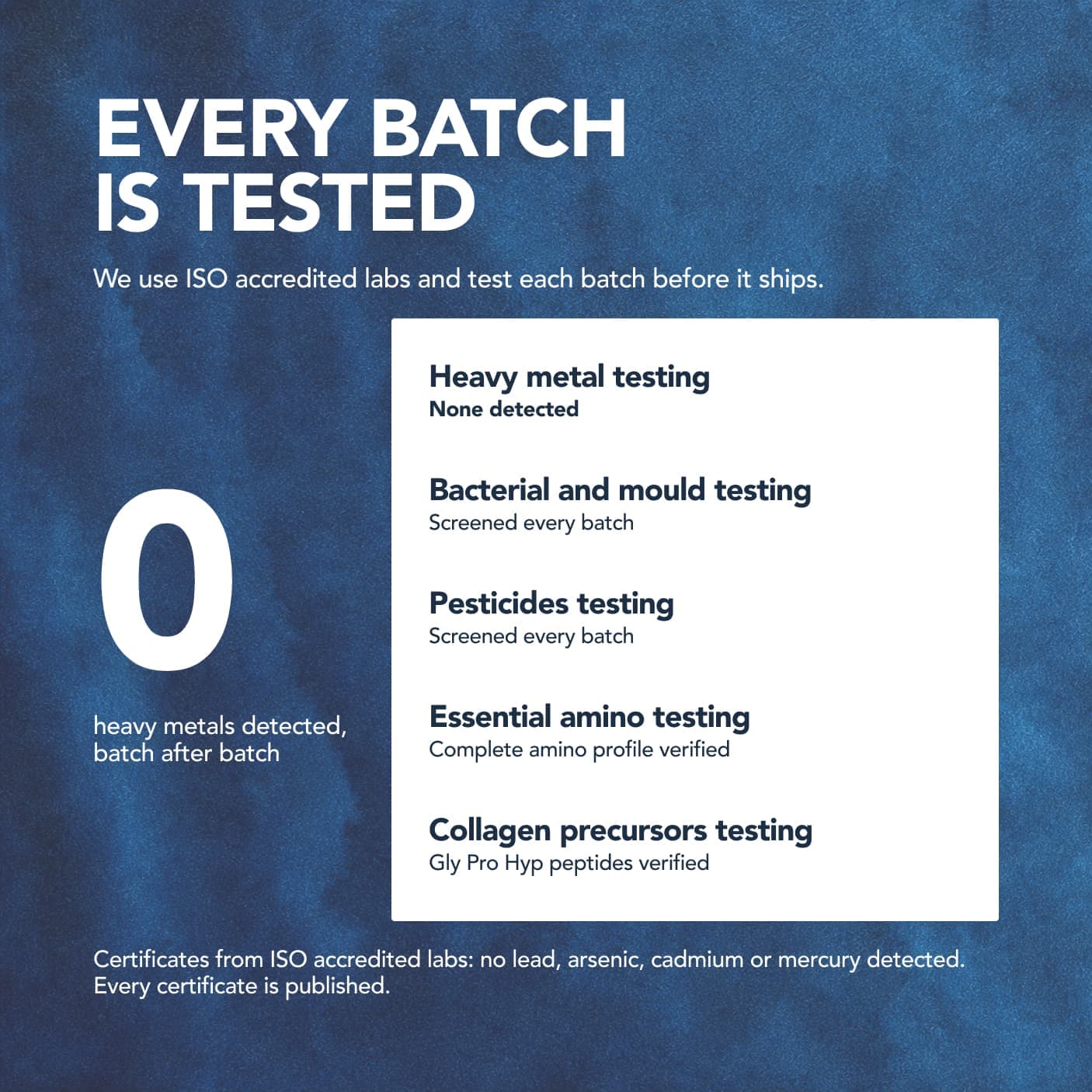
Eight real ingredients built around grass-fed beef organs, collagen and colostrum. Nothing synthetic added.
Free with your first order, worth £38. Plus £10 off the pouch with a subscription.


Free UK shipping · Made in England · 100 day money back guarantee on your first pouch · Skip, pause or cancel anytime
Progress over perfection
The reason diets fail is that they demand perfection. One slip and you've failed, so you might as well quit.
A real resolution demands only progress. Some weeks you'll eat well five out of seven days. Some weeks it'll be four. Some weeks you'll have a social event and you'll eat what's on offer and you won't spiral into guilt. You'll just get back on it the next meal.
This is how people actually change. Not through perfection. Through consistency applied with grace. Through knowing that one meal doesn't define the pattern, and a pattern is built over months, not enforced in January.
You don't have to be perfect. You just have to be better than you were, and you just have to keep trying.
Making it last
The shift from "I'm on a diet" to "This is just how I eat" is the thing that makes resolutions stick. And that shift happens around month three, when you start noticing that you feel different. Genuinely different. Your energy is better. Your sleep is deeper. Your mood is more stable. Your skin is clearer.
That's when it stops being a resolution. It becomes a non-negotiable. Not because you're forcing it. Because you prefer how you feel. Because the food you're eating is actually making you feel better than the food you used to eat, and you're not going to voluntarily go backwards.
That's the New Year resolution that works. Not the one that's driven by willpower. The one that's driven by how you feel in your body. Make that shift, and you'll still be eating like this in December. And January next year, you won't need a resolution. You'll just be doing it.
References
Every source below was checked on 27 August 2026. Each PubMed, PMC and DOI identifier was resolved against NCBI or Crossref, and what it opens is printed under the citation, so you can see the link goes where the citation says without leaving the page. Where a citation and its identifier disagreed, the citation was corrected to the record or the reference was deleted along with the sentence marker that pointed at it, and where the resolved paper turned out not to support the sentence, the sentence was cut back to what it does support. Borrowed authority is worse than none, because it looks like rigour.
- Mann T, et al. Medicare's search for effective obesity treatments: diets are not the answer. Am Psychol. 2007. PMID 17469900.Checked 27 August 2026: PMID 17469900 opens Mann T, Tomiyama AJ, Westling E et al, Medicare's search for effective obesity treatments: diets are not the answer. Am Psychol 2007;62(3):220-33. PubMed indexes it as: Review.
Who wrote and reviewed this guide
Niall Kiddle
Author · Founder, Organised
Niall is the founder of Organised. He started the company in 2024 after fixing his own health the slow way: in 2022 he swapped a cupboard of synthetic supplements for real food, raw milk, organ meats, bone broth and honey, and felt the difference within months.
Areas of expertise: Ancestral nutrition, Organ meats, Whole-food supplementation, Gut health, Regenerative sourcing
Read Niall's full profile
Pedro Rodrigues
Reviewer · Agronomist (farming and sourcing only)
Pedro is the agronomist Organised works with on farming and sourcing. His job on the guides is to keep the science honest: he reviews what we publish about soil health, regenerative agriculture, grazing and the way food is actually produced.
Areas of expertise: Regenerative agriculture, Agronomy, Soil health, Grass-fed farming, Food sourcing
Reviewed this guide on
Read Pedro's full profileBrowse the guides library
All guidesKeep reading

Culture & community
Bank Holiday Nutrition: How to Eat Well When You're Off Routine
UK bank holidays mean disrupted routine. Here's how to navigate pub lunches, travel, and family gatherings without abandoning real food.

Culture & community
Beyond Supplements: Building a Whole Food Lifestyle
Nutrition is just one piece. Real health comes from cooking, sleep, sunlight, movement, and relationships. Here's how to build a whole system.
Culture & community
How Organised Fits into Different Dietary Frameworks
See how whole food nutrition fits dietary frameworks from carnivore and paleo to keto and flexitarian, with simple ways to adapt the principles to your plate.
Real food, made effortless
Shop the blendA few ways to use it
All recipes
How to Make Your Own Gelatine Gummies
A simple recipe for homemade gelatine gummies using grass-fed gelatine, fresh juice, and raw honey. Better than shop-bought, kids love them.
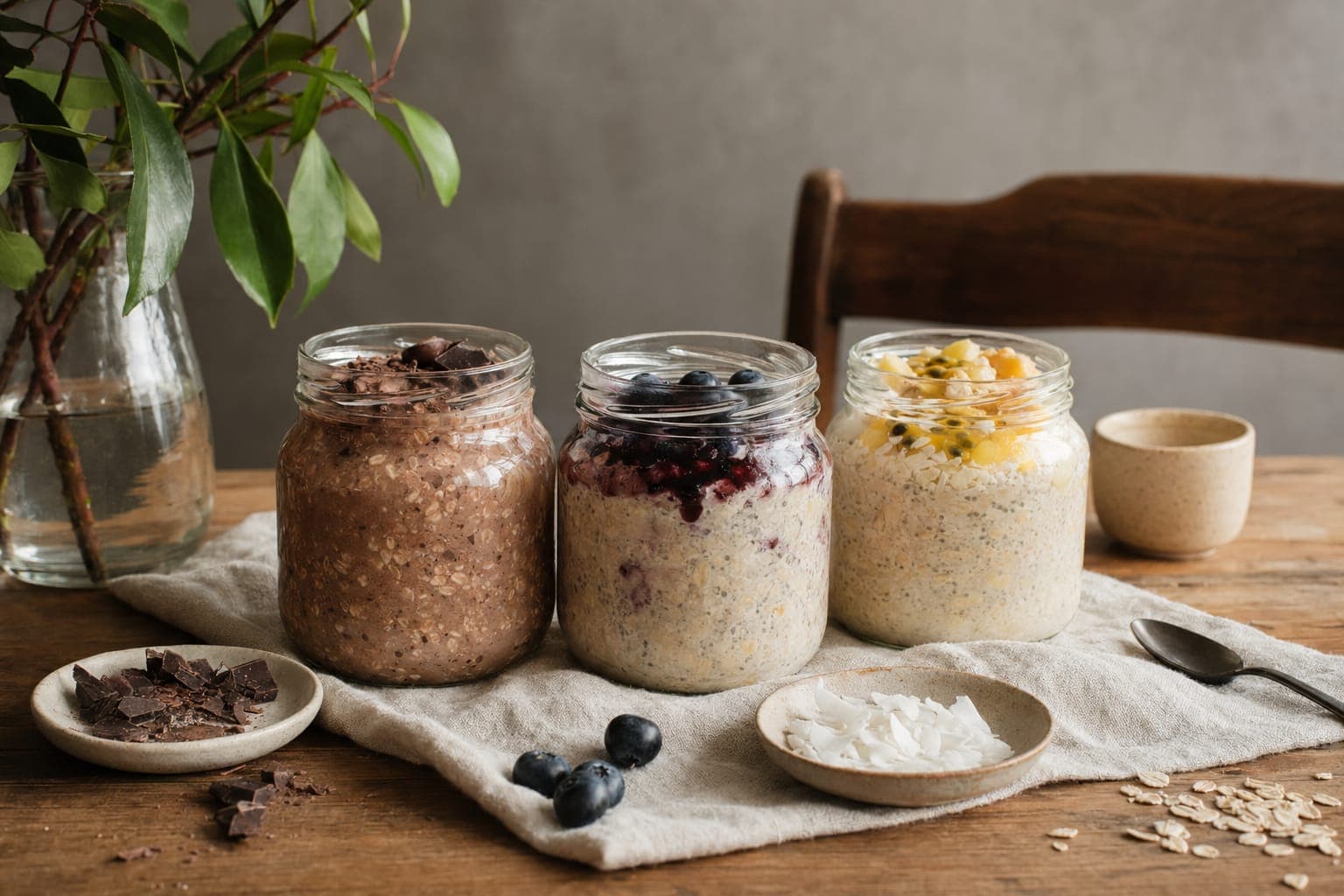
Organised Overnight Oats: 3 Variations
Three delicious overnight oats variations with Organised. Chocolate, berry, tropical flavours. Make them Sunday, eat them all week.
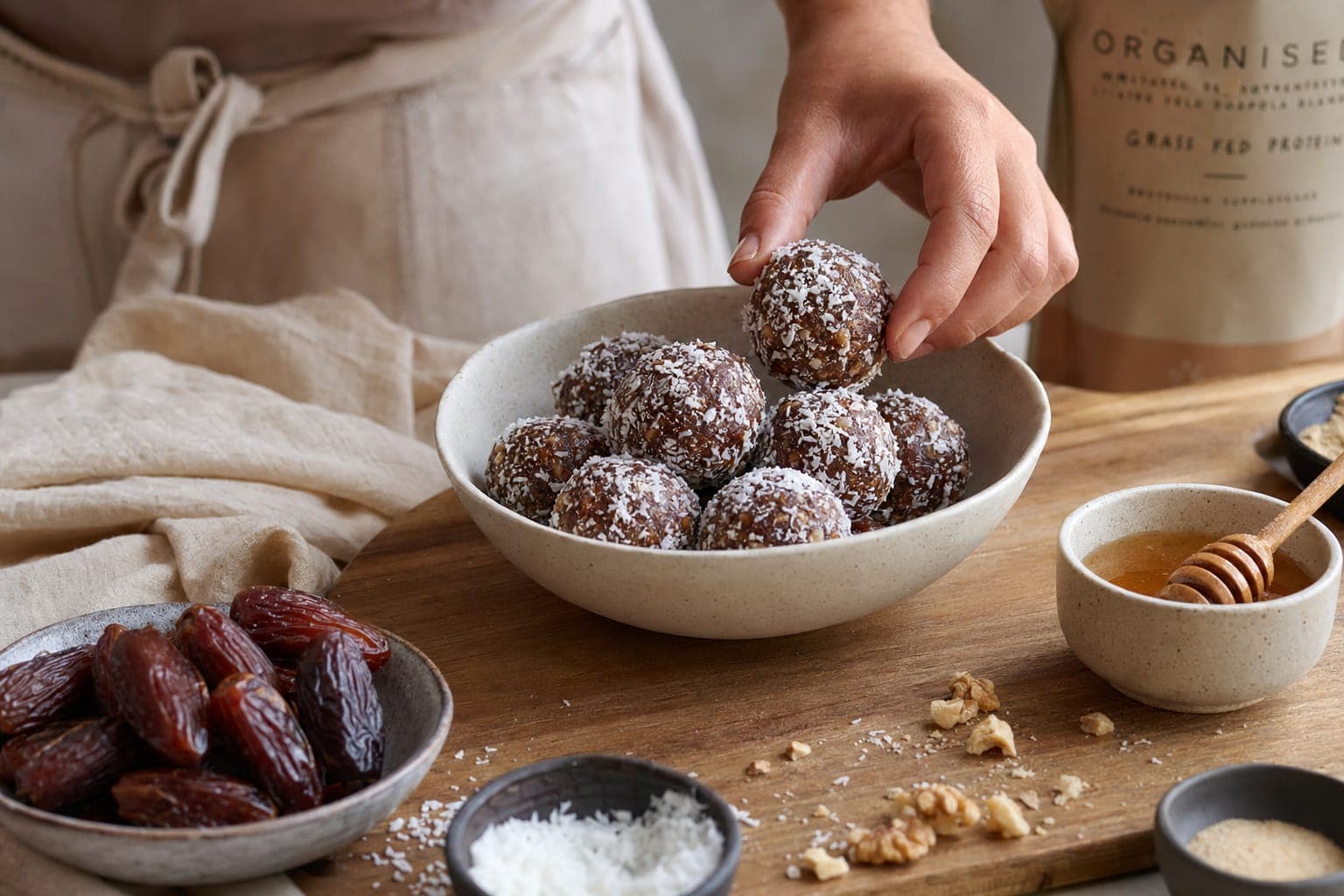
Energy Balls with Organised, Dates and Raw Honey
Make no-bake energy balls with Organised, dates, and raw honey. Perfect lunch box, pre-workout, or on-the-go snack. Simple recipe.


 Join over 100,000+ members
Build a better food system with us
The Organised community is thousands of people choosing real food and backing the farmers who grow it, all of us trying to leave the world a little better than we found it. If that is what you care about too, you belong here.