The Best Gift for Someone Who Cares About Their Health
Buying for someone health-conscious? Skip the expensive supplements. Real nourishment comes from whole food. Here's what actually works.
 Niall Kiddle · Founder, OrganisedReviewed by Pedro Rodrigues5 min read · Updated
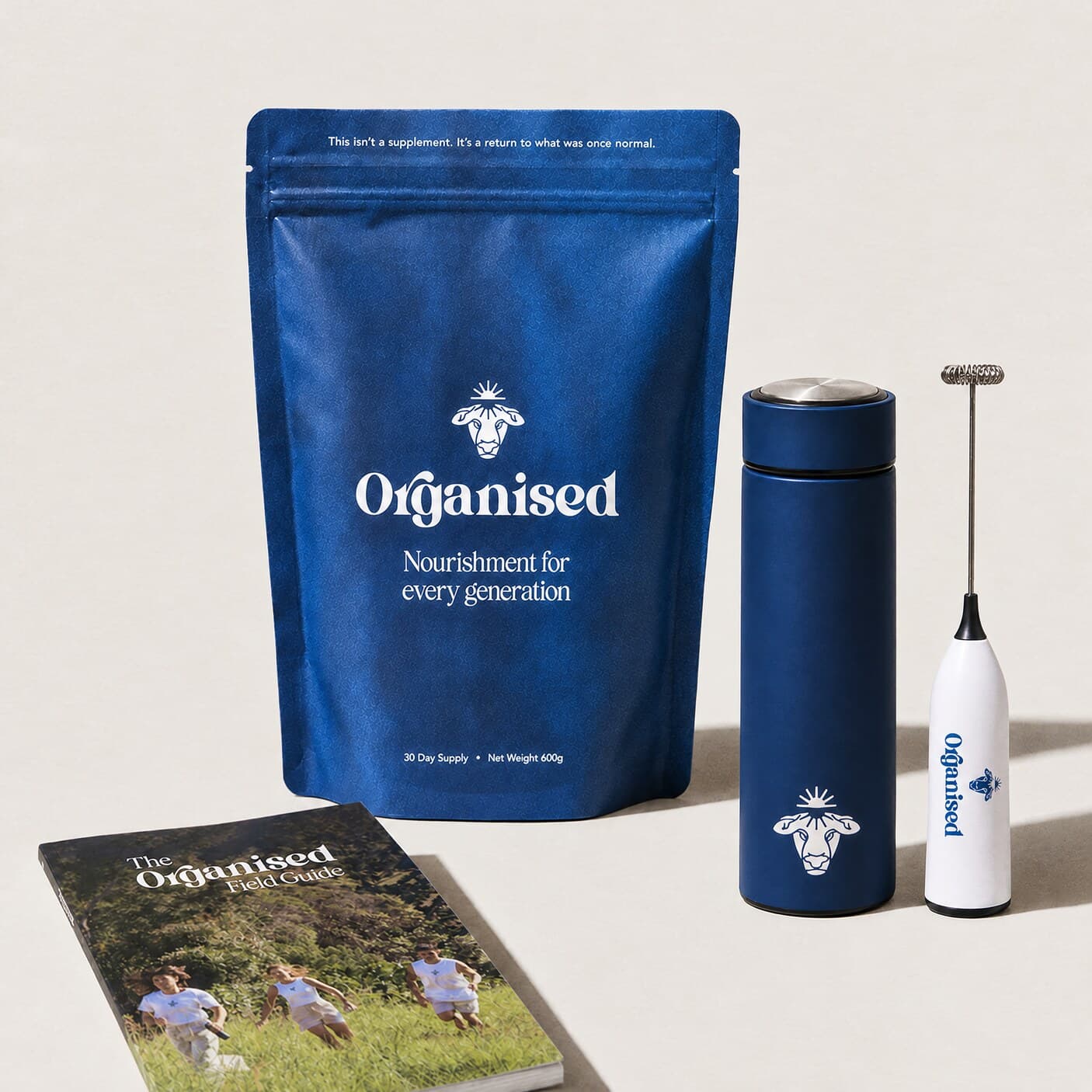
Daily blend
Beef organs. Liver, kidney, heart, lung and spleen from grass-fed, pasture raised cattle. The most nutrient dense foods on the planet, rich in vitamin A, B vitamins, iron, copper and choline.
4.9 on Trustpilot · 200,000+ thriving familiesYou know someone who cares about their health. They read labels meticulously. They ask questions about sourcing and farming practices. They've tried every supplement trend and yet they're searching for something that actually works and doesn't require constant research to understand. The best gift isn't another powder or capsule promising transformation. It's permission to return to what their body already knows it needs: real food.
Most health gifts fail because they assume the person is broken and needs fixing. They need optimisation. They need the latest biohack. What they actually need is support for what they're already trying to do: eat real food, consistently, without friction.
Why supplements miss the point
The supplement industry works on extraction and isolation. Pull out one nutrient. Isolate it from its context. Dose it high. Sell it as the solution. It misses the entire point of how your body actually works with food.
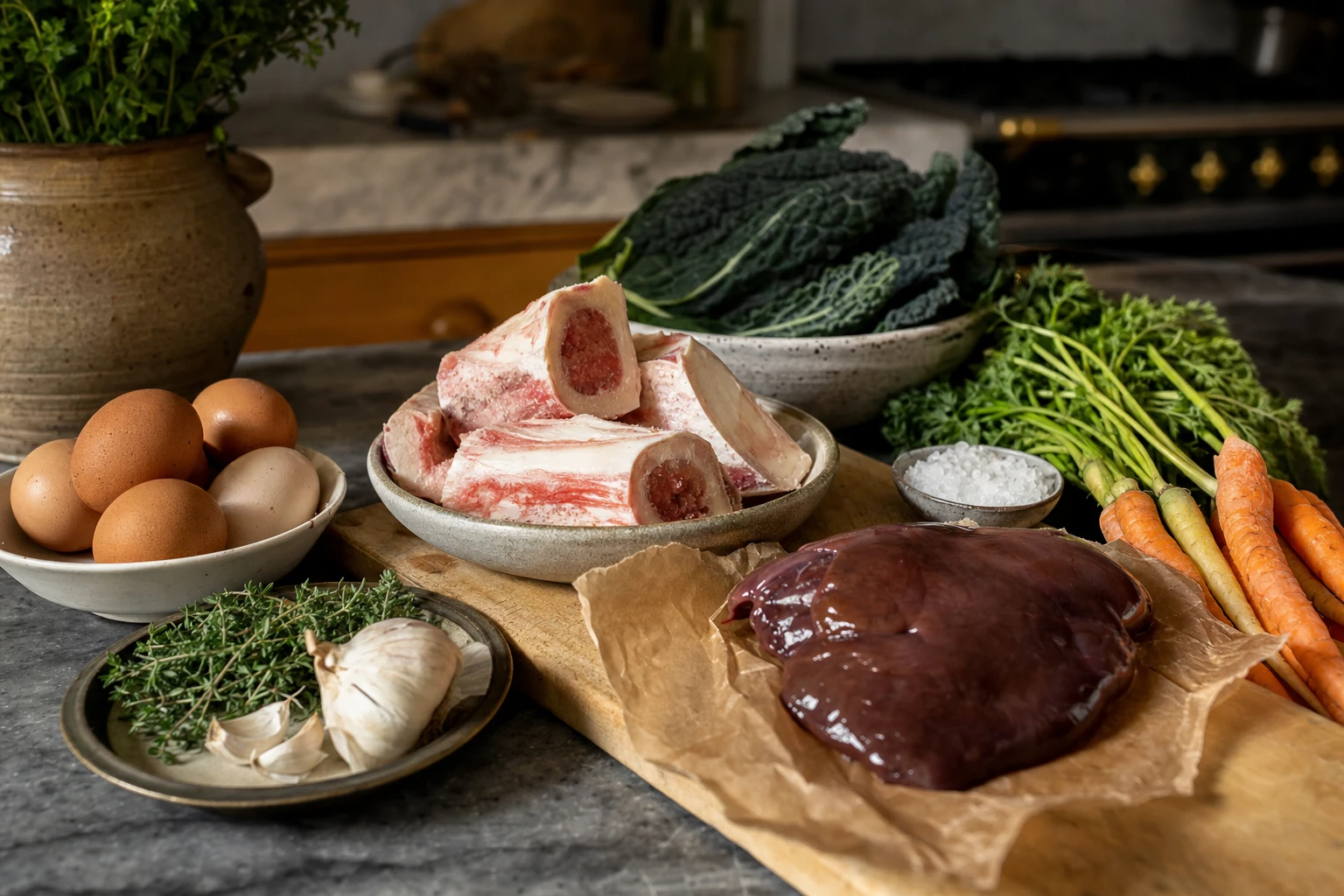
Real food is synergistic. Liver contains not just iron, but copper to help absorb it, B vitamins to use the iron, selenium to protect it, choline to transport it.1 Everything works together in a coordinated symphony. A multivitamin with isolated iron and B6 sits in the gut wondering where the cofactors are to make it work. The body recognises food. It doesn't recognise isolates at the same level.
Someone health-conscious knows this viscerally. They've felt it. They've taken every supplement protocol promised to fix them, paid the money, felt initial hope, then experienced... nothing. Or worse, side effects. What they're actually searching for is a return to the foods their body recognises: real nutrition from real sources, no marketing required.
The gift that lands with health-conscious people is the gift that respects their intelligence and their choices. Not another product promising they're broken. A product saying: you're on the right track, here's what makes it easier.
The best gift isn't a supplement that promises to fix them. It's support for eating the way they already know works, removing the friction from their routine.
Real food is the gift that keeps working
Whole food organs, not freeze-dried into unrecognisability, but recognisable as food. Liver that tastes like liver. Bone that simmered becomes broth. Organs that nourish without pretending to be something else, without marketing the transformation.
This is the gift that works because it doesn't ask the person to change their philosophy. It supports it. A person who's spent years learning to cook with real ingredients, to seek grass-fed sources, to avoid processed foods, to read labels and question marketing claims, recognises this as alignment, not another trend.
The gift lands because it's immediately useful. It's something they'd buy anyway but appreciated being given. It removes friction from their routine. It says: I see what you're doing. I understand why you're doing it. I support it. Here's something that makes the work easier.
And because it's food, not a supplement, it requires no explanation. It doesn't need a protocol or a dosing schedule. It just works, the way food has worked for thousands of years.
What health-conscious people actually want
Time. Energy. Permission to do what they already know works without guilt or doubt. Not another supplement claiming to optimise them into a different version of themselves.
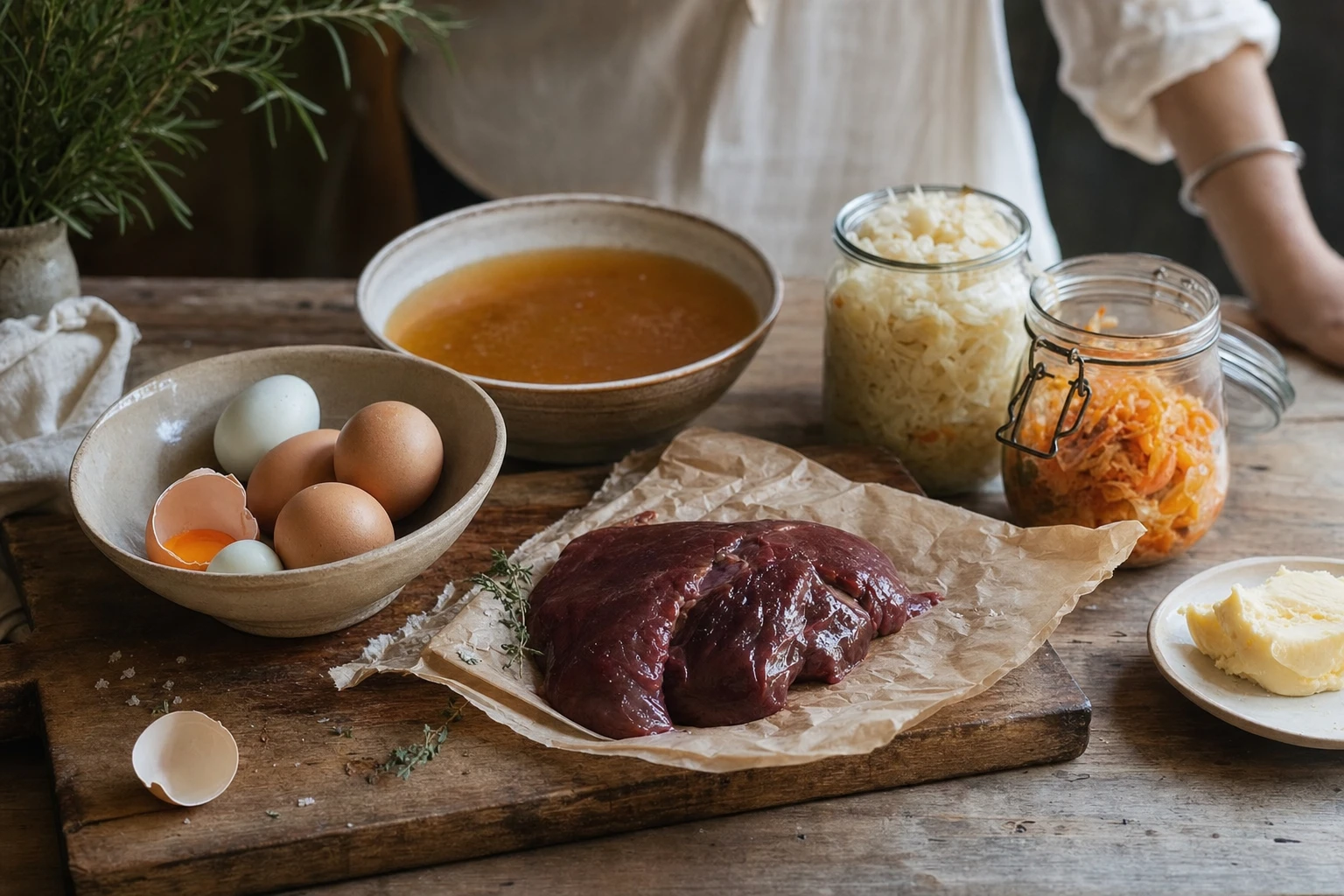
They want quality sourcing. Where did the food come from? Was the animal raised well? How was it fed? Is the brand transparent about its supply chain and testing? These aren't nice-to-have questions for this person. They're fundamental to their purchasing decisions.
They want consistency and reliability. One thing they can rely on, month after month, that supports their body without requiring them to become an expert in supplement protocols or to constantly research new products and chase trends.
They want permission to keep it simple. Not permission to add more. Permission to stop chasing. To trust that good food, properly sourced, is enough. To stop worrying they're missing some crucial protocol or biohack.
And honestly, they want to support brands that align with their values. Health-conscious people aren't just buying a product. They're voting with their money for the worldview they believe in. A real food company aligns with that vote.
Get stories from the community, free
Two short reads a week on the farmers, the standards, and the return to real food.
Unsubscribe anytime.
Family subscription: the gift of routine
A family subscription doesn't mean someone else is managing their nutrition. It means the family has access to real food, consistently, without the weekly farmer's market hunt or the stress of sourcing quality organs or the compromise of settling for supermarket quality.
It establishes routine. Every month, real food arrives. Children see it. Partners experience it. It becomes normal to nourish the family with whole foods rather than supplements. That normalisation matters. It shifts the household culture from supplement-reliant to food-reliant.
For a person already committed to health, a family subscription removes one barrier. They don't have to convince everyone else to try. They don't have to negotiate. It just arrives. The shift from individual effort to household norm is often the moment when real change sticks and becomes easy.
A family subscription also signals trust. It says: I believe in this enough to give it to everyone I love, not just myself.
The best gift isn't individual. It's family. It says: we're all in this together, and we're investing in real food as our foundation.
Gifts that support the lifestyle, not replace it
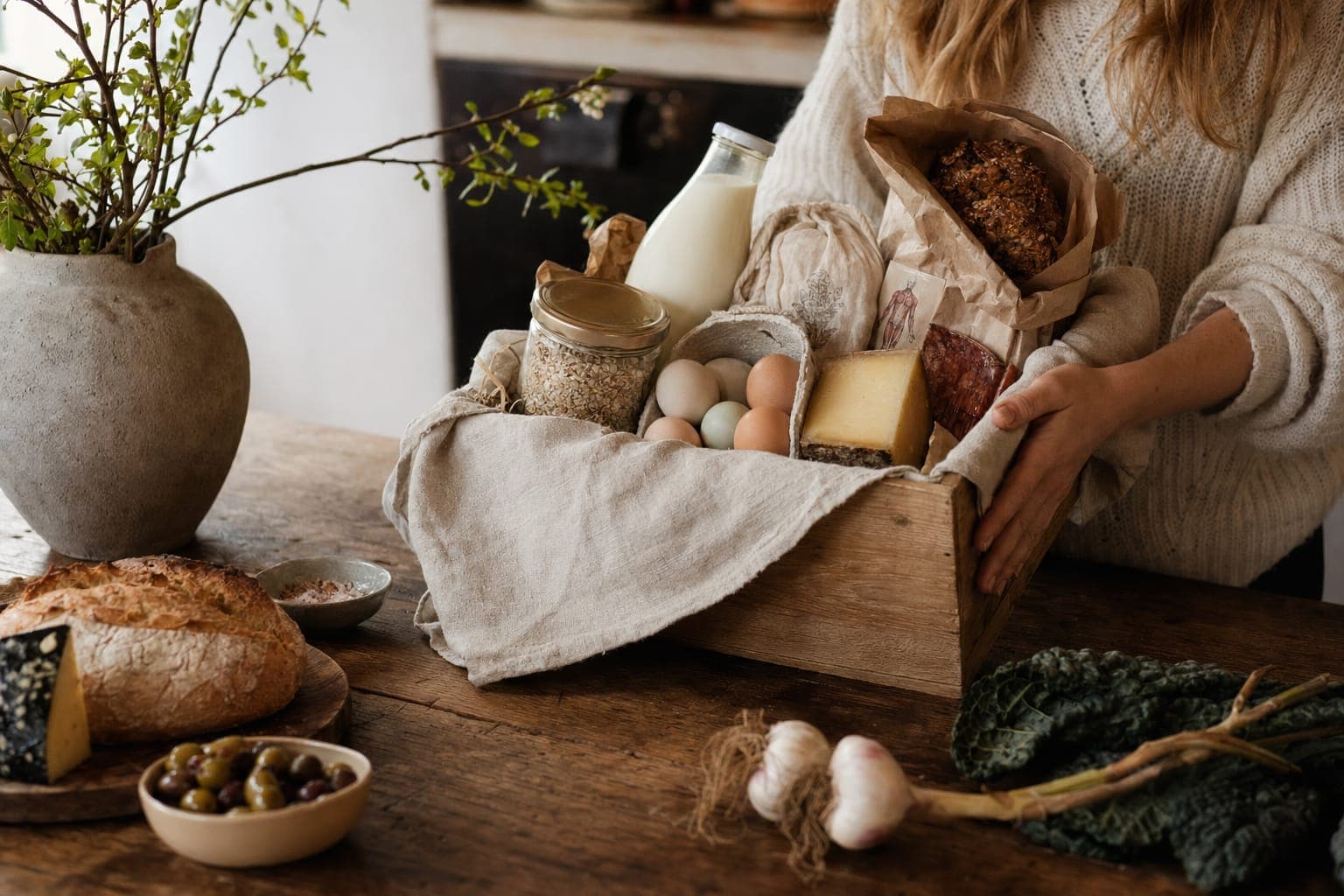
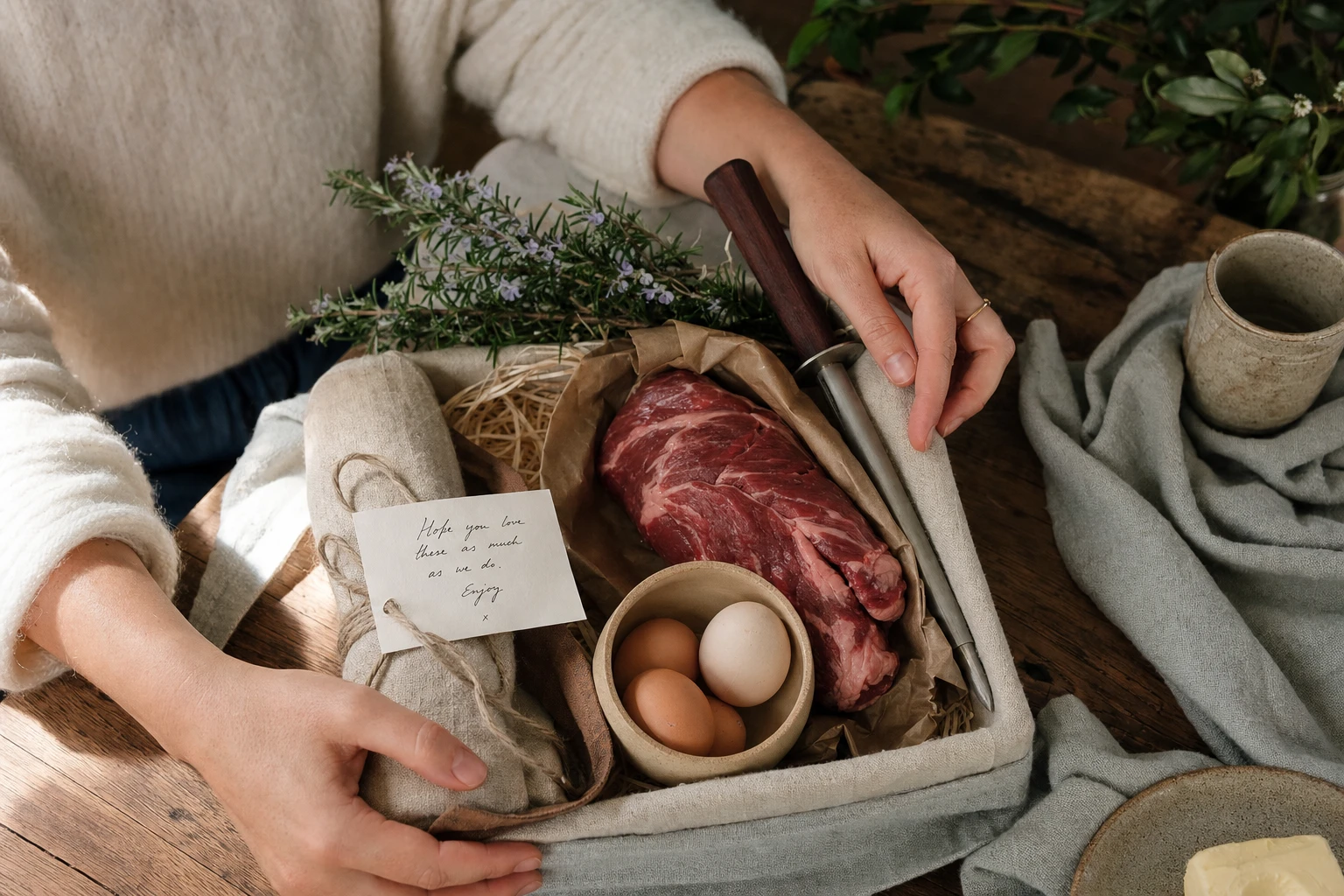
Pair real food with things that support its consumption and the lifestyle around it. A good kitchen knife for preparing organs properly. A cast-iron pan for cooking them in traditional fats. A slow cooker for bone broth. A book about traditional foodways or ancestral eating practices. A membership to a local butcher's loyalty programme.
A gift card to a local farm or farmers' market. A membership to a farm share. Something that deepens their access to real food rather than trying to replace the work with another pill. These gifts say: you're on the right track. This will make it easier.
A water filter for mineral-rich drinking water. Sea salt from a known source. Things that reinforce what they're already doing. Gifts that say: you're doing it right. Keep going. You have support.
The bottom line
Skip the supplement that promises everything. Skip the biohacking gadget claiming optimisation. The person who cares about their health doesn't need fixing. They need support for what they're already doing right.
Give them real food. Give them permission to keep it simple. Give them a family subscription that removes friction from their routine. Give them the gift of knowing that someone understands what they're trying to do, believes in it, and supports it.
References
Every source below was checked on 27 August 2026. Each link was requested and read. Where a citation and its identifier disagreed, the citation was corrected to the record or the reference was deleted along with the sentence marker that pointed at it, and where the resolved paper turned out not to support the sentence, the sentence was cut back to what it does support. Borrowed authority is worse than none, because it looks like rigour.
- National Institutes of Health, Office of Dietary Supplements. Vitamin A and Carotenoids: Fact Sheet for Health Professionals. https://ods.od.nih.gov/factsheets/VitaminA-HealthProfessional/ See also Iron (link), Copper (link), Choline (link) fact sheets [accessed May 2026].
Who wrote and reviewed this guide
Niall Kiddle
Author · Founder, Organised
Niall is the founder of Organised. He started the company in 2024 after fixing his own health the slow way: in 2022 he swapped a cupboard of synthetic supplements for real food, raw milk, organ meats, bone broth and honey, and felt the difference within months.
Areas of expertise: Ancestral nutrition, Organ meats, Whole-food supplementation, Gut health, Regenerative sourcing
Read Niall's full profile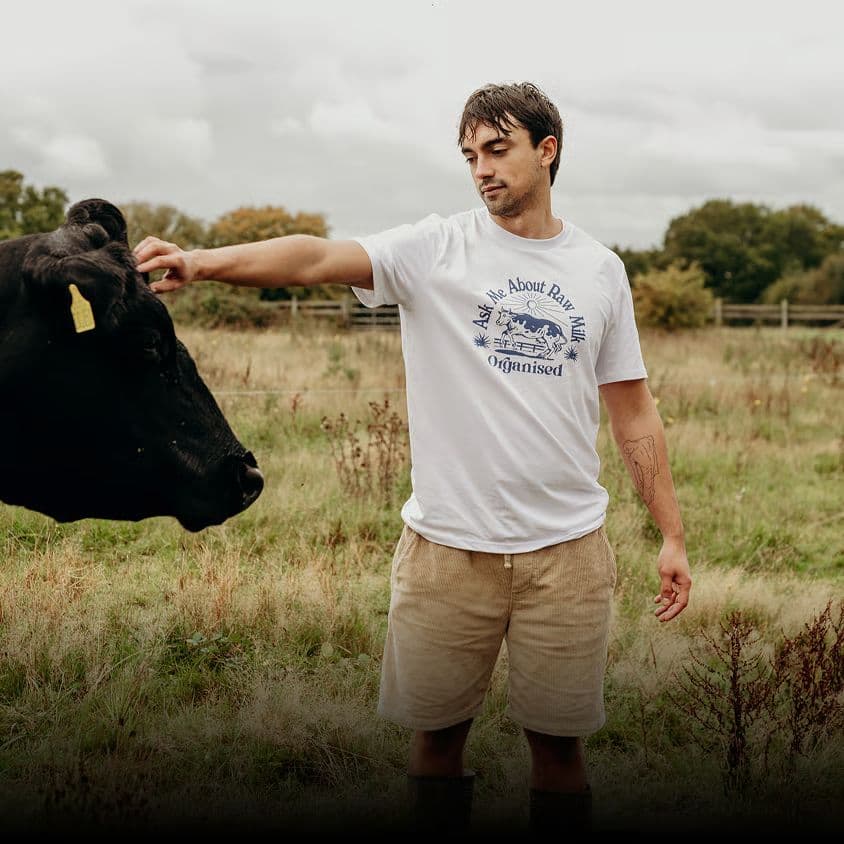
Pedro Rodrigues
Reviewer · Agronomist (farming and sourcing only)
Pedro is the agronomist Organised works with on farming and sourcing. His job on the guides is to keep the science honest: he reviews what we publish about soil health, regenerative agriculture, grazing and the way food is actually produced.
Areas of expertise: Regenerative agriculture, Agronomy, Soil health, Grass-fed farming, Food sourcing
Reviewed this guide on
Read Pedro's full profilePublished · Updated
1 cited sourceMakers of the Organised Daily blend, a grass-fed beef organ supplement from regenerative UK farms

Daily blend
Read next
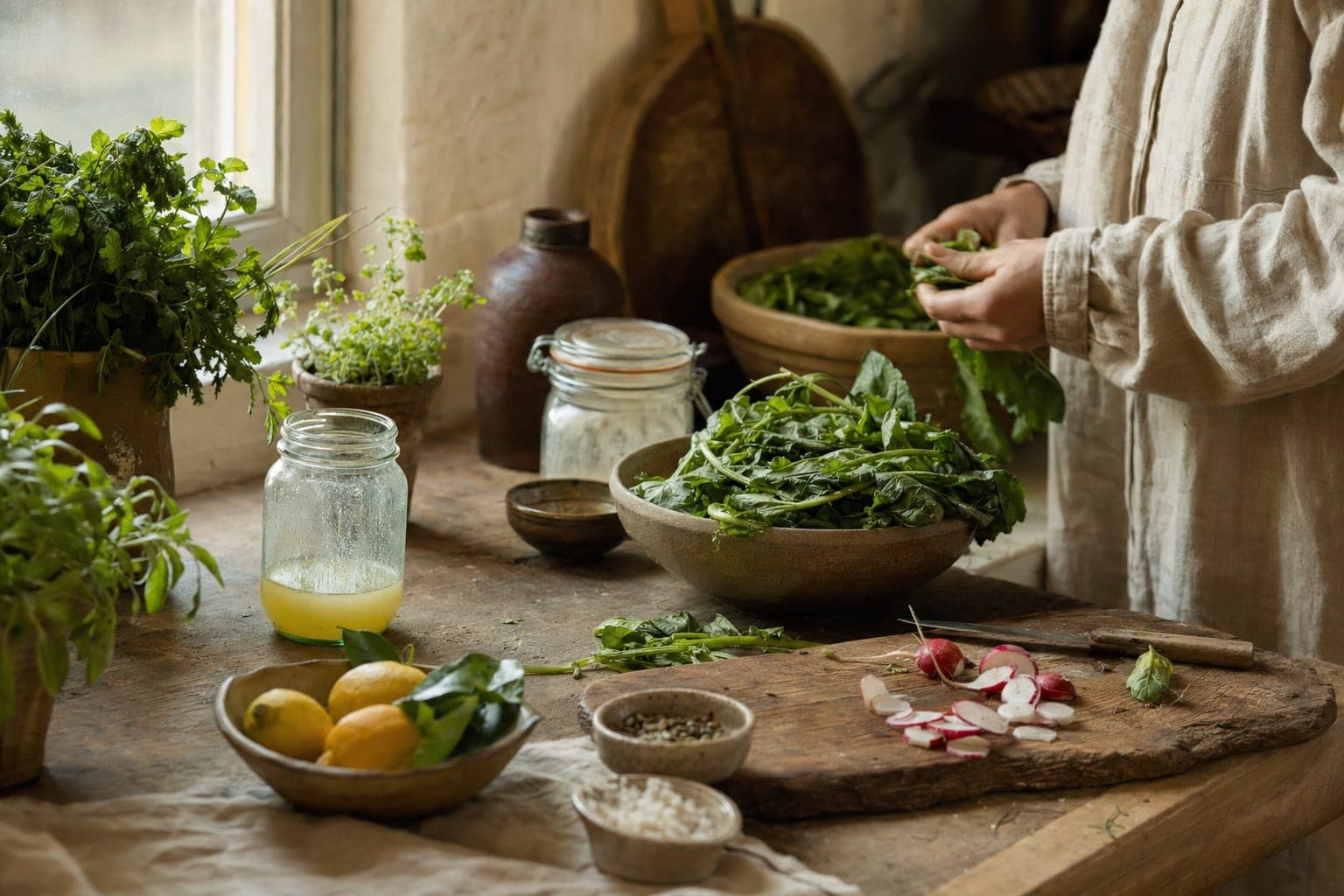
Spring Reset: A Whole Food Cleanse That Actually Makes Sense
Culture & communityForget juice cleanses. A real spring reset means bitter greens, liver support, and eating seasonally to match your body's natural rhythms.
The Rise of Ancestral Eating in the UK
Culture & community
New Year, Real Food: A Whole Food Resolution That Actually Works
Culture & community