Spring Reset: A Whole Food Cleanse That Actually Makes Sense
Every spring, the wellness industry sells you the same lie: juice fasts, powdered cleanses, the promise that eight days of liquid deprivation will erase winter. It won't. What actually resets your system is seasonal eating paired with gentle liver support, real food, and the arrival of spring vegetables your body has been waiting for.
By Niall Kiddle, Founder, Organised

Reviewed by Pedro Rodrigues, Agronomist (farming and sourcing only) ·
6 min read · Published · Updated · 2 cited sources
Makers of the Organised Daily blend, a grass-fed beef organ supplement from regenerative UK farms
Your ancestors reset in spring. Not through punishment. Through abundance of new food and the biological shift that longer daylight triggers. You can do that too, without the marketing spend or the expense of a fancy cleanse protocol.
Why spring asks for a reset
Winter is storage. You ate preserved food, stored root vegetables, and your metabolism shifted toward conservation. Your body accumulated what it needed to survive. Now daylight returns, food becomes abundant2, and your body signals: it's time to clear and move forward. This isn't your imagination. It's biology.
The liver bears the load of winter. It processed preservatives in stored foods, inflammatory seed oils quietly oxidising into free radicals, and whatever else you consumed without access to fresh vegetables. Spring is when your body naturally wants to shift toward clearer, lighter foods that support liver function rather than burden it. That's not marketing. That's your nervous system responding to seasonal change.
Spring energy shifts too. You wake earlier naturally. You want to move more. You crave green vegetables. These aren't trends. They're signals from your body that it's ready to transition.
A spring reset isn't about punishment. It's about listening to what your body actually asks for after winter and supporting that shift deliberately.
What a real detox actually means
Your liver detoxifies naturally. It doesn't need a juice fast or a powdered protocol. It needs real support: the nutrients that make detoxification enzymes function properly, and the removal of inputs that overwhelm it.
Detoxification requires phase 1 and phase 2 enzyme function. Phase 1 breaks down toxins into intermediate metabolites. Phase 2 packages those metabolites for elimination. Both require glutathione (the master antioxidant), sulphur, B vitamins, and minerals. These come from food, not supplements sitting in isolation on a shelf.
The best support for spring detox is not restriction. It's addition. Adding the foods your body's been deprived of: bitter greens that stimulate bile flow, sulphurous vegetables like onions and garlic that support the liver's glutathione pathways, colourful cruciferous vegetables like broccoli and cabbage that activate phase 2 enzymes, and enough quality protein and whole food carbohydrates to fuel the process without creating stress on your body.
Remove the obvious hindrances: reduce seed oils (vegetable oil, canola, sunflower), reduce ultra-processed foods with their additives and shelf-stability chemicals. Add bitter greens. Add spring vegetables. That's the reset. That's what works.
A juice fast, in contrast, removes fibre (which you need for proper elimination), removes protein and fat (which your liver actually needs), and creates a state of mild stress that can drive cortisol elevation. It's anti-restorative at precisely the moment your body wants to restore.
Liver support foods (not supplements)
Liver is the most nutrient-dense food on the planet. 85 micrograms of selenium per 100 grams. B vitamins at levels no supplement achieves without synthetic extraction. Copper, iron, choline, and vitamin A concentrated in a small organ. Spring is the season to eat it weekly, not occasionally.
The reason? Spring is when your liver's detoxification capacity matters most because you're transitioning away from stored, preserved foods toward fresh, living foods. Your liver needs to clear winter out. Feed it liver.
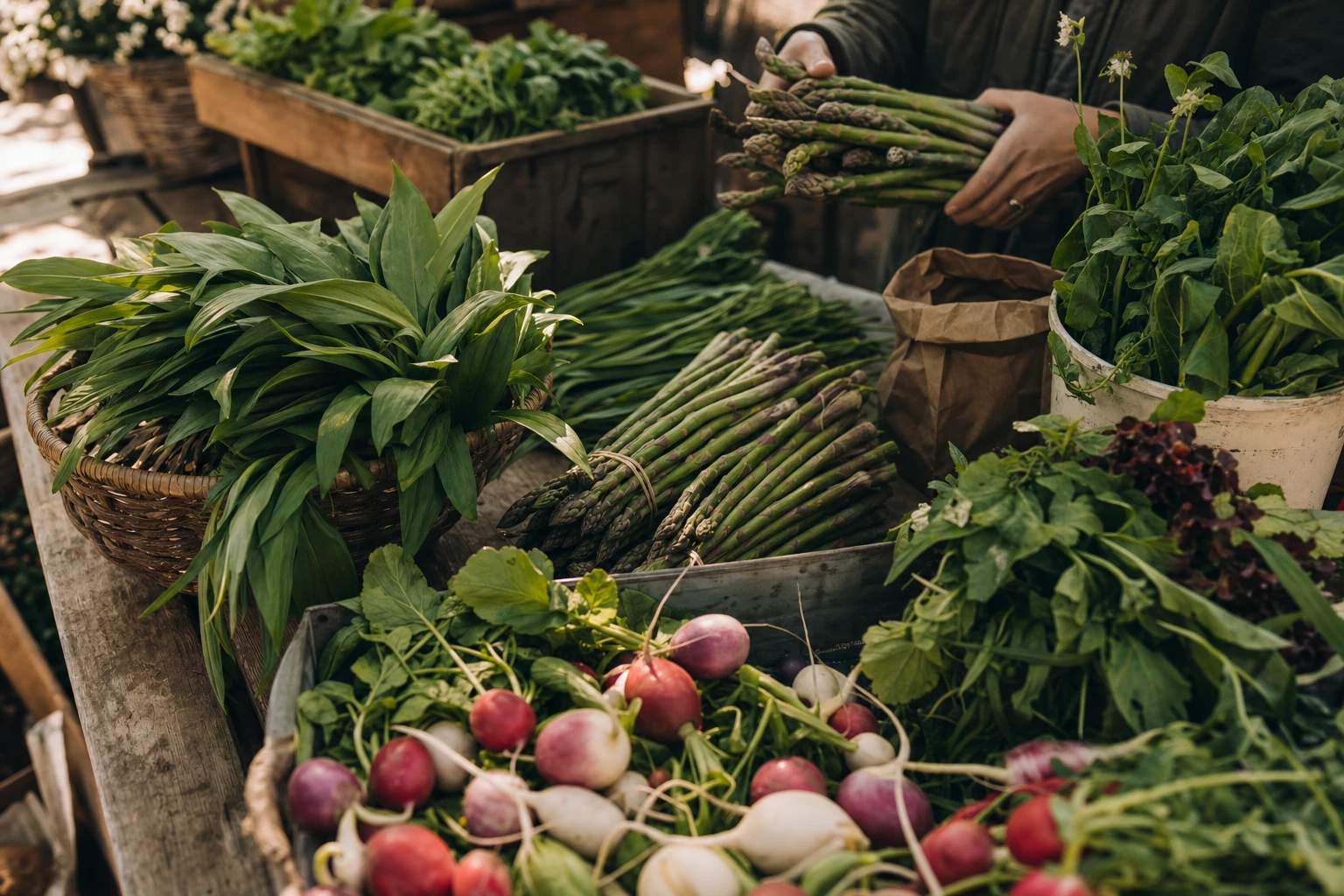
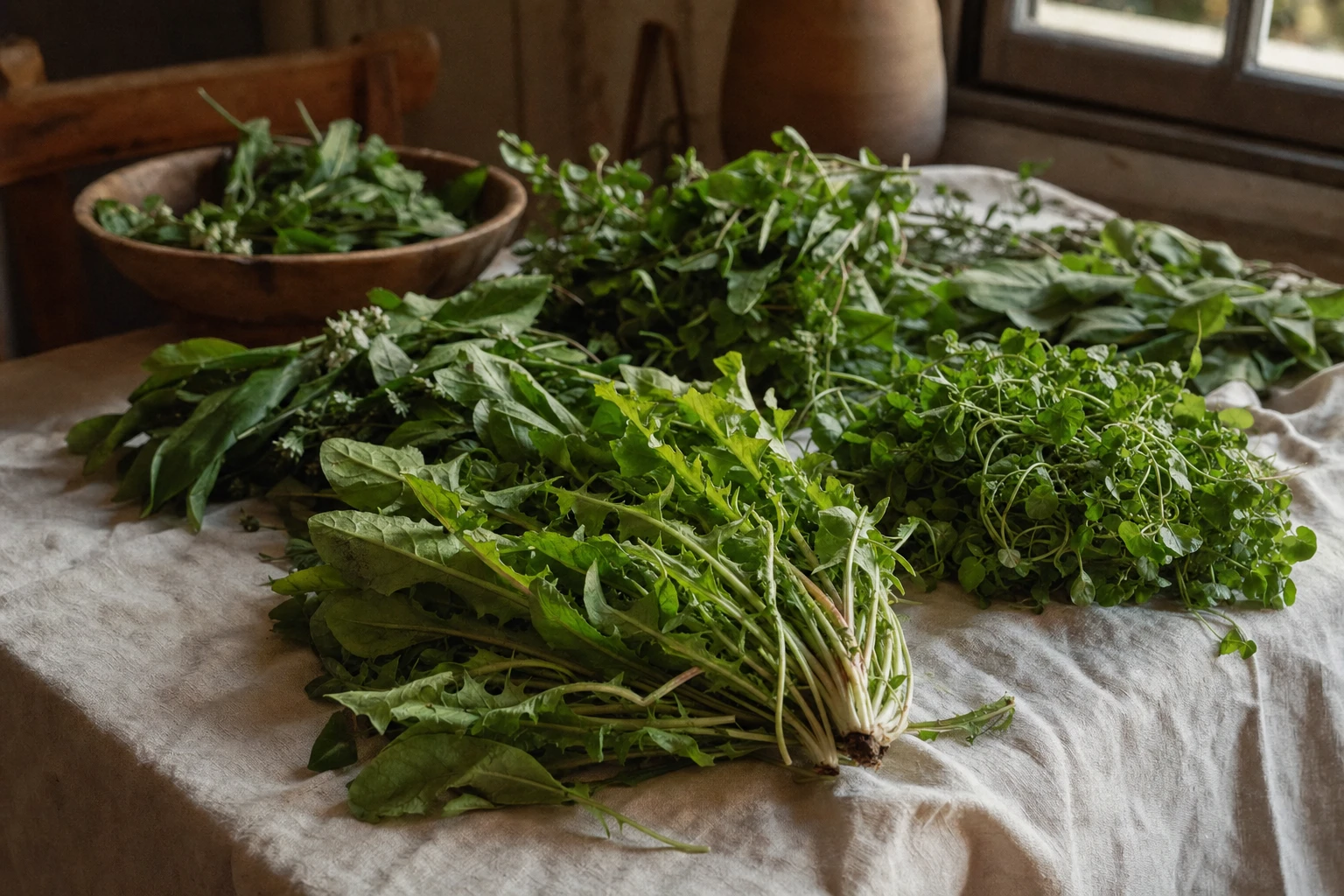
Bitter greens like dandelion, watercress, endive, and chicory stimulate bile production, which is how your liver naturally clears. These weren't side vegetables to your ancestors. They were central to spring eating, eaten fresh as the first sign of seasonal change. Eat a small handful raw in salads or lightly sautéed in butter. The bitterness matters. Don't dilute it with excessive seasoning.
Cruciferous vegetables like broccoli, cabbage, and cauliflower contain compounds (sulforaphane, indoles, glucosinolates) that activate the liver's phase 2 detoxification pathways. Lightly steamed is enough. Raw works too, though cooked is easier to digest if your gut is still recovering from winter eating patterns.
Alliums: garlic, onions, shallots, leeks. Raw and cooked both work. They contain sulphur compounds absolutely necessary for glutathione synthesis, the body's master antioxidant and primary detoxification molecule. A diet rich in alliums supports detoxification far more effectively than any supplement protocol.
Bone broth continues from winter into spring. It provides amino acids (glycine, taurine, proline) that support liver regeneration and the amino acid precursors your liver needs for phase 2 detoxification pathways. One cup daily with a pinch of salt is restorative without being excessive.
Liver, bitter greens, cruciferous vegetables, and alliums are your spring reset. No powder needed. No fasting required.
Get stories from the community, free
Two short reads a week on the farmers, the standards, and the return to real food.
By signing up you agree to receive emails from us. No spam, unsubscribe anytime.
Bitter greens: the forgotten spring appetite
Modern palates expect sweet. Your ancestral body expects bitter, especially in spring. Bitter compounds in plants signal the presence of phytochemicals that support digestion, stimulate bile, and activate detoxification pathways. When you crave bitter in spring, your body is asking for exactly what it needs.
Dandelion greens, now in season across the UK, taste mildly bitter and are packed with inulin (prebiotic fibre for beneficial gut bacteria) and minerals. Watercress has a peppery bite and supports thyroid function through its iodine and selenium content. Endive and radicchio are increasingly available at farmers' markets and supermarkets in April and May.
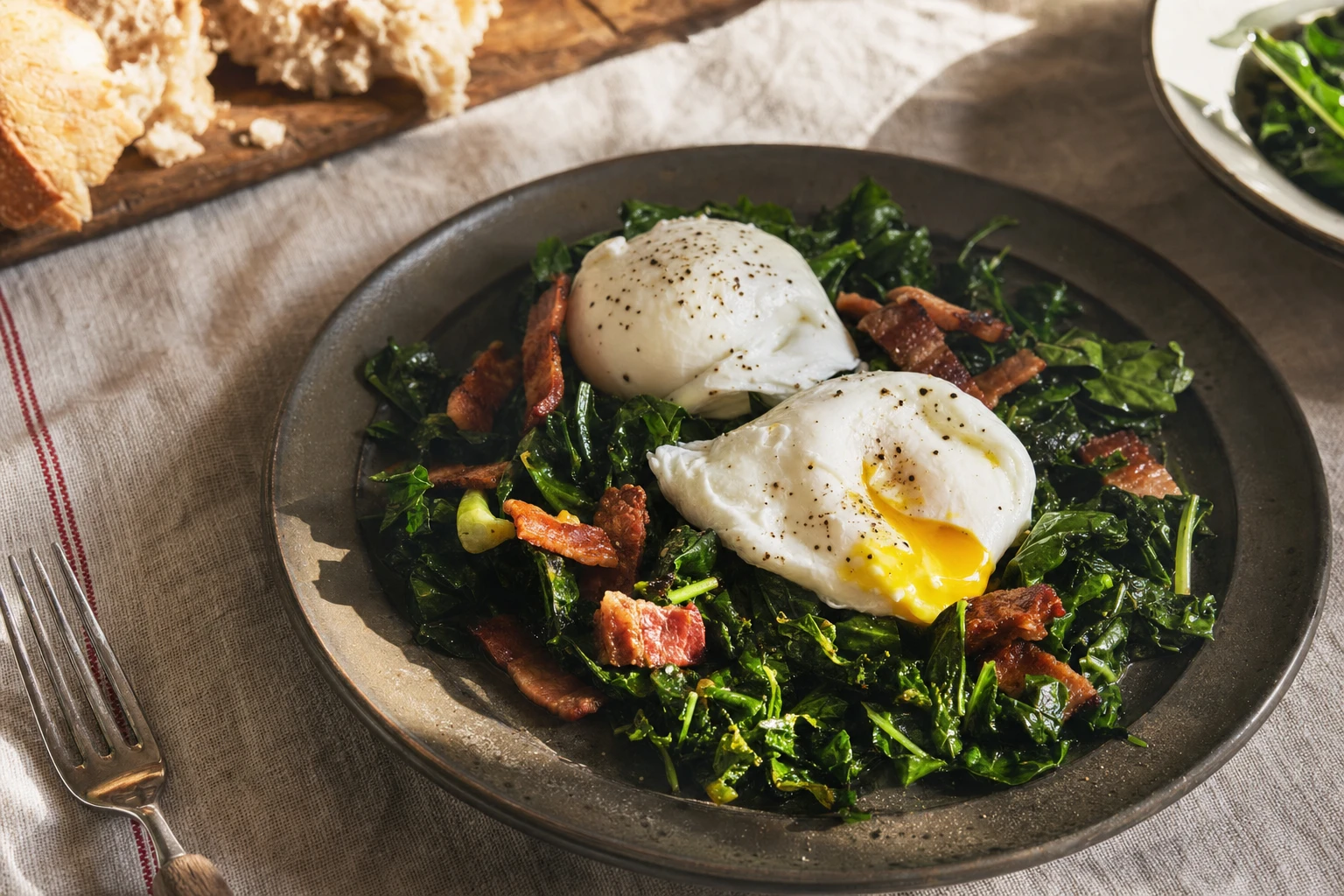
The trick isn't forcing yourself to enjoy them raw. It's pairing them with fat, which both makes them palatable and allows the fat-soluble compounds to be absorbed. Bitter greens sautéed in butter with garlic, finished with a squeeze of lemon, taste nothing like penance. They taste like spring. They taste like your body being cared for.
Start small. A handful of bitter greens with one meal daily. Within a week, you'll crave them. Your body recognises what it needs.


1 of 9
Daily blend
100,000+ thriving families4.9 on Trustpilot
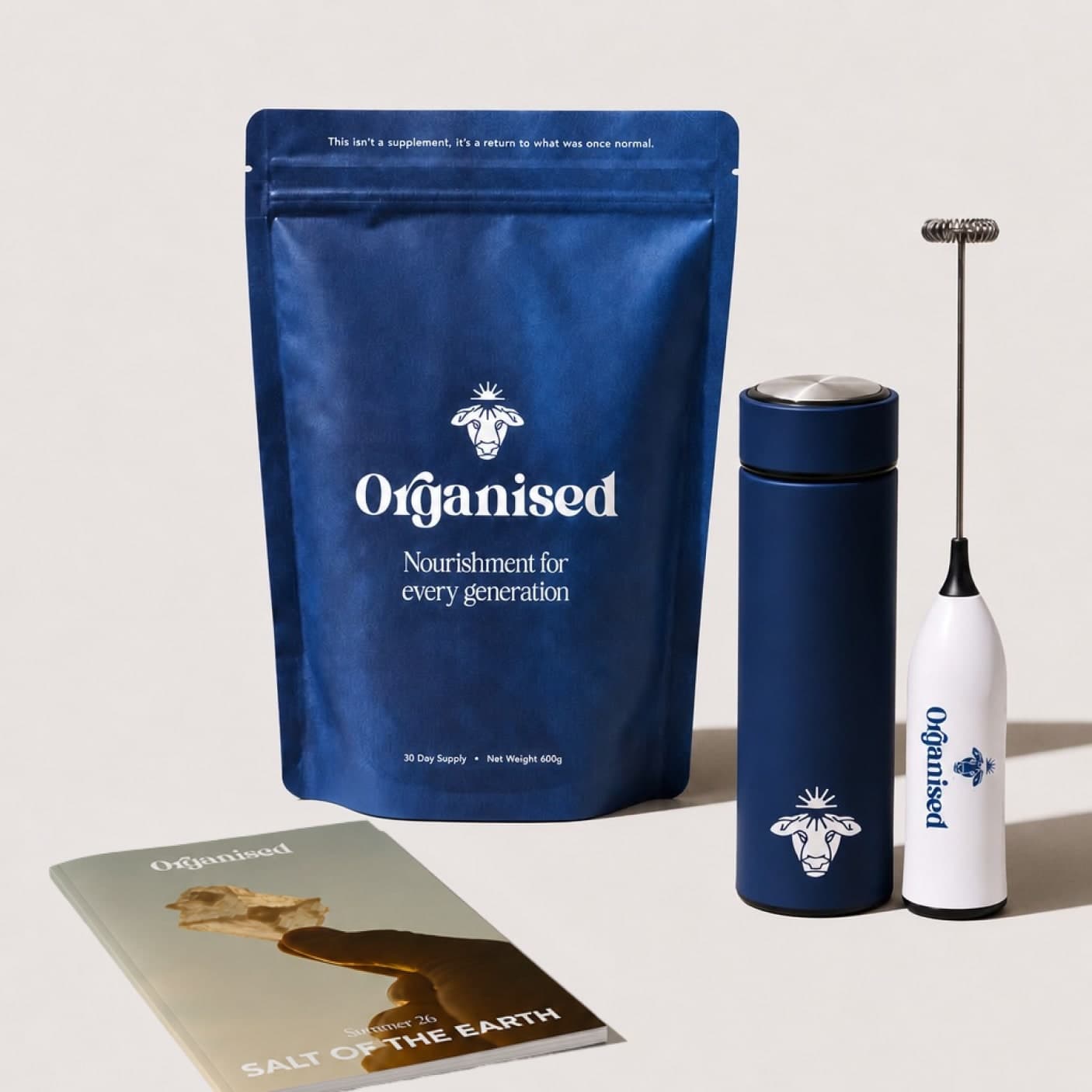
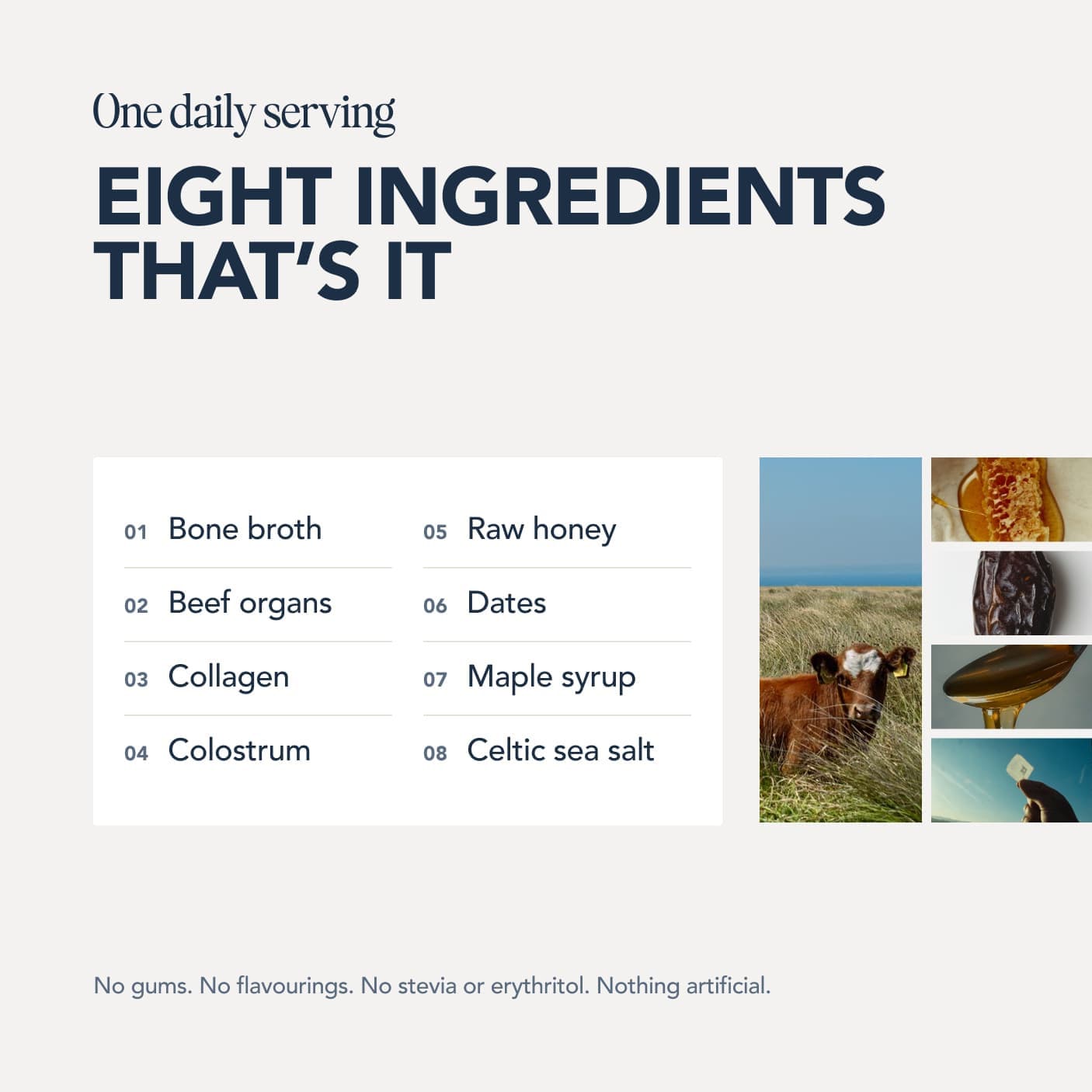
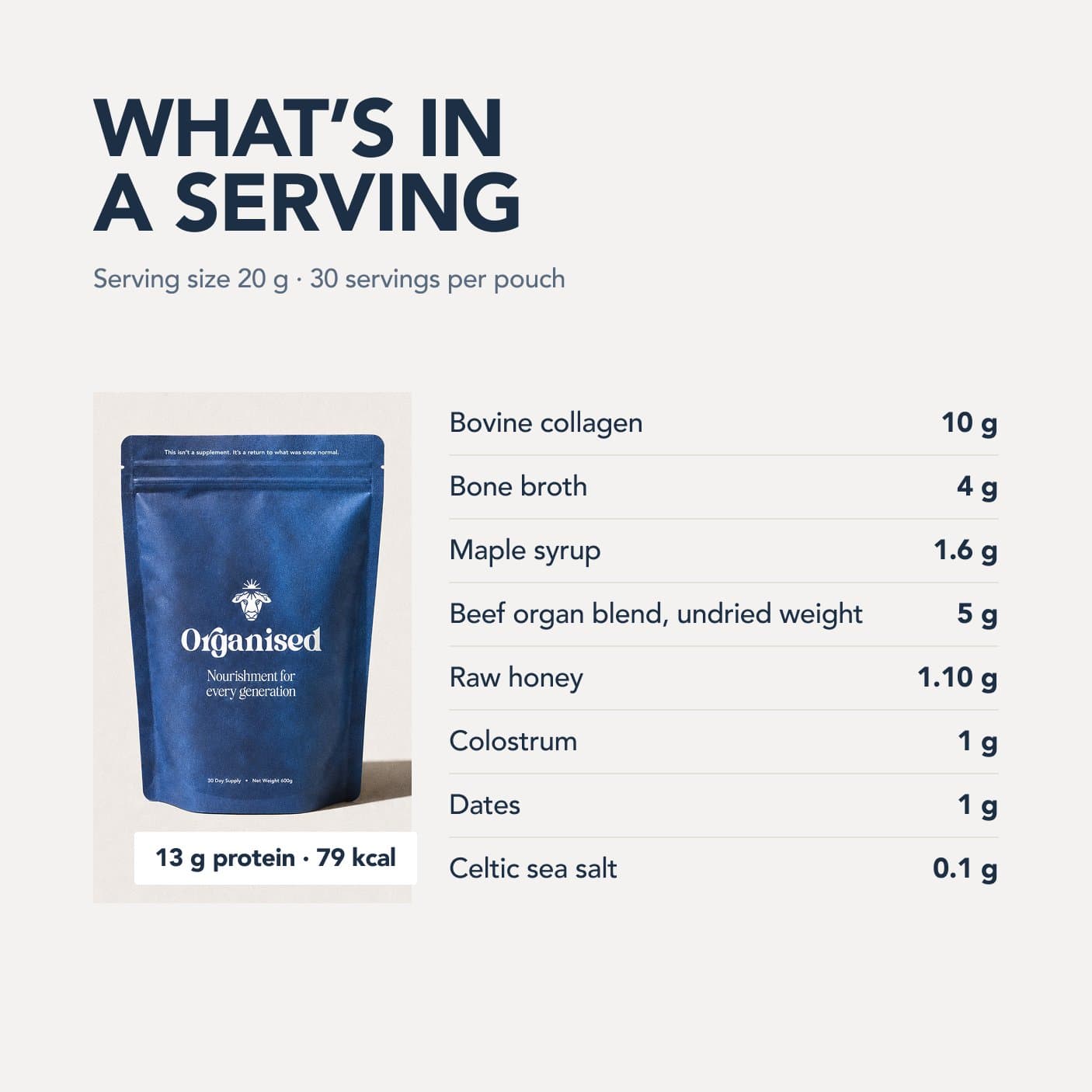
Eight real ingredients built around grass-fed beef organs, collagen and colostrum. Nothing synthetic added.
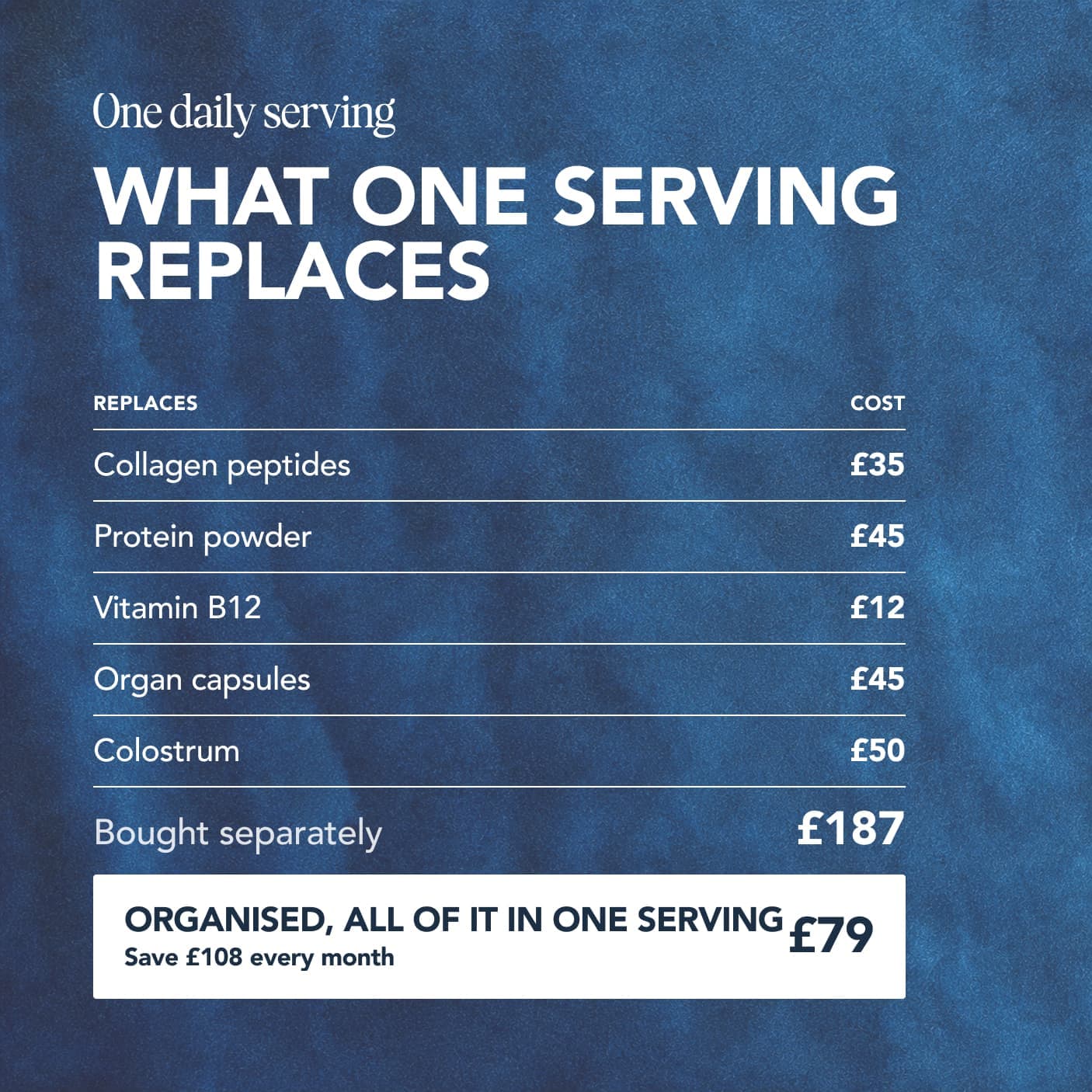
Free with your first order, worth £38. Plus £10 off the pouch with a subscription.



Free UK shipping · Made in England · 100 day money back guarantee on your first pouch · Skip, pause or cancel anytime
Seasonal vegetables and timing
Spring vegetables arrive in sequence, and eating them as they arrive signals your body that the season has genuinely changed. This sequential eating patterns supports your digestive adaptation and hormonal shifts.
Early greens in March: spinach, chard, spring cabbage. Asparagus in April, containing glutathione directly, ready to be steamed or roasted in olive oil. New potatoes and broad beans in May. Peas (sugar snaps, snow peas), bred for sweetness but seasonal and whole. Spring greens, leaf beet, and radishes add minerals and support bile flow.
Eating them as they arrive, not buying them year-round from storage or import, signals your body that the season has changed. Your metabolism responds. Your hormones shift. Your appetite adjusts. This is how seasonal eating works at a physiological level.
The act of eating seasonally is itself a reset. Your palate shifts from craving stews and rich foods toward wanting fresh, green, lighter dishes. Your digestion adapts. Your body recognises: spring has arrived.
Movement and daylight matter
A spring reset involves more than food. Daylight lengthens. Your circadian rhythm shifts naturally. Movement becomes easier and more appealing because your nervous system isn't fighting survival mode anymore.
Walking outdoors, especially in morning light, supports the hormonal shifts that accompany spring. It clears the stagnation of winter movement patterns. It supports digestion through gentle activity. It resets your nervous system from winter's conservation mode to spring's growth mode. Add this to eating seasonally, and your body does the rest.
The bottom line
Spring is when your body naturally resets. Not through restriction and punishment, but through abundance of seasonal whole foods, deliberate reduction of the industrial inputs that overload your system during winter, and alignment with the daylight and temperature changes that trigger your biology to shift.
Bitter greens, liver, cruciferous vegetables, and spring's arrival.1 That's your reset. No juice fast required. No expensive supplement protocol needed. Just real food, properly timed, and your body will do what it's evolved to do for thousands of years.
References
Every source below was checked on 27 August 2026. Each PubMed, PMC and DOI identifier was resolved against NCBI or Crossref, and what it opens is printed under the citation, so you can see the link goes where the citation says without leaving the page. Where a citation and its identifier disagreed, the citation was corrected to the record or the reference was deleted along with the sentence marker that pointed at it, and where the resolved paper turned out not to support the sentence, the sentence was cut back to what it does support. Borrowed authority is worse than none, because it looks like rigour.
- Higdon JV, et al. Cruciferous vegetables and human cancer risk: epidemiologic evidence and mechanistic basis. Pharmacol Res. 2007. PMC2737735.Checked 27 August 2026: PMC2737735 opens Higdon JV, Delage B, Williams DE et al, Cruciferous vegetables and human cancer risk: epidemiologic evidence and mechanistic basis. Pharmacol Res 2007;55(3):224-36. PubMed indexes it as: Review.
- Wehr TA. Photoperiodism in humans and other primates: evidence and implications. J Biol Rhythms. 2001. PMID 11506380.Checked 27 August 2026: PMID 11506380 opens Wehr TA, Photoperiodism in humans and other primates: evidence and implications. J Biol Rhythms 2001;16(4):348-64. PubMed indexes it as: Review.
Who wrote and reviewed this guide
Niall Kiddle
Author · Founder, Organised
Niall is the founder of Organised. He started the company in 2024 after fixing his own health the slow way: in 2022 he swapped a cupboard of synthetic supplements for real food, raw milk, organ meats, bone broth and honey, and felt the difference within months.
Areas of expertise: Ancestral nutrition, Organ meats, Whole-food supplementation, Gut health, Regenerative sourcing
Read Niall's full profile
Pedro Rodrigues
Reviewer · Agronomist (farming and sourcing only)
Pedro is the agronomist Organised works with on farming and sourcing. His job on the guides is to keep the science honest: he reviews what we publish about soil health, regenerative agriculture, grazing and the way food is actually produced.
Areas of expertise: Regenerative agriculture, Agronomy, Soil health, Grass-fed farming, Food sourcing
Reviewed this guide on
Read Pedro's full profileMore on seasonal
View allBrowse the guides library
All guidesKeep reading
Culture & community
Against Ultra-Processed: A Manifesto for Real Food
A manifesto for real food over ultra-processed products. Why a way of eating your body already understands beats the packets, and how to come back to it.
Culture & community
Food Sovereignty: Taking Back Control of What You Eat
Understanding food sovereignty, why knowing your food sources matters, and how to resist industrial food systems through local and regenerative choices.

Culture & community
How to Talk to Your Family About Changing the Way You Eat
Navigate family resistance to dietary change. Address common pushback, communicate benefits, and manage eating in a shared household without conflict.
Real food, made effortless
Shop the blendA few ways to use it
All recipes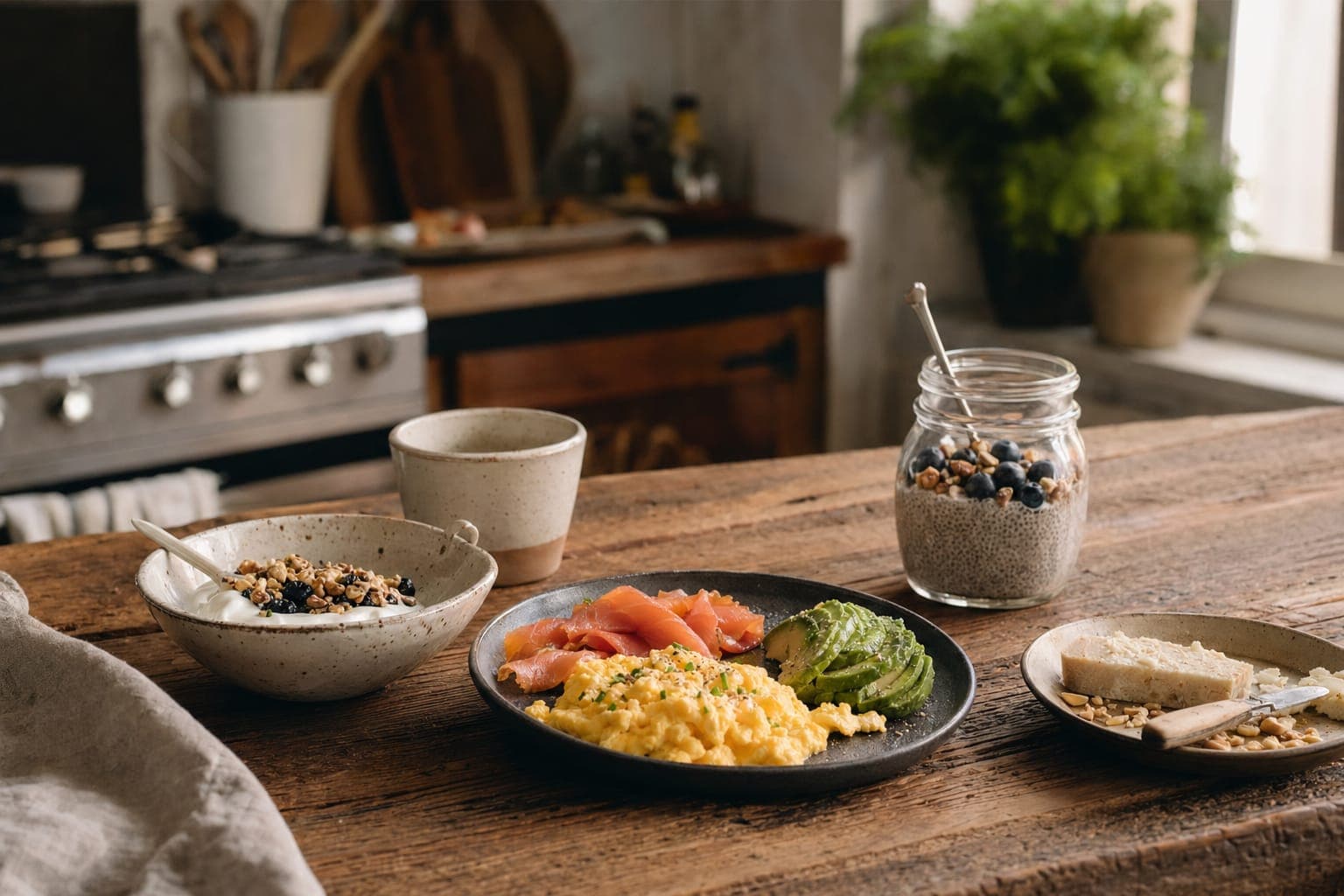
5-Minute High-Protein Breakfasts Using Organised
Quick, high-protein breakfast ideas using Organised. Five recipes you can make in minutes with real food. No fussing around.
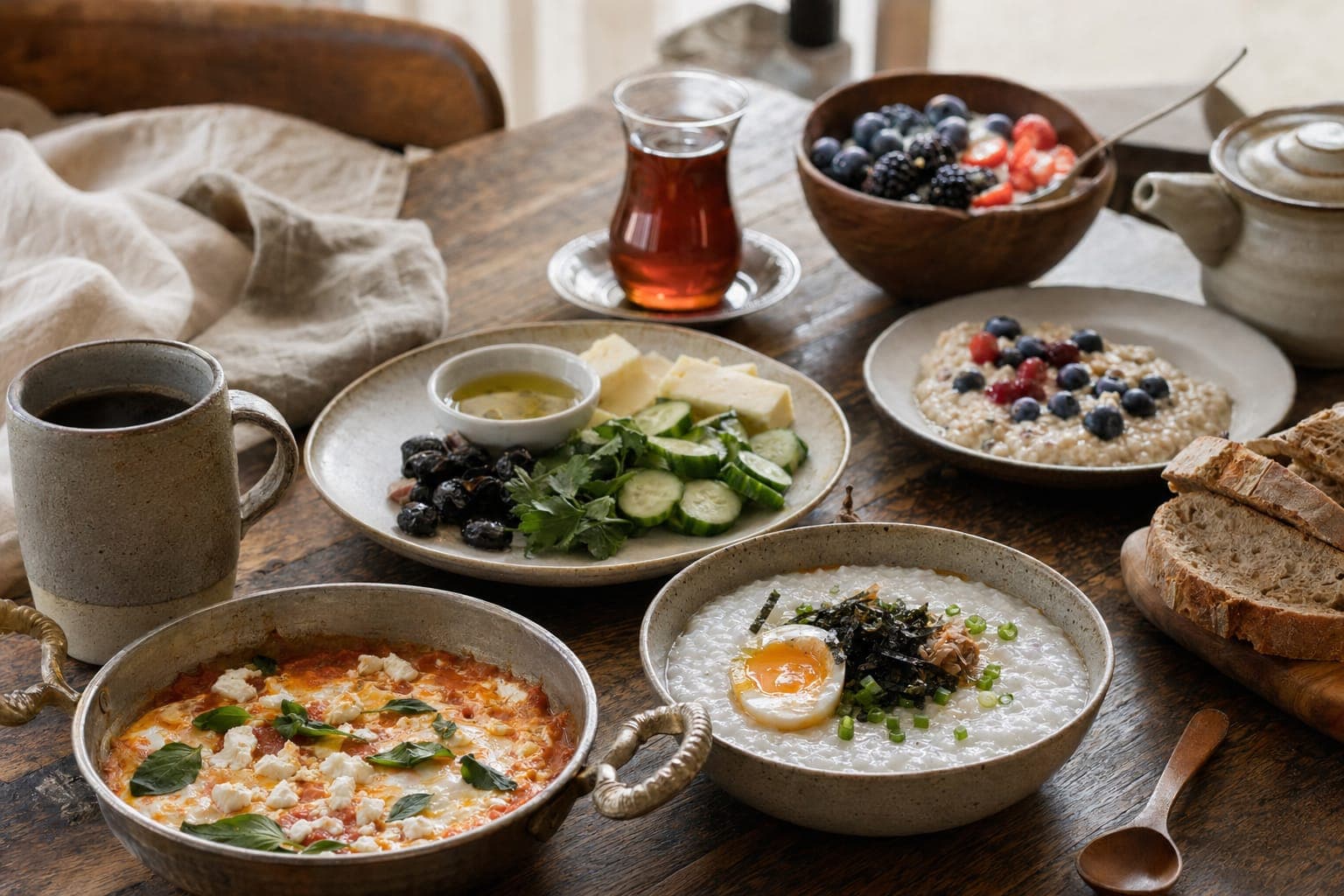
Ancestral Breakfast Ideas from Around the World
Traditional breakfast recipes from cultures that got nutrition right. Japanese, Turkish, Scottish, and more. Whole-food breakfast inspiration.

Energy Balls with Organised, Dates and Raw Honey
Make no-bake energy balls with Organised, dates, and raw honey. Perfect lunch box, pre-workout, or on-the-go snack. Simple recipe.


 Join over 100,000+ members
Build a better food system with us
The Organised community is thousands of people choosing real food and backing the farmers who grow it, all of us trying to leave the world a little better than we found it. If that is what you care about too, you belong here.